


 购物车
购物车 个人中心
个人中心
?zlemek Sevmekse, ?zlüyorum Seni
¥9.16
B?R DAMLA SEVG?YLE MERHABA ?Dokunan hafif bir esinti, bir damla ya?, bir kü?ük ka?amak bak??tan ve bir tatl? s?zden sonra yüre?in ?eperlerine yap???p kalan a?k?n izleriyle dolu ya?amakt?r belki de istenilen… ??zlemek sevgiyle yüre?e dokunmaksa; bir tatl? s?z, bir gidenin ard?ndan kalan iz, bir hüzün i?indeki umutsuzluklarda bile, umut arayan kalple var olmakt?r kimbilir belki de i?imizde kalan… ??zlemek; a?k?n g?zya?lar?nda, yar?n? olmayan a?klarda ve bir garip a?k?n i?inde bile mutlulu?u, sevginin kanatlar?nda ?zlemle arayarak yazmakt?r belki de sayfalarda saklanan… ?Kim bilir belki de sevgiyi i?inde bularak kanatlanmakt?r, kanats?z hallerinde bile ?zlemle a?ka u?makt?r… ?Her okunan ?iirin i?inde hissedebilmektir belki de; tarifi olmayan, tarifsiz o duyguyu, yüre?indeki bir k?v?lc?m ate?iyle canland?r?p ya?atabilmektir belki de arzulanan... ?Sevgiyle dolu sayfalarda, hissettiklerinizi bulup dolu dolu ya?aman?z dile?iyle… Cengiz ?ET?K 1964 y?l?nda Konya/Karap?nar do?du. ?lkokulu Emirgazi il?esinde okudu. Ortaokulu ve liseyi Karap?nar’da okudu. Endüstri Meslek Lisesi Torna tesviye’den mezun oldu. 1989 y?l?nda Burdur E?itim Yüksek Okulu’ndan S?n?f ??retmeni olarak mezun olduktan sonra 1990 y?l?ndan bu yana zaman zaman idarecilik yapsa da ?u an Uzman S?n?f ??retmeni olarak ?al??makta olup iki k?z babas?d?r. 1986 y?l?nda ilk ?yküsü “sonun Ba?lang?c?” bir sinema dergisinin a?t??? yar??mada birinci gelmi?tir. Finike yerel gazetelerinde 2005 y?l?ndan sonra bir?ok k??e yaz?lar? yay?nland?. 2006 y?l?nda ilk ?iir kitab? “Son S?züm Sana Gülüm” yay?nlad?. ?kinci kitab? “Siyahlarday?m Alev Bak??l?m” 2008 y?l?nda yay?nland?. Ayr?ca güfte halinde “ Siyahlarday?m” 2010 y?l?nda ve “Vazge? G?nlüm” 2016 y?l?nda iki ?iiri bestelenip ?ark? olarak hayat bulmu?tur. 2017 y?l? son ay?nda ilk bilimkurgu roman? “Pokentranl? G?kmen” okurlar?yla tan??t?.
A Lincoln Conscript
¥27.88
On the second day of July in the year 1863 the Civil War in America was at its height. Late in the preceding month Lee had turned his face northward, and, with an army of a hundred thou-sand Confederate soldiers at his back, had marched up into Penn-sylvania. There was little to hinder his advance. Refraining, by reason of strict orders, from wanton destruction of property, his soldiers nevertheless lived on the rich country through which they passed. York and Carlisle were in their grasp. Harrisburg was but a day’s march away, and now, on this second day of July, flushed with fresh victories, they had turned and were giving desperate battle, through the streets and on the hills of Gettysburg, to the Union armies that had followed them. The old commonwealth was stirred as she had not been stirred before since the fall of Sumter. Every town and village in the state responded quickly to the governor’s call for emergency troops to defend the capital city. Mount Hermon, already depleted by gen-erous early enlistments, and by the draft of 1862, gathered to-gether the bulk of the able-bodied men left in the village and its surroundings, and sent them forth in defense of the common-wealth. Not that Mount Hermon was in especial danger from Lee’s invasion, far from it. Up in the northeastern corner of the state, on a plateau of one of the low foot-hills of the Moosic range, sheltered by the mountains at its back, it was well protected, both by reason of distance and location, from the advancing foe. But Mount Hermon was intensely patriotic. In the days preceding the Revolution the sturdy pioneers from Connecticut had met the equally sturdy settlers from the domain of Penn, and on this plateau they had fought out their contentions and settled their differences; the son of the Pennamite had married the daughter of the Yankee; and the new race, with love of country tingeing every drop of its blood a deeper red, had stayed on and possessed the land. So, on this July day, when the armies of North and South were striving and struggling with each other in bloody combat back and forth across the plain and up the hills of Gettysburg, Mount Hermon’s heart beat fast. But it was not for themselves that these people were anxious. It was for the fathers, husbands, sons, lovers in that army with which Meade, untried and unproven, was endeavoring to match the strategy and strength of Lee. News of the first day’s skirmishing had reached the village, and it was felt that a great battle was imminent. In the early evening, while the women were still busy at their household tasks, the men gathered at the post-office and the stores, eager for late news, anxious to discuss the situation as they had learned it. In the meantime the boys of the town had congregated on the village green to resume the military drills which, with more or less frequency, they had carried on during the summer. These drills were not wholly without serious intent. It was play, indeed; but, out of the ranks of these boys, three of the older ones had already gone to the front to fight real battles; and it was felt, by the men of the town, that the boys could not be too thoroughly imbued with the military spirit. So, on this July evening, wakened into new ardor by the news from Gettysburg, they had gathered to resume their nightly work—and play.There were thirty-three of them, ranging in years all the way from eight to eighteen. They were eager and enthusiastic. At the command to fall in there was much pushing and jostling, much striving for desirable places, and even the young captain, with great show of authority, could not quite adjust all differences to the complete satisfaction of his men.Before the confusion had wholly ceased, and while there were still awkward gaps in the ranks, a tall, straight, shy-mannered boy of seventeen, who had remained hitherto on the outskirts of the group, quietly slipped into one of the vacant places.
Laboratuardaki ?blis: ?iir
¥27.71
Yirmi birinci yüzy?lda, teknolojik geli?melerin de etkisiyle, büyük bir "öz güven patlamas?" ya?ayan insanl?k; kurulu?undan bu yana kendi yasalar?na göre çal??an ba?ta ekolojik sistem olmak üzere: Biyolojik ve jeolojik sistemlere müdahale ederek; kendi kurallar?na göre de?i?tirmeye kalkt?. ??te, ba?ta baz? hastal?klar olmak üzere; birçok sorunlar da burada ortaya ç?kt?. Maalesef bugün nerede ise hepimiz, hastay?z! Hastal?klar?m?z?n ise çe?it çe?it ad? olsa bile en yayg?n olan?: "Parçalama Hastal???" olup çok da kolay tedavi edilebilecek gibi de görünmemektedir.Günümüzde, teknolojik geli?mi?li?in de etkisiyle: ?nsano?lu, bütünü anlamak için onu parçalamay? seçti. Parçalar? üzerinden bütünü; anlamaya ve tan?maya çal??maktad?r.. Oysa ki, parçalar? birle?tirerek bütünü tan?mak hem daha kolay, hem de daha do?al bir yöntem oldu?unu da bilmesine ra?men.Y?llard?r; maddeleri parçalad?k yetmedi. Atomlar? parçalad?k bitmedi. Bu i? daha nereye kadar gidecek? Ve ne kadar daha sürecek? Bilinmez! Ancak bizler, bir an önce maddeleri ve sistemleri parçalamaktan vazgeçmek mecburiyetindeyiz! Yoksa: Korkar?m çok yak?nda, yeryüzündeki ya?am? kökünden bitirece?iz!..Bu arada, baz? "Laboratuvar Ka?iflerine" de birkaç hat?rlatmada bulunmak isterim:Hani; Sizlerin, mikro organizmalar? incelemek için hergün bakt???n?z o devasa büyüteçler'iniz (Dev Elektron Mikroskoplar?n?z) var ya! ??te o büyüteçler; inceledi?iniz o organizmalar?, sizlerin gözünde milyonlarca kez büyütmekte iken; sizleri de belki onlar?n "gözünde" milyonlarca kez küçültüyor olmas?nlar (?) Yine: Belki de sizler; onlar? tan?maya çal???rken; onlar da bizleri anlamaya çabal?yor olmas?nlar? Dahas?: Belki de onlar da bizleri merak ediyorlard?r (?) Kim bilir? Ne dersiniz? Bir de böyle dü?ünmeyi denemelisiniz!.."LABORATUARDAK? ?BL?S"{???R L?STES? & ?Ç?NDEK?LER}:YAZAR HAKKINDA {ÖZ GEÇM??}TANITMALIK {PROSPEKTÜS}T?N VE TENZERRELABORATUARDAK? ?BL?SB?ZDEN M?D?R?RUH YARASIKONDUNEFES?ST?R?DYEN?N HÜNER?MOLEKÜLER SEYAHATYARI?L?NÇHIZ/HAZ ÇEL??MECES?HAL?S YAPAYLIKLAR D?YARINDA -1MAZ?DEK? AYAK ?ZLER?MMAN?SA TARZANIARKA KAPAK?a’irin Yay?nlanm?? Di?er Kitaplar?VEYSEL TOPALO?LU (?A?R; SADEKUL)
The Road to Femininity: A New Life for a New Woman
¥52.65
This book is a guide for trans women who need help in their first steps to becoming who they are, as well as experienced trans women who wouldn't mind some more advice dealing with everyday issues they might face. The Road to becoming a Woman has never been easy. Even though society has changed over the years, humanity still has a long way to go... Some countries are more accepting, while others are not. This book highlights most of my experience as a transitioning woman living in Greece. A country that does not legally accept transgenders or support LGBT rights for that matter. My advice will help you avoid a lot of mistakes I’ve made in the past and hopefully have an easier time becoming who you are with less heartache. Being who you are is difficult but not impossible. Just stay true to yourself and remember... This is YOUR LIFE!

The Garden of Divine Songs and Collected Poetry of Hryhory Skovoroda
¥90.03
Hryhory Skovoroda is considered by many as the first great Slavic philosopher and poet. Written over a period stretching from the 1750s until 1785, his The Garden of Divine Songs is a unique collection of 30 poems, featuring a complex system of strophic structures and with only a few of the songs written in a traditional way. Skovoroda never repeats one and the same strophic structure; this being the case, his Garden of Divine Songs according to writer-scholar Valery Shevchuk functions as a “practical guide to the art of poetry”, exemplifying all the meters and strophic patterns that were possible in Ukrainian poetry of that time. The poet makes masterful use of the accomplishments of academic poetry; the so-called “songs of the world” are the most prominent poems in this collection. These songs are an expression of Skovoroda's views in poetic form, and many ideas from The Garden of Divine Songs, such as the search for happiness in the world in song 21, would later form the basis for some of Skovoroda’s philosophical treatises. Skovoroda’s originality, and his ability to approach the most cardinal problems of human existence, stem from his capacity to combine known motifs, borrowed from literary sources such as classical texts, the Bible, and ancient Ukrainian poetic works, with his own system of thinking that focuses on his philosophy of the heart. The complete poems of Skovoroda are appearing in their entirety here in English for the first time, accompanied by a guest introduction by prominent Ukrainian writer Valery Shevchuk. This title has been realised by a team of the following dedicated professionals: Translated by Michael M. Naydan with an introduction by Valery Shevchuk Translations Edited by Olha Tytarenko Maxim Hodak - Максим Ходак (Publisher), Max Mendor - Макс Мендор (Director), Ksenia Papazova (Managing Editor).
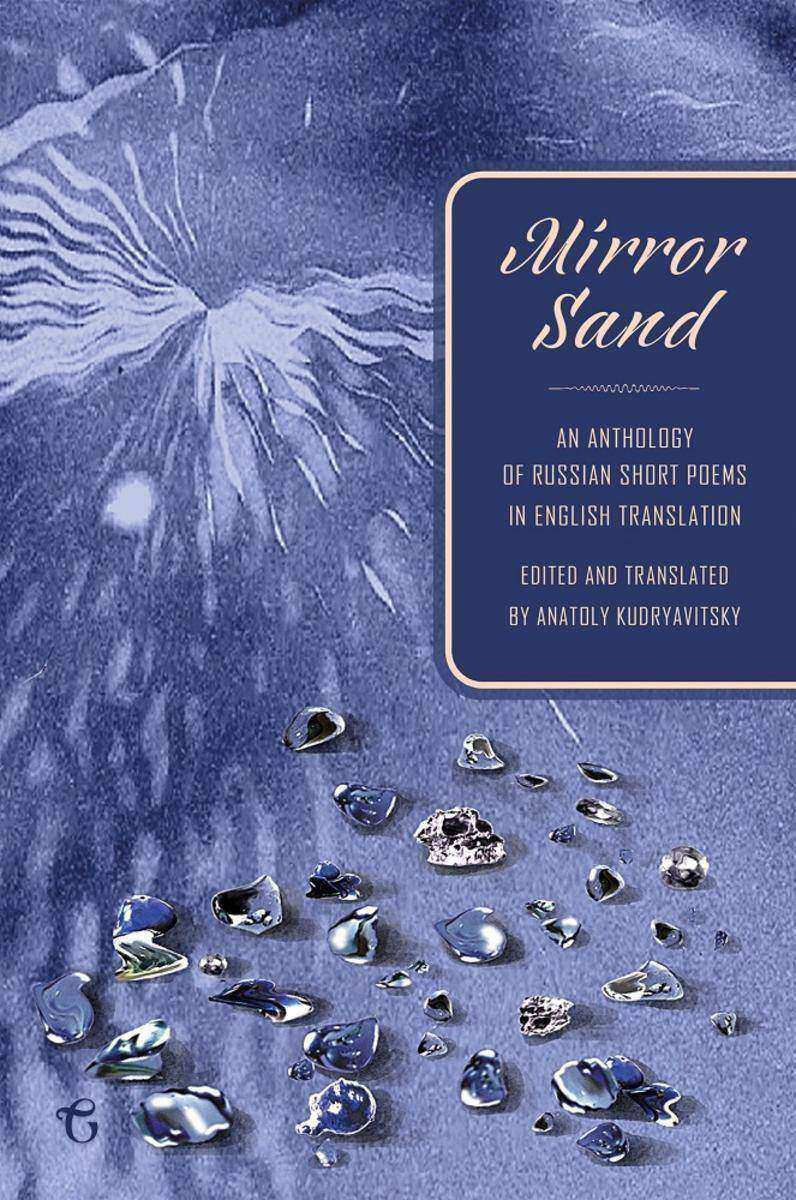
Mirror Sand: An Anthology of Russian Short Poems in English Translation
¥98.02
Edited, translated, and introduced by Anatoly Kudryavitsky, this bilingual anthology presents Russian short poems of the last half-century. It showcases thirty poets from Russia, and displays a variety of works by authors who all come from different backgrounds. Some of them are well-known not only locally but also internationally due to festival appearances and translations into European languages; among them are Gennady Aigi, Gennady Alexeyev, Vladimir Aristov, Sergey Biryukov, Konstantin Kedrov, Igor Kholin, Viktor Krivulin, Vsevolod Nekrasov, Genrikh Sapgir, and Sergey Stratanovsky. The next Russian poetic generation also features prominently in the collection. Such poets as Tatyana Grauz, Dmitri Grigoriev, Alexander Makarov-Krotkov, Yuri Milorava, Asya Shneiderman and Alina Vitukhnovskaya are the ones Russians like to read today. This anthology shows Russia looking back at itself, and reveals the post-World-War Russian reality from the perspective of some of the best Russian creative minds. Here we find a poetry of dissent and of quiet observation, of fierce emotions, and of deep inner thoughts.
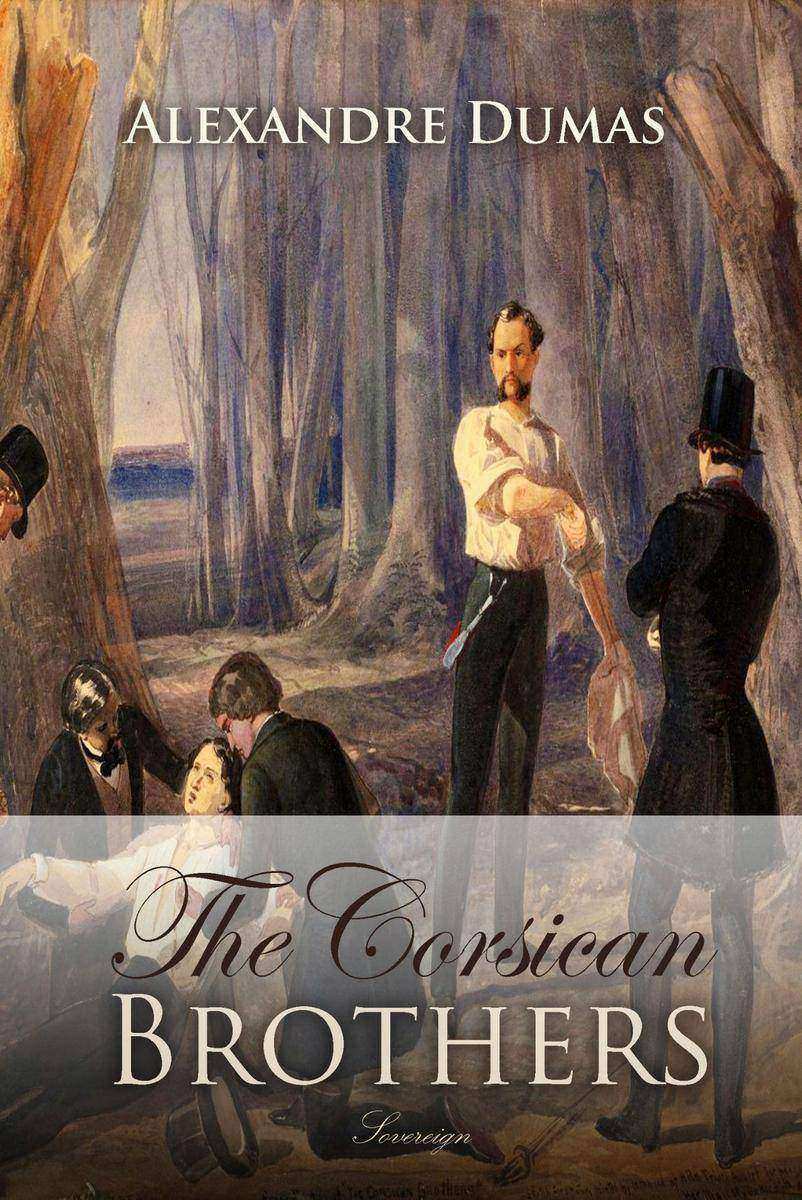
The Corsican Brothers
¥40.79
The story of two conjoined brothers who, though separated at birth, can still feel each other's pains.

The Life and Adventures of Santa Claus
¥40.79
Santa Claus, as a baby is found in the Forest of Burzee and placed in the care of the lioness Shiegra. The Wood Nymph, Necile, breaks the law of the forest and takes the baby because she desires to raise a child of her own as mortals do. Necile calls him Claus, meaning little one in the old Burzee language.

The Blue Cross
¥40.79
Farther Brown may be walking into a trap when he tries to save his soul as his precious Blue Cross is targeted by the notorious criminal Flambeau.
Asystole
¥90.03
From the first pages it becomes apparent that Asystole is a novel about love of life in its purest, instinctive and intimate form. It’s also a novel about human faith in its existence and a desire to experience this love. Author Oleg Pavlov places his character – a boy who grows to be a man and is clearly personified by the writer’s own outlook on life – in impossible and familiar circumstances, impossible not to relate to. An adult is shaped in childhood. Chaotic, anxious and at the same time withdrawn narration seems to have no direction and no resolution. Except that the life of the people, who are in fact children of a broken destiny, is real and not much needs to be said to make it our own. Laconic and ‘to the point’ observations of Pavlov’s protagonist as he goes, are chilling at times. They pierce through flesh right to the bone – the quality only the naked truth can have. Asystole is moreover about the by-stander effect, about a disconnected and malfunctioning society and a struggle of one not to merge into the faceless mass of many. Modern, deeply thought through and heartfelt, this novel is an examination of the physics of human soul. Pavlov’s Universe has a special arrangement – if it was up to him, humans wouldn’t be allowed in it, for the privilege of being human requires living up to the title.

Labirintul haosului meu
¥32.62
Ca orice construc?ie solid?, ?i un sistem de g?ndire se pl?smuie?te pe structura unor con?cepte fundamentale cu func?ii vitaminizante pentru ?ntreaga desf??urare a g?ndului ?i pen?tru ?nchegarea lui ?ntr?o viziune articulat? ?i complex?, marcat? de cele dou? condi?ii indis?pensabile unui sistem: completitudinea ?i non?contradic?ia. ?i mai preciz?m, chiar cu riscul suspiciunii de banal, c? un sistem de g?ndire articulat nu las? ?i nu trebuie s? lase r?m??i?e sau componente necuprinse ?n ansamblu. C?ci un sistem incomplet, cu resturi sau componen?te r?mase ?n afara ?ntregului ??i pierde carac?teristica de sistem. S? preciz?m totu?i c? vorbim despre sis?tem ?ntr?un loc unde, nu doar c? lipse?te, dar a ?i fost repudiat cu o insisten?? repetat? ?i ?n?d?rjit?. Nu spun c? furia lui Cioran ?mpotriva ideii de sistem filosofic nu??i are ra?iunile ei, spun doar c? chiar acolo unde este t?g?duit?, o anumit? viziune de ansamblu asupra lumii este totu?i implicit?. Nu se poate vorbi despre parte, despre fragment f?r? s? se aib? ?n vede?re imaginea totului ?i felul cum o diviziune este a?ezat? ?n p?ntecul exist?rii. Ionel Necula
Un albastru infinit
¥11.04
Adrian Punescu scrie proz cu degetele arse de miracolul poeziei, i de aici succesul tulburtor, care, n loc s mntuie, nspimnt, oblig i rtcete. Poet al fluenelor de liliac n grle de piatr rar, al brumelor de bronz, al cderii n rnile dorului i n hohote de chihlimbar, grav despicat de neiertare i de rzvrtire, Adrian Punescu intr n hotarele prozei prin vijelia reportajului. (...) Puin i pas dac lumea l aplaud sau l njur, el vrea s rstoarne i s cldeasc, i n-are timp s cpieze stnd ntr-un picior, viaa e scurt i, dac nu vrea s se ndrepte prin cntec (i nu vrea), trebuie rezidit din mers i nvat s cnte. Reportajul lui Punescu e, nainte de toate, unul de atitudine, adevrul sare din pagin ca miezul dintr-o ceap zdrobit cu pumnul (...), fulgerul, aparent liric i aparent hrnit de curcubeie, e un arc al ndoielii, un crlig veninos umblnd prin crpturile pmntului, strigtul doare, suspinul are ghimpi n cretet, gerul frige, apsarea nghea.Durabila for a reporterului Adrian Punescu vine de acolo c el n-are chef, n nici o pagin, s fie ru de but n apte linguri, ci numai fluviu azvrlindu-se n mare, cu toate aluviunile i rzboaiele sufletului.“

A Kis Herceg
¥8.18
La ora la care scriu aceste r?nduri, revista Contemporanul se apropie de aniversarea a 130 de ani de la fondare, si ne ?ntreb?m, cu to?ii, iar??i ?i iar??i, ce schimb?ri s-au produs ?n peisajul cultural, literar, social ?n ultimii 20 de ani? Ce viitor vor avea cultura, literatura rom?n? vie ?n contextul acestor schimb?ri? Cum ??i va reveni din criza actuala, mai grav?, mai dramatic? dec?t criza economic? propriu-zisa fiind, f?r? ?ndoiala, profunda criz? moral? de care este cuprins? societatea rom?neasc?? R?spunsurile formulate de participan?ii la anchet? – precum ?i celelalte articole, eseuri, reportaje etc. – cuprinse ?n acest supliment aniversar vizeaz? ?i aceste aspecte, greu de neglijat, din v?rtejul evenimentelor istorice, din acest dramatic prezent, rezist?nd, spre gloria na?iunii rom?ne, Excelen?a Sa, cultura, literatur? rom?n? vie. (Aura Christi)
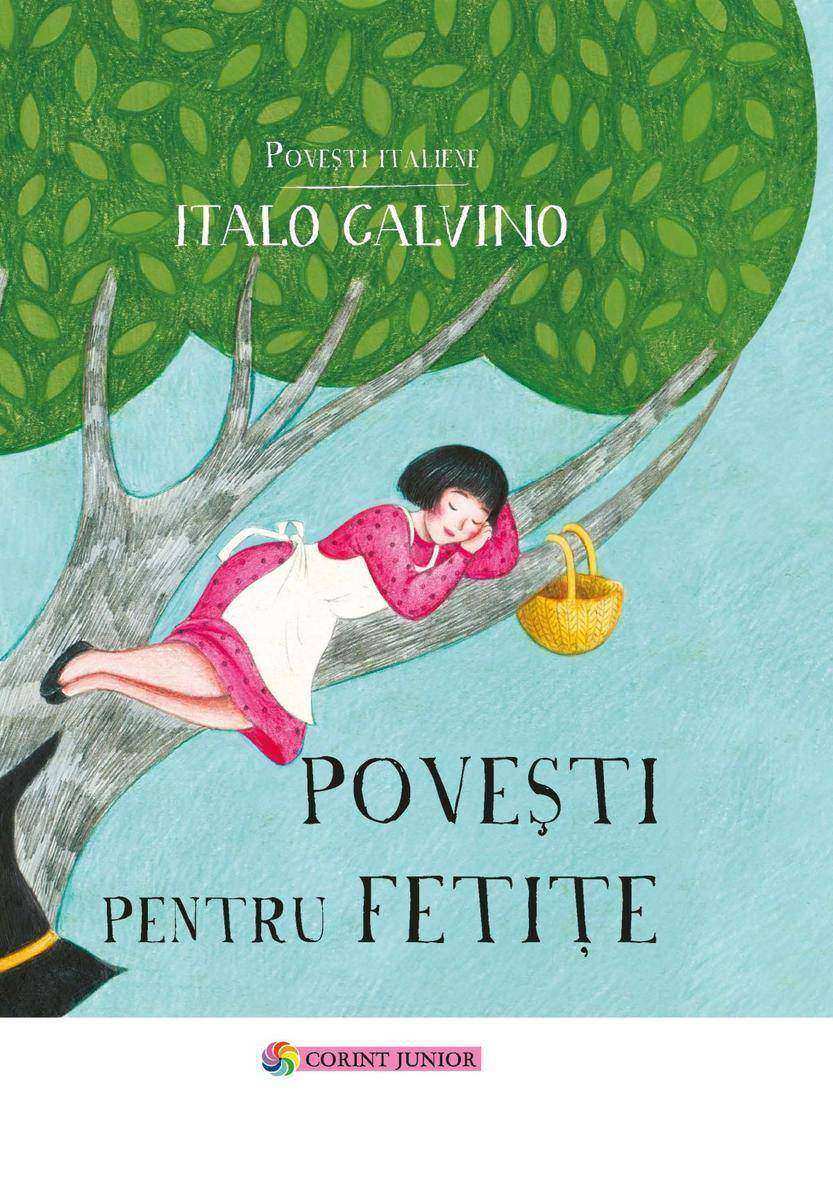
Povesti pentru fetite
¥40.79
Ianoi e viu, atent i emoionat de orice problem de parc acum abia ar ntra, aplecndu-se uor, sub naltul portic al Cunoaterii. Curios, profesnd acea dubl curiozitate, rar azi – fa de problem, dar i fa de cel ce o ridic. Fa de Fiin. Cultura romn se poate felicita, n zilele i anii notri un pic buimaci, unde Nordul valorilor pare a se fi rtcit undeva, n alte secole sau pe alte continente, c posed un cercettor, un profesor i un ins capabil de o asemenea cuprindere a unor platforme culturale att de auguste i, aparent, contradictorii. Unul din puinii supravieuitori ai acelei Mitteleuropa sapieniale, acei ndrgostii fr pricin de misterele artei i ale gndului, unul dintre acei, rari azi i n Europa, ce pesc uor peste granie istorice i mentale, rigide pentru atia, cu o graie, cu o uurin ce ne poate nela asupra acelui depozit afund de suferin i travaliu, de tenacitate unic pe care numai prezena unui ideal poate s-o explice. Iat unde putem gsi Idealul su Modelul, dezorientai nu rareori de propriile noastre ezitri i eecuri.“ (Nicolae Breban)Ianoi este un om pentru care problema morala exist, iar faptul acesta l aaz ntr-o postur extrem de fecund i de necesar, de mediator. ntr-o lume care devine tot mai conflictual, uneori n mod stupid, cu totul superficial i aberant. Ion Ianoi cred ca ne d o lecie de economie de conflict. Vd n aceast lecie i n persoana lui un model de senintate, de sinceritate intelectual, de europenitate.“ (Mircea Martin)[...] stilul Ianoi; un stil unic n cultura romn. Nu e vorba, n cazul d-sale, de cri de erudiie pedant, seac, ci de cri scrise cu un mare talent literar, cred eu, i cu extraordinare capaciti de evocare.“ (Gabriel Dimisianu)Am spus i cu alte prilejuri, am scris i cu alte ocazii c Ion Ianoi este un dar fcut literaturii romne. Oare avem puterea de a ne bucura de acest dar Avem fora de a-l onora i de a ne minuna de el, aa cum se cuvine Printre scriitorii romni, prietenul nostru e perceput drept un crturar evreu-maghiar atipic. Printre evrei e tratat drept un romn sadea. n Ianoi vd un model de prim rang, un mare crturar ce s-a nzidit n literatura romn, un scriitor care ar face onoare oricrei culturi majore a lumii. Ianoi este, apoi, un spectacol, n pofida felului su de a fi, aproape n ciuda sa...“ (Aura Christi)
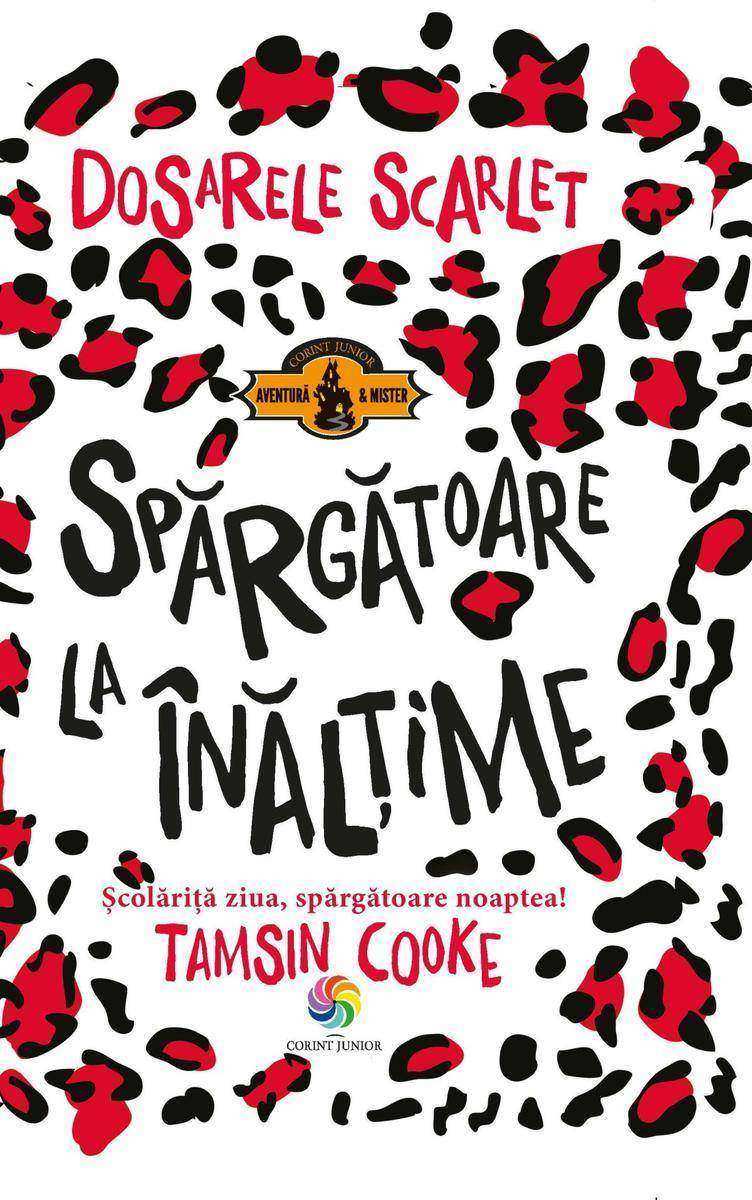
Dosarele Scarlet: Sp?rg?toare la ?n?l?ime
¥40.79
Edi?ie alc?tuit?, coordonat? ?i ?ngrijit? de Iulian Boldea?Profilul c?rturarului Nicolae Balot?, pe care acest volum se str?duie?te s?-l contureze, adun? laolalt? expresivitatea, rigoarea ?i erudi?ia eseistului ?i criticului literar, dar ?i afectivitatea sublimat? a memorialistului. Sumarul c?r?ii e alc?tuit din mai multe texte semnate de Nicolae Balot?, relevante pentru concep?ia sa critic? ?i estetic?, dintr-o schi?? de portret apar?in?nd lui Matei Boil?, din dou? dialoguri ?n care se ?mpletesc accentele confesive ?i proiec?iile teoretice ?i din dou? sec?iuni exegetice. Prima, Interpret?ri, con?ine abord?ri ale operei critice sau memorialistice a lui Nicolae Balot? ?n ansamblul ei, ?n timp ce a doua, Lecturi, cuprinde analize aplicate asupra unei anumite c?r?i. La toate acestea se adaug? necesarele repere bio-bibliografice. Textele au fost ini?ial tip?rite ?ntr-un num?r al revistei Vatra consacrat lui Nicolae Balot?; a?a se explic? unele referiri ale autorilor la binecunoscuta revist? din T?rgu-Mure?. Le mul?umesc, ?i pe aceast? cale, domnului Nicolae Balot?, pentru amabilitatea cu care a r?spuns provoc?rii noastre, ?i celorlal?i autori, pentru disponibilitatea domniilor lor, f?r? de care acest volum ar fi fost imposibil de realizat.“ – Iulian Boldea
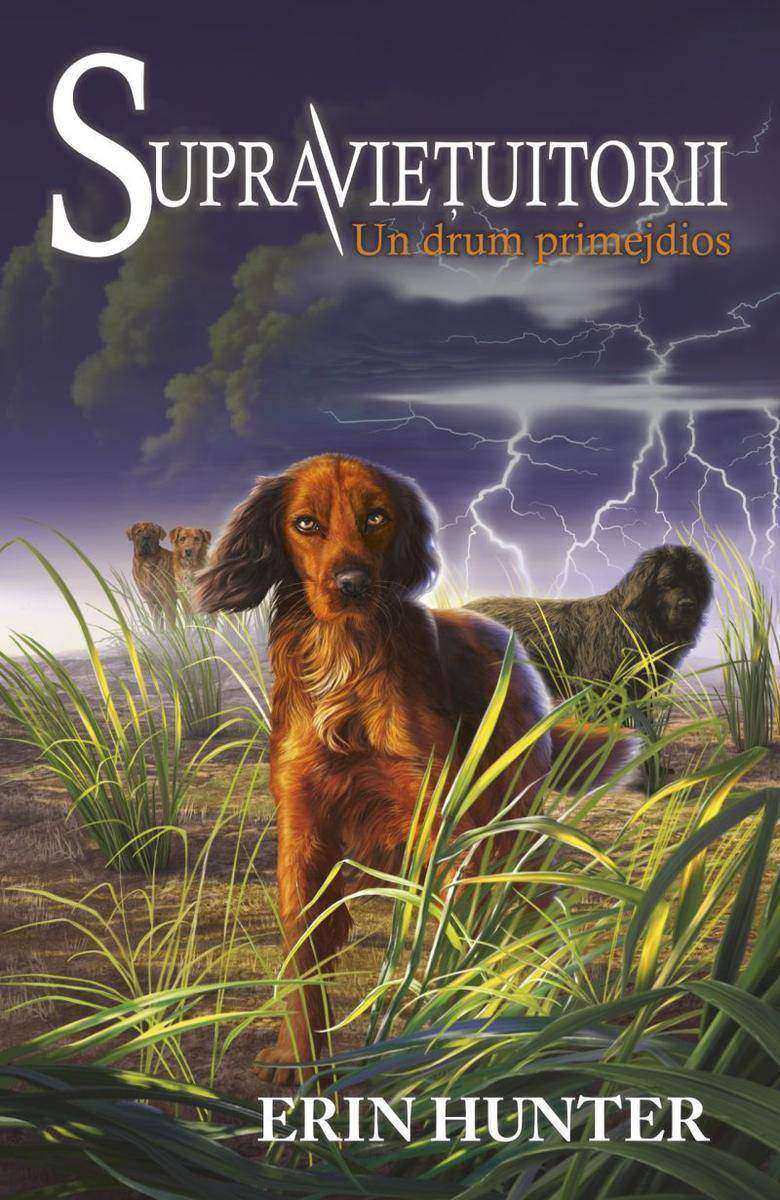
Supravie?uitorii. Cartea a IV-a - Un drum primejdios
¥73.49
Cartea reprezint? o minimonografie spectaculoas? despre proza, publicistica ?i poezia unuia dintre cei mai mari poe?i interbelici, Tudor Arghezi. M.V. Buciu are un instrumentar critic adus la zi, ca ?i bibliografia de altfel, aten?ia exegetului fiind focalizat? asupra operei acestui mare scriitor, contestat vehement ?n perioada post-decembrist?. ?n esen??, monografia lui M.V. Buciu, constituie o temeinic? tentativ? de rea?ezare a lui Tudor Arghezi ?n actualitatea literar?, readuc?nd ?n discu?ie, dar nu mai pu?in ?n actualitate, complexitatea personalit??ii argheziene, un urma? al poetului na?ional, Mihai Eminescu.
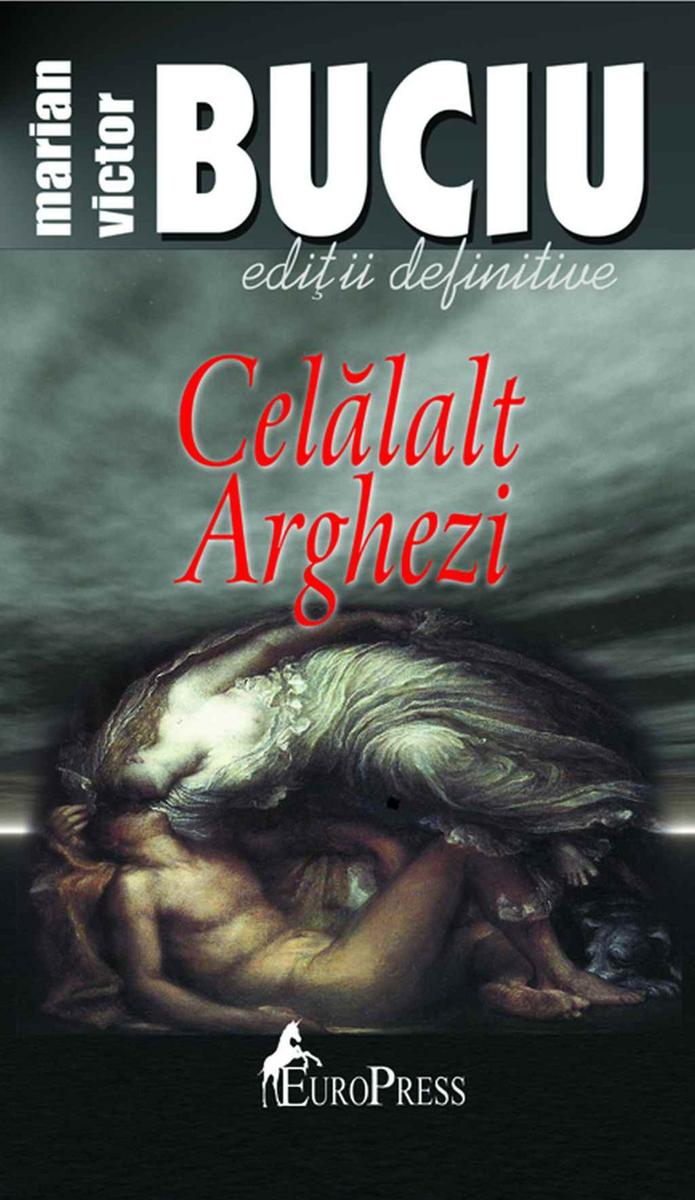
Cel?lalt Arghezi
¥57.14
nainte de orice altceva, Poezia de la Gndirea este o carte despre slbiciunea conceptelor. Ce mai definesc azi cuvinte precum tradiionalism sau modernism ntre rzboaie, termenii au polarizat probabil toate disputele, nelsnd n stare de neutralitate aproape nimic. Nu-i vorba, nu ideologiile fac literatura. Iar cnd este vorba despre poezie, lucrurile sunt cu atat mai complicate. Or, privind napoi cu suspiciune, Mircea A. Diaconu realizeaz nu doar o descriere comparativa a principalelor constante ale poeziei de la Gndirea, ci si o anatomie – sceptic mcar – a conceptelor n disputa lor cu realitatea de fapt. Criticii conceptelor – dublate de o ncercare de refundamentare a lor – i rspunde o analiz minuioas, fr parti-pris-uri, a realitii de fapt. n distana aceasta, dintre concept i realitate, ptrunde ochiul deopotriv al istoricului i al criticului literar. Iar ceea ce rezult nu mai este o sum de adevruri apodictice, ci o proiecie hermeneutic fundamentat interogativ.
B?rbatul con?tient
¥57.14
Volumul reprezint? punctul de finalizare a unor preocup?ri anterioare ale autorului, afirmat ?n c?mpul semioticii ?i al stilisticii prin studii ?i eseuri dedicate cu prec?dere poeziei rom?ne?ti de-a lungul evolu?iei ei. F?r? a-i ignora pe creatorii medii, importan?i pentru c? dau expresie continuit??ii, el ?i-a propus s? explice, cu mijloacele puse la dispozitie de progresul ?nregistrat de disciplinele umaniste ?n ultima jum?tate de secol, ?misterul“ care transforma limba ?n opera. Sunt discuta?i marii poe?i na?ionali, de la Mihai Eminescu la Nichita St?nescu, relev?ndu-i-se fiec?ruia specificitatea, a?a cum se deta?eaz? ea pe fundalul unor constante care definesc ?ns??i esen?a poeticit??ii.

Podró? marzeń. Brunetka w Australii wyd.II
¥35.32
Pornind de la Ioana Em. Petrescu, studiul propus urm?re?te s? probeze cu arsenalul criticii de descenden?? fenomenologic?, mereu actualizat?, o teorie referitoare la asumarea eminescianismului de c?tre cei mai importan?i poe?i ai secolului trecut. Actualitatea lui Eminescu se dovede?te astfel ?i prin ve?nica recitire ?i asumare a poeziei sale de c?tre poe?i precum Bacovia, Blaga, Barbu, Arghezi, Labi?, Nichita St?nescu. Aceast? prezen?? eminescian?, asumat? teoretic (vezi Blaga) sau topit? ?n profunzimile textelor poetice (vezi Labi? sau Nichita St?nescu), sus?ine valabilitatea canonului eminescian. Eminescu este astfel inactual doar dac? privim o parte ?nsemnat? a poeziei actuale, prea ancorat? ?ntr-o realitate golit? de semnifica?ie, o poezie s?r?cit? de profunzimea transfigurat? a Creatorului. (In)actualitatea lui Eminescu probeaz? astfel doar tragic? noastr? inactualitate./ – Florin Oprescu
Eros ?i civiliza?ie: O cercetare filosofic? asupra lui Freud
¥48.97
Gabriela Crean scrie poezie cu gnoz dedesubt. Faptul a fost remarcat nc de la prima sa carte, iar modul acesta de a construi a rmas nu constant, ci neschimbat, chiar dac unele accente s-au mai mutat. Gnoza, tradus apocrif, nu e ns dect schela unei viziuni de intensitate paroxistic. Important cu adevrat e suflul imaginativ, dezlnuirea spasmatic a imaginaiei i ritmul frenetic n care sublimele se topesc n grotesc sau imnoidele se revrs n apostrofe. Gabriela Crean vede lumea oximoronic, n coincidene stupefiante i radicale, n care gramatica sacrelor nu se mai poate distinge de cea a infernalelor. Modului ei de a traduce juisarea vizionar n sarcasme i febra celest n repulsii violente i s-ar potrivi conceptul de profanare al lui Giorgio Agamben. Asta dac poezia n-ar face altceva dect filosofia; dar cum face, Gabriela Crean scrie cu o exasperare exuberant i cu o arden vitriolat despre cel mai inconfortabil mod de a fi n lume: sub un imperativ atroce.“ – Al. Cistelecan
Az elvek csapodár természete
¥61.31
Iat?, ?n cuvintele Aurei Christi, curg?nd abundent, din surse ascunse, fluidul vivifiant al poeziei, s? nu ne temem de retorica majusculelor, al marii Poezii. (Nicolae Balot?) Aura Christi a uimit critica de specialitate prin ample volute metaforice, calde, ?ndr?zne?e, abord?nd, ?n c?teva volume, printr-o splendid? frond?, clasicul sonet poetic ?i dovedind o excelent? st?p?nire a limbii, a mijloacelor specifice, ?ntr-o liric? a medita?iei grave, ad?nci, exprimat? ?n metafore, ?n care modernitatea ?i sensibilitatea secolului se confund?, cu vigoare clar?, de o marcat? originalitate, tumultuos ?i muzical aproape, ?ntr-o subtil? rezonan?? eufonic?, cu trimiteri, accente ?i imagini simbolice, cu marele torent al liricii europene de ?nalt nivel, de la Rimbaud ?i Baudelaire, la Rilke ?i Blaga. ?i, ?nc? odat?, la ?vetaieva ?i Nichita St?nescu. (Nicolae Breban) M? auzi tu, oare, ?nstr?inato? Am citit poeziile tale la ceas de sear?, pe o teras?, av?nd ?n fa?? colinele Ierusalimului. Eu nu sunt un bun comentator de poezie, cei care au scris despre poezia ta te-au ?prins“ foarte bine, ai for??, un sim? rar al tragicului ?i antene pentru transcenden??… (Leon Volovici) Ignor?nd retorica unei poezii postmoderniste intolerante, metonimice – baliz?ndu-se ?n criteriul retoricului, un trop ajunge, iat?, s? impun? un model poetic – Aura Christi continu? s? ofere un osp?? metaforic. Psalmul coexist? cu viziunea aspr?, expresionist?. Universul ?i limbajul au torsiuni tragice, ?n nara?iuni poematice deopotriv? fruste ?i fabuloase, cvasimitice. Moartea e o prezen?? familiar?, ca privirea ?i olfac?ia ?ns??i. Mitul e prezent ca joc automodelator. Calea spre mit ajunge o traversare a suferin?ei. (Marian Victor Buciu) A scrie c?derea apocaliptic? nu e u?or. E un merit al Aurei Christi faptul de a g?si singura solu?ie la aceast? c?dere fatal?, dat? din pornire: cel care o scrie o ?i ?opre?te“, ?incit?nd rigoarea/ celui din urm? frig“. Doar un fel de zeu al poeziei, o divinitate descoperit? cu greu, con?tient? de destr?marea mitului, poate s? impun? din nou mitul: instituirea ?mai viului“ este cu putin?? doar datorit? mor?ii. ?nvierea nu e posibil? dec?t datorit? ei. Sensul celei mai mari dintre taine se dezleag?, astfel, paradoxal, prin r?sturnarea negativit??ii generale a sensului. (...) Descoperirea f?cut? de poet? este c? realul ?nsu?i are origine poetic? (nu real?!), prin c?derea ?n ?emisfera cealalt?“, de parc? Dante ?nsu?i ar fi acum reeditat ?n alt? semantic?: ?Ah, calul e fiu al pega?ilor dintotdeauna“. Fiin?ele existente ??i au ob?r?ia ?n himere, iar realitatea ia fiin?? din metafor?. (...) Alt? ?descoperire“ poetic?: ?ntreg mitul temporal al omenirii poate fi ranversat. (…) Iat?, deci, cum se poate recupera mitul ?ntr-o epoc? ?n care toat? lumea postmodern? a visat la demitizare ?i dez-iluzionare pentru a se apropia de realul ca atare. (?tefania Mincu)


