


 购物车
购物车 个人中心
个人中心
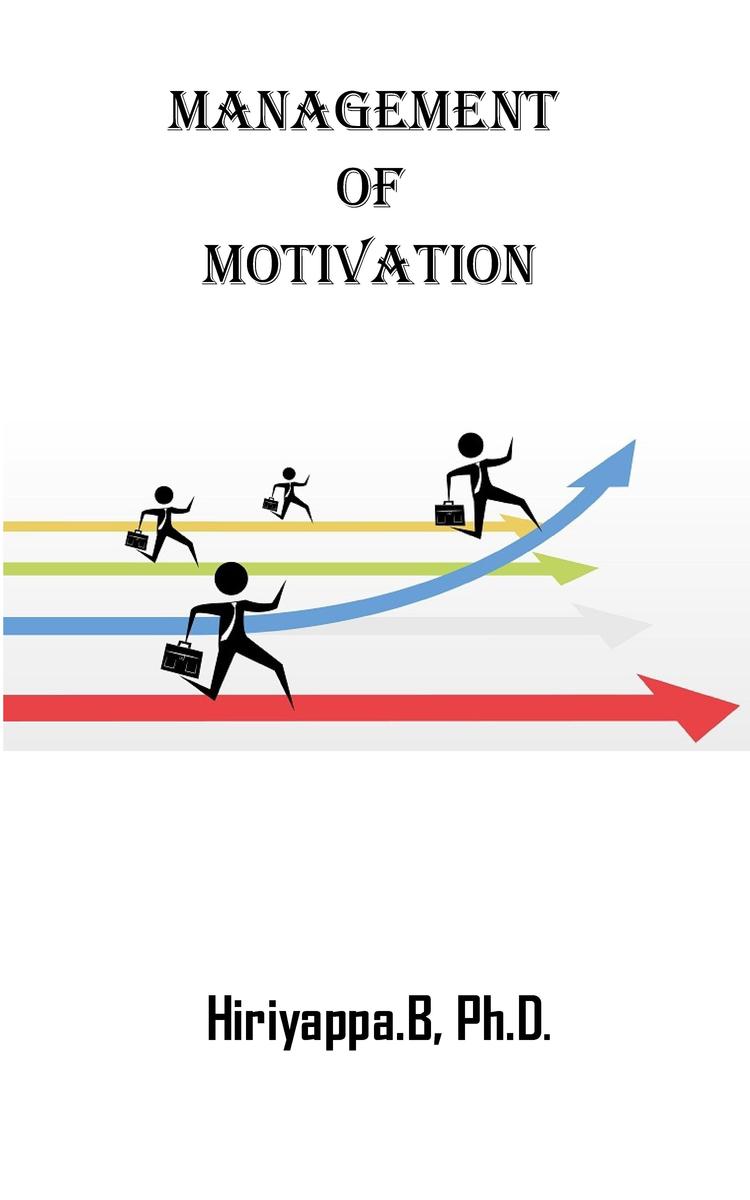
Management of Motivation
¥40.79
Management of Motivation

Don Quixote: Bilingual Edition (English – Spanish)
¥40.88
Don Quixote: Bilingual Edition (English – Spanish)
Development of Personality and Its Theories
¥40.79
Development of Personality and Its Theories

Tharos: The Origin
¥32.62
Tharos: The Origin

A Malefactor: Bilingual Edition (English - Russian)
¥40.88
A Malefactor: Bilingual Edition (English - Russian)
Kashtanka: Bilingual Edition (English - Russian)
¥40.88
Kashtanka: Bilingual Edition (English - Russian)

10 Coisas que você deve dizer para o seu namorado na cama
¥7.79
10 Coisas que você deve dizer para o seu namorado na cama
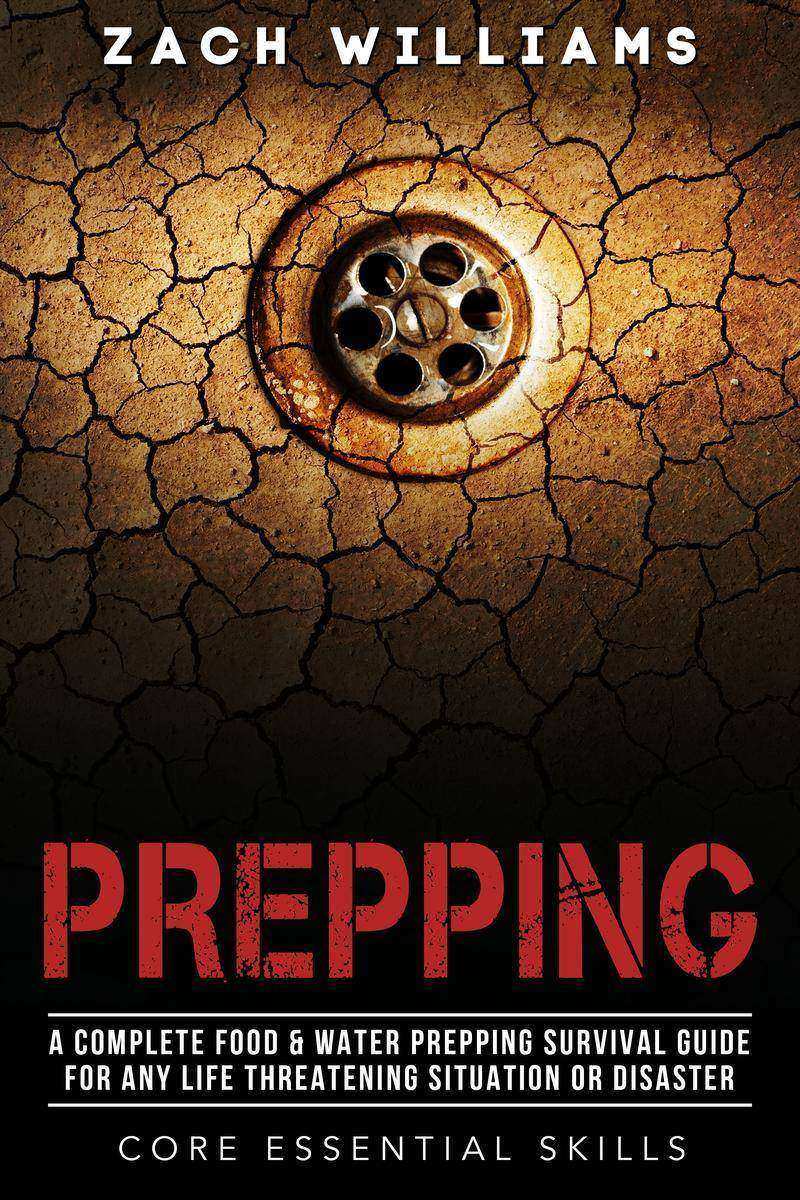
Prepping
¥24.44
Prepping
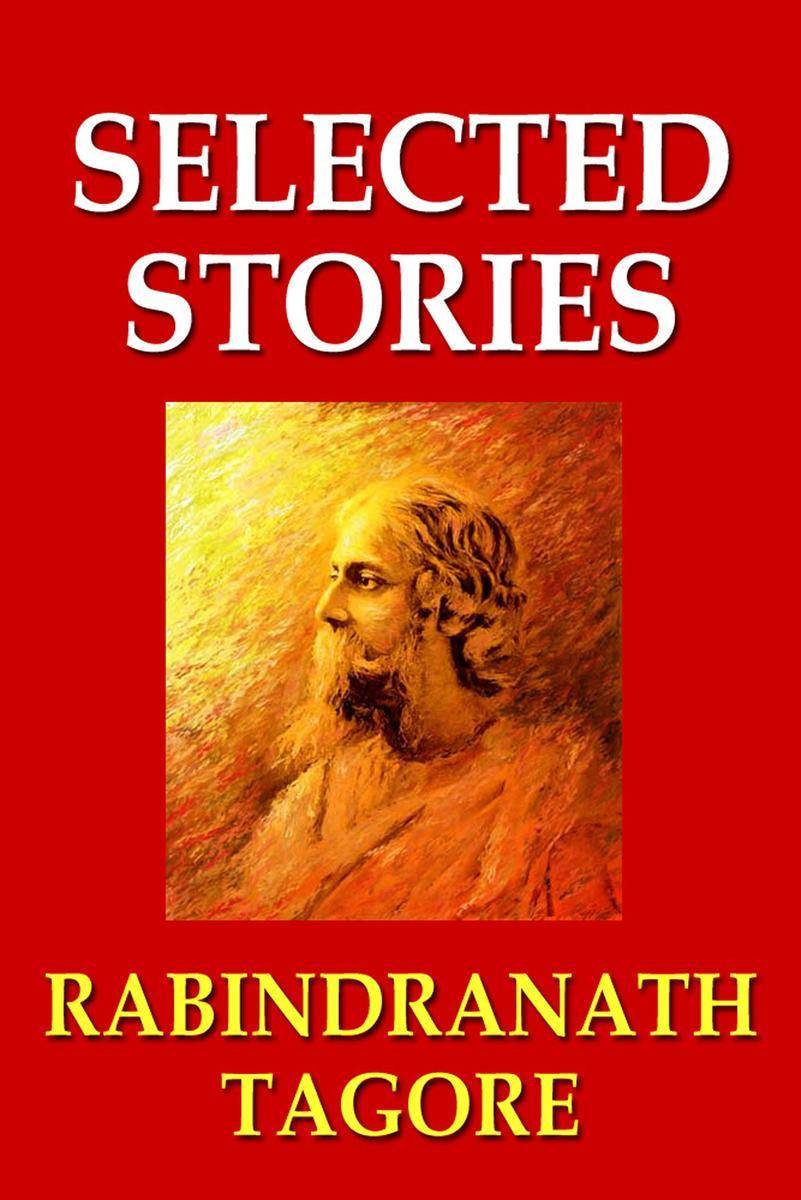
Rabindranath Tagore's Selected Stories
¥24.44
Rabindranath Tagore's Selected Stories
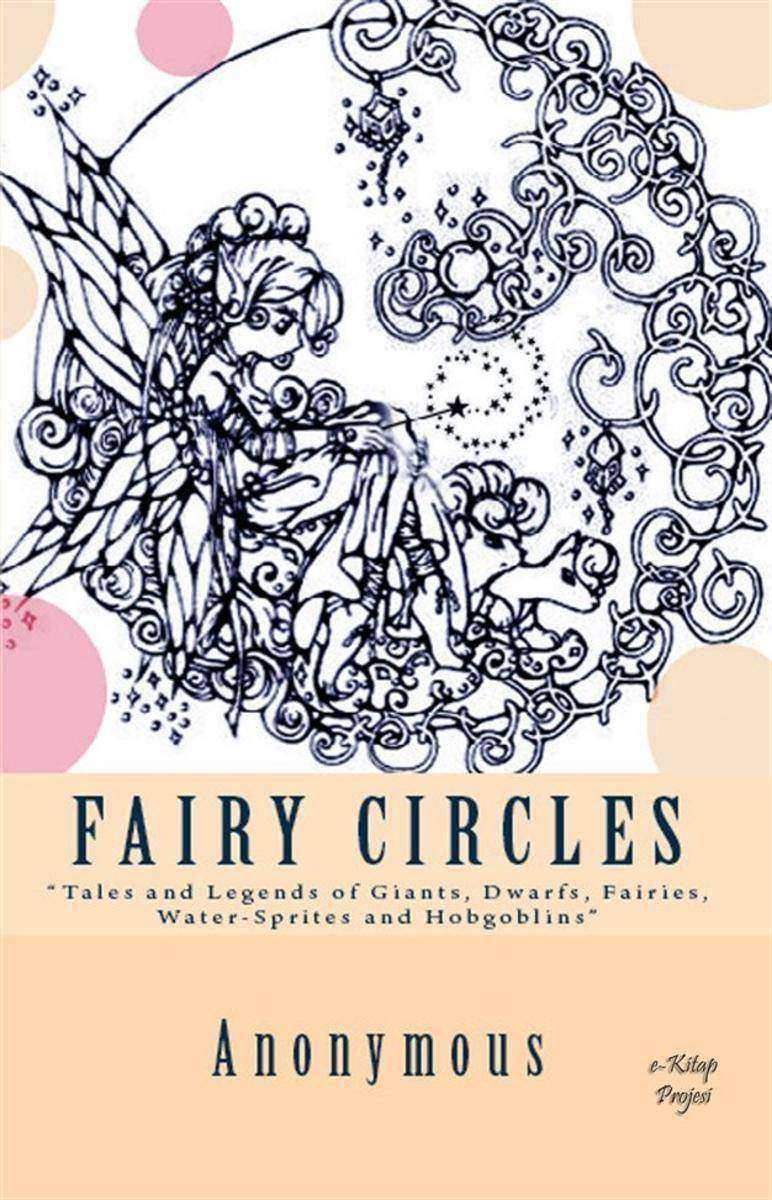
Fairy Circles: [Tales and Legends of Giants, Dwarfs, Fairies, Water-Sprites and
¥27.80
MORE than a thousand years have rolled away since a castle looked down cheerfully from a height amid the Franconian plains into the well-watered Kinzig Valley, with its pleasant villages and towns.?It belonged to the powerful Swabian duke Frederick of Hohenstaufen, whose young and valiant son loved this the best of all his father's proud castles, and often left his uncle's splendid palace to hunt in its forests, or to look down from its lofty oriel window on the blooming plain below.??His father and uncle indeed missed him sadly. His clear blue eye, and the cheerful expression of his noble countenance, seemed to the two grave and war-weary men so gladdening to look upon, that they were always unwilling to let him leave them.??But the young Frederick used to beg them so earnestly to grant him the freedom of the forest for just this once, that father and uncle smilingly granted him permission, though "this once" was often repeated..
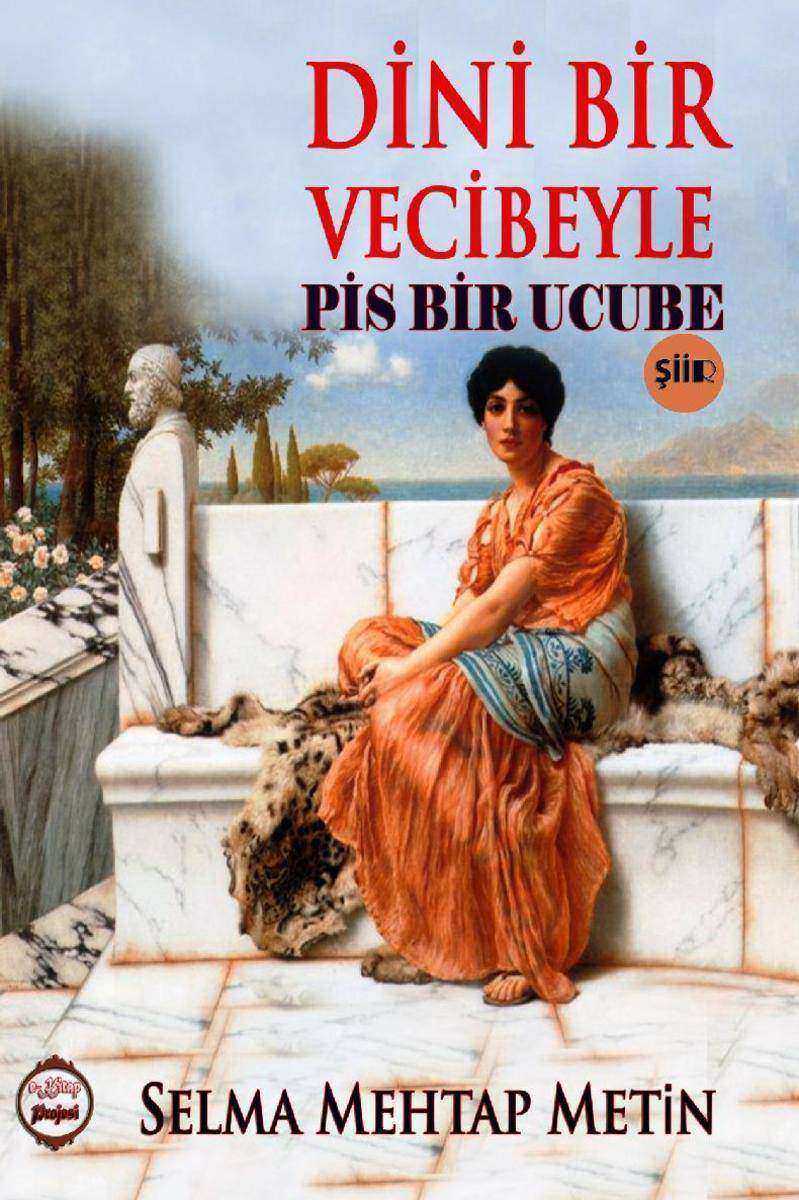
Dini Bir Vecibeyle Pis Bir Ucube
¥18.56
Gerek aklara gerek insanlara yazmtm iirlerimi... Bana pis bir ucubeymiim gibi davranan ucubeye... nsan hi ucubeye iir yazar m demeyin! Benimki gerek bir ak hikayesiydi... yle sandm...Küüktüm.... Aldandm... Hani bize hep anlatlan kurbaa prens hikayesi var ya; Ben hep kurbaann prens olacan düünmütüm, ama nereden bilebilirdim prensimin kurbaa kacan... Kurbaamn da yok olacan... Bu kitabm benim gibi kurbaay prens zanneden gen kzlara, incinmi aldatlm tüm kadnlara, terk edilmi aklara ve ak ararken insann nasl ac ektiini, her eyini kaybetmiliini anlamak isteyen ak hrszlarna gelsin... ve tüm iir dostlarna.... Ben küük bir kzdm, ok incindim... Lütfen siz incinmeyin ve sizi kimsenin incitmesine izin vermeyin... UCUBEYE... Bugün tam on iki sene oldu gidiinin ardndan.. Uzun uzun yolunu gzleyiimle, hala bana bunu nasl yapt deyiimle geen on iki sene... On iki senedir hi grmedim seni... Belki yüzünü bile unuttum; zaten sesini hi hatrlamyorum. Karma ksan tanmam bile. Sadece benden aldn ak, güven, huzur, mutluluk duygularn bulmaya alyorum. Yalnzlm iimde gibi büyürken braktn korkularla adm atmaya ekindim her ak araymda... Ve yllarca yazdm sen bilmesen de sana...
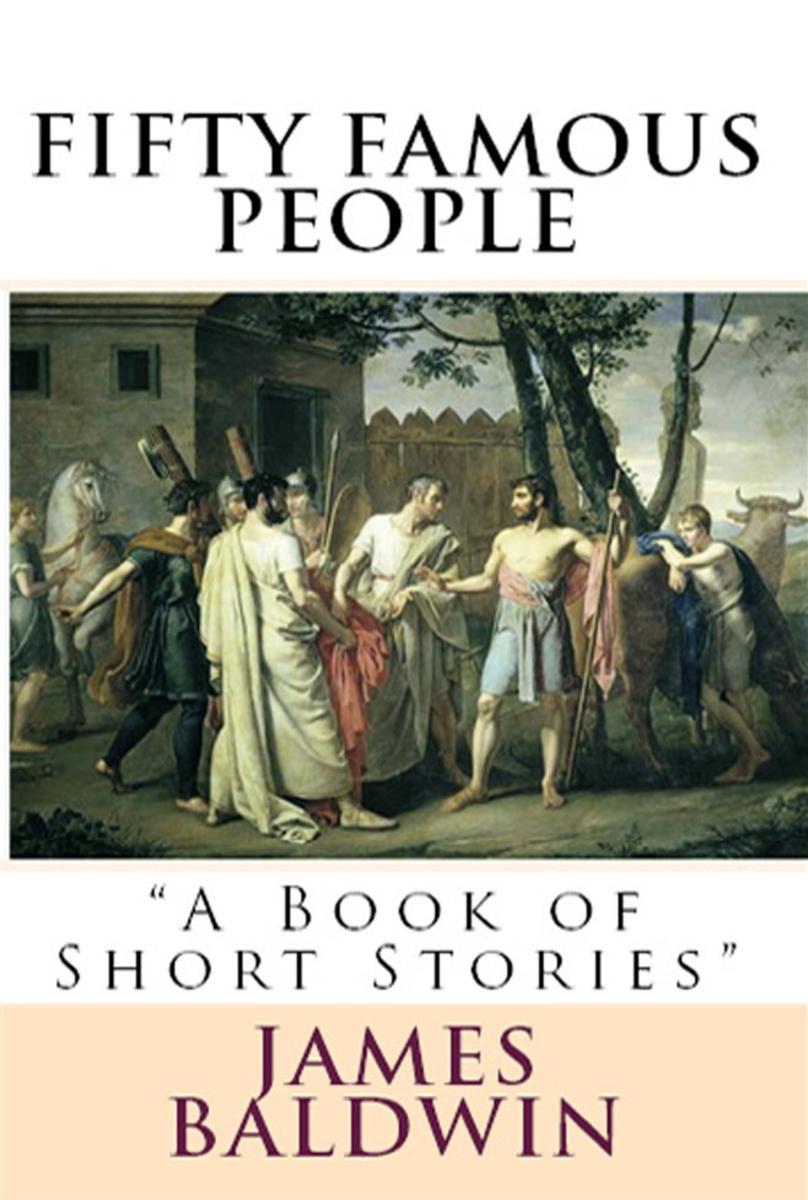
Fifty Famous People: "A Book of Short Stories"
¥28.29
ONE of the best things to be said of the stories in this volume is that, although they are not biographical, they are about real persons who actually lived and performed their parts in the great drama of the world's history. Some of these persons were more famous than others, yet all have left enduring "footprints on the sands of time" and their names will not cease to be remembered. ??In each of the stories there is a basis of truth and an ethical lesson which cannot fail to have a wholesome influence; and each possesses elements of interest which, it is believed, will go far towards proving the fallibility of the doctrine that children find delight only in tales of the imaginative and unreal. The fact that there are a few more than fifty famous people mentioned in the volume may be credited to the author's wish to give good measure.??SAVING THE BIRDS?ONE day in spring four men were riding on horseback along a country road. These men were lawyers, and they were going to the next town to attend court.?There had been a rain, and the ground was very soft. Water was dripping from the trees, and the grass was wet.?The four lawyers rode along, one behind another; for the pathway was narrow, and the mud on each side of it was deep. They rode slowly, and talked and laughed and were very jolly.?As they were passing through a grove of small trees, they heard a great fluttering over their heads and a feeble chirping in the grass by the roadside.? "Stith! stith! stith!" came from the leafy branches above them.?"Cheep! cheep! cheep!" came from the wet grass.?"What is the matter here?" asked the first lawyer, whose name was Speed.?"Oh, it's only some old robins!" said the second lawyer, whose name was Hardin. "The storm has blown two of the little ones out of the nest. They are too young to fly, and the mother bird is making a great fuss about it."?"What a pity! They'll die down there in the grass," said the third lawyer, whose name I forget.?"Oh, well! They're nothing but birds," said Mr. Hardin. "Why should we bother?"? "Yes, why should we?" said Mr. Speed.?The three men, as they passed, looked down and saw the little birds fluttering in the cold, wet grass. They saw the mother robin flying about, and crying to her mate.?Then they rode on, talking and laughing as before. In a few minutes they had forgotten about the birds.?But the fourth lawyer, whose name was Abraham Lincoln, stopped. He got down from his horse and very gently took the little ones up in his big warm hands.
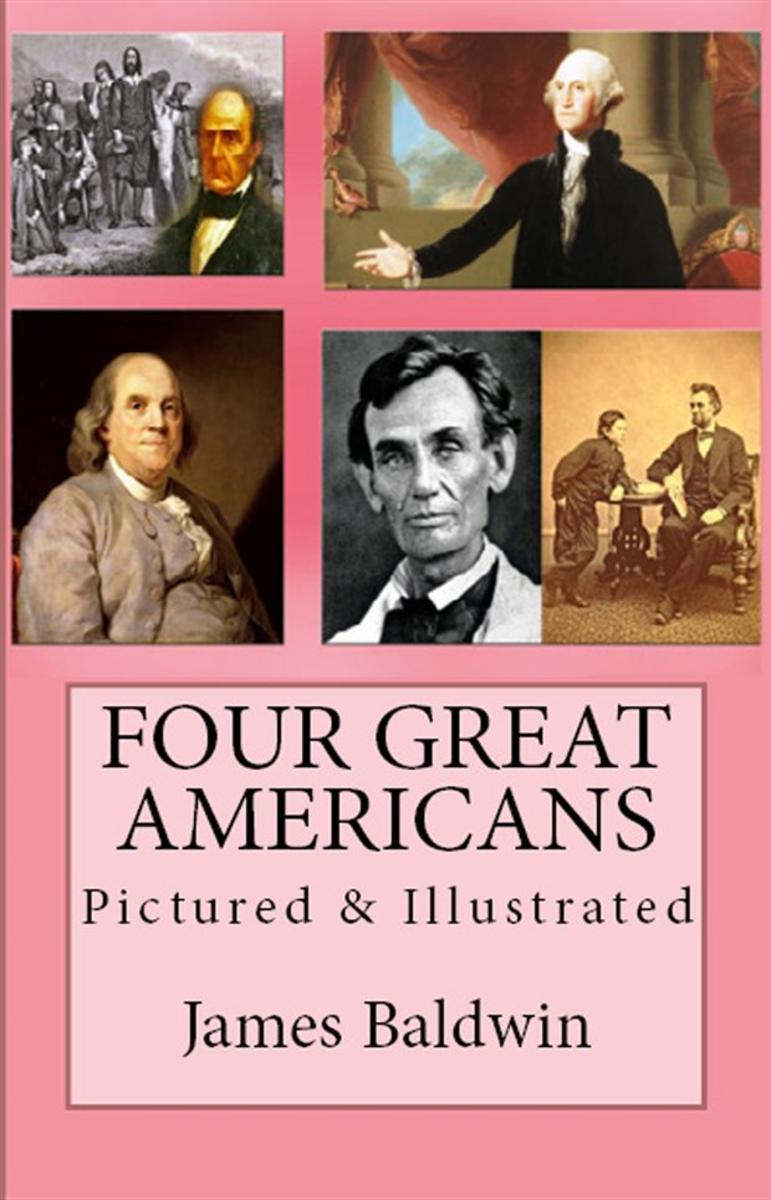
Four Great Americans: Pictured & Illustrated
¥28.29
When George Washington was a boy there was no United States. The land was here, just as it is now, stretching from the Atlantic Ocean to the Pacific; but nearly all of it was wild and unknown.??Between the Atlantic Ocean and the Allegheny Mo-untains there were thirteen colonies, or great settlements. The most of the people who lived in these colonies were English people, or the children of English people; and so the King of England made their laws and appointed their governors.??The newest of the colonies was Georgia, which was settled the year after George Washington was born.?The oldest colony was Virginia, which had been settled one hundred and twenty-five years. It was also the richest colony, and more people were living in it than in any other.??There were only two or three towns in Virginia at that time, and they were quite small.?Most of the people lived on farms or on big plantations, where they raised whatever they needed to eat. They also raised tobacco, which they sent to England to be sold.??The farms, or plantations, were often far apart, with stretches of thick woods between them. Nearly every one was close to a river, or some other large body of water; for there are many rivers in Virginia..
![Faraday As A Discoverer: [Illustrated & Biography Added]](https://platform-permanent.ddimg.cn/pt-media-info-soa-resource/digital/product/47/24/1901164724_ii_cover.jpg?version=eff250ca-e17f-4718-971c-9a91a135e3e1)
Faraday As A Discoverer: [Illustrated & Biography Added]
¥27.80
Michael Faraday (1791 –1867) was an English scientist who contributed to the fields of electromagnetism and electrochemistry. His main discoveries include those of electromagnetic induction, diamagnetism and electrolysis. Although Faraday received little formal education, he was one of the most influential scientists in history. It was by his research on the magnetic field around a conductor carrying a direct current that Faraday established the basis for the concept of the electromagnetic field in physics. Faraday also established that magnetism could affect rays of light and that there was an underlying relationship between the two phenomena. He similarly discovered the principle of electromagnetic induction, diamagnetism, and the laws of electrolysis. His inventions of electromagnetic rotary devices formed the foundation of electric motor technology, and it was largely due to his efforts that electricity became practical for use in technology. As a chemist, Faraday discovered benzene, investigated the clathrate hydrate of chlorine, invented an early form of the Bunsen burner and the system ofoxidation numbers, and popularised terminology such as anode, cathode, electrode, and ion. Faraday ultimately became the first and foremost Fullerian Professor of Chemistry at the Royal Institution of Great Britain, a life-time position.. Faraday was an excellent experimentalist who conveyed his ideas in clear and simple language; his mathematical abilities, however, did not extend as far as trigonometry or any but the simplest algebra. James Clerk Maxwell took the work of Faraday and others, and summarized it in a set of equations that is accepted as the basis of all modern theories of electromagnetic phenomena. On Faraday's uses of the lines of force, Maxwell wrote that they show Faraday "to have been in reality a mathematician of a very high order – one from whom the mathematicians of the future may derive valuable and fertile methods." The SI unit of capacitance is named in his honour: the farad. Albert Einstein kept a picture of Faraday on his study wall, alongside pictures of Isaac Newton and James Clerk Maxwell. Physicist Ernest Rutherford stated; "When we consider the magnitude and extent of his discoveries and their influence on the progress of science and of industry, there is no honour too great to pay to the memory of Faraday, one of the greatest scientific discoverers of all time". ABOUT AUTHOR: John Tyndall (1820 – 1893) was a prominent 19th-century Irish physicist. His initial scientific fame arose in the 1850s from his study of diamagnetism. Later he made discoveries in the realms of infrared radiation and the physical properties of air. Tyndall also published more than a dozen science books which brought state-of-the-art 19th century experimental physics to a wide audience. From 1853 to 1887 he was professor of physics at the Royal Institution of Great Britain in London. Tyndall was born in Leighlinbridge, County Carlow, Ireland. His father was a local police constable, descended from Gloucestershire emigrants who settled in southeast Ireland around 1670. Tyndall attended the local schools in County Carlow until his late teens, and was probably an assistant teacher near the end of his time there. Subjects learned at school notably included technical drawing and mathematics with some applications of those subjects to land surveying. He was hired as a draftsman by the Ordnance Survey of Ireland in his late teens in 1839, and moved to work for the Ordnance Survey for Great Britain in 1842. In the decade of the 1840s, a railroad-building boom was in progress, and Tyndall's land surveying experience was valuable and in demand by the railway companies. Between 1844 and 1847, he was lucratively employed in railway construction planning. In 1847 Tyndall opted to become a mathematics and surveying teacher at a boarding school (Queenwood College) in Hampshire. Recalling this decision later, he wrote: "the desire to grow intellectually did not forsake me; and, when railway work slackened, I accepted in 1847 a post as master in Queenwood College." Another recently arrived young teacher at Queenwood was Edward Frankland, who had previously worked as a chemical laboratory assistant for the British Geological Survey. Frankland and Tyndall became good friends. On the strength of Frankland's prior knowledge, they decided to go to Germany to further their education in science. Among other things, Frankland knew that certain German universities were ahead of any in Britain in expe-rimental chemistry and physics. (British universities were still focused on classics and mathematics and not laboratory science.)The pair moved to Germany in summer 1848 and enrolled at the University of Marburg, where Robert Bunsen was an influential teacher. Tyndall studied under Bunsen for two years.
Bridge for Beginners
¥24.44
Bridge for Beginners
Storia della letteratura italiana (Edizione con note e nomi aggiornati)
¥4.58
Storia della letteratura italiana (Edizione con note e nomi aggiornati)
A History of Freedom of Thought
¥24.44
A History of Freedom of Thought

123 Vitser
¥7.79
123 Vitser
101 Erros mais comuns de português
¥8.18
101 Erros mais comuns de português
Marketing in Large Ocean States: Theory, Practice, Problems, and Prospects
¥81.67
Marketing in Large Ocean States: Theory, Practice, Problems, and Prospects
Creating Light
¥155.79
Creating Light


