


 购物车
购物车 个人中心
个人中心
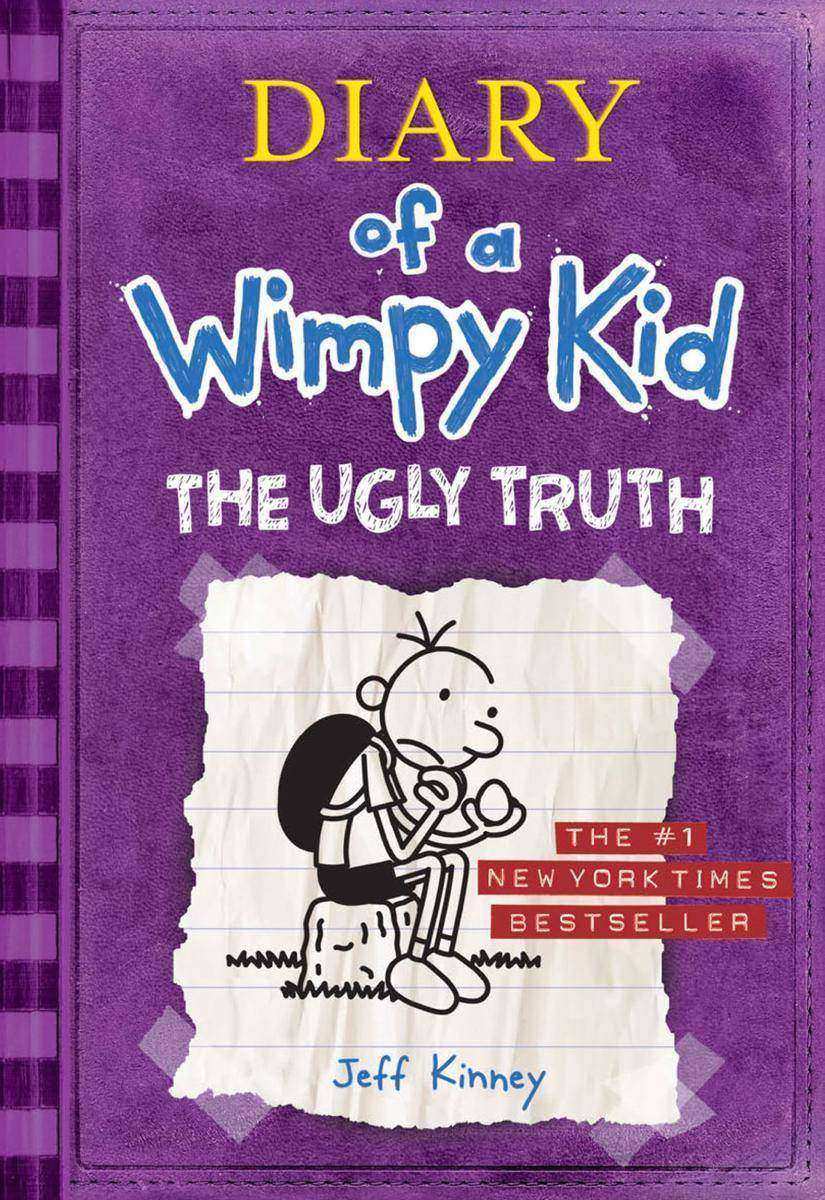
Ugly Truth (Diary of a Wimpy Kid #5)
¥158.82
Greg Heffley has always been in a hurry to grow up. But is getting older really all it’s cracked up to be? Greg suddenly finds himself dealing with the pressures of boy-girl parties, increased responsibilities, and even the awkward changes that come with getting older—all without his best friend, Rowley, at his side. Can Greg make it through on his own? Or will he have to face the “ugly truth”?
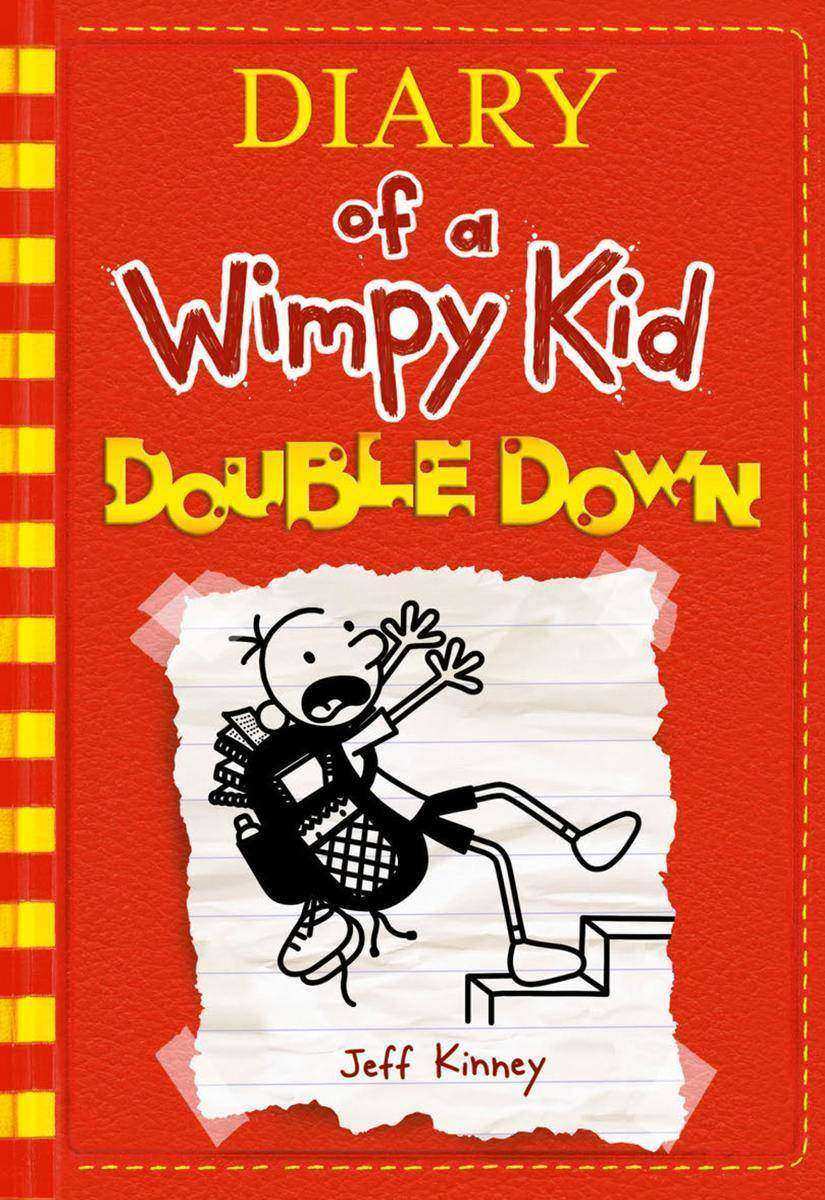
Double Down (Diary of a Wimpy Kid #11)
¥158.82
The pressure’s really piling up on Greg Heffley. His mom thinks video games are turning his brain to mush, so she wants her son to put down the controller and explore his “creative side.” As if that’s not scary enough, Halloween’s just around the corner and the frights are coming at Greg from every angle. When Greg discovers a bag of gummy worms, it sparks an idea. Can he get his mom off his back by making a movie . . . and will he become rich and famous in the process? Or will doubling down on this plan just double Greg’s troubles?
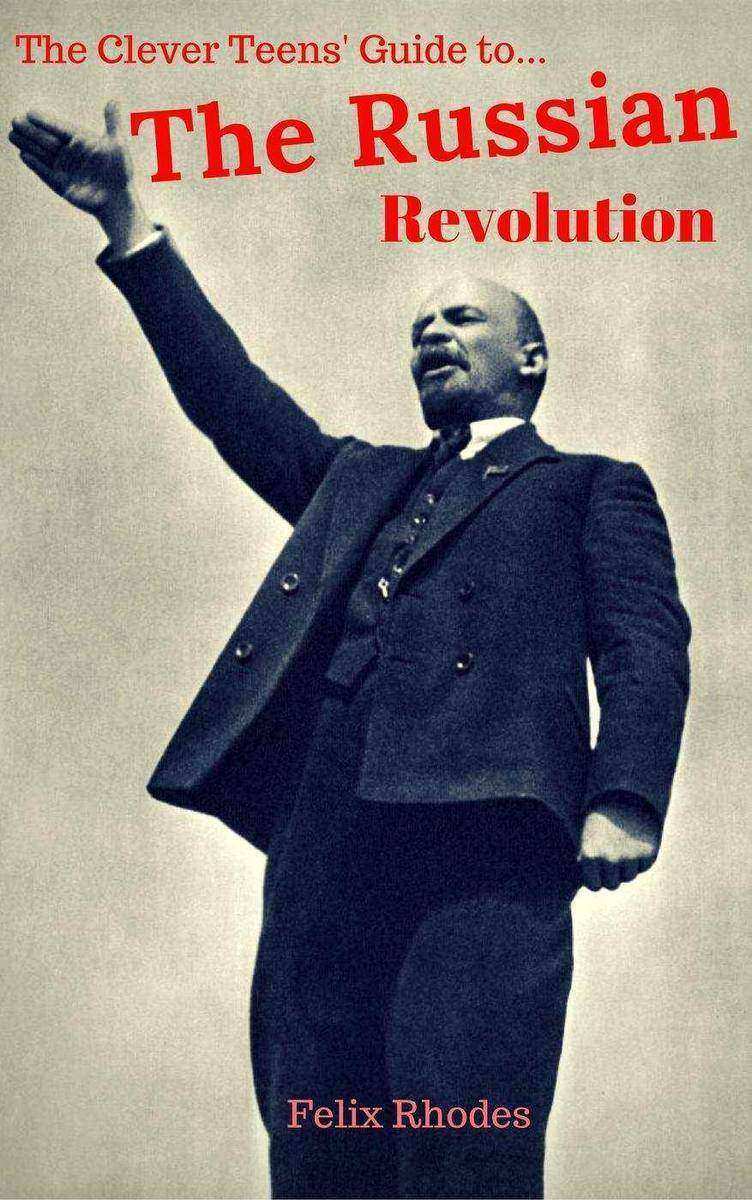
The Clever Teens' Guide to The Russian Revolution
¥45.34
The Clever Teens' Guide to The Russian RevolutionThe communist system unleashed by the Russian Revolution of 1917 was the greatest political experiment ever conducted. The revolution promised freedom from the shackles of imperialism, corruption and exploitation but until its collapse in 1991, the peoples of the vast Soviet empire endured 70 years of misguided socialism and totalitarianism.The Clever Teens’ Guide to the Russian Revolution covers all the major facts and events giving you a clear and straightforward overview: from the circumstances behind the rise of Lenin and the Bolsheviks, to the consequences of their struggle for a new socialist utopia.Ideal for your “clever teenager”.
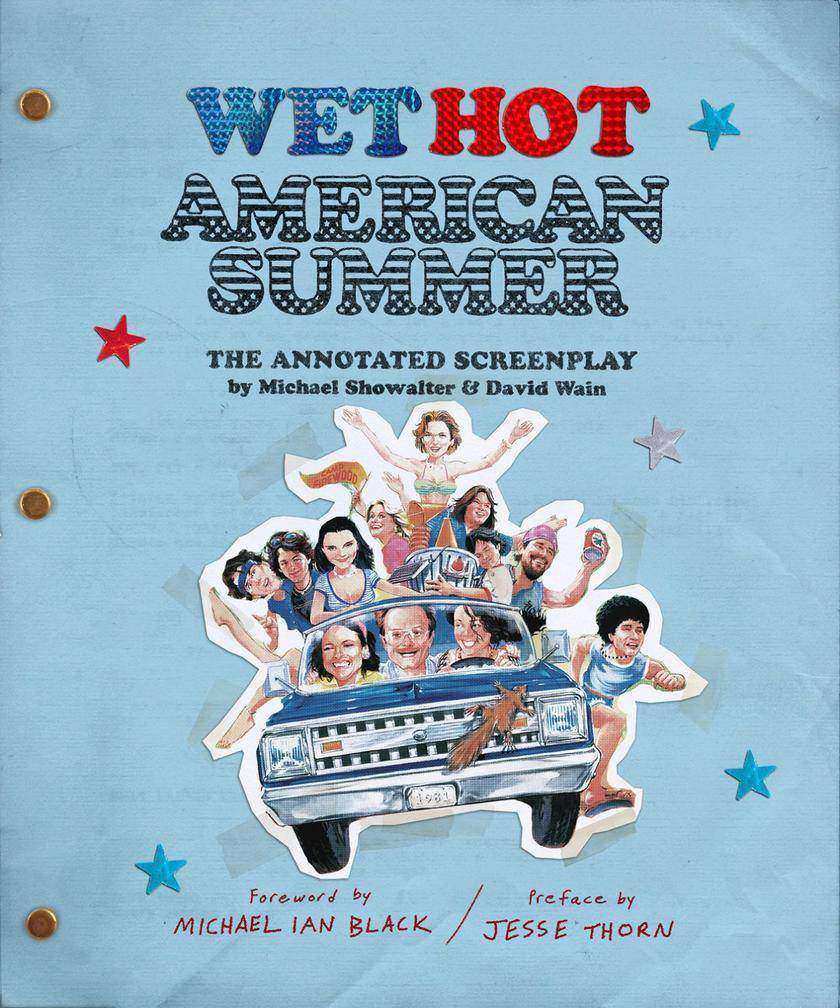
Wet Hot American Summer - The Annotated Screenplay
¥169.03
At long last, this is the definitive Wet Hot American Summer book fans have been clamoring for! Screenwriters David Wain and Michael Showalter take pen to page and create a hilarious, behind-the-scenes annotated version of the original screenplay that launched a thousand Halloween costumes. They provide commentary on and insight into how and why they made the artistic decisions they did while writing and filming the movie that went on to become a true cult classic, as well as an ongoing Netflix series. The book will also feature reproduced ephemera from filming-photos, original (and scathing) reviews, AIM chat conversations, marked up script pages, and so much more. Written and curated by Wain and Showalter, this will be the must-have guide to all things Wet Hot.
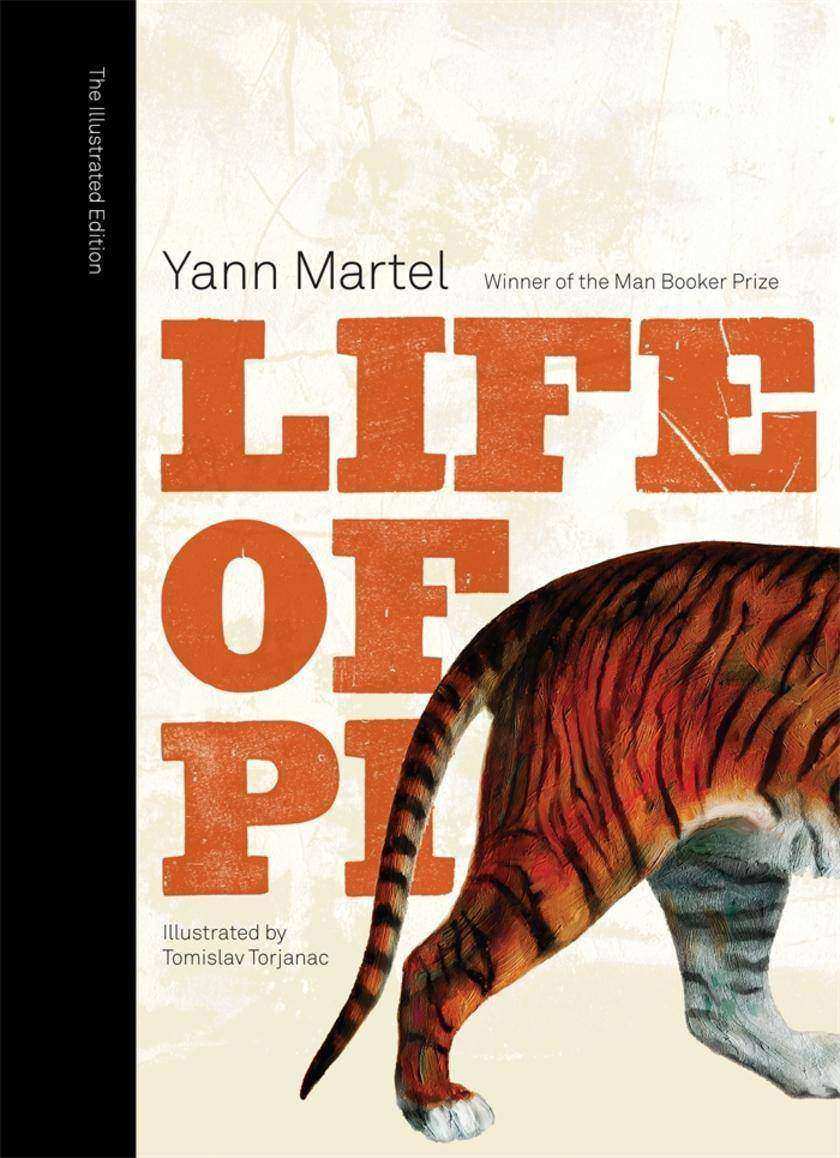
Life Of Pi, Illustrated
¥86.33
After the tragic sinking of a cargo ship, one solitary lifeboat remains bobbing on the wild, blue Pacific. The only survivors from the wreck are a sixteen-year-old boy named Pi, a hyena, a zebra with a broken leg, a female orang-utan - and a 450-pound Royal Bengal tiger. Since it was first published in 2002, Life of Pi has entered mainstream consciousness and remains one of the most extraordinary works of fiction in recent years. In October 2005 Canongate launched a competition with The Times to find an artist to illustrate Yann Martel's international bestseller. Soon the competition expanded as the Globe and Mail and The Age newspapers also launched a search in Canada and Australia. From thousands of entries, Croatian artist Tomislav Torjanac was chosen as the illustrator for this new edition of Life of Pi. Now readers can enjoy this extraordinary tale with his glorious colour illustrations.
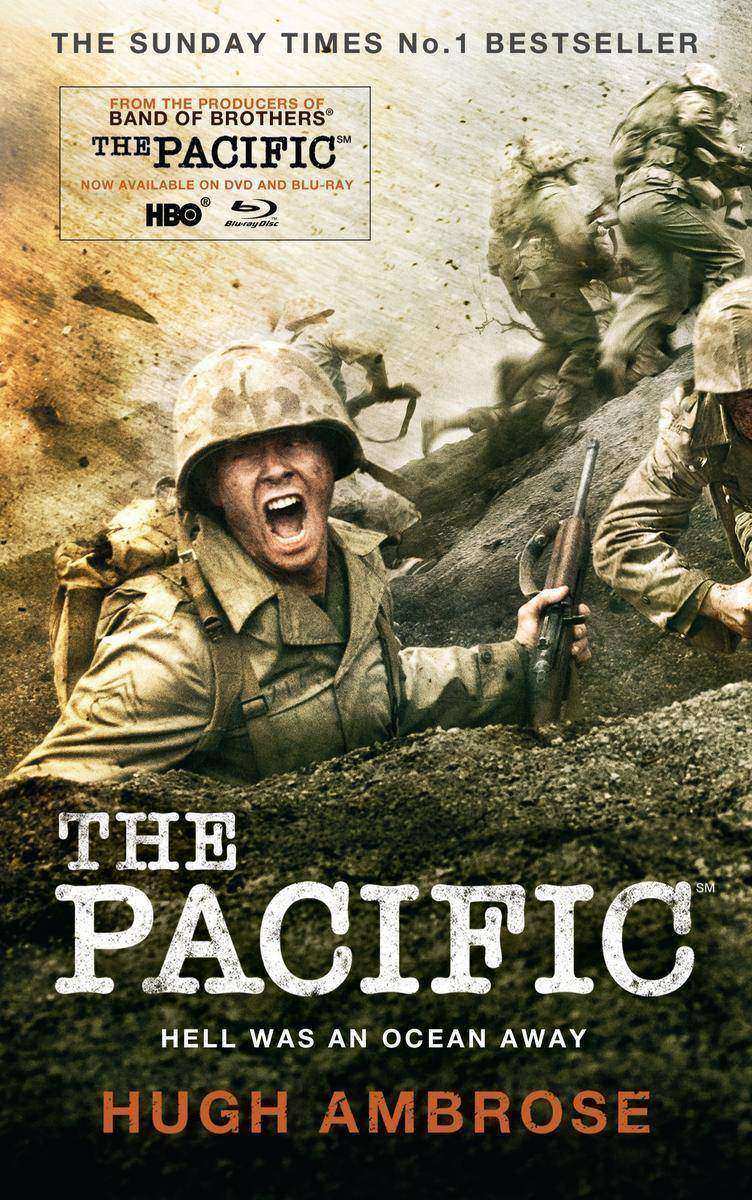
Pacific (The Official HBO/Sky TV Tie-In)
¥78.38
Sidney C. Philips, an easygoing Alabama teenager, enlisted along with a friend. 'Manila John' Basilone was the son of immigrants who found happiness in the rough-and-ready life of a marine. Eugene B. Sledge watched his best friend and brother go off to war - and finally rebelled against his parents to follow them. 'Shifty' Shofner was the scion of a prominent family with a long record of military service. Ensign Vernon 'Mike' Micheel left the family farm to complete flight school. Between America's retreat from China in late 1941 and the moment that MacArthur's plane landed in Japan in August 1945, these five men fought many of the key battles of the war in the Pacific. Here, Hugh Ambrose focuses on their real-life experiences and those of their fellow servicemen, enhancing and expanding upon the story told in the HBO miniseries. Covering nearly four years of combat with unprecedented access to military records, letters, journals, memoirs, photographs and interviews, this volume offers a unique historical perspective on the war against Japan, from the debacle in Bataan to the miracle of Midway, the relentless vortex of Guadalcanal, the black terraces of Iwo Jima and the killing fields of Okinawa - and ultimately the triumphant yet uneasy return home. These are the true stories of the men who put their lives on the line for their country, who were dispatched to the other side of the world to fight an enemy who preferred suicide to surrender; men who suffered hardship and humiliation in POW camps; men who witnessed casualties among soldiers and civilians alike; and men whose medals came at a shocking price - a price paid in full by all.
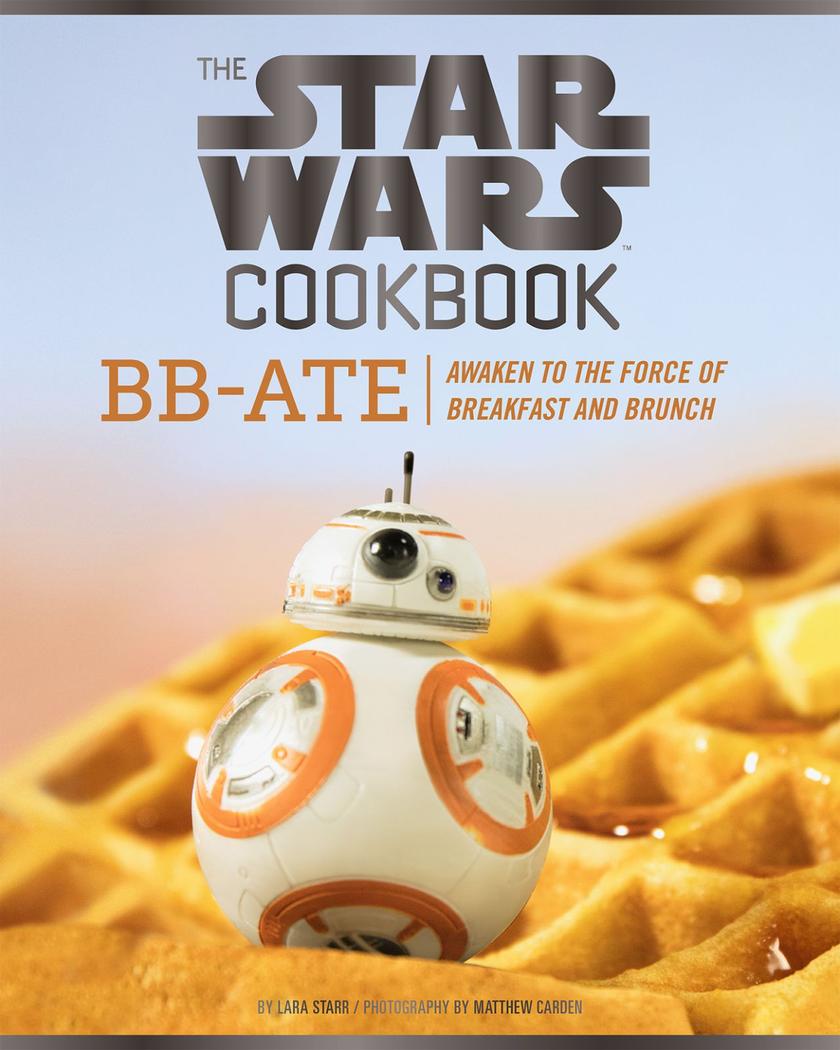
Star Wars Cookbook: BB-Ate - Awaken to the Force of Breakfast and Brunch
¥152.94
Awaken your inner Force with 29 intergalactic breakfast recipes. Fuel up with Hans Soloatmeal, battle hunger with Admiral Ackbars, and so much more! These easy-to-make, mouthwatering recipes feature characters and scenes from Star Wars: The Force Awakens as well as from the upcoming film Star Wars: The Last Jedi. And photographs featuring Star Wars figurines re-creating epic moments from the films provide an extra helping of humor. and TM Lucasfilm Ltd. Used Under Authorization
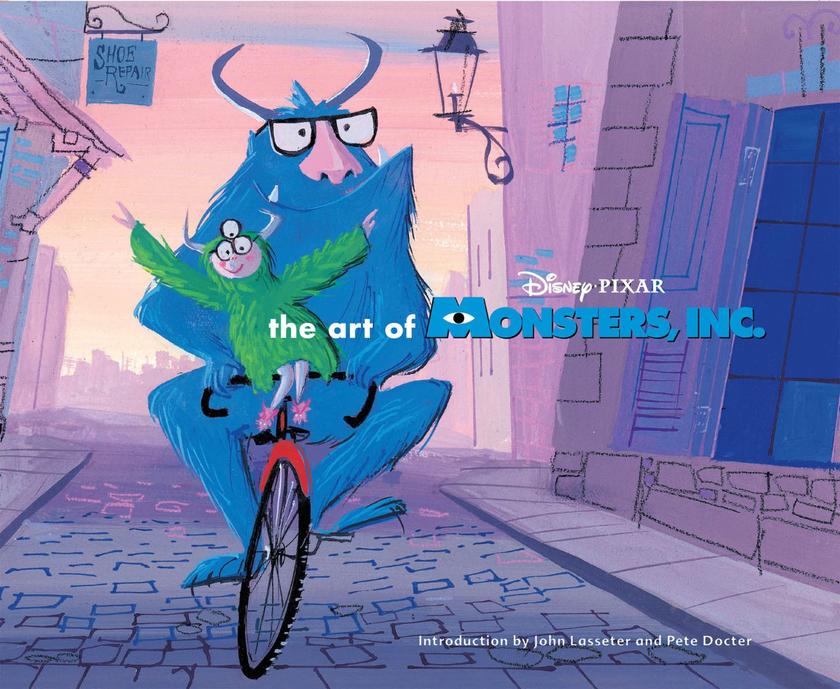
Art of Monster, Inc.
¥305.97
The Art of Monsters, Inc. opens the door into Pixar's colorful archives of concept art and to the endearing story of Monsters, Inc. Since the very first bedtime, children around the world have known that once their parents tuck them into bed and shut off the light, monsters lie waiting behind closet doors, ready to emerge. But what they don't realize is that these monsters scare children because they have to. It's their job. This superb film from Pixar Studios, the people who brought you Toy Story, A Bug's Life, and Toy Story 2, reveals the truth about monsters with the brilliant techniques that have earned them their reputation as a ground-breaking animation studio. This incredible body of artwork was commissioned from the top artists, illustrators, and animators in the industry and from it the ultimate visual approach of the film was defined. From sketches scribbled on napkins and quickly inked marker drawings, to finished oil paintings and fabulous pastel color scripts, this behind-the-scenes artwork reveals the elaborate creative process behind a blockbuster film.
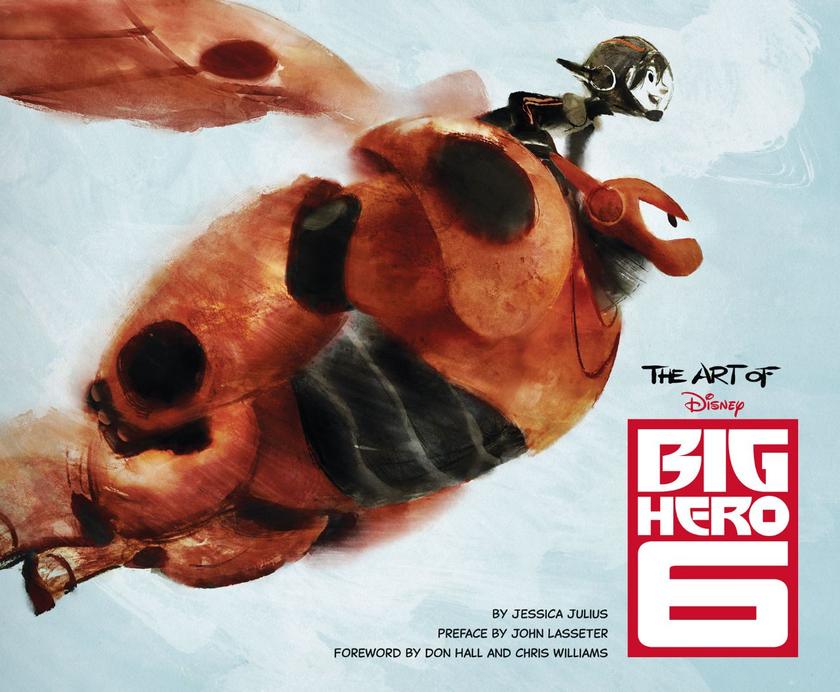
Art of Big Hero 6
¥305.97
Walt Disney Animation Studios' Big Hero 6 is the story of Hiro Hamada, a brilliant robotics prodigy who must foil a criminal plot that threatens to destroy the fast-paced, high-tech city of San Fransokyo. This new title in our popular The Art of series, published to coincide with the movie's U.S. release, features concept art from the film's creation—including sketches, storyboards, maquette sculpts, colorscripts, and much more—illuminated by quotes and interviews with the film's creators. Fans will love the behind-the-scenes insights into Disney's newest action comedy adventure.Copyright ?2014 Disney Enterprises, Inc. All rights reserved.
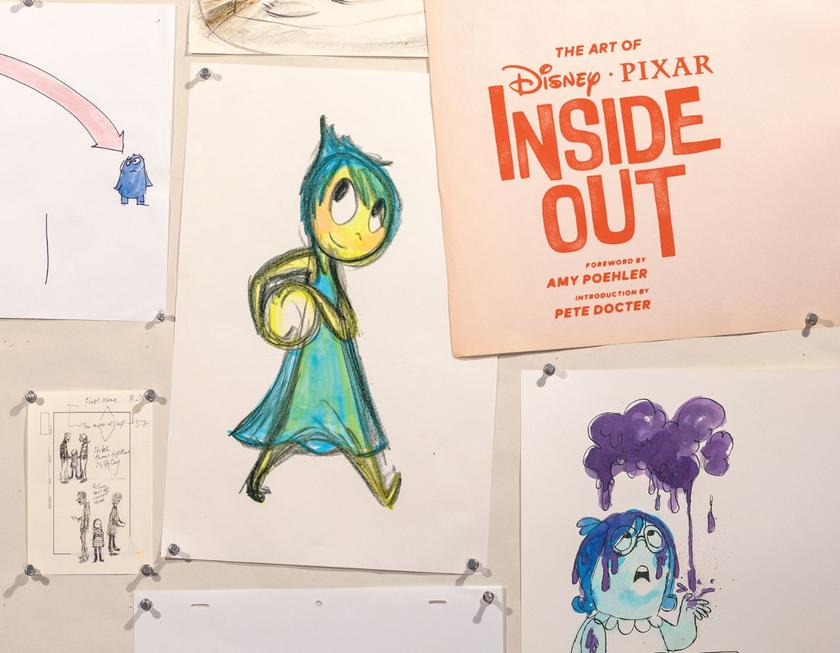
Art of Inside Out
¥305.97
From an adventurous balloon ride above the clouds to a monster-filled metropolis, Academy Award(R)-winning director Pete Docter ("e;Monsters, Inc.,"e; "e;Up"e;) has taken audiences to unique and imaginative places. In Disney*;Pixar's original movie "e; Inside Out,"e; he will take us to the most extraordinary location of allinside the mind.Growing up can be a bumpy road, and it's no exception for Riley, who is uprooted from her Midwest life when her father starts a new job in San Francisco. Like all of us, Riley is guided by her emotions Joy, Fear, Anger, Disgust, and Sadness. The emotions live in Headquarters, the control center inside Riley's mind, where they help advise her through everyday life. As Riley and her emotions struggle to adjust to a new life in San Francisco, turmoil ensues in Headquarters. Although Joy, Riley's main and most important emotion, tries to keep things positive, the emotions conflict on how best to navigate a new city, house and school.In this groundbreaking and illuminating film, Pixar Animation Studios examines the extraordinary depths of the mind and the powers of emotion and imagination. The Art of Inside Out provides an exclusive look into the artistic exploration that went into the making of this vibrant film. Featuring concept artincluding sketches, collages, color scripts, and much moreand opening with a foreword by actress Amy Poehler and introduction by the film's writer and director Pete Docter, this is the ultimate behind-the-scenes experience of the making of this landmark film.Copyright 2015 Disney Enterprises, Inc. and Pixar. All rights reserved.
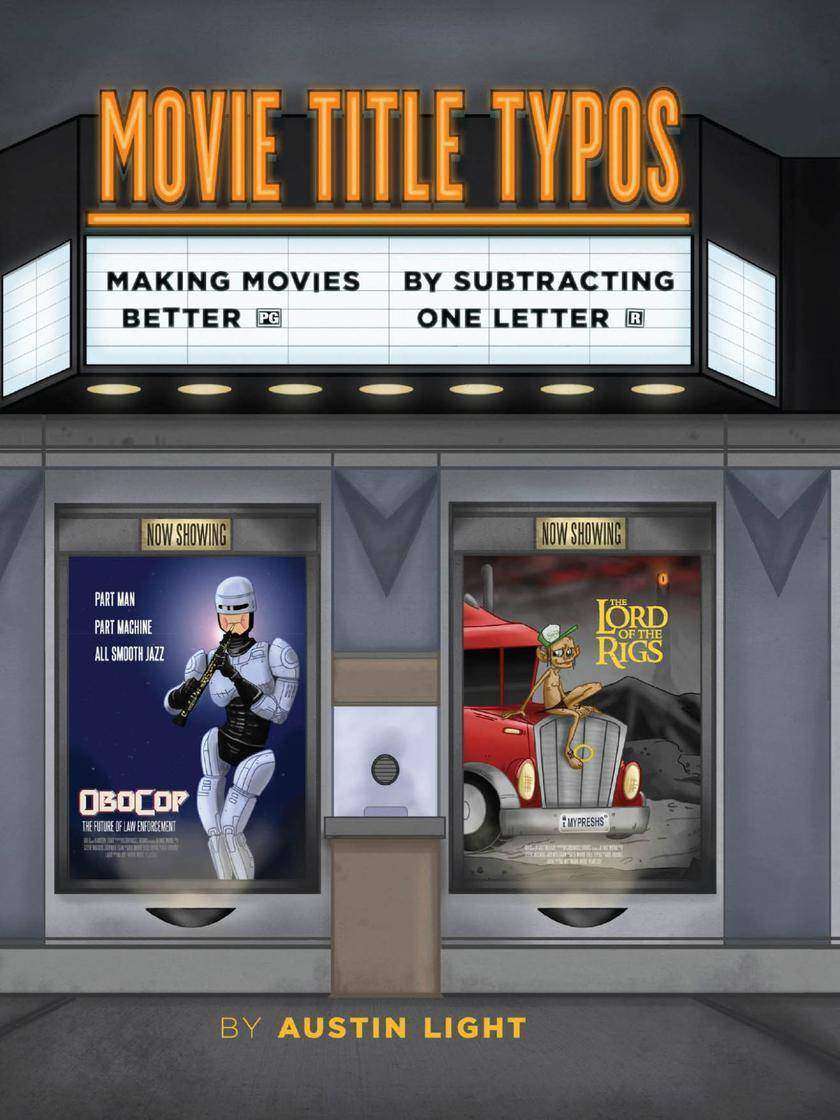
Movie Title Typos - Making Movies Better by Subtracting One Letter
¥105.85
In Movie Title Typos, artist Austin Light removes just one letter from a well-known movie title to inspire a surprising and hilarious visual scenario. There's Obocop (a robotic police officer works through his PTSD by playing smooth jazz), T. (a boy meets a jewelry-clad alien who pities fools), Harry Otter, The Princess and the Fro, Finding Emo, Pup Fiction, and many more. A massive viral hit when he first posted sketches of the work online (1.2 million hits in the first 6 hours), Light has created new full-color illustrations for all, with the majority of the book's content never before seen on the Web. Here is a parallel universe glimpse at could-have-been films possibly betterdefinitely funnierthan the originals.
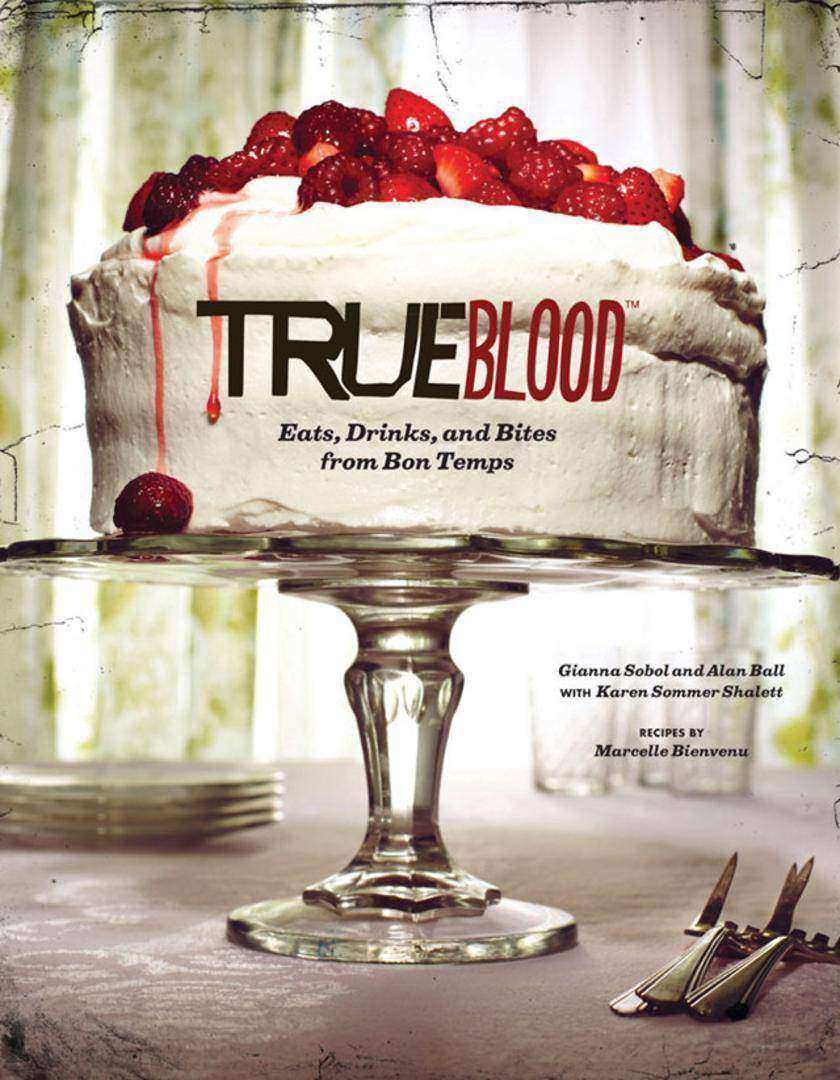
True Blood: Eats, Drinks, and Bites from Bon Temps
¥200.03
True Blood, HBO's blockbuster paranormal drama, enthralls a diverse audience of 13 million viewers (and counting). Menus at the now famous Fangtasia and Merlotte's Bar and Grill play a key role in the series, providing sustenance for its human characters, evoking memories of a bygone life for its vampires, and serving as a powerful symbol for the desires and carnal needs the characters harbor. It's no wonder so many fans revel in at home parties inspired by the food on the series! With recipes from unforgettable scenes, each entertainingly introduced by True Blood's most compelling characters, these 85 authentic bayou country recipes and 150 plus photos from the series give fans a big taste of Bon Temps.
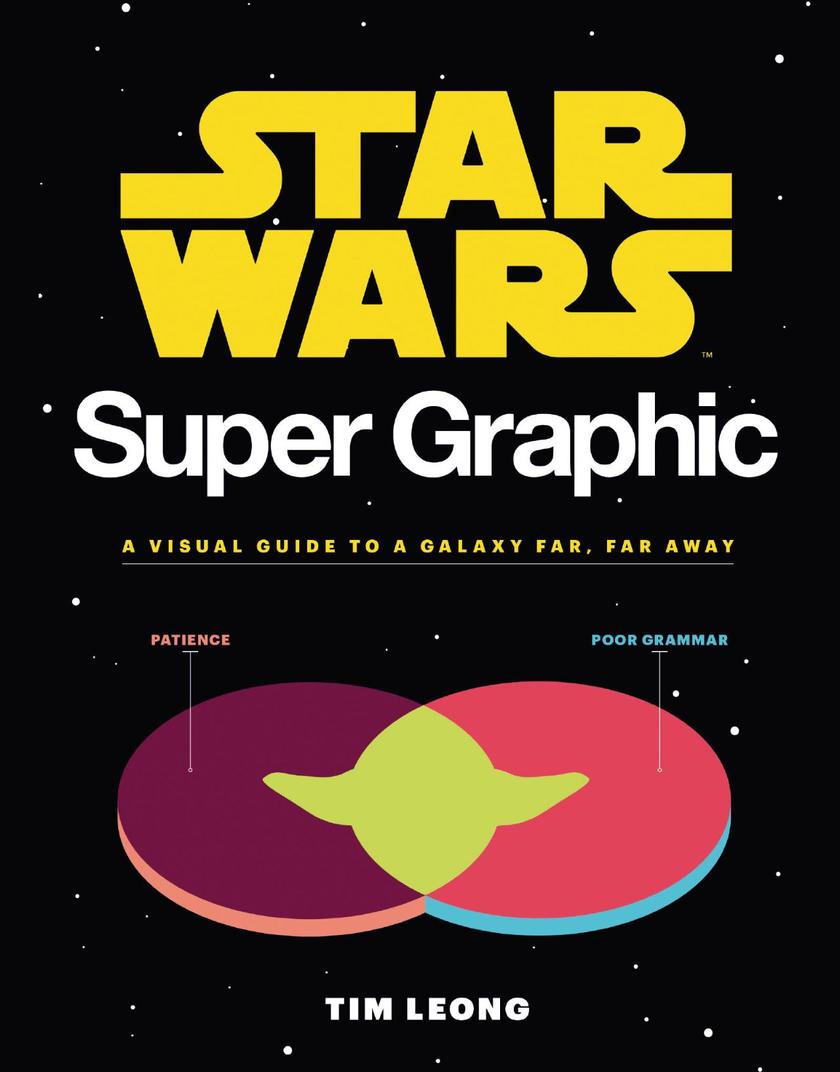
Star Wars Super Graphic - A Visual Guide to a Galaxy Far, Far Away
¥165.71
Graphic design guru Tim Leong presents Star Wars trivia in an all-new waythrough playful pie charts, bar graphs, and other data-driven infographics. From a Venn diagram of Yoda's idiosyncrasies to an organizational chart of the Empire to a line graph of Grand Moff Tarkin's management decisions, Star Wars Super Graphic shines a new light on the much-adored universe. Equal parts playful and informative, this visual love letter to the vast Star Wars universe will enchant fans of all ages. and TM Lucasfilm Ltd. Used Under Authorization

Star Wars Epic Yarns: The Empire Strikes Back
¥70.53
Jedi apprentices and little princesses will delight in this (heart)felt retelling of the Star Wars saga. And so will Star Wars fans of any age! The series launches with the original trilogy, and every word counts in these small but perfectly formed yarns. That's because each volume features 12 iconic scenes, handcrafted in felt and pithily summarized in just a single word. The attention to detail is eye-opening; the proportions are just-right for small hands; the fun is guaranteed. In The Empire Strikes Back, Luke meets his teacher Yoda, Han Solo makes a friend, and there is a lightsaber duel with a Sith Lord in the dark. and TM Lucasfilm Ltd. Used Under Authorization
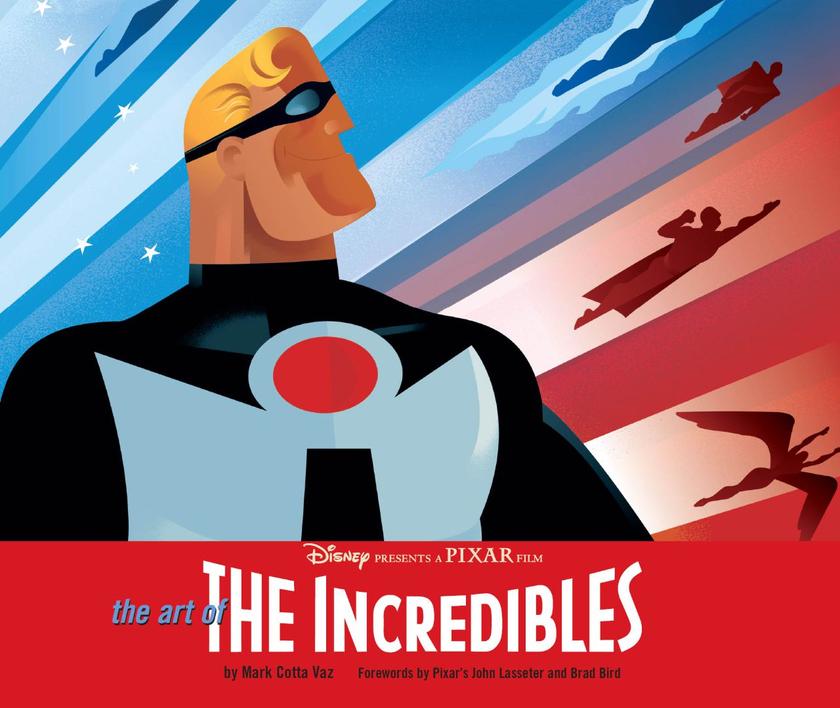
Art of The Incredibles
¥305.97
From Pixar Animation Studios, the Academy Awardwinning studio that brought us such blockbusters as Toy Story, Monsters, Inc., and Finding Nemo, comes The Incredibles, a hilarious, action-packed story of a family of superheroes living an underground suburban existence. The sleekly designed settings and characters were conceptualized and developed by writer/director Brad Bird and Pixar's creative team of artists, illustrators, and designers, resulting in a celluloid sensation rich with detail. The Art of The Incredibles celebrates their talent, featuring concept and character sketches, storyboards, and lighting studies, and invites readers into the elaborate creative process of animation through interviews with all the key players at Pixar.
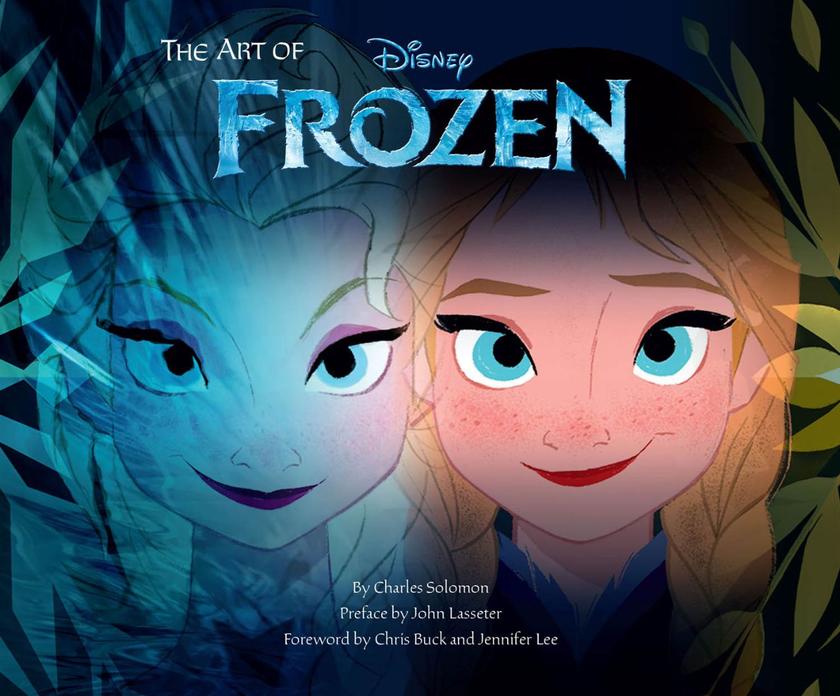
Art of Frozen
¥305.97
In Walt Disney Animation Studios upcoming film, Frozen, the fearless optimist Anna sets off on an epic journeyteaming up with rugged mountain man Kristoffto find her sister Elsa, whose icy powers have trapped the kingdom of Arendelle in eternal winter. Encountering Everest-like conditions, Anna and Kristoff battle the elements in a race to save the kingdom. The Art of Frozen features concept art from the making of the filmincluding character studies and sculpts, color scripts, storyboards, and morealongside interviews with the film's artists about the making of this comedy-adventure. Disney
Dutch Courtezan
¥15.21
John Marston was born to John and Maria Marston nee Guarsi, and baptised on October 7th, 1576 at Wardington, Oxfordshire.Marston entered Brasenose College, Oxford in 1592 and earned his BA in 1594. By 1595, he was in London, living in the Middle Temple. His interests were in poetry and play writing, although his father's will of 1599 hopes that he would not further pursue such vanities.His brief career in literature began with the fashionable genres of erotic epyllion and satire; erotic plays for boy actors to be performed before educated young men and members of the inns of court.In 1598, he published 'The Metamorphosis of Pigmalion's Image and Certaine Satyres', a book of poetry. He also published 'The Scourge of Villanie', in 1598. 'Histriomastix' regarded as his first play was produced 1599. It's performance kicked off an episode in literary history known as the War of the Theatres; a literary feud between Marston, Jonson and Dekker that lasted until 1602.However, the playwrights were later reconciled; Marston wrote a prefatory poem for Jonson's 'Sejanus' in 1605 and dedicated 'The Malcontent' to him. Beyond this episode Marston's career continued to gather both strength, assets and followers. In 1603, he became a shareholder in the Children of Blackfriars company. He wrote and produced two plays with the company. The first was 'The Malcontent' in 1603, his most famous play. His second was 'The Dutch Courtesan', a satire on lust and hypocrisy, in 1604-5.In 1605, he worked with George Chapman and Ben Jonson on 'Eastward Ho', a satire of popular taste and the vain imaginings of wealth to be found in the colony of Virginia.Marston took the theatre world by surprise when he gave up writing plays in 1609 at the age of thirty-three. He sold his shares in the company of Blackfriars. His departure from the literary scene may have been because of further offence he gave to the king. The king suspended performances at Blackfriars and had Marston imprisoned.On 24th September 1609 he was made a deacon and them a priest on 24th December 1609. In October 1616, Marston was assigned the living of Christchurch, Hampshire.He died (accounts vary) on either the 24th or 25th June 1634 in London and was buried in the Middle Temple Church.
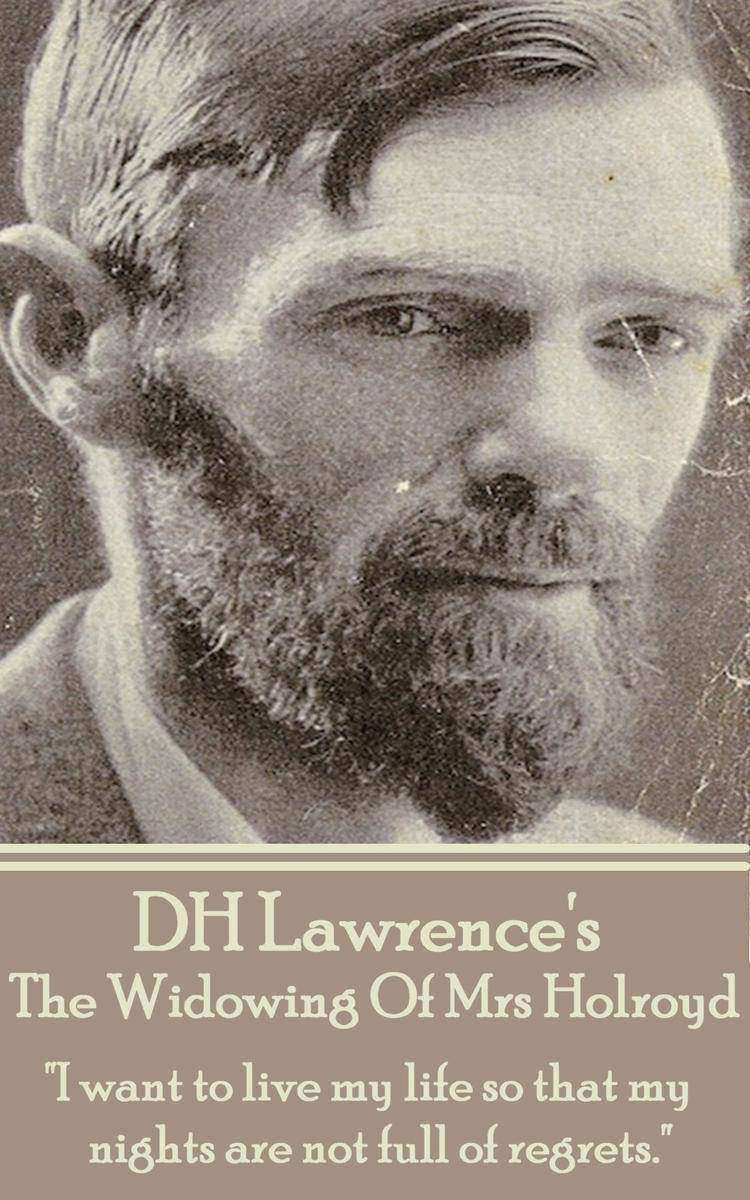
Widowing Of Mrs Holroyd - I want to live my life so that my nights are not full
¥29.33
For many of us DH Lawrence was a schoolboy hero. Who can forget sniggering in class at the mention of Women In Love or Lady Chatterley's Lover? Lawrence was a talented if nomadic writer whose novels were passionately received, suppressed at times and generally at odds with Establishment values. This of course did not deter him. At his death in 1930 at the young age of 44 he was more often thought of as a pornographer but in the ensuing years he has come to be more rightly regarded as one of the most imaginative writers these shores have produced. As well as his novels and of course his poetry - he wrote in excess of 800 of them he was also a very talented playwright. These works have not been given quite the attention they deserve. Here we publish 'The Widowing of Mrs Holroyd.
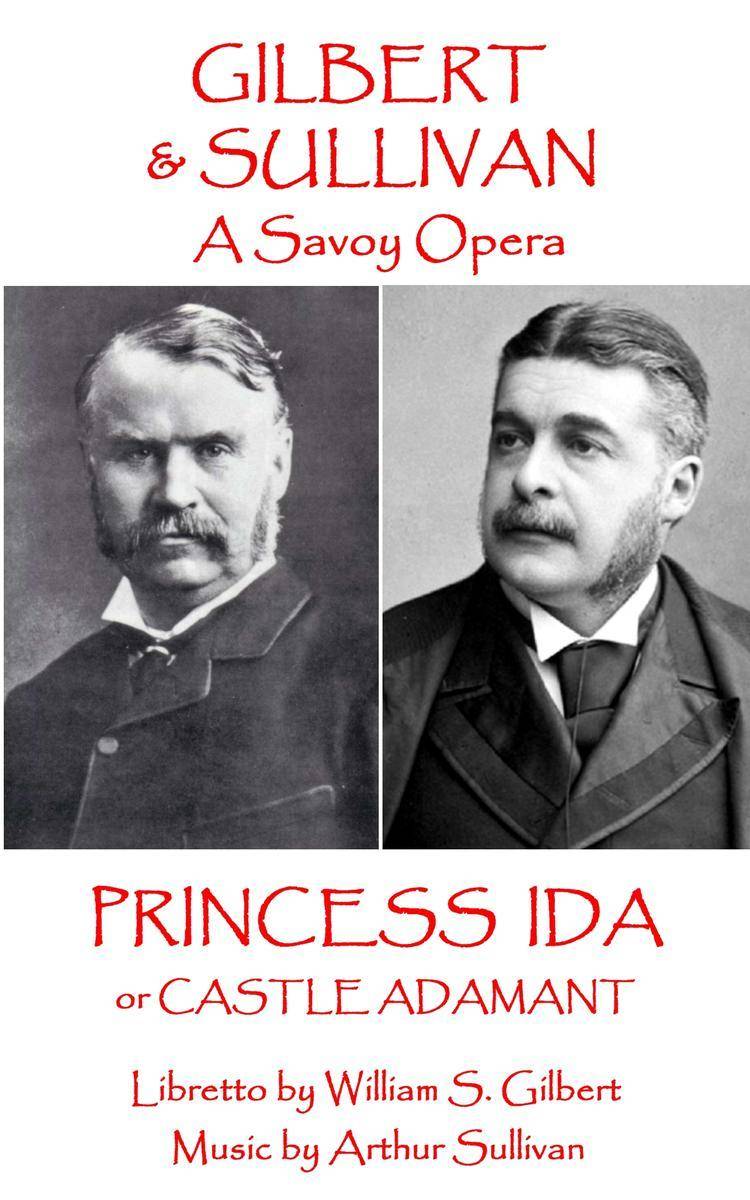
Princess Ida - or Castle Adamant
¥26.98
The partnership between William Schwenck Gilbert and Arthur Seymour Sullivan and their canon of Savoy Operas is rightly lauded by all lovers of comic opera the world over. Gilbert's sharp, funny words and Sullivan's deliciously lively and hummable tunes create a world that is distinctly British in view but has the world as its audience. Both men were exceptionally talented and gifted in their own right and wrote much, often with other partners, that still stands the test of time. However, together as a team they created Light or Comic Operas of a standard that have had no rivals equal to their standard, before or since. That's quite an achievement. To be recognised by the critics is one thing but their commercial success was incredible. The profits were astronomical, allowing for the building of their own purpose built theatre - The Savoy Theatre. Beginning with the first of their fourteen collaborations, Thespis in 1871 and travelling through many classics including The Sorcerer (1877), H.M.S. Pinafore (1878), The Pirates of Penzance (1879), The Mikado (1885), The Gondoliers (1889) to their finale in 1896 with The Grand Duke, Gilbert & Sullivan created a legacy that is constantly revived and admired in theatres and other media to this very day.
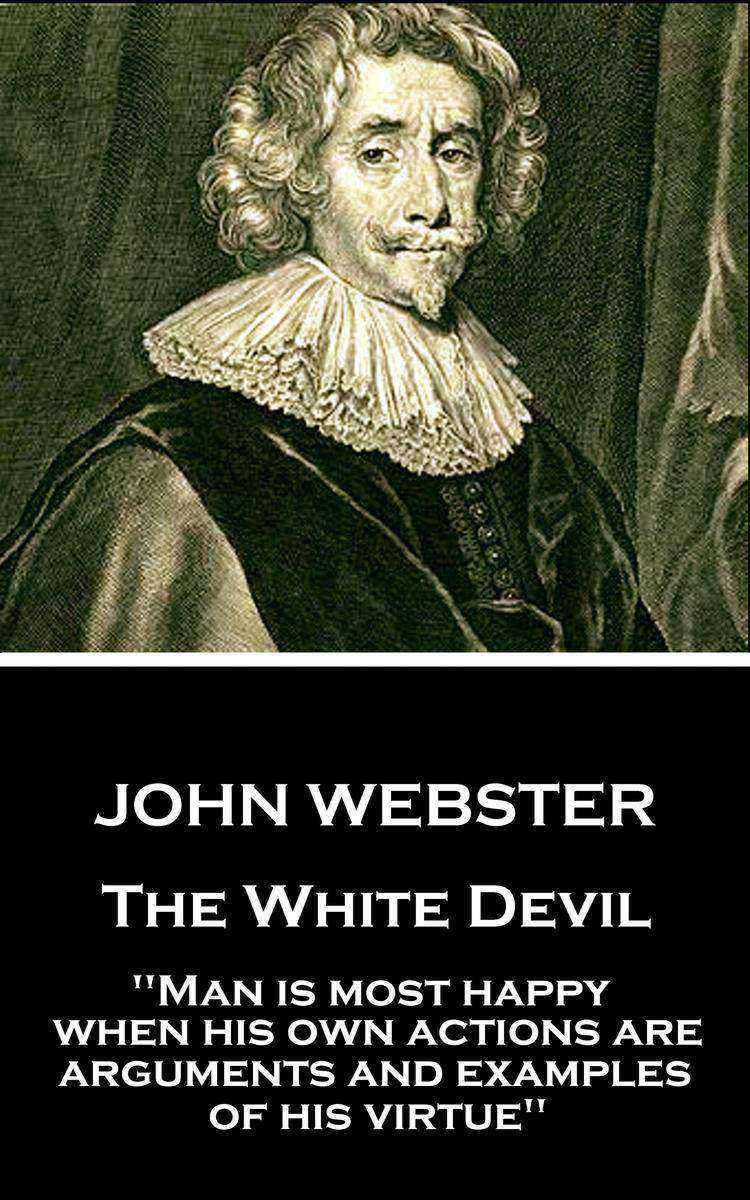
White Devil - Man is most happy, when his own actions are arguments and examples
¥25.80
John Webster is known primarily for his two Jacobean tragedies, The Duchess of Malfi and The White Devil. Much of the detail and chronology of his life that led to these two pivotal works is, however, unknown. His father, a carriage maker also named John Webster, married a blacksmith's daughter, Elizabeth Coates, on November 4th, 1577, and it is likely that Webster was born within a year or two in or near London. The family lived in St. Sepulchre's parish. Both his father and his uncle, Edward Webster, were Freemen of the Merchant Taylors' Company and Webster attended Merchant Taylors' School in Suffolk Lane, London. Some accounts say he began to study law but nothing is certain although there are some legal aspects to his later works to suggest this may have been so. By 1602, Webster was employed working as part of various teams of playwrights on history plays, though unfortunately most were never printed and therefore do not survive. These include a tragedy Caesar's Fall (written with Michael Drayton, Thomas Dekker, Thomas Middleton and Anthony Munday), and a collaboration with Thomas Dekker; Christmas Comes but Once a Year (1602). This factory line assembly of plays may seem rather odd to us today but plays then ran for much shorter durations and consequently a steady supply had to be assured. Webster's relationship with Dekker seems to have been a good one. Together they wrote Sir Thomas Wyatt, printed in 1607, although it is thought first performed in 1602 and two city comedies, Westward Ho! in 1604 and Northward Ho! in 1605. It seems Webster also adapted, in 1604, John Marston's The Malcontent for staging by the King's Men. On March 18th, 1606 Webster married the 17-year-old Sara Peniall at St Mary's Church, Islington. Sara was 7 months pregnant and marrying during Lent required the issuing of a special permit, hence the certainty of the date. Their first child, John, was baptised at the parish of St Dunstan-in-the-West on March 8th, 1606. Records show that on the death of a neighbour, who died in 1617, several bequests were made to the Webster family and it is therefore thought that other children were born to the couple. Despite his ability to write comedy, and to collaborate with others, Webster is remembered best for his sole authorship on two brooding English tragedies based on Italian sources. The White Devil, retells the intrigues involving Vittoria Accoramboni, an Italian woman assassinated at the age of 28. It was performed at the open-air Red Bull Theatre in 1612 but was unsuccessful, perhaps being too high brow for a working-class audience. In 1614 The Duchess of Malfi was first performed by the King's Men, most probably in the indoor Blackfriars Theatre and to a more high-brow audience. It proved to be more successful. The play Guise, based on French history, was also written but him but no text has survived. Webster wrote one more play on his own: The Devil's Law Case (c. 1617-1619), a tragicomedy. He continued to write thereafter but always in collaboration and usually city comedies; Anything for a Quiet Life (c. 1621), with Thomas Middleton, and A Cure for a Cuckold (c. 1624), with William Rowley. In 1624, he also co-wrote a topical play about a recent scandal, Keep the Widow Waking (with John Ford, Rowley and Dekker). The play itself is lost, although its plot is known from a court case. There is also some certainty that he contributed to the tragicomedy The Fair Maid of the Inn with John Fletcher, John Ford, and Phillip Massinger. His Appius and Virginia, was probably written with Thomas Heywood, and is of uncertain date. It is believed, mainly from Thomas Heywood's Hierarchie of the Blessed Angels (licensed 7 November 1634) that speaks of him in the past tense that John Webster had died at some point in that year of 1634.
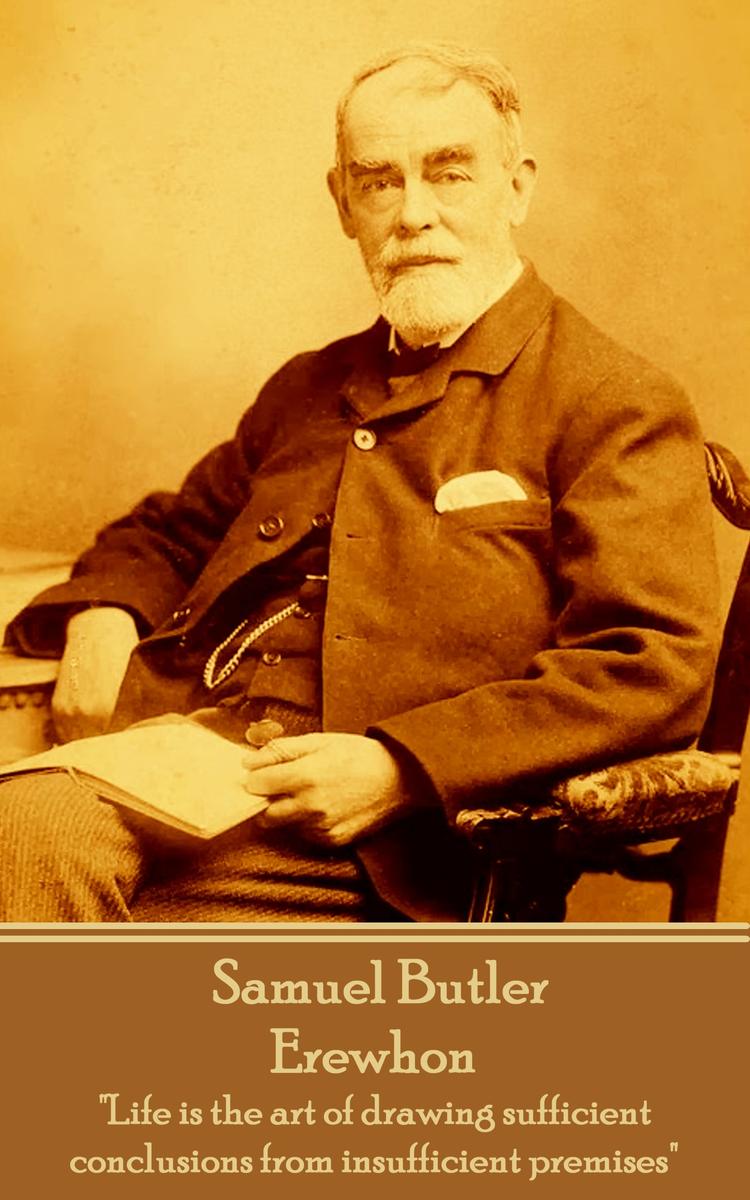
Erewhon - Life is the art of drawing sufficient conclusions from insufficient pr
¥38.75
Samuel Butler was born on 4th December 1835 at the village rectory in Langar, Nottinghamshire.His relationship with his parents, especially his father, was largely antagonistic. His education began at home and included frequent beatings, as was all too common at the time.Under his parents' influence, he was set to follow his father into the priesthood. He was schooled at Shrewsbury and then St John's College, Cambridge, where he obtained a first in Classics in 1858.After Cambridge he went to live in a low-income parish in London 1858-59 as preparation for his ordination into the Anglican clergy; there he discovered that baptism made no apparent difference to the morals and behaviour of his new peers. He began to question his faith. Correspondence with his father about the issue failed to set his mind at peace, inciting instead his father's wrath.As a result, the young Butler emigrated in September 1859 to New Zealand. He was determined to change his life.He wrote of his arrival and life as a sheep farmer on Mesopotamia Station in 'A First Year in Canterbury Settlement' (1863). After a few years he sold his farm and made a handsome profit. But the chief achievement of these years were the drafts and source material for much of his masterpiece 'Erewhon'.Butler returned to England in 1864, settling in rooms in Clifford's Inn, near Fleet Street, where he would live for the rest of his life.In 1872, he published his Utopian novel 'Erewhon' which made him a well-known figure.He wrote a number of other books, including a moderately successful sequel, 'Erewhon Revisited' before his masterpiece and semi-autobiographical novel 'The Way of All Flesh' appeared after his death. Butler thought its tone of satirical attack on Victorian morality too contentious to publish during his life time and thereby shied away from further potential problems.Samuel Butler died aged 66 on 18th June 1902 at a nursing home in St John's Wood Road, London. He was cremated at Woking Crematorium, and accounts say his ashes were either dispersed or buried in an unmarked grave.


