


 购物车
 个人中心

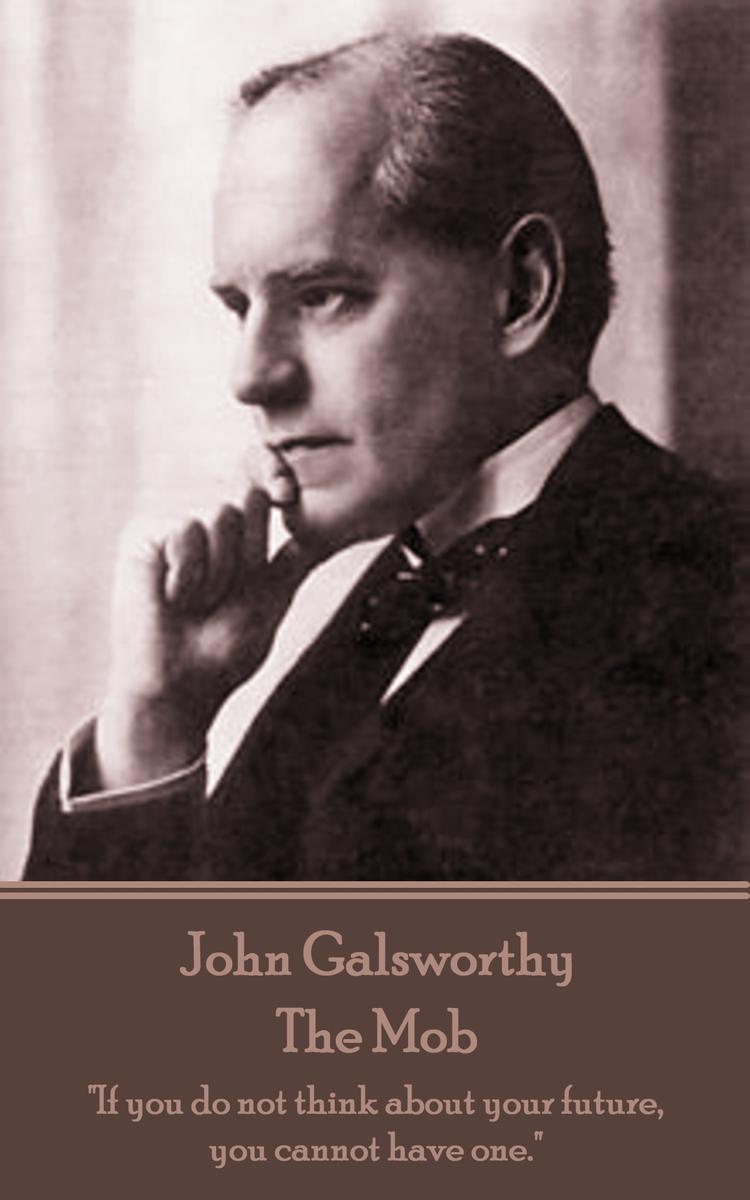
Mob - If you do not think about your future, you cannot have one.
¥21.09
John Galsworthy was born at Kingston Upon Thames in Surrey, England, on August 14th 1867 to a wealthy and well established family. His schooling was at Harrow and New College, Oxford before training as a barrister and being called to the bar in 1890. However, Law was not attractive to him and he travelled abroad becoming great friends with the novelist Joseph Conrad, then a first mate on a sailing ship. In 1895 Galsworthy began an affair with Ada Nemesis Pearson Cooper, the wife of his cousin Major Arthur Galsworthy. The affair was kept a secret for 10 years till she at last divorced and they married on 23rd September 1905. Galsworthy first published in 1897 with a collection of short stories entitled "e;The Four Winds"e;. For the next 7 years he published these and all works under his pen name John Sinjohn. It was only upon the death of his father and the publication of "e;The Island Pharisees"e; in 1904 that he published as John Galsworthy. His first play, The Silver Box in 1906 was a success and was followed by "e;The Man of Property"e; later that same year and was the first in the Forsyte trilogy. Whilst today he is far more well know as a Nobel Prize winning novelist then he was considered a playwright dealing with social issues and the class system. Here we publish Villa Rubein, a very fine story that captures Galsworthy's unique narrative and take on life of the time. He is now far better known for his novels, particularly The Forsyte Saga, his trilogy about the eponymous family of the same name. These books, as with many of his other works, deal with social class, upper-middle class lives in particular. Although always sympathetic to his characters, he reveals their insular, snobbish, and somewhat greedy attitudes and suffocating moral codes. He is now viewed as one of the first from the Edwardian era to challenge some of the ideals of society depicted in the literature of Victorian England. In his writings he campaigns for a variety of causes, including prison reform, women's rights, animal welfare, and the opposition of censorship as well as a recurring theme of an unhappy marriage from the women's side. During World War I he worked in a hospital in France as an orderly after being passed over for military service. He was appointed to the Order of Merit in 1929, after earlier turning down a knighthood, and awarded the Nobel Prize in 1932 though he was too ill to attend. John Galsworthy died from a brain tumour at his London home, Grove Lodge, Hampstead on January 31st 1933. In accordance with his will he was cremated at Woking with his ashes then being scattered over the South Downs from an aeroplane.
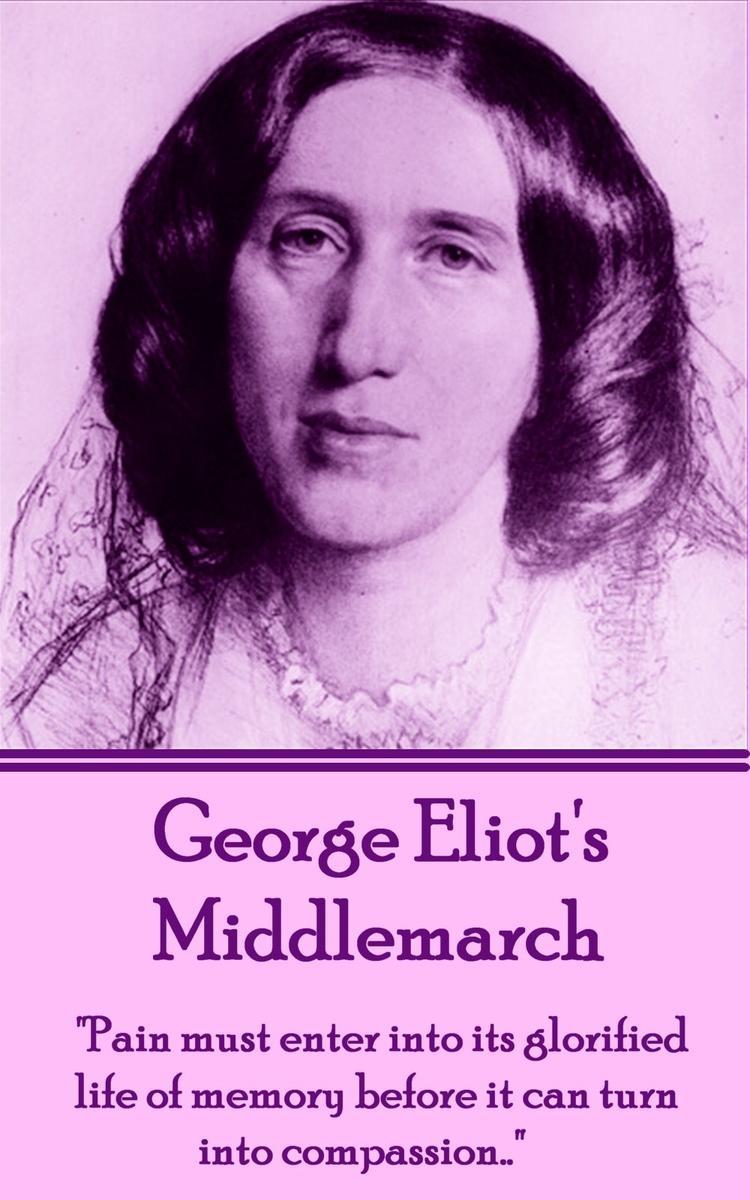
Middlemarch
¥46.99
George Eliot opens her complex study of life in the provincial Midlands with a brilliant portrait of Dorothea Brooke in all her strengths and weaknesses. Dorothea's misguided marriage is only one of the many, at first seemingly quite separate, stories of thwarted ideals, passions and ambitions. In the end the 'web of relationships' comes together as every character meets an appropriate fate. The story links the struggles of the individuals with the problems of society as a whole, as it wrestles with the disturbances that are approaching through industrialisation and a changing social order.

Theft - The function of man is to live, not to exist.
¥38.75
John Griffith "e;Jack"e; London was born John Griffith Chaney on January 12th, 1876 in San Francisco. His father, William Chaney, was living with his mother Flora Wellman when she became pregnant. Chaney insisted she have an abortion. Flora's response was to turn a gun on herself. Although her wounds were not severe the trauma made her temporarily deranged. In late 1876 his mother married John London and the young child was brought to live with them as they moved around the Bay area, eventually settling in Oakland where Jack completed grade school. Jack also worked hard at several jobs, sometimes 12-18 hours a day, but his dream was university. He was lent money for that and after intense studying enrolled in the summer of 1896 at the University of California in Berkeley. In 1897, at 21 , Jack searched out newspaper accounts of his mother's suicide attempt and the name of his biological father. He wrote to William Chaney, then living in Chicago. Chaney said he could not be London's father because he was impotent; and casually asserted that London's mother had relations with other men. Jack, devastated by the response, quit Berkeley and went to the Klondike. Though equally because of his continuing dire finances Jack might have taken that as the excuse he needed to leave. In the Klondike Jack began to gather material for his writing but also accumulated many health problems, including scurvy, hip and leg problems many of which he then carried for life. By the late 1890's Jack was regularly publishing short stories and by the turn of the century full blown novels. By 1904 Jack had married, fathered two children and was now in the process of divorcing. A stint as a reporter on the Russo-Japanese war of 1904 was equal amounts trouble and experience. But that experience was always put to good use in a remarkable output of work. Twelve years later Jack had amassed a wealth of writings many of which remain world classics. He had a reputation as a social activist and a tireless friend of the workers. And yet on November 22nd 1916 Jack London died in a cottage on his ranch at the age of only 40. Here we present Theft.

Othello - The robbed that smiles steals something from the thief
¥11.67
The life of William Shakespeare, arguably the most significant figure in the Western literary canon, is relatively unknown. Shakespeare was born in Stratford-upon-Avon in 1565, possibly on the 23rd April, St. George's Day, and baptised there on 26th April. Little is known of his education and the first firm facts to his life relate to his marriage, aged 18, to Anne Hathaway, who was 26 and from the nearby village of Shottery. Anne gave birth to their first son six months later. Shakespeare's first play, The Comedy of Errors began a procession of real heavyweights that were to emanate from his pen in a career of just over twenty years in which 37 plays were written and his reputation forever established. This early skill was recognised by many and by 1594 the Lord Chamberlain's Men were performing his works. With the advantage of Shakespeare's progressive writing they rapidly became London's leading company of players, affording him more exposure and, following the death of Queen Elizabeth in 1603, a royal patent by the new king, James I, at which point they changed their name to the King's Men. By 1598, and despite efforts to pirate his work, Shakespeare's name was well known and had become a selling point in its own right on title pages. No plays are attributed to Shakespeare after 1613, and the last few plays he wrote before this time were in collaboration with other writers, one of whom is likely to be John Fletcher who succeeded him as the house playwright for the King's Men. William Shakespeare died two months later on April 23rd, 1616, survived by his wife, two daughters and a legacy of writing that none have since yet eclipsed.
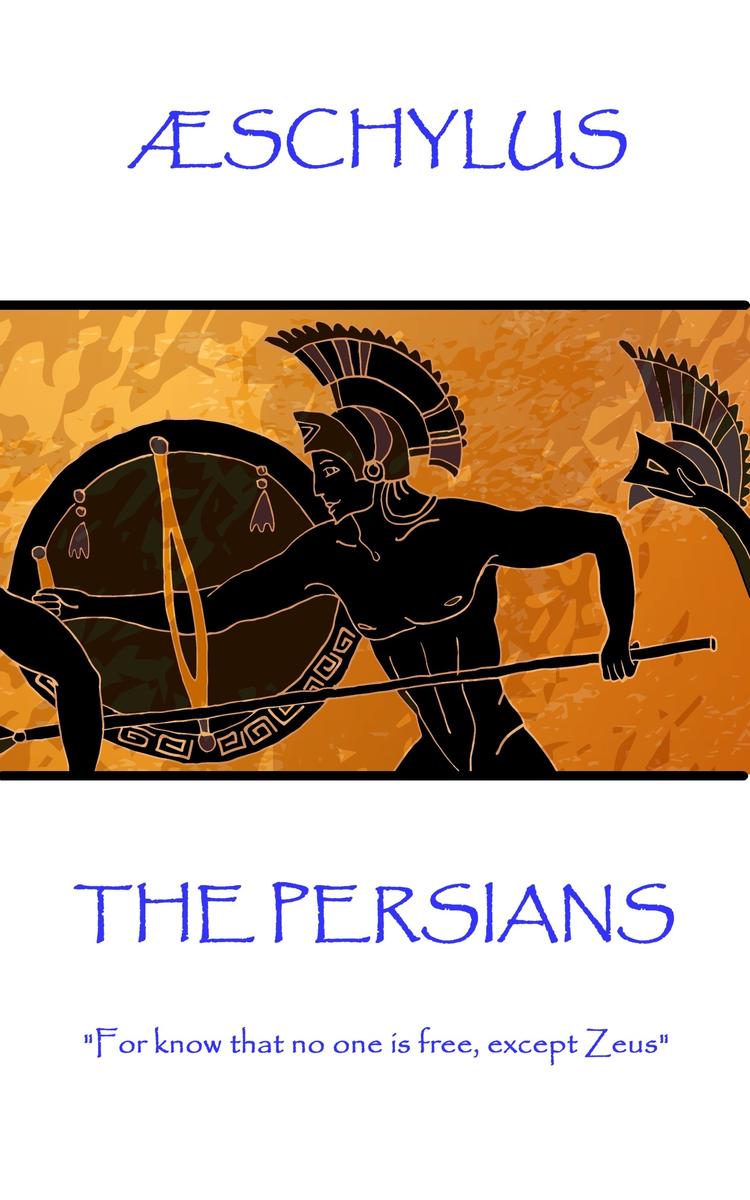
Persians - For know that no one is free, except Zeus
¥11.67
schylus is often regarded as the father of Greek tragedy; he moved play writing from the simple interaction of a single character and a chorus to one where many characters interact and thereby create more dynamic and dramatic situations. schylus, was the son of Euphorion, and a scion of a Eupatrid or noble family. He was born at Eleusis 525 B.C., or, as the Greeks calculated time, in the fourth year of the 63rd Olympiad. He first worked at a vineyard and whilst there claimed to have been visited by Dionysis in a dream and told to turn his attention to the tragic art. It was a dream that would deliver a rich and incredible legacy through his writing talents. His earliest tragedy, composed when he was twenty-six years of age, failed to win the fabled Dionysia, (a revered festival of theatre) and it was not until fifteen years later that he gained this victory in 484BC going on to win it again in 472 BC (for The Persians), 467 BC (for Seven Against Thebes) and 463 BC (for The Suppliants). schylus was also known for his military skills and was ready to fight in defence of Athens whenever the call was made. He and his brother, Cynegeirus, fought against Darius's invading Persian army at the Battle of Marathon in 490 BCE and, although the Greeks won against overwhelming odds, Cynegeirus died in the battle, which had a naturally had a profound effect on schylus. He made several visits to the important Greek city of Syracuse in Sicily at the invitation of the tyrant Hieron, and it is thought that he also travelled extensively in the region of Thrace. His writing continued to be the envy of others. With the series of plays of which Seven Against Thebes was a part, his supremacy was undisputed. He was the "e;father of tragedy."e; schylus made many changes to dramatic form. The importance of the chorus was demoted and a second added to give prominence to the dialogue and making that interchange the leading feature of the play. He removed all deeds of bloodshed from the public view, and in their place provided various spectacular elements, improving the costumes, making the masks more expressive and convenient, and probably adopting the cothurnus to increase the stature of the performers. Finally, he established the custom of contending for the prize with trilogies, an inter-connecting set of three independent dramas. The closing years of the life of schylus were mainly spent in Sicily, which he had first visited soon after his defeat at the Dionysia by Sophocles. schylus returned to Athens to produce his Orestean trilogy, probably the finest of his works, although the Eumenides, the last of the three plays, revealed so openly his aristocratic tendencies that he became extremely unpopular, and returned to Sicily for the last time in 458 BCE and it was there that he died, while visiting the city of Gela in 456 or 455 BCE.
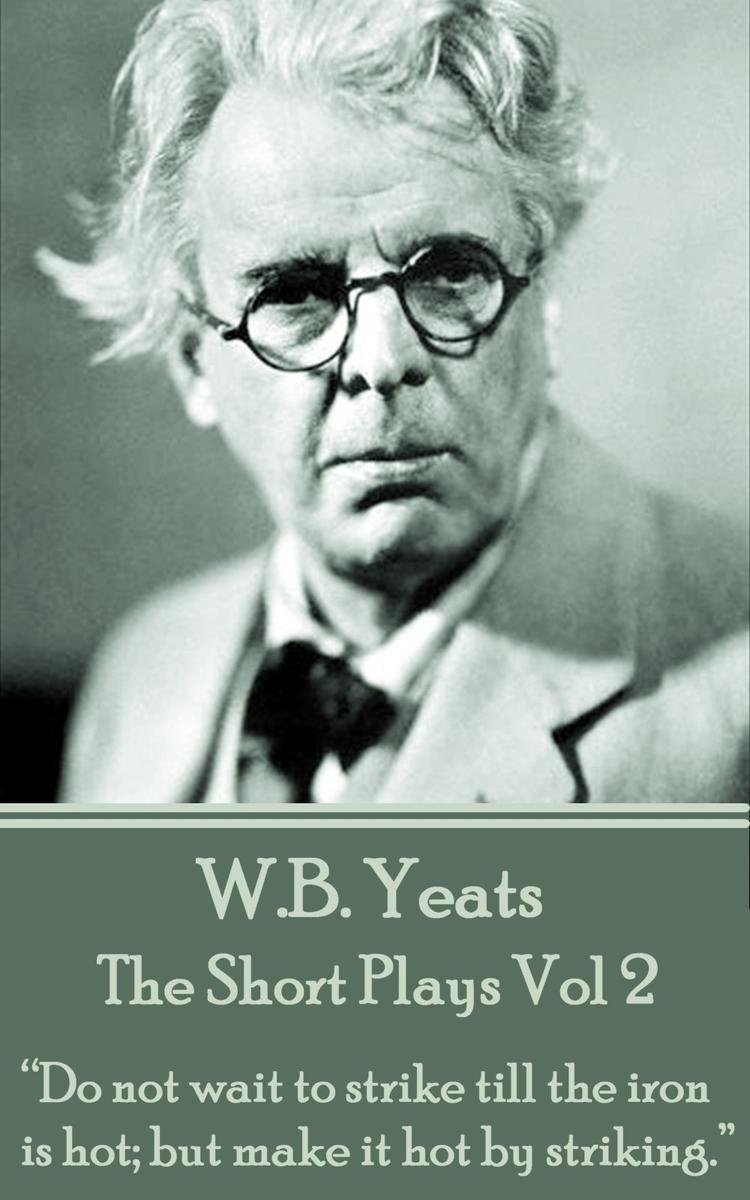
Short Plays Vol 2 - Do not wait to strike till the iron is hot; but make it hot
¥35.22
William Butler Yeats (1865 - 1939) is best described as Ireland's national poet in addition to being one of the major twentieth-century literary figures of the English tongue. To many literary critics, Yeats represents the 'Romantic poet of modernism,' which is quite revealing about his extraordinary style that combines between the outward emphasis on the expression of emotions and the extensive use of symbolism, imagery and allusions. Yeats also wrote prose and drama and established himself as the spokesman of the Irish cause. His fame was greatly boosted mainly after he received the Nobel Prize in Literature in 1923. His life was marked by his many love stories, by his great interest in oriental mysticism and occultism as well as by political engagement since he served as an Irish senator for two terms. Today, although William Butler Yeats's contribution to literary modernism and to Irish nationalism remains incontestable. Here we publish a collection of his short plays that stand as testament to his talents. Including; On Baile's Strand, The Land Of Heart's Desire and The Hour Glass
What Every Woman Knows - Always be a little kinder than necessary
¥16.38
Sir James Matthew Barrie, 1st Baronet, OM, was born in Kirriemuir, Angus the ninth of ten children on May 9th, 1860. From early formative experiences, Barrie knew that he wished to follow a career as an author. His family wished otherwise and sought to persuade him to choose a profession, such as the ministry. The compromise was that he would attend university to study literature at the University of Edinburgh. He graduated with an M.A. on April 21st, 1882. His first job was as a staff journalist for the Nottingham Journal. The London editor of the St. James's Gazette "e;liked that Scotch thing"e; in Barrie's short stories about his mother's early life. They also served as the basis for his first novels. Barrie though was increasingly drawn to working in the theatre. His first play, a biography of Richard Savage, was only performed once and critically panned. Undaunted he immediately followed this with Ibsen's Ghost in 1891, a parody of Ibsen's plays Hedda Gabler and Ghosts. Barrie's third play, Walker, London, in 1892 led to an introduction to his future wife, a young actress by the name of Mary Ansell. The two became friends, and she helped his family to care for him when he fell very ill in 1893 and 1894. Barrie proposed and they were married, in Kirriemuir, on July 9th, 1894. By some accounts the relationship was unconsummated and indeed the couple had no children. The story of Peter Pan had begun to formulate when Barrie became acquainted with the Llewelyn Davis family in 1897, meeting George, Jack and baby Peter with their nanny in London's Kensington Gardens. In 1901 and 1902, Barrie had back-to-back theatre successes with Quality Street and The Admirable Crichton. The character of "e;Peter Pan"e; first appeared in The Little White Bird in 1902. This most famous and enduring of his works; Peter Pan, or The Boy Who Wouldn't Grow Up had its first stage performance on December 27th, 1904. Peter Pan would overshadow everything written during his career. He continued to write for the rest of his life contributing many other fine and important works. Sir James Matthew Barrie, 1st Baronet, OM, died of pneumonia on June 19th,1937 and was buried at Kirriemuir next to his parents and two of his siblings.
Midsummer Nights Dream - The course of true love never did run smooth
¥11.67
The life of William Shakespeare, arguably the most significant figure in the Western literary canon, is relatively unknown. Shakespeare was born in Stratford-upon-Avon in 1565, possibly on the 23rd April, St. George's Day, and baptised there on 26th April. Little is known of his education and the first firm facts to his life relate to his marriage, aged 18, to Anne Hathaway, who was 26 and from the nearby village of Shottery. Anne gave birth to their first son six months later. Shakespeare's first play, The Comedy of Errors began a procession of real heavyweights that were to emanate from his pen in a career of just over twenty years in which 37 plays were written and his reputation forever established. This early skill was recognised by many and by 1594 the Lord Chamberlain's Men were performing his works. With the advantage of Shakespeare's progressive writing they rapidly became London's leading company of players, affording him more exposure and, following the death of Queen Elizabeth in 1603, a royal patent by the new king, James I, at which point they changed their name to the King's Men. By 1598, and despite efforts to pirate his work, Shakespeare's name was well known and had become a selling point in its own right on title pages. No plays are attributed to Shakespeare after 1613, and the last few plays he wrote before this time were in collaboration with other writers, one of whom is likely to be John Fletcher who succeeded him as the house playwright for the King's Men. William Shakespeare died two months later on April 23rd, 1616, survived by his wife, two daughters and a legacy of writing that none have since yet eclipsed.
Antonio's Revenge - THE SECOND PART OF THE HISTORY OF ANTONIO AND MELLIDA
¥15.21
John Marston was born to John and Maria Marston nee Guarsi, and baptised on October 7th, 1576 at Wardington, Oxfordshire.Marston entered Brasenose College, Oxford in 1592 and earned his BA in 1594. By 1595, he was in London, living in the Middle Temple. His interests were in poetry and play writing, although his father's will of 1599 hopes that he would not further pursue such vanities.His brief career in literature began with the fashionable genres of erotic epyllion and satire; erotic plays for boy actors to be performed before educated young men and members of the inns of court.In 1598, he published 'The Metamorphosis of Pigmalion's Image and Certaine Satyres', a book of poetry. He also published 'The Scourge of Villanie', in 1598. 'Histriomastix' regarded as his first play was produced 1599. It's performance kicked off an episode in literary history known as the War of the Theatres; a literary feud between Marston, Jonson and Dekker that lasted until 1602.However, the playwrights were later reconciled; Marston wrote a prefatory poem for Jonson's 'Sejanus' in 1605 and dedicated 'The Malcontent' to him. Beyond this episode Marston's career continued to gather both strength, assets and followers. In 1603, he became a shareholder in the Children of Blackfriars company. He wrote and produced two plays with the company. The first was 'The Malcontent' in 1603, his most famous play. His second was 'The Dutch Courtesan', a satire on lust and hypocrisy, in 1604-5.In 1605, he worked with George Chapman and Ben Jonson on 'Eastward Ho', a satire of popular taste and the vain imaginings of wealth to be found in the colony of Virginia.Marston took the theatre world by surprise when he gave up writing plays in 1609 at the age of thirty-three. He sold his shares in the company of Blackfriars. His departure from the literary scene may have been because of further offence he gave to the king. The king suspended performances at Blackfriars and had Marston imprisoned.On 24th September 1609 he was made a deacon and them a priest on 24th December 1609. In October 1616, Marston was assigned the living of Christchurch, Hampshire.He died (accounts vary) on either the 24th or 25th June 1634 in London and was buried in the Middle Temple Church.
Doings Of Raffles Haw
¥15.21
If ever a writer needed an introduction Arthur Conan Doyle would not be considered that man. After all, Sherlock Holmes is perhaps the foremost literary detective of any age. Add to this canon his stories of science fiction and his poems, his historical novels, his plays, his political campaigning, his efforts in establishing a Court of Appeal and there is little room for anything else. Except he was also an exceptional writer of short stories of the horrific and macabre. Something very different from what you might expect. Born in Arthur Conan Doyle was born on 22 May 1859 at 11 Picardy Place, Edinburgh, Scotland. From 1876 - 1881 he studied medicine at the University of Edinburgh following which he was employed as a doctor on the Greenland whaler Hope of Peterhead in 1880 and, after his graduation, as a ship's surgeon on the SS Mayumba during a voyage to the West African coast in 1881. Arriving in Portsmouth in June of that year with less than GBP10 (GBP700 today) to his name, he set up a medical practice at 1 Bush Villas in Elm Grove, Southsea. The practice was initially not very successful. While waiting for patients, Conan Doyle again began writing stories and composed his first novel The Mystery of Cloomber. Although he continued to study and practice medicine his career was now firmly set as a writer. And thereafter great works continued to pour out of him.
Green Flag & Other Stories
¥15.21
If ever a writer needed an introduction Arthur Conan Doyle would not be considered that man. After all, Sherlock Holmes is perhaps the foremost literary detective of any age. Add to this canon his stories of science fiction and his poems, his historical novels, his plays, his political campaigning, his efforts in establishing a Court of Appeal and there is little room for anything else. Except he was also an exceptional writer of short stories of the horrific and macabre. Something very different from what you might expect. Born in Arthur Conan Doyle was born on 22 May 1859 at 11 Picardy Place, Edinburgh, Scotland. From 1876 - 1881 he studied medicine at the University of Edinburgh following which he was employed as a doctor on the Greenland whaler Hope of Peterhead in 1880 and, after his graduation, as a ship's surgeon on the SS Mayumba during a voyage to the West African coast in 1881. Arriving in Portsmouth in June of that year with less than GBP10 (GBP700 today) to his name, he set up a medical practice at 1 Bush Villas in Elm Grove, Southsea. The practice was initially not very successful. While waiting for patients, Conan Doyle again began writing stories and composed his first novel The Mystery of Cloomber. Although he continued to study and practice medicine his career was now firmly set as a writer. And thereafter great works continued to pour out of him.
Love For Love - Say what you will, 'tis better to be left than never to have bee
¥26.98
William Congreve was born in Bardsey, West Yorkshire, England on January 24th 1670. He spent his childhood in Ireland, where his father, a Cavalier, had settled during the reign of Charles II. Congreve was educated at Trinity College in Dublin; there he met Jonathan Swift, who would be his friend for the remainder of his life. Upon graduation, he matriculated in the Middle Temple in London to study law, but felt himself pulled toward literature, drama, and the fashionable life. A great admirer of John Dryden William wrote some of the most popular plays of the Restoration including such classics as The Old Bachelor (1693), The Double Dealer (1694), Love for Love (1695), The Mourning Bride (1697) and The Way of the World (1700 and all by the age of 30. However by 1700 public tastes had turned their back on his high brow comedies and so he was restricted to the occasional poem and some translation (notably Moliere's Monsieur de Pourceaugnac) and also turned from theatre to politics even collecting various minor positions in Tory Government despite being a Whig. William never married though enjoyed a long list of friendships with prominent actresses and noblewomen. By 1710, he suffered both from gout and from cataracts on his eyes. Congreve suffered a carriage accident in late September 1728, from which he never recovered and died in London on January 19th 1729, and is buried in Poets' Corner in Westminster Abbey.
Verge - Defeat furnishes good material to the poets and the artists
¥26.98
Susan Keating Glaspell was born on July 1st, 1876 in Davenport.Glaspell, a precocious child was an active student at Davenport High School where she took an advanced course of study. By age eighteen she was earning a regular salary at the local newspaper as a journalist, and by twenty she was the author of a weekly 'Society' column.At twenty-one Glaspell enrolled at Drake University. A philosophy major, she also excelled in debate competitions, and represented Drake at the state tournament in her senior year.The day after her graduation, Glaspell again worked as a reporter, still a rare position for a woman. She was assigned to cover the state legislature and murder cases.At twenty-four, after covering the conviction of a woman accused of murdering her abusive husband, Glaspell abruptly resigned and moved back to Davenport, and with it, a hoped for career writing fiction.Her stories were published by many periodicals, including Harper's and Munsey's.Moving to Chicago she wrote her first novel, The Glory of the Conquered, in 1909. It was a best-seller.As was Glaspell's second novel, The Visioning, published in 1911 and her third, Fidelity in 1915. Each novel also received glowing reviews.With her husband Glaspell founded the Provincetown Playhouse devoted to plays that were more able to reflect contemporary American issues. Her first play, Trifles (1916), was based on the murder trial she covered as a young reporter in Des Moines. She wrote twelve groundbreaking plays over seven years for the company. By 1918 Glaspell was considered one of America's most significant new playwrights.However, the impact and critical success of Glaspell's theatre work did not unfortunately make financial sense. Therefore she continued to submit short stories in order to support her and her husband during their years with the theater.In 1931 she wrote the excellent play, Alison's House, for which she received the Pulitzer Prize.In 1936 Glaspell moved to Chicago as the Midwest Bureau Director of the Federal Theater Project. When that finished she returned to Cape Cod using the Mid-West experience in her last three novels which were increasingly focused on the region, on family life, and on theistic questions; The Morning is Near Us (1939), Norma Ashe (1942), and Judd Rankin's Daughter (1945).Susan Keating Glaspell died of viral pneumonia in Provincetown on July 28, 1948.
Tempest - Hell is empty and all the devils are here.
¥11.67
The life of William Shakespeare, arguably the most significant figure in the Western literary canon, is relatively unknown. Shakespeare was born in Stratford-upon-Avon in 1565, possibly on the 23rd April, St. George's Day, and baptised there on 26th April. Little is known of his education and the first firm facts to his life relate to his marriage, aged 18, to Anne Hathaway, who was 26 and from the nearby village of Shottery. Anne gave birth to their first son six months later. Shakespeare's first play, The Comedy of Errors began a procession of real heavyweights that were to emanate from his pen in a career of just over twenty years in which 37 plays were written and his reputation forever established. This early skill was recognised by many and by 1594 the Lord Chamberlain's Men were performing his works. With the advantage of Shakespeare's progressive writing they rapidly became London's leading company of players, affording him more exposure and, following the death of Queen Elizabeth in 1603, a royal patent by the new king, James I, at which point they changed their name to the King's Men. By 1598, and despite efforts to pirate his work, Shakespeare's name was well known and had become a selling point in its own right on title pages. No plays are attributed to Shakespeare after 1613, and the last few plays he wrote before this time were in collaboration with other writers, one of whom is likely to be John Fletcher who succeeded him as the house playwright for the King's Men. William Shakespeare died two months later on April 23rd, 1616, survived by his wife, two daughters and a legacy of writing that none have since yet eclipsed.

Justice - Life calls the tune, we dance.
¥29.33
John Galsworthy first published in 1897 with a collection of short stories entitled "e;The Four Winds"e;. For the next 7 years he published these and all works under his pen name John Sinjohn. It was only upon the death of his father and the publication of "e;The Island Pharisees"e; in 1904 that he published as John Galsworthy. His first play was The Silver Box, an immediate success when it debuted in 1906 and was followed by "e;The Man of Property"e; later that same year and was the first in the Forsyte trilogy. Whilst today he is far more well know as a Nobel Prize winning novelist then he was considered a playwright dealing with social issues and the class system. We publish here 'Justice' a great example of both his writing and his demonstration of how the class system worked at the time. He was appointed to the Order of Merit in 1929, after earlier turning down a knighthood, and awarded the Nobel Prize in 1932 though he was too ill to attend. John Galsworthy died from a brain tumour at his London home, Grove Lodge, Hampstead on January 31st 1933. In accordance with his will he was cremated at Woking with his ashes then being scattered over the South Downs from an aeroplane.
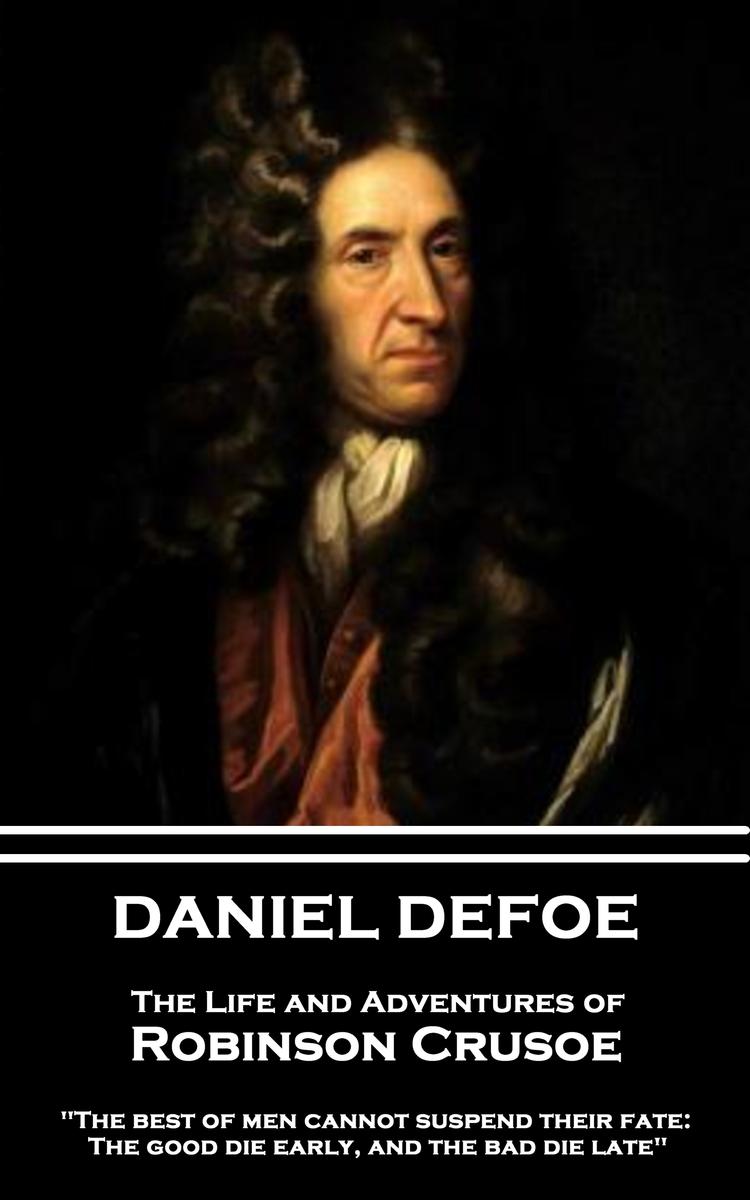
Life and Adventures of Robinson Crusoe - The best of men cannot suspend their fa
¥29.33
Daniel Defoe is most well-known for his classic novels Robinson Crusoe and Moll Flanders. Born around 1660, he was also a journalist, a pamphleteer, a businessman, a spy. His life was long and colourful, and the breadth of his work, still highly regarded, is infused with similar vigour. It is said that only the bible has been printed in more languages than Robinson Crusoe. Defoe is also noted for being one of the earliest proponents of the novel. He was extremely prolific and a very versatile writer, producing several hundred books, pamphlets, and journals on various topics including politics, crime, religion, marriage, psychology and the supernatural. He was also a pioneer of economic journalism though was made bankrupt on more on one occasion and usually mired in debt. In later life Defoe was often most seen on Sundays when bailiffs and the like could legally make no move on him. Allegedly it was whilst hiding from creditors that he died on April 24th, 1731. He was interred in Bunhill Fields, London.
Little Eyolf (1894)
¥23.45
Henrik Ibsen (20th March, 1828 - 23rd May, 1906) is often referred to as the father of realism and ranked just below Shakespeare as Europe's greatest ever playwright especially as his plays are performed most frequently throughout the world after Shakespeare's. He was Norwegian and although set his plays in Norway, he wrote them in Danish and lived most of his professional life in Italy and Germany. His affect on the theatre is still evident today and shapes the distinction of plays being art as opposed to entertainment since he broke down all previous traditions and explored issues, developed characterisation, revealed uncomfortable truths, challenged assumptions and brokedown facades in ourselves as well as society. These factors are clearly demonstrated in Little Eyolf a play that explores the complex family dynamics surrounding the Allmer family through their injured son Eyolf. Alfred, Eyolf's father decides to abandon his work to concentrate on looking after Eyolf who has lived a sheltered life due to the paralysis in one of his legs. Whilst Eyolf yearns normal boyish pursuits, Alfred wants to develop his mind so he can satisfy himself and overcome his physical restrictions with intellectual pursuits. Tragedy befalls and the ensuing exploration of grief and guilt make for a revealing and poignant drama.
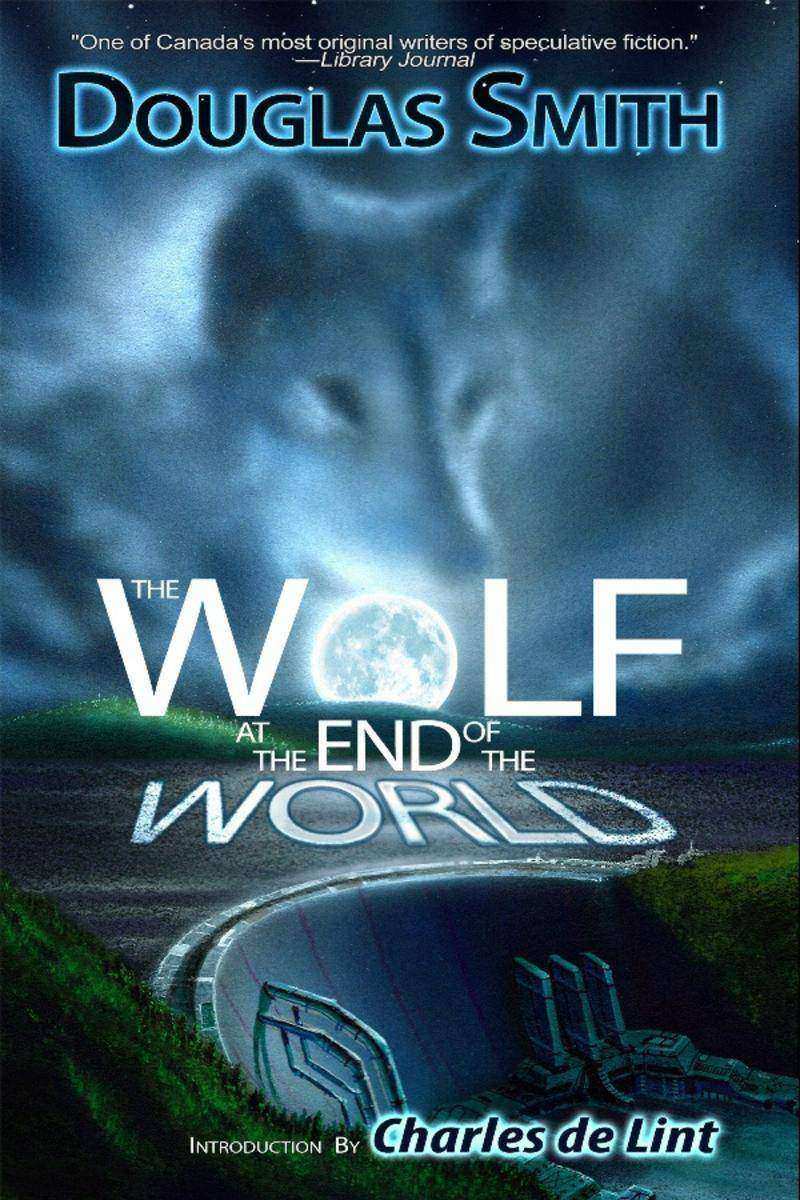
The Wolf at the End of the World
¥43.51
A shapeshifter hero battles ancient spirits, a covert government agency, and his own dark past in a race to solve a murder that could mean the end of the world. Cree and Ojibwe legends mix with current day environmental conflict in this fast-paced urban fantasy that keeps you on the edge of your seat right up to its explosive conclusion. With an introduction by Charles de Lint. The Heroka walk among us. Unseen, unknown. Shapeshifters. Human in appearance but with power over their animal totems. Gwyn Blaidd is a Heroka of the wolf totem. Once he led his people in a deadly war against the Tainchel, the shadowy agency that hunts his kind. Now he lives alone in his wilderness home, wolves his only companions. But when an Ojibwe girl is brutally killed in Gwyn’s old hometown, suspicion falls on his former lover. To save her, Gwyn must return, to battle not only the Tainchel, but even darker forces: ancient spirits fighting to enter our world… And rule it. “An immersive and enjoyable reading experience. Readers will delight in learning more about Native American mythology, which is skillfully woven throughout the story. Smith’s novel is both well paced and deftly plotted—leaving readers curious about what comes next for the Heroka in the modern world.” — Publishers Weekly “What makes THE WOLF AT THE END OF THE WORLD such an engrossing read are the characters and Doug’s wonderful prose, a perfect blend between matter-of-fact and lyricism. I can’t remember the last time I read a book that spoke to me, so eloquently, and so deeply, on so many levels. ... I’ll be rereading it in the future because it’s that sort of book. Richly layered and deeply resonant. An old friend, from the first time you read it.” — Charles de Lint, World Fantasy Award winner
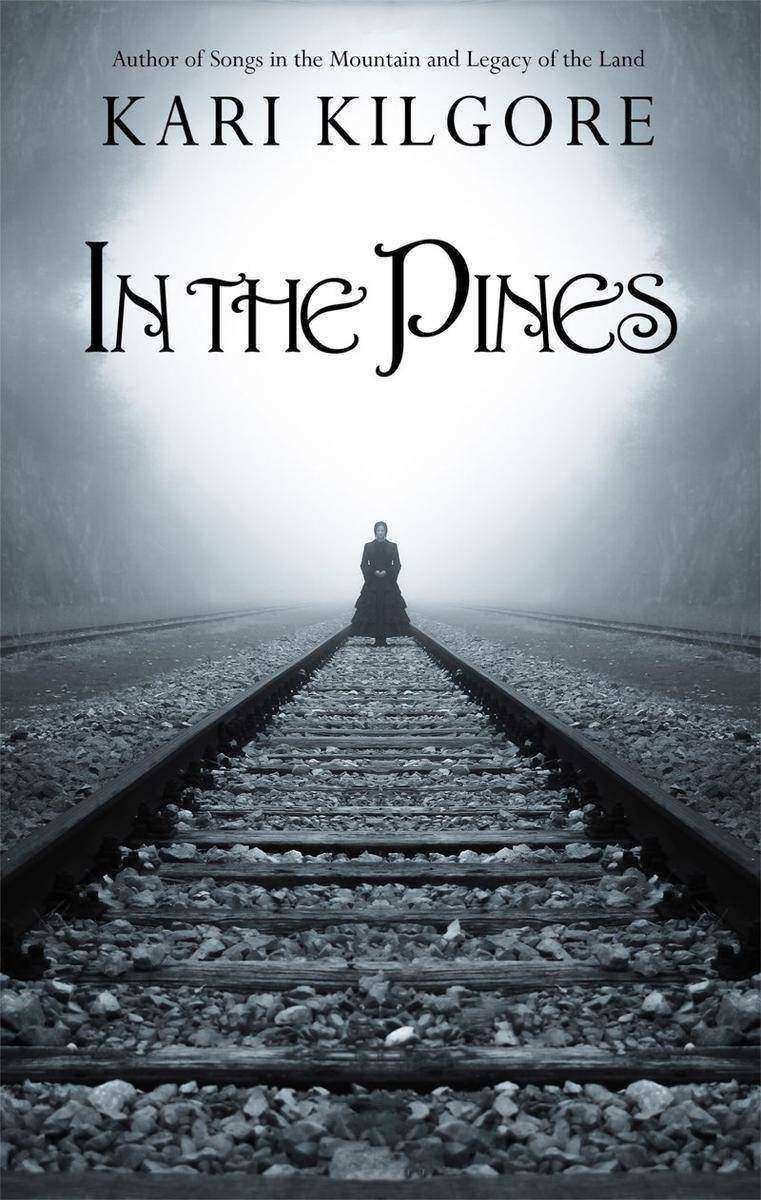
In the Pines
¥34.79
A ghost train carries a murderous secret deep through the North Georgia mountains. Betrayal colder than the wind blowing through the pines. A young girl with a burden a hundred years out of time.An old man’s tale of guilt and regret.A heartbroken woman caught in a mystery only she can solve.A boy long past living holds the key. Can unearthed secrets end the nightmare at last?
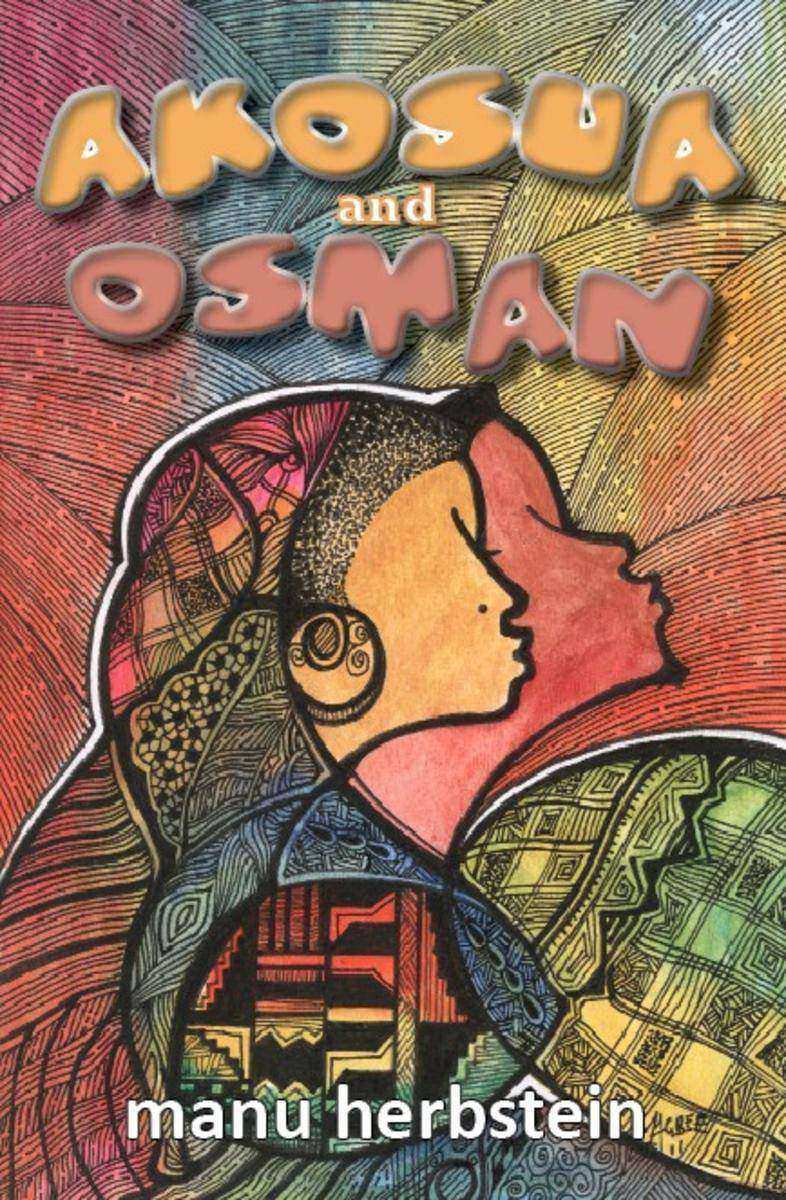
Akosua and Osman
¥17.35
Akosua Annan is a confident and fiercely intelligent student at a posh girls' school in Cape Coast, Ghana. There she comes under the influence of a charismatic feminist teacher. Osman Said's background is very different. Upon the death of his parents, a police sergeant and an unschooled market trader, immigrants to the capital, Accra, from the impoverished north of the country, he is adopted by a retired school teacher, Hajia Zainab. After a spell as an apprentice in an auto workshop, he returns to school. There, finding the teaching inadequate, he becomes an avid reader and educates himself. Akosua and Osman are thrown together by chance in the course of a school visit to the slave dungeon at Cape Coast Castle. Their paths cross again as finalists in the national school debating competition where the subject is "The problem of poverty in Ghana is insoluble." They meet for the third time as students at the University of Ghana and as we leave them, it looks as if their relationship might develop into something permanent. This story won a Burt Award for African Literature in 2011. The judges commented: "This fascinating novel tells the story of how these two young people from disparate backgrounds are brought together as if by an unseen hand, in a process that teaches us about our history, our common humanity despite ethnic differences, the need to pursue our ambitions, the strength of human sexuality and the need for self-discipline, and, above all, the power of love."

Fantastic Shorts: Volume 2
¥34.79
An enchanted bookstore in a town full of magic.A story of childhood and best friends revisited.A town forced to face the music.A modern myth from a land before time.A charming collision of numbers and magic.Unwelcome change in a land of dragons. In this second fantasy short story collection from Kari Kilgore, she visits lands familiar and strange, mythological and fantastic. From Allsentia to Appalachia to Atlanta, from modern mythology to dragons to joys of distant childhood. Join this talented storyteller on a journey through magical bookstores and haunted towns, lands lost in time and friendships forged across new dimensions. Includes Odds and Endings, Dawn Visitor,?The Earworms, The Spider Who Ate the Elephant,?Little Five, and The Last Dragonkeeper. Odds and EndingsVisit an enchanted bookstore in a town full of magic.Chris Ramsey grew up visiting the Odds and Endings Bookstore in Lightning Gap, Virginia.Wandering the shelves. Finding endless adventures in the pages.Wishing he helped create the magic.Years later, Chris gets his chance.What would you do for the opportunity of a lifetime? Dawn VisitorA beloved dog brings a special gift, especially to a young girl’s life.One that lasts and endures no matter how many years pass.Toby welcomes Ellie home as only a first best friend can.A touching story of childhood and best friends revisited. The EarwormsWhat if your whole town had to face the music?Estonoa, Virginia. A lovely little town tucked deep in the Blue Ridge Mountains.Hiking and ATV trails. Kayaking along the scenic Clinch River.A thriving community focused on the future.Erin Evans loves her hometown, except for one thing.The Earworms.Will Erin find the answer before the music drives her and everyone else crazy? The Spider Who Ate the ElephantA Modern Myth.?An eerie natural phenomenon.In the distant past, in a distant land…Grandmother Spider faces a sad problem far too big and difficult for her to solve.The end of her family and all the creatures in her land.Find out how her triumph echoes from then to now, and into forever.A tale of compassion, survival, and love. Little FiveBarry Evans: An oddball in the oddest land of all.A gray-suited accountant navigating colorful hair, crazy clothing, and questionable businesses.After three months in Little Five, nothing surprises Barry anymore.Until the day he meets a true stranger in town.What happens when numbers meet magic? The Last DragonkeeperWyja, Senior Dragonkeeper of the Upper Abramshire Academy, tends to young dragons and keepers alike.Each group challenging, and exhausting, in their own way.Unwelcome change sets in when dragon birthrates drop to dangerous levels.No one knows why.Can Wyja solve the problem before it’s too late?


