


 购物车
 个人中心

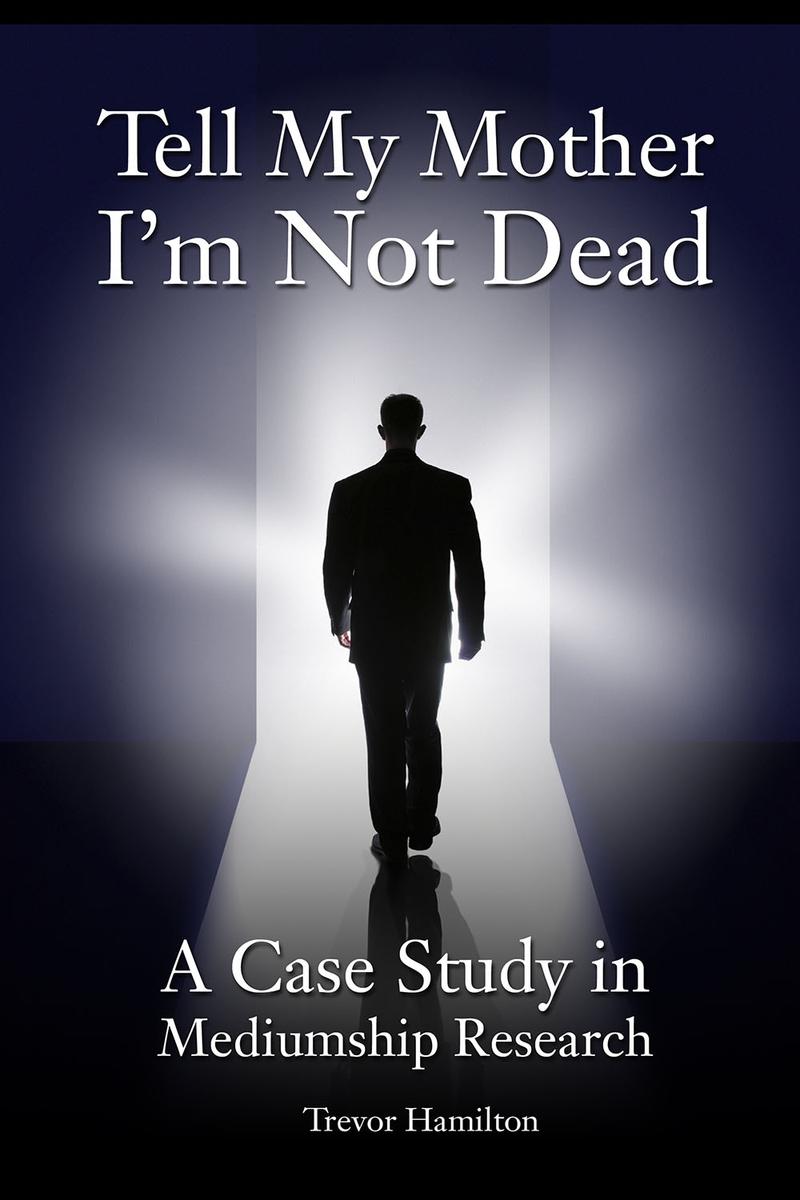
Tell My Mother I'm Not Dead
¥63.67
This book divides into two parts. The first is a personal narrative of the impact of the death of the author's son Ralph on him and his family and his efforts to see if there was any evidence for his continued existence (generated largely through visits to mediums) that a thinking person could take seriously. The second is an attempt to evaluate that evidence objectively (based on an extensive survey of current and past scientific research in the UK and the USA). The title reflects the inevitable tension between emotion and intellect in such an enquiry.
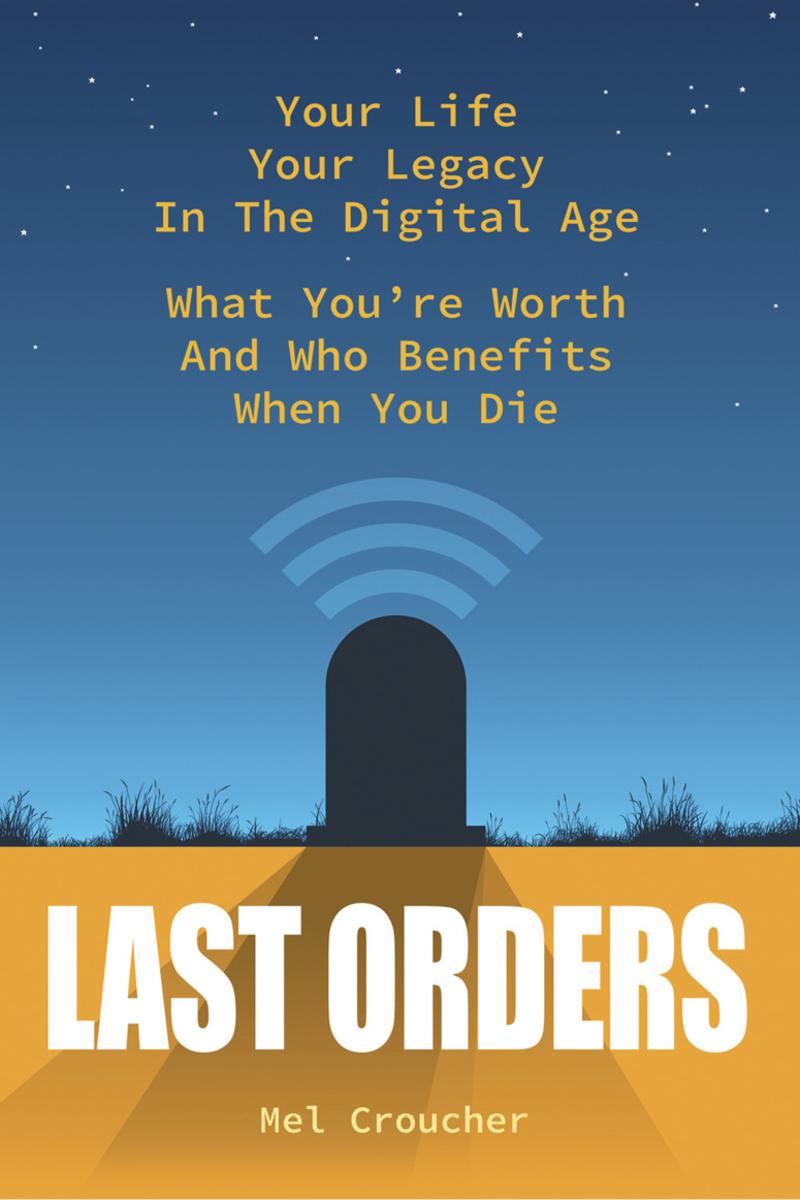
Last Orders
¥39.14
This is a hands-on guide to discover how long you will live, what you're worth and who gets what when you die. It takes you step by step through everything you need for a personal action plan, including your digital legacy, your will, your final years, your death, funeral, and all your last orders for after you've gone. Relax. Stop worrying. Here are the answers to sort out your online and real world affairs and solve all those life and death problems. LAST ORDERS covers everything clearly, simply and honestly. An essential read for everyone who is not immortal.
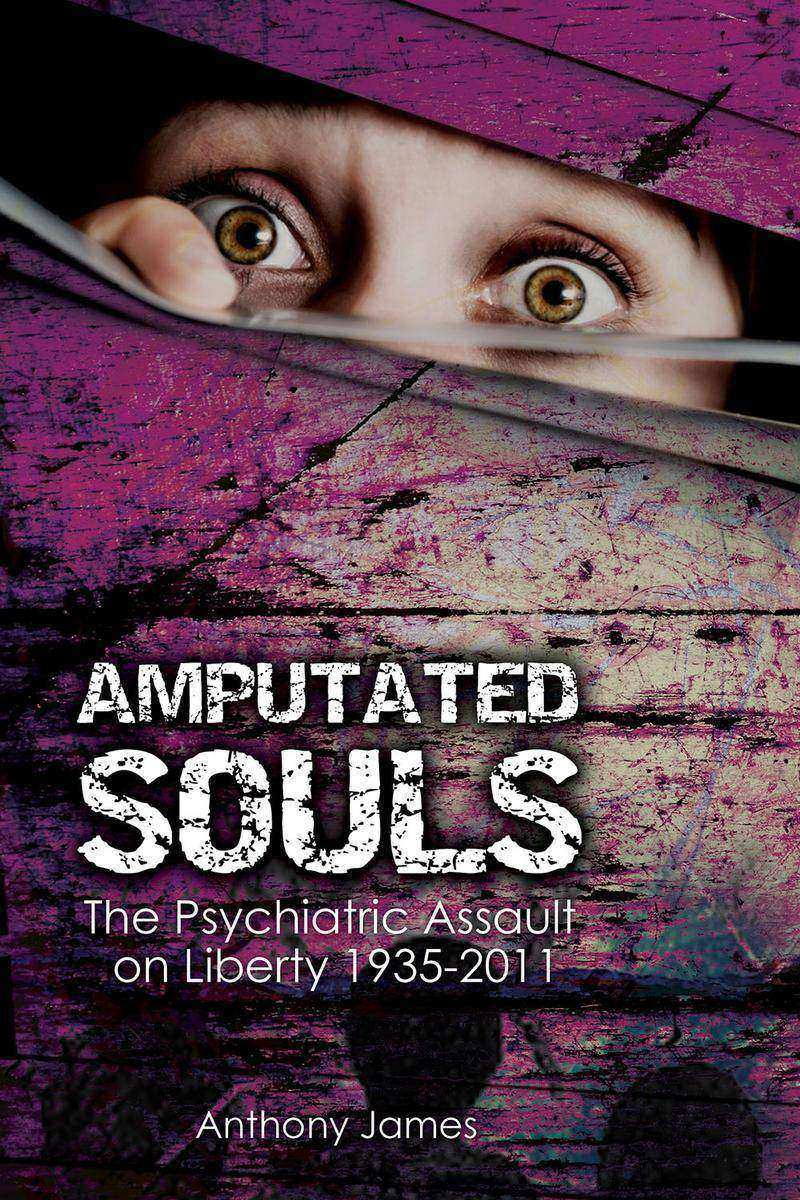
Amputated Souls
¥73.48
Amputated Souls explores the subject of psychiatry and psychiatric practices and the assault upon human rights and human freedom constituted by these practices, tracing the history of lobotomy, ECT and antipsychotic drugs, and their use, from 1935 to the present day.
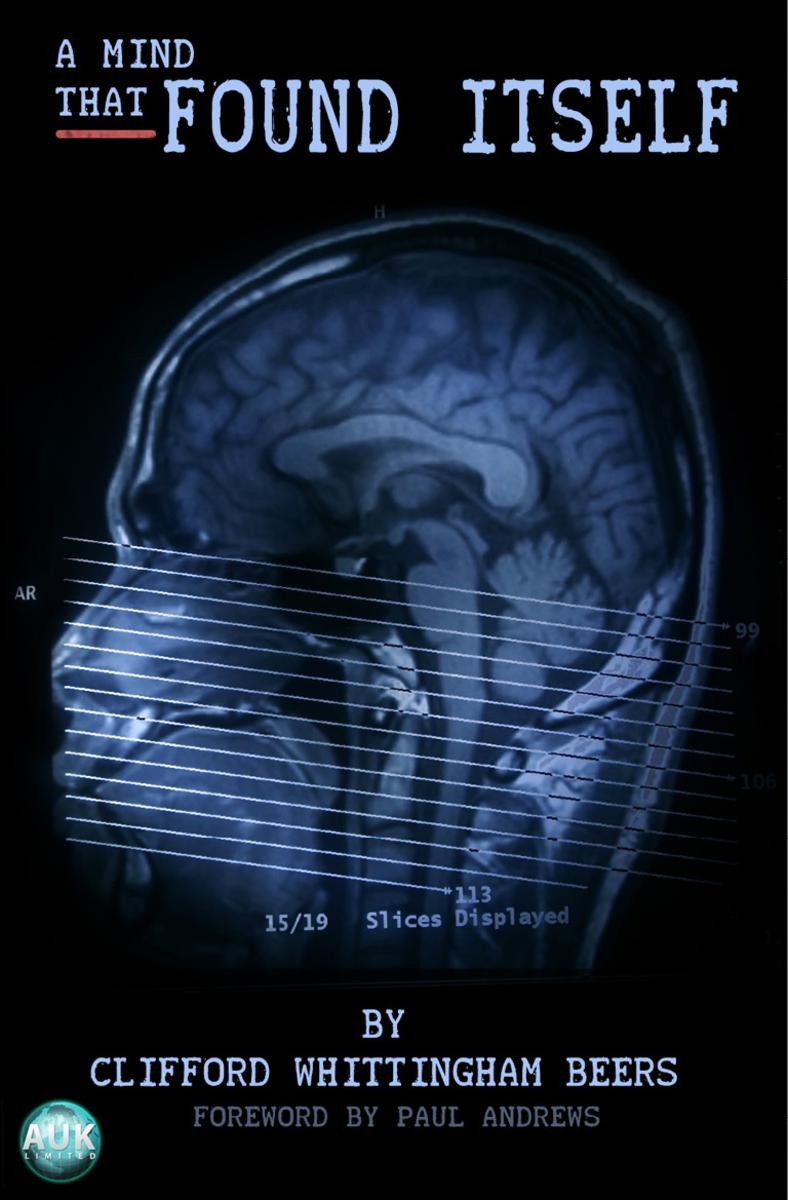
Mind That Found Itself
¥19.52
An autobiographical account of his confinement in a mental institution of the time, by Clifford Whittingham Beers.
Dental Nurse Survival Guide
¥112.72
This highly practical text aims to provide the newly qualified dental nurse with with a basic guide to dental nursing issues. The Dental Nurse Survival Guide adopts the same Q&A format that has proven so successful with the best selling Staff Nurse Survival Guide. Each guide is a collection of all the common situations that a newly qualified practitioner might face. The aim is to produce an answer for each question that could be read in 5 minutes - a pocket-sized handbook containing ideas, principles and guidelines for a number of common and sometimes unexpected situations encountered in the first year of practice. Written by experienced author who wrote The Dental Nurses' Guide to Infection Control and Decontamination.

Learning Disability Nursing Practice
¥294.20
This text encapsulates not only the origins of nursing in the learning disability field but also contemporary perspectives and areas for specialist nursing practice. The book is divided into four sections: origins, perspectives, practice, and further perspectives. Section one (origins) describes Great Barr Colony and explores the conceptions of practice of actual attendants and nurses who worked there. It gives readers an in-depth focus on aspects of work and practice not accounted for in the literature to date. Section two (perspectives) explores social policy perspectives from the past eras of the workhouse, the colony and the hospital, through to the present age of citizenship. Research in learning disability nursing practice is identifi ed through scoping exercises to identify its current status. The section questions the research and practice developments that have come of age and that constitute a challenge within an evidence-based health and social care world. Section three (practice) identifi es a wide range of specialist areas of nursing practice, including community learning disability nursing, epilepsy, forensics, health facilitation, autism, mental health, challenging behaviour, children s services and working with people with profound and multiple learning disabilities. Section four (further perspectives) addresses areas of contemporary and future concern, namely, educational curricula for nurses and the importance of inter-professional education and practice development.
Pioneering Theories in Nursing
¥147.05
Pioneering Theories in Nursing traces the origins of nursing theories through their founders. Unlike other nursing theory texts, this book provides the personal story on some of the greatest nursing leaders, clinicians and theorists to date so the reader can understand the context within which the nursing pioneer developed their theory. It will attempt to explain the theories and practice of nursing and provide food for thought for students and practitioners, encouraging reflective thinking. Each section begins with an overview of the chapters and identifies common themes. Designed to be highly user-friendly, each chapter follows a standard structure with a short biography, a summary on their special interests and an outline of their writings before each theory is examined in detail. The chapter then looks at instances of how this theory has been put into practice and what influence this process has had on the wider nursing community. Further links to other theorists are provided as well as key dates in the life of the theorists and a brief profile.
Staff Nurse Survival Guide
¥186.29
This handy second edition uses the same easy to read question and answer format as the first, containing over 80 questions and answers from 19 different specialists. It is divided into five chapters and covers topics such as:- Dealing with complaints, Mental health, Clinical supervision, Dealing with aggression and bereavement, Central venous pressure monitoring, Mentoring a student

The Secret Agent: "A Simple Tale"
¥18.74
AMONG the ranks of the great astronomers it would be difficult to find one whose life presents more interesting features and remarkable vicissitudes than does that of Galileo. We may consider him as the patient investigator and brilliant discoverer. We may consider him in his private relations, especially to his daughter, Sister Maria Celeste, a woman of very remarkable character ; and we have also the pathetic drama at the close of Galileo's life, when the philosopher drew down upon himself the thunders of the Inquisition. The materials for the sketch of this astonishing man are sufficiently abundant. We make special use in this place of those charming letters which his daughter wrote to him from her convent home. More than a hundred of these have been preserved, and it may well be doubted whether any more beautiful and touching series of letters addressed to a parent by a dearly loved child have ever been written. An admirable account of this correspondence is contained in a little book entitled "The Private Life of Galileo," published anonymously by Messrs. Macmillan in 1870, and I have been much indebted to the author of that volume for many of the facts contained in this chapter. Galileo was born at Pisa, on 18th February, 1564. He was the eldest son of Vincenzo de Bonajuti de Galilei, a Florentine noble. Notwithstanding his illustrious birth and descent, it would seem that the home in which the great philosopher's childhood was spent was an impoverished one. It was obvious at least that the young Galileo would have to be provided with some profession by which he might earn a livelihood. From his father he derived both by inheritance and by precept a keen taste for music, and it appears that he became an excellent performer on the lute. He was also endowed with considerable artistic power, which he cultivated diligently. Indeed, it would seem that for some time the future astronomer entertained the idea of devoting himself to painting as a profession. His father, however, decided that he should study medicine. Accordingly, we find that when Galileo was seventeen years of age, and had added a knowledge of Greek and Latin to his acquaintance with the fine arts, he was duly entered at the University of Pisa. AMONG the ranks of the great astronomers it would be difficult to find one whose life presents more interesting features and remarkable vicissitudes than does that of Galileo. We may consider him as the patient investigator and brilliant discoverer. We may consider him in his private relations, especially to his daughter, Sister Maria Celeste, a woman of very remarkable character ; and we have also the pathetic drama at the close of Galileo's life, when the philosopher drew down upon himself the thunders of the Inquisition. The materials for the sketch of this astonishing man are sufficiently abundant. We make special use in this place of those charming letters which his daughter wrote to him from her convent home. More than a hundred of these have been preserved, and it may well be doubted whether any more beautiful and touching series of letters addressed to a parent by a dearly loved child have ever been written. An admirable account of this correspondence is contained in a little book entitled "The Private Life of Galileo," published anonymously by Messrs. Macmillan in 1870, and I have been much indebted to the author of that volume for many of the facts contained in this chapter.

The Secret Garden
¥23.30
IT was just a year after the death of Galileo, that an infant came into the world who was christened Isaac Newton. Even the great fame of Galileo himself must be relegated to a second place in comparison with that of the philosopher who first expounded the true theory of the universe. Isaac Newton was born on the 25th of December (old style), 1642, at Woolsthorpe, in Lincolnshire, about a half-mile from Colsterworth, and eight miles south of Grantham. His father, Mr. Isaac Newton, had died a few months after his marriage to Harriet Ayscough, the daughter of Mr. James Ayscough, of Market Overton, in Rutlandshire. The little Isaac was at first so excessively frail and weakly that his life was despaired of. The watchful mother, however, tended her delicate child with such success that he seems to have thriven better than might have been expected from the circumstances of his infancy, and he ultimately acquired a frame strong enough to outlast the ordinary span of human life.For three years they continued to live at Woolsthorpe, the widow's means of livelihood being supplemented by the income from another small estate at Sewstern, in a neighbouring part of Leicestershire. In 1645, Mrs. Newton took as a second husband the Rev. Barnabas Smith, and on moving to her new home, about a mile from Woolsthorpe, she entrusted little Isaac to her mother, Mrs. Ayscough. In due time we find that the boy was sent to the public school at Grantham, the name of the master being Stokes. For the purpose of being near his work, the embryo philosopher was boarded at the house of Mr. Clark, an apothecary at Grantham. We learn from Newton himself that at first he had a very low place in the class lists of the school, and was by no means one of those model school-boys who find favour in the eyes of the school-master by attention to Latin grammar. Isaac's first incentive to diligent study seems to have been derived from the circumstance that he was severely kicked by one of the boys who was above him in the class. This indignity had the effect of stimulating young Newton's activity to such an extent that he not only attained the desired object of passing over the head of the boy who had maltreated him, but continued to rise until he became the head of the school.The play-hours of the great philosopher were devoted to pursuits very different from those of most school-boys. His chief amusement was found in making mechanical toys and various ingenious contrivances. He watched day by day with great interest the workmen engaged in constructing a windmill in the neighbourhood of the school, the result of which was that the boy made a working model of the windmill and of its machinery, which seems to have been much admired, as indicating his aptitude for mechanics. We are told that Isaac also indulged in somewhat higher flights of mechanical enterprise. He constructed a carriage, the wheels of which were to be driven by the hands of the occupant, while the first philosophical instrument he made was a clock, which was actuated by water. He also devoted much attention to the construction of paper kites, and his skill in this respect was highly appreciated by his schoolfellows. Like a true philosopher, even at this stage he experimented on the best methods of attaching the string, and on the proportions which the tail ought to have. He also made lanthorns of paper to provide himself with light as he walked to school in the dark winter mornings.

Kingpin - avagy hogyan vette át az uralmat egy hacker a milliárddolláros cyberal
¥57.14
Основные принципы лечебного питания и советы по подбору продуктов Рецепты вкусных блюд, эффективных в борьбе с болезнями Очень часто мы полагаемся на таблетки и лекарства, хотя действенные и полезные средства от недугов всегда под рукой! Рецепты блюд, приведенные в книге, позволят вам отказаться от большинства медикаментов. Блюда содержат множество целебных веществ и помогут не только поддержать здоровье, но и излечить подагру и диабет, болезни сердца и сосудов, суставов и позвоночника, печени, почек, щитовидной и поджелудочной железы. Вы сможете составить индивидуальное меню здорового питания. Здесь представлены рецепты супов, блюд из мяса, рыбы, грибов, овощей, круп, молочных продуктов и т. д. Используются только доступные ингредиенты. Готовьте с нашей книгой – и избавляйтесь от болезней! Osnovnye principy lechebnogo pitanija i sovety po podboru produktov Recepty vkusnyh bljud, jeffektivnyh v bor'be s boleznjami Ochen' chasto my polagaemsja na tabletki i lekarstva, hotja dejstvennye i poleznye sredstva ot nedugov vsegda pod rukoj! Recepty bljud, privedennye v knige, pozvoljat vam otkazat'sja ot bol'shinstva medikamentov. Bljuda soderzhat mnozhestvo celebnyh veshhestv i pomogut ne tol'ko podderzhat' zdorov'e, no i izlechit' podagru i diabet, bolezni serdca i sosudov, sustavov i pozvonochnika, pecheni, pochek, shhitovidnoj i podzheludochnoj zhelezy. Vy smozhete sostavit' individual'noe menju zdorovogo pitanija. Zdes' predstavleny recepty supov, bljud iz mjasa, ryby, gribov, ovoshhej, krup, molochnyh produktov i t. d. Ispol'zujutsja tol'ko dostupnye ingredienty. Gotov'te s nashej knigoj – i izbavljajtes' ot boleznej!

Az ?t tornacsuka a Pannon Csillagdában
¥13.16
Книга расскажет о причинах возникновения таких серьезных хронических недугов как радикулит и ревматизм, их формах и соответствующих народных методах и рецептах лечения, проверенных многими поколениями. И сейчас не утратили свою эффективность, став незаменимыми помощниками официальной медикаментозной медицины, оздоровительные банные процедуры, минеральные воды, отвары и настои лекарственных трав для внутреннего и наружного применения, разнообразные массажи и комплексы лечебных упражнений, рецепты лечения эфирными маслами, продуктами пчеловодства, солями и металлами. Их подробное описание для регулярного применения, а также рецепты блюд сбалансированной ежедневной диеты для лечебного питания помогут вернуть здоровье и силу вашему позвоночнику и суставам.Kniga rasskazhet o prichinah vozniknovenija takih ser'eznyh hronicheskih nedugov kak radikulit i revmatizm, ih formah i sootvetstvujushhih narodnyh metodah i receptah lechenija, proverennyh mnogimi pokolenijami. I sejchas ne utratili svoju jeffektivnost', stav nezamenimymi pomoshhnikami oficial'noj medikamentoznoj mediciny, ozdorovitel'nye bannye procedury, mineral'nye vody, otvary i nastoi lekarstvennyh trav dlja vnutrennego i naruzhnogo primenenija, raznoobraznye massazhi i kompleksy lechebnyh uprazhnenij, recepty lechenija jefirnymi maslami, produktami pchelovodstva, soljami i metallami. Ih podrobnoe opisanie dlja reguljarnogo primenenija, a takzhe recepty bljud sbalansirovannoj ezhednevnoj diety dlja lechebnogo pitanija pomogut vernut' zdorov'e i silu vashemu pozvonochniku i sustavam.

Bosszú: A harag ébredése
¥52.48
Az egészségügyi szakemberek fontos feladata a kliensekkel folytatott beszélgetés. A diagnózis felállításán túl a terápia megbeszélése, valamint a megel?zésr?l szóló tájékoztatás is hozzájárul a hatékony gyógyításhoz. A korszer?, bizonyíték-alapú gyógyításban az egészségügyi szakember-kliens diskurzusok tanulmányozása megkerülhetetlen részét képezik az egészségtudományi kutatásoknak, hiszen a róluk készített részletes, módszeres és mélységi elemzések kiegészítik a statisztikai tényeken alapuló megk?zelítéseket. A k?nyv egészségügyi szakemberek és hallgatók-orvosok, ápolók, szülészn?k, gyógytornászok, dietetikusok- számára nyújt áttekint? képet a kvalitatív elemzések fajtáiról, módszereir?l és technikáiról, hogy segítséget nyújtson a kutatások megválasztásában, kidolgozásában és publikálásában. A szerz? mind a kézi, mind a számítógépes adatfeldolgozási módszereket példákon keresztül mutatja be, valamint a kül?nb?z? diskurzus-elemzési módszereket magyar k?zleményekb?l vett szemelvények segítségével illusztrálja. A glosszárium jelent?s segítséget nyújt a filozófiai és nyelvészeti kifejezések megértésében. A k?nyv használható kutatásmódszertani segédk?nyvként, de ?nállóan, egy kurzus részeként is alkalmazható.
The Dark House
¥7.93
Illiberális. Inkorrekt. Igaz. Oriana Fallaci a Harag - trilógia második k?tetében még tovább megy, ítéletet hoz Európa felett, amely véleménye szerint már nem is Európa, hanem Eurábia, az Iszlám egyik gyarmata.
The Sign of the Four
¥18.74
Copernicus, the astronomer, whose discoveries make him the great predecessor of Kepler and Newton, did not come from a noble family, as certain other early astronomers have done, for his father was a tradesman. Chroniclers are, however, careful to tell us that one of his uncles was a bishop. We are not acquainted with any of those details of his childhood or youth which are often of such interest in other cases where men have risen to exalted fame. It would appear that the young Nicolaus, for such was his Christian name, received his education at home until such time as he was deemed sufficiently advanced to be sent to the University at Cracow. The education that he there obtained must have been in those days of a very primitive description, but Copernicus seems to have availed himself of it to the utmost. He devoted himself more particularly to the study of medicine, with the view of adopting its practice as the profession of his life. The tendencies of the future astronomer were, however, revealed in the fact that he worked hard at mathematics, and, like one of his illustrious successors, Galileo, the practice of the art of painting had for him a very great interest, and in it he obtained some measure of success.??By the time he was twenty-seven years old, it would seem that Copernicus had given up the notion of becoming a medical practitioner, and had resolved to devote himself to science. He was engaged in teaching mathematics, and appears to have acquired some reputation. His growing fame attracted the notice of his uncle the bishop, at whose suggestion Copernicus took holy orders, and he was presently appointed to a canonry in the cathedral of Frauenhurg, near the mouth of the Vistula.? To Frauenburg, accordingly, this man of varied gifts retired. Possessing somewhat of the ascetic spirit, he resolved to devote his life to work of the most serious description. He eschewed all ordinary society, restricting his intimacies to very grave and learned companions, and refusing to engage in conversation of any useless kind. It would seem as if his gifts for painting were condemned as frivolous; at all events, we do not learn that he continued to practise them. In addition to the discharge of his theological duties, his life was occupied partly in ministering medically to the wants of the poor, and partly with his researches in astronomy and mathematics. His equipment in the matter of instruments for the study of the heavens seems to have been of a very meagre description. He arranged apertures in the walls of his house at Allenstein, so that he could observe in some fashion the passage of the stars across the meridian. That he possessed some talent for practical mechanics is proved by his construction of a contrivance for raising water from a stream, for the use of the inhabitants of Frauenburg. Relics of this machine are still to be Been.??The intellectual slumber of the Middle Ages was destined to be awakened by the revolutionary doctrines of Copernicus. It may be noted, as an interesting circumstance, that the time at which he discovered the scheme of the solar system has coincided with a remarkable epoch in the world's history. The great astronomer had just reached manhood at the time when Columbus discovered the new world.??Before the publication of the researches of Copernicus, the orthodox scientific creed averred that the earth was stationary, and that the apparent movements of the heavenly bodies were indeed real movements. Ptolemy had laid down this doctrine 1,400 years before. In his theory this huge error was associated with so much important truth, and the whole presented such a coherent scheme for the explanation of the heavenly movements, that the Ptolemaic theory was not seriously questioned until the great work of Copernicus appeared. No doubt others, before Copernicus, had from time to time in some vague fashion surmised, with more or less plausibility, that the sun..

Ихтияндр: Повесть, основанная на реальных событиях
¥11.77
A ciência e a tecnologia na contemporaneidade condicionam a organiza??o social e as formas existentes e emergentes de desigualdade e exclus?o tanto em cada sociedade como entre sociedades e regi?es do mundo. Os contextos de acesso e apropria??o do conhecimento científico e tecnológico s?o diversificados, como diferenciados s?o os públicos que se constituem em rela??o com esses contextos e modos de acesso e de apropria??o. Os textos desta colet?nea problematizam sob diferentes aspectos as quest?es críticas para a compreens?o e aplica??o do conceito de apropria??o social do conhecimento científico e tecnológico.

Дивись уперед: Над?йний шлях до омр?яного життя
¥30.25
Ez a k?nyv két év kutatómunkája alapján íródott. Fórumokon, internetes hozzászólásokban megnyilvánuló vélemények, és a velük kapcsolatban felmerült kérdések, illetve válaszok adják az írás gerincét. Nem orvos, nem tudós, nem kutató írta szaknyelven, hanem egy egyszer?, érz? ember, hétk?znapi nyelven, k?zérthet?en, azon igyekezve, hogy párhuzamot vonjon a szexuális irányultság két végletével és megértesse, hogy e szexuális orientációk egyenérték?ek. A kül?nleges szerelmi szálon futó t?rténet humorral, drámával f?szerezve bemutatja azokat a k?zponti problémákat, melyek a gy?l?letet táplálják a melegek felé és igyekszik utat mutatni az elfogadás irányába. Ma irtózol a homoszexuálisoktól. De mi lesz holnap, amikor a gyermeked, a legjobb barátod vagy a legkedvesebb rokonod megvallja, hogy ? úgy boldog? Az élet sorban osztja a pofonokat és nem tudhatjuk, mikor csattan a mi orcánkon... A k?nyv címét az alábbi idézet ihlette: ?Adj tüzedb?l lángot annak, aki kér!” /Marcus Tullius Cicero/ ?
General Will in Political Philosophy
¥147.05
This book deals with the role and place of the general will in modern and contemporary political thought. This project is carried out at the crossroads of the history of ideas and political philosophy. It extensively develops historical and philosophical themes, showing modifications to the idea of the general will in the writings of thinkers who sometimes represent very distant epochs. The author tracks down the birth and the development of the idea of the general will in ancient, medieval, modern and contemporary times, devoting most of the book to the thoughts of Jean Jacques Rousseau and nineteenth and twentieth century British idealists.
Children’s Party Games (Collins Gem)
¥38.36
Ever faced a crowd of fifteen 5-year olds and quaked? Well, here is your chance to bring order and calm to the party proceedings. Just consult your Gem and you can prepare for those half forgotten games such as Musical Bumps, Simon Says and Blind Man’s Buff. Collins Gem Children’s Party Games provides clear advice and instructions on the most popular family and party games. It is an invaluable guide for organizing children’s and family parties, for wet weekends, Christmas family holidays as well as train or car journeys. The clear instructions also include: Number and age of participants How long the game lasts What equipment is required How to prepare for the game For hours of family games and entertainment look no further than this Gem.
Why Us?: How Science Rediscovered the Mystery of Ourselves (Text Only)
¥73.58
The imperative to 'know thyself' is both fundamental and profoundly elusive – for how can we ever truly comprehend the drama and complexity of the human experience? In ‘Why Us?’ James Le Fanu offers a fascinating exploration of the power and limits of science to penetrate the deep mysteries of our existence, challenging the certainty that has persisted since Charles Darwin's Origin of Species that we are no more than the fortuitous consequence of a materialist evolutionary process. That challenge arises, unexpectedly, from the two major projects that promised to provide definitive proof for this most influential of scientific theories. The first is the astonishing achievement of the Human Genome Project, which, it was anticipated, would identify the genetic basis of those characteristics that distinguish humans from their primate cousins. The second is the phenomenal advance in brain imaging that now permits neuroscientists to observe the brain 'in action' and thus account for the remarkable properties of the human mind. But that is not how it has turned out. It is simply not possible to get from the monotonous sequence of genes along the Double Helix to the near infinite diversity of the living world, nor to translate the electrical firing of the brain into the creativity of the human mind. This is not a matter of not knowing all the facts. Rather, science has inadvertently discovered that its theories are insufficient to conjure the wonder of the human experience from the bare bones of our genes and brains. We stand on the brink of a tectonic shift in our understanding of ourselves that will witness the rediscovery of the central premise of Western philosophy that there is 'more than we can know'. Lucid, compelling and utterly engaging, ‘Why Us?’ offers a convincing and provocative vision of the new science of being human.
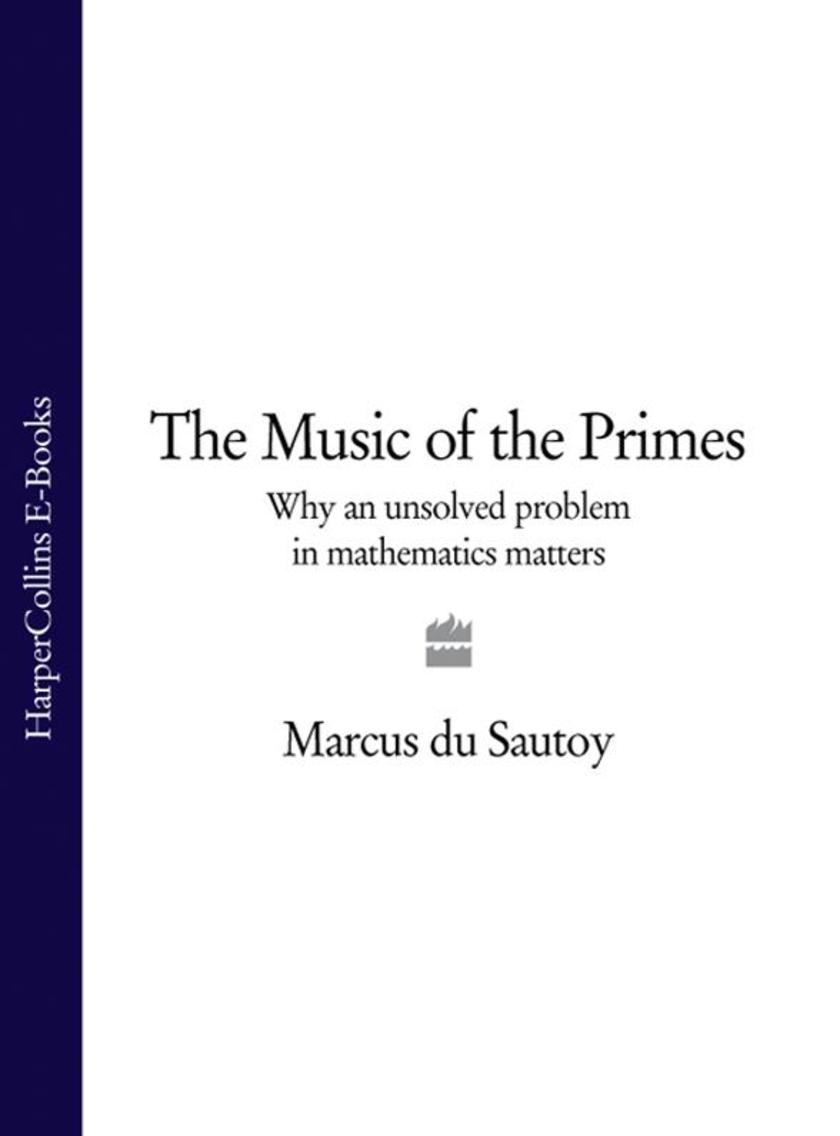
The Music of the Primes: Why an unsolved problem in mathematics matters (Text On
¥73.58
The paperback of the critically-acclaimed popular science book by a writer who is fast becoming a celebrity mathematician. Prime numbers are the very atoms of arithmetic. They also embody one of the most tantalising enigmas in the pursuit of human knowledge. How can one predict when the next prime number will occur? Is there a formula which could generate primes? These apparently simple questions have confounded mathematicians ever since the Ancient Greeks. In 1859, the brilliant German mathematician Bernard Riemann put forward an idea which finally seemed to reveal a magical harmony at work in the numerical landscape. The promise that these eternal, unchanging numbers would finally reveal their secret thrilled mathematicians around the world. Yet Riemann, a hypochondriac and a troubled perfectionist, never publicly provided a proof for his hypothesis and his housekeeper burnt all his personal papers on his death. Whoever cracks Riemann's hypothesis will go down in history, for it has implications far beyond mathematics. In business, it is the lynchpin for security and e-commerce. In science, it has critical ramifications in Quantum Mechanics, Chaos Theory, and the future of computing. Pioneers in each of these fields are racing to crack the code and a prize of $1 million has been offered to the winner. As yet, it remains unsolved. In this breathtaking book, mathematician Marcus du Sautoy tells the story of the eccentric and brilliant men who have struggled to solve one of the biggest mysteries in science. It is a story of strange journeys, last-minute escapes from death and the unquenchable thirst for knowledge. Above all, it is a moving and awe-inspiring evocation of the mathematician's world and the beauties and mysteries it contains.


