


 购物车
 个人中心


Last Orders
¥39.14
This is a hands-on guide to discover how long you will live, what you're worth and who gets what when you die. It takes you step by step through everything you need for a personal action plan, including your digital legacy, your will, your final years, your death, funeral, and all your last orders for after you've gone. Relax. Stop worrying. Here are the answers to sort out your online and real world affairs and solve all those life and death problems. LAST ORDERS covers everything clearly, simply and honestly. An essential read for everyone who is not immortal.
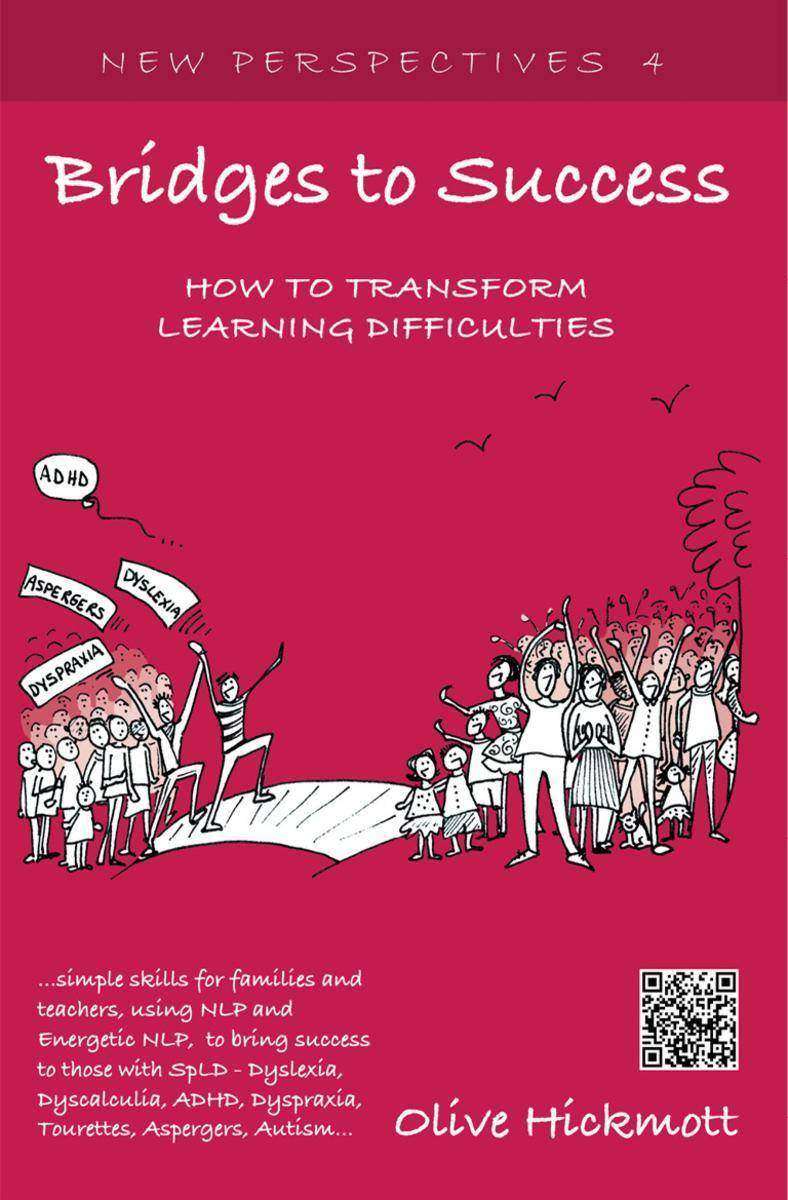
Bridges to Success
¥73.48
When you know something works you have to teach others. Learn how to transform learning difficulties into successful learning differences, enabling youngsters and adults alike to succeed. Bridges to Success offers visually talented yet challenged individuals a completely new perspective, empowering them to change themselves and the system around them. The focus is on positives and how people can be their very best. Threads of research, a wealth of experience and a variety of evidence have been pieced together to offer simple skills that anyone can learn to start making changes for the whole family and for any educational practice.

Introduction to Yoga
¥19.52
Many people know Yoga as a form of stress-relieving fitness regime. This book delves into the rich philosophy and history of this ancient physical and mental discipline, in the form of four lectures given at the 32nd Anniversary of the Theosophical Society.
Dobro do?li u pustinju postsocijalizma
¥160.80
Reducerea efectelor adverse ale chimioterapiei i radioterapiei Creterea beneficiilor tratamentelor ntrirea sistemului imunitar Meninerea energiei i a vitalitii STIMULAI-V CAPACITATEA NATURAL DE A LUPTA MPOTRIVA CANCERULUI Dumneavoastr sau cineva apropiat ai fost diagnosticat cu cancer. Dei oncologul v va prescrie un tratament care poate include chimioterapie i radioterapie, trebuie s nelegei c aceste arme puternice au adesea consecine nedorite, chiar periculoase, pentru care, aa cum arat cele mai recente cercetri, avei nevoie de un puternic fundament nutriional ca s le facei fa. O alimentaie corect, cu proporii echilibrate de hran sntoas, vitamine i minerale i suplimente nutriionale, v va oferi, alturi de chimioterapie i radioterapie, o arm extraordinar de puternic n lupta mpotriva bolii. Autorul, medic american respectat i asistent universitar de neurochirurgie, v arat ct de uor v putei fortifica organismul n aceast perioad critic. Vei afla, printre altele: Care dintre alimentele pe care le consumai zilnic au proprieti redutabile de lupt mpotriva cancerului i cum s le pregtii cel mai bine. Ce suplimente v pot spori – sau scdea – ansele de nsntoire. Cum pot crete anumite grsimi i uleiuri capacitatea natural de aprare a organismului. Despre aciunea extraordinar a flavonoidelor, care sporesc eficacitatea chimioterapiei, adugnd un strat protector celulelor sntoase. Cum s facei fa problemelor specifice cu care se confrunt pacienii suferinzi de cancer – oboseala, cderea prului, scderea n greutate, afeciunile digestive i alte efecte secundare.

Goriot apó
¥8.67
These Essays, or rather Lectures, contain the first-fruits of the earliest systematic attempt to apply the theory of Evolution to the products of human handiwork. In their original form they have long been difficult to obtain; and they are reprinted now to supply the needs of candidates for the Oxford Diploma in Anthropology, and of the numerous visitors to the Pitt-Rivers Museum in Oxford. But they will certainly appeal to a far wider public also, as a brief and authentic statement of their author’s discoveries. The four Essays are reprinted substantially as they were first delivered and published. But verbal errors and actual misquotations have been corrected; and allusions to specimens or diagrams exhibited during the original discourses, but not published, have been replaced so far as possible by references to similar objects figured in the Plates. The Plates are photographic reproductions of the original illustrations, with the exception of Plates V, XIII, XVII, XVIII. Of these, Plate XIII has simply been re-drawn, from a faded original; Plates XVII and XVIII have been translated, without loss of detail, from colours to monochrome shading; Plate V has been reconstituted from illustrations quoted in the text, with the permission of their publisher, Mr. Murray. Plate XXI is reproduced, by permission of Sir John Evans, from the paper which it illustrated originally. The footnotes demand a word of explanation. The author, as the original publications show, was not precise in indicating his sources: he frequently gave, as a quotation, the general sense rather than the exact words of his authority; and occasionally his memory played him false. In the reprint, the precise references have been identified, and are given in full, and obvious errors in the text have been either amended or corrected in a footnote. The editor desires to acknowledge much valuable help in the search for references from Miss C. M. Prior, of Headington.

Slavery
¥27.88
The first question to be proposed by a rational being is, not what is profitable, but what is Right. Duty must be primary, prominent, most conspicuous, among the objects of human thought and pursuit. If we cast it down from its supremacy, if we inquire first for our interests and then for our duties, we shall certainly err. We can never see the Right clearly and fully, but by making it our first concern. No judgment can be just or wise, but that which is built on the conviction of the paramount worth and importance of Duty. This is the fundamental truth, the supreme law of reason; and the mind, which does not start from this in its inquiries into human affairs, is doomed to great, perhaps fatal error. The Right is the supreme good, and includes all oth-er goods. In seeking and adhering to it, we secure our true and only happiness. All prosperity, not founded on it, is built on sand. If human affairs are controlled, as we believe, by Almighty Rectitude and Impartial Goodness, then to hope for happiness from wrong do-ing is as insane as to seek health and prosperity by rebelling against the laws of nature, by sowing our seed on the ocean, or making poison our common food. There is but one unfailing good; and that is, fidelity to the Everlasting Law written on the heart, and rewritten and republished in God's Word. Slavery ought to be discussed. We ought to think, feel, speak, and write about it. But whatever we do in regard to it should be done with a deep feeling of re-sponsibility, and so done as not to put in jeopardy the peace of the slave-holding States. On this point public opinion has not been and cannot be too strongly pro-nounced. Slavery, indeed, from its very nature, must be a ground of alarm wherever it exists. Slavery and security can by no device be joined together. But we may not, must not, by rashness and passion increase the peril. To instigate the slave to insurrection is a crime for which no rebuke and no punishment can be too severe. This would be to involve slave and master in common ruin. It is not enough to say, that the Constitution is violated by any action endangering the slave-holding portion of our country. A higher law than the Constitution forbids this unholy interference. Were our national union dissolved, we ought to reprobate, as sternly as we now do, the slightest manifestation of a disposition to stir up a servile war. Still more, were the free and the slave-holding States not only separated, but engaged in the fiercest hostilities, the former would deserve the abhorrence of the world, and the indignation of Heaven, were they to resort to insurrection and massacre as means of victory. Better were it for us to bare our own breasts to the knife of the slave, than to arm him with it against his master. ? ABOUT AUTHOR William Ellery Channing (1780 – 1842) was the foremost Unitarian preacher in the United States in the early nineteenth century and along with Andrews Norton, (1786-1853), one of Unitarianism's leading theologians. He was known for his articulate and impassioned sermons and public speeches, and as a prominent thinker in the liberal theology of the day. Channing's religion and thought were among the chief influences on the New England Transcendentalists, though he never countenanced their views, which he saw as extreme. The beliefs he espoused, especially within his "Baltimore Sermon" of May 5, 1819, at the ordination of a future famous theologian and educator in his own right, Jared Sparks, (1789-1866), as the first minister (1819-1823) of the newly organized (1817) "First Independent Church of Baltimore" (later the "First Unitarian Church of Baltimore (Unitarian and Universalist)"). Here he espoused his principles and tenets of the developing philosophy and theology of "Unitarianism" resulted in the organization later in 1825 of the first Unitarian denomination in America (American Unitarian Association) and the later developments and mergers between Unitarians and Universalists resulting finally in the Unitarian Universalist Association of America in 1961. In later years Channing addressed the topic of slavery, although he was never an ardent abolitionist. Channing wrote a book in 1835, entitled, "SLAVERY" James Munroe and Company, publisher. Channing, however, has been described as a "romantic racist" in "Black Abolitionism: A Quest for Human Dignity" by Beverly Eileen Mitchell (133–38). He held a common American belief about the inferiority of African people and slaves and held a belief that once freed, Africans would need overseers. The overseers (largely former slave masters) were necessary because the slaves would lapse into laziness. Furthermore, he did not join the abolitionist movement because he did not agree with their way of conducting themselves, and he felt that voluntary associations limited a person's autonomy. Therefore, he often chose to remain separate from organizations and reform movements. This middle position characterized his attitude about

Smokiana
¥27.88
Although Smoking is generally associated with Tobacco only, yet there are other plants whose leaves are used for similar purposes & these will be referred to as we come to the different means of using them. Our first Woodcut of Tobacco is from STELLA—ROMA 1669. a work of great value as giving Pipes & the Hookah of Persia as well as Plants but we will start with some of the growths now most generally known of the “NICOTIANA” Family which is very widely spread over the face of the Earth & has of late made great strides in Borneo & Sumatra. We are greatly indebted to old German woodcuts for solid infor-mation anent details of Habits & customs of the 16th. Century which our own people have not handed down to us, take for instance “Hans Sachs.” Book of Trades. Had smoking been in vogue in his day he would have given it—or rather Jost Ammon would have illustrated it so here in 1616 A.D. we find a Sturdy German, blowing a tremendous cloud. It is taken from an old work now in Frankfurt—viz

Hullámok csapdája
¥44.15
"Most, hogy ismét ?sszegy?lt egy k?nyvnyi írásom, meg kellett nézni, mit vállalok ma is és mit nem. A nem politikai témájú írások kevésbé romlandóak, azokat nyugodtan vállalom most is, legfeljebb kisebb korrekciókkal. Politikai nézeteim azonban akarvaakaratlanul is változtak, így ezek az írások alapvet? újragondolást igényeltek. Bármennyire érdekesnek is találom mostanában a politikát, valójában azt szeretném, ha a k?zbeszédnek ugyanúgy legfeljebb a negyedét tenné ki ez a téma, mint ennek a k?nyvnek. Annyi minden van, ami ennél sokkal érdekesebb. A másik háromnegyed akármi lehet, kit mi érdekel – engem például mostanában els?sorban az élet egyszer? dolgai, emellett a gazdaság és persze továbbra is a pszichológia. ?gy alakultak ki e k?nyv t?bbi részei." A szerz? az ELTE Pszichológiai Intézetének egyetemi tanára, jelenleg f? kutatási területe a gazdaság-pszi?cho?lógia.

A taraj
¥37.11
"Három ember utazik Skóciában a vonaton: egy matematikus, egy fizikus és egy tudományfilozófus. Egyszer csak a matematikus kinéz az ablakon, és azt mondja: – Nézzék, itt fekete bárányok vannak! Mire a fizikus: – Pontosítanék: itt vannak olyan bárányok, amelyek feketék. Mire a tudományfilozófus: – ?n is pontosítanék: itt vannak olyan bárányok, amelyeknek a fel?lünk látszó oldala fekete." - idéz a Monoverzumokban Galántai Zoltán egy ismert tudományfilozófiai anekdotát, azt érzékeltetve, hogy humorral még az egyébként olykor száraznak t?n? szakmai ?sszefüggéseket is érthet?en, érzékletesen lehet kifejezni. Az olvasó legnagyobb ?r?mére.

San-Antonio. Sarabanda r?posa?ilor
¥32.62
Un program simplu, rapid ?i… sexy PROGRAMUL REVOLU?IONAR PREZENTAT ?N ACEAST? CARTE AJUT? PE ORICINE S? AIB? O INIM? S?N?TOAS?. Mai ?nt?i, doctorul Masley ??i va ar?ta cum s?-?i determini starea de s?n?tate cardiac?, dup? care te va ?ndruma pas cu pas cum s?-?i optimizezi inima, energia, silueta ?i via?a sexual?. Identific?nd principala cauz? a bolilor cardiovasculare – apari?ia ?i cre?terea pl?cii de aterom – autorul prezint? cele mai noi analize ?i teste care pot depista dezvoltarea pl?cii arteriale ?n faze incipiente, preciz?nd ?i pa?ii care trebuie urma?i pentru a opri ?i inversa cursul acestui proces. Vestea bun? este c? oricine – indiferent de v?rst?, de factorii ereditari sau de c?t de supraponderal este – ??i poate trata placa arterial?, prevenind astfel atacurile de cord ?i accidentele vascular cerebrale cu ajutorul acestui program, care are urm?toarele elemente-cheie: ? Alimentele cu efecte benefice pentru inim? ? Activitatea fizic? pentru ?nt?rirea inimii ?i a arterelor ? Managementul stresului ? Un plan de suplimente alimentare personalizat, prietenos pentru inim?. Un capitol separat demonstreaz? c? o inim? s?n?toas? cre?te libidoul ?i ?mbun?t??e?te func?ia sexual? at?t la b?rba?i, c?t ?i la femei. Mul?i cred c? aspectele de preven?ie ?i terapeutice ale bolilor cardiace constituie un fel de ?tiin?? complicat?. Gre?it! Doctorul Masley a creat un plan strategic simplu ?i u?or de aplicat pentru ?mbun?t??irea procesului de vindecare cardiovascular?. Recomand c?lduros cartea de fa?? tuturor persoanelor vulnerabile la bolile de inim?. – Dr. Stephen T. Sinatra, cardiolog ?i autorul bestsellerului New York Times – Reversing Heart Disease ?n spiritul lui Hipocrat, programul doctorului Masley demonstreaz? cum schimb?ri specifice ale stilului de via?? pot fi la fel de eficiente ca medicamentele ?n ?mbun?t??irea st?rii de s?n?tate a inimii. – Dr. David Perlmutter, autorul c?r?ii Grain Brain.
The Sign of the Four
¥18.74
Copernicus, the astronomer, whose discoveries make him the great predecessor of Kepler and Newton, did not come from a noble family, as certain other early astronomers have done, for his father was a tradesman. Chroniclers are, however, careful to tell us that one of his uncles was a bishop. We are not acquainted with any of those details of his childhood or youth which are often of such interest in other cases where men have risen to exalted fame. It would appear that the young Nicolaus, for such was his Christian name, received his education at home until such time as he was deemed sufficiently advanced to be sent to the University at Cracow. The education that he there obtained must have been in those days of a very primitive description, but Copernicus seems to have availed himself of it to the utmost. He devoted himself more particularly to the study of medicine, with the view of adopting its practice as the profession of his life. The tendencies of the future astronomer were, however, revealed in the fact that he worked hard at mathematics, and, like one of his illustrious successors, Galileo, the practice of the art of painting had for him a very great interest, and in it he obtained some measure of success.??By the time he was twenty-seven years old, it would seem that Copernicus had given up the notion of becoming a medical practitioner, and had resolved to devote himself to science. He was engaged in teaching mathematics, and appears to have acquired some reputation. His growing fame attracted the notice of his uncle the bishop, at whose suggestion Copernicus took holy orders, and he was presently appointed to a canonry in the cathedral of Frauenhurg, near the mouth of the Vistula.? To Frauenburg, accordingly, this man of varied gifts retired. Possessing somewhat of the ascetic spirit, he resolved to devote his life to work of the most serious description. He eschewed all ordinary society, restricting his intimacies to very grave and learned companions, and refusing to engage in conversation of any useless kind. It would seem as if his gifts for painting were condemned as frivolous; at all events, we do not learn that he continued to practise them. In addition to the discharge of his theological duties, his life was occupied partly in ministering medically to the wants of the poor, and partly with his researches in astronomy and mathematics. His equipment in the matter of instruments for the study of the heavens seems to have been of a very meagre description. He arranged apertures in the walls of his house at Allenstein, so that he could observe in some fashion the passage of the stars across the meridian. That he possessed some talent for practical mechanics is proved by his construction of a contrivance for raising water from a stream, for the use of the inhabitants of Frauenburg. Relics of this machine are still to be Been.??The intellectual slumber of the Middle Ages was destined to be awakened by the revolutionary doctrines of Copernicus. It may be noted, as an interesting circumstance, that the time at which he discovered the scheme of the solar system has coincided with a remarkable epoch in the world's history. The great astronomer had just reached manhood at the time when Columbus discovered the new world.??Before the publication of the researches of Copernicus, the orthodox scientific creed averred that the earth was stationary, and that the apparent movements of the heavenly bodies were indeed real movements. Ptolemy had laid down this doctrine 1,400 years before. In his theory this huge error was associated with so much important truth, and the whole presented such a coherent scheme for the explanation of the heavenly movements, that the Ptolemaic theory was not seriously questioned until the great work of Copernicus appeared. No doubt others, before Copernicus, had from time to time in some vague fashion surmised, with more or less plausibility, that the sun..

Ихтияндр: Повесть, основанная на реальных событиях
¥11.77
A ciência e a tecnologia na contemporaneidade condicionam a organiza??o social e as formas existentes e emergentes de desigualdade e exclus?o tanto em cada sociedade como entre sociedades e regi?es do mundo. Os contextos de acesso e apropria??o do conhecimento científico e tecnológico s?o diversificados, como diferenciados s?o os públicos que se constituem em rela??o com esses contextos e modos de acesso e de apropria??o. Os textos desta colet?nea problematizam sob diferentes aspectos as quest?es críticas para a compreens?o e aplica??o do conceito de apropria??o social do conhecimento científico e tecnológico.

Дивись уперед: Над?йний шлях до омр?яного життя
¥30.25
Ez a k?nyv két év kutatómunkája alapján íródott. Fórumokon, internetes hozzászólásokban megnyilvánuló vélemények, és a velük kapcsolatban felmerült kérdések, illetve válaszok adják az írás gerincét. Nem orvos, nem tudós, nem kutató írta szaknyelven, hanem egy egyszer?, érz? ember, hétk?znapi nyelven, k?zérthet?en, azon igyekezve, hogy párhuzamot vonjon a szexuális irányultság két végletével és megértesse, hogy e szexuális orientációk egyenérték?ek. A kül?nleges szerelmi szálon futó t?rténet humorral, drámával f?szerezve bemutatja azokat a k?zponti problémákat, melyek a gy?l?letet táplálják a melegek felé és igyekszik utat mutatni az elfogadás irányába. Ma irtózol a homoszexuálisoktól. De mi lesz holnap, amikor a gyermeked, a legjobb barátod vagy a legkedvesebb rokonod megvallja, hogy ? úgy boldog? Az élet sorban osztja a pofonokat és nem tudhatjuk, mikor csattan a mi orcánkon... A k?nyv címét az alábbi idézet ihlette: ?Adj tüzedb?l lángot annak, aki kér!” /Marcus Tullius Cicero/ ?

Kingpin - avagy hogyan vette át az uralmat egy hacker a milliárddolláros cyberal
¥57.14
Основные принципы лечебного питания и советы по подбору продуктов Рецепты вкусных блюд, эффективных в борьбе с болезнями Очень часто мы полагаемся на таблетки и лекарства, хотя действенные и полезные средства от недугов всегда под рукой! Рецепты блюд, приведенные в книге, позволят вам отказаться от большинства медикаментов. Блюда содержат множество целебных веществ и помогут не только поддержать здоровье, но и излечить подагру и диабет, болезни сердца и сосудов, суставов и позвоночника, печени, почек, щитовидной и поджелудочной железы. Вы сможете составить индивидуальное меню здорового питания. Здесь представлены рецепты супов, блюд из мяса, рыбы, грибов, овощей, круп, молочных продуктов и т. д. Используются только доступные ингредиенты. Готовьте с нашей книгой – и избавляйтесь от болезней! Osnovnye principy lechebnogo pitanija i sovety po podboru produktov Recepty vkusnyh bljud, jeffektivnyh v bor'be s boleznjami Ochen' chasto my polagaemsja na tabletki i lekarstva, hotja dejstvennye i poleznye sredstva ot nedugov vsegda pod rukoj! Recepty bljud, privedennye v knige, pozvoljat vam otkazat'sja ot bol'shinstva medikamentov. Bljuda soderzhat mnozhestvo celebnyh veshhestv i pomogut ne tol'ko podderzhat' zdorov'e, no i izlechit' podagru i diabet, bolezni serdca i sosudov, sustavov i pozvonochnika, pecheni, pochek, shhitovidnoj i podzheludochnoj zhelezy. Vy smozhete sostavit' individual'noe menju zdorovogo pitanija. Zdes' predstavleny recepty supov, bljud iz mjasa, ryby, gribov, ovoshhej, krup, molochnyh produktov i t. d. Ispol'zujutsja tol'ko dostupnye ingredienty. Gotov'te s nashej knigoj – i izbavljajtes' ot boleznej!

Az ?t tornacsuka a Pannon Csillagdában
¥13.16
Книга расскажет о причинах возникновения таких серьезных хронических недугов как радикулит и ревматизм, их формах и соответствующих народных методах и рецептах лечения, проверенных многими поколениями. И сейчас не утратили свою эффективность, став незаменимыми помощниками официальной медикаментозной медицины, оздоровительные банные процедуры, минеральные воды, отвары и настои лекарственных трав для внутреннего и наружного применения, разнообразные массажи и комплексы лечебных упражнений, рецепты лечения эфирными маслами, продуктами пчеловодства, солями и металлами. Их подробное описание для регулярного применения, а также рецепты блюд сбалансированной ежедневной диеты для лечебного питания помогут вернуть здоровье и силу вашему позвоночнику и суставам.Kniga rasskazhet o prichinah vozniknovenija takih ser'eznyh hronicheskih nedugov kak radikulit i revmatizm, ih formah i sootvetstvujushhih narodnyh metodah i receptah lechenija, proverennyh mnogimi pokolenijami. I sejchas ne utratili svoju jeffektivnost', stav nezamenimymi pomoshhnikami oficial'noj medikamentoznoj mediciny, ozdorovitel'nye bannye procedury, mineral'nye vody, otvary i nastoi lekarstvennyh trav dlja vnutrennego i naruzhnogo primenenija, raznoobraznye massazhi i kompleksy lechebnyh uprazhnenij, recepty lechenija jefirnymi maslami, produktami pchelovodstva, soljami i metallami. Ih podrobnoe opisanie dlja reguljarnogo primenenija, a takzhe recepty bljud sbalansirovannoj ezhednevnoj diety dlja lechebnogo pitanija pomogut vernut' zdorov'e i silu vashemu pozvonochniku i sustavam.

Simfonia fr?nei
¥32.62
Volum coordonat de R?zvan Supuran Antologia de fa?? reune?te texte ap?rute ?n revista Me?eria?ii, publica?ie de circula?ie limitat?, fabricat? pe h?rtie me?te?ugit? ?i tip?rit? manual ?n cadrul Atelierului de Carte de la Muzeul ??ranului Rom?n.

Pisica din vis. Povestiri pentru copiii de toate v?rstele
¥40.79
Av?nd ?n vedere c? o serie de concepte bazate pe teoria for?elor electrostatice (leg?turile chimice, cinetic? molecular?, mi?carea braunian? etc.) prezint? grave contradic?ii privind explicarea acestor fenomene ?i formularea unor r?spunsuri coerente la nivelul particulelor atomice, se impune o abordare nou? ?i o analiz? dintr-o alt? perspectiv? a fenomenelor amintite.Este edificator ?n acest sens s? lu?m cazul fluidelor care se pot disocia ?n molecule ?i chiar ?n atomi (chimie general?, C.D.Neni?escu) prin inc?lzire.Rezult? c? pe m?sur? ce cre?te temperatura (ex.a lichidelor) agita?ia termic? cresc?nd, deci cre?te ?i viteza de mi?care a particulelor atomice, scad for?ele de coeziune ?ntre aceste particule . La fel se ?nt?mpl? lucrurile cu metalele . La ?nc?lzirea peste o anumit? temperatur? metalele se ?nmoaie apoi se topesc deci oadat? cu cre?terea temperaturii (deci a vitezei de mi?care a particulelor) scad ca valoare for?ele de coeziune dintre moleculele substan?elor.A?adar avem o corela?ie direct? ?ntre viteza de mi?care a particulelor atomice ?i for?ele de coeziune dintre acestea. Acest lucru ne duce cu g?ndul la faptul c? aceste for?e ar putea fi de natur? electrodinamic?, fiind vorba numai ?i numai de influen?a vitezei de mi?care a particulelor ?i ?n nici un caz de for?e electrostatice care nu depind de viteza de mi?care a particulelor atomice (ci numai de m?rimea sarcinii ?i de distan?a dintre ele conform legii lui Couloumb).[...]
Pasiune ame?itoare
¥65.32
Controlul ?tiin?ific al traducerii: Andrei Dumbrav? De ce mitul ?b?rbatului-v?n?tor" e doar un mit? De ce femeia a fost cea care a jucat rolul esen?ial ?n dezvoltarea speciei noastre? Cum am dob?ndit capacitatea de a compune muzic? complex? sau de a citi? R?spunsul la ?ntreb?rile de baz? ale neurologiei se g?se?te ?n remarcabilele cercet?ri asupra creierului ?i asupra felului ?n care a evoluat acesta, prezentate ?n cartea de fa?? ?n care un neorolog prezint? viziunea sa asupra evolu?iei – modul ?n care a evoluat sistemul nostru nervos ?i cum aceast? evolu?ie a modelat specia, capacit??ile noastre, bolile pe care le avem ?i calea prin care am ajuns ceea ce suntem azi. Diferite aspecte ale acestei teme sunt ilustrate cu vignete clinice despre ni?te pacien?i interesan?i ?i uneori de-a dreptul stranii, selectate din experien?a clinic? a autorului.?

Problema evreiasc?
¥54.10
Aceast? carte con?ine informa?ii utile privind refacerea s?n?t??ii cu produse naturale ?i prin metode naturale, oferind o vedere de ansamblufundamental? pentru persoanele f?r? preg?tire medical? ?i o colec?ie de tehnici cu sfaturi utile ?n procesul de vindecare. ?n plus, aceast? lucrare ?i provoac? pe profesioni?tii din domeniul medical s? reinvestigheze impar?ial studiile din prezent ?i din trecut ?n acest domeniu, f?r? prejudec??i. Ve?i g?si date despre prevenirea ?i tratamentul: cancerului, anemiilor, artritei, SIDA, diabetului zaharat, cefaleei, bolii Alzheimer,hipertensiunii arteriale, obezit??ii, menopauzei, osteoporozei etc.

Bosszú: A harag ébredése
¥52.48
Az egészségügyi szakemberek fontos feladata a kliensekkel folytatott beszélgetés. A diagnózis felállításán túl a terápia megbeszélése, valamint a megel?zésr?l szóló tájékoztatás is hozzájárul a hatékony gyógyításhoz. A korszer?, bizonyíték-alapú gyógyításban az egészségügyi szakember-kliens diskurzusok tanulmányozása megkerülhetetlen részét képezik az egészségtudományi kutatásoknak, hiszen a róluk készített részletes, módszeres és mélységi elemzések kiegészítik a statisztikai tényeken alapuló megk?zelítéseket. A k?nyv egészségügyi szakemberek és hallgatók-orvosok, ápolók, szülészn?k, gyógytornászok, dietetikusok- számára nyújt áttekint? képet a kvalitatív elemzések fajtáiról, módszereir?l és technikáiról, hogy segítséget nyújtson a kutatások megválasztásában, kidolgozásában és publikálásában. A szerz? mind a kézi, mind a számítógépes adatfeldolgozási módszereket példákon keresztül mutatja be, valamint a kül?nb?z? diskurzus-elemzési módszereket magyar k?zleményekb?l vett szemelvények segítségével illusztrálja. A glosszárium jelent?s segítséget nyújt a filozófiai és nyelvészeti kifejezések megértésében. A k?nyv használható kutatásmódszertani segédk?nyvként, de ?nállóan, egy kurzus részeként is alkalmazható.

The Secret Agent: "A Simple Tale"
¥18.74
AMONG the ranks of the great astronomers it would be difficult to find one whose life presents more interesting features and remarkable vicissitudes than does that of Galileo. We may consider him as the patient investigator and brilliant discoverer. We may consider him in his private relations, especially to his daughter, Sister Maria Celeste, a woman of very remarkable character ; and we have also the pathetic drama at the close of Galileo's life, when the philosopher drew down upon himself the thunders of the Inquisition. The materials for the sketch of this astonishing man are sufficiently abundant. We make special use in this place of those charming letters which his daughter wrote to him from her convent home. More than a hundred of these have been preserved, and it may well be doubted whether any more beautiful and touching series of letters addressed to a parent by a dearly loved child have ever been written. An admirable account of this correspondence is contained in a little book entitled "The Private Life of Galileo," published anonymously by Messrs. Macmillan in 1870, and I have been much indebted to the author of that volume for many of the facts contained in this chapter. Galileo was born at Pisa, on 18th February, 1564. He was the eldest son of Vincenzo de Bonajuti de Galilei, a Florentine noble. Notwithstanding his illustrious birth and descent, it would seem that the home in which the great philosopher's childhood was spent was an impoverished one. It was obvious at least that the young Galileo would have to be provided with some profession by which he might earn a livelihood. From his father he derived both by inheritance and by precept a keen taste for music, and it appears that he became an excellent performer on the lute. He was also endowed with considerable artistic power, which he cultivated diligently. Indeed, it would seem that for some time the future astronomer entertained the idea of devoting himself to painting as a profession. His father, however, decided that he should study medicine. Accordingly, we find that when Galileo was seventeen years of age, and had added a knowledge of Greek and Latin to his acquaintance with the fine arts, he was duly entered at the University of Pisa. AMONG the ranks of the great astronomers it would be difficult to find one whose life presents more interesting features and remarkable vicissitudes than does that of Galileo. We may consider him as the patient investigator and brilliant discoverer. We may consider him in his private relations, especially to his daughter, Sister Maria Celeste, a woman of very remarkable character ; and we have also the pathetic drama at the close of Galileo's life, when the philosopher drew down upon himself the thunders of the Inquisition. The materials for the sketch of this astonishing man are sufficiently abundant. We make special use in this place of those charming letters which his daughter wrote to him from her convent home. More than a hundred of these have been preserved, and it may well be doubted whether any more beautiful and touching series of letters addressed to a parent by a dearly loved child have ever been written. An admirable account of this correspondence is contained in a little book entitled "The Private Life of Galileo," published anonymously by Messrs. Macmillan in 1870, and I have been much indebted to the author of that volume for many of the facts contained in this chapter.


