


 购物车
 个人中心

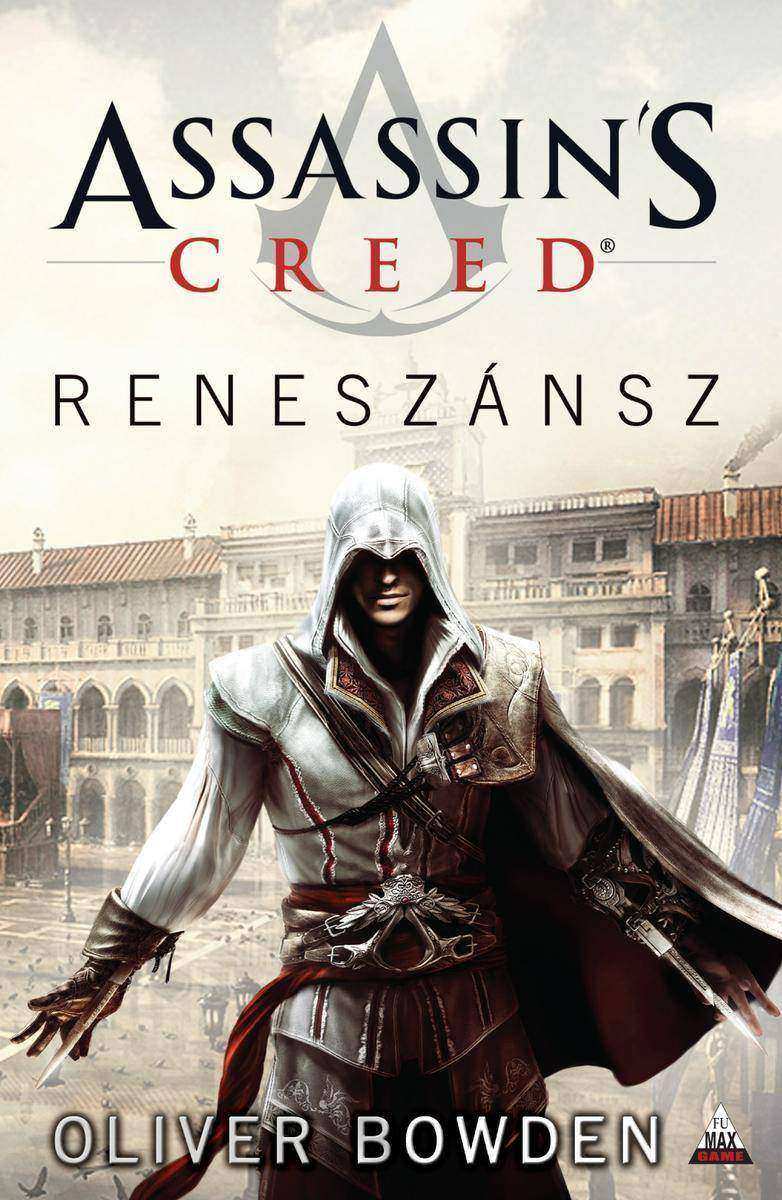
Assassin's Creed: Reneszánsz
¥71.69
The story starts in London on Tuesday, October 1, 1872. Fogg is a rich English gentleman and bachelor living in solitude at Number 7 Savile Row, Burlington Gardens. Despite his wealth, which is ?40,000 (roughly ?3,020,000 today), Fogg, whose countenance is described as "repose in action", lives a modest life with habits carried out with mathematical precision. Very little can be said about his social life other than that he is a member of the Reform Club. Having dismissed his former valet, James Foster, for bringing him shaving water at 84 °F (29 °C) instead of 86 °F (30 °C), Fogg hires a Frenchman by the name of Jean Passepartout, who is about 30 years old, as a replacement. Later on that day, in the Reform Club, Fogg gets involved in an argument over an article in The Daily Telegraph, stating that with the opening of a new railway section in India, it is now possible to travel around the world in 80 days. He accepts a wager for ?20,000 (roughly ?1,510,000 today) from his fellow club members, which he will receive if he makes it around the world in 80 days. Accompanied by Passepartout, he leaves London by train at 8:45 P.M. on Wednesday, October 2, 1872, and thus is due back at the Reform Club at the same time 80 days later, Saturday, December 21, 1872. Mr. Phileas Fogg lived, in 1872, at No. 7, Saville Row, Burlington Gardens, the house in which Sheridan died in 1814. He was one of the most noticeable members of the Reform Club, though he seemed always to avoid attracting attention; an enigmatical personage, about whom little was known, except that he was a polished man of the world. People said that he resembled Byron—at least that his head was Byronic; but he was a bearded, tranquil Byron, who might live on a thousand years without growing old. Certainly an Englishman, it was more doubtful whether Phileas Fogg was a Londoner. He was never seen on 'Change, nor at the Bank, nor in the counting-rooms of the "City"; no ships ever came into London docks of which he was the owner; he had no public employment; he had never been entered at any of the Inns of Court, either at the Temple, or Lincoln's Inn, or Gray's Inn; nor had his voice ever resounded in the Court of Chancery, or in the Exchequer, or the Queen's Bench, or the Ecclesiastical Courts. He certainly was not a manufacturer; nor was he a merchant or a gentleman farmer. His name was strange to the scientific and learned societies, and he never was known to take part in the sage deliberations of the Royal Institution or the London Institution, the Artisan's Association, or the Institution of Arts and Sciences. He belonged, in fact, to none of the numerous societies which swarm in the English capital, from the Harmonic to that of the Entomologists, founded mainly for the purpose of abolishing pernicious insects. Phileas Fogg was a member of the Reform, and that was all. The way in which he got admission to this exclusive club was simple enough. He was recommended by the Barings, with whom he had an open credit. His cheques were regularly paid at sight from his account current, which was always flush. Was Phileas Fogg rich? Undoubtedly. But those who knew him best could not imagine how he had made his fortune, and Mr. Fogg was the last person to whom to apply for the information. He was not lavish, nor, on the contrary, avaricious; for, whenever he knew that money was needed for a noble, useful, or benevolent purpose, he supplied it quietly and sometimes anonymously. He was, in short, the least communicative of men. He talked very little, and seemed all the more mysterious for his taciturn manner. His daily habits were quite open to observation; but whatever he did was so exactly the same thing that he had always done before, that the wits of the curious were fairly puzzled. ABOUT AUTHOR: Jules Gabriel Verne (1828 – 1905) was a French novelist, poet, and playwright best known for his adventure novels and his profound influence on the literary genre of science fiction. Born to bourgeois parents in the seaport of Nantes, Verne was trained to follow in his father's footsteps as a lawyer, but quit the profession early in life to write for magazines and the stage. His collaboration with the publisher Pierre-Jules Hetzel led to the creation of the Voyages Extraordinaires, a widely popular series of scrupulously researched adventure novels including Journey to the Center of the Earth, Twenty Thousand Leagues Under the Sea, and Around the World in Eighty Days.

Búvópatakok
¥71.69
Mary Lennox is a sour-faced 10-year-old girl, who is born in India to selfish wealthy British parents who had not wanted her and were too wrapped up in their own lives. She was taken care of primarily by servants, who pacify her as much as possible to keep her out of the way. Spoiled and with a temper, she is unaffectionate, angry, rude and obstinate. Later, there is a cholera epidemic which hits India and kills her mother, father and all the servants. She is discovered alone but alive after the house is empty. She is sent to Yorkshire, England to live with her uncle, Archibald Craven at his home called Misselthwaite Manor.

Autoanaliza
¥57.14
A nagy író kezében arannyá válik, amihez hozzányul. Gárdonyi egy-egy ritka kirándulása a színm? területére páratlan remekm?vekben jut kifejezésre. Az Annuska vidéki t?rténet. Egyszer?, természetes, vonzó, csupa der?, csupa napsugár és emellett mélyen emberi.

Nem akarlak meg?lni
¥57.96
Sorsdráma. Szrny, barbár mese. Véres és szexuális talányok. Elnyomott emlékek és gyermekkori borzalmak flkeverése. Hirtelen, képtelen, elre tudott és mégis elháríthatatlan katasztrófa. Babona, vallás és matematika külns fonadékú szvete. A sors irracionális gykereinek ízeit érezzük. Micsoda ellentét forma és tartalom kzt! Ilyen vad, si, nyers, babonás mélyeket éppen csak az emberi tudat és kultúra leglucidasabb mvészete tár fl: annál megrendítbb! A Szophoklész mvészete” – írja Babits Mihály Az európai irodalom trténeté-ben.

Túl k?zel hozzád
¥58.29
Ella Longfield kihallgat két vonzó fiatalembert, akik kamaszlányokkal fl?rt?lnek a vonaton. Nem gondol semmi rosszra, míg rá nem d?bben: a srácok nemrég szabadultak a b?rt?nb?l. Anyai ?szt?ne azonnal riadómódba kapcsol. A telefonért nyúl, ám t?rténik valami, ami megállítja...?Másnap arra a hírre ébred, hogy elt?nt az egyik lány, a gy?ny?r?, z?ldszem? Anna Ballard.?Egy évvel kés?bb Annát még mindig nem találták meg. Ellát b?ntudat gy?tri amiatt, hogy nem cselekedett, és nem ? az egyetlen, aki képtelen elfelejteni a t?rténteket. Valaki fenyeget? leveleket küld?zget neki - leveleket, melyek azt jelentik: komolyan féltenie kell az életét.?Majd az elt?nés évfordulóján felhívást tesznek k?zzé, melyb?l kiderül, hogy Anna barátai és családja valószín?leg elhallgatnak valamit. A lány legjobb barátn?je, Sarah nem mondta el a teljes igazságot arról, hogy mi t?rtént pontosan azon az éjszakán - és a szül?knek is megvannak a maguk titkai.?Vannak, akik tudják, hol van Anna - de nem árulják el. Viszont figyelik Ellát.?

T?visek császára
¥72.43
A Tartuffe-ben, a képmutatók zsarnoki uralmának e pompás torzképében minden id?k egyik legnagyszer?bb komikus remekm?vét tiszteli az egész m?velt világ. A korabeli francia udvarban annyian gúnyolva érezték magukat, hogy betiltatták az uralkodóval a bemutatót.

Virals - Kincsvadászok
¥43.41
The Scarlet Letter, published in 1850, is an American novel written by Nathaniel Hawthorne and is generally considered to be his magnum opus. Set in 17th-century Puritan Boston, it tells the story of Hester Prynne, who gives birth after committing adultery, refuses to name the father, and struggles to create a new life of repentance and dignity. Throughout the novel, Hawthorne explores questions of grace, legalism, sin and guilt.

A marsi
¥73.49
The book tells the adventures of five American prisoners of war on an uncharted island in the South Pacific. Begining in the American Civil War, as famine and death ravage the city of Richmond, Virginia, five northern POWs decide to escape in a rather unusual way – by hijacking a balloon! This is only the beginning of their adventures...

Cibola meghódítása
¥71.29
THE MAN IN THE MOON.THE Man in the MoonCame tumbling down,And asked his way to Norwich;They told him south,And he burnt his mouthWith eating cold pease-porridge. TO MARKET, TO MARKET.TO market, to market, to buy a fat Pig;Home again, home again, dancing a jig. The Man In the Moon.To Market, to Market.There Was a Man.The Lion and the Unicorn.Little Miss Muffet.Oranges and Lemons.Goosey, Goosey Gander.Humpty Dumpty.Baa, Baa, Black Sheep.The Three Wise Men of Gotham. STORIES: - The Man In the Moon.- To Market, to Market.- There Was a Man.- The Lion and the Unicorn.- Little Miss Muffet.- Oranges and Lemons.- Goosey, Goosey Gander.- Humpty Dumpty.- Baa, Baa, Black Sheep.- The Three Wise Men of Gotham.

Berlin Noir: Sápadt Gonosztev?
¥57.31
A Magánügyb?l megismert magánnyomozó, Dave Bexley ismét úgy érzi, minek elvállalni egy ügyet, ha kett?t is lehet - aztán j?n a t?bbi magától. El?sz?r egy bánatos víg ?zvegy orvul meggyilkolt férjének gyilkosát kell el?keríteni, majd egy bájakkal er?sen megáldott h?lgy zsarolóit megállítani. Tetejében még megtalálja a titkosszolgálat is, hogy elveszett biológiai fegyverek után kutasson. ?s, mivel a nap 24 órából áll, képbe kerül a korábban elt?ntnek hitt, titokzatos Leslie Morton is, és az általa hajszolt mágnesfegyver.Bár Dave néha úgy érzi, csupán gyalog a sakktáblán - de tudjuk jól, akár egy gyalog is képes játékokat eld?nteni.

Moartea ?ntr-o gaur? neagr? ?i alte dileme cosmice
¥90.84
Tényleg azt hitted, hogy kamasznak lenni k?nny?? Bár a tizen?t éves Pataki Emma élete igen távol áll a t?kéletest?l, hiszen anya nélkül kell feln?nie alkoholista apukája és nagymamája szigorú kontrollja alatt, ? mégis megpróbálja élni a tinik szokásos mindennapjait. Bulizik a barátaival, mindent megbeszél b?lcs barátn?jével és még szerelmes is az elb?v?l? mosolyú osztálytársába. Az eszes kaposvári lány ügyesen lavíroz az ellentmondást nem t?r? apa elvárásai és a barátok napról napra féktelenebbé váló kicsapongásai k?z?tt. Az élet azonban nem t?ri sokáig ezt a t?rékeny egyensúlyt, szemberohan Emmával, hogy minél hamarabb g?rdíthessen elé megoldhatatlannak t?n? nehézségeket. A méretes akadályok k?z?tt botladozó lány mindinkább kétségbeesik, és kérdéses, hogy sikerülhet-e átverekednie magát az ?t elgáncsolni látszó problémákon. Vajon meg tud birkózni Emma az emberfeletti er?t kívánó kihívásokkal? Képes helytállni és feln?ttként viselkedni olyan helyzetekben, amik még sok valódi feln?ttnek is feladnák a leckét? ?s vajon ráj?n, hogy milyen súlyos titkot rejteget el?le a családja? Gombos Tünde a Margó-díjra jel?lt Szerelemtánc után megint egy embert próbáló helyzetbe került fiatal t?rténetét meséli el a t?le már megszokott stílusban, hol humorosan, hol szívhez szólóan.

Magia imaginilor feng-shui
¥28.61
Kívánom, adjanak er?t ezek a k?ltemények sokaknak! Azokhoz szólok most, akiknek valamikor, valamije fájt már életében, és/vagy ismernek olyan embert, aki tudja, hogy a szó szoros értelmében mit jelent az a szó: jaj! Tetovált társaim! Ti egyt?l egyig tisztában vagytok ennek a fogalomnak a jelentésével, és azzal is, hogy ez a választott életérzés megéri, méghozzá busásan. Akiknek jelen pillanatban is fáj valami, azoknak pedig… Nekik drukkolok leginkább!
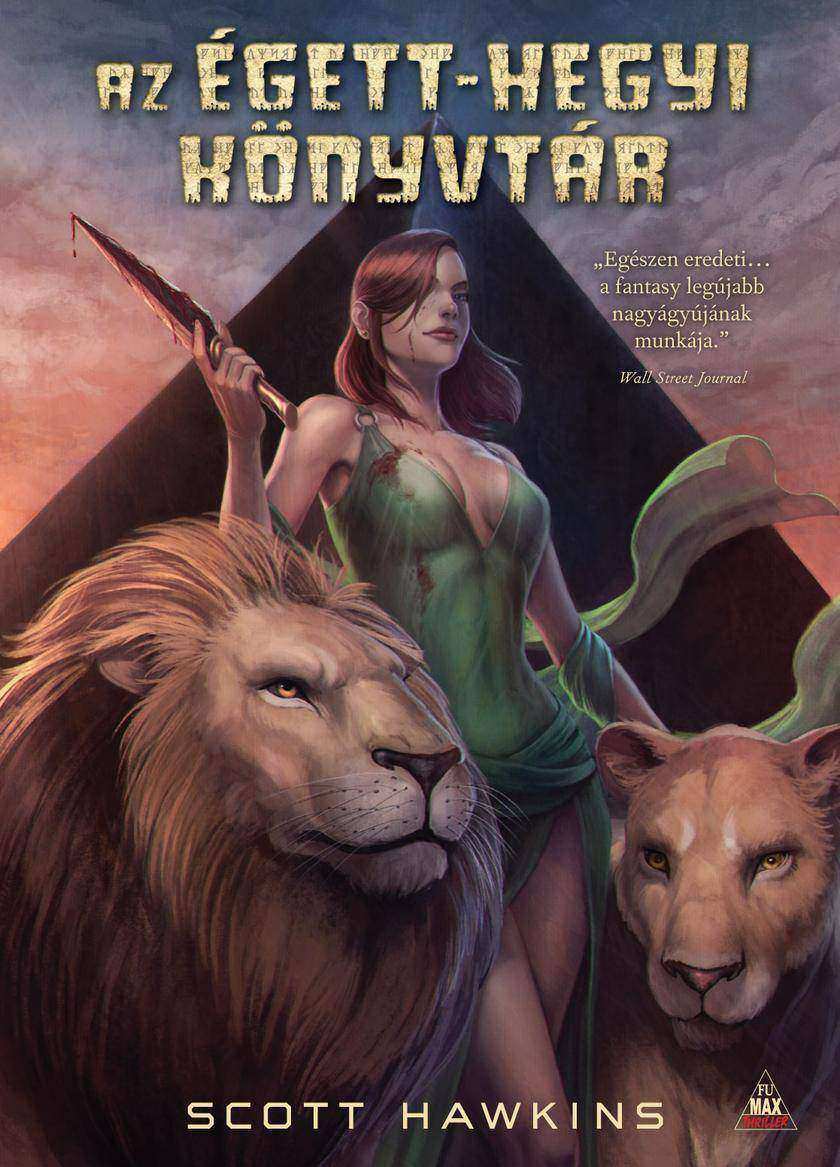
Az ?gett-hegyi K?nyvtár
¥65.66
Alice was beginning to get very tired of sitting by her sister on the bank, and of having nothing to do: once or twice she had peeped into the book her sister was reading, but it had no pictures or conversations in it, 'and what is the use of a book,' thought Alice 'without pictures or conversation?'So she was considering in her own mind (as well as she could, for the hot day made her feel very sleepy and stupid), whether the pleasure of making a daisy-chain would be worth the trouble of getting up and picking the daisies, when suddenly a White Rabbit with pink eyes ran close by her. There was nothing so VERY remarkable in that; nor did Alice think it so VERY much out of the way to hear the Rabbit say to itself, 'Oh dear! Oh dear! I shall be late!' (when she thought it over afterwards, it occurred to her that she ought to have wondered at this, but at the time it all seemed quite natural); but when the Rabbit actually TOOK A WATCH OUT OF ITS WAISTCOAT-POCKET, and looked at it, and then hurried on, Alice started to her feet, for it flashed across her mind that she had never before seen a rabbit with either a waistcoat-pocket, or a watch to take out of it, and burning with curiosity, she ran across the field after it, and fortunately was just in time to see it pop down a large rabbit-hole under the hedge. In another moment down went Alice after it, never once considering how in the world she was to get out again. The rabbit-hole went straight on like a tunnel for some way, and then dipped suddenly down, so suddenly that Alice had not a moment to think about stopping herself before she found herself falling down a very deep well. Either the well was very deep, or she fell very slowly, for she had plenty of time as she went down to look about her and to wonder what was going to happen next. First, she tried to look down and make out what she was coming to, but it was too dark to see anything; then she looked at the sides of the well, and noticed that they were filled with cupboards and book-shelves; here and there she saw maps and pictures hung upon pegs. She took down a jar from one of the shelves as she passed; it was labelled 'ORANGE MARMALADE', but to her great disappointment it was empty: she did not like to drop the jar for fear of killing somebody, so managed to put it into one of the cupboards as she fell past it. 'Well!' thought Alice to herself, 'after such a fall as this, I shall think nothing of tumbling down stairs! How brave they'll all think me at home! Why, I wouldn't say anything about it, even if I fell off the top of the house!' (Which was very likely true.) Down, down, down. Would the fall NEVER come to an end! 'I wonder how many miles I've fallen by this time?' she said aloud. 'I must be getting somewhere near the centre of the earth. Let me see: that would be four thousand miles down, I think—' (for, you see, Alice had learnt several things of this sort in her lessons in the schoolroom, and though this was not a VERY good opportunity for showing off her knowledge, as there was no one to listen to her, still it was good practice to say it over) '—yes, that's about the right distance—but then I wonder what Latitude or Longitude I've got to?' (Alice had no idea what Latitude was, or Longitude either, but thought they were nice grand words to say.) ? ? ABOUT AUTHOR: ??Charles Lutwidge Dodgson (1832 – 1898), better known by his pen name, as “Lewis Carroll”, was an English writer, mathematician, logician, Anglican deacon and photographer. His most famous writings are Alice's Adventures in Wonderland and its sequel Through the Looking-Glass, as well as the poems "The Hunting of the Snark" and "Jabberwocky", all examples of the genre of literary nonsense.

Mózes egy, huszonkett?
¥71.69
F?szerepl?nk Kópé, egy erdei manó, aki kirándulók fogságábae sik, majd az erd?b?l egy f?városi lakótelepre kerül. A manó megsz?kik a rabságból, és meghúzódik egy limlommal zsúfolter kélyen. Nem esik kétségbe, hanem kényelmes kuckót alakít ki a kacatok k?z?tt. Kópé az épület el?tt magasodó akácfán k?zlekedik az erkélyek k?z?tt. ?gy talál egy barátot, Dórit, aki egyedül él az anyukájával, és soha nem járt erd?ben. A manó mesélni kezd az otthonáról, az odvas t?lgyrol, a barátairól. A mesékhez Dóri rajzokat készít. A rideg lakótelepen nem ismerik egymást az emberek, és éppen Kópé kalandozása, kíváncsisága hozza ?ket ?szsze. Dóri megismerkedik Olga nénivel, akit?l kertész kedni tanul,virágokat nevel az erkélyen, másoktól cicát kap. A k?nyvben az izgalmas kalandokat, mint például amikor Kópét majdnem elüti egy autó, vagy amikor lepottyan egyik erkélyrol a másikra, mulatságos részek gazdagítják. Az erdei él?világ valóságh? bemutatása keveredik a fantáziavilágbeli lények, tündérek és manók jellemzésével. Megtudhatjuk például, milyen is egy manó esküv?! Ajánlott korosztály: 5 és 10 év k?z?tt.

Az ?rd?g egyetlen barátja
¥57.47
When does life begin?... A well-known book says "forty". A well-known radio program says "eighty". Some folks say it's mental, others say it's physical. But take the strange case of Mel Carlson who gave a lot of thought to the matter. Mel felt as if he were floating on clouds in the deepest, most intense dark he had ever experienced. He tried opening his eyes but nothing happened, only a sharp pain. Little bits of memory flashed back and he tried to figure out what could have happened, where he was. The last thing he could remember was the little lab hidden back in the mountains in an old mine tunnel. Remote, but only an hour's drive from the city. What had he been doing? Oh yes, arguing with Neil again. He even recalled the exact words."Damn it, Mel," his partner had said. "We've gone about as far as possible working with animal brains. We've got to get a human one." "We can't," Mel had disagreed. "There'd be enough of an uproar if the papers got hold of what we've been doing with animals. If we did get someone in a hospital to agree to let us use his brain on death, they would close us up tighter than a drum.""But our lab's too well hidden, they'd never know." "It wouldn't work anyway. The brain might be damaged for lack of oxygen and all of our work would go for nothing. Worse, it might indicate failure where a fresh, healthy brain would mean success.""We'll never know unless we try," said Neil almost violently, dark eyes glittering. "Our funds aren't going to last forever."

Assassin's Creed: Alvilág
¥71.69
To the irreverent—and which of us will claim entire exemption from that comfortable classification—there is something very amusing in the attitude of the orthodox criticism toward Bernard Shaw. He so obviously disregards all the canons and unities and other things which every well-bred dramatist is bound to respect that his work is really unworthy of serious criticism (orthodox). Indeed he knows no more about the dramatic art than, according to his own story in "The Man of Destiny," Napoleon at Tavazzano knew of the Art of War. But both men were successes each in his way—the latter won victories and the former gained audiences, in the very teeth of the accepted theories of war and the theatre. Shaw does not know that it is unpardonable sin to have his characters make long speeches at one another, apparently thinking that this embargo applies only to long speeches which consist mainly of bombast and rhetoric. There never was an author who showed less predilection for a specific medium by which to accomplish his results. He recognized, early in his days, many things awry in the world and he assumed the task of mundane reformation with a confident spirit. It seems such a small job at twenty to set the times aright. He began as an Essayist, but who reads essays now-a-days—he then turned novelist with no better success, for no one would read such preposterous stuff as he chose to emit. He only succeeded in proving that absolutely rational men and women—although he has created few of the latter—can be most extremely disagreeable to our conventional way of thinking. As a last resort, he turned to the stage, not that he cared for the dramatic art, for no man seems to care less about "Art for Art's sake," being in this a perfect foil to his brilliant compatriot and contemporary, Wilde. He cast his theories in dramatic forms merely because no other course except silence or physical revolt was open to him. For a long time it seemed as if this resource too was doomed to fail him. But finally he has attained a hearing and now attempts at suppression merely serve to advertise their victim. It will repay those who seek analogies in literature to compare Shaw with Cervantes. After a life of heroic endeavor, disappointment, slavery, and poverty, the author of "Don Quixote" gave the world a serious work which caused to be laughed off the world's stage forever the final vestiges of decadent chivalry. The institution had long been outgrown, but its vernacular continued to be the speech and to express the thought "of the world and among the vulgar," as the quaint, old novelist puts it, just as to-day the novel intended for the consumption of the unenlightened must deal with peers and millionaires and be dressed in stilted language. Marvellously he succeeded, but in a way he least intended. We have not yet, after so many years, determined whether it is a work to laugh or cry over. "It is our joyfullest modern book," says Carlyle, while Landor thinks that "readers who see nothing more than a burlesque in 'Don Quixote' have but shallow appreciation of the work." Shaw in like manner comes upon the scene when many of our social usages are outworn. He sees the fact, announces it, and we burst into guffaws. The continuous laughter which greets Shaw's plays arises from a real contrast in the point of view of the dramatist and his audiences. When Pinero or Jones describes a whimsical situation we never doubt for a moment that the author's point of view is our own and that the abnormal predicament of his characters appeals to him in the same light as to his audience. With Shaw this sense of community of feeling is wholly lacking. He describes things as he sees them, and the house is in a roar. Who is right If we were really using our own senses and not gazing through the glasses of convention and romance and make-believe, should we see things as Shaw does Must it not cause Shaw to doubt his own or the public's sanity to hear audiences laughing boisterously over tragic situations And yet, if they did not come to laugh, they would not come at all. Mockery is the price he must pay for a hearing. Or has he calculated to a nicety the power of reaction Does he seek to drive us to aspiration by the portrayal of sordidness, to disinterestedness by the picture of selfishness, to illusion by disillusionment It is impossible to believe that he is unconscious of the humor of his dramatic situations, yet he stoically gives no sign. He even dares the charge, terrible in proportion to its truth, which the most serious of us shrinks from—the lack of a sense of humor. Men would rather have their integrity impugned. In "Arms and the Man" the subject which occupies the dramatist's attention is that survival of barbarity—militarism—which raises its horrid head from time to time to cast a doubt on the reality of our civilization. No more hoary superstition survives than that the donning of a uniform changes the nature of the wearer. This
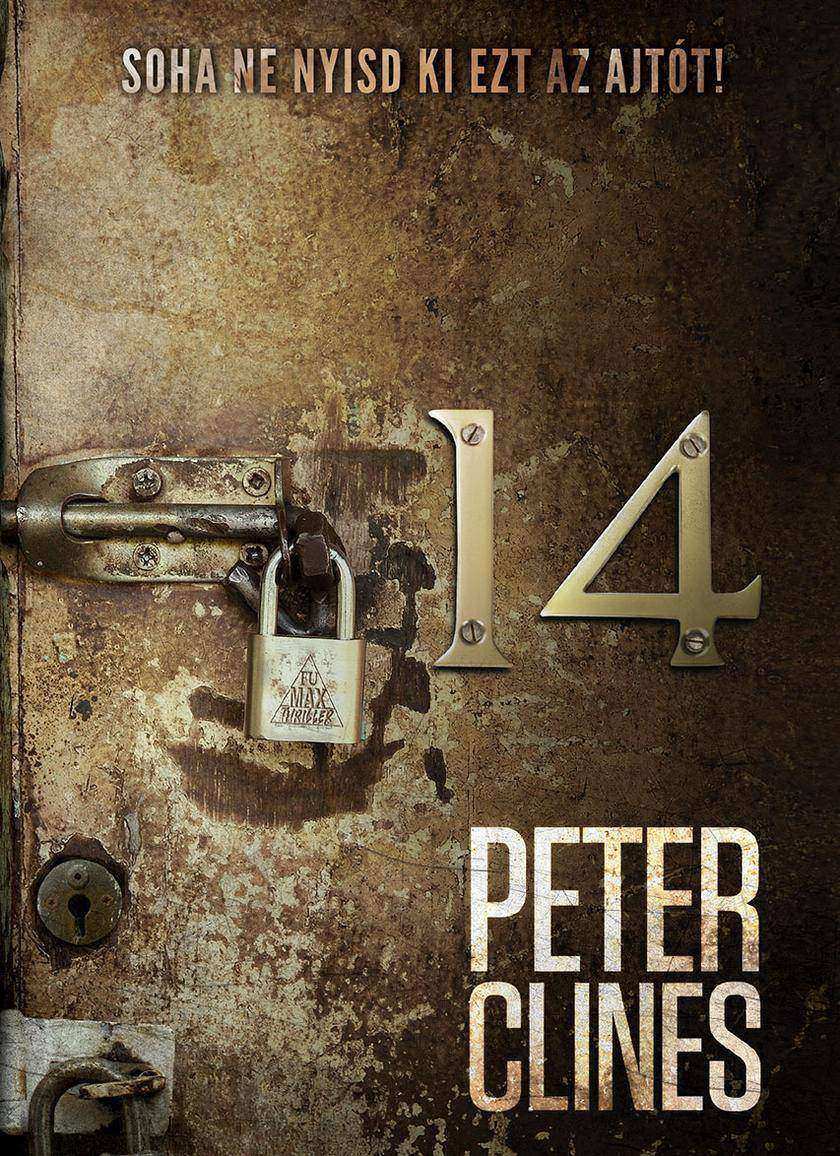
14
¥51.58
BOW-WOW AND MEW-MEW is one of the few books for beginners in reading that may be classed as literature. Written in words of mostly one syllable, it has a story to tell, which is related in so attractive a manner as to immediately win the favor of young children. It teaches English and English literature to the child in the natural way: through a love for the reading matter. It is the character of story that will, in the not distant future, replace the ordinary primer or reader with detached sentences, and which seldom possesses any relation to literature.The ultimate objects of any story can only be effected through the love for a story. The prominent point in this story is development of good character, which may well be regarded as the highest purpose of education. The transformation from bad to good traits in the dog and cat cannot but have a desirable effect on every child that reads the story. Bow-Wow and Mew-Mew become dissatisfied with their home and their surroundings, and ungrateful toward their benefactress. As the story tells, "They did not find good in any thing." But after running away and suffering hunger, neglect, and bad treatment, their characters begin to change. They naturally come to reflect their mistress's goodness. They learn the value of companionship and friendship, and the appreciation of a home. However, the ethical thoughts in the story are presented without a moral. The child really lives the scenes described. He has the emotions of the characters and feels their convictions. And this determines the worth of a story as an agent in character development.The narrative furnishes, further, the proper kind of exercise for the imagination. It affords abundant opportunity for the play of the dramatic instinct in the child, and effects a happy union of the "home world" and the "school world." The illustrations, drawn by Miss Hodge, have been planned and executed with considerable care.

Mrs. Jeffries és a gyilkos bál
¥52.16
A mérf?ldk?nek számító Sons of Anarchy - Kemény motorosok cím? televíziós sorozat negyedik évadja után játszódó t?rténetét Kurt Sutter, a széria vezet? producere találta ki. A klubtagság fele éppenhogy csak kiszabadult a Stockton állami b?rt?nb?l, de a Galindo drogkartell máris a nyakukban liheg, így nem unatkoznak a motorosok. Jax Teller, a SAMCRO aleln?ke mégis kénytelen egy másik problémával foglalkozni, amikor megtudja, hogy ír féltestvére, Trinity már hónapok óta az Egyesült ?llamokban tartózkodik - és az orosz Bratva-gengszterekkel lóg. Most azonban elt?nt, és Jax biztos abban, hogy ehhez az életét fenyeget? maffiaháborúnak van k?ze. Jax, Chibs és Opie társaságában Nevadába utazik, hogy megkeresse, és hazavigye. Trinity ugyan félig ír, félig viszont Teller, és ahol a Tellerek megjelennek, ott k? k?v?n nem marad. ?A Maffiózók óta nem uralta így a tévéképerny?t egy csapat izzadt, er?szakos vadállat...” - Rolling Stone. ?Els? osztályú... A mai napig az egyik legjobb tévésorozat.” - Newsday. ?Az egyik legjobb dráma a tévében.” - Time. ??t csillagból négy... A Sons csúcsra járatja a drámát.” - New York Daily News.?

Eltitkolt múlt: A reményt senki sem veheti el!
¥57.14
A Pulitzer-díjas Michael Chabon újabb irodalmi remekm?vel jelentkezik igazságról és hazugságról, családi legendákról és egzisztenciális kalandokról, valamint azokról az er?kr?l, amelyek el akarnak bennünket pusztítani. A regény vallomás egy ?regember halálos ágyáról. A szerz? egy egész kort zsugorít egyetlen életbe, és egyetlen életet egyetlen hétbe a háború el?tti Philadelphia zsidó nyomornegyedeit?l Németország elfoglalásáig, egy floridai nyugdíjas falutól egy New York-i b?rt?nig, az amerikai ?rprogram aranykorától ?az amerikai évszázad” alkonyáig. Egy élet sodró, megható, tragikomikus, alaposan kikutatott és abszolút fiktív átirata, egy olyan életé, amely átível a huszadik század s?tét szívén. A k?nyv egy olyan hazugság, amely igazat mond, olyan kitaláció, ami tény; Michael Chabon legmerészebb és legmegindítóbb m?ve. ? A Ragyog a hold cím? k?nyv nemzetk?zi díjai, elismerései: NEW YORK TIMES BESTSELLER Winner of the Sophie Brody Medal ? An NBCC Finalist for 2016 Award for Fiction ? ALA Carnegie Medal Finalist for Excellence in Fiction ? Wall Street Journal’s Best Novel of the Year ? A New York Times Notable Book of the Year ? A Washington Post Best Book of the Year ? An NPR Best Book of the Year ? A Slate Best Book of the Year ? A Christian Science Monitor Top 15 Fiction Book of the Year ? A New York Magazine Best Book of the Year ? A San Francisco Chronicle Book of the Year ? A Buzzfeed Best Book of the Year ? A New York Post Best Book of the Year iBooks Novel of the Year ? An Amazon Editors' Top 20 Book of the Year ? #1 Indie Next Pick ? #1 Amazon Spotlight Pick ? A New York Times Book Review Editors’ Choice ? A BookPage Top Fiction Pick of the Month ? An Indie Next Bestseller

Szulejmán és a magyar udvarh?lgy
¥57.31
1893, London. Amikor Cora Seaborne és Francis nev? fia megérkezik Essexbe, ott az a szóbeszéd járja, hogy az egykor a lápvidéken garázdálkodó s emberéleteket k?vetel? mitikus sz?rny, az essexi Kígyó újra felt?nt Aldwinter egyházk?zségének partjainál. Lelkes természetbúvárként Corát t?zbe hozza a hír, hisz talán egy eleddig ismeretlen állatfaj példányáról van szó. A lény nyomait k?vetve ismerkedik meg Aldwinter papjával, William Ransome-mal, akivel ellentmondásos érzelmeket táplálnak egymás iránt, míg végül a legváratlanabb módon alakítják át a másik életét. Az essexi kígyó cím? k?nyvet számos irodalmi díjra jel?lték, megjelenése óta t?bb mint egy éve az eladási listák elején szerepel a k?nyv az Egyesült Királyságban. Az ?v K?nyve - The WaterstonesBritish Book Award gy?zteseThe Sunday Times Bestseller Mint els?számú bestsellert és a 2016-os Waterstones Book of the Yeart Az essexi kígyót további nyolc díjra jel?lték, k?ztük a 2017-es Costa K?nyvdíjra és a 2017-es Bailey’s Women’s Prize for Fictionre. Sarah m?veit tizenegy nyelvre fordítják le, a Guardiannek és a The Financial Timesnak ír recenziókat. Kend?zetlenségében magával ragadó regény, melyben vágy és hit gabalyodik egymásba a lápon, de az igazi csoda a barátság. Sarah Perrynek megvan az a rendkívüli adottsága, hogy elk?vesse a prózával az elképzelhetetlent - más szóval olyan író, aki érti az életet. (Jessie Burton, a Babaház úrn?je és a Múzsa cím? k?nyv szerz?je) Az essexi kígyó élvezetes olvasmány: egy rendkívül tehetséges szerz? intelligens, magával ragadó munkája. (Sarah Waters, A szobalány cím? k?nyv szerz?je ) Ett?l a k?nyvt?l vágyat kapunk rá, hogy jobb emberré váljunk. (Justine Jordan, The Guardian)

Egy bolond száz bajt csinál
¥14.39
A Buenos Aires-i h?ségben olvad a jégpáncél, amelybe évekkel ezel?tt zártam magam szégyenemben, amiért már nem vagyok fiatal… ?jjel-nappal tangózom! A testemen rég nem látott izmok rajzolódnak ki újra, az arcomról elt?nik a keménység, amellyel egész életemben azt üzentem a világnak, hogy er?s vagyok. Ha egyszer?bben akarnám kifejezni, amit érzek, azt mondanám: itt boldog vagyok! Megengedem magamnak, amit azel?tt soha: k?vetem a férfit, megadóan és feltétel nélkül. Táncolok, érzek, azaz élek! Pár hét alatt fokozatosan hántotta le rólam a rétegeket ez a város. Eleinte csak a h?ség: levettem zárt, hosszú ujjú ruhámat, és felvettem egy ujjatlan, mélyen dekoltáltat. Majd j?tt a meglepetés, hogy tetszem – így, ahogy vagyok! Bátran érezhetem magam megint szépnek, amir?l otthon már leszoktam. Túl az ?tvenen, ujjatlan ruhában, szarkalábakkal a szemem alatt. Ezen a helyen N? vagyok a férfiak szemének tükrében. Buenos Airesben az élet újra felkért egy táncra… ?desanyám k?nyvtáros volt egy vidéki kisvárosban, és iskola után sokat vártam rá a munkahelyén. Egyszer elhatároztam, hogy a teljes gyerekk?nyvtárat végigolvasom, válogatás nélkül. A pár év alatt aztán alaposan ?sszen?ttünk, a k?nyvek és én. Talán nem véletlen, hogy végül magam is az írást választottam hivatásul. 2011-ben végigjártam az El Caminót, ami új fejezetet nyitott az életemben. Egy másik, boldogabb élet kapuja tárult ki el?ttem, amely tele van csodával. Igaz t?rténeteimmel szeretném másoknak is megmutatni, hogy igenis lehet ezt másképpen is…


