


 购物车
购物车 个人中心
个人中心

God War
¥25.60
The Annunaki, a power-hungry and hate-driven alien race, have returned to take over Earth. This time, permanently. And the hard-core human rebels who fought to repel these self-proclaimed gods have paid a terrible price. Just when they are needed most–as the post apocalyptic threat surges to terrifying new levels–the Cerberus operation lies broken, its key members missing. Ullikummis has chosen Earth as ground zero for a terrifying family reunion. A son born of cruelty, genetic manipulation and infinite power, for 4,000 years the stone god has waited, plotting his revenge against his father, Enlil, the most sadistic of the Annunaki. As father and child unleash their armies in a clash of titanic proportions, the bravest of the rebels, Kane, is humanity's last hope to halt this deadly war of the gods. Endgame has finally arrived…but who will be the winner?
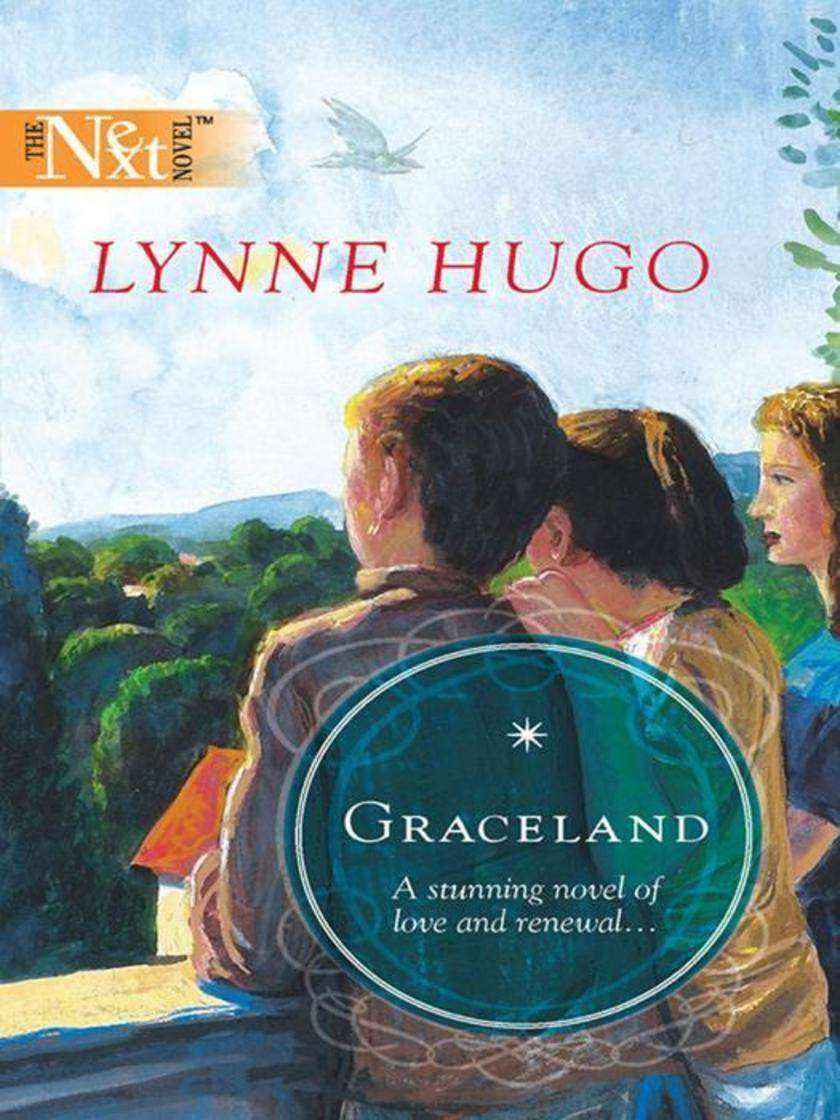
Graceland (Mills & Boon M&B)
¥27.27
EVERYONE KNOWS SISTERS LIKE THE SAMS GIRLS–three women trying their best to be good daughters, mothers and wives. LYDIA, married to Wayne, worked a dead-end job to make sure her daughter, Anna Claire, had the best in life. MADALAINE, the mother of two, struggled to get on with life after her husband's desertion and ELLIE…well, Ellie shuffled along, taking care of her parents and brother, while dreaming of Graceland. Life rolled along, routine, expected. Until one cataclysmic moment when everything changed…and the sisters had to uncover every shrouded secret, risk lifetime bonds, to ensure the survival of all they loved.

Guarding Camille (Mills & Boon M&B)
¥27.27
Jake Maitland, FBI agent and black sheep of the Maitland clan, had finally come home. And he had a whole lot of trouble on his tail…. Camille Eckart was Jake's latest assignment. He'd been chosen as her protector, to keep her and her newborn son safe from her mobster ex-husband. Only, little did Jake guess that Camille's main objective was to make him see her not as a case, but as a woman…. Jake's reputation as a loner had taken on legendary proportions–until Camille and little Jamie stole their way into his heart. But with kingpin Vince Eckart on the loose, Jake couldn't afford to get emotionally involved. Their lives depended on him. But as he spent time holed up with mother and son, he quickly discovered his life depended even more on them….

Happily Even After
¥31.10
Ellie Waters usually juggled career, family and church commitments with ease. But when her mother fell ill, coping suddenly seemed overwhelmingly difficult. For help she looked to the past–and within her deepest self. Charlene Butler, wife, grandmother and businesswoman, was enjoying a bright, new chapter of her life. But her aunt Dorothy's medical crisis suddenly made Charlene wonder how solid the foundation of her world really was. On their journeys of discovery, these two very different women met, shared the burden of being caretakers, and in doing so they became best friends. Together they laughed, prayed and found new strength and new depths to their faith.

Happily Never After (Mills & Boon M&B)
¥27.27
Members of the wedding party are starting to die. No one could believe that Thomas Beckham was the kind of man to leave a woman at the altar, but he couldn't marry his bride-to-be. Not after what he'd seen her do. His only choice was to leave and never look back–and to keep to himself everything he'd witnessed. After the wedding-that-wasn't, everyone, including Kelly Ralston, went on to other things. Or so it had always seemed. But ten years later, Kelly finds herself attending the funeral of another one of the bridesmaids–the third member of the wedding party to meet a tragic death. Kelly can't help but wonder if the deaths are a coincidence. Or are they linked? If so, who will be targeted next? Thomas Beckham may be her only chance to find the killer. Before the killer finds her…

Happy New Year--Baby! (Mills & Boon M&B)
¥27.27
Nicole Logan's Resolution: To deliver the twins who had her feeling like the eighth wonder of the world. And January was the perfect due date, because her babies signaled a beginning. Nicole's life would once again be hers. Free from the shadow of a domineering father, a never-there mother–and a deceitful husband… Dennis Lincoln's Assignment: Investigate one very pregnant widow who was the key to exposing a powerful crime syndicate. To get the answers he wanted, he had to get close–very close. But soon, what he needed was Nicole…if she could ever forgive his lies.

Heart of a Hero (Mills & Boon Vintage Intrigue)
¥31.10
HER BABY HAD BEEN KIDNAPPED Former Las Vegas showgirl Dakota Armstrong was desperate when her son was stolen from her. He'd been taken by one of the most dangerous men in Nevada, and she had little hope of recovering him by herself. When handsome and charming Russell Andreini of ChildFinders, Inc., promised to find the boy, Dakota insisted on helping him. But while they fought to save her son, she found herself fighting a different battle–against a powerful attraction she was not ready for. Russell was determined to show Dakota that he could protect her son–and her. And to convince her that she needn't fear the passion that sizzled between them. He would willingly risk his life; could she find the courage to risk her heart?

Love Shadows (Mills & Boon Heartwarming) (Shores of Indian Lake, Book 1)
¥25.21
Love, twice in a lifetime There are five stages of grief, and Luke Bosworth is stuck on anger. Unable to move on after his wife’s death, he’s struggling to make ends meet and be a good father to his children – a fight he’s afraid he’s losing. But then Sarah Jensen crashes into his life. Dealing with the loss of her mother, Sarah is a kindred spirit in grief. And even though he doesn’t always agree with her actions, she renews hope for Luke and his children. Suddenly he’s making plans for the future again. But can he take the risk of falling in love a second time?

Navy SEAL Surrender (Mills & Boon Intrigue)
¥31.10
Navy SEAL John Sloane didn’t expect to be reunited with the girl whose heart he broke. But when Alicia Adams’s daughter is kidnapped, he jumps into action. To regain her trust and protect her, he’ll risk his career and even his life. It all hinges on one daring scheme that could put everything in jeopardy!

One Night In Vegas (Fast Fiction)
¥9.71
Fast Fiction Hot - short, sexy reads Sin City cosmetic surgeon Krissy O'Claire can create miracles with a scalpel. When it comes to romance, she hasn't found a man worth her bedside manner. It's not often that she moonlights as a break-up artist, but she'll do anything for a friend desperate to escape a New Year's Eve setup. Dumping pro football star Russo Lewis, the sexiest date she's never had, is the plan—until Krissy rings in the New Year in his bed. Las Vegas Slayer Russo Lewis's career is at a crossroads. Only one thing's decided: he's done living it up in the city that's made for sinning. But his impulsive holiday hookup with Krissy blindsides him. So what's a man to do when one blazing winter night isn't enough?

Pirate Offensive
¥25.60
HIJACKED Armed with missiles and other military weapons, pirates take control of the high seas, ravaging ships and killing off their crews in the process. They're on the brink of becoming unstoppable–unless Mack Bolan can put an end to their pillaging. Using a cargo freighter as bait, Bolan attempts to lure the pirates into an attack. But when his plan backfires, he learns the leader of the group is more than a worthy opponent. He's not only tactical in his planning, but a skilled fighter in multiple disciplines. And his influence reaches deep into one of Europe's most notorious crime families. Bolan will need more than just his sea legs to seek and destroy the pirate fleet and its brutal, calculating commander. The open ocean is a war zone, and the Executioner isn't taking prisoners.

Prom Ever After: Haute Date / Save the Last Dance / Prom and Circumstance (Mills
¥32.27
Prom night is finally here. Three girls will find that the biggest night of high school can also be the most surprising…. Haute Date by Dona Sarkar Ashmita Montague has fallen for the perfect prom dress–but it's way over her budget. How can she impress the school's star athlete while wearing her mom's hand-me-down Indian wedding dress? Then she gets creative and decides to revamp the dress with the help of her best friend Sebastian. A sudden unexpected chemistry takes Ash by surprise and makes her wonder if it's time to make some major alterations to her love life, too…. Save the Last Dance by Caridad Ferrer Peyton Chaffee's wealthy parents won't believe she's serious about becoming a chef until she proves herself by working in the kitchen for a prestigious event…on prom night. They disapprove of her culinary ambitions and her boyfriend, Eddie. Is she ready to sacrifice one unforgettable night for a chance that could change her entire future? Prom and Circumstance by Deidre Berry Everyone knows that popular, pampered Aubrey Garrett is a shoo-in for prom queen. So, self-professed nerd Deanna Parker takes her own nomination as a joke. But with the entire school dividing into Team Aubrey or Team Deanna, competition is getting fierce fast, and there's more at stake for each girl than just a glittering crown.

Hannah's Courtship (Mills & Boon Love Inspired) (Hannah's Daughters, Book 8)
¥31.10
Second Chance At Love Amish widow Hannah Yoder never intended to marry again. Yet when her friendship with veterinarian Albert Hartman begins to bloom into something more, Hannah wonders if perhaps she's finally ready for a new love. Albert waited his whole life to find the right woman, only to realize Hannah was there all along. But there's more than their friendship to consider. Albert is a Mennonite, born-and-bred, and Hannah cannot–will not–leave her Amish faith, not even for him. Does Albert have the courage to give up his modern life for Hannah…and will Hannah have the courage to let him? Hannah's Daughters: Seeking love, family and faith in Amish country

Justice Run
¥25.60
Interventionism Under Fire With Europe in economic turmoil, a small fascist group led by a powerful German industrialist plans to bring the continent under one leader. But first they must weaken the U.S. so it can't interfere. The idea is simple…. Except conspiracists don't count on Mack Bolan. In Bolan's search for a missing federal agent, he finds himself in a bloody firefight at the heavily guarded estate of an international arms dealer. As the bodies pile up around him, though, intel begins to paint a picture much bigger than one missing American. It's a picture with devastating global repercussions–and the U.S. is about to take the first, calculated hit. Bolan must chase a burning fuse across Europe and America to prevent this promised fascist takeover.

Lone Star Heiress (Mills & Boon Love Inspired Historical) (Texas Grooms (Love In
¥31.10
Rescuer Turned Husband? Plucky Ivy Feagan is headed to Turnabout, Texas, to claim an inheritance, not a widower's heart. That all changes when strapping schoolteacher Mitch Parker rescues her in the wilderness. Straightlaced Mitch has never met a woman like Ivy–beautiful, adventurous and good-hearted–but he already lost love once and doesn't dare try again. When Turnabout's gossips target Mitch and Ivy's friendship, he proposes to save her reputation. But Ivy doesn't want to marry for honor, and she doesn't need to marry for money. Ivy will only agree to a proposal made for love's sake–but will Mitch make his heart part of the marriage offer? Texas Grooms: In search of their brides…
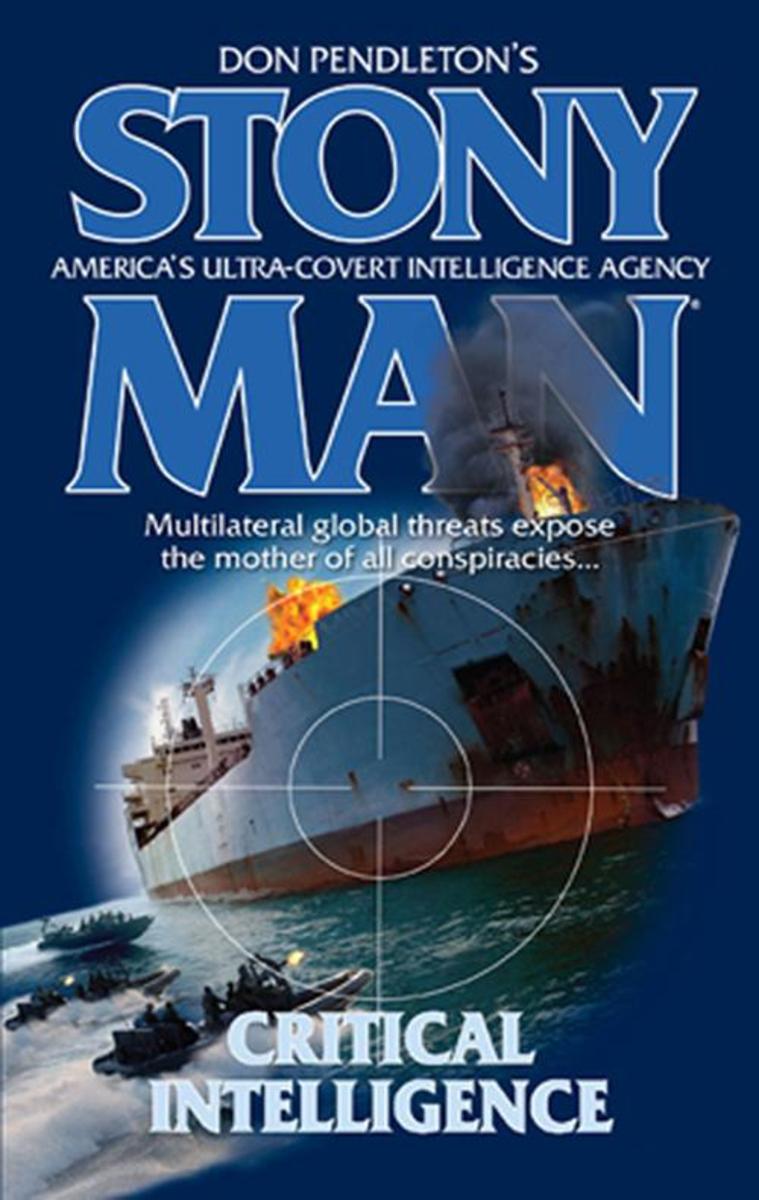
Critical Intelligence
¥25.60
Operating under covert presidential directive, the clandestine antiterrorist organization Stony Man doesn't officially exist. Unofficially, they fight the fires bureaucracy can't or won't touch. Off the grid, under the radar and 100 percent deniable, the commando and cyber specialists of Stony Man are the ultimate problem solvers–and the best defense the nation has…. Stony Man launch teams are rolling hot as convergent threats erupt across the globe. From South America to Somalia, Toronto and Kiev, the action is raging. Colombian narco-terrorists, Chinese Tongs, African warlords, a Russian kingpin, a cutthroat Saudi prince and a corrupt American lawyer are linked as agents of a shadow group called Seven. The ties and power of this nebulous organization go deep and dark–with the strength to leverage the ultimate power play against Stony Man itself.

Snowbound with a Billionaire (Mills & Boon Desire) (Billionaires and Babies, Boo
¥31.10
For years, billionaire producer Max Ford believed Raine Monroe betrayed him. Now he wants answers. But Raine plans to keep far away from Hollywood’s hottest bachelor…until a snowstorm strands them together – with her baby. Soon Raine is falling fast and the dark secrets from their past are finally coming to light…

Soul Betrayed (The Life After trilogy, Book 3)
¥42.48
A Life for a Life The battle between Shadowed and Guard has brought destruction and terror to Gate Seven and now Maggie wants revenge. As the only after-life being who can save the souls from ultimate death Maggie comes face to face with her own human body, preserved for a century, waiting for just this moment to arrive. Yet, how far will Maggie go to exact her revenge on the Shadowed? And when she comes face to face with her past, how will she survive the onslaught of memories she thought long gone? For when the truth comes out all is not what it seems and Maggie has finally run out of time... She must choose her destiny or watch all she has perish in the fight for her life! Praise for Katlyn Duncan 'absolutely epic conclusion to this series... Katlyn Duncan has a fan in me and I can't wait to see what she has planned next!' - The Best Books Ever 'Soul Betrayed was a perfect ending to the series. ... I was lost in the story, from the first page to the last. I only wish that maybe there will be more from this world that Duncan created so magically.' - Polished Readers ' a wonderful conclusion to The Life After series. Fans of the series, you won't be disappointed. And, YA lovers, this is a series worth checking out.' - Imagine a World 'a great conclusion' - Moonlight Gleam Reviews The Life After series: 1. Soul Taken 2. Soul Possessed 3. Soul Betrayed

The Cowboy's Reunited Family (Mills & Boon Love Inspired) (Cooper Creek, Book 8)
¥31.20
A WIFE’S HOMECOMING Blake Cooper thought he’d never see his daughter again. Then former wife Jana Cooper shows up on his doorstep with Lindsay asking for help. Blake can’t deny his ill child anything. But he’s struggling to sort out his feelings for the woman who abandoned him ten years ago. Jana’s back in Oklahoma for Lindsay’s sake, and a second chance with her first love. Somehow she must prove she’s no longer a confused young wife, but a woman willing to do anything to reunite her family forever. Cooper Creek: Home is where the heart is for this Oklahoma family

Treacherous Slopes (Mills & Boon Love Inspired Suspense)
¥31.10
KILLER COMPETITION A champion ski jumper, Nick Walsh wants one thing: to win the gold for his late brother. Nick has always blamed himself for his family’s tragic loss—and so does everyone else. To complicate things, sweet and shy reporter Julie Frost insists on doing a story about him. But as Nick gets closer to achieving his dream, someone will do anything to stop him. Somehow, Nick must keep Julie from getting too close as they confront a threat that can destroy them both. Julie and Nick are on the verge of discovering the truth about his brother’s death… unless an unknown murderer finds them first.

A Family of His Own (Mills & Boon Cherish)
¥20.60
Could they be a family? Picking blackberries in a derelict garden with her little girl had the most unexpected outcome for Kay Lovell: first Kay was kissed by a tall, dark and brooding stranger, and then he hired her as his gardener! Kay did her best with the garden--and her cantankerous new boss, Dominic Ravenscar. He was obviously still dealing with the emotional scars from his past, but gradually Kay unearthed the real Dominic, the one who loved life and just wanted a family of his own....


