


 购物车
购物车 个人中心
个人中心

One Night in Emergency (Mills & Boon Medical)
¥20.60
Emergency rescue! The only person that can save Sister Eleanor Lewis, seriously injured and held hostage, is emergency consultant Rory Hunter! Rory’s the father of Eleanor’s baby, only he doesn’t know it, and he has to rescue them both before time runs out…

Partners By Contract (Mills & Boon Medical)
¥31.10
The unforgettable Dr Carlyle… Dr Phoebe Miller was settling in well to her new practice - until senior partner Dr Connor Carlyle returned from his holiday and sparks began to fly between them! The tension wasn't just professional: it was definitely personal… Conno was Phoebe's first love, but years ago she'd been forced to accept he was bound to another woman. Her sister. Connor was now free, though, and he wasn't letting Phoebe disappear from his life again. He was determined to keep her as his partner at the practice - and for life!

The Italian's Touch (Mills & Boon Medical)
¥31.10
A very special doctor! Returning to her career as a nurse has been especially traumatic for Fleur Hadley – and then gorgeous new hospital consultant Mario Ruffini arrives on the scene. Little by little the Italian doctor is making everyone's lives easier, and after he learns of Fleur's struggles he becomes an unexpected friend. As she grows closer to this passionate yet caring man, Fleur can't help feeling out of her league. She can't ignore the chemistry between them, or the fact that Mario is changing her world for the better. He could be her second chance at happiness, but is she ready for it… yet?

The Playboy Doctor (Mills & Boon Medical)
¥31.10
He wasn't her type! Hard-working and dedicated Dr. Joanna Weston was everything she believed a frivolous playboy like her new locum, Seb Macaulay, wasn't. Every woman he met adored him, and Joanna was frostily determined to be the exception. How wrong could she have been? Little by little, Seb's warmth broke down Joanna's protective barriers and she began to fall in love with the man and the doctor she never truly knew. But Joanna was intensely vulnerable, and someone as devastatingly gorgeous as Seb could easily break her heart…

The Registrar's Convenient Wife (Mills & Boon Medical)
¥20.60
Single dad Eliot Slater will do anything for his son, but now Eliot is worried he could lose custody–could a marriage of convenience help him keep his son? So he proposes to his boss! Consultant paediatrician Claire Thurman is good friends with her registrar, and his equally cute son. In fact, she is secretly rather attracted to Eliot, even though she tries to keep a professional distance. But when he asks her to become his convenient wife she discovers it's not enough–she wants to be a wife in every way…

The Doris Day Vintage Film Club: A hilarious, feel-good holiday read
¥11.77
The amazing new romantic comedy from the #1 bestselling author of The Little Shop of Hopes and Dreams ’Sweet and romantic, a story guaranteed to have you smiling’ - Milly Johnson The perfect pair for ‘pillow talk’? Claire Bixby grew up watching Doris Day films at her grandmother’s house and yearned to live in a world like the one on the screen – sunny, colourful and where happy endings were guaranteed. But recently Claire’s opportunities for a little ‘pillow talk’ have been thin on the ground. Until she meets new client Nic who comes into her travel agency looking to book the perfect get away. Too bad it’s for two! But as Nic and Claire get closer, the sparks start to fly, and Claire’s questioning everything Doris taught her about romance. Can true love ever really be just like it is in the movies? Perhaps, perhaps, perhaps… Praise for Fiona Harper ’Perfect cosy feel you want from a good book' - Paris Baker's Book Nook ’A nice warm hug’ - Fabulous Book Fiend ’Fiona Harper writes with an abundance of warmth and wit’ -Dot Scribbles ’I would whole heartedly recommend this and I will be looking what else Fiona has done’ - Afternoon Bookery ’A great romantic read’ - Book Chick City Fans of Jenny Colgan, Abby Clements and Miranda Dickinson will love Fiona Harper's fresh, fun writing
Game Of Scones
¥12.75
‘This was the ultimate summer read and I enjoyed every page and every word. A little slice of paradise.’ - Jenny in Neverland A story of icing and flour… and how love doesn’t always go to plan! Growing up, Pippa Pattinson’s summers were spent in the idyllic Greek island fishing village of Taxos. There she spent many long hazy days determinedly ignoring thoughts of the life her parents had mapped out for her (a dreary-but-secure accounting job and obligatory sensible husband!) Instead she daydreamed of running her own tea shop – serving the perfect scones – with mocha-eyed childhood friend Niklaus by her side… Arriving back in Taxos for the first time in years, with suave boyfriend Henrik, Pippa barely recognises the tired little town – but is relieved to catch glimpses of the quaint, charming village she’s always loved. Together Niklaus and Pippa put together a proposal to save Taxos from tourist-tastic ruin, and at the heart of their plan is Pippa’s dream project: The Tastiest Little Tea Shop in Taxos. It’s time for Pippa to leave her London life behind and dust off her scone recipe that’s guaranteed to win over both locals and visitors. And amidst the rolling pins and raisins, it seems romance is blossoming where she’s least expecting it… Loved Game of Scones then don’t miss My Big Fat Christmas Wedding – out now! This sizzling summer read is perfect for fans of Lindsey Kelk's Always the Bridesmaid and Lucy Diamond's Summer at Shell Cottage What reviewers are saying about Game of Scones ‘The perfect book to kick start your summer reading… A gloriously fun read which does not disappoint.’ – Book Addict Shaun ‘a great escapist read that is still well written and character lead.’ – The Price is Usually Right ‘an enjoyable light read with a good story and characters. The baking element of the story is also an enjoyable aspect… An enjoyable read for summer.’ – Chick Lit Central ‘I loved Game of Scones… and would highly recommend it to anyone looking for a HEA steeped in friendship, tradition, location, and yummy desserts.’ – Harlequin Junkie
Polly's Pride
¥12.75
From Sunday Times bestselling author, Freda Lightfoot. From brief riches to rural rags and ruin… 1920s, Manchester. Living in the deprived area of Ancoats area of Manchester Polly Pride feels more fortunate than most until her husband Matthew loses his job and her life is thrown into turmoil. With no money coming in Polly must act to keep her family from starvation. In a desperate gamble she sells all the family goods and buys a handcart, from which she sells second-hand rugs and carpets. But struggling to deal with poverty and her husband’s hurt pride are only the start of her problems. For when tragedy strikes Polly has to do battle with the bigotry of a sour brother-in-law to keep herself and her family from falling apart. A stirring, heartrending story of love, passion, duty and family, set in the 1920s as the Second World War looms. Praise for Freda Lightfoot ’ Freda's books are a joy to read - her characters are so believable and richly drawn - they’re satisfying page turners!’ – Anne Bennett
A Dad for Her Twins (Mills & Boon Love Inspired) (Family Ties (Love Inspired), B
¥31.10
The Cowboy's New Family Widow Abby McDonald is pregnant with twins, suddenly homeless and has nowhere to go. When her late husband's army buddy offers her a temporary haven at his family ranch in Buffalo Gap, Abby accepts the handsome cowboy's hospitality. She knows that Cade Lebret, an honorable man with a complicated life on the Double L, is just "doing the right thing." But when a needy foster child joins their makeshift family, Abby begins to see what a kind, loving father figure Cade is. Suddenly she's dreaming of making the Lebret family ranch her home forever. Family Ties: Bundles of joy bring couples together. Family Ties flash to come Widow Abby McDonald is pregnant with twins, suddenly homeless and has nowhere to go. When her late husband's army buddy offers her a temporary haven at his family ranch in Buffalo Gap, Abby accepts the handsome cowboy's hospitality. She knows that Cade Lebret, an honorable man with a complicated life on the Double L, is just "doing the right thing." But when a needy foster child joins their makeshift family, Abby begins to see what a kind, loving father figure Cade is. Suddenly she's dreaming of making the Lebret family ranch her home forever. Family Ties: Bundles of joy bring couples together.

A Family At Last (Mills & Boon M&B)
¥9.71
Can Izzy’s dreams of finding peace with her beautiful baby girl and new man Diego really come true? Especially when family troubles threaten to tear them apart… St Pirans: Part 1 - The Secret Son Part 2 - The Big Move Part 3 - Too Much At Stake Part 4 - The Wedding Part 5 - Pregnant Cinderella Part 6 - Just Friends? Part 7 - Baby Emergency Part 8 - Staying the Night Part 9 - A Family At Last Stay tuned for more in the St Pirans series!
A Wife in Wyoming (Mills & Boon American Romance) (The Marshall Brothers, Book 1
¥31.10
RANCH RESCUE Ford Marshall returns to Wyoming temporarily to help his brothers run the Circle M. He's looking forward to some hard work, but also peace and quiet–until Caroline Donnelly hijacks his ranch for her program to help troubled teens. Now he's got unruly kids to deal with, a thousand chores and a growing attraction to Caroline that he isn't sure he wants to deny. But Ford has nothing to offer a hometown girl. He has to return to his job in the city at some point soon–his brothers depend on that outside income to keep the ranch afloat. So why can't Ford get the idea of a Wyoming wife, and coming home for good, off his mind?
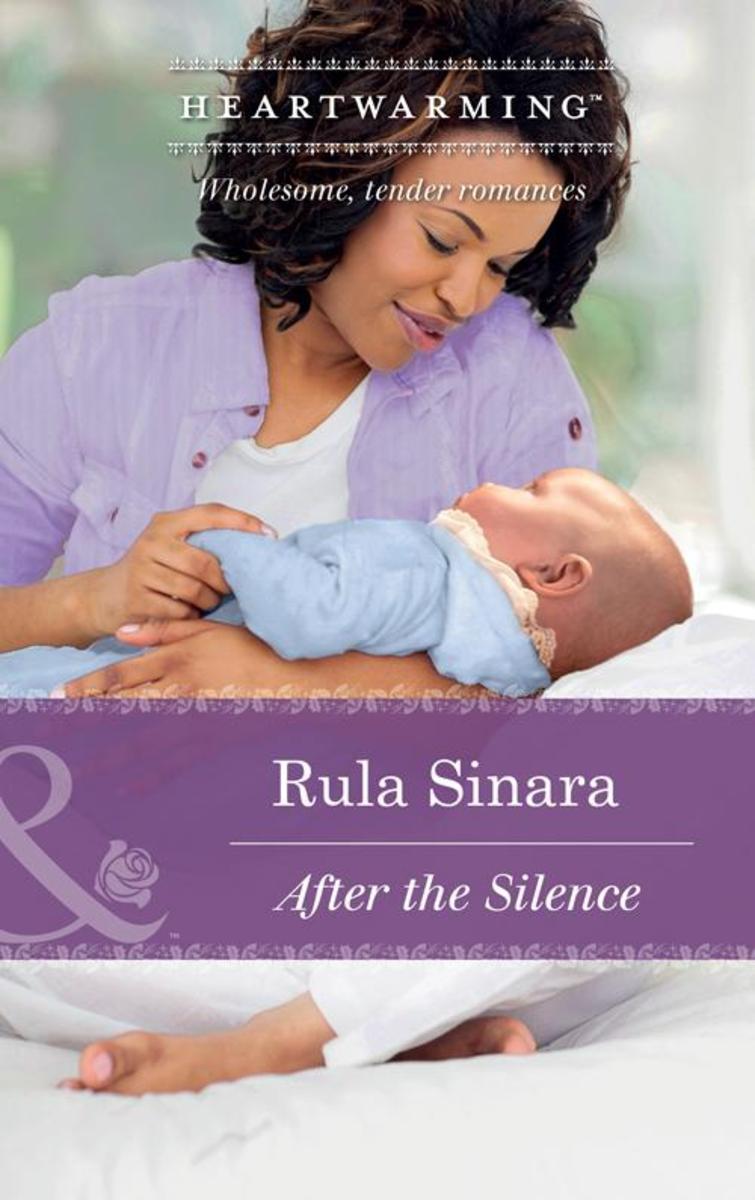
After the Silence (Mills & Boon Heartwarming)
¥31.10
Does following her passion mean losing her way? Marine Ben Corallis is an expert at facing death, but nothing comes close to the terror that grounds him when his wife is killed in a car accident the day he returns from duty. He's left to raise an infant, a toddler and a ten-year-old girl who hasn't uttered a word since her mother's death. It's hard not to care for the widowed marine with three young children. Yet he's still grieving, too burdened with guilt to fall in love again. And Hope Alwanga's future as a doctor awaits her on the other side of the world, in Nairobi. If two such opposites can't agree on a common country, how can they ever create a safe place to call home?
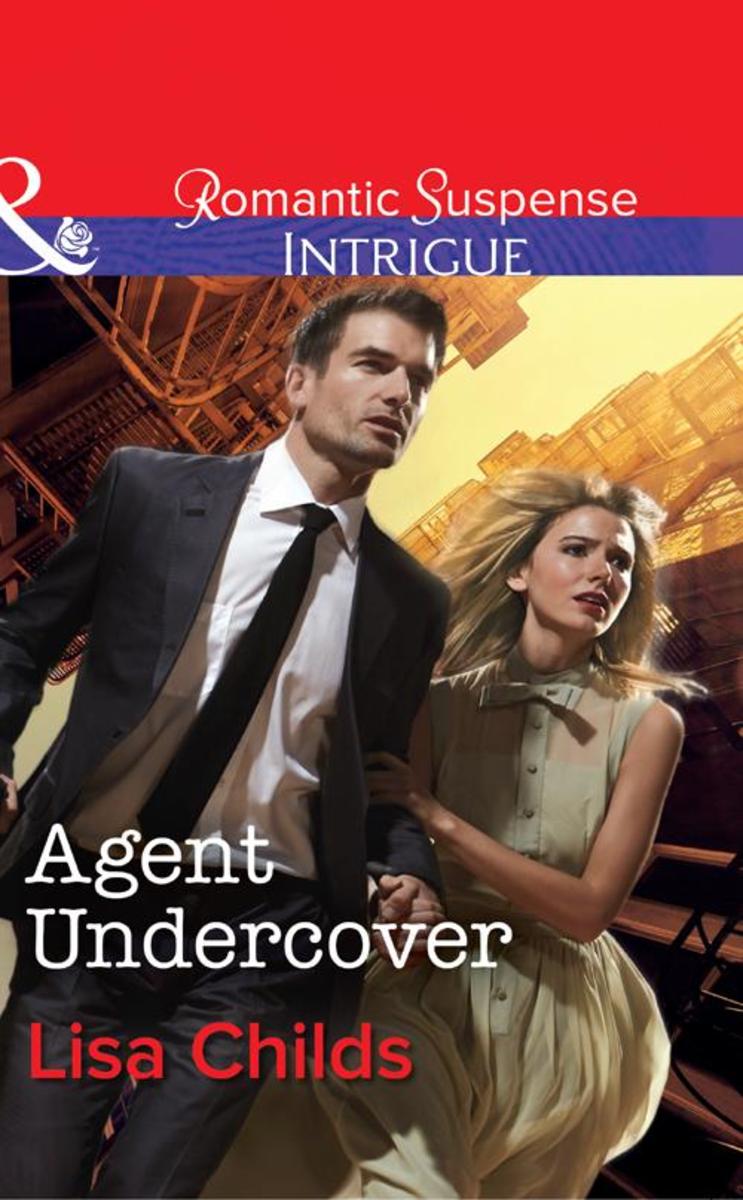
Agent Undercover (Mills & Boon Intrigue) (Special Agents at the Altar, Book 2)
¥31.10
She’s wanted by unknown assailants, the government…and the man sworn to protect her. A man like FBI Special Agent Ash Stryker would never be caught dead at a speed-dating event. But that’s where he tracks down Claire Molenski, a computer programmer suspected of selling government information. When he rescues her from a botched kidnapping, he realizes not only that she’s innocent, but also the only way to protect her is to pose as her boyfriend. Claire knows that their relationship is a ruse. Once the case is closed, she’ll never see Ash again, and that scares her almost as much as the abduction attempts. But the way he acts towards her makes her wonder just how much of an act their relationship really is. And if she'll be able to survive long enough to find out.
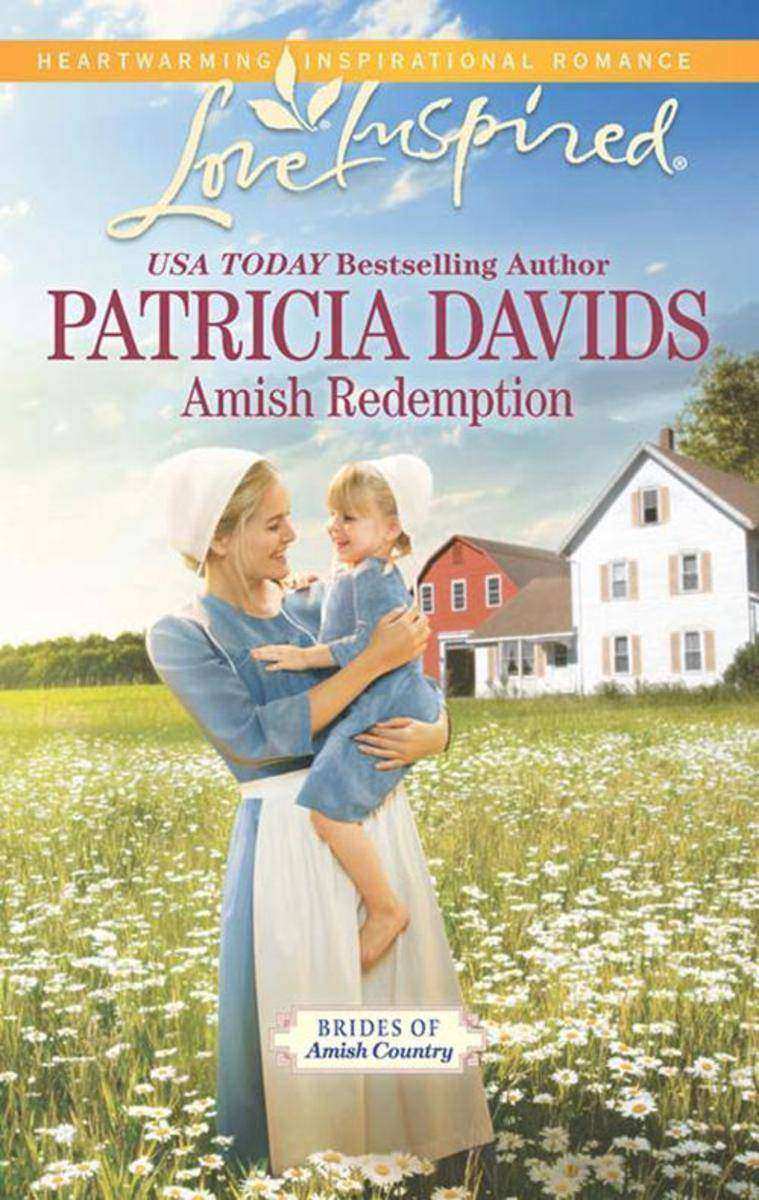
Amish Redemption (Mills & Boon Love Inspired) (Brides of Amish Country, Book 14)
¥31.10
An Amish Homecoming Bowman is ready to go home. After spending time in prison for a crime he didn't commit, he's putting everything behind him and reconciling with his fractured family. When a devastating tornado throws him unexpectedly into the path of Mary Kaufman and her daughter, Hannah, he feels the first spark of life after months. But Mary's adoptive dad is the Englisch sheriff–and he'd never trust her care to a man with 's past. Plus the lovely single mom has a secret of her own, one that she's spent years running from. Together they survived the storm, but are they strong enough to shed the shadows of their past? Brides of Amish Country: Finding true love in the land of the Plain People.
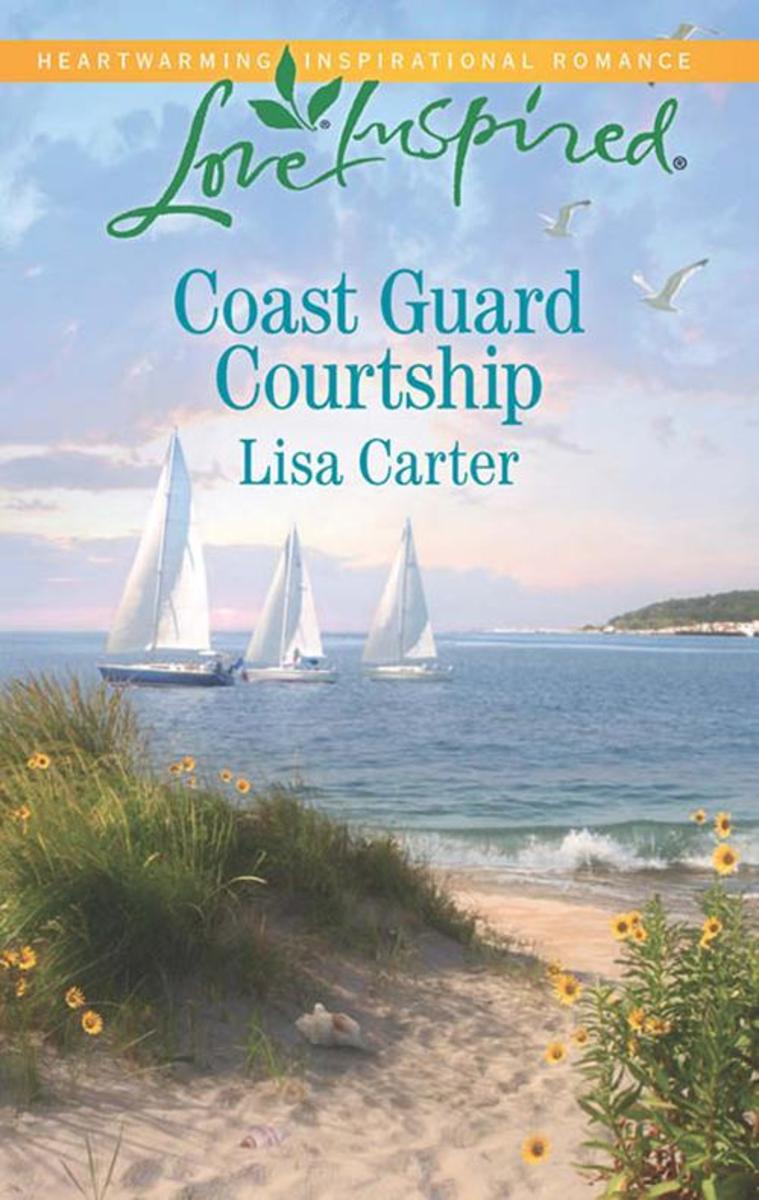
Coast Guard Courtship (Mills & Boon Love Inspired)
¥25.60
A Seaside Romance Coast Guard Officer Braeden Scott's life is all about freedom and adventure. Being assigned to a tiny Virginia coastal village is the last thing he wants. But thanks to a feisty redhead, he's soon discovering the charms of a small-town life. Amelia Duer is all about home and hearth. Taking care of others is her whole world. As Braeden spends more time with her and her nephew, his hopes for a family begin to resurface. Could Amelia prove to be the anchor this charming Coastie needs to stop wandering and create a home for good? Coast Guard Officer Braeden Scott's life is all about freedom and adventure. Being assigned to a tiny Virginia coastal village is the last thing he wants. But thanks to a feisty redhead, he's soon discovering the charms of a small-town life. Amelia Duer is all about home and hearth. Taking care of others is her whole world. As Braeden spends more time with her and her nephew, his hopes for a family begin to resurface. Could Amelia prove to be the anchor this charming Coastie needs to stop wandering and create a home for good?

Expecting the Earl's Baby (Mills & Boon Cherish) (Summer Weddings, Book 1)
¥31.10
Claiming his heir! It was the most incredible night of her life, but Daisy Huntingdon-Cross never expected to see her Valentine’s fling again. Except six weeks later Daisy’s world has turned upside-down – she’s pregnant! She just needs to tell the father… Yet the man she knew as ‘Seb’ has a few revelations of his own. He’s Sebastian Beresford, Earl of Holgate – he doesn’t just work at Hawksley Castle where they met, he owns it! And with Daisy’s news, Seb’s determined to claim his heir…starting with a wedding!
Smokescreen (Mills & Boon Love Inspired Suspense)
¥33.84
UNDER ATTACK When her life is on the line, Ashley Colson is rescued by the last person she ever expected to see again. Military officer Ethan Kincaid might have disappointed her once in the past, but now he's the only person who can keep her safe. They're under the gun to decode top secret files that can save the life of a friend who is in enemy hands. But the killers will pull out all the stops to get their hands on the files…and Ashley. With time running out, can they put aside their past and find the answers that could give them a future?

Star Witness (Mills & Boon Love Inspired Suspense)
¥33.84
SHE THOUGHT SHE WAS SAFE Mackenzie Winters spent years building a life in Witness Protection, but when someone shoots at her, she fears her cover has been blown. Could the brother of the drug lord she put away be here for revenge? Mackenzie must rely on her handler's twin, world-weary Delta Force soldier Aaron Hanning, to protect her. Aaron doesn't want to be anyone's hero, but he can't let this brave woman die. Now, with danger stalking them, they'll have to make a daring choice that means life or death—for them both.
The Marshal's Runaway Witness (Mills & Boon Love Inspired Suspense)
¥33.84
THE RELUCTANT WITNESS Angelina Baroni was about to testify against her mafia kingpin father until she received a threat to her life—despite the protection of US Marshal Dylan McKnight. Deciding she's safer on her own, she leaves witness protection and goes into hiding. Three years later, the duty-dedicated marshal is the last man she expects to see when she wakes up in a hospital after someone attempts to kill her. Dylan knows he can't afford to trust Angelina. Still, he'll do whatever it takes to keep her safe from the mobsters on her trail. But Dylan has only a few days to accomplish his most difficult mission: defuse Angelina's doubts about testifying and win her heart before their time runs out.
Tundra Threat (Mills & Boon Love Inspired Suspense)
¥33.84
DEADLY TERRAIN Two murdered men are the last thing wildlife trooper McKenna Clark expected to find in the stark Alaskan wilderness. As the only law enforcement in the area, the responsibility for the case rests on her shoulders—along with the danger. Hunting guide and pilot Will Harrison wants to ease the load, but McKenna balks at the thought of letting him close enough to break her heart again. When McKenna's investigations put her in harm's way, Will must race against the clock to save his second chance at love from becoming the killer's final victim.

Undercurrent (Mills & Boon Love Inspired Suspense)
¥33.84
TRAPPED AT SEA In an instant Kathryn Brooks's idyllic transatlantic cruise turns to terror. It's hard to believe someone has it out for her, yet chandeliers don't explode on their own—and her best friend has gone missing. But Secret Service agent Sam West vows to protect her as every corridor poses a threat and any stranger may be an assailant. With the ship's security providing little assistance, Kathryn puts her trust in Sam. Yet losing her own life is no longer her only fear. As she and Sam strive to stay a step ahead of the enemy, Kathryn worries that by caring for Sam…she's put a target on his back, as well.


