


 购物车
购物车 个人中心
个人中心
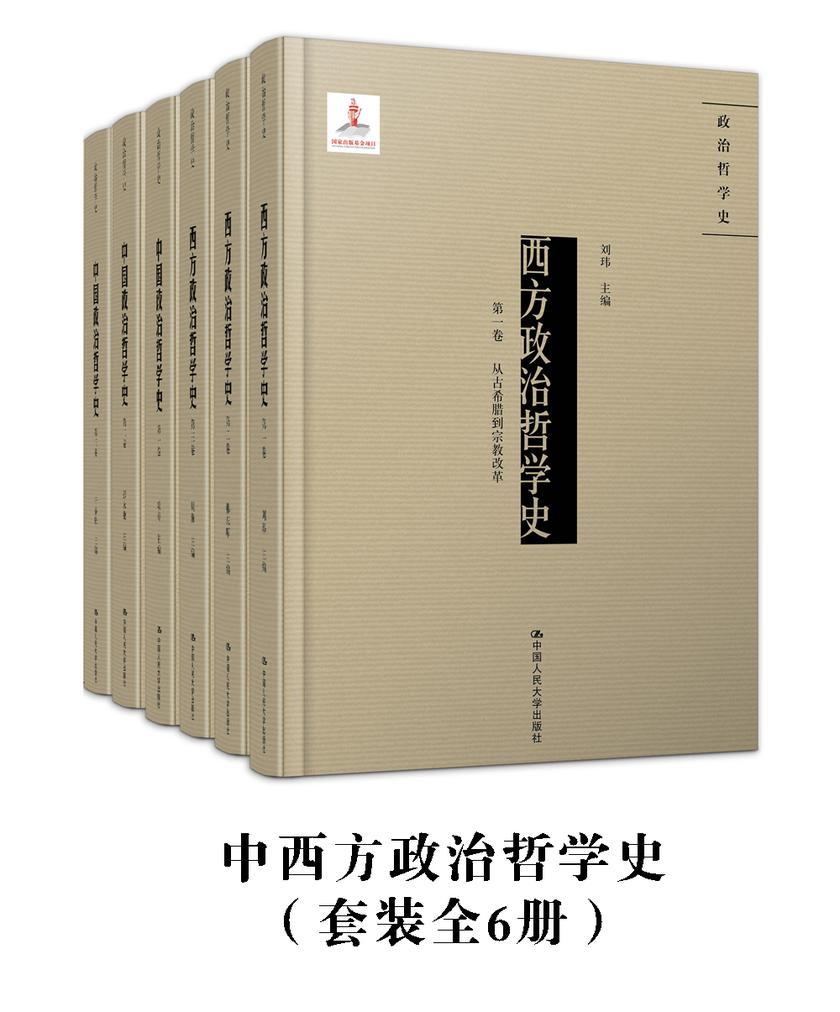
中西政治哲学史(套装全6册)
¥303.60
《西方政治哲学史》(*卷)由八位杰出学者撰写,内容涵盖了从古希腊到宗教改革的政治思想和政治哲学。*章提供了西方政治思想端处的宏大背景,讨论了希腊城邦与民主思想,以及诗人、剧作家、智者和史学家的政治洞见;第二章到第六章分别聚焦于柏拉图的统一城邦、亚里士多德的*政体、西塞罗的法权国家、奥古斯丁的上帝之城与尘世之城、阿奎那的自然法与政体理论;第七章既从宏观上考察了文艺复兴时期政治思想的巨大变革,又特别讨论了马基雅维利在其中的突出地位;第八章以路德和加尔文的政治思想为主体,同时考察了宗教改革时代的神学—政治问题。全书既关注政治思想的历史语境,又凸显重要思想家的特殊贡献,体现了汉语学界在西方政治哲学史领域的*研究成果。
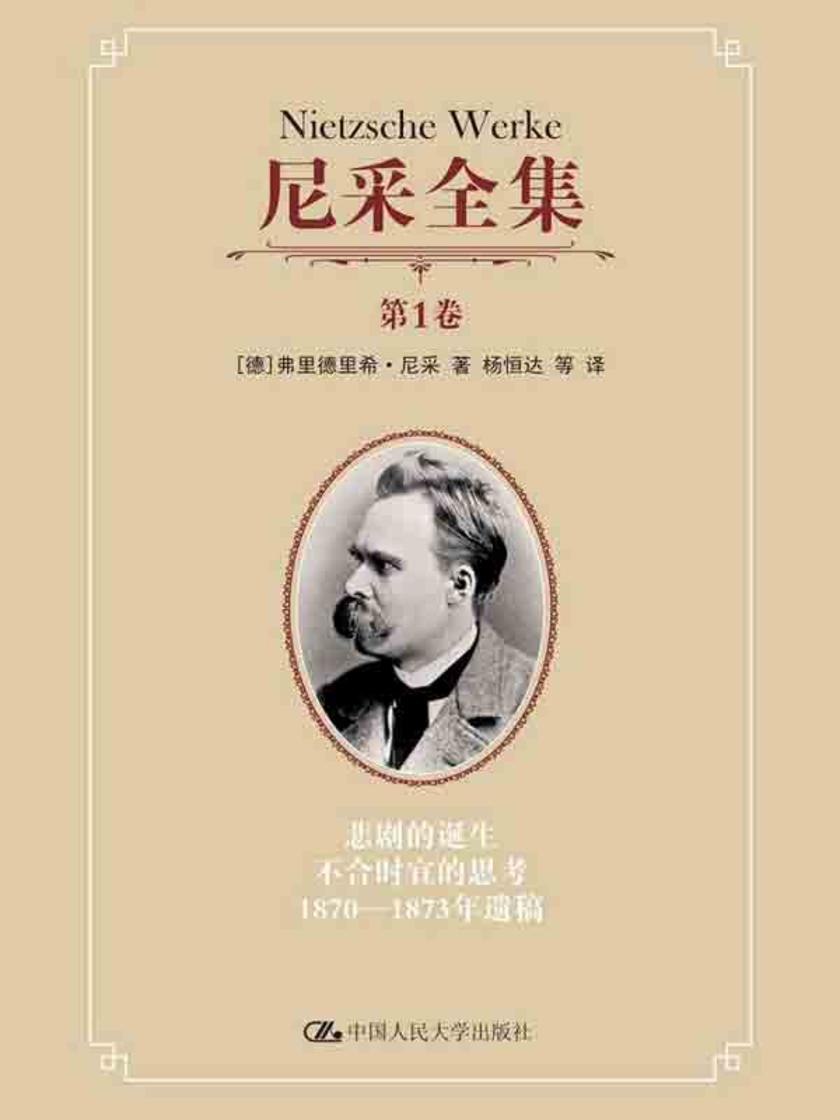
尼采全集 第1卷(尼采全集)
¥59.88
本卷包括:《悲剧的诞生》、《不合时宜的思考》、《1870-1873年遗作》。《悲剧的诞生》一书的独特之处是对古希腊酒神现象的*重视。尼采立足于这种不登大雅之堂的现象,把它当作理解高雅的希腊悲剧、希腊艺术、希腊精神的钥匙,从中提升出一种哲学来。

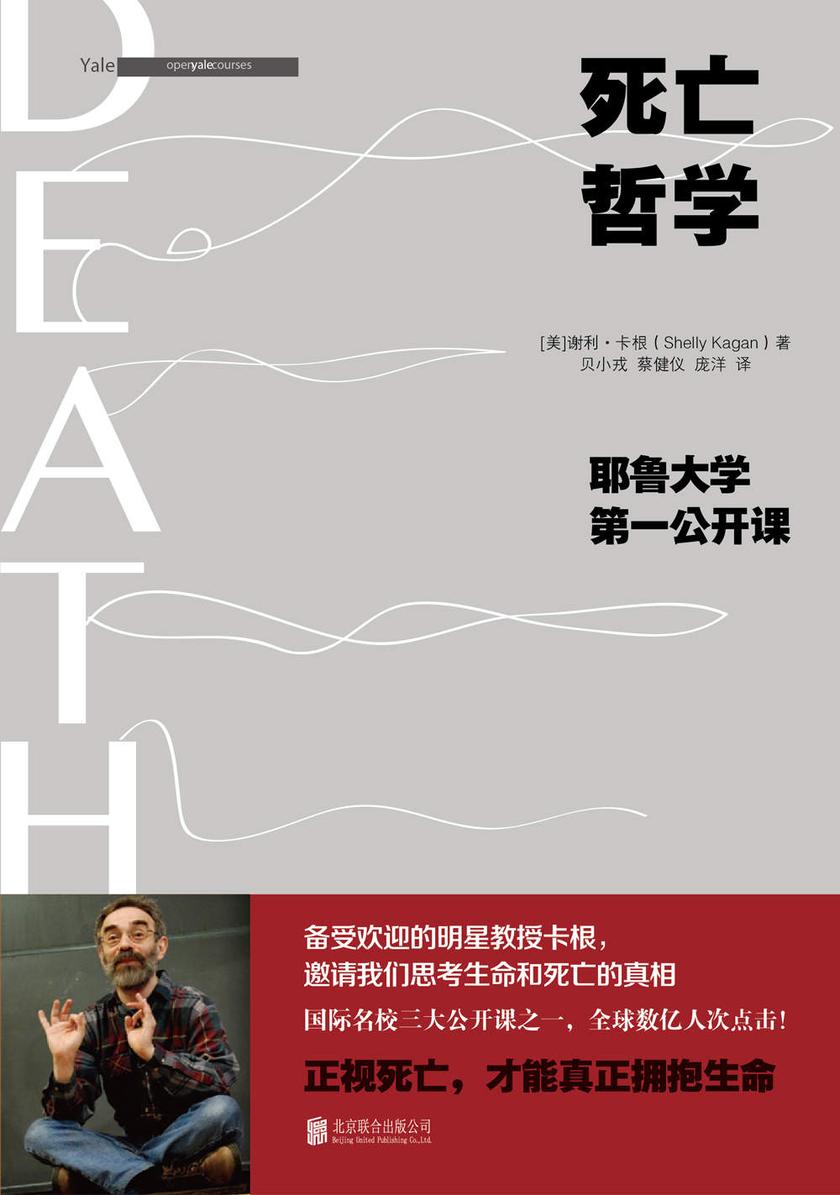
死亡哲学:耶鲁大学第一公开课(精装典藏版)
¥14.99
有件事是确定无疑的:终我们都会死亡。 但我们真的相信自己会死吗? 死亡是生命的终吗? 人是否有不朽的灵魂? 为什么说永生是件坏的事情? 在某些情况下自杀是否可能合理和符合道德? 我们终将死掉这个事实,会怎么影响我们的生活方式? …… 《死亡哲学:耶鲁大学公课》一书源于受欢迎的国际名校公课之一《哲学:死亡》。在这本通俗易懂的哲学著作中,谢利卡根教授挑战了许多我们习以为常或未经深思的观,邀请读者系统反思死亡的哲学之谜,以更清晰的概念探讨死亡的意义为何,从形而上学到价值观,认真、理性地思考生命和死亡的真相。而带领我们探索生命的价值,该以什么样的态度来面对人生这趟旅程。 叔本华对死亡哲学的阐述,对本书来说至为贴切:“由于对死亡的认识所带来的反省,致使人类获得形而上学的见解,并由此得到一种慰藉。所有宗教和哲学体系,主要即为针对这种目的而发,以帮助人们培养反省的理性,作为对死亡观念的解毒剂。”死亡虽是我们每个人的宿命,但看待死亡的视角,却可以让人们获得拯救。
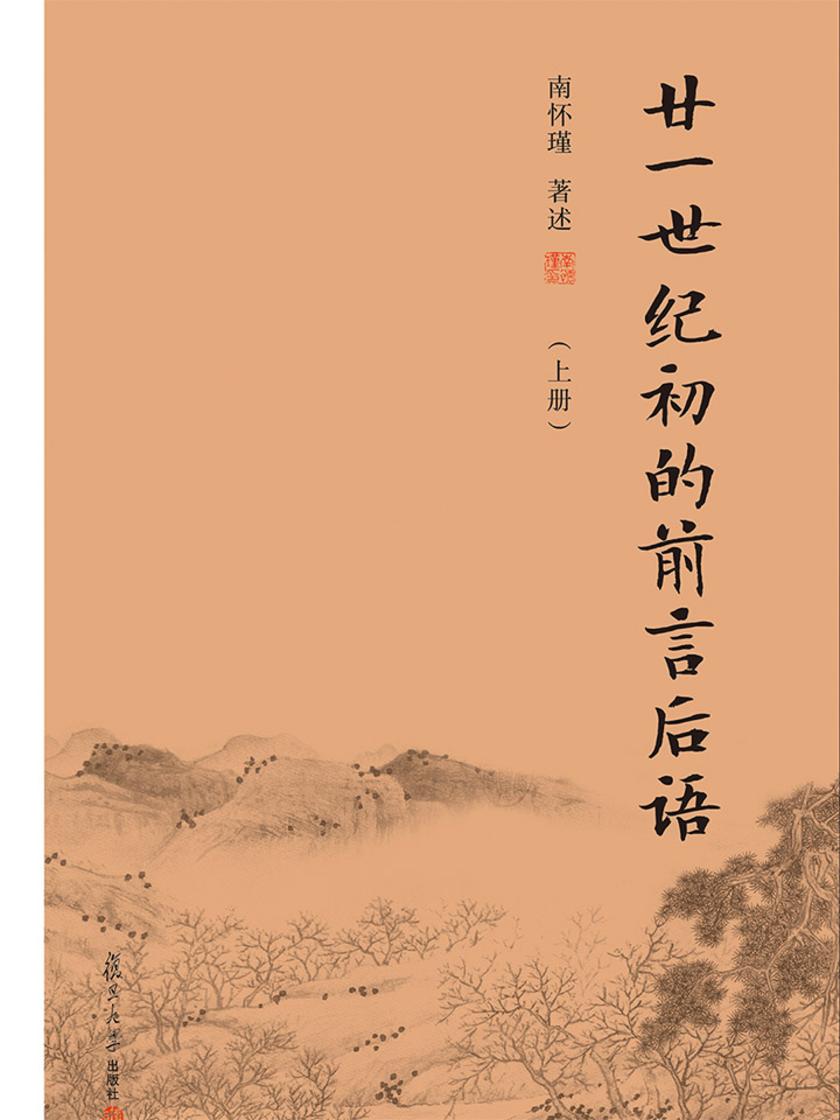
廿一世纪初的前言后语(上册)
¥21.00
《参同契》又名《周易参同契》,为东汉魏伯阳著。其学说汇融周易、黄老、丹火之功于一体,用《易》的阴阳变化之理,阐述炼丹、内养之道,证明人与天地、宇宙有同体、同功而异用的法则。 《我说<参同契>》是南怀瑾先生继《论语别裁》后用力*深、*有分量的作品之一,共八十余万言,分上、中、下三册。内容涉及广泛,旁征博引,举证极多,更有南师本人所经历的诸多奇特的人和事,是国人了解、解读《参同契》这部“天书”的选择。
列子臆说(下册)
¥21.00
《悦心语(南怀瑾先生*述佳句选摘)(精)》是南怀瑾先生语录集,以笔记形式呈现。取材自南先生《论语别裁》、《孟子旁通》、《老子他说》、《禅宗与道家》等*作。编者“断章取义”,稍加整理。本书内容博大精深,文字简短,通俗易懂,便于现代读者阅读。 《悦心语》是南怀瑾先生的语录集,从《论语别裁》《孟子旁通》等南怀瑾先生代表作中精选经典章句而成,浓缩南师智慧精华。 南怀瑾先生是海内外享有盛誉的儒释道大师,将中华文化各种思想融会贯通,带领国人重读中国古代儒、释、道典籍,引导人们关注人的内心,关注人伦世界,关注人文教化。 南师*作不是象牙塔里不食人间烟火的精密考校疏证,处处体现着对现实世界的深切关怀,和芸芸众生的生活与命运紧密相连。南怀瑾先生认为,人生的*高境界是:佛为心,道为骨,儒为表,大度看世界;技在手,能在身,思在脑,从容过生活。这正是夫子自道。 谨以《悦心语》一书,深切缅怀敬爱的南怀瑾先生。
陌生人社会的伦理问题研究(当代中国社会道德建设理论与实践研究丛书)
¥40.80
“陌生人社会”的来临,为当代中国展示了全新的生活场景和伦理视野,同时导致了许多未曾遇到的新挑战、新困惑:面对数不清的“陌生人”,我们应该以怎样的伦理经验与其交往?以往的伦理规范和处事准则能否被简单移植到“陌生人”身上?在喧闹的现代都市,陌生的居民之间如何和睦相处?以往人们对“陌生人”的道德想象,能否作为直面“陌生人”时的道德推理机制?如何解决“人情味”与“公德心”之间的内在冲突?……本书围绕“陌生人社会”所生发的一系列伦理道德问题,从思辨和经验两个层面做出了有益思考和尝试性回答,对解决“陌生人社会”的道德困境有所助益。
马克思主义如何中国化(马克思主义研究论库·第二辑)
¥34.80
马克思主义如何由西方形态变为东方形态,由欧洲形态变为亚洲形态,由德国形态变为中国形态,一句话,马克思主义如何中国化,是一个特别重要的理论前沿问题。本书从马克思主义中国化的历史进程、文化意蕴、当代视野,中国特色社会主义理论体系的创立和发展,马克思主义中国化的理论创新及其成果,中国传统文化与马克思主义中国化,发展当代中国马克思主义等多个方面,梳理、总结马克思主义中国化的基本经验,展望在新的历史条件下如何推进马克思主义中国化、发展当代中国马克思主义。
Discovery of the Future: Illustrated
¥13.98
Such is the system which underlies the Meditations of Marcus Aurelius. Some knowledge of it is necessary to the right understanding of the book, but for us the chief interest lies elsewhere. We do not come to Marcus Aurelius for a treatise on Stoicism. He is no head of a school to lay down a body of doctrine for students; he does not even contemplate that others should read what he writes. His philosophy is not an eager intellectual inquiry, but more what we should call religious feeling. The uncompromising stiffness of Zeno or Chrysippus is softened and transformed by passing through a nature reverent and tolerant, gentle and free from guile; the grim resignation which made life possible to the Stoic sage becomes in him almost a mood of aspiration. His book records the innermost thoughts of his heart, set down to ease it, with such moral maxims and reflections as may help him to bear the burden of duty and the countless annoyances of a busy life. It is instructive to compare the Meditations with another famous book, the Imitation of Christ. There is the same ideal of self-control in both. It should be a man's task, says the Imitation, 'to overcome himself, and every day to be stronger than himself.' 'In withstanding of the passions standeth very peace of heart.' 'Let us set the axe to the root, that we being purged of our passions may have a peaceable mind.' To this end there must be continual self-examination. 'If thou may not continually gather thyself together, namely sometimes do it, at least once a day, the morning or the evening. In the morning purpose, in the evening discuss the manner, what thou hast been this day, in word, work, and thought.' But while the Roman's temper is a modest self-reliance, the Christian aims at a more passive mood, humbleness and meekness, and reliance on the presence and personal friendship of God. The Roman scrutinises his faults with severity, but without the self-contempt which makes the Christian 'vile in his own sight.' The Christian, like the Roman, bids 'study to withdraw thine heart from the love of things visible'; but it is not the busy life of duty he has in mind so much as the contempt of all worldly things, and the 'cutting away of all lower delectations.' Both rate men's praise or blame at their real worthlessness; 'Let not thy peace,' says the Christian, 'be in the mouths of men.' But it is to God's censure the Christian appeals, the Roman to his own soul. The petty annoyances of injustice or unkindness are looked on by each with the same magnanimity. 'Why doth a little thing said or done against thee make thee sorry? It is no new thing; it is not the first, nor shall it be the last, if thou live long. At best suffer patiently, if thou canst not suffer joyously.' The Christian should sorrow more for other men's malice than for our own wrongs; but the Roman is inclined to wash his hands of the offender. 'Study to be patient in suffering and bearing other men's defaults and all manner infirmities,' says the Christian; but the Roman would never have thought to add, 'If all men were perfect, what had we then to suffer of other men for God?' The virtue of suffering in itself is an idea which does not meet us in the Meditations. Both alike realise that man is one of a great community. 'No man is sufficient to himself,' says the Christian; 'we must bear together, help together, comfort together.' But while he sees a chief importance in zeal, in exalted emotion that is, and avoidance of lukewarmness, the Roman thought mainly of the duty to be done as well as might be, and less of the feeling which should go with the doing of it. To the saint as to the emperor, the world is a poor thing at best. 'Verily it is a misery to live upon the earth,' says the Christian; few and evil are the days of man's life, which passeth away suddenly as a shadow. ? ? ? ? ? ? ? ? ? ? ? ? ? ? ? ? ? ? ? ? ? ? ? ? ? ? ? ? ? ? ? ? ? ? ? ? ? ? ? ? ? ?*** ? "MARCUS AURELIUS ANTONINUS" was born on April 26, A.D. 121. His real name was M. Annius Verus, and he was sprung of a noble family which claimed descent from Numa, second King of Rome. Thus the most religious of emperors came of the blood of the most pious of early kings. His father, Annius Verus, had held high office in Rome, and his grandfather, of the same name, had been thrice Consul. Both his parents died young, but Marcus held them in loving remembrance. On his father's death Marcus was adopted by his grandfather, the consular Annius Verus, and there was deep love between these two. On the very first page of his book Marcus gratefully declares how of his grandfather he had learned to be gentle and meek, and to refrain from all anger and passion. The Emperor Hadrian divined the fine character of the lad, whom he used to call not Verus but Verissimus, more Truthful than his own name. He advanced Marcus to equestrian rank when six years of age, and at the age of eight made him a member of the ancient Salian priesthood. The boy's aunt, A
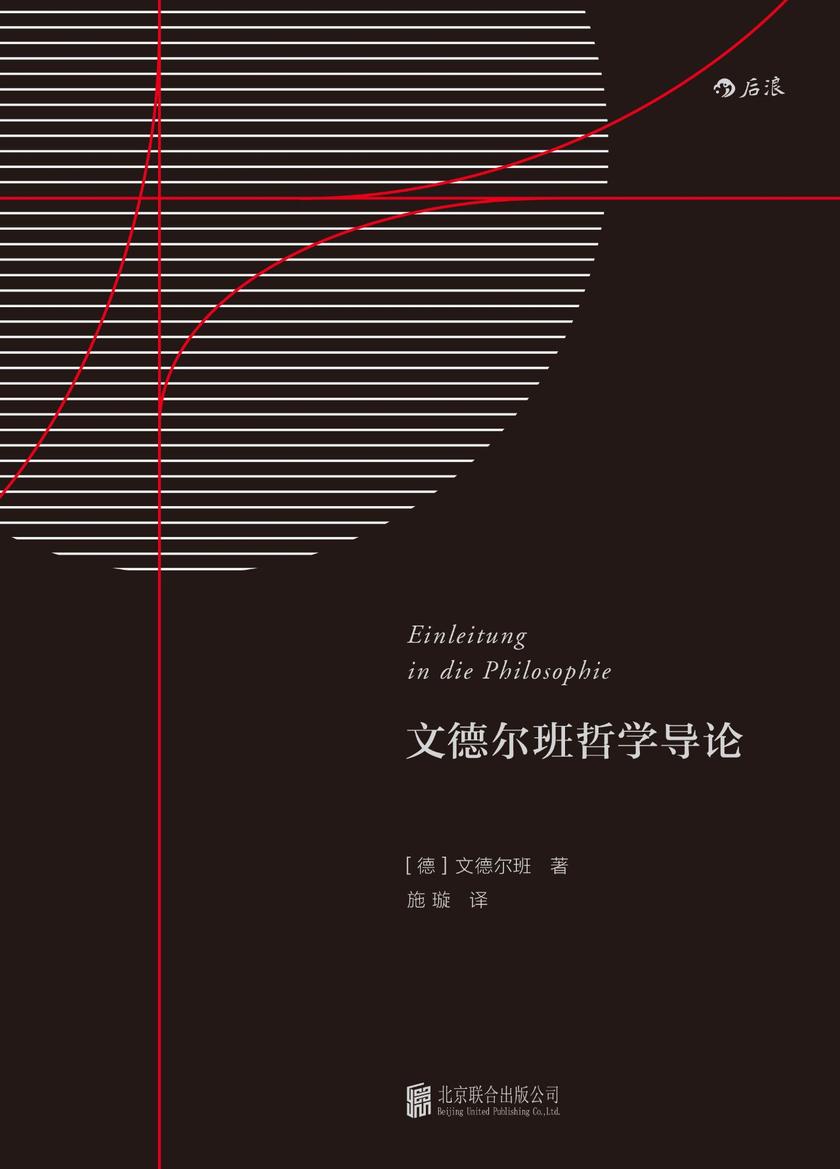
文德尔班哲学导论(文德尔班代表作,关注哲学主题蕴含的内在力量,呈现新康德主义哲学的基本纲领!)
¥19.92
本书是新康德主义弗莱堡学派创始人文德尔班的代表作,与广为人知的《哲学史教程》相互配合,构成新康德主义哲学的基本纲领,对哲学门者也有很好的引导作用。全书以存在(理论)问题和价值问题的区分为基础,以价值的存在与存在的价值之间的关系立论,探讨了本体论、发生论、认识论、伦理学、美学、宗教等各类哲学问题。作者关注重大哲学主题所蕴含的内在力量,以日常生活和科学中的朴素预设为出发,从哲学史的流变手,试图解释处理这些问题的各种趋势及其分歧,并将生命中的基本问题简明扼要地呈现出来,旨在呼唤读者思索生命中的重大问题。
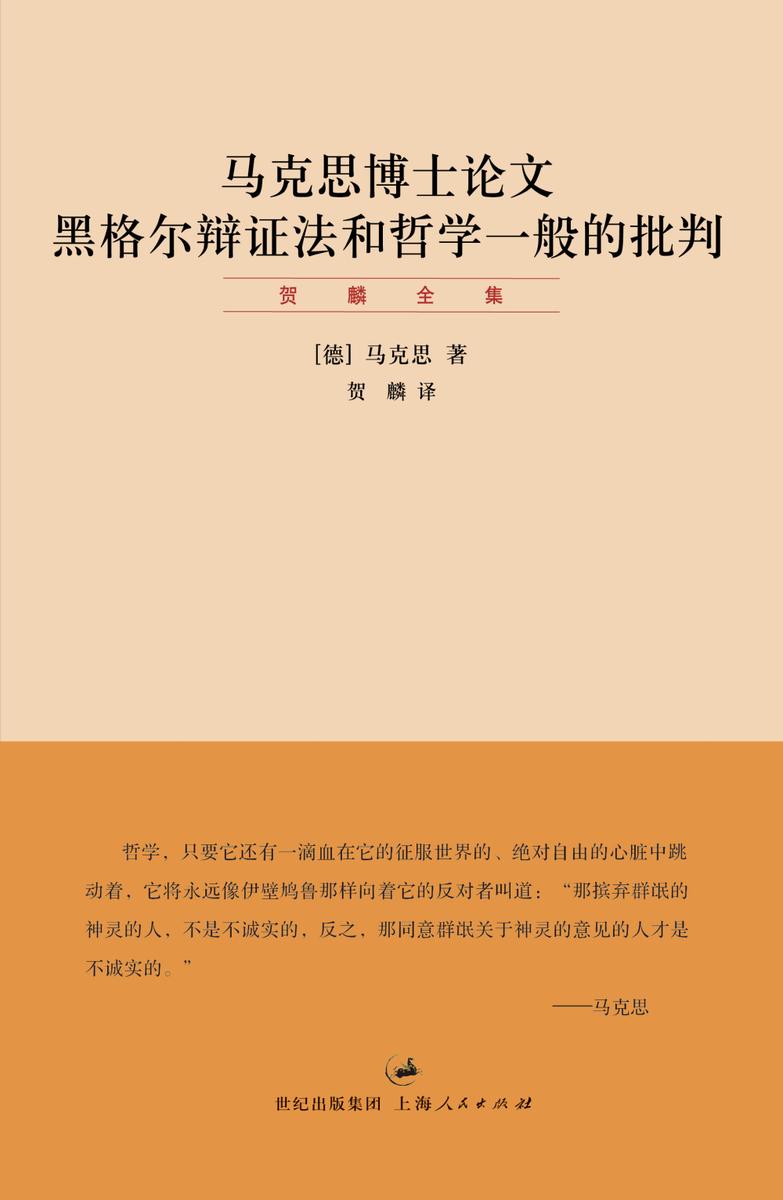
贺麟全集:马克思博士论文 黑格尔辩证法和哲学一般的批判
¥42.00
《马克思博士论文黑格尔辩证法和哲学一般的批判》(“贺麟全集”第九卷)是贺麟译述马克思早年经典哲学论著的重要成果。收发表于1842年的博士论文《德谟克里特的自然哲学与伊壁鸠鲁的自然哲学的差别》,该文对于用辩证法观研究古代自然哲学史有很大贡献,1958年由贺麟完成中译,1961年人民出版社出版单行本,后收《马恩全集》。《黑格尔辩证法和哲学一般的批判》于1955年翻译出版,对黑格尔哲学批判研究很有指导作用。本书另收四篇贺麟所撰相关文章,以备研究参考之用。

赫尔墨斯的口误(增订)(曹卫东学术文集)
¥25.00
《赫尔墨斯的口误(增订)》是作者的学术译文合集,涉及形而上学批判、话语政治、文艺理论等,收录了霍克海默、哈贝马斯、伽达默尔、克吕格、巴尔塔萨、罗曼·茵伽登、顾彬等著名学者的经典文章。译文难度较大,可见译者译笔矫健,这些文章也为学术界提供了颇具学术价值的成果。
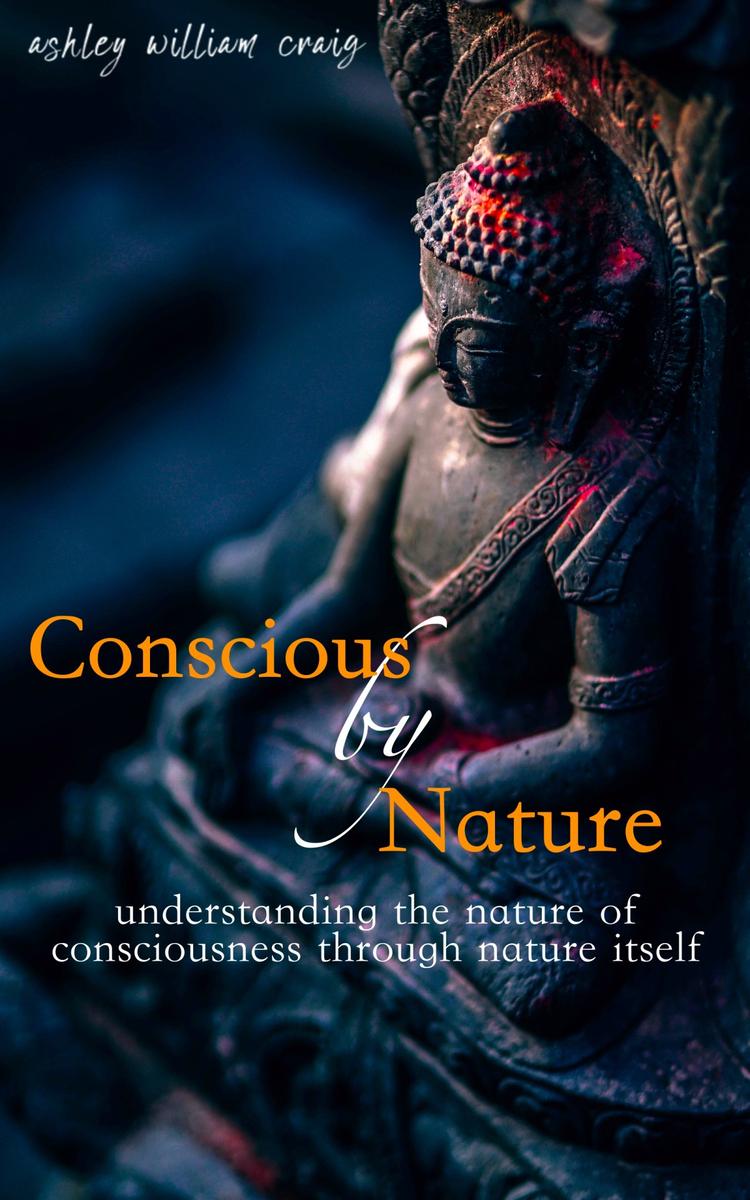
Conscious by Nature: Understanding the nature of consciousness through nature it
¥40.79
Come on a journey into the nature of consciousness, finding the space 'between thoughts' as the most obvious place to recognize your true and eternal Self. We recognize overlooked aspects of the natural world around us; as ourselves, as well as using nature to demonstrate spiritual concepts such as God, union and liberation. Your true 'nature' awaits...---------------------------"No matter how it is approached, no amount of words will ever transmit to another person the indescribable 'ultimate Truth'. The fact that it's described as indescribable should be enough to stop us trying. Yet it's made even more difficult because of our troublesome human mind. As intelligent and magnificent as it is, it has a deep and tragic habit of confusing the symbols we use (for simple convenience) in our lives, for the actual things or ideas they represent. As Alan Watts used to say, it's like climbing a signpost rather than walking in the direction it points. Our greatest of misunderstandings is that we confuse the story and idea of who we are, with what is actually true; pure and simple. We make a false judgment on who or what we are, and you wouldn't believe the amount of mischief that arises in result.As exaggerated or humorous as all this may sound on first impressions, this habit of confusing symbols for reality is a very real problem plaguing our human world, and the implications are exceptionally far reaching. We have confused such things as money for wealth, status or fame for character and even the virtual world for real - but most appropriate to this book, is that religious or spiritual concepts are always confused for the things they are pointing towards. That's particularly true of our concepts of 'God', particularly true of Buddha's Dharma, particularly true of any teaching towards enlightenment or liberation."---------------------------"OmniscienceOh father in heaven, omniscience cannot be. It makes no sense, no sense to me....***Between thoughts, your functioning remains flawless. Between thoughts you are ego-less, yet still exist...?How is it so that your heart beats without your control?How do migrating birds travel without directions, newborn horses stand straight up and embryos form without instruction. How does a plant know how to flower and a seed mature into a tree??Without thought or instruction, nature around you is already omniscient. Are you different from nature, or one and the same?***Young one, nature already exists in an omniscient state with no mind…?Between thoughts, are you omniscient?Mid-thought, do you believe you're not?"
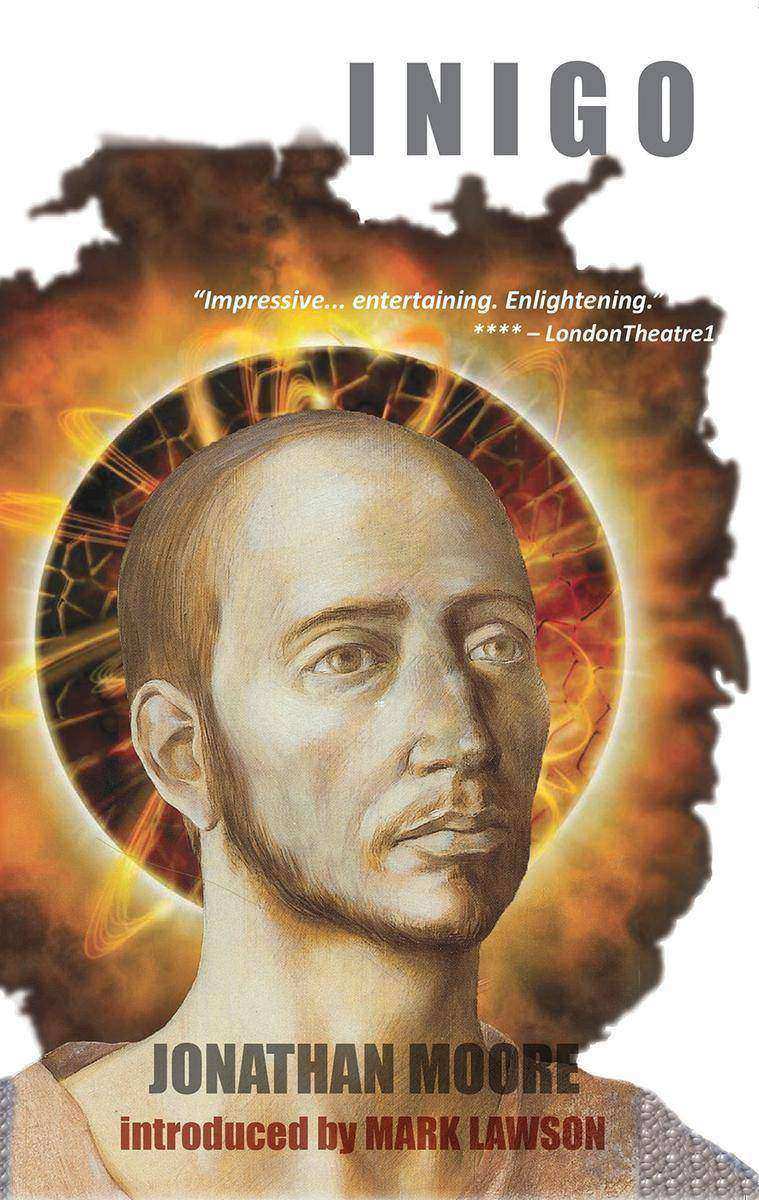
Inigo: a play about Ignatius of Loyola
¥32.62
Inigo (Ignatius de Loyola) begins as a hot-headed, street-fighting sensualist, in this action-packed play but due to serious injury in a sword-fight, he has to spend time recovering and reassessing his dissolute life. This stage version of his life follows his transformation to become the co-founder of the Jesuits in the sixteenth century, battling the powers of the day and the Inquisition. In Moore's bold, funny play, he asserts Inigo's position as a radical figure bent on changing the Catholic Church.?? This play is not only for those interested in Inigo and the Jesuits. It is also about individuals who fight for change against an implacable Establishment and it is ideal for performing in schools, colleges and theatres. Of special interest to schools and colleges, many of which are named after Inigo (Ignatius de Loyola).?Inigo's spiritual tools for change have informed other self-development programs such as the 12 step program for recovering drug and alcohol addicts. As Pope Francis is a Jesuit, this is a timely exploration of one of history's major spiritual leaders and reformers. "This is the most interesting play text to have reached me for a while... Ignatius of Loyala, founder of the Jesuits is not the most obvious choice for a play subject until you remember that he was effectively a counter-cultural radical fighting an implacable establishment suddenly it s both topical and relevant. I hope this thoughtful, engaging and very funny in places eight-hander will get more outings very soon. If not read the text anyway." --Susan Elkin, The Stage"Brilliantly written... a great evening of thoughtful and dynamic theatre." --Mark Lawson, arts correspondent"The structure and dynamism of the play, the art with which Jonathan Moore makes Ignatius accessible to us, capturing much of the drama of the Spiritual Exercises themselves, would also make I?igo an excellent discovery for schools and colleges." --James Hanvey SJ, Master of Campion Hall, University of Oxford, Thinking Faith Jonathan Moore is an award-winning actor, writer and director. As an actor he has played leading roles at the Royal Shakespeare Co, Royal Court, Donmar, the Royal Exchange and on BBC TV. He has directed theatre and opera world premieres at the Almeida, Donmar, West End, Royal Exchange, Gate, English National Opera, Covent Garden, La Fenice in Venice and on TV among many others. He has directed world premieres by composers such as Turnage, MacMillan, Henze, Schnittke, Nyman, Copeland and more, and his early work was sponsored by Joe Strummer of The Clash. He has collaborated with members of punk band Killing Joke and on several projects with Industrial group Test Dept. A published playwright and librettist, his work has been performed at leading theatres including the Donmar, Royal Exchange, Gate, BBC TV, radio and internationally. Jonathan was asked by Mark Rylance to direct the large-scale immersive project for over fifty performers What You Will, a co-production for Shakespeare s Globe, The Cultural Olympiad and Mayor s Office and several subsequent Shakespeare projects. He is due to direct a large-scale site-specific immersive project for Ludovico Einaudi in Italy and a new opera project with Stewart Copeland. He is on the Artistic Advisory Committee of the Royal Academy of Dramatic Art. He has had a Who s Who entry since 2007. A collection of Moore's plays has been previously published by Aurora Metro Books. www.jonathanmooreuk.com
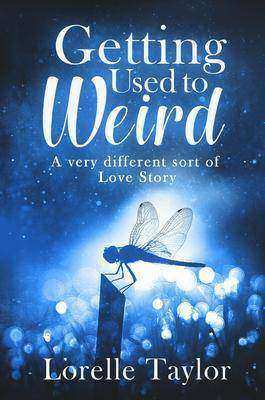
Getting Used to Weird: A very different sort of Love Story
¥8.63
Are you awakening spiritually and feeling weird?You’re not alone. Truly, you are not alone. You have many spiritual helpers, and just like Angela, you can learn to communicate with them and enlist their support. Lorelle Taylor’s extraordinary book traces Angela’s journey from normal to weird. Join her as she confronts challenges and undertakes deeply spiritual lessons while exploring the biggest questions. Learn about life and death from angels, spirit guides, Jesus and God. Discover how to overcome obstacles in your own path as you too discover the secrets for a fulfilled and happy life. Start reading?Getting Used to Weird: A very different sort of Love Story?today and you’ll discover that on this journey, you’re also getting used to love. You’ll come away with the knowledge that “Love is the answer to all questions.”
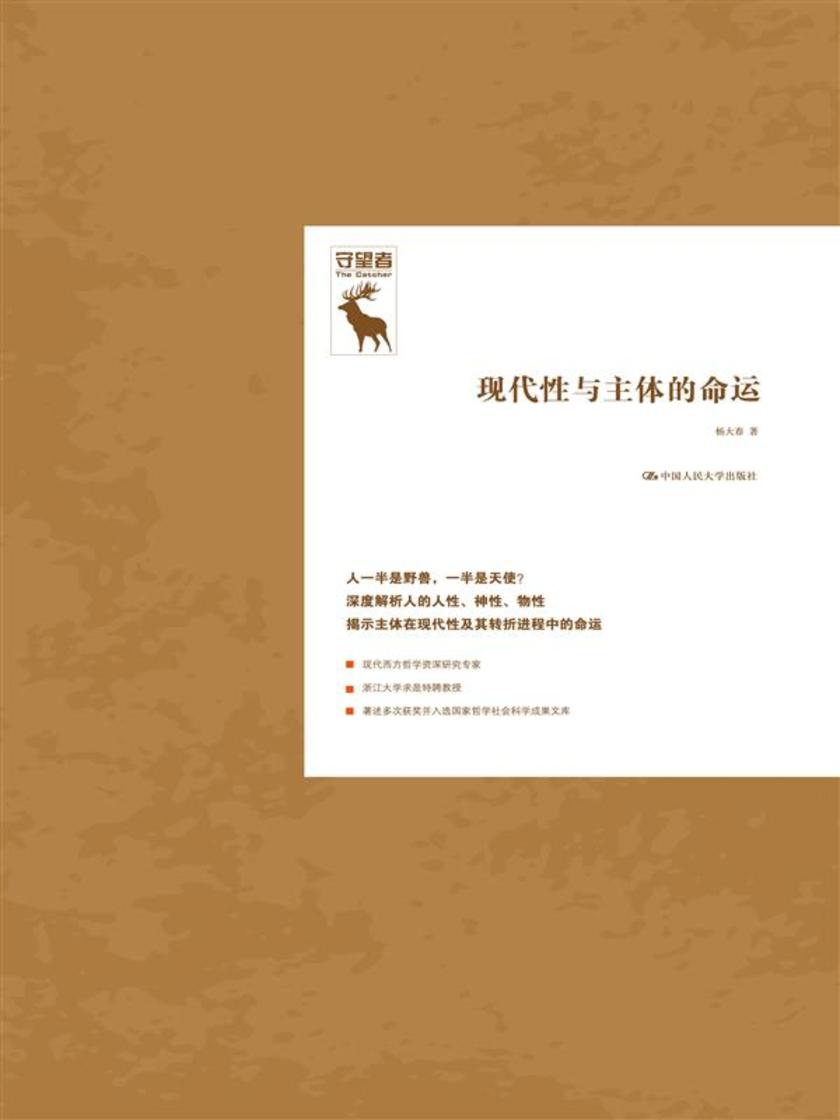
现代性与主体的命运(守望者)
¥44.00
哲学归根到底关注的是人的命运。根据逻辑与历史、时代精神与时代相一致的原则,本书区分出西方哲学发展的前现代(古代)、早期现代、后期现代和后现代(当代)四种形态,并重探讨现代哲学的历程。导论是对主体问题的概述,其余各章围绕主体的确立、主体的危机、主体的解体和主体的终结来揭示意识主体在现代性及其转折程中的命运。本书几乎囊括了自笛卡尔以来的主要西方哲学流派,既具有宏大的理论视野,又具有强烈的问题意识。
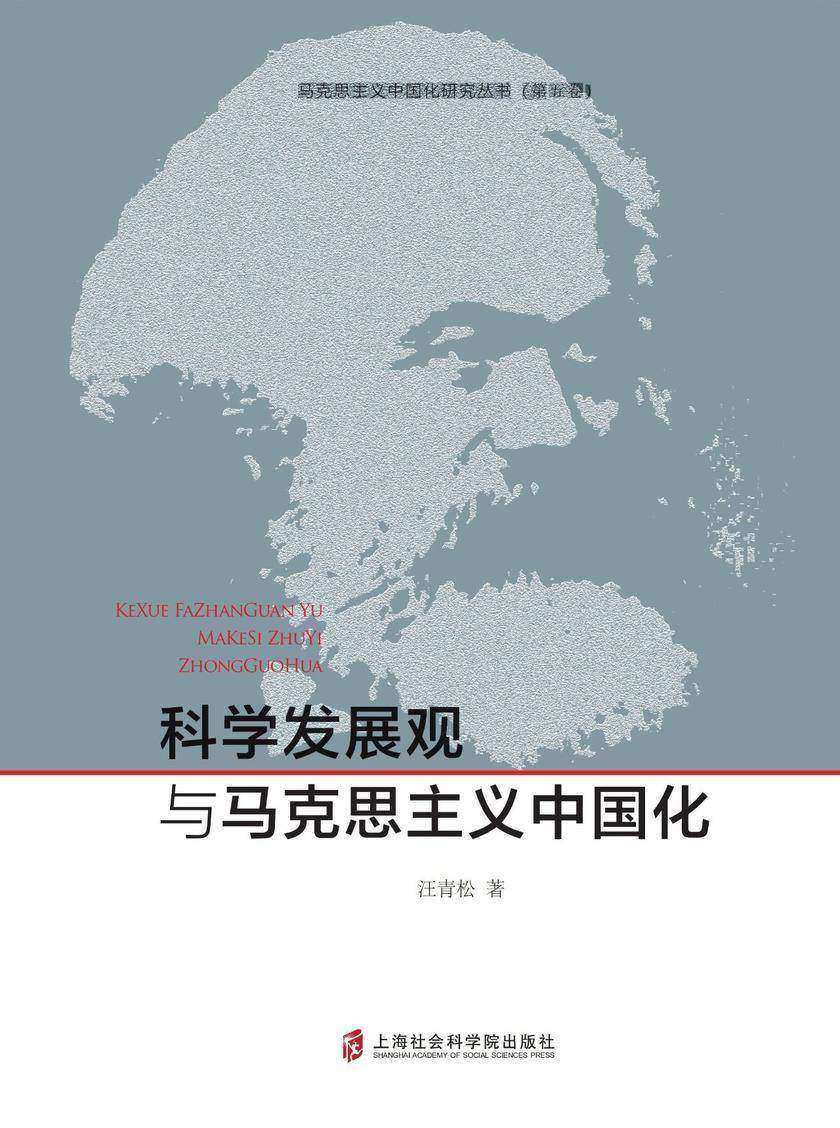
科学发展观与马克思主义中国化
¥39.90
科学发展观继承了*思想、邓小平理论、"三个代表"重要思想中关于发展的基本思想,深刻 体现了马克思主义中国化一脉相承的重要特。科学发展观是在新形势下提出的关于中国建设的又一新理论指导,是马克思主义中国化的*理论成果。本书主要从科学发展观的内容、要义等方面探讨了科学发展观就是中国化的马克思主义。
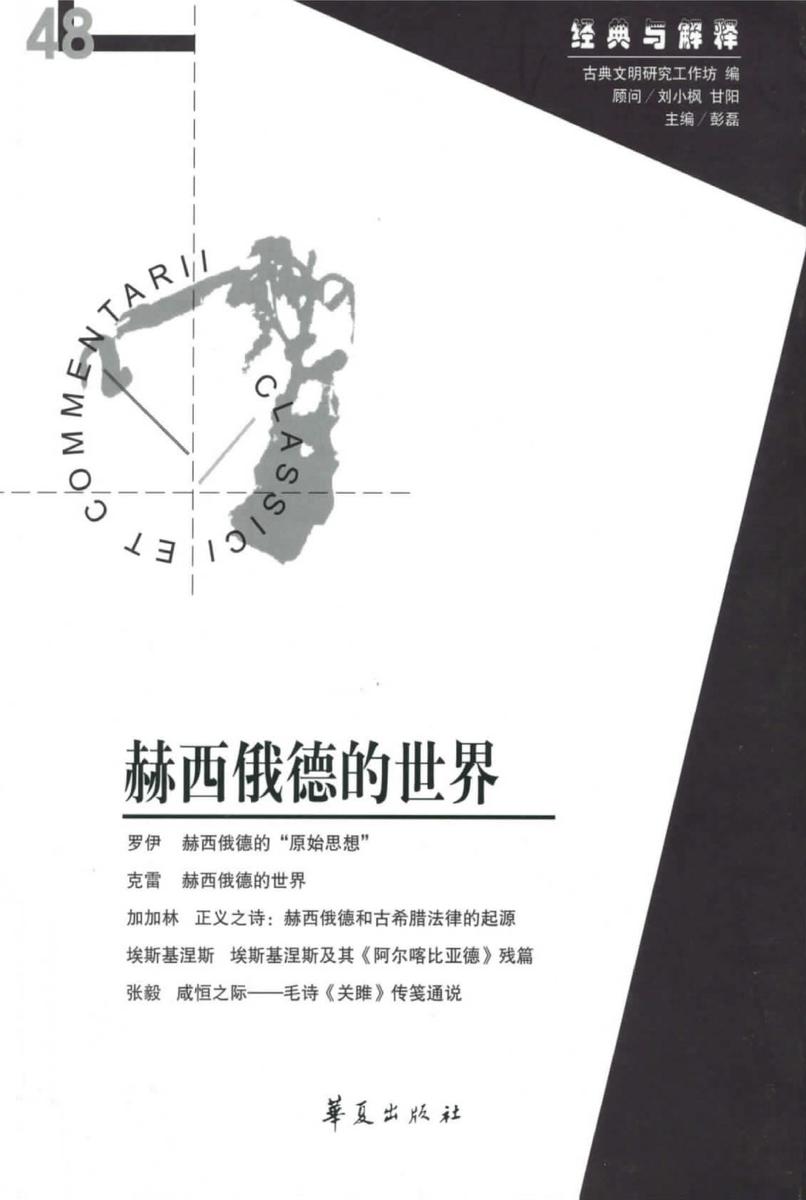
赫西俄德的世界(“经典与解释”第48期)
¥22.42
本期为赫西俄德专题,选译了英语学界研究赫西俄德的四篇代表性文章,分别涉及赫西俄德诗歌与自然哲学和政治哲学的关系问题,意图显示赫西俄德的两个世界——自然的世界和正义的世界之间的关系,揭示赫西俄德与古希腊思想的深刻勾连。 “古典作品研究”栏目选译了日本学者斋藤拙堂的《老子辨》和古希腊哲学家埃斯基涅斯的《阿尔喀比亚德》残篇。“思想史发微”则收录研究海德格尔的力作《从“同一者”到“命运”》;“旧文新刊”栏目刊布民国湖南学者郭倬瑩的《四部通論·經部流別》;“评论”收录两篇译文,分别涉及黑格尔和施特劳斯。

文本的深度耕犁(第三卷)——当代西方激进哲学的文本解读 第三卷
¥49.90
本书是作者关于当代世界马克思主义及左翼激哲学文本研究的多卷本论著《文本的深度耕犁》的第三卷,其内容主要是对西方激哲学思潮中经典文献的文本学研究。在本卷中,作者以构境论的文本解读方式分别批判性地解读了晚期福柯的“生命政治哲学”、朗西埃《歧义》、阿甘本的《奥斯维辛的剩余》、斯洛特戴克的《资本的内部空间》、维利里奥的《解放的速度》、斯蒂格勒《技术与时间》,以及奈格里、哈特的《帝国》等重要论著。
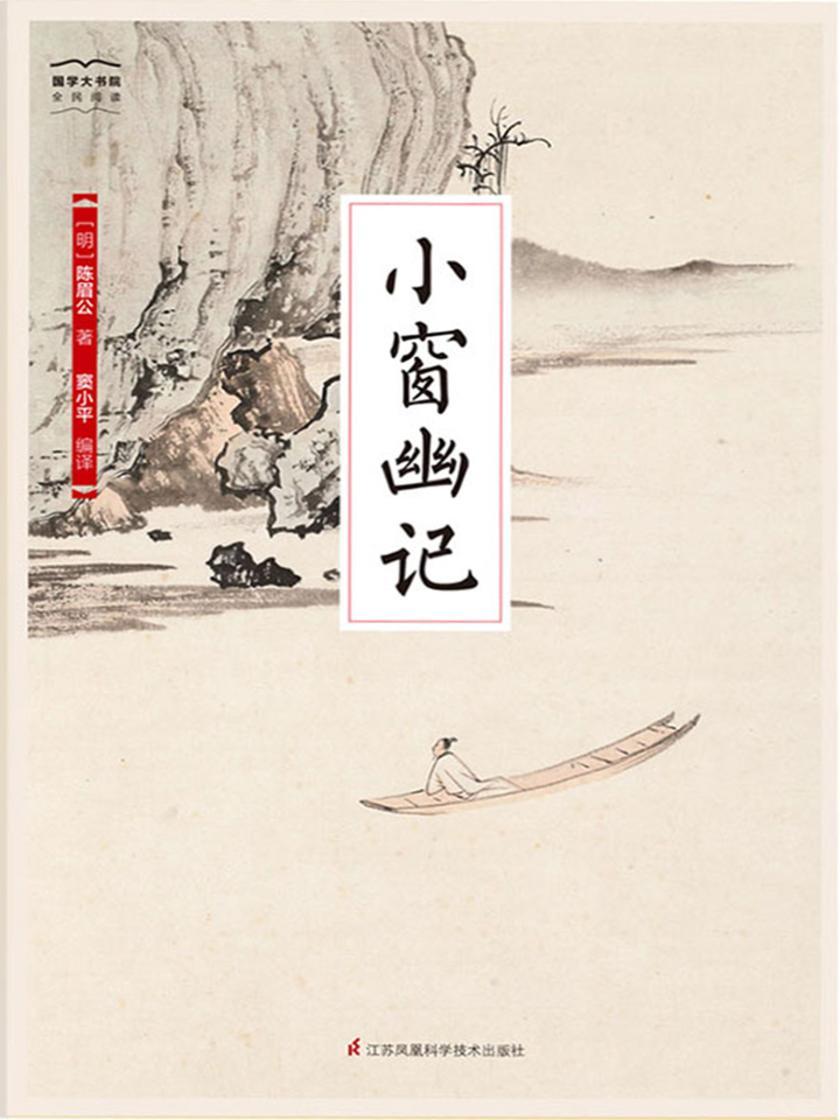
小窗幽记(国学大书院)(为人处世的智慧之果 修身齐家的行动指南)
¥7.80
立德修身的恒言警句为学立业的至理名言《小窗幽记》为陈眉公所著的修身处世格言,条条都是人生的回味和处世的领悟,体现了儒家修身、齐家、治国、平天下的积极人生态度,又兼容了佛家超凡脱俗和道家清静无为的智慧,历来被称为修身养性、提升自我修养的佳作。
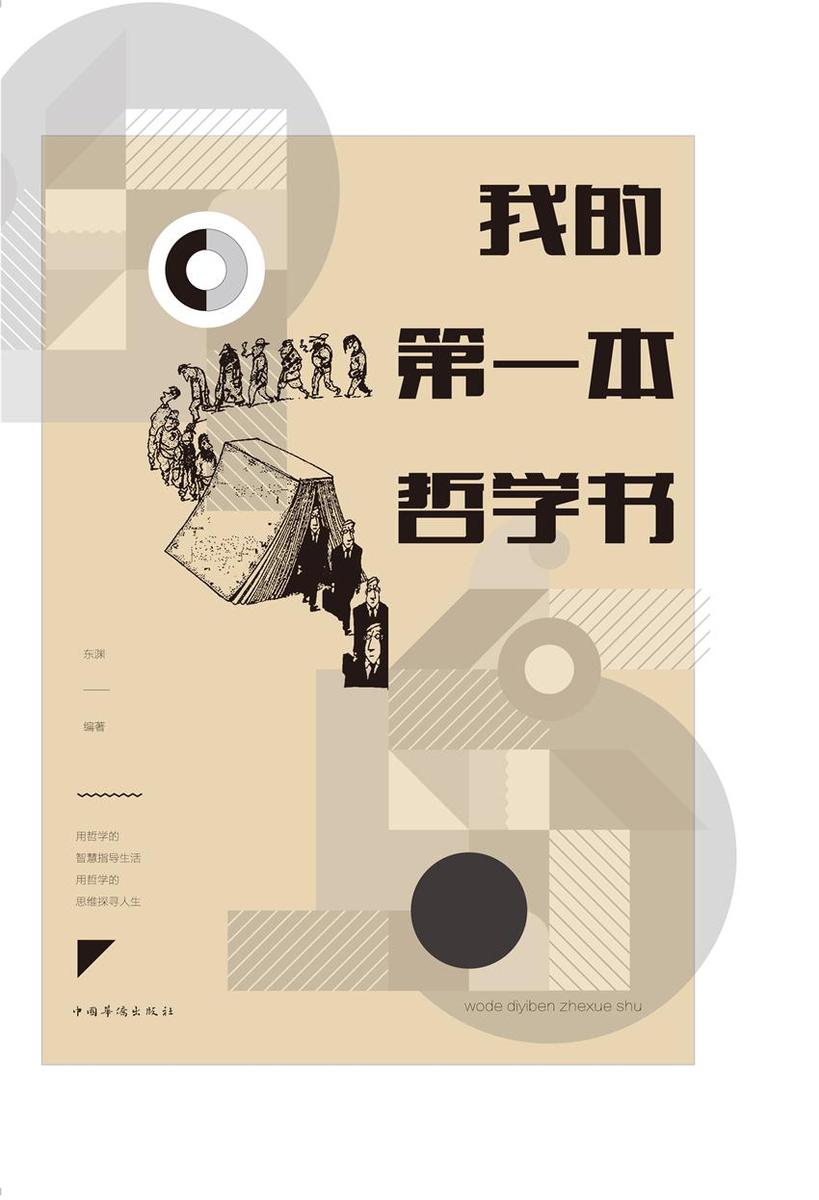
我的第一本哲学书
¥36.00
哲学能改变一个人的生活,它能够给人们的生活指明正确的方向,提供正确的方法,本书通过回应一些哲学问题,将我们引向哲学的思考方式,指导我们正确看待自己与他人,从而拥有正确的人生观、世界观、价值观,拥有幸福和成功。

有些事现在不做,一辈子都不会做了
¥48.00
生活中并不缺少美,缺少的只是一双发现美的眼睛。有很多地方值得你游历,有很多美食等着你去品尝。还有很多实际的事情等你去做,而不要只是在脑子里想象。是时候放慢匆忙的脚步,细细地体味生活了。享受亲情、爱情、友情的美好,享受树木、花朵、云霞、溪流、瀑布以及大自然的形形色色,享受艺术、旅行、读书等精神上的补给。因为这样,通过滴的积累,我们将生活中要做的一件件小事汇成了这本《有些事现在不做,一辈子都不会做了》,那些记忆、人事、风景、画面,亲切而又熟悉、温暖而又动人……如果在这其中作为读者能够感受到一股向上之力,那便是作者的态度,便是此书的意义。


