


 购物车
 个人中心


西周的哲学译词与中国传统哲学范畴
¥26.86
孙彬编写的《西周的哲学译词与中国传统哲学范畴(精)》重新考察“哲学”一词的翻译过程以及西周之所以将“philosophy”对译为“哲学”的原因。选出“性”与“理”这两大西周哲学译名中既与中国传统哲学密切相关又与对西方哲学的理解密不可分的具有代表性的关键词,将西周在翻译过程中对它们的处理方法与中国传统思想文化中原有的哲学范畴进行比较,明确了西周在东西方思想相互冲撞中对于传统思想的继承、借鉴与发展,阐明了传统思想在其译介西方哲学过程中所起到的作用,从而让读者对西周哲学思想有更加深入的把握与理解。

曾文正公嘉言钞
¥32.00
梁启超在曾国藩去世第二年出生,早年就对曾国藩推崇备至,认为曾国藩是中国历史上难得一见的经世致用人物,自己也把他的作品视作每天的书。1916年,梁启超辑录曾国藩实用、容易记诵的名言,编成《曾文正公嘉言钞》一书。 金句展示 敬字恒字两端,是彻始彻终工夫,鄙人生平欠此二字,至今老而无成,深自悔憾。 心常用则活,不用则窒,如泉在地,不凿汲则不得甘醴,如玉在璞,不切磋则不成令器。 前曾语阁下以“取人为善、与人为善”。大抵取诸人者,当在小处实处;与人者,当在大处空处。 治心治身,理不必太多,知不可太杂,切身日日用得着的,不过一二句,所谓守约也。 骄、惰未有不败者。勤字所以医惰,慎字所以医骄。此二字之先,须有一诚字,以立之本。 吾辈读书人,大约失之笨拙,即当自安于拙,而以勤补之,以慎出之,不可弄巧卖智,而所误更甚。 词气宜和婉,意思宜肫诚,不可误认简傲为风骨。风骨者,内足自立、外无所求之谓,非傲慢之谓也。 以勤以本,以诚辅之。勤则虽柔必强,虽愚必明。诚则金石可穿,鬼神可格1。 君子欲有所树立,必自不妄求人知始。 朱子言为学譬如熬肉,先须用猛火煮,然后用慢火温。予生平功夫,全未用猛火煮过。虽略有见识,乃是从悟境得来,偶用功,亦不过优游玩索已耳,如未沸之汤,遽用慢火,将愈煮愈不熟矣。 用功譬若掘井,与其多掘数井,而皆不及泉,何若老守一井,力求及泉,而用之不竭乎?

比尔·波特全集(套装共5册)
¥107.26
《空谷幽兰》 空谷幽兰,常用来比喻品行高雅的人,在中国历史上,隐士这个独特的群体中就汇聚了许多这样的高洁之士,而今这些人是否还存在于中国广袤的国土之上?这是一直在困扰着比尔?波特的问题。因此,他于20世纪80年代末,亲自来到中国寻找隐士文化的传统与历史踪迹,并探访了散居于各地的隐修者…… 《黄河之旅》 作为中国传统文化的仰慕者和研究者,比尔?波特于1991年春进行了一次追寻中*亲河——黄河源头的旅行,探访了黄河沿岸的重要历史遗迹和自然景观。他凭借着对中国文化的执著与热情和对黄河之源的强烈好奇,战胜重重困难,坚持走完全程。再次为广大读者带来了这本充满文化底蕴的行走笔记。 《禅的行囊》 本书是美国著名汉学家比尔?波特继《空谷幽兰》后的又一力作。比尔?波特作者于2006年春进行了一次穿越中国中心地带的旅行,追溯了已经成为中国本土文化的重要支脉之一的禅宗,其各代祖师在不同历史时期的游历经历,并诉说了他多年来对禅的深深体悟。 《丝绸之路》 比尔·波特和朋友芬恩结伴从西安启程,经河西走廊至新疆,沿古代丝绸之路北线从喀什出镜到达巴基斯坦境内的伊斯兰堡的丝绸之路追溯之旅。让我们作者的脚步,重温丝路沿线风光壮美的沙漠、长河、戈壁、牵人思绪的佛龛、长城、石窟、古道、城堡和无数动人的历史传说,领略历经沧海桑田的千年丝路文明。 《彩云之南》 比尔·波特根据其在20多年前在我国西南云桂黔地区的亲身游历,以生动、幽默的语言为读者图文并茂地记录了自己“彩云之南”一路上的所见所闻,带我们领略西南边陲地区少数名族那些鲜为人知的故事。
道德经新解
¥19.60
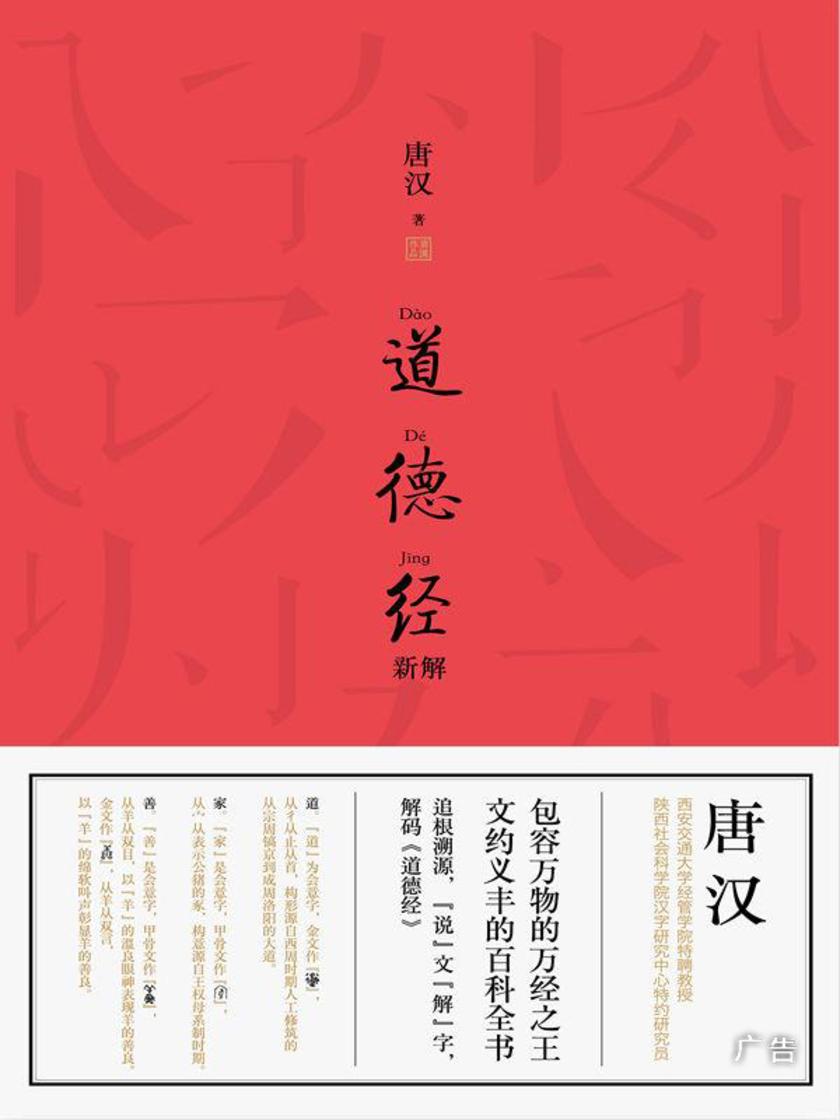
唐汉新作《道德经新解》是一本从汉字角度解析国学经典的图书,作者从汉字字根入手,追根溯源,探究汉字字形、字义、字音等方面的起源和流变,从字根的角度分析汉字的产生、发展历程,揭开汉字的造字之谜。将研究汉字的成果运用到《道德经》解读中,提出与众不同的观点,令人耳目一新。同时,作者在每一章附上自己对该部分的见解,观点新颖。
大道无所不在:老子的智慧
¥5.00
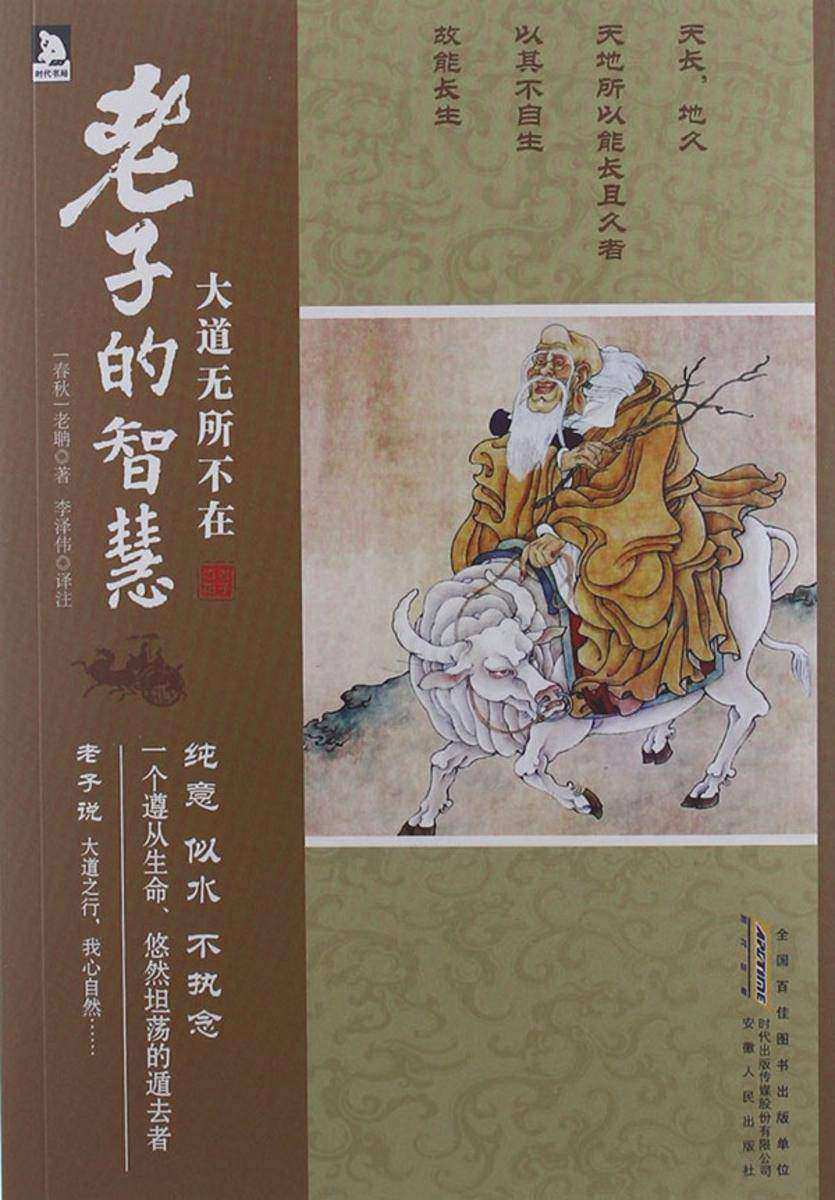
本书作为中国古代先秦诸子分家前的一部,是中国古代著名的哲学家、思想家老聃的经典著作,同时也是中国历史上完整的哲学著作,为其时诸子共仰,是道家哲学思想的重要来源。它从多个角度和层面论证了“道”和“德”这两个核心概念,在为政、处世等方面也有深刻的见解。
荒谬的墙
¥8.02
荒谬主义代表作家的代表作品

中国哲学史大纲
¥5.99
在传统中国,经学凌驾于所有的学术之下,而胡适的这部中国哲学史,将其当成独立学科,将经学与之剥离开,因此冯友兰说“在中国哲学史研究的近代化工作中,胡适创始之功,是不可埋没的”。中国哲学史的近代化,其实也就是学术转型,由经学范型转向西学范例,由此可见胡适的创始之功的意义。

世界哲学史
¥36.99
本书讲述了公元前两千多年至今的哲学思想史,既有婆罗门教、佛教、儒家、道家等东方思想,也涵括了从古希腊罗马哲学、中世纪哲学一直到当下的存在主义等西方流派。当然,它不可能穷尽所有的思想,更没法解答一切疑问,但通过把其中那些*杰出的成果,那些关于人生*根本问题的回答,以简洁有力的方式传达出来,让我们得以穿透漫长的时空,从这些伟大心灵中汲取养分和勇气,去追寻自己的答案。我们将会发现,四千年来,从古印度的无名作者到哲学巨擘康德,从中国到欧洲,对何以为人、何为良好生活的追问从来没有停止过。 本书是为这样一些人写的:不管他们是否接受过正规的学院式教育,当面对工作中和日常生活中的烦恼,以及我们时代的巨大历史变迁和社会灾难时,他们从不气馁,总是试图通过独立思考来揭示世界之谜,努力去寻找永恒的人生问题的答案。他们从不否认这样一种观点,即所有时代的伟大思想家及其作品都会对我们有所裨益。 ——汉斯·约阿西姆·施杜里希
叔本华科学随笔
¥29.99
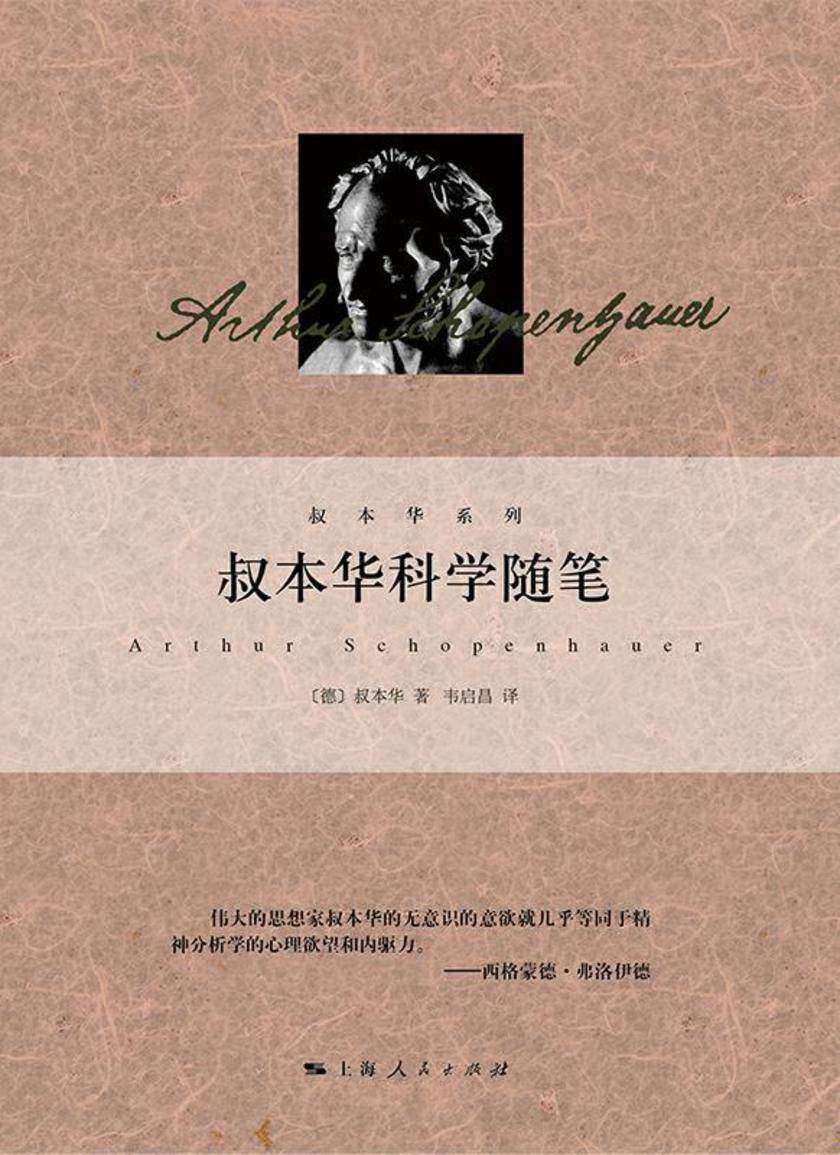
叔本华是德国哲学家,他创立了意志哲学,*个公反对理性主义哲学并创了非理性主义哲学的先河。他认为生命意志是主宰世界运作的力量,世界的本源是意志,世界只是意志的表象。物理学家埃尔温·薛定谔说过,叔本华是西方*伟大的学者。 本书搞汇集了叔本华有关科学的文章,集中展现了叔本华对大自然和各门具体科学的研究和分析,以此证明意志哲学具有科学性,是解释世界的真理。这些文章选自叔本华的主要著作《作为意欲和表象的世界》第2卷和《附录和补遗》第2卷,部分篇目是初次翻译。
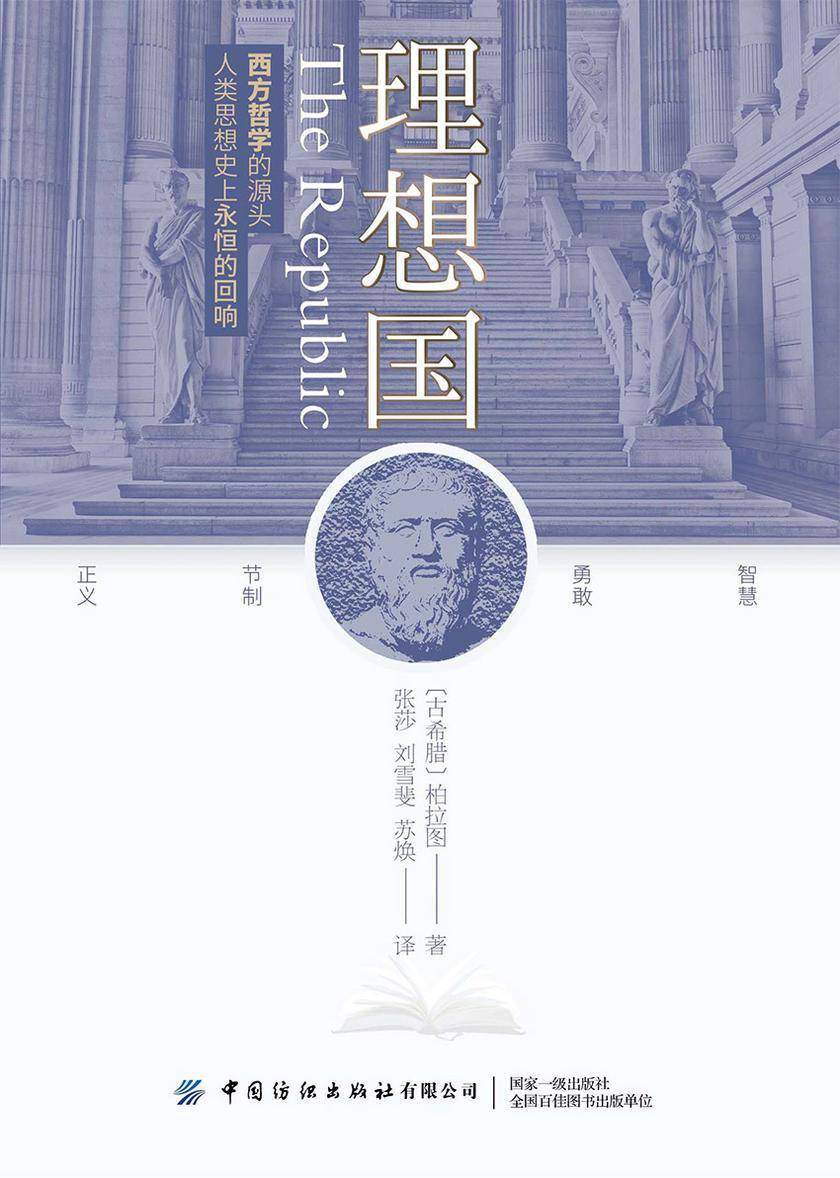
理想国
¥22.99
《理想国》一书是古希腊哲学家柏拉图重要的哲学作品,是古希腊哲学的*之作,在思想史上具有十分重要的地位。《理想国》涉及柏拉图思想体系的诸多方面,包括哲学、伦理、教育、文艺、政治等内容,宗旨是探讨理想国家的问题。全书以对话的形式展,柏拉图借苏格拉底之口,通过其与他人的对话,设计了一个真善美相统一的政体,即可以达到公正的理想国家。全书语言富有文学色彩,充满了思辨哲理,对我们认识了解西方古代哲学思想有一定的参考价值。

和狗狗的十二次哲学漫步
¥26.99
12次遛狗,12个哲思时刻。一个喋喋不休的主人,一个听到哲学术语就头疼的狗狗,一场有趣的哲学脱口秀。学哲学就像遛狗,可以选择不同的路线——朝哪边走,走多远,甚至目的都可以不同。 这是一本狗狗也能“听”懂的哲学导读,当然,这本书是写给人的,而不是写给狗的,解决的是人的问题。比如什么是做“对”的事?什么是美好生活?真的有自由存在吗?生命的意义究竟是什么?作者用*生活化的例子讲述身边的哲学,用哲学来理解当下生活。 现在,让我们从“犬儒”始,走哲学的世界吧!读完后,你会发现哲学很简单,生活也是。
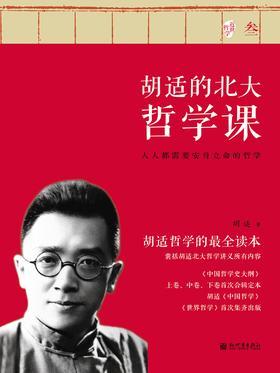
胡适的北大哲学课·叁
¥11.99
1917年7月,胡适受蔡元培之邀就任国立北京大学文科教授,讲授中国古代哲学史、中国名学、英文高等修辞学。胡适一边教学,一边编写教材。顾颉刚曾对同窗傅斯年推荐:“胡先生讲的的确不差,他有眼光、有胆量、有断制,确是一个有能力的哲学史家。” 自1919年至1937年间。胡适多次在北京大学讲授中国哲学史,而且主要是讲中古哲学史和近世哲学史,其中1919年2月出版的《中国哲学史大纲》(卷上)就是在讲义的内容基础上修定而成。胡适是首位采用了西方近代哲学的体系和方法研究中国哲学的人,由于他的出现,中国的思想史才初具规模。他在中国哲学史,甚至在各种专史和通史的研究方面,都是创性的,他觉得是中国哲学思想史的山鼻祖。 《胡适的北大哲学课》以胡适在北京大学的所有哲学讲义为母本,再综合胡适关于中国哲学的其他著作整理而成,力求为读者构建一个*全的胡适哲学体系,让读者*直的感受哲学大师的风采。
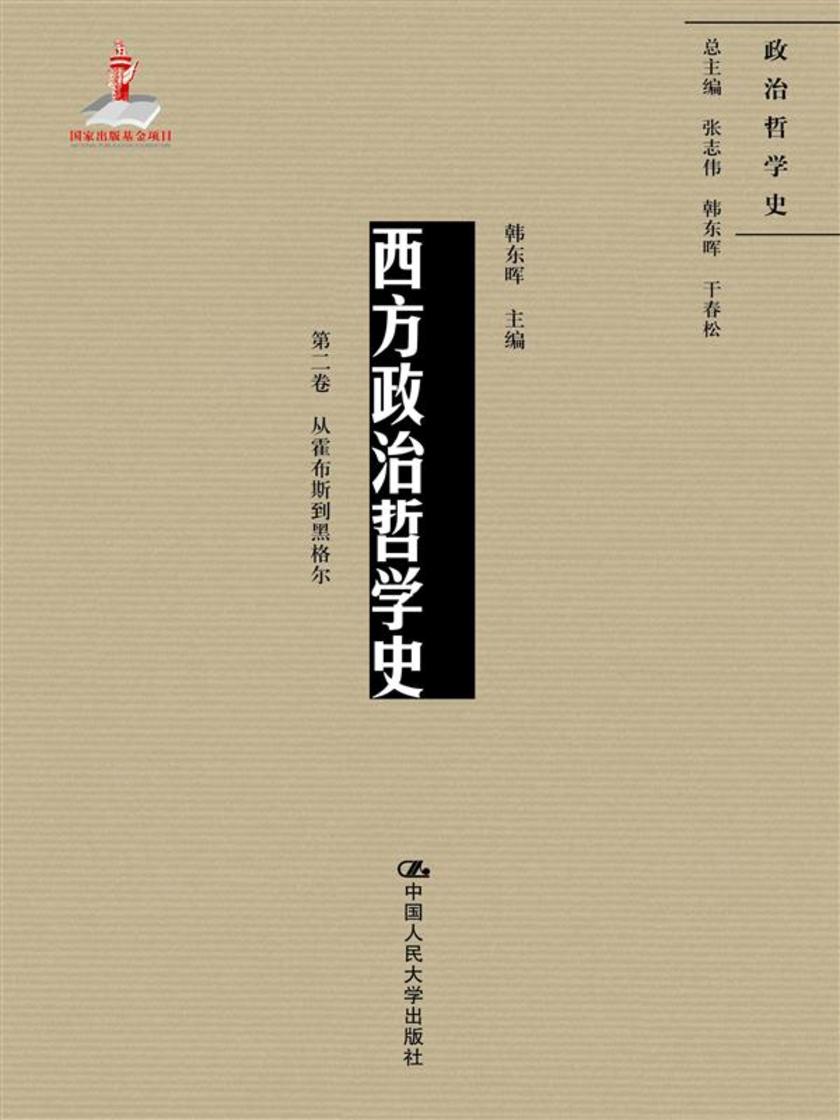
西方政治哲学史(第二卷)(国家出版基金项目;政治哲学史)
¥52.80
本书叙述的是17世纪至19世纪近代西方政治哲学的发展历程,阐释了具有重要历史地位与思想影响的人物如霍布斯、洛克、斯宾诺莎、卢梭、托克维尔、康德、黑格尔等人,以及政治哲学流派如苏格兰启蒙运动和功利主义等的政治哲学思想,意图勾勒出近代西方政治哲学的主要轮廓,凸显这一时期核心的政治哲学论题,并在此基础上梳理和总结近代西方政治哲学的历史流变、重要思想资源,以及阐明对当代政治哲学思潮的深刻影响。
Hotarul cu cet??i. Cum se distruge un neam!
¥24.44
Via?a marelui g?nditor german, supranumit sihastrul de la Sils Maria a fost plin? de str?lucire dar ?i de aspecte mai pu?in cunoscute publicului larg. ?ntre ace?tia se num?r? patima fa?? de muzic? a autorului ?tiin?ei vesele ?i A?a gr?ita Zarathustra dar ?i rela?ia de formare ?i de profund? iubire avut? cu Richard Wagner ?i so?ia sa, minunata Cosima – prezen?e vii ?n aceast? monografie eseistic?, ce con?ine fragmente din coresponden?a acestor mon?tri sacri ai culturii universale, coresponden?? ?n urma lecturii c?reia te alegi cu o imagine calda, expresiv?.

Grani?ele alegoriei medievale
¥34.05
Are femeia vreun rol ?n evolu?ia spiritual? a b?rbatului? Ce anume, ?n iubire ?i ?n erotism, declan?eaz? intui?ii ?i tr?iri care dep??esc datul, ordinarul, norma? Otto Weininger, un g?nditor catalogat drept misogin ?i antisemit, repune ?n discu?ie opera Peer Gynt al lui Ibsen, st?ruind asupra temelor sale favorite: superioritatea masculinului, asociat spiritului, fa?? cu femininul, asociat instinctualit??ii oarbe, lipsite de spirit, de perspectiv?, deci ?i de valoare. Aforistica acestui autor, deopotriv? prezent? ?n volumul de fa??, abordeaz? problematica sadismului ?i a masochismului, imoralitatea dus? p?n? la ilegalitate ?i crim?, culmin?nd cu – sau decurg?nd din – p?catul originar.
Ruins of Ancient Cities: (Volume -II)
¥28.61
More’s “Utopia” was written in Latin, and is in two parts, of which the second, describing the place ([Greek text]—or Nusquama, as he called it sometimes in his letters—“Nowhere”), was probably written towards the close of 1515; the first part, introductory, early in 1516. The book was first printed at Louvain, late in 1516, under the editorship of Erasmus, Peter Giles, and other of More’s friends in Flanders. It was then revised by More, and printed by Frobenius at Basle in November, 1518. It was reprinted at Paris and Vienna, but was not printed in England during More’s lifetime. Its first publication in this country was in the English translation, made in Edward’s VI.’s reign (1551) by Ralph Robinson. It was translated with more literary skill by Gilbert Burnet, in 1684, soon after he had conducted the defence of his friend Lord William Russell, attended his execution, vindicated his memory, and been spitefully deprived by James II. of his lectureship at St. Clement’s. Burnet was drawn to the translation of “Utopia” by the same sense of unreason in high places that caused More to write the book. Burnet’s is the translation given in this volume. The name of the book has given an adjective to our language—we call an impracticable scheme Utopian. Yet, under the veil of a playful fiction, the talk is intensely earnest, and abounds in practical suggestion. It is the work of a scholarly and witty Englishman, who attacks in his own way the chief political and social evils of his time. Beginning with fact, More tells how he was sent into Flanders with Cuthbert Tunstal, “whom the king’s majesty of late, to the great rejoicing of all men, did prefer to the office of Master of the Rolls;” how the commissioners of Charles met them at Bruges, and presently returned to Brussels for instructions; and how More then went to Antwerp, where he found a pleasure in the society of Peter Giles which soothed his desire to see again his wife and children, from whom he had been four months away. Then fact slides into fiction with the finding of Raphael Hythloday (whose name, made of two Greek words [Greek text] and [Greek text], means “knowing in trifles”), a man who had been with Amerigo Vespucci in the three last of the voyages to the new world lately discovered, of which the account had been first printed in 1507, only nine years before Utopia was written. Designedly fantastic in suggestion of details, “Utopia” is the work of a scholar who had read Plato’s “Republic,” and had his fancy quickened after reading Plutarch’s account of Spartan life under Lycurgus. Beneath the veil of an ideal communism, into which there has been worked some witty extravagance, there lies a noble English argument. Sometimes More puts the case as of France when he means England. Sometimes there is ironical praise of the good faith of Christian kings, saving the book from censure as a political attack on the policy of Henry VIII. Erasmus wrote to a friend in 1517 that he should send for More’s “Utopia,” if he had not read it, and “wished to see the true source of all political evils.” And to More Erasmus wrote of his book, “A burgomaster of Antwerp is so pleased with it that he knows it all by heart.” Sir Thomas More, son of Sir John More, a justice of the King’s Bench, was born in 1478, in Milk Street, in the city of London. After his earlier education at St. Anthony’s School, in Threadneedle Street, he was placed, as a boy, in the household of Cardinal John Morton, Archbishop of Canterbury and Lord Chancellor. It was not unusual for persons of wealth or influence and sons of good families to be so established together in a relation of patron and client. The youth wore his patron’s livery, and added to his state. The patron used, afterwards, his wealth or influence in helping his young client forward in the world.

A leskel?d?
¥66.79
Within our Society (the International Society for Krishna Consciousness), guru has been taken to be synonymous with diksa-guru, but what about those great souls who have introduced us to Krsna consciousness? What relationship do we have with these Vaisnavas, and what are our obligations toward them, as well as toward parents, teachers, sannyasis, and other superiors who help guide us back to Godhead? Not much has been said by the Society on these topics, and hardly any appreciation is shown for those souls who labor to elevate us day by day.The scriptures, however, glorify as guru all Vaisnavas who guide a conditioned soul back to Godhead — be they instructors or initiators — advocating a culture of honor and respect. ISKCON needs to reflect upon these principles further, and the purpose of this book is to act as a catalyst toward such an end.

Unicat. Cartea cu o sut? de finaluri
¥48.97
O parte dintre noi au tr?it vremuri grele pe care uneori le mai vis?m, le povestim sau despre care scriem ?nc?, f?r? patima cumplit? care i-a cuprins pe profitorii de atunci, care ?i ast?zi ne fac r?u, ?i chiar mai r?u dec?t ?pe vremea aceea“, cum se zice. E drept c? noi am prev?zut-o ?ntr-un fel sau altul, spun?nd-o celor care se-ncumetau s? ne asculte, f?r? preten?ia, Doamne, fere?te!, de a ne considera ?i disiden?i, cum o f?cur? cei men?iona?i mai sus. Previziunile noastre s-au bazat pe o anume cunoa?tere a mersului istoriei, care, cum se ?tie, se tot repet?, cu mici deosebiri, fire?te. Oricum, ceva cuno?tin?e de economie politic? nu ne stric? nici ?n zilele noastre, pentru a ne da seama de jocul frecvent al trecerii de la economia politic? la politica economic? ?i, mai ales, al trecerilor de la un sistem sau or?nduire economic? la alta ?i invers, cum le-am tr?it noi: de la capitalism la socialism ?i viceversa. Ca un fel de ciud??enie, au r?mas considera?iunile despre noul eon sau noua er? (New Age) ale filosofului din Lancr?m, mai ales c? acestea s-au realizat abia dup? c?derea comunismului, pe care n-o mai prev?zuse Blaga. (Alexandru Surdu) Eseuri filosofice de acela?i autor 1. Voca?ii filosofice rom?ne?ti, Editura Aca?de?miei Rom?ne, Bucure?ti, 1995, 216 p.; edi??ia a II-a, Editura Ardealul, T?rgu-Mure?, 2003, 206 p. 2. Confluen?e cultural-filosofice, Editura Pai?de?ia, Bucure?ti, 2002, 219 p. 3. M?rturiile anamnezei, Editura Paideia, Bu?cu?re?ti, 2004, 193 p. 4. Comentarii la rostirea filosofic?, Editura Kron-Art, Bra?ov, 2009, 186 p. 5. Izvoare de filosofie rom?neasc?, Editura Biblioteca Bucure?tilor, Bucure?ti, 2010, 171 p.; edi?ia a II-a, Editura Renaissance, Bucu?re?ti, 2011, 161 p. 6. A sufletului rom?nesc cinstire, Editura Re?naissance, Bucure?ti, 2011, 197 p. 7. Pietre de poticnire, Editura Ardealul, T?r?gu-Mure?, 2014, 179 p.
Confesiunile unei dependente de art?
¥57.14
One of the greatest works of philosophy, political theory, and literature ever produced, Plato’s Republic has shaped Western thought for thousands of years, and remains as relevant today as when it was written during the fourth century B.C.Republic begins by posing a central question: "What is justice, and why should we be just, especially when the wicked often seem happier and more successful?" For Plato, the answer lies with the ways people, groups, and institutions organize and behave. A brilliant inquiry into the problems of constructing the perfect state, and the roles education, the arts, family, and religion should play in our lives, Republic employs picturesque settings, sharply outlined characters, and conversational dialogue to drive home the philosopher’s often provocative arguments.Highly regarded as one of the most accurate renderings of Plato's Republic that has yet been published, this widely acclaimed work is the first strictly literal translation of a timeless classic. This Special Collector's Edition includes a new introduction by Prof. Colin Kant, PH.D, a noted Platonian and Socratic scholar.
Скоропадський. Спогади 1917-1918
¥22.74
Potere, cortigianeria, dispotismo, libertà, uguaglianza... attuali o inattuali la satira d'Holbach e La Boétie? Cambiano i tempi e i nomi, ma la natura umana nel suo fondo negli ultimi secoli non è mutata. Com'è virtù di tutti i classici, le loro voci continuano a farci sorridere, indignare e riflettere non solo sul passato ma ugualmente sul presente e sul futuro, su quanto in esso ci possa essere di desiderabile o indesiderabile. In Appendice, i testi si possono leggere anche nella loro originaria edizione in francese. SOMMARIO?- Fabrizio Pinna, Una introduzione (in due tempi) e qualche digressione: I. Barone d'Holbach, "Quest'arte sublime dello strisciare"...; II. ?tienne de La Boétie, "Siate determinati di non voler più servire ed eccovi liberi"... . LIBERT? & POTERE: Paul Henri Thiry d'Holbach, Saggio sull'arte di strisciare ad uso dei cortigiani; Paul Henri Thiry d'Holbach, I Cortigiani; Jean le Rond d'Alembert, Cortigiano; ?tienne de La Boétie, La servitù volontaria. APPENDICE I: Libertà Uguaglianza (1799)- Il Cittadino Editore. APPENDICE II: Essai sur l’art de ramper, à l’usage des courtisans (1764) - Paul Henri Thiry d'Holbach; Des Courtisans (1773) - Paul Henri Thiry d'Holbach; Courtisan (1752) / Courtisane (1754) - Jean le Rond d'Alembert; Discours de la servitude volontaire o Contr'un (1549) - ?tienne de La Boétie.?LE COLLANE IN/DEFINIZIONI & CON(TRO)TESTI
The Sorrows of Young Werther
¥18.74
Among the notable books of later times-we may say, without exaggeration, of all time--must be reckoned The Confessions of Jean Jacques Rousseau. It deals with leading personages and transactions of a momentous epoch, when absolutism and feudalism were rallying for their last struggle against the modern spirit, chiefly represented by Voltaire, the Encyclopedists, and Rousseau himself--a struggle to which, after many fierce intestine quarrels and sanguinary wars throughout Europe and America, has succeeded the prevalence of those more tolerant and rational principles by which the statesmen of our own day are actuated. On these matters, however, it is not our province to enlarge; nor is it necessary to furnish any detailed account of our author's political, religious, and philosophic axioms and systems, his paradoxes and his errors in logic: these have been so long and so exhaustively disputed over by contending factions that little is left for even the most assiduous gleaner in the field. The inquirer will find, in Mr. John Money's excellent work, the opinions of Rousseau reviewed succinctly and impartially. The 'Contrat Social', the 'Lattres Ecrites de la Montagne', and other treatises that once aroused fierce controversy, may therefore be left in the repose to which they have long been consigned, so far as the mass of mankind is concerned, though they must always form part of the library of the politician and the historian. One prefers to turn to the man Rousseau as he paints himself in the remarkable work before us. That the task which he undertook in offering to show himself--as Persius puts it--'Intus et in cute', to posterity, exceeded his powers, is a trite criticism; like all human enterprises, his purpose was only imperfectly fulfilled; but this circumstance in no way lessens the attractive qualities of his book, not only for the student of history or psychology, but for the intelligent man of the world. Its startling frankness gives it a peculiar interest wanting in most other autobiographies. Many censors have elected to sit in judgment on the failings of this strangely constituted being, and some have pronounced upon him very severe sentences. Let it be said once for all that his faults and mistakes were generally due to causes over which he had but little control, such as a defective education, a too acute sensitiveness, which engendered suspicion of his fellows, irresolution, an overstrained sense of honour and independence, and an obstinate refusal to take advice from those who really wished to befriend him; nor should it be forgotten that he was afflicted during the greater part of his life with an incurable disease. Lord Byron had a soul near akin to Rousseau's, whose writings naturally made a deep impression on the poet's mind, and probably had an influence on his conduct and modes of thought: In some stanzas of 'Childe Harold' this sympathy is expressed with truth and power; especially is the weakness of the Swiss philosopher's character summed up in the following admirable lines: "Here the self-torturing sophist, wild Rousseau, The apostle of affliction, he who threw Enchantment over passion, and from woe Wrung overwhelming eloquence, first drew The breath which made him wretched; yet he knew How to make madness beautiful, and cast O'er erring deeds and thoughts a heavenly hue Of words, like sunbeams, dazzling as they passed The eyes, which o'er them shed tears feelingly and fast. "His life was one long war with self-sought foes, Or friends by him self-banished; for his mind Had grown Suspicion's sanctuary, and chose, For its own cruel sacrifice, the kind, 'Gainst whom he raged with fury strange and blind. But he was frenzied,-wherefore, who may know? Since cause might be which skill could never find; But he was frenzied by disease or woe To that worst pitch of all, which wears a reasoning show."


