


 购物车
购物车 个人中心
个人中心

The Wedding Contract (Mills & Boon Cherish)
¥20.60
Amber Lawrence is an ordinary woman; she works hard, spends time with her family–and doesn't expect to be offered money to marry! Trouble is, Steve Rockwell's proposal has come at a time when Amber's family needs money. Amber would never normally even consider such an offer–but when she can save her family and get married to a man as sexy as Steve, even the most normal, cool-headed of women would be really, really tempted! Wouldn't she…?
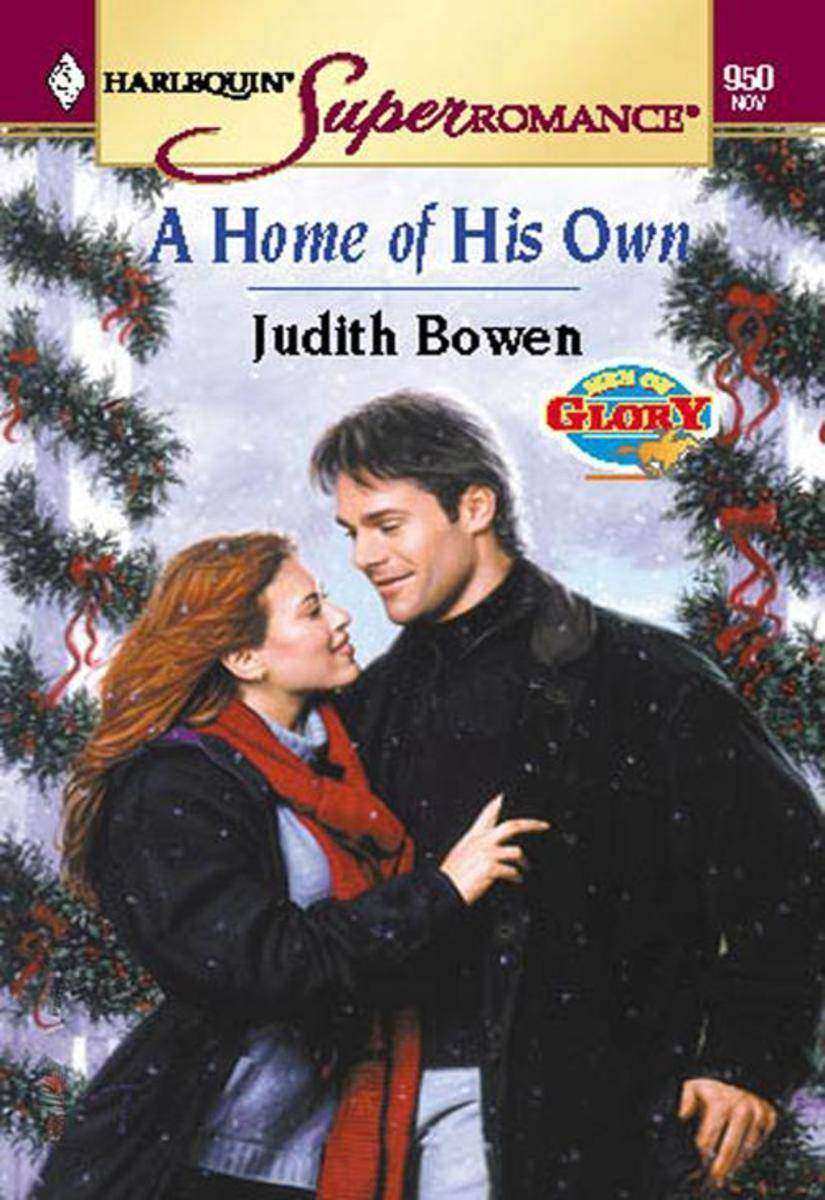
A Home Of His Own (Mills & Boon Vintage Superromance)
¥31.10
A secret marriage Phoebe Longquist and Lewis Hardin got married on impulse, without a fancy wedding, without family, without fuss. Phoebe wants to keep things quiet and uncomplicated…for a while, anyway. A family secret Lewis would rather not deceive their families. But he'll do it if she really wants…for a while, anyway. He might be a Glory boy made good, but he's also an ex-con and hardly what Phoebe's parents have in mind for their daughter. A glory Christmas Then Lewis learns something shocking about his own family, about who he is. And it makes him take stock of what he has.
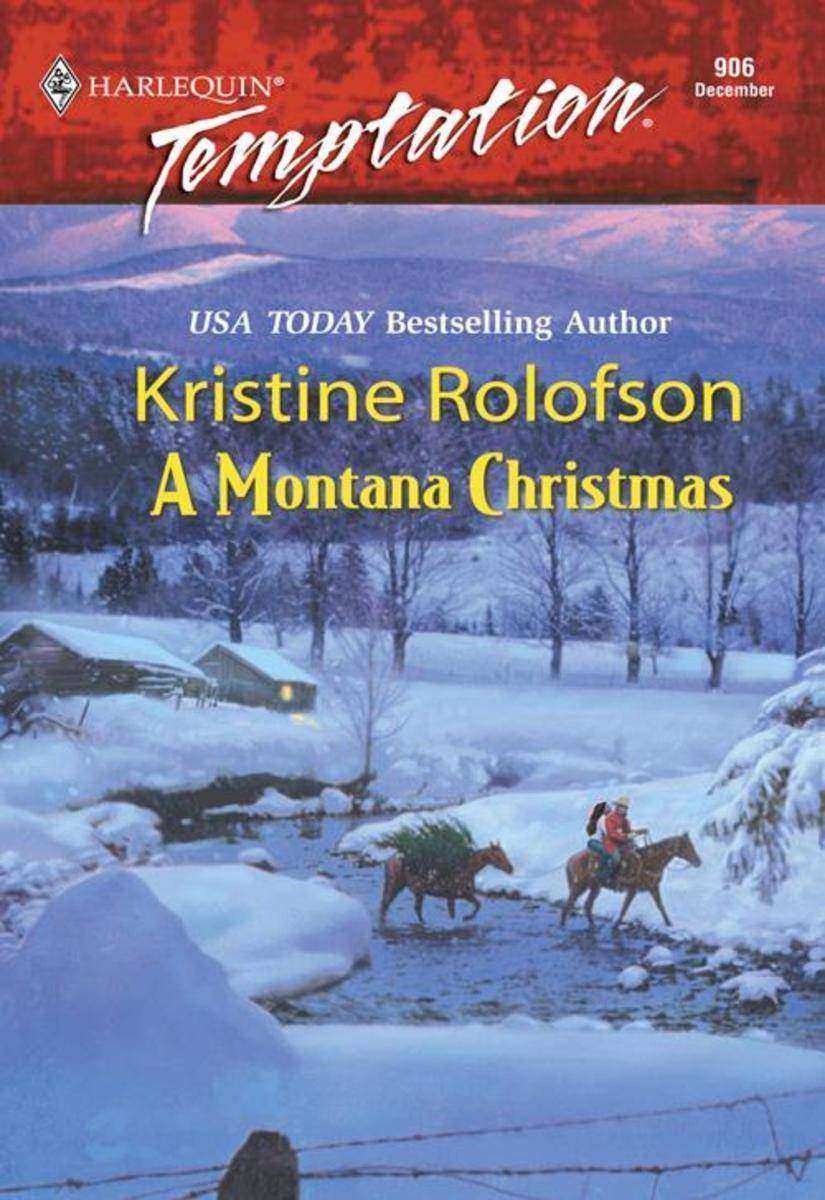
A Montana Christmas (Mills & Boon Temptation)
¥31.10
Melanie Briggs and her baby daughter create quite a stir when they suddenly arrive to stay at the Stone Ranch. She'd make the perfect wife in Jared Stone's opinion. Not that he has any intention to marry or become an instant dad. He fights every urge to take sweet Melanie to bed. But some things are meant to be…. En route to Montana for the holiday, Will Stone gets stuck in a blizzard with Melanie's wild cousin, Ms. Dylan Briggs. As far as Will is concerned, the snow can't stop soon enough. Then again, sharing a bed with sexy, sassy Dylan might be the perfect way to wait out a storm!

A Pony Express Christmas (Mills & Boon Love Inspired Historical)
¥31.10
MISTLETOE MARRIAGE OF CONVENIENCE When Jake Bridges suddenly finds himself the guardian of his orphaned niece, he knows he needs a wife. What does a stock tender at a pony express station know about raising little girls? A marriage of convenience to the child's caretaker is the most practical solution. A mail-order marriage seems like Leah Hollister's last chance to know the simple joys of family life. But then she receives word that her would-be groom is dead. Now Jake proposes she marry him. She knows love isn't necessary. Yet the more she learns of sweet Molly's kindhearted uncle, the more she dreams of a true partnership with the man who has unexpectedly captured her heart.

A Very Special Holiday Gift (Mills & Boon Cherish)
¥31.10
A family in time for Christmas… When millionaire Zac hears of his sister's death, he knows it's time to abandon his party lifestyle and protect his baby niece. Traveling to snowy London, there's no one he'd rather have at his side than his PA, Chloe–beautiful, kind…and utterly off-limits. Chloe knows the pain love can bring, and she is daunted by the prospect of spending Christmas alone with her gorgeous boss…but watching Zac cradling baby Lucy melts her frozen heart. It seems this Christmas might just bring the most special gift of all: a family.

Deep in the Heart (Mills & Boon Love Inspired)
¥30.90
With dreams bigger than Silver Lake, Texas, Kate Wallace left a trail of heartbreak when she headed for the big city. Now, her goals unmet, she's returned home. Silver Lake has gone on without her–so has Rob Chambers, the boy she left behind. Now a man, the single dad has a beautiful daughter. Kate knows he wants the same things she does–love and family–but he's built a wall she can't break down. In spite of the past, can Kate reach Rob and teach him to trust her? Will their faith bring them together so they can find love again?

Dry Creek Sweethearts (Mills & Boon Love Inspired) (Dry Creek, Book 10)
¥30.90
Back From The Big Time… She could scarcely believe her eyes. An enormous tour bus had arrived in Dry Creek, and from it stepped hometown hero Duane Enger, now a music celebrity. Linda Morgan, owner of the local café, had thought her ex-boyfriend had become too famous for the small-town life she loved. But something had pulled Duane back. Maybe he missed a slower, easier life. Maybe he sought to regain his faith. Or maybe it was the girl he'd left behind. Whatever it was, Duane was now finding life in Dry Creek–and Linda–just as intriguing as life in the fast lane.
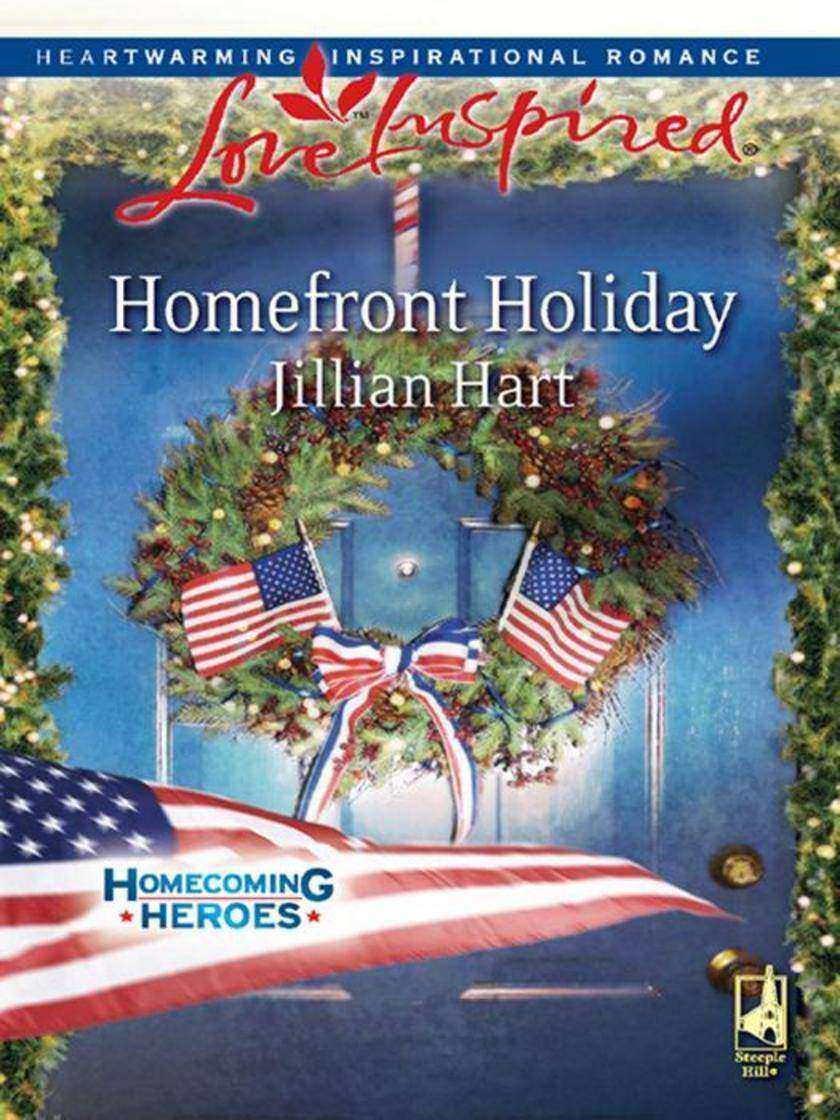
Homefront Holiday (Mills & Boon Love Inspired) (Homecoming Heroes, Book 6)
¥30.90
A heart full of love for the orphaned boy he saved from a war-torn country? Check. Adoption forms filled out? Check. Yet M.A.S.H. surgeon Mike Montgomery is barely back on U.S. soil when his plans are squashed. Someone else has already petitioned to adopt little Ali: Sarah Alpert, the boy's foster mother–and Mike's former fiancée. Sarah broke his heart, but he won't break hers by sticking around. Until a little boy puts his holiday wish–for the mom and dad of his dreams–into adorable action.
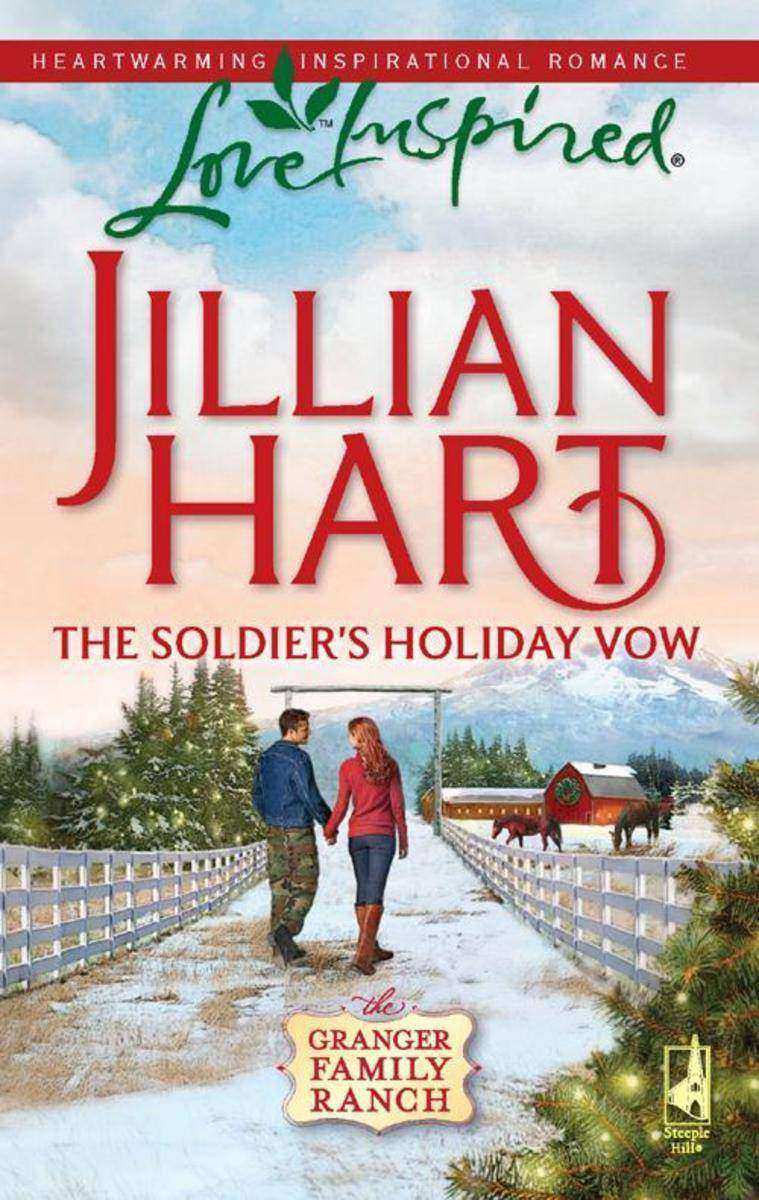
The Soldier's Holiday Vow (Mills & Boon Love Inspired) (The Granger Family Ranch
¥30.90
Trapped in a mine shaft with a little girl, September Stevens prays for someone to save them. When help arrives in the form of army ranger Mark Hawkins, the best friend of her late fiance, they both feel God's hand at work. Together they help each other rebuild their lives. As they let the spirit of the holidays into their hearts, feelings of new love start to take hold. But September is afraid to risk her heart on another soldier. Until Mark offers a Christmas vow, one that could last a lifetime.

A Dream To Share (Mills & Boon Love Inspired) (Heartland Homecoming, Book 2)
¥30.90
Businessman Dies Of Boredom In One-Stoplight Town Not even that headline–however true–would save the Oak Hill Gazette. Mark Campbell had been sent to the tiny Missouri town with one goal: to convince Abby Warner to sell her family's financially troubled newspaper to his conglomerate. Then he'd head back to the city and never look back. But it turned out there was much more to Oak Hill than jaywalking chickens and one-hundred-year-old residents. There was beautiful, gutsy Abby. And the way he'd come to feel about her was front-page worthy.
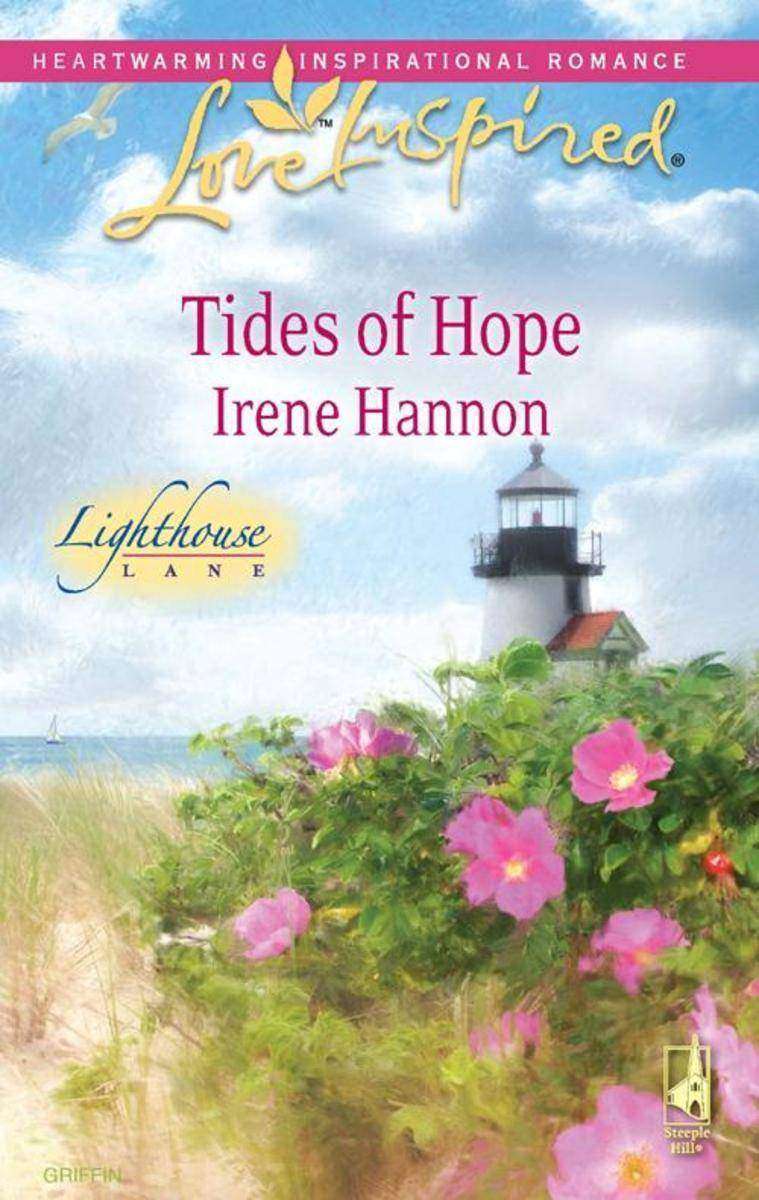
Tides of Hope (Mills & Boon Love Inspired) (Lighthouse Lane, Book 1)
¥30.90
He's an officer…but is he a gentleman? Not if you ask feisty single mom Kate MacDonald! Everything about Lieutenant Craig Cole, Nantucket's new Coast Guard commander, rubs her the wrong way. Worse, everyone else is smitten with the man–including Kate's four-year-old daughter. Local gossip reveals that Craig has saved many in the line of duty. He's a true hero. Kate doesn't want to like him–she certainly doesn't want to love him–but Craig's quiet honor could win her heart after all.
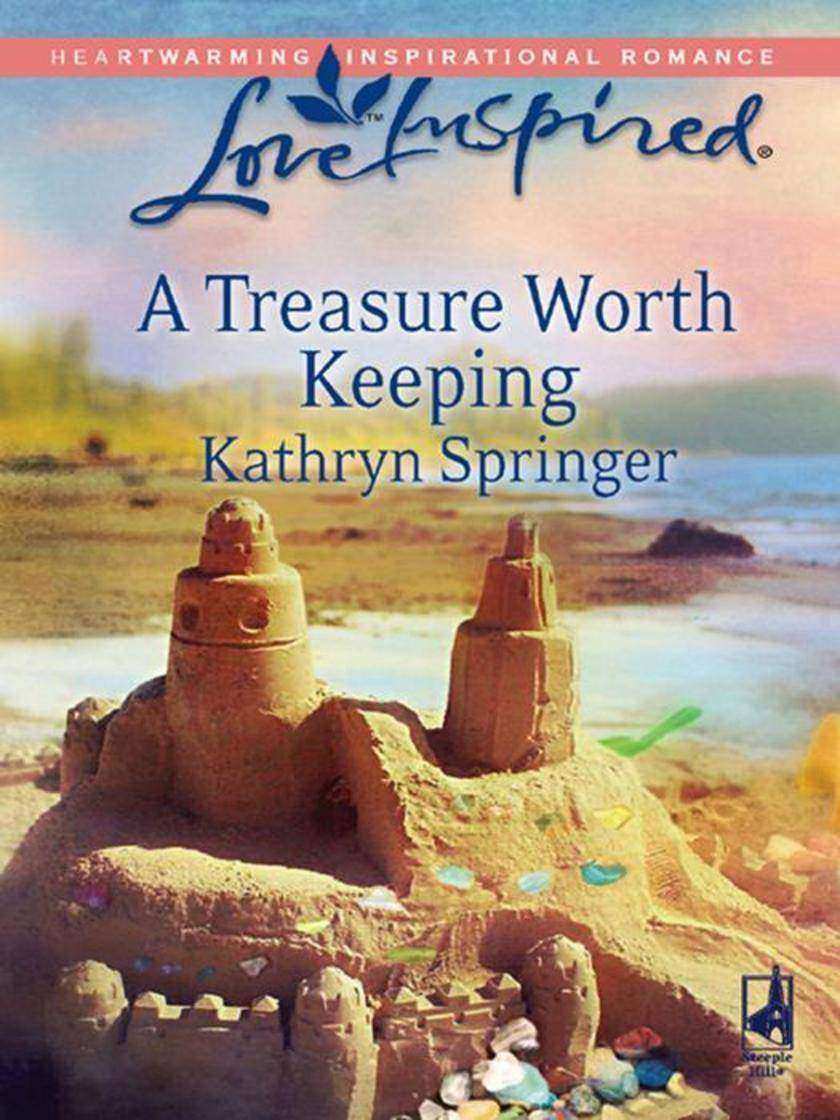
A Treasure Worth Keeping (Mills & Boon Love Inspired)
¥30.90
Spending the summer in tiny, idyllic Cooper's Landing sounded wonderful to play-it-safe teacher Evie McBride. She'd read, relax and run her dad's antique shop while he set out on a fishing trip. So how did she end up tutoring neighbor Sam Cutter's troubled teenaged niece? Especially since Sam's handsome face and sense of adventure didn't give her a moment's peace. Nor did the news that her dad wasn't out there looking for trout, but for a centuries-old sunken dowry with criminal ties. Ties that bound Evie and Sam to danger…and to each other.

Heart's Haven (Mills & Boon Love Inspired) (Pennies From Heaven, Book 2)
¥30.90
Handsome Boss Otherwise how would chef Cassidy Preston ever quit her job? Cooking at The Haven, a new outreach mission in Chicago, was temporary–payback for a huge favor. But the shelter was Tyson St. John's life. And it provided him a place to raise his orphaned nephew, a boy sorely in need of a mother figure and Ty's love. But something was holding Ty back from opening that hardened heart of his. Something Cassidy found herself working overtime to uncover. And, once she did, she'd have to prove to Ty that she should have a very permanent position…as his wife!
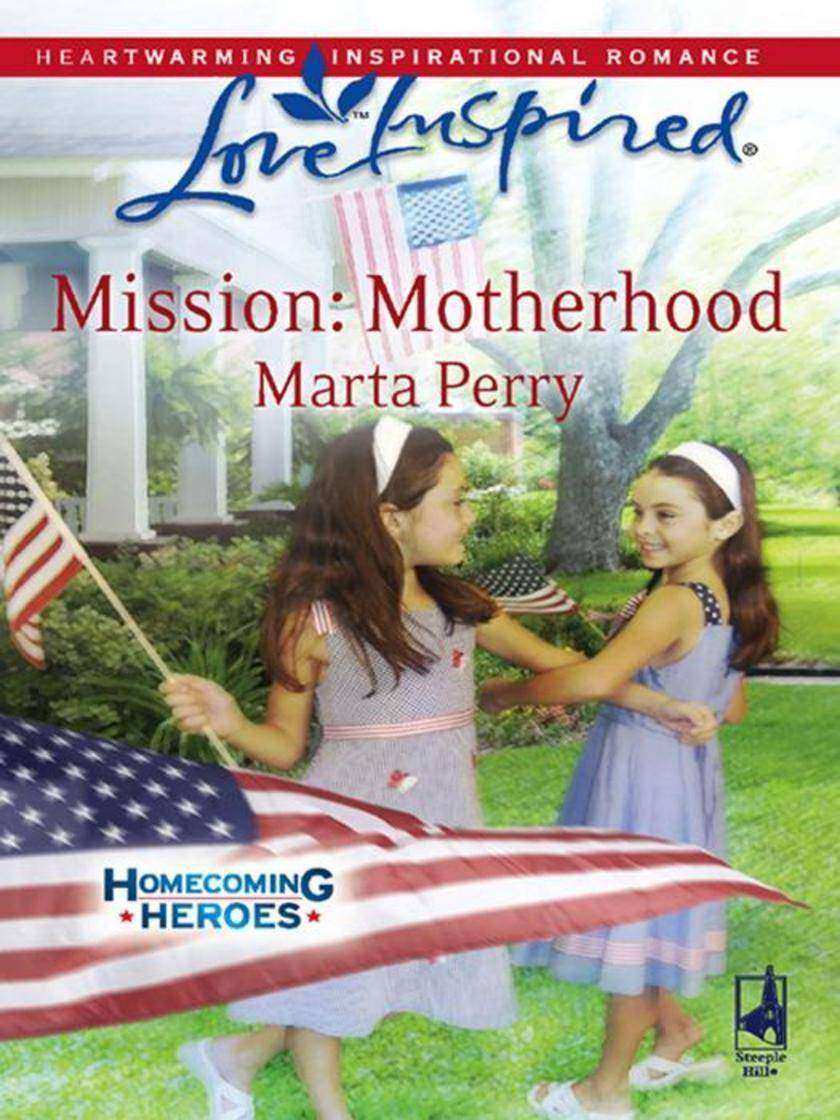
Mission: Motherhood (Mills & Boon Love Inspired) (Homecoming Heroes, Book 1)
¥30.90
Overnight, Caitlyn Villard becomes mother to twin five-year-olds. Her darling nieces are orphaned, their parents fallen soldiers. So Caitlyn trades New York City for Prairie Springs, Texas, the small military town she'd run from at first chance. Loving the girls is easy. Learning how to be a slow-paced soccer mom is not. Which is where handsome army chaplain Steve Windham steps in. Just in time to show Caitlyn that sometimes you find the man–and life–of your dreams where you least expected.

Second Chance Ranch (Mills & Boon Love Inspired)
¥30.90
Former soldier and rodeo rider Zachary McClure's war injuries are far deeper than physical. Skeptical that anyone can reach the dark place in his soul, he visits an Albuquerque equine therapy ranch with no expectations. How can horses possibly mend his physical and emotional injuries when nothing - and no one - else has? He finds the answer when he meets Sophie Powell, an ex-army medic with a sunny smile, gentle touch and a determination to help others through horse therapy. But behind her big hopes and cheerful attitude lurks pain - and Zachary is just the man to change that. He can make Sophie's dreams a realityand she may be the woman to heal this wounded hero's heart.

Gift of Wonder (Mills & Boon Love Inspired)
¥30.90
A church full of guests… But where was Alice Bryson's fiancé? He was hightailing it out of the Louisiana bayou, with Alice's heart and the townspeople's trust. So how could she believe in another handsome stranger who vows to rebuild their hurricane-battered community? Yet developer Jonah Sheridan promises to do just that. His motive: a secret –about his infamous biological family, folks Jonah never knew. As a reporter, Alice is determined to uncover it. Until Jonah risks everything by opening up…the first of many gifts of wonder in store for Alice, Jonah and their beloved bayou.

Biding Her Time (Mills & Boon Silhouette)
¥11.77
How did Audrey Griffin–a blacksmith by trade– become a wine hostess? Sure, she's all about "seizing the day," but she's a tomboy, not a booth bunny. Granted, her makeover has transformed her into a hottie–but when you're working with a straitlaced Aussie god like vintner Shane Preston, a little fashion goes a long way! Unfortunately, no-strings-attached doesn't work for Shane. Something about Audrey makes him want more from their fiery attraction–despite the fact that "commitment" leaves Audrey shakier than a horse on Rollerblades. Is she balking at love…or simply biding her time?

Blackberry Winter (Mills & Boon Silhouette)
¥19.13
I am illegitimate. But this was never a problem for me–it was just me and my mother against the world. Mother never told me much about her past, and after a couple of unanswered questions in childhood, I stopped asking. Now, Mother is sick, and she's decided to revisit the past–literally–by taking an unexpected trip to the mountains where she was born. I was worried; I was scared. I followed her. And my mother's journey became my journey, too. I discovered that I have a father–and my parents are still in love. Their life together just took a detour that lasted over forty years. Their relationship was like a blackberry winter…the colder the weather, the sweeter the berries in spring. And now that I've found the truth, will I have the strength to make it through my own blackberry winter?
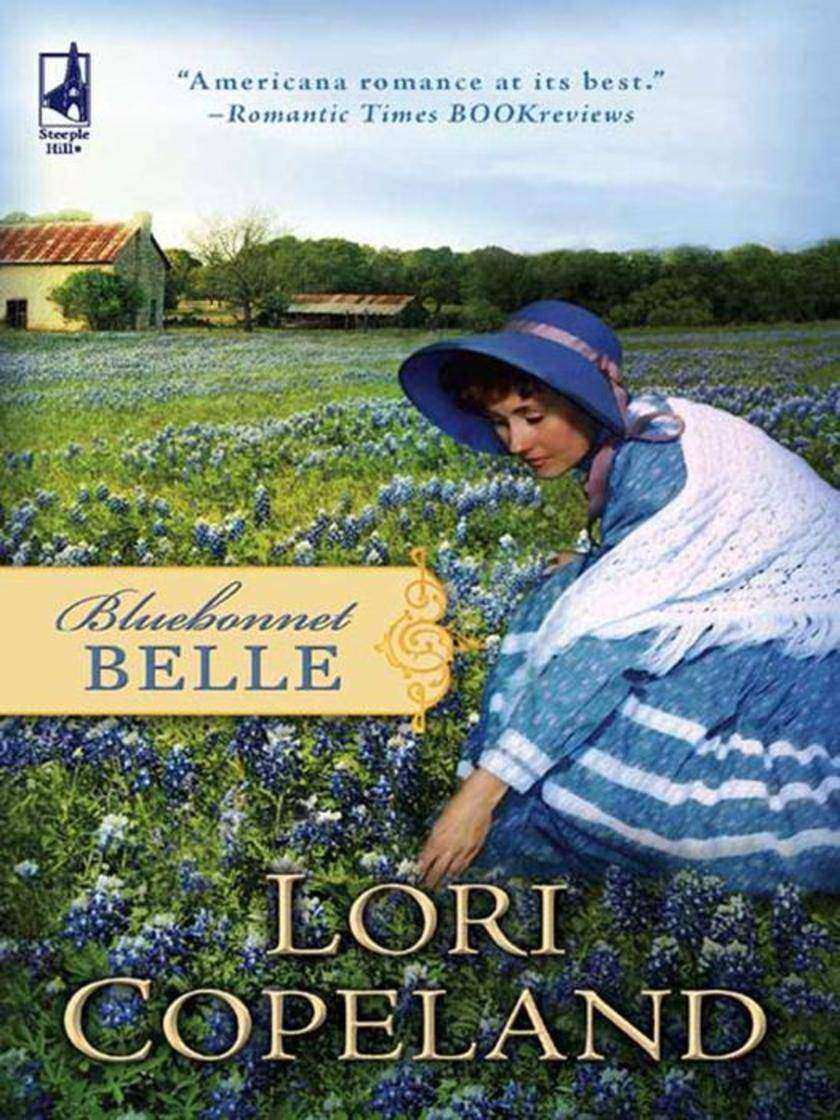
Bluebonnet Belle (Mills & Boon Silhouette)
¥31.10
Trouble in Texas A battle of wills was raging in the Lone Star State in 1876. April Truitt didn't trust doctors, least of all handsome newcomer Gray Fuller, who opposed her efforts to offer the women of Dignity, Texas, an herbal alternative to surgery. He treated her like some quack, but April was determined to save other women from dying on the operating table, like her mother did. Gray couldn't help admiring April's spirit and good intentions. Yet he couldn't let this bluebonnet belle steal all his patients…even if she was on her way to stealing his heart.

Bombshell (Mills & Boon Silhouette)
¥39.24
There should be a four-letter word for beauty. She has more shoes than Sarah Jessica Parker and a skin-care system that could make Madonna swoon, but unlike her celebrity counterparts, Grace Noonan doesn't have it all. Her latest utterly-eligible-yet-maddeningly-unavailable boyfriend has just revealed that having sex with her is one thing and having babies quite another, forcing Grace to move on–again. And now that her employer–a top cosmetics company once devoted to "beauty beyond thirty"–is pursuing a teenaged supermodel as its future face, this thirty-four-year-old marketing exec is starting to wonder if she is going to get it all before the closing credits. Could it be time for Grace to back out of the beauty race and trade the singles scene for the sperm bank? Or is there something even this savvy bombshell has yet to discover about life and love in New York City?
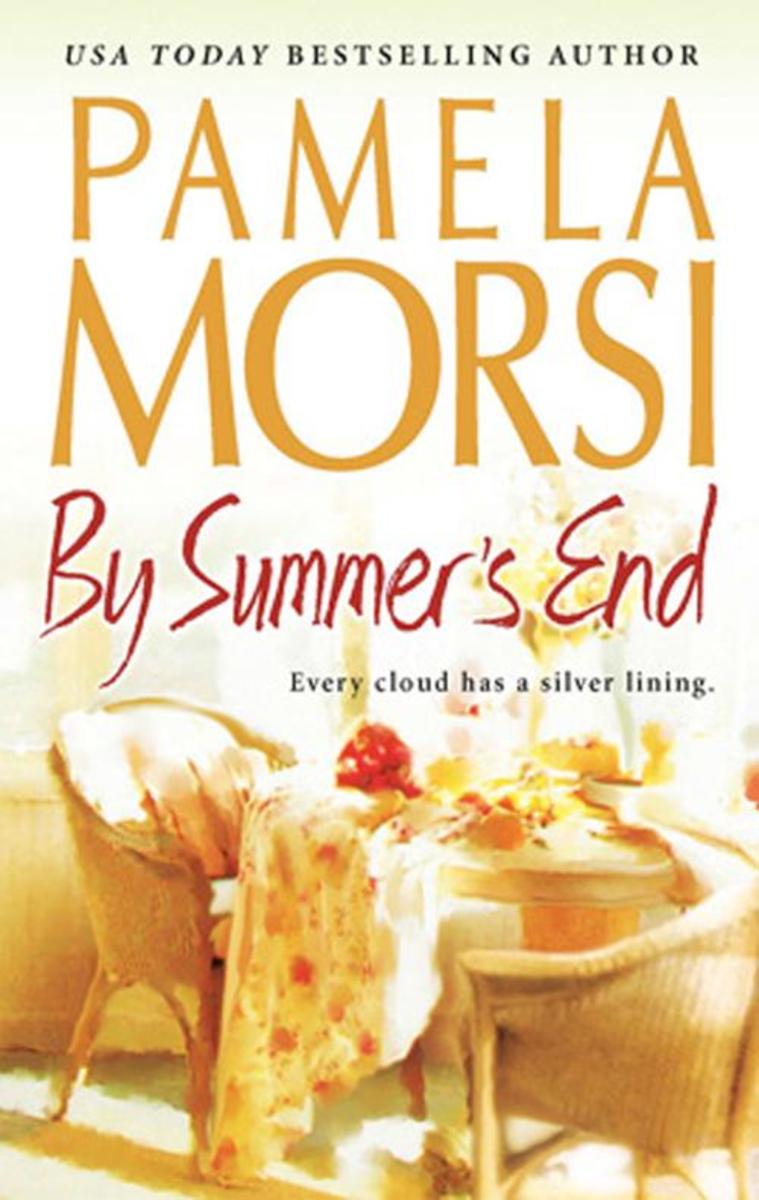
By Summer's End (Mills & Boon Silhouette)
¥32.27
SOME THINGS ARE JUST TOO HARD TO IMAGINE… For instance, Dawn Leland never thought in a million years that she and her girls would ever end up back with her in-laws. Sixteen years is a long time to be away, but life has dealt her something unexpected. Now she has no choice. AND SOME THINGS DON'T BEAR THINKING ABOUT… Sephrona Leland said good riddance to bad rubbish when her son's widow took her two little girls and left Knoxville all those years ago. And despite her husband's best efforts, the bitterness still remains. BUT ALL THINGS TURN OUT IN THE END… It takes some forgiveness, a little understanding and the magic of two young girls to make everyone see that–although it's hard to imagine–they have all ended up where they belong.


