


 购物车
购物车 个人中心
个人中心

BMW E30 - 3 Series Restoration Guide
¥24.44
A practical restoration manual written by journalist and E30 enthusiast Andrew Everett. Covers E30 models: 316, 316i, 318i, 320i, 323i, 325i, 325e, 324d and 324td, 318iS, M3 & Alpina in saloon, convertible & touring forms. Professional advice also is given on buying a good used model E30 for restoration.

Wexford's Wild Heritage
¥24.44
Think of Ireland and what comes to mind. Forty shades of greenThis ancient mystic land is much more colourful than that - with a stunning variety of flora and fauna waiting to be enjoyed. And Co. Wexford, located in the southeast corner of the island, is particularly rich in its diversity of wildlife and habitats. Bordered by a mountain range on its western flank and by seas to the east and south, Co Wexford is a feast for the senses - with spectacular coastlines and islands, rolling hills, rich patchwork countryside, rugged cliffs, ever changing sand-dune systems, brackish lagoons, large estuaries and meandering streams and rivers. Come with us and explore all this natural beauty in 'Wexford's Wild Heritage'. This book encompasses the locations visited and the wildlife experienced by Alan, Chris and Don during a year-long recording of a radio series. Page after colourful page features wonderful wildlife photos and unique artwork. The images speak for themselves with just a smattering of explanatory text to help with locations and identifications. You don't have to be Irish to appreciate and enjoy 'Wexford's Wild Heritage, a wildlife book produced by people like yourself with a love for the natural world. The enthusiastic people who contributed their time and knowledge to help us achieve our goal made our journey through the seasons even more enjoyable. We express our sincere gratitude to you all. Based on 'Wexford's Wild Heritage', a twenty-five part Radio Series grant-aided by the Broadcasting Authority of Ireland and broadcast by South East Radio this publication brings together some of the natural wildlife delights of Co. Wexford. The opportunity for the Wildside Team to explore Co. Wexford, which is not only steeped in history, but can boast such rich and varied landscapes, was a tremendous privilege. There are many un-spoilt areas to discover that are a feast for the senses - stunning coastlines and islands, rolling hills, rich patchwork countryside, rugged cliffs, ever changing sand-dune systems, brackish lagoons, large estuaries and meandering streams and rivers. And it is the flora and fauna, both resident and migrant, to be found in these habitats that we have tried to encompass within the pages of this book. The twelve months we spent visiting as many locations as we could around the County happened to coincide with some of the wettest and coldest weather on record for decades. In spite of this we had some wonderful wildlife encounters -- from the top of Mount Leinster to the rocky outcrop of Hook Head, from Camolin Woods to the Ballyteigue Dunes, from the Slaney to Great Saltee - our yearlong journey through Co. Wexford's seasons was inspirational. The enthusiastic people who contributed their time and knowledge to help us achieve our goal made that journey easier and more enjoyable. We express our sincere gratitude to you all. Lets hope this book will encourage you to get out and discover more of what our amazing County has to offer -- Wexford's Wild Heritage.

A Prayer for Owen Meany
¥56.07
I am doomed to remember a boy with a wrecked voice not because of his voice, or because he was the smallest person I ever knew, or even because he was the instrument of my mother's death, but because he is the reason I believe in God; I am a Christian because of Owen Meany. In the summer of 1953, two eleven-year-old boys best friends are playing in a Little League baseball game in Gravesend, New Hampshire. One of the boys hits a foul ball that kills the other boy's mother. The boy who hits the ball doesn't believe in accidents; Owen Meany believes he is God's instrument. What happens to Owen after that 1953 foul ball is extraordinary.
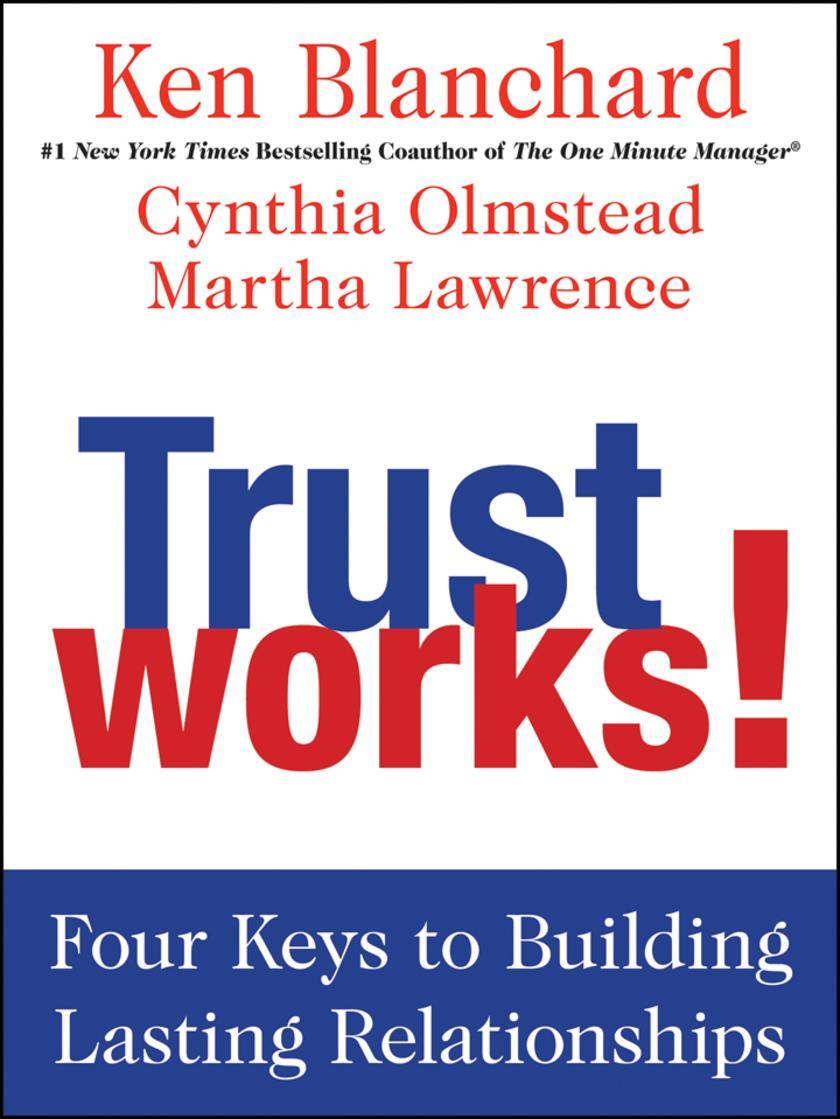
Trust Works!
¥127.33
Trust Works! How to build it How to keep it In this enlightening guide developed from his popular Trust Works! training program, #1 bestselling author and management guru Ken Blanchard turns his vast knowledge and insight to one of the most timely and complex issues that affects all areas of our lives. Once upon a time, a dog and a cat lived together with other animals and the humans who cared for them. But canine and feline did not trust each other a situation that led to fighting, backbiting, and sabotaging that soon affected the whole household. Unless their conflict was resolved, all of the pets would lose their home. Fortunately, a wise old parrot stepped in, teaching dog and cat the ABCDs of trust. As each became aware of the unconscious behaviors at the root of their hostility, dog and cat discovered how to change their behavior a mutual transformation that created a happy, productive environment for all. In Trust Works! Ken Blanchard applies that fable to real-life situations to show anyone how to get along better with those around them. He outlines his ABCD trust model and uses it to address the factors that lead to discord, including low morale, miscommunication, poor response to problems and issues, and dysfunctional leadership. In today polarized society, building trust and sustaining it has never been more important or seemingly elusive. Trust Works! provides a common language and essential skills that can replace dissension with peace and cooperation and help us all work together productively and in harmony.
Learning Drupal 6 Module Development
¥71.93
This book is written for PHP developers who want to add custom features to Drupal. You will need to know the basics of PHP and MySQL programming, but no experience of programming Drupal is required, although you will be expected to be familiar with the basic operation of Drupal.
Mastering Python Scientific Computing
¥71.93
A complete guide for Python programmers to master scientific computing using Python APIs and tools About This Book The basics of scientific computing to advanced concepts involving parallel and large scale computation are all covered. Most of the Python APIs and tools used in scientific computing are discussed in detail The concepts are discussed with suitable example programs Who This Book Is For If you are a Python programmer and want to get your hands on scientific computing, this book is for you. The book expects you to have had exposure to various concepts of Python programming. What You Will Learn Fundamentals and components of scientific computing Scientific computing data management Performing numerical computing using NumPy and SciPy Concepts and programming for symbolic computing using SymPy Using the plotting library matplotlib for data visualization Data analysis and visualization using Pandas, matplotlib, and IPython Performing parallel and high performance computing Real-life case studies and best practices of scientific computing In Detail In today's world, along with theoretical and experimental work, scientific computing has become an important part of scientific disciplines. Numerical calculations, simulations and computer modeling in this day and age form the vast majority of both experimental and theoretical papers. In the scientific method, replication and reproducibility are two important contributing factors. A complete and concrete scientific result should be reproducible and replicable. Python is suitable for scientific computing. A large community of users, plenty of help and documentation, a large collection of scientific libraries and environments, great performance, and good support makes Python a great choice for scientific computing. At present Python is among the top choices for developing scientific workflow and the book targets existing Python developers to master this domain using Python. The main things to learn in the book are the concept of scientific workflow, managing scientific workflow data and performing computation on this data using Python. The book discusses NumPy, SciPy, SymPy, matplotlib, Pandas and IPython with several example programs. Style and approach This book follows a hands-on approach to explain the complex concepts related to scientific computing. It details various APIs using appropriate examples.
Getting Started with Python and Raspberry Pi
¥71.93
Learn to design and implement reliable Python applications on the Raspberry Pi using a range of external libraries, the Raspberry Pis GPIO port, and the camera module About This Book Learn the fundamentals of Python *ing and application programming Design user-friendly command-line and graphical user interfaces A step-by-step guide to learning Python programming with the Pi Who This Book Is For This book is designed for those who are unfamiliar with the art of Python development and want to get to know their way round the language and the many additional libraries that allow you to get a full application up and running in no time. What You Will Learn Fundamentals of Python applications Designing applications for multi-threading Interacting with electronics and physical devices Debugging applications when they go wrong Packaging and installing Python modules User interface design using Qt Building easy to use command-line interfaces Connecting applications to the Internet In Detail The Raspberry Pi is one of the smallest and most affordable single board computers that has taken over the world of hobby electronics and programming, and the Python programming language makes this the perfect platform to start coding with. The book will start with a brief introduction to Raspberry Pi and Python. We will direct you to the official documentation that helps you set up your Raspberry Pi with the necessary equipment such as the monitor, keyboard, mouse, power supply, and so on. It will then dive right into the basics of Python programming. Later, it will focus on other Python tasks, for instance, interfacing with hardware, GUI programming, and more. Once you get well versed with the basic programming, the book will then teach you to develop Python/Raspberry Pi applications. By the end of this book, you will be able to develop Raspberry Pi applications with Python and will have good understanding of Python programming for Raspberry Pi. Style and approach An easy-to-follow introduction to Python *ing and application development through clear conceptual explanations backed up by real-world examples on the Raspberry Pi.
Dart By Example
¥80.65
Design and develop modern web applications with Google's bold and productive language through engaging example projects About This Book Full of engaging and varied example projects to equip you to build your own web applications Learn the Dart language and key libraries Productively create fast and reliable web applications Who This Book Is For If you are a front- or back-end web developer who is looking to build complex full-featured web applications without the quagmire of disconnected JavaScript frameworks, this book is a practical walkthrough of substantial applications that will have you and your team coding Dart in a productive manner. This book will give you a compiled, optional typed, scalable environment to rapidly develop applications. As Dart was designed to be familiar, any developer with even a small amount of knowledge of JavaScript or another programming language will be at home with the language immediately and will be coding quickly. What You Will Learn Master the core Dart language, type system, and key development tools Connect to existing web services, process JSON, and create your own framework for the data display Run and debug the Dart server and web applications and compile them in JavaScript Handle form data and encryption Build and deploy server applications on the major OSes and implement the REST API Work with PostgreSQL—an industry standard relational database system Create robust applications with unit tests, documentation, and diagnostic logging Develop command-line applications, and explore the key data structures and libraries In Detail Designed to create next generation apps, Google’s Dart offers a much more robust framework and also supersedes JavaScript in several aspects. Familiar yet innovative, compact yet scalable, it blows away the accumulated JavaScript legacy limitations. Dart was designed for great tool-ability and developer productivity, allowing you to create better application faster than before. Google chose it for their billion dollar advertising business and you have its power for your projects too. This book will introduce you the Dart language starting from its conception to its current form, and where it headed is through engaging substantial practical projects. You will be taken through building typical applications and exploring the exciting new technologies of HTML5. With example code projects such as a live data monitoring and viewing system, a blogging system, a slides presentation application, and more, then this book will walk you through step by step through building data-driven web applications with ease and speed. Style and approach A varied collection of compelling practical Dart projects that are developed progressively with full explanations of concepts and implementation. Each project introduces features of the language and environment, demonstrating how Dart can be used in rich structured web applications.
Groovy for Domain-specific Languages - Second Edition
¥90.46
Extend and enhance your Java applications with domain-specific *ing in Groovy About This Book Build domain-specific mini languages in Groovy that integrate seamlessly with your Java apps with this hands-on guide Increase stakeholder participation in the development process with domain-specific *ing in Groovy Get up to speed with the newest features in Groovy using this second edition and integrate Groovy-based DSLs into your existing Java applications. Who This Book Is For This book is for Java software developers who have an interest in building domain *ing into their Java applications. No knowledge of Groovy is required, although it will be helpful. This book does not teach Groovy, but quickly introduces the basic ideas of Groovy. An experienced Java developer should have no problems with these and move quickly on to the more involved aspects of creating DSLs with Groovy. No experience of creating a DSL is required. What You Will Learn Familiarize yourself with Groovy *ing and work with Groovy closures Use the meta-programming features in Groovy to build mini languages Employ Groovy mark-up and builders to simplify application development Familiarize yourself with Groovy mark-up and build your own Groovy builders Build effective DSLs with operator overloading, command chains, builders, and a host of other Groovy language features Integrate Groovy with your Java and JVM based applications In Detail The times when developing on the JVM meant you were a Java programmer have long passed. The JVM is now firmly established as a polyglot development environment with many projects opting for alternative development languages to Java such as Groovy, Scala, Clojure, and JRuby. In this pantheon of development languages, Groovy stands out for its excellent DSL enabling features which allows it to be manipulated to produce mini languages that are tailored to a project’s needs. A comprehensive tutorial on designing and developing mini Groovy based Domain Specific Languages, this book will guide you through the development of several mini DSLs that will help you gain all the skills needed to develop your own Groovy based DSLs with confidence and ease. Starting with the bare basics, this book will focus on how Groovy can be used to construct domain specific mini languages, and will go through the more complex meta-programming features of Groovy, including using the Abstract Syntax Tree (AST). Practical examples are used throughout this book to de-mystify these seemingly complex language features and to show how they can be used to create simple and elegant DSLs. Packed with examples, including several fully worked DSLs, this book will serve as a springboard for developing your own DSLs. Style and approach This book is a hands-on guide that will walk you through examples for building DSLs with Groovy rather than just talking about "metaprogramming with Groovy". The examples in this book have been designed to help you gain a good working knowledge of the techniques involved and apply these to producing your own Groovy based DSLs.
Learning Unity iOS Game Development
¥80.65
Build exciting games with Unity on iOS and publish them on the App Store About This Book Take advantage of Unity 5's new tools to create a fully interactive mobile game Learn how to connect your iTunes developer account and use Unity 5 to communicate with it Use your Macintosh computer to publish your game to the App Store Who This Book Is For This book is for iOS developers who want to learn how to build games with Unity for the iOS platform. Some prior experience in game development would be useful. What You Will Learn Create your own iTunes Connect Developer account and create an app within it Set up iTunes Game Center features in iTunes Connect so you can use them within Unity 5 Construct a game using C# that allows users to interactively control the game character Use Unity 5's editor window to create a custom editor tool specific for the game made in the book Store and keep track of data so the player is able to collect in-game pick-ups that can be used to purchase in-game goods Use all game features so the player is able to fully navigate menus between the front menu and in the game state Make, test, and finally release builds so you can play on your device and then submit the game to Apple for review In Detail Over recent years, the market for mobile game development using Unity has grown multi-fold with an overwhelming 600 million gamers playing games developed using Unity engine. The newly launched Unity 5 offers a wide range of dedicated and powerful tools for iOS developers who intend to follow the basics and gradually elevate their skills to revolutionize the way they design and publish games for the App Store. From beginners, to those who are experienced making video games, this book goes through the steps of using Unity 5 to make a game from the ground up and setting the game up with iTunes Game Center features. The book begins with an introduction to setting up an iTunes Connect developer account, this will allow you to use Unity to its full potential with iOS. You will create a new app in iTunes Connect with the settings for Apple approval. You will learn, in detail, how to use Unity 5 and the programming language C# to make a fully interactive game that keeps track of player progress, Game Center Leaderboards, and Achievements, as well as displaying iAds and offering In-App purchases. Moving on, you’ll discover how to create development and release builds, enabling you to test the game on your device before finally submitting the game for Apple’s approval. By the end of the book, you will have a complete understanding of how iTunes and Unity can be used in combination to build and publish a fully interactive and reliable game to the App Store. Style and approach This is a step-by-step guide that covers the fundamentals of gaming and reveals the secrets of building and monetizing games for the iOS platform.
Mastering Android NDK
¥90.46
Master the skills you need to develop portable, highly-functional Android applications using NDK About This Book Develop portable games using Android NDK and debug them on your desktop Familiarise yourself with different popular C++ libraries on Android and use them in your games Write multi-threaded code with graphics, sound, networking, and resource storage Who This Book Is For If you want to leverage your C++ skills in mobile development and increase the performance of your Android applications, then this is the book for you. Knowledge of C or C++ is assumed, including pointer manipulation, multi-threading, object-oriented programming concepts, and the basics of C++11. It would be an added advantage if you know how to develop applications without any IDE. What You Will Learn Explore popular C++ libraries and use them on Android Write portable, multithreaded native networking code Create portable audio framework using OpenAL Implement portable rendering framework using OpenGL ES 3 Debug mobile applications on your desktop machine Access resources from APK archives Render text with FreeType In Detail Android NDK is used for multimedia applications that require direct access to system resources. NDK is also the key for portability, which in turn allows a reasonably comfortable development and debugging process using familiar tools such as GCC and Clang toolchains. This is a hands-on guide to extending your game development skills with Android NDK. The book takes you through many clear, step-by-step example applications to help you further explore the features of Android NDK and some popular C++ libraries and boost your productivity by debugging the development process. Through the course of this book, you will learn how to write portable multi-threaded native code, use HTTP networking in C++, play audio files, use OpenGL ES 3, and render high-quality text. Each chapter aims to take you one step closer to building your application. By the end of this book, you will be able to create an engaging, complete gaming application. Style and approach This book adopts a step-by-step approach and each chapter is based on the material from the previous ones. The book focuses on putting to your knowledge of C++ use while you develop Android applications of your own.

香港美食大全
¥33.52
書中食譜的選取原則是以簡便易做又美味可口為重,基本上在四五個步驟內即可完成。除幾十款西式糕餅甜點外,書中介紹的大多數均屬家中常吃的中菜和小食,每個食譜都列明食材、調味和製法,並按主要的烹製技法編排,讓你一目瞭然。

糖尿病治療與中醫調養
¥73.33
糖尿病不能根治,病徵亦不明顯,確診後可能數十年沒有病況,也有患者突然出現多種嚴重併發症,病情一發不可收拾,令人防不勝防。糖尿病的嚴重性更不在糖尿病本身,而在其多變的併發症上,例如高血壓、視網膜病變、心臟病、高脂血症等。要有效控制病情,減少或減輕併發症,保持生活質素,關鍵在於及時與合理的診治。本書作者為腎臟病的專家學者,現職於香港浸會大學中醫藥學院。他在書中詳述適切的中西藥療法,在飲食調理、挑選運動、心理調適等方面提供具體建議,強調中醫療法、健康管理與病情監測的重要意義,更解答患者常見的生活疑難,例如可不可以吃水果?多久應檢測血糖一次?運動前血糖低怎麼辦?

Kiss from a Stranger
¥24.44
Horrified when her beloved dog, Rufus, is caught in a cruel snare while out walking in the estate of Arrow Castle, local Parson’s daughter Shenda is at first relieved when a handsome stranger comes to poor Rufus’s rescue and then at once she is abashed and confused when he claims a kiss – Shenda’s very first – as his reward. But then she is told that her father has been killed by a savage bull and that she must leave the family’s Vicarage forthwith. Penniless Shenda is obliged to take a job at Arrow Castle as a seamstress, where she stumbles across a letter from one of Napoleon Bonaparte’s spies to Society beauty Lucille Gratton, ‘the most beautiful Lady in England’, who is staying at The Castle. Reporting the discovery to the Earl, she finds that he is no other than her ‘gentleman stranger’ and just as she realises that she is falling in love with the heroic Earl of Arrow, she is embroiled in a counter-espionage plot that puts her young life – and her love for the Earl – in deadly peril.

An Angel In Hell
¥24.44
After years of caring for her ailing father, the Earl of Medwin, the ethereally beautiful young Lady Ancella Winn is pale, drawn and exhausted now that he has died and she is devastated. Worse still, she has nowhere to go, except for the home of her strait-laced and disapproving aunts. So when family friend and doctor, Sir Felix Johnson, suggests that it would be good for her health to travel to the French Riviera to work as the nurse-companion to an ageing Russian Princess, she nervously agrees. Although her new employer is difficult and demanding, Ancella is bewitched, first by the beauty of the C?te d’Azur and then by the Princess’s ineffably handsome son, Prince Vladimer. Caught up in the glamour of the Monte Carlo Casino, the den of iniquity against which her aunts had warned her in no uncertain terms, it seems that she has won the Prince’s heart as the feckless aristocrats around her lose fortunes at Roulette and Baccarat. But then to her horror her hopes of the love she has always dreamt about are dashed when it she finds that Prince Vladimer has betrayed her with the grasping but alluring Marchioness of Chiswick.
Amazon S3 Essentials
¥63.21
Get started with Amazon S3 for virtually unlimited cloud and Internet storageAbout This BookFamiliarize yourself with the concepts of Amazon S3Understand basic operations of bucket, folders, and objects using Amazon S3 SDK JavaLeverage the power of Amazon S3 to effectively store and retrieve data Who This Book Is For This book is intended for System Engineers/ Developers, Software Architects, Project managers, and users who want to explore Amazon S3 SDK Java. If you want to learn about Amazon S3 quickly, then this book is for you. Basic knowledge of Java programming is expected.What You Will LearnStart with the basic concepts of Amazon S3 to get you goingUse Copy Object and Multipart Copy Object for objects of different sizesUnderstand how to use the amazon management console for Amazon S3Learn how to use the AWS SDK of Java and consume the Amazon S3Get to grips with managing the bucket life cycleConfigure CORS to share resources to a different domainDiscover how to develop and deploy the static website on Amazon S3 using different services of Amazon In Detail Amazon Simple Storage Service (Amazon S3), provides developers and IT teams with secure, durable, and highly-scalable object storage. Amazon S3 is easy to use, with a simple web services interface to store and retrieve any amount of data from anywhere on the web. S3 is automatically web scalable and responds to the requirements of your application and traffic, and therefore offers a key element to help companies deal dynamically with any spike in traffic for their application (such as a free e-book offer). This book starts with the basics of the Amazon S3 and its features, and you will quickly get an understanding how to use the Amazon Management Console for Amazon S3 which is the simplest way to manage Amazon S3. Next, we will cover basic operations on bucket, folder, objects. Once the basic operations are understood, you will know how to use Amazon S3 using Java SDK. Following that, you will learn about Copy Objects and Multipart copy objects for large objects size. You will also learn to manage the life cycle of bucket and how to share resources to the different domain by configuring CORS. The book will then guide you through the development and deployment of a static website on Amazon S3 using different services of Amazon. By the end of the book, you will be able to create a scalable application using Amazon S3.Style and approach This fast-paced book is a pragmatic guide to writing Amazon S3 applications. Each chapter is blended beautifully with lucid concepts and pertinent examples.
MariaDB Essentials
¥54.49
Quickly get up to speed with MariaDB—the leading, drop-in replacement for MySQL, through this practical tutorialAbout This BookGet to know the basic SQL queries so you can quickly start using MariaDBTake control of your data through the advanced features of MariaDBExploit the full potential of MariaDB’s exclusive features through quick, practical examples Who This Book Is For If you don't know the SQL language, but you want to quickly jump into the SQL world and learn how to use MariaDB, or if you already know how to use MySQL but you want to go further, then this book is ideal for you.What You Will LearnInstall and configure MariaDBCreate databases, tables, and indexesImport and export data from and to external filesWork with views and virtual columnsCreate, read, update, and delete records in your databaseUse dynamic columnsSet up a powerful full-text search systemAccess your external data from MariaDB through the CONNECT engine In Detail This book will take you through all the nitty-gritty parts of MariaDB, right from the creation of your database all the way to using MariaDB’s advanced features. At the very beginning, we show you the basics, that is, how to install MariaDB. Then, we walk you through the databases and tables of MariaDB, and introduce SQL in MariaDB. You will learn about all the features that have been added in MariaDB but are absent in MySQL. Moving on, you’ll learn to import and export data, views, virtual columns, and dynamic columns in MariaDB. Then, you’ll get to grips with full-text searches and queries in MariaDb. You’ll also be familiarized with the CONNECT storage engine. At the end of the book, you’ll be introduced to the community of MariaDB.Style and approach This is a complete guide that uses concrete examples to help you understand and exploit the full potential of MariaDB.
Troubleshooting Ubuntu Server
¥80.65
Make life at the office easier for server administrators by helping them build resilient Ubuntu server systems About This Book Tackle the issues you come across in keeping your Ubuntu server up and running Build server machines and troubleshoot cloud computing related issues using Open Stack Discover tips and best practices to be followed for minimum maintenance of Ubuntu Server 3 Who This Book Is For This book is for a vast audience of Linux system administrators who primarily work on Debian-based systems and spend long hours trying fix issues with the enterprise server. Ubuntu is already one of the most popular OSes and this book targets the most common issues that most administrators have to deal with. With the right tools and definite solutions, you will be able to keep your Ubuntu servers in the pink of health. What You Will Learn Deploy packages and their dependencies with repositories Set up your own DNS and network for Ubuntu Server Authenticate and validate users and their access to various systems and services Maintain, monitor, and optimize your server resources and avoid tremendous load Get to know about processes, assigning and changing priorities, and running processes in background Optimize your shell with tools and provide users with an improved shell experience Set up separate environments for various services and run them safely in isolation Understand, build, and deploy OpenStack on your Ubuntu Server In Detail Ubuntu is becoming one of the favorite Linux flavors for many enterprises and is being adopted to a large extent. It supports a wide variety of common network systems and the use of standard Internet services including file serving, e-mail, Web, DNS, and database management. A large scale use and implementation of Ubuntu on servers has given rise to a vast army of Linux administrators who battle it out day in and day out to make sure the systems are in the right frame of operation and pre-empt any untoward incidents that may result in catastrophes for the businesses using it. Despite all these efforts, glitches and bugs occur that affect Ubuntu server's network, memory, application, and hardware and also generate cloud computing related issues using OpenStack. This book will help you end to end. Right from setting up your new Ubuntu Server to learning the best practices to host OpenStack without any hassles. You will be able to control the priority of jobs, restrict or allow access users to certain services, deploy packages, tackle issues related to server effectively, and reduce downtime. Also, you will learn to set up OpenStack, and manage and monitor its services while tuning the machine with best practices. You will also get to know about Virtualization to make services serve users better. Chapter by chapter, you will learn to add new features and functionalities and make your Ubuntu server a full-fledged, production-ready system. Style and approach This book contains topic-by-topic discussion in an easy-to-understand language with loads of examples to help you take care of Ubuntu Server. Plenty of screenshots will guide you through a step-by-step approach.
Learning Predictive Analytics with R
¥90.46
Get to grips with key data visualization and predictive analytic skills using R About This Book Acquire predictive analytic skills using various tools of R Make predictions about future events by discovering valuable information from data using R Comprehensible guidelines that focus on predictive model design with real-world data Who This Book Is For If you are a statistician, chief information officer, data scientist, ML engineer, ML practitioner, quantitative analyst, and student of machine learning, this is the book for you. You should have basic knowledge of the use of R. Readers without previous experience of programming in R will also be able to use the tools in the book. What You Will Learn Customize R by installing and loading new packages Explore the structure of data using clustering algorithms Turn unstructured text into ordered data, and acquire knowledge from the data Classify your observations using Na?ve Bayes, k-NN, and decision trees Reduce the dimensionality of your data using principal component analysis Discover association rules using Apriori Understand how statistical distributions can help retrieve information from data using correlations, linear regression, and multilevel regression Use PMML to deploy the models generated in R In Detail R is statistical software that is used for data analysis. There are two main types of learning from data: unsupervised learning, where the structure of data is extracted automatically; and supervised learning, where a labeled part of the data is used to learn the relationship or scores in a target attribute. As important information is often hidden in a lot of data, R helps to extract that information with its many standard and cutting-edge statistical functions. This book is packed with easy-to-follow guidelines that explain the workings of the many key data mining tools of R, which are used to discover knowledge from your data. You will learn how to perform key predictive analytics tasks using R, such as train and test predictive models for classification and regression tasks, score new data sets and so on. All chapters will guide you in acquiring the skills in a practical way. Most chapters also include a theoretical introduction that will sharpen your understanding of the subject matter and invite you to go further. The book familiarizes you with the most common data mining tools of R, such as k-means, hierarchical regression, linear regression, association rules, principal component analysis, multilevel modeling, k-NN, Na?ve Bayes, decision trees, and text mining. It also provides a de*ion of visualization techniques using the basic visualization tools of R as well as lattice for visualizing patterns in data organized in groups. This book is invaluable for anyone fascinated by the data mining opportunities offered by GNU R and its packages. Style and approach This is a practical book, which analyzes compelling data about life, health, and death with the help of tutorials. It offers you a useful way of interpreting the data that’s specific to this book, but that can also be applied to any other data.
VMware vRealize Orchestrator Essentials
¥80.65
Get hands-on experience with vRealize Orchestrator and automate your VMware environment About This Book Gain an in-depth understanding of vRO in the VMware infrastructure Create your own advanced vRO *s using JavaScript A step-by-step tutorial to manage and create workflows with vRO Who This Book Is For This book is for VMware vSphere administrators who have minimal experience with automation tools and want to learn how to effectively automate their environment with VMware vRealize Orchestrator. A basic understanding of the VMware vSphere terms and concepts would be helpful. What You Will Learn Familiarize yourself with the Orchestrator architecture and Explore how plugins can expand Orchestrator's capabilitiesExplore how plug-ins can expand Orchestrator’s capabilities Deploy and configure the vRealize Orchestrator appliance Schedule and run workflows using the vSphere Web Client Create your own workflows with minimal work Use workflow presentations to improve your automation projects Integrate JavaScript to enhance your workflows Debug your workflows for errors and fix them Learn how to create, import, and export packages, to enable easy exchange solutions with others In Detail The automation of virtual environments has become the focus of many endeavors. VMware vRealize Orchestrator is a tool that enables you to automate not only your VMware environments, but also the surrounding hardware and software infrastructure. Orchestrator is also a central tool in the VMware cloud initiative and is extensively used by products such as vRealize Automation. In this book, you will learn how Orchestrator is able to help you automate your complete VMware infrastructure as well as its surrounding hardware and software. After deploying and configuring the vRealize Orchestrator appliance, you will learn how to run the existing workflows that are a part of the Orchestrator library. You will also see how the vSphere Web Client integration of Orchestrator reduces the time you spend on your daily admin tasks. The main aspect here is to learn how to create new workflows from existing ones. You will also look at how you can create completely new workflows. This includes learning about JavaScript and using presentation features to improve the layout and user friendliness of your workflows. Toward the end, you will learn to check for errors in your workflows and debug them. By the time you're done with the book, you'll be proficient in managing your workflows. Style and approach This book follows a sequential approach with ample screenshots in the examples that convey a deeper understanding of all Orchestrator-related tasks.
QGIS Blueprints
¥90.46
Develop analytical location-based web applications with QGIS About This Book Tame geographic information workflows with QGIS blueprints for smart web applications Create geographic web applications using QGIS and free/open source software Blueprints provide real-world applications covering many use cases Who This Book Is For This book encompasses relatively experienced GIS developers who have a strong grounding in the fundamentals of GIS development. They will have used QGIS before, but are looking to understand how to develop more complex, layered map applications that expose various data sets, utilize different visualizations, and are consumable (usable) by end users What You Will Learn Review geographic information principles and the application of these principles in the QGIS free/open source ecosystem Perform advanced analysis with site selection, hydrologic, and topological networks Build performant web applications by tile caching and generating static assets Provide collaborative editing capabilities for your team or community Develop custom and dynamic analysis and visualization capabilities Select the best components from desktop and web, for your use case Integrate it with social media and crowdsourcing In Detail QGIS, the world’s most popular free/open source desktop geographic information system software, enables a wide variety of use cases involving location – previously only available through expensive specialized commercial software. However, designing and executing a multi-tiered project from scratch on this complex ecosystem remains a significant challenge. This book starts with a primer on QGIS and closely related data, software, and systems. We’ll guide you through six use-case blueprints for geographic web applications. Each blueprint boils down a complex workflow into steps you can follow to reduce time lost to trial and error. By the end of this book readers should be able to build complex layered applications that visualize multiple data sets, employing different types of visualization, and give end users the ability to interact with and manipulate this data for the purpose of analysis. Style and approach This is a comprehensive guide to the application of QGIS and free/open source software in creating web applications from analysis. Step-by-step blueprints guide the reader through analytical and web development topics and designs.


