


 购物车
购物车 个人中心
个人中心

The Last Apprentice: The Spook's Bestiary
¥49.79
The heavily illustrated stand-alone companion book to the internationally best-selling Last Apprentice series, the series that inspired the forthcoming major motion picture Seventh Son. The Spook's Bestiary is your guidebook to the supernatural, terrifying creatures of the dark: Learn what to do if you must face a boggart, a witch, a dark mage, or even the Fiend himself.Fill your pockets with salt and iron. Carry a rowan staff and a silver chain. And most importantly, clear your mind and conquer your own fear. Here is the Spook's own notebook, full of the instructions that any young apprentice, like Tom Ward, will need. Learn how to bind a boggart. Find out how to capture a witch. Memorize what to do if you face the Fiend himself. If you are the seventh son of a seventh son—or even if you are simply a fan of The Last Apprentice series—this book holds all you need to face the forces of evil. The Last Apprentice series is soon to be a major motion picture, Seventh Son, starring Jeff Bridges, Ben Barnes, Alicia Vikander, Kit Harington, Olivia Williams, Antje Traue, Djimon Hounsou, and Julianne Moore as Mother Malkin. It's a suspenseful thrill ride that's "spine-tingling" (Publishers Weekly) and "anything but tame" (Horn Book). BUT DON'T READ IT AFTER DARK!

Pretty Little Liars #12: Burned
¥60.87
Burned, the twelfth installment in Sara Shepard's YA Pretty Little Liars series, is packed with thrilling secrets and spicy scandals. This #1 New York Times bestselling series is also a hit ABC Family original TV show.High school seniors Aria, Emily, Hanna, and Spencer have made some terrible mistakes, but nothing compares to what they did last spring break.Now the girls are packing their bags for a Caribbean cruise, hoping the trip will be a much-needed vacation from their stalker, A. But they should know by now that A won't be left high and dry.Sure enough, A shows up on deck, ready to send these pretty little liars to a watery grave. . . . .

Dead Silence
¥56.08
Dead Silence is the gripping fourth novel in the Body Finder series. With romance, suspense, and unexpected twists, Dead Silence will keep readers guessing until the very last page.All her life Violet has grappled with her ability to sense the echoes of those who have been murdered and the matching imprint that clings to their killers. Now that she has an imprint of her own, Violet's "gift" is intolerable. Torn between her desire to lead a normal life and the pressure from the Center to continue her work tracking down killers, Violet's world starts to unravel . . . and some of her most carefully guarded secrets are exposed.Then she discovers a gruesome murder scene unlike anything she's ever encountered, and she can't rest until she's silenced the echoes for good. As Violet sets out to find a vicious murderer and his band of devoted followers, she realizes that protecting those closest to her is far more difficult than protecting herself.

No Angel
¥56.08
Mix the wry humor of Vladimir Tod, the relatability and fun of Ally Carter, and a sinfully hilarious setup, and you have No Angel—an unforgettable spin on angels and demons from the author of Fang Girl.Rafael Angelos just got handed the greatest gift any teenage boy could ever dream of. Upon arriving at his new boarding school for his senior year, he discovered that he is the only male student there. But Raffi's about to learn that St. Mary's is actually a hub for demons—and that he was summoned to the school by someone expecting him to save the day. Raffi knows he's no angel—but it's pretty hard to deny that there's some higher plan at work when he wakes up one morning to discover he's sprouted wings and a glowing circle around his head. . . .

Fancy Nancy: Nancy Clancy, Secret of the Silver Key
¥33.18
Join Nancy Clancy in New York Times bestselling team Jane O'Connor and Robin Preiss Glasser's fourth Nancy Clancy chapter book about the past, present, and future! Nancy and her best friend, Bree, must go back in time to solve their latest mystery. While Nancy's class learns about time capsules in school, another relic from the past pops up in the present. Nancy buys an old desk at a tag sale and soon finds out that someone left behind a key. In the perfect follow-up to Nancy Clancy, Super Sleuth; Nancy Clancy, Secret Admirer; and Nancy Clancy Sees the Future, Nancy and Bree set out to unlock the secret of the silver key in the hopes of finding some treasure along the way. But unlocking the mystery soon proves to be more difficult than they had thought, and when the answer isn't what they had expected, Nancy and Bree learn there are some things that remain timeless forever. Fans of Fancy Nancy will love joining Nancy Clancy in the latest edition to the chapter book series. The central theme of all the Nancy Clancy books shines through, showing the power of positive thinking and the will to never give up.
After I'm Gone
¥84.16
The acclaimed New York Times bestselling author of The Most Dangerous Thing, I'd Know You Anywhere, and What the Dead Know returns with an addictive story that explores how one man's disappearance echoes through the lives of the five women he left behind—his wife, his daughters, and his mistressDead is dead. Missing is gone.When Felix Brewer meets nineteen-year-old Bernadette "Bambi" Gottschalk at a Valentine's Day dance in 1959, he charms her with wild promises, some of which he actually keeps. Thanks to his lucrative—if not all legal—businesses, she and their three little girls live in luxury. But on the Fourth of July in 1976, Bambi's comfortable world implodes when Felix, facing prison, vanishes. Though Bambi has no idea where her husband—or his money—might be, she suspects one woman does: his devoted young mistress, Julie. When Julie disappears ten years to the day after Felix went on the lam, everyone assumes she's left to join her old lover—until her remains are discovered in a secluded park.Now, twenty-six years later, Roberto "Sandy" Sanchez, a retired Baltimore detective working cold cases for some extra cash, is investigating her murder. What he discovers is a tangled web of bitterness, jealousy, resentment, greed, and longing stretching over five decades. And at its center is the man who, though long gone, has never been forgotten by the five women who loved him: the enigmatic Felix Brewer.Felix Brewer left five women behind. Now there are four. Does at least one of them know the truth?
Hush Hush
¥83.03
The award-winning New York Times bestselling author of After I'm Gone, The Most Dangerous Thing, I'd Know You Anywhere, and What the Dead Know brings back private detective Tess Monaghan, introduced in the classic Baltimore Blues, in an absorbing mystery that plunges the new parent into a disturbing case involving murder and a manipulative mother"I'm every woman's worst nightmare. . . . Because whenever a woman kills her child every other mother—at least every one who's honest with herself—has a flash of sympathy. Not empathy. They don't want to have done it, cannot imagine doing it. But they know."On a searing August day, Melisandre Harris Dawes committed the unthinkable: she left her two-month-old daughter locked in a car while she sat nearby on the shores of the Patapsco River. Melisandre was found not guilty by reason of criminal insanity, although there was much skepticism about her mental state. Freed, she left the country, her husband, and her two surviving children, determined to start over.But now Melisandre has returned to Baltimore to meet with her estranged teenage daughters and film the reunion for a documentary. The problem is, she relinquished custody and her ex isn't sure he approves.Now that she's a mother herself—short on time and patience—Tess Monaghan wants nothing to do with a woman crazy enough to have killed her own child. But her mentor and close friend Tyner Gray, Melisandre's lawyer, has asked Tess and her new partner, retired Baltimore PD homicide detective Sandy Sanchez, to assess Melisandre's security needs.Tess has always felt that her curiosity about others is her greatest strength. Yet the imperious Melisandre is someone she cannot begin to understand, much less empathize with. A decade ago, a judge ruled that Melisandre was beyond rational thought. But was sheTess tries to keep her distance from her mercurial yet confident client. This strategy gets tricky after Melisandre becomes a prime suspect in a murder.And as her doubts about Melisandre grow, Tess realizes that she's under scrutiny as well, followed by a judgmental stalker with an ax to grind . . .
Bite-Sized Magic
¥44.25
This third book in Kathryn Littlewood's acclaimed Bliss trilogy mixes the down-home heart punch of Ingrid Law's Newbery Honor Book, Savvy, the always-on-the-edge-of-chaos comedy of Cheaper by the Dozen, and a humorous magic all its own to create a thoroughly original confection, a delicious guilty pleasure for readers of all ages.Rose won back her family's magical Cookery Booke in an international baking competition in A Dash of Magic, the second novel in the series. Rose is now world famous—so famous, in fact, that Mr. Butter, head of the Mostess Corporation, has kidnapped her so that she can develop new-and-improved magical recipes for his company's snack cakes. With the magically enhanced Dinkies and Moony Pies, Mr. Butter plans to take over the world.Together with her brothers, their talking cat and mouse, and an unlikely team of bakers, Rose must overthrow Mr. Butter before he destroys civilization, one magically evil snack cake at a time.
A Dash of Magic
¥44.73
This second book in the acclaimed Bliss trilogy mixes the down-home heart-punch of Ingrid Law's Newbery Honor Book Savvy, the always-on-the-edge-of-chaos comedy of Cheaper by the Dozen, and a humorous magic all its own to create a thoroughly original confection to please every reader's sweet tooth!The Bliss family's magical Cookery Booke was stolen by evil Aunt Lily at the end of Bliss, the first novel in the series. Now twelve-year-old Rosemary has a chance to win it back: she challenges her aunt to an Iron Chef-style international baking competition in Paris. But the only way to beat the cheating Aunt Lily is to gather magical ingredients of her own. Together with her brothers and their talking cat and mouse, Rose races across Paris—from the Eiffel Tower to the Cathedral of Notre Dame to the Mona Lisa in the Louvre Museum—to gather what she needs to out-bake—and out-magic—her conniving aunt.If Rose wins, the cherished Cookery Booke will return to her family where it belongs. If she loses—well, the consequences are too ugly to think about. . . .

Eternity
¥50.47
The end . . . or a new beginning?As Ellie comes to grips with her destiny as the Elect One, her relationship with Michael grows tense. When she meets a mys?terious boy named Rafe, things get even more complicated.Yet the time has come for the Elect One to stand against the group of evil fallen angels who are bent on destroying the world. In order to face the immeasurable malevolence heading her way, Ellie tries to put her personal life aside. But she soon learns that whoever holds her heart also holds the key to mankind’s salvation—or destruction. As the end days approach, Ellie is faced with an epic decision. Who does her heart really belong toAnd is her love strong enough to save the world?
Fins Are Forever
¥49.79
On Lily Sanderson’s eighteenth birthday she’ll become just a girl—still a mergirl, true, but signing the renunciation will ink Princess Waterlily of Thalassinia out of existence. That leaves plain old Lily living on land, dating the boy she loves, and trying to master this being-human thing once and for all.Now that Lily and Quince are together, mer bond or not, she’s almost content to give up her place in the royal succession of Thalassinia. But just when she thinks she has everything figured out, the waves start to get rough. Lily’s father sends a certain whirlpool-stirring cousin to stay with her on land. What did Doe do to get herself exiled from Thalassinia and stuck in terraped form when everyone knows how much she hates humansAnd why why why is she batting her eyelashes at Lily’s former crush, Brody?The seafoam on the raging surf comes when a merboy from Lily’s past shows up—Tellin asks Lily for something that clouds her view of the horizon. There’s a future with Quince on land, her loyalty to the kingdom in the sea, and Lily tossing on the waves in the middle. Will she find a way to reconcile her love, her duty, and her own dreams?Tera Lynn Childs’s sequel to Forgive My Fins offers another tail-flicking romance with plenty of fun, sun, and underwater adventure.
Hereafter
¥55.93
Can there truly be love after death?Drifting in the dark waters of a mysterious river, the only thing Amelia knows for sure is that she's dead. With no recollection of her past life—or her actual death—she's trapped alone in a nightmarish existence. All of this changes when she tries to rescue a boy, , from drowning in her river. As a ghost, she can do nothing but will him to live. Yet in an unforgettable moment of connection, she helps him survive. Amelia and grow ever closer as they begin to uncover the strange circumstances of her death and the secrets of the dark river that held her captive for so long. But even while they struggle to keep their bond hidden from the living world, a frightening spirit named Eli is doing everything in his power to destroy their newfound happiness and drag Amelia back into the ghost world . . . forever. Thrilling and evocative, with moments of pure pleasure, Hereafter is a sensation you won't want to miss.
A Need So Beautiful
¥50.84
We all want to be remembered. Charlotte's destiny is to be forgotten.Charlotte's best friend thinks Charlotte might be psychic. Her boyfriend thinks she's cheating on him. But Charlotte knows what's really wrong: She is one of the Forgotten, a kind of angel on earth who feels the Need—a powerful, uncontrollable draw to help someone, usually a stranger.But Charlotte never wanted this responsibility. What she wants is to help her best friend, whose life is spiraling out of control. She wants to lie in her boyfriend's arms forever. But as the Need grows stronger, it begins to take a dangerous toll on Charlotte. And who she was, is, and will become—her mark on this earth, her very existence—is in jeopardy of disappearing completely.Charlotte will be forced to choose: Should she embrace her fate as a Forgotten, a fate that promises to rip her from the lives of those she loves foreverOr is she willing to fight against her destiny—no matter how dark the consequences?
The School for the Insanely Gifted
¥90.77
Daphna Whispers is insanely gifted.At age two and a half, she composed her first sonata.At age eight, she completed an opera.And now, at eleven and three-quarters, she is orchestrating a piano rhapsody.With a résumé like that, it's no wonder she is a student at the prestigious Blatt School for the Insanely Gifted. But as sixth grade draws to a close, Daphna's mind is far from the upcoming "Insanity Cup" competition. She's preoccupied by her mother's disappearance two months ago. When a mysterious man breaks into Daphna's small New York apartment, Daphna discovers that her mother's disappearance wasn't a random accident. Her mother knew something—and now somebody is after Daphna. What starts out as a simple fact-finding trip to the basement with her friends spirals into an international expedition. And while Daphna hopes to uncover the secret of her mother's disappearance on her global trek, the last thing she expects to uncover is an outrageous secret about the Blatt School.And one insanely shocking secret about herself.
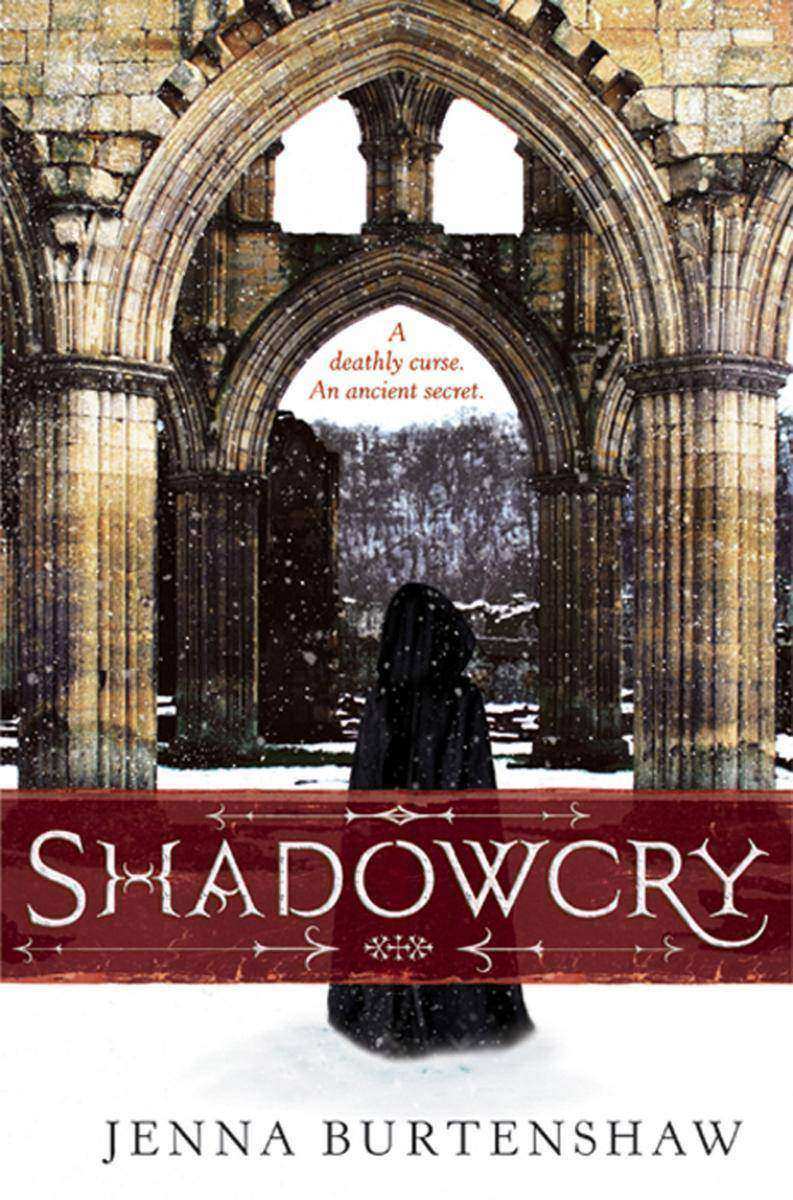
Shadowcry
¥50.47
The Night of Souls—when the veil between the living and the dead is thinnest—is only days away.Albion is at war . . . and losing.The wardens have descended, kidnapping innocent citizens for their army, but looking for one in particular.And fifteen-year-old Kate Winters has just raised a blackbird from the dead.As her home is torn apart by the wardens, Kate's discovery that she is one of the Skilled—the rare people who can cross the veil between life and death—makes her the most hunted person in all of Albion. Only she can unlock the secrets of Wintercraft, the ancient book of dangerous knowledge. Captured and taken to the graveyard city of Fume—with its secret tunnels and underground villages, and where her own parents met their deaths ten years ago—Kate must harness her extraordinary powers to save herself, her country, and the two men she cares for most. And she'll make a pact with a murderer to do it.Those who wish to see the dark, be ready to pay your price.

Ten Things We Did (and Probably Shouldn't Have)
¥55.93
2 girls + 3 guys + 1 house – parents = 10 things April and her friends did that they (definitely, maybe, probably) shouldn't have.If given the opportunity, what sixteen-year-old wouldn't jump at the chance to move in with a friend and live parent-freeAlthough maybe "opportunity" isn't the right word, since April had to tell her dad a tiny little untruth to make it happen (see #1: "Lied to Our Parents"). But she and her housemate Vi are totally responsible and able to take care of themselves. How they ended up "Skipping School" (#3), "Throwing a Crazy Party" (#8), "Buying a Hot Tub" (#4), and, um, "Harboring a Fugitive" (#7) at all is kind of a mystery to them.In this hilarious and bittersweet tale, Sarah Mlynowski mines the heart and mind of a girl on her own for the first time. To get through the year, April will have to juggle a love triangle, learn to do her own laundry, and accept that her carefully constructed world just might be falling apart . . . one thing-she-shouldn't-have-done at a time.
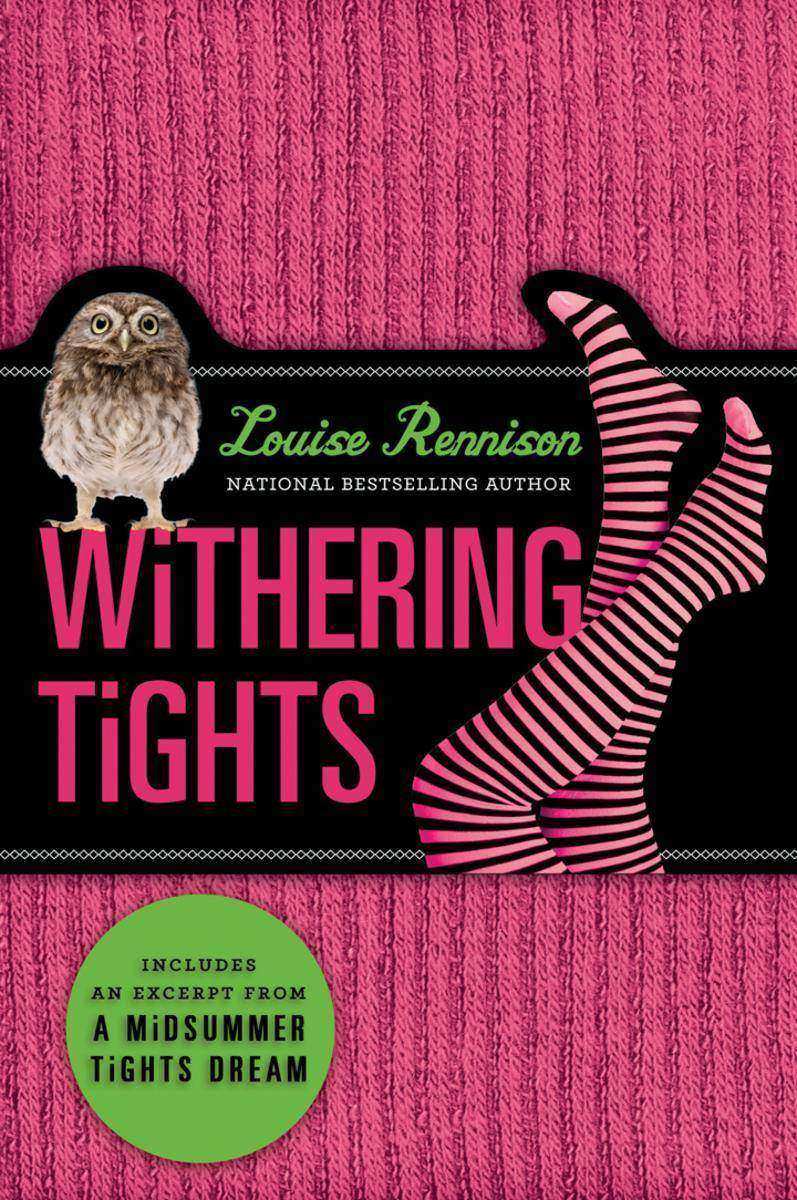
Withering Tights
¥50.47
Wow. This is it. This is me growing up. On my own, going to Performing Arts College. This is good-bye, Tallulah, you long, gangly thing, and hellooooo, Lullah, star of stage.Tallulah Casey is ready to find her inner artist. And some new mates. And maybe a boy or two or three. The ticket to achieving these lofty goalsEnrolling in a summer performing arts program, of course. She's bound for the wilds of Yorkshire Dales—eerily similar to the windswept moors of Wuthering Heights. Tallulah expects new friends, less parental interference, and lots of drama. ActingTightsMoorsCheck, check, check.What she doesn't expect is feeling like a tiny bat's barging around in her mouth when she has her first snog.Bestselling author Louise Rennison returns with her trademark wit, a hilarious new cast, and a brand-new cheeky heroine who is poised to discover plenty of opportunities for (mis)adventure!
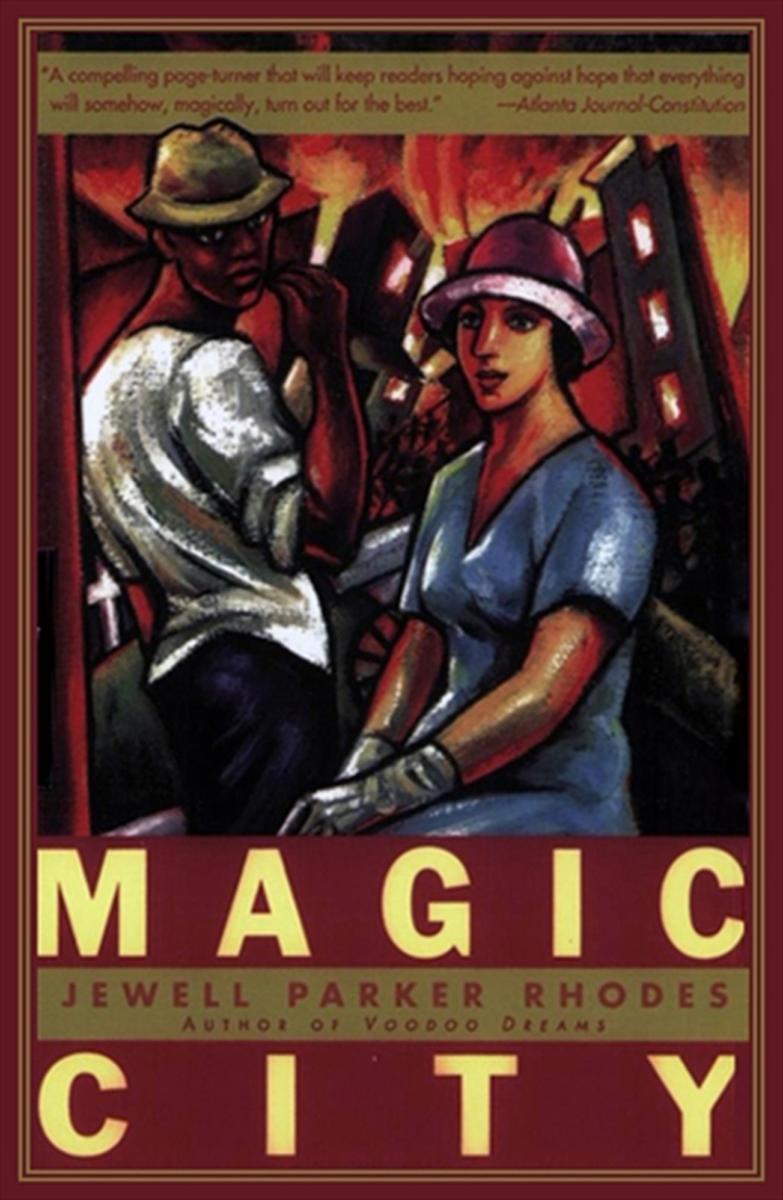
Magic City
¥78.60
Tulsa, Oklahoma, 1921. A white woman and a black man are alone in an elevator. Suddenly, the woman screams, the man runs out, and the chase to capture and lynch him begins. When Joe, a young man trying to be the next Houdini, is accused of rape, he must perform his greatest escape by eluding a bloodthirsty lynch mob. And Mary, the motherless daughter of a farmer who tries to marry her off to the farmhand who viciously raped her, must find the courage to help exonerate the man she had accused with her panicked cry. Based on true events, Magic City is a portrait of an era, climaxing in the heroic but doomed stand that pitted the National Guard against a small band of black men determined to defend the town they had built into the "Negro Wall Street." Named by the Chicago Tribune as a Favorite Book of 1997
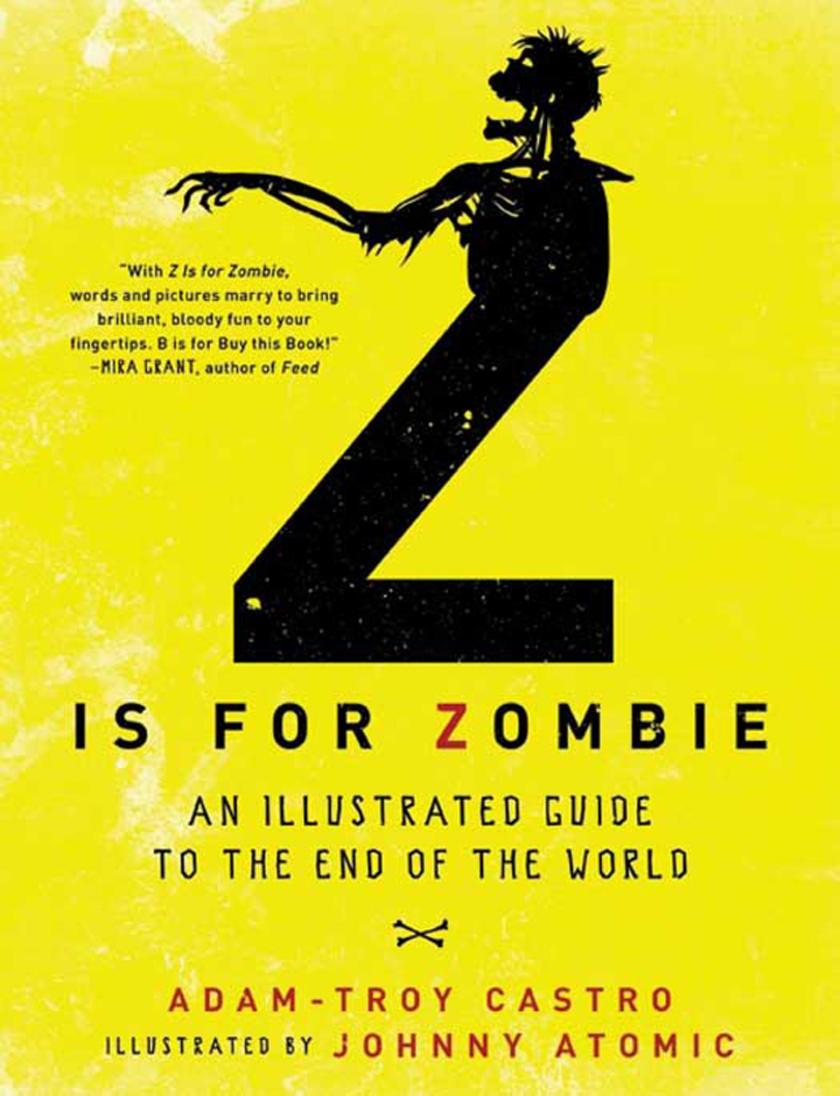
Z Is for Zombie
¥85.05
A is for Apocalypse, B is for Buried, C is for Cannibalistic . . .A stunningly illustrated and hilarious A-to-Z guide that bears witness to the zombie horde as it slowly overruns us. Assemble a motley crew of any survivors you can. Barricade your doors and windows against the relentless shambling masses hungry for your flesh. Grab a hammer, chain saw, clothing iron, or whatever household weapon is at hand . . .The war has begun!
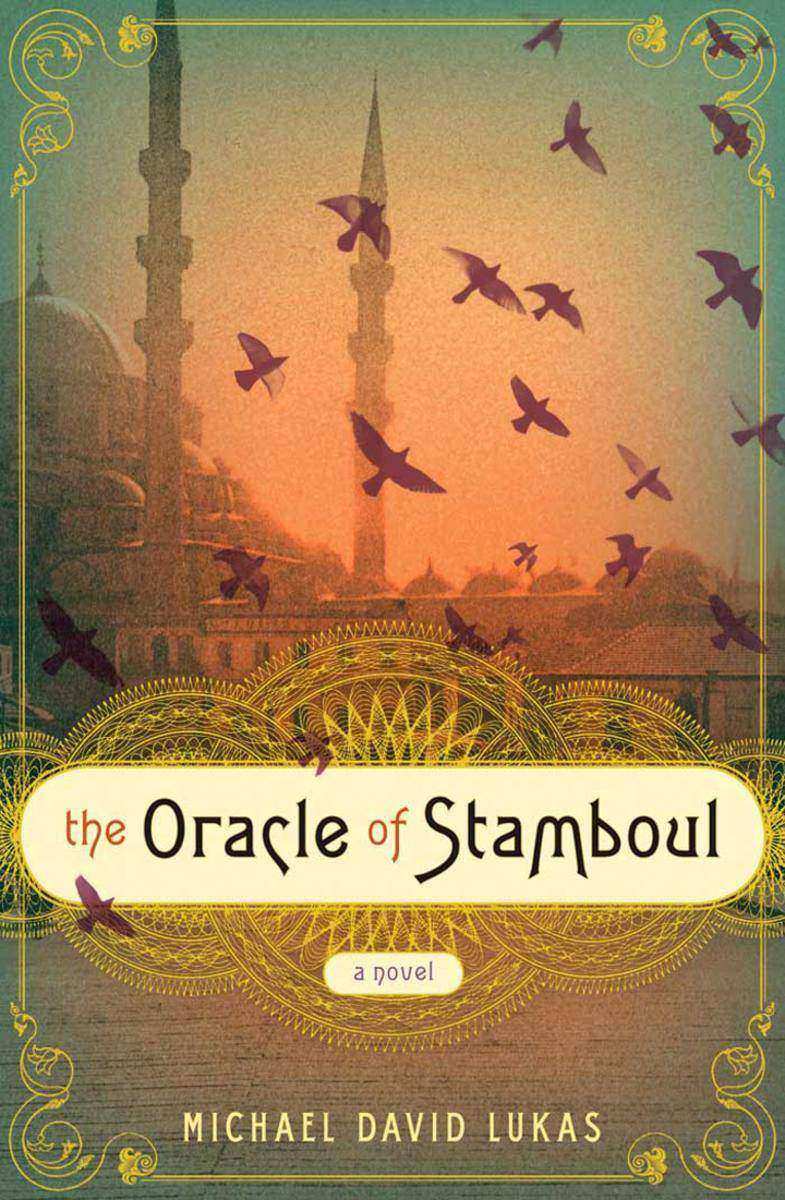
The Oracle of Stamboul
¥90.51
An elegantly crafted, utterly enchanting debut novel set in a mystical, exotic world, in which a gifted young girl charms a sultan and changes the course of an empire's historyLate in the summer of 1877, a flock of purple-and-white hoopoes suddenly appears over the town of Constanta on the Black Sea, and Eleonora Cohen is ushered into the world by a mysterious pair of Tartar midwives who arrive just minutes before her birth. "They had read the signs, they said: a sea of horses, a conference of birds, the North Star in alignment with the moon. It was a prophecy that their last king had given on his deathwatch." But joy is mixed with tragedy, for Eleonora's mother dies soon after the birth. Raised by her doting father, Yakob, a carpet merchant, and her stern, resentful stepmother, Ruxandra, Eleonora spends her early years daydreaming and doing housework—until the moment she teaches herself to read, and her father recognizes that she is an extraordinarily gifted child, a prodigy.When Yakob sets off by boat for Stamboul on business, eight-year-old Eleonora, unable to bear the separation, stows away in one of his trunks. On the shores of the Bosporus, in the house of her father's business partner, Moncef Bey, a new life awaits. Books, backgammon, beautiful dresses and shoes, markets swarming with color and life—the imperial capital overflows with elegance, and mystery. For in the narrow streets of Stamboul—a city at the crossroads of the world—intrigue and gossip are currency, and people are not always what they seem. Eleonora's tutor, an American minister and educator, may be a spy. The kindly though elusive Moncef Bey has a past history of secret societies and political maneuvering. And what is to be made of the eccentric, charming Sultan Abdulhamid II himself, beleaguered by friend and foe alike as his unwieldy, multiethnic empire crumbles?The Oracle of Stamboul is a marvelously evocative, magical historical novel that will transport readers to another time and place—romantic, exotic, yet remarkably similar to our own.

Skinny
¥83.03
After her father’s death, twenty-six-year-old Gray Lachmann findsherself compulsively eating. Desperate to stop bingeing, she abandonsher life in New York City for a job at a southern weight-losscamp. There, caught among the warring egos of her devious co-counselor,Sheena; the self-aggrandizing camp director, Lewis; his attractive assistant,Bennett; and a throng of combative teenage campers, she is confronted by acaptivating mystery: her teenage half-sister, Eden, whom Gray never knewexisted. Now, while unraveling her father’s lies, Gray must tackle her ownself-deceptions and take control of her body and her life.Visceral, poignant, and often wickedly funny, Skinny illuminates a youngwoman’s struggle to make sense of the link between hunger and emotion, andto make peace with her demons, her body, and herself.


