


 购物车
购物车 个人中心
个人中心

Nature of Diversity
¥376.70
All living things on earth-from individual species to entire ecosystems-have evolved through time, and evolution is the acknowledged framework of modern biology. Yet many areas of biology have moved from a focus on evolution to much narrower perspectives.Daniel R. Brooks and Deborah A. McLennan argue that it is impossible to comprehend the nature of life on earth unless evolution-the history of organisms-is restored to a central position in research. They demonstrate how the phylogenetic approach can be integrated with ecological and behavioral studies to produce a richer and more complete picture of evolution. Clearly setting out the conceptual, methodological, and empirical foundations of their research program, Brooks and McLennan show how scientists can use it to unravel the evolutionary history of virtually any characteristic of any living thing, from behaviors to ecosystems. They illustrate and test their approach with examples drawn from a wide variety of species and habitats.The Nature of Diversity provides a powerful new tool for understanding, documenting, and preserving the world's biodiversity. It is an essential book for biologists working in evolution, ecology, behavior, conservation, and systematics. The argument in The Nature of Diversity greatly expands upon and refines the arguments made in the authors' previous book Phylogeny, Ecology, and Behavior.
Dump That Chump!
¥79.16
Too many intelligent, attractive women these days find themselves trapped in destructive, unhealthy relationships, or simply settling for far less than they deserve.In Dump That Chump!, psychologist, author, columnist, and speaker Dr. Debra Mandel offers an essential nine-step program that will enable you to recognize the "red flags" and walk away from unhealthy relationships. Combining sensitivity with a positive "take charge" approach, Dr. Mandel provides checklists, quizzes, true stories, and exercises to help you restore your self-esteem and rid yourself of guilt and shame so you can Dump That Chump! once and for all, and turn your love life around.

The Ten Commandments
¥83.92
The master key to life--a universal guide to all that matters in making life more satisfying.
Hunting Season
¥78.55
Tallyho! The Hunt is afoot! Be a hunter not road kill. April 1 marks the official opening of Hunting Season, when available women should be heading out into the rural, urban, and suburban wild to bag themselves a prize buck. You might not need a literal gun to bring down a good man but you do need good technique, appropriate gear, and plenty of practice. Within these pages, successful hunter Elle shares the foolproof strategies she's adapted from rules that have been polished and honed over many centuries for successful bagging of prize big game. The Hunt can be exciting, exhilarating, and rewarding . . . if you do it right!No matter what kind of modern man you've got in your sights a Stag, a Tree Scratcher, or a 6-Point Buck here are all the skills you need to bring him down.Are you Trophy Hunting, or do you want to Bag 'n' TagYour strategies will be different depending on your goal so define it before the season opens.Never hunt with a posse. It's no fun sharing a kill.Stick to your Kill Zone. A wild buck's movements can't be controlled so if he wanders let him roam. Another buck will put himself in your sights soon enough.November 1-March 31 is Off-Season: A time for hibernation, emotional healing, and gun polishing.
The Greatest Prayer
¥83.03
Every Sunday, the Lord's Prayer echoes in churches around the world.It is an indisputable principle of Christian faith. It is the way Jesus taught his followers to pray and distills the most essential beliefs required of every one of the world's 2.5 billion Christians. In The Greatest Prayer, our foremost Jesus scholar explores this foundational prayer line by line for the richest and fullest understanding of a prayer every Christian knows by heart.An expert on the historical Jesus, Crossan provides just the right amount of history, scholarship, and detail for us to rediscover why this seemingly simple prayer sparked a revolution. Addressing issues of God's will for us and our response, our responsibilities to one another and to the earth, the theology of our daily bread, the moral responsibilities that come with money, our nation-states, and God's kingdom, Crossan reveals the enduring meaning and universal significance of the only prayer Jesus ever taught.

Discovery of Insulin
¥265.87
In a brilliant, definitive history of one of the most significant and controversial medical events of modern times, award-winning historian Michael Bliss brings to light a bizarre clash of scientific personalities. When F. G. Banting and J. J. R. Macleod won the 1923 Nobel Prize for discovering and isolating insulin, Banting immediately announced that he was dividing his share of the prize with his young associate, C. H. Best. Macleod divided his share with a fourth member of the team, J. B. Collip. For the next sixty years medical opinion was intensely divided over the allotment of credit for the discovery of insulin. In resolving this controversy, Bliss also offers a wealth of new detail on such subjects as the treatment of diabetes before insulin and the life-and-death struggle to manufacture insulin.
Interaction and Coevolution
¥165.81
"e;It is not only the species that change evolutionarily through interactions . . . the interactions themselves also change."e; Thus states John N. Thompson in the foreword to Interaction and Coevolution, the first title in his series of books exploring the relentless nature of evolution and the processes that shape the web of life. Originally published in 1982 more as an idea piece-an early attempt to synthesize then academically distinct but logically linked strands of ecological thought and to suggest avenues for further research-than as a data-driven monograph, Interaction and Coevolution would go on to be considered a landmark study that pointed to the beginning of a new discipline. Through chapters on antagonism, mutualism, and the effects of these interactions on populations, speciation, and community structure, Thompson seeks to explain not only how interactions differ in the selection pressures they exert on species, but also when interactions are most likely to lead to coevolution. In this era of climate change and swiftly transforming environments, the ideas Thompson puts forward in Interaction and Coevolution are more relevant than ever before.
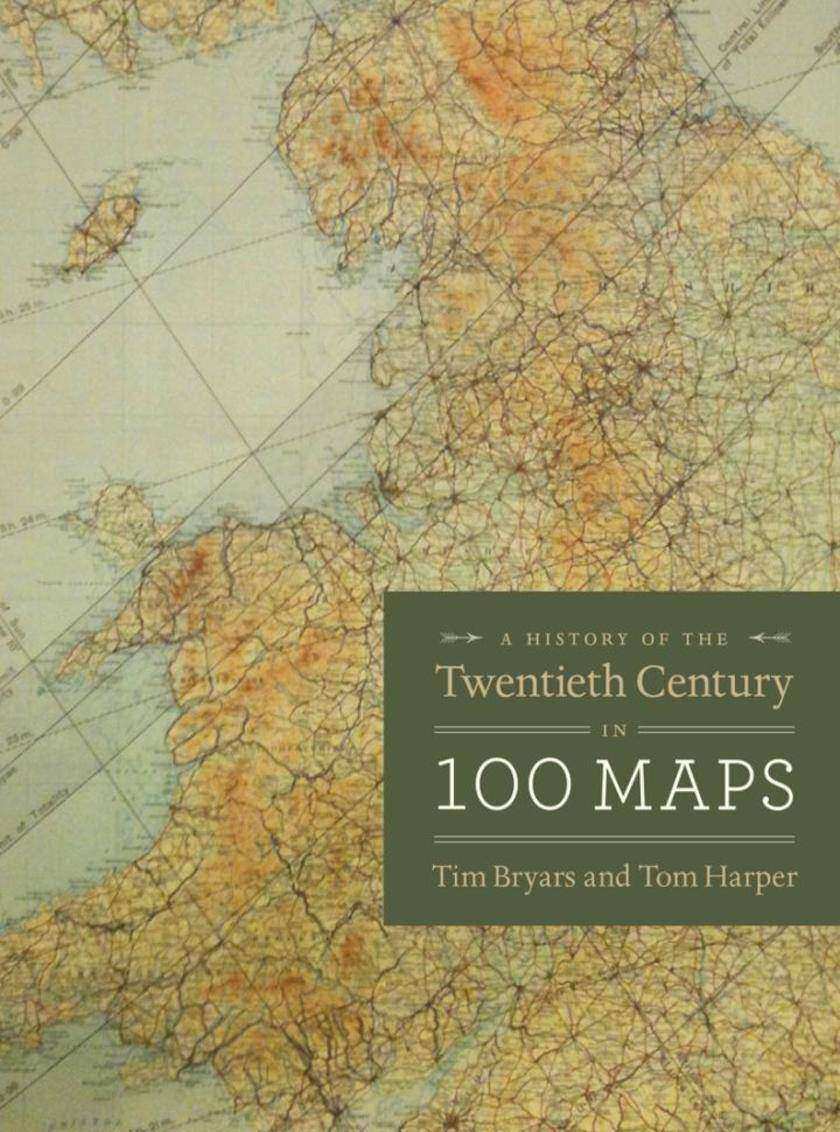
History of the Twentieth Century in 100 Maps
¥317.84
The twentieth century was a golden age of mapmaking, an era of cartographic boom. Maps proliferated and permeated almost every aspect of daily life, not only chronicling geography and history but also charting and conveying myriad political and social agendas. Here Tim Bryars and Tom Harper select one hundred maps from the millions printed, drawn, or otherwise constructed during the twentieth century and recount through them a narrative of the century's key events and developments.?As Bryars and Harper reveal, maps make ideal narrators, and the maps in this book tell the story of the 1900s-which saw two world wars, the Great Depression, the Swinging Sixties, the Cold War, feminism, leisure, and the Internet. Several of the maps have already gained recognition for their historical significance-for example, Harry Beck's iconic London Underground map-but the majority of maps on these pages have rarely, if ever, been seen in print since they first appeared. There are maps that were printed on handkerchiefs and on the endpapers of books; maps that were used in advertising or propaganda; maps that were strictly official and those that were entirely commercial; maps that were printed by the thousand, and highly specialist maps issued in editions of just a few dozen; maps that were envisaged as permanent keepsakes of major events, and maps that were relevant for a matter of hours or days.?As much a pleasure to view as it is to read, A History of the Twentieth Century in 100 Maps celebrates the visual variety of twentieth century maps and the hilarious, shocking, or poignant narratives of the individuals and institutions caught up in their production and use.
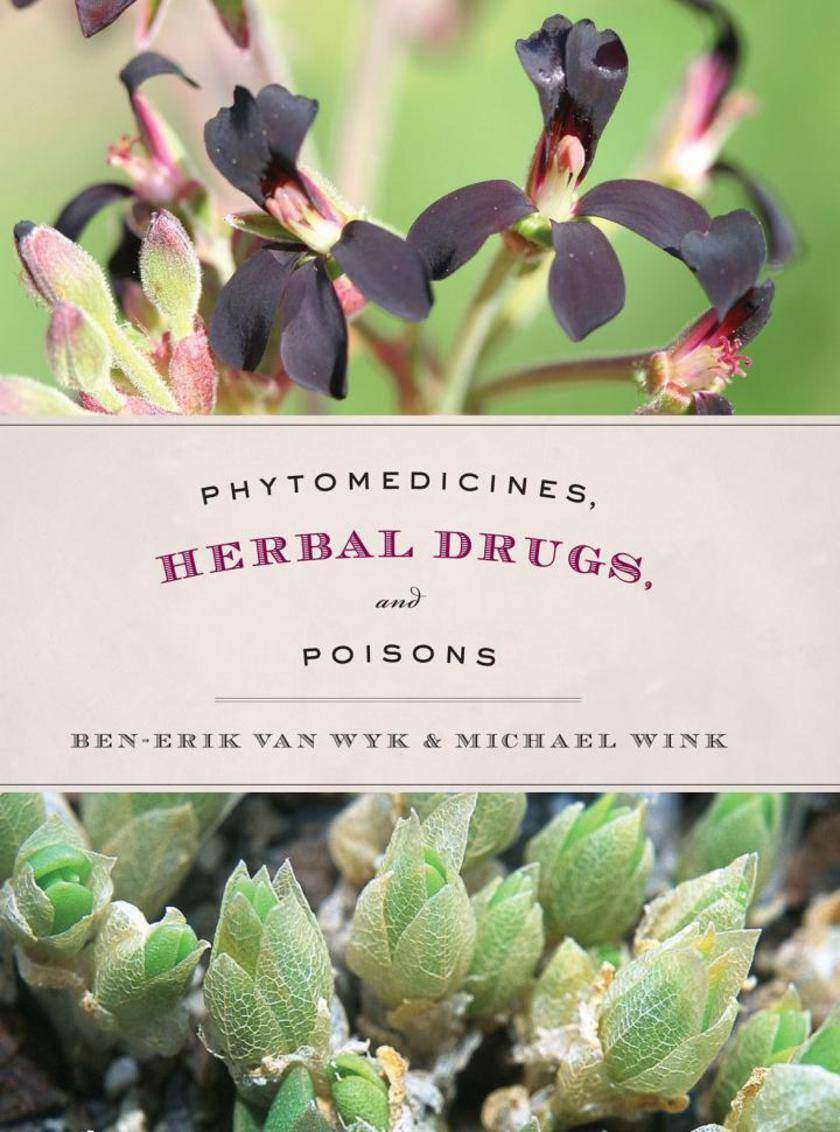
Phytomedicines, Herbal Drugs, and Poisons
¥317.84
Plants have been used to treat disease throughout human history. On a clay slab that dates back approximately five thousand years, the Sumerians recorded medicinal recipes that made use of hundreds of plants, including poppy, henbane, and mandrake. During the Middle Ages, monks commonly grew and prescribed plants such as sage, anise, and mint in their monasteries. And as the market for herbal remedies and natural medicine grows, we continue to search the globe for plants and plant compounds to combat our various ailments.?In Phytomedicines, Herbal Drugs, and Poisons, Ben-Erik van Wyk offers a richly illustrated, scientific guide to medicinal and poisonous plants, including those used for their mind-altering effects. Van Wyk covers approximately 350 species-from Aloe vera and Ephedra sinica to Cannabis sativa and Coffea arabica-detailing their botanical, geographical, pharmacological, and toxicological data as well as the chemical structures of the active compounds in each. Readers learn, for example, that Acacia senegal, or gum acacia, is used primarily in Sudan and Ethiopia as a topical ointment to protect the skin and mucosa from bacterial and fungal infections, and that Aconitum napellus, more commonly known as aconite, is used in cough syrups but can be psychedelic when smoked or absorbed through the skin. With 350 full-color photographs featuring the plants and some of their derivative products, Phytomedicines, Herbal Drugs, and Poisons will be an invaluable reference not only for those in the health care field but also for those growing their own medicinal herb gardens, as well as anyone who needs a quick answer to whether a plant is a panacea or a poison.
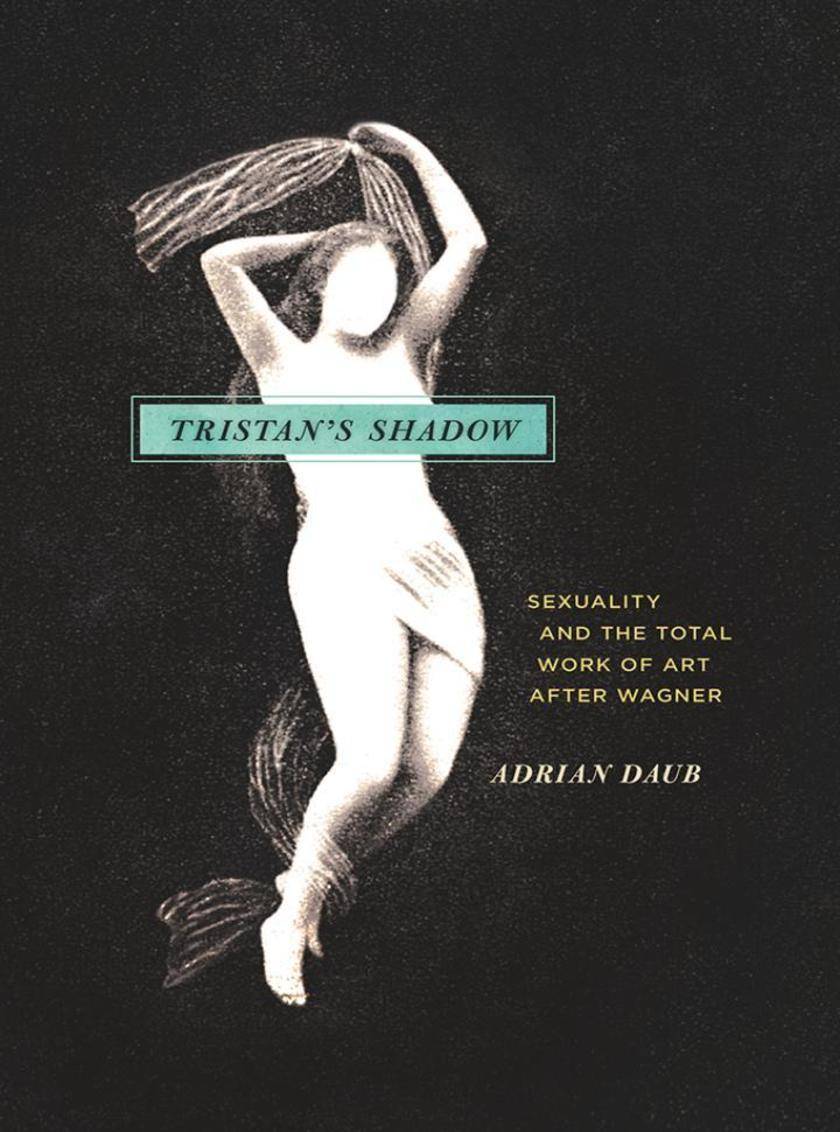
Tristan's Shadow
¥370.82
Das Rheingold, Die Walkre, and Siegfried. Parsifal. Tristan und Isolde. Both revered and reviled, Richard Wagner conceived some of the nineteenth century's most influential operas-and created some of the most indelible characters ever to grace the stage. But over the course of his polarizing career, Wagner also composed volumes of essays and pamphlets, some on topics seemingly quite distant from the opera house. His influential concept of Gesamtkunstwerk-the "e;total work of art"e;-famously and controversially offered a way to unify the different media of an opera into a coherent whole. Less well known, however, are Wagner's strange theories on sexuality-like his ideas about erotic acoustics and the metaphysics of sexual difference. Drawing on the discourses of psychoanalysis, evolutionary biology, and other emerging fields of study that informed Wagner's thinking, Adrian Daub traces the dual influence of Gesamtkunstwerk and eroticism from their classic expressions in Tristan und Isolde into the work of the generation of composers that followed, including Zemlinsky, d'Albert, Schreker, and Strauss. For decades after Wagner's death, Daub writes, these composers continued to grapple with his ideas and with his overwhelming legacy, trying in vain to write their way out from Tristan's shadow.

Victorian Scientific Naturalism
¥370.82
Victorian Scientific Naturalism examines the secular creeds of the generation of intellectuals who, in the wake of The Origin of Species, wrested cultural authority from the old Anglican establishment while installing themselves as a new professional scientific elite. These scientific naturalists-led by biologists, physicists, and mathematicians such as William Kingdon Clifford, Joseph Dalton Hooker, Thomas Henry Huxley, and John Tyndall-sought to persuade both the state and the public that scientists, not theologians, should be granted cultural authority, since their expertise gave them special insight into society, politics, and even ethics.?In Victorian Scientific Naturalism, Gowan Dawson and Bernard Lightman bring together new essays by leading historians of science and literary critics that recall these scientific naturalists, in light of recent scholarship that has tended to sideline them, and that reevaluate their place in the broader landscape of nineteenth-century Britain. Ranging in topic from daring climbing expeditions in the Alps to the maintenance of aristocratic protocols of conduct at Kew Gardens, these essays offer a series of new perspectives on Victorian scientific naturalism-as well as its subsequent incarnations in the early twentieth century-that together provide an innovative understanding of the movement centering on the issues of community, identity, and continuity.
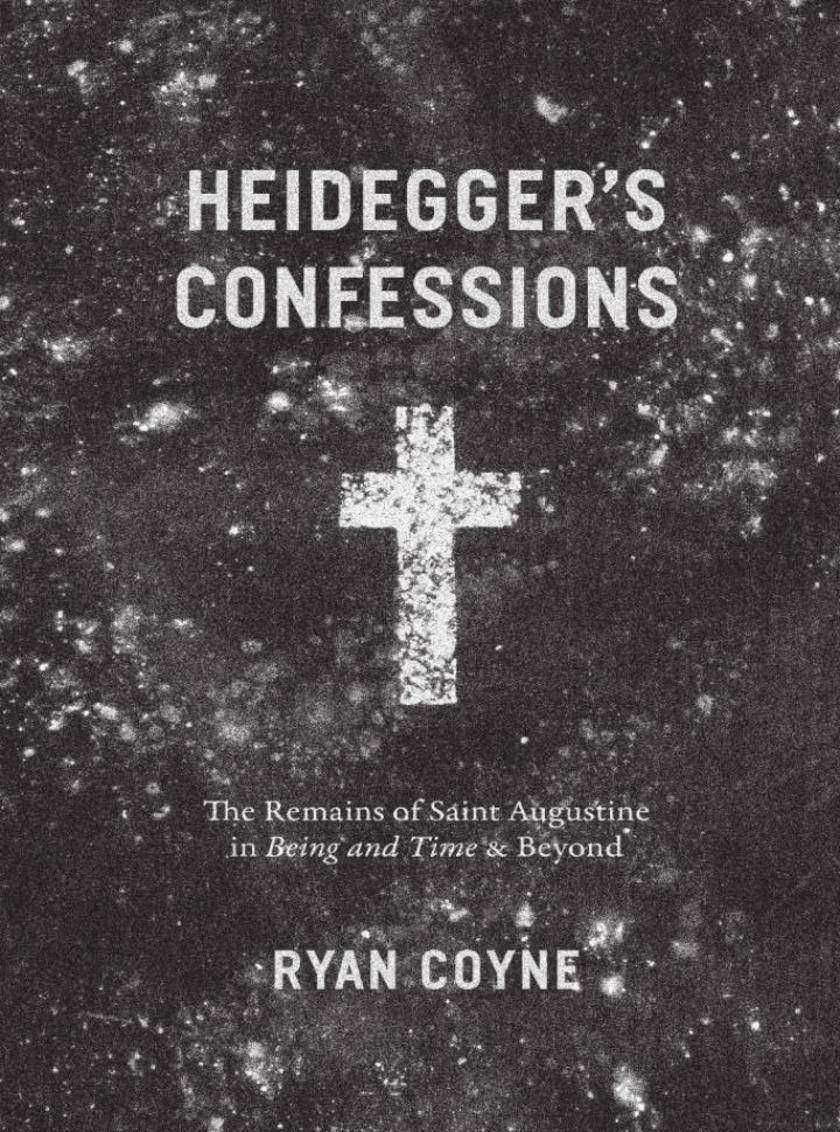
Heidegger's Confessions
¥370.82
Although Martin Heidegger is nearly as notorious as Friedrich Nietzsche for embracing the death of God, the philosopher himself acknowledged that Christianity accompanied him at every stage of his career. In Heidegger's Confessions, Ryan Coyne isolates a crucially important player in this story: Saint Augustine. Uncovering the significance of Saint Augustine in Heidegger's philosophy, he details the complex and conflicted ways in which Heidegger paradoxically sought to define himself against the Christian tradition while at the same time making use of its resources.?Coyne first examines the role of Augustine in Heidegger's early period and the development of his magnum opus, Being and Time. He then goes on to show that Heidegger owed an abiding debt to Augustine even following his own rise as a secular philosopher, tracing his early encounters with theological texts through to his late thoughts and writings. Bringing a fresh and unexpected perspective to bear on Heidegger's profoundly influential critique of modern metaphysics, Coyne traces a larger lineage between religious and theological discourse and continental philosophy.
Gravity's Ghost
¥353.16
In theory, at least, gravitational waves do exist. We are constantly bathed in gravitational radiation, which is generated when stars explode or collide and a portion of their mass becomes energy that ripples out like a disturbance on the surface of a serene pond. But unfortunately no gravitational wave has ever been directly detected even though the search has lasted more than forty years.As the leading chronicler of the search for gravitational waves, Harry Collins has been right there with the scientists since the start. The result of his unprecedented access to the front lines of physical science is Gravity's Ghost, a thrilling chronicle of high-stakes research and cutting-edge discovery. Here, Collins reveals that scientific discovery and nondiscovery can turn on scientific traditions and rivalries, that ideal statistical analysis rests on impossible procedures and unattainable knowledge, and that fact in one place is baseless assumption in another.?He also argues that sciences like gravitational wave detection, in exemplifying how the intractable is to be handled, can offer scientific leadership a moral beacon for the twenty-first century. In the end, Gravity's Ghost shows that discoveries are the denouements of dramatic scientific mysteries.
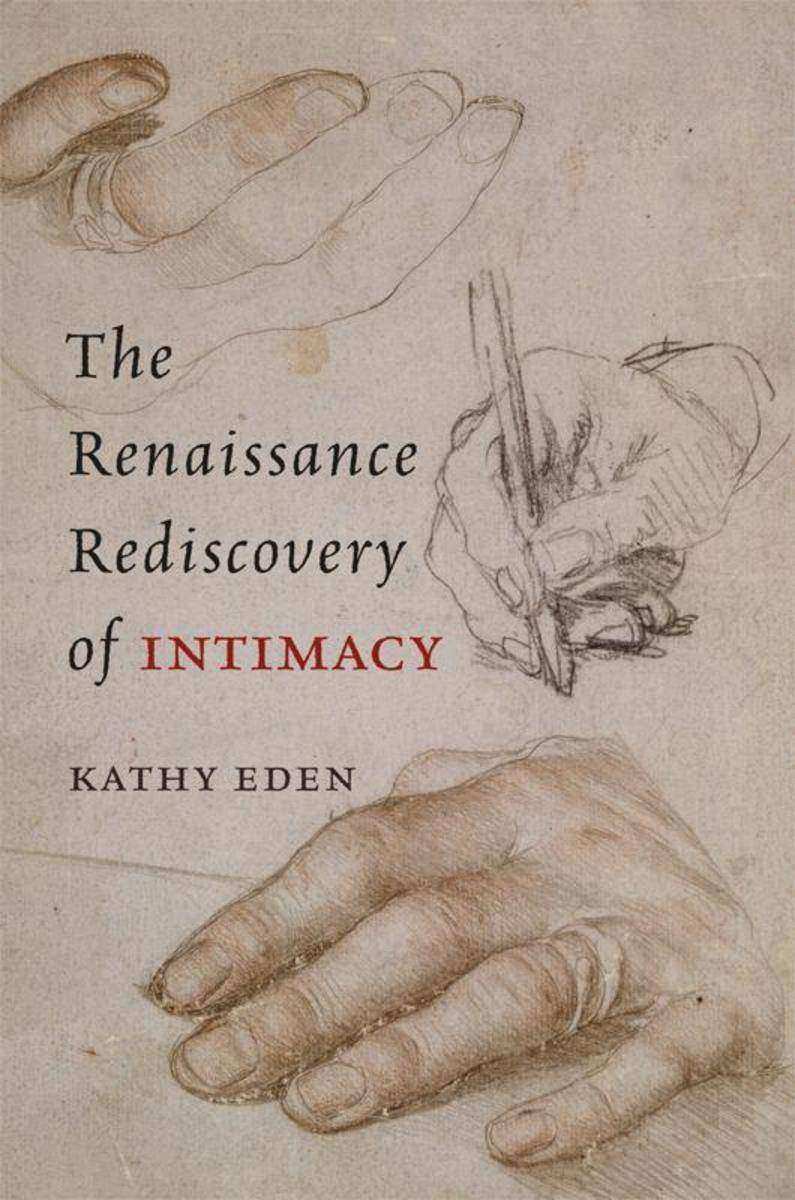
Renaissance Rediscovery of Intimacy
¥353.16
In 1345, when Petrarch recovered a lost collection of letters from Cicero to his best friend Atticus, he discovered an intimate Cicero, a man very different from either the well-known orator of the Roman forum or the measured spokesman for the ancient schools of philosophy. It was Petrarch's encounter with this previously unknown Cicero and his letters that Kathy Eden argues fundamentally changed the way Europeans from the fourteenth through the sixteenth centuries were expected to read and write.The Renaissance Rediscovery of Intimacy explores the way ancient epistolary theory and practice were understood and imitated in the European Renaissance.Eden draws chiefly upon Aristotle, Cicero, and Seneca-but also upon Plato, Demetrius, Quintilian, and many others-to show how the classical genre of the "e;familiar"e; letter emerged centuries later in the intimate styles of Petrarch, Erasmus, and Montaigne. Along the way, she reveals how the complex concept of intimacy in the Renaissance-leveraging the legal, affective, and stylistic dimensions of its prehistory in antiquity-pervades the literary production and reception of the period and sets the course for much that is modern in the literature of subsequent centuries. Eden's important study will interest students and scholars in a number of areas, including classical, Renaissance, and early modern studies; comparative literature; and the history of reading, rhetoric, and writing.
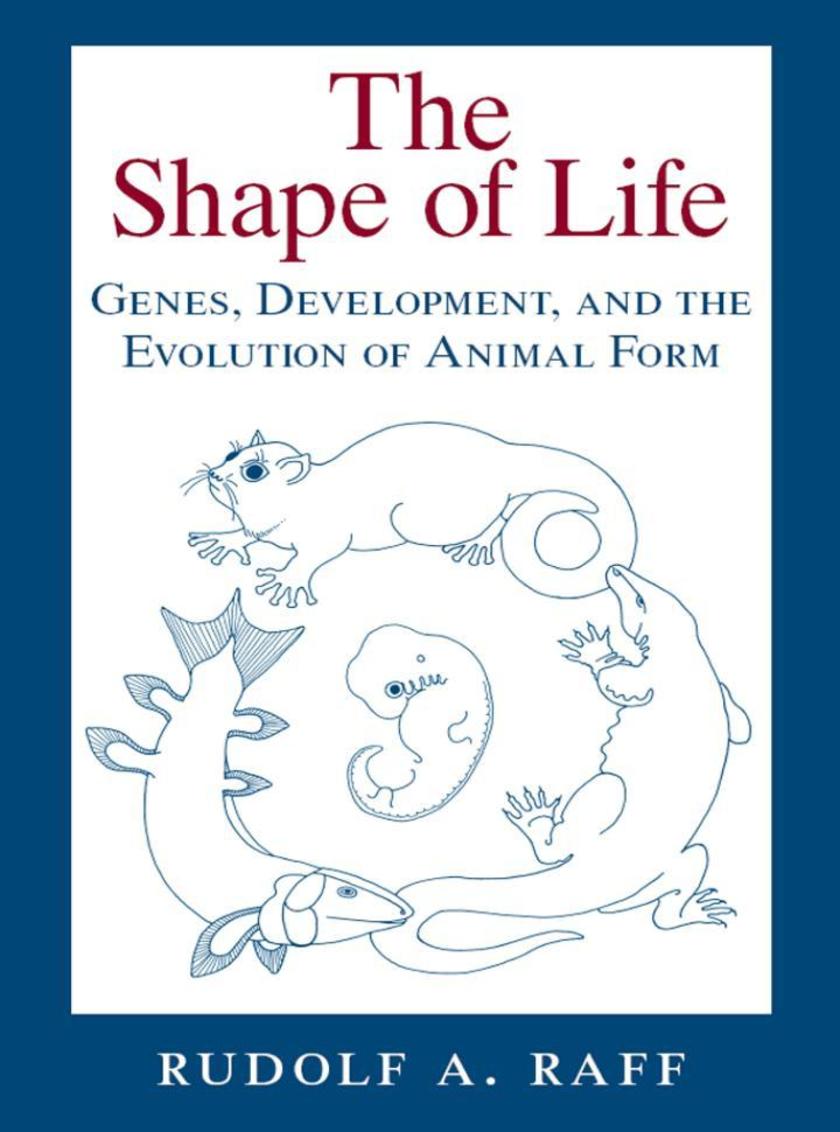
Shape of Life
¥329.62
Rudolf Raff is recognized as a pioneer in evolutionary developmental biology. In their 1983 book, Embryos, Genes, and Evolution, Raff and co-author Thomas Kaufman proposed a synthesis of developmental and evolutionary biology. In The Shape of Life, Raff analyzes the rise of this new experimental discipline and lays out new research questions, hypotheses, and approaches to guide its development.Raff uses the evolution of animal body plans to exemplify the interplay between developmental mechanisms and evolutionary patterns. Animal body plans emerged half a billion years ago. Evolution within these body plans during this span of time has resulted in the tremendous diversity of living animal forms.Raff argues for an integrated approach to the study of the intertwined roles of development and evolution involving phylogenetic, comparative, and functional biology. This new synthesis will interest not only scientists working in these areas, but also paleontologists, zoologists, morphologists, molecular biologists, and geneticists.
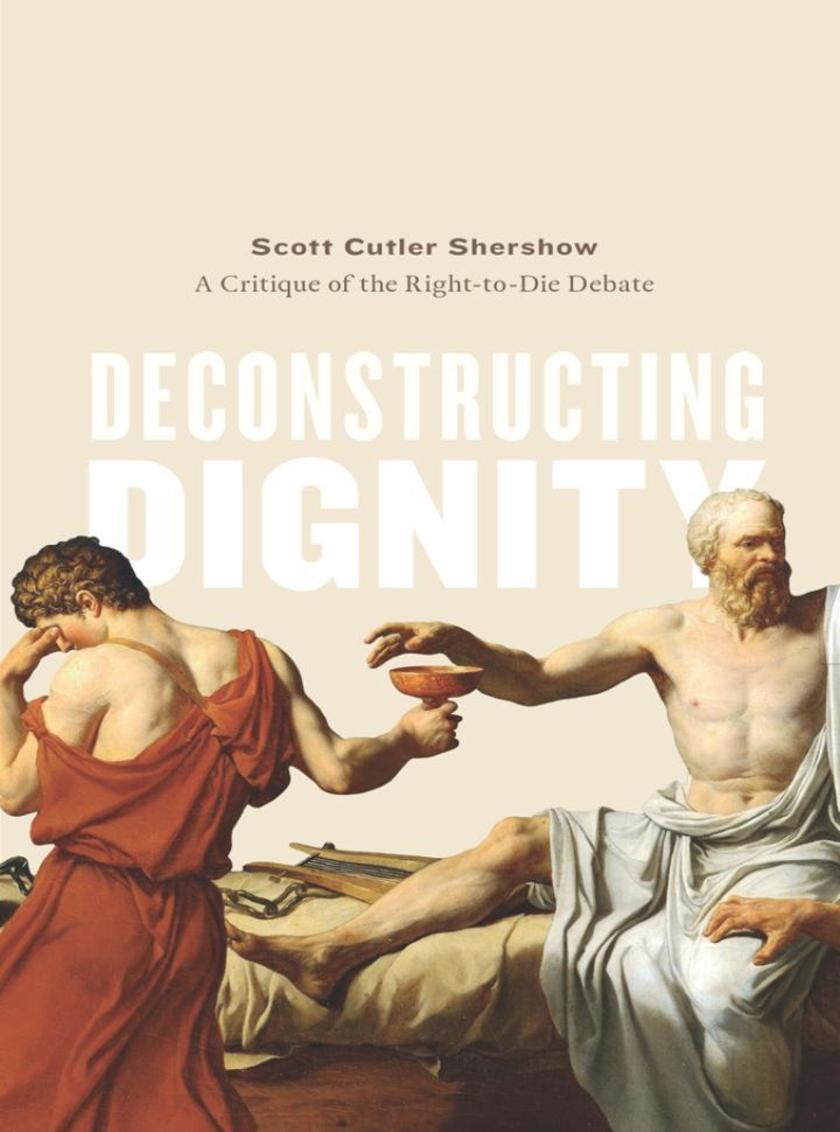
Deconstructing Dignity
¥311.96
The right-to-die debate has gone on for centuries, playing out most recently as a spectacle of protest surrounding figures such as Terry Schiavo. In?Deconstructing Dignity, Scott Cutler Shershow offers a powerful new way of thinking about it philosophically. Focusing on the concepts of human dignity and the sanctity of life, he employs Derridean deconstruction to uncover self-contradictory and damaging assumptions that underlie both sides of the debate.Shershow examines texts from Cicero's?De Officiis?to Kant's?Groundwork of the Metaphysics of Morals?to court decisions and religious declarations. Through them he reveals how arguments both supporting and denying the right to die undermine their own unconditional concepts of human dignity and the sanctity of life with a hidden conditional logic, one often tied to practical economic concerns and the scarcity or unequal distribution of medical resources. He goes on to examine the exceptional case of self-sacrifice, closing with a vision of a society-one whose conditions we are far from meeting-in which the debate can finally be resolved. A sophisticated analysis of a heated topic,?Deconstructing Dignity?is also a masterful example of deconstructionist methods at work.?
The Wisdom of Tenderness
¥83.03
A Stirring Invitation to Accept God's Unfathomable Tenderness

Stage II Relationships
¥84.16
Offers clear and practical techniques for couples and families who have faced the issue of addiction and are now striving to bring health and vitality to their relationships.

Don't Throw Away Tomorrow
¥83.03
Fifty years ago Robert H. Schuller founded a church on the idea that with faith, focus, and follow-through all of our dreams can become realities. A tireless advocate of this positive message, he built the Crystal Cathedral into one of America's most popular and beloved centers of worship. Dedicating his life to both his family and his ministry, Dr. Schuller has gone on to teach millions the power of belief. A gifted and moving storyteller, he now offers the wisdom he's gained over a lifetime of optimism and devotion. In this personal and inspirational book, Schuller shows us how the universal principles that have formed his life and his work can guide ours as well. Starting with the message of "Don't Throw Away Tomorrow!" this landmark book discusses powerful and universal ideals such as starting with optimism, choosing positive values, keeping focused, clearing the channels of communication, and most important looking to the Ultimate Authority.For fifty years Americans have been listening to Schuller's thoughtful guidance and have been inspired by his love of humanity and God. Don't Throw Away Tomorrow is a culmination of his wisdom, delivered directly to the reader a tribute to the power of possibility thinking.

I Love You Rituals
¥88.56
I Love You Rituals offers more than seventy delightful rhymes and games that send the message of unconditional love and enhance children's social, emotional, and school success.Winner of a 1999 Parent's Guide Children's Media Award, these positive nursery rhymes, interactive finger plays, soothing games, and physically active can be played with children from infancy through age eight. In only minutes a day, these powerful rituals: Prime a child's brain for learning Help children cope with change Enhance attention, cooperation, and self-esteem Help busy families stay close Affirm the parent-child bond that insulates children from violence, peer pressure, and drugs, and much more. Easy to learn and especially effective in stressful situations, I Love You Rituals gives parents, grandparents, caregivers, and teachers inspiring tools to help children thrive.

Stepping Out Within
¥53.88
Stepping Out Within by Robert W. Olsen has de*ive copy which is not yet available from the Publisher.


