


 购物车
购物车 个人中心
个人中心
Pequenas histórias do doutor Einstein
¥8.18
O Dr. Einstein é um professor e cientista muito famoso. Seus cabelos arrepiados e seu bigode felpudo podem lhe fazer parecer meio louco, mas ele é um amor de pessoa, que só tem conselhos valiosos para oferecer.

Eu te amo, e daí?
¥8.18
Você já disse “eu te amo”? Mas você disse com sinceridade? Ou apenas disse querendo obter algo? Ou para corresponder ao sentimento do outro?Neste conto, você vai conhecer Serginho, um cara que disse “eu te amo” para conseguir transar com a namorada. Ele só n?o sabia que essa mentira iria levá-lo a sofrer conseqüências nada agradáveis.
Sovereignty:The Battle for the Hearts and Minds of Men
¥81.50
Every man is born with just one thing: his sovereignty - his power to respond to his environment and his circumstances. Unfortunately, most men have spent much of their lives giving away that sovereignty. Every time a man passes blame or shirks his responsibility, every time he makes excuses for his performance, and every time he trades his unlimited potential for a little perceived safety and security, he willingly submits himself to the mercy of others. Is it any wonder that men, in general, seem to have lost their way? You don’t have to look very far to recognize that men don’t seem to possess the same amount of vigor and purpose they once did. Take one sobering statistic—the rate of suicide in men—and you begin to see how damaging the effects of the voluntary subjugation of men to their families, their businesses, and their governments can be. It’s not hard to understand why we give up control to others—it’s easy and we’re expected to. Sovereignty: The Battle for the Hearts and Minds of Men?is a call for men to once again rise up and establish themselves as they once were—a revolution if you will. Inside the pages of this book, we’ll uncover the battle each man will inevitably engage in, the external forces fighting against the call to masculinity, and the internal struggle all men must overcome. But make no mistake, this revolution is not a call for men to go their own way and rally against society.?It’s a call for men to become fully the men they are meant to be so they may more adequately take care of themselves and those they are responsible for. Men have always been expected to protect, provide, and preside over themselves, their families, their businesses, and their communities. By embodying the thirteen Sovereign Virtues we detail inside, every man will be more capable of fulfilling his masculine duties and responsibilities. The words in this book go well beyond principle and theory, however, as we build the framework for establishing a battle plan to combat the external and internal threats to our masculine power and give every man the tools, resources, guidance, direction, and ability to reclaim what has always been his: his sovereignty.
School Jokes
¥2.78
School Jokes One hundred of hilarious and funny jokes !Have fun and laugh!
Dragoste sub presiune
¥7.36
Crawford Hunt ??i vrea fiica ?napoi. Dup? moartea so?iei sale ?n urm? cu patru ani, rangerul texan a alunecat pe o pant? a nes?buin?elor care a f?cut s? fie consemnat la munca de birou ?i a dus la pierderea custodiei fiicei sale. Acum ?ns? Crawford ?i-a reg?sit calea cea dreapt?, a?a c? ?nainteaz? o cerere de redob?ndire a custodiei. Cazul i este atribuit judec?toarei Holly Spencer, o femeie la fel de atr?g?toare pe c?t este de ambi?ioas?. C?nd un mascat ?narmat ?ntrerupe audierile pentru custodie ?i ?ndreapt? arma c?tre judec?toare, rangerul reac?ioneaz? instinctiv ?i se n?puste?te asupra lui. Dar autorit??ile prind pe altcineva, iar adev?ratul atacator r?m?ne necunoscut, ?n libertate, un pericol. Prinderea adev?ratului f?pta? devine pentru Crawford o misiune personal?. Oare omul legii, obi?nuit s? ia atitudine, ??i va risca ?ansele de a ob?ine custodia copilului ?i va porni pe urmele unui presupus asasin? ?i oare va reu?it aceast? pereche mai pu?in obi?nuit? s? ignore atrac?ia interzis? ce pare s? fie din ce ?n ce mai puternic??
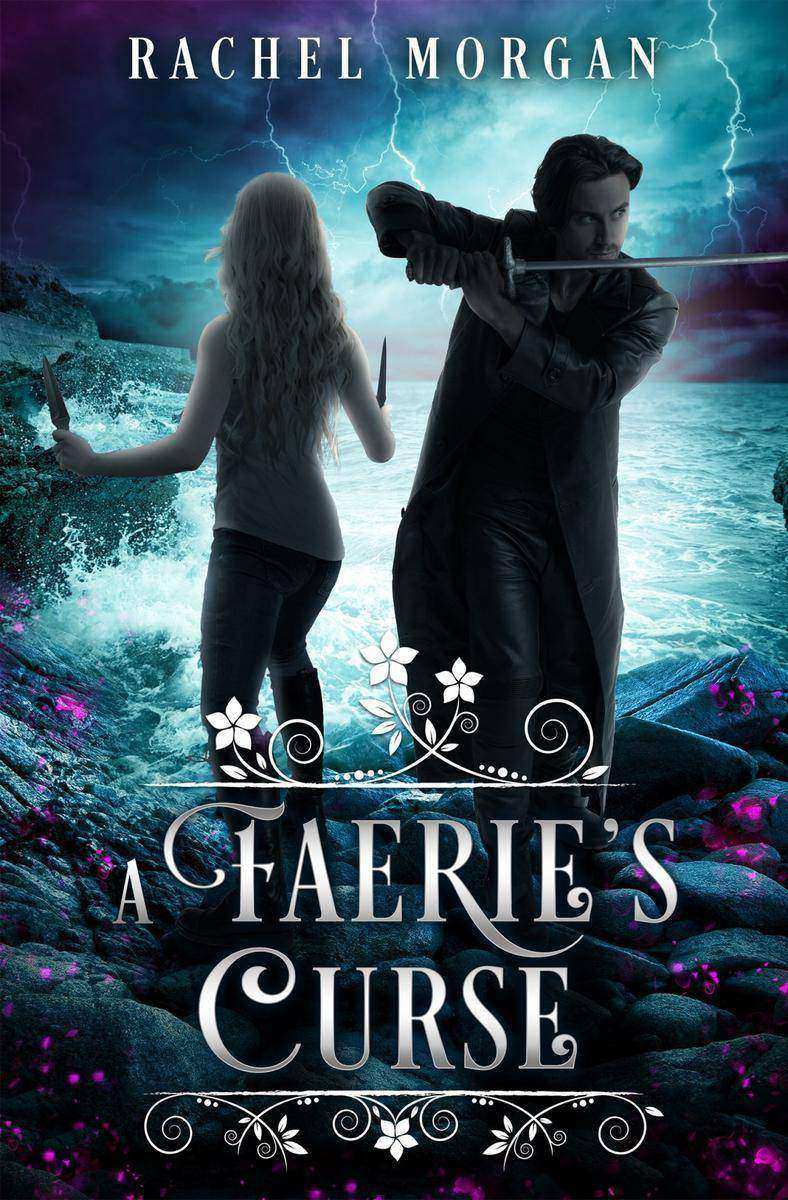
A Faerie's Curse
¥40.79
A witch’s curse. A world-ending prophecy. A daring rescue mission. Don’t miss the heart-pounding finale to Calla’s story! On the run from the Guild of Guardians, Calla Larkenwood and her team of fellow outlaws plan a daring rescue operation into the Seelie Court itself. As if that isn’t enough to keep them busy, the power-hungry Princess Angelica has begun preparations for a horrifying prophesied spell that will forever change both the magic and non-magic realms. When Calla is blindsided by an unspeakable tragedy before the rescue can be carried out, she struggles to remain focused on her mission. She believes she’s reached her lowest point—until a witch reveals the final blow: she has cursed Calla’s magic. With time running out, can Calla save the one she loves and stop the prophecy from being carried out before the curse claims her life? Perfect for fans of The Mortal Instruments,The Iron Fey, and Graceling.
Grave Walker:A gripping noir thriller
¥30.44
An ex-cop haunted by his past. A body with a message. 72 hours to find the truth... Ex-cop, Thomas Blume returns to New York hot on the trail of the man that killed his family... But when the body of a former girlfriend unexpectedly shows up at police HQ Blume is suddenly thrust into an investigation to find the murderer and stop them killing again.? Now, in a race against time Blume must solve a riddle from his past and battle through a world of cops, criminals and organized crime…before it’s too late. Who can be trusted and who will survive? Find out in the thrilling fifth book of the Thomas Blume mystery series today. If you like gripping mysteries, captivating characters and unique twists and turns, you’ll love the next instalment in PT Reade’s bestselling mix of action, mystery and suspense. Click and get your copy of GRAVE WALKER now! What people are saying about the Thomas Blume series: ‘A breakneck ride…’– The Croydon Citizen 'Blume is sure to become the next timeless hero of detective fiction.'- Red Rock Bookworm' ...the author delivered a WOW bomb in the epilogue' - FictionZeal 'It reminds me of Raymond Chandler’s work. It’s noir, dark, full of rainy streets, seedy bars and characters with their own secrets.'- Author, Victoria Randall Click and get your copy of Grave Walker now! Tags: hard boiled mysteries, mystery, mysteries, noir, private investigators, hard boiled thriller, hard boiled detective fiction, hard boiled private investigator mystery series

The Faerie War
¥32.62
Driven by action, suspense, and a strong heroine, this bestselling YA fantasy will keep you turning the pages ... Violet Fairdale is in big trouble. Her home is gone, her beloved forest lies in ruins, the guy she gave her heart to has deserted her—and she doesn’t remember any of it. The powerful Lord Draven is taking over, brainwashing guardians into fighting for him. No one is safe from the evil spreading throughout the fae world. As alliances are forged between the remaining free fae, Vi struggles to reclaim her identity and figure out where she belongs in this new world. When someone from her past shows up, life gets more complicated. He brings with him a long-forgotten weapon and an ancient prophecy that places Vi at the center of the fight against Draven. With the future of the fae world at stake, can Vi carry out the prophecy’s instructions before it’s too late? Perfect for fans of The Mortal Instruments,The Iron Fey, and Graceling.

The Ultimate Keto Diet Guide & 100 Recipes
¥57.14
Do Want to Burn Fat or Store fat? Do you want to use fat to fuel your body? Do you want to stop counting calories forever? You'll learn all this and more, all for the cost of your morning coffee!! 50 Page Complete Guide to the Ketogenic Diet and 100 Delicious Recipes (all with detailed nutritional information). Includes Bonus 7 Day Quick Start Guide Meal Planner The Quick Start Guide and 7 Day Meal Planner means you can start today. Do you want to experience the benefits of the Ketogenic Diet (lose stubborn belly fat, reduced blood sugar levels, increased energy and mental focus) but are not sure where to start? Do you want a step by step Ketogenic Diet plan tailored to you? Would you like to master the Ketogenic Diet and learn how to never count calories again? Do you want a wide range of delicious and easy Ketogenic recipes to choose from? You'll get all this and more in the 'Ketogenic Diet: Low Carb, High Fat Diet Guide and 100 Recipe Cookbook for Beginners for Fast Weight Loss' You'll also learn: Why most diets fail and how to keep on track How you could be eating more carbs than you think and need. What food types to eat and what to avoid Using the 80% Approach, never to have to count calories again! Download now and discover the easy Ketogenic Diet and how it can help YOU with your health goals
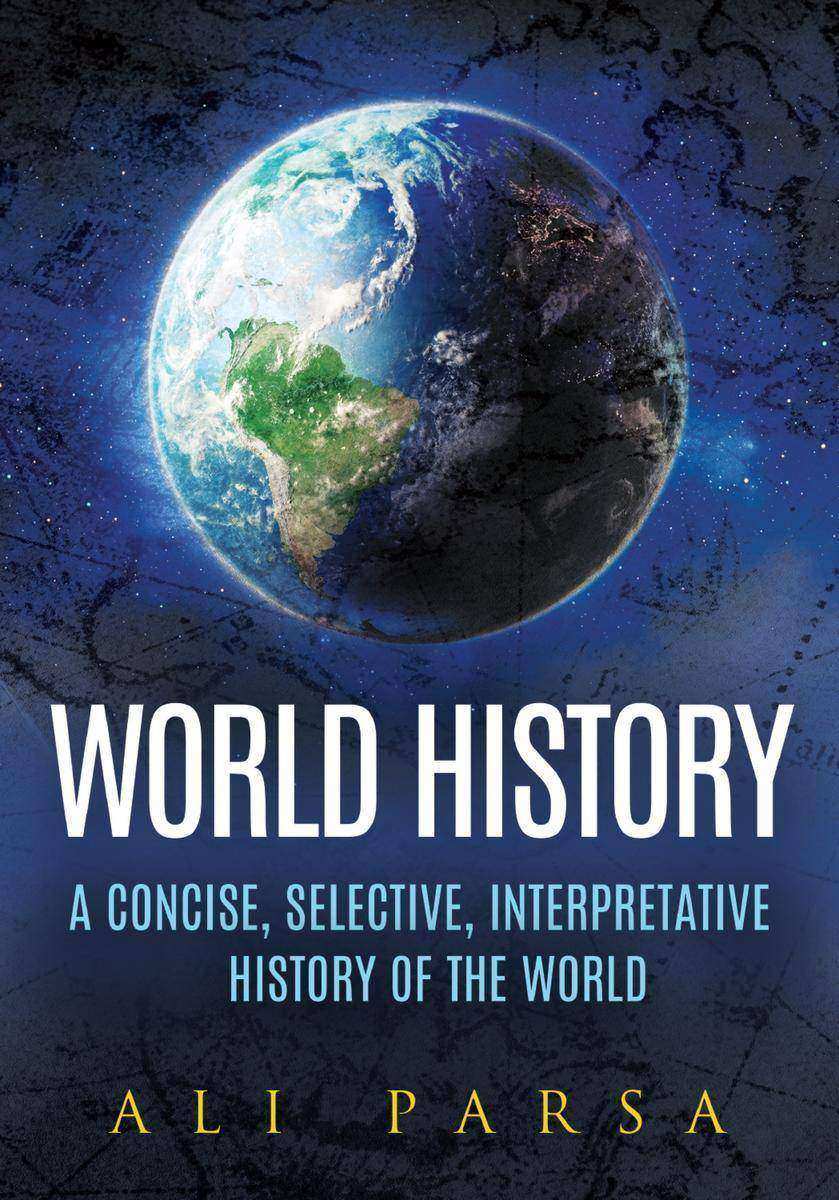
World History:A Concise, Selective, Interpretive History of the World
¥327.00
This book provides a brief history of the world, focusing on major civilizations while employing a few strong interpretive themes. It could be used as a world history text for students and the ordinary public who are sometimes intimidated or overwhelmed by the detailed content of available history textbooks, or as a complementary book for world history classes. It could also benefit educated and intellectually inclined people by opening a stimulating topic of discussion. Upper division or graduate courses in historiography or philosophy of history might benefit from it as a review of world history, but also in the study of historiography as well. Ultimately, the book is didactic in nature and its goal is to teach history to students of history. In general, it presents an optimistic, if cautious, and realistic view of history in a coherent and meaningful narrative. It is hoped that through the understanding of history a new global ethic can ideally be envisioned and thereby achieved. The main underlying premise in this book is that successful civilizations—ones providing safety, prosperity, and room for individual growth and creativity—have from ancient times to the present flourished when responding creatively to the major challenges of their time and their environment. Second, many successful civilizations appear to have a life span of about two hundred years or some multiple of that number (e.g., the Greek’s Golden Age, the Romans, the Persians, the Chinese Han Dynasty). This number might be a consequence of the life span of individual human beings, about thirty years, with two hundred years constituting about six generations. These six generations might be divided into two first generations (father and son) of visionaries, two second generations of benefactors, and then two generations of critics. This hypothesis assumes the father-son relationship to be more direct, stronger, and more real than ideal. Third, throughout the dialectical process and cycles of integration and disintegration (or centralization and decentralization), societies tend to move toward expansion of greater human intellectual and political unity.
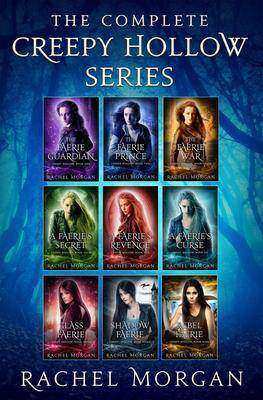
The Complete Creepy Hollow Series
¥76.22
Over 3000 pages of magic, intrigue, action and romance, with a collective 8000+ 5-star Goodreads reviews. Binge-read this bestselling fantasy series today! "Some of my favorite fantasy EVER!!" ~?booksmoviesandmoreohmy?★★★★★? "I cannot recommend this series enough ..." ~?Kez's Korner?★★★★★? "Put these books at the top of your must read list!!!!" ~ ★★★★★? "Excellent world building, excellent writing and great romance." ~?★★★★★? Violet has one job:?protect humans from dangerous magical creatures. It’s a job she’s good at—until her latest assignment, the?cute human guy?whose life she just saved,?follows her into the fae realm. Now she’s broken faerie law, putting graduation and her future at the Guild of Guardians at risk. She needs to get Nate home and make him forget everything he’s discovered—but it won’t be as easy as she hopes.Someone has been waiting for Nate, and now that he’s entered the fae realm, a dangerous plot is set in motion. Vi is about to find herself fighting for Nate’s life and her own as the two of them are pulled deeper into the darker side of the fae world. - - - An epic story of dazzling magic, heart-pounding action, thrilling twists, and swoon-worthy romance. Grab your copy and let yourself be swept away into this enchanting world! The Complete Creepy Hollow Series includes the following books:1.?The Faerie Guardian 2.?The Faerie Prince 3.?The Faerie War 4.?A Faerie's Secret 5.A Faerie's Revenge 6.?A Faerie's Curse 7.?Glass Faerie 8.Shadow Faerie 9.?Rebel Faerie

Imi pare rau, sunt asteptata
¥73.49
Ya?l tr?ie?te doar pentru munca ei. Interpret? de excep?ie la o agen?ie renumit?, ??i ?mparte timpul ?ntre ?nt?lniri ?i cine de afaceri. Nu ?tie ce ?nseamn? o vacan??, e dependent? de adrenalin?.?Nu renun?? niciodat? la ?inuta ei office ?i la pantofii cu tocuri ?nalte.???i vede rar familia ?i prietenii, care ??i fac griji pentru ea.?Nu ?ine cont de sfaturi, pentru c? simte c? a f?cut alegerea potrivit?, animat? de dorin?a neclintit? de a reu?i.?P?n? c?nd ?l ?nt?lne?te pe Marc, cel mai bun prieten al s?u din studen?ie, ?i via?a ei, at?t de bine organizat?, sare ?n aer.?Trecutul o ajunge din urm? ?i Ya?l descoper? c? fericirea ?i succesul personal par a fi incompatibile…?Un roman emo?ionant despre alegerile pe care le facem ?n via??."?mi pare r?u, sunt a?teptat?… e scris cu aceea?i naturale?e care a devenit o marc? a scrisului lui?Agnès Martin-Lugand." -?Le Parisien"Cred c? nu ne oprim niciodat? din a ne construi propria fericire. E un proces ne?ntrerupt. Ya?l poate s? se schimbe, are dreptul ca, la un moment dat, s? aleag? alt? cale. P?n? la urm?, putem avea mai multe vie?i." -?Agnès Martin-Lugand
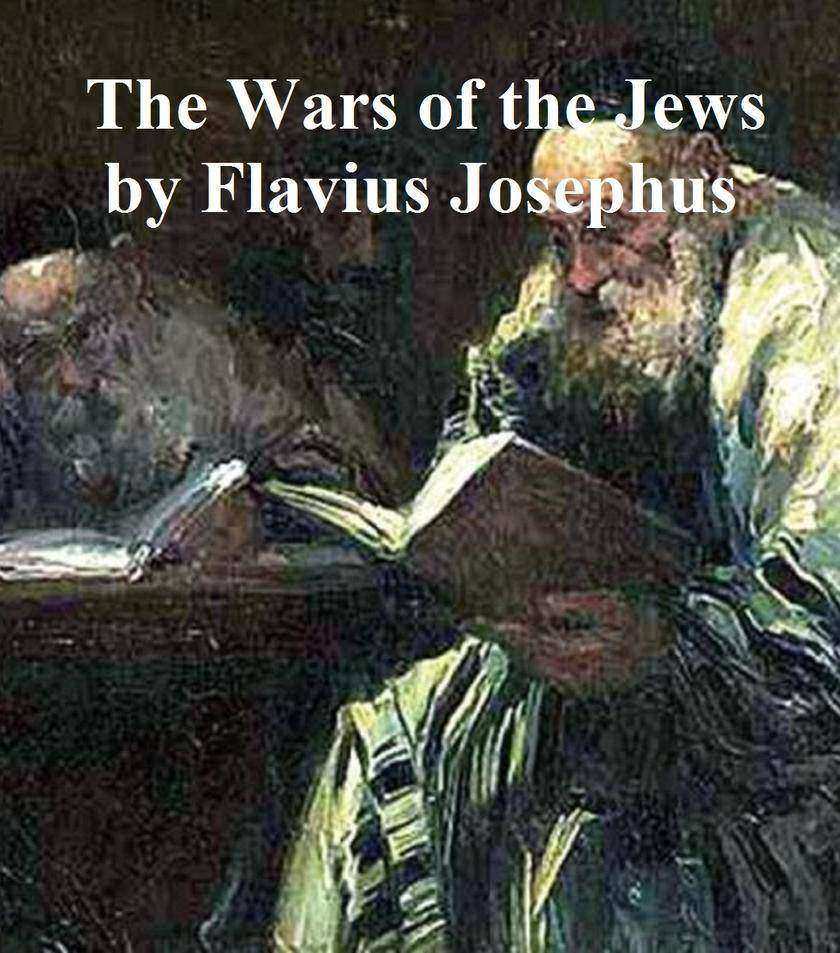
The Wars of the Jews Or History of the Destruction of Jerusalem
¥8.09
The classic first-hand account of the Roman conquest of Israel. The Preface begins: "Whereas the war which the Jews made with the Romans hath been the greatest of all those, not only that have been in our times, but, in a manner, of those that ever were heard of; both of those wherein cities have fought against cities, or nations against nations; while some men who were not concerned in the affairs themselves have gotten together vain and contradictory stories by hearsay, and have written them down after a sophistical manner; and while those that were there present have given false accounts of things, and this either out of a humor of flattery to the Romans, or of hatred towards the Jews; and while their writings contain sometimes accusations, and sometimes encomiums, but no where the accurate truth of the facts; I have proposed to myself, for the sake of such as live under the government of the Romans, to translate those books into the Greek tongue, which I formerly composed in the language of our country." According to Wikipedia: "The Jewish War or Judean War (in full Flavius Josephus's Books of the History of the Jewish War against the Romans) also referred to in English as The Wars of the Jews, is a book written by Josephus, a Roman-Jewish historian of the 1st century. It is a description of Jewish history from the capture of Jerusalem by the Seleucid ruler Antiochus IV Epiphanes in 164 BC to the fall and destruction of Jerusalem in the First Jewish–Roman War in 70 AD. The book was written about 75 AD, originally in Josephus's "paternal tongue", probably Aramaic, though this version has not survived. It was later translated into Greek, probably under the supervision of Josephus himself."
The Borgias
¥8.09
Popular biography of the Borgia family. According to Wikipedia: "Alexandre Dumas, born Dumas Davy de la Pailleterie (24 July 1802 – 5 December 1870)[1] was a French writer, best known for his historical novels of high adventure which have made him one of the most widely read French authors in the world. Many of his novels, including The Count of Monte Cristo, The Three Musketeers, Twenty Years After, and The Vicomte de Bragelonne were originally serialized. He also wrote plays and magazine articles and was a prolific correspondent... From 1839 to 1841 Dumas, with the assistance of several friends, compiled Celebrated Crimes, an eight-volume collection of essays on famous criminals and crimes from European history, including Beatrice Cenci, Martin Guerre, Cesare and Lucrezia Borgia as well as more recent incidents, including the cases of executed alleged murderers Karl Ludwig Sand and Antoine Fran?ois Desrues."
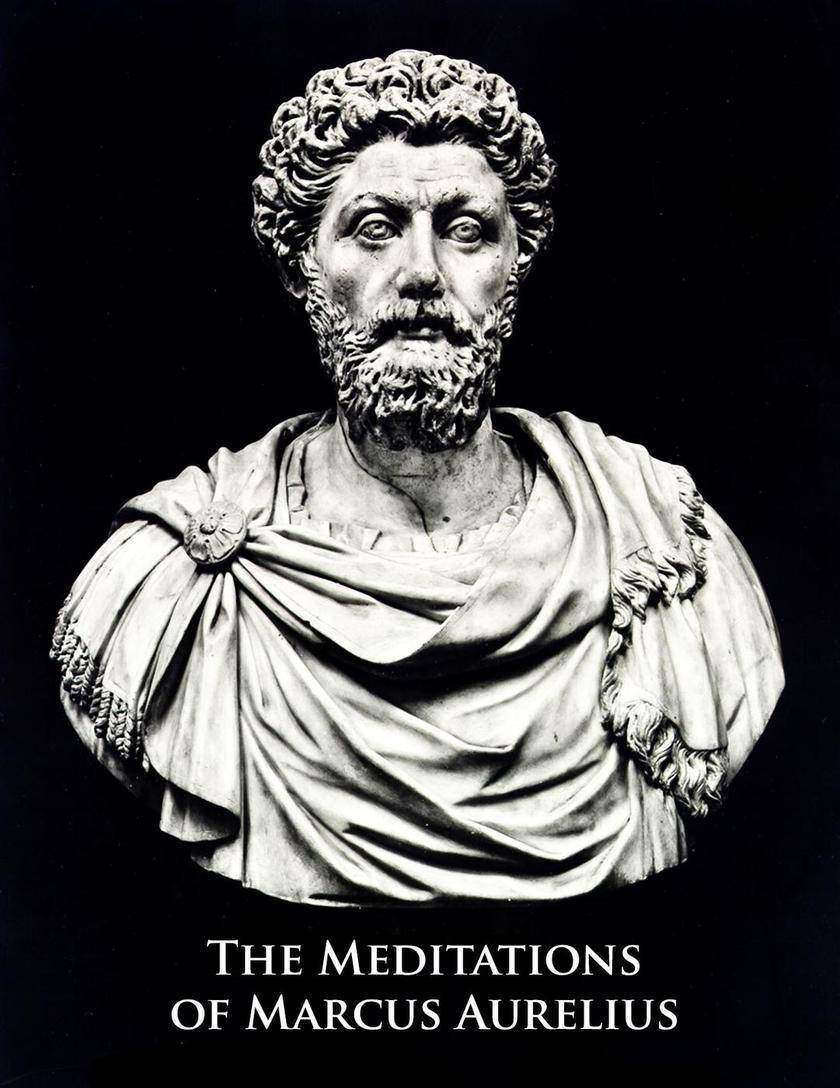
The Meditations of Marcus Aurelius
¥18.56
Marcus Aurelius was a Roman Emperor from 161 to 180. He ruled with Lucius Verus as co-emperor from 161 until Verus' death in 169. He was the last of the Five Good Emperors, and is also considered one of the most important Stoic philosophers. During his reign, the Empire defeated a revitalized Parthian Empire in the East; Aurelius' general Avidius Cassius sacked the capital Ctesiphon in 164. In central Europe, Aurelius fought the Marcomanni, Quadi, and Sarmatians with success during the Marcomannic Wars, with the threat of the Germanic tribes beginning to represent a troubling reality for the Empire. A revolt in the East led by Avidius Cassius failed to gain momentum and was suppressed immediately. Marcus Aurelius' Stoic tome Meditations, written in Greek while on campaign between 170 and 180, is still revered as a literary monument to a philosophy of service and duty, describing how to find and preserve equanimity in the midst of conflict by following nature as a source of guidance and inspiration.

Mary Queen of Scots
¥8.09
According to Wikipedia: "Jacob Abbott (November 14, 1803 – October 31, 1879) was an American writer of children's books. Abbott was born at Hallowell, Maine to Jacob and Betsey Abbott. He graduated from Bowdoin College in 1820; studied at Andover Theological Seminary in 1821, 1822, and 1824; was tutor in 1824-1825, and from 1825 to 1829 was professor of mathematics and natural philosophy at Amherst College; was licensed to preach by the Hampshire Association in 1826; founded the Mount Vernon School for Young Ladies in Boston in 1829, and was principal of it in 1829-1833; was pastor of Eliot Congregational Church (which he founded), at Roxbury, Massachusetts in 1834-1835; and was, with his brothers, a founder, and in 1843-1851 a principal of Abbott's Institute, and in 1845-1848 of the Mount Vernon School for Boys, in New York City. He was a prolific author, writing juvenile fiction, brief histories, biographies, religious books for the general reader, and a few works in popular science. He died in Farmington, Maine, where he had spent part of his time after 1839, and where his brother, Samuel Phillips Abbott, founded the Abbott School."

The Social Contract
¥8.09
According to Wikipedia: "Of The Social Contract, Or Principles of Political Right (Du contrat social ou Principes du droit politique; 1762) by Jean-Jacques Rousseau is a book in which Rousseau theorized about the best way to establish a political community in the face of the problems of commercial society, which he had already identified in his Discourse on Inequality (1754). The Social Contract helped inspire political reforms or revolutions in Europe, especially in France. The Social Contract argued against the idea that monarchs were divinely empowered to legislate; as Rousseau asserts, only the people, who are sovereign, have that all-powerful right... Jean-Jacques Rousseau (28 June 1712 – 2 July 1778) was a Genevan philosopher, writer, and composer of the 18th century. His political philosophy influenced the French Revolution as well as the overall development of modern political, sociological, and educational thought. Rousseau's novel Emile, or On Education is a treatise on the education of the whole person for citizenship. His sentimental novel Julie, or the New Heloise was of importance to the development of pre-romanticism and romanticism in fiction. Rousseau's autobiographical writings — his Confessions, which initiated the modern autobiography, and his Reveries of a Solitary Walker — exemplified the late 18th-century movement known as the Age of Sensibility, and featured an increased focus on subjectivity and introspection that later characterized modern writing. His Discourse on Inequality and The Social Contract are cornerstones in modern political and social thought."
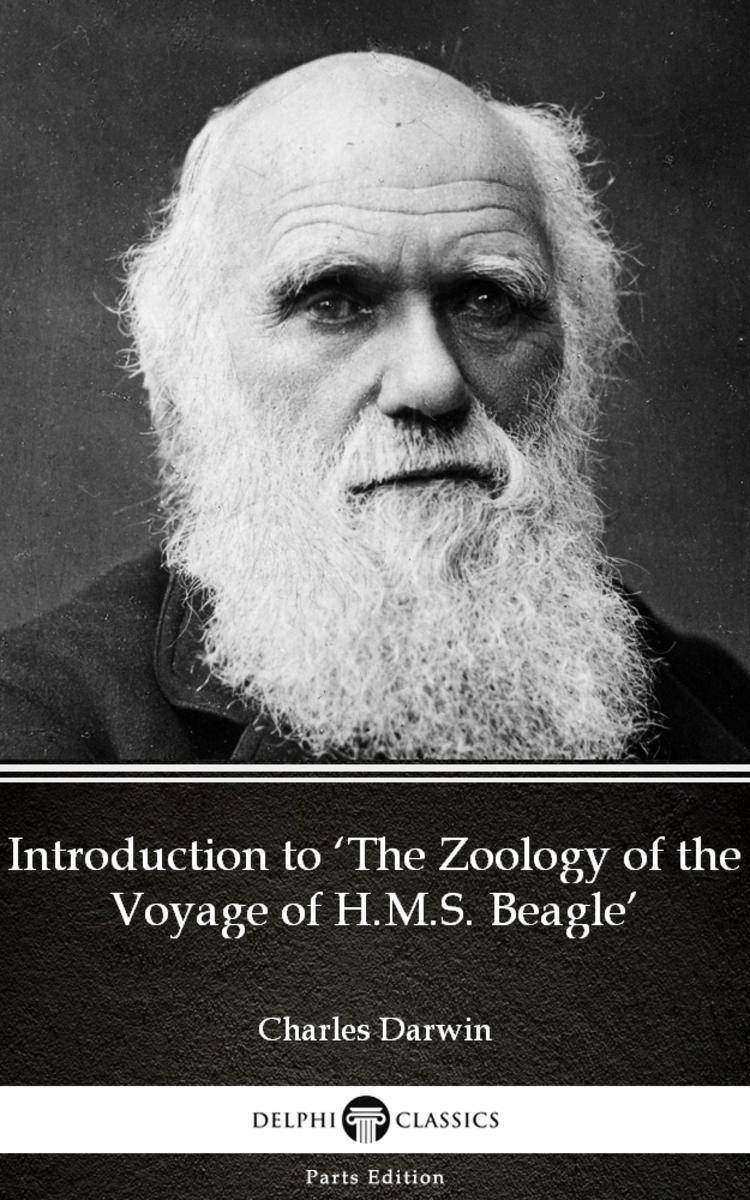
Introduction to ‘The Zoology of the Voyage of H.M.S. Beagle’ by Charles Darwin
¥8.09
This eBook features the unabridged text of ‘Introduction to ‘The Zoology of the Voyage of H.M.S. Beagle’ by Charles Darwin - Delphi Classics (Illustrated)’ from the bestselling edition of ‘The Complete Works of Charles Darwin’. Having established their name as the leading publisher of classic literature and art, Delphi Classics produce publications that are individually crafted with superior formatting, while introducing many rare texts for the first time in digital print. The Delphi Classics edition of Darwin includes original annotations and illustrations relating to the life and works of the author, as well as individual tables of contents, allowing you to navigate eBooks quickly and easily. eBook features: * The complete unabridged text of ‘Introduction to ‘The Zoology of the Voyage of H.M.S. Beagle’ by Charles Darwin - Delphi Classics (Illustrated)’ * Beautifully illustrated with images related to Darwin’s works * Individual contents table, allowing easy navigation around the eBook * Excellent formatting of the text Please visit www.delphiclassics.com to learn more about our wide range of titles
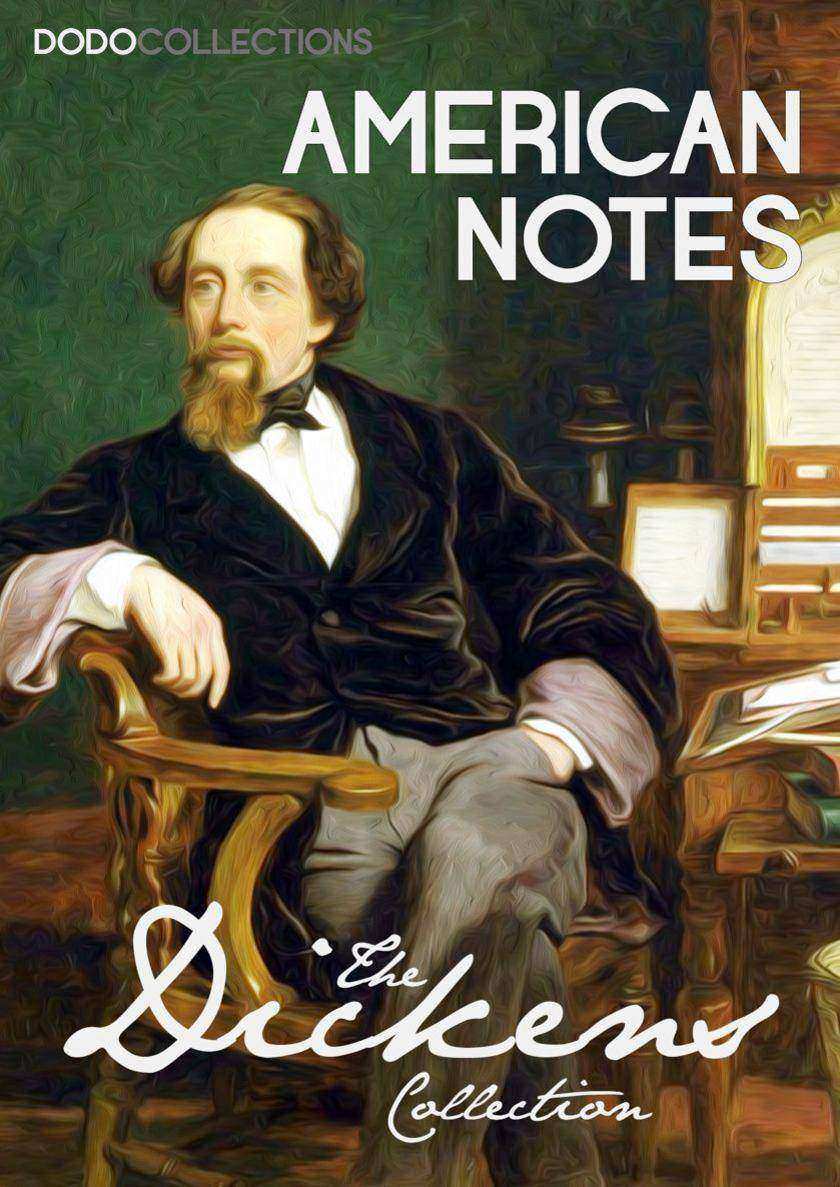
American Notes
¥8.09
Dodo Collections brings you another classic from Charles Dickens, ‘American Notes.’ ? American Notes is a fascinating account of nineteenth-century America sketched with Charles Dickens's characteristic wit and charm. When Charles Dickens set out for America in 1842 he was the most famous man of his day to travel there - curious about the revolutionary new civilization that had captured the English imagination. His frank and often humorous descriptions cover everything from his comically wretched sea voyage to his sheer astonishment at the magnificence of the Niagara Falls, while he also visited hospitals, prisons and law courts and found them exemplary. But Dickens's opinion of America as a land ruled by money, built on slavery, with a corrupt press and unsavoury manners, provoked a hostile reaction on both sides of the Atlantic. American Notes is an illuminating account of a great writer's revelatory encounter with the New World ? Charles Dickens was an English writer and social critic. He created some of the world's best-known fictional characters and is regarded as the greatest novelist of the Victorian era. His works enjoyed unprecedented popularity during his lifetime, and by the twentieth century critics and scholars had recognised him as a literary genius. His novels and short stories enjoy lasting popularity. Born in Portsmouth, Dickens left school to work in a factory when his father was incarcerated in a debtors' prison. Despite his lack of formal education, he edited a weekly journal for 20 years, wrote 15 novels, five novellas, hundreds of short stories and non-fiction articles, lectured and performed extensively, was an indefatigable letter writer, and campaigned vigorously for children's rights, education, and other social reforms. ? A prolific 19th Century author of short stories, plays, novellas, novels, fiction and non-fiction; during his lifetime Dickens became known the world over for his remarkable characters, his mastery of prose in the telling of their lives, and his depictions of the social classes, morals and values of his times. Some considered him the spokesman for the poor, for he definitely brought much awareness to their plight, the downtrodden and the have-nots. He had his share of critics, like Virginia Woolf and Henry James, but also many admirers, even into the 21st Century.
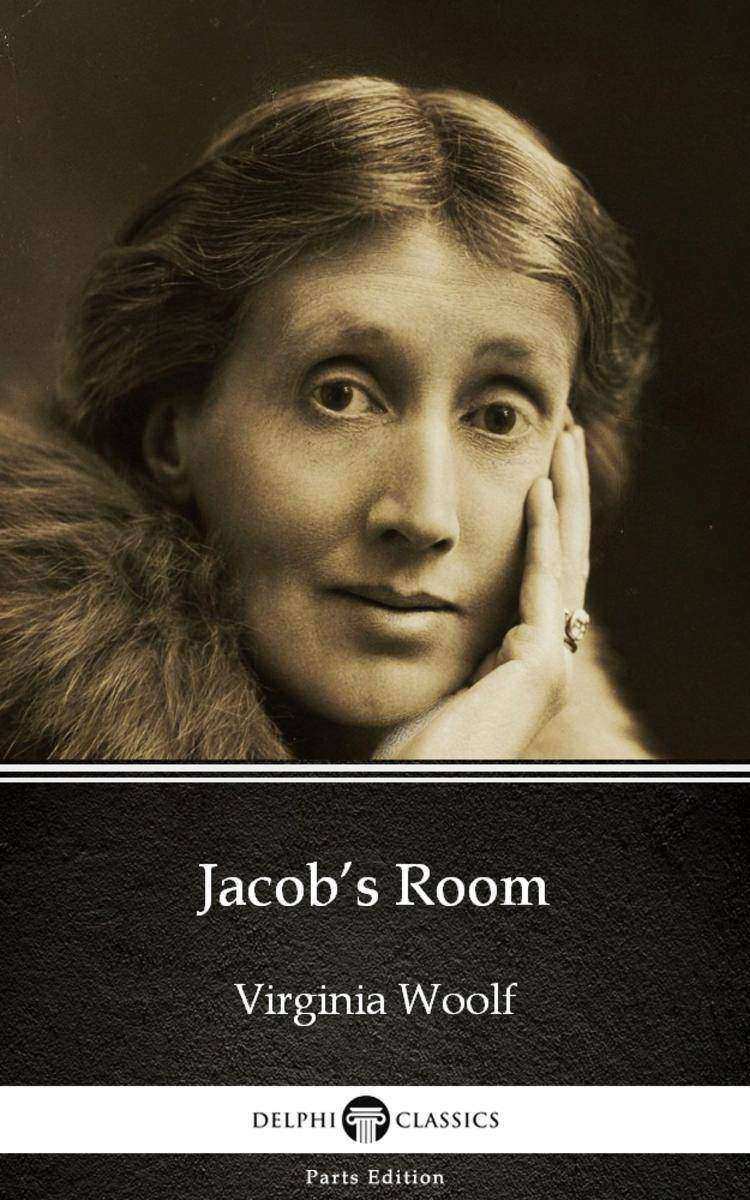
Jacob’s Room by Virginia Woolf - Delphi Classics (Illustrated)
¥8.09
This eBook features the unabridged text of ‘Jacob’s Room by Virginia Woolf - Delphi Classics (Illustrated)’ from the bestselling edition of ‘The Complete Works of Virginia Woolf’. Having established their name as the leading publisher of classic literature and art, Delphi Classics produce publications that are individually crafted with superior formatting, while introducing many rare texts for the first time in digital print. The Delphi Classics edition of Woolf includes original annotations and illustrations relating to the life and works of the author, as well as individual tables of contents, allowing you to navigate eBooks quickly and easily. eBook features: * The complete unabridged text of ‘Jacob’s Room by Virginia Woolf - Delphi Classics (Illustrated)’ * Beautifully illustrated with images related to Woolf’s works * Individual contents table, allowing easy navigation around the eBook * Excellent formatting of the text Please visit www.delphiclassics.com to learn more about our wide range of titles
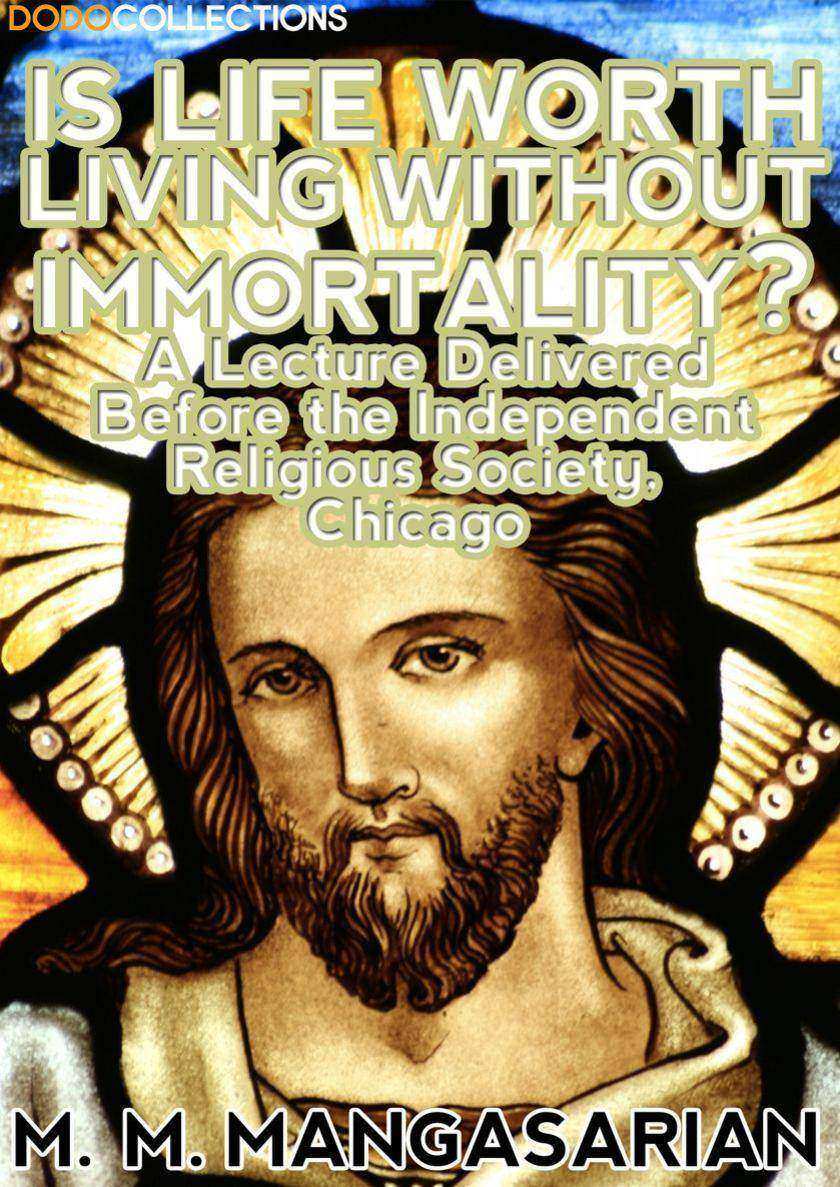
Is Life Worth Living Without Immortality?
¥8.09
Dodo Collections brings you another classic from M. M. Mangasarian, ‘Is Life Worth Living Without Immortality?’ ? This book is based upon the famous lecture delivered before the Independent Religious Society, Chicago?by Mangasarian. ? Born in Mashger (now within Turkey) in the Ottoman Empire, M. M. Mangasarian attended Robert College in Constantinople, and was ordained as minister in Marsovan in 1878. In about 1880 he enrolled at Princeton University. He was pastor at a Presbyterian church in Philadelphia from 1882 to 1885, when he resigned, becoming an independent preacher and a lecturer on "independent religion" in New York. In 1892 he became leader of the Ethical Culture Society of Chicago, a group established by Felix Adler. In 1900 he organized the Independent Religious Society of Chicago, a rationalist group, of which he remained pastor until 1925. He retired to Piedmont, California, where he lived for the rest of his life. ? During his life Mangasarian wrote a number of books. His most popular, including The Truth About Jesus — Is He a Myth? (1909) and The Bible Unveiled (1911), deal with the evidence against the existence of an historical Jesus. He also wrote hundreds of essays and lectures on questions of the times. His books and essays were translated into French, German, Spanish, and other foreign languages. The general subject of his writing was religious criticism and the philosophy of religion. ? Mangasarian considered himself a Rationalist or a Secularist not an Atheist, since he considered atheism a non-verifiable belief system.


