


 购物车
购物车 个人中心
个人中心
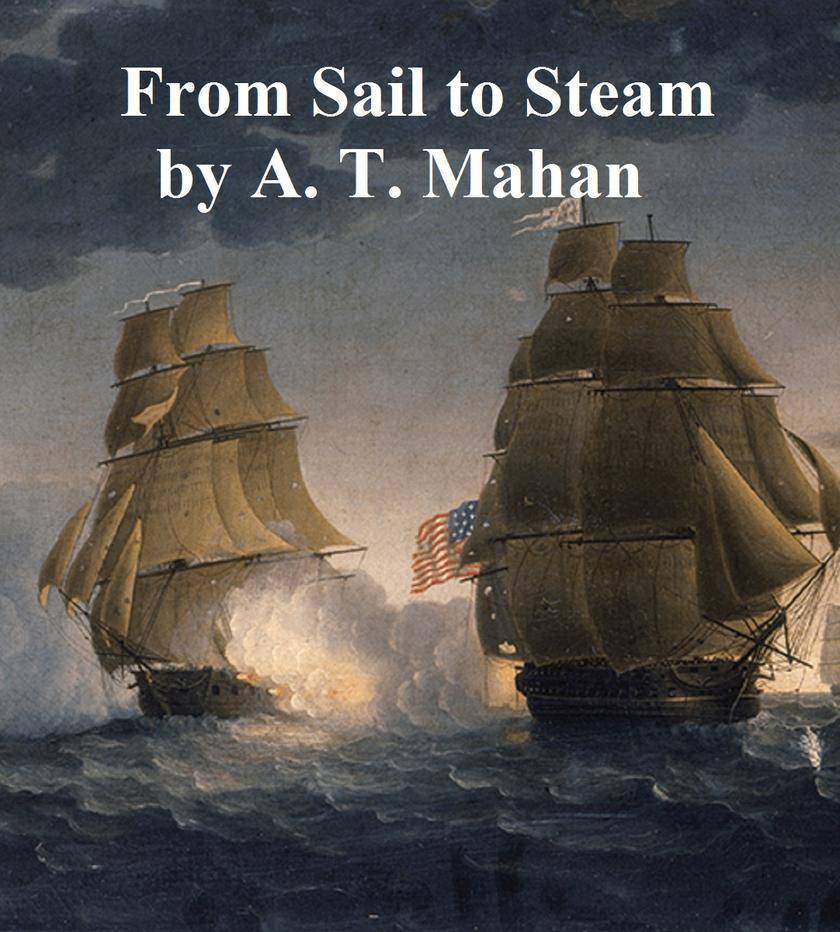
From Sail to Steam
¥8.09
Classic work of history. According to Wikipedia: "Alfred Thayer Mahan (September 27, 1840 - December 1, 1914) was a United States Navy officer, geostrategist, and educator. His ideas on the importance of sea power influenced navies around the world, and helped prompt naval buildups before World War I. Several ships were named USS Mahan, including the lead vessel of a class of destroyers. His research into naval History led to his most important work, The Influence of Seapower Upon History, 1660-1783, published in 1890."
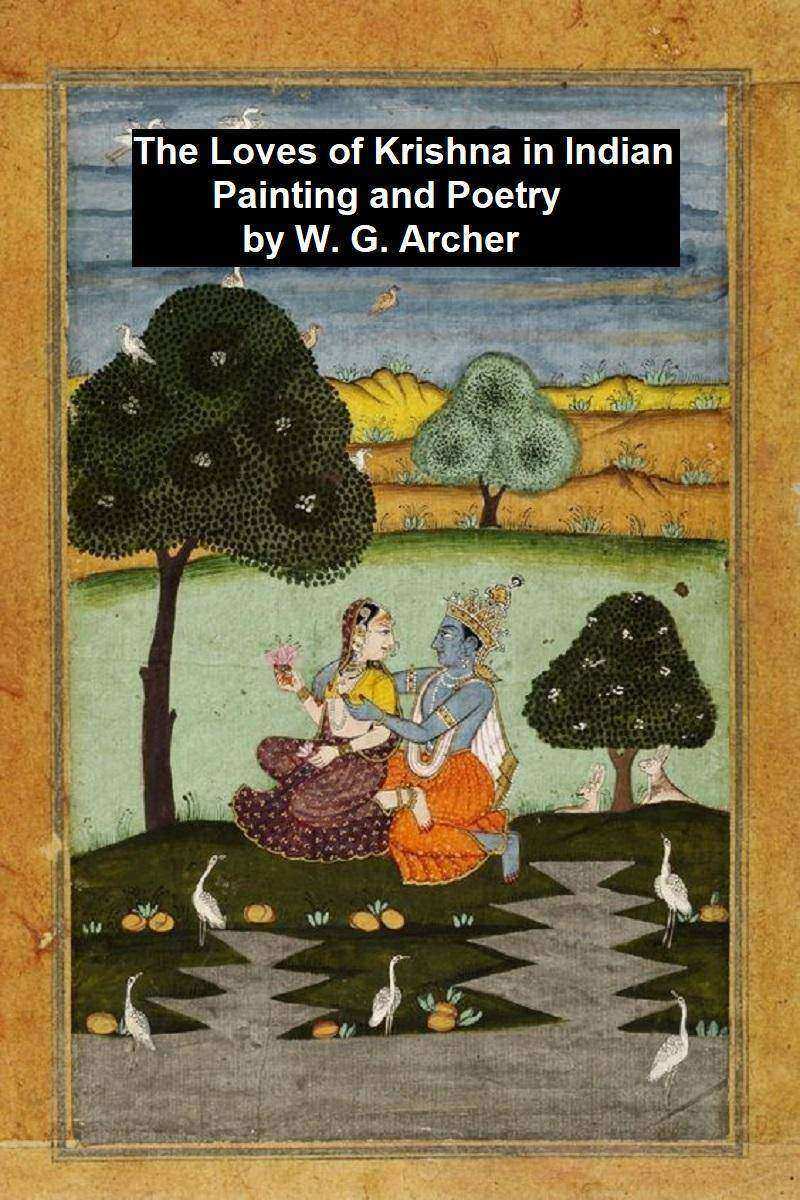
Loves of Krishna
¥8.09
The Introduction explains: "During the twentieth century, a certain type of Indian painting began to fascinate the West. Unlike Mughal art, it was a product of Hindu courts in Rajasthan and the Punjab Hills and unlike Mughal painting, its chief concern was with the varied phases of romance. Ladies would be shown brooding in their chambers as storm clouds mounted in the sky. A girl might be portrayed desperately fondling a plantain tree, gripping a pet falcon, the symbol of her lover, or hurrying through the rainy darkness intent only on reaching a longed-for tryst. A prince would appear lying on a terrace, his outstretched arms striving vainly to detain a calm beauty or welcoming with delight a bashful girl as she slowly advanced. In all these pictures, romantic love was treated as the highest good and physical passion was interpreted with a freshness and innocence unequalled in the world's art."
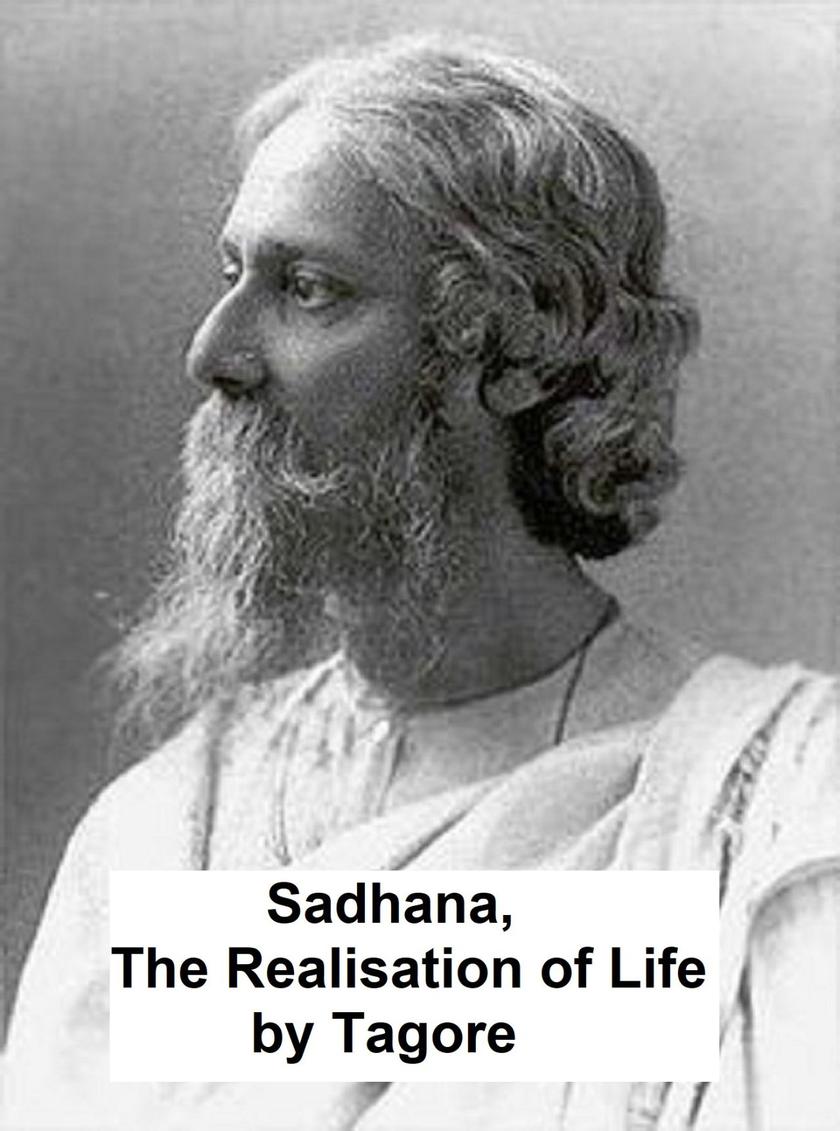
Sadhana: the Realisation of Life
¥8.09
Philosophical essays. According to Wikipedia: "Rabindranath Tagore (7 May 1861 – 7 August 1941), sobriquet Gurudev, was a Bengali poet, novelist, musician, painter and playwright who reshaped Bengali literature and music. As author of Gitanjali and its "profoundly sensitive, fresh and beautiful verse", he was the first non-European who was awarded the Nobel Prize for Literature in 1913. His poetry in translation was viewed as spiritual, and this together with his mesmerizing persona gave him a prophet-like aura in the west. His "elegant prose and magical poetry" still remain largely unknown outside the confines of Bengal."
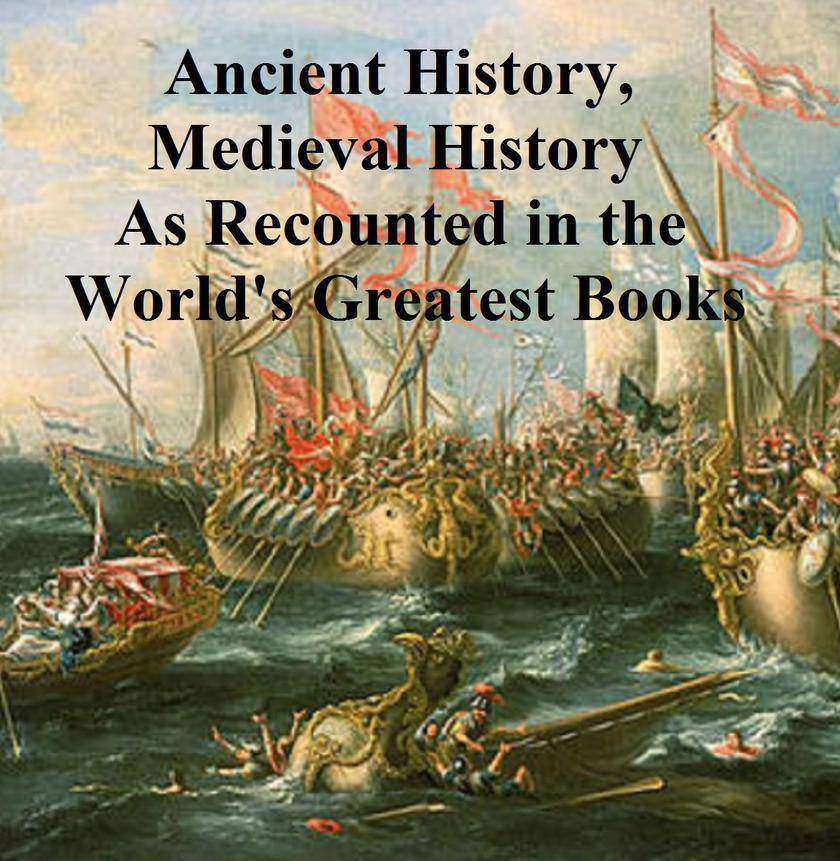
Ancient History, Mediaeval History As Recounted in the World's Greatest Books
¥8.09
First published in 1910, abridgements of such works as: Maspero's Dawn of Civilizatino, Struggle of the Nations, and Passing of the Empires; Josephus' Antiquities of the Jews and Wars of the Jews;Milman's History of the Jews; Herodotus' History; Thucydides' Pelpoonnesian War; Xeophon's Anabasis; Grote's History of Greece, Schliemann's Troy and Its Remains; Caesar's Gallic War; Tacitus' Annals; Sallust's Conspiracy of Catline, Gibbon's Decline and Fal of the Roman Empire; Mommsen's History of Rome; Gibbon's Holy Roman Empire;Guizot's History of civilizatin in Europe, Halam's View of the State of Europe During the MiddleAges; Lane-Poole's Egypt inthe Middle Ages; Holinshed's Chronicles of England, Scotland and Ireland; Freeman's NormanConquest of England, and Froude's History of England.
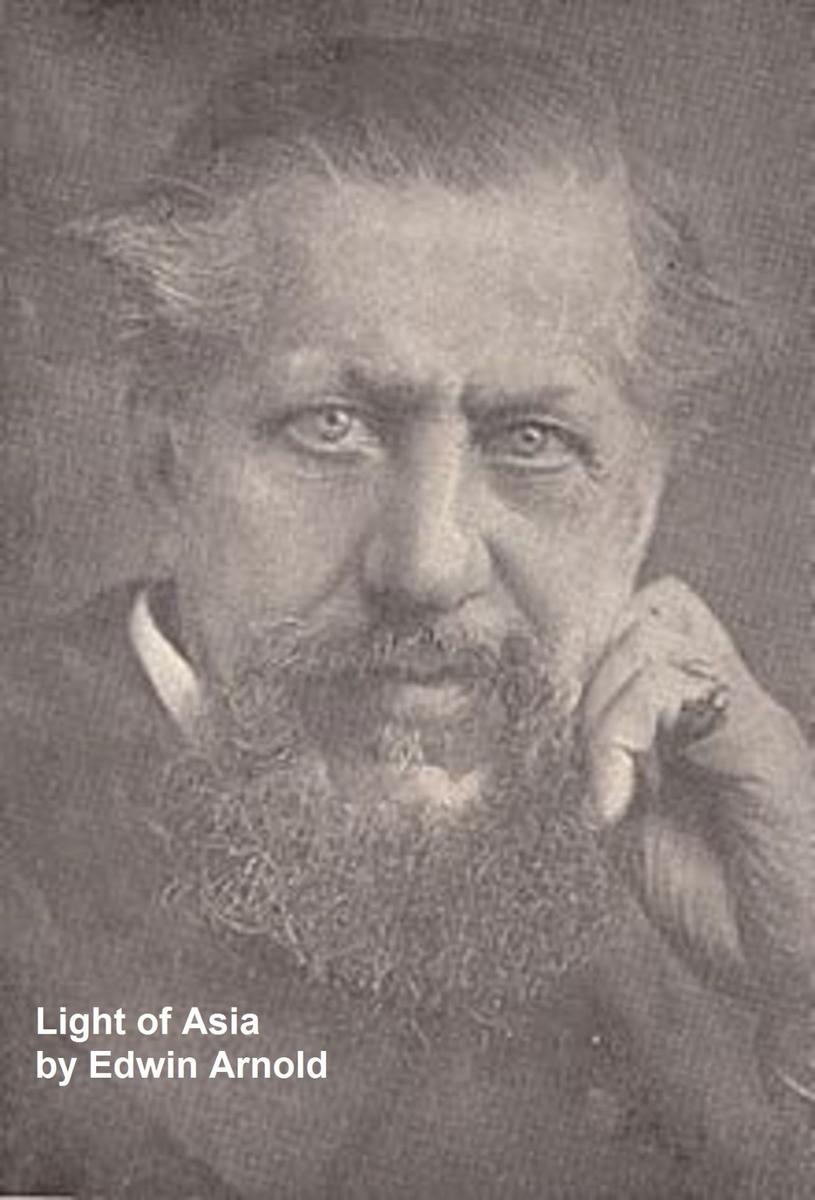
The Light of Asia
¥8.09
According to Wikipedia: "Sir Edwin Arnold (10 June 1832 – 24 March 1904) was an English poet and journalist, who is most known for his work, The Light of Asia… . The literary task which he set before him was the interpretation in English verse of the life and philosophy of the East. His chief work with this object is The Light of Asia which was translated into various languages such as Hindi (tr. by Acharya Ram Chandra Shukla). It appeared in 1879 and was an immediate success, going through numerous editions in England and America, though its permanent place in literature is quite uncertain. It is an Indian epic, dealing with the life and teaching of the Buddha."

The Social Contract
¥8.09
According to Wikipedia: "Of The Social Contract, Or Principles of Political Right (Du contrat social ou Principes du droit politique; 1762) by Jean-Jacques Rousseau is a book in which Rousseau theorized about the best way to establish a political community in the face of the problems of commercial society, which he had already identified in his Discourse on Inequality (1754). The Social Contract helped inspire political reforms or revolutions in Europe, especially in France. The Social Contract argued against the idea that monarchs were divinely empowered to legislate; as Rousseau asserts, only the people, who are sovereign, have that all-powerful right... Jean-Jacques Rousseau (28 June 1712 – 2 July 1778) was a Genevan philosopher, writer, and composer of the 18th century. His political philosophy influenced the French Revolution as well as the overall development of modern political, sociological, and educational thought. Rousseau's novel Emile, or On Education is a treatise on the education of the whole person for citizenship. His sentimental novel Julie, or the New Heloise was of importance to the development of pre-romanticism and romanticism in fiction. Rousseau's autobiographical writings — his Confessions, which initiated the modern autobiography, and his Reveries of a Solitary Walker — exemplified the late 18th-century movement known as the Age of Sensibility, and featured an increased focus on subjectivity and introspection that later characterized modern writing. His Discourse on Inequality and The Social Contract are cornerstones in modern political and social thought."
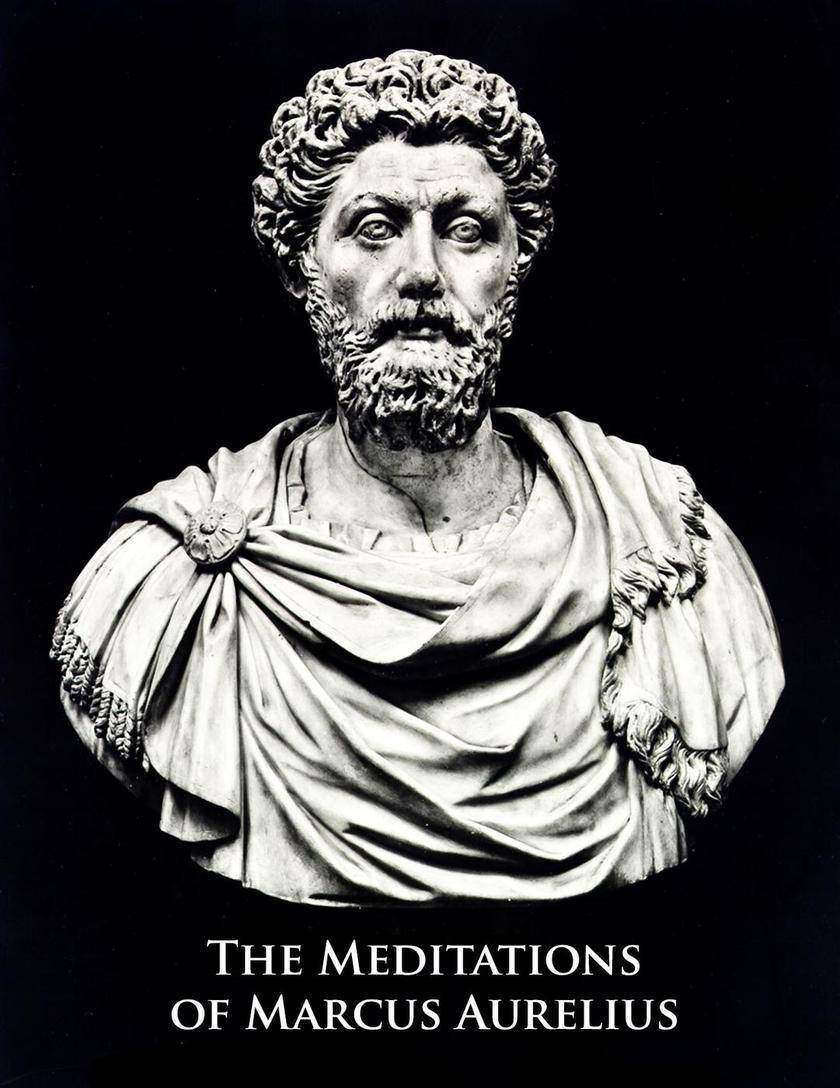
The Meditations of Marcus Aurelius
¥18.56
Marcus Aurelius was a Roman Emperor from 161 to 180. He ruled with Lucius Verus as co-emperor from 161 until Verus' death in 169. He was the last of the Five Good Emperors, and is also considered one of the most important Stoic philosophers. During his reign, the Empire defeated a revitalized Parthian Empire in the East; Aurelius' general Avidius Cassius sacked the capital Ctesiphon in 164. In central Europe, Aurelius fought the Marcomanni, Quadi, and Sarmatians with success during the Marcomannic Wars, with the threat of the Germanic tribes beginning to represent a troubling reality for the Empire. A revolt in the East led by Avidius Cassius failed to gain momentum and was suppressed immediately. Marcus Aurelius' Stoic tome Meditations, written in Greek while on campaign between 170 and 180, is still revered as a literary monument to a philosophy of service and duty, describing how to find and preserve equanimity in the midst of conflict by following nature as a source of guidance and inspiration.
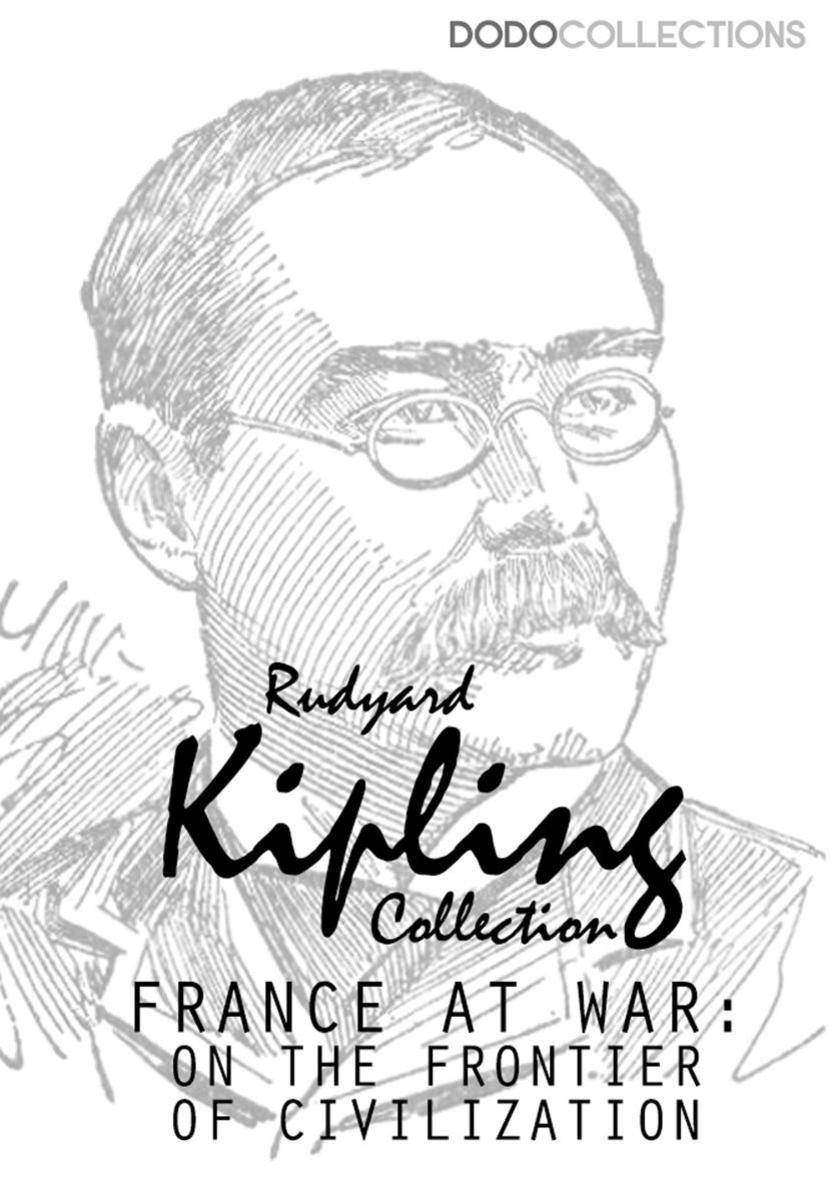
France at War: On the Frontier of Civilisation
¥8.09
Dodo Collections brings you another classic from Rudyard Kipling, ‘France at War: On the Frontier of Civilisation.’ ? In 1915, in the second year of the Great War, Kipling made a tour as a journalist on the front of some of the French armed forces. His report of what he had seen of the military activity was published in six articles in the Daily Telegraph, in England, and in the New York Sun. He published some (censored) articles of war journalism in 1915, collected as The New Army in Training and France at War. ? Kipling's works of fiction include The Jungle Book (1894), Kim (1901), and many short stories, including "The Man Who Would Be King" (1888). His poems include "Mandalay" (1890), "Gunga Din" (1890), "The Gods of the Copybook Headings" (1919), "The White Man's Burden" (1899), and "If—" (1910). He is regarded as a major innovator in the art of the short story; his children's books are classics of children's literature; and one critic described his work as exhibiting "a versatile and luminous narrative gift". ? Kipling was one of the most popular writers in England, in both prose and verse, in the late 19th and early 20th centuries. Henry James said: "Kipling strikes me personally as the most complete man of genius (as distinct from fine intelligence) that I have ever known." In 1907, he was awarded the Nobel Prize in Literature, making him the first English-language writer to receive the prize, and its youngest recipient to date Among other honours, he was sounded out for the British Poet Laureateship and on several occasions for a knighthood, all of which he declined
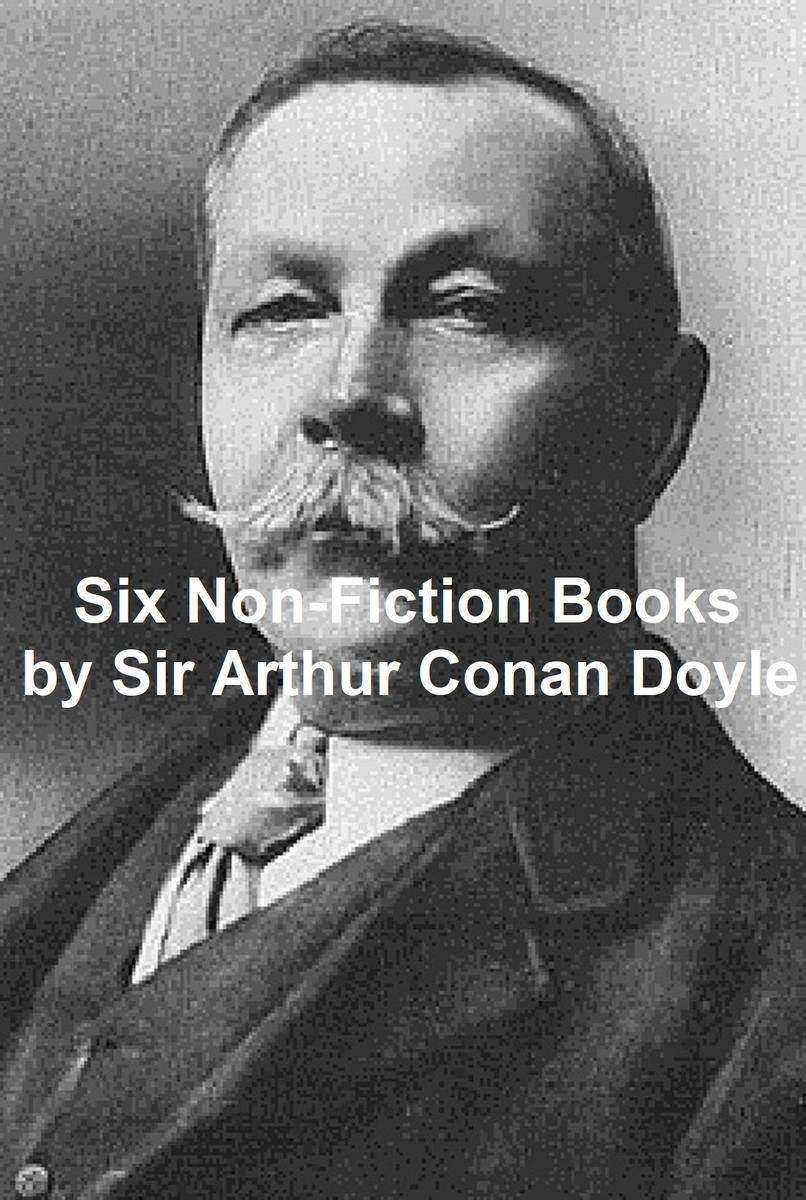
Six Non-Fiction Books
¥8.09
This book-collection file includes six books. Three are on war -- The Great Boer War, The War in South Africa, and A Visit to Three Fronts, June 1916. Two are on Spiritualism -- The New Revelation and The Vital Message. And one on Medicine -- Round the Red Lamp: Facts and Fancies of the Medical Life. According to Wikipedia: "Sir Arthur Ignatius Conan Doyle, DL (22 May 1859 – 7 July 1930) was an author most noted for his stories about the detective Sherlock Holmes, which are generally considered a major innovation in the field of crime fiction, and for the adventures of Professor Challenger. He was a prolific writer whose other works include science fiction stories, historical novels, plays and romances, poetry, and non-fiction."
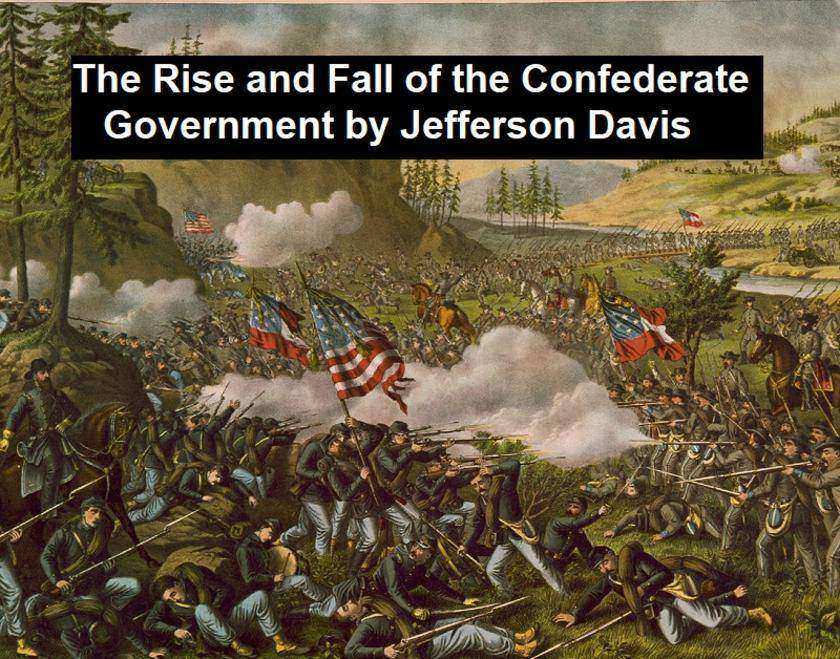
The Rise and Fall of the Confederate Government
¥8.09
The President of the Confederate States of America presents his side of the story. The Preface begins: "The object of this work has been from historical data to show that the Southern States had rightfully the power to withdraw from a Union into which they had, as sovereign communities, voluntarily entered; that the denial of that right was a violation of the letter and spirit of the compact between the States; and that the war waged by the Federal Government against the seceding States was in disregard of the limitations of the Constitution, and destructive of the principles of the Declaration of Independence." According to Wikipedia: "Jefferson Finis Davis (June 3, 1808 – December 6, 1889) was an American politician who served as President of the Confederate States of America for its entire history, 1861 to 1865, during the American Civil War. A West Point graduate, Davis fought in the Mexican-American War as a colonel of a volunteer regiment, and was the United States Secretary of War under Franklin Pierce. Both before and after his time in the Pierce Administration, he served as a U.S. Senator from Mississippi. As a senator he argued against secession but believed each state was sovereign and had an unquestionable right to secede from the Union. Davis resigned from the Senate in January 1861, after receiving word that Mississippi had seceded from the Union. The following month, he was provisionally appointed President of the Confederate States of America. He was elected to a six-year term that November. During his presidency, Davis was not able to find a strategy to defeat the larger, more industrially developed Union. Davis' insistence on independence, even in the face of crushing defeat, prolonged the war. After Davis was captured in 1865, he was charged with treason, though not convicted, and stripped of his eligibility to run for public office. This limitation was removed in 1978, 89 years after his death. While not disgraced, he was displaced in Southern affection after the war by its leading general, Robert E. Lee."

Sea Disasters
¥97.69
This series of nonfiction readers will grab a student's interest from the very first page! Designed with struggling readers in mind, these riveting 92-page books offer short chapters on significant disasters. Each chapter is its own mini-book, which includes a timeline, key terms, and interesting facts. Fascinating black and white photographs keep the pages turning. A bibliography encourages further topical reading. Disasters are inherently frightening, riveting, and involving. Grabbed straight from the headlines, these disasters leave tragedy, destruction, and years of anguish: The Titanic, Ferry Disasters, Sydney to Hobart, War and Military, The Prestige Oil Spill, The Costa Concordia, and more.
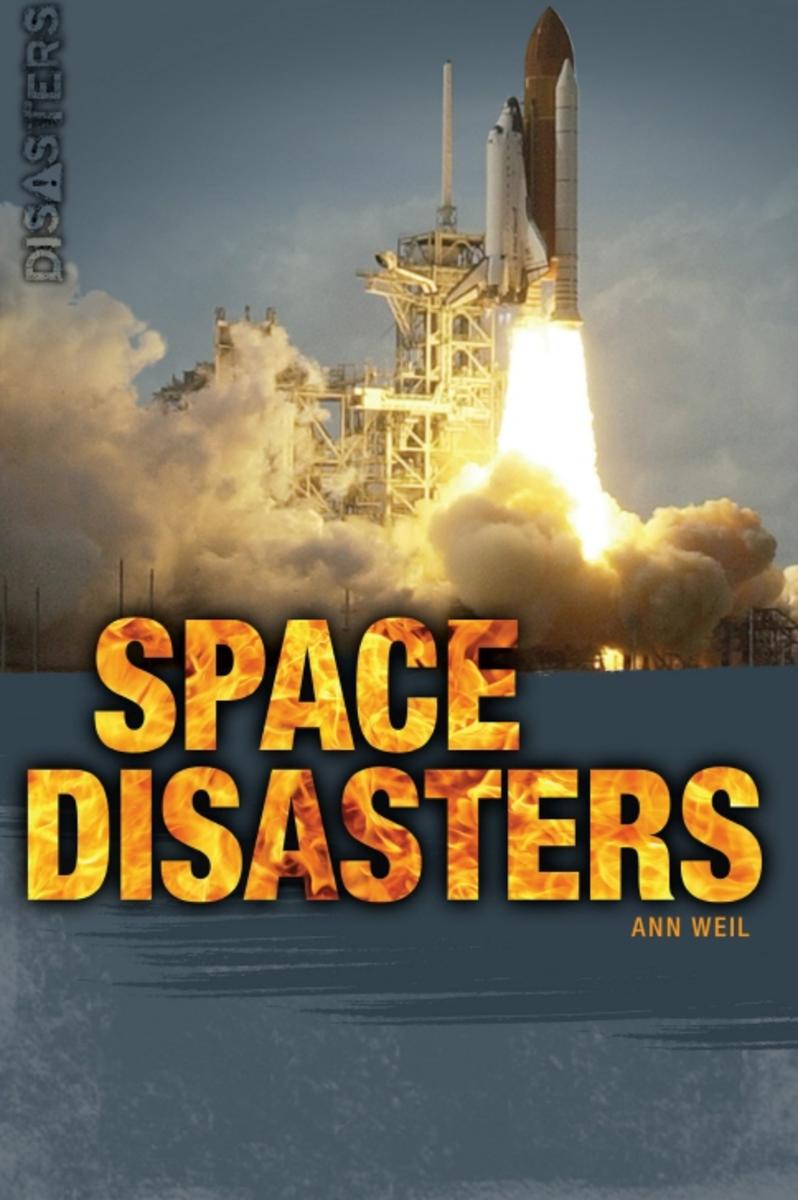
Space Disasters
¥97.69
This series of nonfiction readers will grab a student's interest from the very first page! Designed with struggling readers in mind, these riveting 92-page books offer short chapters on significant disasters. Each chapter is its own mini-book, which includes a timeline, key terms, and interesting facts. Fascinating black and white photographs keep the pages turning. A bibliography encourages further topical reading. Disasters are inherently frightening, riveting, and involving. Grabbed straight from the headlines, these disasters leave tragedy, destruction, and years of anguish: Apollo 1, Apollo 13, Soyuz 11, Challenger, Columbia, Asteroid Collisions, and more.
Lost and Found
¥97.69
Discover the astonishing true stories--that will make readers laugh, cry, and gasp--behind the headlines: Pompeii, Amelia Earhart, Twins Reunite, Tuffy, HMS Beagle, Stolen Holocaust Masterpiece Fetches Millions, and more. This series of nonfiction readers will grab a student's interest from the very first page! Designed with struggling readers in mind, these riveting books offer short chapters on high-interest headlines. Each chapter is its own mini-book, which includes a timeline, key terms, and interesting facts. Fascinating black and white photographs keep the pages turning. A bibliography encourages further topical reading.
The Old Sixth Regiment:Its War Record, 1861-65
¥8.09
The object of this work is to give a true and impartial record of the old Sixth Regiment during the war. The author collected the facts from a private diary kept by himself while in the service. Less has been known of the Sixth by our citizens than most of the other regiments; perhaps this is due partly to the fact that when we arrived.in Washington Colonel Chatfield instructed officers and men that it was unmilitary to write letters for the press; he desired that the War Record should know the record of the Sixth, and not the newspapers only. Its history is less full on this account; yet none can say that the record of the Sixth is sullied. In many trying places the regiment proved itself honor ably and gained confidence from its corps and department commanders. There may be errors in this work, and if any are inclined to censure, I trust they will remember that very few histories are without them; yet they are errors of the head and not of the heart. If what is here written meets the approval of the old members and the intelligent readers in general, I shall feel that my labors have been amply rewarded.
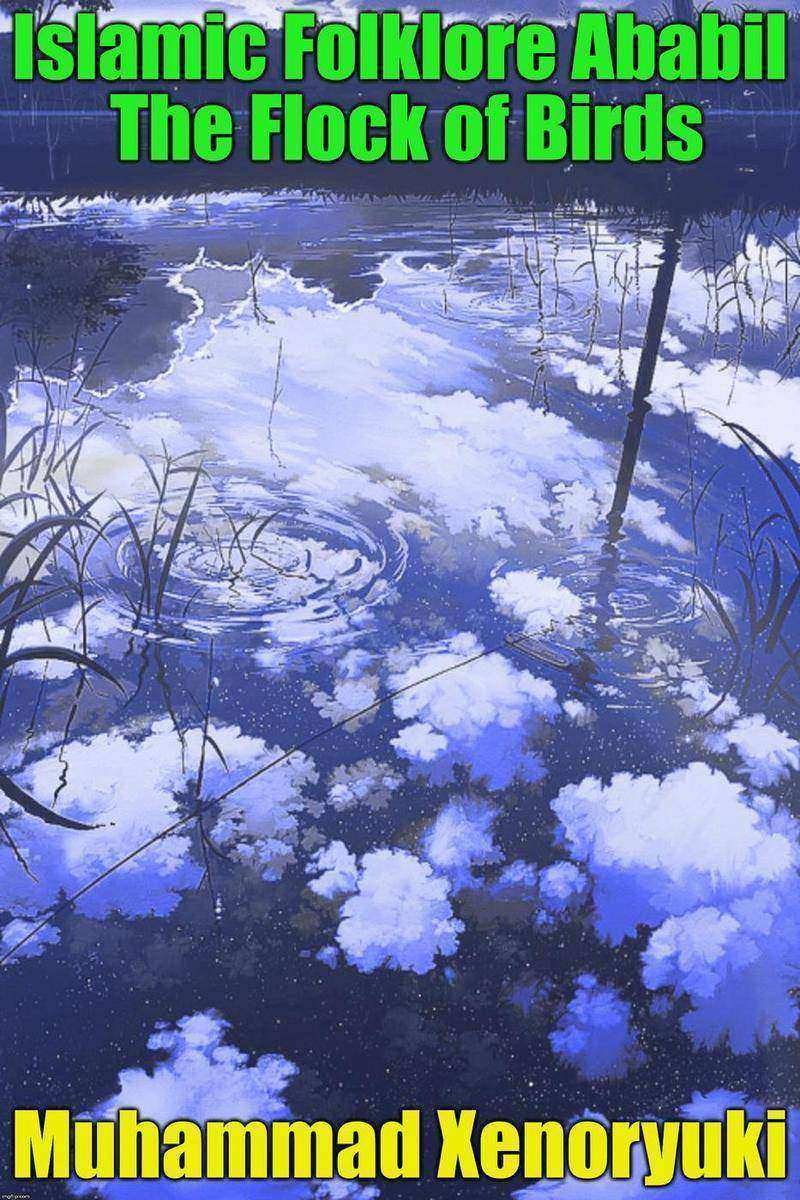
Islamic Folklore Ababil The Flock of Birds
¥12.18
“And He sent against them birds, in flocks. Striking them with stones of Sijjil (baked clay). And made them like an empty field of stalks (of which the corn has been eaten up by cattle).”(Al-Fil: 3-5)?????????????????????????????????????????????????????????????????????? ??????????????????????????????? While meekness is a characteristic of most visual creatures in the universe, then the frightful horror constitutes a characteristic of their unknown counterparts. I will not say anything else ...I am not allowed to talk about myself. My reality encloses a secret which if it is revealed to any creature, his blood will freeze and he will cease to exist out of fright. I am one of the Ababil the Flocks of Birds, that was mentioned in the Qur'an. I am the Commander of Communications among the six wings of the Eighth Army of these birds. The number of armies is a secret as well as the number of birds in the Eighth Army. We launch wars only at the order of Almighty Allah. I will not say how many missions we have carried out, for this matter belongs only to Almighty Allah. "Every day He has a matter to bring forth (such as giving honor to some, disgrace to some, life to some, death to some, etc.)!" All what I can say is that those missions were known to the Cherisher and Sustainer of the worlds. As for us creatures, there are cascading curtains and thick barriers that separate between them and us and this is because of Allah's mercy to His servants.
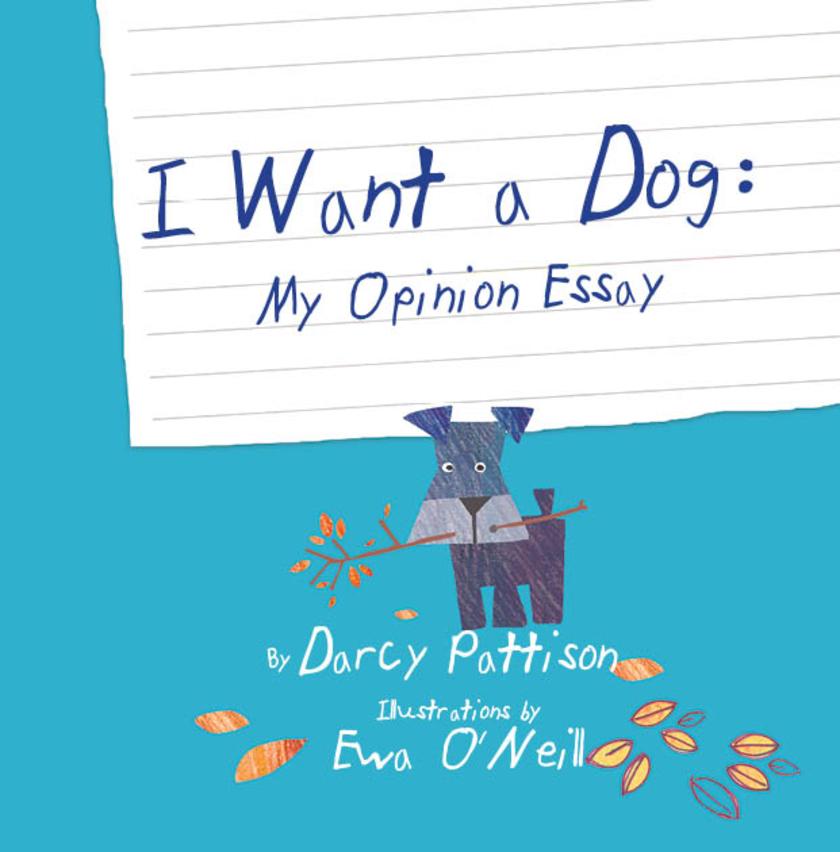
I Want a Dog:My Opinion Essay
¥24.44
Hurrah for Essays! All writing lessons should be this much fun. When cousins Dennis and Mellie decide to get a dog, they consider carefully what breed would be best for each family. For example, Dennis wants a big dog, but Mellie wants tiny. He has no other pets, but she has other pets that a dog must get along with. They consider different dog personalities, family situations, and personal preferences. Dennis writes an opinion essay for his teacher, Mrs. Shirky. But will his essay convince his parents to get the dog of his dreams? This story takes a popular subject—kids getting a pet—and adds dogs of all sizes and shapes: all writing lessons should be this much fun. In the end, it’s cousins and the dogs that keep a reader turning the page. What kind of dog will Dennis choose? Will Mellie want the same kind of dog? PRAISE FROM DOG EXPERTS “Darcy Pattison does a remarkable job on several fronts with her wonderful new book I Want A Dog: My Opinion Essay. She introduces the value of the written text at an early age to children. This cannot be emphasized enough in our early classrooms. With this comes an important lesson regarding the responsibility of owning and caring for a dog. As President of the Labrador Retriever Club representing the breed with the largest number of dogs I know how imperative responsible dog ownership is and Darcy does a wonderful job instilling this at an early age. This is a remarkable children’s book that has a lesson.” –Fred Kampo, President of the Labrador Retriever Club This story hits many notes: A family story about cousins, Dennis and Mellie Information on dog breeds Responsible dog ownership Mentor-text for teaching writing Model opinion essay for elementary students Models the writing process, especially the importance of pre-writing or planning before you write Completes the writing process by showing the results of Dennis’s essay I WANT A DOG almost makes opinion essays look too easy. For STEM classes, a good study of dog species. See other books in THE READ AND WRITE series I Want a Cat: My Opinion Essay My Crazy Dog: My Narrative Essay ABOUT THE AUTHOR Growing up, author Darcy Pattison (www.darcypattison.com) wanted to be an astronaut. Instead, she writes about aliens in her early chapter book series, ALIEN, INC. SERIES (Mims House), which includes Kell, the Alien; Kell and the Horse Apple Parade; Kell and the Giants; and Kell and the Detectives. Published in eight languages, her middle grade novels include: Saucy and Bubba: A Hansel and Gretel Tale (Mims House); The Girl, the Gypsy and the Gargoyle (Mims House); and Vagabonds (Mims House). Recent nature books for children include: Abayomi, the Brazilian Puma: The True Story of an Orphaned Cub (Mims House); Wisdom, the Midway Albatross (Mims House), a Starred Review in Publisher’s Weekly; Desert Baths (Arbordale), an NSTA Outstanding Science Trade Book 2013; and, Prairie Storms (Arbordale). Darcy Pattison is the 2007 recipient of Arkansas Governor’s Arts Awards for her work in Children’s Literature. For more see darcypattison.com/about ABOUT THE ILLUSTRATOR In her debut picture book, Ewa O’Neill (ewaoneill.com) creates art that is luscious, inventive, and colorful, bringing the story energy and humor. A dog-lover herself, Ewa (pronounced Eh-vuh) gives each breed a personality that helps kids begin to tell dog breeds apart.
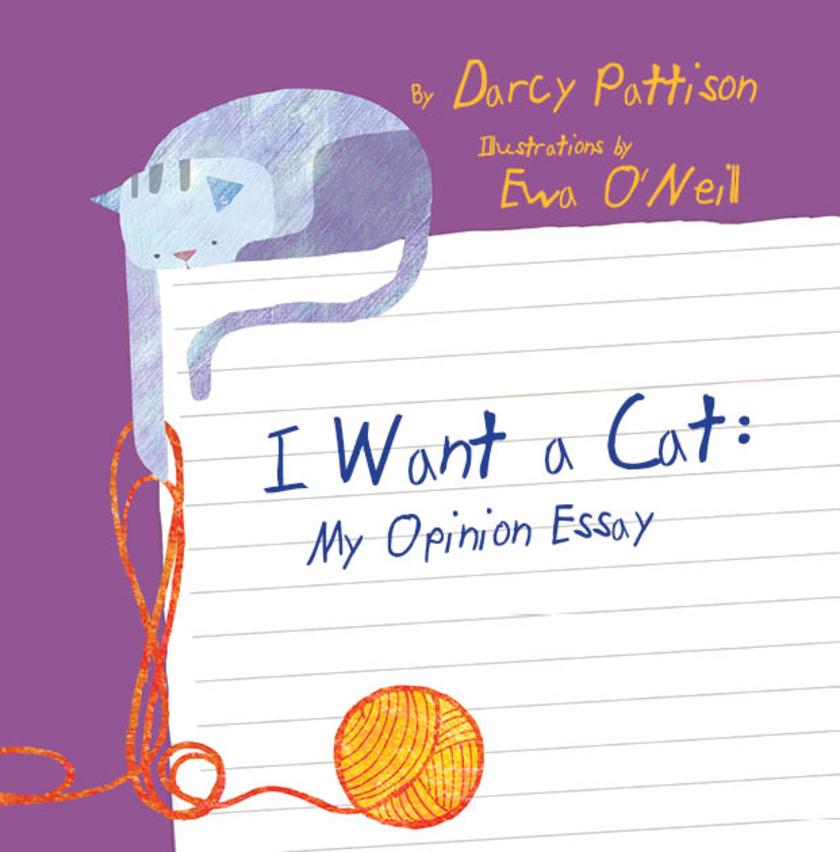
I Want a Cat:My Opinion Essay
¥24.44
Hurrah for Essays! All writing lessons should be this much fun. When cousins Mellie and Dennis decide to get a cat, they consider carefully what breed would be best for each family. For example, Mellie wants a cat that pounces, but Dennis wants a lazy cat, like his lazy dog, Clark Kent. Mellie wants a lap cat, but Dennis just wants a warm body BESIDE him. They consider different cat personalities, family situations, and personal preferences. Mellie writes an opinion essay for her teacher, Mr. Eagle. But will her essay convince her parents to get the cat of her dreams? This story takes a popular subject—kids getting a pet—and adds cats of all sizes and shapes: all writing lessons should be this much fun. In the end, it’s the cousins and the cats that keep a reader turning the page. What kind of cat will Mellie choose? Will Dennis want the same kind of cat? PRAISE FROM CAT EXPERTS “This is an absolutely delightful book intended for children, but actually one that is informative for adults as well, it reinforces the importance of considering various factors when selecting a cat as a pet. The two cousins are exchanging thoughts about their lifestyles and priorities. They each have a vision of their ‘ideal cat.’ Though every cat is an individual, the book expresses the value of predictable personality traits and other characteristics of various pedigreed cat breeds. It is a charming story of the two children each going through the process of finding a cat who best fits their own preferences. The playful illustrations compliment the humorous and educational quality of the book.” --Joan Miller, Cahir, CFA Outreach and Education, Cat Fancier’s Association This is quite simply as informative a cat book as any text out there. Each selected breed pinpoints the single most important trait to know about it before choosing a cat ‘purrfect’ for you. Although written from a child’s perspective, it makes clear sense to readers of all ages. As a cat lover and Maine Coon Cat breeder and enthusiast, I was thrilled with the spot on description and story of this beloved breed. — Alexis Mitchell, Syracoon/Furensics, Maine Coon Cat Breed Council Secretary, Maine Coon Cat breeders of CFA This story hits many notes: A family story about cousins, Dennis and Mellie Scientific information on cat breeds Responsible cat ownership Mentor-text for teaching writing Model opinion essay for elementary students Models the writing process, especially the importance of pre-writing or planning before you write Completes the writing process by showing the results of Dennis’s essay I WANT A DOG almost makes opinion essays look too easy. For STEM classes, a good study of cat species. See other books in THE READ AND WRITE series I Want a Dog: My Opinion Essay My Crazy Dog: My Narrative Essay (forthcoming) ABOUT THE AUTHOR Growing up, author Darcy Pattison (www.darcypattison.com) wanted to be an astronaut. Instead, she writes about aliens in her early chapter book series, ALIEN, INC. SERIES (Mims House), which includes Kell, the Alien; Kell and the Horse Apple Parade; Kell and the Giants; and Kell and the Detectives. Published in eight languages, her middle grade novels include: Saucy and Bubba: A Hansel and Gretel Tale (Mims House); The Girl, the Gypsy and the Gargoyle (Mims House); and Vagabonds (Mims House). Recent nature books for children include: Abayomi, the Brazilian Puma: The True Story of an Orphaned Cub (Mims House); Wisdom, the Midway Albatross (Mims House), a Starred Review in Publisher’s Weekly; Desert Baths (Arbordale), an NSTA Outstanding Science Trade Book 2013; and, Prairie Storms (Arbordale). Darcy Pattison is the 2007 recipient of Arkansas Governor’s Arts Awards for her work in Children’s Literature. For more see darcypattison.com/about ABOUT THE ILLUSTRATOR In her debut picture book, Ewa O’Neill (ewaoneill.com) creates art that is luscious, inventive, and colorful, bringing the story energy and humor. A cat-lover herself, Ewa (pronounced Eh-vuh) gives each breed a personality that helps kids begin to tell cat breeds apart.
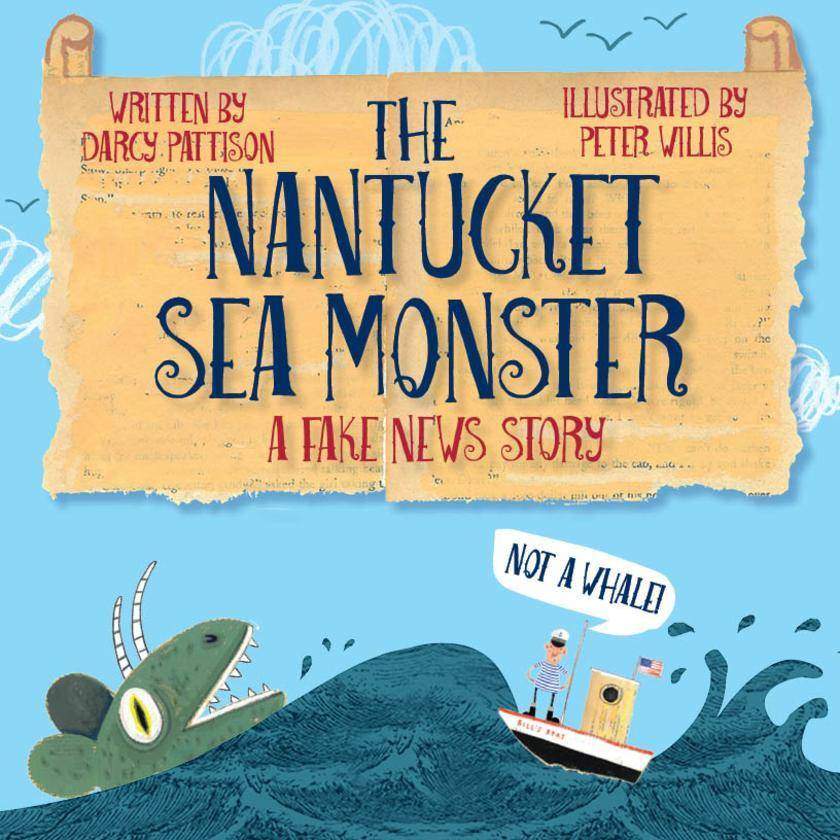
The Nantucket Sea Monster:A Fake News Story
¥40.79
A JUNIOR LIBRARY GUILD SELECTION Do you believe everything you read in the newspaper? Early in August 1937, a news flash came: a sea monster had been spotted lurking off the shore of Nantucket Island. Historically, the Massachusetts island had served as port for whaling ships. Eyewitnesses swore this wasn’t a whale, but some new, fearsome creature. As eyewitness account piled up, newspaper stories of the sea monster spread quickly. Across the nation, people shivered in fear. Then, footprints were found on a Nantucket beach. Photographs were sent to prominent biologists for their opinion. Discussion swirled about raising a hunting party. On August 18, news spread across the island: the sea monster had been captured. Islanders ran to the beach and couldn’t believe their eyes. This nonfiction picture book is a perfect tool to discuss non-political fake news stories. Back matter discusses the freedom of the press guaranteed by the First Amendment to the U.S. Constitution. Quotes from Thomas Jefferson make it clear that fake news has always been one of the costs of a free press. A Timeline lists actual events in the order they occurred. A vocabulary list defines relevant words.

Air Disasters
¥97.69
This series of nonfiction readers will grab a student's interest from the very first page! Designed with struggling readers in mind, these riveting 92-page books offer short chapters on significant disasters. Each chapter is its own mini-book, which includes a timeline, key terms, and interesting facts. Fascinating black and white photographs keep the pages turning. A bibliography encourages further topical reading. Disasters are inherently frightening, riveting, and involving. Grabbed straight from the headlines, these disasters leave tragedy, destruction, and years of anguish: 1977 Tenerife, 1972 Chile, 1982 The Potomac River, Shot Down, Terrorism, Captain Sully Sullenberger, and more.
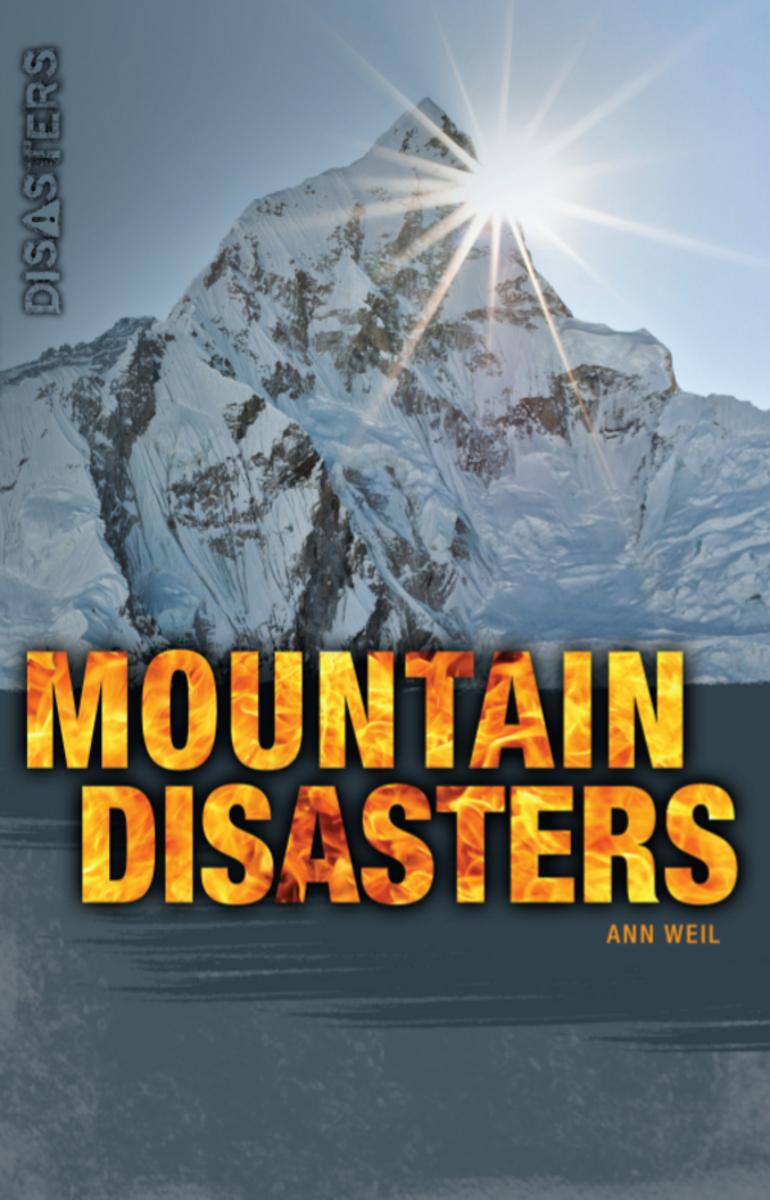
Mountain Disasters
¥97.69
This series of nonfiction readers will grab a student's interest from the very first page! Designed with struggling readers in mind, these riveting 92-page books offer short chapters on significant disasters. Each chapter is its own mini-book, which includes a timeline, key terms, and interesting facts. Fascinating black and white photographs keep the pages turning. A bibliography encourages further topical reading. Disasters are inherently frightening, riveting, and involving. Grabbed straight from the headlines, these disasters leave tragedy, destruction, and years of anguish: The Eiger, Mount Everest, Mount Hood, Siula Grande, Denali, The Deadly Fourteeners, and more.
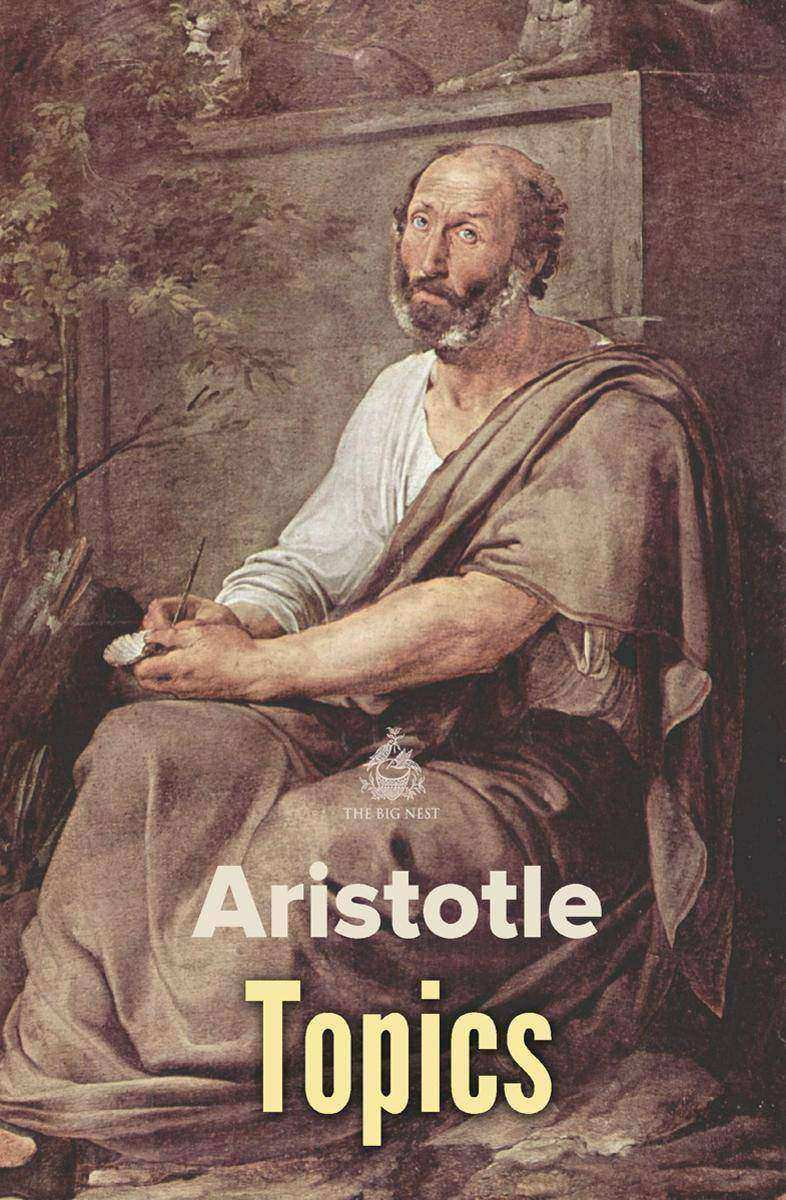
Topics
¥40.79
Our treatise proposes to find a line of inquiry whereby we shall be able to reason from opinions that are generally accepted about every problem propounded to us, and also shall ourselves, when standing up to an argument, avoid saying anything that will obstruct us. First, then, we must say what reasoning is, and what its varieties are, in order to grasp dialectical reasoning: for this is the object of our search in the treatise before us.


