


 购物车
购物车 个人中心
个人中心
Manhood for Amateurs
¥81.03
Michael Chabon, author of WONDER BOYS and the Pulitzer Prize-wining THE AMAZING ADVENTURES OF KAVALIER & CLAY, has written an autobiographical narrative as inventive, beautiful and powerful as his novels. In these insightful, provocative, slyly interlinked essays, one of our most brilliant and humane writers presents his autobiography and vision of life in the way so many of us experience our own: as a series of reflections, regrets and re-examinations, each sparked by an encounter, in the present, that holds some legacy of the past. What does it mean to be a man today? Chabon invokes and interprets and struggles to reinvent for us, with characteristic warmth and lyric wit, the personal and family history that haunts him even as it goes on being written every day. As a son, a husband and above all as a father of four young children, Chabon’s memories of childhood, of his parents’ marriage and divorce, of moments of painful adolescent comedy and giddy encounters with the popular art and literature of his own youth, are like a theme played – on different instruments, with a fresh tempo and in a new key – by the mad quartet of which he now finds himself co-conductor.
Tommy’s Honour: The Extraordinary Story of Golf’s Founding Father and Son
¥81.03
The definitive account of golf’s founding father and son, Old and Young Tom Morris. For the first time, the two will be portrayed as men of flesh and blood – heroic but also ambitious, loving but sometimes confused and angry. Two men from one household, with ambitions that made them devoted partners as well as ardent foes. Tommy's Honour is a compelling story of the two Tom Morrises, father and son, both supremely talented golfers but utterly different, constituting a record-breaking golfing dynasty that has never been known before or since. Father, Old Tom Morris, grew up a stone's throw away from golf's ancestral home at St Andrews, a whisky-fuelled caddie, a wonderful 19th century character who became an Open Champion three times before running the Royal & Ancient, then sole governing body of the game. His son, Young Tom, arguably an even more prodigious talent than his father, was a golfing genius, the Tiger Woods of his era, who at 17 became the youngest player, to this day, to win the Open Championship. He then went on to win it four times in a row, an unprecedented achievement. On one occasion, father and son fought it out at the last hole of the Championship before the son finally triumphed. But then came the pivotal day that would change their lives forever, the death of Young Tom’s wife and unborn child. The cataclysmic events of that day eventually lead to Young Tom’s tragic death, aged 24, with his father living on for another 20 years in deep remorse. So on the one hand, you have the story of one of the most influential figures in the history of golf, a pioneer in the birth of the modern game and of Scottish and Open Championship golf. And on the other hand – and this is the real appeal of this book – you have an extraordinary father-and-son story. It’s for every son who ever competed with his father, and every father who has guided his son towards manhood, then found it hard to let go.
Unravelled: Life as a Mother
¥54.65
Maria Housden tells of her own transformation, as a mother, a wife and a woman, as she struggled to cope with the death of her daughter Hannah and make the hardest decision of her life. From the author of the bestselling Hannah’s Gift. At the age of 36, instead of enjoying the perfect family life she had imagined as a child, Maria felt judged and found wanting by others. She realised that, no matter how much she still loved her husband and how powerful her bond of love was with her children, she had to change her life radically – she had to make it her own again. What followed was an emotional and enlightening search for herself. Written in the same moving, lyrical style as Hannah’s Gift, the story unfolds in a series of painful, joyful and humorous moments. At times the story is heart-wrenchingly sad but ultimately it is uplifting and inspiring.
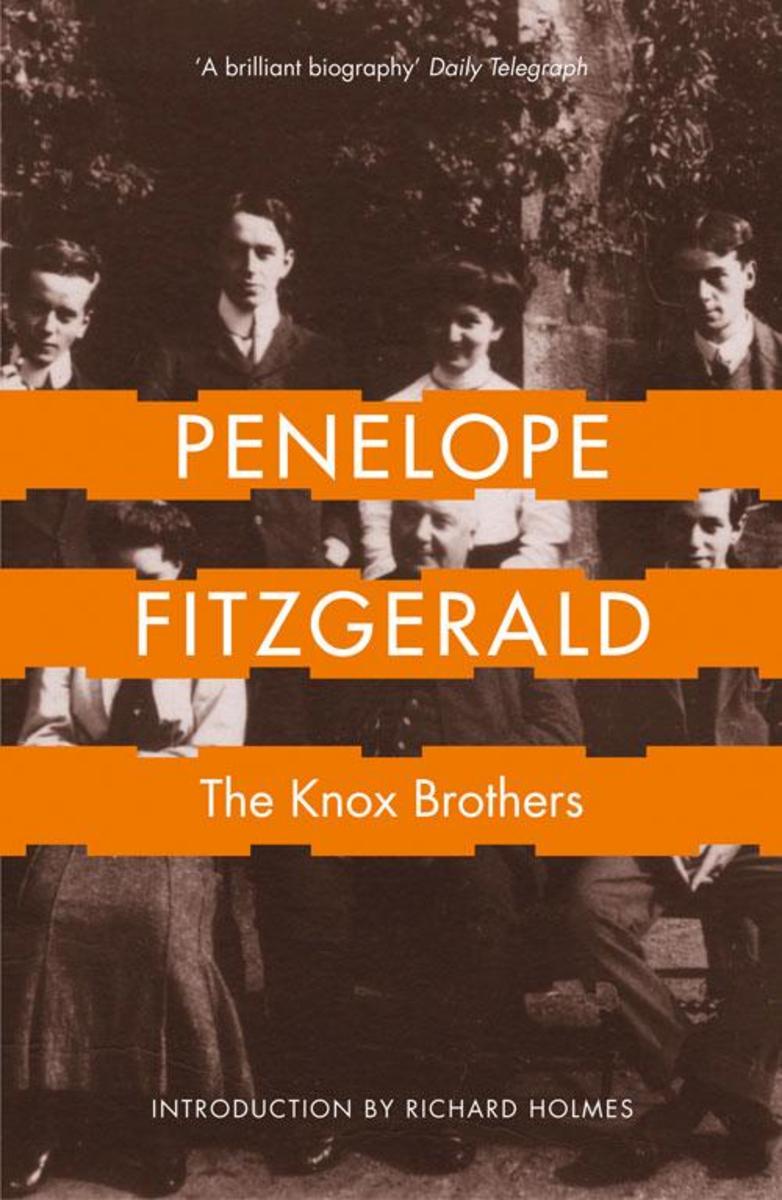
The Knox Brothers
¥76.52
Penelope Fitzgerald’s biography of her remarkable family. ‘When I was very young I took my uncles for granted, and it never occurred to me that everyone else in the world was not like them.’ In this, only her second book, Penelope Fitzgerald turned her novelist’s gaze on the quite extraordinary lives of her father and his three brothers. A masterly work of biography, within which we see Penelope Fitzgerald exercising her pen magnificently before she began her novel-writing career. Edmund Knox, her father, was one of the most successful editors of Punch. Dillwyn, a Cambridge Greek scholar, was the first to crack the Nazi’s message decoding system, Enigma, and in so doing, is estimated to have shortened the Second World War by six months. Wilfred became an Anglo-Catholic priest and an active welfare worker in the East End of London. Ronald, the best known of the four during his lifetime, was Roman Catholic chaplain to Oxford University’s student body, preacher, wit, scholar, crime-writer and translator of the Bible. A homage to a long-forgotten world and a fascinating account of the generation straddling the divide between late Victorian and Edwardian.
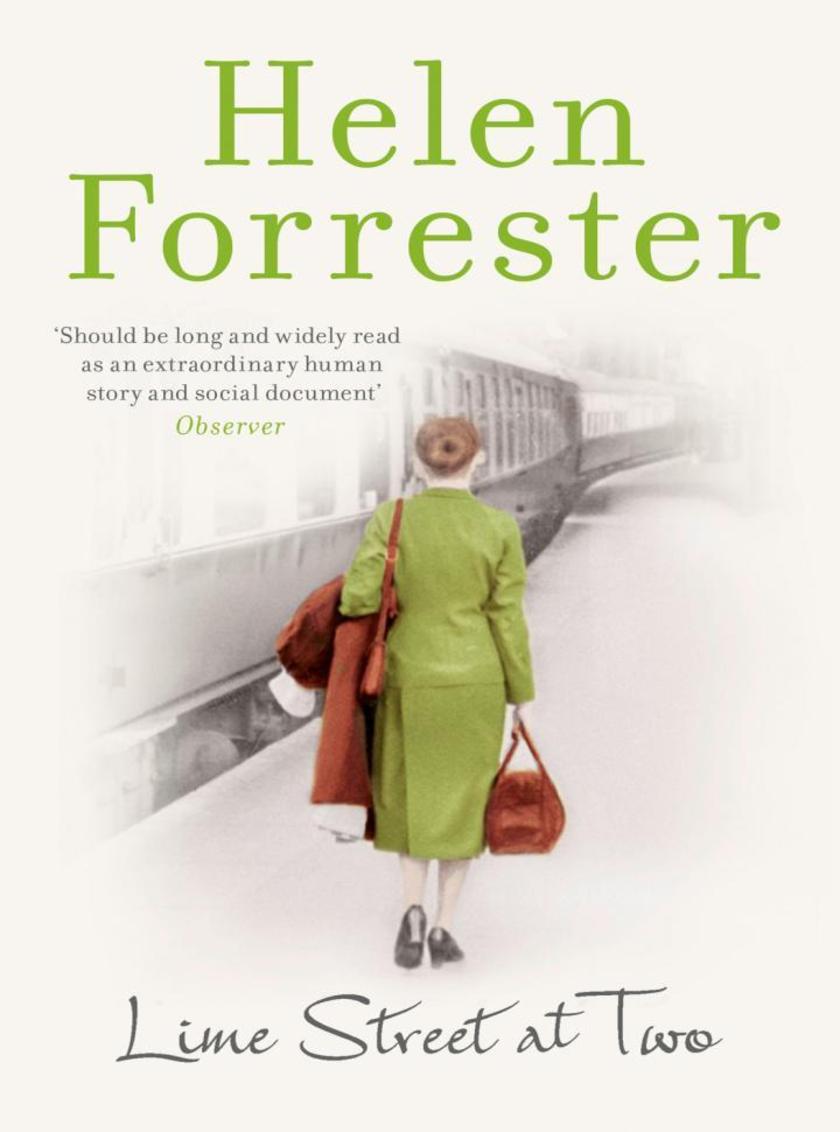
Lime Street at Two
¥54.25
The fourth and final part of Helen Forrester’s bestselling autobiography continues the moving story of her early poverty-stricken life with an account of the war years in Blitz-torn Liverpool In 1940 Helen, now twenty, reeling from the news that her fiance Harry has been killed on an Atlantic convoy, is working long hours at a welfare centre in Bootle, five miles from home. Her wages are pitifully low and her mother claims the whole of them for housekeeping. Then, early in 1941, she gets a new job and begins to enjoy herself a little. But in May the bombing starts again and another move brings more trouble to Helen, trouble which will be faced, as ever, with courage and determination.
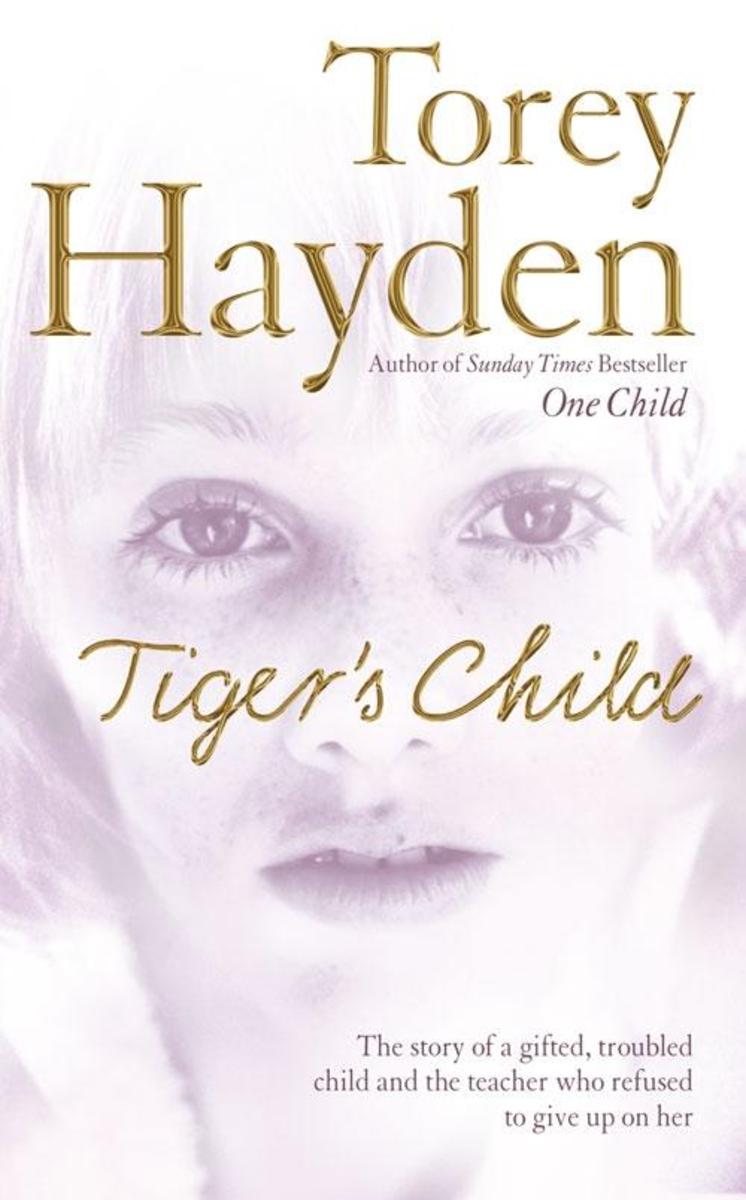
The Tiger’s Child
¥58.47
Torey Hayden returns with this deeply-moving sequel to her first book, One Child (the Sunday Times bestseller). After seven years, Torey is reunited with Sheila, the disturbed 6-year-old she tried to rescue. Sheila was a deeply disturbed six-year-old when she came into Torey Hayden's life – a story poignantly chronicled One Child. The Tiger's Child picks up the story seven years later. Hayden has lost touch with the child she helped to free from a hellish inner prison of rage and silence. But now Sheila is back, now a gangly teenager with bright orange hair – no longer broken and lost, but still troubled and searching for answers. This story of dedication and caring that began in childhood moves into a new and extraordinary chapter that tests the strength and heart of both Sheila and her one-time teacher. In The Tiger's Child the skilled and loving educator answers the call once again to help a child in need through her difficult yet glorious transition into young womanhood.
Bad Blood: A Memoir (Text Only)
¥73.58
From a childhood of gothic proportions in a vicarage on the Welsh borders, through adolescence, leaving herself teetering on the brink of the 1960's, Lorna Sage vividly and wittily brings to life a vanished time and place and illuminates the lives of three generations of women. Lorna Sage’s memoir of childhood and adolescence is a brilliantly written bravura piece of work, which vividly and wickedly brings to life her eccentric family and somewhat bizarre upbringing in the small town of Hanmer, on the border between Wales and Shropshire. The period as well as the place is evoked with crystal clarity: from the 1940s, dominated for Lorna by her dissolute but charismatic vicar grandfather, through the 1950s, where the invention of fish fingers revolutionised the lives of housewives like Lorna’s mother, to the brink of the 1960s, where the community was shocked by Lorna’s pregnancy at 16, an event which her grandmother blamed on ‘the fiendish invention of sex’.

Burnt Toast
¥57.09
Toast. You know when you're trying to make it and you just can't get it right? It's too light or too soft, then totally burnt. Are you the kind of person who tries to scrape off the black? Or do you smother it with jam to hide the taste? Do you throw it away, or do you just eat it? Up until now, I ate the burnt toast … then I hit forty. It took Teri Hatcher a divorce, the experience of single motherhood, a parade of bad dates, a stalled career and a memorable fortieth birthday to realize that she didn't want to spend another decade preparing herself for the next disaster. Burnt Toast is the heartfelt, funny, poignant and inspiring account of Teri's jagged route to happiness. Teri reveals her life in unexpected ways, in the hopes of keeping other women from eating the burnt toast, and explains why you'll never get a second chance if you don't open yourself up to the possibility.
Niall Mackenzie: The Autobiography
¥63.77
he 40-year-old Scot has been Britain's most successful Grand Prix racer since the legendary Barry Sheene. At his final race in Knockhill in August 2001, more than 20,000 fans turned up to watch Mackenzie and to bid farewell to their local hero. Niall has come a long way from Denny where he would regularly get into trouble for racing round the streets, as well as in and out of the local chip shops, to impress the girls. As an amateur it was recognized he had an abundance of talent, especially after winning his first race at Knockhill, but he also had a wild side and looks back on a time when chasing girls and getting drunk were as important as winning races. After moving up through the amateur ranks and securing his first factory 500cc rides on a Suzuki, Niall notched up a host of 500cc GP podium finishes before moving to Superbikes. He proved unbeatable between 1996 and 1998 when he claimed a hat-trick of British Superbike titles. On each occasion he beat big-name team-mates such as Jamie Whitham, Chris Walker and Steve Hislop. This fascinating look into the British GP and Superbike scene through the eyes of one of its legends, has now been fully updated with Mackenzie’s latest adventures in his career off the track in 2003.
So I Have Thought of You: The Letters of Penelope Fitzgerald
¥76.91
A fascinating collection of letters from the great English novelist – and prolific correspondent – Penelope Fitzgerald. Acclaimed for her exquisitely elegant novels – including the Booker Prize-winning ‘Offshore’ – and superb biographies, Penelope Fitzgerald was one of the finest British authors of the last century. Published here for the first time are her collected letters. An unparalleled record of the life of this greatly admired writer, these letters reveal her most important family relationships and friendships, and paint a clear picture both of herself and of her correspondents. They show us how she managed her own career – according to her own convictions – and how determined she was to put her world view across. A fascinating portrait of Penelope Fitzgerald as a mother, as a friend and as a writer, these letters give the same pleasure they gave to those who first opened them. Penelope Fitzgerald was one of the most distinctive voices in British literature. The prize-winning author of nine novels, three biographies and one collection of short stories, she died in 2000.

Sidetracks
¥95.75
In this classic work, the author of 'Footsteps' collects the biographical stories that have captured his fancy in the course of researching his books on the romantic poets, creating a captivating mixture of biography and memoir. ‘Sidetracks' is a sister book to 'Footsteps', conjured up from decades of 'wanderings from the straight and narrow' of his major biographies of Shelley and Coleridge. As Holmes himself says, 'to be sidetracked is, after all, to be led astray by a path or an idea, a scent or a tune, and maybe lost forever.' The centerpiece of the book is the poignant, inspiring story of Mary Woolstonecraft, the great feminist crusader and philosopher and her husband, William Godwin. But 'Sidetracks' winds through an extraordinary and eclectic assortment of Romantic and Gothic writers and personalities, all made hypnotically alive through Holmes's transforming touch. We meet Chatterton and Gautier, Pierrot and Voltaire, Scott Fitzgerald and Zelda, James Boswell and Zelide, MR James and some very unpleasant gothic apparitions. 'Sidetracks' is a renewed examination of the strange and sometimes shadowy pathways of biography.

The Short Life and Long Times of Mrs Beeton (Text Only)
¥80.25
We each of us strive for domestic bliss, and we may look to Delia and Nigella to give us tips on achieving the unattainable. Kathryn Hughes, acclaimed for her biography of George Eliot, has pulled back the curtains to look at the creator of the ultimate book on keeping house. In Victorian England what did every middle-class housewife need to create the perfect home? ‘The Book of Household Management’. ‘Oh, but of course!’ Mrs Beeton would no doubt declare with brisk authority. But Mrs Beeton is not quite the matronly figure that has kept her name resonating 150 years after the publication of ‘The Book of Household Management’. The famous pages of carefully costed recipes, warnings about not gossiping to visitors, and making sure you always keep your hat on in someone else’s house were indispensable in the moulding of the Victorian domestic bliss. But there are many myths surrounding the legend of Mrs Beeton. It is very possible that her book was given so much social standing through fear as she was believed to be a bit of an old dragon. It seems though that Mrs Beeton was a series of contradictions. Kathryn Hughes reveals here that Bella Beeton was a million miles away from the stoical, middle-aged matron. She was in fact only 25 years old when she created the guide to successful family living and had only had five years experience of her own to inform her. She lived in a semi-detached house in Pinner with the bare minimum of servants. She bordered on being a workaholic, and certainly wasn’t the meek and mild little wife that her book was aimed at – more a highly intelligent and ambitious young woman. After preaching about wholesome and clean living, Bella Beeton died at the age of 28 from (contrary to her parent’s belief) bad hygiene. Kathryn Hughes sympathetically explores the irony behind Bella Beeton’s public and private image in this highly readable and informative study of Victorian lifestyle.
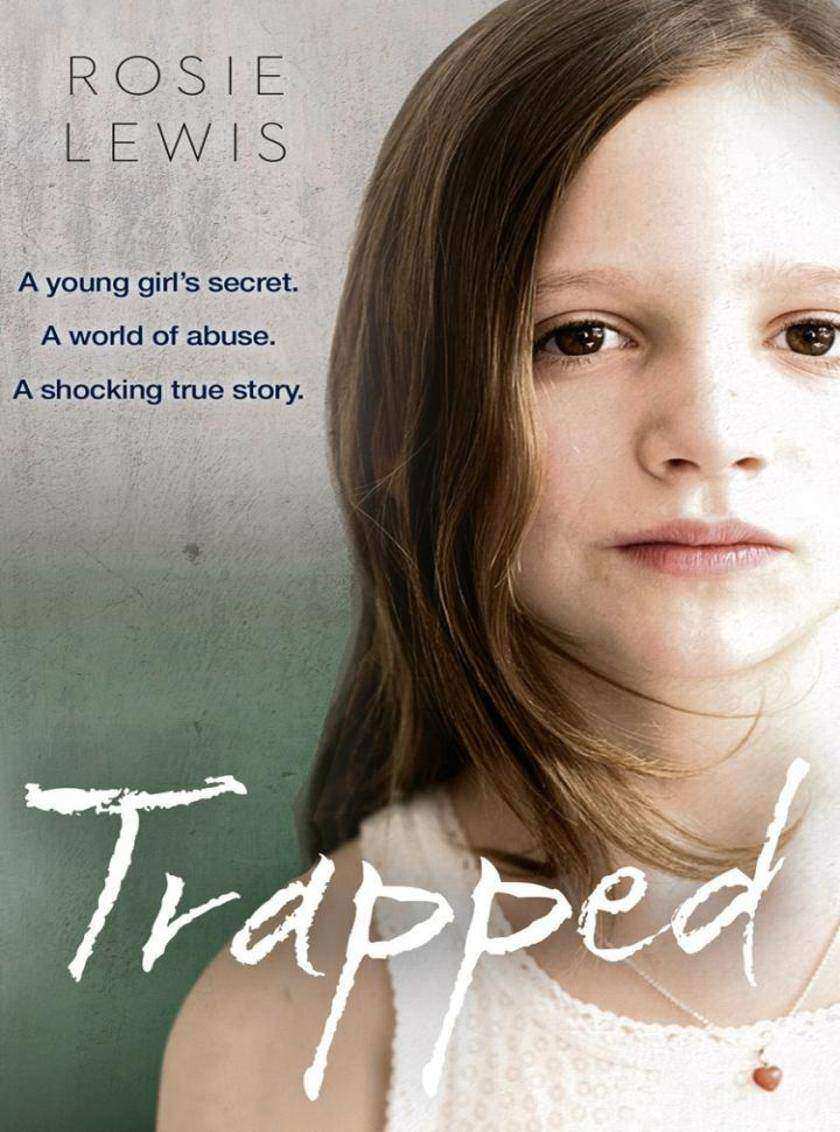
Trapped: The Terrifying True Story of a Secret World of Abuse
¥58.86
Trapped was a Sunday Times bestseller and the first memoir from foster carer Rosie Lewis. Phoebe, an autistic nine-year-old girl, is taken into police protection after a chance comment to one of her teachers alerts the authorities that all might not be what it seems in her comfortable, middle-class home. Experienced foster carer Rosie accepts the youngster as an emergency placement knowing that her autism will represent a challenge – not only for her but also for the rest of the family. But after several shocking incidents of self-harming, Pica and threats to kill, it soon becomes apparent that Phoebe’s autism may be the least of her problems. Locked for nine years in a secret world of severe abuse, as Phoebe opens up about her horrific past, her foster carer begins to suspect that Phoebe may not be suffering from autism at all.
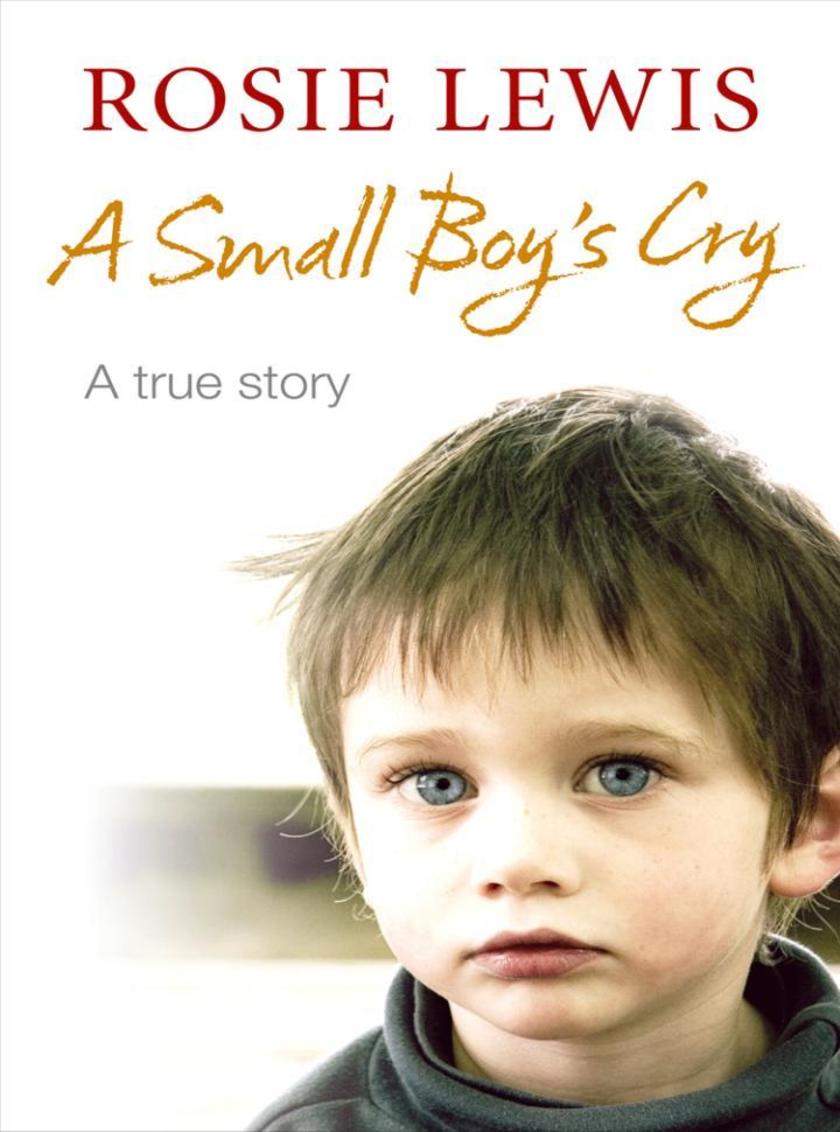
A Small Boy’s Cry
¥11.77
A heartbreaking and shocking short story from foster carer Rosie Lewis. Toddler Charlie falls from the second floor window of his tower block home while his mother is busy shooting up in their dirty council flat. Laying alone on a pile of rubbish until concerned neighbours hear him whimpering, Charlie is taken to hospital by police officers who are unable to rouse his mother. With a gash to his head, a terrified Charlie is delivered to foster carer Rosie Lewis’s home. As Charlie opens up about his past, a picture of the traumatic life the little boy has endured so far becomes clear.
Staffordshire Bull Terrier: An Owner’s Guide
¥57.00
A comprehensive guide to all aspects of owning a Staffordshire Bull Terrier, this highly illustrated book is full of practical information and expert advice for pet owners and breeders. Staffordshire Bull Terriers are renowned for their loyalty to their owners and stability of temperament which makes them great pets. When properly socialised and trained they are playful, energetic and have a real love of people. If you are considering getting a Staffordshire Bull Terrier, or are an existing owner who wants to learn more about the care of your dog then this book will be an invaluable resource. Contents include: ? History of the breed ? Acquiring a puppy ? Socialization and training ? Behaviour ? Showing and obedience work ? Healthcare
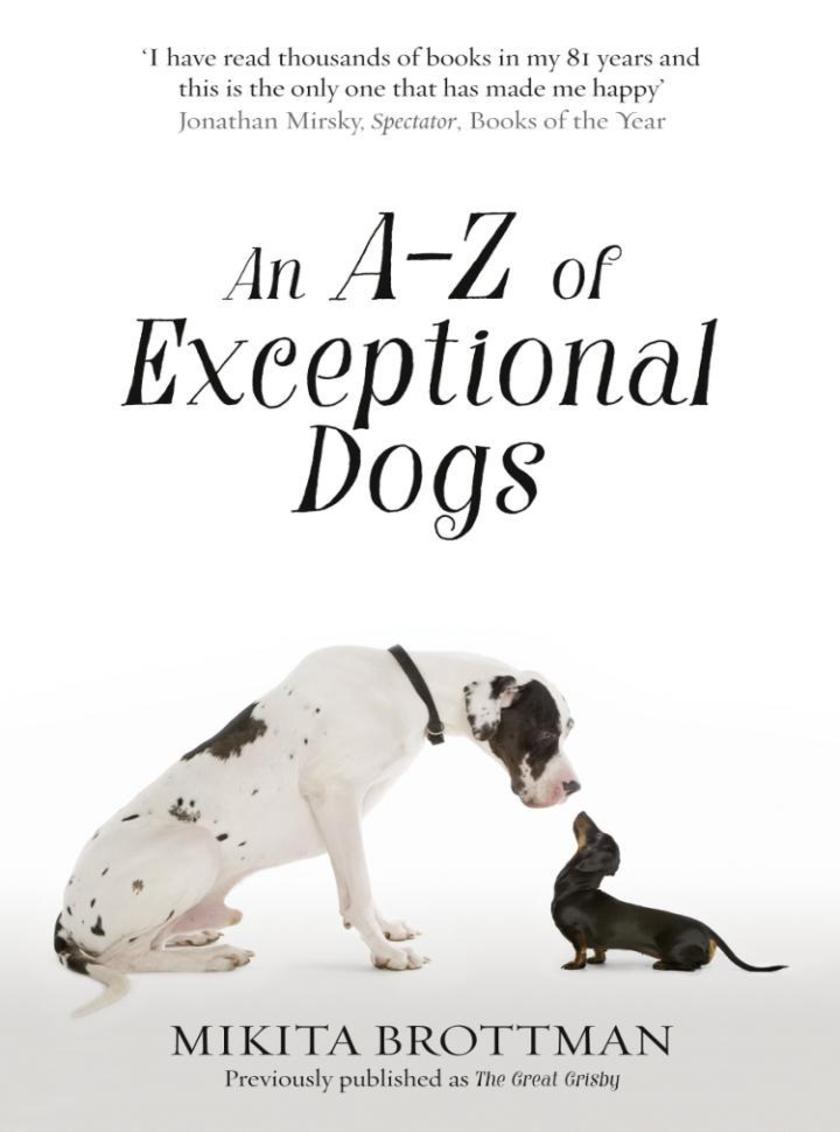
An A–Z of Exceptional Dogs
¥73.58
In this charming bestiary of exceptional dogs, Mikita Brottman reflects on the role dogs play in our world, all explored through her relationship with her dog Grisby and many other examples of the dogs of great writers and artists from literature, lore, and life. While gradually unveiling her eight-year love affair with her French bulldog, Grisby, Mikita Brottman ruminates on the singular bond between dogs and humans. Why do prevailing attitudes warn us against loving our pet “too much”? Is her relationship with Grisby nourishing or dysfunctional, commonplace or unique? Challenging the assumption that there’s something repressed and neurotic about those deeply connected to a dog, she turns her keen eye on the many ways in which dog is the mirror of man. The Great Grisby is organised into twenty-six alphabetically arranged chapters, each devoted to a particular human-canine union drawn from history, art, philosophy, or literature. Here is Picasso’s dachshund Lump; Freud’s chow Yofi; Bill Sikes’s mutt Bull’s Eye in Oliver Twist; and Elizabeth Barrett Browning’s spaniel Flush, whose biography was penned by Virginia Woolf. There are royal dogs, like Prince Albert’s greyhound Eos, and dogs cherished by authors, like Thomas Hardy’s fox terrier, Wessex. Brottman’s own beloved Grisby serves as an envoy for sniffing out these remarkable companions. Quirky and delightful, and peppered with incisive personal reflections and back-and-white sketches portraying a different dog and its owner, The Great Grisby reveals how much dogs have to teach us about empathy, happiness, love―and what it means to be human.

They All Love Jack: Busting the Ripper
¥76.91
LONGLISTED FOR THE SAMUEL JOHNSON PRIZE FOR NON-FICTION A book like no other – the tale of a gripping quest to discover the identity of history’s most notorious murderer and a literary high-wire act from the legendary writer and director of Withnail and I. For over a hundred years, ‘the mystery of Jack the Ripper’ has been a source of unparalleled fascination and horror, spawning an army of obsessive theorists, and endless volumes purporting finally to reveal the identity of the brutal murderer who terrorised Victorian England. But what if there was never really any ‘mystery’ at all? What if the Ripper was always hiding in plain sight, deliberately leaving a trail of clues to his identity for anyone who cared to look, while cynically mocking those who were supposedly attempting to bring him to justice? In THEY ALL LOVE JACK, the award-winning film director and screenwriter Bruce Robinson exposes the cover-up that enabled one of history’s most notorious serial killers to remain at large. More than twelve years in the writing, this is much more than a radical reinterpretation of the Jack the Ripper legend, and an enthralling hunt for the killer. A literary high-wire act reminiscent of Tom Wolfe or Hunter S. Thompson, it is an expressionistic journey through the cesspools of late-Victorian society, a phantasmagoria of highly placed villains, hypocrites and institutionalised corruption. Polemic, forensic investigation, panoramic portrait of an age, underpinned by deep scholarship and delivered in Robinson’s inimitably vivid and scabrous prose, THEY ALL LOVE JACK is an absolutely riveting and unique book, demolishing the theories of generations of self-appointed experts – the so-called ‘Ripperologists’ – to make clear, at last, who really did it; and more importantly, how he managed to get away with it for so long.
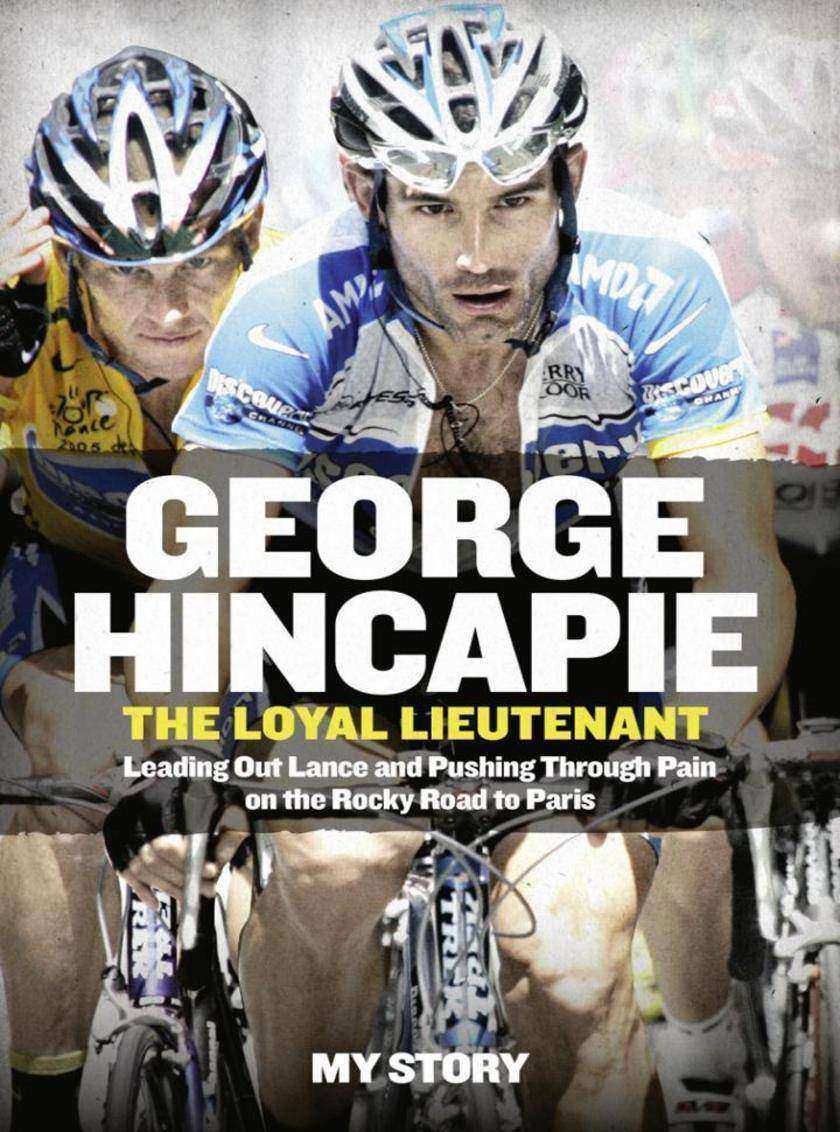
The Loyal Lieutenant
¥66.22
The stunningly candid autobiography of one of cycling’s great names and the man who rode alongside Lance Armstrong for each of his now infamous seven Tour victories George Hincapie has always personified more than the sport in which he chose to compete, cycling, and his legacy will be more than the sum of his accomplishments on the road. It is also intertwined with the team-mates he helped to achieve success. As Lance Armstrong’s trusted sidekick, he helped re-write the record books of the greatest cycling event in the world, the Tour de France. No other team-mate was with Lance for all seven of his wins. No one was closer to him as a friend or confidante and no one was closer to the scandal which would ultimately bring down Armstrong and so many of those around him. Told with stunning candour, ‘The Loyal Lietenant’ offers the most transparent and engaging account yet of the now infamous years of cycling’s modern history. It is a book that will once again change our perceptions of what it means to be a sporting great.
Stan: Tackling My Demons
¥80.25
The searingly honest and at times harrowing autobiography of the former Liverpool, Aston Villa and England striker. Exposes the dark and often seedy world hidden behind the glamorous facade of professional football. ‘I was a mess. I couldn’t get out of bed. I couldn’t structure my day properly. I couldn’t face having a shower or getting dressed. Those all seemed like major events I didn’t want to confront.’ Once the most charismatic and expensive player in the new Premiership flooded with cash, Stan Collymore had, by the age of 28, booked himself into The Priory to treat his depression, close to self-destruction and unable to get his head round playing at all. Along the way, he had been the goalscorer nobody wanted to congratulate, the centre-forward no one knew how to manage, a deeply reluctant star in a tabloid culture that saw him make the front pages as often as the back, and that waited for him to crack up or lash out. When he eventually did, it was, infamously, inevitably, at his then celebrity girlfriend, Ulrika Jonsson. But then retired from football in 2001 and finding himself in the commentary box, he proved he did care about the game, rather too much perhaps, sounding like a fan as much as an ex-player – and at a stroke he had more in common with the rest of the nation. He knew it was all so much more than a game, and what happened on the field was only a reflection of what was going on inside players’ heads. The contradictions remain. A man, who had a steady stream of celebrity women falling at his feet, shamed by his voyeurism in a Cannock car park; a star with everything who was once discovered by his wife tightening a belt around his neck; a loving dad of two whose own father walked out of the marital home and who Collymore continues to blot from his memory to this day; a footballer who abstains from drugs, yet who needs therapy at Sex and Love Addicts Anonymous; the loner slated for his aloofness who found critical acclaim as a football pundit on national prime-time radio. This is Stan Collymore’s own life story, the real person on his flawed character and personal demons, telling it like you have never seen before – raw and uncut.
Chris Eubank: The Autobiography
¥80.25
Love him or loathe him, Chris Eubank is one of life’s more eccentric personalities who has transcended the world of boxing and established himself as a media celebrity and role model to millions of fans the world over. His story is both gripping and extraordinary. He exploded into the public consciousness in November 1990 with a ferocious defeat of Nigel Benn for the WBO middleweight crown. Once crowned champion, he made 19 successful defences of his title and became one of the most talked about boxers of his generation. But his early life was so very different. Aged 15, Eubank was ejected from the last in a long line of care homes and was living on the streets. His life was a mess of shoplifting, burglary, drink and drugs from which there seemed no escape. In 1981, in a last-ditch attempt to drag himself from the abyss, he relocated to New York with his mother. Here he started boxing and within two years he had won the prestigious Spanish Golden Gloves Amateur title. Some of the incredible experiences he recalls in his autobiography include: his involvement in a car crash which saw a man die, how he became Lord of the Manor of Brighton, his reaction to Michael Watson’s horrific injuries sustained in their 1992 super-middleweight contest and subsequent partial recovery, his views on the ‘mugs game’ from which he previously made his living, his relationship with Nelson Mandela and Muhammad Ali, his passion for his truck, jeeps and motorbikes, and his legendary sartorial elegance and extravagance. Eubank’s life as a ‘TV celebrity’ is even more enigmatic and compelling. He was the subject of a Louis Theroux fly-on-the-wall documentary, he was first to be voted out of the Comic Relief Big Brother house, and is the star of his own television programme At Home with the Eubanks. His story is truly extraordinary.
Realizing Educational Rights
¥247.21
In?Realizing Educational Rights, Anne Newman examines two educational rights questions that arise at the intersection of political theory, educational policy, and law: What is the place of a right to education in a participatory democracy, and how can we realize this right in the United StatesTracking these questions across both philosophical and pragmatic terrain, she addresses urgent moral and political questions, offering a rare, double-pronged look at educational justice in a democratic society.Newman argues that an adequate K-12 education is the right of all citizens, as a matter of equality, and emphasizes that this right must be shielded from the sway of partisan and majoritarian policy making far more than it currently is. She then examines how educational rights are realized in our current democratic structure, offering two case studies of leading types of rights-based activism: school finance litigation on the state level and the mobilization of citizens through community-based organizations. Bringing these case studies together with rich philosophical analysis,?Realizing Educational Rights?advances understanding of the relationships among moral and legal rights, education reform, and democratic politics.?


