


 购物车
购物车 个人中心
个人中心

Jane Eyre (Mermaids Classics)
¥35.22
Jane Eyre (originally published as Jane Eyre: An Autobiography) is a novel by English writer Charlotte Bront. Jane Eyre follows the emotions and experiences of its eponymous character, including her growth to adulthood, and her love for Mr. Rochester, the byronic master of fictitious Thornfield Hall. In its internalization of the action - the focus is on the gradual unfolding of Janes moral and spiritual sensibility and all the events are colored by a heightened intensity that was previously the domain of poetry - the novel revolutionized the art of fiction. (Citation from Wikipedia: The free Encyclopaedia)Mermaids Classics, an imprint of Mermaids Publishing brings the very best of old classic literature to a modern era of digital reading by producing high quality books in ebook format. All of the Mermaids Classics epublications are reproductions of classic antique books that were originally published in print format, mostly over a century ago and are now republished in digital format as ebooks. Begin to build your collection of digital books by looking for more literary gems from Mermaids Classics.
Moonstone (Mermaids Classics)
¥35.22
The Moonstone (1868) by Wilkie Collins follows the story of Rachel Verinder who inherits a large diamond (which is the moonstone) from her corrupt uncle and wears it to her birthday party. The moonstone is extremely valuable and religious figures have searched for it their entire lives. On the night of the party, the moonstone goes missing and the search begins in solving the mystery as to what had happened to it. The Moonstone story was believed to have been one of the first English detective stories.Mermaids Classics, an imprint of Mermaids Publishing brings the very best of old classic literature to a modern era of digital reading by producing high quality books in ebook format. All of the Mermaids Classics epublications are reproductions of classic antique books that were originally published in print format, mostly over a century ago and are now republished in digital format as ebooks. Begin to build your collection of digital books by looking for more literary gems from Mermaids Classics.
Count of Monte Cristo (Mermaids Classics)
¥35.22
The Count of Monte Cristo (1845) is an adventure novel by French author Alexandre Dumas (pre) (1802-1870) who also wrote the famous classic The Three Musketeers. Mermaids Classics, an imprint of Mermaids Publishing brings the very best of old classic literature to a modern era of digital reading by producing high quality books in ebook format. All of the Mermaids Classics epublications are reproductions of classic antique books that were originally published in print format, mostly over a century ago and are now republished in digital format as ebooks. Begin to build your collection of digital books by looking for more literary gems from Mermaids Classics.
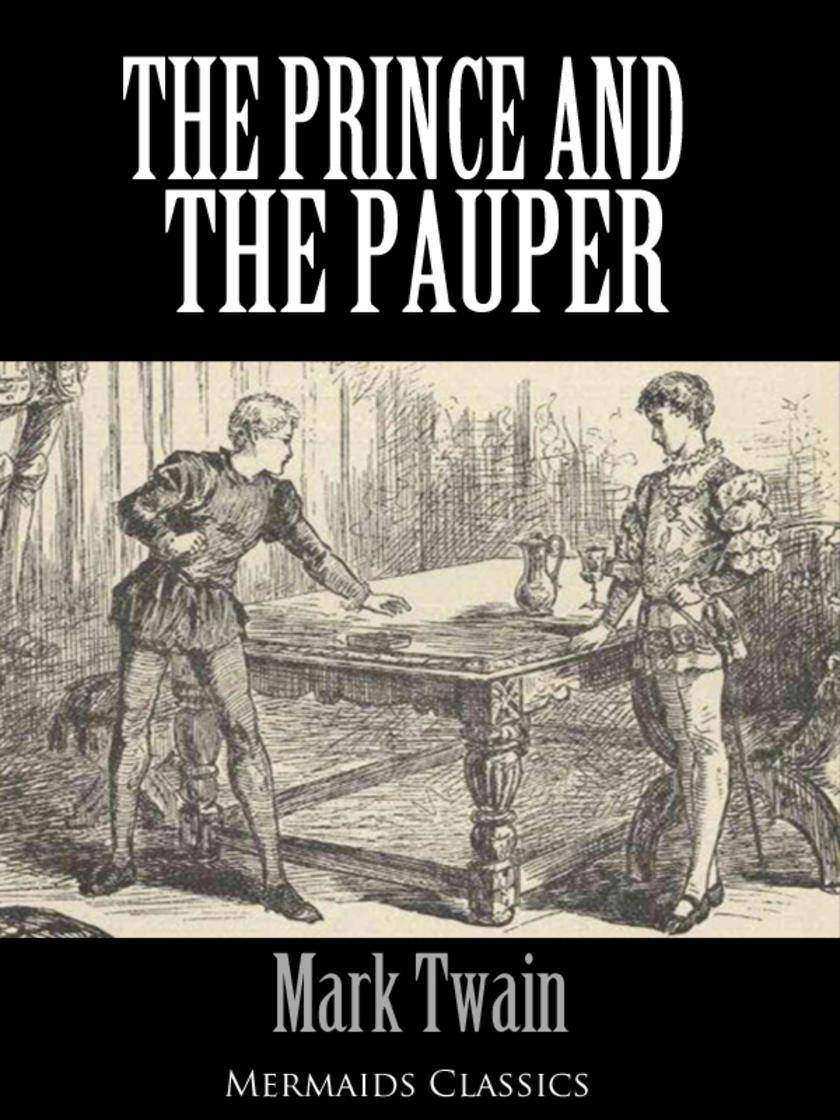
Prince and the Pauper - An Original Classic (Mermaids Classics)
¥35.22
The Prince and the Pauper by Mark Twain (aka Samuel Langhorne Clemens) (1835 1910) is a childrens novel based on two young boys who have an identical appearance but lead completely different lifestyles. One boy is a pauper named Tom Cancy and the other boy is a Prince - named Prince Edward. The story is set in 1547.The Prince and the Pauper was first published in 1881. Mermaids Classics, an imprint of Mermaids Publishing brings the very best of old book classics to a modern era of digital reading by producing high quality books in ebook format.
Anne of Green Gables Collection (Illustrated)
¥23.45
Table Of ContentsANNE OF GREEN GABLESANNE of the ISLANDAnnes House of DreamsCHRONICLES OF AVONLEAFURTHER CHRONICLES OF AVONLEATHE GOLDEN ROADKILMENY OF THE ORCHARDLucy Maud Montgomery Short Stories, 1896 to 1901Lucy Maud Montgomery Short Stories, 1902 to 1903Lucy Maud Montgomery Short Stories, 1904Lucy Maud Montgomery Short Stories, 1905 to 1906Lucy Maud Montgomery Short Stories, 1907 to 1908Short Stories 1909 to 1922RAINBOW VALLEYRilla of Ingleside
Pride and Prejudice
¥11.67
Pride and Prejudice by Jane Austen, is considered as one of the worlds top book classics. It was initially published in 1813 and was the authors second novel which also became her most popular novel. The scene is set in England in early 19th century with 20 year old Elizabeth Bennett, the second eldest of five daughters developing a relationship with the single, handsome and wealthy gentleman, Mr Darcy. Elizabeth endures issues of upbringing, independence, social manners, morality, education and marriage within a high aristocrat society. As their love unfolds, Mr Darcy overcomes his pride of being with someone of a lower social class and Elizabeth overcomes her prejudice of Mr Darcy. A classic love story and one of the most famous novels in English literature.This digital edition is beautifully formatted with an active Table of Contents that goes directly to each chapter. Mermaids Classics, an imprint of Mermaids Publishing brings the very best of old book classics to a modern era of digital reading by producing high quality books in ebook format.

Wuthering Heights (Mermaids Classics)
¥35.22
Wuthering Heights (1847) by Emily Bronte (1818 -1848) is a classic novel initially published under the pen name Ellis Bell. The story is about the love between Catherine Earnshaw and Heathcliff who is her fathers adopted son and the controversies that arise as a result. Mermaids Classics, an imprint of Mermaids Publishing brings the very best of old classic literature to a modern era of digital reading by producing high quality books in ebook format. All of the Mermaids Classics epublications are reproductions of classic antique books that were originally published in print format, mostly over a century ago and are now republished in digital format as ebooks. Begin to build your collection of digital books by looking for more literary gems from Mermaids Classics.
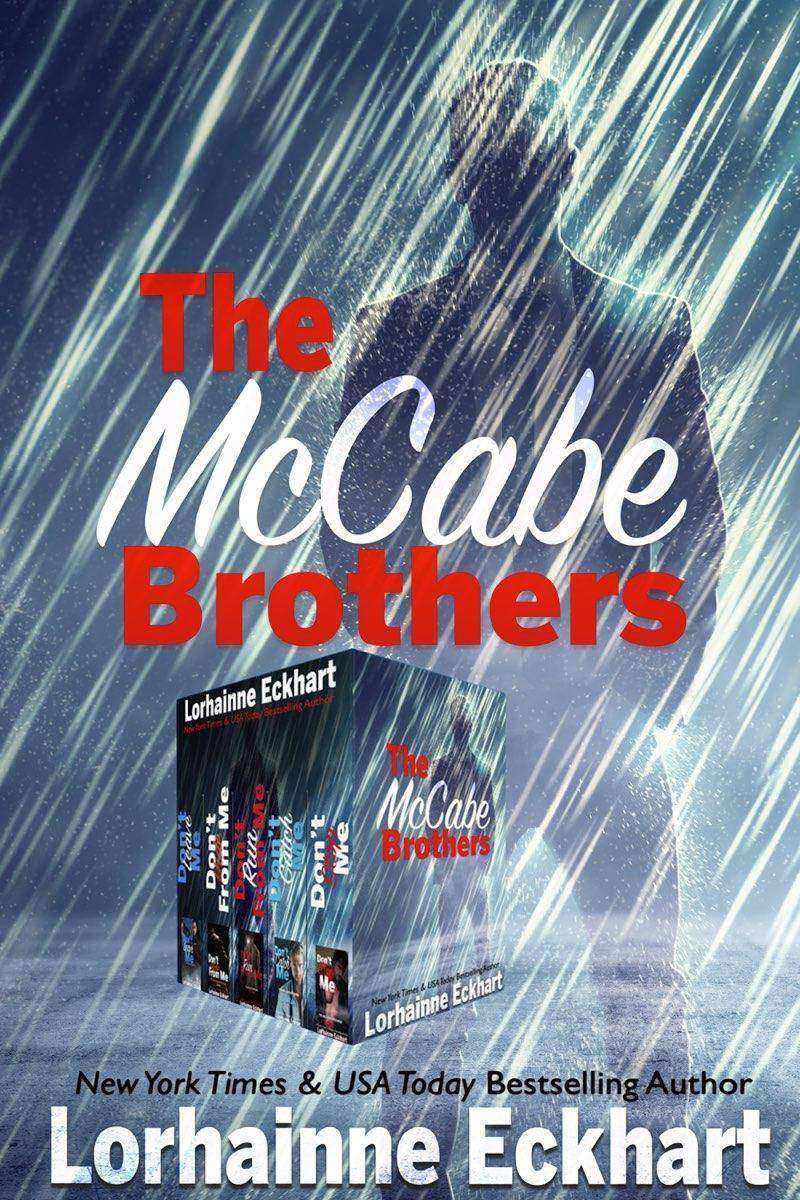
The McCabe Brothers: The Complete Collection
¥52.23
Now a USA Today bestseller Join the five McCabe siblings on their journeys to the dark and dangerous side of love! An intense, exhilarating collection of romantic thrillers you won’t want to miss. This collection includes all the books in this new spinoff series. Don't Stop Me, Don't Catch Me, Don't Run From Me, Don't Hide From Me, and the newest addition Claudia's story in Don't Leave Me
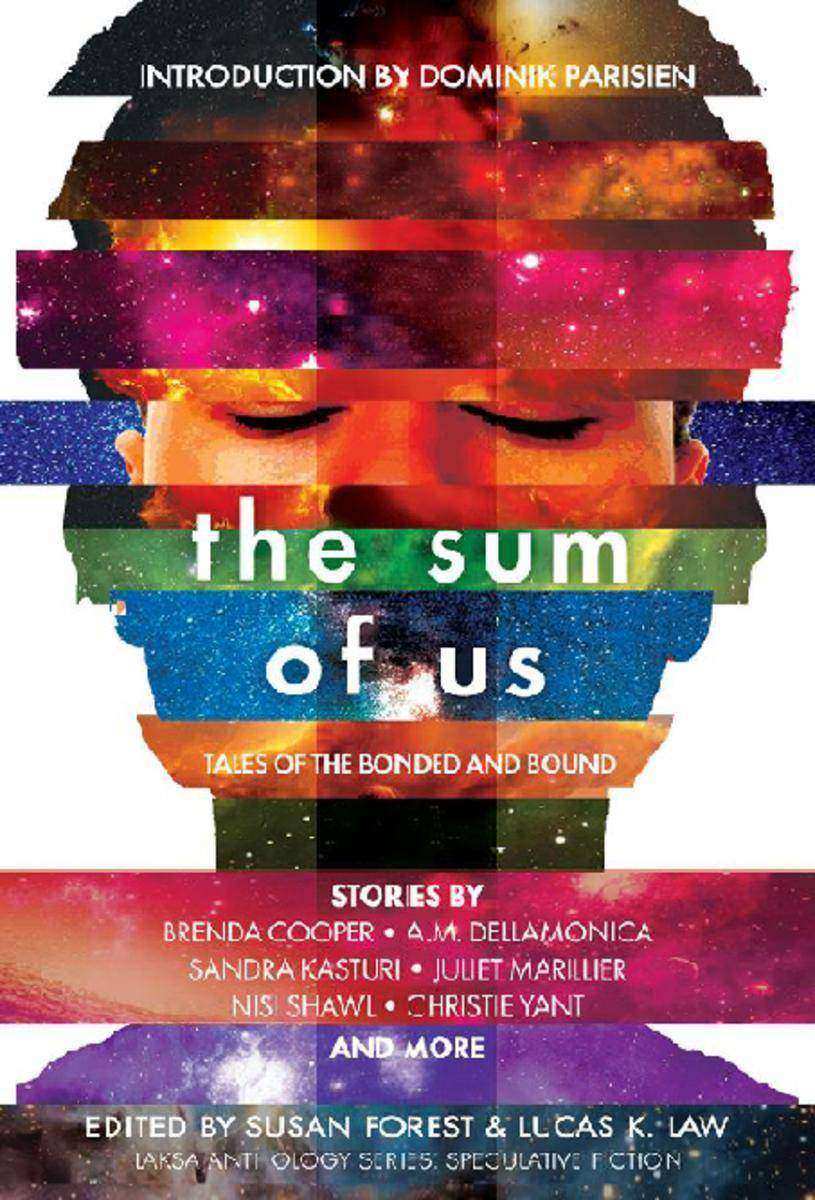
The Sum of Us: Tales of the Bonded and Bound
¥69.67
The greatest gift to us is caring. What would the world be like without someone to care for or to care with? Would love survive if we don't care? From the world of twenty-three science fiction and fantasy authors comes a world that can be funny, heartwarming, strange, or sad. Or not what we expect. Nominated – 2018 (Canadian SF&F) Aurora Award Shortlist (anthology/Best Related Work) 2018 Alberta Book Publishing Award Shortlist (Best Speculative Fiction) Finalist One story selected for Best of British Science Fiction 2017 (ed. by Donna Scott) One story selected for Best Indie Speculative Fiction, Vol. 1 (Bards & Sages Publishing) Five stories on Tangent Online Recommended Reading List 2017 One story nominated – 2018 (Canadian SF&F) Aurora Award Short Fiction Finalist One story – 2018 WSFA Small Press Award Finalist One story nominated – 2018 Sunburst Award for Excellence in Canadian Literature of the Fantastic Short Fiction Shortlist Three stories – 2018 Sunburst Award for Excellence in Canadian Literature of the Fantastic Short Fiction Longlist How can a henchman keep up with a mischievous retired supervillain? Can a dog help a hockey player score again? Will an odd couple with a zany sense of adventure and diminished capabilities survive an earthquake? Where does a stray cat go to find love every night? What secret does a pious monk have with a cargo of sleeping human? Will terrorism in space take out a young apprentice and a blind welder? What does an oracle tell a lover about her final days? Can a "heart of gold" prevent a soldier from crossing the enemy line with the governor's children? These, and many more. Featuring Original Stories by Colleen Anderson, Charlotte Ashley, Brenda Cooper, Ian Creasey, A.M. Dellamonica, Bev Geddes, Claire Humphrey, Sandra Kasturi, Tyler Keevil, Juliet Marillier, Matt Moore, Heather Osborne, Nisi Shawl, Alex Shvartsman, Karina Sumner-Smith, Kate Story, Amanda Sun, Hayden Trenholm, James Van Pelt, Liz Westbrook-Trenholm, Edward Willett, Christie Yant & Caroline M. Yoachim With Introduction by Dominik Parisien Edited by Susan Forest and Lucas K. Law Anthologies in this series (Strangers Among Us, The Sum of Us, Where the Stars Rise) have been recommended by Publishers Weekly, Booklist (American Library Association), Kirkus Reviews, Library Journal, School Library Journal, Locus, Foreword Reviews, and Quill & Quire. REVIEWS for THE SUM OF US “A strong collection . . . make it worth reading.” –Publishers Weekly “Definitely consider buying a copy, if not for yourself, then for someone who is serving as a caretaker. At the very least, it should make us all appreciate caretakers for all they do.” –Lightspeed Magazine “Thought provoking page-turners.” –Tangent “These stories take a broad exploration of what care can mean . . .” —Speculating Canada (Derek Newman-Stille)

The White Venus: World War Two Historical Fiction
¥54.76
When the ties of loyalty are severed, whom do you trust?Part of?The Love and War Series, novels set during the 20th century's darkest years. World War Two. It is June 1940. France has surrendered and the Nazi German occupation begins. A small village in northern France awaits the arrival of a garrison of conquering Germans.?To their dismay, 16-year-old Pierre and his parents, Georges and Sandrine, are forced to accommodate a German major, Major Hurtzberger. He is the enemy within their midst; the invader of their country, and, more pertinently, the unwanted lodger within their home. The problem, however, is that the German is annoyingly pleasant. The major, with a son of his own, empathises with Pierre in a way Georges has never been able to. Immediately the two of them find a bond, leaving Pierre confused and his understanding of good and bad, of black and white, shattered.?But then, Georges, Pierre’s father, is arrested by the Gestapo and taken away. Forced to confront the prejudices of others, as well as his own, Pierre has to ask where his loyalties lie, and who are his friends and who, exactly, is the enemy.?Desperate to prove himself a man, Pierre is continually thwarted by those he trusts – his parents, the villagers and especially Claire, the girl he so desires.?Pierre’s quest brings to the fore a traumatic event in the family’s past, a tragedy never forgotten but never mentioned. Only by confronting his trauma, can Pierre find the answer and prove he is a man in a country at war.From the founder of the History In An Hour series, comes another powerful work of WW2 historical fiction that will remain with you long after you’ve turned the final page.“Really enjoyed this book. Loved the characters and their involvement in the story.”“This is a book with difference. I will look for more books by this author.”“Colley draws his characters with fine lines, illustrating both the brutality and compassion shown by individuals on both sides of this war.”“Told with great poignancy.”Historical fiction with heart and drama.
Beyond: Time
¥26.07
Three thrilling tales that transcend time: The Long Commute Shon Howard and others like him go to work every day to reverse the ravages of climate change, pollution, and other evils. His daughter’s life depends on it. Because in Shon’s world, mistakes of past centuries can be corrected by visiting key moments in time. As long as he doesn’t get caught. A Taste Of Time Gabby Dufour hates the blueberries that grow over the site of her home town, destroyed in a fire decades ago. Then young berry-loving Amanda comes to visit, with inexplicable knowledge about the town, and Gabby is forced to wonder if there’s more to blueberries than meets the tongue. (First published in On Spec #88 vol 24 no 1, August 2014.) Hurricane The crew of a Hurricane Hunter aircraft is assigned to monitor an experiment designed to collect the awesome energy of a powerful storm. When the project succeeds too well, nowhere is beyond its destructive reach. Praise for Scott Overton: “A storyteller of boundless skill…a writer to watch.” “A gifted wordsmith.”
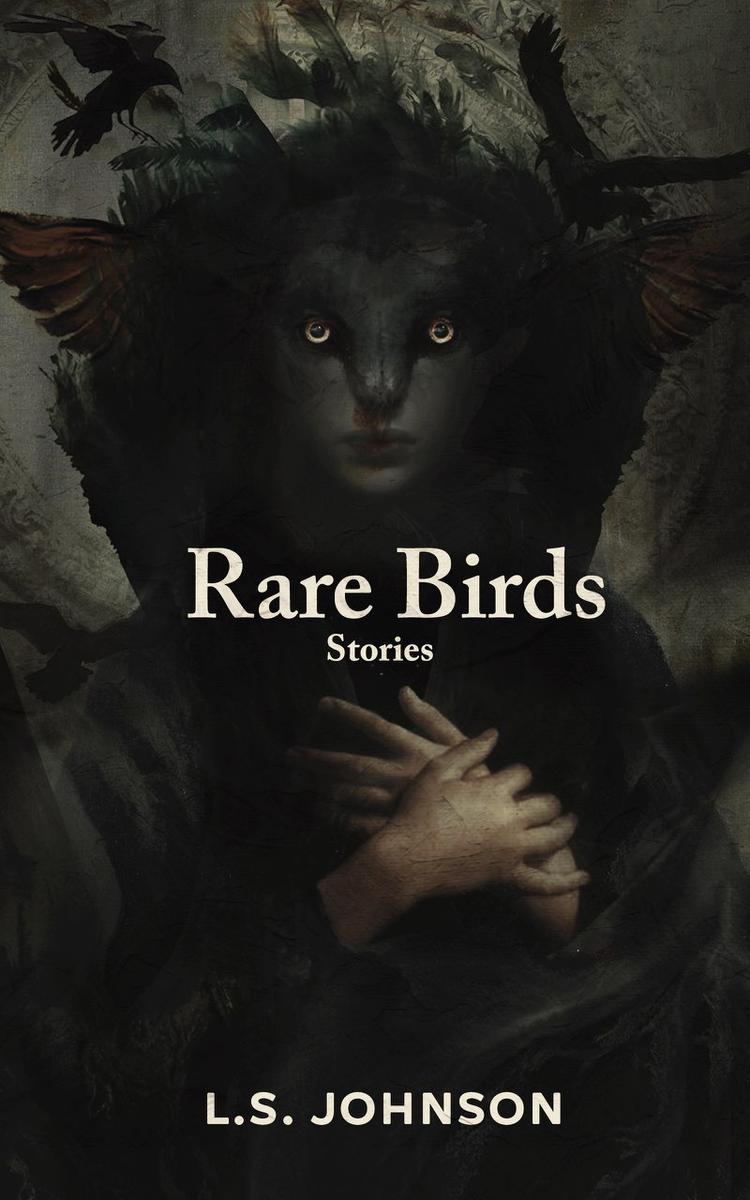
Rare Birds: Stories
¥34.79
The eight short stories in this collection look at the ties that bind and the transformations they provoke. Whether bound by love, blood, or violent circumstance, the characters in these tales are fundamentally altered by those closest to them … and not always for the better. ? Two mothers become entwined in revenge against a violent man, with unexpected consequences. A roving gang of sirens finds themselves challenged from without and within. In a last, desperate act of love, a young surgeon goes under the knife. And in a distant territory, a mother and daughter struggle to survive—but the aid they summon is far more dangerous. ? At turns brutal and tender, subtle and shocking, these stories blend realism, fantasy, and horror to create an unsettling—and unforgettable—experience.
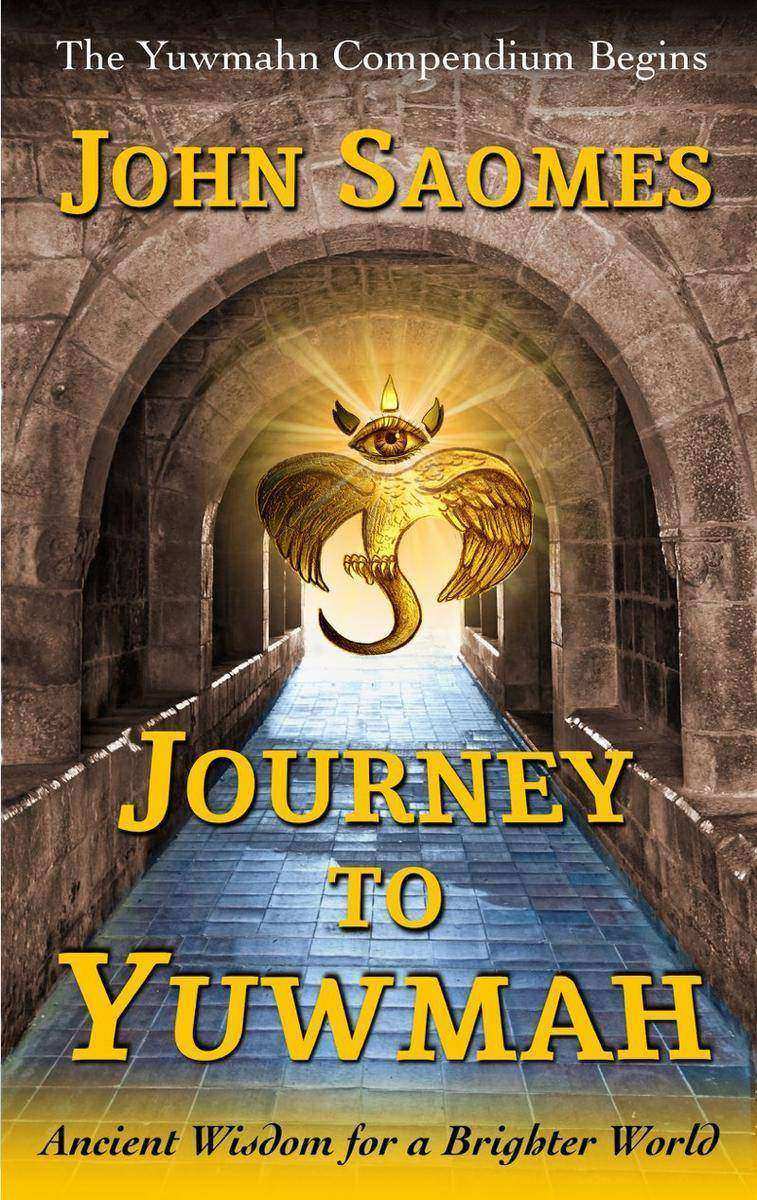
Journey to Yuwmah: Ancient Wisdom for a Brighter World
¥43.51
Follow one man’s search for happiness and find a better way for the human family to live together in peace and harmony This introductory volume of the Yuwmahn Compendium?challenges every aspect of the world we've created into the twenty-first century, proposing bold solutions for a better way… – Ancient wisdom to solve the problems of our modern civilisation – Sacred teachings for the rejuvenation of body, mind and spirit – Self help to create an improved you – Timeless secrets to a better life for all When journalist John Saomes explores the wilderness of South America he meets Mahonri, a learned sage from the ancient civilisation of Yuwmah. Through the course of his inspiratonal journey, Saomes discovers a different perspective for understanding of the ways of the world, the beauty and simplicity of the path to enlightenment, and the profound power of the Five Pillars of Universal Wisdom. Elements of this book remind us of Paul Coelho’s The Alchemist and Don Miguel Ruiz’s The Four Agreements, but the world envisioned is more far-reaching. To those who want to change the world and themselves for the better and find a profound sense of purpose and belonging – this book is for you.
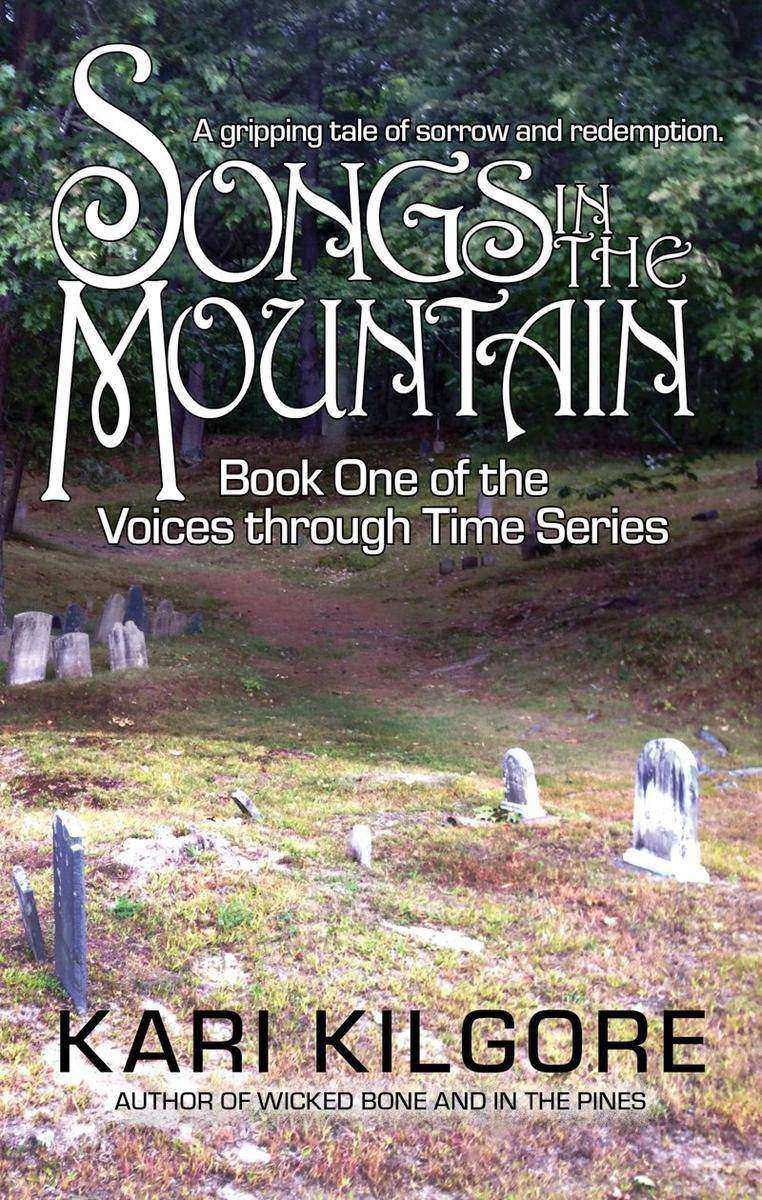
Songs in the Mountain
¥34.79
Hartstown, Virginia, holds stunning natural beauty and a close-knit mountain community. Deep in the heart of Appalachian coal country, Hartstown?also suffers more than its fair share of tragedy. Beth Azen discovers a strange ability that leads her deep into the ancient mysteries of the mountains around her. Mark Hersch finds more than he ever imagined on his lifelong quest to heal the damage left by decades of mining. Together, they discover the deadly nature of true loneliness. A gripping tale of sorrow and redemption. Inspired by Far Southwest Virginia: A Postcard and Photographic Journey, also from Spiral Publishing. An excerpt from Songs in the Mountains: “Can you hear me?” Beth whispered, her cheeks turning red. She tried again, a bit louder. “Hello? I hear you talking. Is anyone there?” The song continued without even a pause. Beth scrubbed her fingers through her hair, then got as close to shouting as she dared in the closed space with people right outside the door. “Either tell me what you want or leave me alone!” The voices stopped. Beth tried to hold perfectly still, not sure if she wanted an answer or for the whole thing to be over. She could probably adjust to not having music anymore, but not to the constant noise. The low, empty circuit hum in her ears intensified, and a voice floated up like a distant station on her great-uncle’s old tube radio. “Been wonderin’ if anyone was there.” The woman spoke with a thick dialect that was hard to understand, but Beth thought it had to be from close by. “Been tryin’ to get through for a powerful long time.” Beth opened her mouth twice before any words made it out.

Code Red: The President Will Die
¥26.07
Political Thriller about the people of Syria and their fight against their government and ISIS, and how one man went to extreme measures to get America’s help to give the power back to the people of Syria.
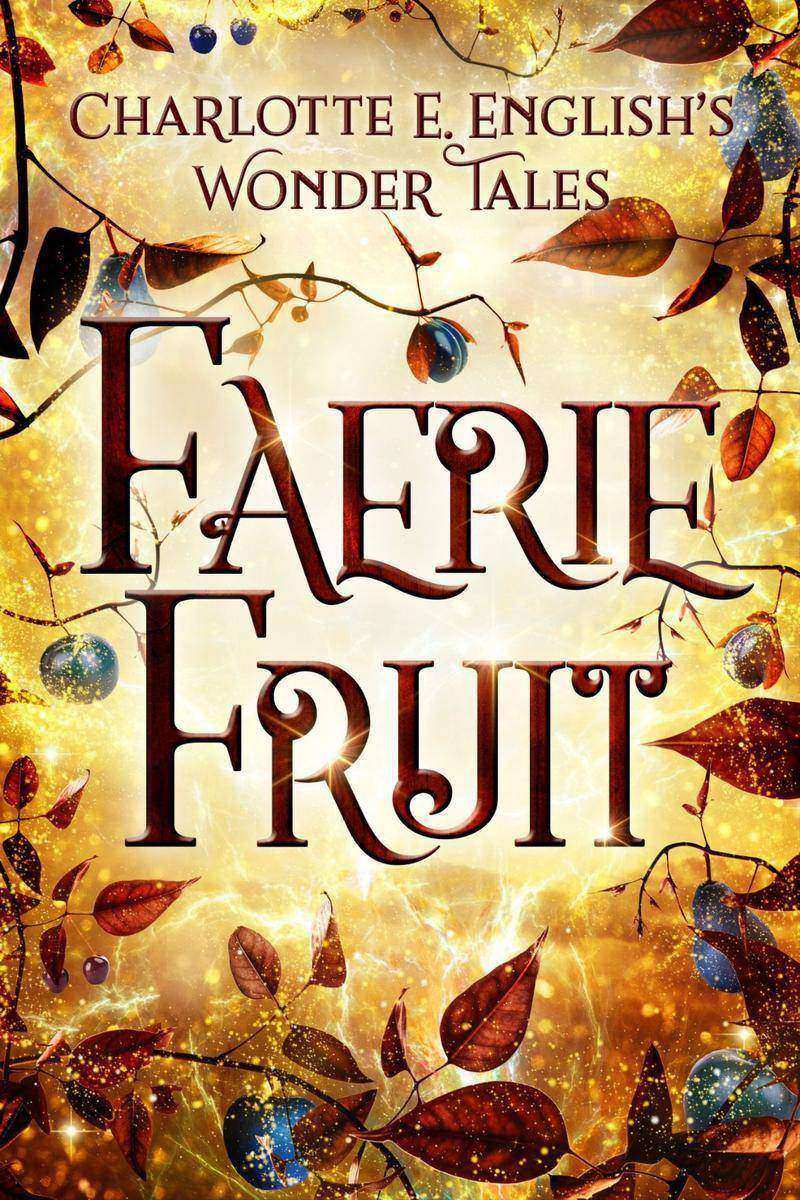
Faerie Fruit
¥8.63
When the centuries-barren orchards of Berrie-on-the-Wyn suddenly bear fruit, it is clear that something strange is afoot — and something fey, for this is no ordinary harvest. To partake of the fruits of Faerie is to be changed for good, but not necessarily for the better. From whence come the golden apples, the moonlit silver pears? Who is the motley piper who walks the streets of Berrie, drawing forth magic and mayhem with his music? And how can half of the town vanish into thin air? There may be chaos aplenty in Berrie, but all that's needed to set things straight is a touch of the right light — and maybe just the right pair of Boots...
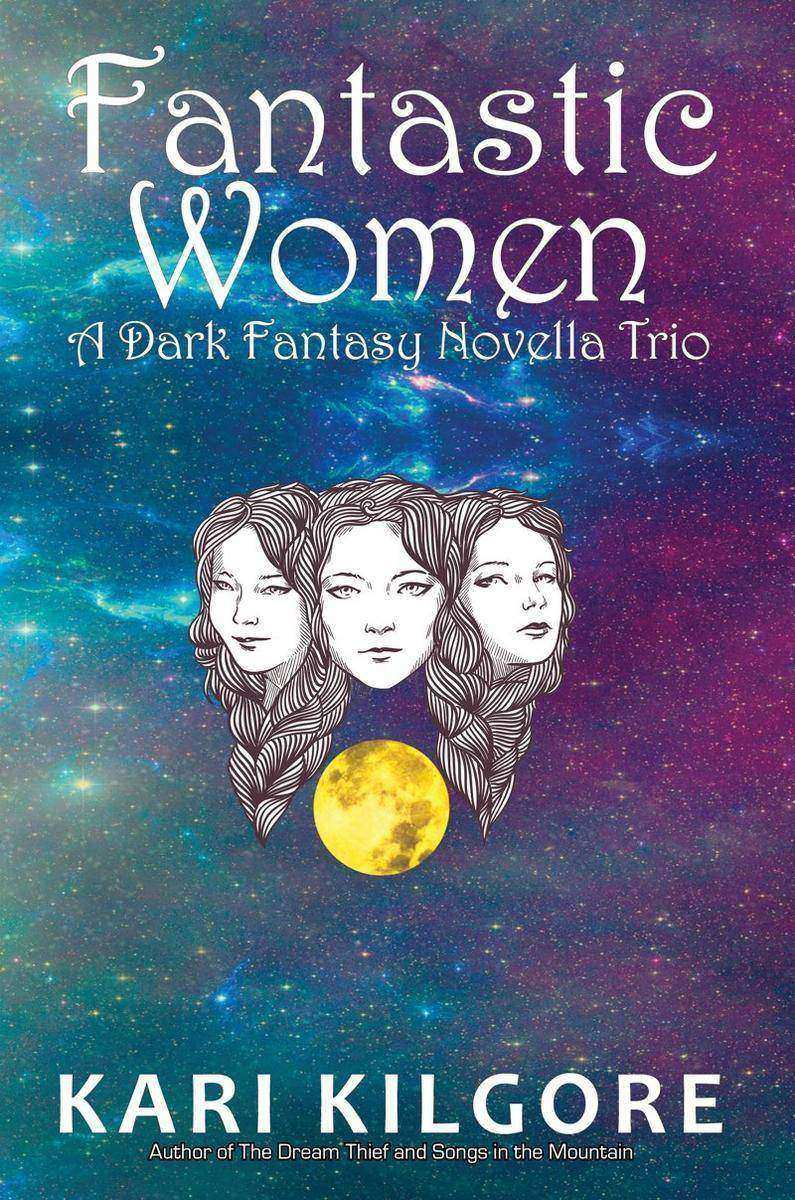
Fantastic Women: A Dark Fantasy Novella Trio
¥43.51
Meet Beth Azen, Elenda Murphy, and Mary Robbins. Three women not that different from any other. From mountains to city, single to widowed. Struggling with ghosts and family heritage. Facing hopes and fears of the future. Ordinary lives. Ordinary problems.? What happens when ordinary gets more than a little strange? Includes the novellas Songs in the Mountain, Legacy of the Land, and In the Pines.
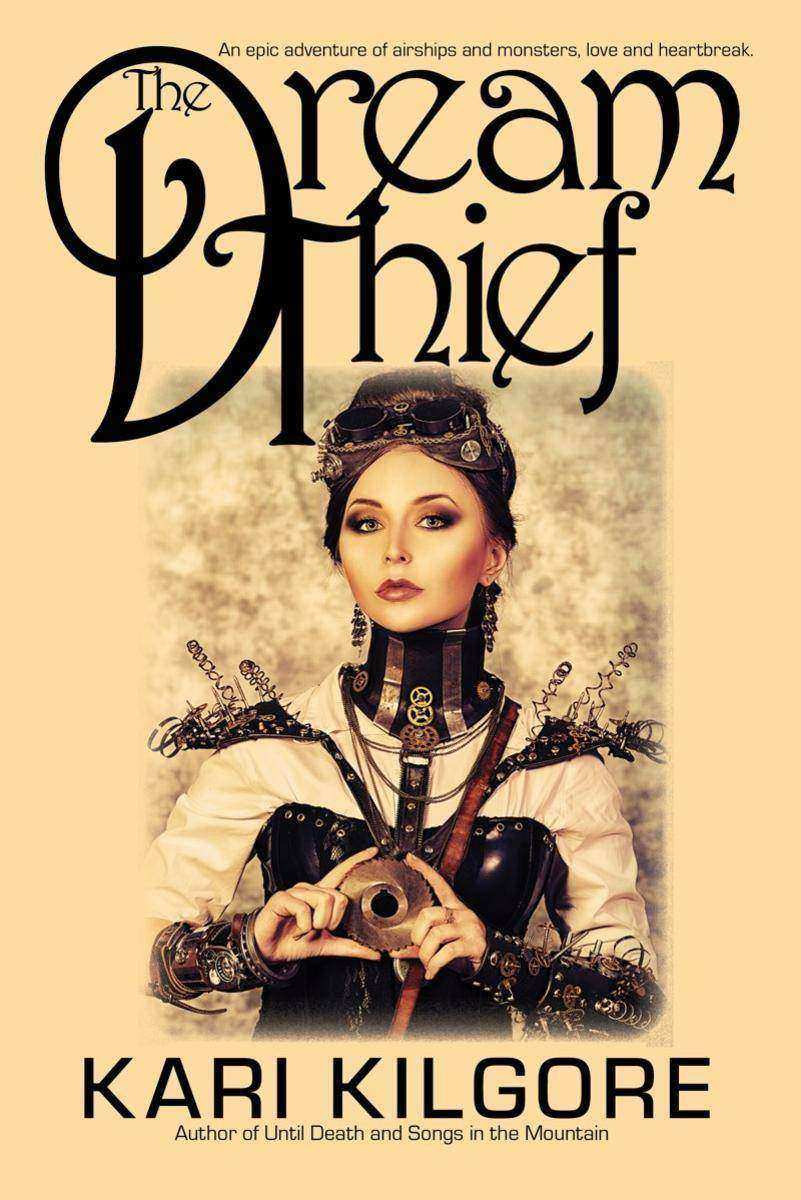
The Dream Thief
¥43.51
In the glittering, steam-driven high society of Waldron’s Gate, no one needs to dream. Karl Gilmore spends his days caring for people with broken?minds. The Dream Thief fulfills twisted fantasies. The seductive lure of irresistible power threatens to destroy all they both?hold dear. A wildly imaginative tale of the seedy underbelly of the perfect Engine World city and beyond. An epic adventure of airships and monsters, love and heartbreak. An Engine World novel.
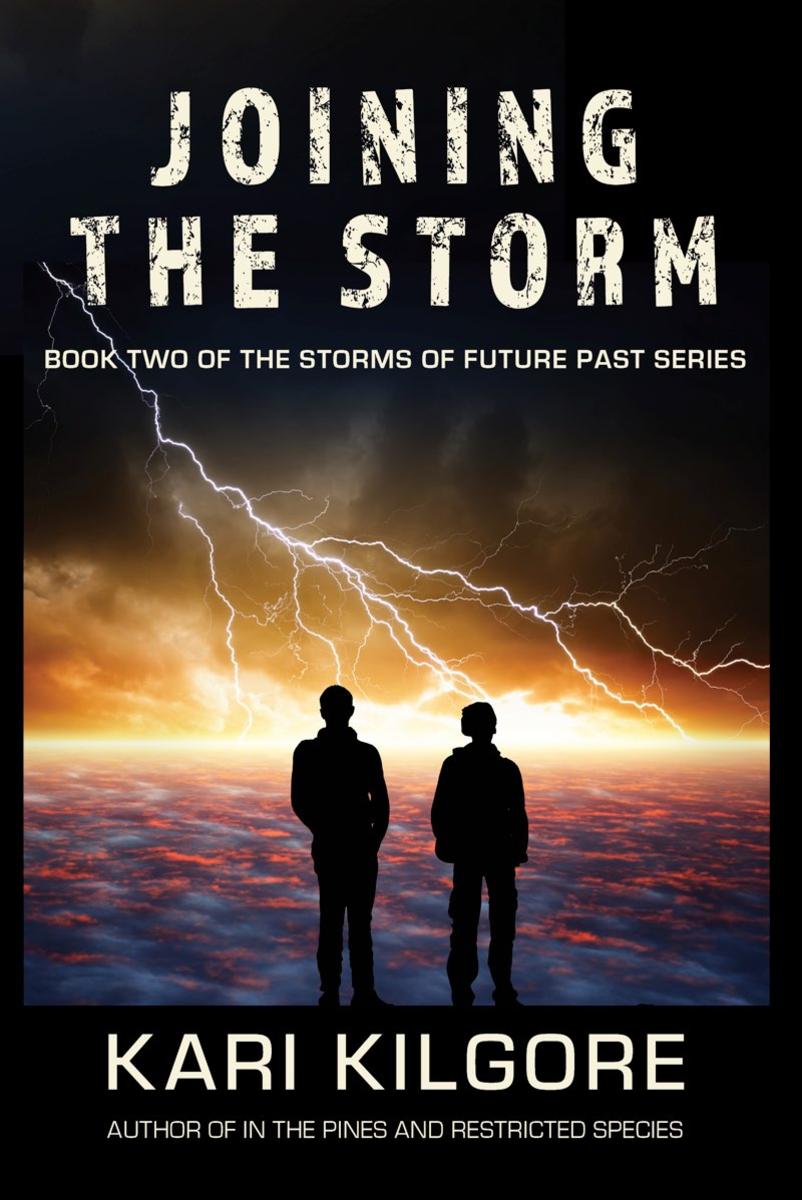
Joining the Storm
¥43.51
The Storm Builds Etan Griffith loves his life in Chicago, far from his native Blue Ridge Mountains. Alex Collins escaped Wisconsin to a career he loves, in a city that welcomes him more than his own family. Both seek the missing piece to their puzzle. Dreams and patterns. Restless and searching. Then one snowy night sets their shared destiny in motion. An excerpt from Joining the Storm: “I never wanted you to know about the dreams,” Etan said. “I feel crazy enough without you confirming it.” “Crazy isn’t the question,” Alex said, stroking Etan’s hair. “Unless it’s both of us. You missed me saying every word feels true.” “I don’t even know what the dreams are, Alex. I know I have them, but I never remember a thing. That’s not exactly stable.” “Well, have a drink and let me enlighten you.” Etan sat up, managing to keep himself from curling up into a knot of fear again. He drained the whiskey, watching Alex do the same. “What you tell me in the middle of the night is all about how we can’t stay here much longer. Something bad is going to happen, with the food supply I think, and none of the cities are going to be safe anymore. And we don’t have much time to get ready before we’re trapped along with everyone else who’s not going to make it out.”
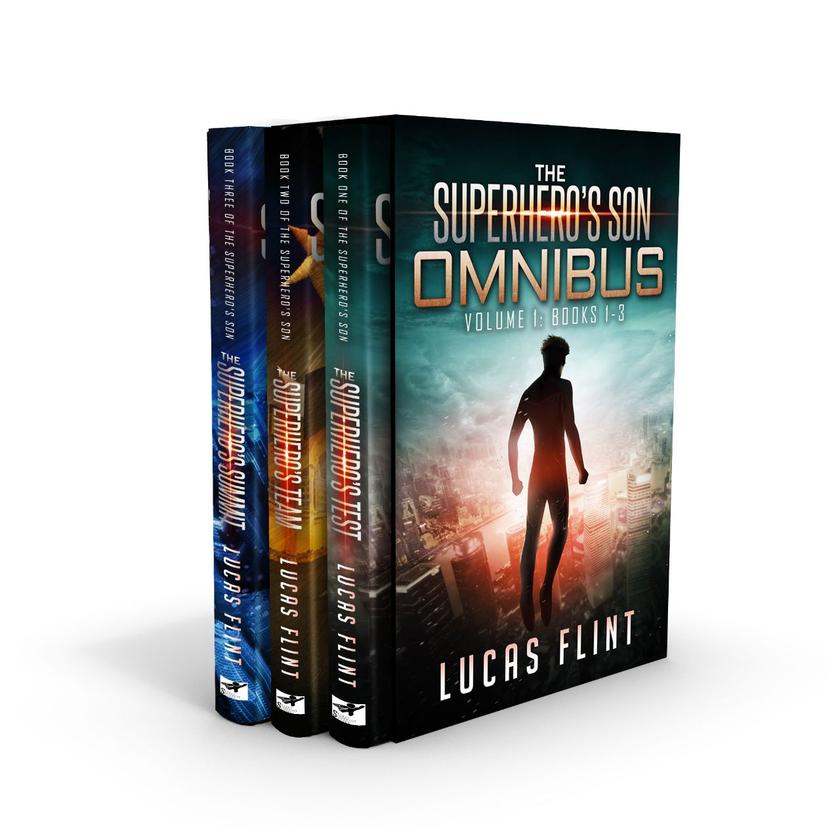
The Superhero's Son Omnibus: Books 1-3
¥87.11
For the first time ever, get the first three books of "The Superhero's Son" in one convenient discounted ebook box set! In "The Superhero's Test," Kevin Jason becomes the superhero Bolt in order to defend himself and his family from a dangerous supervillain; in "The Superhero's Team," Bolt must uncover a conspiracy in the superhero community that threatens to destroy the country before it is too late; and in "The Superhero's Summit," Bolt must figure out who is trying to provoke conflict between the two largest superhero organizations in the country before all-out war breaks out between them.
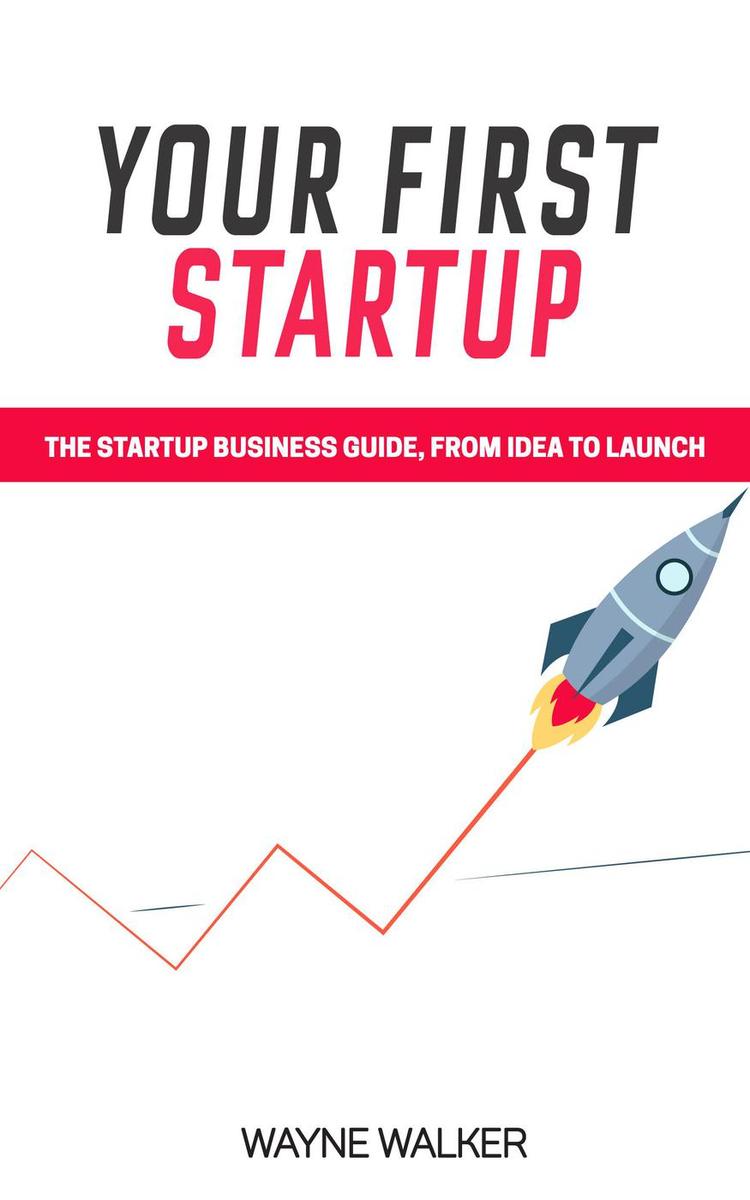
Your First Startup: The Startup Business Guide, From Idea To Launch
¥17.35
Wayne shows you how to make the leap from traditional employment and create the business and income to pursue your dreams outside of work. The book provides the tools that a new entrepreneur needs in straight talk, no fluff. This is based on the experience with his own lean startup venture. Includes many personal notes from the journal that he kept during his startup phase. This hands-on book will launch you on your way. ?Easy to use guide ?Avoid the mistakes that sink startups' ?Locate customers: how to capture, keep and grow customers ?Learn which advisors you need and the ones to avoid ?Make more intelligent decisions ?Elevate your startup to repeatable profits


