


 购物车
购物车 个人中心
个人中心
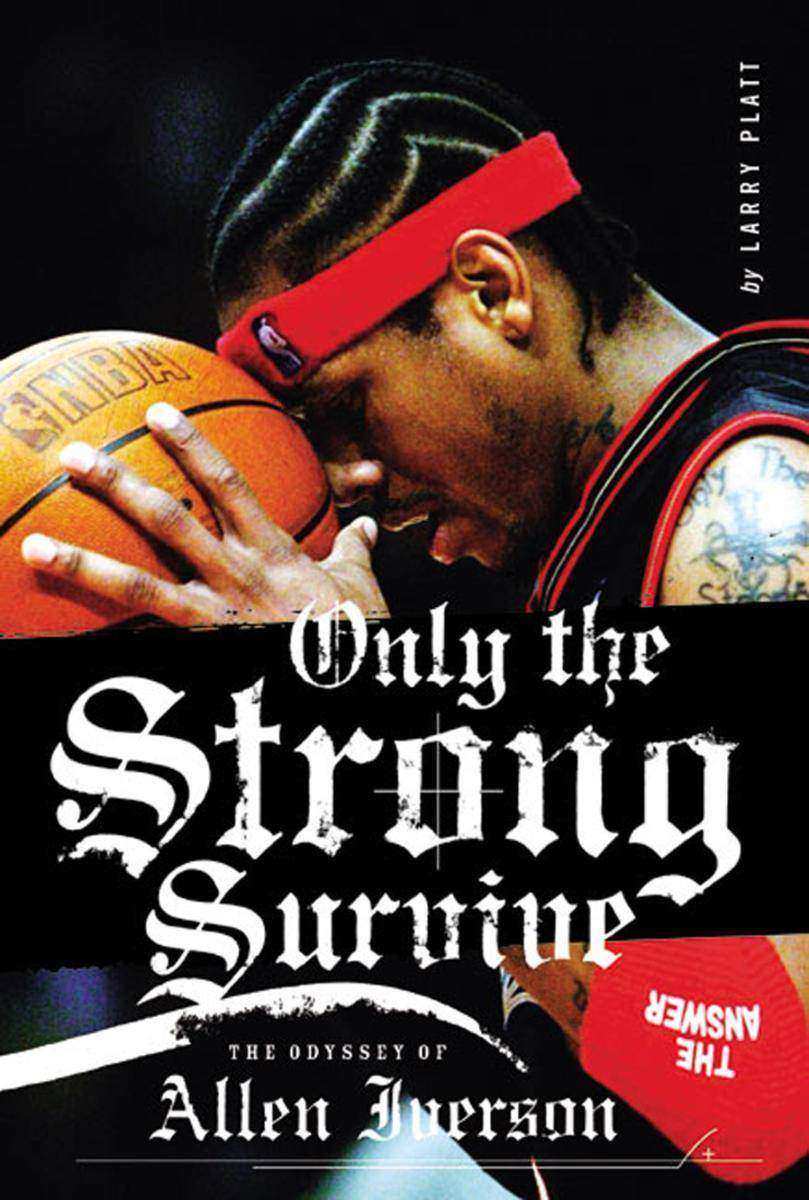
Only the Strong Survive
¥83.03
Part sports star, part antihero, part hip-hop icon, Allen Iverson has managed to cross over into the mainstream of American culture -- without compromise. Defiantly tattooed, with his hair in cornrows, the six-foot Philadelphia 76ers point guard is one of the most recognizable and controversial stars of the sports world. His meteoric rise from a troubled childhood in the ghetto to NBA superstardom has been marked by five straight playoff appearances, including a finals berth in 2001 and an MVP award. From his rap sheet to his rap album, fans and journalists alike hound his every move. But never before has a biographer presented a full portrait of this complicated and intensely private star -- a man whose loyalty to his family, the streets, and his friends trumps any other concern. Filled with exclusive interview material and unprecedented access to many of Iverson's inner circle, Only the Strong Survive is the first in-depth look at the truth behind this newly minted legend.

Little Chapel on the River
¥88.56
Forced from her downtown Manhattan apartment by the terrorist attack of September 11, journalist Wendy Bounds was delivered to Guinan's doorstep -- a legendary Irish drinking hole and country store nestled along the banks of the Hudson River in the small town of Garrison, New York -- by a friend. Captivated by the bar's charismatic but ailing owner and his charming, motley clientele, Bounds uprooted herself permanently and moved to tiny Garrison, the picturesque river town they all call home. There she became one of the rare female regulars at the old pub and was quickly swept up into its rhythm, heartbeat, and grand history -- as related by Jim Guinan himself, the stubborn high priest of this little chapel. Surrounded by a crew of endearing, delightfully colorful characters who were now her neighbors and friends, she slowly finds her own way home. Beautifully written, deeply personal, and brilliantly insightful, Little Chapel on the River is a love story about a place -- and the people who bring it to life.
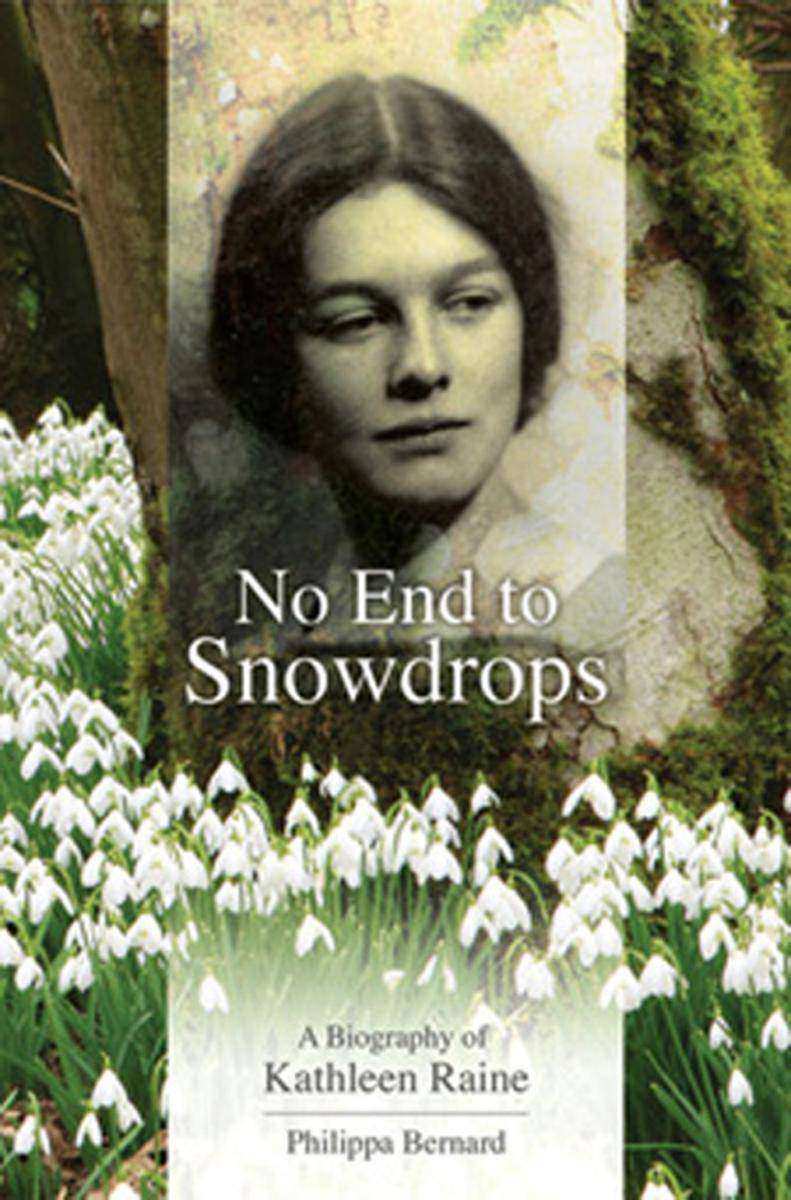
No End to Snowdrops A Biography Of Kathleen Raine
¥24.44
This authorised biography of the poet Kathleen Raine tells the story of how she developed from a small girl, who knew at the age of eight that she wanted only to write poetry, into a world-renowned poet and literary scholar. Philippa Bernard follows Kathleen Raine’s struggle against the constrictions of her suburban childhood to her exciting days at Girton College in the twenties, where she became friends with many brilliant writers, artists and scientists, including William Empson, Julian Trevelyan, Jakob Bronowski and the film maker Humphrey Jennings, friendships which lasted all her life. After a short marriage to Hugh Sykes Davies, she eloped with the poet Charles Madge to live in Blackheath where two children were born. An affair led to a break with Charles, who was involved at the time with Inez Spender, wife of the poet Stephen, and at the outbreak of war in 1939, she ran away with her children to the Lake District to the home of Michael Roberts and his wife Janet Adam Smith. Taking a cottage near Ullswater, she found a peaceful seclusion which enabled her to write some of her finest poetry, but found it difficult to support her family. Leaving the children with her friend, the art patron Helen Sutherland, she moved to London. In a room off the Tottenham Court Road, she came to know Sonia Brownell (later to marry George Orwell) who introduced her to the artists and writers of the Fitzrovia set, Dylan Thomas, Cyril Connolly and Rex Whistler among them, and including the strange figure of Tambi – James Tambimuttu – who published her first book of poems, Stone and Flower. Kathleen had already achieved much critical acclaim and published several volumes of poetry when she met through Tambi the naturalist and explorer Gavin Maxwell. She fell disastrously in love with him, but his homosexuality, which she understood from the beginning of their relationship, proved too much of an obstacle, for she totally failed to understand that this delightful companion, whose love of all natural things matched her own, completely failed to reciprocate the warmth of feeling that overwhelmed her. The title of his book, Ring of Bright Water, centred around his beloved otters at his home in Scotland, was taken from a poem of hers. An intensive period of research on the poet William Blake led to the publication of Blake and Tradition, marking Kathleen out as a leading Blake scholar. This was followed by works on Coleridge, Yeats and Thomas Taylor. Towards the end of her long life Kathleen Raine founded the journal Temenos with the help of Prince Charles, who became a good friend. She travelled to India, was honoured with the Queen’s Gold Medal for Poetry and made a Companion of Honour. Philippa Bernard met her as a neighbour in Chelsea where she and her husband owned an antiquarian bookshop. In this book she assesses sympathetically the work of Kathleen Raine, but does not hesitate to throw a critical light on this unusual woman of the highest intellect who loved her children deeply but deserted them to follow her instincts, who had an entirely practical attitude to the world about her, but who pursued a spiritual path, and who achieved so much in the world of literature and poetry.
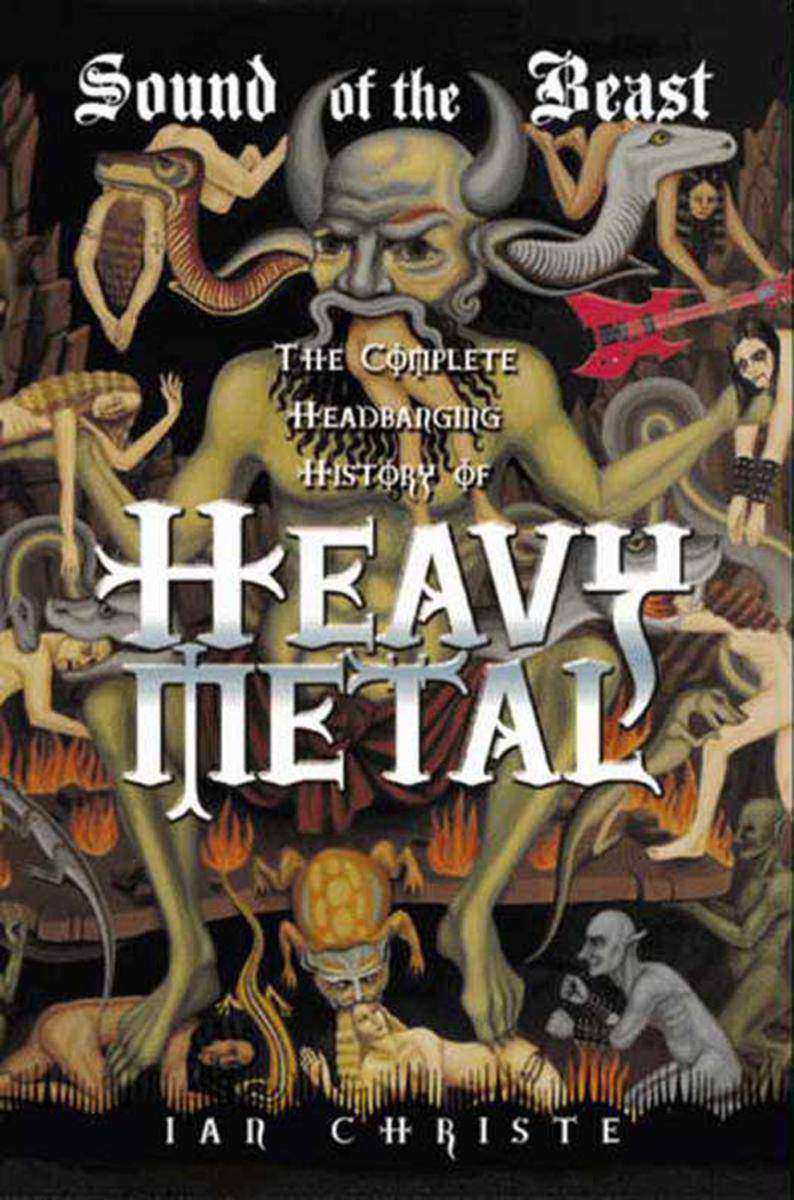
HarperCollins e-books
¥101.00
The definitive history of the first 30 years of heavy metal, containing over 100 interviews with members of Black Sabbath, Metallica, Judas Priest, Twisted Sister, Slipknot, Kiss, Megadeth, Public Enemy, Napalm Death, and more. More than 30 years after Black Sabbath released the first complete heavy metal album, its founder, Ozzy Osbourne, is the star of The Osbournes, TV's favourite new reality show. Contrary to popular belief, headbangers and the music they love are more alive than ever. Yet there has never been a comprehensive book on the history of heavy metal - until now. Featuring interviews with members of the biggest bands in the genre, Sound of the Beast gives an overview of the past 30-plus years of heavy metal, delving into the personalities of those who created it. Everything is here, from the bootlegging beginnings of fans like Lars Ulrich (future founder of Metallica) to the sold-out stadiums and personal excesses of the biggest groups. From heavy metal's roots in the work of breakthrough groups such as Black Sabbath and Led Zeppelin to MTV hair metal, courtroom controversies, black metal murderers and Ozzfest, Sound of the Beast offers the final word on this elusive, extreme, and far-reaching form of music.
Lateral Thinking
¥95.39
The first practical explanation of how creativity works, this results-oriented bestseller trains listeners to move beyond a "vertical" mode of thought to tap the potential of lateral thinking.
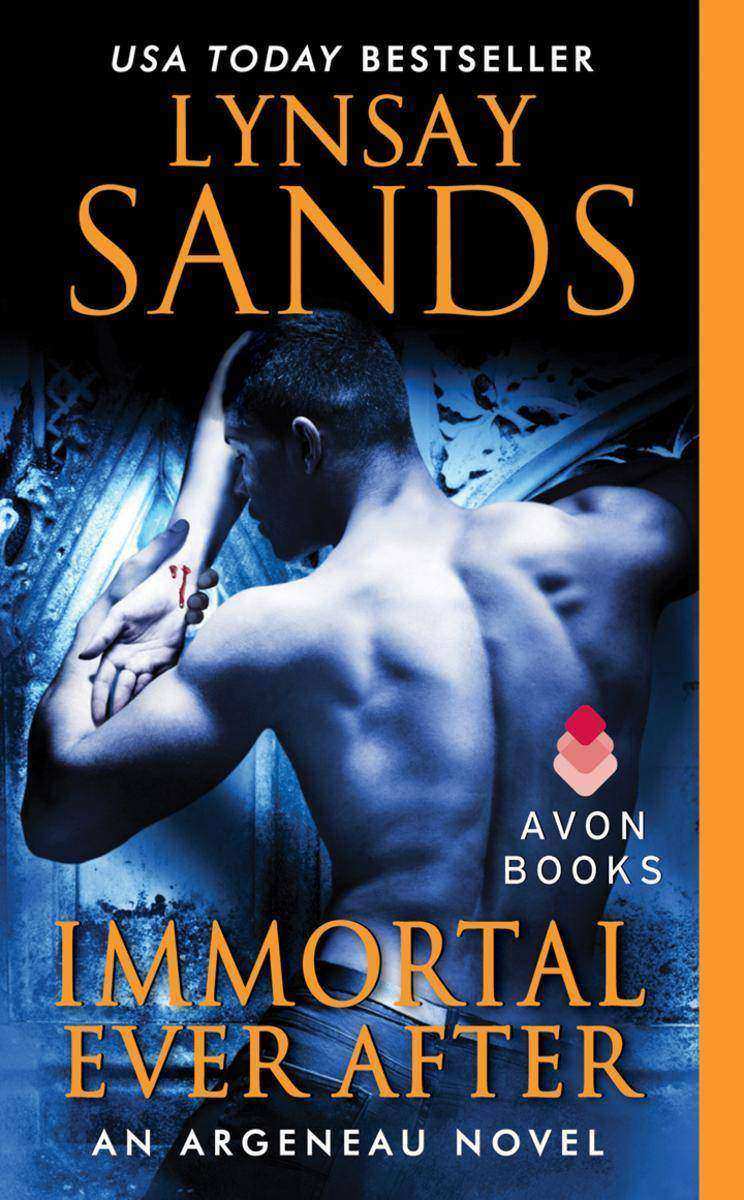
Immortal Ever After
¥56.07
New York Times bestselling author Lynsay Sands delivers a wickedly fun Argeneau novel featuring a vampire ready to claim his mate and the beauty who resists her fate! A kiss doesn’t mean eternity . . . Valerie Moyer doesn’t believe in vampires until she is kidnapped by a fanged psychopath! After escaping her bloodthirsty captor, she through with creatures of the night. Until she finds herself under the protection of the darkly handsome Anders. Not only is she expected to accept that Anders is immortal, but also that she is the woman destined to be his life mate! . . . Or does itAnders felt a connection to Valerie from the moment he cradled her bruised body in his arms. But before he claims her, he must destroy the vampire who almost stole her from him forever. His job would be easier if Valerie didn’t fight him every step of the way. Still, Anders loves a challenge, and the green-eyed beauty is worth fighting for!
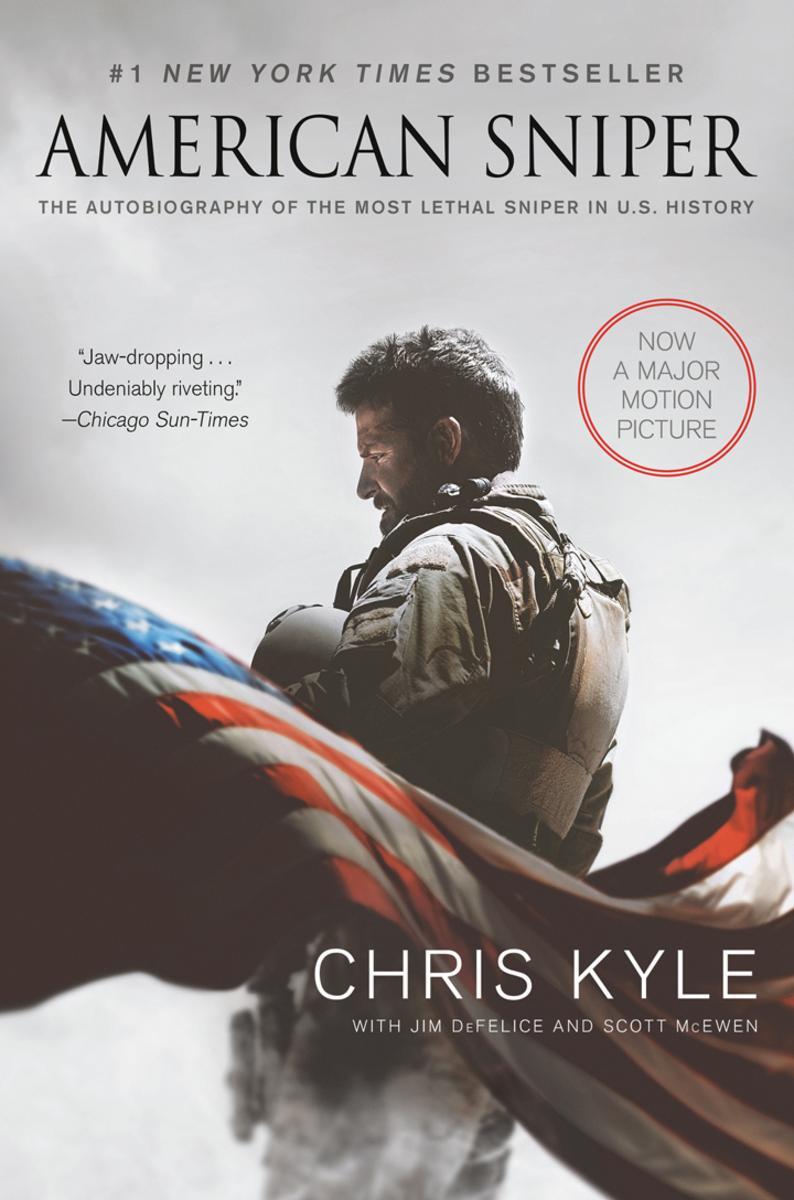
American Sniper
¥69.16
NOW A BLOCKBUSTER MOTION PICTURE DIRECTED BY CLINT EASTWOOD NOMINATED FOR SIX ACADEMY AWARDS, INCLUDING BEST PICTURE He is the deadliest American sniper ever, called “the devil” by the enemies he hunted and “the legend” by his Navy SEAL brothers . . . From 1999 to 2009, U.S. Navy SEAL Chris Kyle recorded the most career sniper kills in United States military history. The Pentagon has officially confirmed more than 150 of Kyles kills (the previous American record was 109), but it has declined to verify the astonishing total number for this book. Iraqi insurgents feared Kyle so much they named him al-Shaitan ( the devil ) and placed a bounty on his head. Kyle earned legendary status among his fellow SEALs, Marines, and U.S. Army soldiers, whom he protected with deadly accuracy from rooftops and stealth positions. Gripping and unforgettable, Kyle masterful account of his extraordinary battlefield experiences ranks as one of the great war memoirs of all time. A native Texan who learned to shoot on childhood hunting trips with his father, Kyle was a champion saddle-bronc rider prior to joining the Navy. After 9/11, he was thrust onto the front lines of the War on Terror, and soon found his calling as a world-class sniper who performed best under fire. He recorded a personal-record 2,100-yard kill shot outside Baghdad; in Fallujah, Kyle braved heavy fire to rescue a group of Marines trapped on a street; in Ramadi, he stared down insurgents with his pistol in close combat. Kyle talks honestly about the pain of war of twice being shot and experiencing the tragic deaths of two close friends. American Sniper also honors Kyles fellow warriors, who raised hell on and off the battlefield. And in moving first-person accounts throughout, Kyles wife, Taya, speaks openly about the strains of war on their marriage and children, as well as on Chris. Adrenaline-charged and deeply personal, American Sniper is a thrilling eyewitness account of war that only one man could tell.
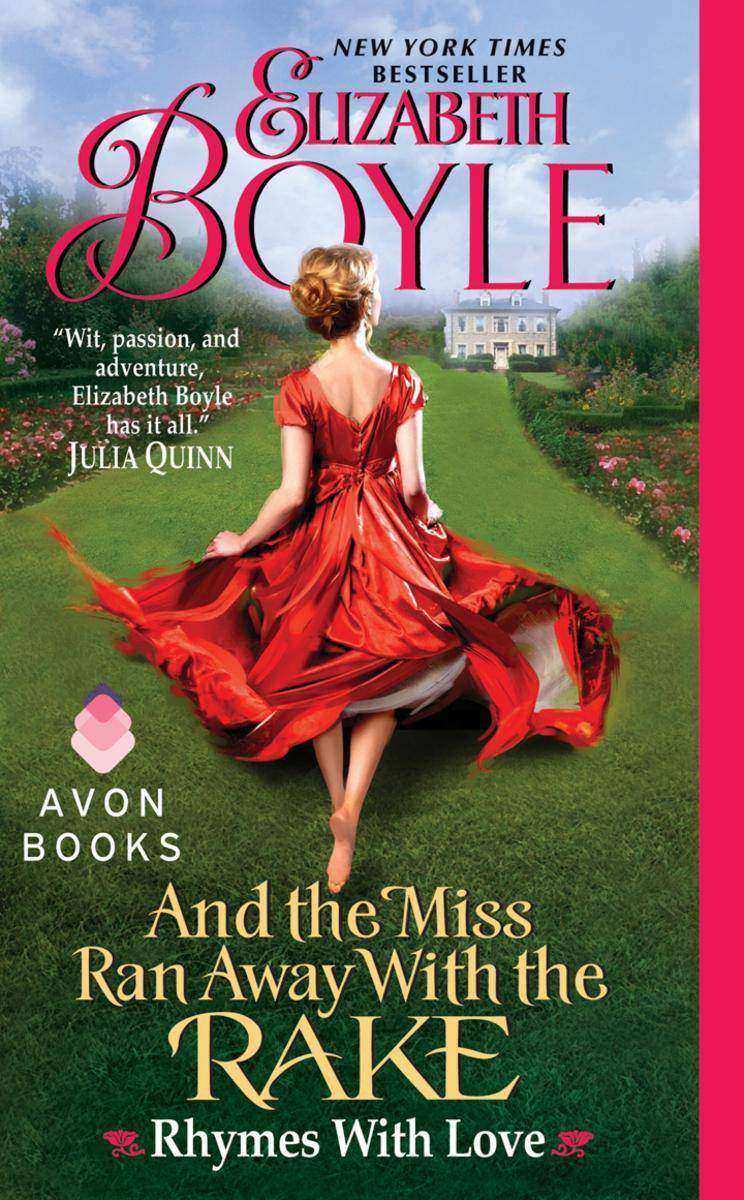
Avon
¥55.31
Sensible gentleman of means seeks a sensiblelady of good breeding for correspondence, and indue consideration, matrimony. Which is exactly the sort of advertisement that makespractical-to-a-fault Daphne Dale's heart flutter. A sensiblegentleman, in her estimation, is the perfect match,and she's even more convinced once she's exchanging sensiblyromantic letters with her very appropriate suitor. That is,until Lord Henry Seldon strays into her path. He's everythingshe's vowed to avoid a rakish charmer whose verytouch seduces her practical sensibilities and her resolve. Lord Henry Seldon was not amused when his nephewplaced an advertisement to find him a wife. Yet he couldn'tresist replying to the note from "Miss Spooner." And oncehe discovers he's corresponding with none other thanthe disarming Daphne Dale, he finds it's too late to disavowhis heart. Now it is up to Henry to prove to Daphne just howinsensible and powerfully passionate true love can be . . .

Londoners
¥95.11
Five years in the making, Londoners is a fresh and compulsively readable view of one of the world's most fascinating cities a vibrant narrative portrait of the London of our own time, featuring unforgettable stories told by the real people who make the city hum. Acclaimed writer and editor Craig Taylor has spent years traversing every corner of the city, getting to know the most interesting Londoners, including the voice of the London Underground, a West End rickshaw driver, an East End nightclub doorperson, a mounted soldier of the Queen's Life Guard at Buckingham Palace, and a couple who fell in love at the Tower of London and now live there. With candor and humor, this diverse cast rich and poor, old and young, native and immigrant, men and women (and even a Sarah who used to be a George) shares indelible tales that capture the city as never before. Together, these voices paint a vivid, epic, and wholly original portrait of twenty-first-century London in all its breadth, from Notting Hill to Brixton, from Piccadilly Circus to Canary Wharf, from an airliner flying into London Heathrow Airport to Big Ben and Tower Bridge, and down to the deepest tunnels of the London Underground. Londoners is the autobiography of one of the world's greatest cities.
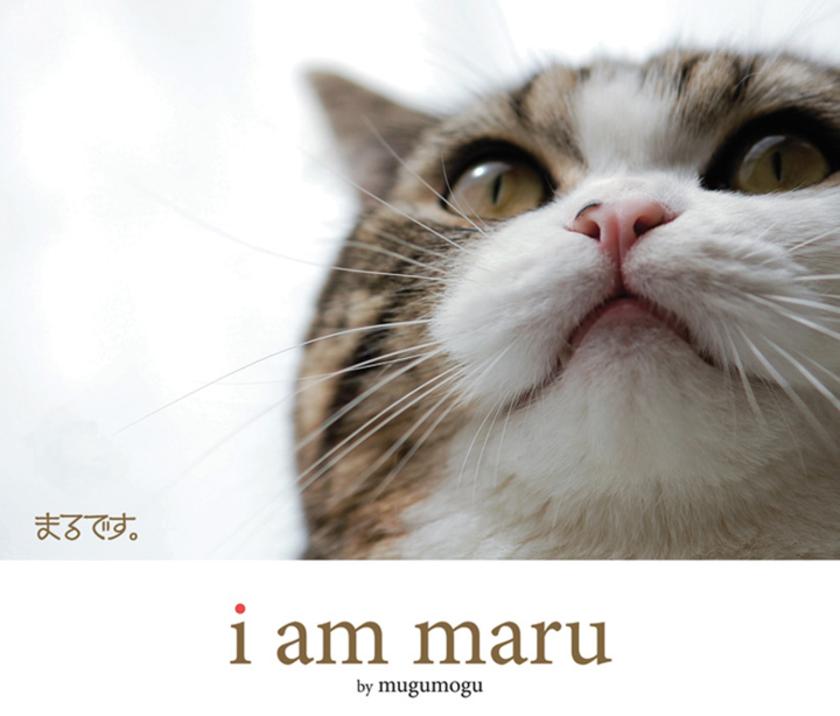
I Am Maru
¥90.77
Meet Maru! This round, adorable Scottish Fold cat may be an internet sensation, but he knows how to keep his celebrity status from going to his fluffy head . . . mostly. Maru and his owner, mugumogu, give readers a peek into the low-key life of the world most famous cat. See all his favorite hiding places trash cans, cupboards, cereal boxes . . . if it cozy, he there meet his treasured toys, and learn what it means to wield just the right amount of cat-titude.
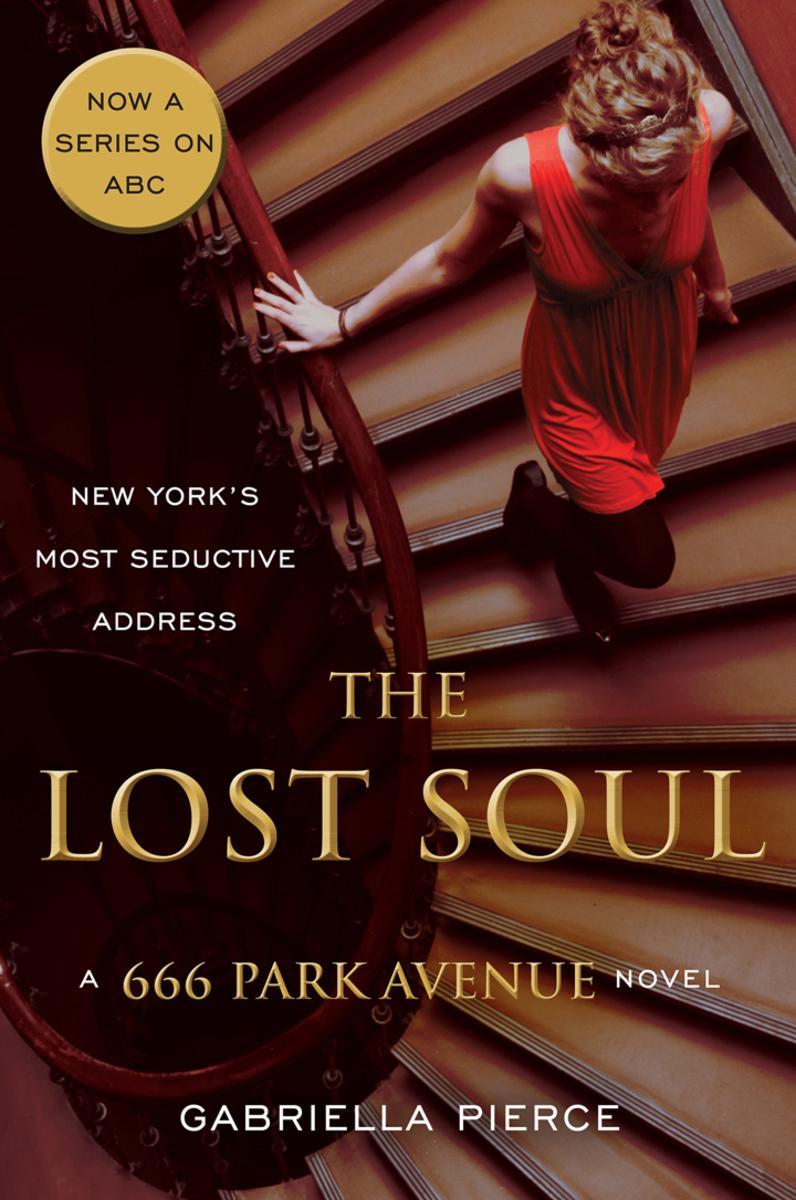
The Lost Soul
¥77.49
Jane Boyle has long since known that her mother-in-law is evil, but she'd never imagined Lynne Doran was actually the embodiment of a powerful, ancient body-snatching demon. Now that Jane has uncovered 666 Park Avenue's dark truth, she must race against the clock to find a way to destroy Lynne before she finds her next unwilling host. As Jane attempts to tap into powers stronger than her enemy's, her estranged husband, Malcolm, arrives in time to join the fight?.?.?.?but can she possibly learn to trust him again before it's too late?

Everything Is Perfect When You're a Liar
¥88.56
Kelly Oxford is . . . A wunderkind producer of pirated stage productions for six-year-olds Not the queen of the world An underage schnitzel-house dishwasher The kid who stood up to a bully and almost passed out from the resulting adrenaline rush A born salesman Capable of willing her eyesight to be 20/20 That girl who peed her pants in the gas station that one time Totally an expert on strep throat Incapable of making Leonardo DiCaprio her boyfriend A writer A certified therapy assistant who heals with Metallica mixtapes Not fat enough to be super snuggly. Bea, age four Not above using raspberry-studded sh*t to get out of a speeding ticket Bitingly funny. But everybody knows that. Roger Ebert Sad that David Copperfield doesn't own a falcon A terrible liar
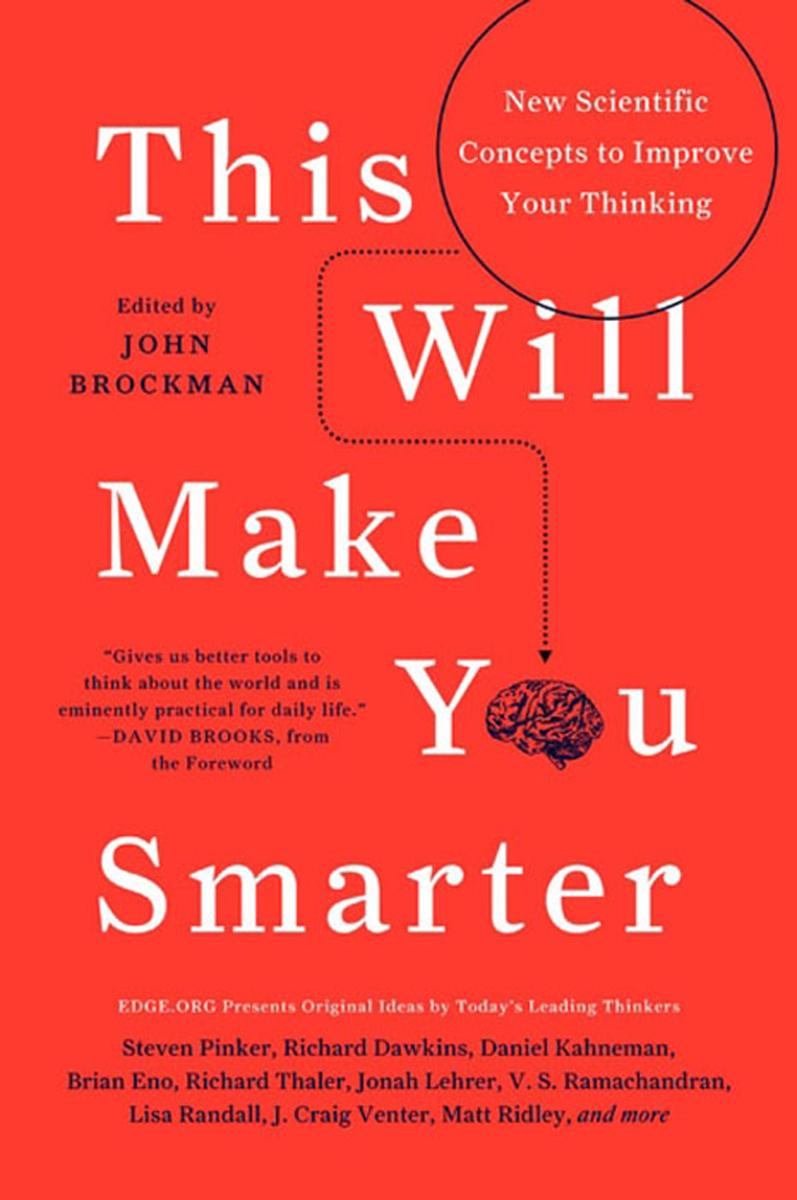
This Will Make You Smarter
¥100.71
Featuring a foreword by David Brooks, This Will Make You Smarter presents brilliant but accessible ideas to expand every mind. What scientific concept would improve everybody cognitive toolkitThis is the question John Brockman, publisher of Edge.org, posed to the world most influential thinkers. Their visionary answers flow from the frontiers of psychology, philosophy, economics, physics, sociology, and more. Surprising and enlightening, these insights will revolutionize the way you think about yourself and the world. Daniel Kahneman on the “focusing illusion” Jonah Lehrer on controlling attention Richard Dawkins on experimentation Aubrey De Grey on conquering our fear of the unknown Martin Seligman on the ingredients of well-being Nicholas Carr on managing “cognitive load” Steven Pinker on win-win negotiating Daniel C. Dennett on benefiting from cycles Jaron Lanier on resisting delusion Frank Wilczek on the brain hidden layers Clay Shirky on the “80/20 rule” Daniel Goleman on understanding our connection to the natural world V. S. Ramachandran on paradigm shifts Matt Ridley on tapping collective intelligence John McWhorter on path dependence Lisa Randall on effective theorizing Brian Eno on “ecological vision” Richard Thaler on rooting out false concepts J. Craig Venter on the multiple possible origins of life Helen Fisher on temperament Sam Harris on the flow of thought Lawrence Krauss on living with uncertainty

Shonen Manga
¥145.91
A step-by-step guide to all the tricks-both freehand and digital-to creating the best manga characters, Shonen Manga is a fun, easy to read manga manual for artists of all ages and languages. Focusing on Shonen-style manga and anime (a genre targeting young boys-”Shonen” means young boy, referring to elementary through grade school age groups), Shonen Manga is a practical, hands-on guide to learning the skills of action-packed drawing. It includes detailed information on how to apply digital colour, 3D designs, vectorial drawing, and a host of other fascinating and useful design applications. Each project in Shonen Manga includes step-by-step instructions specifying software, tools, and professional tricks to achieve the gritty eyes, roaring faces, and clenched fists of teen heroes, martial art masters, ninja girls, and violent samurai, integral to the Shonen genre. Shonen Manga will walk an audience of manga artists, illustrators, and graphic designers through the basic stages of manga production, beginning with black-and-white sketches and ending with vibrant, fully costumed characters.
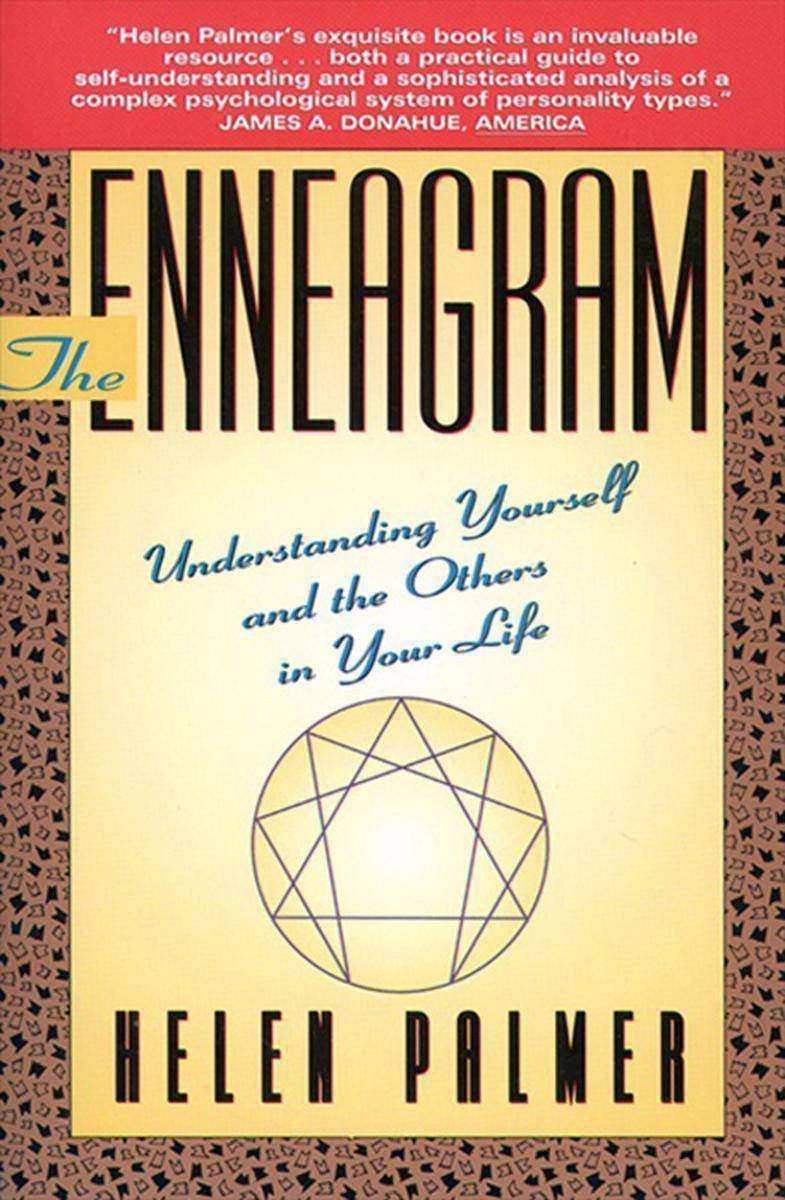
The Enneagram
¥101.00
It would be impossible for most of us to spend a day without coming into direct or indirect contact with dozens of people family, friends, people in the street, at the office, on television, in our fantasies and fears. Our relationships with others are the most changeable, infuriating, pleasurable and mystifying elements in our lives. Personality types, based on the ancient system of the Enneagram, will help you to enjoy more satisfying and fulfilling relationships in all areas of your life by introducing you to the nine basic personality types inherent in human nature. This knowledge will help you better understand how others think and why they behave as they do, as well as increasing your awareness of your own individual personality. Written by the leading world authority on the Enneagram, it offers a framework for understanding ourselves and those around us, as well as a wealth of practical insights for anyone interested in psychology, counselling, teaching, social work, journalism and personal management.
Unbreakable: My life with Paul – a story of extraordinary courage and love
¥80.25
Unbreakable tells Lindsey Hunter’s moving and heartbreaking story. Lindsey is the widow of snooker star Paul Hunter, who died tragically aged only 27 after a battle with cancer in October 2006, leaving Lindsey and their one year-old daughter Evie bereft and alone. Lindsey met Paul Hunter when she was 21 and he was 18. When they married seven years later, Paul had become a golden boy in the world of snooker, dubbed ‘the Beckham of the baize,’ having won the Masters trophy three times, and attained a world ranking of number four, and Lindsey's happiness looked assured. But tragedy struck when Paul was diagnosed with a rare type of cancer, neuro-endocrine tumours in his abdomen. Aggressive chemotherapy appeared to work, and within six months Paul was competing in a major championship, with Lindsey cheering him on from the side-lines. More joy came when Lindsey gave birth to their daughter, Evie Rose. But tragically, Paul died in October 2006, 18 months after his diagnosis, leaving Lindsey a widow and single mother. Lindsey was determined to celebrate Paul's life rather than mourn his death, and has dealt with the loss of her young husband on the eve of their life together with strength and courage, for the sake of their daughter. This heartbreaking and inspirational story has huge universal appeal.
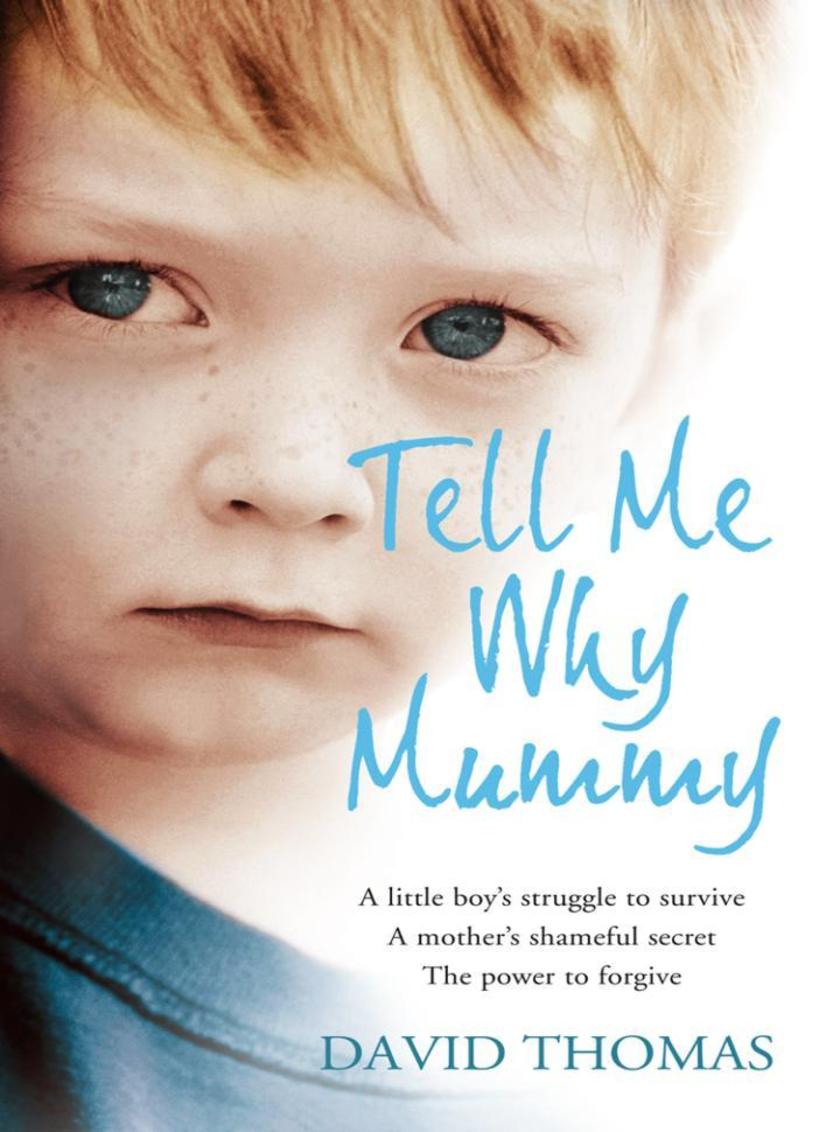
Tell Me Why, Mummy
¥73.58
The inspirational true story of one man overcoming enormous odds – including sexual abuse from his alcoholic mother – to choose his own path in life and become a truly exceptional human being. From the age of four David Thomas was sexually abused by his alcoholic mother and subsequently physically abused by his aged stepfather. By the age of 16 he had committed multiple burglaries, assaulted a police officer with an iron bar, attempted suicide, received a criminal conviction from a juvenile court, and been expelled from school. He left home as soon as he could and joined the fire service at 20. At the age of 27 he bought a book on memory. Within 8 months he had come fourth in the World Memory Championships and went on to develop one of the most powerful memories in history, even breaking an 18-year-old Guinness Book of Records memory record by reciting the mathematical formula Pi (3.1459) to 22,500 digits from memory. In 1999 he was reunited with his mother after 4 years apart but tragically, a year later he found her dead at home after she had died of an alcohol induced heart attack. David's shocking and moving story is one of abuse, alcoholism, courage, determination, forgiveness, love and how everyone can choose their own path through life irrespective of their upbringing, background or perceptions about what they think is possible. David is an incredible example of how this can happen.
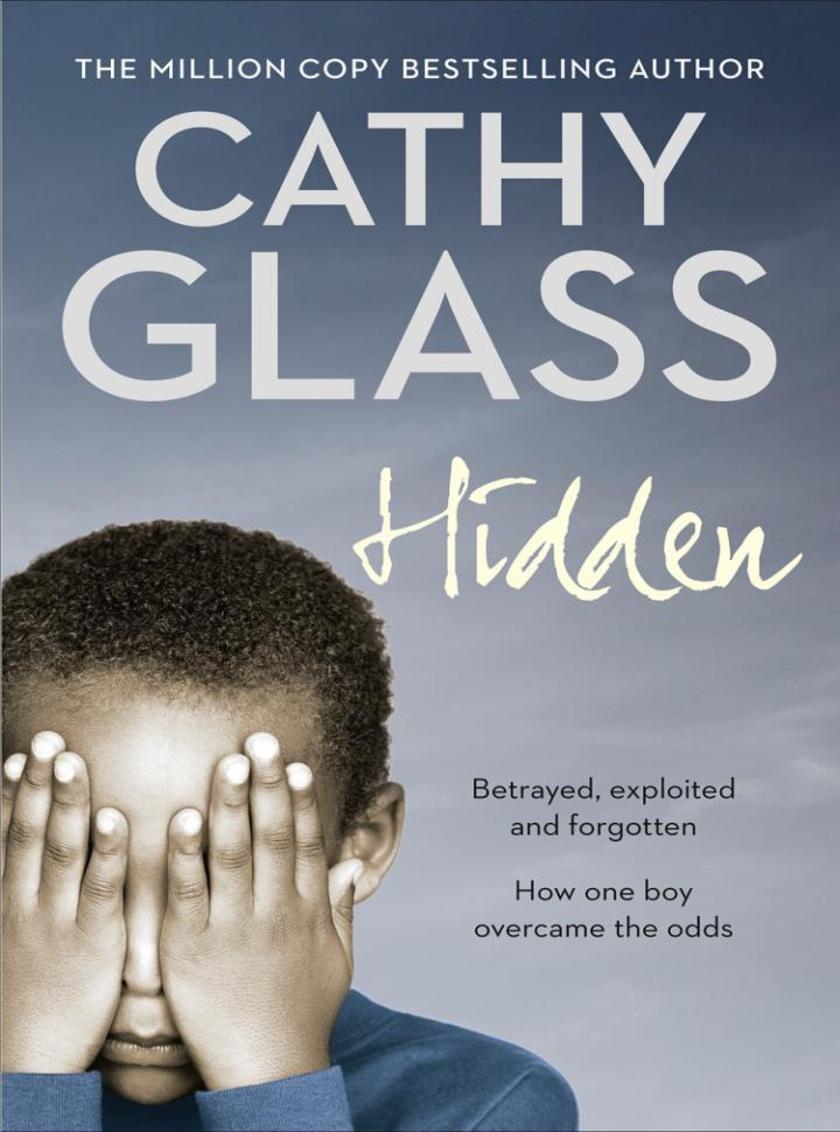
Hidden
¥63.77
From the Sunday Times and New York Times bestselling author of ‘Damaged’ comes the poignant and shocking memoir of Cathy’s recent relationship with Tayo, a young boy she fosters whose good behaviour and polite manners hide a terrible past. Tayo arrives at Cathy’s with only the clothes he stands up in. He has been brought to her by the police, but he is calm, polite, and very well spoken, and not at all like the children she normally fosters. The social worker gives Cathy the forms which should contain Tayo’s history, but apart from his name and age, it is blank. Tayo has no past. Tayo is an 'invisible' child, kidnapped from his loving father in Nigeria and brought illegally to the UK by his drink and drugs dependent prostitute mother, where he is put to work in a sweat shop in Central London. When he sustains an injury and is no longer earning, he is cast out. When Cathy takes Tayo to school he points out a dozen different addresses where he has stayed in the last six months, often being left alone. Tayo lies, and manipulates situations to his own advantage and Cathy has to be continually on guard. Tayo’s social worker searches all computer databases but there is no record of Tayo – he has only attended school for 3 terms and has never seen a doctor. He and his mother have been evading the authorities by living ‘underground’. With his mother recently released from prison, Tayo is desperate to live with his father in Nigeria, but no one can track him down or even prove that he exists.

Daddy’s Little Earner
¥45.62
The shocking story of a young girl forced into prostitution by her own father, and her painful journey to escape her horrific childhood and build a new life for herself and her sons. Maria's dad was a pimp, living in a world of thieves and street-walkers. Her mother, tiring of turning tricks for her husband, walked out, leaving the children in his chaotic, violent and sometimes cruel care. By the age of nine, Maria's father was abusing her and getting a prostitute friend to dress her up in stockings and make-up. By the time she was fourteen he was selling her on the streets of the red light district in Norwich. Despite everything Maria still loved her swaggering and sometimes charming father and found it hard to sort out her own feelings. At fifteen she ran away to King's Cross with an older lover who turned out to be just another pimp. Furious at losing a nice little earner her father involved the police and both he and the other man were jailed for living off Maria's immoral earnings. Only then could Maria escape her traumatic childhood and follow her dream of becoming a mother.
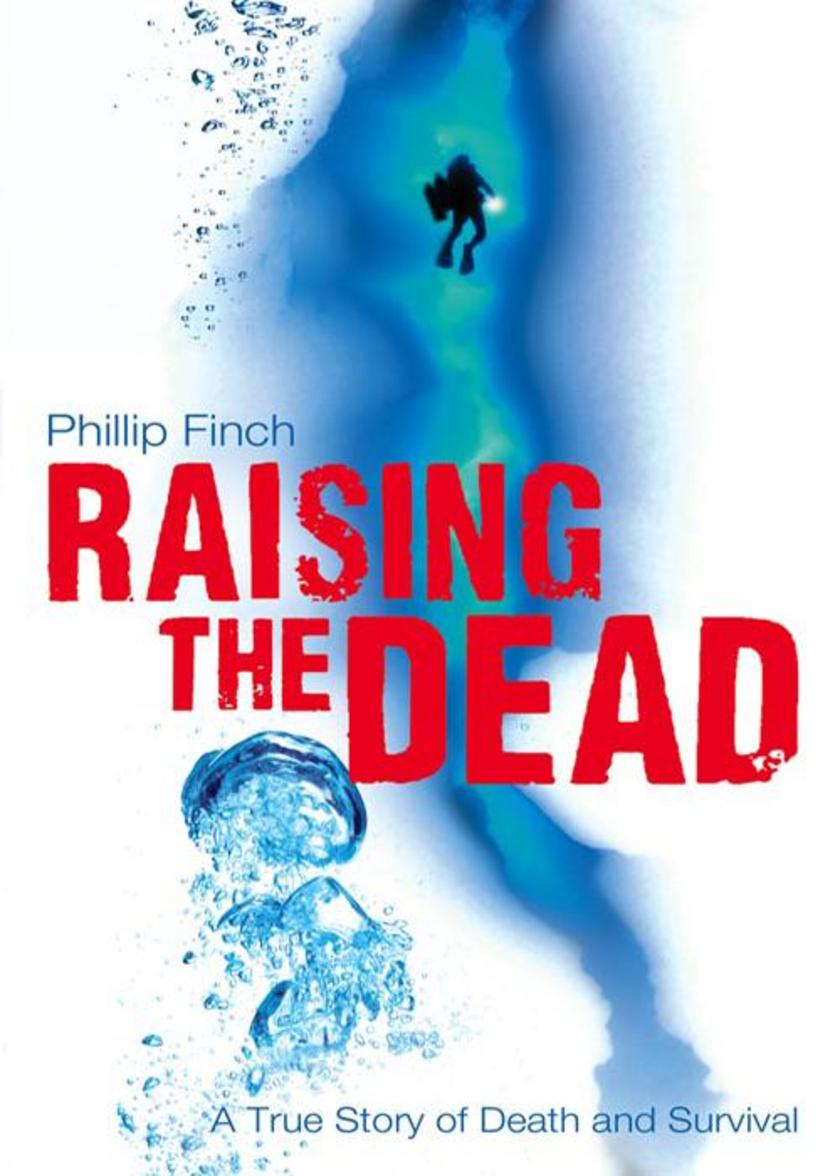
Raising the Dead: A True Story of Death and Survival
¥83.88
A true story of death and survival in the world’s most dangerous sport, cave diving. Two friends plunge 900 ft deep into a water-filled crater in the Kalahari Desert to raise the body of a diver who had perished there a decade before. Only one returns. Unquenchable heroism and complex human relationships amid the perils of extreme sport. On New Year's Day, 2005, David Shaw travelled halfway around the world on a journey that took him to the Kalahari Desert of South Africa, to a site known locally as Boesmansgat: Bushman's Hole. His destination was nearly 900 feet below the surface. On 8 January, he stepped into the water. He wore and carried on him some of the most advanced diving equipment ever developed. Mounted to a helmet on his head was a video camera. David Shaw was about to attempt what had never been done before, and he wanted the world to see. He descended. About fifteen feet below the surface was a fissure in the dolomite bottom of the basin, barely wide enough to admit him and his equipment and the aluminum tanks slung under his shoulders. He slipped through the opening, and disappeared from sight, leaving behind the world of light and life. Then, a second diver descended through the same crack in the stone. This was Don Shirley, Shaw's friend and frequent dive partner, one of the few people in the world qualified to follow where Shaw was about to go. In the community of extreme diving, Don Shirley was a master among masters. Twenty-five minutes later, one of the men was dead. The other was in mortal peril, and would spend the next 10 hours struggling to survive, existing literally from breath to breath. What happened that day at Bushman's Hole is the stuff of nightmarish drama, juxtaposing classic elements of suspense with an extreme environment beyond most people’s comprehension. But it’s also a compelling human story of friendship, heroism, unswerving ambition and of coming to terms with loss and tragedy.

Seminary Boy
¥80.25
One of the most extraordinary memoirs of recent years, the acclaimed writer John Cornwell has finally written his own story, and the story of a choice he had to make between the Church and a life lived outside its confines. John Cornwell decided to become a priest at the age of thirteen, a strange choice perhaps for a boy who'd been sent to a 'convalescent home' for having whacked a nun about the head. Growing up in a chaotic household, sharing two rooms with his brothers and sisters, his hot-headed mother and – when he was around – absconding father, John spent his time roaming the war-torn streets of London looking for trouble. One day, at his mother's suggestion, he responded to a call from his local parish priest for altar servers. The 'dance of the rituals', the murmur of Latin and the candlelit dawn took hold of his imagination and provided him with a new and unexpected comfort. He left post-war London for Cotton, a seminary in the West Midlands. In this hidden, all-male world, with its rhythms of devotion and prayer, John grew up caught between his religious feelings and the rough and tumble of his life back in London; between seeking the face of God in the wild countryside around him and experiencing his first kiss; between monitoring his soul and watching a girl from a moving train whose face he will never forget. Cornwell tells us of a world now vanished: of the colourful community of priests in charge; of the boys and their intense and sometimes passionate friendships; of the hovering threat of abuse in this cloistered environment. And he tells us of his struggle to come to terms with a shameful secret from his London childhood – a vicious sexual attack which haunts his time at Cotton. A book of tremendous warmth and humour, ‘Seminary Boy’ is about an adolescent's search for a father and for a home.


