


 购物车
购物车 个人中心
个人中心
Mark Twain's Essays Letters and Speeches
¥8.09
This book-collection file includes books of Mark Twain's speeches and letters, plus 3 book-length collections of essays: What is Man? Sketches New and Old, and Christian Science. It also includes the following short collections and individual essays: Editorial Wild Oats, Essays on Paul Bourget, Fenimore Cooper's Literary Offences, and In Defence of Harriet Shelley. According to Wikipedia: "Samuel Langhorne Clemens (1835 – 1910), better known by the pen name Mark Twain, was an American humorist, satirist, lecturer and writer. Twain is most noted for his novels Adventures of Huckleberry Finn, which has since been called the Great American Novel, and The Adventures of Tom Sawyer. He is also known for his quotations. During his lifetime, Twain became a friend to presidents, artists, industrialists and European royalty. Twain enjoyed immense public popularity, and his keen wit and incisive satire earned him praise from both critics and peers. American author William Faulkner called Twain "the father of American literature."
Elective Affinities, Essays, and Letters by Goethe
¥8.09
This collection includes: Elective Affiniities and shorter works by Goethe. The German Classics Of The Nineteenth And Twentieth Centuries, Volume 2, edited by Kuno Francke.
Editorial Wild Oats
¥8.09
Short collection of short humorous essays, including: PAGE MY FIRST LITERARY VENTURE, JOURNALISM IN TENNESSEE, NICODEMUS DODGE--PRINTER, MR. BLOKE'S ITEM, HOW I EDITED AN AGRICULTURAL PAPER, and THE KILLING OF JULIUS CAESAR "LOCALIZED".
The World As I Have Found It
¥8.09
Sequel to Incidents in the Life of a Blind Girl.? First published in 1878. Autobiography of a blind woman, followed by the essays: Help the Blind Help Themselves, Sight of the Blind, How do the Blind See, Invocation to Light, Is It More to Lose Eyes than the Ears? and Education of the Blind. It also includes a collection of poems by the blind. Such a book as this has a value which, probably, has not occurred to its author. She has put on record the phenomena of her life as she has recollected them, with great simplicity, merely for the entertainment of her readers, without attaching any importance to the value which every such memoir has in the department of science. But it is just from the study of such phenomena as these that the students in mental and moral philosophy learn the laws of mind and the operations of a human soul under a divine, moral government. "
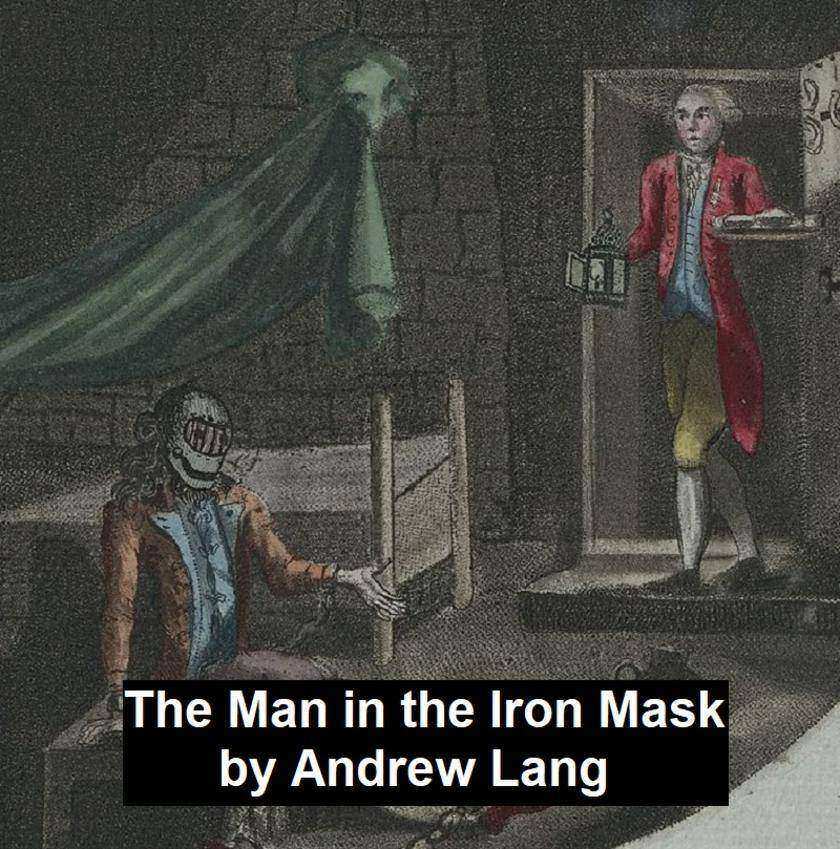
The Man in the Iron Mask
¥8.09
Essay about the legend/history behind Alexander Dumas' novel. According to Wikipedia: "Andrew Lang (March 31, 1844, Selkirk - July 20, 1912, Banchory, Kincardineshire) was a prolific Scots man of letters. He was a poet, novelist, and literary critic, and contributor to anthropology. He now is best known as the collector of folk and fairy tales
Letters on Sweden, Norway, and Denmark
¥8.09
According to Wikipedia: "Mary Wollstonecraft (1759 – 1797) was an eighteenth-century British writer, philosopher, and feminist. During her brief career, she wrote novels, treatises, a travel narrative, a history of the French Revolution, a conduct book, and a children's book. Wollstonecraft is best known for A Vindication of the Rights of Woman (1792), in which she argues that women are not naturally inferior to men, but appear to be only because they lack education. She suggests that both men and women should be treated as rational beings and imagines a social order founded on reason."
The Defendant
¥8.09
Collection of humorous essays. According to Wikipedia: "Gilbert Keith Chesterton (1874 - 1936) was an influential English writer of the early 20th century. His prolific and diverse output included journalism, philosophy, poetry, biography, Christian apologetics, fantasy and detective fiction. Chesterton has been called the "prince of paradox."[1] He wrote in an off-hand, whimsical prose studded with startling formulations. For example: "Thieves respect property. They merely wish the property to become their property that they may more perfectly respect it."[2] He is one of the few Christian thinkers who are equally admired and quoted by both liberal and conservative Christians, and indeed by many non-Christians. Chesterton's own theological and political views were far too nuanced to fit comfortably under the "liberal" or "conservative" banner."

The Crimes of England
¥8.09
Collection of humorous historical essays. According to Wikipedia: "Gilbert Keith Chesterton (1874 - 1936) was an influential English writer of the early 20th century. His prolific and diverse output included journalism, philosophy, poetry, biography, Christian apologetics, fantasy and detective fiction. Chesterton has been called the "prince of paradox."[1] He wrote in an off-hand, whimsical prose studded with startling formulations. For example: "Thieves respect property. They merely wish the property to become their property that they may more perfectly respect it."[2] He is one of the few Christian thinkers who are equally admired and quoted by both liberal and conservative Christians, and indeed by many non-Christians. Chesterton's own theological and political views were far too nuanced to fit comfortably under the "liberal" or "conservative" banner."
Essays and Lectures
¥8.09
Dodo Collections brings you another classic from Oscar Wilde, ‘Essays and Lectures’. It is a collection of essays, lectures, reviews, letters, and aphorisms by Oscar Wilde. Oscar Fingal O'Flahertie Wills Wilde (16 October 1854 – 30 November 1900) was an Irish author, playwright and poet. After writing in different forms throughout the 1880s, he became one of London's most popular playwrights in the early 1890s. He is remembered for his epigrams, his novel The Picture of Dorian Gray, his plays, as well as the circumstances of his imprisonment and early death. At the height of his fame and success, while his masterpiece, The Importance of Being Earnest (1895), was still on stage in London, Wilde had the Marquess of Queensberry prosecuted for libel. The Marquess was the father of Wilde's lover, Lord Alfred Douglas. The charge carried a penalty of up to two years in prison. The trial unearthed evidence that caused Wilde to drop his charges and led to his own arrest and trial for gross indecency with other men. After two more trials he was convicted and imprisoned for two years' hard labour. In 1897, in prison, he wrote De Profundis, which was published in 1905, a long letter which discusses his spiritual journey through his trials, forming a dark counterpoint to his earlier philosophy of pleasure. Upon his release he left immediately for France, never to return to Ireland or Britain. There he wrote his last work, The Ballad of Reading Gaol (1898), a long poem commemorating the harsh rhythms of prison life. He died destitute in Paris at the age of 46.
Letters of Chekhov
¥8.09
From the Translator's Note: "Of the eighteen hundred and ninety letters published by Chekhov's family I have chosen for translation these letters and passages from letters which best to illustrate Chekhov's life, character and opinions. The brief memoir is abridged and adapted from the biographical sketch by his brother Mihail. Chekhov's letters to his wife after his marriage have not as yet been published." According to Wikipedia: "Anton Pavlovich Chekhov (1860 – 1904) was a Russian short-story writer, playwright and physician, considered to be one of the greatest short-story writers in world literature. His career as a dramatist produced four classics and his best short stories are held in high esteem by writers and critics Chekhov practised as a doctor throughout most of his literary career: "Medicine is my lawful wife," he once said, "and literature is my mistress." Chekhov renounced the theatre after the disastrous reception of The Seagull in 1896; but the play was revived to acclaim in 1898 by Constantin Stanislavski's Moscow Art Theatre, which subsequently also produced Uncle Vanya and premiered Chekhov’s last two plays, Three Sisters and The Cherry Orchard. These four works present a special challenge to the acting ensemble as well as to audiences, because in place of conventional action Chekhov offers a "theatre of mood" and a "submerged life in the text." Chekhov had at first written stories only for the money, but as his artistic ambition grew, he made formal innovations which have influenced the evolution of the modern short story. His originality consists in an early use of the stream-of-consciousness technique, later adopted by James Joyce and other modernists, combined with a disavowal of the moral finality of traditional story structure He made no apologies for the difficulties this posed to readers, insisting that the role of an artist was to ask questions, not to answer them."
Journal of a Residence on a Georgian Plantation 1838-1839
¥8.09
Autobiographical journal, with first-hand account of slavery in Georgia, first published in 1863. According to Wikipedia: "Frances Anne Kemble (27 November 1809 - 15 January 1893), was a famous British actress and author in the early and mid nineteenth century… In 1834, she retired from the stage to marry an American, Pierce Butler, grandson of the Founding Father Pierce Butler, and heir to a large fortune founded on cotton, tobacco and rice... Butler squandered a fortune estimated at $700,000, but was saved from bankruptcy by the March 2–3, 1859 sale of his 436 slaves at Ten Broeck racetrack, outside Savannah, Georgia—the largest single slave auction in American history. Following the American Civil War, he tried to make his plantations profitable with free labor, but was unsuccessful. Butler died in Georgia, of malaria, in 1867. Neither he nor Fanny ever remarried... In 1877, Fanny returned to England, where she lived using her maiden name till her death. During this period, Fanny Kemble was a prominent and popular figure in the social life of London. She became a great friend of and inspiration for Henry James during her later years. His novel Washington Square (1880) was based upon a story Fanny had told him concerning one of her relatives... Her various volumes of reminiscences contain much valuable material illuminating the social and dramatic history of the period. Her elder daughter Sarah married a doctor, Owen Jones Wister, and they had one child, Owen Wister (b. 1860), the popular American novelist and author of the 1902 western novel, The Virginian."
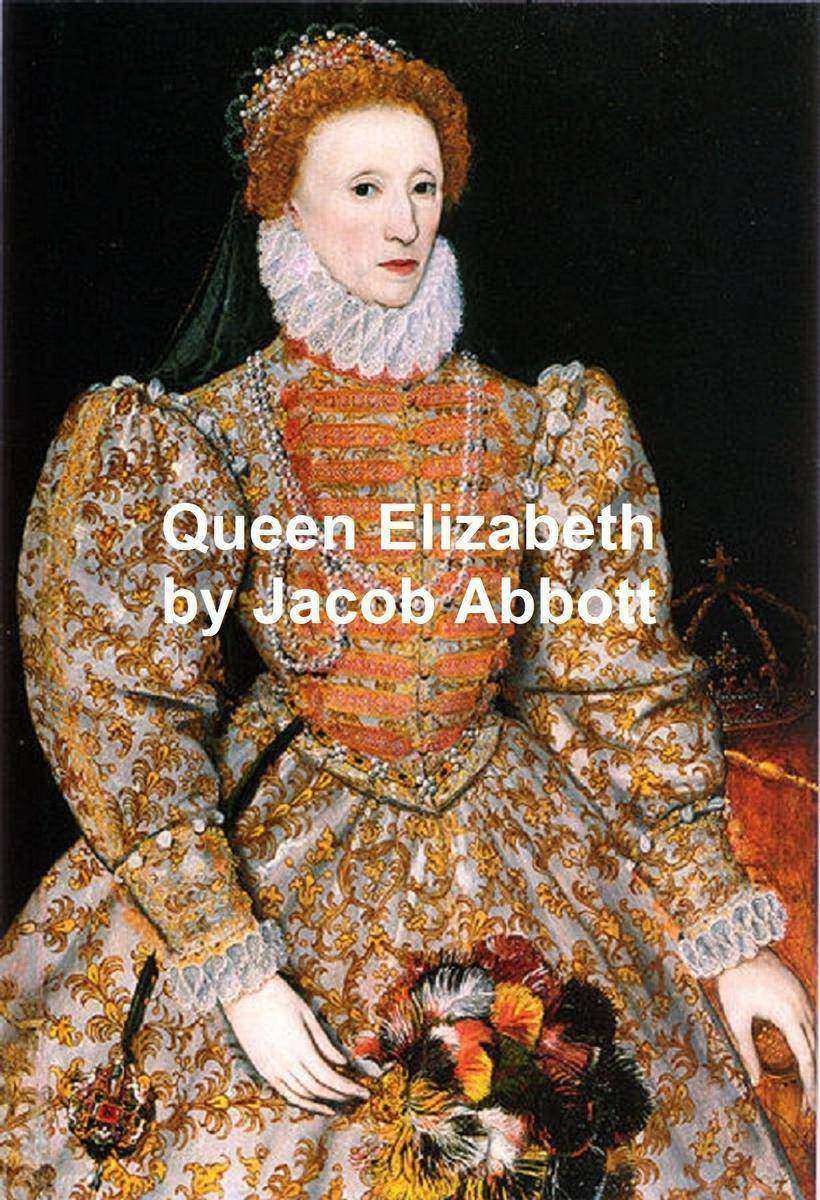
Queen Elizabeth
¥8.09
According to Wikipedia: "Elizabeth I (7 September 1533 – 24 March 1603) was Queen regnant of England and Queen regnant of Ireland from 17 November 1558 until her death. Sometimes called The Virgin Queen, Gloriana, or Good Queen Bess, Elizabeth was the fifth and last monarch of the Tudor dynasty. The daughter of Henry VIII, she was born a princess, but her mother, Anne Boleyn, was executed two and a half years after her birth, and Elizabeth was declared illegitimate. Her brother, Edward VI, bequeathed the crown to Lady Jane Grey, cutting his sisters out of the succession. His will was set aside, Lady Jane Grey was executed, and in 1558 Elizabeth succeeded the Catholic Mary I, during whose reign she had been imprisoned for nearly a year on suspicion of supporting Protestant rebels... Elizabeth's reign is known as the Elizabethan era, famous above all for the flourishing of English drama, led by playwrights such as William Shakespeare and Christopher Marlowe, and for the seafaring prowess of English adventurers such as Sir Francis Drake. Some historians are more reserved in their assessment. They depict Elizabeth as a short-tempered,[4] sometimes indecisive ruler,[5] who enjoyed more than her share of luck. Towards the end of her reign, a series of economic and military problems weakened her popularity to the point where many of her subjects were relieved at her death. Elizabeth is acknowledged as a charismatic performer and a dogged survivor, in an age when government was ramshackle and limited and when monarchs in neighbouring countries faced internal problems that jeopardised their thrones. Such was the case with Elizabeth's rival, Mary, Queen of Scots, whom she imprisoned in 1568 and eventually had executed in 1587. After the short reigns of Elizabeth's brother and sister, her 44 years on the throne provided welcome stability for the kingdom and helped forge a sense of national identity."
Travels with a Donkey in the Cevennes
¥8.09
Travelogue/memoir that begins "The journey which this little book is to describe was very agreeable and fortunate for me. After an uncouth beginning, I had the best of luck to the end. But we are all travellers in what John Bunyan calls the wilderness of this world - all, too, travellers with a donkey: and the best that we find in our travels is an honest friend. He is a fortunate voyager who finds many. We travel, indeed, to find them. They are the end and the reward of life. They keep us worthy of ourselves; and when we are alone, we are only nearer to the absent."
The House of the Dead: Prison Life in Siberia
¥40.79
Aleksandr Petrovich lives through a spiritual re-awakening that culminates with his release from the prison camp. The narrator has been sentenced to penalty deportation to Siberia and ten years of hard labour for murdering his wife. Dostoyevsky skillfully portrays the inmates of the prison with sympathy for their plight, and admiration for their energy, ingenuity and talent.
Speaking of Operations
¥8.09
Dodo Collections brings you another classic from Irvin S. Cobb, ‘"Speaking of Operations". ? Speaking of Operations is a monologue about the author's experience in having an operation in 1915 written in his typical tongue-in-cheek style. ? American author, humorist, editor and columnist from Paducah, Kentucky who relocated to New York during 1904, living there for the remainder of his life. ? Cobb joined the staff of the magazine Saturday Evening Post during 1911, and covered the Great War for the magazine. At the same time, he wrote a book about his experiences, published during 1915, titled Paths Of Glory. After a second visit to France to cover the Great War, Cobb publicized the achievements of the unit known as theHarlem Hellfighters, most notably, Croix de Guerre recipients Henry Lincoln Johnson and Needham Roberts. His article "Young Black Joe," published on August 24, 1918 in theSaturday Evening Post and later republished in Cobb's book, The Glory of the Coming, highlighted the discipline and courage displayed by black American soldiers fighting in Europe during World War I. The three-page article and half-page photograph reached a national audience of more than two million readers, and was widely reprinted in the black press.
Lectures and Essays
¥8.09
This collection includes: The Rise of Historical Criticism, The English Renaissance of Art, House Decoration, Art and the Handicraftsman, Lecture to Art Students, London Models, and Poems in Prose. According to Wikipedia: "Oscar Fingal O'Flahertie Wills Wilde (1854 - 1900) was an Irish playwright, novelist, poet, and author of short stories. Known for his barbed wit, he was one of the most successful playwrights of late Victorian London, and one of the greatest celebrities of his day. As the result of a famous trial, he suffered a dramatic downfall and was imprisoned for two years of hard labour after being convicted of the offence of 'gross indecency.'"
Delphi Complete Works of Katherine Mansfield (Illustrated)
¥16.27
For the first time in publishing history, this eBook presents the complete works of the Modernist master short story writer Katherine Mansfield, with beautiful illustrations, informative introductions and the usual Delphi bonus material. (6MB Version 1) * Beautifully illustrated with images relating to Mansfield's life and works * Concise introductions to the short story collections and other works * The complete short stories * Images of how the books were first printed, giving your eReader a taste of the original texts * Excellent formatting of the texts * Mansfields beautiful poetry * Includes Mansfield's non-fiction works, including her journal - spend hours exploring the authors personal thoughts * Features the first biography on Mansfield, written by her husband - discover the authors literary life * Scholarly ordering of texts into chronological order and literary genres Please visit www.delphiclassics.com to browse our range of exciting titles CONTENTS: The Short Story Collections IN A GERMAN PENSION BLISS AND OTHER STORIES THE GARDEN PARTY AND OTHER STORIES THE DOVES' NEST AND OTHER STORIES SOMETHING CHILDISH AND OTHER STORIES The Short Stories LIST OF SHORT STORIES IN ORDER OF PUBLICATION LIST OF SHORT STORIES IN ALPHABETICAL ORDER The Poetry LIST OF POEMS The Non-Fiction NOVELS AND NOVELISTS THE JOURNAL OF KATHERINE MANSFIELD The Biography THE LIFE OF KATHERINE MANSFIELD by J. Middleton Murry and Ruth Elvish Mantz Please click here to browse our other titles
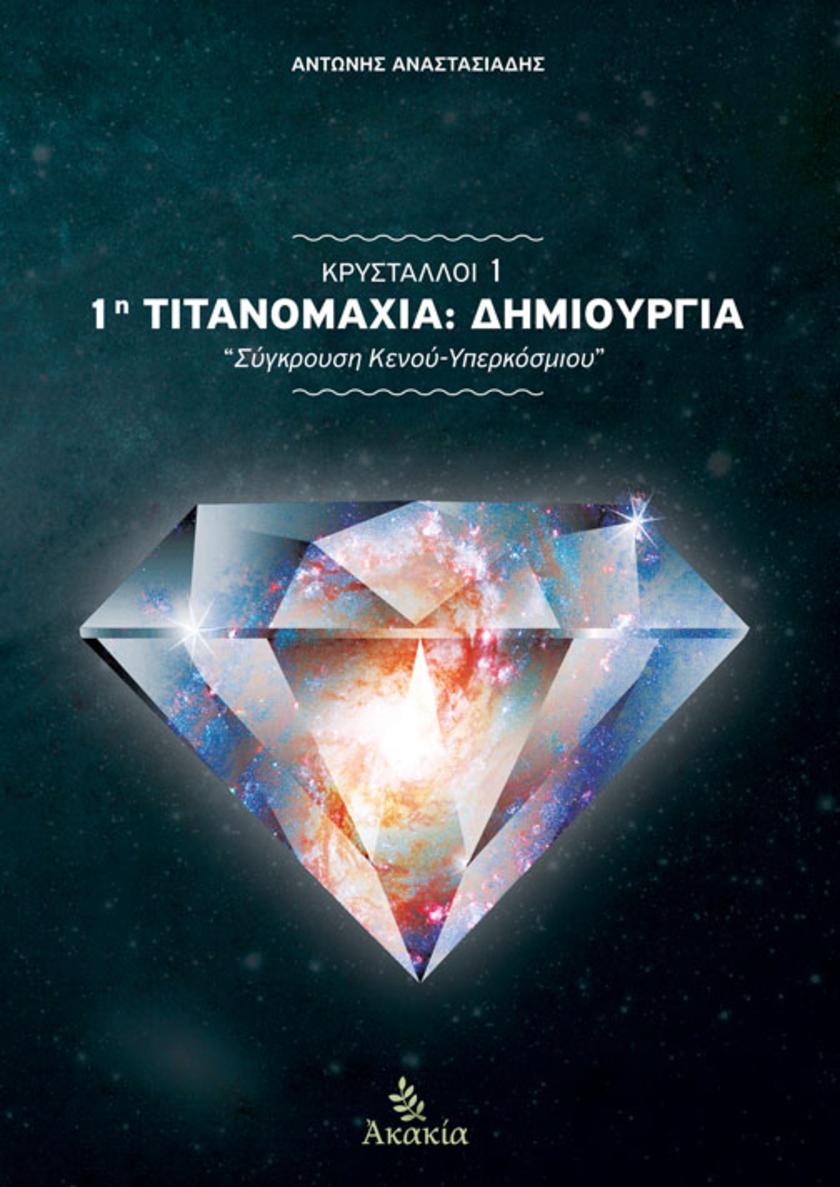
Κρ?σταλλοι Ι: 1η Τιτανομαχ?α: Σ?γκρουση Κενο?-Υπερκ?σμιου
¥84.20
Οι σειρ? ?Κρ?σταλλοι? θα συν?σταται απ? μια δεκαλογ?α η οπο?α θα ξεκιν?ει απ? την δημιουργ?α του σ?μπαντο?, θα διαπερν? ολ?κληρο τον πανανθρ?πινο πολιτισμ?, θα φθ?νει στο παρ?ν και θα συνεχ?ζει στο μ?λλον, παρακολουθ?ντα? περιληπτικ? την εξ?λιξη του ανθρ?πινου πολιτισμο?. Το πρ?το βιβλ?ο ε?ναι η ?1η Τιτανομαχ?α: Σ?γκρουση Κενο?-Υπερκ?σμιου (Δημιουργ?α)? απ? το οπο?ο αρχ?ζει ?να ταξ?δι. ?να ταξ?δι που ξεκιν?ει απ? την Μεγ?λη ?κρηξη, την εξελικτικ? πορε?α του σ?μπαντο? και φθ?νει στη δημιουργ?α των πλανητικ?ν συστημ?των. Το ?ργο στο πρ?το βιβλ?ο ξεκιν?ει απ? μια ελληνικ? επαρχιακ? π?λη, ?που ?να ερωτευμ?νο ζευγ?ρι ανακαλ?πτει ?να αντικε?μενο με περ?εργε? ιδι?τητε? και ικαν?τητε?. Μελετ?τε απ? την τοπικ? επιστημονικ? κοιν?τητα, αναφ?ρονται παλι?τεροι θρ?λοι και παραδ?σει? γ?ρω απ? αυτ?, που μ?χρι πρ?τινο? θεωρο?νταν μ?θοι και παραμ?θια. Το αντικε?μενο μεταφ?ρεται στην Αθ?να και μελετ?ται απ? την ελληνικ? επιστημονικ? κοιν?τητα. Κατ?πιν καλο?νται τα ηχηρ? ον?ματα τη? διεθνο?? επιστημονικ?? κοιν?τητα?. Β?σει των ιδιοτ?των που ?χουν αναδειχθε?, επιχειρε?ται ?να πε?ραμα στην Ακρ?πολη, με θαυμαστ? και μη αναμεν?μενα αποτελ?σματα. Απ? εκε? και π?ρα αρχ?ζει μια υπ?ροχη διαδρομ? σε μια σειρ? 10 βιβλ?ων. Μ?σα απ? μ?θο, αλληγορ?ε? αλλ? και πραγματικ?? επιστημονικ?? γν?σει?, επιχειρε?τε, π?ραν τη? διασκ?δαση?, ο αναγν?στη? να αποκομ?σει και αληθιν?? γν?σει?. ?τσι, ο αναγν?στη? μ?σα απ? μυθιστορηματικ? αφ?γηση μαθα?νει για την δημιουργ?α και για την εξ?λιξη του σ?μπαντο?, για του? γαλαξ?ε?, για τα ηλιακ? συστ?ματα, για την γη, για τη ζω? π?νω στην γη, για την εξ?λιξη του ανθρ?πινου ε?δου?, για την φιλοσοφ?α, για την επιστ?μη, για τι? θρησκε?ε? και για τον εν γ?νει αγ?να τη? ενανθρ?πιση? του ανθρ?πινου ε?δου?, για να φθ?σουμε στι? σημεριν?? συγκρο?σει?. Τηλεγραφικ? τα 10 βιβλ?α που θα ακολουθ?σουν με ενδεικτικ?? ονομασ?ε?: 1η Τιτανομαχ?α: Σ?γκρουση Κενο?-Υπερκ?σμιου (Δημιουργ?α) 2η Τιτανομαχ?α: Σ?γκρουση Υπερκ?σμιου-Υπερφυσικο? (Ουρανομαχ?α) 3η Τιτανομαχ?α: Σ?γκρουση Φυσικο?-Υπερφυσικο? (Ζευ?-Κρ?νο?) 4η Τιτανομαχ?α: Σ?γκρουση Φυσικο?-Παραφυσικο? (Γιγαντομαχ?α) 5η Τιτανομαχ?α: Σ?γκρουση Φυσικο?-Μεταφυσικο? (Προμηθει??) 6η Τιτανομαχ?α: Σ?γκρουση Καλο?-Κακο? (Λευκ??-Μα?ρο? Κρ?σταλλο?) 7η Τιτανομαχ?α: Σ?γκρουση Κοινωνικοπολιτικο?-Αντικοινωνικοπολιτικο? (Πρ?τοι πολιτισμο?) 8η Τιτανομαχ?α: Σ?γκρουση Ανθρωπισμο?-Τεχνοκρατισμο? (Νε?τεροι χρ?νοι) 9η Τιτανομαχ?α: Σ?γκρουση Πολιτισμο?-Βαρβαρ?τητα? (Σ?μερα) 10η Τιτανομαχ?α: Σ?γκρουση Γ?ινων-Εξωγ?ινων (Διαγαλαξιακ? ταξ?δια)
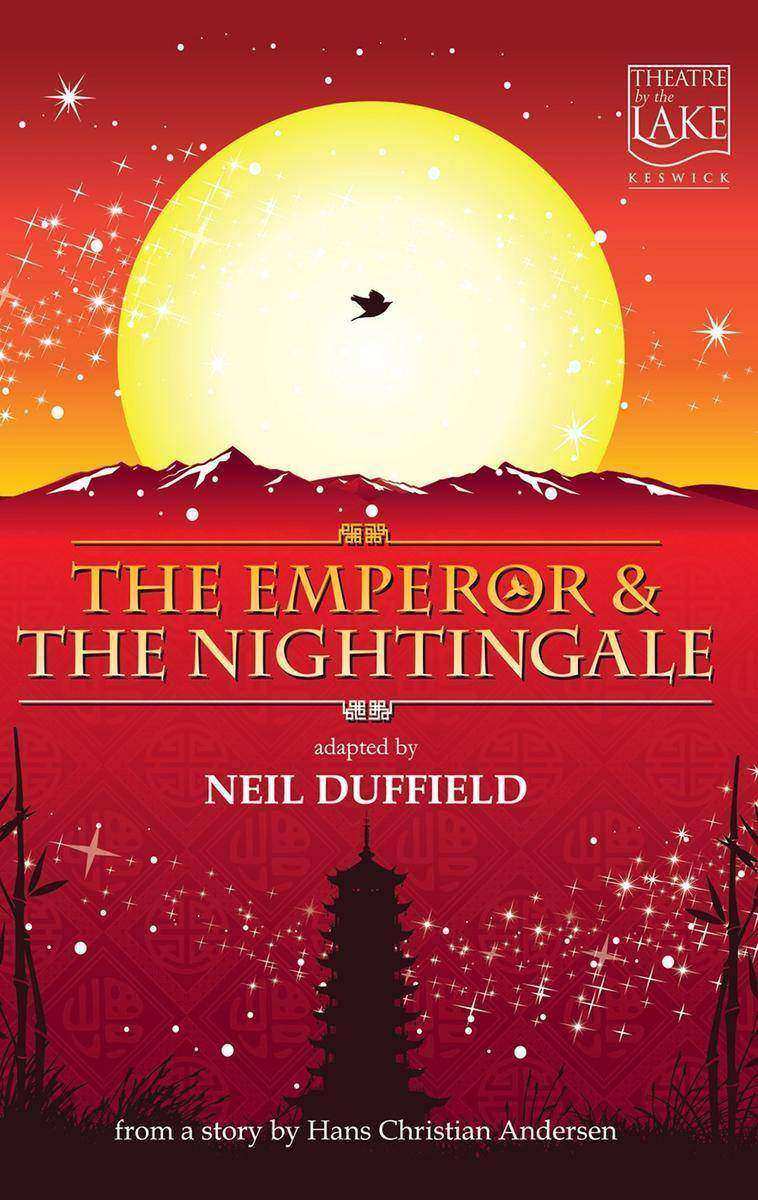
The Emperor and the Nightingale
¥38.62
From a story by Hans Christian Andersen In ancient China, young emperor Wu is kept a virtual prisoner in his palace by his devious guardian, Li Si. Wu believes the world outside the Forbidden City is an evil and dangerous place. But when Xiao, a young servant girl, tells him of the most beautiful sound on earth – the song of the nightingale – it’s too much to resist. The two embark on an adventure that will take them across mountain tops and waterfalls, past chattering monkeys and magical dragons to the far reaches of his kingdom. When Wu returns with the nightingale, and starts to overturn the old palace customs, Li Si plots to restore things to the way they were before. Featuring puppetry, music and all the colour, movement and spectacle of Chinese theatre, this joyful adaptation of Hans Christian Andersen’s fairy tale is a feast for the senses that will delight the whole family. Suitable for ages 6+

The Diary of a Hounslow Girl
¥38.62
The story of a modern Asian young woman trying to straddle Western attitudes and traditional beliefs. You've heard of an Essex Girl or even a Chelsea Girl but what is a Hounslow Girl? The term has become a byword for confident, young Muslim women who are grappling with traditional values, city life and fashion. From the joys of Pakistani weddings to fights on the night bus, Ambreen Razia's? The Diary of a Hounslow Girl ?is a funny, bold, provocative play highlighting the challenges of being a teenage girl in a traditional Muslim family, alongside the temptations and influences of growing up in and around London. “Ambreen’s writing is poetic in its structure and intensity, funny, moving, chilling, and delivered in a style that takes inspiration from spoken word and physical theatre. She has created a rhythm that draws the audience in, as compelling as a thriller, complete with gathering ominousness, shocks and comic relief.” Deborah Bestwick, Director, Ovalhouse “Ambreen Razia’s terrific play is exactly the kind of new work we wish to support in the new home of multi-cultural theatre in London. Hounslow Girl is a wonderfully funny take on a London phenomenon and one audiences will enjoy.” Jatinder Verma, Artistic Director, Tara Arts” "a powerful piece of theatre... Ambreen Razia's performance is astonishing."?BritishTheatre.com "This is a sophisticated, moving and often very funny piece of writing, particularly nuanced in its depiction of Shaheeda's relationship with her mother ... astute in tackling the breakdown of the loving bonds between parent and child that can occur when a child becomes a teenager – and also how this experience can be magnified for the children of first-generation immigrants, whose parents feel distant from their children’s British lives... Razia's script touches on everything from first love to cultural expectations to student-teacher relationships; it’s a bit like an inner-city version of An Education."?The Stage Ambreen Razia is an actress and writer from South London.? The Diary of a Hounslow Girl is Ambreen's debut show which premiered at Ovalhouse in 2015. Passionate about re-establishing British Asian comedy within the UK, she continues to write her comedy sketch show involving two British Asian girls exploring the?clash between traditional Indian/Pakistani culture and modern British life. She is also currently writing her next play POT primarily focusing on the recent comeback of gang culture within the UK.?Performance credits include: On the Middle Day (Old Vic Theatre);? Words and Women (Edinburgh Fringe); Random Acts (Channel 4);? Fair Exchange (Hen and Chickens Theatre);? Variations on a Theme (Camden People's Theatre);? Mind the Gap (National Theatre ); No Guts, No Heart, No Glory? (BBC4/Perth Festival Australia) and Murdered by my Father? (BBC3).
Cabbages and Kings
¥40.79
The original 'banana republic' stories which explore aspects of life in a paralytically sleepy Central American town, each advancing some aspect of the larger plot and relating back one to another in a complex structure. The larger, overriding plot slowly explicates its own background, even as it creates a town which is one of the most detailed literary creations of the period.


