


 购物车
购物车 个人中心
个人中心
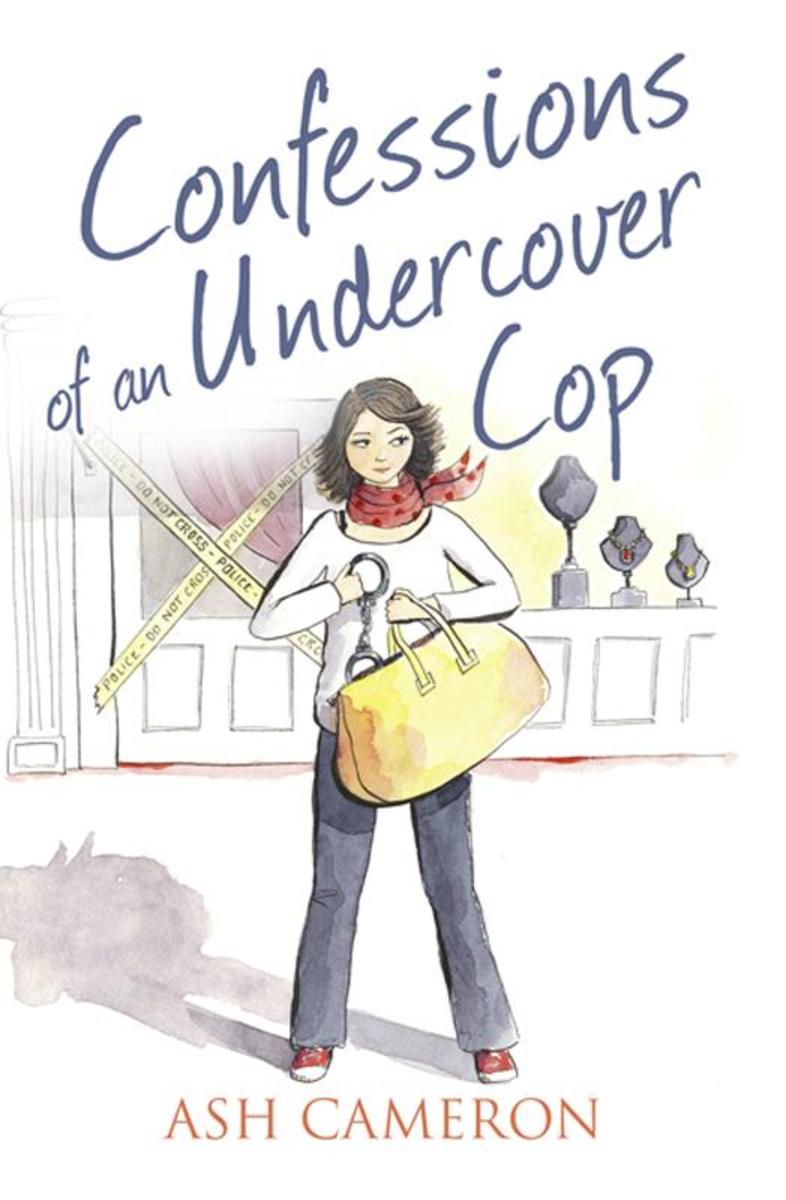
Confessions of an Undercover Cop (The Confessions Series)
¥66.22
The sixth book in the bestselling Confessions series. What is life like for a female Undercover Cop? Ash Cameron gives readers a behind-the-scenes look at life in the Police. Funny, moving and irreverent, you’ll never look at a bobby the same way again…! What is life like for an Undercover Cop? Ash Cameron joined the police in the 70s – think Life on Mars with added ladders in her tights. From arresting East End gangsters, dealing out justice to football hooligans and coping with sexism on the job, Ash did it all. So when she was asked to go undercover, well, it was just another job, wasn’t it? Told with warmth and humour, these ‘confessions’ will make you laugh, make you cry, and make you roll your eyes as you learn exactly what goes on behind-the-scenes in the police…
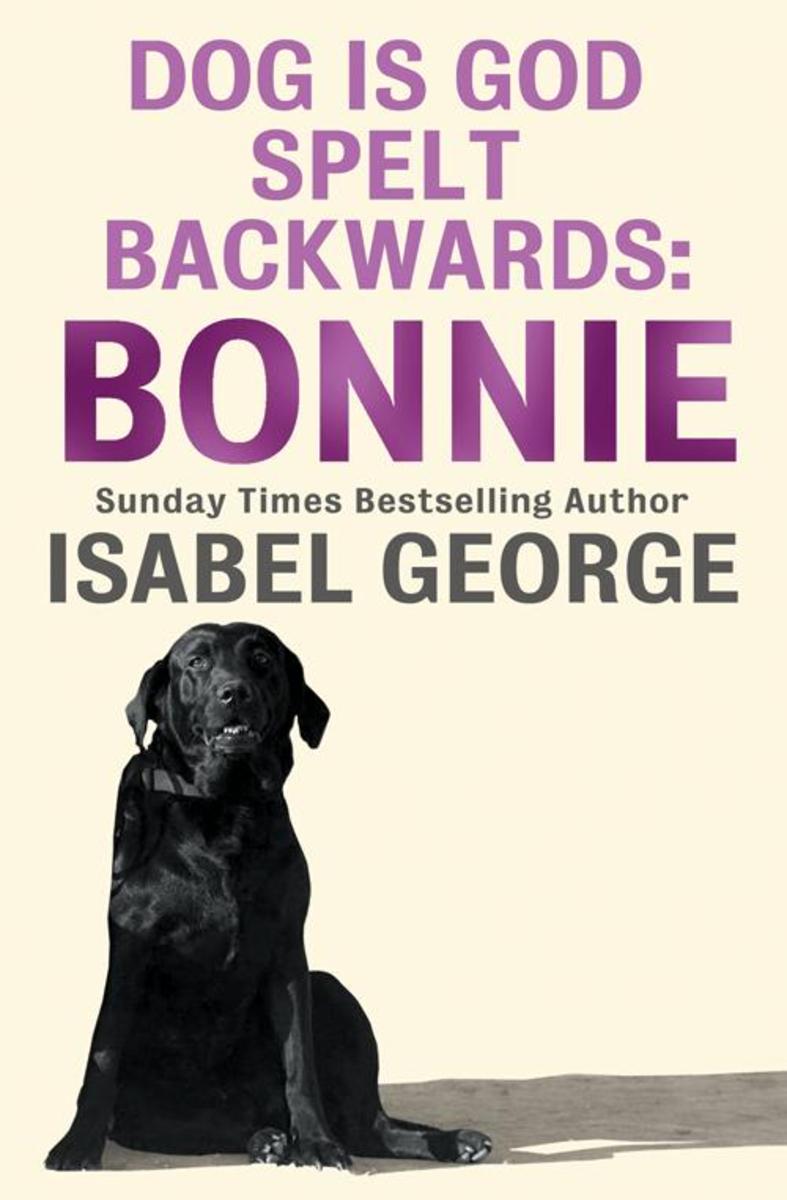
DOG Is GOD Spelt Backwards:Bonnie
¥15.60
An inspiring and heart-warming short story of canine devotion and bravery. When Corporal Jenny Chester was matched with Arms and Explosives search dog Bonnie it felt like the best Christmas present ever. Friends from day one, partners beyond doubt, through service in Bosnia and Iraq they shared food on the run, sleeping in bags in the cold and shade of the same tree. A bond made in wartime that created a partnership for life. Extracted from the bestselling title The Dog That Saved My Life.

Fearless Under Fire:Tangye
¥15.60
An inspiring and heart-warming short story of canine devotion and bravery. A brave and loyal companion to the British soldiers in conflict in Afghanistan, Tangye began his years as a puppy mascot. Before long he was inseparable from the servicemen on the base, who he lived and patrolled with for five years. He accompanied the bomb disposal unit several times and became a target for the enemy. But he was also a much loved companion for soldiers in the time of need. Extracted from the bestselling title Beyond The Call Of Duty, this is the story of dog who was a resident comedian and constant comforter, and the fight of the men he accompanied to bring him back with them to the UK.
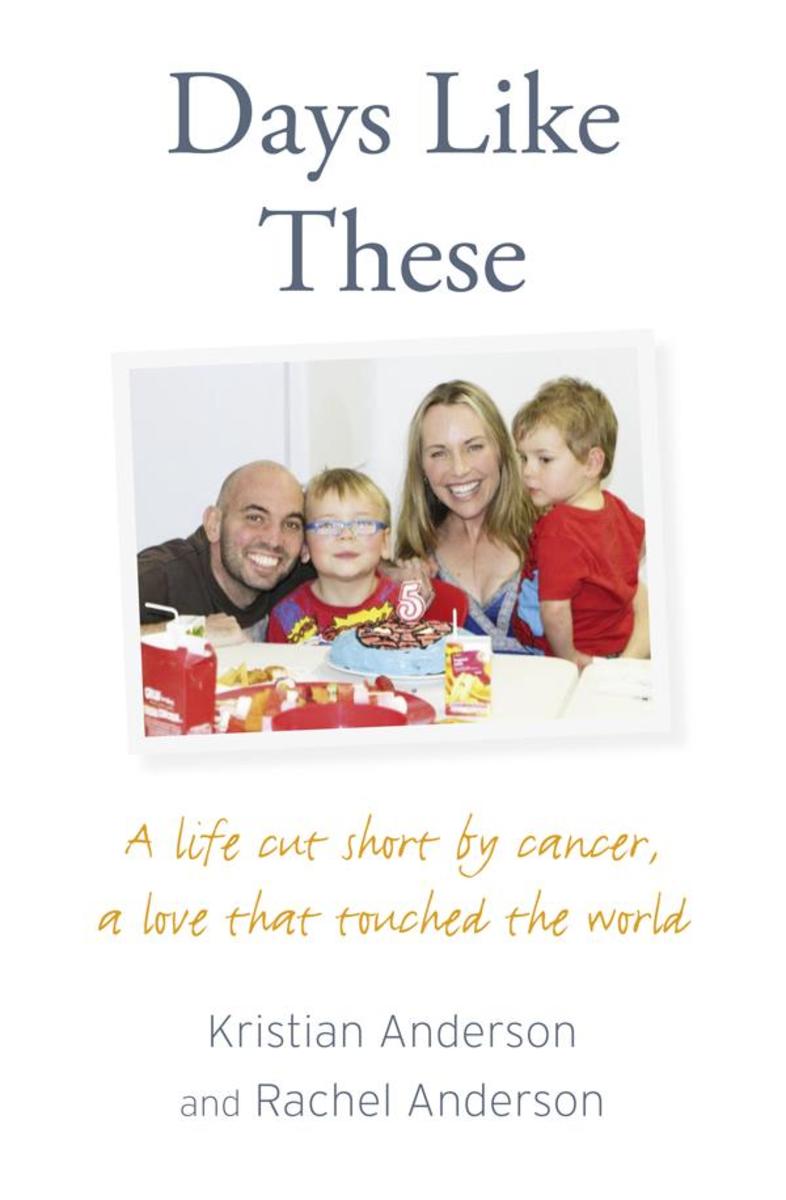
Days Like These:A life cut short by cancer, a love that touched the world
¥58.86
When Kristian Anderson received the diagnosis that every devoted husband and father fears, he refused to resign himself silently to fate. He began a brave and candid blog as he underwent treatment for cancer: sharing the joy of each small victory, the devastation in every setback, and the agonising realisation that he wouldn’t always be able to protect and comfort his little boys when they were lonely or afraid, or grow old with his wife and soulmate. His posts full of hope, faith, and breathtaking honesty captured Australian hearts, then swept across the Pacific, gathering followers. A poignant video tribute for his wife Rachel became an internet phenomenon, attracting messages from well-wishers across the globe. After his death, their love inspired Rachel to bring together Kristian’s blog entries combined with her own intimate reflections. Days Like These is a heartbreaking account of her husband’s final battle, his strength and courage, but it is also a story about coming back from grief, and learning how to live again.

Queen Victoria:A Life of Contradictions
¥66.22
A fresh, witty, accessible life of Queen Victoria. Not since Lytton Strachey has the irony, contradictions and influence of this Queen been treated with such flourish or biographical insight. 'Queen Victoria had a very complicated and psychologically fascinating personality and only a very talented biographer could get to the key of her character. Fortunately in Matthew Dennison's pithy, well-researched, beautifully written and very accessible book, she has found one' Andrew Roberts Queen Victoria is Britain’s queen of contradictions. In her combination of deep sentimentality and bombast; cultural imperialism and imperial compassion; fear of intellectualism and excitement at technology; romanticism and prudishness, she became a spirit of the age to which she gave her name. Victoria embraced photography, railway travel and modern art; she resisted compulsory education for the working classes, recommended for a leading women’s rights campaigner ‘a good whipping’ and detested smoking. She may or may not have been amused. Meanwhile she reinvented the monarchy and wrestled with personal reinvention. She lived in the shadow of her mother and then under the tutelage of her husband; finally she embraced self-reliance during her long widowhood. Fresh, witty and accessible, Queen Victoria is a compelling assessment of Victoria’s mercurial character and impact, written with the irony, flourish and insight that this Queen and her rule so richly deserve.
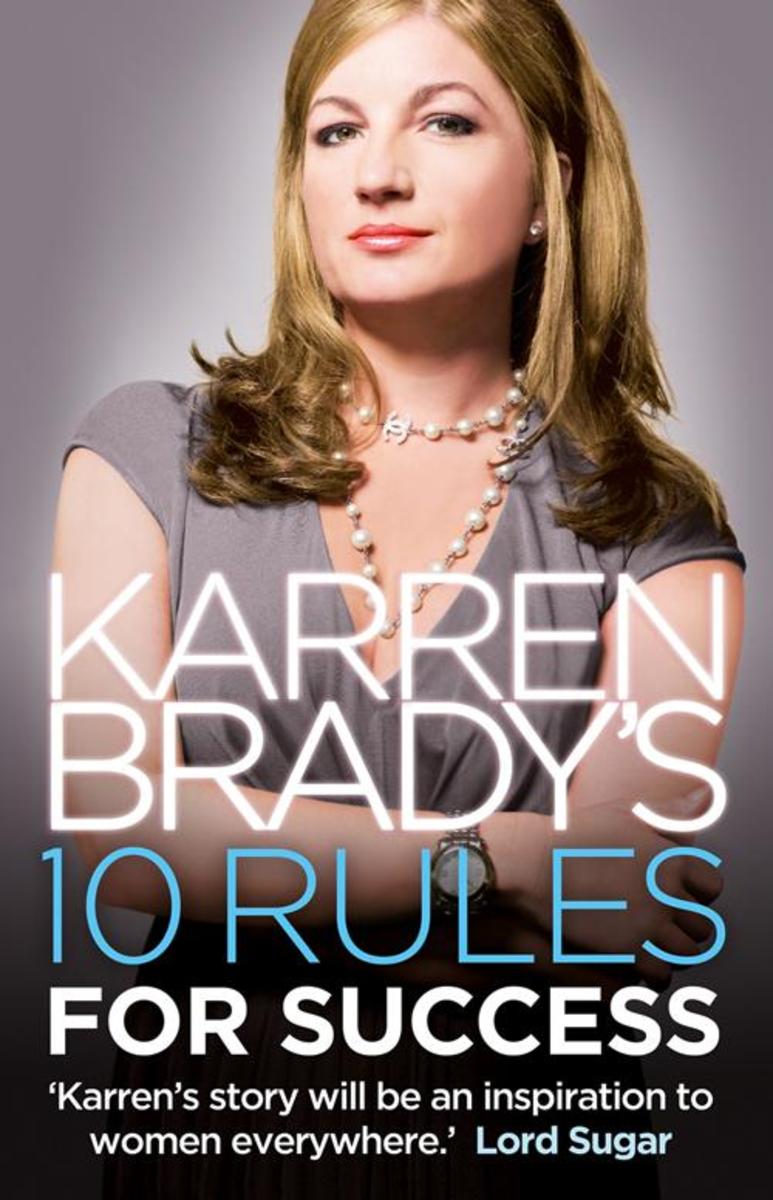
Karren Brady’s 10 Rules for Success
¥9.71
Karren Brady’s 10 Rules for Success are the secret to getting ahead for working women everywhere! Combining advice on how to balance a family and career with tips on how to embrace ambition, this short guide boils down Karren’s advice for women everywhere into a manageable list of ten key rules for work and life that have helped her become successful, independent and Britain’s best-known business woman. These ten rules reflect Karren’s belief that being a successful woman isn’t about aiming for the mythical ‘having it all’, it’s about working what you want, aiming high and digging in your heels. “Over my working life, I have learnt that certain skills, habits and attributes are essential to achieving success. You will not instantly master them all. It will take time and practice. But if you follow these ten rules – and importantly keep trying to follow them – you will get very far along the road to where you want to go. That I can promise you.” Karren Brady Karren Brady’s 10 Rules for Success is an extract from Karren Brady’s business autobiography, Strong Woman.

Choir:Gareth Malone
¥68.67
The hugely popular Gareth Malone recounts the heart-warming stories and transformations behind the award-winning BBC2 series The Choir For the first time, Gareth reveals everything he has learned from working with so many groups of memorable people, including the record-breaking Military Wives and latest series of The Choir being shown this Autumn. Gareth was an unknown Choirmaster when he arrived on British TV screens five years ago. Boyish, irrepressible and determined, Gareth took on a collection of kids from the most unlikely comprehensive and turned them into a talented performing choir. This was the beginning of a national love affair with a bow-tied and undeniably charming young man, and it was also the start of a national rediscovery of the joy to be found in choirs. Since then, each series of The Choir has gone on to even more demanding challenges, taking young offenders to Glyndebourne, regenerating disparate and far from affluent communities, and finally in an extraordinarily emotional journey, Gareth took a group of women whose partners were serving in Afghanistan to a Christmas Number One. This Autumn, in a new four-part series, The Choir: Sing While you Work, Gareth will be challenging four new Choirs to compete against each other. This is his memoir of a period in which he transformed the lives of thousands but also gained a lifetime’s worth of experience in human frailty and strength. Written with real joy, emotion and amusement, the twenty chapters each deal with an individual moment – both break-throughs and disasters – or an individual character that has contributed to this extraordinary adventure. Whether he is explaining the importance of biscuits or the role of the elderly in a community undertaking, remembering the scrappy kid who never quite delivered or the mother who had most to prove this is an incredibly moving journey. It is his adventure… and ours.
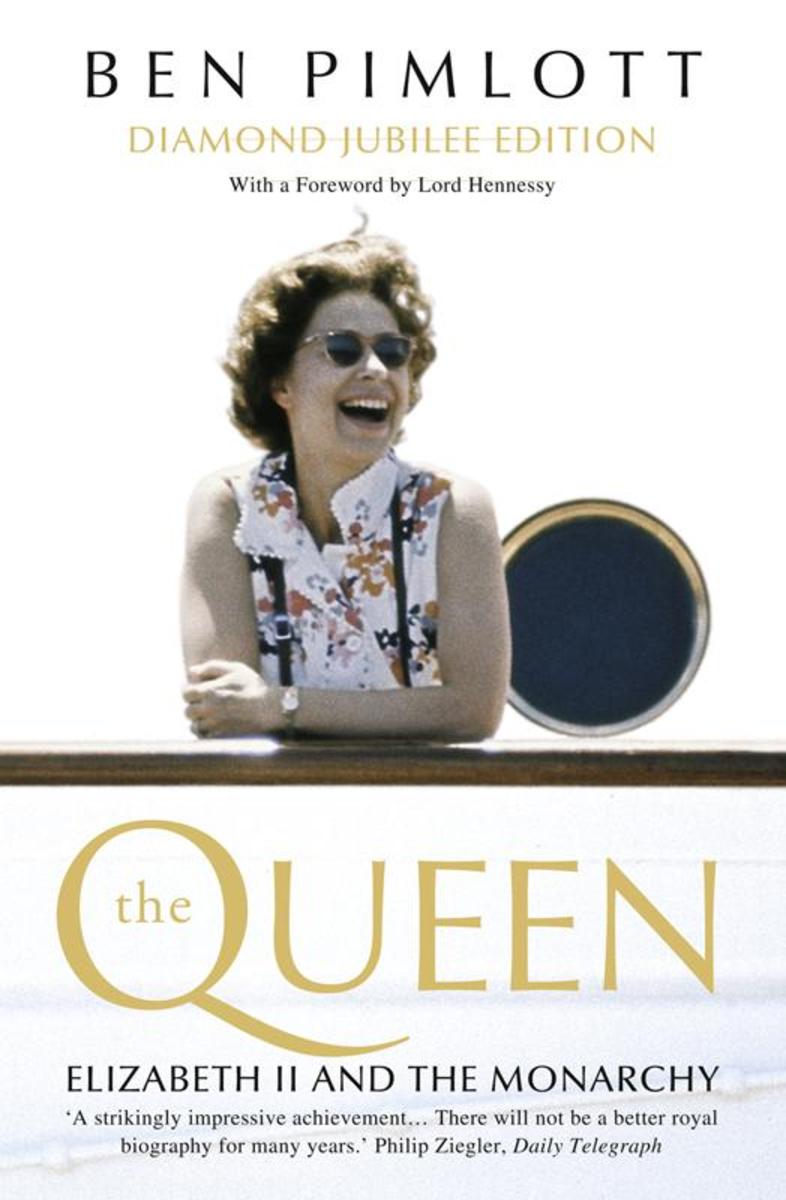
The Queen:Elizabeth II and the Monarchy (Text Only)
¥80.25
An updated edition of Ben Pimlott’s classic biography of the Queen: ‘There is no better biography of Elizabeth II.’ PETER HENNESSY, Independent on Sunday The royal family have been through a tumultuous decade, but with the wedding of Prince William to Kate Middleton, Prince Philip’s 90th birthday and the forthcoming Diamond Jubilee celebrations, there is renewed interest and appreciation of our monarchy. The Queen is an in-depth look at the woman at the centre of it all and is the only biography to take Elizabeth II seriously as the subject of historical biography, or to examine the influences that formed her and the ideas she represents. Ben Pimlott (described by Andrew Marr in the Independent as ‘the best writer of political biography now writing’) treats the Head of State to the rigorous and objective scrutiny he applied to major political personalities, using a wide range of sources, including interviews, diaries and letters, and papers in the Royal Archives. The Queen looks at the social, political and psychological aspects of his subject in detail, as well as at the changing role of Monarchy in the British Constitution. In the process, the book displays all the author’s formidable analytic and narrative skills, and provides a gripping yet sensitive account of one of the most publicised – yet least known – figures of our time. It is vital reading for all those who care about public life in Britain – past, present and to come. Note that it has not been possible to include the same picture content that appeared in the original print version.
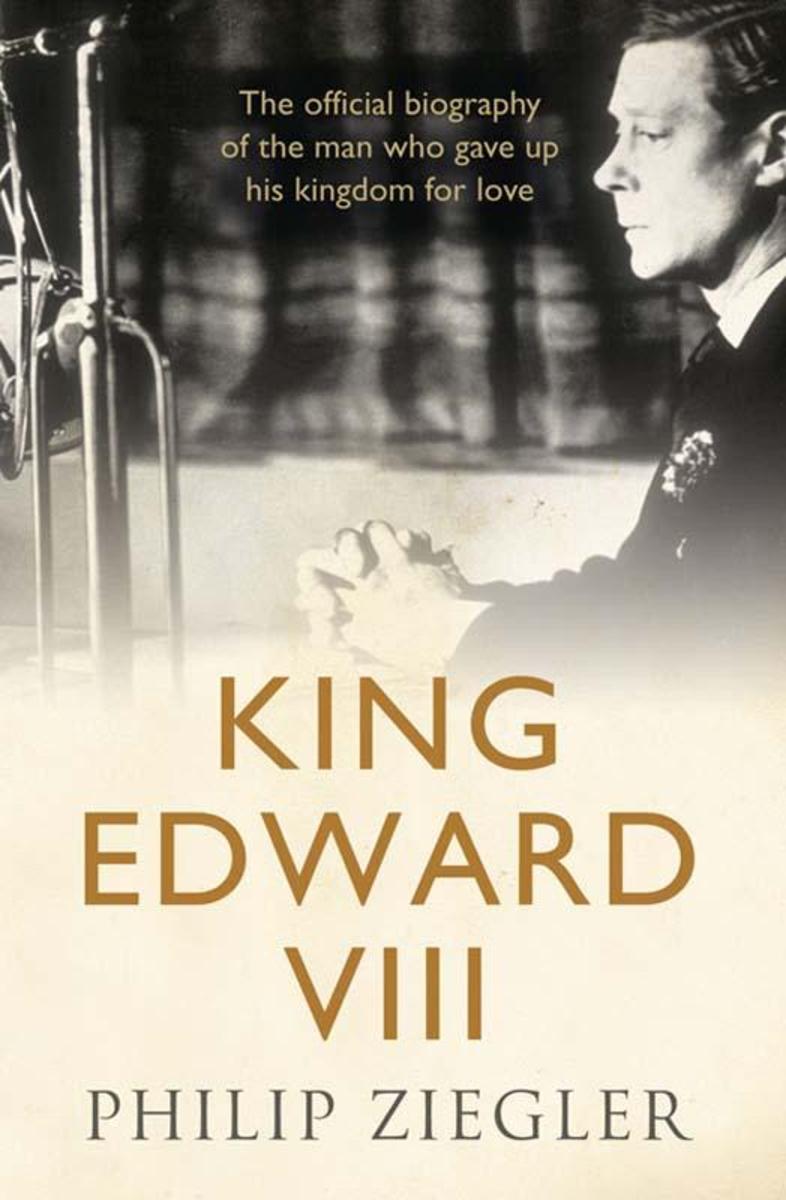
King Edward VIII
¥104.48
The authorised life story of the king who gave up his throne for love, by one of our most distinguished biographers. In this masterly authorized biography, Philip Ziegler reveals the complex personality of Edward VIII, the only British monarch to have voluntarily renounced the throne. With unique access to the Royal Archives, Ziegler overturns many myths about Edward and tells his side of the story – from his glamorous existence as Prince of Wales to his long decline in semi-exile in France. At the heart of the book is an unflinchingly honest examination of Edward’s all-consuming passion for Wallis Simpson, which led to his dramatic abdication. Elegant and devastating, this is the most convincing portrait of Edward ever published.

Lost in France:The Story of England's 1998 World Cup Campaign
¥57.09
An essential fly-on-the-wall account of the biggest World Cup tournament ever staged. 1998 is the year the World Cup comes home. Almost 70 years since Jules Rimet’s dream first came to fruition, France plays host for the first time to the greatest sporting event in the world. And, with a record-breaking 32 nations competing, the 1998 tournament will be the largest and most widely publicised football extravaganza in history. While following the sporting action, Mark Palmer will also travel around France to speak to fans, players, coaches, competition organisers and journalists, to present the inside story of the World Cup as the drama unfolds. With unrivalled access to the English and French FAs, as well as world regulating body FIFA, Palmer will balance the official view of the tournament with fans’ own experiences – all the while comparing the breaking story to how it is being reported back home.

The Man Who Lives with Wolves
¥72.30
To wolf expert, Shaun Ellis, wolves aren’t just his work, they’re also his family. An extraordinary man, Shaun has been fascinated by wolves all his life, even living as part of a wild pack for two years with no human contact. What he gained was a unique and fascinating insight into their world, and that of our very own domestic dogs. Shaun Ellis grew up in the Norfolk countryside with a passion for and understanding with animals from an early age. His early fascination with wolves, and determination to understand them, led to him spending years in the US with the Naz Paz Indian tribe, watching wolves, learning to understand their roles and behaviour in the pack and how to communicate with them. He even lived as part of a wild pack for two years, without any human contact. Bringing his knowledge back to the UK, he astonished wildlife experts with his knowledge and insight. He now lives, eats and sleeps with his two wolf packs at Combe Martin Wildlife Park. This is the story of Shaun’s determination to understand these extraordinary animals and how what he has learned can help others to understand their own domestic dogs.

In Stitches
¥57.09
The true story of an A&E doctor that became a huge word-of-mouth hit - now revised and updated. Forget what you have seen on Casualty or Holby City, this is what it is really like to be working in A&E. Dr Nick Edwards writes with shocking honesty about life as an A&E doctor. He lifts the lid on government targets that led to poor patient care. He reveals the level of alcohol-related injuries that often bring the service to a near standstill. He shows just how bloody hard it is to look after the people who turn up at the hospital door. But he also shares the funny side - the unusual ‘accidents’ that result in with weird objects inserted in places they really should have ended up - and also the moving, tragic and heartbreaking. It really is an unforgettable read. First published in 2007 when The Friday Project was a small independent, In Stitches went on to sell over 15,000 copies in the UK, the majority of which have come in the years since then. It has proved to be a real word-of-mouth hit. This new edition includes lots of additional material bringing Nick’s story completely up to date including plenty more suprising, alarming, moving and unforgettable moments from behind the A&E curtain.
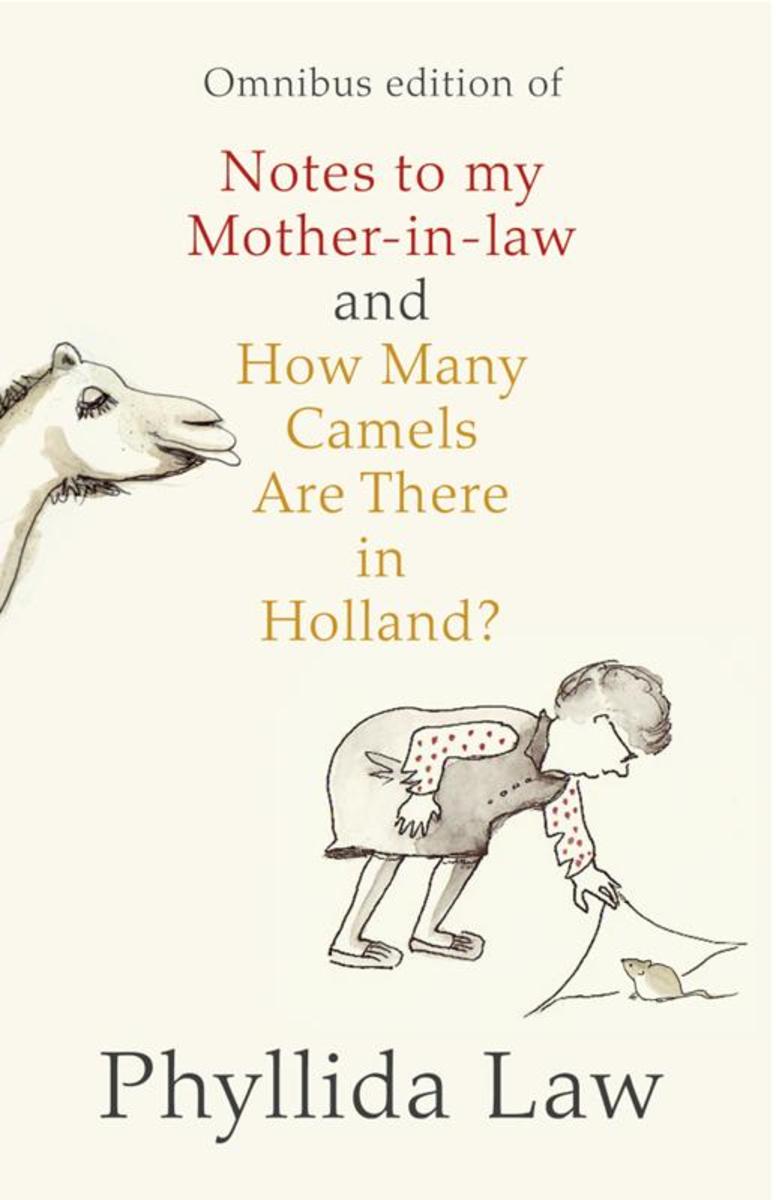
Notes to my Mother-in-Law and How Many Camels Are There in Holland?
¥95.75
A single-volume edition of two hugely charming and funny memoirs of family life – ‘Notes to my Mother-in-Law’ and ‘How Many Camels Are There in Holland?’ – by the inimitable Phyllida Law. Phyllida Law’s treasured mother-in-law Annie was the lynchpin of the entire family, so when they realised she was growing ever more deaf the only solution was for Phyllida to note down all the day’s gossip for Annie to read. When her own mother Mego – always deliciously dotty – was diagnosed with dementia late in her life, Phyllida devoted herself to Mego’s care, on hand to keep the cottage tidy and prepare a medicinal G&T. And all the while Phyllida had to manage her busy acting career and bring up her own daughters, the actresses Emma and Sophie Thompson. Complete with wonderful new material from Phyllida, Emma and Sophie, this single-volume edition of Phyllida Laws’s two enchanting memoirs of family life – ‘Notes to my Mother-in-Law’ and ‘How Many Camels Are There in Holland?’ – is a tender and sweetly comic story of mothers, daughters, a malfunctioning hearing aid and a most peculiar question about camels …
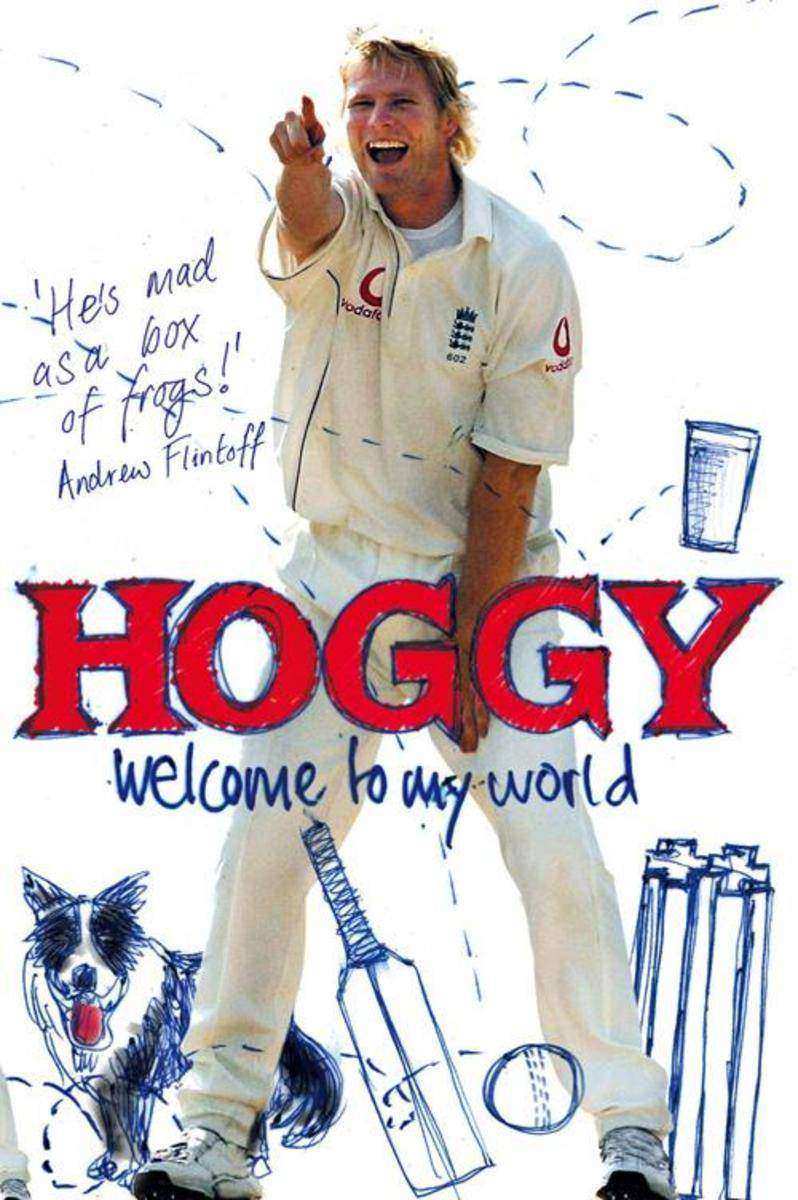
Hoggy: Welcome to My World
¥66.22
The quintessential barking-mad Yorkshire cricketer, 'Hoggy's' record-breaking bowling exploits for England allied to his humorous, uniquely oddball yet hugely endearing attitude to sport and life makes this essential reading for all lovers of the game. More than just a line-and-length cricketer's biography, Hoggy offers an entertaining insight into the weird and wonderful world of one of cricket's true characters. From the pub to the wicket and everywhere in-between, the dogged nightwatchman and wicket-taker looks beyond the runs and wickets to reveal what cricketers really get up to on tour and in the dressing room …

Imran Khan: The Cricketer, The Celebrity, The Politician
¥147.35
The definitive biography of Imran Khan, the former Pakistan cricket captain and all-rounder – the Oxbridge graduate and vociferous campaigner; the devout Muslim whose kaleidoscopic social life flooded the gossip columns; the man who raised $60 million for cancer research and who is now one of the most important political figures in Pakistan. On one thing, Imran Khan’s friends and enemies agree: it all began with the leopard print satin trousers. In November 1974, the Cricketer International published an article about the new elite group of young talented players, ‘into concepts like fashion and pop music’, and bent on challenging cricket’s eternal stereotypes. Of the five featured stars on the cover, a superbly hirsute 21-year-old wearing a tight black shirt and gaudy trousers, with a facial expression of supreme self-confidence, stood out. Imran Khan has always been a controversial figure, a man who gives rise to hot debate on account of his strong conviction and hard line views. From his achievements on the cricket field as the Pakistan captain who captured the World Cup and the game’s best all-rounder in history, through to his racy social life – the practising Muslim boogieing on the dancefloor of Annabel’s, ‘an astonishing lovemaker’, according to one overnight partner, praised by Diana Princess of Wales, close friend to his then wife Jemima Goldsmith, as a ‘devoted husband’ – the Imran story is full of colour and contradictions. Acclaimed biographer Christopher Sandford has approached a richly varied cast list of Imran associates past and present – from Geoff Boycott, Javed Miandad, Mike Brearley, David Gower and John Major through to Nelson Mandela and close acquaintances male and female such as Eric Clapton, Mick Jagger, John Major, Keith Richards, sources close to the late Princess of Wales and Pakistan’s General Musharraf. Imran Khan himself has agreed to be interviewed for the book and given Sandford exclusive access to his inner sanctum.
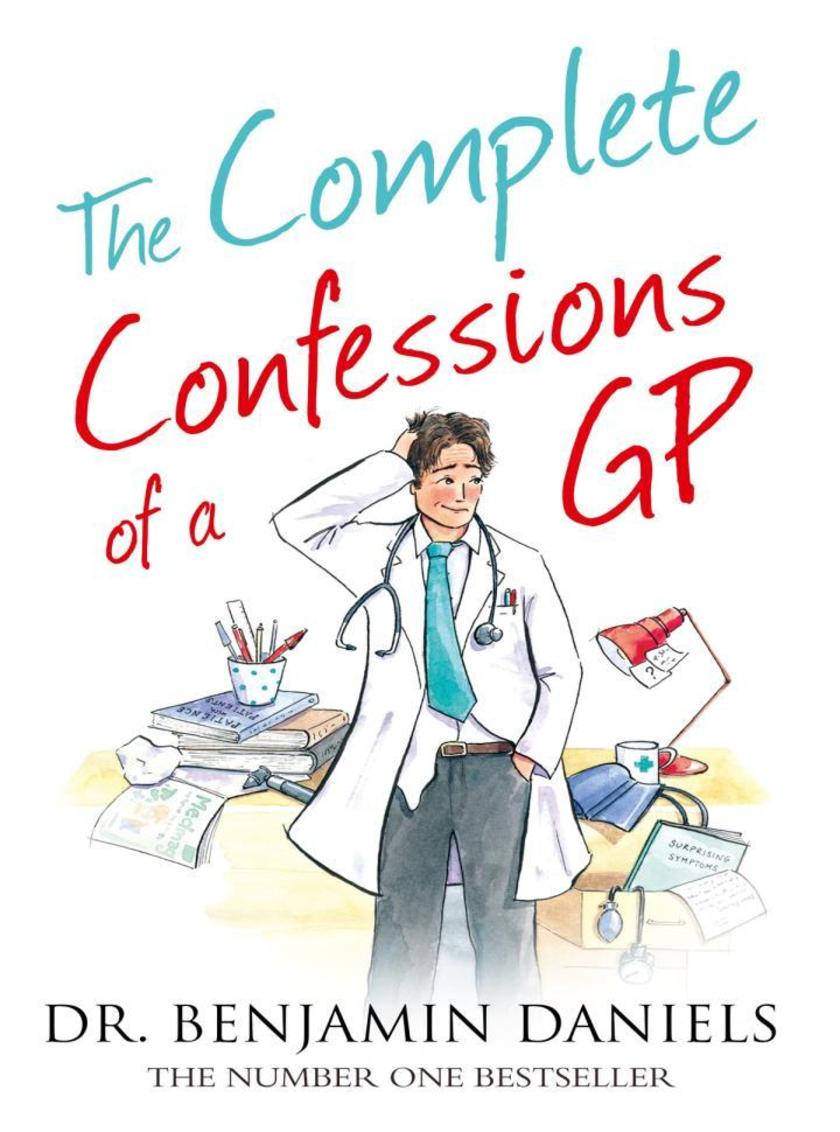
The Complete Confessions of a GP (The Confessions Series)
¥34.14
Confessions of a GP and Further Confessions of a GP together in one volume. Benjamin Daniels is angry. He is frustrated, confused, baffled and, quite frequently, very funny. He is also a GP. These are his confessions.
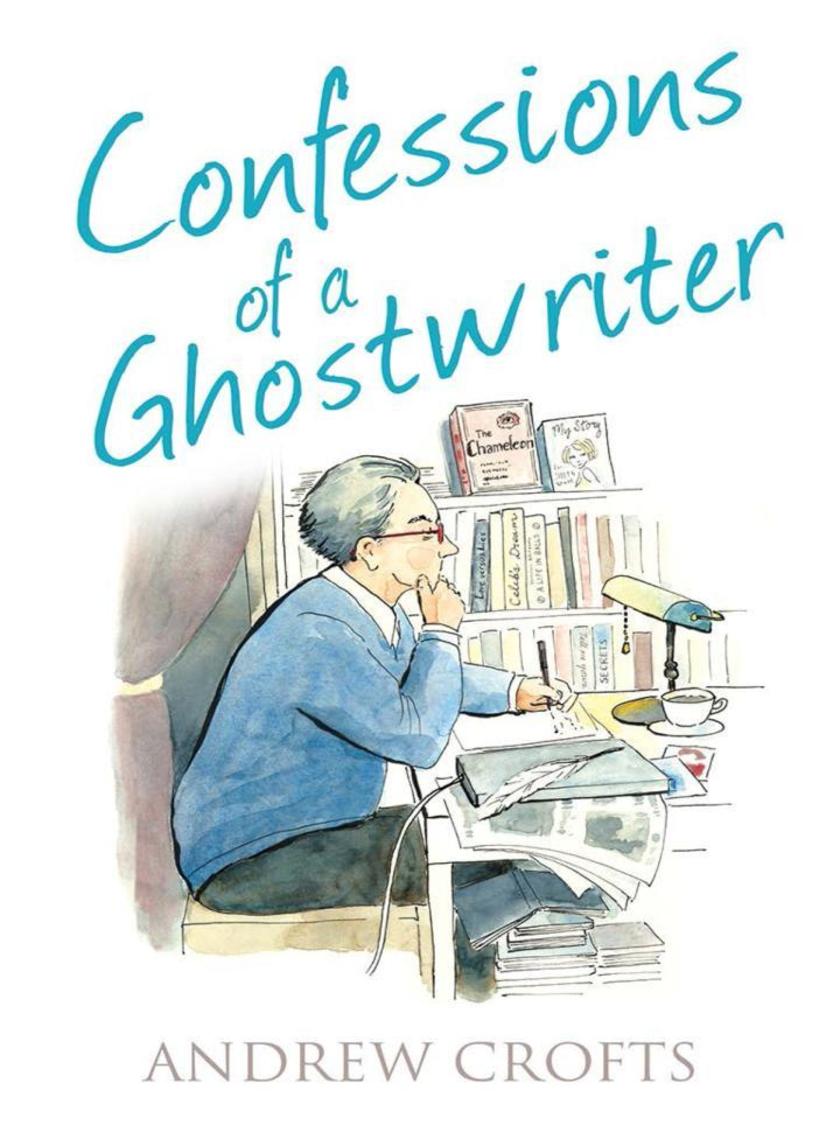
Confessions of a Ghostwriter (The Confessions Series)
¥34.14
HE’S WRITTEN MORE THAN 80 BOOKS. HE’S SOLD MILLIONS OF COPIES ACROSS THE WORLD. HE IS THE MAN BEHIND A DOZEN SUNDAY TIMES TOP 10 HITS, SPENDING OVER 120 WEEKS IN THE BESTSELLER CHARTS. BUT YOU PROBABLY HAVEN’T HEARD OF HIM. Andrew Crofts is a ghostwriter, an author for hire, employed to write other people’s stories – everyone from film stars to footballers, hitmen to hookers, world leaders to abused children. Ghostwriters are confidantes to the most famous people on earth, and they help give a voice to some of the most vulnerable and inspiring. They dip their toes into every corner of life, and inhabit worlds that are both shadowy and glamorous. They are the ones who write the books that top the bestseller charts. Andrew is one of the world’s most sought-after ghosts. In this book he confesses the truth about ghosting; how it feels to be an invisible author, to be given first class tickets to travel anywhere and permission to ask whatever questions you like. Confessions of a Ghostwriter gives an unrivalled peek into private worlds that few others gain admission to.

Triumph Over Adversity 3-in-1 Collection
¥182.66
For the first time, Casey Watson’s The Girl Without a Voice, Torey Hayden’s Beautiful Child and Mary MacCracken’s Lovey are combined in an exclusive e-book bundle. Discover the moving stories of three inspirational teachers as they try to pull their students out of the darkness. The Girl Without a Voice is the shocking story from bestselling author and foster carer Casey Watson. Thirteen-year-old Imogen joins Casey’s class and suffers from selective mutism – although her grandparents insist they have no idea why. Not content with the explanation that Imogen is just playing up, Casey starts digging and it’s not long before she starts to discover a very different side to Imogen’s character. After months of silence, Imogen utters her first, terrified, words to Casey: ‘I thought she was going to burn me.’ Internationally bestselling author Torey Haydon returns with Beautiful Child, a stunning and poignant account of an extraordinary teacher's determination never to abandon a child in need. Seven-year-old Venus Fox never spoke or listened. Yet an accidental playground 'bump' would release a rage frightening to behold. The school year that followed would prove to be one of the most trying, perplexing, and ultimately rewarding of Torey's career, as she struggled to reach a silent child in obvious pain. Mary MacCracken’s deeply moving memoir Lovey is the account of eight-year-old Hannah, who joins Mary’s class and retires to a cupboard, refusing to come out. Howling almost non-stop she was displaying the worst symptoms that Mary had ever seen. How could Mary help a child who had been shut up in closets and treated like an animal? How could she reach this lost girl?
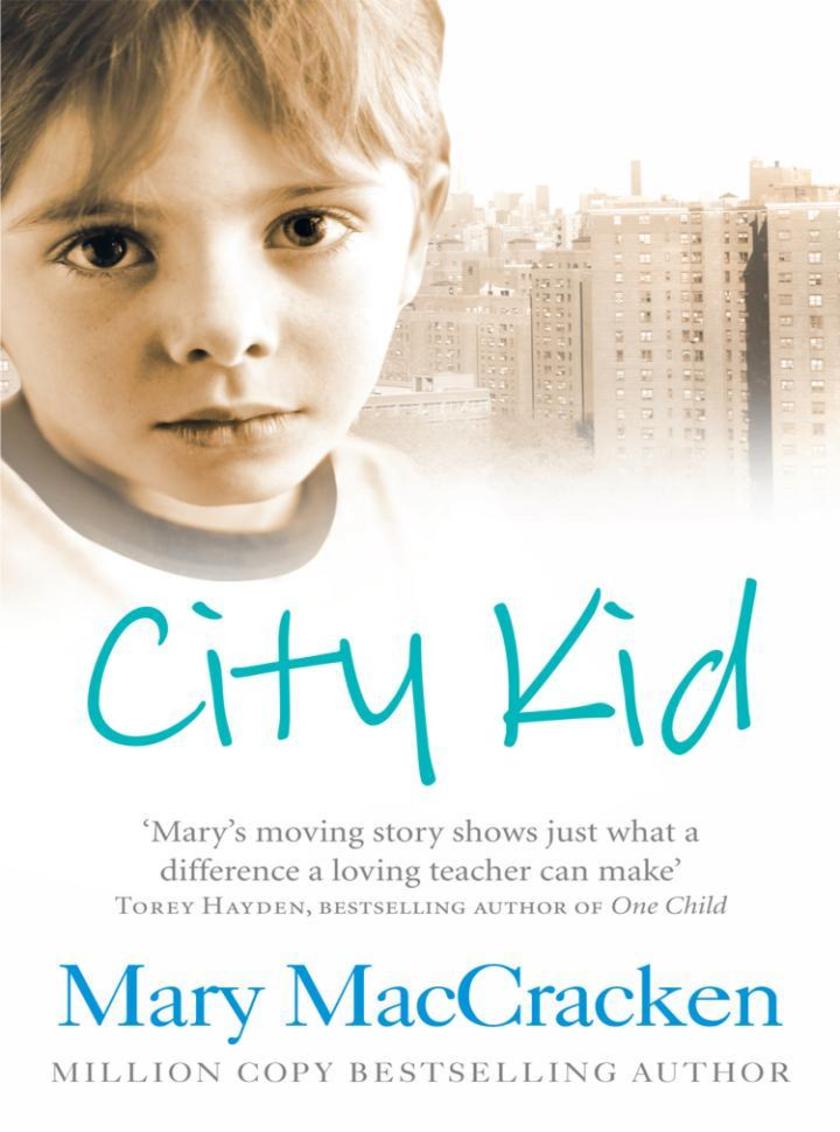
City Kid
¥58.86
From the author of international bestsellers A Circle of Children and Lovey comes an inspiring true story of a gifted teacher’s determination to understand the ‘rotten’ city kid everyone has given up on. Sitting quiet and withdrawn at a battered school desk, Luke had the looks of a shy angel – and a past that special needs teacher Mary MacCracken could barely believe. Already Luke had been picked up 24 times by the police. He’d set over a dozen major fires, and had a staggering record of thefts. No adult could reach him, no teacher could control him, and no policeman could cow him. All this – and Luke was only seven and a half years old. Trying to help Luke was Mary MacCracken’s job – and a seemingly impossible challenge. This is the remarkable story of how the impossible came true.
Smile Though Your Heart Is Breaking
¥58.86
A tale of Catherine Cookson-esque tragedy and Northern grit, Pauline Prescott's life story will shock and amaze. A mother and a faithful friend, Pauline is not your typical politician's wife. She is immensely proud of her role as a housewife and over the near-forty years she has been in the public eye she has remained discreet, dignified and deeply loyal. The daughter of a bricklayer, who died when she was young, Pauline came from humble backgrounds. At 15 she found herself pregnant by a married US serviceman. Resisting all attempts to give her son up for adoption, she struggled on for three years, until she was finally persuaded it was for his own good. She never expected to see him again. She trained as a hairdresser and got a good job at a salon in Chester. Soon afterwards she met John, a dashing waiter who whisked her off her feet and married her. John's dreams of becoming a union activist meant that he spent the next eight years in university. It was Pauline's wages that paid for everything. She never complained. John quickly rose through the ranks and suddenly, it seemed, he was the Deputy Prime Minister. Pauline went almost overnight from a Hull hairdresser to a key participant at political events. Always immaculate, she quickly became known for her fashion, style and stunning hats. But Pauline's world was turned upside down when, more than forty years after she put her son up for adoption, John received a call to say the press had tracked him down. The decision to give up her son had been heart-rending. All these years later, Pauline was overjoyed to be reunited with the child she had pined for for so long, finally getting the happy ending she had dreamed of for years. Throughout John's career, Pauline has had to cope with the lack of privacy his position has afforded their family. Through it all she has emerged a figure of admiration. Loyal, sharp, good humoured and articulate, Pauline has entranced the nation. Now tells us her story in her own words. Warm, moving and at times painfully sad, Pauline's autobiography is an honest account of a fascinating life.
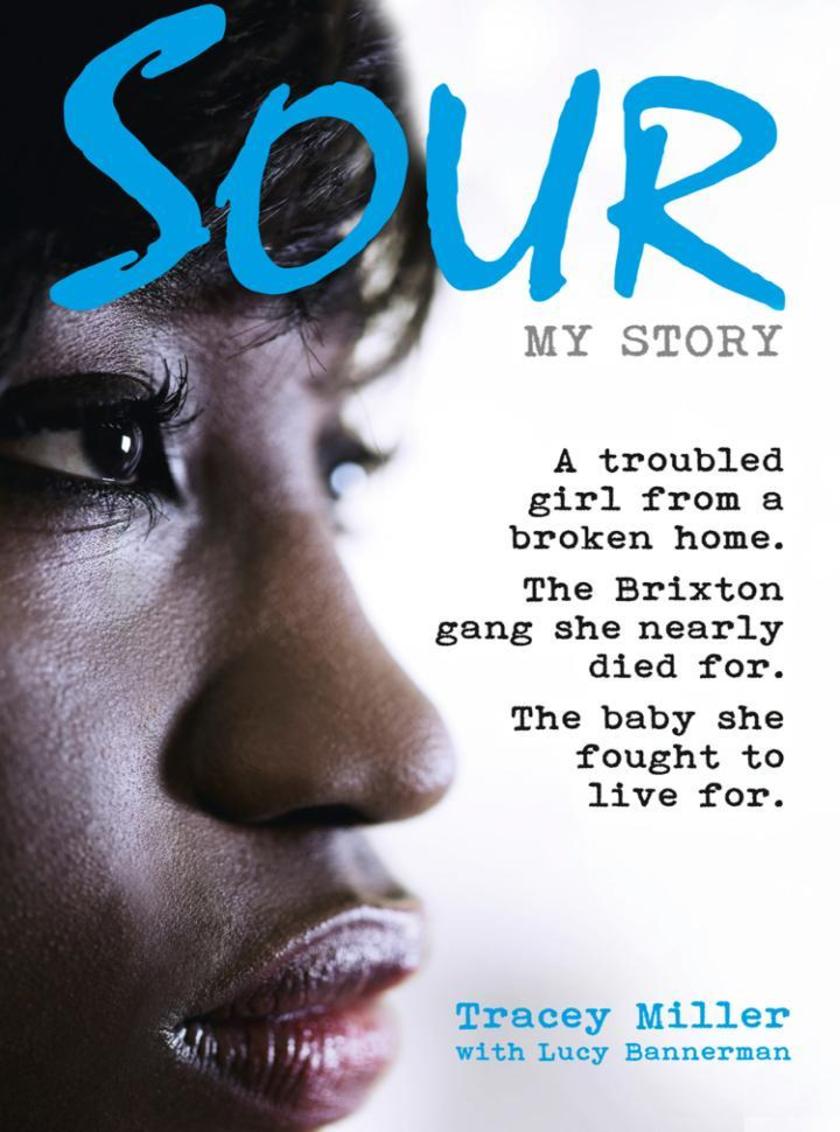
Sour: My Story
¥61.51
They call me Sour. The opposite of sweet. Shanking, stabbing, steaming, robbing, I did it all, rolling with the Man Dem. I did it because I was bad. I did it because I had heart. And the reason I reckon I got away with it for so long? Because I was a girl. SOUR is the true story of a former Brixton gang girl, drug dealer and full-time criminal. A member of the Younger 28s, a notorious gang that terrorised the postcodes around Brixton in the 90s, Sour escapes a troubled family life to immerse herself in the street life of likking and linking. She never leaves her house without a knife. At the age of fifteen, she stabs an innocent man in the street, earning her unrivalled respect and ‘Top-Dog’ status amongst her crew. She believes she is invincible. But the consequences of her actions are soon to catch up with her. Waking for the second time in two weeks in a hospital bed, to the news that she is pregnant, she realises it’s time to turn her life around. Motherhood will be a rude awakening, but it may also be her saving grace. Told with raw emotions and ferocious honesty, this is the real, on-the-record, story of one woman’s descent down the rabbit hole of gangland, and her efforts, as a daughter, mother and girlfriend, to claw herself out.


