


 购物车
购物车 个人中心
个人中心
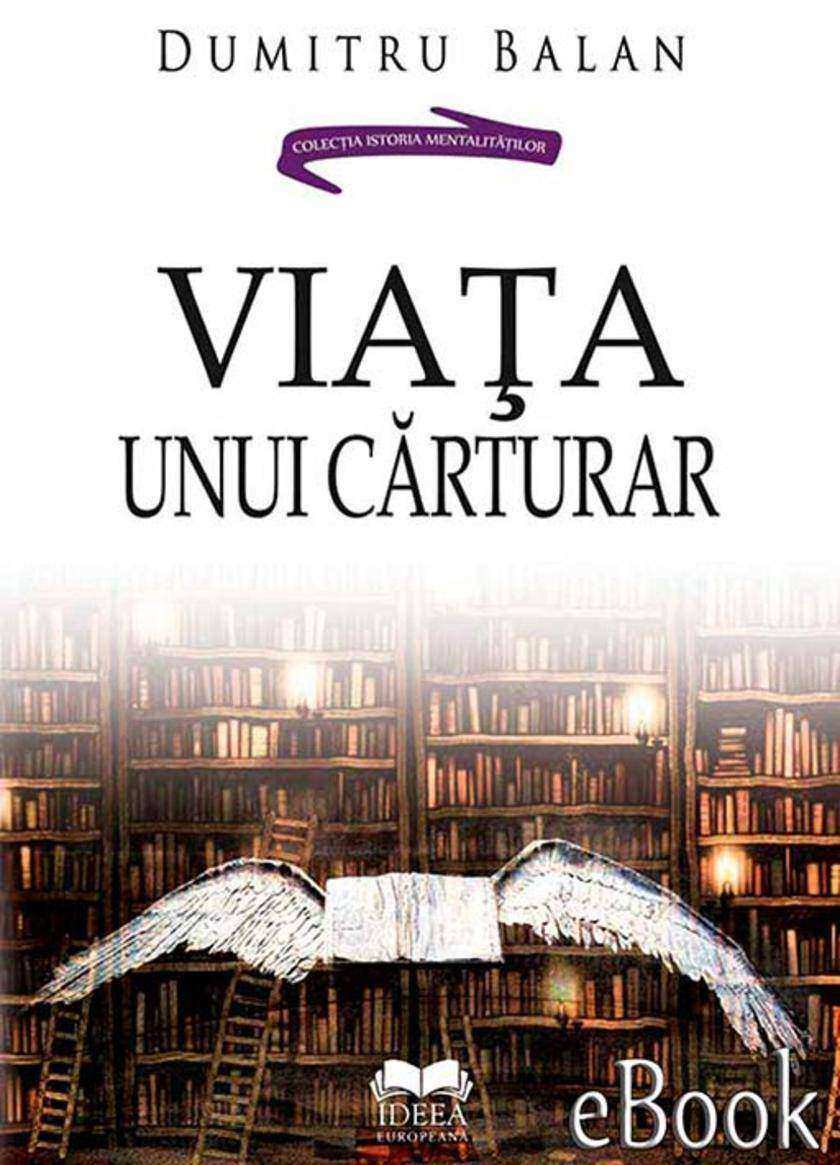
Via?a unui c?rturar
¥186.80
Tr?g?nd linie, am spune c? ne afl?m ?n prezen?a unui demers pertinent de mare actualitate, a unui pre?ios instrument de lucru menit s? umple un gol ?n literatura didactico-?tiin?ific? de specialitate, dar totodat? put?nd deveni util ?i unor cercuri intelectuale interesate de evolu?ia fenomenului poetic rusesc ?n secolul XX, situate ?n afara comunit??ii universitare. (Mircea Croitoru) E o bibliotec? umbl?toare. A citit mii de c?r?i ale altora ?i a scris c?teva ale sale. ?l recuno?ti dintr-o mie. Ziarele, revistele, c?r?ile ?i sunt lipite de degete. Merge pe strad? ?i cite?te, a?teapt? lini?tit la o coad? ?i cite?te. Absent pentru lumea aceasta viermuitoare ?i pragmatic?, el s-a retras protector ?n spatele ziarelor ?i c?r?ilor, ?i a rezistat. Cu o ?inut? sobr?, de o ?epeno?enie verde, demn? de ?ara Fagilor de unde-?i trage ob?r?ia, nu-i po?i da anii pe care, incredibil, ?i are. (…) Dac? te duci la el acas?, totul pare sprijinit pe tomuri, iar dac? ai proasta inspira?ie s? clinte?ti ceva, acea ?arhitectur? intelectual?“ ??i poate fi fatal?. Un soi de Manole Anapoda, zidit ?n chip de An? ?ntr-o m?n?stire de c?r?i. Prietenii ?i spun Dima. Am tradus ?mpreun? din Bulat Okudjava volumul de versuri C?ntecul esen?ial ?i, din mul?i al?i poe?i contemporani ru?i, ?n periodice. Metodic, punctual, suferind de acribie ?i, bine?n?eles, scufundat ?ntr-o lectur? atunci c?nd nu lucram ?mpreun?, a dovedit c? nu e doar un consumator de literatur?, ci ?i un excelent cunosc?tor al limbii din care traducea, ?i chiar un creator. ?l invidiez pentru felul sfid?tor ?n care ?tie s? uite de televizor ?i de calculator. Dima cite?te. El e scufundat ?n ecranul unei file de carte, al unei pagini de ziar sau de revist?. ?ntr-o vreme ?n care aceste dou? ustensile subjug? lumea obosind-o, nevroz?nd-o, ?mb?tr?nind-o, f?c?nd abstrac?ie de mirajul lor, el a r?mas ?nc? proasp?t, zdrav?n ?i t?n?r. (Passionaria Stoicescu)
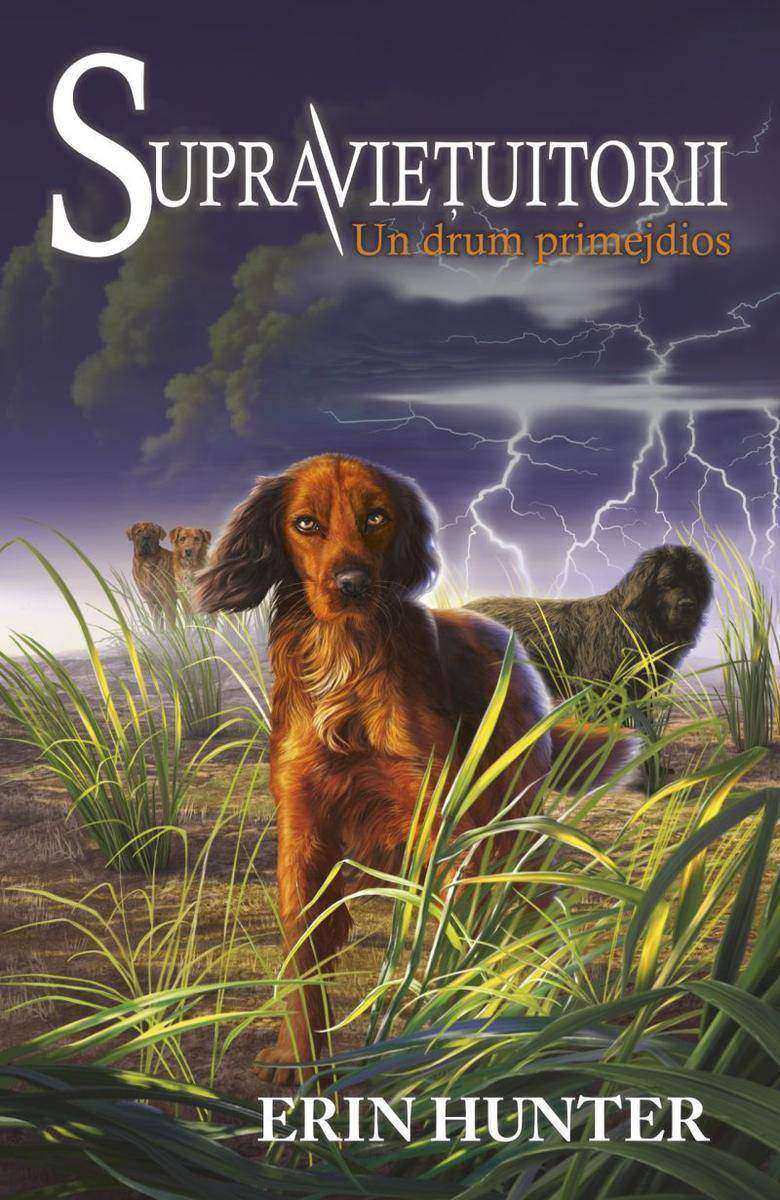
Supravie?uitorii. Cartea a IV-a - Un drum primejdios
¥73.49
Cartea reprezint? o minimonografie spectaculoas? despre proza, publicistica ?i poezia unuia dintre cei mai mari poe?i interbelici, Tudor Arghezi. M.V. Buciu are un instrumentar critic adus la zi, ca ?i bibliografia de altfel, aten?ia exegetului fiind focalizat? asupra operei acestui mare scriitor, contestat vehement ?n perioada post-decembrist?. ?n esen??, monografia lui M.V. Buciu, constituie o temeinic? tentativ? de rea?ezare a lui Tudor Arghezi ?n actualitatea literar?, readuc?nd ?n discu?ie, dar nu mai pu?in ?n actualitate, complexitatea personalit??ii argheziene, un urma? al poetului na?ional, Mihai Eminescu.
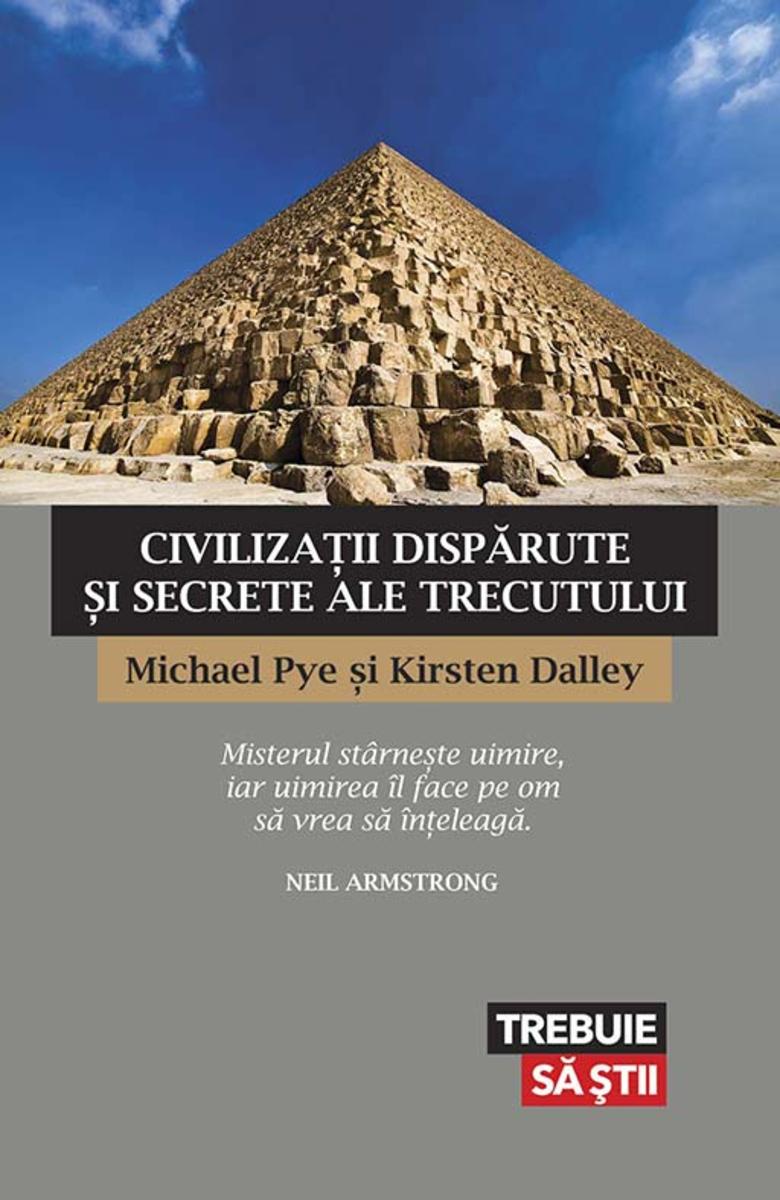
Civiliza?ii disp?rute ?i secrete ale trecutului
¥65.32
Am ales cazul de ruptur n evoluia unor exponeni proemineni din literatura romn actual, ruptura care a dus fie la impas, fie la regenerare. Pentru termenii conflictului un factor hotrtor l-a constituit n condiiile date epoca n formele ei de constrngere i de emulaie. Sunt convins c n alte circumstane ecuaia ar fi avut componente diferite. Nu sugerez c ar fi obligatorie restrngerea n ilustrarea pe care o propun, s-ar mai fi putut aduga cu aceeai ndreptite, recunosc, i alte aplicaii. Analizele nu sunt exhaustive, ele insist asupra unui fenomen caracteristic. Deruta ivit la unii pe traseu, parial sau total, s-a articulat pe planul angajrii civice i al nchegrii estetice. Trebuie s remarc o diferen n abordare, deoarece unii din cei selectai (G. Clinescu, M. Preda) nu mai sunt n via, aadar pentru ei e exclus posibilitatea unei schimbri de destin. A survenit pentru toi necesitatea unei racordri la orizontul epocii moderne, la presiunea raporturilor de for, la nvala dogmatismului, la ansele unei sincronizri cu Europa. Imperios necesar a fost lepdarea de prejudecile naionaliste i provinciale, ieirea din comarul ideologiei i al somaiei dure.“ – S. Damian
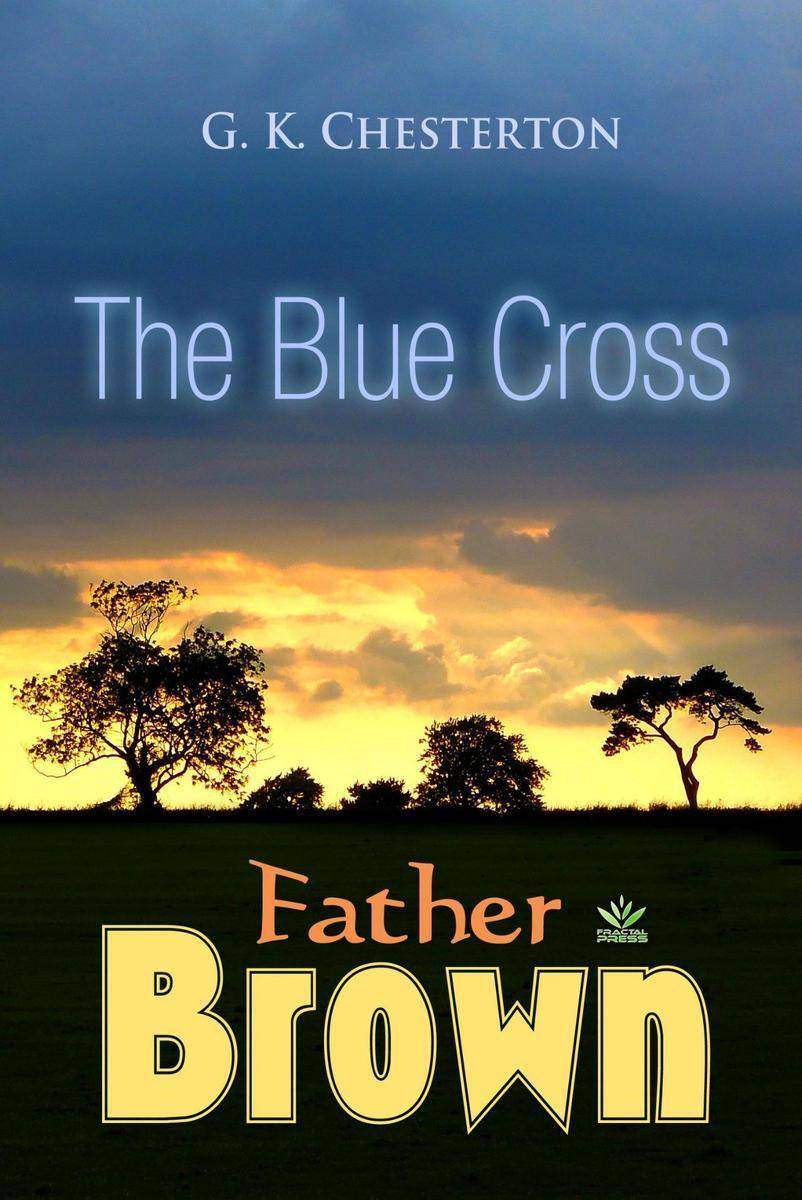
The Blue Cross
¥40.79
Farther Brown may be walking into a trap when he tries to save his soul as his precious Blue Cross is targeted by the notorious criminal Flambeau.
Short Book of Poetry
¥15.40
Poetry covering different topics from love, spiritual, hope, and sorrow. Woodland Hills In Woodland HillsAt evenings blushOn primrose pathsWe spoke till dusk Sharing our most inward desiresOn a night that lit a thousand firesWhile pressed against your cerise cheeksNear saffron flowersIn fields of wheat An unforgettable journey spentIn Woodland HillsWhere we both wentTo be among the dragonfliesAnd share our hearts?Until twilight cries

Waking the Lion:Inside Writing (1984 to 2017)
¥24.44
American futurist poet and playwright Mark Antony Rossi has selected essays, notes and interviews from the past thirty three years of writing covering poetry, short fiction and drama. A short book of instruction and discovery meant to help fellow writers.
Paradise Lost
¥8.09
This Tribeca Press edition includes the full original text as well as an easy to use interactive table of contents.
Can You Forgive Her?
¥40.79
The novel follows three parallel stories of courtship and marriage and the decisions of three strong women: Alice Vavasor, her cousin Glencora Palliser, and her aunt Arabella Greenow. Early on, Alice asks the question: What should a woman do with her life? This theme repeats itself in the dilemmas faced by the other women in the novel. Lady Glencora and her husband Plantagenet Palliser recur in the remainder of the Palliser series.
The Corsican Brothers
¥40.79
The story of two conjoined brothers who, though separated at birth, can still feel each other's pains.
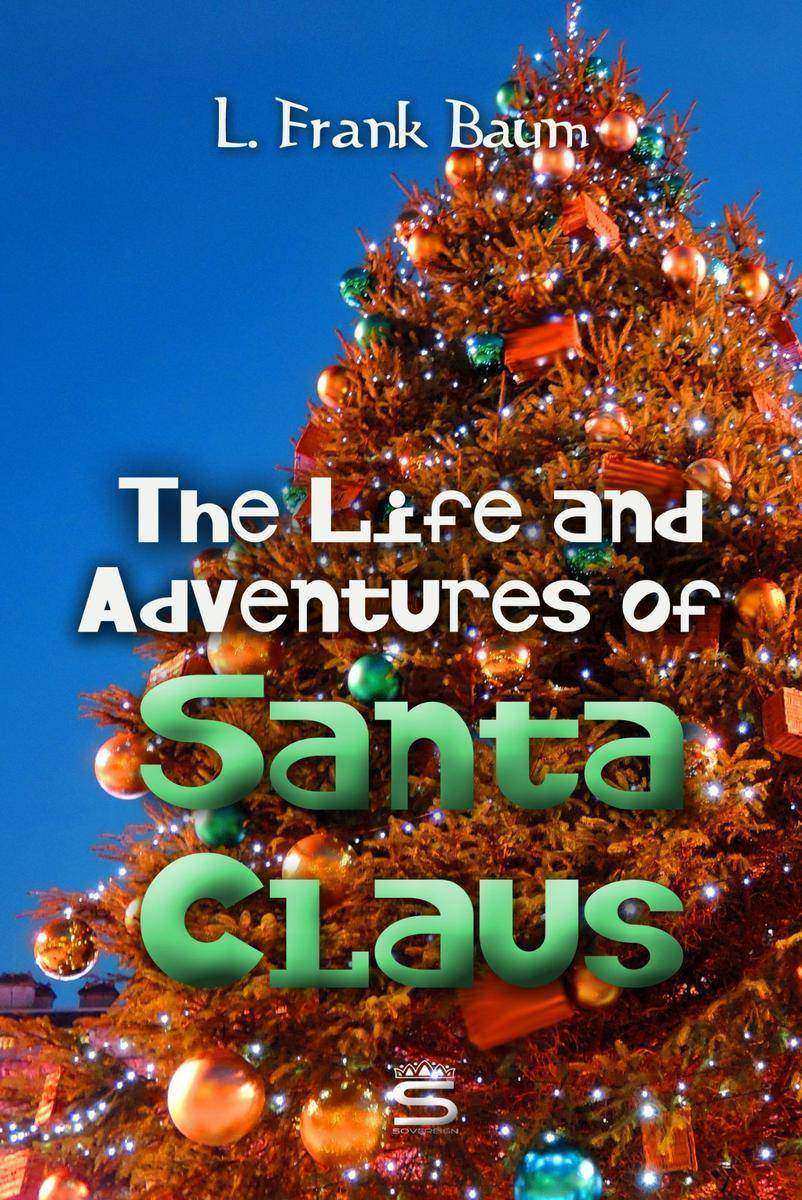
The Life and Adventures of Santa Claus
¥40.79
Santa Claus, as a baby is found in the Forest of Burzee and placed in the care of the lioness Shiegra. The Wood Nymph, Necile, breaks the law of the forest and takes the baby because she desires to raise a child of her own as mortals do. Necile calls him Claus, meaning little one in the old Burzee language.
Asystole
¥90.03
From the first pages it becomes apparent that Asystole is a novel about love of life in its purest, instinctive and intimate form. It’s also a novel about human faith in its existence and a desire to experience this love. Author Oleg Pavlov places his character – a boy who grows to be a man and is clearly personified by the writer’s own outlook on life – in impossible and familiar circumstances, impossible not to relate to. An adult is shaped in childhood. Chaotic, anxious and at the same time withdrawn narration seems to have no direction and no resolution. Except that the life of the people, who are in fact children of a broken destiny, is real and not much needs to be said to make it our own. Laconic and ‘to the point’ observations of Pavlov’s protagonist as he goes, are chilling at times. They pierce through flesh right to the bone – the quality only the naked truth can have. Asystole is moreover about the by-stander effect, about a disconnected and malfunctioning society and a struggle of one not to merge into the faceless mass of many. Modern, deeply thought through and heartfelt, this novel is an examination of the physics of human soul. Pavlov’s Universe has a special arrangement – if it was up to him, humans wouldn’t be allowed in it, for the privilege of being human requires living up to the title.
Dela: Gorski vijenac, Lu?a Mikrokozma, Slobodijada...
¥37.20
Dvestotu godi?njicu Njego?evog ro?enja 2013. Knji?evna radionica Ra?i? obele?ila je objavljivanjem elektronske knjige pod naslovom Dela Njego?eva. Ova knjiga sadr?i obiman izbor Njego?evih najva?nijih dela: Gorski Vijenac, Lu?a mikrokozma, La?ni car ??epan Mali, Slobodijada, Glas kamen?taka, Pustinjak cetinski, Kula ?uri?i?a -- ?ardak Aleksi?a, Prozni zapisi, No? skuplja vijeka, te Izabrana pisma.
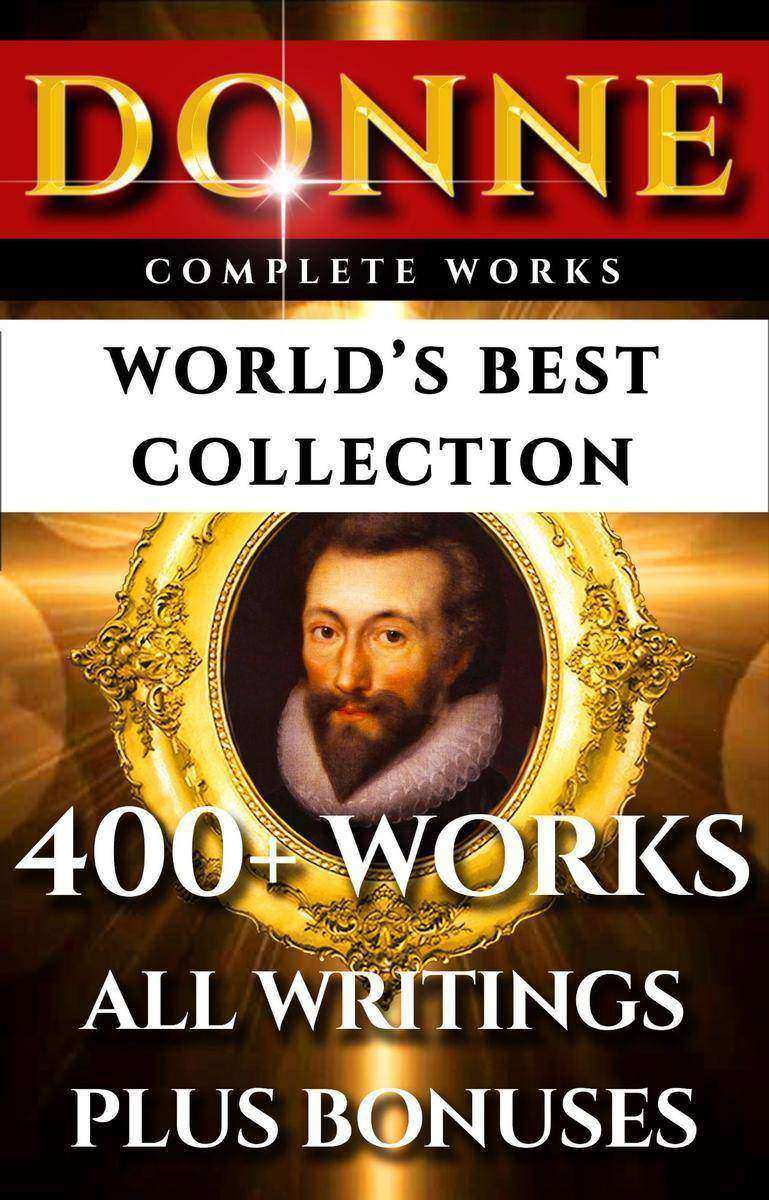
John Donne Complete Works – World’s Best Collection: 400+ Works
¥8.09
John Donne Complete Works World's Best Collection This is the world’s best John Donne collection, including the most complete set of Donne’s works available plus many free bonus materials. John Donne John Donne was an English poet, satirist, lawyer and a cleric in the Church of England. He is considered the pre-eminent representative of the metaphysical poets, his works noted for their strong, sensual style. Vibrancy of language and inventiveness of metaphor, and include sonnets, love poetry, religious poems, Latin translations, epigrams, elegies, songs, satires and sermons The ‘Must-Have’ Complete Collection In this irresistible collection you get Donne’s work, with more than 400 works - All his poems, All his poetry, All his Letters, All his Sermons, All his Devotions, All his Satires and Elegies, with notes and annotation, plus several full length biographies so you can experience the life of the man behind the words. With extra Bonus Material. Works Included: Holy Sonnets -?Full set of Donne’s sonnets, including among others: Holy Sonnet I: Thou Hast Made Me Holy Sonnet Iv: Oh my black soul! Holy Sonnet V: I Am A Little World Made Cunningly Elegies -?Full set of Donne’s elegies, including among others: Elegy Xii - Come Fates ; I fear you not ! All whom I owe Elegy Xvi. The Expostulation Elegy Xx (Alternate) Love’s War An Anatomy Of The World -?Including: The First Anniversary The Second Anniversary Satires -?Full Set of Donne’s satires Epicedes And Obsequies Upon The Death Of Sundry Personages Juvenilia: Or Certain Paradoxes And Problems Letters To Several Personages -?Known as other poems, these are letter Donne wrote to historical figures of the time.? Other Poetical Works -?Full set of Donne’s Poems in alphabetical order, including among many others: Death Be Not Proud The Canonization Devotions Upon Emergent Occasions -?Full set of Donne’s Devotions, Meditations and Expostulations Notes To Poems Sermons Of John Donne - Comlpete set of Donne’s 148 Sermons, including Donne’s famous final sermon: Death’s Duel Your Free Special BonusesBiographies Historical and Literary Context Notes on Metaphysical Poetry -?written specially for this collection Life Of John Donne By Izaak Walton Life Of John Donne By Augustus Jessopp Life Of Dr. Donne By Henry Alford Three biographies from different perspectives, the first being the famous Walton bio, Walton being closely connected with Donne and being one of those Donne wrote to often. Letters Of John Donne And Notes -?Rare additional letters Donne wrote. Doubtful Poems And Notes -?A set of poems attributed to Donne, but not always collected or known with certainty to have come from him, including: On a Flea on his Mistress’s Bosom Dr. Donne’s Farewell to the World Get This Collection Right Now This is the best John Donne collection you can get, so get it now and start enjoying and being inspired by his world like never before!
The Deserted Woman by Honoré de Balzac - Delphi Classics (Illustrated)
¥8.09
This eBook features the unabridged text of ‘The Deserted Woman by Honoré de Balzac - Delphi Classics (Illustrated)’ from the bestselling edition of ‘The Collected Works of Honoré de Balzac’. Having established their name as the leading publisher of classic literature and art, Delphi Classics produce publications that are individually crafted with superior formatting, while introducing many rare texts for the first time in digital print. The Delphi Classics edition of Balzac includes original annotations and illustrations relating to the life and works of the author, as well as individual tables of contents, allowing you to navigate eBooks quickly and easily. eBook features: * The complete unabridged text of ‘The Deserted Woman by Honoré de Balzac - Delphi Classics (Illustrated)’ * Beautifully illustrated with images related to Balzac’s works * Individual contents table, allowing easy navigation around the eBook * Excellent formatting of the text Please visit www.delphiclassics.com to learn more about our wide range of titles
Tarzan the Untamed by Edgar Rice Burroughs - Delphi Classics (Illustrated)
¥8.09
This eBook features the unabridged text of ‘Tarzan the Untamed by Edgar Rice Burroughs - Delphi Classics (Illustrated)’ from the bestselling edition of ‘The Complete Works of Edgar Rice Burroughs’. Having established their name as the leading publisher of classic literature and art, Delphi Classics produce publications that are individually crafted with superior formatting, while introducing many rare texts for the first time in digital print. The Delphi Classics edition of Burroughs includes original annotations and illustrations relating to the life and works of the author, as well as individual tables of contents, allowing you to navigate eBooks quickly and easily. eBook features: * The complete unabridged text of ‘Tarzan the Untamed by Edgar Rice Burroughs - Delphi Classics (Illustrated)’ * Beautifully illustrated with images related to Burroughs’s works * Individual contents table, allowing easy navigation around the eBook * Excellent formatting of the text Please visit www.delphiclassics.com to learn more about our wide range of titles
?zlemek Sevmekse, ?zlüyorum Seni
¥9.16
B?R DAMLA SEVG?YLE MERHABA ?Dokunan hafif bir esinti, bir damla ya?, bir kü?ük ka?amak bak??tan ve bir tatl? s?zden sonra yüre?in ?eperlerine yap???p kalan a?k?n izleriyle dolu ya?amakt?r belki de istenilen… ??zlemek sevgiyle yüre?e dokunmaksa; bir tatl? s?z, bir gidenin ard?ndan kalan iz, bir hüzün i?indeki umutsuzluklarda bile, umut arayan kalple var olmakt?r kimbilir belki de i?imizde kalan… ??zlemek; a?k?n g?zya?lar?nda, yar?n? olmayan a?klarda ve bir garip a?k?n i?inde bile mutlulu?u, sevginin kanatlar?nda ?zlemle arayarak yazmakt?r belki de sayfalarda saklanan… ?Kim bilir belki de sevgiyi i?inde bularak kanatlanmakt?r, kanats?z hallerinde bile ?zlemle a?ka u?makt?r… ?Her okunan ?iirin i?inde hissedebilmektir belki de; tarifi olmayan, tarifsiz o duyguyu, yüre?indeki bir k?v?lc?m ate?iyle canland?r?p ya?atabilmektir belki de arzulanan... ?Sevgiyle dolu sayfalarda, hissettiklerinizi bulup dolu dolu ya?aman?z dile?iyle… Cengiz ?ET?K 1964 y?l?nda Konya/Karap?nar do?du. ?lkokulu Emirgazi il?esinde okudu. Ortaokulu ve liseyi Karap?nar’da okudu. Endüstri Meslek Lisesi Torna tesviye’den mezun oldu. 1989 y?l?nda Burdur E?itim Yüksek Okulu’ndan S?n?f ??retmeni olarak mezun olduktan sonra 1990 y?l?ndan bu yana zaman zaman idarecilik yapsa da ?u an Uzman S?n?f ??retmeni olarak ?al??makta olup iki k?z babas?d?r. 1986 y?l?nda ilk ?yküsü “sonun Ba?lang?c?” bir sinema dergisinin a?t??? yar??mada birinci gelmi?tir. Finike yerel gazetelerinde 2005 y?l?ndan sonra bir?ok k??e yaz?lar? yay?nland?. 2006 y?l?nda ilk ?iir kitab? “Son S?züm Sana Gülüm” yay?nlad?. ?kinci kitab? “Siyahlarday?m Alev Bak??l?m” 2008 y?l?nda yay?nland?. Ayr?ca güfte halinde “ Siyahlarday?m” 2010 y?l?nda ve “Vazge? G?nlüm” 2016 y?l?nda iki ?iiri bestelenip ?ark? olarak hayat bulmu?tur. 2017 y?l? son ay?nda ilk bilimkurgu roman? “Pokentranl? G?kmen” okurlar?yla tan??t?.
A Lincoln Conscript
¥27.88
On the second day of July in the year 1863 the Civil War in America was at its height. Late in the preceding month Lee had turned his face northward, and, with an army of a hundred thou-sand Confederate soldiers at his back, had marched up into Penn-sylvania. There was little to hinder his advance. Refraining, by reason of strict orders, from wanton destruction of property, his soldiers nevertheless lived on the rich country through which they passed. York and Carlisle were in their grasp. Harrisburg was but a day’s march away, and now, on this second day of July, flushed with fresh victories, they had turned and were giving desperate battle, through the streets and on the hills of Gettysburg, to the Union armies that had followed them. The old commonwealth was stirred as she had not been stirred before since the fall of Sumter. Every town and village in the state responded quickly to the governor’s call for emergency troops to defend the capital city. Mount Hermon, already depleted by gen-erous early enlistments, and by the draft of 1862, gathered to-gether the bulk of the able-bodied men left in the village and its surroundings, and sent them forth in defense of the common-wealth. Not that Mount Hermon was in especial danger from Lee’s invasion, far from it. Up in the northeastern corner of the state, on a plateau of one of the low foot-hills of the Moosic range, sheltered by the mountains at its back, it was well protected, both by reason of distance and location, from the advancing foe. But Mount Hermon was intensely patriotic. In the days preceding the Revolution the sturdy pioneers from Connecticut had met the equally sturdy settlers from the domain of Penn, and on this plateau they had fought out their contentions and settled their differences; the son of the Pennamite had married the daughter of the Yankee; and the new race, with love of country tingeing every drop of its blood a deeper red, had stayed on and possessed the land. So, on this July day, when the armies of North and South were striving and struggling with each other in bloody combat back and forth across the plain and up the hills of Gettysburg, Mount Hermon’s heart beat fast. But it was not for themselves that these people were anxious. It was for the fathers, husbands, sons, lovers in that army with which Meade, untried and unproven, was endeavoring to match the strategy and strength of Lee. News of the first day’s skirmishing had reached the village, and it was felt that a great battle was imminent. In the early evening, while the women were still busy at their household tasks, the men gathered at the post-office and the stores, eager for late news, anxious to discuss the situation as they had learned it. In the meantime the boys of the town had congregated on the village green to resume the military drills which, with more or less frequency, they had carried on during the summer. These drills were not wholly without serious intent. It was play, indeed; but, out of the ranks of these boys, three of the older ones had already gone to the front to fight real battles; and it was felt, by the men of the town, that the boys could not be too thoroughly imbued with the military spirit. So, on this July evening, wakened into new ardor by the news from Gettysburg, they had gathered to resume their nightly work—and play.There were thirty-three of them, ranging in years all the way from eight to eighteen. They were eager and enthusiastic. At the command to fall in there was much pushing and jostling, much striving for desirable places, and even the young captain, with great show of authority, could not quite adjust all differences to the complete satisfaction of his men.Before the confusion had wholly ceased, and while there were still awkward gaps in the ranks, a tall, straight, shy-mannered boy of seventeen, who had remained hitherto on the outskirts of the group, quietly slipped into one of the vacant places.
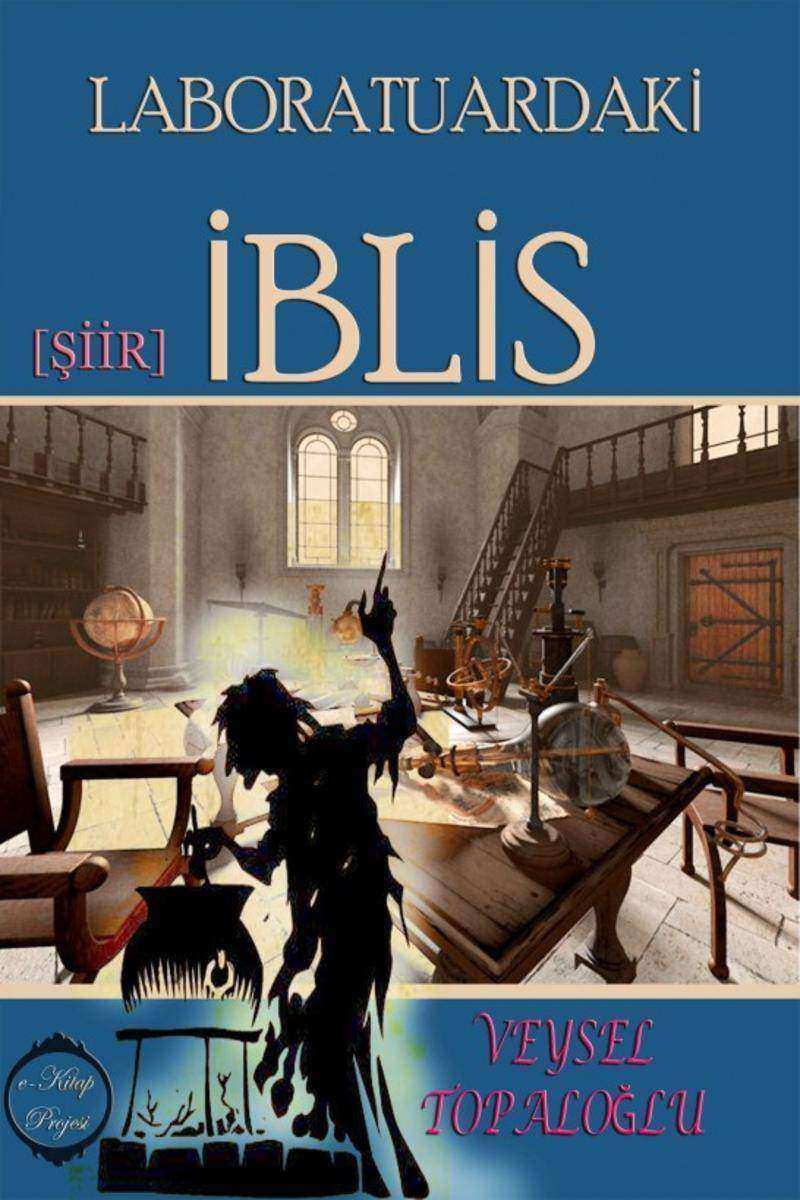
Laboratuardaki ?blis: ?iir
¥27.71
Yirmi birinci yüzy?lda, teknolojik geli?melerin de etkisiyle, büyük bir "öz güven patlamas?" ya?ayan insanl?k; kurulu?undan bu yana kendi yasalar?na göre çal??an ba?ta ekolojik sistem olmak üzere: Biyolojik ve jeolojik sistemlere müdahale ederek; kendi kurallar?na göre de?i?tirmeye kalkt?. ??te, ba?ta baz? hastal?klar olmak üzere; birçok sorunlar da burada ortaya ç?kt?. Maalesef bugün nerede ise hepimiz, hastay?z! Hastal?klar?m?z?n ise çe?it çe?it ad? olsa bile en yayg?n olan?: "Parçalama Hastal???" olup çok da kolay tedavi edilebilecek gibi de görünmemektedir.Günümüzde, teknolojik geli?mi?li?in de etkisiyle: ?nsano?lu, bütünü anlamak için onu parçalamay? seçti. Parçalar? üzerinden bütünü; anlamaya ve tan?maya çal??maktad?r.. Oysa ki, parçalar? birle?tirerek bütünü tan?mak hem daha kolay, hem de daha do?al bir yöntem oldu?unu da bilmesine ra?men.Y?llard?r; maddeleri parçalad?k yetmedi. Atomlar? parçalad?k bitmedi. Bu i? daha nereye kadar gidecek? Ve ne kadar daha sürecek? Bilinmez! Ancak bizler, bir an önce maddeleri ve sistemleri parçalamaktan vazgeçmek mecburiyetindeyiz! Yoksa: Korkar?m çok yak?nda, yeryüzündeki ya?am? kökünden bitirece?iz!..Bu arada, baz? "Laboratuvar Ka?iflerine" de birkaç hat?rlatmada bulunmak isterim:Hani; Sizlerin, mikro organizmalar? incelemek için hergün bakt???n?z o devasa büyüteçler'iniz (Dev Elektron Mikroskoplar?n?z) var ya! ??te o büyüteçler; inceledi?iniz o organizmalar?, sizlerin gözünde milyonlarca kez büyütmekte iken; sizleri de belki onlar?n "gözünde" milyonlarca kez küçültüyor olmas?nlar (?) Yine: Belki de sizler; onlar? tan?maya çal???rken; onlar da bizleri anlamaya çabal?yor olmas?nlar? Dahas?: Belki de onlar da bizleri merak ediyorlard?r (?) Kim bilir? Ne dersiniz? Bir de böyle dü?ünmeyi denemelisiniz!.."LABORATUARDAK? ?BL?S"{???R L?STES? & ?Ç?NDEK?LER}:YAZAR HAKKINDA {ÖZ GEÇM??}TANITMALIK {PROSPEKTÜS}T?N VE TENZERRELABORATUARDAK? ?BL?SB?ZDEN M?D?R?RUH YARASIKONDUNEFES?ST?R?DYEN?N HÜNER?MOLEKÜLER SEYAHATYARI?L?NÇHIZ/HAZ ÇEL??MECES?HAL?S YAPAYLIKLAR D?YARINDA -1MAZ?DEK? AYAK ?ZLER?MMAN?SA TARZANIARKA KAPAK?a’irin Yay?nlanm?? Di?er Kitaplar?VEYSEL TOPALO?LU (?A?R; SADEKUL)
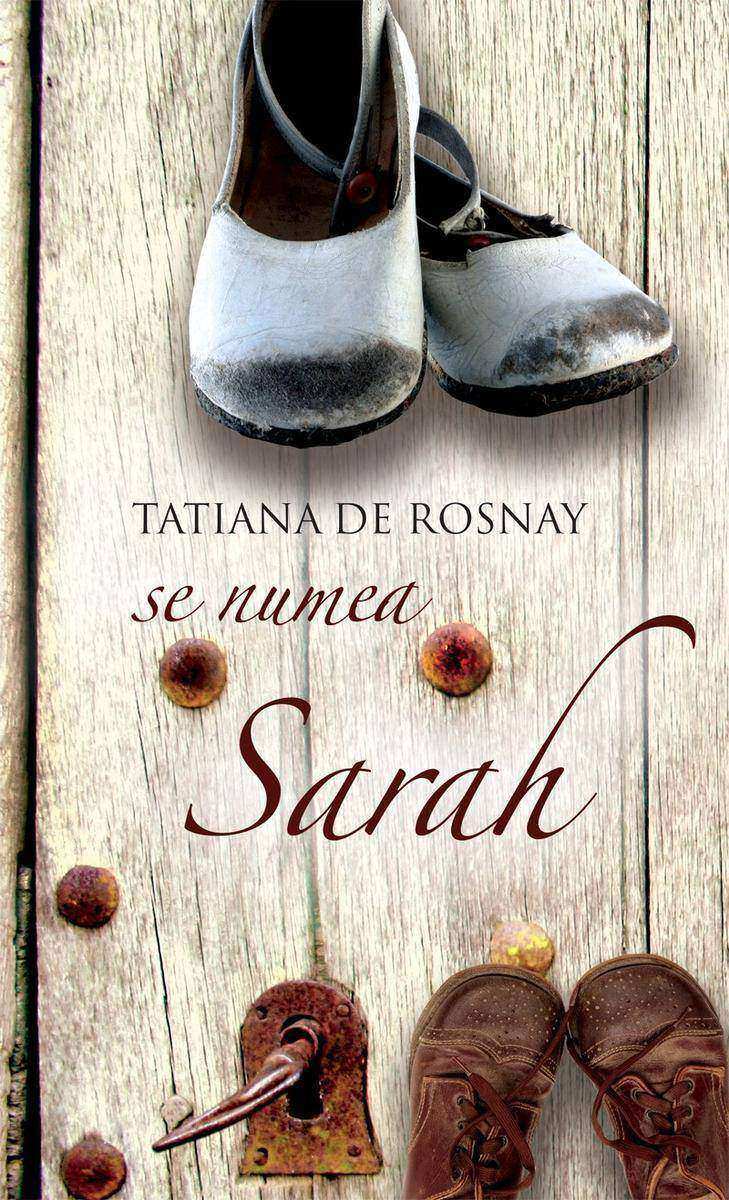
Se numea Sarah
¥66.22
Am mplinit, la 3 martie anul acesta, 81 de ani. O via de om, cu bune i mai puin bune. Am fost martor i actor al multor evenimente, dintre care unele au schimbat cursul istoriei. n cteva dintre aceste schimbri se poate gsi i contribuia mea.[…] Trecerea n revist a istoriei celor 21 de ani de la Revoluia din Decembrie 1989, cu reuite i nereuite, cu experiene pozitive i negative, cu bune i cu rele, trebuie s fie prilej de nvminte pentru toi, s ne inspire pentru a gsi cile cele mai potrivite de redresare i de cuplare a Romniei la procesul n curs de construcie european, n condiiile adncirii procesului amplu de globalizare a economiei i a vieii sociale, n beneficiul tuturor cetenilor rii.“Sunt un om de stnga, nu neg i nu-mi reneg trecutul. Mi-l asum, cu toate ale lui. Dar nimeni nu-mi poate reproa lipsa bunei-credine n ceea ce am fcut. i nici faptul c nu a fi evoluat, c nu a fi nvat din leciile pe care viaa i oamenii mi le-au dat.[…] Nu m-a interesat puterea n sine i nu am folosit puterea pe care am avut-o pentru a face ru sau n interes personal. Puterea devine interesant doar n momentul n care ai un proiect, i ea devine un instrument pentru materializarea lui.Nimic nu corupe mai mult dect puterea. i trebuie s fii, moral vorbind, extrem de puternic pentru a nu te lsa corupt de putere. mi place s cred c pe mine puterea nu m-a corupt. Muli au fost uimii de modul firesc n care s-a fcut transferul de putere n 1996, dup ce domnul Emil Constantinescu a ctigat alegerile prezideniale. Cei care se ateptau la altceva nu m cunosc. Nu mi-am dorit puterea, n 1989, ci mi-am asumat o responsabilitate. Era normal s fiu primul care s respecte regulile la structurarea crora lucrase.[…] Formal, suntem o ar cu toate instituiile i mecanismele unei ri europene, membr a Uniunii Europene. n realitate, lucrurile sunt departe de a fi normale. Am fost i sunt contient de faptul c acestea sunt marile noastre slbiciuni, cele care ne mpiedic s progresm. Nu tiu s existe o soluie miraculoas care s ne vindece de aceste pcate. Cred doar c libertatea de circulaie i dreptul romnilor de a munci n Europa vor permite, n timp, schimbarea profund a Romniei.“
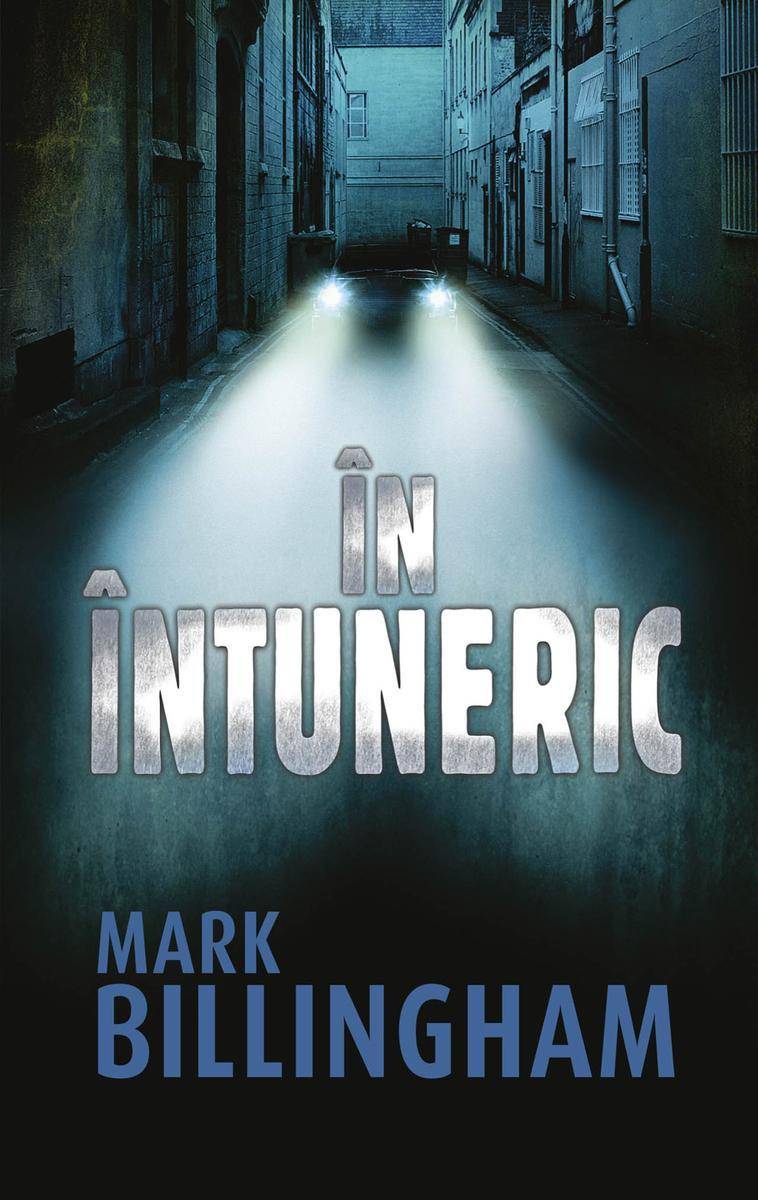
?n ?ntuneric
¥66.22
Coresponden?? primit? de Geo Bogza de la Stephan Roll, Sa?a Pan?, Mary-Ange Pan?, Victor Brauner, Ilarie Voronca, Colomba Voronca, grupul ?Alge“ ??n Epistolarul avangardist, care con?ine coresponden?a pe care Geo Bogza a primit-o de la reprezentan?ii grupului Alge, este ?i o poveste con?inut? aici, ?n aceste scrisori, o poveste de via??, de supravie?uire, de construire, de fapt, a unei poetici de grup ?i a unei ac?iuni culturale rom?ne.“ – Carmen Mu?at ?Pe mine cel mai mult m-a emo?ionat Epistolarul. Au fost ni?te lucruri de care nu ?tiam ?i pe care le-am citit cu foarte mult? emo?ie, ceea ce m-a f?cut s? mai r?scolesc ?i s? m? uit cu mai mult? aten?ie. Erau scrisori de la mama, am ?nceput s? m? uit ?i ?n jurnalul ei ?i am descoperit o serie de lucruri extraordinare. O s? continui s? cercetez.“ – Vladimir Pan?
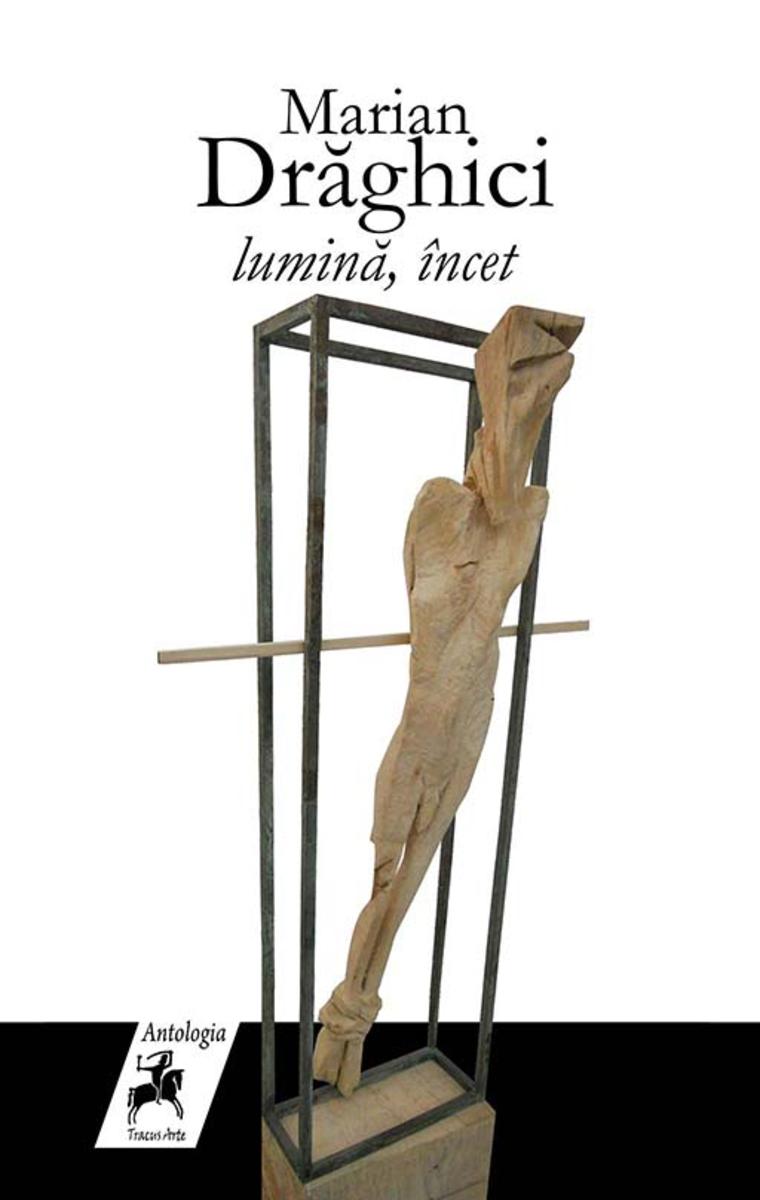
lumin?, ?ncet
¥24.44
C?t?lin Ghi?? este unul dintre cei mai serio?i, mai informa?i ?i mai inspira?i cercet?tori care se afirm? ?n comparatistica literar? ?i cultural? de la noi. Neotematismul s?u este unul atent la diferen?e – ?i ?n primul r?nd la diferen?a estetic? –, reticent fa?? de exploatarea ideologizant? a literaturii. Cartea de fa?? ??i acoper? tema cu mare grij?, cu acribie filologic? ?i teoretic?, dar o ?i dep??e?te uneori prin implica?ii nea?teptate ?i prin considera?ii de ansamblu. ?mi place ?n mod deosebit luciditatea autocritic? a autorului, ?n care v?d reflexul moral al modestiei ?i, ?n acela?i timp, orgoliul justificat al competen?ei profesionale“. – Mircea Martin


