


 购物车
购物车 个人中心
个人中心
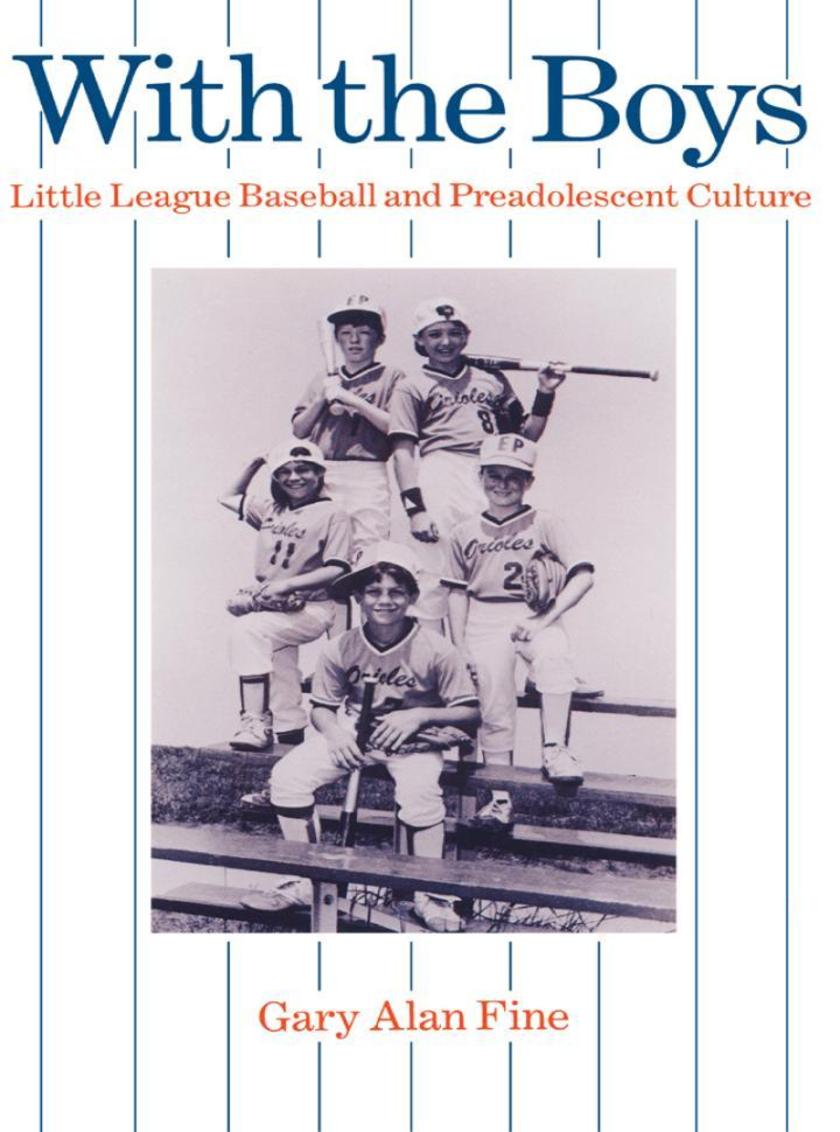
With the Boys
¥247.21
What are boys likeWho is the creature inhabiting the twilight zone between the perils of the Oedipus complex and the Strum und Drang of pubertyIn With the Boys, Gary Alan Fine examines the American male preadolescent by studying the world of Little League baseball. Drawings on three years of firsthand observation of five Little Leagues, Fine describes how, through organized sport and its accompanying activities, boys learn to play, work, and generally be "e;men."e;
Greater Ethiopia
¥247.21
Greater Ethiopia combines history, anthropology, and sociology to answer two major questions. Why did Ethiopia remain independent under the onslaught of European expansionism while other African political entities were colonizedAnd why must Ethiopia be considered a single cultural region despite its political, religious, and linguistic diversity?Donald Levine's interdisciplinary study makes a substantial contribution both to Ethiopian interpretive history and to sociological analysis. In his new preface, Levine examines Ethiopia since the overthrow of the monarchy in the 1970s."e;Ethiopian scholarship is in Professor Levine's debt. . . . He has performed an important task with panache, urbanity, and learning."e;-Edward Ullendorff, Times Literary Supplement"e;Upon rereading this book, it strikes the reader how broad in scope, how innovative in approach, and how stimulating in arguments this book was when it came out. . . . In the past twenty years it has inspired anthropological and historical research, stimulated theoretical debate about Ethiopia's cultural and historical development, and given the impetus to modern political thinking about the complexities and challenges of Ethiopia as a country. The text thus easily remains an absolute must for any Ethiopianist scholar to read and digest."e;-J. Abbink, Journal of Modern African Studies
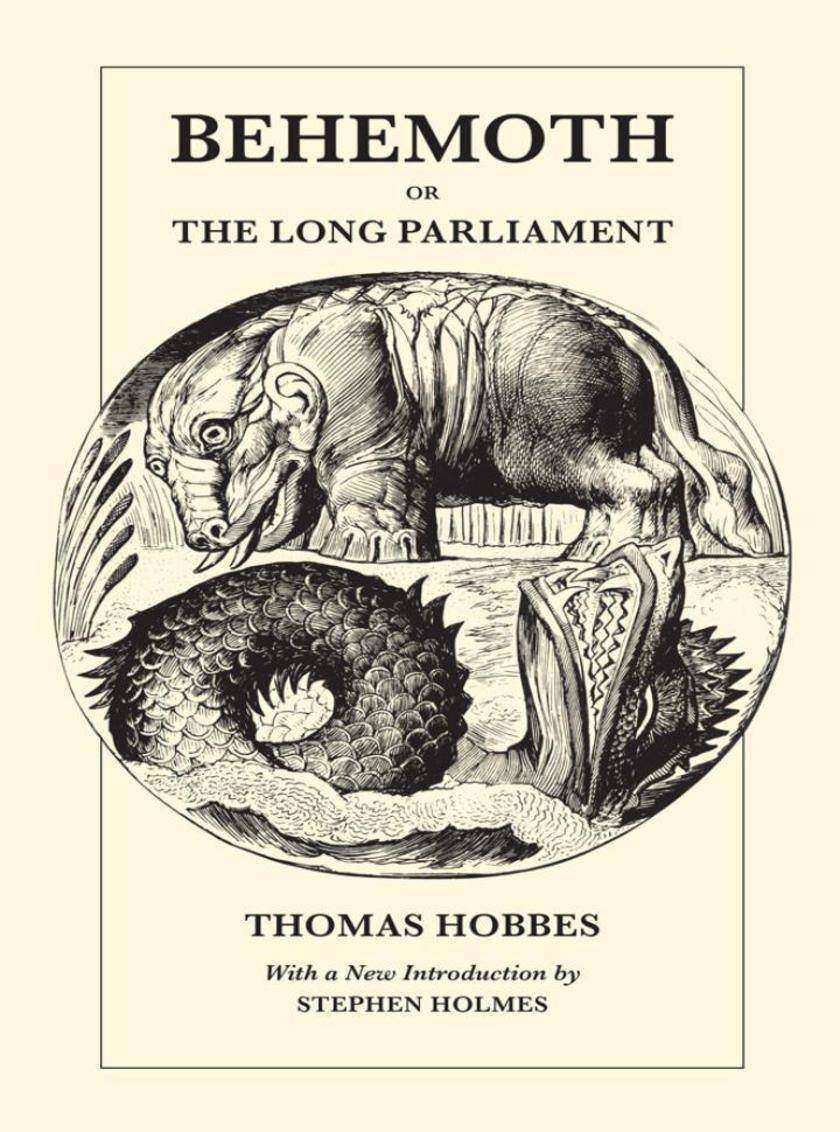
Behemoth or The Long Parliament
¥247.21
Behemoth, or The Long Parliament is essential to any reader interested in the historical context of the thought of Thomas Hobbes (1588-1679). In De Cive (1642) and Leviathan (1651), the great political philosopher had developed an analytical framework for discussing sedition, rebellion, and the breakdown of authority. Behemoth, completed around 1668 and not published until after Hobbe's death, represents the systematic application of this framework to the English Civil War.In his insightful and substantial Introduction, Stephen Holmes examines the major themes and implications of Behemoth in Hobbes's system of thought. Holmes notes that a fresh consideration of Behemoth dispels persistent misreadings of Hobbes, including the idea that man is motivated solely by a desire for self-preservation. Behemoth, which is cast as a series of dialogues between a teacher and his pupil, locates the principal cause of the Civil War less in economic interests than in the stubborn irrationality of key actors. It also shows more vividly than any of Hobbe's other works the importance of religion in his theories of human nature and behavior.
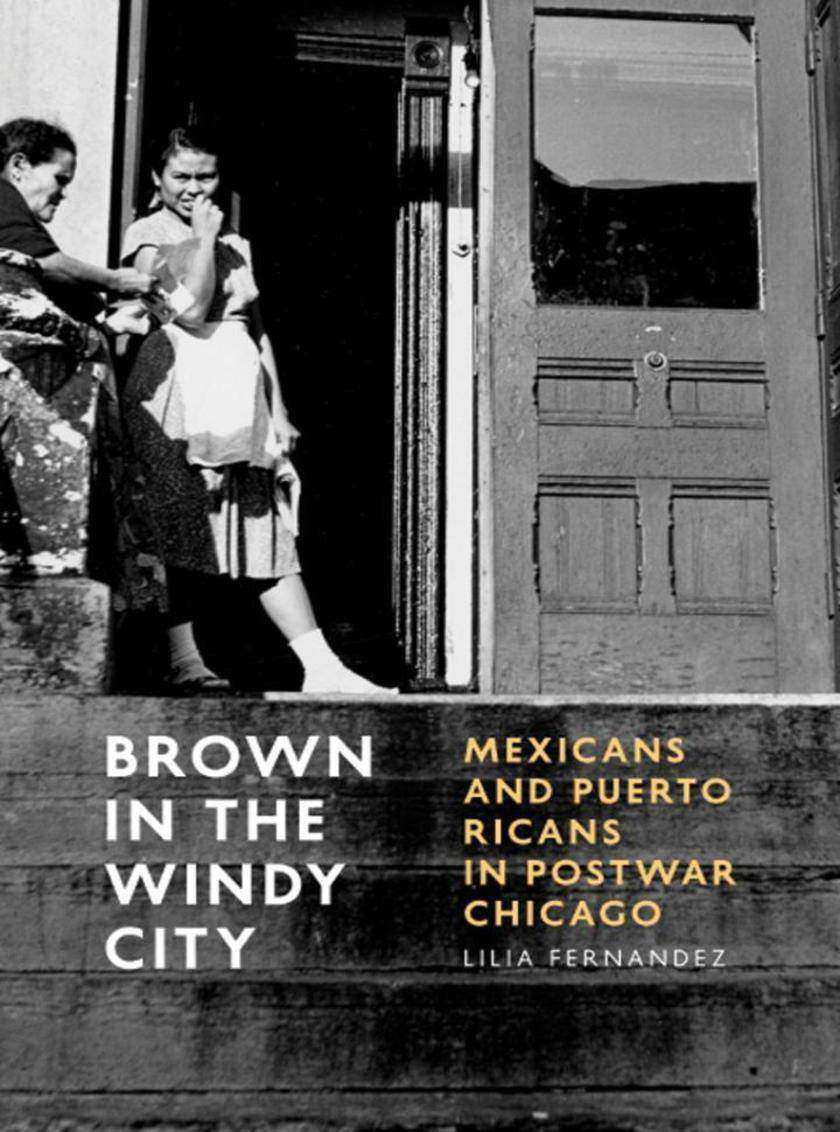
Brown in the Windy City
¥247.21
Brown in the Windy City?is the first history to examine the migration and settlement of Mexicans and Puerto Ricans in postwar Chicago. Lilia Fernndez reveals how the two populations arrived in Chicago in the midst of tremendous social and economic change and, in spite of declining industrial employment and massive urban renewal projects, managed to carve out a geographic and racial place in one of America's great cities. Through their experiences in the city's central neighborhoods over the course of these three decades, Fernndez demonstrates how Mexicans and Puerto Ricans collectively articulated a distinct racial position in Chicago, one that was flexible and fluid, neither black nor white.?
Four Last Songs
¥247.21
Aging and creativity can seem a particularly fraught relationship for artists, who often face age-related difficulties as their audience's expectations are at a peak. In?Four Last Songs, Linda and Michael Hutcheon explore this issue via the late works of some of the world's greatest composers.Giuseppe Verdi (1813-1901), Richard Strauss (1864-1949), Olivier Messiaen (1908-92), and Benjamin Britten (1913-76) all wrote operas late in life, pieces that reveal unique responses to the challenges of growing older. Verdi's?Falstaff, his only comedic success, combated Richard Wagner's influence by introducing young Italian composers to a new model of national music. Strauss, on the other hand, struggling with personal and political problems in Nazi Germany, composed the self-reflexive?Capriccio, a "e;life review"e; of opera and his own legacy. Though it exhausted him physically and emotionally, Messiaen at the age of seventy-five finished?his only opera,?Saint Franois d'Assise, which marked the pinnacle of his career. Britten, meanwhile, suffering from heart problems, refused surgery until he had completed his masterpiece,?Death in Venice. For all four composers, age, far from sapping their creative power, provided impetus for some of their best accomplishments.With its deft treatment of these composers' final years and works, Four Last Songs provides a valuable look at the challenges-and opportunities-that present themselves as artists grow older.
Futurity
¥353.16
When looking at how trauma is represented in literature and the arts, we tend to focus on the weight of the past. In this book, Amir Eshel suggests that this retrospective gaze has trapped us in a search for reason in the madness of the twentieth century's catastrophes at the expense of literature's prospective vision. Considering several key literary works, Eshel argues in Futurity that by grappling with watershed events of modernity, these works display a future-centric engagement with the past that opens up the present to new political, cultural, and ethical possibilities-what he calls futurity.?Bringing together postwar German, Israeli, and Anglo-American literature, Eshel traces a shared trajectory of futurity in world literature. He begins by examining German works of fiction and the debates they spurred over the future character of Germany's public sphere. Turning to literary works by Jewish-Israeli writers as they revisit Israel's political birth, he shows how these stories inspired a powerful reconsideration of Israel's identity. Eshel then discusses post-1989 literature-from Ian McEwan's Black Dogs to J. M. Coetzee's Diary of a Bad Year-revealing how these books turn to events like World War II and the Iraq War not simply to make sense of the past but to contemplate the political and intellectual horizon that emerged after 1989. Bringing to light how reflections on the past create tools for the future, Futurity reminds us of the numerous possibilities literature holds for grappling with the challenges of both today and tomorrow.
Economy of Glory
¥370.82
From the outset of Napoleon's career, the charismatic Corsican was compared to mythic heroes of antiquity like Achilles, and even today he remains the apotheosis of French glory, a value deeply embedded in the country's history. From this angle, the Napoleonic era can be viewed as the final chapter in the battle of the Ancients and Moderns. In this book, Robert Morrissey presents a literary and cultural history of glory and its development in France and explores the "e;economy of glory"e; Napoleon sought to implement in an attempt to heal the divide between the Old Regime and the Revolution. ?Examining how Napoleon saw glory as a means of escaping the impasse of Revolutionary ideas of radical egalitarianism, Morrissey illustrates the challenge the leader faced in reconciling the antagonistic values of virtue and self-interest, heroism and equality. He reveals that the economy of glory was both egalitarian, creating the possibility of an aristocracy based on merit rather than wealth, and traditional, being deeply embedded in the history of aristocratic chivalry and the monarchy-making it the heart of Napoleon's politics of fusion. Going beyond Napoleon, Morrissey considers how figures of French romanticism such as Chateaubriand, Balzac, and Hugo constantly reevaluated this legacy of glory and its consequences for modernity. Available for the first time in English, The Economy of Glory is a sophisticated and beautifully written addition to French history.
Lucretian Renaissance
¥447.34
With The Lucretian Renaissance, Gerard Passannante offers a radical rethinking of a familiar narrative: the rise of materialism in early modern Europe. Passannante begins by taking up the ancient philosophical notion that the world is composed of two fundamental opposites: atoms, as the philosopher Epicurus theorized, intrinsically unchangeable and moving about the void; and the void itself, or nothingness. Passannante considers the fact that this strain of ancient Greek philosophy survived and was transmitted to the Renaissance primarily by means of a poem that had seemingly been lost-a poem insisting that the letters of the alphabet are like the atoms that make up the universe.?By tracing this elemental analogy through the fortunes of Lucretius's On the Nature of Things, Passannante argues that, long before it took on its familiar shape during the Scientific Revolution, the philosophy of atoms and the void reemerged in the Renaissance as a story about reading and letters-a story that materialized in texts, in their physical recomposition, and in their scattering.?From the works of Virgil and Macrobius to those of Petrarch, Poliziano, Lambin, Montaigne, Bacon, Spenser, Gassendi, Henry More, and Newton, The Lucretian Renaissance recovers a forgotten history of materialism in humanist thought and scholarly practice and asks us to reconsider one of the most enduring questions of the period: what does it mean for a text, a poem, and philosophy to be "e;reborn"e;?
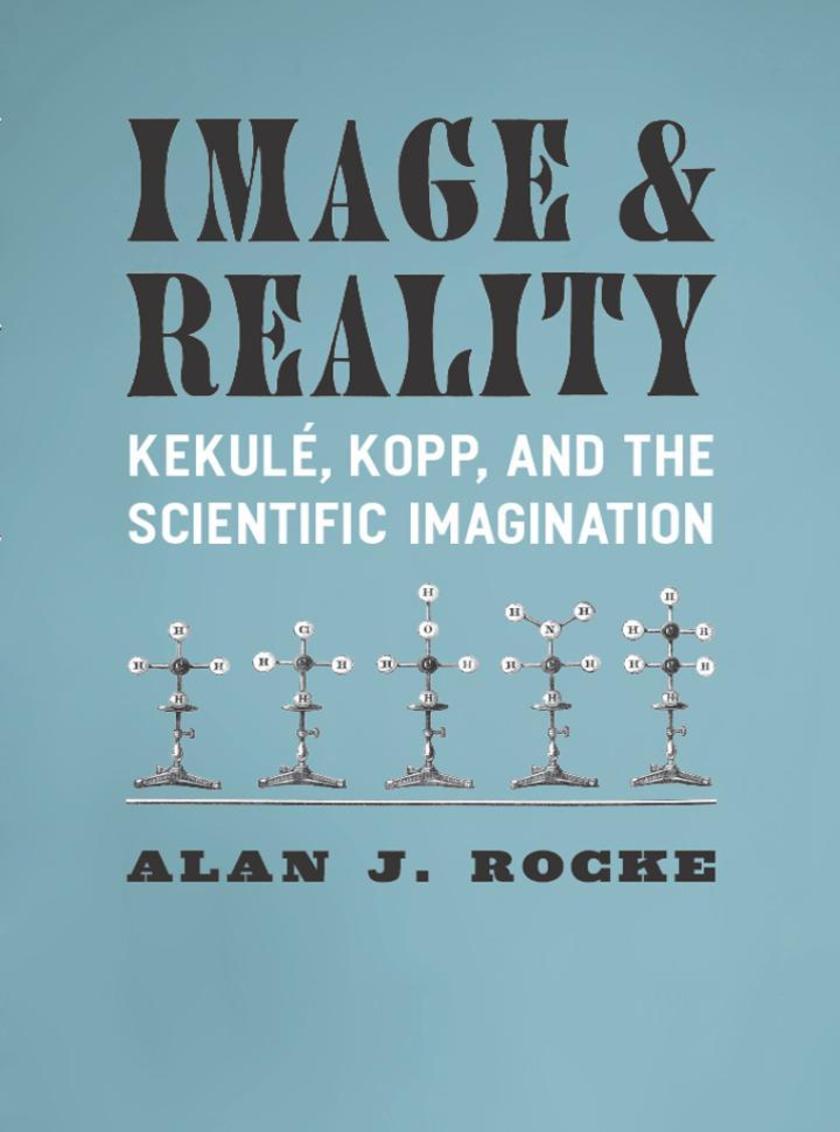
Image and Reality
¥447.34
Nineteenth-century chemists were faced with a particular problem: how to depict the atoms and molecules that are beyond the direct reach of our bodily senses. In visualizing this microworld, these scientists were the first to move beyond high-level philosophical speculations regarding the unseen. In Image and Reality, Alan Rocke focuses on the community of organic chemists in Germany to provide the basis for a fuller understanding of the nature of scientific creativity.?Arguing that visual mental images regularly assisted many of these scientists in thinking through old problems and new possibilities, Rocke uses a variety of sources, including private correspondence, diagrams and illustrations, scientific papers, and public statements, to investigate their ability to not only imagine the invisibly tiny atoms and molecules upon which they operated daily, but to build detailed and empirically based pictures of how all of the atoms in complicated molecules were interconnected. These portrayals of "e;chemical structures,"e; both as mental images and as paper tools, gradually became an accepted part of science during these years and are now regarded as one of the central defining features of chemistry.In telling this fascinating story in a manner accessible to the lay reader, Rocke also suggests that imagistic thinking is often at the heart of creative thinking in all fields.Image and Reality is the first book in the Synthesis series, a series in the history of chemistry, broadly construed, edited by Angela N. H. Creager, John E. Lesch, Stuart W. Leslie, Lawrence M. Principe, Alan Rocke, E.C. Spary, and Audra J. Wolfe, in partnership with the Chemical Heritage Foundation.
Stations in the Field
¥329.62
When we think of sites of animal research that symbolize modernity, the first places that come to mind are grand research institutes in cities and near universities that house the latest in equipment and technologies, not the surroundings of the bird's nest, the octopus's garden in the sea, or the parts of inland lakes in which freshwater plankton reside. Yet during the late nineteenth and early twentieth centuries, a group of zoologists began establishing novel, indeed modern ways of studying nature, propagating what present-day ecologists describe as place-based research.Raf De Bont's Stations in the Field focuses on the early history of biological field stations and the role these played in the rise of zoological place-based research. Beginning in the 1870s, a growing number of biological field stations were founded-first in Europe and later elsewhere around the world-and thousands of zoologists received their training and performed their research at these sites. Through case studies, De Bont examines the material and social context in which field stations arose, the actual research that was produced in these places, the scientific claims that were developed there, and the rhetorical strategies that were deployed to convince others that these claims made sense. From the life of parasitic invertebrates in northern France and freshwater plankton in Schleswig-Holstein, to migratory birds in East Prussia and pest insects in Belgium, De Bont's book is fascinating tour through the history of studying nature in nature.
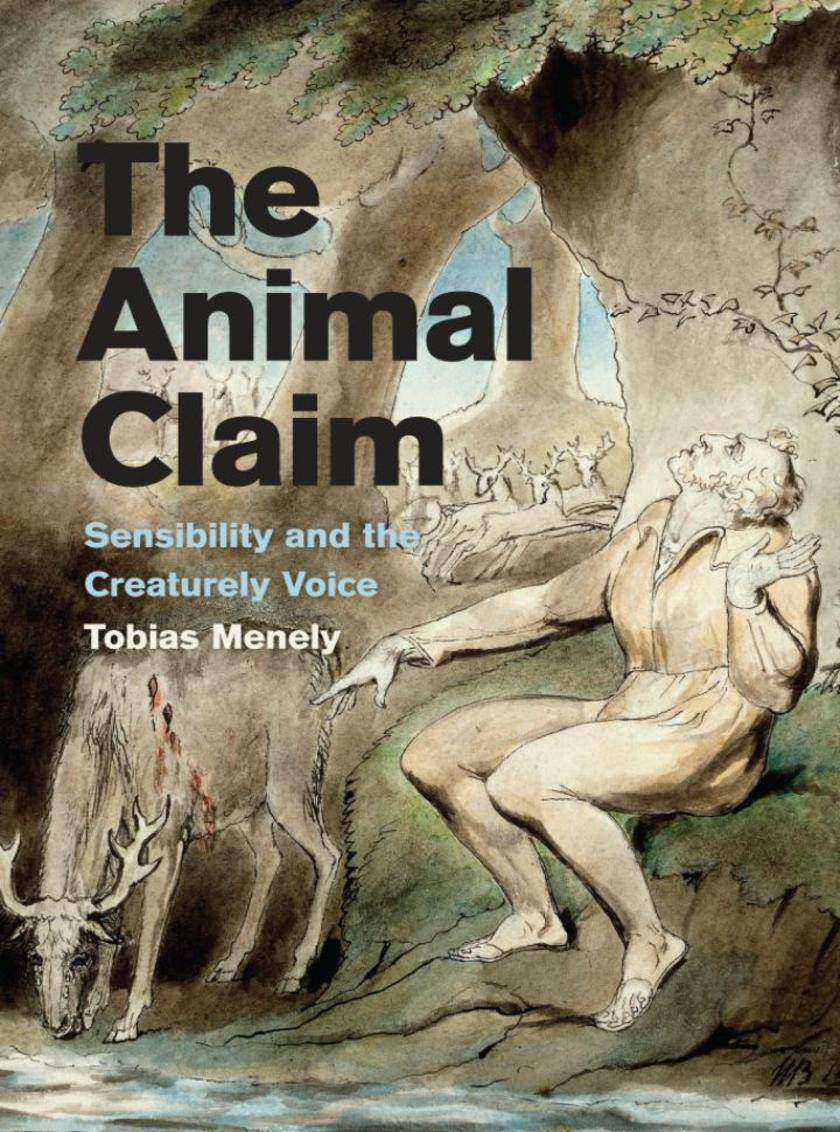
Animal Claim
¥247.21
During the eighteenth century, some of the most popular British poetry showed a responsiveness to animals that anticipated the later language of animal rights. Such poems were widely cited in later years by legislators advocating animal welfare laws like Martin's Act of 1822, which provided protections for livestock. In The Animal Claim, Tobias Menely links this poetics of sensibility with Enlightenment political philosophy, the rise of the humanitarian public, and the fate of sentimentality, as well as longstanding theoretical questions about voice as a medium of communication. ?In the Restoration and eighteenth century, philosophers emphasized the role of sympathy in collective life and began regarding the passionate expression humans share with animals, rather than the spoken or written word, as the elemental medium of community. Menely shows how poetry came to represent this creaturely voice and, by virtue of this advocacy, facilitated the development of a viable discourse of animal rights in the emerging public sphere. Placing sensibility in dialogue with classical and early-modern antecedents as well as contemporary animal studies, The Animal Claim uncovers crucial connections between eighteenth-century poetry; theories of communication; and post-absolutist, rights-based politics. ?
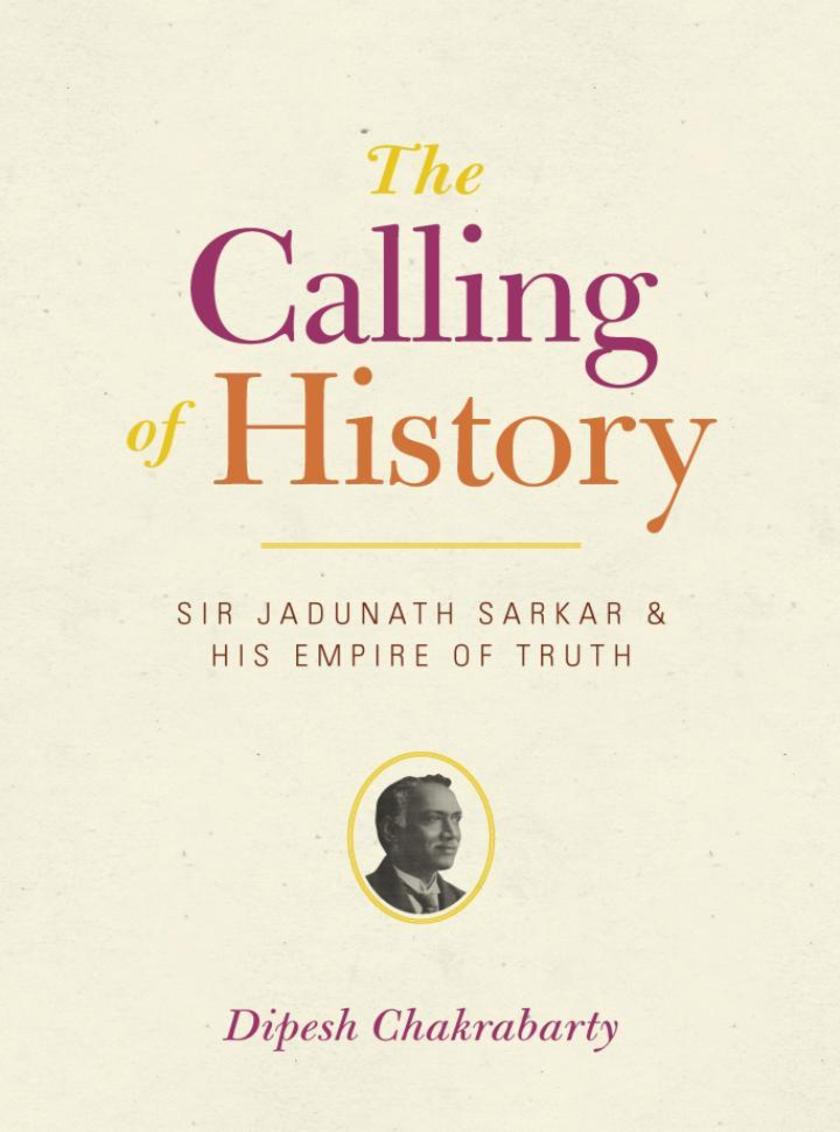
Calling of History
¥247.21
A leading scholar in early twentieth-century India, Sir Jadunath Sarkar (1870-1958) was knighted in 1929 and became the first Indian historian to gain honorary membership in the American Historical Association. By the end of his lifetime, however, he had been marginalized by the Indian history establishment, as postcolonial historians embraced alternative approaches in the name of democracy and anti-colonialism. The Calling of History examines Sarkar's career-and poignant obsolescence-as a way into larger questions about the discipline of history and its public life.Through close readings of more than twelve hundred letters to and from Sarkar along with other archival documents, Dipesh Chakrabarty demonstrates that historians in colonial India formulated the basic concepts and practices of the field via vigorous-and at times bitter and hurtful-debates in the public sphere. He furthermore shows that because of its non-technical nature, the discipline as a whole remains susceptible to pressure from both the public and the academy even today. Methodological debates and the changing reputations of scholars like Sarkar, he argues, must therefore be understood within the specific contexts in which particular histories are written.Insightful and with far-reaching implications for all historians, The Calling of History offers a valuable look at the double life of history and how tensions between its public and private sides played out in a major scholar's career.
Man Is by Nature a Political Animal
¥265.87
In Man Is by Nature a Political Animal, Peter K. Hatemi and Rose McDermott bring together a diverse group of contributors to examine the ways in which evolutionary theory and biological research are increasingly informing analyses of political behavior. Focusing on the theoretical, methodological, and empirical frameworks of a variety of biological approaches to political attitudes and preferences, the authors consider a wide range of topics, including the comparative basis of political behavior, the utility of formal modeling informed by evolutionary theory, the genetic bases of attitudes and behaviors, psychophysiological methods and research, and the wealth of insight generated by recent research on the human brain. Through this approach, the book reveals the biological bases of many previously unexplained variances within the extant models of political behavior.?The diversity of methods discussed and variety of issues examined here will make this book of great interest to students and scholars seeking a comprehensive overview of this emerging approach to the study of politics and behavior.

Wartime President
¥247.21
"e;It is the nature of war to increase the executive at the expense of the legislative authority,"e; wrote Alexander Hamilton in the Federalist Papers. The balance of power between Congress and the president has been a powerful thread throughout American political thought since the time of the Founding Fathers. And yet, for all that has been written on the topic, we still lack a solid empirical or theoretical justification for Hamilton's proposition.?For the first time, William G. Howell, Saul P. Jackman, and Jon C. Rogowski systematically analyze the question. Congress, they show, is more likely to defer to the president's policy preferences when political debates center on national rather than local considerations. Thus, World War II and the post-9/11 wars in Afghanistan and Iraq significantly augmented presidential power, allowing the president to enact foreign and domestic policies that would have been unattainable in times of peace. But, contrary to popular belief, there are also times when war has little effect on a president's influence in Congress. The Vietnam and Gulf Wars, for instance, did not nationalize our politics nearly so much, and presidential influence expanded only moderately.?Built on groundbreaking research, The Wartime President offers one of the most significant works ever written on the wartime powers presidents wield at home.

Behind Closed Doors
¥265.87
Although the subject of federally mandated Institutional Review Boards (IRBs) has been extensively debated, we actually do not know much about what takes place when they convene. The story of how IRBs work today is a story about their past as well as their present, and Behind Closed Doors is the first book to meld firsthand observations of IRB meetings with the history of how rules for the treatment of human subjects were formalized in the United States in the decades after World War II.?Drawing on extensive archival sources, Laura Stark reconstructs the daily lives of scientists, lawyers, administrators, and research subjects working-and "e;warring"e;-on the campus of the National Institutes of Health, where they first wrote the rules for the treatment of human subjects. Stark argues that the model of group deliberation that gradually crystallized during this period reflected contemporary legal and medical conceptions of what it meant to be human, what political rights human subjects deserved, and which stakeholders were best suited to decide. She then explains how the historical contingencies that shaped rules for the treatment of human subjects in the postwar era guide decision making today-within hospitals, universities, health departments, and other institutions in the United States and across the globe. Meticulously researched and gracefully argued, Behind Closed Doors will be essential reading for sociologists and historians of science and medicine, as well as policy makers and IRB administrators.
Gentleman Troubadours and Andean Pop Stars
¥247.21
Exploring Peru's lively music industry and the studio producers, radio DJs, and program directors that drive it, Gentleman Troubadours and Andean Pop Stars is a fascinating account of the deliberate development of artistic taste. Focusing on popular huayno music and the ways it has been promoted to Peru's emerging middle class, Tucker tells a complex story of identity making and the marketing forces entangled with it, providing crucial insights into the dynamics among art, class, and ethnicity that reach far beyond the Andes.?Tucker focuses on the music of Ayacucho, Peru, examining how media workers and intellectuals there transformed the city's huayno music into the country's most popular style. By marketing contemporary huayno against its traditional counterpart, these agents, Tucker argues, have paradoxically reinforced ethnic hierarchies at the same time that they have challenged them. Navigating between a burgeoning Andean bourgeoisie and a music industry eager to sell them symbols of newfound sophistication, Gentleman Troubadours and Andean Pop Stars is a deep account of the real people behind cultural change.
Accommodated Animal
¥229.55
Shakespeare wrote of lions, shrews, horned toads, curs, mastiffs, and hellhounds. But the word "e;animal"e; itself only appears very rarely in his work, which was in keeping with sixteenth-century usage. As Laurie Shannon reveals in The Accommodated Animal, the modern human / animal divide first came strongly into play in the seventeenth century, with Descartes's famous formulation that reason sets humans above other species: "e;I think, therefore I am."e; Before that moment, animals could claim a firmer place alongside humans in a larger vision of belonging, or what she terms cosmopolity.?With Shakespeare as her touchstone, Shannon explores the creaturely dispensation that existed until Descartes. She finds that early modern writers used classical natural history and readings of Genesis to credit animals with various kinds of stakeholdership, prerogative, and entitlement, employing the language of politics in a constitutional vision of cosmic membership. Using this political idiom to frame cross-species relations, Shannon argues, carried with it the notion that animals possess their own investments in the world, a point distinct from the question of whether animals have reason. It also enabled a sharp critique of the tyranny of humankind. By answering "e;the question of the animal"e; historically, The Accommodated Animal makes a brilliant contribution to cross-disciplinary debates engaging animal studies, political theory, intellectual history, and literary studies.

Before the Law
¥188.35
Animal studies and biopolitics are two of the most dynamic areas of interdisciplinary scholarship, but until now, they have had little to say to each other. Bringing these two emergent areas of thought into direct conversation in Before the Law, Cary Wolfe fosters a new discussion about the status of nonhuman animals and the shared plight of humans and animals under biopolitics.?Wolfe argues that the human-animal distinction must be supplemented with the central distinction of biopolitics: the difference between those animals that are members of a community and those that are deemed killable but not murderable. From this understanding, we can begin to make sense of the fact that this distinction prevails within both the human and animal domains and address such difficult issues as why we afford some animals unprecedented levels of care and recognition while subjecting others to unparalleled forms of brutality and exploitation. Engaging with many major figures in biopolitical thought-from Heidegger, Arendt, and Foucault to Agamben, Esposito, and Derrida-Wolfe explores how biopolitics can help us understand both the ethical and political dimensions of the current questions surrounding the rights of animals.
African American Writers and Classical Tradition
¥241.33
Constraints on freedom, education, and individual dignity have always been fundamental in determining who is able to write, when, and where. Considering the singular experience of the African American writer, William W. Cook and James Tatum here argue that African American literature did not develop apart from canonical Western literary traditions but instead grew out of those literatures, even as it adapted and transformed the cultural traditions and religions of Africa and the African diaspora along the way.Tracing the interaction between African American writers and the literatures of ancient Greece and Rome, from the time of slavery and its aftermath to the civil rights era and on into the present, the authors offer a sustained and lively discussion of the life and work of Phillis Wheatley, Frederick Douglass, Ralph Ellison, and Rita Dove, among other highly acclaimed poets, novelists, and scholars. Assembling this brilliant and diverse group of African American writers at a moment when our understanding of classical literature is ripe for change, the authors paint an unforgettable portrait of our own reception of "e;classic"e; writing, especially as it was inflected by American racial politics.
Dawn of Green
¥147.15
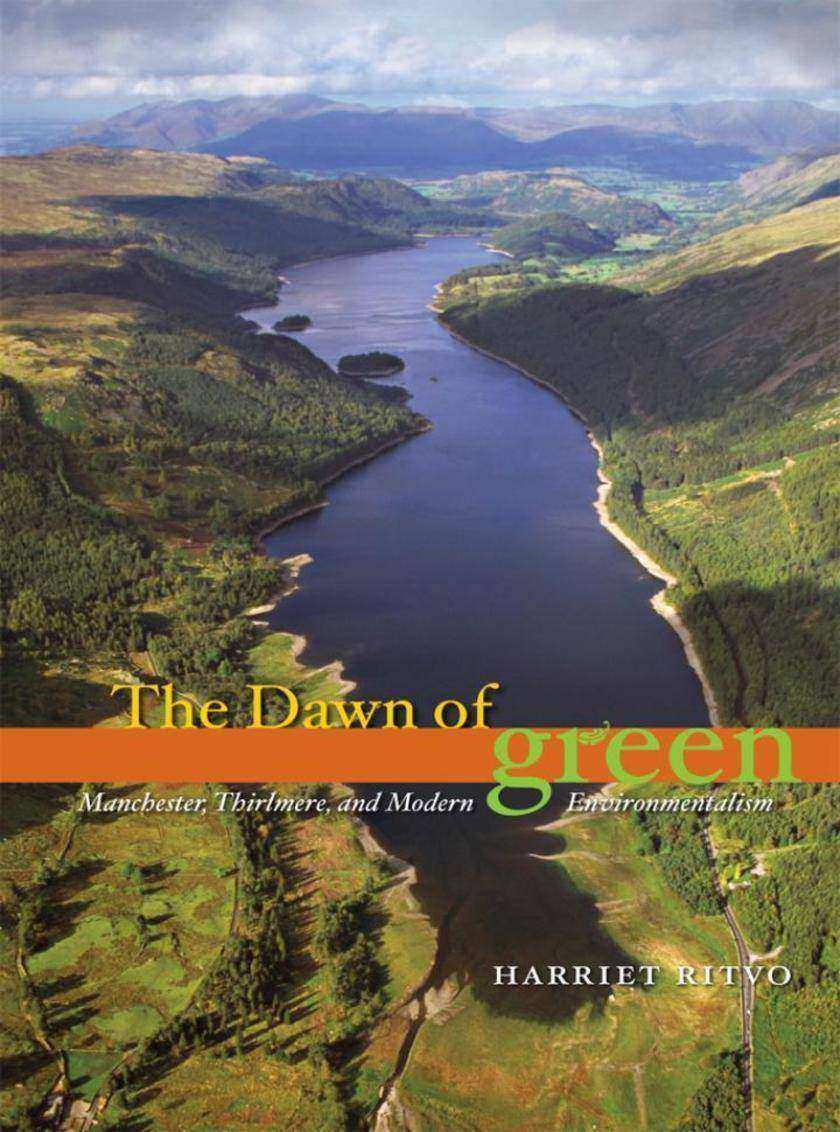
Located in the heart of England's Lake District, the placid waters of Thirlmere seem to be the embodiment of pastoral beauty. But under their calm surface lurks the legacy of a nineteenth-century conflict that pitted industrial progress against natural conservation-and helped launch the environmental movement as we know it. Purchased by the city of Manchester in the 1870s, Thirlmere was dammed and converted into a reservoir, its water piped one hundred miles south to the burgeoning industrial city and its workforce. This feat of civil engineering-and of natural resource diversion-inspired one of the first environmental struggles of modern times. The Dawn of Green re-creates the battle for Thirlmere and the clashes between conservationists who wished to preserve the lake and developers eager to supply the needs of a growing urban population. Bringing to vivid life the colorful and strong-minded characters who populated both sides of the debate, noted historian Harriet Ritvo revisits notions of the natural promulgated by romantic poets, recreationists, resource managers, and industrial developers to establish Thirlmere as the template for subsequent-and continuing-environmental struggles.
Operas of Giuseppe Verdi
¥453.22
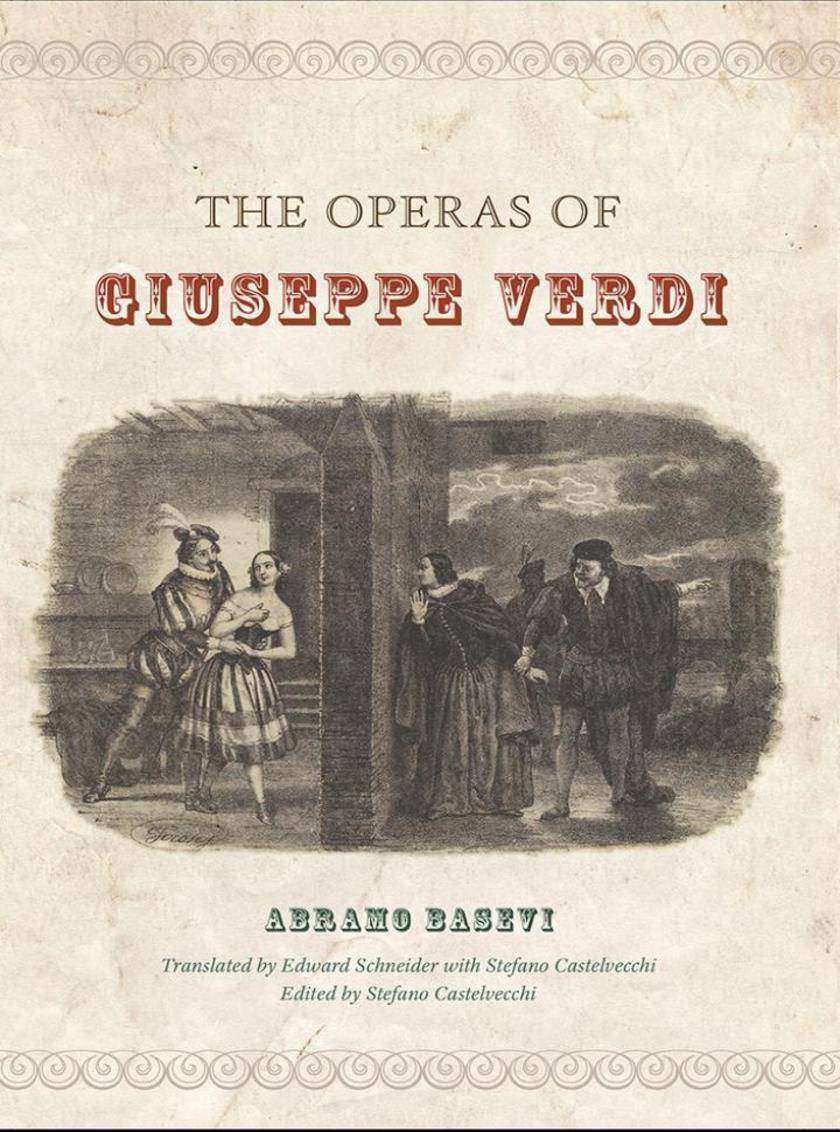
Abramo Basevi published his study of Verdi's operas in Florence in 1859, in the middle of the composer's career. The first thorough, systematic examination of Verdi's operas, it covered the twenty works produced between 1842 and 1857-from Nabucco and Macbeth to Il trovatore, La traviata, and Aroldo. But while Basevi's work is still widely cited and discussed-and nowhere more so than in the English-speaking world-no translation of the entire volume has previously been available. The Operas of Giuseppe Verdi fills this gap, at the same time providing an invaluable critical apparatus and commentary on Basevi's work. ?As a contemporary of Verdi and a trained musician, erudite scholar, and critic conversant with current and past operatic repertories, Basevi presented pointed discussion of the operas and their historical context, offering today's readers a unique window into many aspects of operatic culture, and culture in general, in Verdi's Italy. He wrote with precision on formal aspects, use of melody and orchestration, and other compositional features, which made his study an acknowledged model for the growing field of music criticism. Carefully annotated and with an engaging introduction and detailed glossary by editor Stefano Castelvecchi, this translation illuminates Basevi's musical and historical references as well as aspects of his language that remain difficult to grasp even for Italian readers.?Making Basevi's important contribution to our understanding of Verdi and his operas available to a broad audience for the first time, The Operas of Giuseppe Verdi will delight scholars and opera enthusiasts alike.


