


 购物车
购物车 个人中心
个人中心
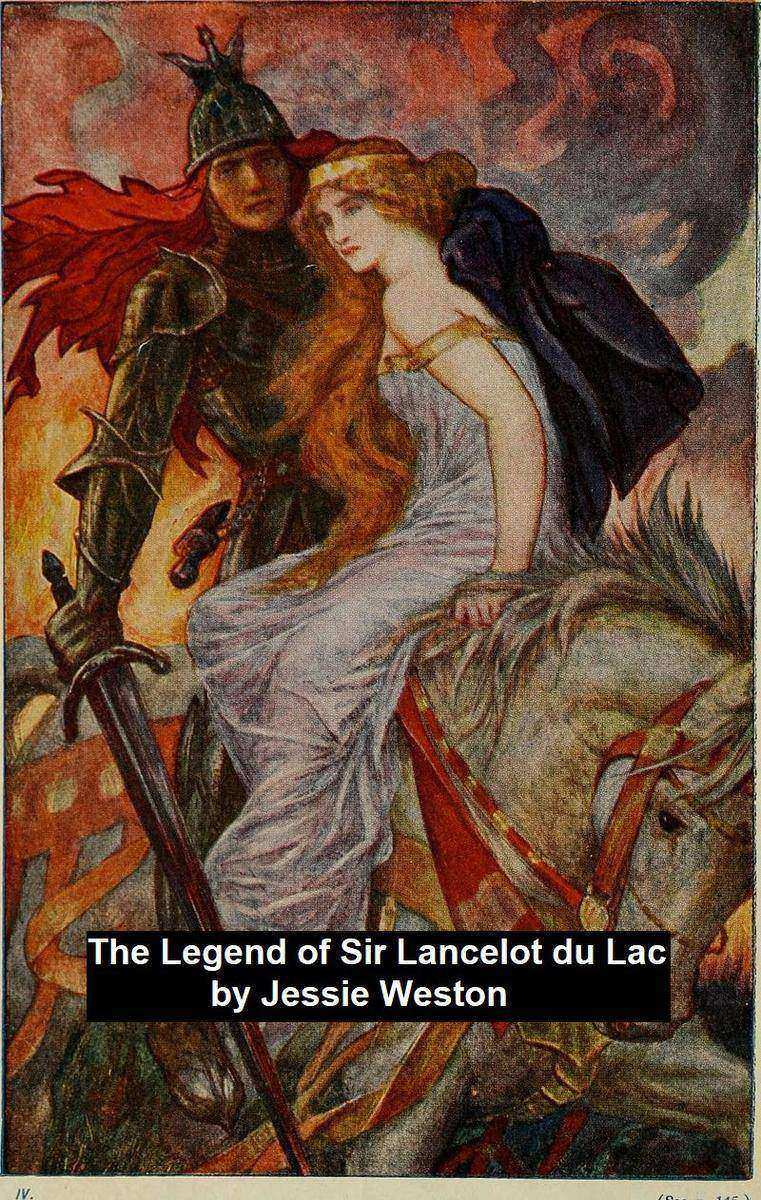
Legend of Sir Lancelot du Lac
¥8.09
First published in 1901. According to Wikipedia: "Jessie Laidlay Weston (1850–1928) was an independent scholar and folklorist, working mainly on mediaeval Arthurian texts. Her best-known work is From Ritual to Romance (1920). In it she brought to bear an analysis harking back to James George Frazer on the Grail legend, arguing for origins earlier than the Christian or Celtic sources conventionally discussed at the time. It was cited by T. S. Eliot in his notes to The Waste Land. (He later claimed that the notes as a whole were ironic in intention, and the extent of Weston's actual influence on the poem is unclear. Eliot also indicated that the notes were requested by the publisher to bulk out the length of the poem in book form, calling them "bogus scholarship".) It also caused her to be dismissed as a theosophist by F. L. Lucas, in a hostile review of Eliot's poem. The interpretation of the Grail quest as mystical and connected to self-realisation, which she added to the anthropological layer of reading, was to become increasingly popular during the 1920s. According to Richard Barber in The Holy Grail: Imagination and Belief, the Wasteland as theme in the Grail romances is of minor importance until the last works of the cycle, and the emphasis on fertility is "an interpretation which has haunted twentieth-century literature to a degree quite disproportionate to its basis in fact"... While Weston's work on the Grail theme has been derided as fanciful speculation in the years since the publication of From Ritual to Romance (even one-time supporter Roger Sherman Loomis eventually abandoned her hypothesis), her editions of numerous medieval romances have been commended as valuable translations"
The Goddess from the Shades by John Buchan - Delphi Classics (Illustrated)
¥8.09
This eBook features the unabridged text of ‘ the Goddess from the Shades by John Buchan - Delphi Classics (Illustrated)’ from the bestselling edition of ‘The Complete Works of John Buchan’. Having established their name as the leading publisher of classic literature and art, Delphi Classics produce publications that are individually crafted with superior formatting, while introducing many rare texts for the first time in digital print. The Delphi Classics edition of Buchan includes original annotations and illustrations relating to the life and works of the author, as well as individual tables of contents, allowing you to navigate eBooks quickly and easily. eBook features: * The complete unabridged text of ‘ the Goddess from the Shades by John Buchan - Delphi Classics (Illustrated)’ * Beautifully illustrated with images related to Buchan’s works * Individual contents table, allowing easy navigation around the eBook * Excellent formatting of the textPlease visit www.delphiclassics.com to learn more about our wide range of titles

The English Notebooks
¥8.09
The author's notebooks. According to Wikipedia: ""Nathaniel Hawthorne (born Nathaniel Hathorne; July 4, 1804 – May 19, 1864) was an American novelist and short story writer."
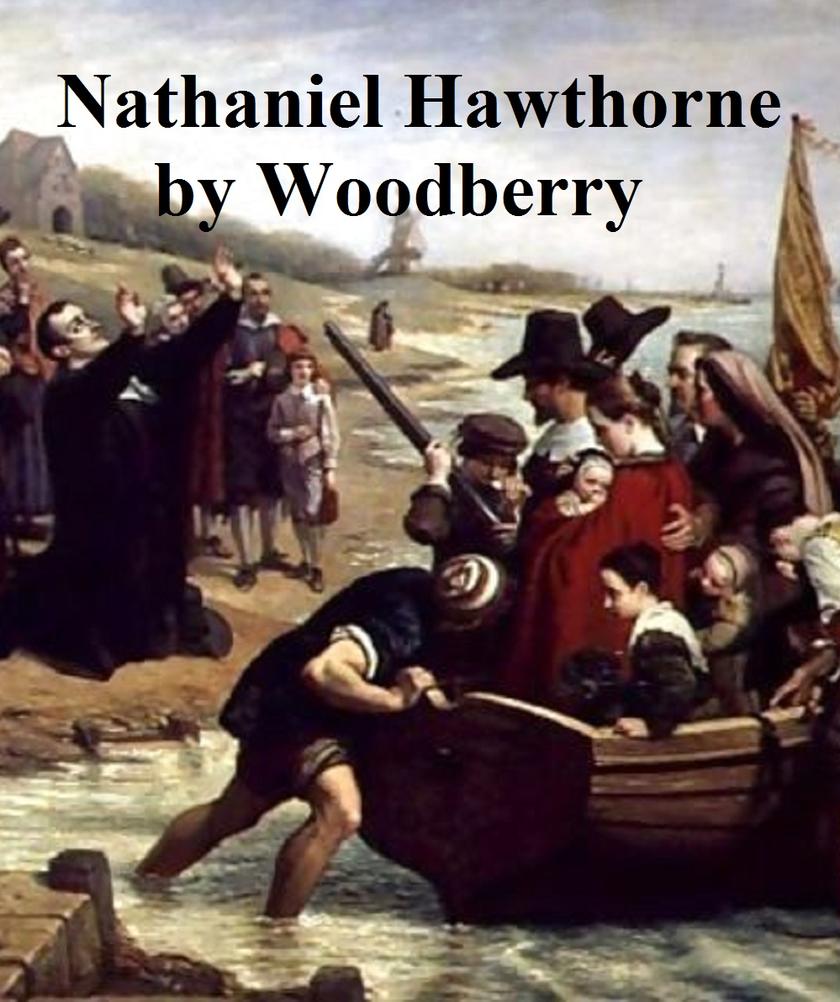
Nathaniel Hawthorne
¥8.09
According to Wikipedia: "George Edward Woodberry, Litt. D., LL. D. (May 12, 1855–January 2, 1930) was an American literary critic and poet… For twelve years, Woodberry was an almost constant writer to the literary portion of The Nation. He also, during Aldrich's editorship, was anonymously, and for this reason able, the more forcibly, to asser his critical strength in the Atlantic Monthly. He contributed one paper to the Fortnightly Review in 1882, and during 1888 wrote regularly, mostly upon literary topics, for the Boston Post. In 1891–1904 he was professor of comparative literature at Columbia University. He was elected to the American Academy of Arts and Letters. In 1930 he was posthumously awarded one of the first three Frost Medals for lifetime achievement in poetry by the Poetry Society of America. He wrote a number of books as well."
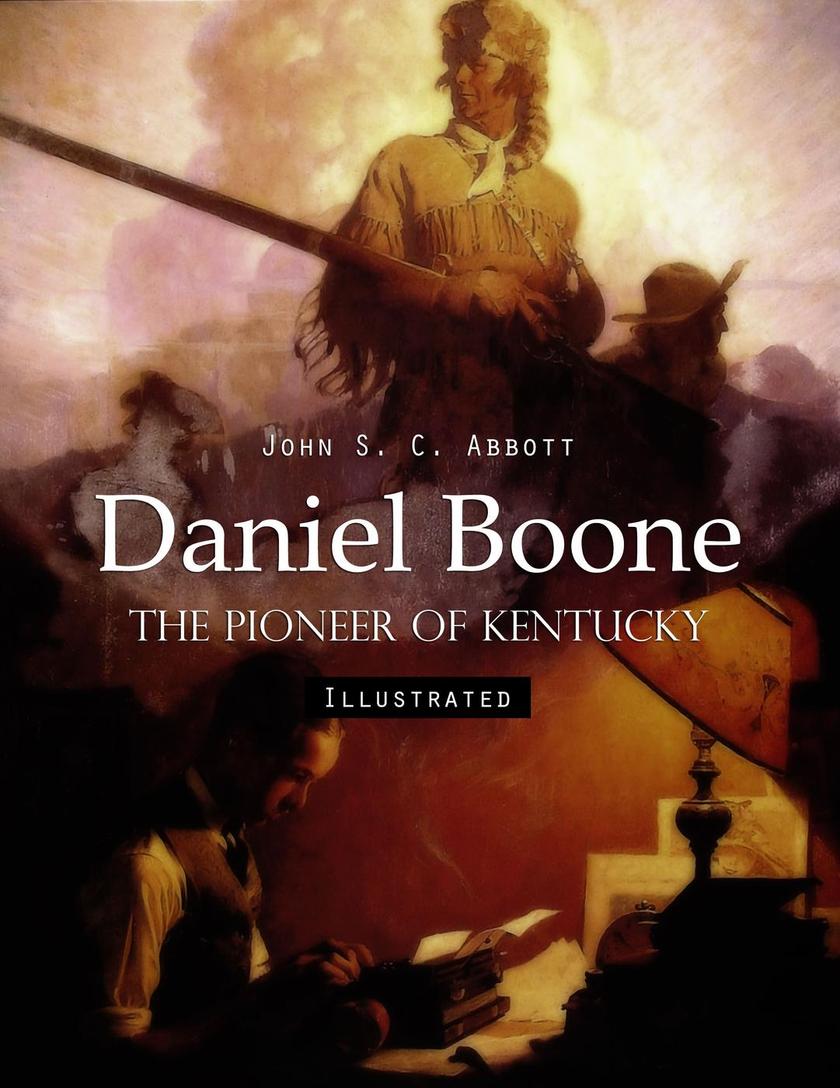
Daniel Boone: The Pioneer of Kentucky (Illustrated)
¥18.56
This is a detailed biography of the life and adventures of Daniel Boone. His accomplishments are brushed over in history classes these days and not given the recognition they deserve. This biography clearly paints a picture of the benevolent person of Daniel Boone as well as the achievements he made in furthering European settlement in America.
Huntingtower by John Buchan - Delphi Classics (Illustrated)
¥8.09
This eBook features the unabridged text of ‘Huntingtower by John Buchan - Delphi Classics (Illustrated)’ from the bestselling edition of ‘The Complete Works of John Buchan’. Having established their name as the leading publisher of classic literature and art, Delphi Classics produce publications that are individually crafted with superior formatting, while introducing many rare texts for the first time in digital print. The Delphi Classics edition of Buchan includes original annotations and illustrations relating to the life and works of the author, as well as individual tables of contents, allowing you to navigate eBooks quickly and easily. eBook features: * The complete unabridged text of ‘Huntingtower by John Buchan - Delphi Classics (Illustrated)’ * Beautifully illustrated with images related to Buchan’s works * Individual contents table, allowing easy navigation around the eBook * Excellent formatting of the text Please visit www.delphiclassics.com to learn more about our wide range of titles
Midwinter by John Buchan - Delphi Classics (Illustrated)
¥8.09
This eBook features the unabridged text of ‘Midwinter by John Buchan - Delphi Classics (Illustrated)’ from the bestselling edition of ‘The Complete Works of John Buchan’. Having established their name as the leading publisher of classic literature and art, Delphi Classics produce publications that are individually crafted with superior formatting, while introducing many rare texts for the first time in digital print. The Delphi Classics edition of Buchan includes original annotations and illustrations relating to the life and works of the author, as well as individual tables of contents, allowing you to navigate eBooks quickly and easily. eBook features: * The complete unabridged text of ‘Midwinter by John Buchan - Delphi Classics (Illustrated)’ * Beautifully illustrated with images related to Buchan’s works * Individual contents table, allowing easy navigation around the eBook * Excellent formatting of the text Please visit www.delphiclassics.com to learn more about our wide range of titles
The Courts of the Morning by John Buchan - Delphi Classics (Illustrated)
¥8.09
This eBook features the unabridged text of ‘The Courts of the Morning by John Buchan - Delphi Classics (Illustrated)’ from the bestselling edition of ‘The Complete Works of John Buchan’. Having established their name as the leading publisher of classic literature and art, Delphi Classics produce publications that are individually crafted with superior formatting, while introducing many rare texts for the first time in digital print. The Delphi Classics edition of Buchan includes original annotations and illustrations relating to the life and works of the author, as well as individual tables of contents, allowing you to navigate eBooks quickly and easily. eBook features: * The complete unabridged text of ‘The Courts of the Morning by John Buchan - Delphi Classics (Illustrated)’ * Beautifully illustrated with images related to Buchan’s works * Individual contents table, allowing easy navigation around the eBook * Excellent formatting of the text Please visit www.delphiclassics.com to learn more about our wide range of titles

Emily Dickinson Complete Works – World’s Best Collection
¥8.09
Emily Dickinson Complete Works World's Best Collection This is the world’s best Emily Dickinson collection, including the most complete set of Dickinson’s works available plus many free bonus materials. Emily Dickinson Emily Elizabeth Dickinson was an American poet. She lived a mostly introverted and reclusive life, thought of as an eccentric by the locals, known as the ‘Woman in White’ for a penchant for wearing white. Most of her friendships were therefore carried out by correspondence. She was a prolific private poet, her poems are unique with short lines, using slant rhyme as well as unconventional capitalization and punctuation. Many of her unforgettable poems deal with themes of life, love, death and immortality. The ‘Must-Have’ Complete Collection In this irresistible collection you get a full set of Emily Dickinson’s work, totaling more than 1000 poems. Plus a comprehensive biography so you can experience the life of the woman behind the words. Works Included: Life Of Emily Dickinson - Written specially for this collection. The Poetical Works?Including among many, many others: “Because I could not stop for Death” “A Bird came down the Walk” “I’m Nobody! Who are you?” “I Heard a Fly Buzz When I Died” “There is a pain — so utter —” “I taste a liquor never brewed” “I like to see it lap the Miles” “Hope”?is the thing with feathers The heart asks pleasure first The rainbow never tells me The White Heat There is another sky You cannot put a Fire out Get This Collection Right Now This is the best Dickinson collection you can get, so get it now and start enjoying and delving into Dickinson’s thought-provoking world like never before!
John Clare Complete Works – World’s Best Collection: 300+ Works
¥8.09
John Clare Complete Works World's Best Collection This is the world's best Jonh Clare collection, including the most complete set of Clare's works available plus many free bonus materials. John Clare John Clare was an English poet, the son of a farm laborer, who came to be known for his celebratory representations of the English countryside and his lamentation of its disruption. He was known as the 'Peasant Poet' and "the greatest laboring-class poet that England has ever produced.” He is also remarkable for writing many of his poems while in a mental asylum The ‘Must-Have' Complete Collection In this irresistible collection you get a full set of Clare's work, All his poems, All ballads, All songs, All Prose and Non-Fiction Works, plus a full length biography. With extra Free Bonus material. Works Included:Asylum and Other Spurious Poems?Including among others: I'll Dream Upon The Days To Come The Shepherd's Daughter To Liberty Love Lives Beyond The Tomb The Vanities Of Life The Wanton Chloe—A Pastoral The Gipsy's Song The Shepherds Calendar Prose Fragments?Including among others: A Confession Of Faith Essay On Popularity Old Songs And Ballads?Including among others: Adieu To My False Love Forever O Silly Love! O Cunning Love! Nobody Cometh To Woo The Banks Of Ivory Your Free Special Bonuses Life And Remains Of John Clare - The "Northamptonshire Peasant Poet” -?a biography of Clare's intriguing and sometimes tragic life Life And Letters Of John Clare?- letters and fragments written by Clare, giving an interesting look into Clare the man. Historical Context and Literary Context Notes?- Detailed explanations of the Regency Era and Romanticism, written specially for this collection Get This Collection Right Now This is the best John Clare collection you can get, so get it now and start enjoying and being inspired by his world like never before!

Wilfred Owen Complete Works – World’s Best Collection: 50+ Works
¥8.09
Wilfred Owen Complete Works World's Best Collection This is the world’s best Wilfred Owen collection, including the most complete set of Owen’s works available plus many free bonus materials. Wilfred Owen Wilfred Owen Mc was an English poet and soldier, and one of the leading poets of the World War One, with his shocking, thought provoking, realistic war poetry The ‘Must-Have’ Complete Collection In this irresistible collection you get a full set of Wilfred Owen’s work, including All his poems, both complete and incomplete, plus a Bonus biography that included extracts from Owen’s letters to his mother and friends. Works Included: Life Of Wilfred Owen -? Written specially for this collection. Poems Of Wilfred Owen?Including among others: Apologia pro Poemate Meo Parable of the Old Men and the Young Anthem for Doomed Youth Dulce et Decorum est The Sentry Smile, Smile, Smile The End A Terre (being the philosophy of many soldiers) Cramped in that Funnelled Hole (To a Friend) With an Identity Disc Get This Collection Right Now This is the best Wilfred Owen collection you can get, so get it now and start enjoying and being inspired by his world like never before.
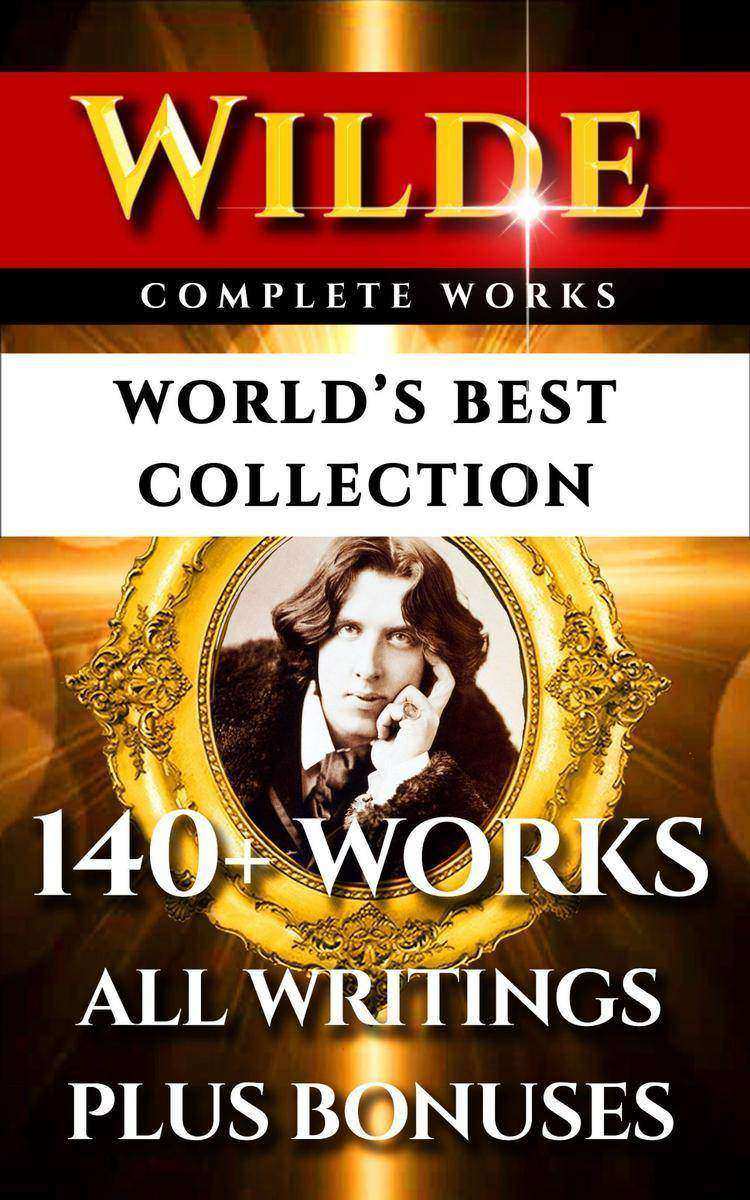
Oscar Wilde Complete Works – World’s Best Collection: 140+ Works All Plays
¥8.09
Oscar Wilde Complete Works World's Best Collection This is the world’s best Oscar Wilde collection, including the most complete set of Wilde’s works available plus many free bonus materials. Oscar Wilde Oscar Fingal O’Flahertie Wills Wilde was an Irish poet and playwright. Wilde became one of the best-known personalities of his day, known for his biting wit, flamboyant dress and glittering conversational skill. Themes in his writings include decadence, duplicity, beauty and biting satire. Wilde is also known for his famous arrest and imprisonment, for the crime (at that time) of homosexuality.During his last year in prison, he wrote De Profundis (published posthumously in 1905), a long letter which discusses his spiritual journey through his trials, forming a dark counterpoint to his earlier philosophy of pleasure. Wilde’s life and work remain some of the most popular subjects in English literature and the themes of his work echo as strongly today as they did in his own time The ‘Must-Have’ Complete Collection In this irresistible collection you get a full set of Wilde’s work, with more than 140 works - All plays, All poetry, All books, All fiction, All short work, and his own autobiography. With two full length biographies, one written by Wilde’s lover. Plus extra Free Bonus material. Works Included: Plays, Including: Vera (The Nihilists) Ideal Husband Importance Of Being Earnest Salome? Books Picture Of Dorian Gray De Profundis Children’s Fiction Wilde’s fairy tales and children’s fiction are surprising, heart wrenching, full of humor, for the young, old and all literature lovers. Lord Arthur Savile’s Crime And Other Stories Happy Prince And Other Tales House Of Pomegranates Poetry More than 100 beautiful poems that demand reading and rereading. Included is ‘the Ballad of Reading Gaol’ about Wilde’s time in prison and the award winning ‘Ravenna’ Shorter Works Wilde was a keen observer, and his short work includes his views on life and society that are still relevant to today’s world. The shorter works include: Some Remarks Upon The Importance Of Doing Nothing Truth Of Masks Soul Of Man Books About Wilde Both biographies cover Wilde’s entire life, imprisonment and career. Oscar Wilde, His Life And Confessions - Written by close friend and editor, Frank Harris. Oscar Wilde And Myself - The famous book by Wilde’s lover, Alfred Douglas, giving a more personal view. Your Free Special Bonuses Art And Morality - A Defence Of Dorian Gray?- Controversial, Dorian Gray was much discussed in the press. Here is the ‘story’ of the controversy told through press articles and Wilde’s letters in response. Critic In Pall Mall and Reviews?- Wilde’s sharp reviews Historical Context and Literary Context Notes?- Detailed explanations of the Victorian Era and Victorian Literature, written specially for this collection. Get This Collection Right Now This is the best Oscar Wilde collection you can get, so get it now and start enjoying and being inspired by the words inside like never before!

Simply Dirac
¥65.32
Paul Dirac?(1902–1984) was a brilliant mathematician and a 1933 Nobel laureate whose work ranks alongside that of Albert Einstein and Sir Isaac Newton. Although not as well known as his famous contemporaries Werner Heisenberg and Richard Feynman, his influence on the course of physics was immense. His landmark book,?The Principles of Quantum Mechanics, introduced that new science to the world and his “Dirac equation” was the first theory to reconcile special relativity and quantum mechanics. Dirac held the Lucasian Chair of Mathematics at Cambridge University, a position also occupied by such luminaries as Isaac Newton and Stephen Hawking. Yet, during his 40-year career as a professor, he had only a few doctoral students due to his peculiar personality, which bordered on the bizarre. Taciturn and introverted, with virtually no social skills, he once turned down a knighthood because he didn’t want to be addressed by his first name. Einstein described him as “balancing on the dizzying path between genius and madness.” In?Simply Dirac, author?Helge Kragh?blends the scientific and the personal and invites the reader to get to know both Dirac the quantum genius and Dirac the social misfit. Featuring cameo appearances by some of the greatest scientists of the 20th century and highlighting the dramatic changes that occurred in the field of physics during Dirac’s lifetime, this fascinating biography is an invaluable introduction to a truly singular man.

Jeff Bezos: La Forza Dietro il Marchio
¥32.62
Che cos'è che lo rende un uomo di super successo? Che cosa gli ha permesso di trasformare un'idea in una mega-compagnia che ha cambiato il mondo?? Che cosa, in lui, puoi rivedere in te, e cosa ti manca? Che cosa potresti imparare da lui?Leggi, e scoprilo. Il bisogno di capire coloro che ci circondano e ce l'hanno fatta in modi che superano la nostra immaginazione è insito in tutti noi. Questo desiderio innato è guidato dal nostro bisogno profondo e fondamentale di trovare modi migliori che ci permettano di raggiungere i nostri obiettivi, comprendere i nostri sogni e superare le sfide che ci si presentano. Questo libro parla degli eventi di fondo nella vita di Jeff Bezos e dei modi in cui hanno influenzato la sua vita, del modo in cui ha reagito ad essi e li ha usati a suo vantaggio. Il libro non pretende di conoscere le fibre di cui è composto il suo cuore - nessun uomo può conoscerle. Ma quello che fa è mettere insieme eventi e vedere le ombre che proiettano. Tutto ciò affinché tu possa trovare dentro di te gli elementi che potrebbero essere il seme del tuo successo, della tua realizzazione e grandezza. La storia di Bezos traccia un percorso attraverso la sua vita da giovane e osserva le sue azioni e conquiste, decifrando l'esistenza del suo più grande successo - Amazon - in un modo che riflette il suo carattere, il suo intelletto e la sua educazione. La sua storia è diversa da quella di altre persone di successo nella storia. Il suo marchio di etica del lavoro è familiare ma differente. Non aspettare un altro minuto! Scorri verso l'alto e clicca il pulsante

Speaking of Poetry...
¥15.40
A book of poetry on various themes. Springtime I shall wait for you springtimeWhen winter has passed awayRosebuds will be dancing in the nightBeneath the Milky Way Lovers kissing and holding handsWaltzing a brisk and lively danceUnderneath the crescent moon that shownAs Orpheus sings a joyful song Mockingbirds will send forth merry soundsAwakening nature's dreary brownChildren playing games while folksLaugh and tell their silly jokes
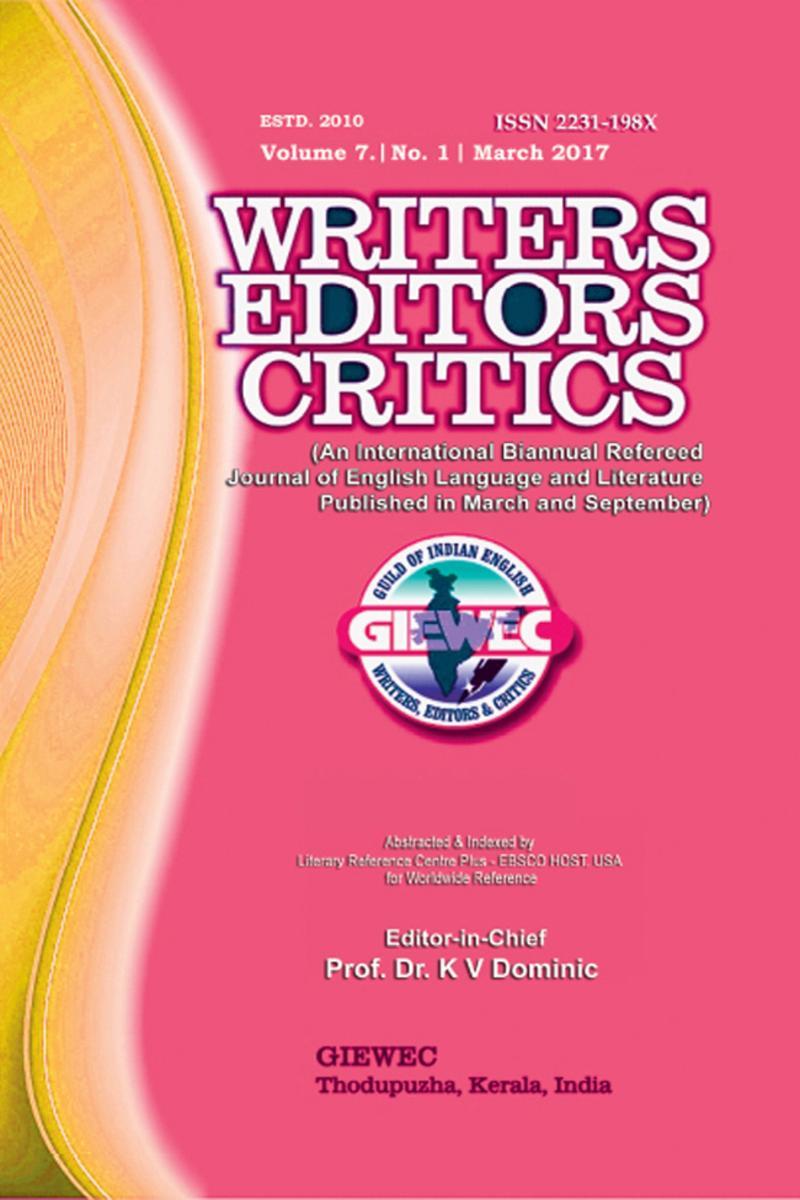
Writers Editors Critics (WEC):Vol. 7, No. 1 (March 2017)
¥48.74
Writers Editors Critics (WEC) An International Biannual Refereed Journal of English Language and Literature Volume 7 Number 1 (March 2017) ISSN: 2231 - 198X RESEARCH PAPERS The Confessional Voice and Rebellious Cry of Kamala Das as Visualized in her Poetical Works: A Brief Analysis - S. Chelliah The Philosopher-Scientist A. P. J. Abdul Kalam and his World View: A Study - J. Pamela Artificial Intelligence and the Instrumental Marvellous in Isaac Asimov's Foundation Novels - Lekshmi R. Nair Return to Wholeness: The Landscape of Willa Cather's O Pioneers! - Vikas Bhardwaj Nation and Identity Defined through Bodies: A Study of Bapsi Sidhwa's Ice Candy Man - Sonia Soni Ramesh K. Srivastava's "Under the Lamp": A Study - Shipra G. Vashishtha Reinventing Roots in Esther David's Book of Rachel - Giftsy Dorcas E. A Critical Reading of Authentic Existence in Claude Mckay's Banana Bottom - S. Khethzi Kerena "Write My Son, Write": An Aesthetic and Spiritual Reflection of World by K V Dominic - Laxmi R. Chaughaan Nandini's Sita: A Deep Dive to Every Woman's Journey - Arti Chandel Lives on Pyre: A Socio-realistic Portrayal in D.C. Chambial's The Cargoes of the Bleeding Hearts - Parthajit Ghosh& Dr. Madhu Kamra An Evolution of His Demography: A Socio-cultural Flow in the Fictional World of Manoj Das - Suresh Bera & Somali Gupta Maya Angelou's Shaker, Why Don't You Sing?: a Paroxysm of Confession - Ishita Pramanik & Dr. Shukla Banerjee REVIEW ARTICLES Eco-critical Perspectives in K. V. Dominic & Pamela Jeyaraju's (eds.) Environmental Literature: Research Papers and Poems - S. Barathi T. V. Reddy's Melting Melodies: An Analysis - P. Bayapa Reddy Critical Evaluation of T. V. Reddy's Melting Melodies - Dwarakanath H. Kabadi BOOK REVIEWS T. V. Reddy's Golden Veil: A Collection of Poems - Patricia Prime Ramesh K. Srivastava's My Father's Bad Boy--An Autobiography - Smita Das O. P. Arora's Whispers in the Wilderness: A Collection of Poems - Patricia Prime Vijay Kumar Roy's Realm of Beauty and Truth: A Collection of Poems - Sugandha Agarwal GENERAL ESSAYS Regional Integration in South Asia: A Nepalese Perspective - Shreedhar Gautam Role of Information Library Network (INFLIBNET) in Checking Plagiarism in Indian Universities - P. K. Suresh Kumar Sojourn in Forests - Ramesh Chandra Mukhopadhyaya The Commonplace Economic Thoughts of a Seventy Five Years Old Lady - Mousumi Ghosh INTERVIEW Conversation with Subodh Sarkar - Jaydeep Sarangi SHORT STORIES Perils of Simplicity - Ramesh K. Srivastava The Melody Queen - Jayanti M. Dalal (Trans. Dr. Rajshree Parthivv Trivedi) A Strange Reunion --- Chandramoni Narayanaswamy Is Human Life Precious than Animal's? - K. V. Dominic Psychological Effect - Manas Bakshi POEMS Regain the Vision - T. V. Reddy Down the Memory Lane - T. V. Reddy Memories - T. V. Reddy Patiently I Saw - D. C. Chambia

7 Checklist Items for Success:A Guide to a Richer and More Successful Life
¥81.67
KIRKUS REVIEW A U.S. Navy physician shares his secrets for a more successful life in this self-help work. Mathurin conceived of his debut book when he realized how critical checklists are in the worlds of naval aviation and medicine. Itemized lists, he says, help avoid flight mishaps and operating room errors, so he wondered, “Why not apply this same concept to people’s lives to help them achieve their highest potential?” That epiphany resulted in this book—a kind of instruction manual for living that breaks achievement into seven “checklist items”: “Goals,” “Take Action,” “Courage to Consistently Commit,” “Value Resources,” “Investing in Yourself and Others,” “Giving Back,” and “Create a Legacy of Service to Others.” An introductory section helpfully explains each of the core concepts, in brief, and these same blocks of text are repeated at the beginning of each of seven chapters. The items themselves are unlikely to be new to most readers, as many of the ideas are common in self-help literature (such as “Have the courage to go the extra mile with everything that you do, each and every time”). But the presentation of the material feels more novel, as the overarching checklist concept isn’t taken literally; the book’s merit derives from the idea that one can systematically address several broad areas in the quest for a fuller life. At the very least, this notion gives the book a highly focused structure that makes it easy for readers to navigate.? Unsurprisingly, given the author’s military and medical background, there’s a sense of logic and precision to this book. Each chapter’s content is uniformly positive and always emphasizes proactivity, but it’s also clear that the book isn’t intended to highlight step-by-step procedure. Instead, it offers a wide-ranging, general discussion of each list item, using examples and personal anecdotes to illustrate specific points. To that end, Mathurin writes from a very personal perspective—sharing, for example, how he grew up in poverty in Haiti—and he explains with some eloquence how he used the principles that he lays out in his book to “transform [his] life from famine to abundance.” He writes with a great deal of insight, as well, offering not only accounts of his own experiences, but also the wisdom of others, such as investor Warren Buffett and the late self-help authors Zig Ziglar and Napoleon Hill. Mathurin’s style often takes an inspirational tone, as he exudes a sense of confidence in his approach to life: “Success,” writes Mathurin, “is only ten percent intention and ninety percent action.” About leading others, he writes, “always strive to be the leader you would want to follow; strive to be the calm voice in the midst of the chaos, and—while you are at it—strive to be the change that you want to see.” Finally, Mathurin stresses that you can “lay the path to your legacy by focusing on giving back the acts of kindness you have received along the way.”? A book of noble, sincere, and expressive advice for living.
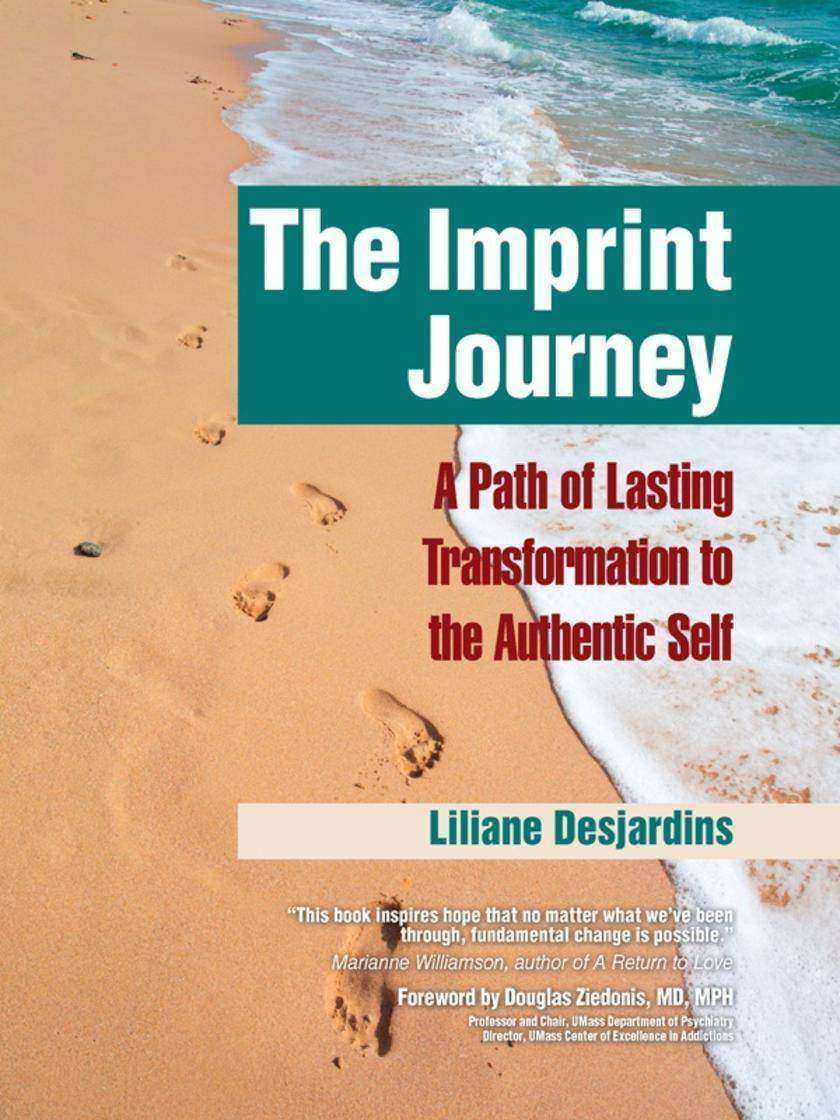
The Imprint Journey:A Path of Lasting Transformation Into Your Authentic Self
¥65.99
Ever Wonder Why The Same Patterns Happen To You Over And Over Again? We all have imprints, both negative and positive. An imprint is a belief that shapes our thoughts and actions, a belief we often hold unconsciously. Liliane Desjardins, a certified clinical addiction specialist, co-founder of Pavillon Gilles Desjardins, and co-creator of the Desjardins Unified Model of Treatment of Addictions, sets forth in The Imprint Journey an exploration of imprints, how they govern our lives, and how we can reprogram our minds to function in new and fulfilling ways. The Imprint Journey is equivalent to reading two powerful books in one. Liliane spends the first section telling her own story--a childhood in war-torn Croatia, the death of her mother, being an immigrant first to France and later French Canada--and the addictions and dysfunctions that marred her life until a suicide attempt resulted in a near-death experience. Her own personal recovery led her on a mission to help others find their own freedom from self-imposed and self-limiting imprints. The second half of this powerful book provides an anatomy of our imprints, revealing how to transform them so we are free to be our authentic selves. Liliane includes eight powerful personal stories of people who have overcome their imprints--including religious, sexual, and cultural limitations--as well as an overview of how understanding and rewriting our imprints can shape the human race's future as we all experience individual "Oneness." Readers will find themselves turning to The Imprint Journey again and again as a guide to relieve fears and to discover powerful truths about themselves that will transform them into their authentic selves. Acclaim For Desjardins' The Imprint Journey "Liliane writes from the depth of her own experience, with passion and power and a keen understanding of the human psyche. Her insights lift the reader above their own past patterns, providing insight both comforting and striking. The book inspires hope that no matter what we've been through, fundamental change is possible." --Marianne Williamson, author, A Return To Love "The Imprint Journey will touch your very soul and make way for profound transformation. From personal story to practical steps, Liliane walks with her readers on the path of awakening. Your life will be changed." --Carolyn Craft, Psychotherapist, Unity Minister, host of "Waking Up With Carolyn Craft" on Sirius Satellite Radio Learn more at www.LilianeDesjardins.com From Life Scripts Press www.RewritingLifeScripts.com FAM501000 Family & Relationships : Dysfunctional Families SEL003000 Self-Help : Adult Children of Alcoholics PSY017000 Psychology : Interpersonal Relations

Considerations on Representative Government
¥40.79
The book presents the concept of representative government, the ideal form of government. Mill suggests that representative bodies such as parliaments and senates are best suited to be places of public debate on the various opinions held by the population and to act as watchdogs of the professionals who create and administer laws and policy.
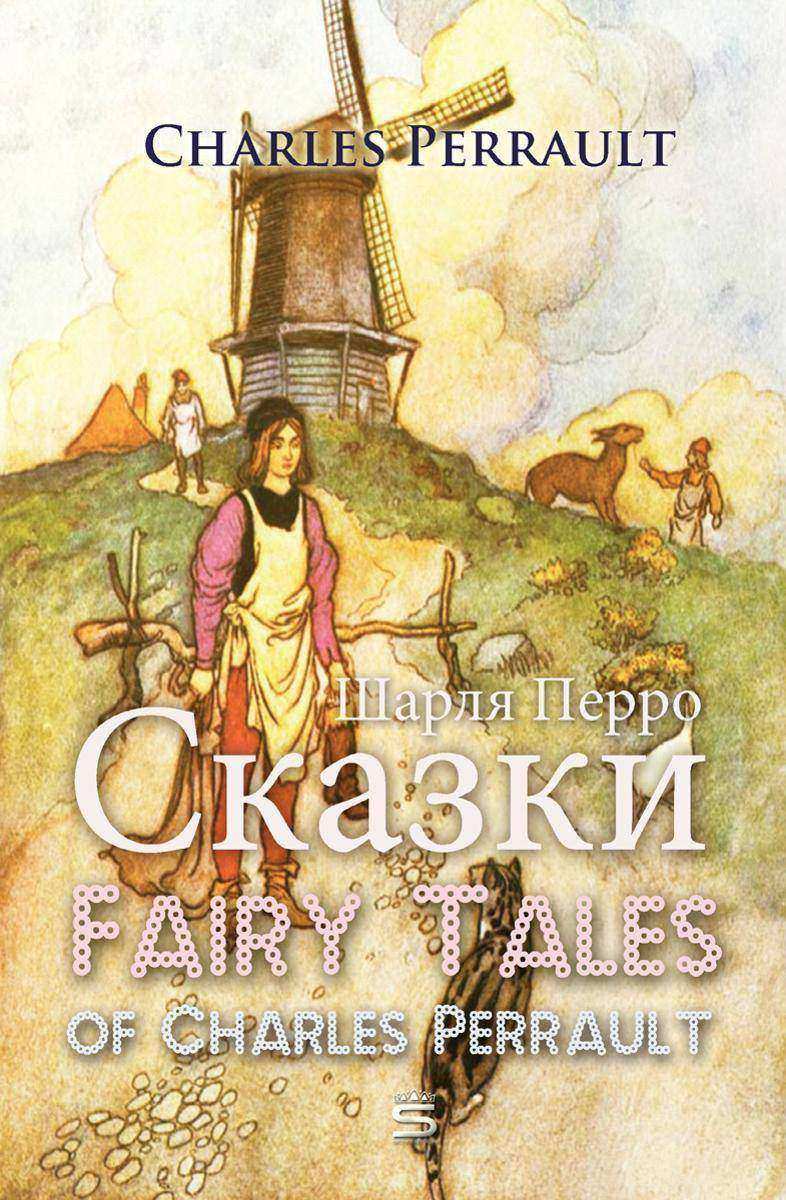
Fairy Tales of Charles Perrault: English and Russian Language Edition
¥40.79
An iconic collection of fairy tales from the master of storytelling Charles Perrault including some of his best work: Little Red Riding-Hood, The Sleeping Beauty, Puss in Boots, Little Thumb, Cinderella, Blue Beard. This edition includes both English and Russian language texts.

The Way of the World: A Comedy
¥40.79
Mirabell and Fainall have just finished playing cards. A footman comes and tells Mirabell that Waitwell and Foible were married that morning. Mirabell tells Fainall about his love of Millamant and is encouraged to marry her. Witwoud and Petulant appear and Mirabell is informed that should Lady Wishfort marry, he will lose ?6000 of Millamant's inheritance. He will only get this money if he can make Lady Wishfort consent to his and Millamant's marriage.


