


 购物车
购物车 个人中心
个人中心
Az elvek csapodár természete
¥61.31
Iat?, ?n cuvintele Aurei Christi, curg?nd abundent, din surse ascunse, fluidul vivifiant al poeziei, s? nu ne temem de retorica majusculelor, al marii Poezii. (Nicolae Balot?) Aura Christi a uimit critica de specialitate prin ample volute metaforice, calde, ?ndr?zne?e, abord?nd, ?n c?teva volume, printr-o splendid? frond?, clasicul sonet poetic ?i dovedind o excelent? st?p?nire a limbii, a mijloacelor specifice, ?ntr-o liric? a medita?iei grave, ad?nci, exprimat? ?n metafore, ?n care modernitatea ?i sensibilitatea secolului se confund?, cu vigoare clar?, de o marcat? originalitate, tumultuos ?i muzical aproape, ?ntr-o subtil? rezonan?? eufonic?, cu trimiteri, accente ?i imagini simbolice, cu marele torent al liricii europene de ?nalt nivel, de la Rimbaud ?i Baudelaire, la Rilke ?i Blaga. ?i, ?nc? odat?, la ?vetaieva ?i Nichita St?nescu. (Nicolae Breban) M? auzi tu, oare, ?nstr?inato? Am citit poeziile tale la ceas de sear?, pe o teras?, av?nd ?n fa?? colinele Ierusalimului. Eu nu sunt un bun comentator de poezie, cei care au scris despre poezia ta te-au ?prins“ foarte bine, ai for??, un sim? rar al tragicului ?i antene pentru transcenden??… (Leon Volovici) Ignor?nd retorica unei poezii postmoderniste intolerante, metonimice – baliz?ndu-se ?n criteriul retoricului, un trop ajunge, iat?, s? impun? un model poetic – Aura Christi continu? s? ofere un osp?? metaforic. Psalmul coexist? cu viziunea aspr?, expresionist?. Universul ?i limbajul au torsiuni tragice, ?n nara?iuni poematice deopotriv? fruste ?i fabuloase, cvasimitice. Moartea e o prezen?? familiar?, ca privirea ?i olfac?ia ?ns??i. Mitul e prezent ca joc automodelator. Calea spre mit ajunge o traversare a suferin?ei. (Marian Victor Buciu) A scrie c?derea apocaliptic? nu e u?or. E un merit al Aurei Christi faptul de a g?si singura solu?ie la aceast? c?dere fatal?, dat? din pornire: cel care o scrie o ?i ?opre?te“, ?incit?nd rigoarea/ celui din urm? frig“. Doar un fel de zeu al poeziei, o divinitate descoperit? cu greu, con?tient? de destr?marea mitului, poate s? impun? din nou mitul: instituirea ?mai viului“ este cu putin?? doar datorit? mor?ii. ?nvierea nu e posibil? dec?t datorit? ei. Sensul celei mai mari dintre taine se dezleag?, astfel, paradoxal, prin r?sturnarea negativit??ii generale a sensului. (...) Descoperirea f?cut? de poet? este c? realul ?nsu?i are origine poetic? (nu real?!), prin c?derea ?n ?emisfera cealalt?“, de parc? Dante ?nsu?i ar fi acum reeditat ?n alt? semantic?: ?Ah, calul e fiu al pega?ilor dintotdeauna“. Fiin?ele existente ??i au ob?r?ia ?n himere, iar realitatea ia fiin?? din metafor?. (...) Alt? ?descoperire“ poetic?: ?ntreg mitul temporal al omenirii poate fi ranversat. (…) Iat?, deci, cum se poate recupera mitul ?ntr-o epoc? ?n care toat? lumea postmodern? a visat la demitizare ?i dez-iluzionare pentru a se apropia de realul ca atare. (?tefania Mincu)
Banchetul de litere
¥61.83
Romanul e captivant, bine scris, n ciuda unor efuziuni retorice prea lungi pe alocuri, care puteau fi scurtate. Un text elaborat de ctre un crturar, cu lecturi din Schopenhauer, Nietzsche, Jung sau Dostoievski fcute n profunzime, temeinic. n consecin, e un roman n care simbolurile apar la tot pasul, incifrate n text, n tehnica unui modernism hermeneutic care nu poate fi scos din ecuaie (…). Strict tehnic, ne aflm n faa unui Bildungsroman construit pe un scenariu clasic, de iniiere: tnrul Matei (toate numele sunt luate din Biblie…) interiorizeaz sfietor, dramatic moartea prematur a tatlui su, David, pierdut ntr-un accident de main pe Valea Oltului, se afl n conflict deschis cu mama sa, Riri, femeie pragmatic, dar intrat n faza unui deficit de cldura uman, mascat prin nervozitate, i i fixeaz ntreaga afeciune pe fiina compensativ a bunicului, Grig, mort i el spre sfritul romanului, i pe aceea a profesorului universitar Semion Ruda, stilat, elevat, aristorcatic, un concitadin de ocazie i tat-surogat, cruia, n cele din urm, protagonistul romanului i datoreaz relansarea intelectuala – viitor student n filosofie – i formarea literar, ca romancier, talentul compensativ al scrisului descoperindu-i-l oarecum fr premeditare sau ndemnuri din afar, ca pe o efervescen intern a propriei sale fiine. (tefan Borbély)Viaa cotidian este transferat n interioritate, iar tensiunile generatoare de suspans sunt direcionate ctre aceeai nevoie urgent de a deveni. Eroii Aurei Christi sunt fpturi aflate ntre lumi, ntre vrste, ntre maluri. (Irina Ciobotaru)Intenia vdit a autoarei este aceea de a explora personajele pn n adncul firii lor, astfel nct nu aciunea s stea n prim-plan, ci caracterele. (Bogdan Mihai Dasclu)
Antimemoriile lui Grobei
¥38.62
Aceasta nu este o arc? a salv?rii, a speran?ei, a regener?rii suflete?ti, nici locul ?n care personaje-kamikaze arunc? ?n jur ?n timpul sacrificiului lor, bun?tate, generozitate, bl?nde?e, ?n?elepciune, cump?tare. E o arc? simbolic?. Fictiv?, sau e chiar lumea noastr? condamnat? s? pluteasc? ?n deriv? pe un ocean sub care p?nde?te un tzunami apocaliptic? Da, ?ntr-adev?r, Breban nu neglijeaz? nici o specie, sunt toate conservate aici, e destul s? ?nl?turi dificila, fragila ?i totu?i rezistenta perdea ?esut? din mii de pagini de carte, ca s? descoperi o umanitate crud?, pe care mul?i dintre noi, dintre cititori sau autori avem tendin?a de a o evita, tendin?a de a o machia, de a-i face opera?ii estetice… Arca are capaciatatea de a re?nvia din cenu?a ?i de a ne propune o c?l?torie imaginar? spre o alt? dimensiune, ?ncerc?nd s?-i salveze deopotriv? pe credincio?i ?i pe atei, pe puternici ?i pe cei slabi, pe victime ?i pe c?l?i, pe mae?tri ?i pe discipoli, pe slugi ?i pe st?p?ni. Tu alegi de care parte vrei s? te afli, ?n afara arcei, pe arc? sau ?n structura ei intim? fragil? ?i totu?i rezistent?, capabil? s? te duc? spre cele mai insolite teritorii care ?nc? nu au fost inventate ?i pe care doar acul busolei lui Breban le indic? ?i le plaseaz? pe o hart? altfel inaccesibil?.

Despre dragoste - Anatomia unui sentiment
¥30.88
Edi?ia de fa?? o reproduce ?ntocmai pe cea din 1966 care a v?zut lumina tiparului la Editura pentru literatura ?i este menit? s? repun? – laolalt? cu alte titluri editate de noi – ?n circula?ie numele ?i opera unui mare profesor de filosofie ?i a unui important om de cultur? din perioada interbelice. Edi?ia este structurat? pe c?teva capitole, cum ar fi bun?oar? ?Amintiri din copil?rie ?i tinere?e“, ?Amintiri culturale, didactice ?i politice“, cuprinz?nd, ?ntre altele, ?i coresponden?a cu Titu Maiorescu, conferin?e ?i cursuri ?inute la Viena, Paris, Geneva, Praga, Oslo ?i Bruxelles. ?Petrovici a avut o via?? fracturat?. ?ntr-o vreme, a urcat n? pe Everestul performan?ei ?i al recunoa?terii publice, de unde, atunci c?nd istoria s-a virusat de o ideologie apocaliptic?, s-a pr?bu?it direct ?n groapa Marianelor, b?ntuit? de tot felul de silnicii ?i nes?buin?e. Mult? vreme s-a am?git cu in?elesul m?ng?ietor al filosofiei, a?a cum i-l h?r?zise cei vechi, dar s-a ?i ?nfiorat de mizeriile ei, atunci c?nd a v?zut-o dec?zut? ?n condi?ia de surogat ideologic. Oare trebuia, dup? ce a privit lumea prin sp?rtura pe?terii lui Platon, s-o p?ndeasc? ?i din spatele gra?iilor ?i ale z?voarelor trase? Vremurile noi, rascolnice, l-au g?sit total nepreg?tit. Glasul s?u, obi?nuit s? peroreze ?n aule universitare, ?n Camera, ?n Academie, ?n cadrul unor fastuoase reuniuni interna?ionale a fost, pentru multe decenii, obligat la t?cere.“ (Ionel Necula)
O inim? de Broscu??. Volumul 3. Valsul stelar al vie?ii
¥65.32
Un fast spectacol despre feminitate, moarte ?i alte teme eterne, ne ofer? de ast? dat? redutabilul eseist, istoric ?i critic literar Irina Petra?, despre care Marin Mincu scria c? este ?cel mai “b?rbat“ critic al nostru“. ?Demersul constituie o modalitate de a-?i apropia moartea, propria moarte, de a o studia sub lupa m?ritoare, de a o ?ine deliberat, zi de zi, ceas de ceas, al?turi, ?n imediata proximitate, pentru a te impulsiona s? fii c?t mai mult, c?t mai decis ?n spirit, pentru a te determina s? te investe?ti ?n toate cu ?ntreaga-?i fiin??, una dintre limitele c?reia e moartea-cea-cotidian?, pentru a te remodela, sim?ind atingerea botului mor?ii, pentru a recurge la travaliul dep??irii de sine prin crea?ie. A nu te obi?nui cu vecin?tatea mor?ii, obi?nuindu-te ?n acela?i timp, a realiza eficienta ei, adun?ndu-te, sporindu-?i eficien?a, a fi, ?n pofida con?tiin?ei tragice a finitudinii umane – iat? o piatr? de ?ncercare, iat? un examen major, la care au c?zut nu pu?ini. Cei ce-au rezistat constituie pentru Irina Petra? un fast obiect de studiu, care, fiind cercetat cu acribia unui colec?ionar, nelipsit de o redutabil? experien?? ?n domeniu, alc?tuiesc o galerie acoperit? cu oglinzi, ?n care, v?z?nd reflectat propriul univers, propriile spaime, frici, angoase, nelini?ti, autorul se supune, el ?nsu?i, din spirit de fair play, dar ?i dintr-un subtil, rafinat amestec de sado-masochism intelectual, unui examen: ?i va rezista co?ul pieptului? va ?ti sa r?spund?? dar s? reziste? Ei, mon?trii sacri… au rezistat, descriind modul ?n care se men?in pe muchia abisului, ?n care ?i-au v?zut propriul chip, contemplat de cineva…“ (Aura Christi)
Dic?ionar de literatur? rom?n?
¥61.83
Editorul, criticul ?i istoricul literar clujean Irina Petra? propune lectorilor un studiu despre locurile favorite din literatura rom?n? ?i cea universal?, paginile de teorie literar? oferind nu pu?ine repere asupra predilec?iilor clasicilor autohtoni de la Eminescu ?i Creang? p?n? la Norman Manea ?i Marta Petreu. Cartea se adreseaz? elevilor, studen?ilor, precum ?i publicului larg de cititori.
?nt?mpl?ri din p?dure
¥46.36
Lidia Lazu semneaz? o poezie delicat-confesiv?, parcelat? pe momente distincte, cu o structur? de jurnal. De?i termenul structur? e oarecum inadecvat acestei materii de fr?gezimi ce se transcriu ca atare, f?r? grija unei osaturi, a unui tipar ce i-ar st?njeni fluiditatea, evanescent?. Fiin?a respir? neconstr?ns? de nimic, supus? doar clipei, ?nc?nta?iei tranzitoriului. A?tept?rile sale sunt naiv-fabuloase, ?n continuitatea unei copil?rii care nu s-a epuizat, care-?i tr?ie?te intens uimirile, dezvolt?ndu-le fin imaginativ... O atare autoscopie fantezista este rodul unei virtuozit??i a simplit??ii. Coeziunea textului se produce ?n jurul acestei neputin?e de a accepta ordinea pragmatic?, meschin?ria, ?n numele unei candori funciare. La polul opus criticismului luciferic, poeta se d?ruie lumii nu doar prin contempla?ie, ci ?i printr-un soi de automatism existen?ial, l?s?ndu-se ?n voia lui, sublim lipsit? de voin??. Ceea ce e o moral? a extazului. (Gheorghe Grigurcu)
Un trib glorios ?i muribund
¥100.53
Mai ales inteligena speculativ i iueala fixrii prioritilor n cmpul de idei au facut din Rzvan Voncu un critic de ntmpinare imposibil de ignorat n peisajul literar romnesc.“ (Eugen Negrici)O panoram literar a ultimului deceniu. Istorie literar, evenimente editoriale. Cri de excepie i autori de excepie. Istoria ultimului deceniu de literatur romn semnat de Rzvan Voncu ofer un peisaj exact, descris n cunotin de cauz.
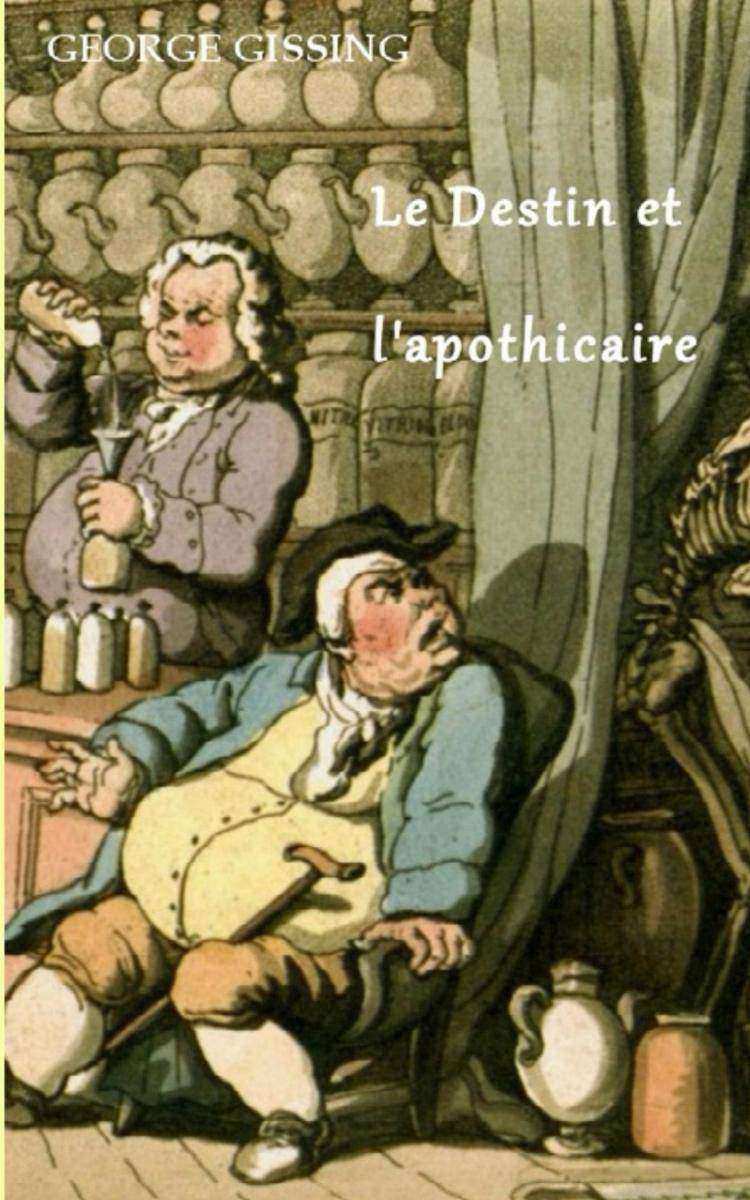
Le Destin et l'apothicaire
¥1.74
George Gissing est un auteur anglais estimé, dont les livres ont cependant été peu traduits et, souvent, relativement peu vendus, y compris dans sa contrée d'origine. Son ?uvre, comme sa biographie, est restée marginale, comme la plupart des écrivains, dont il a régulièrement décrit l'existence dans ses romans. Pourtant, il entretenait et dans une certaine mesure, en tant que sujet d'études, de recherche, entretient toujours des liens privilégiés avec la France, où il a passé les dernières années de sa vie. Revitrans fait revivre par la traduction en langue fran?aise des auteurs oubliés ou en marge, dont l'oeuvre ne trouve pas sa place dans l'édition classique. Cette brève nouvelle de Gissing, qu'on peut interpréter comme une forme de danse macabre, est sa première expérience, dont les suites dépendront des capacités du traducteur et des éventuelles réactions des lecteurs.
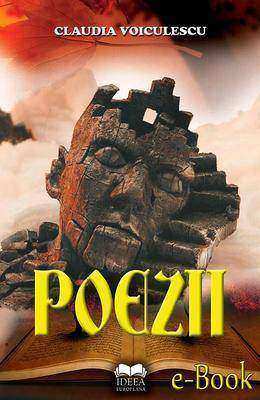
Poezii
¥23.14
ncercarea de a ptrunde n magmele clocotirilor artistice este o ispitire mai veche a mea. Adncimile au n ele murmur de siren. Sigur a fost semea ncercarea mea i, probabil, neinspirat. Germinarea crii de fa mi pare acum un experiment al bucuriei. Doi preoi i doi slujitori ai literei, totodat doi duhovnici fiecare cu ucenicul su, au vrut s cltoreasc pentru o clip n inefabilul chenozelor, al deertrilor de sine. Nu tiu dac are armonie, mi este greu acum s precizez. Atunci prea c rezonm. Depun doar mrturie i gnd mulumitor c a fost o sear unic. (Preot Niculae Constantin)

A Kis Herceg
¥8.18
La ora la care scriu aceste r?nduri, revista Contemporanul se apropie de aniversarea a 130 de ani de la fondare, si ne ?ntreb?m, cu to?ii, iar??i ?i iar??i, ce schimb?ri s-au produs ?n peisajul cultural, literar, social ?n ultimii 20 de ani? Ce viitor vor avea cultura, literatura rom?n? vie ?n contextul acestor schimb?ri? Cum ??i va reveni din criza actuala, mai grav?, mai dramatic? dec?t criza economic? propriu-zisa fiind, f?r? ?ndoiala, profunda criz? moral? de care este cuprins? societatea rom?neasc?? R?spunsurile formulate de participan?ii la anchet? – precum ?i celelalte articole, eseuri, reportaje etc. – cuprinse ?n acest supliment aniversar vizeaz? ?i aceste aspecte, greu de neglijat, din v?rtejul evenimentelor istorice, din acest dramatic prezent, rezist?nd, spre gloria na?iunii rom?ne, Excelen?a Sa, cultura, literatur? rom?n? vie. (Aura Christi)
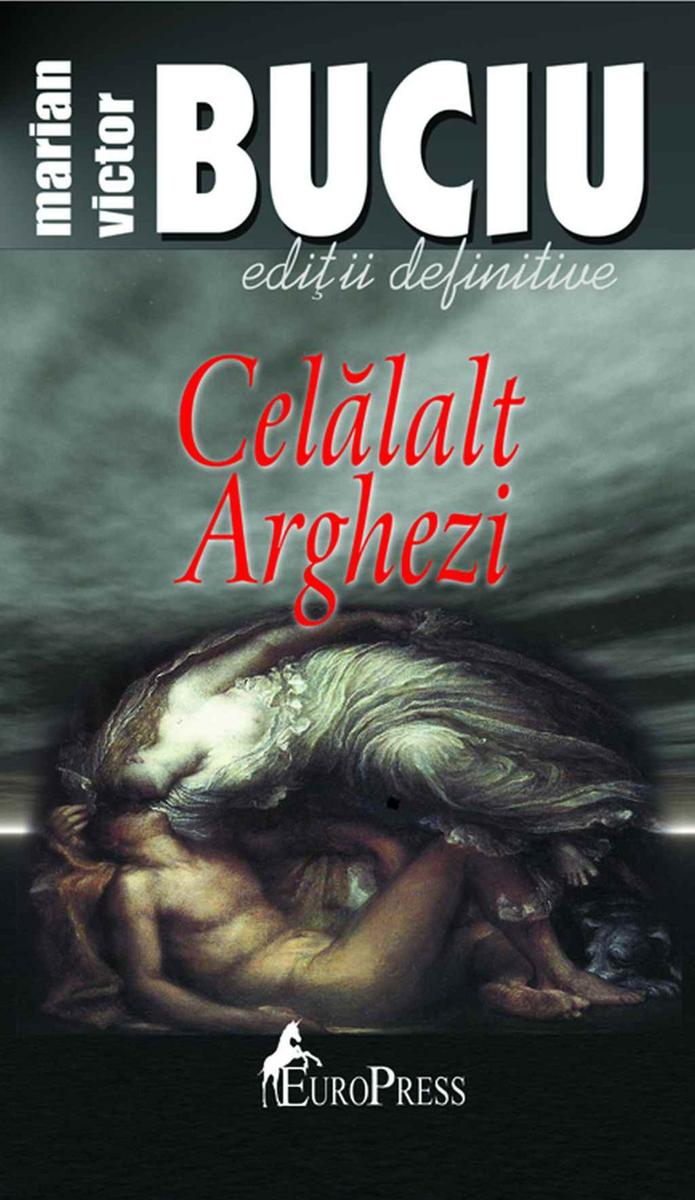
Cel?lalt Arghezi
¥57.14
nainte de orice altceva, Poezia de la Gndirea este o carte despre slbiciunea conceptelor. Ce mai definesc azi cuvinte precum tradiionalism sau modernism ntre rzboaie, termenii au polarizat probabil toate disputele, nelsnd n stare de neutralitate aproape nimic. Nu-i vorba, nu ideologiile fac literatura. Iar cnd este vorba despre poezie, lucrurile sunt cu atat mai complicate. Or, privind napoi cu suspiciune, Mircea A. Diaconu realizeaz nu doar o descriere comparativa a principalelor constante ale poeziei de la Gndirea, ci si o anatomie – sceptic mcar – a conceptelor n disputa lor cu realitatea de fapt. Criticii conceptelor – dublate de o ncercare de refundamentare a lor – i rspunde o analiz minuioas, fr parti-pris-uri, a realitii de fapt. n distana aceasta, dintre concept i realitate, ptrunde ochiul deopotriv al istoricului i al criticului literar. Iar ceea ce rezult nu mai este o sum de adevruri apodictice, ci o proiecie hermeneutic fundamentat interogativ.

Podró? marzeń. Brunetka w Australii wyd.II
¥35.32
Pornind de la Ioana Em. Petrescu, studiul propus urm?re?te s? probeze cu arsenalul criticii de descenden?? fenomenologic?, mereu actualizat?, o teorie referitoare la asumarea eminescianismului de c?tre cei mai importan?i poe?i ai secolului trecut. Actualitatea lui Eminescu se dovede?te astfel ?i prin ve?nica recitire ?i asumare a poeziei sale de c?tre poe?i precum Bacovia, Blaga, Barbu, Arghezi, Labi?, Nichita St?nescu. Aceast? prezen?? eminescian?, asumat? teoretic (vezi Blaga) sau topit? ?n profunzimile textelor poetice (vezi Labi? sau Nichita St?nescu), sus?ine valabilitatea canonului eminescian. Eminescu este astfel inactual doar dac? privim o parte ?nsemnat? a poeziei actuale, prea ancorat? ?ntr-o realitate golit? de semnifica?ie, o poezie s?r?cit? de profunzimea transfigurat? a Creatorului. (In)actualitatea lui Eminescu probeaz? astfel doar tragic? noastr? inactualitate./ – Florin Oprescu
Piktasis princas
¥9.32
i acest volum intr ?n seria celor pregtitoare, anun?nd O istorie politic a literaturii rom?ne postbelice. Nu e vorba de un ?rzboi cu estetismul”, reanim?nd fantoma lui Gherea, ci de reevaluri pe temei estetic, la mai multe m?ini, folosind achiziiile criticii literare; i, firete, de recontextualizri (interog?nd epoca), in?nd cont, ?ns, de fluctuaiile recepiei i de capricioasa meteorologie politic. ?n fond, suntem consecveni cu programul, anunat ?nc de la debut (Orizontul lecturii, 1983), ?neleg?nd c, sociologic judec?nd, nu putem examina fenomenul literar retez?ndu-i ombilicul istoric. Generaia orfelin discut, prin profiluri sintetizatoare, despre o serie creatoare, av?nd drept numitor comun vitregele condiii formative; ea a fost modelat de interdicii (lecturi clandestine, maetri ?ascuni”, biblioteci epurate), provoc?nd o reacie polemic (ruptura) i promov?nd, astfel, la start, un program negativ. Dar, ?n acelai timp, este o generaie auroral, cu rol de verig, redescoperind – euforic – tradiia, definind o stare de spirit, angaj?ndu-se, prin combustie creatoare, la o lucrare comun, recuperatoare, fecund, susinut, prin propulsie adjectival, de o critic solidar, risipind i cronici ?tactice”, cum recunotea Matei Clinescu. Chiar dac noi discutm, ?n acest volum, poeii ei, evident nu poate fi vorba doar despre o generaie de poei, transport?nd legenda Labi, anun?nd, prin voci tinere, o nou epoc de lirism. Nu e vorba, aadar, de o compact ?echip” liric, ci de un buchet de personaliti, cu voci distincte, evolu?nd ?n direcii imprevizibile, isc?nd, ?n timp, disensiuni, controverse ?nfierb?ntate, ierarhizri provizorii. i propun?nd un inventar tematic, hrnind un imaginar, p?n la un punct, comun, definind o fizionomie specific. (Adrian Dinu Rachieru)
Penki i? vienos ank?ties
¥9.24
O carte incitant? despre unul dintre cei mai mari poe?i interbelici, taxat pe nedrept de c?tre G. C?linescu drept un poet minor. Studiul este semnat de cunoscutul exeget literar Mihai Cimpoi, pre?edinte al Uniunii Scriitorilor din R. Moldova, Membru al Academiei Rom?ne. Cartea se adreseaz? elevilor, studen?ilor, precum ?i publicului larg de cititori.
O precizie cu adev?rat ?nsp?im?nt?toare
¥24.44
Nu cred c trebuie s interpretm altfel referirile lui Clinescu la vechimea poporului romn dect ca o proiecie mitic a unor date istorice i, mai ales, a unor intuiii i ambiii personale. Dar chiar i aa, aceste idei meritau s fie formulate i ncarnate n imagini, aceste pagini meritau s fie scrise, fie i numai pentru clipele de reverie istoric i de mobilizare afectiv pe care ni le produc, pentru ficiunile verosimile pe care ni le propun cu atta trie i n care suntem liberi s credem cu propria noastr trie ca ntr-un alt posibil destin.“ – Mircea Martin
Radio ?n z?pad?
¥24.44
uneori moartea vinedac? lumea arde multe lum?n?ri,dar muribunda astanu pricepe,nu vrea ca inima s?-i crape ?nc? ?ise tot pune pe partea st?ng?ca s-o lini?teasc?,?i url? c?t poate:?sunt vie! de ce pleca?i?“
Büd?ss úr
¥58.94
Un volum fundamental, pagini memorabile despre literatura francez? nu numai pentru elevi, studen?i, profesori, constituind un manual indirect de literatur? francez?; este editat pentru prima dat? ?n Colec?ia Edi?ii Definitive, ?n condi?ii grafice cu totul excep?ionale. ??...Vor crede poate c? a fost un bufon, un farsor?. Medicul Pierre Boulenger nu se ?n?el? scriind astfel despre faima viitoare a marelui s?u prieten, Rabelais. Nimic mai ridicol dec?t p?rerile felurite care s-au risipit ?n decursul veacurilor pe socoteala maestrului Alcofibras. Mirarea acestuia ar fi mare dac? le-ar putea afla ?i desigur nu o dat? ar azv?rli printre hohote c?te-o vorba pe care urechile noastre mult prea fine de fii ai veacului al dou?zecilea nu ar putea-o cuprinde dec?t ?nro?indu-se. Ronsard vede ?n autorul lui Gargantua un animal jovial ?i ve?nic ?nsetat, t?v?lindu-se ?n b?l?i de vin ?ca o broasc? ?n noroi?. Tabloul acesta bestial cred c? n-a mai fost reluat de altul. ?n schimb judec??ile au fost tot at?t de neverosimile.” O carte esen?ial?. Un manual indirect de literatur? francez?.
Washington and His Comrades in Arms, A Chronicle of the War of Independence
¥8.09
Volume 12 of the Chronicles of America Series. According to Wikipedia: "Washington is seen as a symbol of the United States and republicanism in practice. His devotion to civic virtue made him an exemplary figure among early American politicians. Washington died in 1799, and in his funeral oration, Henry Lee said that of all Americans, he was "first in war, first in peace, and first in the hearts of his countrymen." Washington has been consistently ranked by scholars as one of the greatest U.S. Presidents."
War of the Classes
¥8.09
Collection of essays, including The Class Struggle, The Tramp, The Scab, The Question of the Maximum, A Review, Wanted: A New Land of Development, and How I Became a Socialist. According to Wikipedia: "Jack London (1876 – 1916) was an American author who wrote The Call of the Wild, White Fang, and The Sea Wolf along with many other popular books. A pioneer in the then-burgeoning world of commercial magazine fiction, he was one of the first Americans to make a lucrative career exclusively from writing."
Alarms and Discursions
¥8.09
Collection of stories and essays. According to Wikipedia: "Gilbert Keith Chesterton (1874 ? 1936) was an influential English writer of the early 20th century. His prolific and diverse output included journalism, philosophy, poetry, biography, Christian apologetics, fantasy and detective fiction. Chesterton has been called the "prince of paradox."[1] He wrote in an off-hand, whimsical prose studded with startling formulations. For example: "Thieves respect property. They merely wish the property to become their property that they may more perfectly respect it."[2] He is one of the few Christian thinkers who are equally admired and quoted by both liberal and conservative Christians, and indeed by many non-Christians. Chesterton's own theological and political views were far too nuanced to fit comfortably under the "liberal" or "conservative" banner. "


