


 购物车
购物车 个人中心
个人中心
Jar. Amandoi
¥13.08
ntr-un trafic incontrolabil, a intra pe contrasens nu e un lucru de mirare. Ce te faci ns dac exist riscul s dai nas n nas cu… favorita preedintelui Cine pltete asigurarea“Liviu Brtescu nu se teme de sanciuni. Nu folosete cuvinte dantelate, nu ridic pe nimeni n slvi. El doar se strduiete s conduc atent…

Identitatea rom?neasc?
¥53.14
Acumularea de produse reziduale acide ?n organism determin? ?mb?tr?nirea. Dac? reu?im s? elimin?m aceste de?euri, mai ales pe cele vechi, putem inversa procesul de ?mb?tr?nire. Putem chiar elimina simptomele bolilor dac? nu s-au produs deja daune iremediabile. Atunci c?nd ne g?ndim la ?s?n?tate“, de fapt spunem ?diet? ?i exerci?ii fizice“, care ajut? organismul s? elimine substan?ele reziduale, dar nu sunt ?ntotdeauna u?or de realizat ?i eficiente. Scopul acestei c?r?i este de a le ar?ta oamenilor cum s? ?nve?e ?i s? practice metodele simple de inversare a procesului de ?mb?tr?nire, pentru a tr?i s?n?to?i mult? vreme.
Terapia Cognitiv Comportamental?. Cum s?-?i ?mbun?t??e?ti via?a prin TCC
¥81.67
Psihocardiologia constituie o apari?ie editorial? inedit? ?n literatura medical? ?i psihologic? rom?neasc?, eviden?iind o rela?ie legitim? ?i plin? de aplica?ii practice ?ntre cele dou? specialit??i. Asocierea reu?it? ?ntre dou? personalit??i – profesorii Ioan-Bradu Iamandescu ?i Crina Julieta Sinescu de la UMF ?Carol Davila“, Bucure?ti – a f?cut posibil? realizarea acestei lucr?ri de mare amploare care abordeaz? domeniul psihocardiologiei. Profesorul Ioan-Bradu Iamandescu, personalitate a medicinei academice rom?ne?ti, primul profesor de Psihologie medical? ?i Psihosomatic?, s-a remarcat prin contribu?ii deosebite la statutul psihocardiologiei ca o ramur? distinct? a psihosomaticii, cu un cadru nosologic bine definit ?i cunoscut. El se num?r? printre marile personalit??i care s-au preocupat de ?mbun?t??irea ?nv???m?ntului clinic bazat pe o g?ndire modern? de orientare biopsihosocial? ?n practica medicinei. Prezen?? binecunoscut? ?n cardiologia din ?ara noastr?, prof. dr. Crina Julieta Sinescu a dovedit deplin? ?n?elegere pentru problematica psihocardiologiei, ?ncuraj?nd ?i particip?nd la realizarea unor cercet?ri referitoare la etiopatogenia psihosomatic? a hipertensiunii arteriale ?i a bolii cardiace ischemice, desf??urate ?n clinica pe care o conduce la spitalul ?Bagdasar-Arseni“. A oferit numeroase sugestii rezultate din observa?ia clinic? psihologilor cu care a elaborat ?n comun c?teva capitole ale acestei c?r?i. Lucrarea se adreseaz? ?n primul r?nd psihologilor clinicieni ?i corpului medical – ?n special cardiologilor, interni?tilor ?i medicilor de familie – dar ?i publicului larg, care cuprinde un mare num?r de bolnavi cardiaci, inclusiv aceia ??n devenire“, ce ar putea beneficia de cuno?tin?ele desprinse din paginile c?r?ii spre a preveni sau ?ncetini instalarea unei boli cardiace.
The Book of Prognostics
¥40.79
It appears to me a most excellent thing for the physician to cultivate Prognosis; for by foreseeing and foretelling, in the presence of the sick, the present, the past, and the future, and explaining the omissions which patients have been guilty of, he will be the more readily believed to be acquainted with the circumstances of the sick; so that men will have confidence to intrust themselves to such a physician.

Life and Habit
¥27.88
One more point deserves notice. Butler often refers in “Life and Habit” to Darwin’s “Variations of Animals and Plants under Domestication.” When he does so it is always under the name “Plants and Animals.” More often still he refers to Darwin’s “Origin of Species by means Natural Selection,” terming it at one time “Origin of Species” and at another “Natural Selection,” sometimes, as on p. 278, using both names within a few lines of each other. Butler was as a rule scrupulously careful about quotations, and I can offer no explanation of this curious confusion of titles.? Since Samuel Butler published “Life and Habit” thirty-three [vii] years have elapsed—years fruitful in change and discovery, during which many of the mighty have been put down from their seat and many of the humble have been exalted. I do not know that Butler can truthfully be called humble, indeed, I think he had very few misgivings as to his ultimate triumph, but he has certainly been exalted with a rapidity that he himself can scarcely have foreseen. During his lifetime he was a literary pariah, the victim of an orga-nized conspiracy of silence. He is now, I think it may be said without exaggeration, universally accepted as one of the most remarkable English writers of the latter part of the nineteenth century. ??I will not weary my readers by quoting the numerous tributes paid by distinguished contemporary writers to Butler’s originality and force of mind, but I cannot refrain from illustrating the changed attitude of the sci-entific world to Butler and his theories by a reference to “Darwin and Modern Science,” the collection of essays published in 1909 by the University of Cambridge, in commemoration of the Darwin centenary. ??In that work Professor Bateson, while referring repeatedly to Butler’s biological works, speaks of him as “the most brilliant and by far the most interesting of Darwin’s opponents, whose works are at length emerging from oblivion.” ??R. A. STREATFEILD.?November, 1910.
Pygmalion
¥33.03
Majoritatea deceselor cauzate de cancer ar putea fi evitate ?Marele c?l?u“ al secolului XXI, cancerul este ?n mod gre?it perceput ca o calamitate ce love?te la ?nt?mplare, o nenorocire ?mpotriva c?reia suntem neputincio?i. Cartea arat? c? exist? o leg?tur? ?ntre tabagism, surplusul de greutate, sedentarism, alimenta?ie, expunerea la razele ultraviolete, lipsa de somn ?i cancer, precum ?i c? majoritatea deceselor cauzate de aceast? boal? ar putea fi evitate prin modific?ri simple ale stilului de via??. Cele 10 reguli pentru reducerea riscurilor, izvor?te din analiza mai multor decenii de cercet?ri ?tiin?ifice, reprezint? o arm? puternic? ?mpotriva cancerului ?i le ofer? pentru prima dat? celor care au supravie?uit bolii un instrument concret de prevenire a recidivelor, ?n scopul cre?terii speran?ei de via??. ? excesul de zah?r ?i gr?simi din produsele alimentare industriale ar putea induce o dependen?? similar? celei asociate consumului de droguri ? dou? ore ?i jum?tate de activitate fizic? de intensitate moderat?, s?pt?m?nal, reduc riscul de mortalitate al bolnavilor de cancer ? cei care consum? trei por?ii de legume crucifere pe s?pt?m?n? prezint? un risc de recidiv? redus la jum?tate
![My Inventions: [Illustrated & Biography Added]](https://platform-permanent.ddimg.cn/pt-media-info-soa-resource/digital/product/54/27/1901165427_ii_cover.jpg?version=a8779e71-e376-471c-8d55-4deaa3f269be)
My Inventions: [Illustrated & Biography Added]
¥27.80
NIKOLA TESLA (1856 ~ 1943) was a Serbian American inventor, electrical engineer, mechanical engi-neer, physicist, and futurist best known for his contributions to the design of the modern alternating current (AC) electricity supply system. Tesla gained experience in telephony and electrical engineering before emigrating to the United States in 1884 to work for Thomas Edison in New York City. He soon struck out on his own with financial backers, setting up laboratories and companies to develop a range of electrical devices. His patented AC induction motor and transformer were licensed by George Westinghouse, who also hired Tesla for a short time as a consultant. His work in the formative years of electric power development was involved in a corporate alternating current/direct current "War of Currents" as well as various patent battles.The investors showed little interest in Tesla's ideas for new types of motors and electrical transmission equipment and also seemed to think it was better to develop an electrical utility than invent new systems. They eventually forced Tesla out leaving him penniless. He even lost control of the patents he had generated since he had assigned them to the company in lieu of stock. He had to work at various electrical repair jobs and even as a ditch digger for $2 per day. Tesla considered the winter of 1886/1887 as a time of "terrible headaches and bitter tears." During this time, he questioned the value of his education. Chapter 1 My Early Life: The progressive development of man is vitally dependent on invention. It is the most important product of his creative brain. Its ultimate purpose is the complete mastery of mind over the material world, the harnessing of the forces of nature to human needs. This is the difficult task of the inventor who is often misunderstood and unrewarded. But he finds ample compensation in the pleasing exercises of his powers and in the knowledge of being one of that exceptionally privileged class without whom the race would have long ago perished in the bitter struggle against pitiless elements.Speaking for myself, I have already had more than my full measure of this exquisite enjoyment, so much that for many years my life was little short of continuous rapture. I am credited with being one of the hardest workers and perhaps I am, if thought is the equivalent of labor, for I have devoted to it almost all of my waking hours. But if work is interpreted to be a definite performance in a specified time according to a rigid rule, then I may be the worst of idlers. Every effort under compulsion demands a sacrifice of life-energy. I never paid such a price. On the contrary, I have thrived on my thoughts.In attempting to give a connected and faithful account of my activities in this series of articles which will be presented with the assistance of the Editors of the Electrical Experimenter and are chiefly addressed to our young men readers, I must dwell, however reluctantly, on the impressions of my youth and the circumstances and events which have been instrumental in determining my career. Our first endeavors are purely instinctive, promptings of an imagination vivid and undisciplined. As we grow older reason asserts itself and we become more and more sys-tematic and designing. But those early impulses, although not immediately productive, are of the greatest moment and may shape our very destinies. Indeed, I feel now that had I understood and cultivated instead of suppressing them, I would have added substantial value to my bequest to the world. But not until I had attained manhood did I realize that I was an inventor..

Honest Abe: "A Study in Integrity Based on the Early Life of Abraham Lincoln"
¥27.88
HE who seeks to understand the character and achievement of Abraham Lincoln must begin with a study of the man’s honesty. At the base of his nature, in the tap-root and very fiber of his being, pulsed a fidelity to truth, whether of thought or of deed, peculiar to itself. So thoroughgoing was this characteristic that it seems to have begun in him where in other men it generally leaves off. Politicians without number have yielded a work-a-day obedience to the rules of honor, but there is record of no other public leader in recent times who, among the vicissitudes of a trying career, has endeav-ored to balance actions and principles with such painstaking nicety. To trace these efforts from Lincoln’s early years is to pass with him, pace for pace, over part of the road that led to distinction. As we go we shall have to take account of hap-penings, little as well as big; for every man is the sum of all his parts, and in no other way may we hope to comprehend how the esteem that began with a few rustic neighbors grew until it filled the heart of a nation. To what extent, if any, Lincoln inherited his uprightness of mind from remote ancestors will probably never be known. The bare lines of the genealogical chart afford no clues to the characters of the men and women whose names appear there. If any of the threads spun out of their several lives met and twined in the broad strand of blue that enriched his, there is no way of identifying the spinners. Less obscure, though per-haps of only passing interest, is what may be gleaned under this head about two of Lincoln’s nearer relations. His father’s brothers, Mordecai and Josiah, appear to have enjoyed general respect on account of their probity. “They were excellent men,” said one who claimed to know them intimately, “plain, moderately educated, candid in their manners and inter-course, and looked upon as honorable as any men I have ever heard of.”[i-1] Their younger brother Thomas, however, cannot be so readily portrayed. He has, like his illustrious son, been, in turn, depreciated and idealized to such a degree that the inquirer, who would reach safe conclusions in respect to him, must tread warily through a maze of contradictions. Rejecting the praise as well as the blame of hearsay histori-ans, and following the testimony of those only who knew the man, we learn from one that he was “honest”; from another that he “was regarded as a very honest man”; and still another found him “always truthful—conscientious.”[i-2] To these tributes must be added what one who was doubly connected with Thomas Lincoln had to say about him:—“I’m just tired of hearing Grandfather Lincoln abused,” said Mrs. Dowling, the daughter of Dennis Hanks and Matilda John-son, speaking to an attentive listener, not many years ago. “Everybody runs him down.”
Dac? ??i pas? de copilul t?u
¥65.32
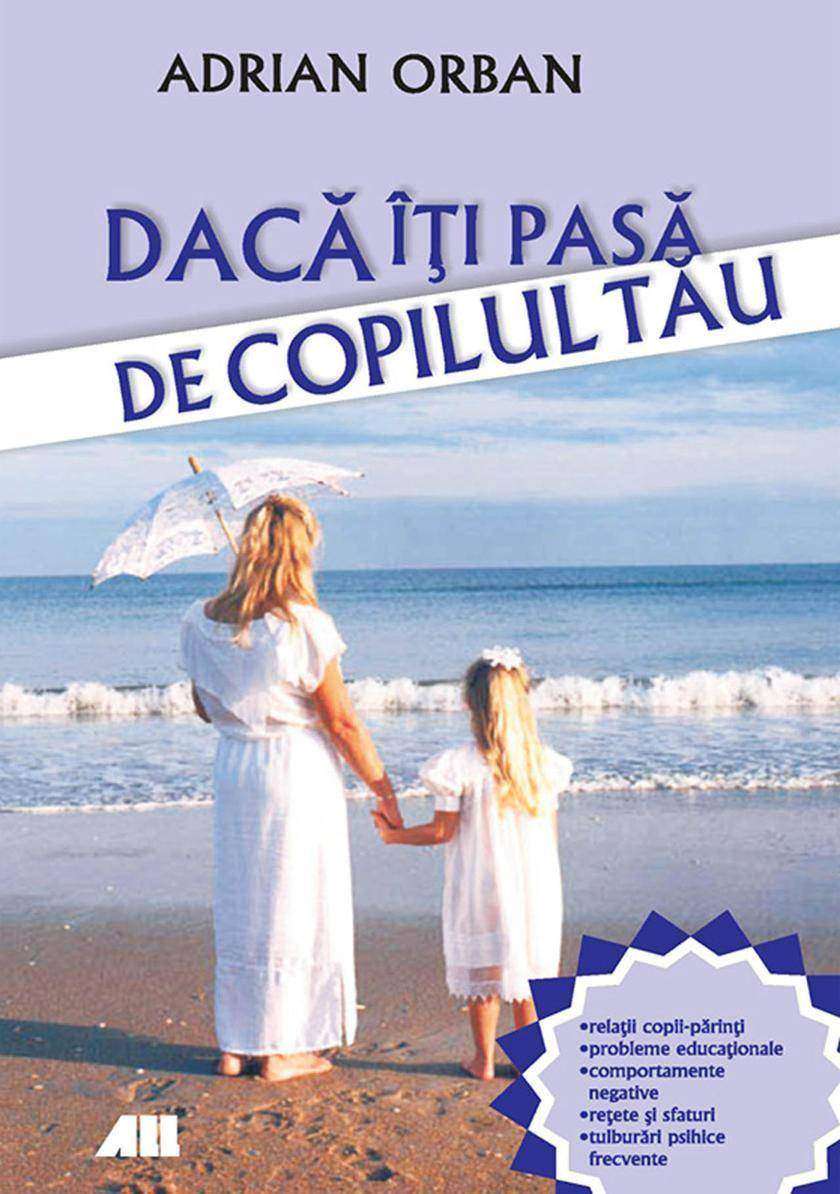
A tr?i mult, ?n s?n?tate ?i fericire, a fost preocuparea dintotdeauna a omenirii. Antropologi, biologi ?i medici s-au str?duit de mii de ani s? g?seasc? cele mai bune c?i pentru a le asigura semenilor no?tri o via?? c?t mai lung?.Sintetiz?nd o asemenea experien?? ?n domeniul medicinei complementare ?i ad?ug?ndu-i rezultatele cercet?rilor gerontologice proprii, Fanic?-Voinea Ene, renumit specialist ?n sfera terapiilor naturiste, prezint? ?n aceast? lucrare metode ?i procedee practice, la ?ndem?na fiec?ruia dintre noi, pentru a ne prelungi via?a. Astfel, ve?i g?si ?n lucrare recomand?ri originale ?i de mare folos privind alimenta?ia s?n?toas?, m?surile pe care trebuie s? le lu?m pentru ?ncetinirea proceselor oxidative ?i, implicit, a ?mb?tr?nirii organismului, fortificarea sistemului imunitar, echilibrarea metabolismului, respectarea cronobiologiei umane, ?ntoarcerea la natur?, toate acestea constituind repere majore ale stilului de via?? pentru a deveni longevivi.
Ionesco
¥40.79
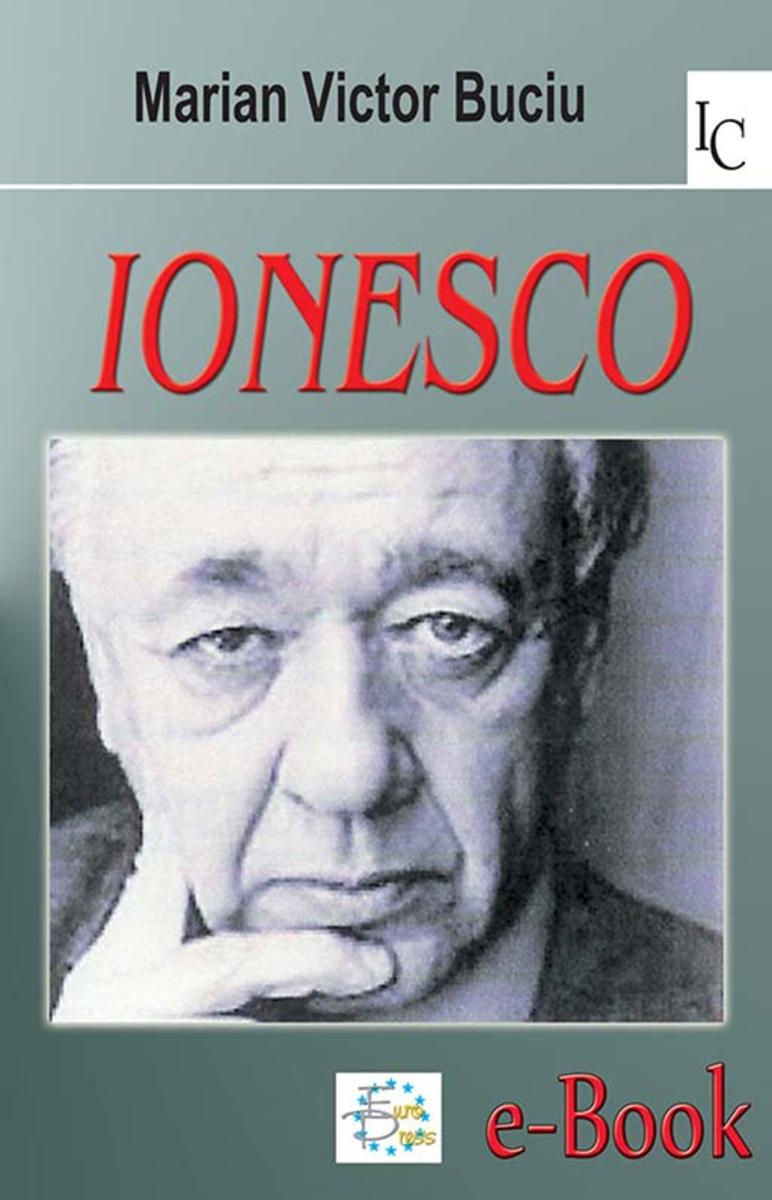
Renun?a?i la p?ine, nu mai m?nca?i cereale, abandona?i glutenul! Mesajul este c?t se poate de simplu – fugi de gluten ?i nu numai c? te vei sim?i mai bine, dar ?i vei face o favoare creierului. Aceast? teorie extrem de controversat?, care demonteaz? toate ipotezele nutri?ionale moderne, propulseaz? cartea lui Perlmutter pe primul loc ?n topul bestsellerurilor New York Time, ajuns? la al nou?lea tiraj ?i publicat? ?n 15 ??ri. Renumitul neurolog David Perlmutter dezv?luie un adev?r ?ngropat foarte mult timp ?n literatura de specialitate: carbohidra?ii distrug creierul. ?i nu numai carbohidra?ii nes?n?to?i, dar chiar ?i cei s?n?to?i, precum cerealele integrale care pot provoca demen??, ADHD, anxietate, migrene, depresie ?i multe altele. Dr. Perlmutter explic? mecanismele care au loc la nivelul creierului atunci c?nd acesta are de a face cu ingredientele comune din p?inea cea de toate zilele ?i din bolul cu fructe, de ce gr?simea ?i colesterolul sunt benefice pentru creier ?i cum pot stimula acestea regenerarea celular? la orice v?rst?. Oferind o privire ?n profunzime asupra felului ?n care putem prelua controlul ?genelor noastre inteligente“ prin alegeri specifice alimentare ?i de stil de via??, autorul demonstreaz? cum se pot fi ?nfr?nge cele mai de temut maladii ale noastre f?r? medicamente. ?n sus?inerea teoriilor expuse ?n prima parte a c?r?ii, dr. Perlmutter a definitivat un plan revolu?ionar de 4 s?pt?m?ni prin care ne ?nva?? cum s? reprogram?m destinul nostru genetic pentru ob?inerea performan?elor ?n ceea ce prive?te starea de s?n?tate. Concluzia este ?ncurajatoare – nu depinde dec?t de noi s? r?m?nem ?n deplin?tatea facult??ilor mintale p?n? la sf?r?itul vie?ii.
Geometri-I (Konu Anlat?ml?): Lise ??rencilerine, Okulda Yard?mc? ve Temel Yeterl
¥27.88
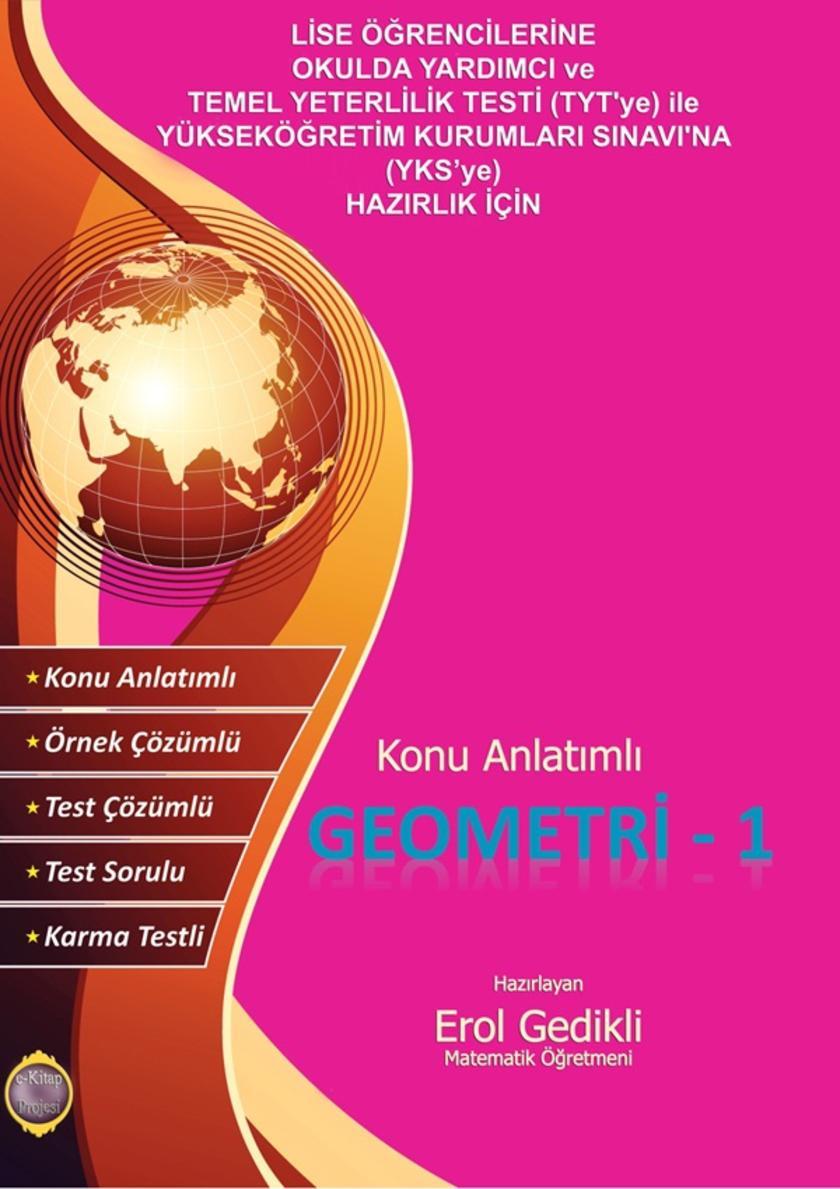
Konu Anlat?ml? ?rnek ??zümlü Test ??zümlü Test Sorulu Karma Testli Bu kitab?, lisede okumakta olan ve üniversite s?nav?na haz?rlanmakta olan sizlere geometri dersinizde yard?mc?n?z olmas? amac?yla haz?rlad?m. Kitap 5 b?lümden olu?maktad?r. ? B?lümler; belli bir s?ralama ve sistematik bir bi?imde konu anlat?mlar? ve ?rnek ??zümleri ile ??rencilere yorum yaparak ?al??ma al??kanl???n? kazand?racak bi?imde sunulmaktad?r. Bu derste yapaca??n?z ?al??malar?n?z?n sonucunda ba?ar?l? olman?z? bekliyorsan?z a?a??daki s?ralamaya ?zen g?stererek bu kitaptaki konulara s?ras?yla ?al??man?z? ?neriyorum. Konu anlat?m s?ras?na dikkatle uyunuz. Konu anlat?m ve konu bilgilerini ezbere de?il ve ?rnek üzerinde ??züm yaparak, kavray?n?z. ??zümlü test sorular?n?, kendiniz tekrar ??zerek konu bilgilerinizi ve yorum gücünüzü geli?tiriniz. Cevapl? test sorular?n? ??zerek, cevaplar? ile kar??la?t?r?n?z, varsa yanl??lar?n?z ve eksikleriniz konu tekrar? ile do?rulay?n?z. Konu ile ilgili ba?lant?lar?, konu anlat?m s?ras?na g?re ??rendi?iniz konu bilgilerinizi unutmadan ??zümlerle geli?tirmeye ve sa?lamaya ?al???n?z. Bu y?ntemle ??rendi?imiz konu bilgilerinizi kullanarak, yorumlu bol ve de?i?ik sorular ??zünüz. Soru ??zerken ?ekle g?re ??züm de?il de verilenlere g?re gerekti?inde yard?mc? ?izimlerle (a??ortay, dik do?ru ve paralel do?ru… gibi) ??zümü kolayla?t?rarak, bilinmeyeni en k?sa ve kolay yoldan bulmaya ?al???n?z. ? Sevgili ??rencilerim, umar?m bu kitab?m hayat?n?zda hedefledi?iniz yere ula?man?zda sizlere yard?mc? olacakt?r. De?erli meslekta?lar?m bu kitab? sizlerinde de?erli g?rü?lerinize sunarken ?al??malar?n?zda ba?ar? dileklerimle ele?tirilerinizi de beklerim.????????? ?????????????????????????????????????????????????????????????????????????????????????????? Erol Gedikli Mat. ??retmeni
Human Universe
¥66.22
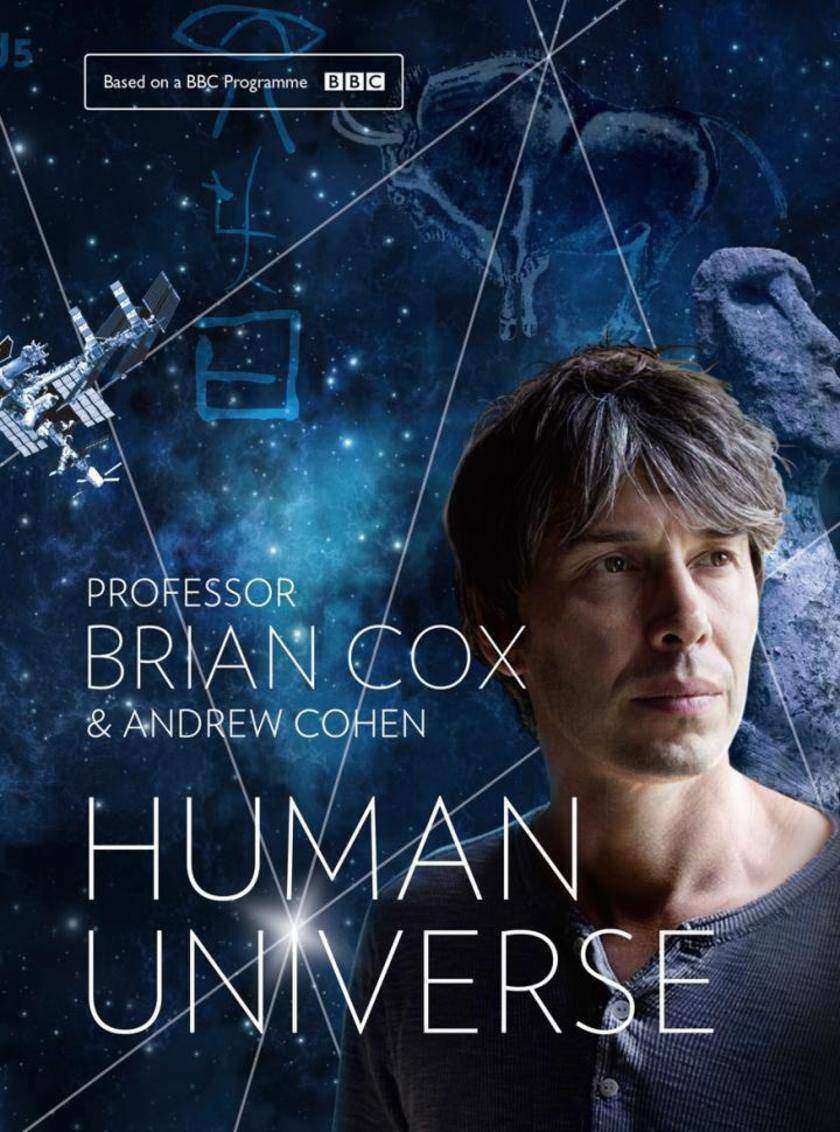
Top ten Sunday Times Bestseller ‘Engaging, ambitious and creative’ Guardian Where are we? Are we alone? Who are we? Why are we here? What is our future? Human Universe tackles some of the greatest questions that humans have asked to try and understand the very nature of ourselves and the Universe in which we live. Through the endless leaps of human minds, it explores the extraordinary depth of our knowledge today and where our curiosity may lead us in the future. With groundbreaking insight it reveals how time, physics and chemistry came together to create a creature that can wonder at its own existence, blessed with an unquenchable thirst to discover not just where it came from, but how it can think, where it is going and if it is alone. Accompanies the acclaimed BBC TV series.
Fingerprints:Murder and the Race to Uncover the Science of Identity
¥61.51
This edition does not include illustrations. A fascinating exploration into the history of science and crime. In the tradition of ‘Fermat’s Last Theorem’, FINGERPRINTS is the story of the race to discover the secrets trapped in the whorls and arches found on the palm of one’s hand. In 1905 an elderly couple were found murdered in their shop in Deptford, London. The only evidence at the scene of the crime was a sweaty fingerprint on a cashbox. Was it possible that a single fingerprint could be enough to lead to a conviction? Could the pattern of these tracks hold the secrets of the science of identification? Through the story of three brilliant men:William Herschel, a colonial administrator in Indian, Henry Faulds, a missionary in Japan and Charles Darwin’s cousin, Francis Galton, the extraordinary story of the history of fingerprinting is revealed. It is a story of intellectual skulduggery and scientific brilliance. Packed with an extraordinary cast of individuals whose scientific breakthroughs helped solve one of the most brutal murders in English history and shape our understanding of identity forever.

Moreau’s Other Island (The Monster Trilogy)
¥34.14
Welcome to Dr Moreau’s other island. Place of untold horros. Home of the Beast Men… Available for the first time in eBook. He stands very tall, long prosthetic limbs glistening in the harsh sun, withered body swaying, carbine and whip clasped in artificial hands. Man-beasts cower on the sand as he brandishes his gun in the air. He is Dr Moreau, ruler of the fabulous, grotesque island, where humans are as brutes and brutes as humans, where the future of the entire human race is being reprogrammed. The place of untold horrors. The place of the New Man.
Genome: The Autobiography of a Species in 23 Chapters
¥81.03
Matt Ridley received his BA and D Phil at Oxford researching the evolution of behaviour. He has been science editor, Washington correspondent and American editor of The Economist. He has a regular column in the Daily Telegraph. He is also the author of The Red Queen (1993) and The Origins of Virtue (1996). Matt Ridley is currently the chairman of The International Centre for Life.
Time Travel
¥73.58
JAMES GLEICK (around.com) is our leading chronicler of science and technology, the best-selling author of Chaos: Making a New Science, Genius: The Life and Science of Richard Feynman, and The Information: A History, a Theory, a Flood. His books have been translated into thirty languages.

The Energy of Life: (Text Only)
¥69.26
Guy Brown is a Royal Society Research Fellow in the Department of Biochemistry at the University of Cambridge. He is one of the world’s leading authorities on human bioenergetics. This is his first book.
Inside Story: Politics, Intrigue and Treachery from Thatcher to Brexit
¥73.58
Philip Webster was Political Editor of The Times from 1993 to 2010 having previously been Chief Political Correspondent. Later, As Assistant Editor (Politics), he was in charge of The Times Red Box political website and was the first editor of the ground-breaking Red Box daily briefing email. He became a Lobby correspondent in 1981 after working as a reporter and subeditor on the paper for the previous eight years. He began his career on the Eastern Daily Press in Norwich. He is a lifelong and passionate supporter of Norwich City FC.
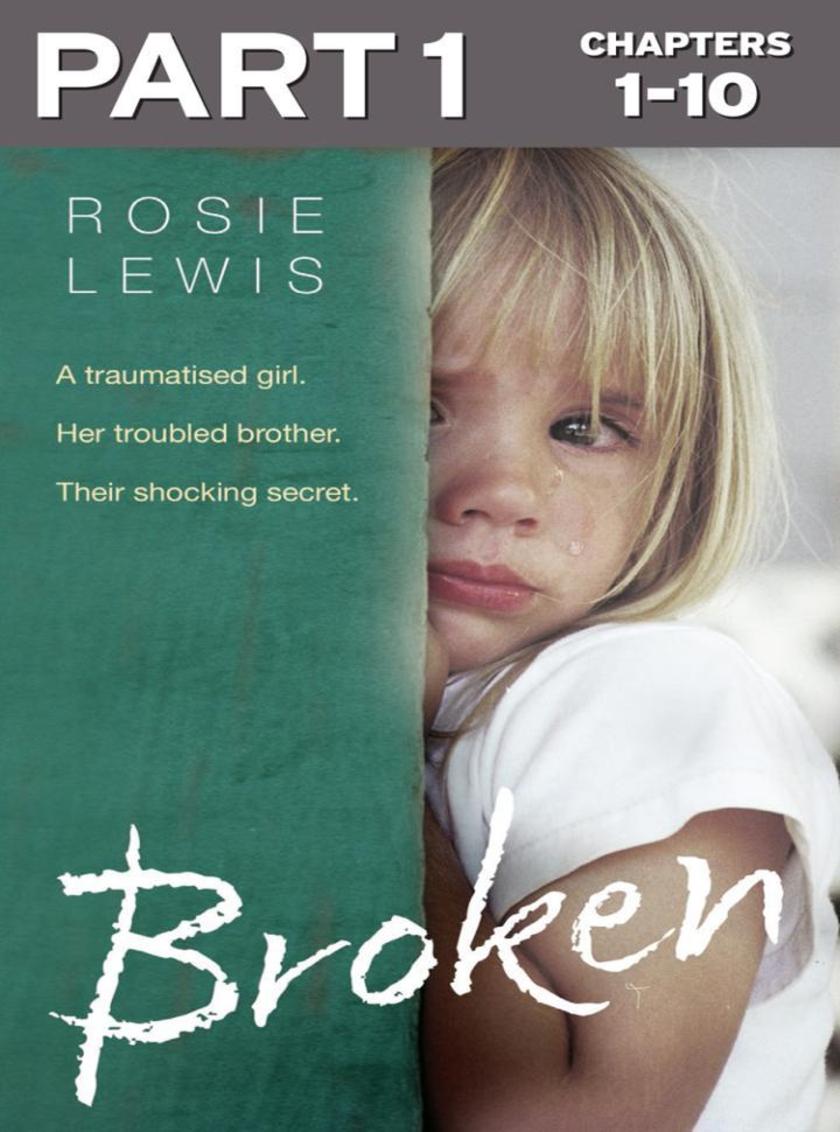
Broken: Part 1 of 3: A traumatised girl. Her troubled brother. Their shocking se
¥28.45
Rosie Lewis is a full-time foster carer. She has been working in this field for over a decade. Before that, she worked in the special units team in the police force.Based in northern England, Rosie writes under a pseudonym to protect the identities of the children she looks after.
Why Men Don’t Iron: The New Reality of Gender Differences
¥61.51
Anne Moir is a trained geneticist and television producer. Her previous books are Brain Sex and Mind to Crime. Her husband was a philosopher and writer.
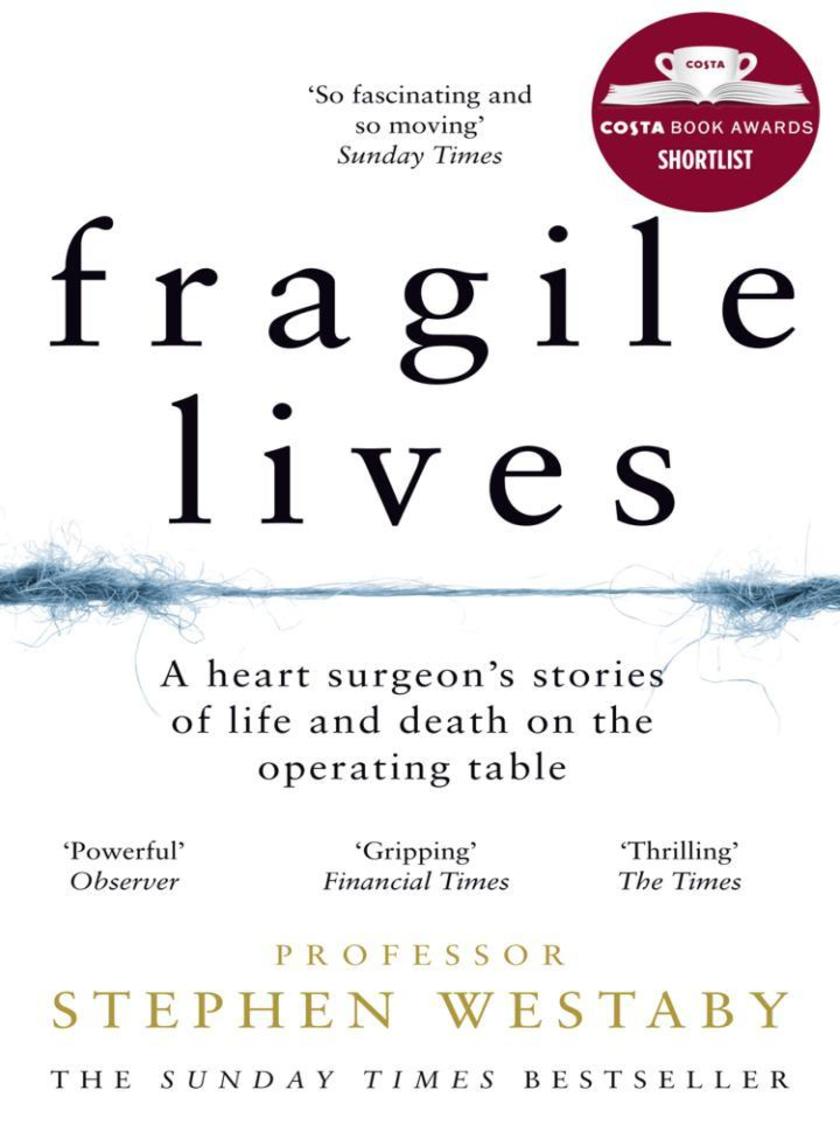
Fragile Lives: A Heart Surgeon’s Stories of Life and Death on the Operating Tabl
¥66.22
Steve Westaby is a celebrated world-famous heart surgeon who is renowned for being the first surgeon in history to fit a patient with a new type of artificial heart. During his 35 year career as a surgeon he worked at several of the UK’s top hospitals and performed over 11,000 heart operations. He won the Ray C. Fish Award for Scientific Achievement (2004). In 2004 Steve Westaby was featured in the BBC documentary Your Life in Their Hands which is a long-running series on the subject of surgery.


