


 购物车
 个人中心


Got Bipolar?:An Insider's Guide to Managing Life Effectively
¥40.79
Marshal the Skills and Resources You Need to Live Your Best Life!This book is about how to recover from bipolar disorder, or at least how to attempt to recover from it. Sufferers will be briefly introduced to new coping skills including: emotional regulation, method acting, empathy development and relaxation. In order to get the most out of this book, you’ll need to develop your own strategies, based on the recommendations of this book.“In Got Bipolar?, Zotti offers unique insights based on his personal experience of coming to terms with his own bipolar condition. Applying method acting as an emotional regulation tool mirrors the work of Marsha Linehan and her concept of ‘opposite action to the emotion’, a tool long recognized as effective in regulating emotions. Additionally, his focus on developing hobbies and interests in one’s life also reflects Linehan’s emphasis on creating a life worth living through the pursuit of meaningful activities. Zotti’s book will, no doubt, provide an invaluable guide for sufferers of bipolar disorder and I highly recommend it.” --Paul Corcoran, Clinical Psychologist, Moving Forward“If you or someone you know has been diagnosed with Bipolar Disorder (BPD), Got Bipolar? is a good place to start to try to make sense of it all. Topics include self-care, medications, coping skills and responding to someone in crisis. Zotti has lived with BPD most of his life, so he has walked the talk. The messages are of hope, loving yourself throughout this process and, if you are looking for help with a loved one, recognizing that the person is more than just this illness.” -- Judy Wright, mental health patient advocate“Got Bipolar? offers a framework for the sufferer in need of skills to overcome symptoms. Zotti personally uses method acting as a coping skill to reverse mood states. Even a smile has the power to shift a low mood. He covers the basics, but it is up to the readers to increase their knowledge of emotional regulation, empathy development, relaxation techniques and other coping skills. This book is a really good primer for anyone suffering from Bipolar Disorder. -- Lewis Weir, BSWLearn more about the author at www.lhpress.com/authors/alfredo-zotti

Looking Through the Trauma Lens
¥24.44
I developed renewed faith in the power of psychotherapy after I attended a Traumatic Incident Reduction (TIR) course in 2011. It opened many doors for me as I began to understand the impact of previously overlooked, objectively minor traumatic incidents on psychological disorders and problems. This article is about the application of this powerful tool over the entire spectrum of psychological problems and disorders and how this brings about impressive and permanent change. The optimal use of this tool in psychotherapy requires a shift in epistemology in which we begin to view mental health through a trauma lens. The definition of psychological trauma can vary. From a TIR perspective, trauma can be defined as any incident that had a negative physical or emotional impact on an individual. This is a very subjective issue as the something could be perceived as traumatic by one individual, but as commonplace and harmless by another. The important thing is the emotional and physical impact the incident had on the individual, its subjective impact. The reason it is so important to view trauma in the broadest way possible is because it explains the chronic mood states of our clients as well as how subconscious intentions and automatic emotional responses affect their current lives. These will be explained below. Traumatic incidents, when understood in the broadest sense possible, have a massive effect on our neurobiology, emotional states and behavioral patterns. Therefore, they can be seen as the driving force behind almost all psychological problems and disorders. When I say traumatic incidents "in the broadest sense possible," I refer to the everyday incidents of trauma that are objectively perceived as minor, such as an embarrassing comment by a teacher, conflict with a friend, breaking your mother's expensive vase, etc. It involves an understanding of how the emotional knocks we take on a daily basis affect our neurobiology and continue to have an impact on us in later life. The understanding of subconscious intentions, automatic emotional reactions and responses and chronic mood states are so crucial when it comes to looking at mental health through a trauma lens. Minor and major psychological and physical trauma involves a complex description of the effects on the brain. This article includes detailed case studies including specific incidents such as birth trauma and jealousy and rage. We will look in detail at how trauma results in Goleman's "Amygdala Hijacking" and how we can help the client break destructive cycles. I also explain why sheer willpower is insufficient to change behavior in the face of traumatic restimulation. Additionally, the article explains how TIR avoids re-traumatization even as clients revisit past incidents.
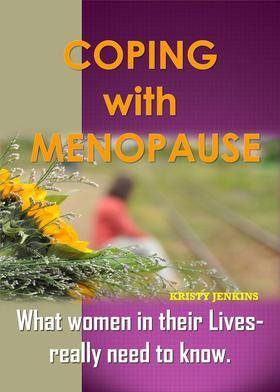
Coping with Menopause:What women in their lives really need to know
¥23.14
Facing your fears and understanding menopause? Most women have seen someone in their life, usually a mother or aunt, go through menopause. It’s a huge change that comes with a lot of different symptoms and changes within the body. You probably thought that it was something that only happened when you got to be much older. It’s one of the words no woman ever wants to hear, because it signifies a significant shift in a her life. I’m talking about menopause. The changes that take place during menopause can be confusing at best, and very upsetting at worst. That’s why it’s important to learn as much as you can about this natural process, instead of trying to ignore it or hide from it. When you take the time to understand exactly what’s happening to your body, you’re taking control of the situation. What seems like a completely random set of aches and ailments becomes a clear set of symptoms that you can predict and actually deal with. Am I too young for menopause? But did you know that it could happen to you as early as age 30? Do you sometimes wake up in the middle of the night, covered in a cold sweat? Are you feeling happy and bright one second, and then all of a sudden hit with a wave of sadness or anger? Maybe you’re having trouble controlling your bladder? As embarrassing as it all might seem, these are all actually completely normal occurrences ?for women in their 40’s and 50’s, as these are just a few of the symptoms that come with the early stages of menopause, which is known as perimenopause. There is not specific, exact time when a women is guaranteed to enter perimenopause. It happens at different times for different people. That’s why it’s so important to be aware of all the signs of menopause, otherwise you’re giving up control of your own health. Menopause can take place anywhere between age 30 and age 60, which is a pretty big gap. That’s why it’s so important to understand what is really going on during menopause, because you really never know when it could start. As you get older, we can start experiencing symptoms that are similar to those of menopause—like mood swings, tiredness, and irregular periods—without it actually being menopause. “Coping with Menopause: What women in their lives really need to know ” offers some great information to help you understand these changes, whenever they start to happen. Even though menopause is a natural process that happens to all of us, there’s still a few things that you need to keep an eye on to make sure that everything is happening the way it should. If you just write it off as “part of getting older,” then you could end up experiencing an increased risk of heart disease, a dangerous loss in bone density, or even a higher rate of bladder infections. Make sure you know what’s happening to your body, so you can stay healthy at any age.

A to Z Making Organic Perfumes at Home for Total Beginners
¥32.62
Have you ever sat in a bus, a café, or any other public place where within seconds of sitting you start feeling the need to sneeze or puke due to strong scents exhumed by someone who has either heavily used a synthetic perfume or whose perfume though lightly used scents so strongly as a result of its synthetic nature? It leaves you breathless with itching and sometimes watering eyes. Synthetic perfumes, as opposed to organic perfumes, always do this. They leave no space for fresh air. Justin Timberlake once said: The right scent can make you feel a little more stylish, but it should never eclipse who you are. It should compliment who you are. This statement holds water. Perfumes should make a first impression that speaks about who you are. They should compliment you. Synthetic perfumes do the direct opposite. They announce their presence so strongly that you are overshadowed and fade into the background. Synthetic perfumes can also be risky health-wise as a result of their components which ranges from carcinogenic content to toxic petroleum products. You sure do not want to risk any of these. Scents leave an impression. There, thus, arises a need for perfumes that give scents you would want to keep perceiving as they give a good first impression, pose no threat and perfectly compliment you. Remember, first impressions last for a long time. The answer to this is organic perfumes. Organic perfumes do not only give better scents but are safe. They can easily be made which is why we have compiled a couple of recipes that would aid your creating a scent that suits your personality. As Shakira once said: “A good fragrance should have a certain personality that makes people identify the scent with you.” This is well said. Knowing how to prepare your own organic perfumes will help you take note of combinations that best describe who you are.

Substance Dependency, PTSD and Traumatic Incident Reduction (TIR) in South Afric
¥20.36
This article briefly reflects the extent to which substance dependency and traumatic events, which may lead to a diagnosis of a post-traumatic stress disorder, are becoming a feature of life all over South Africa. Many social workers are familiar with current evidence-based approaches and are skilled at adapting them to local cultural and contextual conditions. Exploring and continuing learning various evidence-based approaches to render more effective services are an important aim of social work practice. Metapsychology and Traumatic Incident Reduction (TIR), an Applied Metapsychology technique, are introduced to challenge social workers to render more integrated and effective services. The prevalence and comorbidity of substance dependency and PTSD Looking at statistics about substance dependency, as well as the high tendency of being a victim of trauma in South Africa, is it evident that social workers are confronted and challenged on a daily basis to improve their knowledge and skills in this regard. In South Africa, drug consumption is twice the world norm (CDA-2011) and 15% of South Africa's population has a drug problem (CDA-2011).Over 30% of the South African population have an alcohol problem or are at risk of having one and alcohol affects 17.5 million of South Africans. Studies show that people who start drinking before the age of 15 are four times more likely to become alcoholics than people starting to drink later in their life. The recently-released United Nations World Drug Report had named South Africa as one of the drug capitals of the world. When it comes to the abuse of alcohol and usage of dagga, this country is rated to be one of the top ten narcotics and alcohol abusers in the world (Addiction Drug Alcohol Statistics, S. A. 2012 About the Author Elca Erlank, Ph.D. became a TIR trainer in 2012. She has trained with both Gerald French and Yvonne Retief. Elca is a social worker, in South Africa with 22 years experience in various related fields of social work services. She had specialized in the field of substance dependence and received her doctorate degree in 2003. From the Metapsychology Monographs Series at www.TIRBook.com

Coping with Physical Loss and Disability:A Manual
¥56.82
This workbook provides more than 50 questions and exercises designed to empower those with physical loss and disability to better understand and accept their ongoing processes of loss and recovery. The exercises in Coping with Physical Loss and Disability were distilled from twenty-five years of clinical social work experience with clients suffering from quadriplegia, paraplegia, amputation, cancer, severe burns, HIV/AIDs, and neuro-muscular disorders arising from accidents, injury, and disease."Rick Ritter captures the depth of the emotional pain in the aftermath of physical loss and disability." -- Rev. James W. Clifton, Ph.D., LCSW"The examples given by the author are very relevant and will help the sufferer relate to similar situations." -- S.V. Swamy, Holistic Healer and editor of Homeopathy For EveryoneIt helped me identify feelings I was unaware of, like anger, and I put on paper how lonely I am. -- J.B., a reader who has used this book to change her life.This workbook is a very good stimulus for focusing on issues crucial for better coping with loss and disability. -- Beni R. Jakob, Ph.D, Israeli Arthritis Foundation (INBAR)About the AuthorRick Ritter, MSW, a disabled veteran and social worker, has worked with hundreds of clients who have experienced physical loss and disability. This workbook is a distillation of the very best questions and exercises to draw the client towards re-taking control of their life. He has competed in international events for disabled athletes. Ritter was also a major contributor to got parts? An Insider's Guide to Managing Life Successfully with Dissociative Identity Disorder. He currently resides in Ft. Wayne, Indiana.

Beyond Trauma:Conversations on Traumatic Incident Reduction
¥65.99
TIR, or Traumatic Incident Reduction, is a unique regressive, repetitive, desensitization procedure--highly focused, directive, and controlled, yet at the same time wholly person-centered, non-interpretive, and non-judgmental. Developed by Frank A. Gerbode, M.D., Gerald French, and others, TIR is best known for its use as an extremely effective tool in the rapid resolution of virtually all trauma-related conditions, including PTSD. TIR can also address many other DSM-IV diagnoses beyond trauma including: adjustment disorders, acute stress, traumatic bereavement, dysthymic disorders, major depressive disorders, anxiety disorders, somatization disorders, sexual abuse, and phobias.Acclaim for Beyond Trauma: Conversations on Traumatic Incident Reduction"Beyond Trauma is an excellent resource to begin one's mastery in this area of practice."--MICHAEL G. TANCYUS, LCSW, DCSW, Augusta Behavioral Health"I have found Beyond Trauma to be exceptionally helpful in understanding and practicing TIR in broad and diverse areas of practice, not just in traditional trauma work. The information from various points of view is really priceless."--GERRY BOCK, Registered Clinical Counselor, B.C. Canada"Beyond Trauma offers PTSD sufferers a glimpse at a light at the end of the tunnel, while providing mental health workers with a revolutionary technique that could increase their success rate with traumatized clients."--JENI MAYER, Body Mind Spirit MagazineLearn more at www.BeyondTrauma.com

Raja Yoga
¥24.44
Each branch of Yoga is but a path leading towards unfoldment, development, and growth. What is known as Raja Yoga deals with the Mind, its control, its development. He who wants to develop his will-power and mental faculties, unfolding the inner senses, and latent powers, follows the path of Raja Yoga. Raja Yoga is known by many names and is often referred to as royal yoga, royal union, sahaj marg, classical yoga, and ashtanga yoga.

Intermittent Fasting
¥24.53
Intermittent Fasting

Buddha Bowl Cookbook: Mindful Eating Recipes For Healthy Weight Loss Without Die
¥32.62
Buddha Bowl Cookbook: Mindful Eating Recipes For Healthy Weight Loss Without Dieting

The Top 50 HIIT Workouts That Guarantee Fat Loss
¥24.44
The Top 50 HIIT Workouts That Guarantee Fat Loss
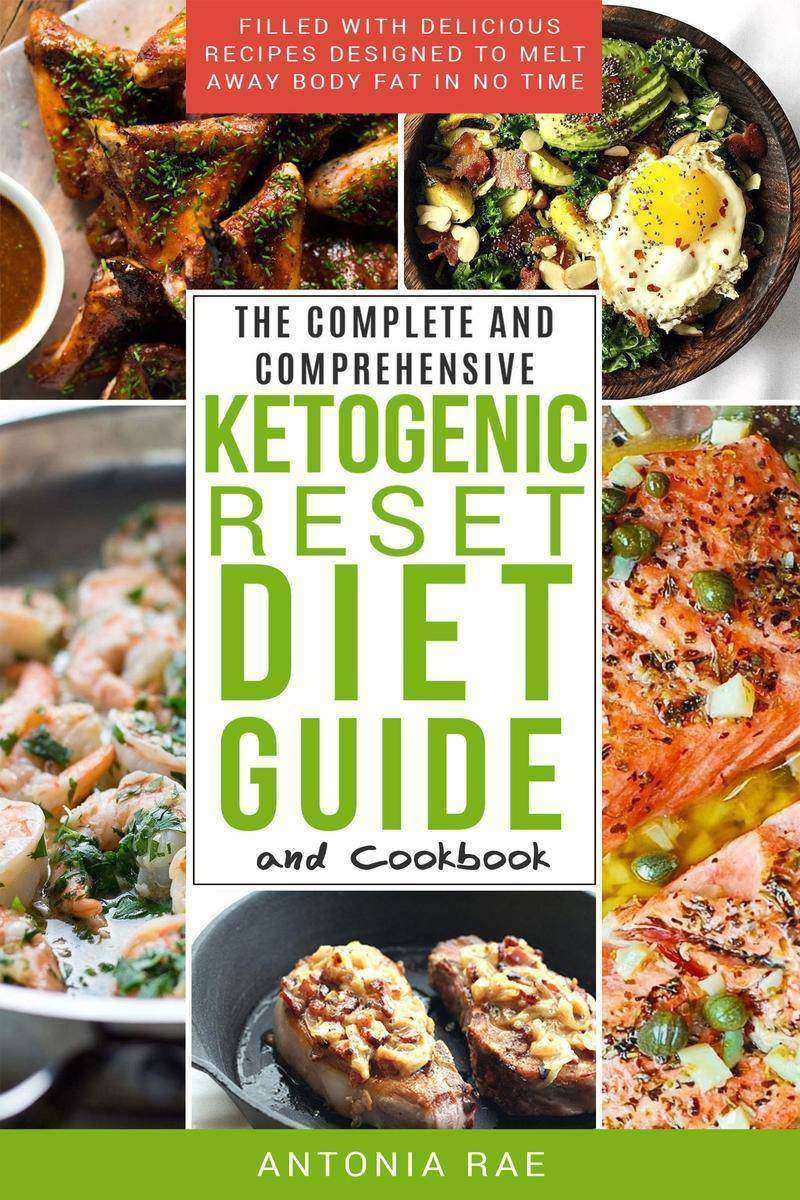
The Complete and Comprehensive Ketogenic Reset Diet Guide and Cookbook
¥24.44
The Complete and Comprehensive Ketogenic Reset Diet Guide and Cookbook

How To Talk To Anyone.
¥31.10
How To Talk To Anyone.

7 Days Detox Diet: Simple Recipes to Beat Sugar Addiction, Weight Loss and Clean
¥32.62
7 Days Detox Diet: Simple Recipes to Beat Sugar Addiction, Weight Loss and Cleanse Your Body
O Poder Supremo: 33 Chaves Para Ter Sucesso
¥24.44
O Poder Supremo: 33 Chaves Para Ter Sucesso
The Transitional Code: A Key to Miracles, Dreams and Unlimited Abundance
¥24.44
The Transitional Code: A Key to Miracles, Dreams and Unlimited Abundance

How to Get a Billion Dollar Idea
¥23.30
How to Get a Billion Dollar Idea
Change and Develop a New Personality: Improve How Others See You and Find Joy in
¥24.44
Change and Develop a New Personality: Improve How Others See You and Find Joy in Everyday Life

Why Do We Feel Lonely: Why do we feel sad, empty, depressed and unwanted
¥24.44
Why Do We Feel Lonely: Why do we feel sad, empty, depressed and unwanted

Lack of Choice: The Connection between Evilness, Selfishness and Depression in t
¥23.30
Lack of Choice: The Connection between Evilness, Selfishness and Depression in the Path to Happiness

The 234 Spiritual Quotes of the Power Elite: Empowering Truths about Life, Abund
¥24.44
The 234 Spiritual Quotes of the Power Elite: Empowering Truths about Life, Abundance and Success


