


 购物车
购物车 个人中心
个人中心
Loving Linsey
¥21.73
The signs have mistakenly told superstitious Linsey Gordon that she has less than three months to live, and she's determined to do one last good deed before she dies. But matchmaking for her timid sister Addie is going to take doing, when the man Linsey has in mind for Addie ends up falling for her! She'll have to stop trusting in signs, and believe in something much stronger than luck: passionate, unpredictable love.
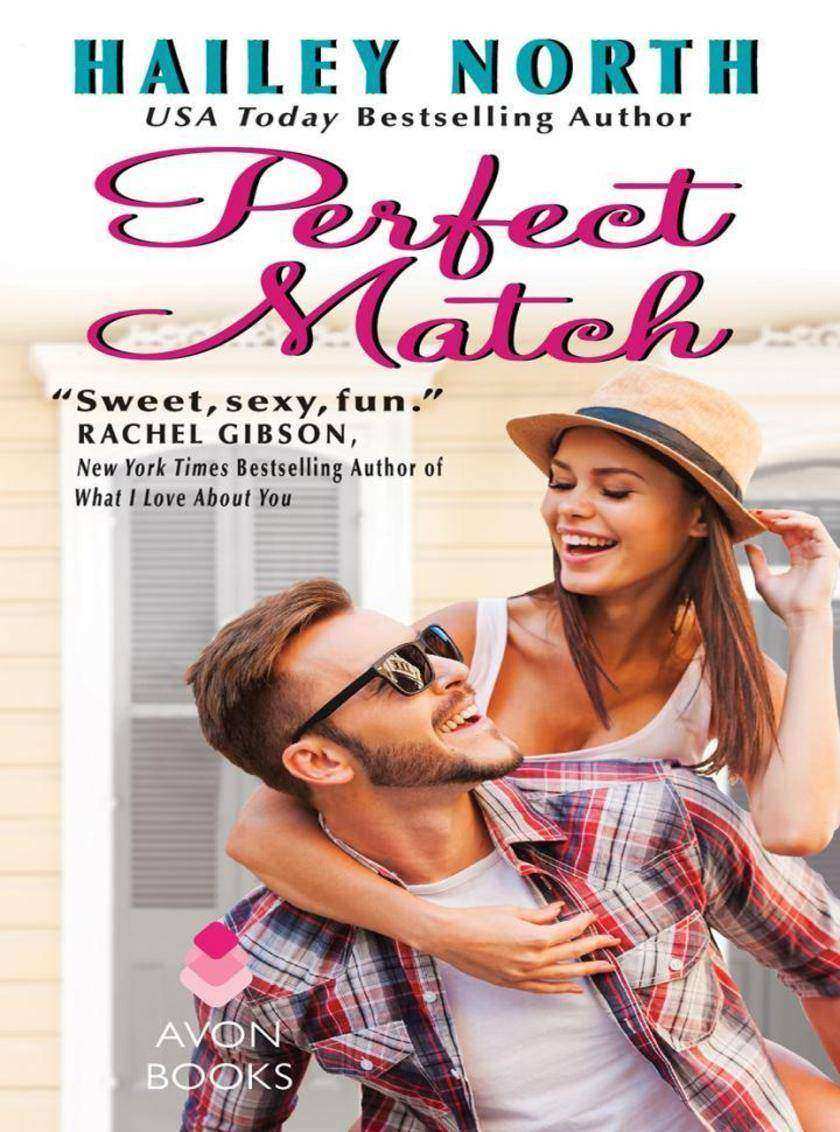
Perfect Match
¥42.48
While Not Looking For Mr. Right... Although she vows that she's locked her heart and thrown away the key, ravishing red-headed Lauren Stevens suddenly has several men vying to prove her wrong—and to win the right to set free her passionate self. Button-down banker Oliver Gotho seems like a good candidate, but it's Oliver's sexy brother Alistair who has invited the beautiful, penniless free spirit to share his living space—temporarily, of course. She thinks she should encourage the successful businessman brother, yet is it Alistair with the oh-so-sensual magic touch who holds the key to her happinessHas She Found Her Perfect MatchSexy, wise, and charismatic, Alistair has offered Lauren a place to stay out of the goodness of his heart—and certainly not because of her gorgeous eyes, luscious lips and enchanting body. Lauren may entrance him, but it's time for him to find a sensible woman to take to wife. And Lauren, with her penchant for peccadilloes, spells nothing but trouble. But spring is in the balmy New Orleans air, and so is love, as both Lauren and Alistair discover that the heart-pounding perfect match isn't always the one knocking at the door...
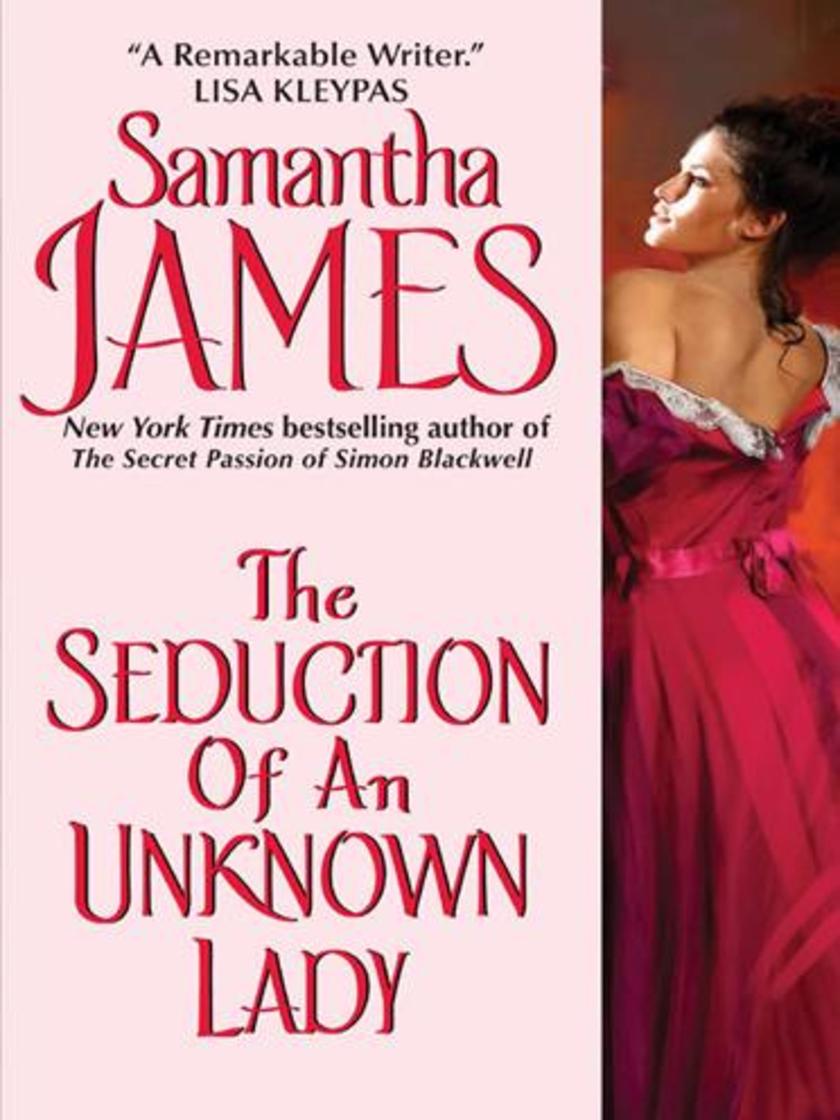
The Seduction of an Unknown Lady
¥48.39
Seduction is something Fionna Hawkes knows nothing about. So when she encounters a sexy stranger on a moonlit street, her first instinct is to defend herself against her darkly handsome suitor. But letting go of suspicion and allowing herself to fall for Lord Aidan McBride brings even greater danger. In his eyes, she glimpses a powerful passion she longs to fulfill. In his arms, she aches with the secret she longs to unburden. A secret that could cost her her livelihood and her life.Aidan could never resist a mystery, especially one as mesmerizing as the lovely Miss Hawkes! Drawing her into the shelter of his embrace, he won't rest until he convinces her to reveal everything. Braving the danger that stalks Fionna at every turn, Aidan is determined to defend her and just as determined to claim her as his own.
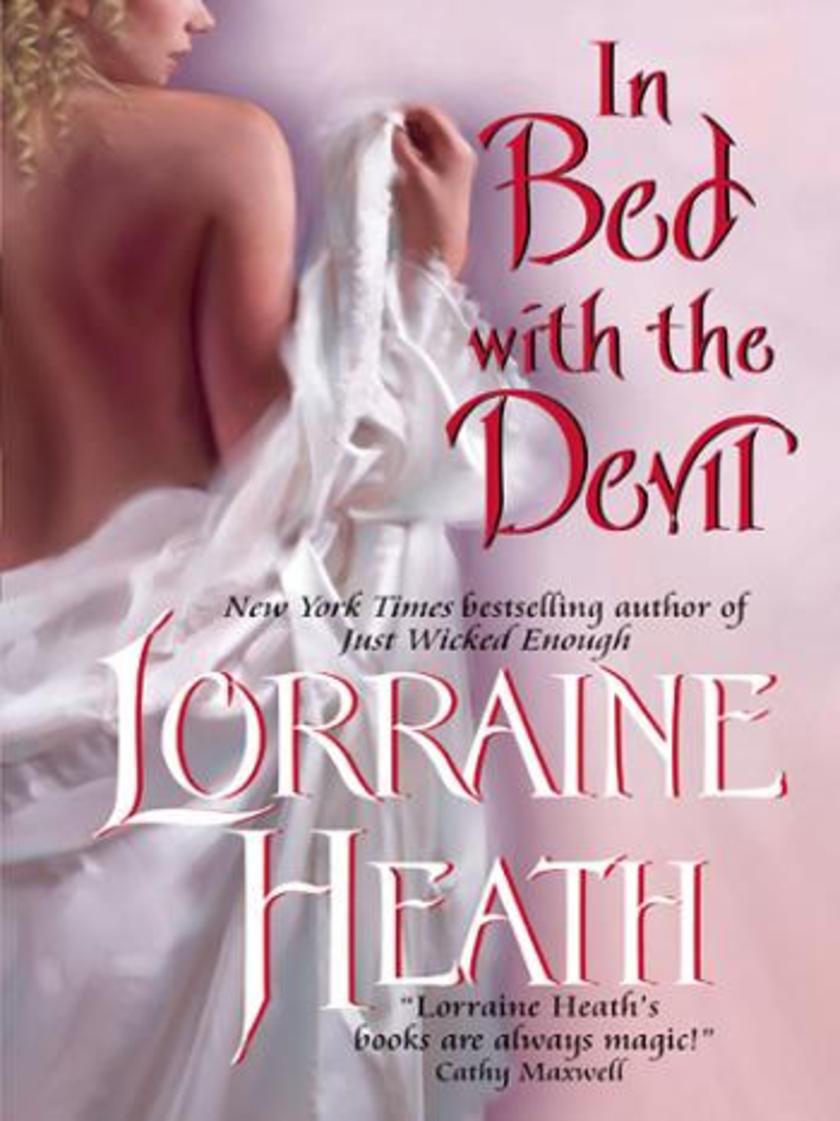
In Bed With the Devil
¥48.39
They call him the Devil Earl a scoundrel and accused murderer who grew up on the violent London streets. A proper young lady risks more than her reputation when consorting with the roguishly handsome Lucian Langdon, but Lady Catherine Mabry believes she has no choice. To protect those she loves, she would do anything even strike a bargain with the devil himself.Lucian desires respectability and a wife above all else, but the woman of his choosing lacks the social graces to be accepted by the aristocracy. Catherine can help Lucian gain everything he wants. But what she asks for in exchange will put their very lives in jeopardy. When danger closes in, Catherine discovers a man of immense passion and he discovers a woman of immeasurable courage. As secrets from his dark past are revealed, Lucian begins to question everything he knows to be true, including the yearnings of his own heart.

The Complete Guide to Vitamins, Herbs, and Supplements
¥49.05
The Natural Way to WellnessFind essential information on hundreds of vitamins, herbs, and supplements -- What will VITAMIN E help cure and how much should I takeVitamin E can help prevent heart disease and treat acne. Adults should take 100 to 400 IU of natural vitamin E daily. Find vitamin, herb, and supplement treatments for hundreds of conditions!Experiencing migrainesSee MAGNESIUM:There is considerable evidence that low magnesiumlevels trigger both migraine and tension headaches. Take250 to 400 milligrams three times daily.Learn about possible interactionswith your pre*ion drugs! Taking ST. JOHN'S WORT for depression?It may interfere with amphetamines, diet pills, nasaldecongestants, or allergy medications, causingnausea or high blood pressure.Here is your comprehensive, portable, one-step guide to all over-thecounter vitamins, herbs, and supplements currently available -- an easy-to-use alphabetical listing that includes valuable information on the most effective forms of each supplement, the nutrient's food source and proper dosage, as well as signs of deficiency, safe use, and possible side effects.

First Lady
¥55.31
How does the most famous woman in the world hide in plain sightThe beautiful young widow of the President of the United States thought she was free of the White House, but circumstances have forced her back into the role of First Lady. Not for long, however, because she's made up her mind to escape -- if only for a few days -- so she can live the life of an ordinary person. All she needs is the perfect disguise . . . and she's just found it.An entire nation is searching for her, but the First Lady is in the last place anybody would think to look: in the company of a man, an infuriatingly secretive and quietly seductive stranger whose charm, good looks, and sensuous appeal are awakening the forgotten woman within the dignitary. And with two adorable little orphaned girls in need of a family along for the ride, they're heading out across the heartland chasing their own American Dream -- on a wild journey of love, adventure, and glorious rebirth.First Lady: A star-spangled, richly emotional story of self-discovery, celebrity, love, and family.

Let It Be Love
¥56.07
When New York Times bestselling author Victoria Alexander created the Effingtons, she introduced an irresistible clan. Now, meet her most unforgettable hero yet . . .Dashing Jonathon Effington, the Marquess of Helmsley, has had more than one lady willingly fall into his arms. But he's so delicious none has ever complained at their inevitable parting. And while Jonathon's no stranger to passion of the flesh, his heart has remained untouched. Until now . . .At each Christmas Ball, Jonathon selects a delectable lady to share the pleasures of the evening after all, it's a holiday tradition! But he is shocked to discover that his choice is replaced by an enchanting stranger who surprises him with a proposal of marriage. Beautiful Fiona Fairchild is desperate only a wedding will save her sisters and her inheritance. But Jonathon has no interest in marriage, and what starts as a shocking proposal turns into a scandalous proposition that might ruin them both . . .
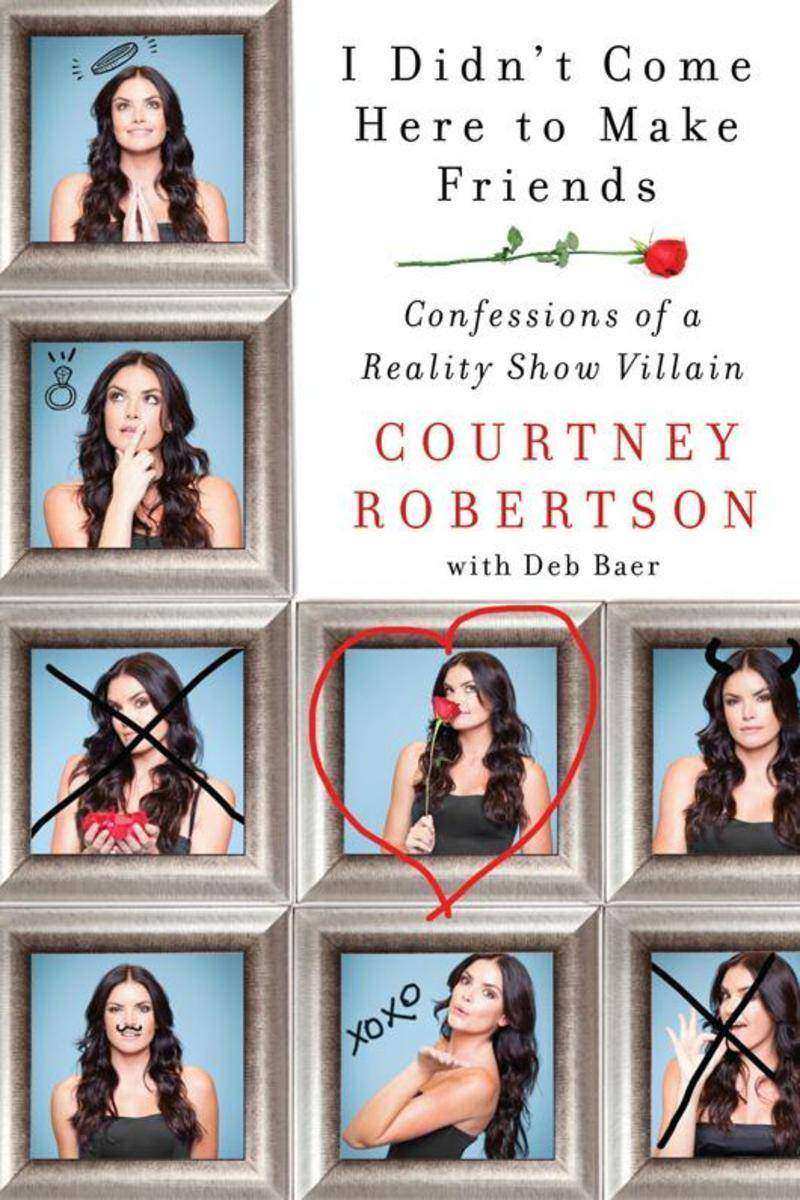
I Didn't Come Here to Make Friends
¥88.56
Courtney Robertson joined season 16 of The Bachelor looking for love. A working model and newly single, Courtney fit the casting call: She was young, beautiful, and a natural in front of the cameras. Although she may have been there for all the right reasons, as the season unfolded and sparks began to fly something else was clear: She was not there to make friends. Courtney quickly became one of the biggest villains in Bachelor franchise history. She unapologetically pursued her man, steamrolled her competition, and broke the rules—including partaking in an illicit skinny-dip that sealed her proposal. Now, after a very public breakup with her Bachelor, Ben Flajnik, Courtney opens up and tells her own story—from her first loves to her first moments in the limo. She dishes on life before, during, and after the Bachelor, including Ben’s romantic proposal to her on a Swiss mountaintop and the tabloid frenzy that continued after the cameras stopped rolling. For the first time ever, a former Bachelor contestant takes us along on her journey to find love and reveals that “happily ever after” isn't always what it seems. Complete with stories, tips, tricks, and advice from your favorite Bachelor alumni, and filled with all the juicy details Courtney fans and foes alike want to know, I Didn’t Come Here to Make Friends is a must-read for every member of Bachelor nation.
Notes from a Small Island
¥90.51
Veering from the ludicrous to the endearing and back again, Notes From a Small Island is a delightfully irreverent jaunt around the unparalleled floating nation that has produced zebra crossings, Shakespeare, Twiggie Winkie's Farm, and places with names like Farleigh Wallop and Titsey.
Why It's Great to Be a Girl
¥55.94
Why It's Great to Be a Girl is a must-have for every girl from six to sixteen! Chock-full of fascinating facts, enlightening girl-knowledge, and important historical milestones even a list of great books written by women here is a guaranteed self-esteem booster for young females everywhere . . . and it's lots of fun too! After all, what girl wouldn't feel great about herself knowing that: girls hear better than boys girls drive better than boys girls' bodies are stronger than boys' in every way, except for muscles girls are less susceptible to major diseases and, according to many anthropologists and archaeologists, girls actually "civilized" humankind! So get ready for an eye-opening journey through the awesomeness of girldom with the ultimate guide to why being a girl is the ultimate in cool!
Why Girls Can't Throw
¥72.70
Warning: the truth can be shocking, seductive, offensive, outrageous...even disgusting!Are you perplexed by the mysteries of the universe, confounded by the workings of the human body, prone to pondering the great imponderablesAt long last, the answers are here for every inquiring mind that's not afraid to face up to the cold, hard facts of life. The author who brought you That Book . . . of Perfectly Useless Information now addresses the quirky, the eclectic, and the essential conundrums of our age in Why Girls Can't Throw . . . and Other Questions You Always Wanted Answered, including: What's the kindest way to tell a friend he has halitosisIs it cheaper to send yourself as a package to Australia rather than fly on an airplaneAre there any benefits to smokingIs it true that Keith Richards used to regularly replace all the blood in his body?

The Airplane
¥83.03
In this entertaining history of the jetliner, Jay Spenser traces aviation's challenges from the outset, and follows the flow of the simple yet powerful ideas that led us to defy gravity. Here are the pioneers innovators such as Otto Lilienthal, Igor Sikorsky, Louis Bl riot, Hugo Junkers, and Jack Northrop whose amazing contributions collectively solved the puzzle of flight. Along the way, Spenser demystifies the modern jetliner, examining the airplane from wings to flight controls to fuselages to landing gear, to show how each part came into being and evolved over time. And finally The Airplane addresses the future of aviation, outlining the breathtaking possibilities that await us tomorrow, many miles above the earth. Who were aviation's dreamers, and where did they get their inspirationHow did birds, insects, marine mammals, and fish help us to flyHow did the bicycle beget the airplane, and hot water heaters lead to metal fuselagesWho figured out how to fly without seeing the ground, enabling airline travel in all weather conditions?

American Son
¥83.92
From Oscar De La Hoya, one of the most celebrated fighters in the history of boxing, comes a frank and touching memoir about achieving the American Dream: his rise to the top, the power of a solid work ethic, his mother's painful death from cancer, the pitfalls of stardom, and a very personal take on what it means to be an American The son of Mexican-born parents, Oscar "The Golden Boy" De La Hoya has had an astonishing career. From boxing to business, from the recording industry to the charitable accomplishments of his foundation, his success is a testament to what one can achieve in the United States. But who is this man who has changed the lives of so manyWho has imprinted a positive mark upon the sport of boxing, for which many have all but given up hopeWho has become a symbol of success for an entire community, without many heroes to call their own?American Son answers these questions.Born into a boxing family, De La Hoya has defeated more than a dozen world champions and won six world titles as well as an Olympic gold medal a moment forever marked in the memory of anyone who has followed his career. Yet within the maelstrom of this success lay a man whose earnest belief in the goodness of everyone around him sometimes led him to stray far from his intended path. This book is The Golden Boy, and he bares his most heartbreaking mistakes as well as his most stunning triumphs for all of the world to see. This thrilling tale of an immigrant's son a quintessentially American story is the chronicle of an amazing journey that will provide readers with new insight into the private life of a figure who has to many reached iconic status.
Know What Makes Them Tick
¥84.16
Max Siegel started with none of the obvious advantages, yet again and again he built mutually beneficial partnerships with peers, mentors, supervisors, and industry leaders that took him to the heights of professional and personal achievement. He's managed some of the world's top recording artists, ballplayers, and race-car drivers, and helped run some of the top organizations in sports and entertainment. He's grown fragmented niche markets into bestselling audiences by tapping into the universal hopes and passions that bring people together. Now he travels the country giving motivational speeches and inspiring professionals of all kinds, sharing his method for connecting with people, whatever their differences.The secret, Siegel says, is to know what makes others tick. For some, it's financial security; for others, it's respect, devotion to family, a creative calling, or a vision of a better world. He shows how to encourage people to share these hidden, all-important motivations, and how to partner with them in the most powerful way there is: by finding the overlap between their goals and yours, so that together you can realize the dreams that make you tick.The nine universal rules outlined in Know What Makes Them Tick include:See Where You Want to Be, Not Where You AreFind Your AmbassadorsShow What's in It for ThemReaders will learn practical strategies for negotiating the challenges in every part of life, whether motivating colleagues to be more productive, finding a market for their product, uniting a divided family, or building a life of satisfaction in an unpredictable world. It's an eye-opening guide to a unique and powerful approach that anyone can use.
Buy, Close, Move In!
¥84.16
The rules have changed, but your dreams haven't. You can buy the home you want let award-winning real estate guru Ilyce Glink show you how! With her books, syndicated newspaper and Internet columns, radio show, blog, Web site, and numerous media appearances, Ilyce Glink has become the go-to expert Americans rely on to help them successfully navigate the tricky world of real estate a marketplace made even more complex today thanks to the Great Recession. Sure, there's a maze of new regulations. Sure, it's harder than ever to find a great deal or get the best loan. But you can do it. All it takes is a little expert advice from Ilyce. Clear and concise, Buy, Close, Move In! cuts through confusing red tape to provide the essential inside information you need to make the best decisions, and answers commonly asked questions about every step of the process, including: Credit from raising your score to identitifying theft protection Real estate investments trends and opportunities Foreclosures, short sales, and auctions Appraisals, closing costs, and other fees Mortgages fixed rate versus adjustable rate and other financing options With Ilyce Glink's Buy, Close, Move In! you're one step closer to home.
One More Theory About Happiness
¥85.05
Paul Guest was twelve years old, racing down a hill on a too big, ancient bicycle, when he discovered he had no brakes. Steering into anything that would slow down the bike, he hit a ditch, was thrown over the handlebars, and broke his neck.One More Theory About Happiness follows a boy into manhood, from the harrowing days immediately after his accident to his adult life as a teacher, award-winning poet, and soon-to-be husband. With wit, courage, and an unstoppable drive to live a life of his own creation stemming in part from his remarkable parents, who insisted he return to school only days after arriving home from the hospital Paul makes peace with his paralysis. As he grows older, he transforms it with his art, cultivating his lifelong gift for language into a searing poetic sensibility that has earned him praise from the highest ranks of American letters ( Wonderful John Ashbery; Astonishing Jorie Graham; Fierce and unnerving Robert Hass).An unforgettable story shatteringly funny, deeply moving, and breathtakingly honest One More Theory About Happiness takes us from a body irrevocably changed to a life fiercely cherished.

The Shadow Effect
¥88.56
Deepak Chopra, Debbie Ford, and Marianne New York Times bestselling authors and internationally acclaimed teachers have joined together to share their knowledge on one of the most crucial obstacles to happiness we face the shadow. These three luminaries, each with a signature approach, bring to light the parts of ourselves we deny but that still direct our life. For it is only when we embrace our shadow that we discover the gifts of our authentic nature.The shadow exists within all of us. It is a part of us and yet we spend most of our life running from it. But far from being scary, our dark side holds the promise of a better, more fulfilling life. Our shadow makes itself known every day. It is the reason we get furious over a friend showing up ten minutes late, yell at our parents or kids when they have done nothing wrong, and sabotage our own success at the worst possible time. Until we are able to embrace our dualistic nature, we will continue to hurt ourselves and those closest to us and fall short of our potential.Combining the wisdom of three experts, The Shadow Effect is a practical and profound guide to discovering the gifts of our shadow. These three authors powerfully pierce the veil of our unclaimed self, releasing us from the past and propelling us on a journey to wholeness. No longer living a half life, we are capable of achieving our dreams and reclaiming the happiness that is our birthright.
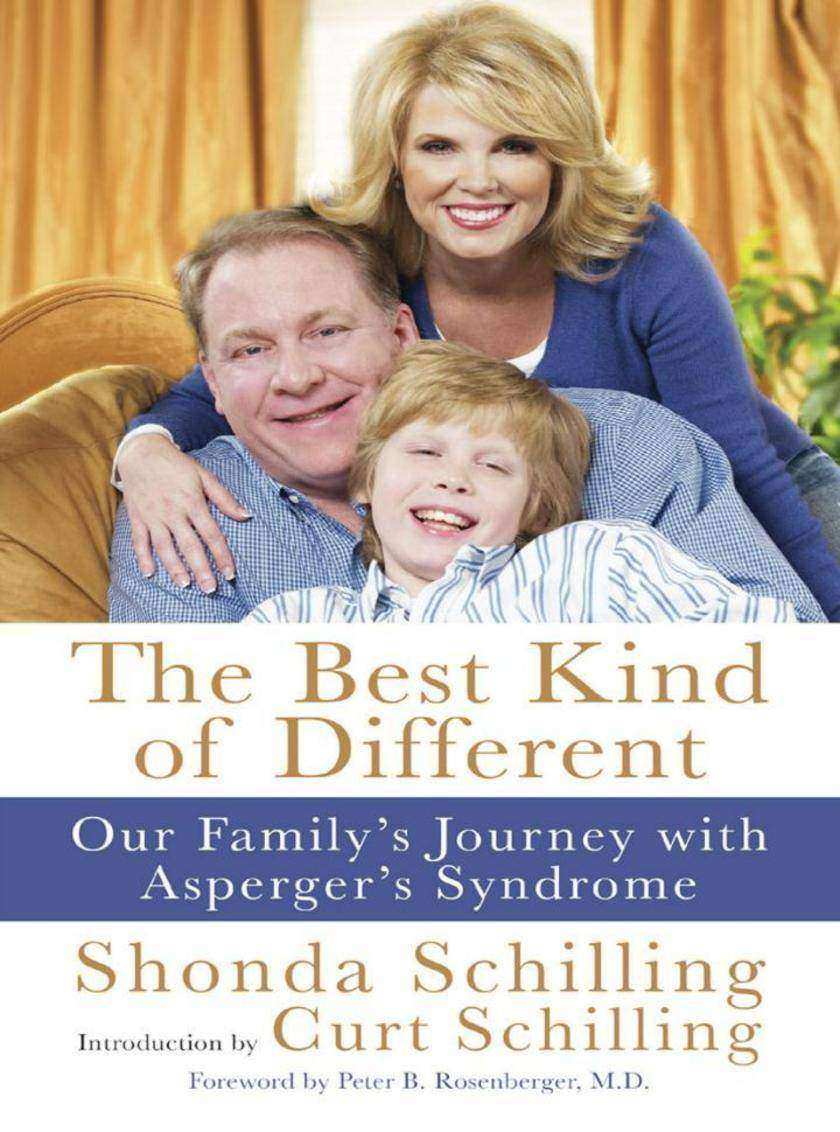
The Best Kind of Different
¥84.16
Until the summer of 2007, the word Asperger's, was not a part of Shonda Schilling's vocabulary, but that summer changed everything. By then, her household was in chaos as her son Grant spiraled out of control. His acting out and refusal to listen had grown to epic proportions, but even worse was his apparent inability to relate to the people around him. None of the Schillings' other three kids ever acted like Grant; his behavior wasn't just unruly, it was irrational. Complicating matters was the fact that Shonda's husband, Curt, was constantly on the road pitching for the Boston Red Sox, so he wasn't always around to see Grant's behavior firsthand. Seemingly everyone Shonda encountered had an opinion "he's too spoiled," "he needs a good spanking," "he needs more discipline" but it was a disastrous first attempt at summer camp that told Shonda something was definitely wrong. It was then that a neurologist diagnosed Grant with Asperger's syndrome a form of high-functioning autism that, in recent years, has been found in children who at first glance appear disruptive and difficult. Now in The Best Kind of Different, Shonda details every step of her family's journey with Asperger's, offering a parent's perspective on this complicated and increasingly common condition. Looking back on Grant's early years, she describes the signals she missed in his behavior and confronts the guilt that engulfed her after she came to understand just how misguided her parenting had been before the diagnosis. In addition, she talks about the harsh judgment she's faced from people who don't buy into the diagnosis and how she's used passion and information to fight the ignorance of others.Celebrating Grant's successes and learning from his setbacks, Shonda demonstrates how Asperger's forced her and her husband to reconsider everything they thought they knew about their son and each other, but in the end, it has made their marriage and their family stronger and happier. A tribute to Grant's strength and a candid glimpse into a family coming to terms with its differences, The Best Kind of Different is an intimate portrait of two parents struggling to understand the complex beauty of their son.
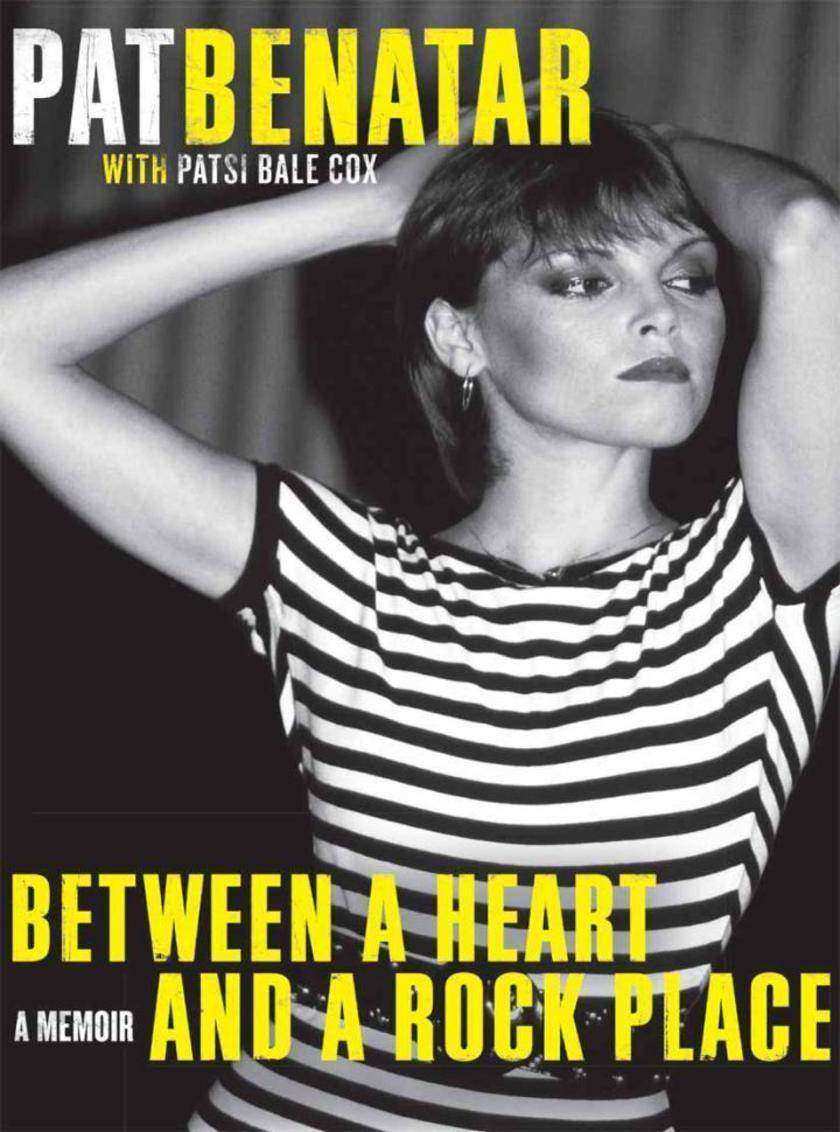
Between a Heart and a Rock Place
¥99.65
For more than thirty years, Pat Benatar has been one of the most iconic women in rock music, with songs like "Heartbreaker," "Hit Me with Your Best Shot," and "Love Is a Battlefield" becoming anthems for multiple generations of fans. Now, in this intimate and uncompromising memoir, one of the bestselling female rock artists of all time shares the story of her extraordinary career, telling the truth about her life, her struggles, and how she won things her way.From her early days in the New York club scene of the 1970s to headlining sold-out arena tours, Benatar offers a fascinating account of a life spent behind the microphone. As the first female artist ever to be played on MTV, she speaks candidly about the realities of breaking into the boys' club of rock and roll at a time when people everywhere still believed a woman's only place in popular music was as a girlfriend, a groupie, or a sex symbol. And though her fiery edge and aggressive swagger produced instant success, they also led to fights over her image that would linger for years to come.Going backstage and into the studio, Benatar sets the record straight about how her music evolved, illustrating the visionary role that her guitarist, producer, and eventual husband, Neil "Spyder" Giraldo, played in combining her classically trained voice with razor-sharp guitar to create her unique hard-rock sound. Together they formed a musical and spiritual bond that would last a lifetime, helping her stay true to herself while avoiding the pitfalls and excesses of rock stardom.Written with the attitude and defiance that embodies Pat Benatar's music, Between a Heart and a Rock Place is a rock-and-roll story unlike any other, a remarkable tale of playing by your own rules, even if that means breaking a fewof theirs.
In Rough Country
¥84.16
In twenty-nine provocative essays, Joyce Carol Oates maps the "rough country" that is both the treacherous geographical and psychological terrain of the writers she so cogently analyzes Flannery O'Connor, Cormac McCarthy, Philip Roth, E. L. Doctorow, and Margaret Atwood, among others and the emotional terrain of Oates's own life following the unexpected death of her husband, Raymond Smith, after forty-eight years of marriage. "As literature is a traditional solace to the bereft, so writing about literature can be a solace, as it was to me when the effort of writing fiction seemed beyond me, as if belonging to another lifetime," Oates writes. "Reading and taking notes, especially late at night when I can't sleep, has been the solace, for me, that saying the Rosary or reading The Book of Common Prayer might be for another." The results of those meditations are the essays of In Rough Country balanced and illuminating investigations that demonstrate an artist working at the top of her form.
Brave Girl Eating
¥83.03
I've never had anorexia, but I know it well. I see it on the street, in the gaunt and sunken face, the bony chest, the spindly arms of an emaciated woman. I've come to recognize the flat look of despair, the hopelessness that follows, inevitably, from years of starvation. I think: That could have been my daughter. It wasn't. It's not. If I have anything to say about it, it won't be.Millions of families are affected by eating disorders, which usually strike young women between the ages of fourteen and twenty. But current medical practice ties these families' hands when it comes to helping their children recover. Conventional medical wisdom dictates separating the patient from the family and insists that "it's not about the food," even as a family watches a child waste away before their eyes. Harriet Brown shows how counterproductive and heartbreaking this approach is by telling her daughter's story of anorexia. She describes how her family, with the support of an open-minded pediatrician and a therapist, helped her daughter recover using family-based treatment, also known as the Maudsley approach.Chronicling her daughter Kitty's illness from the earliest warning signs, through its terrifying progression, and on toward recovery, Brown takes us on one family's journey into the world of anorexia nervosa, where starvation threatened her daughter's body and mind. But hope and love of the ordinary, family-focused kind shine through every decision and action she and her family took. Brave Girl Eating is essential reading for families and professionals alike, a guiding light for anyone who's coping with this devastating disease.


