


 购物车
购物车 个人中心
个人中心
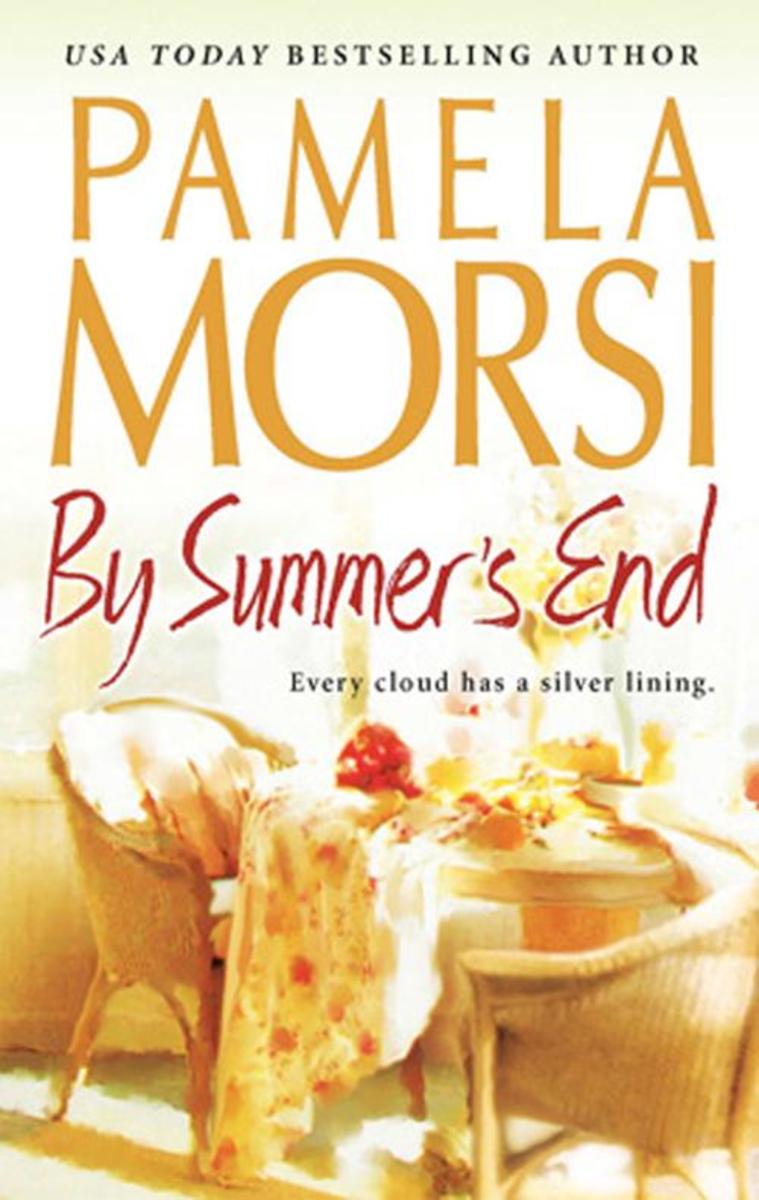
By Summer's End (Mills & Boon Silhouette)
¥32.27
SOME THINGS ARE JUST TOO HARD TO IMAGINE… For instance, Dawn Leland never thought in a million years that she and her girls would ever end up back with her in-laws. Sixteen years is a long time to be away, but life has dealt her something unexpected. Now she has no choice. AND SOME THINGS DON'T BEAR THINKING ABOUT… Sephrona Leland said good riddance to bad rubbish when her son's widow took her two little girls and left Knoxville all those years ago. And despite her husband's best efforts, the bitterness still remains. BUT ALL THINGS TURN OUT IN THE END… It takes some forgiveness, a little understanding and the magic of two young girls to make everyone see that–although it's hard to imagine–they have all ended up where they belong.
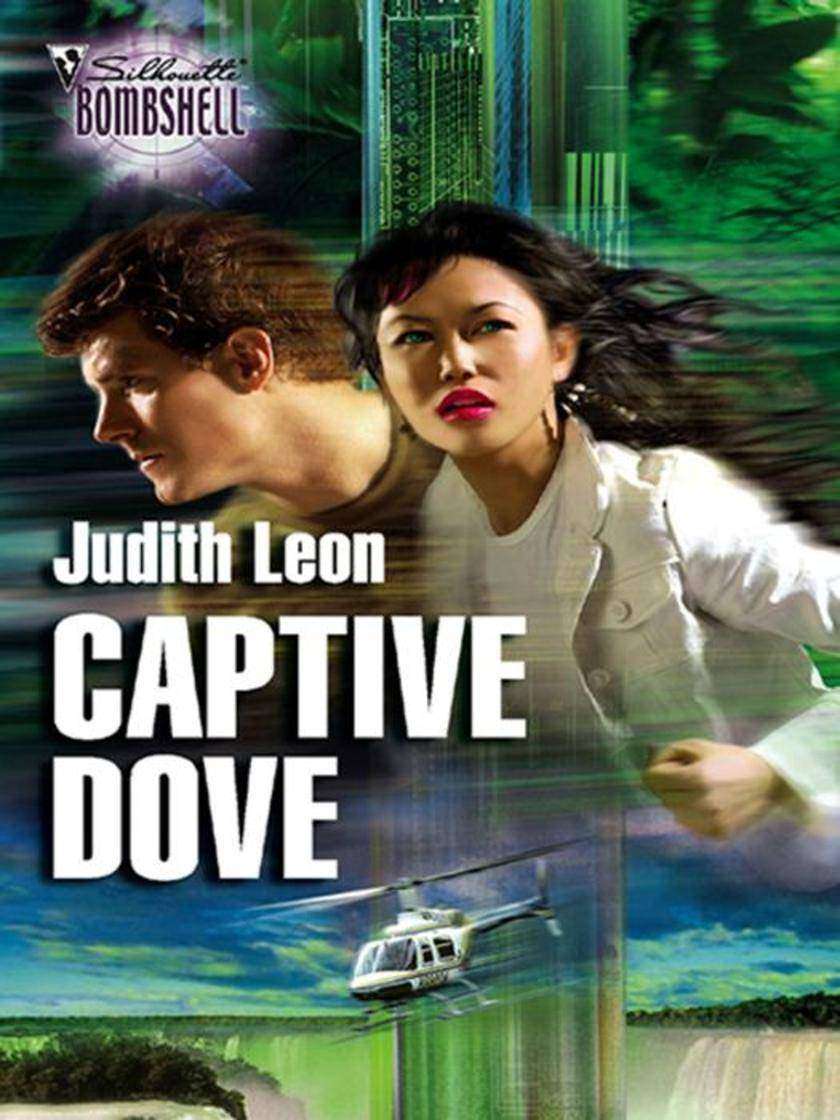
Captive Dove (Mills & Boon Silhouette)
¥31.10
Nova Blair–code name, Dove–is known as the ultimate, tough-as-nails agent who always gets her man. So when ten prominent American tourists are kidnapped in Brazil, Nova launches into a race against time to rescue the innocents and uncover the identity of their sociopathic captor–one whose true motive may be to instigate global warfare. But Nova's mission hits a snag when the CIA assigns a fellow agent to the case–Joseph Cardone. The man Nova loved but walked away from. Nova and Joe must put their fiery standoff aside if they are to save the tourists and possibly the world. And this time the cost of Nova's success may be Joe's life.
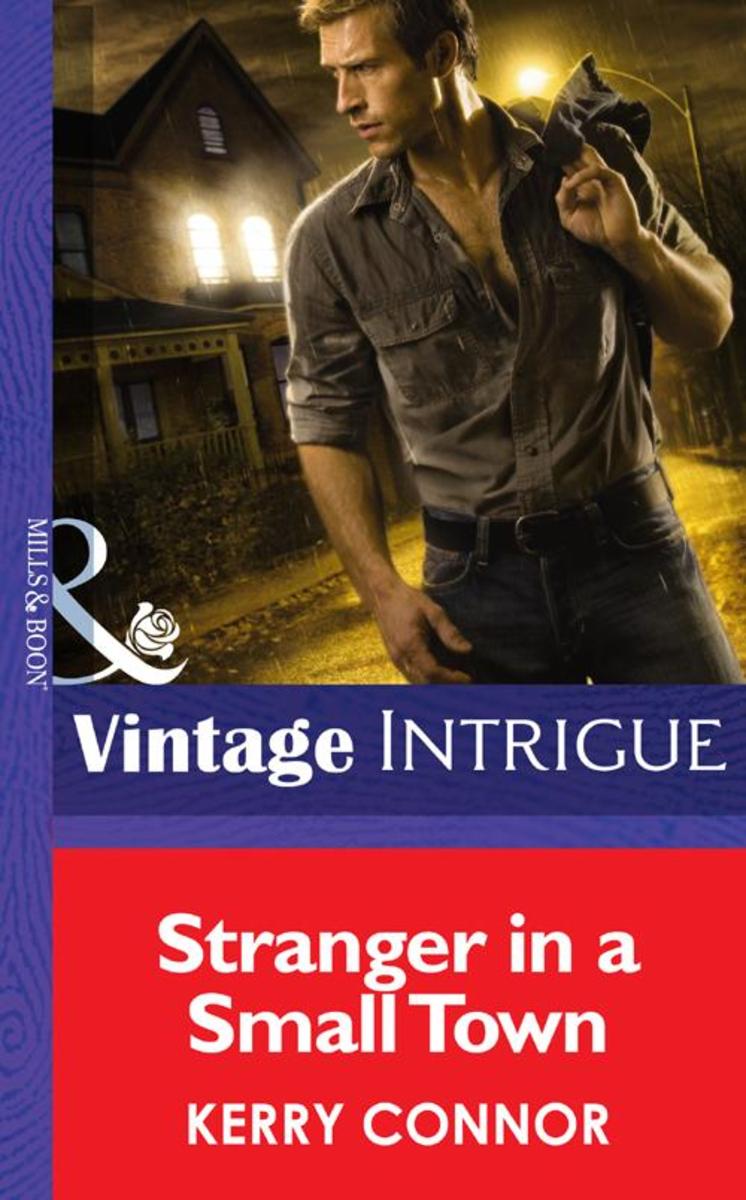
Stranger in a Small Town (Mills & Boon Intrigue) (Shivers, Book 6)
¥31.10
The house wasn't ready to give up its secrets... The mysterious blue-eyed stranger who showed up in the middle of the night wasn't just looking for work. No, when "John Samuels" signed on with Maggie Harper to restore the decrepit old house, he was hoping for answers and a chance to face the demons of his past. But then strange happenings started threatening his beautiful new boss-and disrupting the passion that sparked between them. Someone didn't want them in that house. Someone who knew the truth about what had happened there thirty years before, about the brutal murder that destroyed John's family. John never expected redemption. But danger waited in the old house, haunting them both....
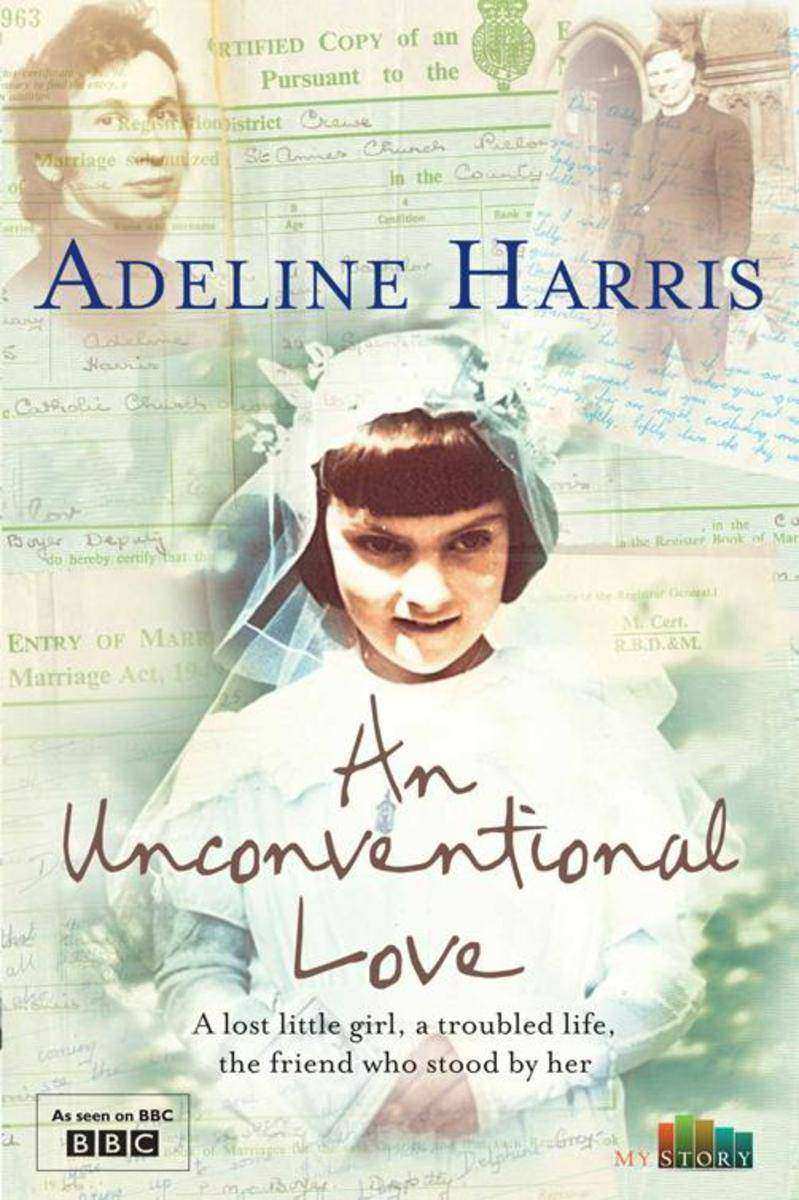
An Unconventional Love
¥51.50
Adeline Harris grew up in surroundings steeped in religion, from the beloved ayah in India who told her stories of Jesus wrestling tigers, to the strict father in England who placed a stone under her knee when she said the Rosary. It was no wonder that she always wanted to be a nun and a saint. Brought up to respect the church’s authority, the parish priest was an important early influence in her life. And when she met the new charismatic priest, Father Kelly, her interest and amazement instantly deepened. She enjoyed spending time with him and rapidly began to spend every spare moment at the church, learning much from the principled man. Following her father’s death, Adeline’s mother struggled to cope and Adeline was sent to live with Father Kelly. As Adeline grew up, she found herself falling in love with her guardian and hoped he might return her feelings. Then, when she was 18, she met a young man, Andrew, at a local dance. Soon she was pregnant and turned to the one person she could always rely on for help. He offered to look after Adeline and her baby, but he couldn’t understand her affections for Andrew. And, as time passed, deep down she always knew it was a friendship that was destined to end in heartache.
In My Dreams I Dance
¥58.86
Struck down with polio at the age of two and a half, Anne overcame the prejudice rife in her native village in Kenya, where neighbours believed she was cursed and called her a snake because of her disability, which left her paralysed below the waist. Losing her mother at a tender age, and sent to a school far away from home, she achieved fantastic academic results, amidst the challenges of a military coup. She went to university and qualified as a teacher, and fell in love with a British man who truly valued her defiant spirit. She moved from a world with no running water to make a life for herself in modern Britain. Where, against all odds, she bore a child, and went on to being the first East African to compete in her sport internationally. Anne is currently in further training, hoping to represent Great Britain at the 2012 Paralympics.
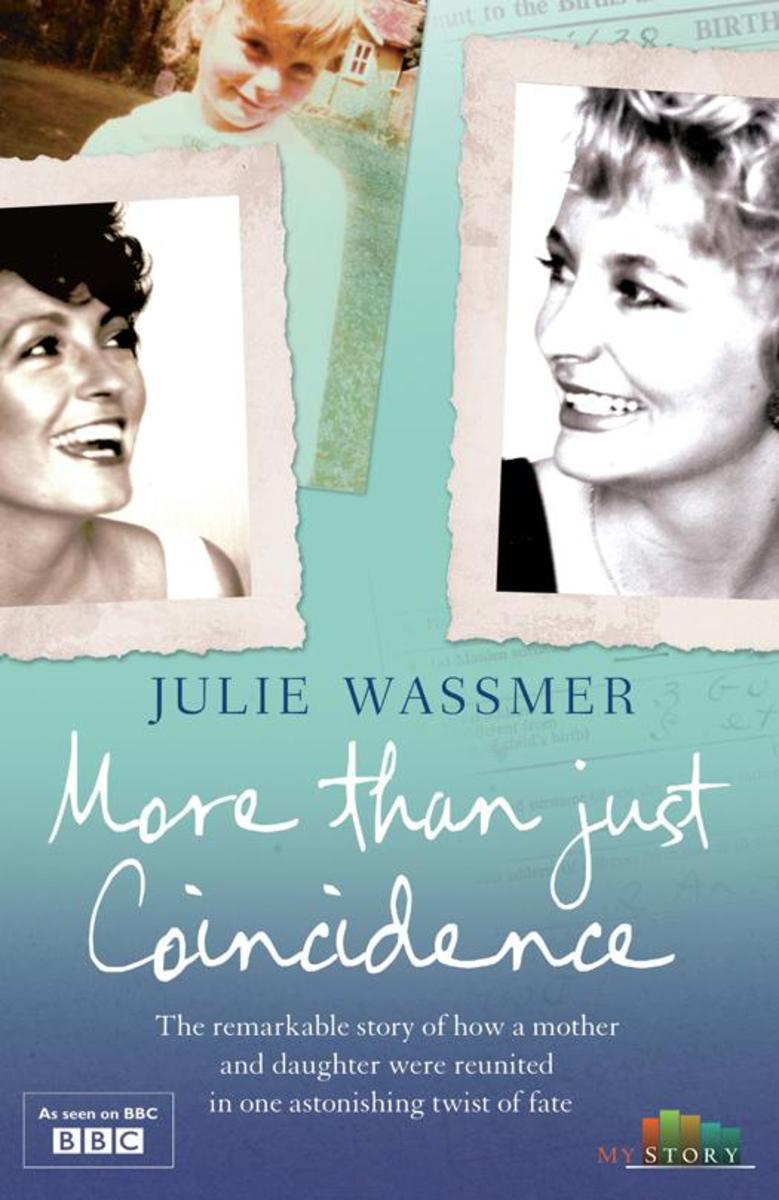
More Than Just Coincidence
¥51.50
Heartwarming, compelling and genuinely remarkable, More Than Just Coincidence is the true story of a mother who was reunited with her daughter, twenty years after she gave her up for adoption, in the most incredible of circumstances. One hot summer day in 1970, teenaged Julie dressed her 10-day-old baby daughter for the last time. Then she placed her newborn into a nurse's arms and walked away, taking with her only a tiny plastic bracelet on which were written two words - 'Baby Wassmer'. Over the next twenty years, the print on the bracelet began to fade, but the memory of Julie's lost child continued to run, like thread, through the fabric of her life. Julie travelled the world and led an adventurous life, but at the back of her mind always remained the daughter she had let go. On 5 November 1990, a struggling writer, aged 36, Julie stared at the reflection in a mirror on her bathroom wall as she prepared for her first meeting with a literary agent. All of sudden a thought came into her mind: now might be the perfect time for her daughter to re-enter her life. A few hours later, in the most astonishing way, two worlds were about to collide. Real life can be stranger than fiction.

A Fighting Spirit
¥51.50
On 27 August 1979, Paul Burns’ life changed forever. Travelling through Warren Point in Northern Ireland when the IRA detonated two massive bombs, he was involved in a devastating explosion--eighteen soldiers were killed that day; Paul was one of only two who survived. His story is a remarkable tale of one man’s determination to make the most of his life against the odds.

A Place of Greater Safety
¥70.34
From the double Man Booker prize-winner comes an extraordinary work of historical imagination – this is Hilary Mantel’s epic novel of the French Revolution. Georges-Jacques Danton: zealous, energetic and debt-ridden. Maximilien Robespierre: small, diligent and terrified of violence. And Camille Desmoulins: a genius of rhetoric, charming and handsome, yet also erratic and untrustworthy. As these young men, key figures of the French Revolution, taste the addictive delights of power, the darker side of the period’s political ideals is unleashed – and all must face the horror that follows.
The Yummy Mummy’s Survival Guide
¥72.40
Becoming a mother is as challenging as ever. Help is at hand, with this indispensable guide to surviving the biggest transition of your life. Liz Fraser is a (mostly) stylish mother of three young children, and offers a much-needed, fresh look at what happens to us, our relationships and our wardrobes when we take the plunge and fill our tidy homes with Lego. Hilarious, honest and poignant, Liz uses her experiences of motherhood to help you through pregnancy and the first year with your baby, making the whole event seem manageable – even desirable. This indispensable guide is the stylist, personal trainer, box of anti-depressants, bar of chocolate and best friend which every woman can carry around in her handbag. Because becoming a mother doesn't mean you stop wanting to look and feel fabulous – it just becomes a little trickier!

Every Day Is Mother’s Day
¥66.22
From the author of the Man Booker prize-winners ‘Wolf Hall’ and ‘Bring Up the Bodies’ comes a story of suburban mayhem and merciless, hilarious revenge. Barricaded inside their house filled with festering rubbish, unhealthy smells and their secrets, the Axon family baffle Isabel Field, the latest in a long line of social workers. Isabel has other problems too: a randy, untrustworthy father and a slackly romantic lover, Colin Sidney, history teacher to unresponsive yobs and father of a parcel of horrible children. With all this to worry about, how can Isabel begin to understand what is going on in the Axon household?

Vacant Possession
¥66.22
From the Man Booker Prize-winning author of ‘Wolf Hall’ and ‘Bring Up the Bodies’, a savagely funny tale that revisits the characters from the much-loved ‘Every Day is Mother’s Day’. Muriel Axon is about to re-enter the lives of Colin Sidney, hapless husband, father and schoolmaster, and Isabel Field, failed social worker and practising neurotic. It is ten years since her last tangle with them, but for Muriel this is not time enough. There are still scores to be settled, truths to be faced and rather a lot of vengeance to be wreaked.
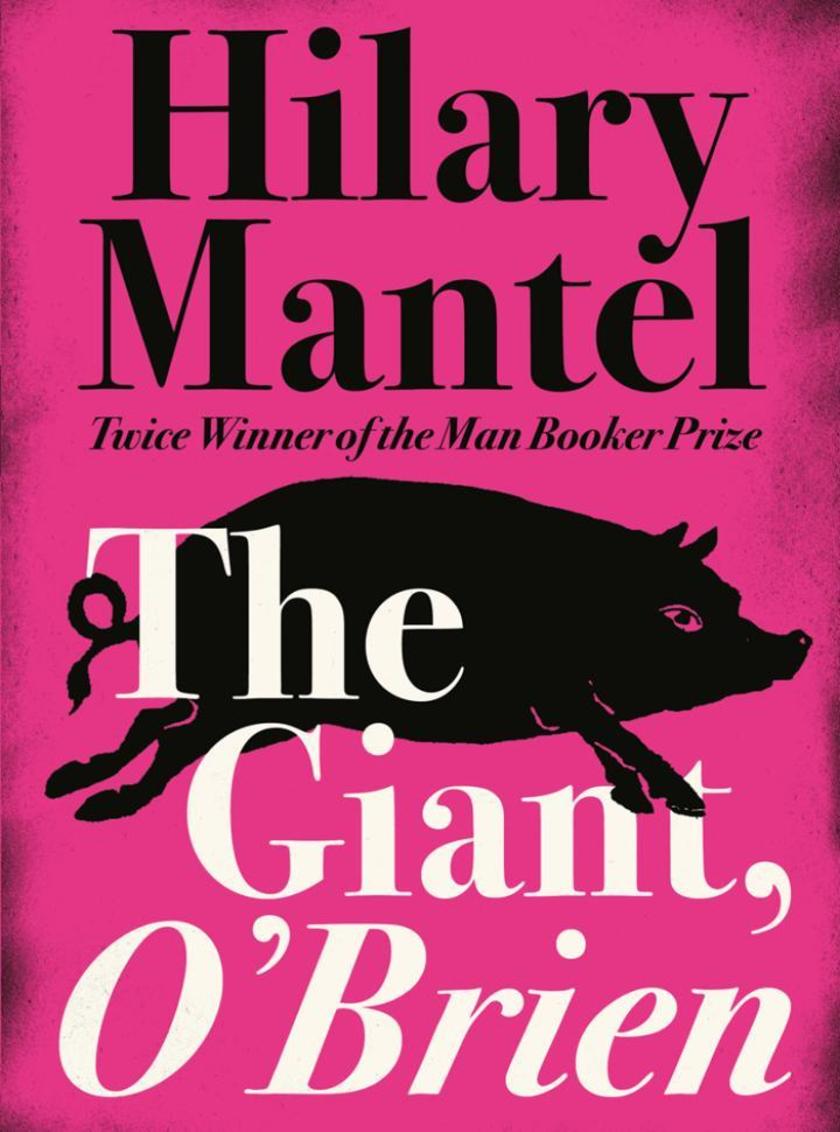
The Giant, O’Brien
¥66.22
From the two-time Man Booker winner, the story of the 18th Century Irish giant, Charles O’Brien. Charles O’Brien, bard and giant. The cynical are moved by his flights of romance; the craven stirred by his tales of epic deeds. But what of his own story as he is led from Ireland to seek his fortune beyond the seas in England? The Surprising Irish Giant may be the sensation of the season but only his compatriots seem to attend to his mythic powers of invention. John Hunter, celebrated surgeon and anatomist, buys dead men from the gallows and babies’ corpses by the inch. Where is a man as unique as The Giant to hide his bones when he is yet alive? The Giant, O’ Brien is an unforgettable novel; lyrical, shocking and spliced with black comedy.
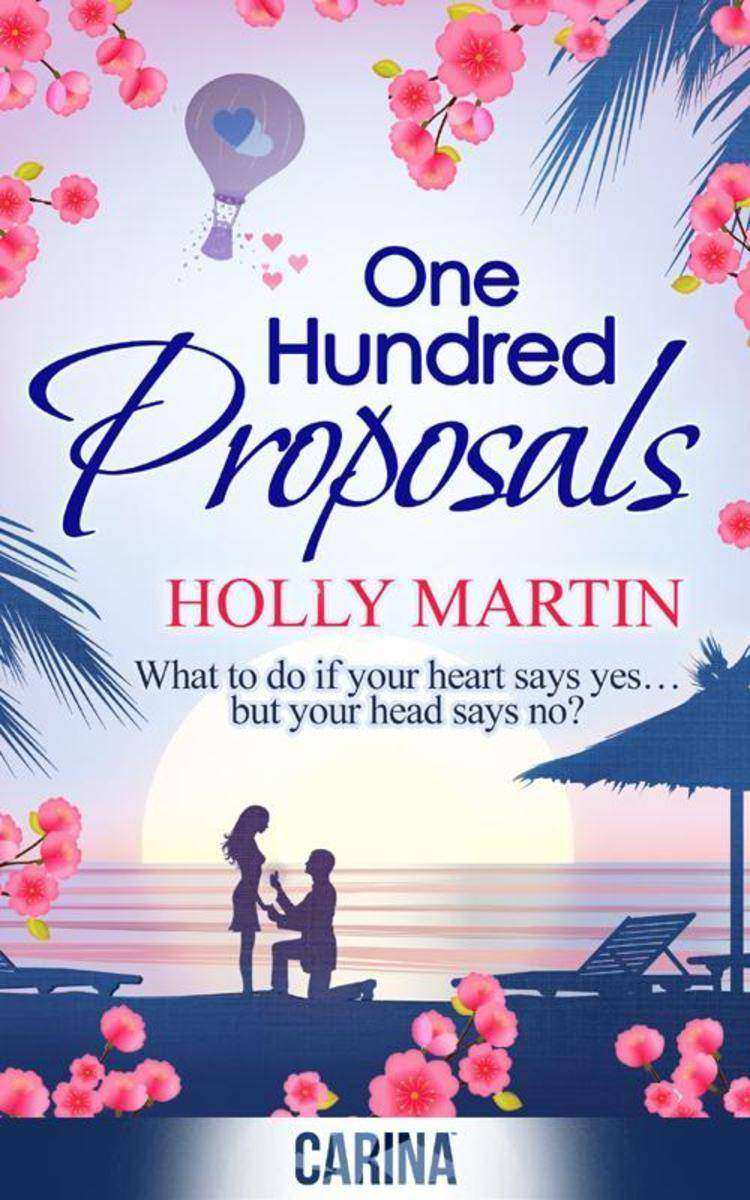
One Hundred Proposals
¥39.24
‘Is there really such a thing as a perfect proposal? Over the next hundred days I intend to find out. I will find one hundred ways to propose to our Chief Proposer Suzie McKenzie and post the results here for your enjoyment. One thing’s for sure, not one of my proposals will be on top of the Eiffel Tower with a dozen red roses.’ Best friends Suzie and Harry are partners in romance. That is, they run the.PerfectProposal.com, coming to the aid of would-be grooms to create the ultimate marriage proposal. But when Harry decides to catapult the business into the big leagues with a PR stunt all Suzie can see is a hundred days of heartbreak stretching ahead of her. But however exotic the location, or breath-takingly romantic the setting, Suzie has to keep remembering that ‘Marry Me?’ is the one question she can’t say yes to. This business proposal should come with one hundred broken heart warnings… One hundred proposals, one hundred chances to say yes. Praise for Holly Martin ‘Holly Martin writes about life and love with such big-hearted warmth and flair – invite The Guestbook into your home today!’ - Belinda Jones 'One Hundred Proposals is beautifully romantic, riveting, completely irresistible and a story that will make you fall in love with love.' - Victoria Loves Books 'Funny, poignant and riveting as well as romantic. Don't miss The Guestbook! I couldn't get enough of the guests' entries and it's got everything: humour, heartbreak, loss, love.' - I Heart.. Chick Lit 'If you’re going to buy any book then buy this delightful one! The Guestbook is splendid, it is beautiful, it is magical and it will leave you with such a smile on your face!' - Reading in the Sunshine 'an original heart-warming novel which will have you routing for Annie all the way!' - BookBoodle on The Guestbook 'This was honestly, 100% one of the most enjoyable books I have ever read – I devoured it in 2 sittings! Holly’s writing style is so easy and fluent it gets hard to stop, and before you know it you’ve read 200 pages and completely forgot about dinner.' - Jenny In Neverland

A Heartbeat Away (Mills & Boon Cherish)
¥31.10
Lucy McTavish has loved Daniel Brown since they were children, and he returned her feelings from the very first. His home, a farm in the English countryside, was a refuge from her unhappy childhood, his heart a shelter for her own. Daniel said they'd always be together–but that's a promise he's unable to keep…. Angry and grieving, Lucy goes to London and prepares to move on with her life. But Daniel is never far from her thoughts. Then one morning she meets a stranger in the park. The connection between them is immediate and powerful, and in the days that follow, Lucy knows Daniel has kept his promise after all.
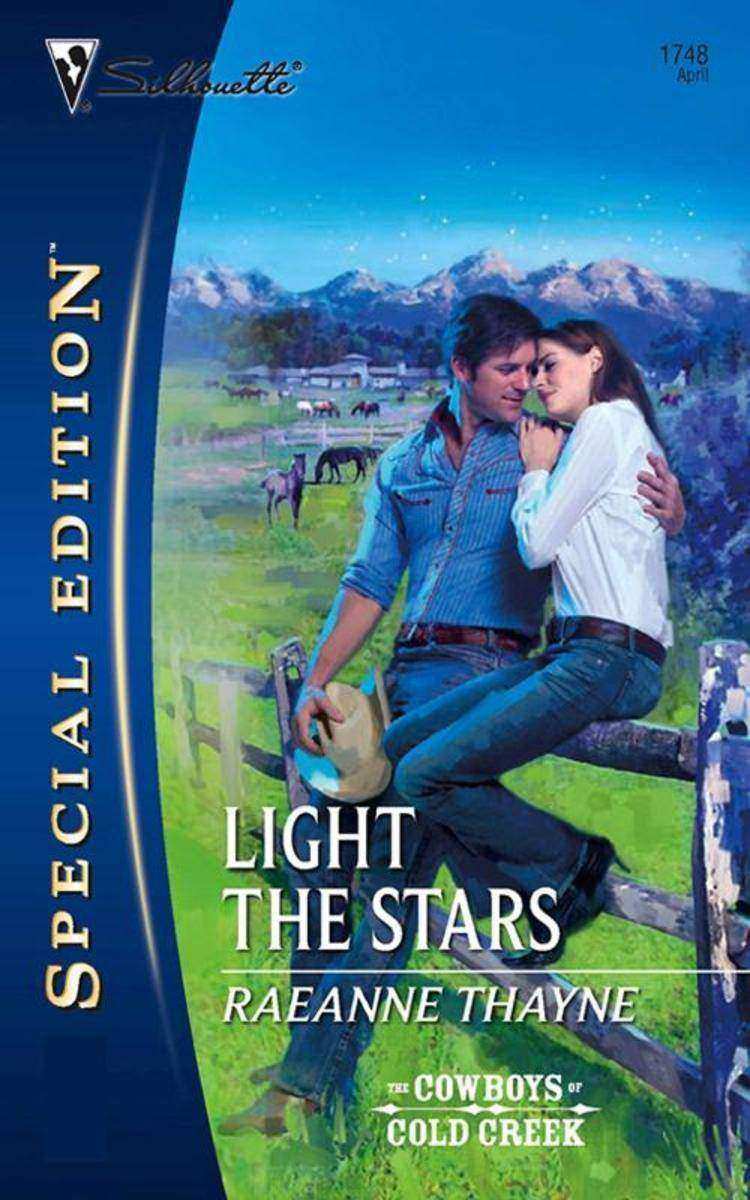
Light the Stars (Mills & Boon Vintage Cherish)
¥23.84
Wade Dalton was having a very bad day. His five-year-old had accidentally set the kitchen on fire. His daughter was surly, as usual. The baby hadn't been fed yet. And his mother–aka "The Childminder"–had eloped…with a scam artist. Could it get any worse? Turned out it could. Because the annoyingly beautiful daughter of said scam artist was now at the door, batting her doe eyes at him and proposing that she be his temporary nanny while awaiting the newlyweds' return. Could he trust her to be under his roof? Could he trust himself with her under his roof?
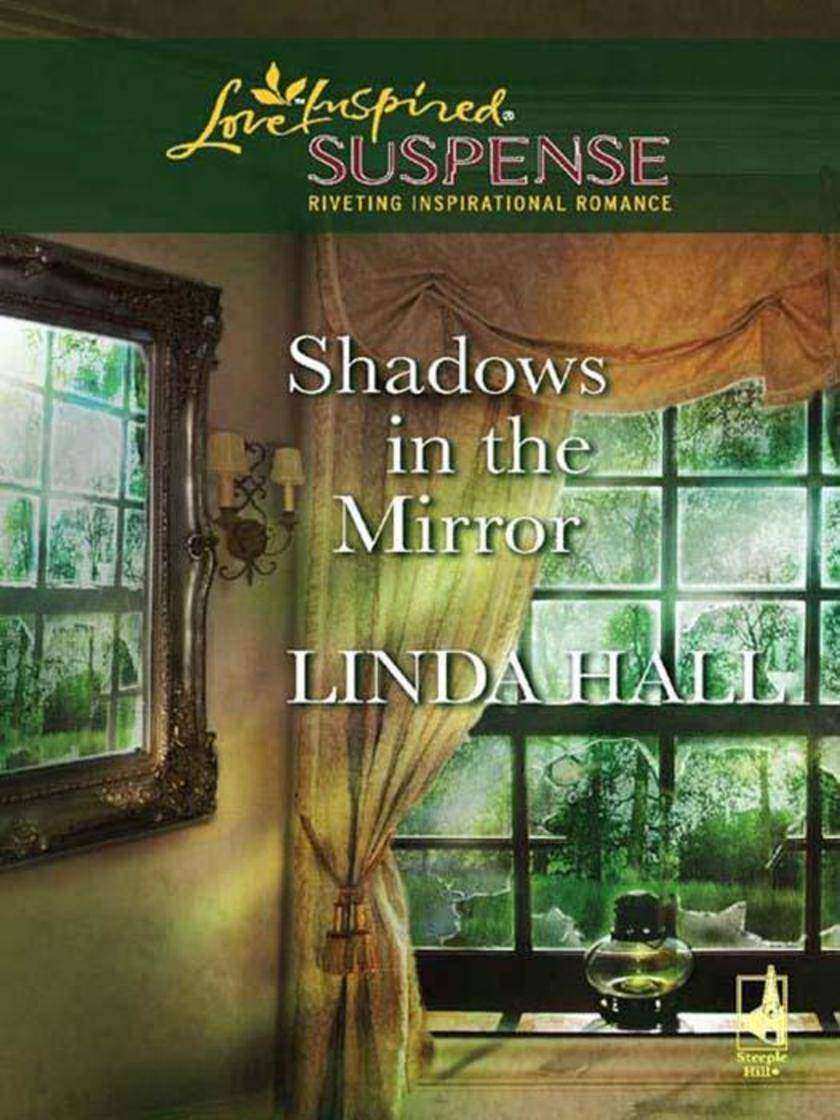
Shadows In The Mirror (Mills & Boon Love Inspired Suspense)
¥31.10
"Never go back to Burlington!" Those were the dying words of the secretive aunt who'd raised orphaned Marylee Simson. Yet to discover who she was, Marylee had to go back, sure the Lord would look out for her. But learning anything about her past was proving impossible. Why were there no records of the accident that claimed her parents' lives? No records of her parents, period? And who was trying to stop her from fi nding out? Someone whose threats were escalating. Someone close to her, such as Evan Baxter, the handsome photographer she'd entrusted with the one clue she had.

The Cowboy and the New Year's Baby (Mills & Boon Vintage Cherish)
¥31.10
When single, independent-minded mother-to-be Trish Delacourt went into labor on the side of a snowy road, she swallowed her pride and flagged down the nearest passing motorist. What she hoped for: a Good Samaritan. What she got: rancher Hardy Jones, handsome as sin and sworn to be single. He knew nothing about birthin' babies, but he was going to have to take a crash course–pronto! Inveterate ladies' man Hardy never could turn down a beautiful woman, so when the pregnant damsel in distress needed him, he delivered her beautiful baby girl. But what was to become of Hardy's policy of no-strings-attached? One look at Trish–and her adorable daughter–and he could feel a most unfamiliar pull….
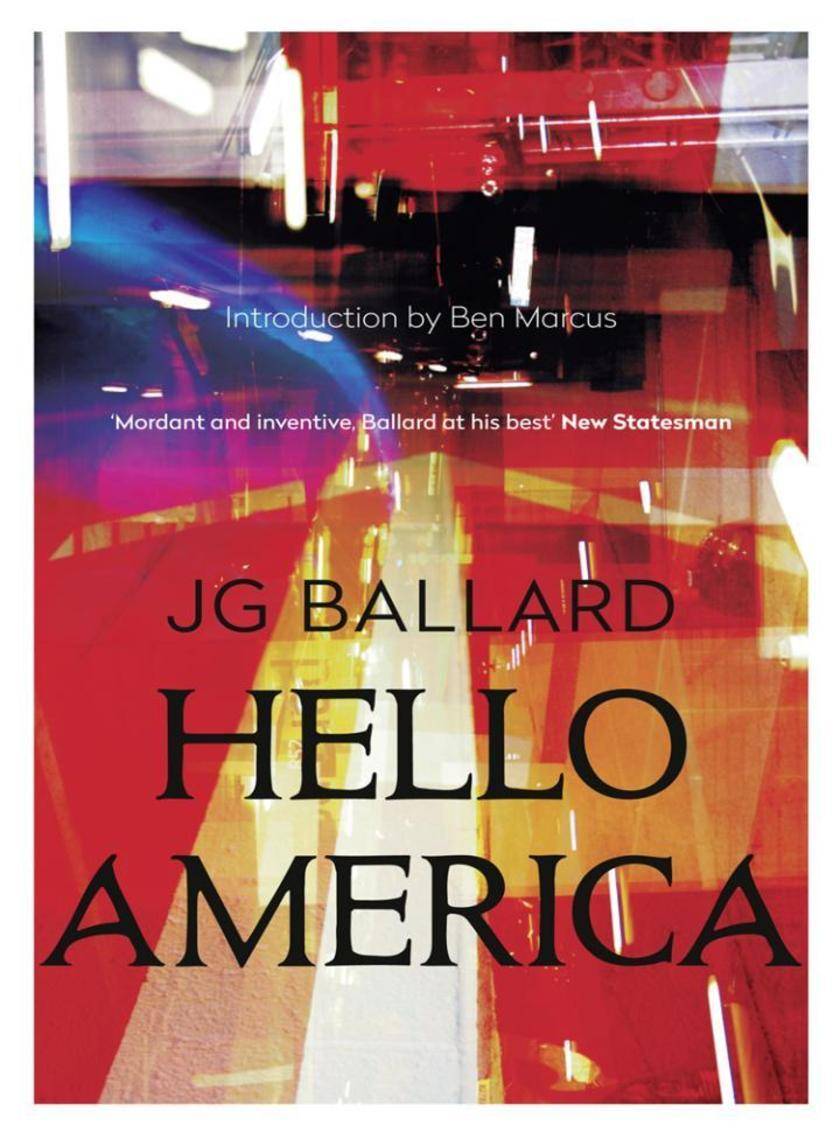
Hello America
¥63.18
A terrifying vision of the future from one of the twentieth century’s most renowned writers – J. G. Ballard, author of ‘Empire of the Sun’ and ‘Crash’. Following the energy crisis of the late twentieth-century America has been abandoned. Now, a century later, an expedition from Europe returns to the deserted continent. But America is unrecognisable – the Bering Strait has been dammed and the whole continent has become a desert, populated by isolated natives and the bizarre remnants of a disintegrated culture. The expedition sets off from Manhattan on a cross-continent journey, through Holiday Inns and abandoned theme parks. They will uncover a shocking new power in the heart of Las Vegas in this unique vision of our world transformed. This edition is part of a new commemorative series of Ballard’s works, featuring introductions from a number of his admirers (including Ned Beauman, Ali Smith, Neil Gaiman and Martin Amis) and brand-new cover designs.
e: A Novel
¥53.76
An unforgettable first novel, an author to shout about, a campaign to ensure that everyone knows this is the funniest, sharpest read of the year. Consisting entirely of staff emails, e spends a fortnight in the company of Miller Shanks, an advertising agency that scales dizzying peaks of incompetence. Among the cast are a CEO with an MBA from the Joseph Stalin School of Management, a Creative Director who is a genius, if only in his own head, designers and copywriters driven by breasts, beer or Bach Flower Remedies, and secretaries who drip honey and spit blood. The novel is a tapestry of insincerity, backstabbing and bare-arsed bitchiness: that is to say, everyday office politics. Oh yes, and there is some work to be done too – the quest for advertising’s Eldorado, the Coca-Cola account. e is sleazy, scurrilous and scabrously funny. It also contains a first-class joke about the Pope and sound advice on the maintenance of industrial carpet tiles.
Thunder Raker (Agent Alfie, Book 1)
¥22.46
A hilarious new series for younger readers, following the misadventures of an ordinary boy at an extraordinary school for young spies… Jake's dad is head of the Secret Service. Alice's dad is a double agent. Harry's dad has infiltrated SPUD – the Secret Partners for Undertaking Destruction. And Alfie's dad… is a postman. Thunder Raker Manor is a very exclusive school. All the pupils are there because their parents or guardians are agents and spies. All except one. Because eight-year-old Alfie's dad isn't anything to do with the secret services. He's the local postman who just reckoned that Thunder Raker Manor was a great school. So when the Head Teacher receives a letter from the Prime Minister saying that Alfie has been given a special place and will start immediately, he isn't to know that Alfie's dad wrote it and slipped it in with the 'special' post… Now Alfie has to get to grips with Thunder Raker’s unusual curriculum and some even stranger new friends. He’s got classes in camouflage (if anyone can ever find Mr Trick) and Assassination (only kids keep going missing from Miss Fortune’s class). And he’s now in permanent danger from SPUD agents. But to his surprise, Alfie finds that he might just be quite good at this spying game…

Swinging: The Games Your Neighbours Play
¥95.75
The Games Your Neighbours Play Your neighbours are doing it. Your relatives are doing it. Even your colleagues are doing it. (Especially your colleagues.) But what is swinging? Despite being an activity enjoyed by millions worldwide (4 million in the US alone), little is known about the enormous subculture that exists. Turned on to swinging by a chance series of events in his life, author Mark Brendon found it to be stimulating, satisfying and emotionally rewarding, an experience totally at odds with the often cynical and always inaccurate picture presented by the media. Opening with an orgy scene where a tetchy husband is urging his otherwise-engaged wife to ‘hurry up, the babysitter’s waiting’ this revealing and edifying book is sure to shock some but aims to paint a realistic picture of the relative normality of this style of living. Filled with case studies, conversations and bon mots Brendon expertly crafts a fascinating book that manages to be an absorbing take on social history and a stimulating work of erotica all rolled into one. Honest, funny, thoughtful and erotic the author entertains and enlightens the reader as he describes attending parties held in clubs, on beaches and in private homes throughout Britain and beyond. He explores why, where and how your neighbours swing, outlines the subculture’s history, principles and rules and looks to a future in which swinging might just save some of our most cherished institutions – including marriage itself. Thoughtful, racy and funny, this fascinating book will appeal to experienced swingers and 'vanillas' alike. This is the only accurate guide available; a remarkable and fascinating insight into the world of swingers by a skilled and accomplished writer.


