


 购物车
购物车 个人中心
个人中心

Mean Girls
¥219.25
Never mess with the Queen Bee! In high school, popularity can mean everything – especially when you don’t have it. This collection of four young adult novels tackles the ups and downs of climbing the slippery high school social ladder with sharp biting humour, powerful emotion and characters that every teenage girl will relate to! Featuring New Girl and Here Lies Bridget by Paige Harbison, Confessions of an Angry Girl by Louise Rozett and Speechless by Hannah Harrington

Mob Rules (Luna)
¥54.74
If street magic was easy, everyone would be doing it. I’m Domino Riley, an enforcer for Shanar Rashan. Like most mob bosses in L.A., he’s a powerful sorcerer, battling for control of the city, gathering up the magic of violent and powerful emotions and storing it for his own use. Rashan saved me from the streets and made me his lieutenant. You could say I’m his go-to girl. Recently, a fellow gangster was ritually executed, and now I have to find out which of Rashan’s enemies was behind it—and why. The cryptic messages I’m getting from the Beyond tell me it wasn’t a simple hit. With the bodies piling up, I need to win an occult gang war, take out the supernatural traitor within our outfit, and, oh yeah, deal with the mixed messages I’m getting from the boss’s son… MOB RULES

Out of the Shadows (Mills & Boon Heartwarming)
¥30.61
Once touched… Marisa Somerville has changed. Now a confident, groomed, successful businesswoman, she’s nothing like the scared wife of an abusive husband that Rafe Peveril survived a plane crash with six years ago. Never forgotten… She has a different name, but he’d know those siren green eyes, and lush lips anywhere. Yet she insists they’ve never met and Rafe wants to know why. She might deny knowing him but she can’t deny how she responds to his touch…
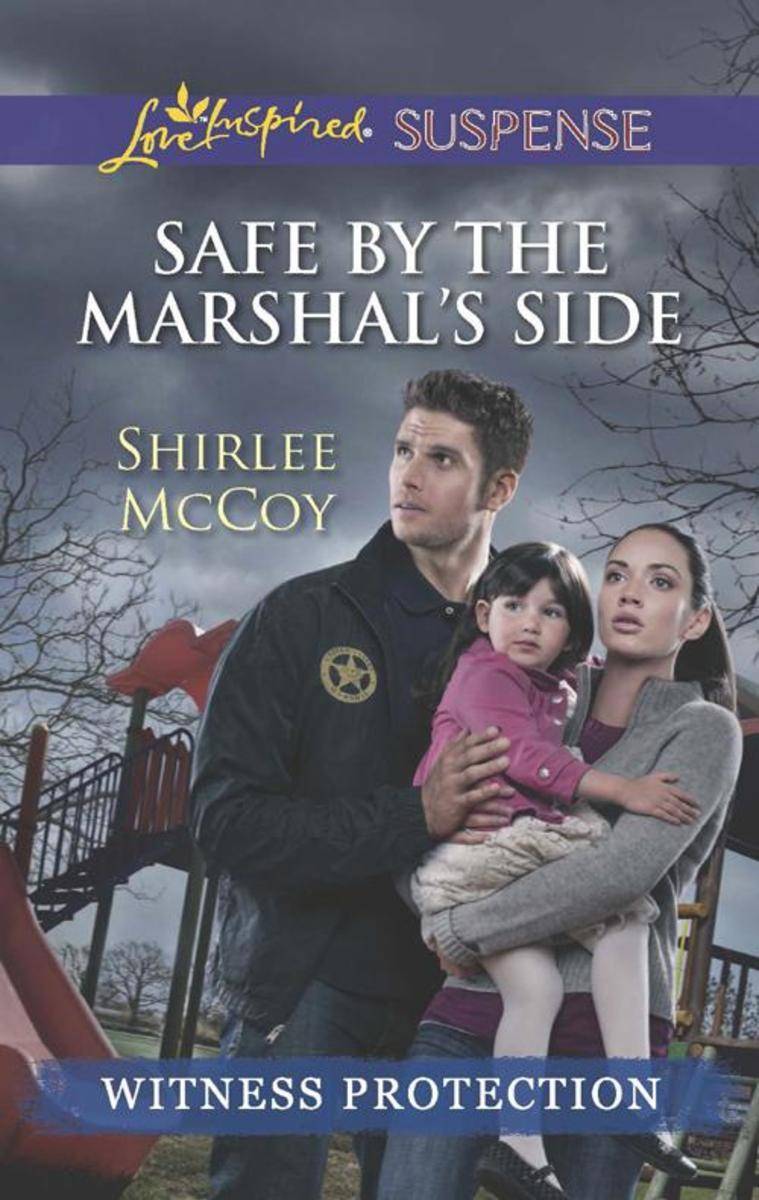
Safe by the Marshal's Side (Mills & Boon Love Inspired Suspense)
¥31.10
HER LIFE IS ON THE LINE For a year, U.S. Marshal Hunter Davis has protected witness Annie Delacorte and her toddler daughter. But now, someone is determined to stop Annie from testifying against the men who killed her husband. To guard Annie, by-the-book Hunter will have to break a promise to himself: to not get emotionally involved. After all, he already cares more deeply than he ever imagined for the sweet family of two . . . a family he’ll do anything to keep safe and sound by his side. Witness Protection: Hiding in plain sight.

The Greek's Tiny Miracle (Mills & Boon Cherish)
¥31.10
His only chance to be a father… Navy SEAL captain Nikos Vassalos is a shell of the man he once was. Tortured by PTSD, he isolates himself on his luxury yacht. But his bitter solitude is interrupted–by a heavily pregnant woman who tells him he's about to be a dad! Putting her own deep-rooted fears of rejection aside, Stephanie Marsh is determined that her baby will know its father. Only this cold, suspicious Nikos is not the man she once fell for. Will the tiny miracle growing inside her help them find the happy ending they both deserve–together?

The Sheriff's Second Chance (Mills & Boon Cherish)
¥31.10
The Sheriff’s Second Chance She’d left him to pursue her dreams right after high school, but now Caitlyn Cavanaugh is back. Deputy Sheriff Nathan Jeffries doesn’t know what to do, but it’s his job to rescue this damsel in distress from a series of minor mishaps. The single dad’s strategy: keep it professional and don’t fall for Caitie again!
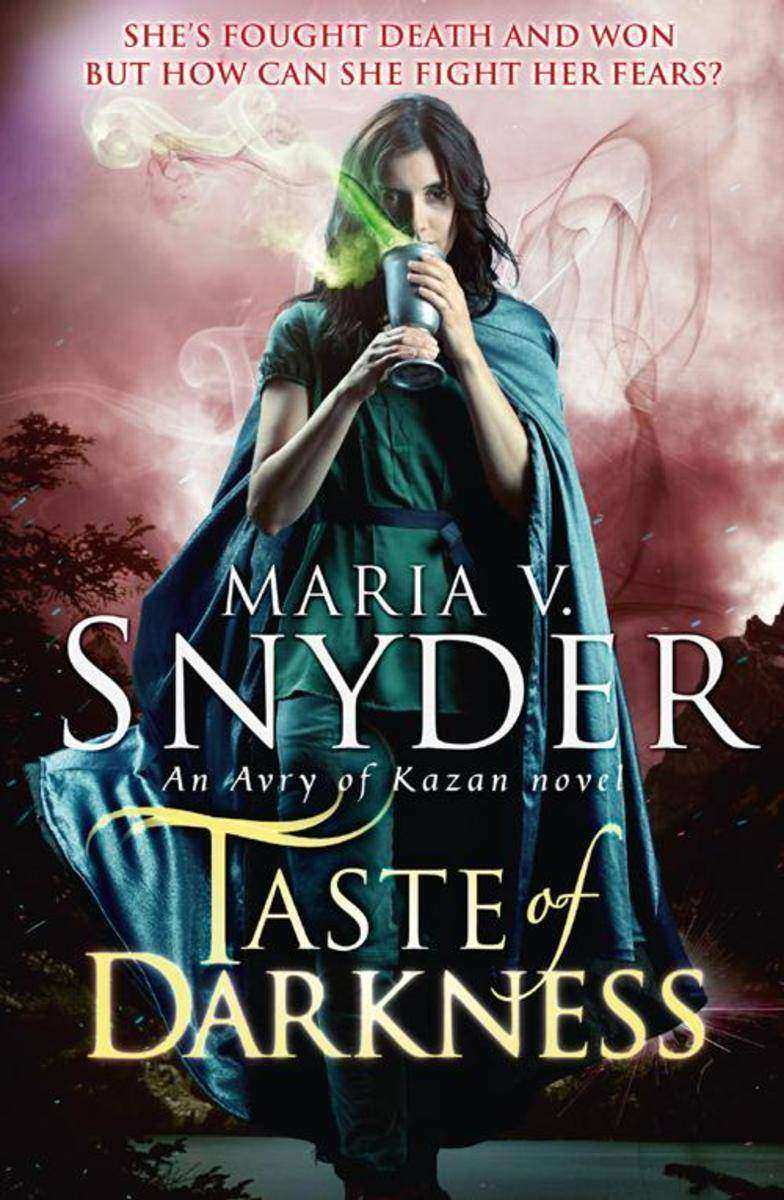
Taste of Darkness (An Avry of Kazan Novel, Book 3)
¥62.59
‘A compelling new fantasy series.’- SFX on Sea Glass ‘Snyder delivers another excellent adventure.’ - Publishers Weekly 'Spellbinding romantic adventure that will leave readers salivating for the next book in the series.’-USA Today on Touch of Power-USA TODAY THE FINAL BATTLE BEGINS… Powerful healer Avry knows hardship and trouble. She fought a plague and survived. She took on corrupt King Tohon and defeated him. But now her true love, Kerrick, is missing and Avry fears he’s gone forever. Yet she faces a more immediate – and deadly – threat. The Skeleton King plots to claim the Fifteen Realms for his own. With the territories’ armies in disarray and the dead not staying dead, Avry’s powers are needed now more than ever. Torn between love and loyalty, she must choose her path carefully. For the future of Avry’s world depends on her decision…

Looking For Alex
¥39.24
They were supposed to be best friends… It’s the summer of 1977, Beth and Alex did everything together. Until the day seventeen year old Alex ran away from home. A missing persons report has been filed, but Beth knows that there must be more to Alex’s disappearance. So she follows Alex, to punk-era London, determined to bring her best friend back home. But the Alex she finds living in a Camden squat isn’t the same Alex. And memories of those weeks in London haunt her to this day; falling for Fitz, her first love; tasting a new kind of freedom, and the fateful day that her parents finally tracked them down and took her away. Alex knew then that Beth had betrayed her trust, and disappeared once more, severing their friendship for good. And now, years later, it’s time for forgotten secrets to be shared once and for all. Because after all this time, Beth’s never given up on finding Alex… Don’t miss the new brilliant story from Marian Dillon - The Lies Between Us out now!
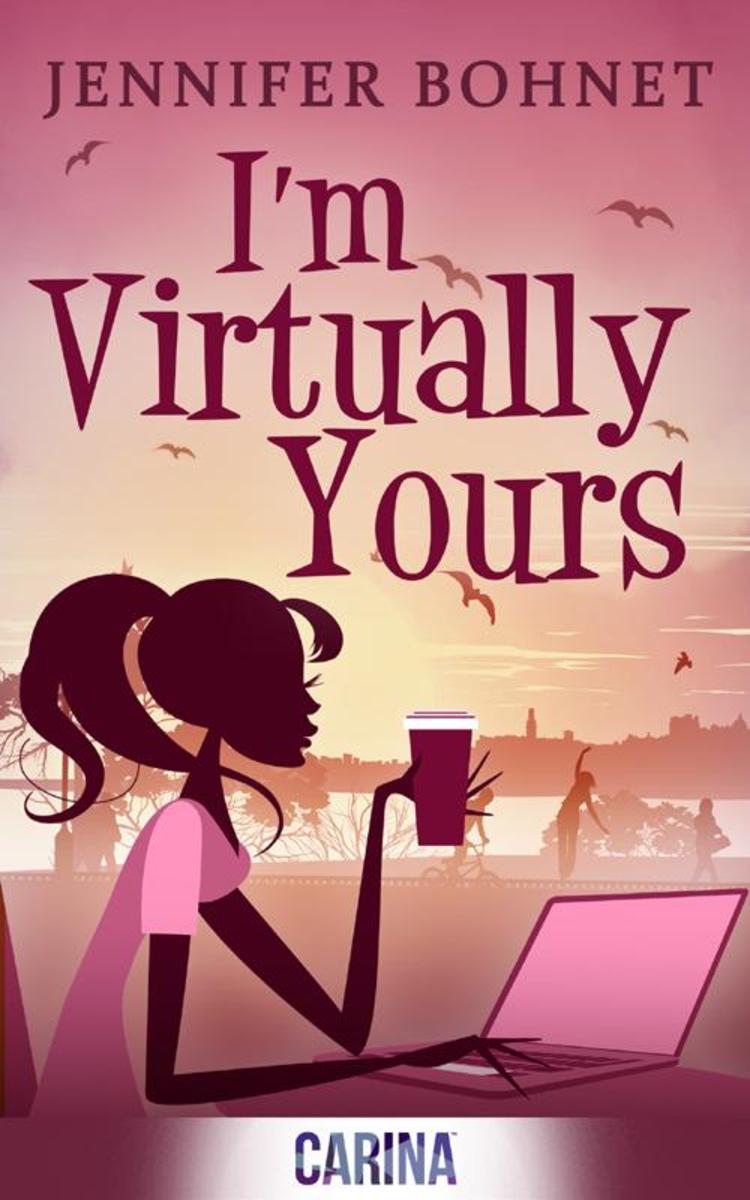
I'm Virtually Yours
¥23.25
Need a virtual PA? Then Polly Jones is your girl! Polly Jones is taken aback when a new client asks her to investigate the Robertson family business in Devon, after all, a ‘virtual assistant’ doesn’t usually leave their home office! But she needs the work – and less proximity to an endless supply of tea and biscuits can only be a good thing right? So she sets off, with energetic puppy Rosie close by her side. Polly’s new job isn’t quite in her comfort zone… Arriving in the small fishing village where everyone knows everyone’s business, any upsides (all those yummy scones and clotted cream) of course have their downside - she’s completely forgotten to pack her sea legs, and the temptingly handsome Will Robertson is making her job difficult at every turn. It’s so much easier to keep things strictly professional in the virtual world – but with no e-mail to hide behind Polly must admit that Will’s smile is incredibly, deliciously distracting… Praise for Jennifer Bohnet '…it was such a lovely, sweet read that I didn’t want to end!' - Chick Lit Reviews 'What a sweet romance, set by the seaside, starring appealing characters, namely likeable Polly, mysterious Daniel and hunky Will. An intriguing plot with a satisfying ending.' - The Virtual Bookcase
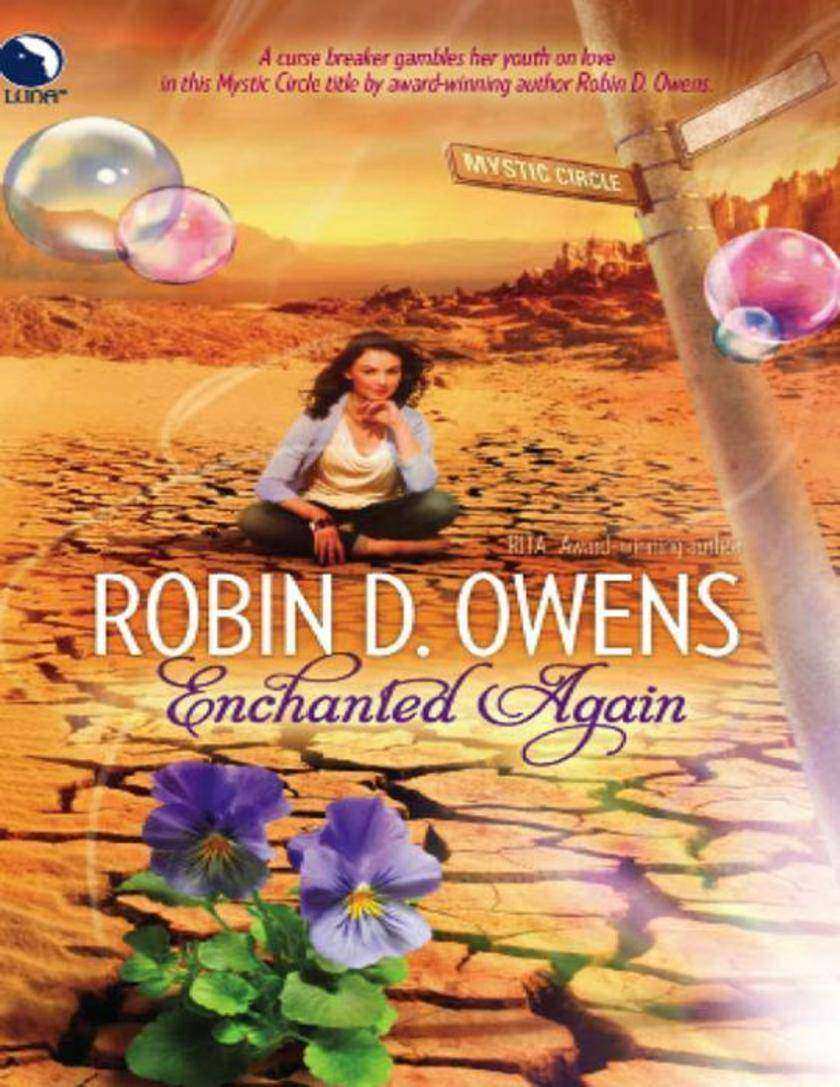
Enchanted Again (Luna) (Mystic Circle, Book 2)
¥54.74
Magic has a price—and for Amber Sarga it’s days and years off her life. Each curse she breaks ages her—and the bigger the curse the bigger the cost, and not only to her. That’s why she hides away and has vowed not to get involved again… That’s why she hates looking in a mirror… And then an ill-fated stranger arrives. Rafe Davail doesn’t believe in curses—not even knowing that in his family every first son dies young. Amber offers guidance but she won’t break the curse. Still, as she grows closer to Rafe and discovers the secrets of their pasts, she wonders if for this time, this man, she should risk it all… .

Red Rock Cinderella (Fast Fiction)
¥11.77
Ella Stewart had found a kindred spirit in Clay Baldwin. He listened when she spoke, he was there when she needed him, he respected her—and he was down on his luck, just like she was. Except Clay hadn't exactly told her that he wasn't at all poor and that he was, in fact, a wealthy businessman. But to find true love, wasn't it worth telling one little white lie?

Twilight
¥62.59
For former private investigator Dana Miller, there can be no peace of mind until she finds the person who killed her husband. Now a single mother to three boys, Dana wants closure. But it turns out she’ll need to form an alliance with the man she holds responsible for the death. And uncovering answers may mean bringing down the program her husband believed in. Rick Sanchez has no intention of letting Dana destroy all the good he and Ken Miller worked for. As he and Dana try to learn the truth about what happened, he discovers that he and his old friend have something else in common – an undeniable attraction toward this intrepid, high-spirited woman who fights for the people she loves.

Wake to Darkness (A Brown and De Luca novel, Book 3)
¥54.74
Rachel de Luca’s uncanny sense of perception is the key to her success as a self-help celebrity. Even before she regained her sight, she had a gift for seeing people’s most carefully hidden secrets. But the secret she shares with Detective Mason Brown is one she has promised to keep. As for Mason, he sees Rachel more clearly than she’d like to admit. After a single night of adrenaline-fueled passion, they have agreed to keep their distance—until a string of murders brings them together again. Mason thinks that he can protect everyone he loves, including Rachel, by taking them to a winter hideaway, but danger follows them up the mountain. As guests disappear from the snowbound resort, the race to find the murderer intensifies. Rachel knows she’s a target. Will acknowledging her feelings for Mason destroy her—or save them both and stop a killer?

Another Little Piece Of My Heart
¥23.25
What if your devastating breakup became this summer’s hit single? In this rock-and-roll retelling of Jane Austen’s Persuasion, music can either bring you together or tear you apart. At her dying mother’s request, Claire dumps Jared, the only boy she’s ever loved. Left with a broken family and a broken heart, Claire is furious when she discovers that her biggest regret became Jared’s big break. While Jared is catapulted into rock-star status, another piece of Claire’s heart crumbles every time his song plays on the radio. The summer after her senior year, it’s been months since the big breakup, and Claire is just trying to keep her head down and make it through a tense trip to the beach with her family. But when Jared shows up, and old feelings reignite, can Claire and Jared let go of the past? Or will they be stuck singing the same old refrain.

The Dark Discovery of Jack Dandy
¥12.75
Jack Dandy didn’t become prince of the London underworld at barely twenty-one by being soft-hearted, even if a certain girl in a steel corset has wormed her way into his affections of late. He knows how to manipulate charm and rob people blind. And if his criminal activities embarrass his aristocratic father, so much the better. So when a friend of Jack’s father hires him for an underhanded job, Jack is happy to oblige—for an outrageous fee, of course. Delivering a mysterious crate seems like an easy task—until Jack realizes just what is inside… Don’t miss the conclusion to Jack’s escapade in The Girl with the Iron Touch by Kady Cross, available now

A Wedding in the Family (Mills & Boon Vintage Cherish)
¥31.10
BACK TO THE RANCH Sister of the bride! Lillian has a mission: to stop her wayward sister's wedding! Not only will her grandmother cut both sisters off without a penny if it goes ahead…but Rachel is also about to marry into the family of Texan rancher Rye Parrish. And he's just about the most self-satisfied, egotistical man Lilly has ever met! Rye is equally determined to stop the wedding. Only he's too proud to cooperate with Lilly. Just because she's heart-stoppingly pretty, that doesn't mean she isn't a spoiled little rich girl, just like her sister! Except, somehow, Lilly is beginning to seem a lot like his ideal woman, after all…. "Susan Fox entertains us with lighthearted scenes and witty dialogue." –Romantic Times
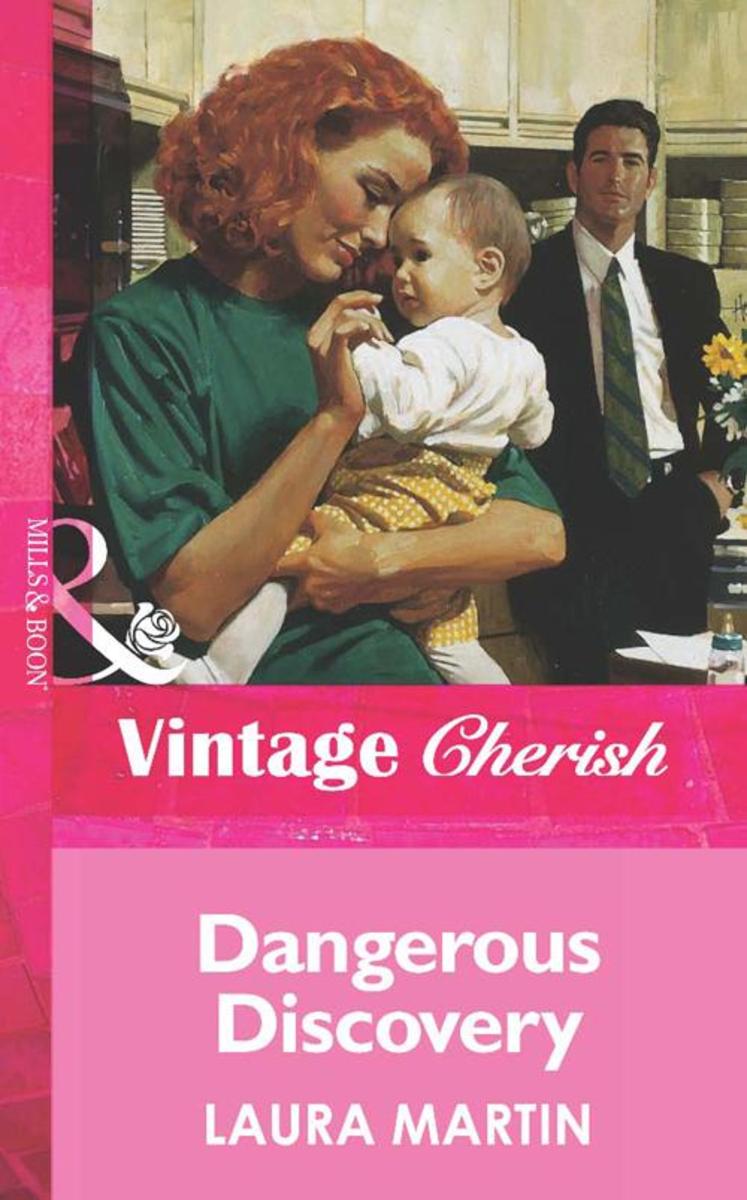
Dangerous Discovery (Mills & Boon Vintage Cherish)
¥31.10
"You're the most infuriating, unpredictable woman I've ever had the misfortune to meet!" And with those devastating words Hunter Deveraux made his opinion of Estelle all too clear. She did her best to stay out of his way after that, even though she thought Hunter was the most exciting man she'd ever met–after all, she did have a baby to consider. Of course, when Estelle started to work for Hunter, avoiding him just wasn't possible. But why–if Estelle found Hunter so attractive–did she have to avoid him at all?
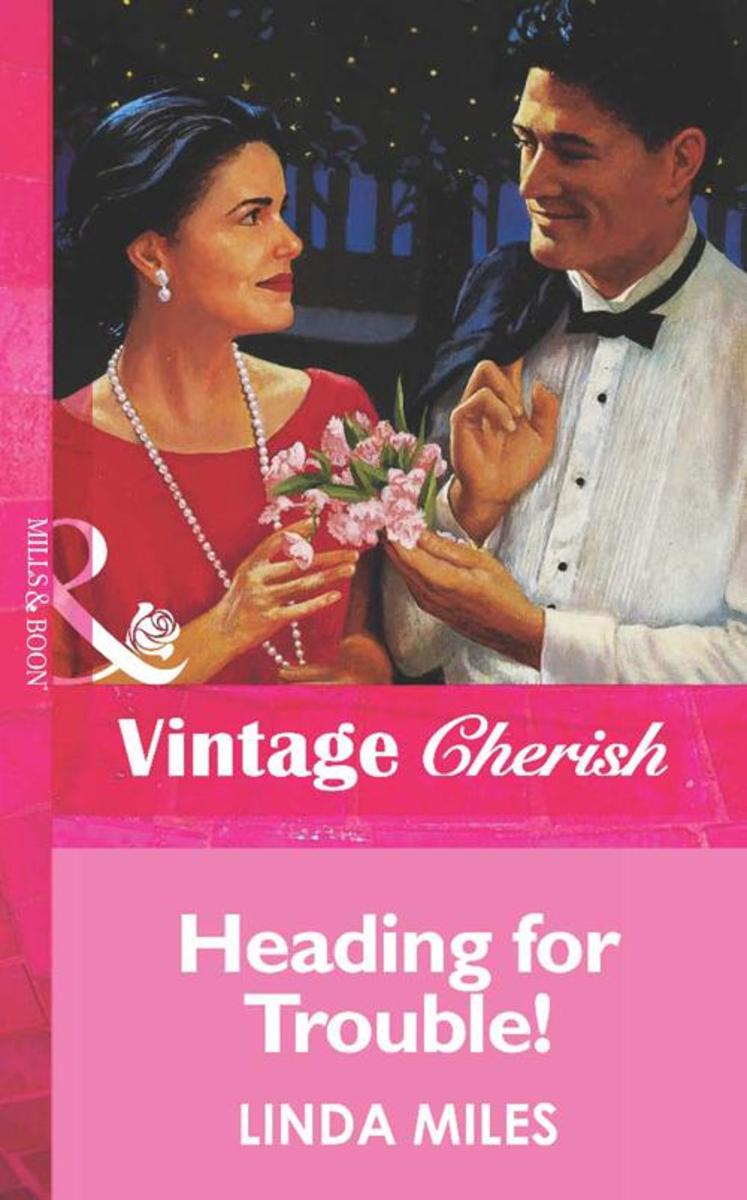
Heading For Trouble! (Mills & Boon Vintage Cherish)
¥31.10
Man trouble! The second time Morgan met Richard Kavanagh she was supposed to be helping charm the television heartthrob into giving her sister a job. Unfortunately, Morgan suspected that careering into Richard's car wasn't exactly the "good impression" that Elaine had had in mind! Worse, Richard thought it was an elaborate plan to get an autograph. She didn't even like the man! He was rude, opinionated and far too sexy for his own good–and hers! And if he ever remembered the first time they had met, Morgan would really be heading for trouble!

Only Bachelors Need Apply (Mills & Boon Vintage Cherish)
¥31.10
HUSBAND IN A MILLION Single mom Joanna Greer knew all the "mommy" tricks: kiss boo-boos, fix three squares a day…fuss, fuss, fuss. But when it came to acting as a father figure to her young son, she was desperately at a loss…. Then little Tyler staked his claim on the handsome bachelor next door. Kris Slavik didn't know the first thing about fatherhood. His upbringing had been short on hugs, but long on expectations. Well, he'd earned his millions…several times over. Problem was, he had no one to share it with. Until a rambunctious kid and his beautiful mom had him tossing around footballs–and sizing very big diamond rings….

The Cowboy, The Baby And The Bride-To-Be (Mills & Boon Vintage Cherish)
¥25.60
Fabulous Fathers FIRST COMES BABY… Shayla Morrison's mission was to unite a rambunctious baby boy with the rugged cowboy who was his closest kin. But one look at long, tall Turner MacLeod and Shayla decided to stick around. After all, what did a rough and tough rancher know about babies? Then again, what did a sensible woman like Shayla know about sharing close quarters with a mysterious Montana man? THEN COMES MARRIAGE? Shayla should have hightailed it back to her ho-hum life. Then the sound of a child's laughter–and the sparkle in the cowboy's eyes–had her whistling the wedding march. But could she turn the brooding bachelor into a forever husband? Fabulous Fathers This cowboy found a baby on his doorstep–and a wife in waiting!
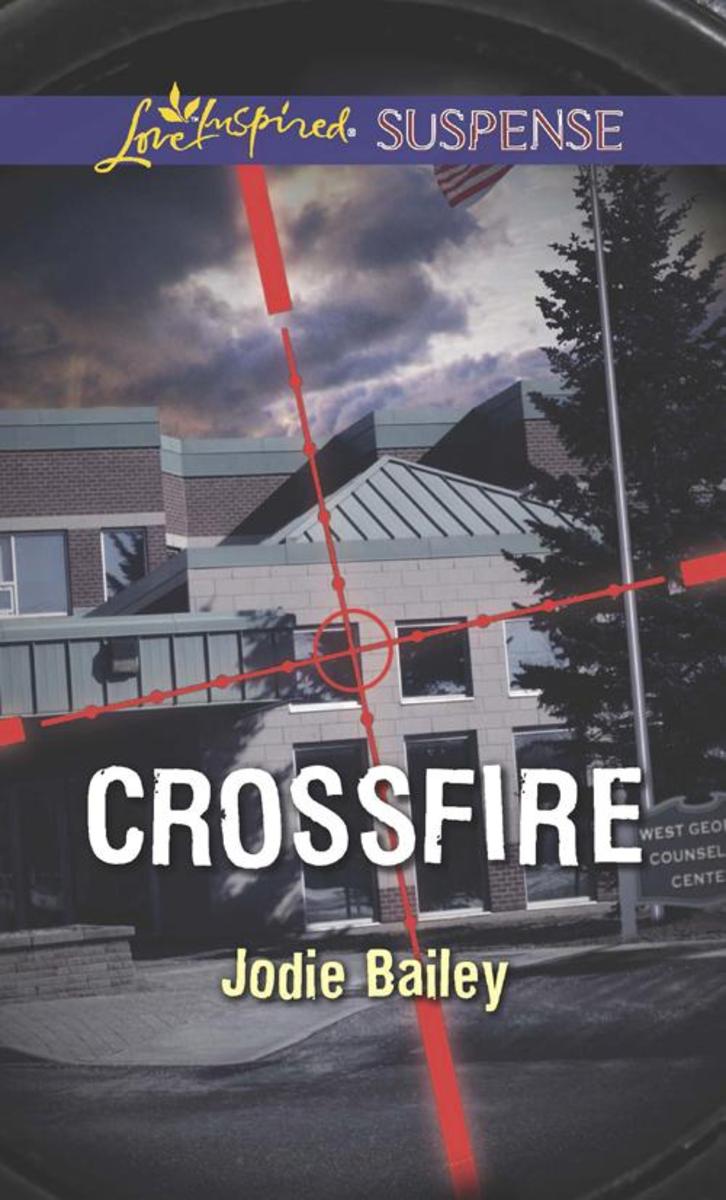
Crossfire (Mills & Boon Love Inspired Suspense)
¥31.10
A DANGEROUS REUNION After he couldn't save her brother, Army First Sergeant Josh Walker isn't about to let anything happen to Andrea Donovan. Josh may have saved her from one attack, but drug smugglers are desperate to get information about one of Andrea’s patients—a patient who’s disappeared without a trace. Despite the danger, the beautiful counselor refuses to hand over confidential files. Now Josh and Andrea have no choice but to battle on for their lives—and their love—or they'll be the latest casualty to get caught in the crossfire.


