


 购物车
购物车 个人中心
个人中心
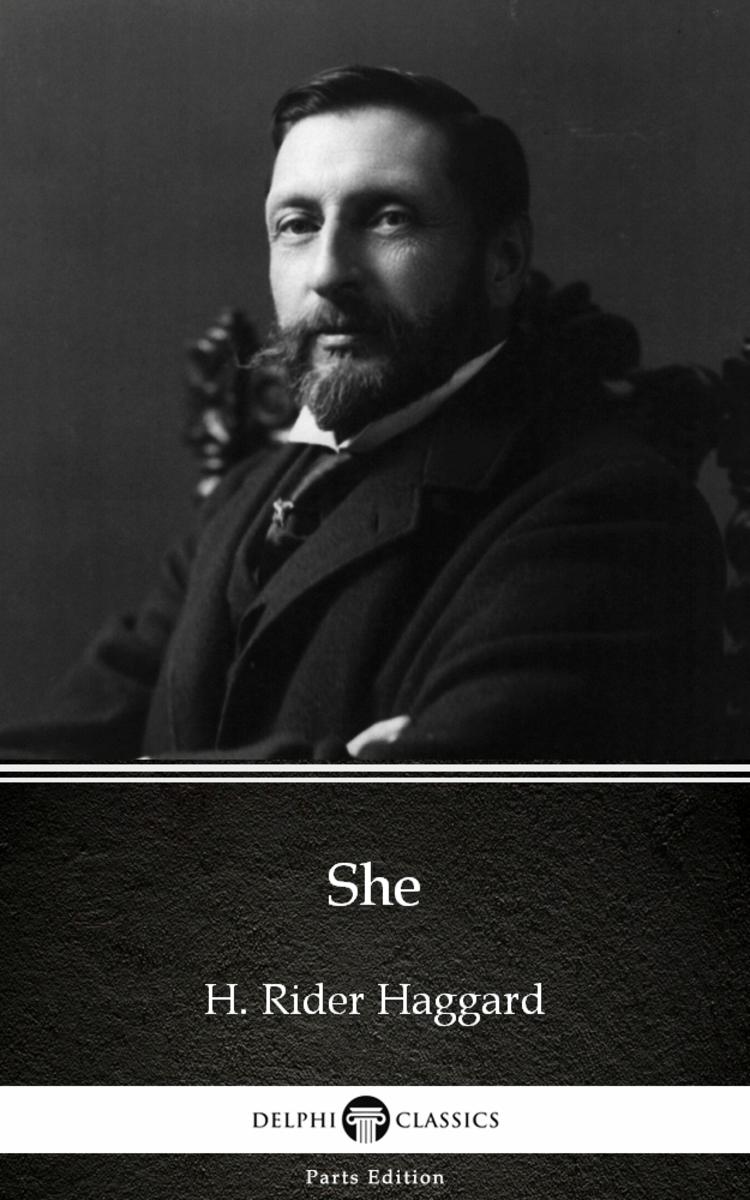
She by H. Rider Haggard - Delphi Classics (Illustrated)
¥8.09
This eBook features the unabridged text of ‘She by H. Rider Haggard - Delphi Classics (Illustrated)’ from the bestselling edition of ‘The Complete Works of H. Rider Haggard’. Having established their name as the leading publisher of classic literature and art, Delphi Classics produce publications that are individually crafted with superior formatting, while introducing many rare texts for the first time in digital print. The Delphi Classics edition of Haggard includes original annotations and illustrations relating to the life and works of the author, as well as individual tables of contents, allowing you to navigate eBooks quickly and easily. eBook features: * The complete unabridged text of ‘She by H. Rider Haggard - Delphi Classics (Illustrated)’ * Beautifully illustrated with images related to Haggard’s works * Individual contents table, allowing easy navigation around the eBook * Excellent formatting of the text Please visit www.delphiclassics.com to learn more about our wide range of titles
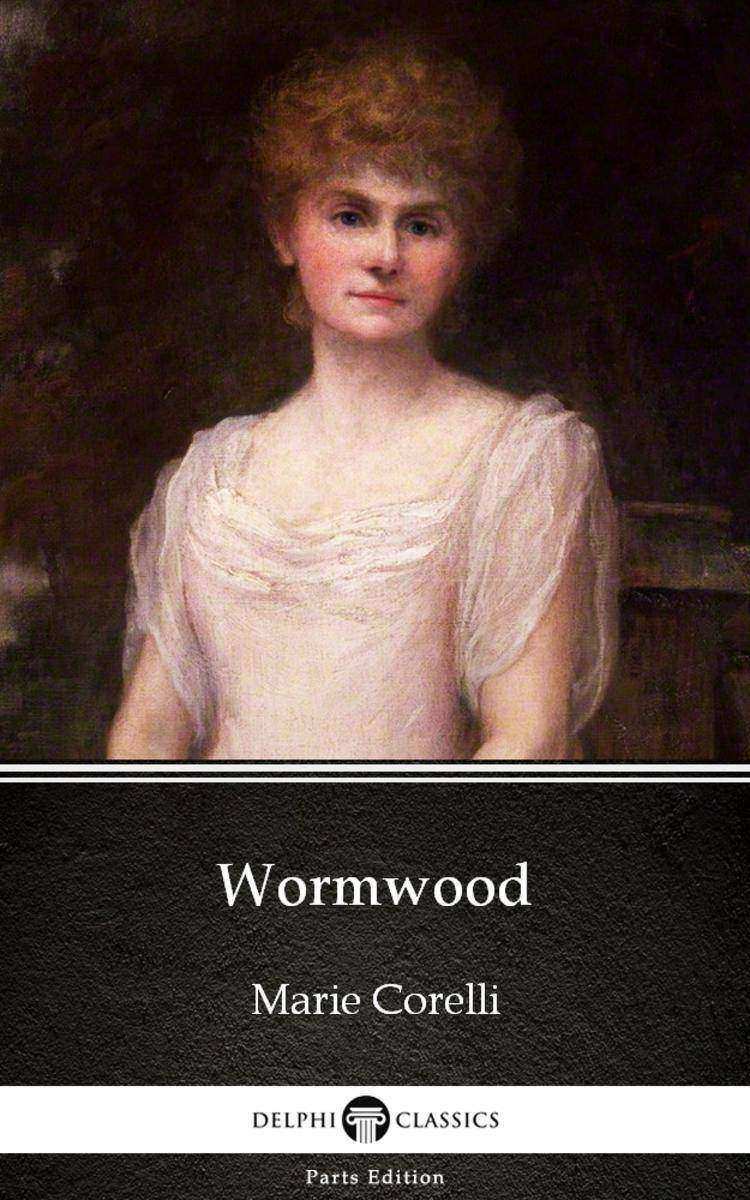
Wormwood by Marie Corelli - Delphi Classics (Illustrated)
¥8.09
This eBook features the unabridged text of ‘Wormwood by Marie Corelli - Delphi Classics (Illustrated)’ from the bestselling edition of ‘The Complete Works of Marie Corelli’. Having established their name as the leading publisher of classic literature and art, Delphi Classics produce publications that are individually crafted with superior formatting, while introducing many rare texts for the first time in digital print. The Delphi Classics edition of Corelli includes original annotations and illustrations relating to the life and works of the author, as well as individual tables of contents, allowing you to navigate eBooks quickly and easily. eBook features: * The complete unabridged text of ‘Wormwood by Marie Corelli - Delphi Classics (Illustrated)’ * Beautifully illustrated with images related to Corelli’s works * Individual contents table, allowing easy navigation around the eBook * Excellent formatting of the text Please visit www.delphiclassics.com to learn more about our wide range of titles
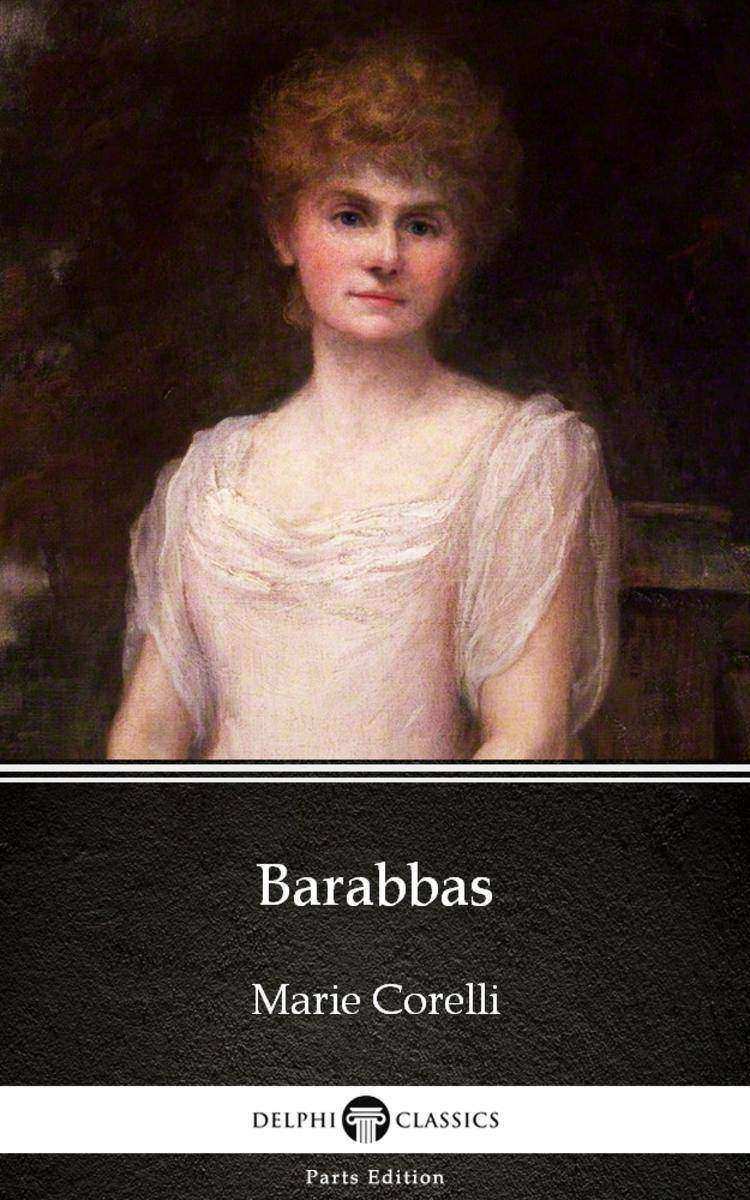
Barabbas by Marie Corelli - Delphi Classics (Illustrated)
¥8.09
This eBook features the unabridged text of ‘Barabbas by Marie Corelli - Delphi Classics (Illustrated)’ from the bestselling edition of ‘The Complete Works of Marie Corelli’. Having established their name as the leading publisher of classic literature and art, Delphi Classics produce publications that are individually crafted with superior formatting, while introducing many rare texts for the first time in digital print. The Delphi Classics edition of Corelli includes original annotations and illustrations relating to the life and works of the author, as well as individual tables of contents, allowing you to navigate eBooks quickly and easily. eBook features: * The complete unabridged text of ‘Barabbas by Marie Corelli - Delphi Classics (Illustrated)’ * Beautifully illustrated with images related to Corelli’s works * Individual contents table, allowing easy navigation around the eBook * Excellent formatting of the text Please visit www.delphiclassics.com to learn more about our wide range of titles

Montezuma’s Daughter by H. Rider Haggard - Delphi Classics (Illustrated)
¥8.09
This eBook features the unabridged text of ‘Montezuma’s Daughter by H. Rider Haggard - Delphi Classics (Illustrated)’ from the bestselling edition of ‘The Complete Works of H. Rider Haggard’. Having established their name as the leading publisher of classic literature and art, Delphi Classics produce publications that are individually crafted with superior formatting, while introducing many rare texts for the first time in digital print. The Delphi Classics edition of Haggard includes original annotations and illustrations relating to the life and works of the author, as well as individual tables of contents, allowing you to navigate eBooks quickly and easily. eBook features: * The complete unabridged text of ‘Montezuma’s Daughter by H. Rider Haggard - Delphi Classics (Illustrated)’ * Beautifully illustrated with images related to Haggard’s works * Individual contents table, allowing easy navigation around the eBook * Excellent formatting of the text Please visit www.delphiclassics.com to learn more about our wide range of titles
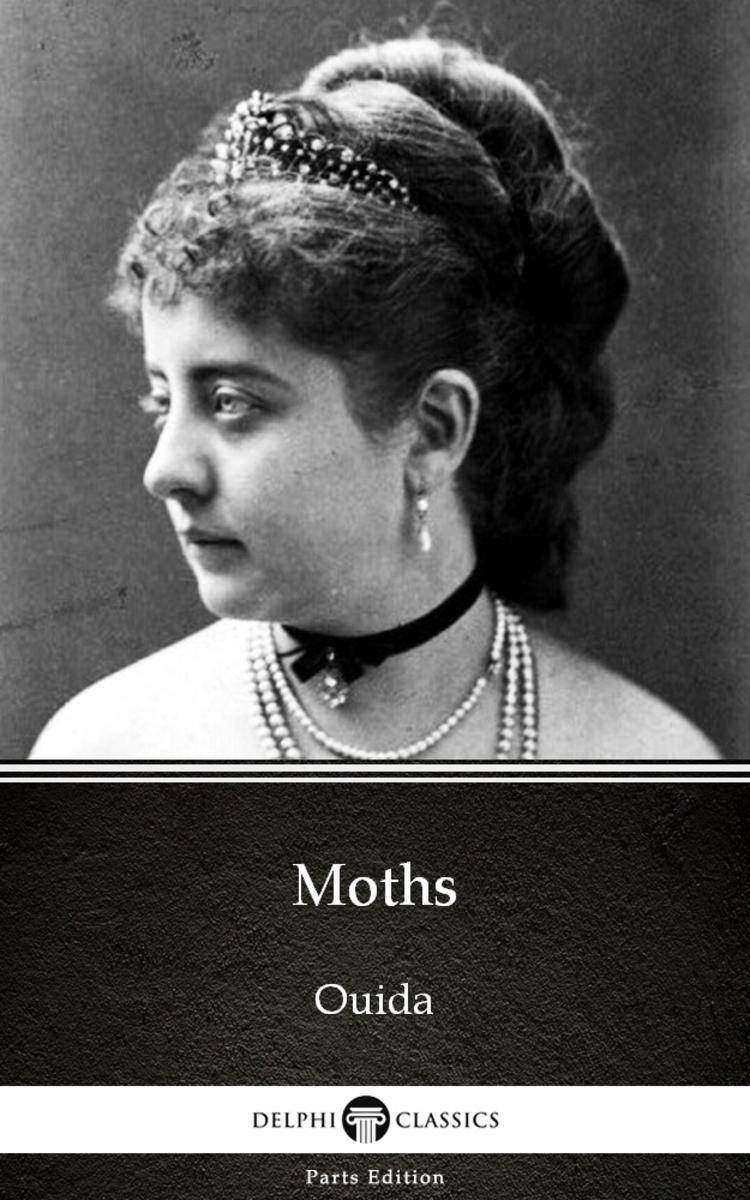
Moths by Ouida - Delphi Classics (Illustrated)
¥8.09
This eBook features the unabridged text of ‘Moths by Ouida - Delphi Classics (Illustrated)’ from the bestselling edition of ‘The Collected Works of Ouida’. Having established their name as the leading publisher of classic literature and art, Delphi Classics produce publications that are individually crafted with superior formatting, while introducing many rare texts for the first time in digital print. The Delphi Classics edition of Ouida includes original annotations and illustrations relating to the life and works of the author, as well as individual tables of contents, allowing you to navigate eBooks quickly and easily. eBook features: * The complete unabridged text of ‘Moths by Ouida - Delphi Classics (Illustrated)’ * Beautifully illustrated with images related to Ouida’s works * Individual contents table, allowing easy navigation around the eBook * Excellent formatting of the text Please visit www.delphiclassics.com to learn more about our wide range of titles
Elissa by H. Rider Haggard - Delphi Classics (Illustrated)
¥8.09
This eBook features the unabridged text of ‘Elissa by H. Rider Haggard - Delphi Classics (Illustrated)’ from the bestselling edition of ‘The Complete Works of H. Rider Haggard’. Having established their name as the leading publisher of classic literature and art, Delphi Classics produce publications that are individually crafted with superior formatting, while introducing many rare texts for the first time in digital print. The Delphi Classics edition of Haggard includes original annotations and illustrations relating to the life and works of the author, as well as individual tables of contents, allowing you to navigate eBooks quickly and easily. eBook features: * The complete unabridged text of ‘Elissa by H. Rider Haggard - Delphi Classics (Illustrated)’ * Beautifully illustrated with images related to Haggard’s works * Individual contents table, allowing easy navigation around the eBook * Excellent formatting of the text Please visit www.delphiclassics.com to learn more about our wide range of titles
The Waters of Edera by Ouida - Delphi Classics (Illustrated)
¥8.09
This eBook features the unabridged text of ‘The Waters of Edera by Ouida - Delphi Classics (Illustrated)’ from the bestselling edition of ‘The Collected Works of Ouida’. Having established their name as the leading publisher of classic literature and art, Delphi Classics produce publications that are individually crafted with superior formatting, while introducing many rare texts for the first time in digital print. The Delphi Classics edition of Ouida includes original annotations and illustrations relating to the life and works of the author, as well as individual tables of contents, allowing you to navigate eBooks quickly and easily. eBook features: * The complete unabridged text of ‘The Waters of Edera by Ouida - Delphi Classics (Illustrated)’ * Beautifully illustrated with images related to Ouida’s works * Individual contents table, allowing easy navigation around the eBook * Excellent formatting of the text Please visit www.delphiclassics.com to learn more about our wide range of titles

Lucy Church Amiably by Gertrude Stein - Delphi Classics (Illustrated)
¥8.09
This eBook features the unabridged text of ‘Lucy Church Amiably by Gertrude Stein - Delphi Classics (Illustrated)’ from the bestselling edition of ‘The Complete Works of Gertrude Stein’. Having established their name as the leading publisher of classic literature and art, Delphi Classics produce publications that are individually crafted with superior formatting, while introducing many rare texts for the first time in digital print. The Delphi Classics edition of Stein includes original annotations and illustrations relating to the life and works of the author, as well as individual tables of contents, allowing you to navigate eBooks quickly and easily. eBook features: * The complete unabridged text of ‘Lucy Church Amiably by Gertrude Stein - Delphi Classics (Illustrated)’ * Beautifully illustrated with images related to Stein’s works * Individual contents table, allowing easy navigation around the eBook * Excellent formatting of the text Please visit www.delphiclassics.com to learn more about our wide range of titles

A Novel of Thank You by Gertrude Stein - Delphi Classics (Illustrated)
¥8.09
This eBook features the unabridged text of ‘A Novel of Thank You by Gertrude Stein - Delphi Classics (Illustrated)’ from the bestselling edition of ‘The Complete Works of Gertrude Stein’. Having established their name as the leading publisher of classic literature and art, Delphi Classics produce publications that are individually crafted with superior formatting, while introducing many rare texts for the first time in digital print. The Delphi Classics edition of Stein includes original annotations and illustrations relating to the life and works of the author, as well as individual tables of contents, allowing you to navigate eBooks quickly and easily. eBook features: * The complete unabridged text of ‘A Novel of Thank You by Gertrude Stein - Delphi Classics (Illustrated)’ * Beautifully illustrated with images related to Stein’s works * Individual contents table, allowing easy navigation around the eBook * Excellent formatting of the text Please visit www.delphiclassics.com to learn more about our wide range of titles
Stella Fregelius by H. Rider Haggard - Delphi Classics (Illustrated)
¥8.09
This eBook features the unabridged text of ‘Stella Fregelius by H. Rider Haggard - Delphi Classics (Illustrated)’ from the bestselling edition of ‘The Complete Works of H. Rider Haggard’. Having established their name as the leading publisher of classic literature and art, Delphi Classics produce publications that are individually crafted with superior formatting, while introducing many rare texts for the first time in digital print. The Delphi Classics edition of Haggard includes original annotations and illustrations relating to the life and works of the author, as well as individual tables of contents, allowing you to navigate eBooks quickly and easily. eBook features: * The complete unabridged text of ‘Stella Fregelius by H. Rider Haggard - Delphi Classics (Illustrated)’ * Beautifully illustrated with images related to Haggard’s works * Individual contents table, allowing easy navigation around the eBook * Excellent formatting of the text Please visit www.delphiclassics.com to learn more about our wide range of titles

The Filocolo by Giovanni Boccaccio - Delphi Classics (Illustrated)
¥8.09
This eBook features the unabridged text of ‘The Filocolo by Giovanni Boccaccio - Delphi Classics (Illustrated)’ from the bestselling edition of ‘The Collected Works of Giovanni Boccaccio’. Having established their name as the leading publisher of classic literature and art, Delphi Classics produce publications that are individually crafted with superior formatting, while introducing many rare texts for the first time in digital print. The Delphi Classics edition of Boccaccio includes original annotations and illustrations relating to the life and works of the author, as well as individual tables of contents, allowing you to navigate eBooks quickly and easily. eBook features: * The complete unabridged text of ‘The Filocolo by Giovanni Boccaccio - Delphi Classics (Illustrated)’ * Beautifully illustrated with images related to Boccaccio’s works * Individual contents table, allowing easy navigation around the eBook * Excellent formatting of the textPlease visit www.delphiclassics.com to learn more about our wide range of titles

The Lady of Blossholme by H. Rider Haggard - Delphi Classics (Illustrated)
¥8.09
This eBook features the unabridged text of ‘The Lady of Blossholme by H. Rider Haggard - Delphi Classics (Illustrated)’ from the bestselling edition of ‘The Complete Works of H. Rider Haggard’. Having established their name as the leading publisher of classic literature and art, Delphi Classics produce publications that are individually crafted with superior formatting, while introducing many rare texts for the first time in digital print. The Delphi Classics edition of Haggard includes original annotations and illustrations relating to the life and works of the author, as well as individual tables of contents, allowing you to navigate eBooks quickly and easily. eBook features: * The complete unabridged text of ‘The Lady of Blossholme by H. Rider Haggard - Delphi Classics (Illustrated)’ * Beautifully illustrated with images related to Haggard’s works * Individual contents table, allowing easy navigation around the eBook * Excellent formatting of the text Please visit www.delphiclassics.com to learn more about our wide range of titles
The Elegy of Lady Fiammetta by Giovanni Boccaccio - Delphi Classics (Illustrated
¥8.09
This eBook features the unabridged text of ‘The Elegy of Lady Fiammetta by Giovanni Boccaccio - Delphi Classics (Illustrated)’ from the bestselling edition of ‘The Collected Works of Giovanni Boccaccio’. Having established their name as the leading publisher of classic literature and art, Delphi Classics produce publications that are individually crafted with superior formatting, while introducing many rare texts for the first time in digital print. The Delphi Classics edition of Boccaccio includes original annotations and illustrations relating to the life and works of the author, as well as individual tables of contents, allowing you to navigate eBooks quickly and easily. eBook features: * The complete unabridged text of ‘The Elegy of Lady Fiammetta by Giovanni Boccaccio - Delphi Classics (Illustrated)’ * Beautifully illustrated with images related to Boccaccio’s works * Individual contents table, allowing easy navigation around the eBook * Excellent formatting of the textPlease visit www.delphiclassics.com to learn more about our wide range of titles

With Fire and Sword by Henryk Sienkiewicz - Delphi Classics (Illustrated)
¥8.09
This eBook features the unabridged text of ‘With Fire and Sword by Henryk Sienkiewicz - Delphi Classics (Illustrated)’ from the bestselling edition of ‘The Complete Works of Henryk Sienkiewicz’. Having established their name as the leading publisher of classic literature and art, Delphi Classics produce publications that are individually crafted with superior formatting, while introducing many rare texts for the first time in digital print. The Delphi Classics edition of Sienkiewicz includes original annotations and illustrations relating to the life and works of the author, as well as individual tables of contents, allowing you to navigate eBooks quickly and easily. eBook features: * The complete unabridged text of ‘With Fire and Sword by Henryk Sienkiewicz - Delphi Classics (Illustrated)’ * Beautifully illustrated with images related to Sienkiewicz’s works * Individual contents table, allowing easy navigation around the eBook * Excellent formatting of the text Please visit www.delphiclassics.com to learn more about our wide range of titles

Wintermoon Ice
¥32.62
When Tessa unexpectedly acquires a mirror and a journal from her long-dead grandmother, Suvi Markku, she is thrust into danger from alien creatures called Polydactyls. She turns for help to her neighbor Jakob Faircrow, but she finds his smug arrogance infuriating. Jakob and Tessa must put aside their differences long enough to discover why Suvi hid the mirror and why the Polys want it. The journal provides vital clues to Suvi’s past life in Severnessa with Jakob’s twin brother Lut -- a life that will shortly intersect with Tessa’s, when a magic gateway blends past and present, and brings the two women face to face with the creator of the Polydactyls. Wintermoon Ice is a spellbinding tale of twos: two cites, two times, two brothers and two women, who must save their world from an unspeakable terror. It is the first book of the Sons of the Mariner" series. "

Mathilda by Mary Shelley - Delphi Classics (Illustrated)
¥8.09
This eBook features the unabridged text of ‘Mathilda by Mary Shelley - Delphi Classics (Illustrated)’ from the bestselling edition of ‘The Complete Works of Mary Shelley’. Having established their name as the leading publisher of classic literature and art, Delphi Classics produce publications that are individually crafted with superior formatting, while introducing many rare texts for the first time in digital print. The Delphi Classics edition of Shelley includes original annotations and illustrations relating to the life and works of the author, as well as individual tables of contents, allowing you to navigate eBooks quickly and easily. eBook features: * The complete unabridged text of ‘Mathilda by Mary Shelley - Delphi Classics (Illustrated)’ * Beautifully illustrated with images related to Shelley’s works * Individual contents table, allowing easy navigation around the eBook * Excellent formatting of the text Please visit www.delphiclassics.com to learn more about our wide range of titles

Ebola ’76
¥73.49
Louis Nawa left the hospital, still wearing his inpatient's gown, which covered only the top half of his body, leaving the bottom half naked but for a thick coat of body hair, a few mosquito bites and a wealth of lesions left by Ebola, which were now beginning to heal over. The streets were dusty, baking in the midday August sun... Ebola's tragic victims were evident all around. With no one left to carry them, they crawled alone to the main square in the hope of finding help. Louis, meanwhile, was completely oblivious to his bare feet, already blistering as they pounded the baking road. Any feeling including that of a guilty conscience had been entirely deadened by the bottle of wine he had guzzled. By acclaimed Sudanese author Amir Tag Elsir, Ebola '76 follows the story of Louis, a?simple blue-collar worker who unwittingly transports a deadly disease back to his home?country, with disastrous consequences for his family, friends and colleagues alike. In?a series of bizarre and comical human encounters, the disease takes a firm hold of?the city of Anzara. Blind guitar players, comely barbers, tyrannical factory owners and?spurned wives all soon find themselves desperately fighting for their lives in the "Time?of Ebola". Among the novel's most unusual characters is Ebola itself, a strikingly dark and sinister?presence that haunts the pages of this fast-paced, tragicomic satire. Cackling with?glee, hovering in drops of spittle, and gliding slyly from body to body, Ebola represents?one of the evilest and unpredictable of villains.
The Complete Poems by Mary Shelley - Delphi Classics (Illustrated)
¥8.09
This eBook features the unabridged text of ‘The Complete Poems by Mary Shelley - Delphi Classics (Illustrated)’ from the bestselling edition of ‘The Complete Works of Mary Shelley’. Having established their name as the leading publisher of classic literature and art, Delphi Classics produce publications that are individually crafted with superior formatting, while introducing many rare texts for the first time in digital print. The Delphi Classics edition of Shelley includes original annotations and illustrations relating to the life and works of the author, as well as individual tables of contents, allowing you to navigate eBooks quickly and easily. eBook features: * The complete unabridged text of ‘The Complete Poems by Mary Shelley - Delphi Classics (Illustrated)’ * Beautifully illustrated with images related to Shelley’s works * Individual contents table, allowing easy navigation around the eBook * Excellent formatting of the text Please visit www.delphiclassics.com to learn more about our wide range of titles

The Portrait of a Lady
¥8.09
Dodo Classics brings you another classic from Henry James, ‘The Portrait of a Lady’. The Portrait of a Lady is a novel by Henry James, first published as a serial in The Atlantic Monthly and Macmillan's Magazine in 1880–81 and then as a book in 1881. It is one of James's most popular long novels, and is regarded by critics as one of his finest. The Portrait of a Lady is the story of a spirited young American woman, Isabel Archer, who in "affronting her destiny", finds it overwhelming. She inherits a large amount of money and subsequently becomes the victim of Machiavellian scheming by two American expatriates. Like many of James's novels, it is set in Europe, mostly England and Italy. Generally regarded as the masterpiece of James's early period, this novel reflects James's continuing interest in the differences between the New World and the Old, often to the detriment of the former. It also treats in a profound way the themes of personal freedom, responsibility, and betrayal. James's first idea for The Portrait of a Lady was simple: a young American woman affronting her destiny, whatever it might be. Only then did he begin to form a plot to bring out the character of his central figure. This was the uncompromising story of the free-spirited Isabel losing her freedom—despite (or because of) suddenly coming into a great deal of money—and getting "ground in the very mill of the conventional”. It is a rather existentialist novel, as Isabel is very committed to living with the consequences of her choice with integrity but also a sort of stubbornness. Henry James, OM (15 April 1843 – 28 February 1916) was an American writer who spent most of his writing career in Britain. He is regarded as one of the key figures of 19th-century literary realism. He was the son of Henry James, Sr. and the brother of philosopher and psychologist William James and diarist Alice James. He is best known for a number of novels showing Americans encountering Europe and Europeans. His method of writing from a character's point of view allowed him to explore issues related to consciousness and perception, and his style in later works has been compared to impressionist painting. His imaginative use of point of view, interior monologue and unreliable narrators brought a new depth to narrative fiction. James contributed significantly to literary criticism, particularly in his insistence that writers be allowed the greatest possible freedom in presenting their view of the world. James claimed that a text must first and foremost be realistic and contain a representation of life that is recognizable to its readers. Good novels, to James, show life in action and are, most importantly, interesting. In addition to his voluminous works of fiction he published articles and books of travel, biography, autobiography, and criticism, and wrote plays. James alternated between America and Europe for the first twenty years of his life; eventually he settled in England, becoming a British subject in 1915, one year before his death. James was nominated for the Nobel Prize in Literature in 1911, 1912, and 1916.
The Pioneers by James Fenimore Cooper - Delphi Classics (Illustrated)
¥8.09
This eBook features the unabridged text of ‘The Pioneers by James Fenimore Cooper - Delphi Classics (Illustrated)’ from the bestselling edition of ‘The Complete Works of James Fenimore Cooper’. Having established their name as the leading publisher of classic literature and art, Delphi Classics produce publications that are individually crafted with superior formatting, while introducing many rare texts for the first time in digital print. The Delphi Classics edition of Cooper includes original annotations and illustrations relating to the life and works of the author, as well as individual tables of contents, allowing you to navigate eBooks quickly and easily. eBook features: * The complete unabridged text of ‘The Pioneers by James Fenimore Cooper - Delphi Classics (Illustrated)’ * Beautifully illustrated with images related to Cooper’s works * Individual contents table, allowing easy navigation around the eBook * Excellent formatting of the text Please visit www.delphiclassics.com to learn more about our wide range of titles

The Hertfordshire Way
¥62.29
The 195 mile trail covers a large part of this beautiful, populous and rich county, incidentally one of the smallest counties in England, only 634 square miles. It is a county of rich contrasts. In the north-east there are wide open panoramas over low hills and farm lands as seen in the area around Barkway. Standing on Therfield Heath you can look down on to the flat plains of Cambridgeshire. Then in the south west there are the steep wooded escarpments of the Chilterns. The route visits ancient market towns, the Cathedral City of St Albans and countless picture postcard villages nestling in an intimate landscape of farmland and woods. In 1801 Hertfordshire had a population of about 100,000; now it is well over one million. It has never been a heavily industrialised area but it has seen its own industrial changes from malting and brewing, plaiting of straw for hats, paper making, industries associated with wool such as fulling (cleaning the woven cloth) and silk mills. Today technical industries and service industries dominate the industrial scene. A good introduction to the county, and how it developed from pre-history can be found in “The Hertfordshire Landscape” by Munby (1977) and “Hertfordshire, a Landscape History” by Rowe and Williamson (2013). People have settled the area since prehistoric times. Along the very ancient Icknield Way there is evidence of many waves of people. On Therfield Heath (see Leg 1) there is a long barrow of the Neolithic Age (2500 BC) and round barrows of the Bronze Age (1000 BC). There is evidence of the Beaker People in Hertfordshire. The hill forts of the Iron Age settlers gave way at the height of their power to the might of the Roman invasion. Many Roman roads go through Hertfordshire, e.g. Ermine Street and Watling Street, and our walk crosses the remains of the Roman town of Verulamium (St Albans). In the Dark Ages Hertfordshire was part of the shifting boundary between the English settlers (Angles & Saxons) and the later invaders, the Vikings. It was a long and turbulent time before the country became united. A good novel, which covers this period, is the “Conscience of the King” by Alfred Duggan. In the Medieval period the great abbeys were founded and one can still be seen in St Albans (see Legs 4 & 5). Many fine Medieval churches can be seen on this walk and short detours will be worth your while to seek out some of these (unfortunately due to the presence of valuable historic items most country churches are now locked on weekdays). During the 16th to 18th centuries many country estates were established in Hertfordshire e.g. Hatfield House, Knebworth House and Ashridge House. Some of the houses have not survived but our walk will take you through parkland, which reminds the walker of those estates. Walkers passing through Ayot St Lawrence will be going through such parkland and Ashridge still has its great house. It was first a monastery, then a great house, now a management college. The growth of London and the coming of industry saw some rapid development in the county in the 19th and 20th centuries. An example of this development was the Ovaltine factory at Kings Langley with the model farm to feed its need for eggs and milk. The factory and farms are all now sadly gone (see Legs 7 & 8). No major rivers flow through the county, however it is still famous for the large number of chalk streams and their associated wildlife (the River Lee or Lea, a tributary of the Thames has its source just north of Luton, flows though the county and is navigable up to Hertford). The Grand Union Canal passes through our county on its way north west (see Leg 7). The railways opened up Hertfordshire for industry and settlement and such towns as Hemel Hempstead and Watford grew from several hundred people to 80,000 plus. Many of the great road routes, which fan out from London (such as the A1, A5, A6, A10 and M1) pass through our county. Finally we saw the first garden cities (Letchworth and Welwyn Garden City) and the new town of Stevenage. The great orbital road, the M25, cuts its way through the county (see Legs 7 to 9) not forgetting the electricity pylons, supplying our thirst for power. Many famous people are associated with Hertfordshire. Samuel Pepys was a regular visitor who once when staying in Baldock noticed that the landlady was very pretty but “I durst not take notice of her, her husband being there”. Queen Elizabeth I, then a princess, was a virtual prisoner at Hatfield House when the Roman Catholic Queen Mary was on the throne. King James I had a palace at Royston (the start of our walk) from where he hunted on the lands of north Hertfordshire. The so called Rye House Plot to kill King Charles II was hatched on its borders. Izaac Walton of “Compleat Angler” fame knew the River Lea well. The earliest Christian martyr, St Alban, was executed in Roman times at the site of the city bearing his name. Francis Bacon lived at Gorhambury (an estate near St Albans th


