


 购物车
购物车 个人中心
个人中心
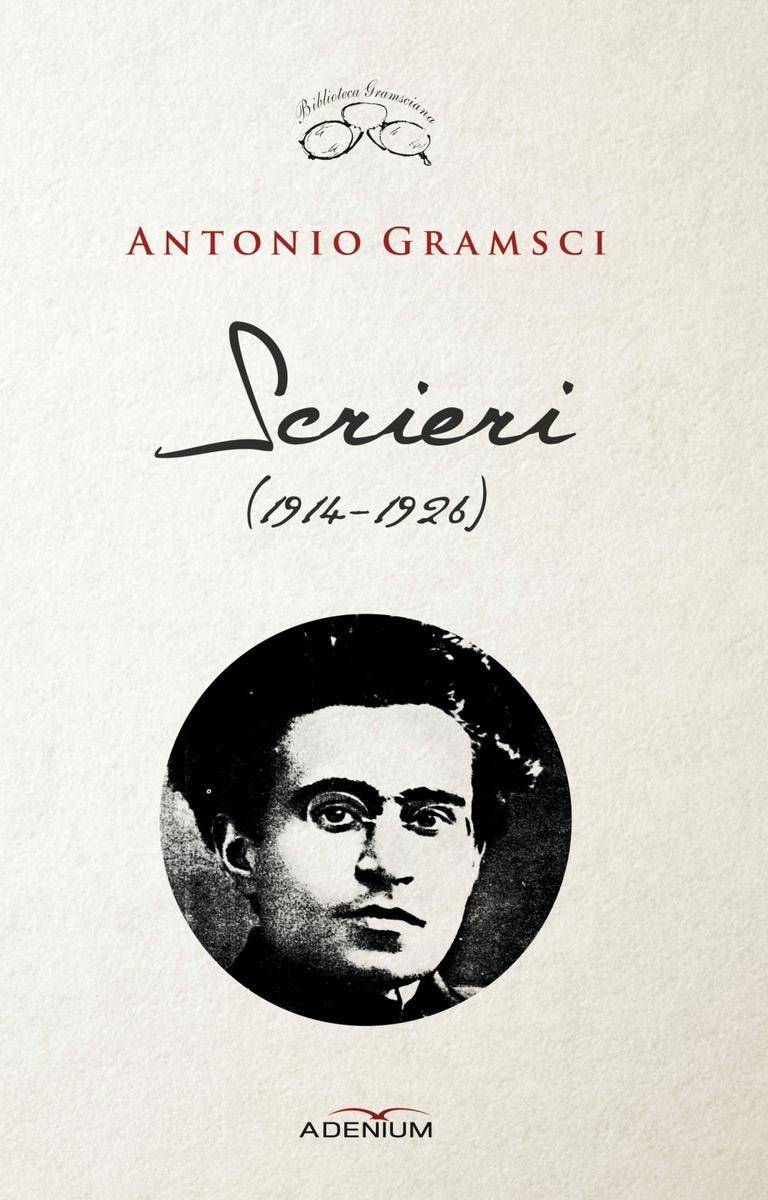
Scrieri (1914-1926)
¥40.14
M-am n?scut ?n F?lticeni, unde am urmat cursurile gimnaziale ?i liceale la Colegiul Na?ional ?Nicolae Gane”. Apoi, ?n Ia?i, am urmat cursurile ?nv???m?ntului superior ?i am absolvit dou? facult??i, una cu profil tehnic, iar alta cu profil non-tehnic. De peste 23 de ani tr?iesc ?n Ia?i, pe care l-am iubit din momentul ?n care am cobor?t din trenul care m? aducea din ora?ul natal. Am ?tiut de pe atunci c? voi r?m?ne aici. Aici m-am maturizat, am iubit ?i ur?t deopotriv?, aici am cunoscut pentru prima dat? sentimentul minunat de a fi tat?.
Othello / Othello, Moor of Venice (Edi?ie bilingv?)
¥57.14
First published in 1850, The Scarlet Letter is Nathaniel Hawthorne's masterpiece and one of the greatest American novels. Its themes of sin, guilt, and redemption, woven through a story of adultery in the early days of the Massachusetts Colony, are revealed with remarkable psychological penetration and understanding of the human heart.?The book's immediate and lasting success are due to the way it addresses spiritual and moral issues from a uniquely American standpoint. In 1850, adultery was an extremely risqué subject, but because Hawthorne had the support of the New England literary establishment, it passed easily into the realm of appropriate reading. It has been said that this work represents the height of Hawthorne's literary genius, dense with terse descriptions. It remains relevant for its philosophical and psychological depth, and continues to be read as a classic tale on a universal theme.
Cinci decenii de experimentalism. Compendiu de poezie rom?neasc? actual?. Volumu
¥24.44
M-am n?scut ?n F?lticeni, unde am urmat cursurile gimnaziale ?i liceale la Colegiul Na?ional ?Nicolae Gane”. Apoi, ?n Ia?i, am urmat cursurile ?nv???m?ntului superior ?i am absolvit dou? facult??i, una cu profil tehnic, iar alta cu profil non-tehnic. De peste 23 de ani tr?iesc ?n Ia?i, pe care l-am iubit din momentul ?n care am cobor?t din trenul care m? aducea din ora?ul natal. Am ?tiut de pe atunci c? voi r?m?ne aici. Aici m-am maturizat, am iubit ?i ur?t deopotriv?, aici am cunoscut pentru prima dat? sentimentul minunat de a fi tat?.
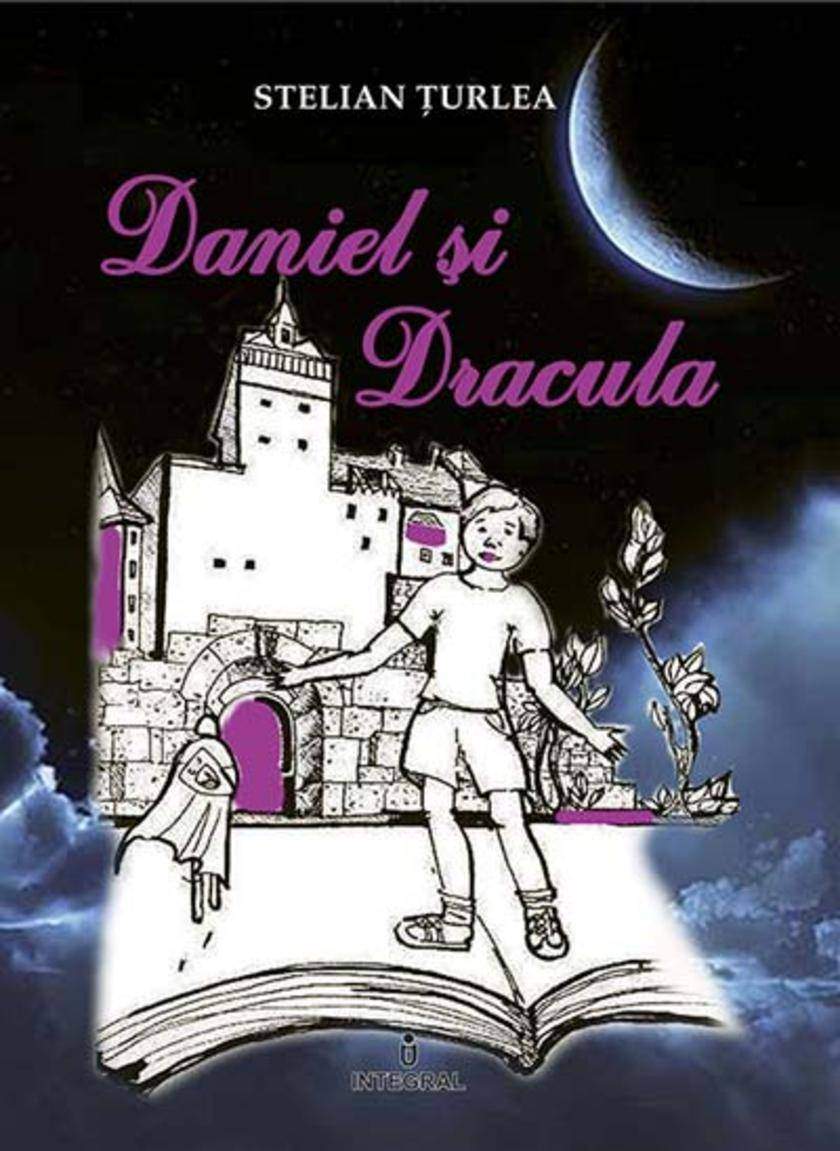
Daniel ?i Dracula
¥24.44
The Man in the Iron Mask tells a story based on historic facts. In 1661, King Louis XIV of France had his minister of finances - Nicolas Fouquet - arrested for embezzlement. Also in that year, Louis successfully wooed a young handmaiden named Louise, which caused some stir. In this novel, Dumas gives us the secret history behind these facts, and it is no surprise that the story involves his famous Four Musketeers.More specifically, Aramis becomes privy to the fact that Louis has a twin brother languishing in the Bastille, and he attempts to switch the two. The novel details his fascinating and rather intricate plot to pull this off, as well as how the other Musketeers fit into the plan.The first couple of pages concern mainly the aforementioned historic events, and its a bit of reading before you get to the meat of the action.This book is highly recommended - it will become part of your life, the way some good books can.If you love literature, if you love stories of complex intrigue, and especially if you love the Four Musketeers, you HAVE to read this book at least once in your life!

Programul de 30 de zile pentru o inim? mai puternic?.
¥90.84
(asta nu e poezie, ve?i spune a?a e, ave?i perfect? dreptate e ?ip?t)
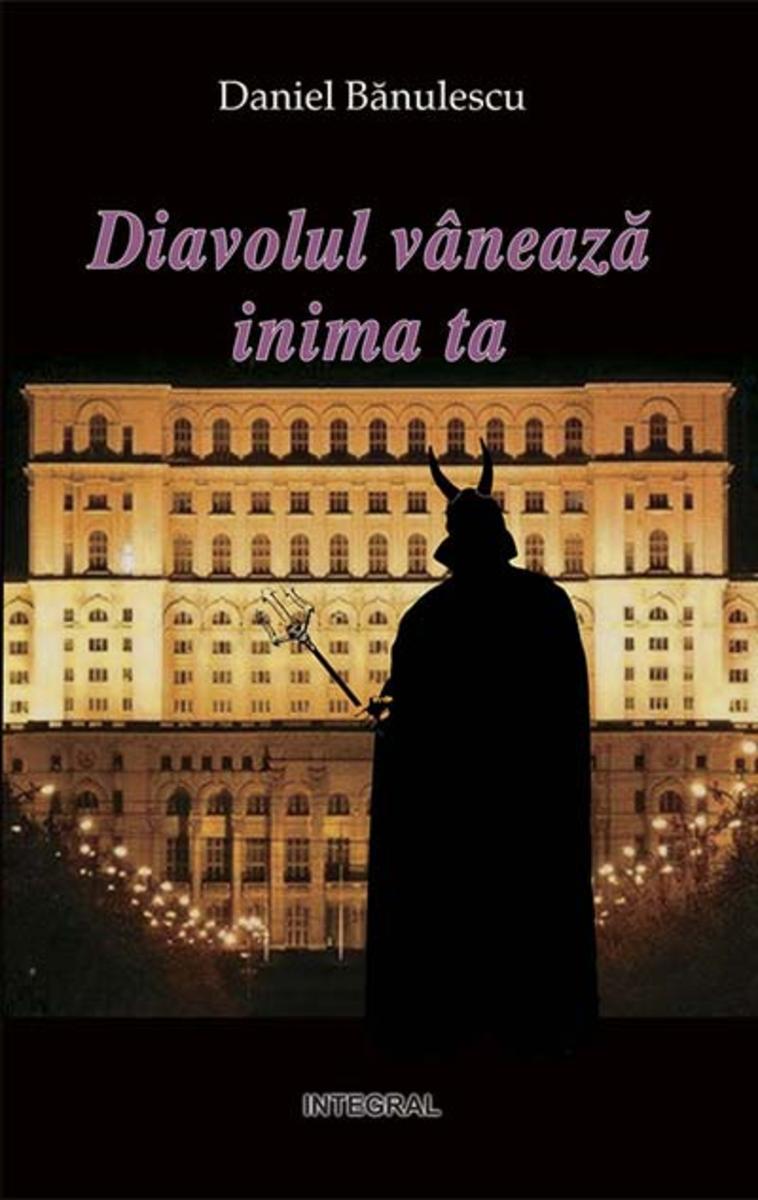
Diavolul v?neaz? inima ta
¥57.14
Around the Moon, Jules Verne's sequel to From the Earth to the Moon, is a science fiction novel which continues the trip to the moon which was only partially described in the previous novel. It was later combined with From the Earth to the Moon to create A Trip to the Moon and Around It. Having been fired out of the giant Columbiad space gun, the Baltimore Gun Club's bullet-shaped projectile, along with its three passengers, Barbicane, Nicholl and Michel Ardan, begins the five-day trip to the moon. A few minutes into the journey, a small, bright asteroid passes within a few hundred yards of them, but does not collide with the projectile. The asteroid had been captured by the Earth's gravity and had become a second moon.
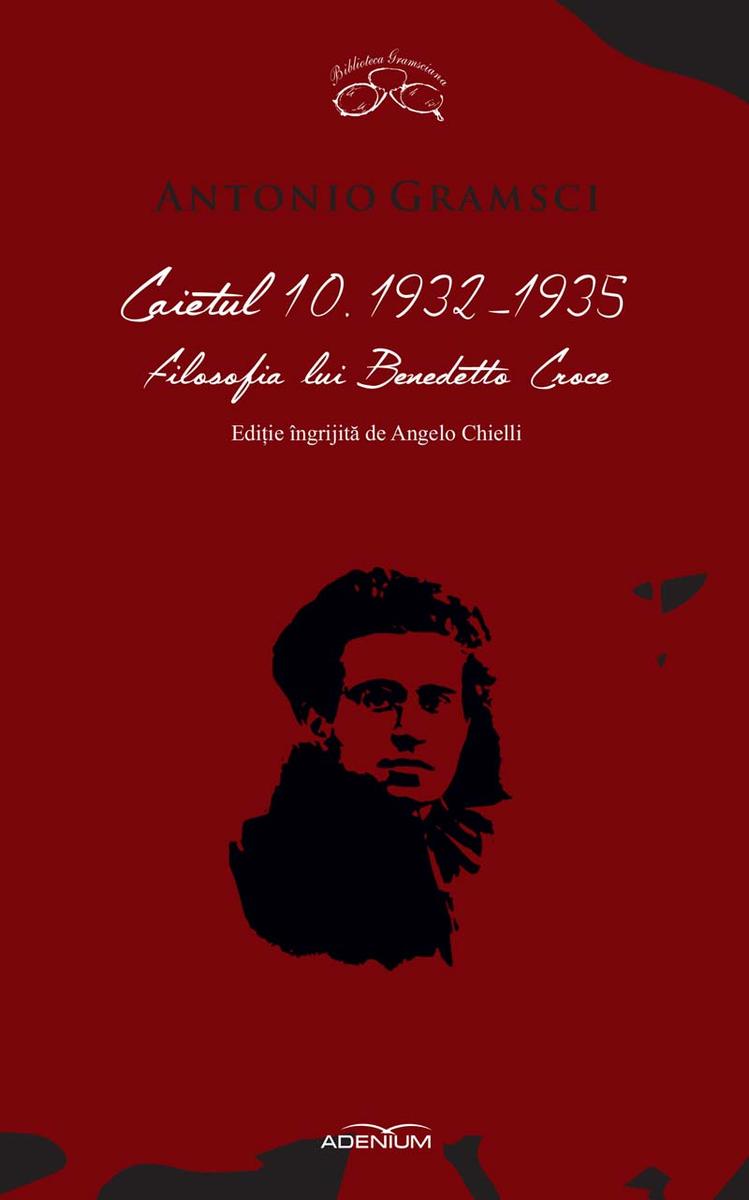
Caietul 10. 1932-1935. Filosofia lui Benedetto Croce
¥28.20
Treasure Island is an adventure novel, a thrilling tale of "buccaneers and buried gold." Traditionally considered a coming of age story, it is an adventure tale of superb atmosphere, character and action, and also a wry commentary on the ambiguity of morality—as seen in Long John Silver—unusual for children's literature then and now.?
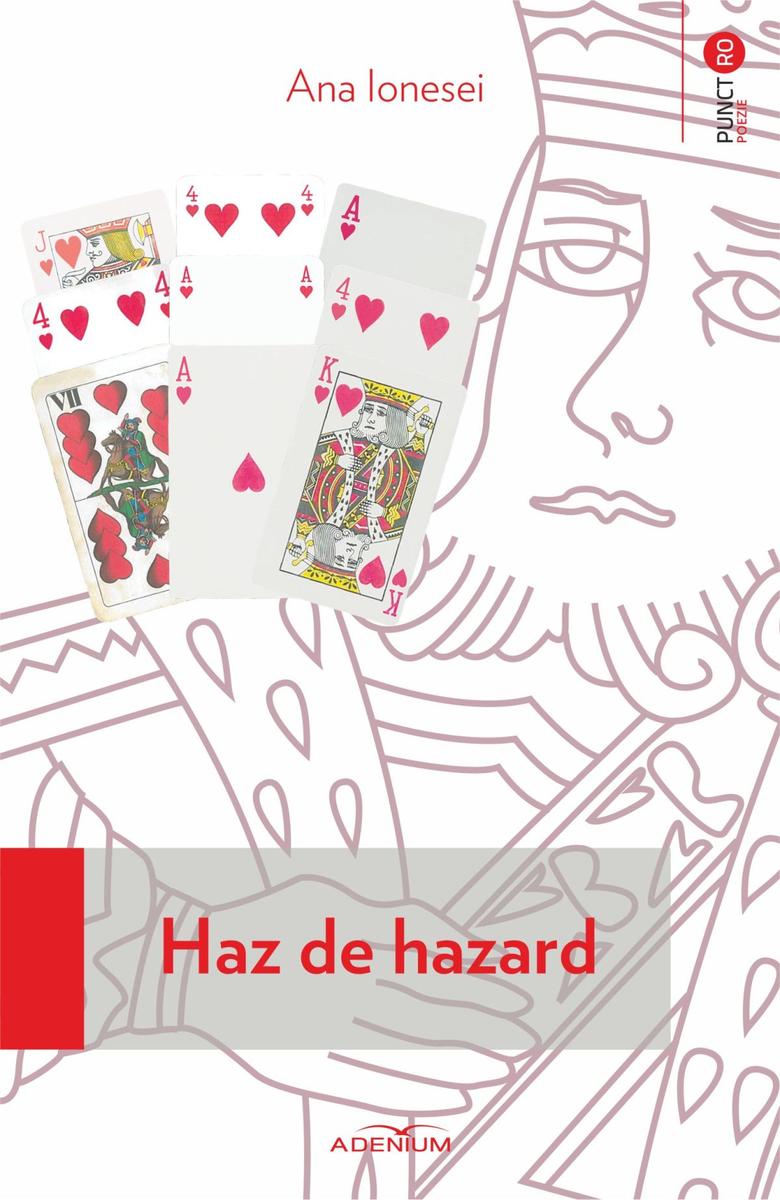
Haz de hazard
¥20.44
ntunericul (noaptea i nebunia), abisul (mormntul) i focul (sngele) se ntreptrund, cele trei constituind treptat o adncire n infern, trei bolgii care se continu la nesfrit. Poetul i, odat cu el, cititorul, este obligat s le parcurg pe toate trei. Din infernul lui Bolea nu exist scpare… (Cristina Nemerovschi) Tocmai excesul de recuzit transform poemele din volum ntr-o parodie a reportajului mizerabilist cultivat de poeii promoiei 2000, lsnd n cele din urm sentimentul mistificrii, al farsei enorme, n timp ce poetul pare a da n permanen cu tifla unui cititor tot mai derutat, care nu mai tie dac autorul glumete sau vorbete serios, dac are de-a face cu un nihilist autentic sau cu un parodist care demonteaz mecanismele liricii autenticiste, i-i caricaturizeaz cu verv locurile comune. (Octavian Soviany) Rzboi civil mi amintete de black metal i de nordul fioros i ngheat. (iQ 666) Poemele lui tefan Bolea sunt o oglind n care se reflect luciul mizeriei contemporane, sunt un colaj de ridicol i neimportant”, de beie i metafizic, de sublim i grotesc, de ncruntare i de (ne)linite. Poate de aceea versurile lui au prospeimea (edenic) a celui care spune lucrurilor pe nume.(Petrior Militaru) Rzboi civil este, cu siguran, cartea resureciei, à rebours. Prin atitudinea ironic-demolatoare, debutul lui Stefan Bolea este unul ct se poate de interesant, l aeaz pe autor, n mod meritat, n rndurile din fa ale noii generaii. (Silviu Gongonea) Ghidul turistic, care este tefan Bolea, st la malul existenei noastre i ne ndeamn s intrm i noi, de fapt, s deschidem ochii i s vedem c suntem deja acolo, unii pn la glezne, alii pn la genunchi, unii mai norocoi pn la nas, unde mirosul aburind al noroiului se mperecheaz cu suflul nostru vital, contaminndu-se reciproc. (Drago Fabian) Pentru c nici un poet nu poate exista fr o poezie-manifest, care s-i defineasc crezul literar, Bolea are ca art poetic: Imn pentru generaia 2000+. Bolea devine un postmodernist extrem sau neo-avangardist n acest moment. (Marcela Iuga) Referindu-ne la concepia postmodern de chirurgie cosmetic, Bolea folosete aceast metod ntr-un mod manierist, efectund operaii cosmetice asupra textelor sale, jucndu-se constant cu dimensiunile i perspectiva, cu deformarea i hiperbola… (Eva Theodora)
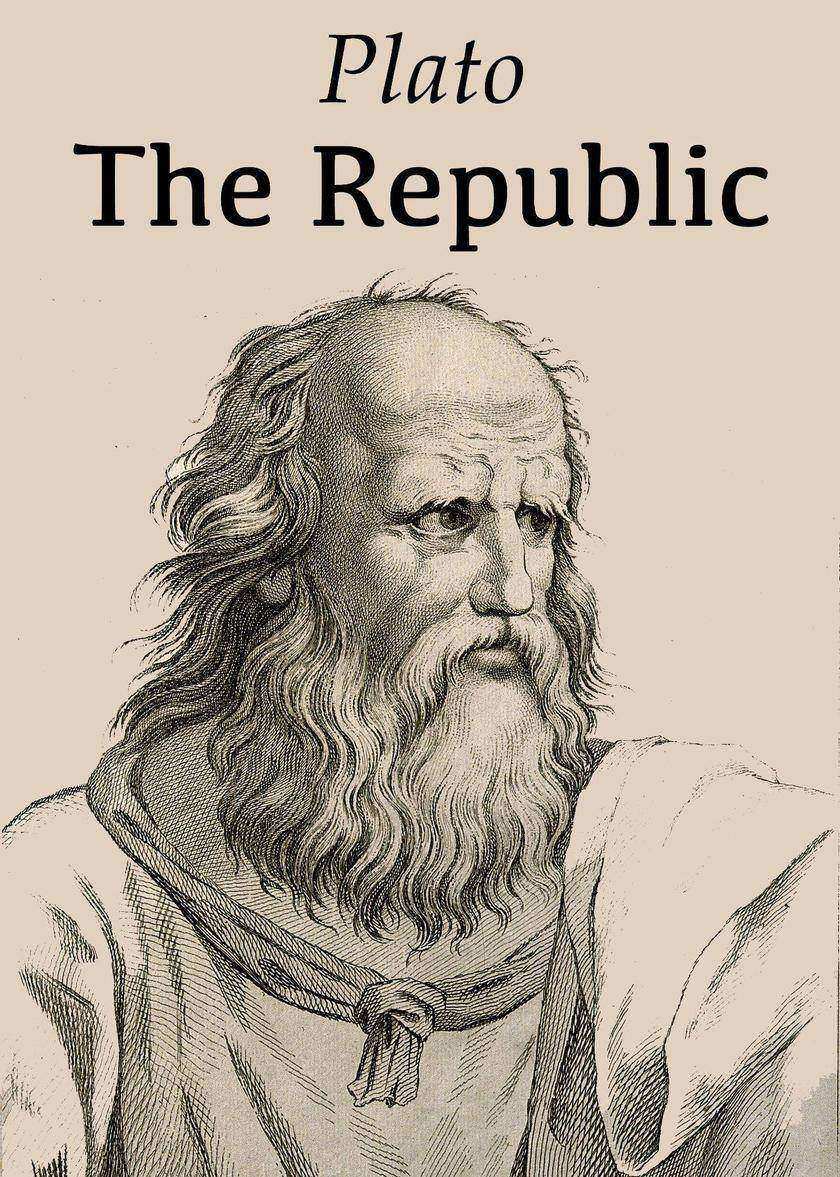
The Republic
¥8.09
Robin Hood is the archetypal English folk hero; a courteous, pious and swashbuckling outlaw of the medi?val era who, in modern versions of the legend, is famous for robbing the rich to feed the poor and fighting against injustice and tyranny.?This is probably one of the most beautiful digital version ever made of this story, containing many gorgeous illustrations.
Sc?rba sf?ntului cu sfoar? ro?ie
¥57.14
n viitor, nu mai exist boal. Nu mai exist rzboi. Nu mai exist nemulumire. Toi cetenii sunt membri supui ai Guvernrii Globale. ns o singur var este pe cale s schimbe totul. Keeva Tee tocmai a mplinit cincisprezece ani. Este pe punctul de a pleca n multateptata excursie la Tabra Monarch, pentru a primi imprimarea celui care i-a fost desemnat partener de via. Dar n clipele fericite i lipsite de griji petrecute n Comunitatea Oceanic a auzit i zvonurile de temut despre “anomalii” – ceteni care nu pot fi imprimai. Iar cnd Keeva ajunge la Tabra Monarch, cel mai ntunecat comar al ei devine realitate – este i ea o anomalie. Din acel moment, ncepe s se ndoiasc de toate convingerile din trecut. Dac libertatea i individualitatea au fost sacrificate de dragul siguranei Gsind un avertisment scrijelit sub patul din tabr, Keeva ncepe s neleag: revolta va fi pedepsit, dezacordul nu este o opiune, iar rzvrtiii vor fi anihilai. O carte vibrant” (Russel Brand) O aventur ameitoare” (Max Beesley) O poveste cu un ritm alert i captivant care confirm c trebuie s luptm pentru ceea ce ne face pe fiecare dintre noi speciali i unici.” (Randy Jackson)
Moby Dick
¥8.09
WHITE FANG is a novel by American author Jack London - and the name of the book's eponymous character, a wild wolfdog. "So he became the enemy of his kind, domesticated wolves that they were, softened by the fires of man, weakened in the sheltering shadow of man's strength." —White Fang Jack London's The Call of the Wild, White Fang is the story of a wild dog's journey toward becoming civilized in the Canadian territory of Yukon at the end of the nineteenth century. White Fang is characteristic of London's precise prose style and innovation use of voice and perspective. Much of the novel is written from the viewpoint of the animals, allowing London to explore how animals view their world and how they view humans. White Fang relies on his instincts as well as his strength and courage to survive in the Yukon wilderness—despite both animal and human predators—and eventually comes to make his peace with man. White Fang has been adapted for the screen numerous times, including a 1991 film starring Ethan Hawke.
Neverland
¥57.14
Atunci c?nd Rosemary Harper se al?tur? echipajului de pe Wayfarer, a?tept?rile nu ?i sunt foarte mari. Dincolo de peticele pe care ar trebui s? le capete c?t mai cur?nd, Wayfarer este o nav? m?runt?, aparent lini?tit?, r?t?cit? ?n birocra?ia megacorpora?iilor ?i, cel mai important, potrivit? pentru ca Rosemary s? se distan?eze de problemele din trecut. Iar personalit??ile at?t de distincte ?i rasele at?t de diverse ale noilor s?i colegi (de la excesiv de amabila Sissix, la Kizzy ?i Jenks, perechea nedesp?r?it? de tehnicieni ce c?rpesc m?runtaiele navei) pot fi ?n acela?i timp ?i motiv pentru certuri haotice, ?i baza unor noi prietenii care ar fi p?rut imposibil de legat. Una peste alta – locul perfect pentru ea. Totul p?n? ce Ashby, nobilul c?pitan, accept? comisionarea unei lucr?ri extrem de profitabile: construirea unui tunel hiperspa?ial c?tre o planet? ?ndep?rtat?. Oportunitatea le-ar asigura tuturor independen?a financiar?, asta dac? ar putea supravie?ui lungului ?i primejdiosului drum prin galaxia marcat? de o pace fragil?. ?ns? Rosemary nu este singura care are secrete de ascuns, iar ?ntreg echipajul va descoperi c? spa?iul este vast, iar propria nav? cu adev?rat mic?… ?Un tur de for?? profund ?i uman.“ — The Guardian ?Un roman care poate readuce ?ncrederea ?n science-fiction.“ — Tor.com ?Mai mult dec?t orice, este scris cu pl?cere ?i pl?cut de citit.“ — Claire North Nominalizare la premiile Kitschies 2015 pentru ?Cel mai bun debut“ Nominalizare la Baileys Women’s Prize for Fiction 2016 Nominalizare la Tiptree Award 2015 Nominalizare la British Fantasy Awards 2016, categoria ?Best Newcomer“ Nominalizare la premiile Arthur C. Clarke 2016 Nominalizare la Grand Prix de l’Imaginaire 2016 pentru ?Cel mai bun roman ?ntr-o limb? str?in?“

Joan of Arc
¥8.09
Tanara Oriana moare intr-un accident, chiar in ziua nuntii ei. Pentru oricine, acesta ar parea sfarsitul. Nu si pentru ea. Se intoarce ca recuperator de suflete, insa nu la vechea viata si familie, pentru care trebuie sa ramana moarta, ci la una cu totul noua. Rasfatul si confortul, considerate garantate mai inainte, se duc acum pe Apa Sambetei. Va trebui sa lupte pentru a-i salva pe ceilalti, dar si pe sine. Apar noi prieteni, noi dusmani si… prima iubire? Exista viata dupa moarte? Unii vor spune ca da, altii ca nu. Dar exista un raspuns la care cu siguranta nu v-ati gandit. Exista recuperatorii de suflete. Smulsi din existentele lor, sunt aruncati in altele, neintrebati de nimeni, fara sa li se ceara acceptul. Trebuie doar sa se supuna legilor celor de Dincolo. Iar unii aleg razvratirea…
Vinova?i f?r? vin?
¥57.14
Viata de student la psihologie a lui Leinad se imparte intre sesiuni si baute ocazionale cu prietenii. Nimic iesit din comun. Pana intr-o zi cand, accidental, intra in posesia unui stick USB. Din curiozitate si, din nefericire pentru el, verifica fisierele stocate pe micul obiect. Afla informatii incredibile despre o societate secreta care facea experiente medicale pe oameni, fara ca acestia sa-si fi dat acceptul. Faptul ca ajunge sa cunoasca o tanara, studenta si ea, genul de fata peste care nu dai in fiecare zi, sufletista si inimoasa, complica si mai mult situatia tanarului, mai ales dupa ce afla ca noua lui cunostinta sufera de o boala ce ii poate fi fatala. Santaje, urmariri, situatii tragi-comice, din loc in loc, si un umor proaspat va vor determina sa deveniti fanii acestei serii.
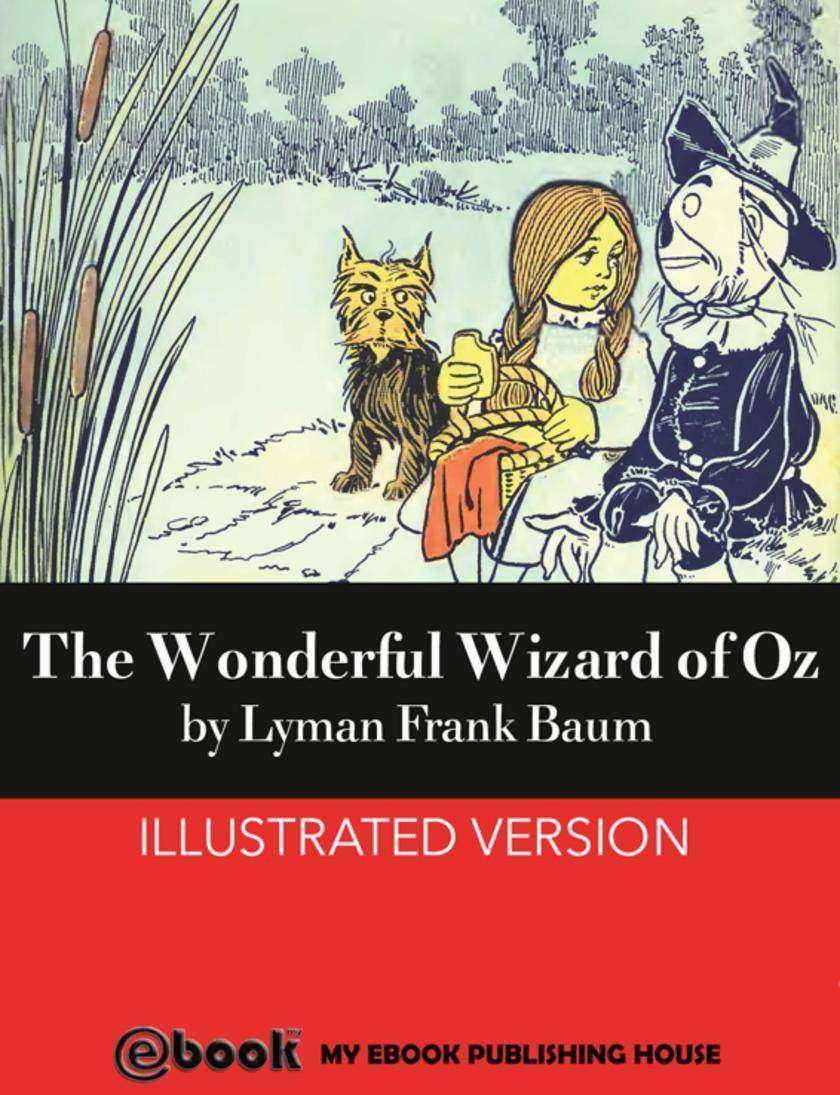
The Wonderful Wizard of Oz
¥8.09
De milenii, Veghetorii ii apara pe oameni de strigoi si de creaturile lumii de dincolo. Ana ignora regulile ce le obliga pe Veghetoare sa-si aleaga tineri la fel ca ele si intra intr-o relatie cu un barbat fermecator, dar cu un trecut intunecat. Iubitul ei ascunde insa un secret care o va pune fata in fata cu cele mai negre cosmaruri ale ei. Acesta este in realitate fiul conducatorului, un Veghetor care a fost izgonit din familie dupa ce s-a aflat ca s-a dedat unor practici interzise. Dar asta nu e cea mai mare problema a Anei...
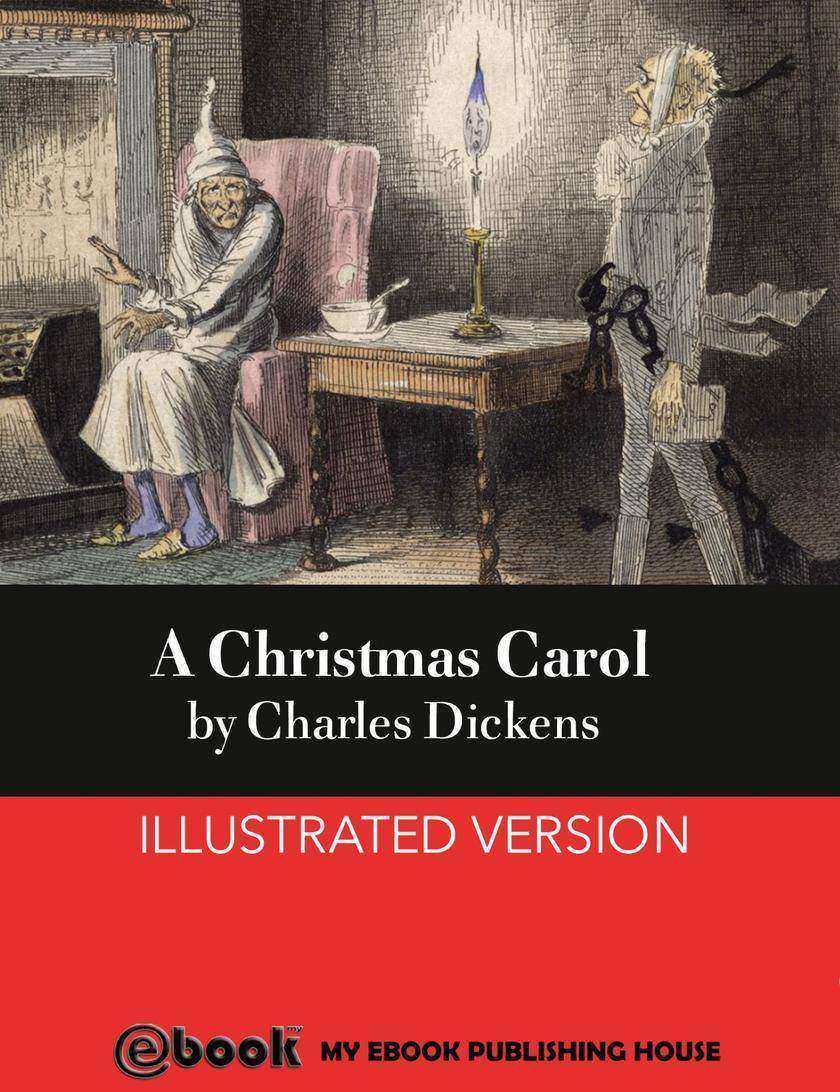
A Christmas Carol
¥8.09
Sorina este o adolescent atipica. Uneori uita. Uneori isi pierde cunostinta. Uneori se sufoca. Desi se implica in problemele infantile ale prietenilor ei si are o viata normala, Sorina traieste din intrebari si dorinta de a capata raspunsuri. Nu isi descifreaza identitatea, iar acest lucru o macina, iar halucinatiile care ii produc un rau atat phisic, cat si fizic, nu ii dau pace. Adrian este caracterizat de o veselie incredibila. Inconjurat de secrete si incertitudini, acesta face tot posibilul sa ii redea bucuria. Dar afectiunea lui ii da de banuit Sorinei si aceasta se trezeste intreband de ce un baiat pe care abia l-a cunoscut se comporta de parca ar cunoaste-o de o viata? Ii spune ca o sa ramana mereu langa ea. I-a mai promis cineva acest lucru. Dar cine?
Felinarium
¥65.32
Romanul 2666 este scris ?n ultimii trei ani ai lui Bola?o, ?ntr?o curs? contra cronometru cu moartea. Alc?tuit din cinci p?r?i pe care autorul, ?ntr?o ?ncercare de a asigura viitorul financiar al copiilor s?i, le inten?iona publicate drept cinci romane separate, 2666 a ap?rut totu?i drept o singur? carte, valoarea literar? a ansamblului fiind mult prea mare pentru a fi divizat din ra?iuni comerciale. Toate cele cinci p?r?i contribuie la configurarea unui spa?iu ?n care crima ?i literatura sunt dou? fe?e ale aceluia?i mister. Ora?ul Santa Teresa din de?ertul Sonora, la grani?a Mexicului cu SUA, este scena unor crime ?n serie ?mpotriva femeilor, dar ?i destina?ia final? a celui mai important scriitor german al secolului trecut, Benno von Archimboldi (personaj fictiv). ?n Chile a c??tigat Premiul Altazor ?n 2005. ?n SUA a c??tigat National Book Critics Circle Award ?n 2009 (premiu acordat postum). ?Trebuie s? ascul?i ce spun femeile. [...] Nimeni nu d? aten?ie acestor asasinate, dar ?n ele se ascunde secretul lumii.“ ?La 40 de ani dup? ce García Márquez a zguduit literatura din temelii cu Un veac de singur?tate, Bola?o o face din nou. 2666 este, pur ?i simplu, epocal. F?r? ?ndoial?, prima carte mare a secolului XXI.“ The Complete Review ?Nu un roman, ci un breviar al timpurilor prezente, un imens manual de doliu ?i de melancolie. Un De profundis baroc ?i enigmatic, crima pasional? a unui om care a murit de ?i pentru literatur? ?i care las? supravie?uitorilor aceast? carte, a?a cum o armat? ?nvins? p?rjole?te p?m?ntul ?n urma ei.“ Olivier Mony, Le Figaro ?Data viitoare c?nd mai auzi?i pe cineva vorbind de “moartea romanului“, da?i?i ?n cap cu 2666. ?i apoi pune?i?l s??l citeasc?. Cinci c?r?i ?ntr?una singur?, des?v?r?it ?ntre?esute nu doar prin idei recurente ?i personaje, ci ?i printr?un umor toren?ial, o profund? umanitate ?i o verv? dezl?n?uit?, capodopera postum? a acestui magician [...] trebuie s? se afle ?n orice bibliotec? demn? de acest nume.“ Boyd Tonkin, The Independent

Anomalii
¥73.49
Muzica ?i atmosfera fantastic? leag? cele nou? povestiri din acest volum ?ntr?un fascinant concert literar. Dintr?un camion rul?nd sub ploaie, spre uimirea trec?torilor, se revars? sunetele unei pre?ioase orgi Carolina. Un b?iat dement p?ze?te cu sfin?enie un clavecin abandonat de uzurpatoarea unui vechi castel. Membrii unui cor bisericesc cap?t? un ajutor nea?teptat c?nd le lipse?te un glas. Strig?tele puternice ale unui fost c?nt?re? de oper? o trezesc pe sora lui din cel mai profund somn. Fiecare povestire e ca o cutie muzical? pe care trebuie s?o ?ntorci cu chei?a ei ca s??i auzi melodia subtil?. Doamna Cati Giurgiu a scris o carte de un farmec rareori ?nt?lnit azi ?n literatura rom?n?.
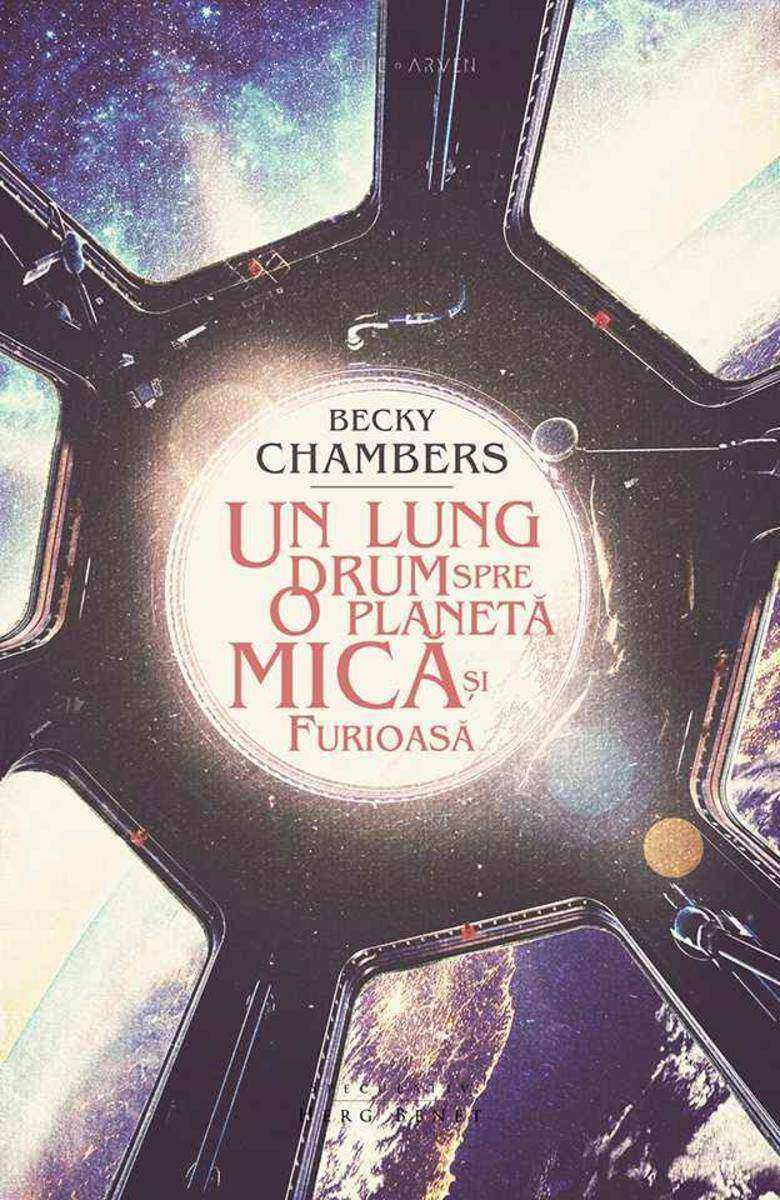
Un lung drum spre o planeta mica si furioasa
¥81.67
Aceste cinci eseuri pot constitui un (incomplet) tratat de literatur? comparat? care are ?n vedere ca termen de referin?? deschiderile teoretice diversificate din ultimul deceniu al secolului trecut ?i ?nceputul noului secol. Caracterul fluid al no?iunii face din comparatism o mitologie plural? at?ta vreme c?t lipse?te o teorie general unificatoare. Imposibilitatea de a-i legitima pe deplin obiectul, indeterminat ?i imprecis, l-a f?cut pe Charles Bernheimer s? defineasc? literatura comparat? drept o ??tiin?? anxiogenic?“. Este literatura comparat? o disciplin? autonom? sau, dimpotriv?, una anexat? studiilor culturale care nu dispun de o justificare teoretic?? Direct sau indirect, cartea lui Vasile Voia, profesor la Facultatea de Litere a Universit??ii Babe?-Bolyai, a luat forma unui discurs polemic. Comparatismul modern maximalist, renun??nd la rigorile anacronice ale comparatismului francez, p?n? la a uita de text ca obiect estetic, a devenit domeniul predilect al tuturor diletantismelor ?i formelor estetice ?n care dispare orice rigoare. Vasile Voia se situeaz? principial de partea pozi?iei ferme exprimate de Adrian Marino, ?n descenden?a lui René Wellek ?i René Etiemble, a profesorilor de la Yale, Harold Bloom ?i Peter Brooks, care au militat pentru men?inerea canonului tradi?ional occidental ?i a esteticului ca valoare primordial? a operei literare.

White Fang
¥8.09
n unele momente, mintea omeneasc depete att limitele simurilor, ct i pe cele ale gndirii obinuite, intrnd pe trmul altor realiti. Pentru minte, visele n sine constituie realiti solide, precum starea normal de veghe. n vis, ca i n starea de veghe, percepem o multitudine de sentimente i emoii, precum i situaii de o realitate de necontestat, care ne influeneaz modul de comportament i fora vital. Numai c, atunci cnd ne trezim, ne dm seama c totul a fost doar o iluzie. Mintea, care n sine este un instrument, ajunge, prin puterea pe care i-o acordm n mod incontient, s ne subjuge i s ne manevreze dup propriile nchipuiri, fcnd acest lucru inclusiv n somnul cu vise. ns, n somnul adnc mintea nu mai este prezent, iar atunci cnd ne trezim nu mai avem nimic care s ne aminteasc de acea perioad. Totui, chiar i n somnul adnc exist ceva care ne nsoete, fcndu-ne s intuim c existm chiar i n acea perioad n care mintea este absent. Dup cei 10-12 ani ghidai de o persoan a crei identitate a rmas chiar i acum necunoscut, realiznd care este adevrata noastr natur, toate aceste metode i tehnici aplicate de mine i scrise aici n carte mi se par inutile. ns mi dau seama c la acel moment dac mi-ar fi spus doar att: tii c exiti“, Eti contient c exiti“ i Ai avut vreun moment n care nu ai existat“, nu cred c a fi neles nimic i simplitatea adevratei mele naturi (care este i a voastr) ar fi fost, ca de obicei, trecut cu vederea de minte.
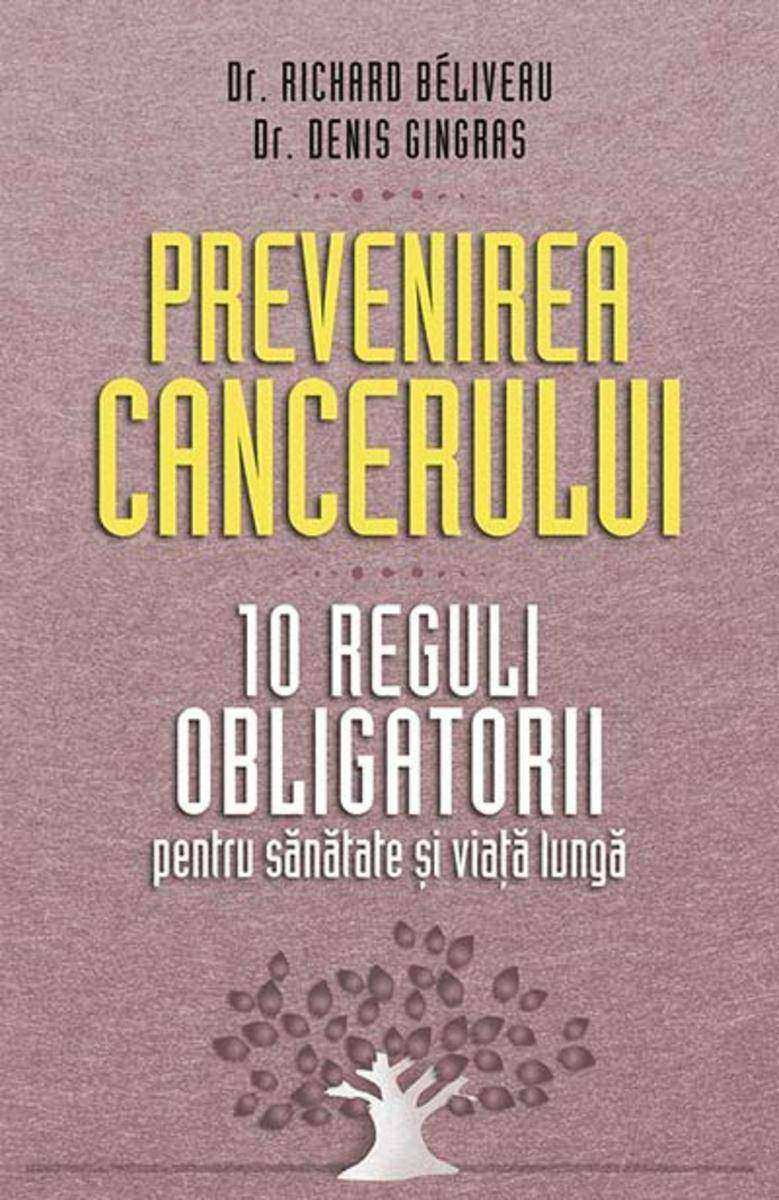
Prevenirea cancerului. 10 reguli obligatorii pentru s?n?tate ?i via?? lung?
¥49.62
Jurnalul de fa?? este relatarea captivant? a expedi?iei lui Fridtjof Nansen c?tre Polul Nord. Autorul alterneaz? observa?iile ?tiin?ifice ?i notele de jurnal cu fotografii ?i desene, dar ?i cu ?nregistrarea celor mai profunde tr?iri care l-au b?ntuit pe t?n?rul explorator pe t?r?murile temute ale Nordului ?nghe?at. Dup? ce primul volum a prezentat ?nceputul expedi?iei ?i aventurile navei Fram, cel de-al doilea volum descrie palpitanta c?l?torie de cincisprezece luni cu s?niile, ?ntreprins? de Friedtjof Nansen ?i de locotenentul Johansen. Ace?tia au pornit la drum pe un teren necunoscut, ajung?nd mai aproape de Polul Nord dec?t orice explorator de p?n? atunci. Istorisirea aventurilor lor se ?ncheie cu deriva navei Fram ?i revenirea ?n Norvegia, ?n august 1896.


