


 购物车
购物车 个人中心
个人中心
Twin Secrets (Mills & Boon Desire) (The Rancher’s Heirs, Book 1)
¥22.07
This wealthy rancher is about to meet his match…and her two little secrets! Colt Elliott is as handsome as he is cunning. And he wants his neighbor's ranch. So when the owner's beautiful daughter begs him to save her family's home, he gives her a job so she can pay off her debt…and he becomes consumed with a new goal: seduce the fiery virgin. But Annabelle is the guardian of her infant twin nieces and all three ladies begin to pull at his heartstrings. Colt will go to any lengths to get what he wants—but will his hidden agenda cost him Annabelle?
Eagle Warrior (Mills & Boon Intrigue)
¥35.61
Could protecting her mean protecting the enemy? As a former US Marine, Ray Strong is no stranger to high-risk situations. But when he is assigned to protect Morgan Hooke, Ray suspects there is more to his mission than meets the eye. Is Morgan an innocent bystander or the keeper of her father's secrets?
Last Chance Hero (Mills & Boon Romantic Suspense)
¥22.07
No. Not possible. It can't be him… Jordynn Flannigan was sure her fiancé was dead—along with all their dreams for a future together. But the stranger who just saved her from a kidnapper is none other than Donovan Grady, who supposedly died ten years ago. Now his enemies have found Jordynn, and he's not going anywhere without her by his side—and under his dangerously close protection… Donovan had to disappear to save those he loved. He can't ask for Jordynn's forgiveness, but he can keep her safe while they unravel an insidious conspiracy. As their reignited passion proves too hot to resist, the truth strikes devastatingly close to home. And their second chance might prove the most deadly trap of all.
Me, You and Tiramisu
¥20.01
The love story of the year! Fall in love with the perfect feel-good romance for fans of Katie Fforde, Jill Mansell and Carole Matthews.
Fully Booked – Part 2 (The Once in a Blue Moon Guesthouse, Book 2)
¥20.01
The charming new bestseller from the No.1 bestselling author of The Canal Boat Cafe
Do Not Disturb – Part 3 (The Once in a Blue Moon Guesthouse, Book 3)
¥20.01
The charming new bestseller from the No.1 bestselling author of The Canal Boat Cafe

A Year at Meadowbrook Manor: Escape to the countryside this year with this perfe
¥22.27
‘A well written, light, warm hearted read.’ Netgalley Reviewer One divided family, one life-changing year… Harriet Singer hasn’t been home in ten years. When her beloved dad dies suddenly, she races to be there for her estranged siblings, despite the memories it brings back. Then Harriet learns that all four Singer siblings must live together for one year, caring for their dad’s Animal Sanctuary, or forfeit their inheritance. Living under the same roof could make or break the family, but it’s time Harriet stopped running and faced her past. Especially when her first love turns up… A heart-warming story about love, hope and family, perfect for fans of Cathy Bramley and Heidi Swain.
Twilight Song (The House of Birds and Butterflies, Book 3)
¥22.27
A gorgeous new romantic series from the bestselling author of The Canal Boat Cafe Spring is blooming at Meadowsweet nature reserve. Although the sunshine is drawing in the visitors like never before, events co-ordinator Abby knows she’s treading on thin ice. She’s spending more and more time with village newcomer Jack, and she’ll need to make a real success of the springtime camping extravaganza at the reserve if she’s to keep her disgruntled boss off her back. Abby hasn’t thrown too many questions at Jack about his shadowy past – she’s enjoying the budding romance, so why break the spell? But when the secrets start spilling out and a glamorous blonde presenter from the nature show, Wild Wonders, turns Jack’s head, Abby knows it’s time to face the music… Twilight Song is the third part of a four-part serial.
House of Lies: A gripping thriller with a shocking twist
¥22.27
‘A wicked twist and a killer ending’ Publishers Weekly Somewhere in Vixenhead, I’m certain the truth lies… A sudden disappearance… When Roz Outlaw's partner Tom mysteriously vanishes, she knows his life is in danger. Tom has been distracted lately, afraid, as though he is being hunted… A desperate search… With the police showing little interest Roz knows it falls to her to find Tom. But as Tom's secrets are uncovered nothing can prepare Roz for the dark lies and twisted truths she finds. She thought she loved Tom, but quickly realises she has been living with a stranger – a man with murder in his past. A house of evil. The key to unlocking Tom's past lies in his childhood home – Vixenhead. A house of wickedness that keeps its secrets well hidden. Can Roz find Tom before it's too late or will the evil within Vixenhead claim her too…
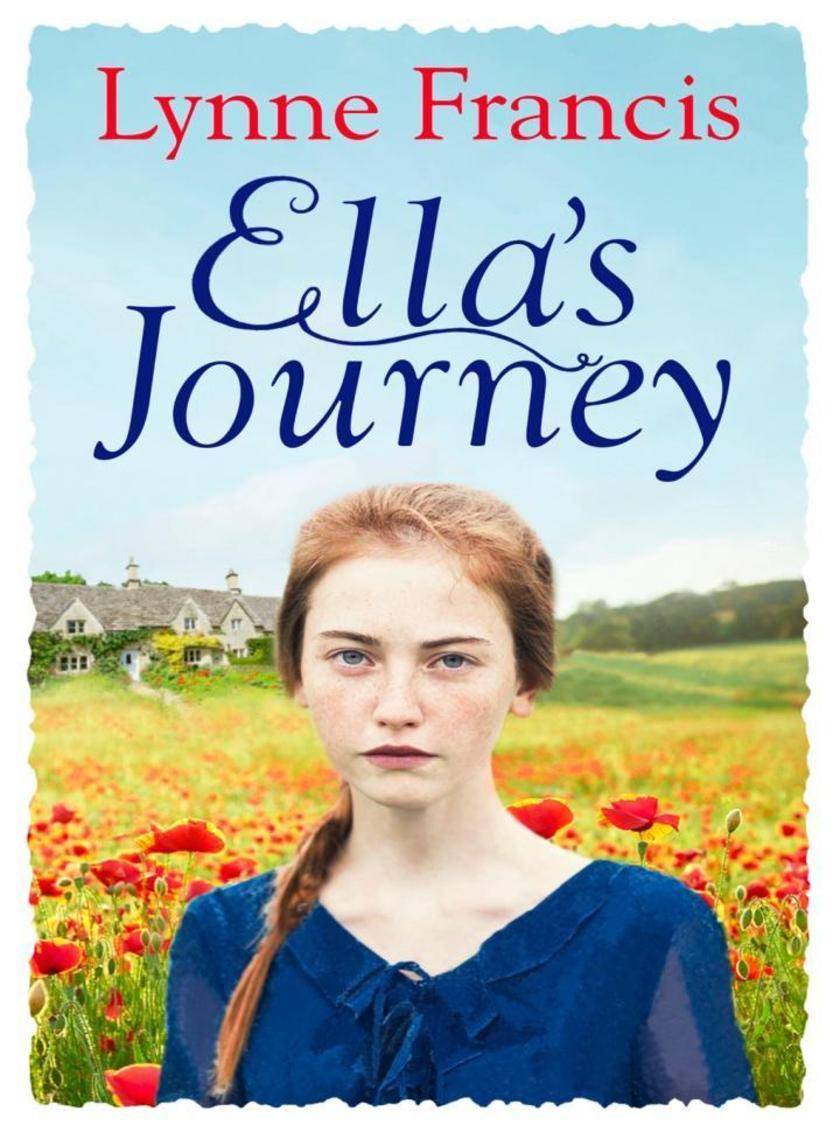
Ella’s Journey: The perfect wartime romance to curl up with this winter (The Mil
¥22.27
A family in need. A country on the brink of war. Ella is trying to put the past behind her… but the past won’t always stay hidden. The truth is, Ella is hiding from a scandal. A scandal that drove her family out of their beloved Lane End Cottage in the tiny Yorkshire village they had lived in all their lives. A scandal that her sister Alice was blamed for. But Alice is no longer here. So it’s up to Ella to pick up the pieces and do the best she can for the family she loves so dearly. Ella’s luck finally changes when she gains work at Grange House, a gentleman’s residence on the outskirts of York. But can she keep her position there? Or will she follow in her elder sister’s footsteps? A gripping new saga series that fans of Dilly Court and Valerie Wood will adore.
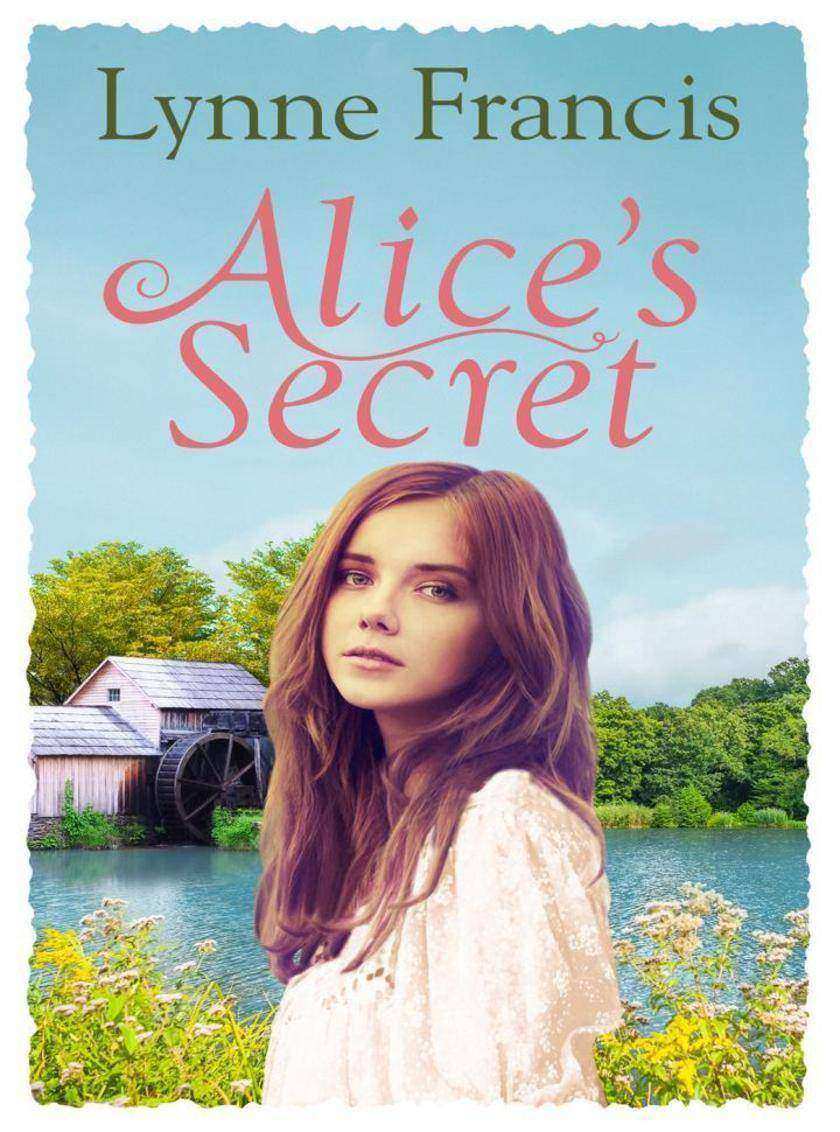
A gripping story of love, loss and a historical mystery finally revealed
¥22.27
The second novel in Lynne Francis’s gripping family saga trilogy. Prepare to be captured by the story of Alice… Can uncovering a long forgotten family mystery change your life? 1890 Alice is the sole bread-winner for her family, working at the local cotton mill. But when she suddenly begins to attract the wrong attention, her life begins to spiral out of control… 2018 For Alys, one bad decision after another has left her feeling that her life hasn’t quite turned out the way it should have. But when her aunt is suddenly injured and in need of help baking and running her beloved café, Alys knows a trip to Yorkshire is just the escape she needs. In lending a hand, Alys stumbles across a long-buried family mystery and quickly finds herself caught up in uncovering the truth of what happened to her great-great-grandmother Alice… Alys won’t stop until she knows the truth. Will the secrets of her grandmother’s past help her to change her own future? A beautiful and heart-breaking novel, that brings the past and present together in a gripping story of love, loss and hope. Perfect for fans of Rosie Clarke and Tracy Rees. Praise for Lynne Francis ‘I absolutely loved reading ‘Alice’s Secret’ and I would wholeheartedly recommend this author and her books to other readers, but particularly to those readers who enjoy reading sagas.’ Gingerbook Geek ‘definitely one to add to your reading list if you are interested in either historical novels or love sagas’ Miss Larabelle ‘I fell completely in love with this gorgeous story by Lynne Francis, I wasn’t sure what I was expecting when I first went into it but the end result was a book I couldn’t put down.’ Katie’s Book Cave
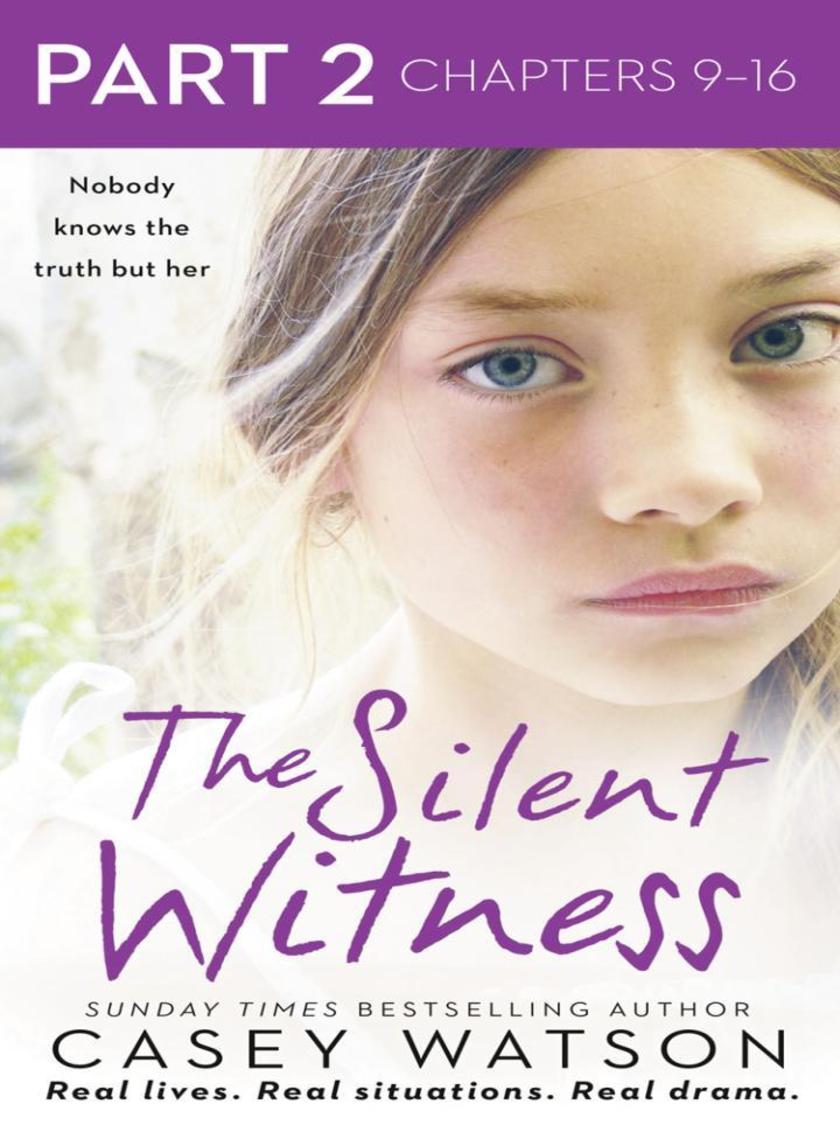
The Silent Witness: Part 2 of 3
¥21.09
Casey Watson, who writes under a pseudonym, is a specialist foster carer. She and her husband, Mike, look after children who are particularly troubled or damaged by their past. Before becoming a foster carer Casey was a behaviour manager for her local comprehensive school.
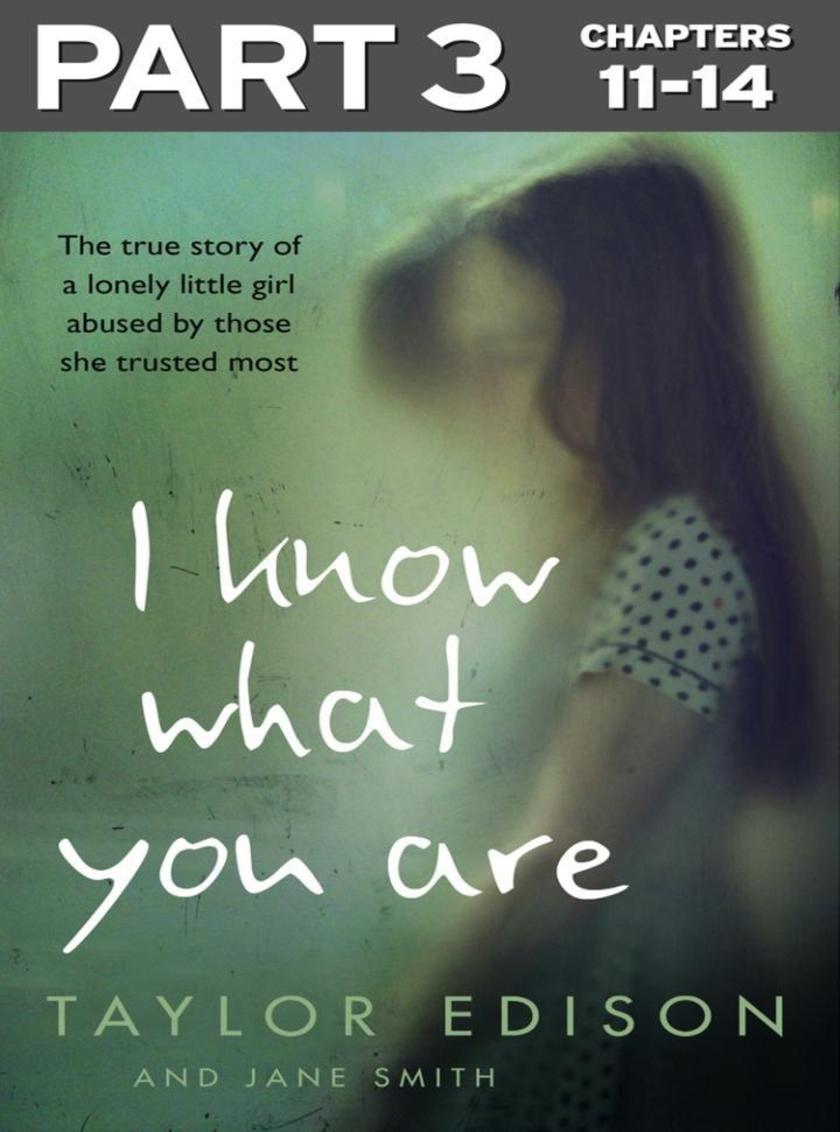
Part 3 of 3: The true story of a lonely little girl abused by those she trusted
¥25.60
The moving true story of a little girl with Asperger syndrome, controlled and abused by the one person she called her friend. Taylor had always struggled to make friends – she felt ‘different’. Taylor never knew her father and her mother wasn’t around much. She just didn’t understand people, and was alone and scared much of the time. That was until, aged just 11, an older married man called Tom befriended her. She loved having someone who would talk to her, listen to her, a protector. But when he moved away a few months later she was easy prey to the gang of drug dealers and petty criminals who groomed and abused her, using her as a form of currency to appease their debtors and amuse their friends. Increasingly isolated and desperate, it began to look as though the pattern of Taylor's life had been set – until she started to fight back, determined to build a safe future for herself, however long it took.

A gripping crime thriller with twists you won’t see coming
¥25.60
‘DCI Matilda Darke is the perfect heroine’ Elly Griffiths The third book in Michael Wood’s darkly compelling crime series featuring DCI Matilda Darke. Perfect for fans of Peter James, Lee Child and Karin Slaughter. Eight killers. One house. And the almost perfect murder… Starling House is home to some of the nation’s deadliest teenagers, still too young for prison. When the latest arrival is found brutally murdered, DCI Matilda Darke and her team investigate, and discover a prison manager falling apart and a sabotaged security system. Neither the staff nor the inmates can be trusted. The only person Matilda believes is innocent is facing prison for the rest of his life. With time running out, she must solve the unsolvable to save a young man from his fate, and find a murderer in a house full of killers…
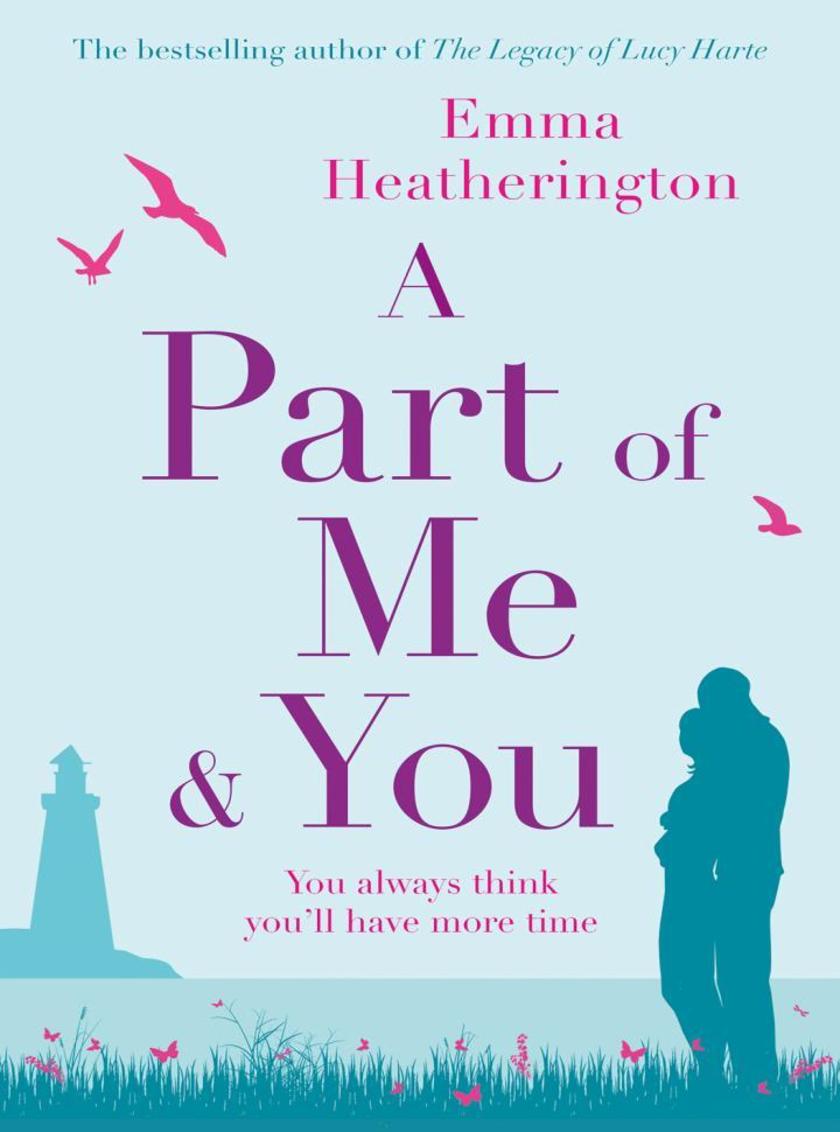
A Part of Me and You: An empowering and incredibly moving novel that will make y
¥28.45
You will love this moving and powerful novel from bestselling author Emma Heatherington. A must read for fans of Jojo Moyes. You always think you have more time… Juliette always thought she’d have more time. But as her fortieth birthday approaches she is dealt the deadliest of blows – she has just weeks to live. As the terrible news sinks in, Juliette’s only concern is for her fifteen-year-old daughter, Rosie. Who will take care of her precious child? Who will love her daughter with the same fierce love? The answer lies in a secret Juliette hoped never to reveal… Devastated at the loss of her own baby daughter, Shelley is barely managing to survive. Consumed by her grief, she has pushed everyone away – including the man who loves her the most. With her once happy marriage now in tatters, Shelley has nothing left to live for. But as the lives of these two women collide, could Juliette’s secret be the key to solving Shelley’s heartache? And could Juliette’s death give Shelley one final chance to live again… What readers are loving about A Part of Me and You: ‘One of THE most emotional books I have EVER read’ Angela Mellor, Netgalley ‘Heartbreaking…up there with Me Before You’ Tina Wakelin, Netgalley ‘Written from the heart, genuine emotion shining out from every page’ Audrey Cowie, Netgalley ‘An amazingly poignant story…the reader is left with tear filled eyes but a strong belief that love will prevail’ Jane Hunt Writer Book Reviews
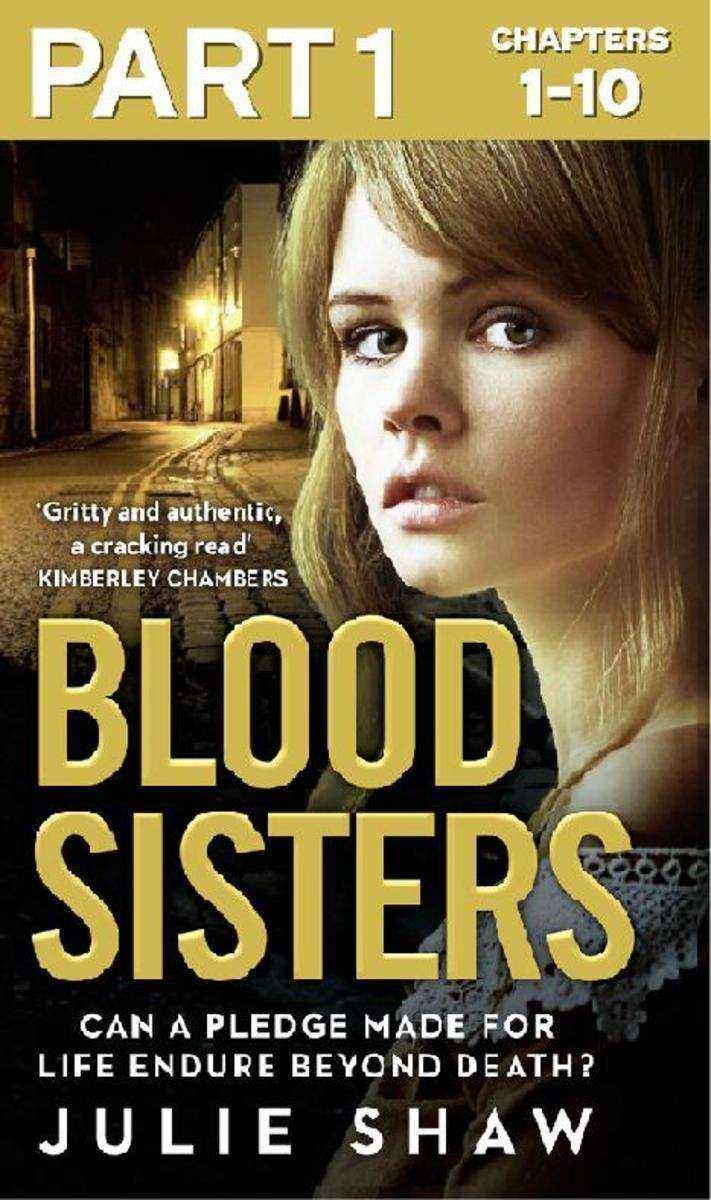
Blood Sisters: Part 1 of 3: Can a pledge made for life endure beyond death?
¥23.45
It’s 1983 and best friends Vicky and Lucy swear that they will always be there for each other, that they’ll never let anyone come between them. But fast forward 4 years and life on the Canterbury Estate has gotten very messy.
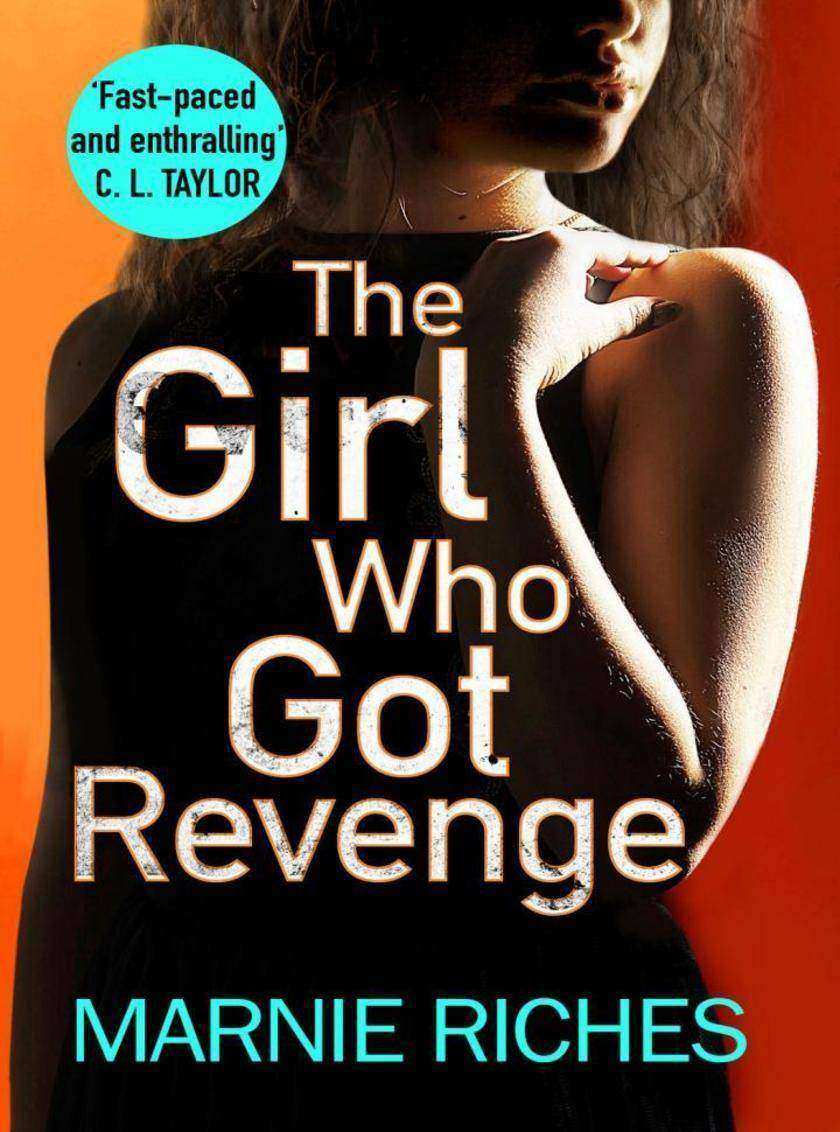
The Girl Who Got Revenge: The addictive new crime thriller of 2018 (George McKen
¥28.45
‘Fast-paced, enthralling and heartrending; I couldn’t put it down’ C. L. TAYLOR Revenge is a dish best served deadly… A twelve-year-old girl is found dead at the Amsterdam port. An old man dies mysteriously in a doctors’ waiting room. Two seemingly unconnected cases, but Inspector Van den Bergen doesn’t think so… Criminologist George McKenzie is called in to help crack the case before it’s too late. But the truth is far more deadly than anyone can imagine… Can George get justice for the dead before she ends up six-feet under too? A heart-racing thriller packed with secrets, lies and the ultimate revenge, perfect for fans of Steig Larsson and Jo Nesbo. The fifth gripping thriller in the Georgina McKenzie series. PRAISE FOR MARNIE RICHES ‘Fast-paced, enthralling and heartrending; I couldn’t put it down’ C. L. Taylor ‘A name to watch!’ BARRY FORSHAW ‘A strong, edgy debut that deserves to do well’ CLARE MACKINTOSH
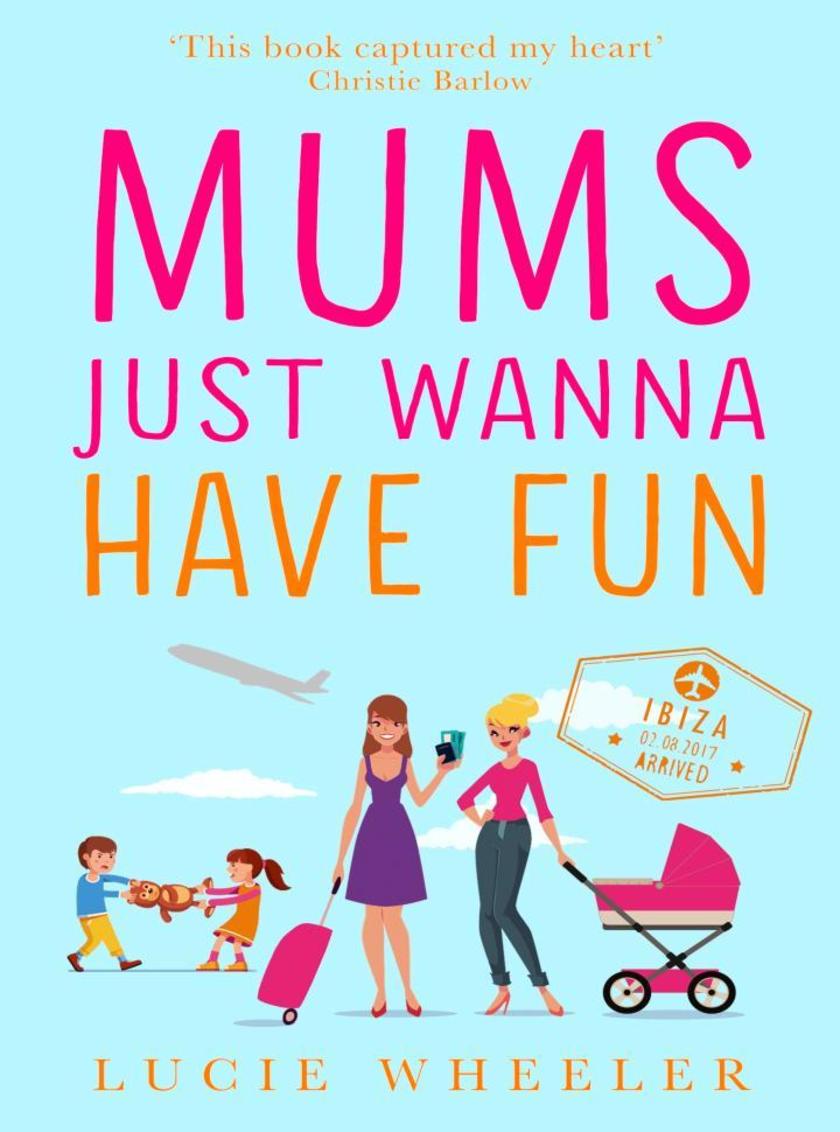
Mums Just Wanna Have Fun
¥28.45
‘Heartwarming and poignant’ SUN ‘This book captured my heart’ Bestselling author Christie Barlow Meet Nancy… Single mum Nancy will do anything for her little boy. Jack’s autism makes life difficult at times, but she’s determined to ensure he lives the best life possible. So, when her best friend Harriet suggests a holiday to Ibiza, Nancy is torn: will Jack cope with the change in routine…will she? And Harriet… Workaholic mum Harriet convinces Nancy it’s the break they all need. A chance to have some fun with the kids, away from the stresses of normal life. And she’s determined to switch off her laptop, ignore her inbox, and just have fun with her kids for seven whole days… Cocktails and kids’ club – what could go wrong? Ibiza is beautiful, but Jack struggles with everything, Harriet refuses to put her laptop away, and Nancy begins to think she’s made a huge mistake. And then Nancy meets Cameron and his young son, Aiden and discovers that sometimes the best fun happens when you least expect it… Can these two single-mum’s swap their mummy guilt for sunglasses and sangria?
The Summer Theatre by the Sea: The feel-good holiday romance you need to read th
¥28.45
‘The Summer Theatre by the Sea is … a perfect summery read with sunshine, laughter and bucketloads of fizz – romantic comedy at its sparkling best.’ Rosanna Ley, bestselling author of The Villa and Her Mother’s Secret The Saunders sisters need a bit of Cornish magic this summer… Charlotte Saunders has always loved the buzz of city life. So, when she finds herself abruptly fired and dumped in one fell swoop, she’s devastated to have to swap her London home for the sleepy town of Penmullion, Cornwall, to move in with her estranged sister. But Lauren Saunders has problems of her own. A single mother to twins, the bills are piling up faster than she can pay them. And when what she thinks is a loan from a friend puts her deeper in debt than ever, things are starting to look impossible. In desperate need of a distraction, the two sisters turn to their community drama club. With bit of help from their new friends and lot of help from each other, can the Saunders sisters turn their luck around before the summer ends? The perfect summer read for fans of Lucy Diamond and Rachel Lucas. Praise for The Summer Theatre by the Sea ‘Refreshingly romantic.’ Helen Rolfe, author of the ‘A Year at the Cafe at the End of the Pier’ ‘Enchanting and captivating, I was hooked! An utterly gorgeous story!’ Christie Barlow, bestselling author of ‘A Home at Honeysuckle Farm’ ‘Sunshine in a book!’ The Book Trail ’Sunny, wonderful, entertaining and delightful.’ With Love For Books
A gorgeous summer romance and one of the top holiday reads for women!
¥28.45
A feel-good story that’s as scrumptious as your favourite slice of cake! Emma’s new café will be perfect, with its gorgeous strings of vintage bunting, mouth-wateringly gooey cakes, comforting pots of tea and quirky customers who think of each other as friends. It’s a long road to get there, but as her business fills with freelancing hipsters, stroppy teens, new mums and old neighbourhood residents, Emma realises that they’re not the only ones getting a second chance. She is too. But when someone commits bloomicide on their window boxes, their milk starts disappearing and their cake orders are mysteriously cancelled, it becomes clear that someone is determined to close them down. Will the café be their second chance after all? A deliciously laugh-out-loud story about friendship, second chances and surviving parenthood, perfect for fans of Carole Matthews, Milly Johnson and Holly Martin. Praise for Lilly Bartlett: ‘Fun, flirtatious and fresh’ Alex Brown, bestselling author The Secret of Orchard Cottage ‘Warm, witty, and wonderful – the perfect rom com’ Debbie Johnson, bestselling author of Summer at the Comfort Food Cafe ‘I loved the humour, the settings, the quirkiness, and ALL the characters’ Jane Linfoot, bestselling author of The Little Wedding Shop by the Sea ‘Absolutely wonderful romantic comedy that is guaranteed to lift your spirits’ Rachel’s Random Reads

A Home at Honeysuckle Farm
¥28.45
The brand new romantic comedy from bestselling author Christie Barlow! ‘Full of warmth, fun and feel-good factor’ Sunday Times bestseller Katie Fforde A family secret One shocking argument and ten-year-old Alice Parker’s world was turned upside down. Her peaceful life at Honeysuckle Farm in the quiet rural village of Brook Bridge swapped for the bustling metropolis of New York City. Alice’s life was changed forever… A second chance Now, thirteen years later, Alice’s American dream is over. With her life in tatters, there is only one place Alice wants to be… home at Honeysuckle Farm. So, when Alice learns her beloved Grandie is ill, she knows this is her last chance to heal the family rift. A forever home? But secrets still swirl in Brook Bridge, and Alice is no closer to discovering the truth. And for some reason her new friendship with local heartthrob Sam Reid seems to be making the locals tense. Sick of the lies Alice knows it’s time to lay the past to rest once and for all. But could the truth ruin her hopes of ever calling Honeysuckle Farm home again?


