


 购物车
购物车 个人中心
个人中心
Raising Twins
¥112.23
Raising Twins guides you through the physical, emotional, and cognitive developmental differences and challenges specific to twins. Straightforward and reassuring, this book addresses the key issues that impact twins from babyhood all the way through adolescence: Sharing and comparisons Competition and rivalry The "secret language" of twins The good twin/bad twin myth Teen-specific issues like dating and applying for college And much more including lively, candid discussions with twins and their parents
Confessions of a Casting Director
¥110.71
A must-have for any aspiring actor or stage parent––the definitive guide to breaking into film, television, theater, and even YouTube from a top casting directorPacked with information that aspiring actors clamor for, this up-to-the-minute advice from a true expert is essential reading for anyone pursuing an acting career. Longtime casting director Jen Rudin demystifies the intimidating and constantly changing audition process, sharing insider tips on how to prepare for every type of audition, from musical theater, television (including reality TV), and film to voice-overs, animated movies, and even Web series. In this comprehensive guide, Rudin covers everything that today's actor needs to succeed on subjects like: finding an agent or manager, using technology to your advantage, understanding the world of child acting, living in New York versus L.A., turning a callback into an offer for the role, and many more.Every actor should walk into an audition room feeling confident and prepared, and this book is full of the dos and don'ts and surefire tricks to help turn rejection into that first big break. Complete with checklists, easy-to-follow game plans, and advice from successful actors, agents, and industry professionals, Confessions of a Casting Director is like having a private audition coach in your back pocket.
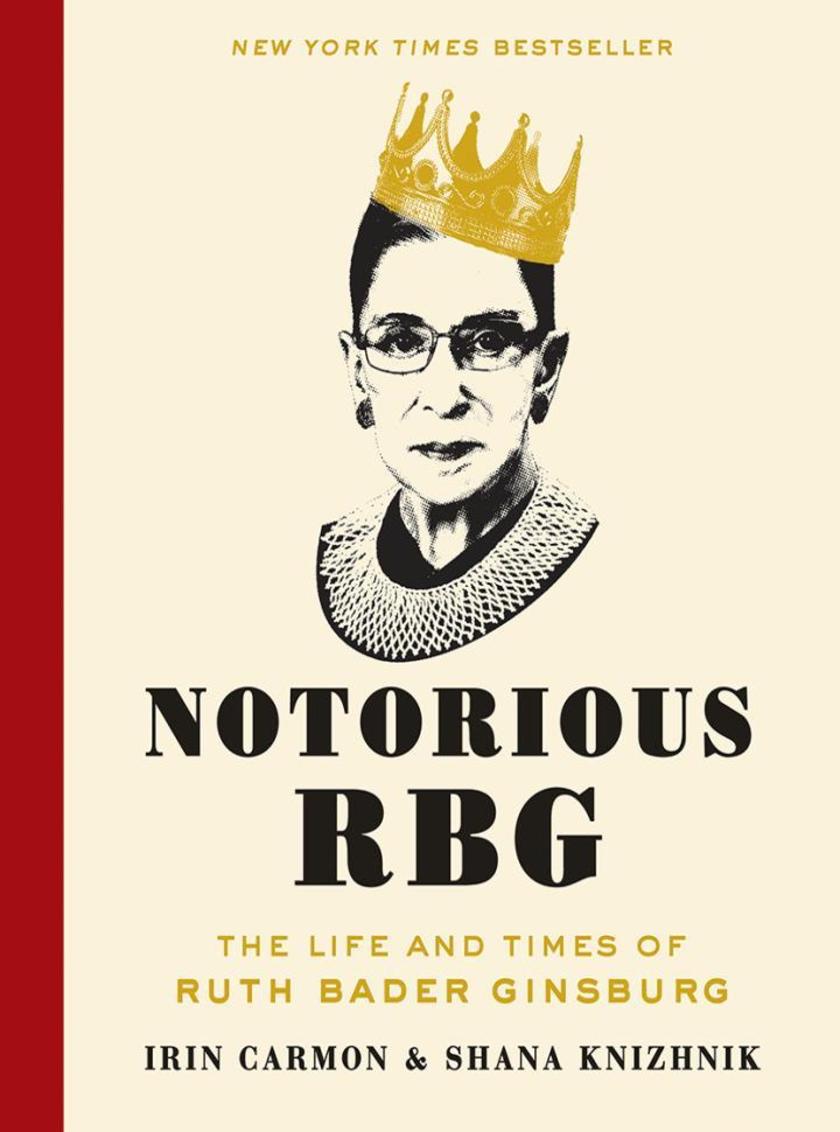
Notorious RBG
¥143.95
You can't spell truth without Ruth.Only Ruth Bader Ginsburg can judge me.The Ruth will set you free.Supreme Court Justice Ruth Bader Ginsburg never asked for fame she was just trying to make the world a little better and a little freer. But along the way, the feminist pioneer's searing dissents and steely strength have inspired millions. Notorious RBG: The Life and Times of Ruth Bader Ginsburg, created by the young lawyer who began the Internet sensation and an award-winning journalist, takes you behind the myth for an intimate, irreverent look at the justice's life and work. As America struggles with the unfinished business of gender equality and civil rights, Ginsburg stays fierce. And if you don't know, now you know.
Good Kids, Bad Habits
¥129.07
When kids start going on TV binges or devouring fistfuls of cookies, it's easy to say, "They'll grow out of it." More likely, they're acquiring bad habits that could lead to childhood obesity and chronic adult diseases, from diabetes and depression to heart trouble and osteoporosis. But by making simple changes now, you can help your children avoid these problems later. Good Kids, Bad Habits supplies the tools you need, starting with the unique RealAge Healthy Kids Test. Based on the proven RealAge Test, which measures biological not calendar age, the Healthy Kids Test reveals where children are doing fine and where they're headed for health trouble. Regardless of the problem from sleeplessness to video-game addiction Dr. Jen has seen and solved it all, working with parents and kids together. Her insightful tips, preventive steps, and kid smarts, learned from working with thousands of children, make this book invaluable. It will help your kids grow into the healthiest adults they can be while still allowing them to be kids.
Mean Mothers
¥139.90
An exploration of the darker side of maternal behavior drawn from scientific research, psychology, and the real-life experiences of adult daughters, Mean Mothers sheds light on one of the last cultural taboos: what happens when a woman doesn't or can't love her daughter.Mean Mothers reveals the multigenerational thread that often runs through these stories many unloving mothers are the daughters of unloving or hypercritical women and explores what happens to a daughter's sense of self and to her relationships when her mother is emotionally absent or even cruel. But Mean Mothers is also a narrative of hope, recounting how daughters can get past the legacy of hurt to become whole within and to become loving mothers to the next generation of daughters. The personal stories of unloved daughters and sons and those of the author herself, are both unflinching and moving, and bring this most difficult of subjects to life.Mean Mothers isn't just a book for daughters who've had difficult or impossible relationships with their mothers. By exposing the myths of motherhood that prevent us from talking about the women for whom mothering a daughter is fraught with ambivalence, tension, or even jealousy, Mean Mothers also casts a different light on the extraordinary influence mothers have over their female children as well as the psychological complexity and emotional depth of the mother-daughter relationship.
The Fragile Bond
¥129.12
Focusing on the author's own marriage and on a group of case studies, this book vividly illustrates the obstacles married couples face today and offers help in overcoming them.

Affair-Proof Your Marriage
¥72.99
This singular guide presents the straightforward facts on affairs, as well as advice to affairees and spouses on how to cope with them.Since 60% of marriages are affected by affairs, you should know the facts: Women under 30 are as likely as men to have an affair. Love affairs are different from sex affairs. Most affairs last between and three years, but the consequences can last a lifetime. Fewer than 10% of affairees divorce their spouses then marry their lover. Over 75% of those who do divorce and marry their lover divorce again. Nearly 80% of those who divorce during an affair are sorry later. Most marriages survive affairs. If you want to stay married, you can. Prevention works. You can -- and should -- affair-proof your marriage right now.
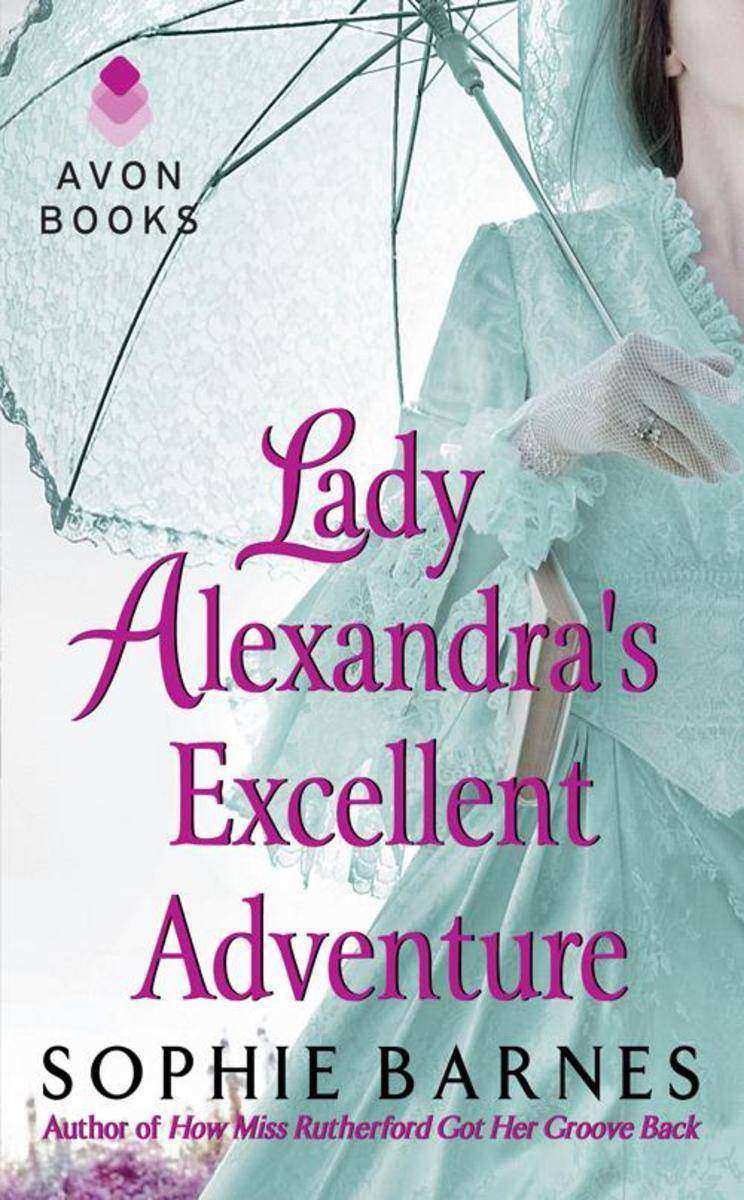
Lady Alexandra's Excellent Adventure
¥55.91
It's going to be a wild ride… Lady Alexandra Summersby is not your average society miss. Not only is she more likely to climb a tree than she is to wear a dress, but she has also sworn off marriage. Alex loves taking chances, which is how she finds herself embroiled in a secret mission as she races across the country with the Earl of Trenton. But Alexandra is about to discover that the real danger lies not in duels, but in her completely unexpected reaction to Lord Trenton's company. Michael Ashford, Earl of Trenton, is a man of duty. Honorable, charming, and a hit with the ladies, he's never had trouble staying focused—until now. Lady Alexandra is like no other woman he's ever met, and suddenly the prospect of marriage seems far more appealing. Now, to convince Alexandra that a life together could be an adventure like no other…
The Mighty Fallen
¥165.88
The Mighty Fallen is a beautiful, evocative presentation of more than 150 never-before-seen photographs of the nation's greatest monuments and war memorials, along with text that describes the memorials and tells their stories. This extraordinary collection calls attention to the power of memory and the ways in which we immortalize people and events. As Larry Bond notes in the Introduction, "Memories of a war or battle are unpleasant, but few veterans would want them erased." This book is a unique tribute to veterans and a commemoration of some of the most significant conflicts in our history. Most battlefields leave little record of the historic confrontations that occurred there. Those who fought in epic struggles want us to remember not just the outcome, but the cost of victory and those who paid the price for the freedoms we enjoy today. Memories fade, so we raise monuments of stone and bronze to carry their message of sacrifice through the centuries. The Iwo Jima Memorial and the Vietnam Veterans Memorial in Washington DC are instantly recognizable, but there are monuments all over North America honoring more than 300 years of military service. The Mighty Fallen shows you hundreds of monuments, memorials, and statues conveying the message their designers wanted you to hear these are more than just a date and location.
Hell and High Water
¥79.16
Global warming is the story of the twenty-first century. It is the most serious issue facing the future of humankind, but American energy and environmental policy is driving the whole world down a path toward global catastrophe. According to Joseph Romm, we have ten years, at most, to start making sharp cuts to our greenhouse gas emissions, or we will face disastrous consequences. The good news, he writes, is that there is something we can do but only if the leadership of the U.S. government acts immediately and asserts its influence on the rest of the world.Hell and High Water is nothing less than a wake-up call to the country. It is a searing critique of American environmental and energy policy, and a passionate call to action by a writer with a unique command of the science and politics of climate change.
No Groom at the Inn
¥34.91
“Megan Frampton’s delightful characters and delicious sense of humor always entertain!” - Sabrina Jeffries In this Dukes Behaving Badly holiday novella, a young lady entertains a sudden proposal of marriage—to a man she’s only just met What does a lady do when a man she’s never seen before offers his hand in marriageLady Sophronia Bettesford doesn’t scream and run away. Instead, she accepts the shocking proposition. After all, what’s her other choiceTo live with her cousin, caring for six children and a barnyard full of chickensJames Archer has roamed the world, determined never to settle down. He’s faced danger and disaster…he fears nothing and no one—except his mother and her matchmaking ways. So when ordered to attend a Christmastime house party filled with holiday cheer and simpering young misses, he produces—a fiancée! Sophronia and James vow to pretend to be in love for one month. But when they promise to give each other a Christmas kiss, it becomes clear that this pact made out of necessity might just be turning into love. An Avon Romance

All I Want Is Forever
¥48.39
Talia and Derrick share some of the same bitter memories.From the moment they met as kids, they seemed to understand the haunted look in each other's eyes. Today their lives are far apart in most ways, yet their bond can never truly be severed. They also share a dark secret murder. When Talia returns home to help her ailing foster mother, she and Derrick re-kindle the fire between them and together they exorcise the ghosts of their past by facing life together.
From Every End of This Earth
¥84.16
New York Times bestselling author Steven V. Roberts follows the stories of thirteen families in this poignant, eye-opening look at immigration in America today. America is a nation of immigrants. But what does it mean to be an immigrant in the United States todayIn some ways, the experience has never changed all newcomers feel the pain of separation. In other ways, it has changed drastically families maintain strong business ties to their home countries and speak daily with their relatives on cell phones. Attitudes about the great melting pot have taken a sharp turn toward insularity in recent years. The 9/11 attacks and recent waves of undocumented workers seem to have eroded America's long-standing belief in the value of immigration. Yet the families in this book conclusively demonstrate that critics are wrong, and that in the age of Barack Obama, the son of an immigrant from Kenya, newcomers "from every end of this earth" continue to renew America's greatness, every day, with their courage and character.Having shared his own family's story in My Fathers' Houses, distinguished journalist Steven V. Roberts now profiles immigrants from China and Afghanistan, Mexico and Sierra Leone, who have journeyed to our shores in pursuit of the same dream that propelled his own grandparents to leave Russia and Poland a century ago. He combines compelling interviews and meticulous research to produce an engaging, wonderfully clear, and accessible narrative that explores each family's original yet deeply resonant story.As the political debate rages on, Roberts offers an essential and timely look at today's immigrant accounts, and sheds light on the enormous contributions these individuals continue to make to the fabric and future of America.

Phantom Pain
¥22.03
In "Phantom Pain," the Tennessee woods are a sliver of what they once were, where men now hunt with GPS and cell phones, and the rumor of a dangerous panther on the loose stirs up a small town.
Mule Killers
¥22.03
"Mule Killers" evokes the end of an era and of a grandfather's dreams when he decides to replace animal power with tractors on his farm.
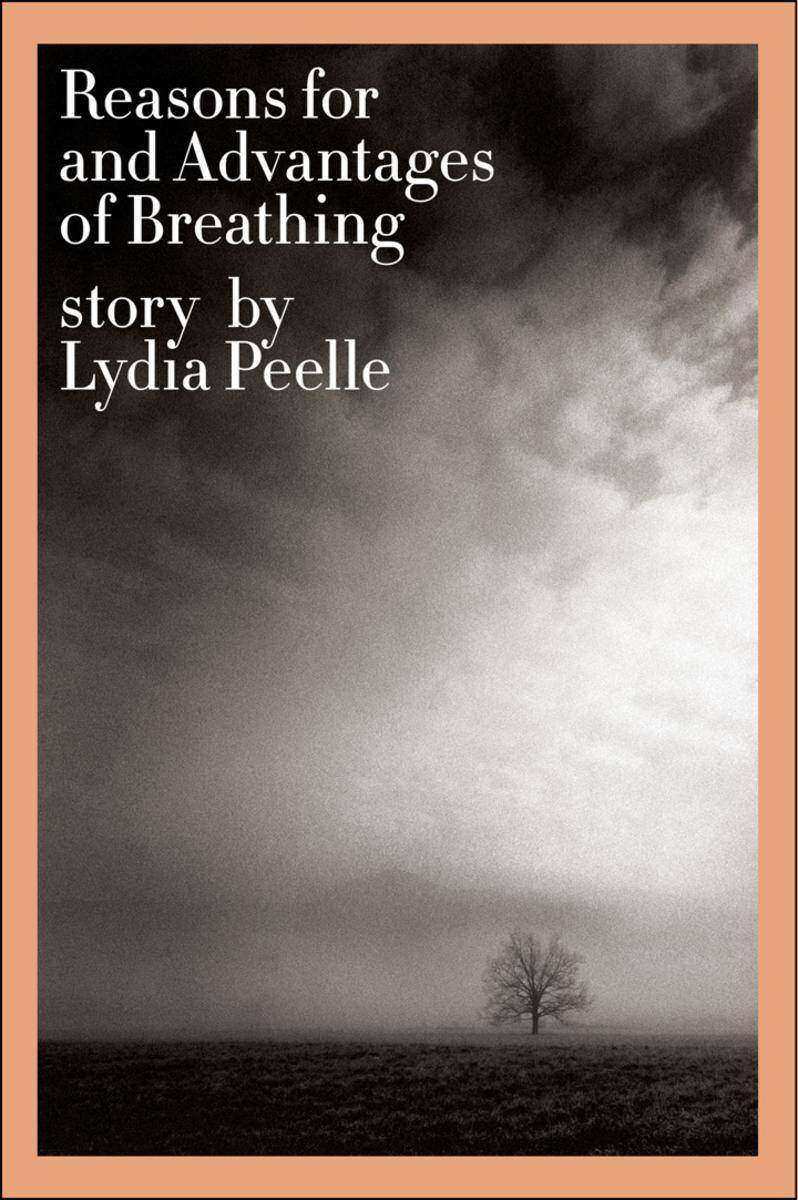
Reasons for and Advantages of Breathing
¥85.05
In "Reasons for and Advantages of Breathing", a young woman becomes fascinated with reptiles and finds a way to relate them to her life.
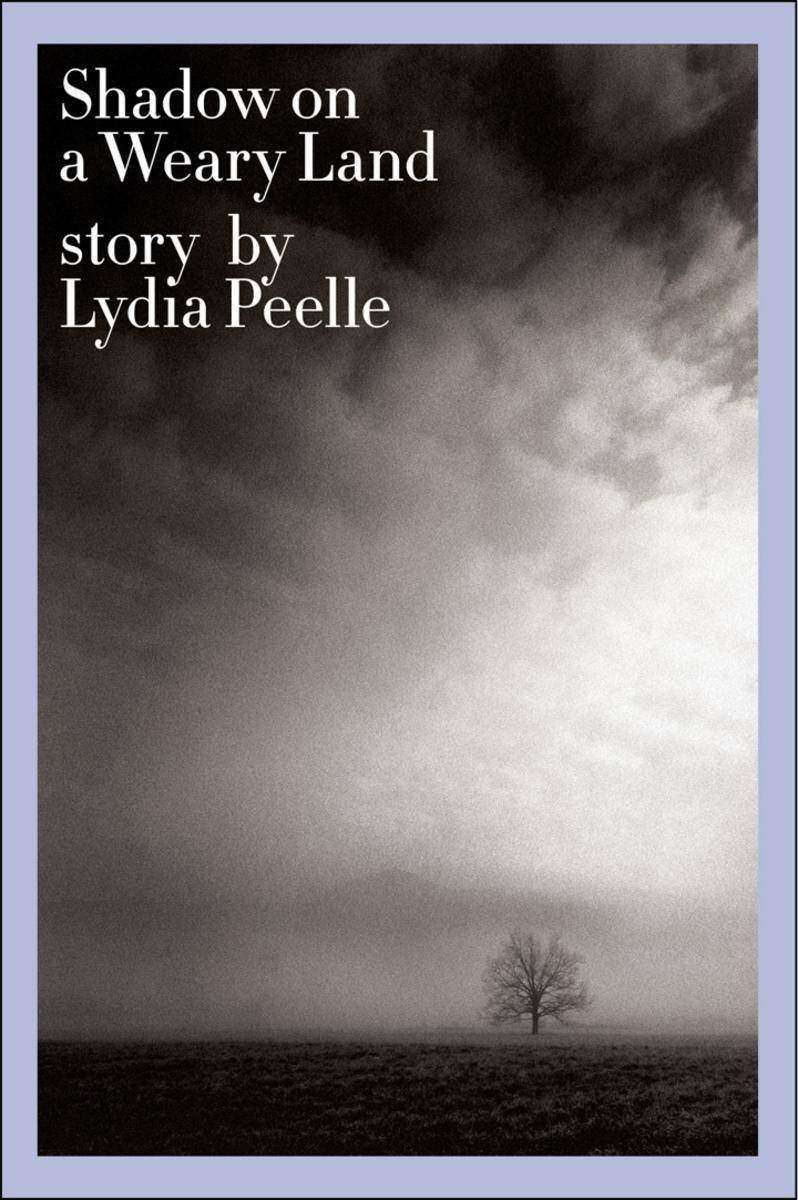
Shadow on a Weary Land
¥22.03
The narrator of "Shadow on a Weary Land" imagines the many lives that have been lived over the years on Brown's Ridge—from the teeming wildlife that once roamed the land to Jesse and Frank James, who settled there, to the farmers recently pushed out by the imminent rise of a housing development. These ghosts from the past haunt the narrator and his friends, a group of misfits who realize that their hardscrabble lives are intimately tied to a vanishing place.

The Still Point
¥22.03
In "The Still Point", Lydia Peelle tells the story of a man stuck in the routine of life while traveling with a carnival.
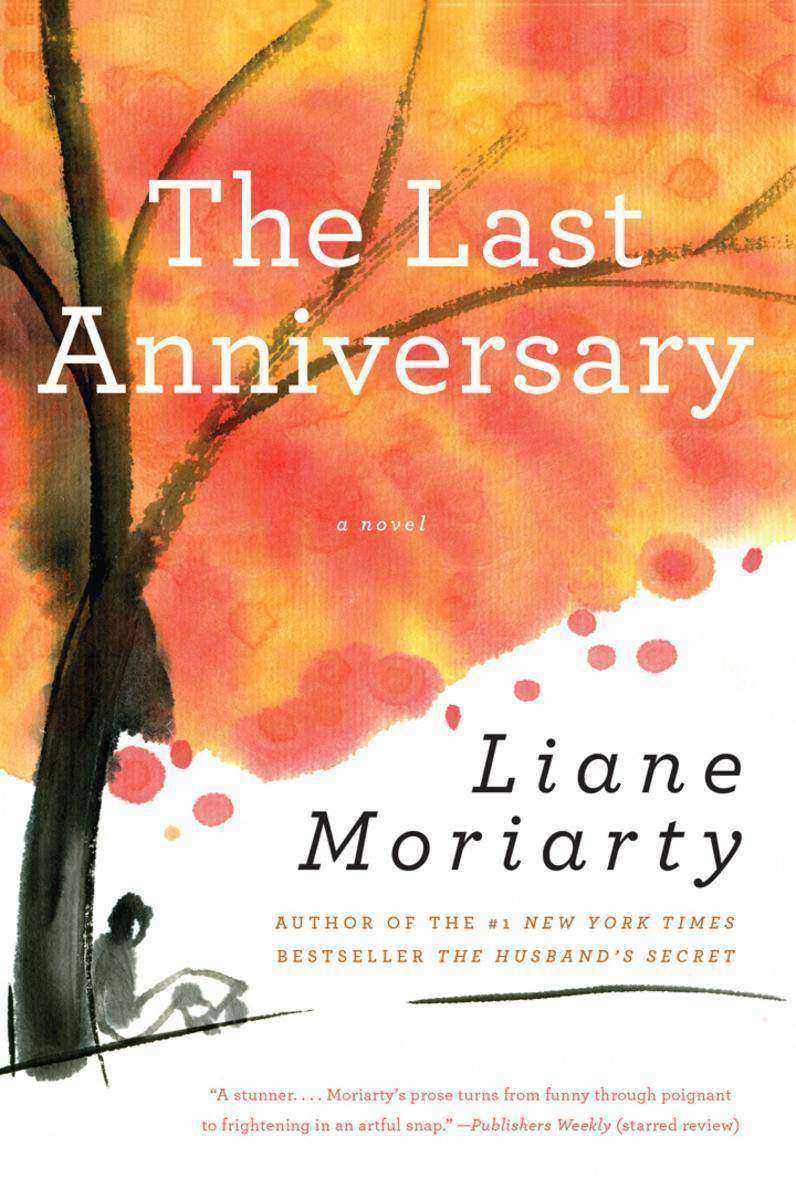
The Last Anniversary
¥95.11
Sophie Honeywell always wondered if Thomas Gordon was the one she let get away. He was the perfect boyfriend, but on the day he was to propose, she broke his heart. A year later he married his travel agent, while Sophie has been mortifyingly single ever since. Now Thomas is back in her life because Sophie has unexpectedly inherited his aunt Connie's house on Scribbly Gum Island -- home of the famously unsolved MunroBabymystery.Sophie moves onto the island and begins a new life as part of an unconventional family where it seems everyone has a secret. Grace, a beautiful young mother, is feverishly planning a shocking escape from her perfect life. Margie, a frumpy housewife, has made a pact with a stranger, while dreamy Aunt Rose wonders if maybe it's about time she started making her own decisions.As Sophie's life becomes increasingly complicated, she discovers that sometimes you have to stop waiting around -- and come up with your own fairy-tale ending. As she so adroitly did in her smashing debut novel, Three Wishes, the incomparable Liane Moriarty once again combines sharp wit, lovable and eccentric characters, and a page-turning story for an unforgettable Last Anniversary.
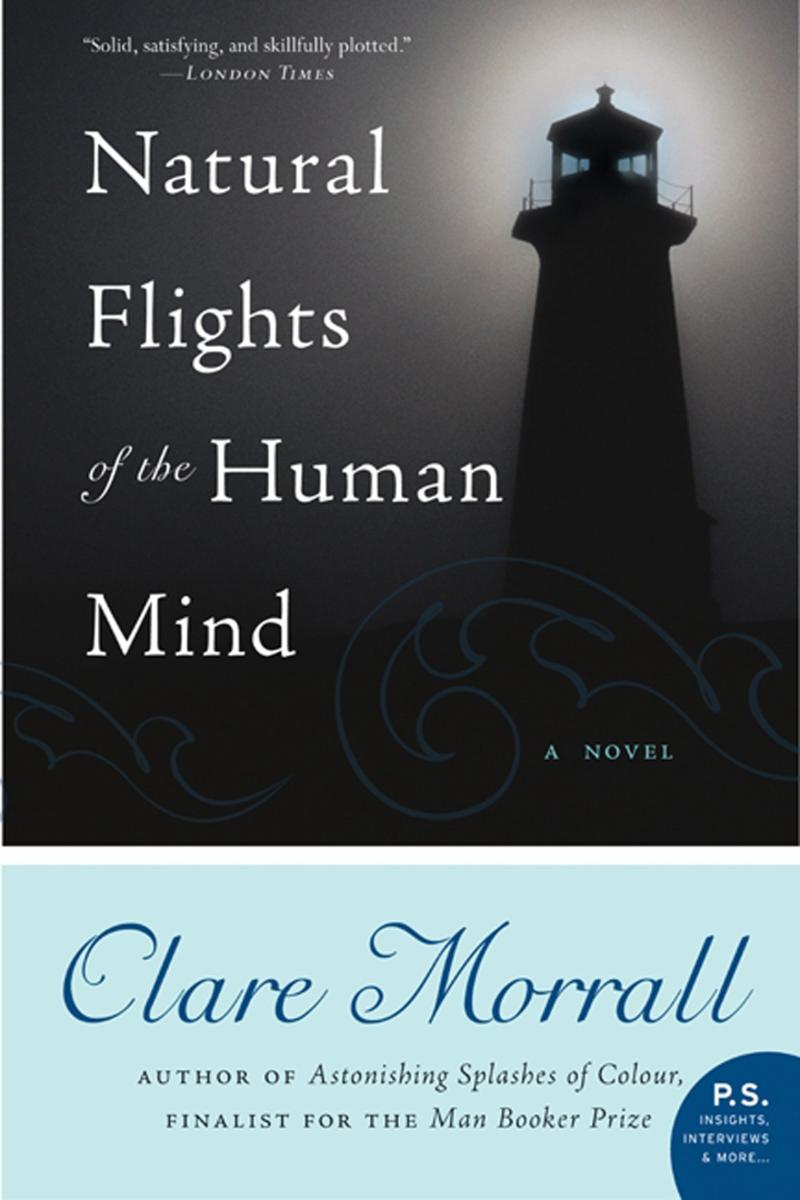
Natural Flights of the Human Mind
¥83.92
Peter Straker lives in a converted lighthouse on the Devon coast with a fine view of the sea, two cats, and no neighbors. That's just the way he likes it. He speaks to no one except in his dreams, where he converses with some of the seventy-eight people he believes he killed nearly a quarter-century earlier -- though he can't quite remember how it happened. But Straker's carefully preserved solitude is about to be invaded by Imogen Doody, a prickly and unapproachable school caretaker with a painful history herself. Against his will -- and hers -- Straker soon finds himself helping Imogen repair the run-down cottage she's inherited. There are forces gathering, however, as the twenty-fifth anniversary of Straker's crime approaches, and they're intent upon disturbing his precarious peace.
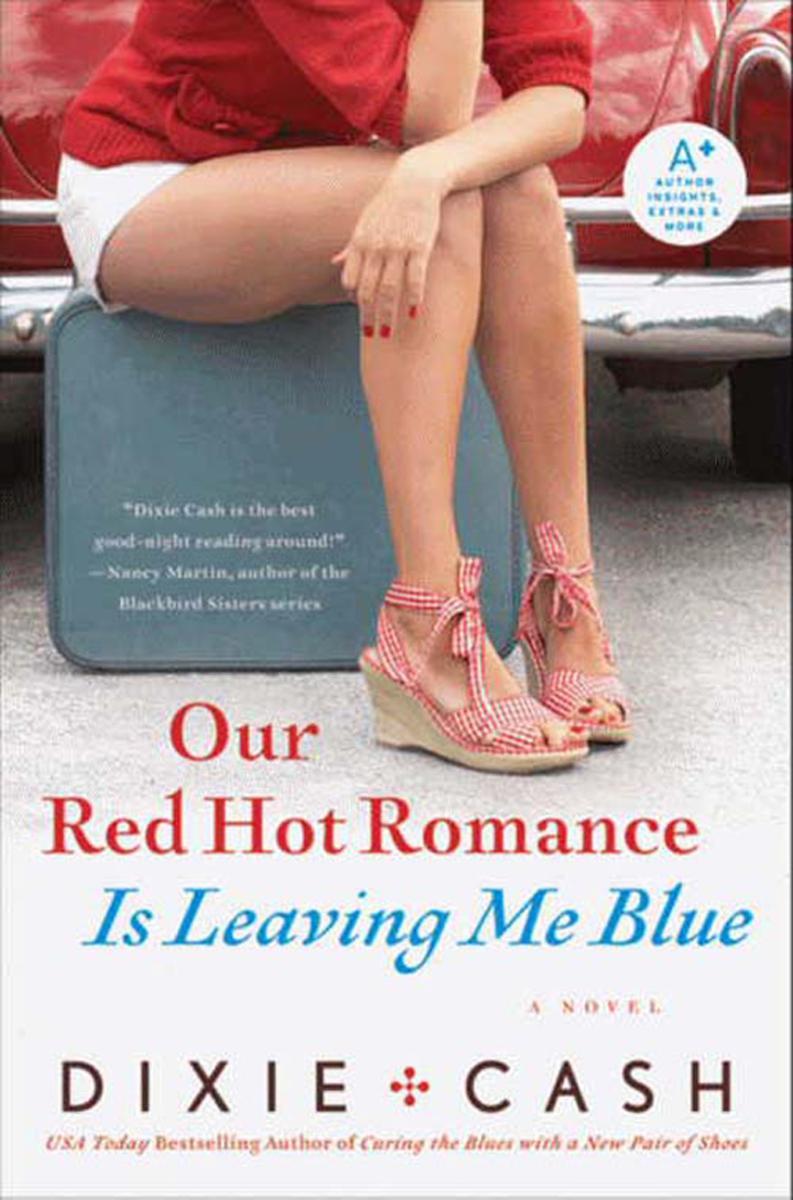
Our Red Hot Romance Is Leaving Me Blue
¥83.03
Full-time hairdressers and part-time private detectives, Debbie Sue Overstreet and Edwina Perkins-Martin—the Domestic Equalizers—have dealt with cheating spouses, shady business deals, Elvis-obsessed shoe thieves, even murder. But ghostsThat's a whole new rodeo!Justin Sadler's just coming to terms with the absence of his dear departed Rachel—but now he's not so sure she's departed! Every time he goes home he knows someone's been there—and if it's not Rachel trying to communicate from beyond, it's someone else who's trying to drive him stark raving bonkers. So the Equalizers are on the case, with the help of an El Paso psychic who's so dead-on, it's scary. It's enough to make any good ol' gal's big hair stand on end!The investigation leads them toward one of their tiny West Texas town's more unsavory characters—and, all things considered, Debbie Sue would much rather be cuddling in the arms of her hubby, the sexiest cop in the whole nation of Texas. But the Equalizers will never say die . . . even when dealing with the restless dead.


