


 购物车
购物车 个人中心
个人中心

Csupasz csontok
¥58.21
DAVID HUME (1711 – 1776) was a Scottish philosopher, historian, economist, and essayist known especially for his philosophical empiricism and skepticism. He was one of the most important figures in the history of Western philosophy and the Scottish Enlightenment. Hume is often grouped with John Locke, George Berkeley, and a handful of others as a British Empiricist. Beginning with his A Treatise of Human Nature (1739), Hume strove to create a total naturalistic "science of man" that examined the psychological basis of human nature. In stark opposition to the rationalists who preceded him, most notably Descartes, he concluded that desire rather than reason governed human behaviour, saying: "REASON IS, and OUGHT ONLY to BE the SLAVE of the PASSIONS". A prominent figure in the sceptical philosophical tradition and a strong empiricist, he argued against the existence of innate ideas, concluding instead that humans have knowledge only of things they directly experience.. NOTHING is more usual and more natural for those, who pretend to discover anything new to the world in philosophy and the sciences, than to insinuate the praises of their own systems, by decrying all those, which have been advanced before them. And indeed were they content with lamenting that ignorance, which we still lie under in the most important questions, that can come before the tribunal of human reason, there are few, who have an acquaintance with the sciences, that would not readily agree with them. It is easy for one of judgment and learning, to perceive the weak foundation even of those systems, which have obtained the greatest credit, and have carried their pretensions highest to accurate and profound reasoning. Principles taken upon trust, consequences lamely deduced from them, want of coherence in the parts, and of evidence in the whole, these are every where to be met with in the systems of the most eminent philosophers, and seem to have drawn disgrace upon philosophy itself. Nor is there required such profound knowledge to discover the present imperfect condition of the sciences, but even the rabble without doors may, judge from the noise and clamour, which they hear, that all goes not well within. There is nothing which is not the subject of debate, and in which men of learning are not of contrary opinions. The most trivial question escapes not our controversy, and in the most momentous we are not able to give any certain decision. Disputes are multiplied, as if every thing was uncertain; and these disputes are managed with the greatest warmth, as if every thing was certain. Amidst all this bustle it is not reason, which carries the prize, but eloquence; and no man needs ever despair of gaining proselytes to the most extravagant hypothesis, who has art enough to represent it in any favourable colours. The victory is not gained by the men at arms, who manage the pike and the sword; but by the trumpeters, drummers, and musicians of the army. From hence in my opinion arises that common prejudice against metaphysical reasonings of all kinds, even amongst those, who profess themselves scholars, and have a just value for every other part of literature. By metaphysical reasonings, they do not understand those on any particular branch of science, but every kind of argument, which is any way abstruse, and requires some attention to be comprehended. We have so often lost our labour in such researches, that we commonly reject them without hesitation, and resolve, if we must for ever be a prey to errors and delusions, that they shall at least be natural and entertaining. And indeed nothing but the most determined scepticism, along with a great degree of indolence, can justify this aversion to metaphysics. For if truth be at all within the reach of human capacity, it is certain it must lie very deep and abstruse: and to hope we shall arrive at it without pains, while the greatest geniuses have failed with the utmost pains..

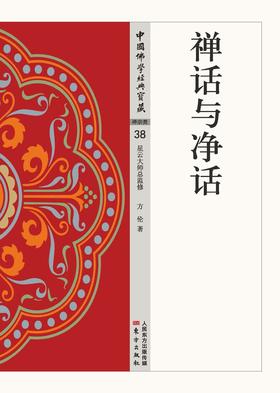
禅话与净话
¥18.00
本书分两大部分,即禅话与净话。作者分别将佛门禅净的特色深地释义,并且以历代禅净兼修的大德为例证,破斥持门户之见者。书中以“念佛至一心不乱,便是禅定;参禅至彻见自性,即是净土”为立论的根据,写出了禅宗与净土宗同为佛教派别的异与同。
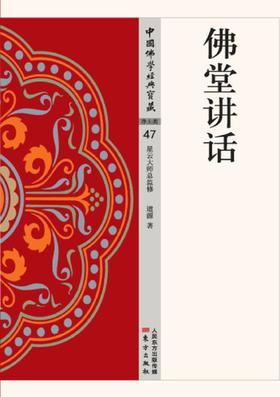
佛堂讲话
¥18.00
道源法师关于念佛的完整示,包括对念佛的目的、方法、功德等的详细的讲解,为修行净土宗的修行者提供了如何正确念佛的方便法门。
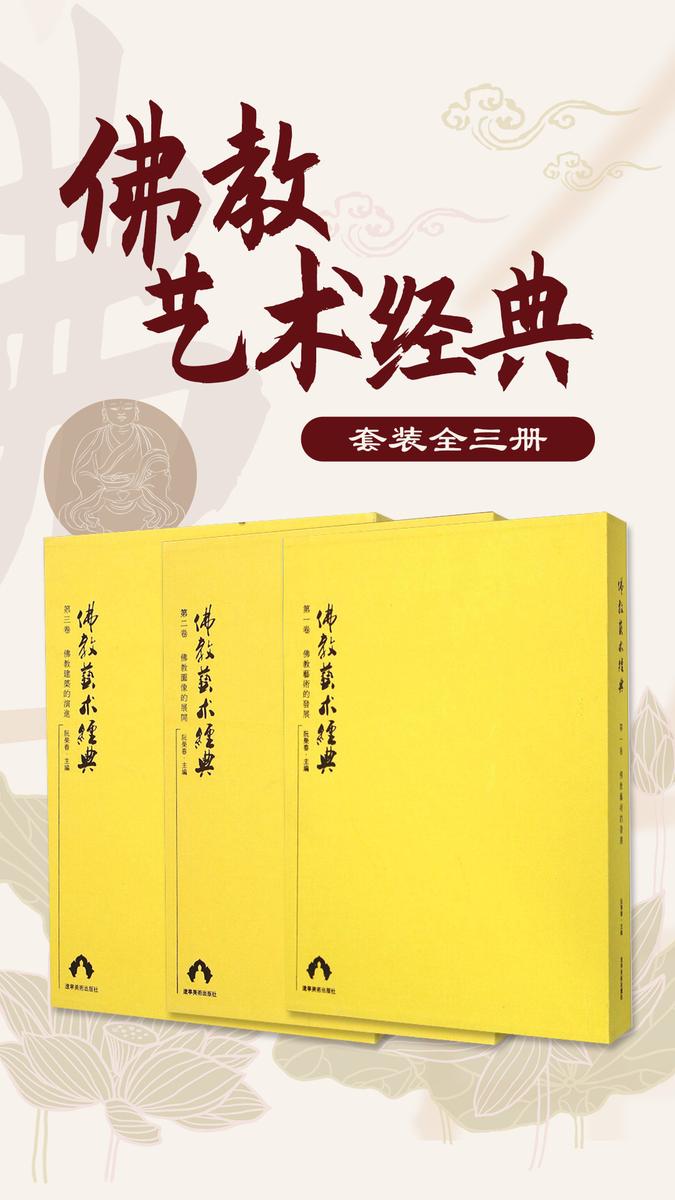
佛教艺术经典(全三册)
¥399.00
N
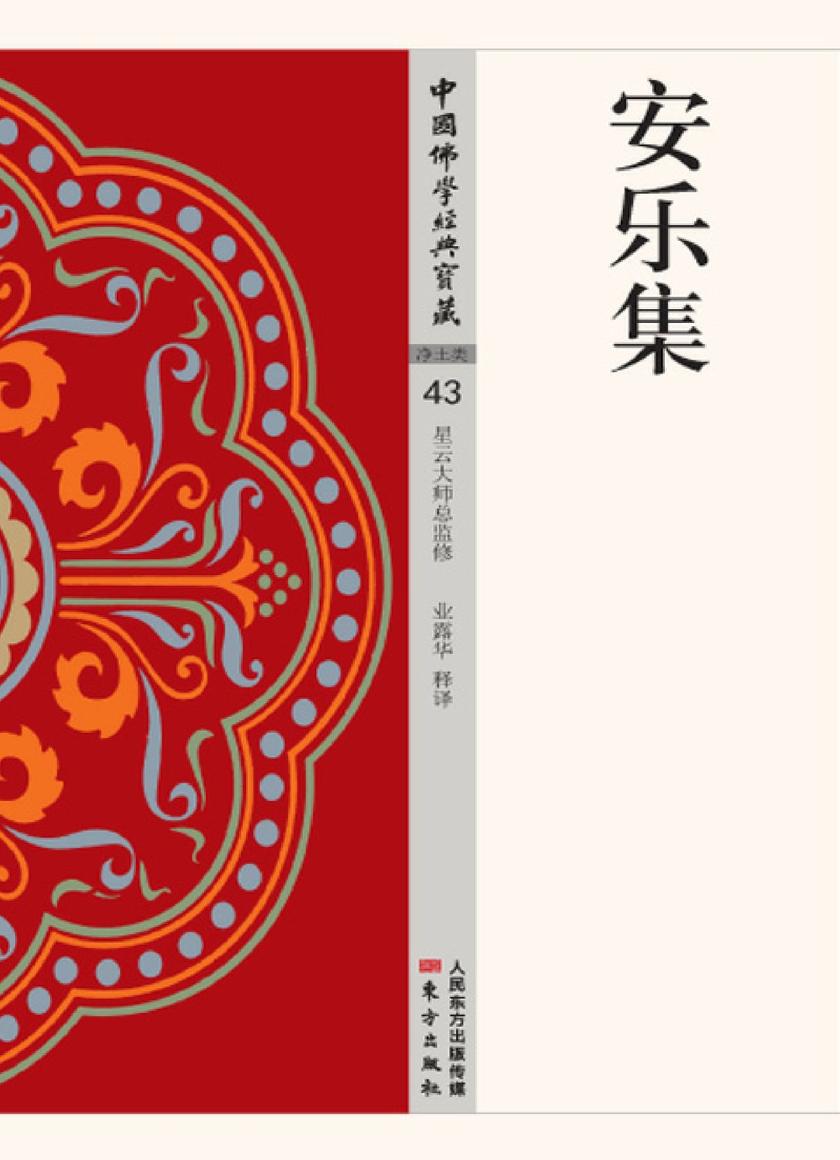
安乐集
¥18.00
本书旨在弘扬西方阿弥陀佛的净土教义,提出了一系列关于净土信仰和往生方法的理论,并大量引证各种经律论释,多达五十余部,以申明净土要义。全书以《观无量寿经》的趣旨,统以贯之,由于道绰时代正逢北周武帝毁佛,形成佛教末法思想的普遍,再加上诸宗派多排斥净土法门,故本书中亦多有论辩,着重于破除异议,使得净土法门在社会上广泛盛行,深社会各阶层中。

?tvenezer lándzsa: Anjouk - V. rész
¥75.54
"A megsemmisülés rejtélyes sz?vege egyszerre filozófiai traktátus, misztikus beavatás és poszthumán próza. A kortárs irodalomban egyre inkább feler?s?dik ez a nem-antropocentrikus hang, mely nem emberi sorsokat akar elbeszélni, hanem a nyelv és az ember k?z?s hiányt?rténetére mutat rá. ?Mennyien kapaszkodtak a létbe, mint egy végtelen fa t?rzsébe” - írja Horváth Márk és Lovász ?dám, hiszen az emberi állapot csak a társadalmi, nyelvi és metafizikai katasztrófa terében értelmezhet?. Apokaliptikus (neo)romantika és abszurd k?ltészet. Az utolsó ember kézik?nyve a túlélés lehetetlenségér?l."Nemes Z. Márió Az Idegenre hárult a sors ajándéka, hogy els?ként az utolsó emberek k?zu?l végignézze minden ku?ls?dleges k?telék pusztulását, és bizalmát lelkébe, s?t a lelkén is túlra helyezze, minden emberit maga m?g?tt hagyva. Minden ház gerendái k?z?tt barátságok és szerelmek jól táplált holttestei indultak oszlásnak, míg csak a csont fehérlett ki a vízb?l. Mint rég elhagyott kik?t?k tornyai, olyan hívogatóak voltak ezek a csontok az új kor embere számára.
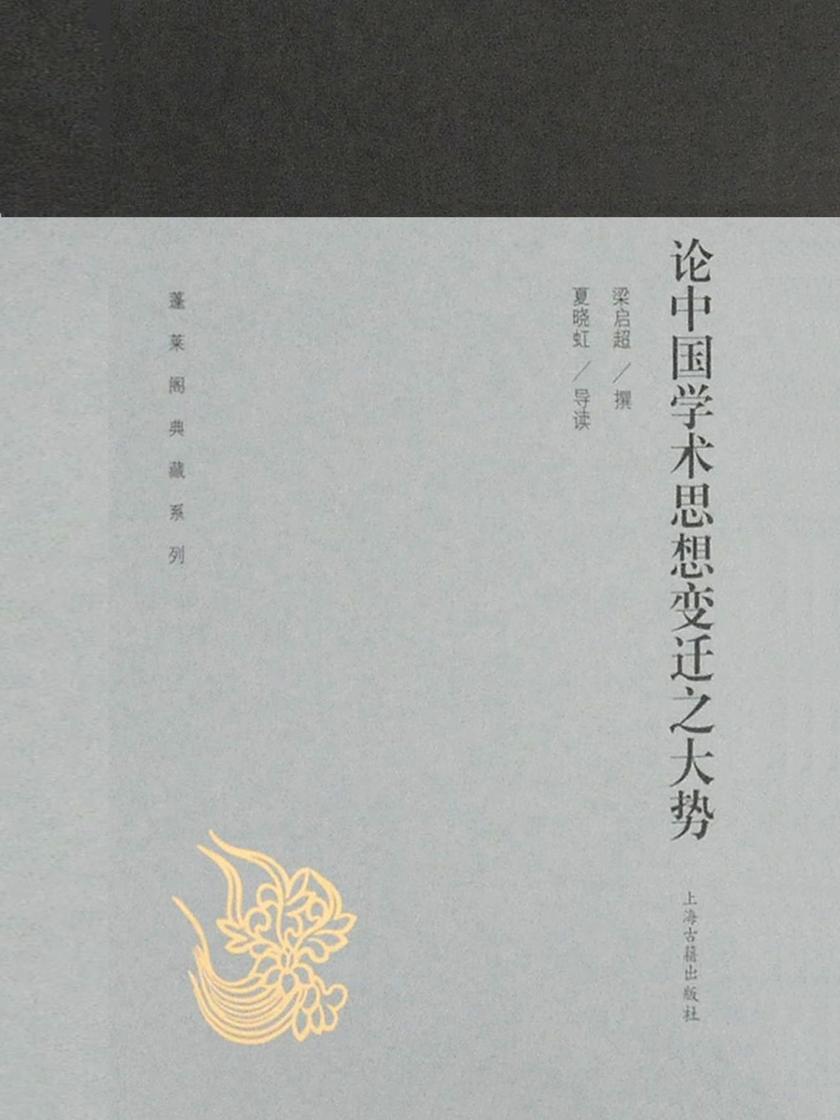
论中国学术思想变迁之大势
¥11.60
该书原是梁于1902年3-12月、1904年9-12月时在《新民丛报》上陆续发表的一些文章,后由北京大学中文系夏晓红教授从该报及《饮冰室文集》等出版物中整理而成(具体见“导读”)。但这些文章上下连缀成体系,可以组成小册子,并非简单的文集。 梁启超这个小册子的写作背景乃是在“改良派”遭受重大之后的“新民”理论;一步,梁又以“新学术”为“新民”(两处“新”均为动词)之利器,而撰写此书作为具体实践。具体而言,这个小册子采用了当时新式的章节体,并引探究原因、引文化地理学等思路及研究方法,来书写学术史;在思想上,则刻意突出了主张学术自由、赞美文化交融的两条主线。
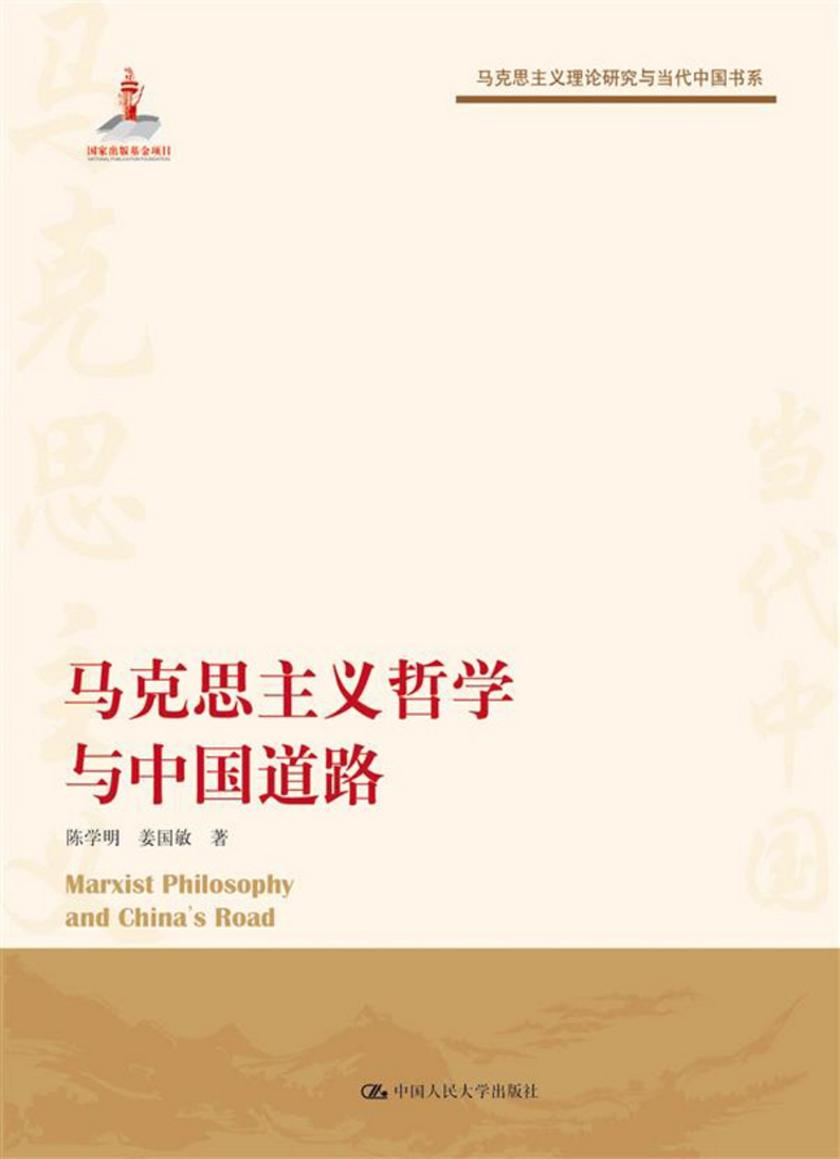
马克思主义哲学与中国道路(马克思主义理论研究与当代中国书系)
¥33.60
本书首先依据西方马克思主义探讨了马克思主义的“真精神”,特别是探讨了马克思主义与哲学,以及马克思主义哲学与本体论之关系,然后着重从马克思主义的思考角度和范式来审视和反思当今的世界,特别是当今的中国。本书通过对马克思走向政治经济学批判的三次飞跃的分析,发出了“回归政治经济学批判”的呼唤;用马克思两大发现的整体视角剖析了资本主义的“经济人”,并基于此对当今学术界的一些人无原则地宣扬“经济人”展了批判;揭示了改革放以来我国学术界理解马克思主义哲学的三种路向,特别是批判了对马克思主义做启蒙主义和后现代主义解释的缺陷;归纳了马克思主义哲学与中国道路的双向促;用马克思主义公平观审视了社会的不平等,用马克思主义生态观审视了生态危机;描述了“马中西”三大资源在中国道路中的交互汇通。

Liberty Girl
¥19.05
Human reason, in one sphere of its cognition, is called upon to consider questions, which it cannot decline, as they are presented by its own nature, but which it cannot answer, as they transcend every faculty of the mind. It falls into this difficulty without any fault of its own. It begins with principles, which cannot be dispensed with in the field of experience, and the truth and sufficiency of which are, at the same time, insured by experience. With these principles it rises, in obedience to the laws of its own nature, to ever higher and more remote conditions. But it quickly discovers that, in this way, its labours must remain ever incomplete, because new questions never cease to present themselves; and thus it finds itself compelled to have recourse to principles which transcend the region of experience, while they are regarded by common sense without distrust. It thus falls into confusion and contradictions, from which it conjectures the presence of latent errors, which, however, it is unable to discover, because the principles it employs, transcending the limits of experience, cannot be tested by that criterion. The arena of these endless contests is called Metaphysic.Time was, when she was the queen of all the sciences; and, if we take the will for the deed, she certainly deserves, so far as regards the high importance of her object-matter, this title of honour. Now, it is the fashion of the time to heap contempt and scorn upon her; and the matron mourns, forlorn and forsaken, like Hecuba: At first, her gover Modo maxima rerum, Tot generis, natisque potens... Nunc trahor exul, inops. —Ovid, Metamorphoses. xiii under the administration of the dogmatists, was an absolute despotism. But, as the legislative continued to show traces of the ancient barbaric rule, her empire gradually broke up, and intestine wars introduced the reign of anarchy; while the sceptics, like nomadic tribes, who hate a permanent habitation and settled mode of living, attacked from time to time those who had organized themselves into civil communities. But their number was, very happily, small; and thus they could not entirely put a stop to the exertions of those who persisted in raising new edifices, although on no settled or uniform plan. In recent times the hope dawned upon us of seeing those disputes settled, and the legitimacy of her claims established by a kind of physiology of the human understanding—that of the celebrated Locke. But it was found that—although it was affirmed that this so-called queen could not refer her descent to any higher source than that of common experience, a circumstance which necessarily brought suspicion on her claims—as this genealogy was incorrect, she persisted in the advancement of her claims to sovereignty. Thus metaphysics necessarily fell back into the antiquated and rotten constitution of dogmatism, and again became obnoxious to the contempt from which efforts had been made to save it. At present, as all methods, according to the general persuasion, have been tried in vain, there reigns nought but weariness and complete indifferentism—the mother of chaos and night in the scientific world, but at the same time the source of, or at least the prelude to, the re-creation and reinstallation of a science, when it has fallen into confusion, obscurity, and disuse from ill directed effort. I do not mean by this a criticism of books and systems, but a critical inquiry into the faculty of reason, with reference to the cognitions to which it strives to attain without the aid of experience; in other words, the solution of the question regarding the possibility or impossibility of metaphysics, and the determination of the origin, as well as of the extent and limits of this science. All this must be done on the basis of principles. ABOUT AUTHOR: That all our knowledge begins with experience there can be no doubt. For how is it possible that the faculty of cognition should be awakened into exercise otherwise than by means of objects which affect our senses, and partly of themselves produce representations, partly rouse our powers of understanding into activity, to compare to connect, or to separate these, and so to convert the raw material of our sensuous impressions into a knowledge of objects, which is called experience? In respect of time, therefore, no knowledge of ours is antecedent to experience, but begins with it. But, though all our knowledge begins with experience, it by no means follows that all arises out of experience. For, on the contrary, it is quite possible that our empirical knowledge is a compound of that which we receive through impressions, and that which the faculty of cognition supplies from itself (sensuous impressions giving merely the occasion), an addition which we cannot distinguish from the original element given by sense, till long practice has made us attentive to, and skilful in separating it. It is, therefore, a question which requires close investigation, and not to b

Пришестя робот?в.
¥31.07
"Wilde è profetico sin dalle prima righe, quando denuncia la prevalenza dell’emozione sulla razionalità, male principe del nostro tempo, e poi del pietismo sull’emancipazione, male di tanta politica di pseudo sinistra" (dall'Introduzione di Alfredo Sgarlato). Wilde: ?perché la vita raggiunga la sua più elevata perfezione, ci vuole qualche cosa di più. Ciò che ci vuole è l'individualismo?, ?Utopia? Una carta geografica del mondo in cui non sia segnato il paese dell'Utopia, non varrebbe la pena d'essere guardata, perché vi mancherebbe il paese in cui l'Umanità atterra ogni giorno. Ma non appena v'è sbarcata, ella guarda più lontano, scorge una terra ancora più bella, e spiega di nuovo le vele. Progredire significa realizzare l'Utopia?. SOMMARIO: Introduzione (di Alfredo Sgarlato) - Postfazione. Breve biblio-nota ai testi e alla traduzione (di Fabrizio Pinna) - OSCAR WILDE Società e libertà: elogio dell'individualismo - APPENDICE I Oscar Wilde, Rapporti fra il socialismo e l'individualismo (di Luigi Fabbri, 1913) - APPENDICE II The Soul of Man under Socialism (1891). LA COLLANA IN/DEFINIZIONI

Distracted by Disaster: How to Turn Obstacles Into Opportunities
¥16.27
Bogged down by an endless onslaught of stumbling blocks and disasters that keep pushing you farther away from fulfilling your purpose and achieving your goals? ? This book could radically change all that. ? This simple, clear, and highly practical step-by-step guide will show you: ? How to manage all the problems and disasters that come your way while still making progress on all your goals—short-term and long-term—without sacrificing the important things in life. How to turn obstacles into an advantage that will propel you along the path to fulfilling your goals and achieving your purpose. How to shift your thinking so that all you see are opportunities that will open doors to great possibilities you may have never imagined before.
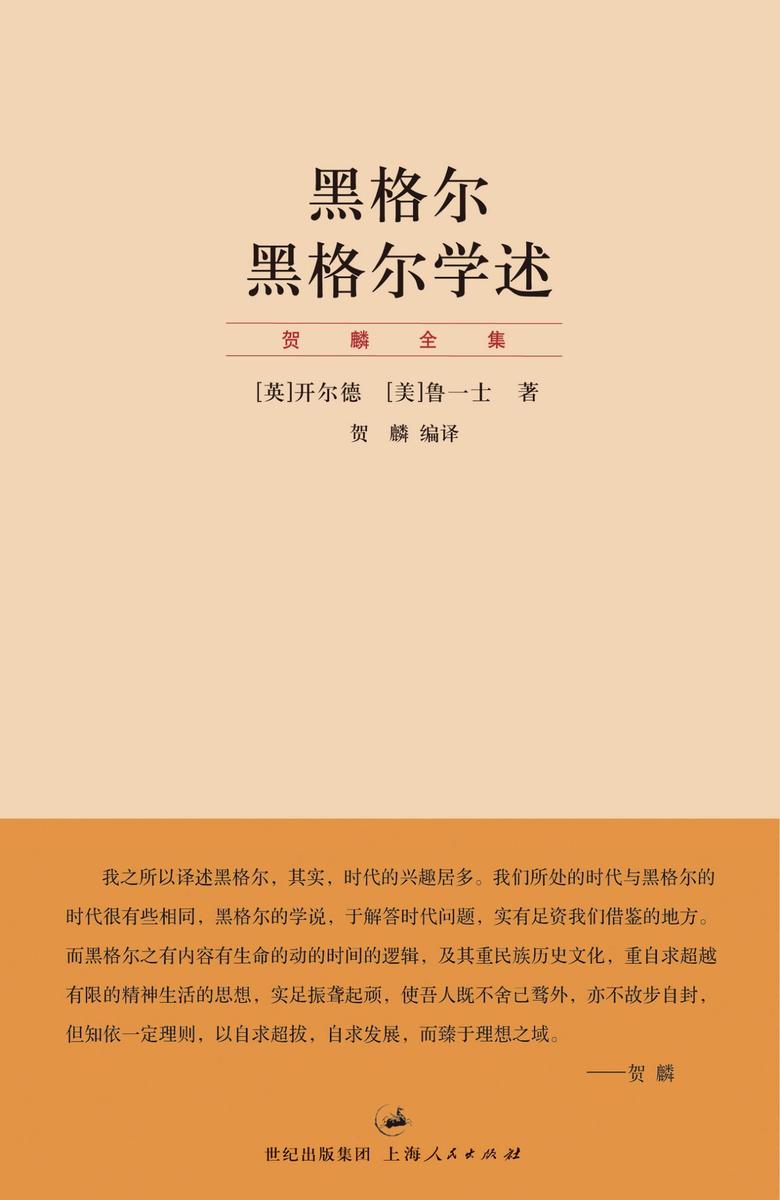
贺麟全集:黑格尔 黑格尔学述
¥45.00
《黑格尔黑格尔学述》收贺麟于1930年代编译的近代西方新黑格尔主义者的经典黑格尔研究——尔德的《黑格尔》与鲁一士的《黑格尔学述》,二书均能将黑格尔学说体会融化并以清晰流利的文字叙述出来,可谓姊妹关系,互相发明,互相弥补,而又各有所长。尔德注重叙述黑格尔的生活、性格、时代风气、文化背景,特别是政治和宗教背景,以及黑格尔的逻辑学说;鲁一士则着重阐述黑格尔之精神现象学。本书是将黑格尔及其学说译介至中国的人——贺麟对“黑格尔学”发生兴趣之始,贺麟以朱熹太极观会通黑格尔的“*理念”,对于中西比较哲学研究居功甚伟。作为贺麟重要译著收“全集”的《黑格尔》及《黑格尔学述》均为建国后首度整理出版,对于了解哲学家和翻译家贺麟意义非凡。
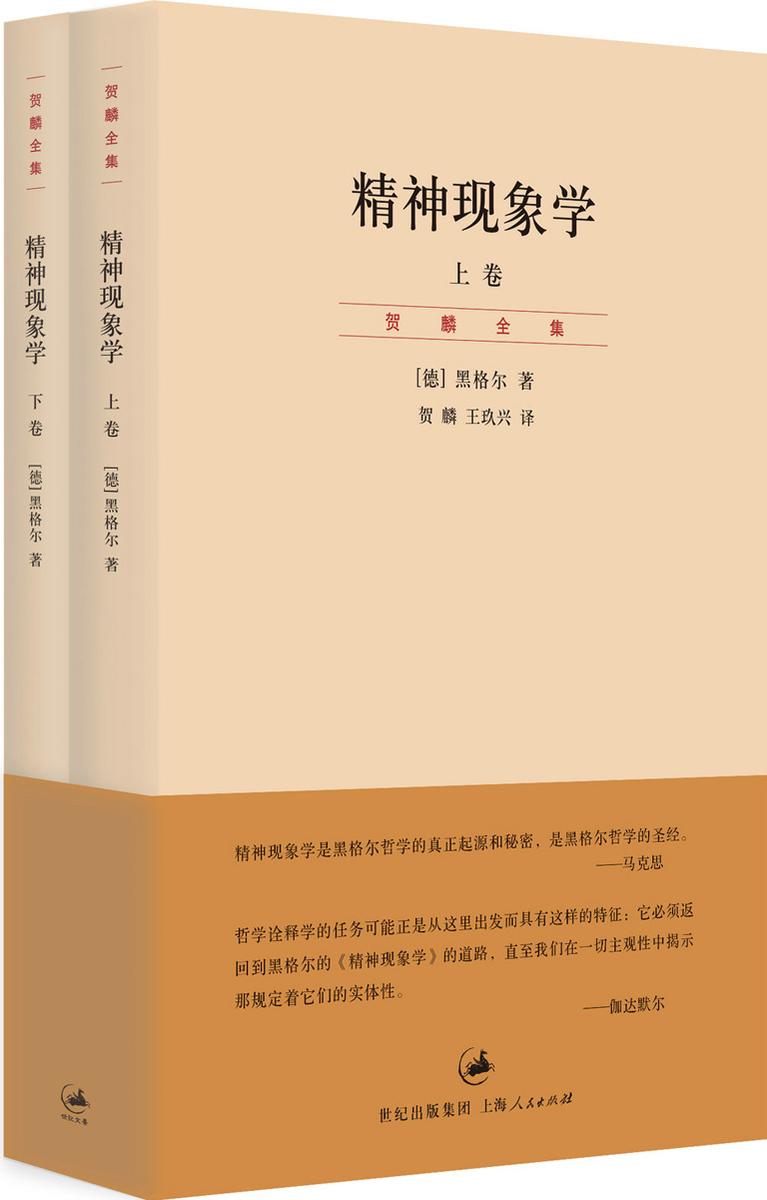
贺麟全集:精神现象学(上、下卷)
¥75.00
《精神现象学》为德国古典哲学大师黑格尔阐述其哲学观和方法论原则的部纲领性巨著。黑格尔自认此书为其哲学体系的导言。马克思誉《精神现象学》为“黑格尔哲学的真正起源和秘密”和“黑格尔哲学的圣经”。黑格尔通过此书提出,精神现象学是关于意识到达“*知识”或“科学”(即哲学)的道路的科学,它为个体提供了一把攀登*知识的“梯子”。中译本由贺麟、王玖兴合译,分上、下卷先后于1962年和1979年由商务印书馆出版。上卷1979年再版时曾修订译文,以与下卷译名统一,本次整理出版“贺麟全集”版,对勘再版所作修改,择其重要者,以编注形式留存上卷初版原貌。

迟到民族与激进思想(曹卫东学术文集)
¥25.00
在《迟到民族与激思想》中,作者以《德国思想的他者视角》篇,从著名学者卡尔·曼海姆、马丁·格莱芬哈根、库尔特·伦克的研究成果出发,考察了有关保守主义的不同定义,揭示了德国保守主义思想的发生语境,分析了德国保守主义的思想结构,发掘其背后隐藏的思想关联、社会关联,特别是政治关联,揭示出德国作为后发现代化国家的激思想;从宏观上勾画出德国保守主义的发展脉络。
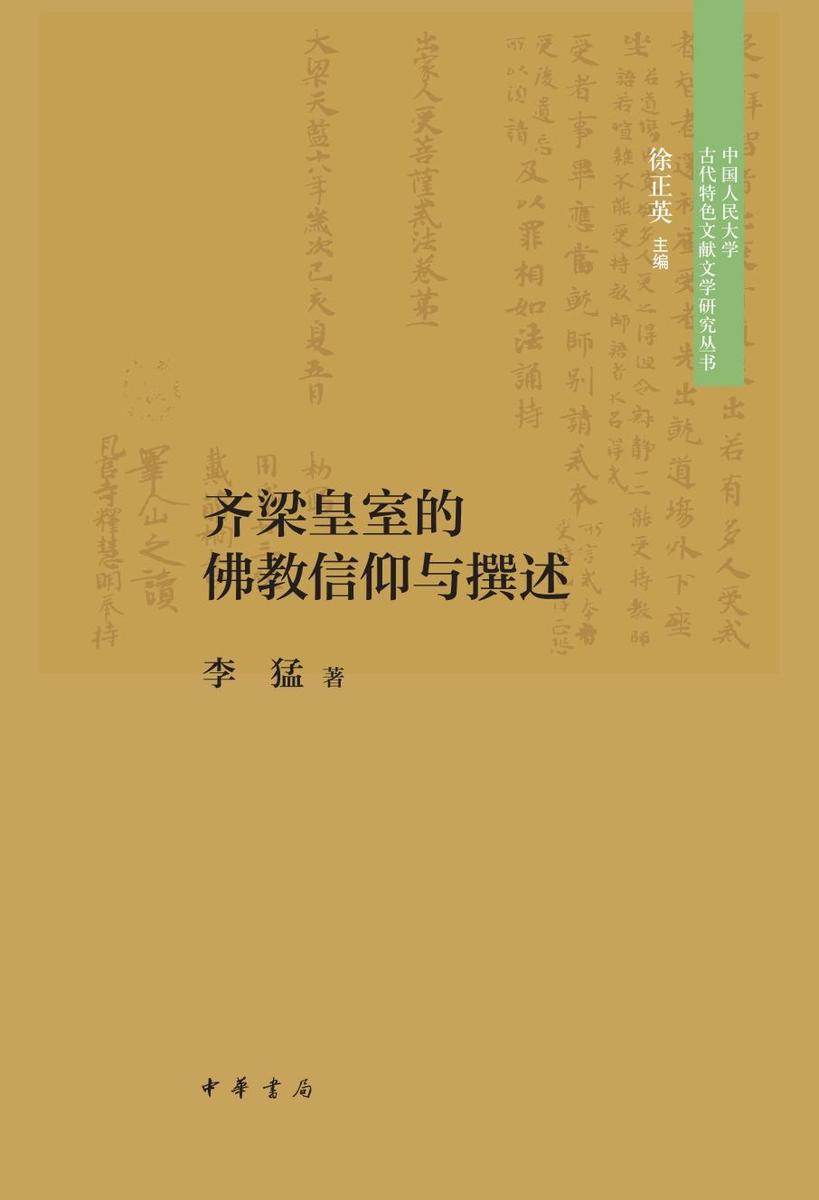
齐梁皇室的佛教信仰与撰述--中国人民大学古代特色文献文学研究丛书 中华书局出品
¥40.80
兰陵萧氏作为齐梁皇室,在南朝的政治史、佛教史以及文学史上都有独特的位置,历来都是南北朝文学、史学乃至哲学研究的热话题。《齐梁皇室的佛教信仰与撰述》一书不拘于学科限制,以晋唐佛教文献以及传世史部、集部文献为基础,以齐梁皇室的佛教活动与相关撰述为主要线索,融合文史,深讨论了齐梁时期的佛教、佛教影响下的士人思想变迁与诗文创作,以及内外典籍编撰等诸多领域的问题。 本书是对目前中古史研究领域细致分析史料、诗文等文本的一步延展和拓,动态地解读了佛教文献的文本变化,深度分析了其年代、层次、史源,并发掘佛教文献背后蕴含的丰富信息,对现有南朝文学史、佛教史、政治史乃至中古士族等领域的研究模式有所突破。

乐以忘忧 薛仁明读《论语》 中华书局出品
¥27.00
今天这个时代,不缺乏有理想有抱负想要改造社会改变世界的人,却缺乏一个个安稳悦乐的人。当下的社会,不缺乏高谈阔论做学问的人,却缺乏活出自己生命状态的人。 不是每个人都可以成为孔子,但每个人都可以成为力量的起。薛仁明在其新作《乐以忘忧 薛仁明读<论语>》中,以丰实多样的学养,风姿绰约的文字,再次清晰勾勒出一张张可亲可亲,人性又诗情的孔门面孔,引人想往。在其笔下,孔门仍是其乐陶陶,新有一派光明喜气的景象,尤其是生机盎然、丰富温润的孔子,为我们活出了生命中美的松沉时刻,治愈躁郁时代每一个茫然的心灵。
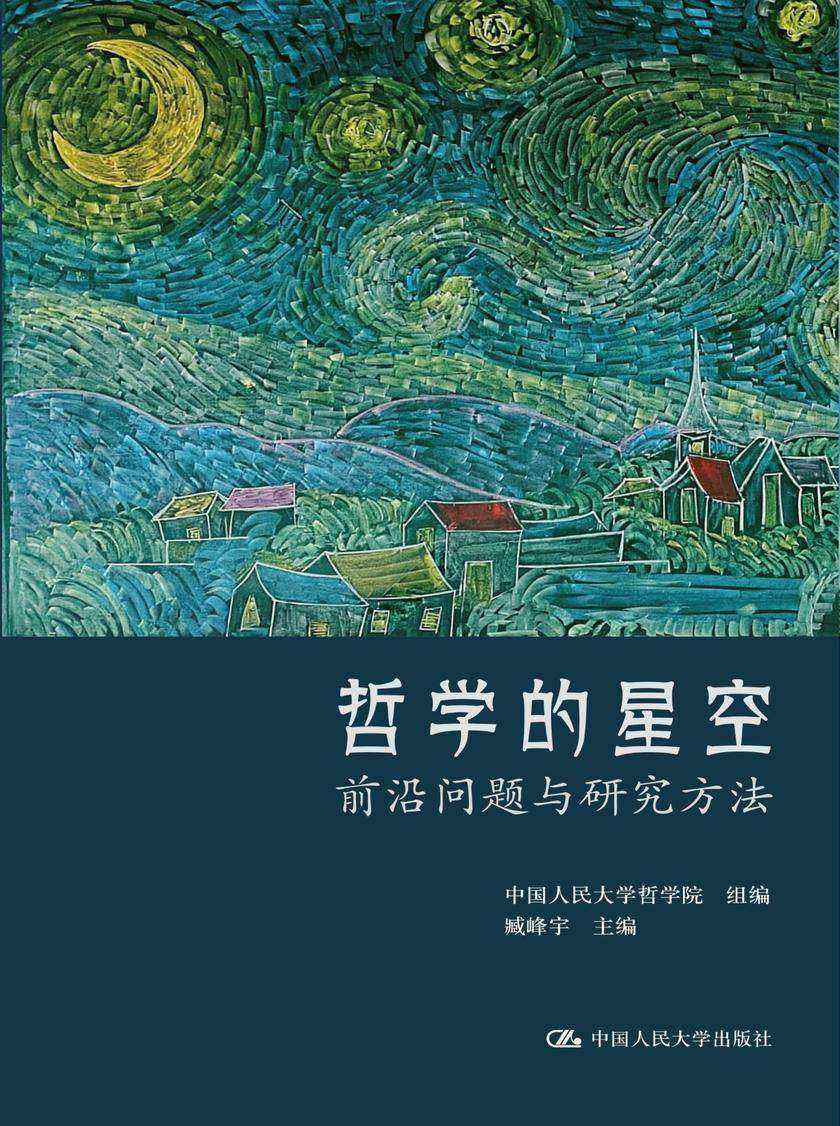
哲学的星空——前沿问题与研究方法
¥52.80
本书是在中国人民大学哲学院举办的讲座“哲学的星空”季的基础上整理汇集而成的。本书分别阐述了阅读《资本论》的难度和门槛、斯金纳的技治术、实验哲学的兴起及其意义、批判性阅读与写作、道家的自然观念、生命复制的两种含义、罗尔斯的“公平的机会平等”思想、民法典与中国社会的伦理走向、“格义”之广狭二义及其在佛教中国化中的历史作用、中国哲学形上学、身份政治时代的社会正义、先秦法家的历史际遇与价值重估、从“哲学”到“中国哲学”、晚年恩格斯正义观的实践逻辑,各位学者或深分析了新的哲学问题,或对经典文本和经典命题做出新阐释。
直面人生的困惑:典藏版
¥25.99
本书在《直面人生的困惑》基础上增加了11篇文章。内容源自郭继承老师对传世经典的总结和体悟,源自对现实社会问题的观察和透视。图书的内容力争经得起历史的检验,实实在在地帮助到读者的生活和工作。在现实的关照上,争取做到以文化人,引导读者在生活的细节中改变自己、升华自己,可谓一本有关人生困惑的“答案之书”。
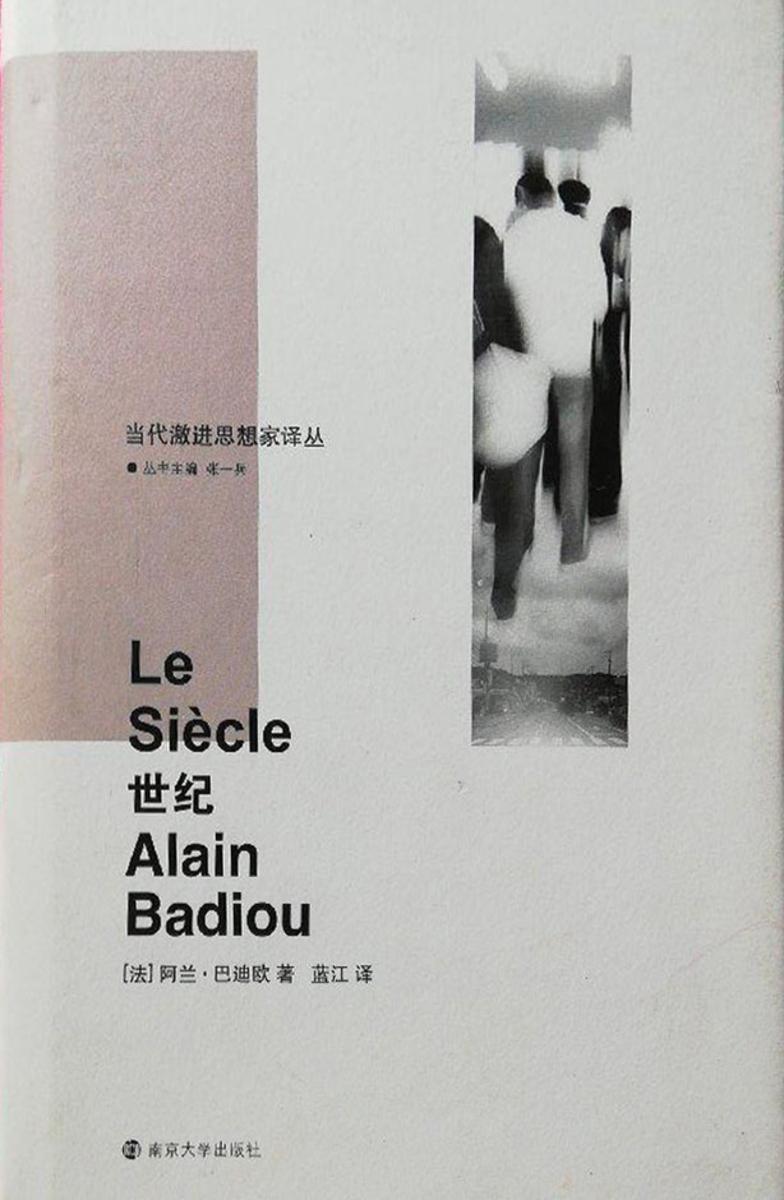
世纪
¥40.60
本书收录了阿兰·巴迪欧的13篇讲座,它们是巴迪欧于1998—1999学年、1999—2000学年、2000—2001学年,为哲学国际学院研究班设的课程内容。巴迪欧在其中号召用内在性方法来取代外在性方法,以评价波澜壮阔的20世纪。巴迪欧将20世纪描述为“野兽”,这个新世纪超脱于旧的世界,践行了其思想中的一种真正的无限,它是新生的,同时也是脆弱的。在本书中,可以看到一种后马克思视域中不同寻常的百年反思。
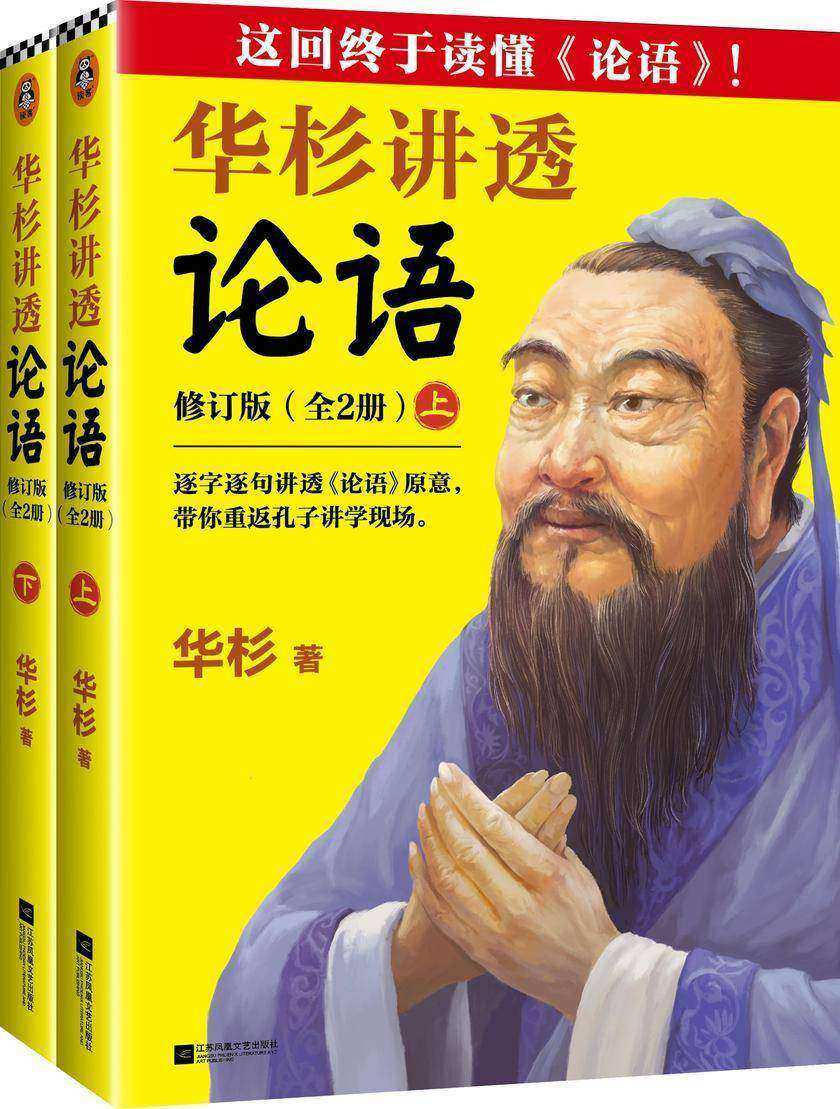
华杉讲透论语(全文修订版)
¥99.00
华杉先生精研《论语》30多年,综合了朱熹、王阳明、张居正等先贤的经典阐释,用429篇轻松畅快的解读文章,带你回到2500年前孔子讲道理、讲故事的教学现场,平白如话,亲切有味,读起来毫不费劲。 本书在着力讲透《论语》原意的同时,对于人们因为2500多年的语言和时代隔阅造成的普遍误读、误解,作了正本清源式的详解分析。在此基础上,作者华杉对全书行修订,引文、篇日标题、标符号等一一更新! 翻本书,逐字逐句读懂《论语》原文,切身体会两千五百多年来,中国人得以修身养性、安身立命的智慧箴言。
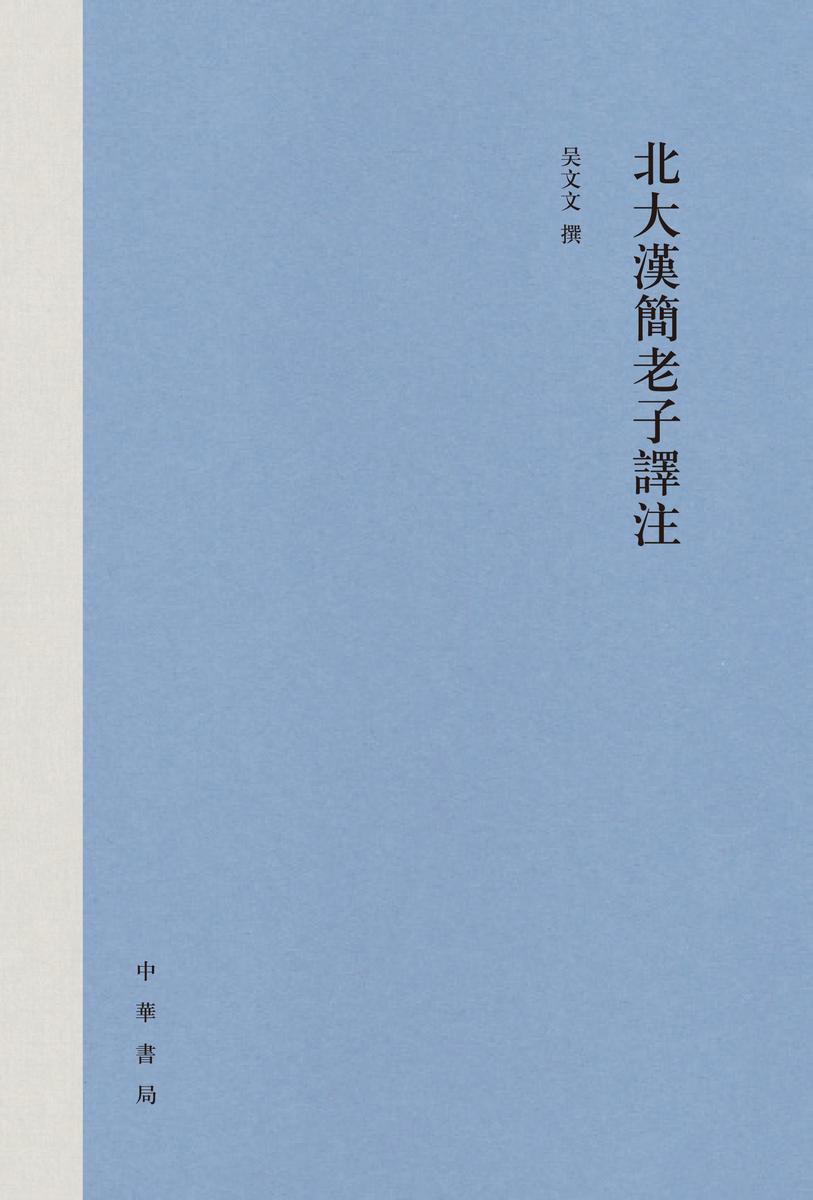
北大汉简老子译注(精) 中华书局出品
¥40.80
书稿属于语言文字学和文献学两个学科的交叉研究,从文字、音韵、训诂等传统语文学角度,对北大藏汉简《老子》中的关键字、词、句行了校勘、考证和注释,以此为基础,对汉简《老子》义理行探讨,对每一章的主题行了概括。综合运用传统小学工具和现代语言学方法释读北京大学藏汉简《老子》,以译注的方式将研究成果融其中,是书稿的一个鲜明特。


