万本电子书0元读

万本电子书0元读

每满80减40 朝向远大理想的精神建构:中国特色社会主义文化建设研究(中国特色社会主义研究书系)
朝向远大理想的精神建构:中国特色社会主义文化建设研究(中国特色社会主义研究书系)
马建辉
¥22.80
本书从中国特色社会主义文化建设理论的形成,性质、特征及内涵,地位、作用,基本原则,基本任务,主要内容,基本途径,基本经验,新实践等方面对中国特色社会主义文化建设的理论和经验行概括和总结。揭示了文化发展程的基本特征,探讨了新的历史时期在文化建设、文化事业和文化产业发展,以及社会和谐文化建设等主要领域所取得的理论与实践的新经验、新成果,并对我国文化的未来建设与发展行了构想和展望。
每满80减40 邓小平与中国特色社会主义(高校马克思主义理论教学与研究文库)
邓小平与中国特色社会主义(高校马克思主义理论教学与研究文库)
田克勤 李婧
¥54.17
本书以新时期马克思主义中国化的推进为主线,以中国特色社会主义为主题,以改革开放和社会主义现代化建设为实践背景,以邓小平同志在开创中国特色社会主义道路、形成中国特色社会主义理论体系、确立中国特色社会主义制度过程中所做出的杰出贡献为主要内容,力求深入阐述邓小平和邓小平理论的历史地位及其当代价值,充分体现党的十八大和习近平总书记系列重要讲话精神。
每满80减40 中国大视野2:国际热点问题透视(“认识中国·了解中国”书系;“十二五”国家重点图书出版规划项目)
中国大视野2:国际热点问题透视(“认识中国·了解中国”书系;“十二五”国家重点图书出版规划项目)
中国国际问题研究院
¥21.00
当今世界,风云变幻,正处在力量重新组合的重大转折期,各类热问题层出不穷,吸引了国际社会的广泛关注。作为负责任的大国,中国的发展离不世界,世界越来越“重视”中国,中国也需要主动向世界表达自己。本书选取了近年来国际社会普遍关注的十来个热事件,包括巴以冲突、乌克兰问题、南海问题新动向、叙利亚危机新走向、伊朗核问题新展、马航事件等,对其来龙去脉、中国的政策立场和事态的走向行深浅出的介绍和分析,旨在阐明中国的立场,传达中国的声音。
每满80减40 世界航母全解剖
世界航母全解剖
赵伊林
¥13.99
本书通过深度解析航母的历史沿革与发展、航母的形态与构造、航母的舰载机以及二战后有代表性的航母,回顾了航空母舰从诞生之初到逐渐发展成熟的过程。本书列举了各国*代表性的航空母舰,通过大量生动形象的绘图以及精简的文字再现了如今现代海军不可或缺的海战武器。本书为大众科普读物,用图文结合的方法把晦涩难懂的文字转化为图片,极具可读性与趣味性,可满足各层面读者的阅读需求。
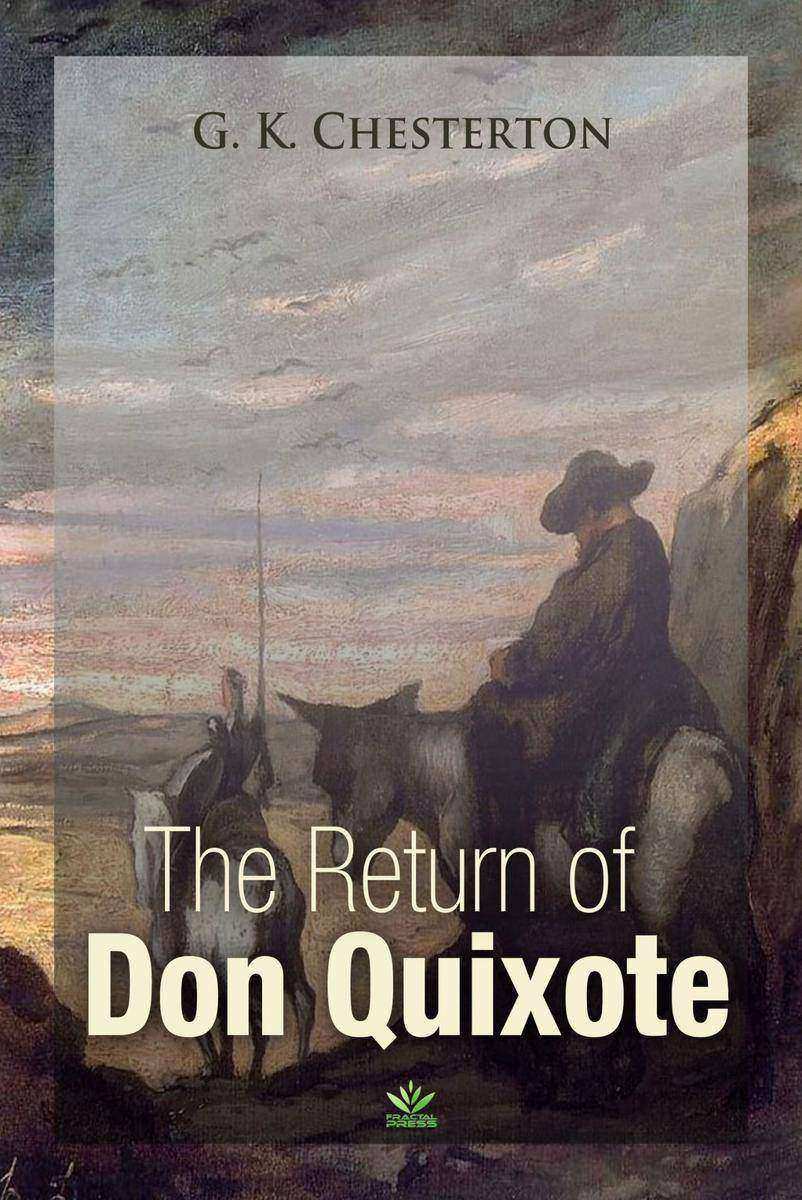
The Return Of Don Quixote
G. K. Chesterton
¥40.79
A librarian in a small town is asked to play the part of a medieval king. He not only takes his role seriously by thoroughly researching the Middle Ages, when the play is concluded, he refuses to take off the costume. He remains in character, much to the surprise of the other actors.
Richard III
Richard III
William Shakespeare
¥40.79
A historical play by William Shakespeare describing the life and death of Richard III. The play begins with Richard describing the accession to the throne of his brother, King Edward IV of England, eldest son of the late Richard, Duke of York. Richard plots to have his brother Clarence, who stands before him in the line of succession, conducted to the Tower of London over a prophecy he bribed a soothsayer to finagle the suspicious King with.
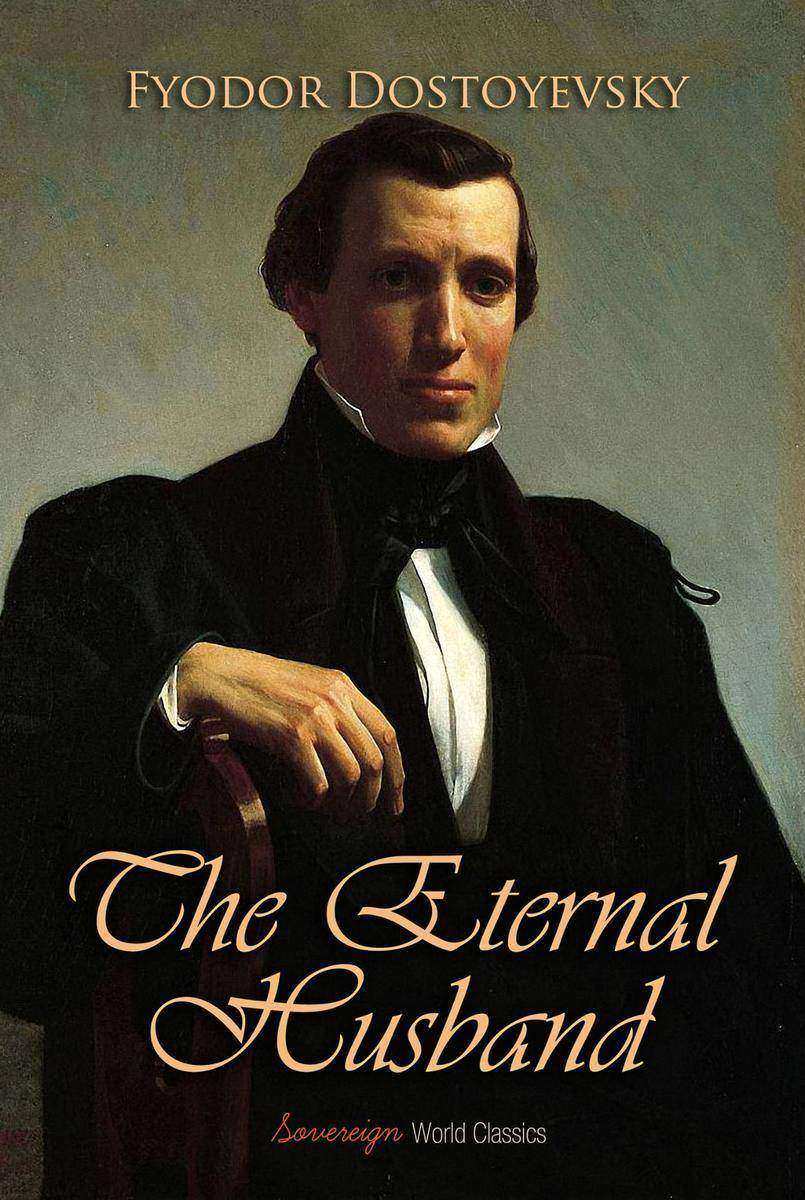
The Eternal Husband
The Eternal Husband
Fyodor Dostoyevsky
¥40.79
Alexei Ivanovich Velchaninov is a land owner who stays in Saint Petersburg for a trial about a piece of land. He receives a visit from Pavel Pavlovich Trusotsky, an old acquaintance who recently became a widower. Velchaninov had an affair with Trusotsky's wife Natalia, and he realizes that he is the biological father of Liza, Trusotsky's eight year old daughter. Velchaninov, who doesn't want Liza to be raised by an alcoholic, brings Liza to a foster family. The novel ranks among his best works because of its style and structure. Alfred Bem described it as one of the most complete works by Dostoyevsky in regards to its composition and development.
Practical Network Automation: Leverage the power of Python and Ansible to optimi
Abhishek Ratan
¥297.10
Get More from your Network with Automation tools to increase its effectiveness. About This Book Get started with network automation (and different automation tasks) with relevant use cases Apply software design principles such as Continuous Integration and DevOps to your network toolkit Guides you through some best practices in automation Who This Book Is For If you are a network engineer looking for an extensive guide to help you automate and manage your network efficiently, then this book is for you. What You Will Learn Get the detailed analysis of Network automation Trigger automations through available data factors Improve data center robustness and security through specific access and data digging Get an Access to APIs from Excel for dynamic reporting Set up a communication with SSH-based devices using netmiko Make full use of practical use cases and best practices to get accustomed with the various aspects of network automation In Detail Network automation is the use of IT controls to supervise and carry out every-day network management functions. It plays a key role in network virtualization technologies and network functions. The book starts by providing an introduction to network automation, SDN, and its applications, which include integrating DevOps tools to automate the network efficiently. It then guides you through different network automation tasks and covers various data digging and reporting methodologies such as IPv6 migration, DC relocations, and interface parsing, all the while retaining security and improving data center robustness. The book then moves on to the use of Python and the management of SSH keys for machine-to-machine (M2M) communication, all followed by practical use cases. The book also covers the importance of Ansible for network automation including best practices in automation, ways to test automated networks using different tools, and other important techniques. By the end of the book, you will be well acquainted with the various aspects of network automation. Style and approach A clear, concise, and straightforward book that will enable you to automate networks and improve performance.

The New Freedom: [Illustrated & Biography Added]
Woodrow Wilson
¥23.14
The book is not a discussion of measures or of programs. It is an attempt to express the new spirit of our politics and to set forth, in large terms which may stick in the imagination, what it is that must be done if we are to restore our politics to their full spiritual vigor again, and our national life, whether in trade, in industry, or in what concerns us only as families and individuals, to its purity, its self-respect, and its pristine strength and freedom. The New Freedom is only the old revived and clothed in the unconquerable strength of modern America. I have not written a book since the campaign. I did not write this book at all. It is the result of the editorial literary skill of Mr. William Bayard Hale, who has put together here in their right sequences the more suggestive portions of my campaign speeches.And yet it is not a book of campaign speeches. It is a discussion of a number of very vital subjects in the free form of extemporaneously spoken words. I have left the sentences in the form in which they were stenographically reported. I have not tried to alter the easy-going and often colloquial phraseology in which they were uttered from the platform, in the hope that they would seem the more fresh and spontaneous because of their very lack of pruning and recasting. They have been suffered to run their unpremeditated course even at the cost of such repetition and redundancy as the ex-temporaneous speaker apparently inevitably falls into. WOODROW WILSON. ABOUT WOLSON: Thomas Woodrow Wilson, known as Woodrow Wil-son (1856 –1924), was an American politician and academic who served as the 28th President of the United States from 1913 to 1921. Born in Staunton, Virginia, he spent his early years in Augusta, Georgia and Columbia, South Carolina. Wilson earned a PhD in political science at Johns Hopkins University, and served as a professor and scholar at various institutions before being chosen as President of Princeton University, a position he held from 1902 to 1910. In the election of 1910, he was the gubernatorial candidate of New Jersey's Democratic Party, and was elected the 34th Governor of New Jersey, serving from 1911 to 1913. Running for president in 1912, Wilson benefited from a split in the Republican Party, which enabled his plurality of just over forty percent to win him a large electoral college margin. He was the first Southerner elected as president since 1848, and Wilson was a lea-ding force in theProgressive Movement, bolstered by his Democratic Party's winning control of both the White House and Congress in 1912. In office, Wilson reintroduced the spoken State of the Union, which had been out of use since 1801. Leading the Congress, now in Democratic hands, he oversaw the passage of progressive legislative policies unparalleled until the New Deal in 1933. Included among these were the Federal Reserve Act, Federal Trade Commission Act, the Clayton Antitrust Act, and the Federal Farm Loan Act. Having taken office one month after ratification of the Sixteenth Amendment, Wilson called a special session of Congress, whose work culminated in theRevenue Act of 1913, reintroducing an income tax and lowering tariffs. Through passage of the Adamson Act, imposing an 8-hour workday for railroads, he averted a railroad strike and an ensuing economic crisis. Upon the outbreak of World War I in 1914, Wilson maintained a policy of neutrality, while pursuing a more aggressive policy in dealing with Mexico's civil war. ***
Быстрое консервирование. Холодное и горячее.
Kuz'mina Ol'ga
¥17.74
Ця книга — про економ?ку як просту науку, яку здатен збагнути кожен. Автор — корейський економ?ст Ха-Юн Чан? — показу? нам ?закритий? св?т економ?ки, що прихову?ться в?д загалу за купою чисел, заплутаних формул та незрозум?лих терм?н?в. У книз? стверджу?ться: знатися на економ?ц? може ? повинен кожен.??Серед усього ?ншого автор розм?ркову? над причинами св?тово? кризи 2008 року, над тим, чи справд? люди б?дн?, бо л?нив?, а ус? багат? — працьовит?, а також чи може кра?на досягти економ?чних усп?х?в, перестрибнувши через етап ?ндустр?ал?зац??. ? все це — доступною, подекуди жарт?вливою, мовою.??
Valetul de pic?
Valetul de pic?
Joyce Carol Oates
¥42.92
Cu o precizie remarcabil?, George Friedman a prognozat tendin?e viitoare ?n politica, tehnologia, cultura ?i demografia global?. ?n Puncte de presiune, Friedman se concentreaz? asupra Europei – centrul cultural ?i de putere al lumii ?n ultimele cinci secole... p?n? acum. Analiz?nd cele mai instabile, imprevizibile ?i fascinante linii de grani?? ale Europei ?i Rusiei – ?i liniile de falie care au existat vreme de secole ?i care au fost motivul a numeroase r?zboaie catastrofale – Friedman scoate ?n eviden??, ?ntr-o modalitate inedit?, punctele de presiune care au ?nceput din nou s? cedeze. Uniunea European? de ast?zi a fost construit? ?n mare parte pentru a reduce la minimum tensiunile geopolitice care au sf??iat continentul de-a lungul istoriei. Dup? cum demonstreaz? Friedman, folosindu-se de o bogat? analiz? istoric? ?i cultural?, acest model a ?nceput s? ??i arate limitele. Puncte de presiune relateaz? istoria vie a Europei ?i explic?, cu mult? claritate, care sunt cele mai volatile regiuni ale acesteia: teritoriul agitat ?i mereu ?n schimbare dintre Occident ?i Rusia (o zon? mare care include, ?n prezent, Ucraina, Belarus ?i Lituania); vechea linie de grani?? dintre Germania ?i Fran?a ?i zona Mediteranei, care este leag?nul iudaismului ?i al cre?tinismului ?i care a devenit un centru al vie?ii islamice. Din paginile scrise de Friedman se desprinde o imagine clar? a regiunilor ?i ??rilor, iar istoria ?ncepe s? se contureze precis. Puncte de presiune este o analiz? cuprinz?toare a Europei moderne, a trecutului s?u remarcabil ?i a faliilor care s-au trezit la via?? ?i care vor fi fundamentale ?n viitorul apropiat. Aceasta este cea mai oportun? ?i, p?n? la urm?, cea mai fascinant? carte a lui Friedman. ?... ?n preajma lui George Friedman, exist? mereu tenta?ia de a-l confunda cu un glob de cristal, capabil s? ??i arate viitorul.“ — The New York Times Magazine ?Friedman descrie ?n culori vii o regiune unde amintirile sunt vechi, vulnerabilit??ile omniprezente ?i amenin??rile apar rapid ?i pe nea?teptate...“ — Publishers Weekly ?Kronika“ este colec?ia ?n care umanitatea este reconstruit? prin c?r?i care ne ajut? s? p?trundem ?n culisele celor mai interesante evenimente politice, sociale sau financiare de ieri ?i de ast?zi.
每满80减40 大国仪兵
大国仪兵
路兴录
¥9.99
大国仪兵
Amerikai k?lt?k a második ezredfordulón
Wendell Berry, Michael Burch, Billy Collins, Russel Edson 等
¥40.06
Volumul constituie o introducere normativ? ?n sfera de interes reprezentat? de politicile publice aferente spa?iului administrativ, adres?ndu-se at?t speciali?tilor, c?t ?i factorilor de decizie din acest domeniu. Autoarea evoc? problemele actuale din c?mpul politicilor publice, oferind modele decizionale ?i indic?nd provoc?rile cele mai importante la adresa paradigmelor clasice.
Peregrin prin patria cuvintelor
Balotă Nicolae
¥90.84
O parte, o bun parte, poate chiar cea mai consistent i interesant parte a dizidenei ori rezistenei scriitorilor romni n raporturile lor cu puterea comunist zace n arhive: Arhivele Securitii, Arhivele Naionale, Arhivele Comitetului Politic Executiv al C.C. al P.C.R., arhivele Consiliului Culturii i Educaiei Socialiste, arhivele i documentele Direciei pentru Pres i Tiprituri .a. Gem arhivele de atta rezisten. Scriitorii i condeierii romni, n marea lor majoritate, i-au dobndit o trainic celebritate n partea noastr de lume, prin scrisori. n lumea lui Caragiale, tradiia petiiei este la ea acasa. Partidul Comunist Romn, Nicolae Ceauescu nusi au ncurajat aceasta form de rezisten, printr-o rubrica special aprut sptmnal n oficiosul partidului, Scnteia. Rubrica se intitula Scrisori adresate conducerii Partidului, tovarului Nicolae Ceauescu, personal“ i ea, aceast rubric, devenise un fel de zid al plngerii unde oamenii se spovedeau sptmnal semnalnd primului dizident al rii“ neregulile din viaa lor de zi cu zi, apsrile pe care le ndurau eroic din partea stpnilor din satrapiile n care era mprit Romnia i pe timpul dictaturii comuniste.“O culegere de documente n care figureaz eroi, mai puin eroi ai zilelor noastre i alte personaje greu ncadrabile n categorii distincte, aidoma unor personaje dostoievskiene. O carte fundamental, de istorie direct care ateapt s fie scris.
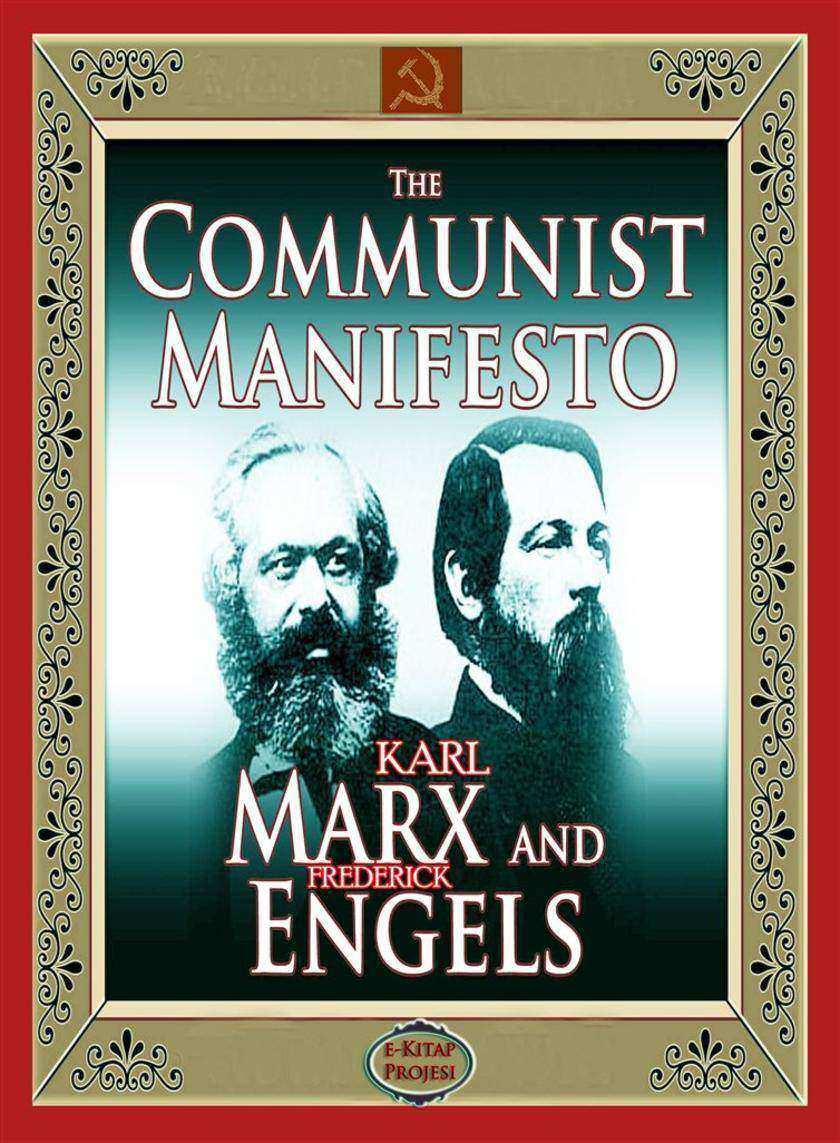
The Communist Manifesto
Karl Marx, Friedrich Engels
¥28.37
The “Manifesto of the Communist Party” was written by Marx and Engels as the Communist League’s programme on the instruction of its Second Congress (London, November 29-December 8, 1847), which signified a victory for the followers of a new proletarian line during the discussion of the programme questions. ??When Congress was still in preparation, Marx and Engels arrived at the conclusion that the final programme document should be in the form of a Party manifesto (see Engels’ letter to Marx of November 23-24, 1847). The catechism form usual for the secret societies of the time and retained in the “Draft of a Communist Confession of Faith” and “Principles of Communism,” was not suitable for a full and substantial exposition of the new revolutionary world outlook, for a comprehensive formulation of the proletarian movement’s aims and tasks. See also “Demands of the Communist Party in Germany,” issued by Marx soon after publication of the Manifesto, which addressed the immediate demands of the movement. ??Marx and Engels began working together on the Manifesto while they were still in London immediately after the congress, and continued until about December 13 when Marx returned to Brussels; they resumed their work four days later (December 17) when Engels arrived there. After Engels’ departure for Paris at the end of December and up to his return on January 31, Marx worked on the Manifesto alone. ??The first edition of the Manifesto was a 23-page pamphlet in a dark green cover. In April-May 1848 another edition was put out. The text took up 30 pages, some misprints of the first edition were corrected, and the punctuation improved. Subsequently this text was used by Marx and Engels as a basis for later authorised editions. Between March and July 1848 the Manifesto was printed in the Deutsche Londoner Zeitung, a democratic newspaper of the German emigrants. Already that same year numerous efforts were made to publish the Manifesto in other European languages. A Danish, a Polish (in Paris) and a Swedish (under a different title: “The Voice of Communism. Declaration of the Communist Party”) editions appeared in 1848. The translations into French, Italian and Spanish made at that time remained unpublished. In April 1848, Engels, then in Barmen, was translating the Manifesto into English, but he managed to translate only half of it, and the first English translation, made by Helen Macfarlane, was not published until two years later, between June and November 1850, in the Chartist journal The Red Republican. Its editor, Julian Harney, named the authors for the first time in the introduction to this publication. All earlier and many subsequent editions of the Manifesto were anonymous.
Cum s? fii un bun p?rinte
Poenaru Michiela
¥40.79
This is a complete facsimile of the original edition published by the Interborough Rapid Transit Company to commemorate the opening of New York's first subway line. From the perspective of both urban history and the history of transportation, this book is an important primary source. Building the city's first subway in the early years of the twentieth century required delicate collaboration between public and private interests and called for the expenditure of considerable sums of both public and private money. The book introduces us to Abram S. Hewitt, a late nineteenth-century mayor of New York City. It was Hewitt who realized that, while private capital alone had been perfectly adequate for building elevated rapid transit lines in New York as early as the 1870s, the more costly construction of underground rapid transit lines was far beyond the ability of private corporations to finance. Hewitt set in motion a chain of events that sanctioned the use of public funds for subway construction, with the completed facility then to be leased to a private company for day-to-day operation. The private firm that emerged, both to build and to operate the first subway in New York, was called the Interborough Rapid Transit Company, a name that would later be rendered more crisply as the IRT. The City of New York and the Interborough Rapid transit Company inaugurated service over the city's first subway line on Thursday afternoon, October 27, 1904. Mayor George B. McClellan, son of the Civil War general, took the controls of the first ceremonial train at City Hall Station in downtown Manhattan and headed north. In one way or another, the subway has been going ever since. The book also presents important tabular and statistical information, as well as clear and concise narrative descriptions of technical details.
Medicina bun?. Solu?ii naturale sigure pentru peste 75 de probleme de s?n?tate g
Patrick Holford
¥90.84
Ce greu este orice nceput! Dar necesar, de neocolit. Nu tim cum va fi sfritul, nu tim nici mcar ce form va lua drumul, dect n linii mari; dar pentru c suntem aici, pe acest pmnt i pe acest continent, Europa, trebuie s re-ncepem, moralitatea noastr va fi cea a luptei i a onestitii n lupt. Avem libertatea, adevrat, n sfrit o avem, a sosit att de trziu nct, dei o pipim i o simim, pare incredibil. Dar ea nu este mai mult dect o form, o form goal ce va trebui umplut...“ (Nicolae Breban)
Startra kész nemzet: Izrael gazdasági csodájának t?rténete
Dan Senor, Saul Singer
¥71.69
The Americans live in a democratic state of society, which has naturally suggested to them certain laws and a certain political character. This same state of society has, moreover, engendered amongst them a multitude of feelings and opinions which were unknown amongst the elder aristocratic communities of Europe: it has destroyed or modified all the relations which before existed, and established others of a novel kind. The—aspect of civil society has been no less affected by these changes than that of the political world. The former subject has been treated of in the work on the Democracy of America, which I published five years ago; to examine the latter is the object of the present book; but these two parts complete each other, and form one and the same work. I must at once warn the reader against an error which would be extremely prejudicial to me. When he finds that I attribute so many different consequences to the principle of equality, he may thence infer that I consider that principle to be the sole cause of all that takes place in the present age: but this would be to impute to me a very narrow view. A multitude of opinions, feelings, and propensities are now in existence, which owe their origin to circumstances unconnected with or even contrary to the principle of equality. Thus if I were to select the United States as an example, I could easily prove that the nature of the country, the origin of its inhabitants, the religion of its founders, their acquired knowledge, and their former habits, have exercised, and still exercise, independently of democracy, a vast influence upon the thoughts and feelings of that people. Different causes, but no less distinct from the circumstance of the equality of conditions, might be traced in Europe, and would explain a great portion of the occurrences taking place amongst us. I acknowledge the existence of all these different causes, and their power, but my subject does not lead me to treat of them. I have not undertaken to unfold the reason of all our inclinations and all our notions: my only object is to show in what respects the principle of equality has modified both the former and the latter. Some readers may perhaps be astonished that—firmly persuaded as I am that the democratic revolution which we are witnessing is an irresistible fact against which it would be neither desirable nor wise to struggle—I should often have had occasion in this book to address language of such severity to those democratic communities which this revolution has brought into being. My answer is simply, that it is because I am not an adversary of democracy, that I have sought to speak of democracy in all sincerity. Men will not accept truth at the hands of their enemies, and truth is seldom offered to them by their friends: for this reason I have spoken it. I trust that my readers will find in this Second Part that impartiality which seems to have been remarked in the former work. Placed as I am in the midst of the conflicting opinions between which we are divided, I have endeavored to suppress within me for a time the favorable sympathies or the adverse emotions with which each of them inspires me. If those who read this book can find a single sentence intended to flatter any of the great parties which have agitated my country, or any of those petty factions which now harass and weaken it, let such readers raise their voices to accuse me. The subject I have sought to embrace is immense, for it includes the greater part of the feelings and opinions to which the new state of society has given birth. Such a subject is doubtless above my strength, and in treating it I have not succeeded in satisfying myself. But, if I have not been able to reach the goal which I had in view, my readers will at least do me the justice to acknowledge that I have conceived and followed up my undertaking in a spirit not unworthy of success. A. De T.
England, My England
England, My England
David Herbert Lawrence
¥8.01
Dbbenetes és elspr" Elton JohnA drogellenes háború dbbenetes trténetének els elbeszélése. Bátor nemzetkzi tudósítás, melyben az írót személyes érintettség vezérelte a kábítószerfüggség témájában.2015-ben már pontosan egy évszázada lesz, hogy az Egyesült llamok hadat üzent a kábítószernek. De nincs okunk gyzelmi táncot lejteni. A drogellenes háború centenáriumi évében Johann Hari újságíró a saját szemével látja, miként züllik el egyik kzeli rokona, valamint volt barátja is a kokain és a heroin miatt és talán maga is a drogfüggség felé sodródik. De milyen is valójában a drogellenes háború Mi Hari szerepe, és melyik trténetben A merész tudósító egy két éven át tartó, húszezer mérfldes útra indult ennek a harcnak a frontvonalán, hogy kiderítse, mit jelent a drogellenes háború világszerte, és hogyan léphetnénk túl rajta.A kábulat ára drámai, személyes trténetekre épül. Hari saját trténetére, és azokéra, akikkel kutatómunkája és interjúi során megismerkedik: egy transzszexuális brooklyni kokaindíler, aki tudni akarja, ki lte meg az anyját, és egy mexikói anya, aki éveken át kereste a sivatagban a lánya gyilkosát. Egy gyerek, akit a holokauszt idején egy budapesti gettóból csempésztek ki, és aki segített feltárni a függség tudományos magyarázatát. Uruguay elnke, aki éveket tlttt katonai brtnben, és aki legalizálta a marihuánát, hogy megpróbáljon gátat szabni az országában dúló erszaknak.A kábulat ára erteljes, lendületes és meggyz knyv, mely képet ad arról, mennyire pusztítóak a drogok is, és a kormányok drogellenes erfeszítései is. Egy emberibb jvt mer álmodni.Johann Hari írt tbbek kztt a New York Times, az LA Times, a Guardian, a Le Monde, a Slate, a New Republic és a Nation lapokban. Kilenc éven át volt az Independent rovatvezetje, és kétszer nyerte el az Amnesty International UK Az év újságírója címét. Az Editorial Intelligence- tl Az év kulturális kommentátora, a Stonewall-tól pedig Az év meleg újságírója díjat is megkapta. A kábulat ára az els knyve.
Pistols and Revolvers: From 1400 to the Present Day
Martin J Dougherty
¥81.67
Matchlock, wheel lock, flintlock and caplock; .44 or 9mm; revolver and automatic – the history of pistols and revolvers is a fascinating journey through the development of hand-held firearms technology. From early hand cannon of the late 14th century to the latest automatics and machine pistols, Collector’s Guides: Pistols & Revolvers traces the development of these small arms as they evolved over the centuries. From a Thirty Years’ War wheel lock to today’s Beretta 92, from the Luger to the Colt to the latest Ruger, Collector’s Guides: Pistols & Revolvers offers a narrative history of the classics among these firearms. Throughout the book there are technical specifications for featured firearms. Illustrated with more than 250 colour and black-and-white artworks and photographs, Collector’s Guides: Pistols & Revolvers is an expertly written account of the history of sporting and military firearms.
A Little Frog’s Heart: The Coming of Age
George Virtosu
¥50.93
Volumul reprezint? o binevenit? interogare a reziden?ei adev?ratului spirit democratic, tezaurizat nu ?n institu?iile reprezentative ale statului, ci ?n societate. Numai aici se afl? garan?ia reu?itei democratice a unui popor, pentru c? nimic nu poate asigura libertatea perpetu? a na?iunii mai mult dec?t permanenta responsabilizare a cet??enilor cu privire la destinul politic al comunit??ii ?n care tr?iesc.