


 购物车
购物车 个人中心
个人中心
Les Trois Mousquetaires
¥8.09
Vreau s? cred c? drumul lui Eugenio Barba este cel ?n care ?nt?lne?te copacul de care at?rn? pe creanga cea mai de sus un m?r de aur ?i f?r? s? ?i pese de cei din jurul lui, de privirile lor arogante sau sc?nteind a dispre?, se ca??r? ?n copac, ?n plin? lumin? de zi, ?i culege m?rul. M?rul norocos al destinului. Curaj, perseveren??, credin?? de nezdruncinat ?n vocea l?untrului care mereu ?i ?opte?te drumul pe care s?-l urmeze, c?ci este drumul lui.Eugenio Barba, vizionar, reformator, artist, dramaturg-regizor, maestru, scriitor, ?n dramaturgia sa, ?n cuvintele sale imortalizate ?n reflec?ii asupra sensului ?i condi?iei artei teatrului ?i a artistului, ?n cercet?rile de natur? artistic? ?i ?tiin?ific?, ?n laboratorul de teatru, sesiunile ?colii Interna?ionale de Antropologie Teatral? forjeaz? un act artistic unificator prin coprezen?e ale contrariilor, ?ntrup?ri ale simultaneit??ilor, combin?ri temporale ?i spa?iale, dintre trecut ?i viitor, dintre Est ?i Vest, declan??nd ?o revolu?ie copernician? f?r? de care ?tiin?a teatrului de la sf?r?itul secolului XX ar fi incomprehensibil?“. (Diana Cozma)

The Song of the Stone Wall
¥8.09
The Song of the Stone Wall
Pe contrasens cu favorita pre?edintelui. Cronica unei campanii
¥57.14
Lucrarea abordeaz? cele mai relevante manifest?ri ale modernismului literar interbelic, propun?nd spre analiz? reprezentan?i ai poeziei (George Bacovia, Ion Barbu, Lucian Blaga, Ion Vinea, Ilarie Voronca, Tudor Arghezi), ai prozei (Anton Holban, Camil Petrescu, Max Blecher, Mircea Eliade), tendin?ele ?i mi?c?rile coagulate ?n jurul marilor reviste interbelice (Sbur?torul, Contimporanul, 75 H.P., Integral). Volumul se adreseaz? elevilor de liceu care doresc s?-?i aprofundeze cuno?tin?ele referitoare la una dintre cele mai importante v?rste literare rom?ne?ti, miz?nd ?i pe redescoperirea cititorului avizat, dornic s?-?i sus?in? punctele de vedere, s?-?i modeleze gustul estetic ?i s? descopere modele, ierarhii, valori.
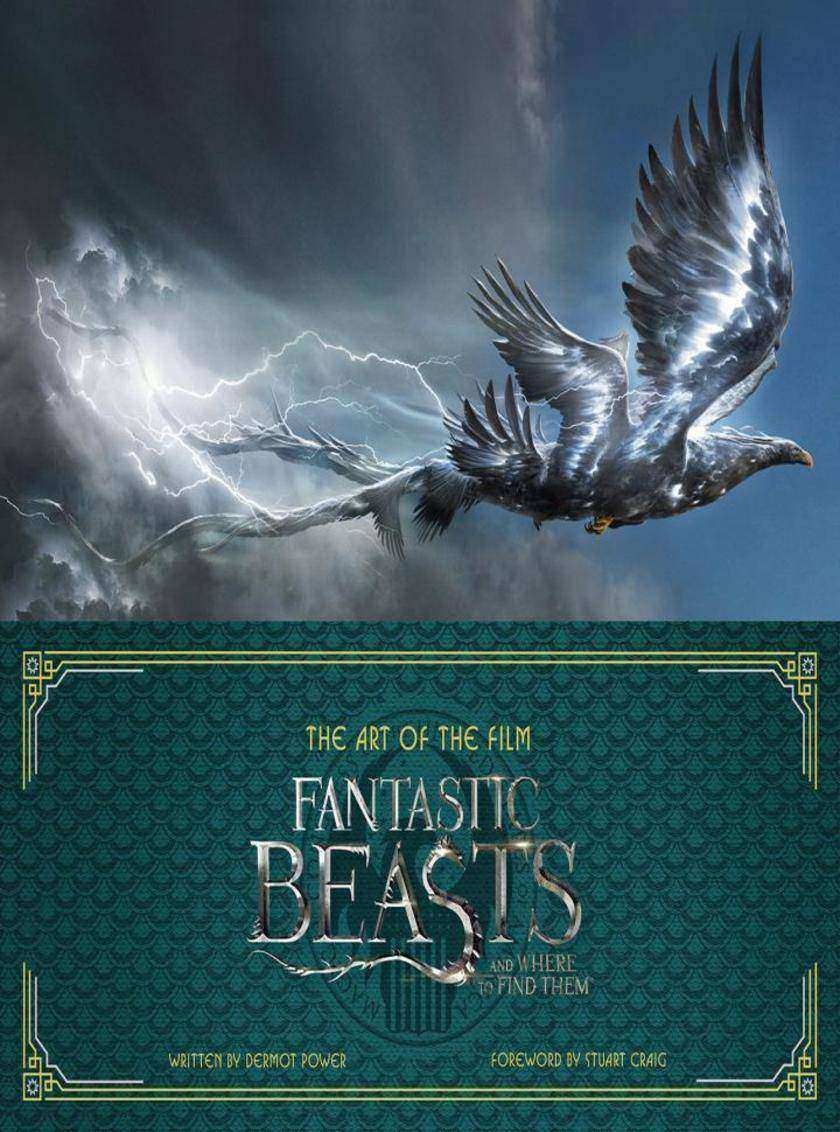
Art of the Film: Fantastic Beasts and Where to Find Them
¥279.90
Step inside the world of the talented art departments who, led by Academy Award?-winning production designer Stuart Craig, were responsible for the creation of the unforgettable characters, locations and beasts from the eagerly anticipated new adventure in J.K. Rowling’s Wizarding World.The Art of Fantastic Beasts and Where to Find Them, edited by Dermot Power, concept artist on the film, takes you on a magical journey through a design process every bit as wonderful as that encountered by Newt Scamander in the wizarding world: from the earliest gatherings of the artists, designers and filmmakers to the magical time of the film’s production itself at Leavesden Studios.Bursting with hundreds of production paintings, concept sketches, storyboards, blueprints and matte paintings, and filled with unique insights about the filmmaking journey from Stuart Craig and the artists themselves, this superb book – officially licensed by Warner Bros. Consumer Products – presents a visual feast for readers, and will welcome fans of Harry Potter films into the world of Fantastic Beasts and Where to Find Them.

People in Watercolour (Collins 30-Minute Painting)
¥66.02
This practical and inspirational guide, in a handy sketchbook format, is aimed at the practised beginner and shows how to achieve successful watercolour paintings of people in just 30 minutes – ideal for the busy amateur artist who doesn't have much time to paint. Many people think they don't have enough time to paint, but in this attractive guide Trevor Waugh encourages quick and simple painting. By working with just a few materials and focusing on the key techniques it is possible to achieve successful, realistic paintings of people in no more than half an hour. And for those artists who already have a little painting experience, learning to work more quickly enables them to free up their style and paint more spontaneously. All the key topics are covered, from watercolour techniques, colour and tone to learning about proportions, simple silhouettes, facial features, and backgrounds.

The Gospel of the Flying Spaghetti Monster
¥87.51
It all began in June 2005 when Bobby Henderson wrote an open letter to the Kansas School Board proposing a third alternative to the teaching of evolution and intelligent design in schools. Bobby is a prophet of sorts, the spiritual leader of a growing, world-wide group of followers who worship the teachings of The Flying Spaghetti Monster (FSM). The FSM appeared to Bobby as a giant ball of spaghetti, with meatballs for eyes, and touched Bobby with “His noodly appendage” – resulting in the revelation that the FSM is the real creator of the universe. The FSM faithful look to Bobby as their prophet and spiritual leader. Shortly after Bobby’s revelation a website (www.flyingspaghettimonster.org) came into existence to promote the word. Then came the articles, which were worldwide: The New York Times, The Washington Post, The Guardian (UK), Die Welt (Germany), Surprise (Austria), and many others chimed in to report the existence of the FSM. Bobby received letters of support from academics and Kansas School Board members alike – not to mention a couple million hits per day on the website – and it was all-too-clear that there needed to be a book to lay out FSM *ure, rites and observances, proofs, and answers to the Big Questions. This is that book.

The Little Book of Calorie Burning
¥31.59
A quirky guide to counting the calories as they come off, through ways you may never have considered possible Exactly how long would you have to kiss in order to burn off a bottle of beer? Or how long would you have to argue with someone to burn off a Mars bar? From playing ping-pong to having sex (at different levels of intensity!), this little guide contains over 100 activities and their calorie-burning powers. For instance, have you ever thought about the calories you burn simply by eating and digesting? Activities are arranged A-Z and show the calories burned for four different weights (yes, sadly the heavier you are, the more calories you’ll burn even when asleep). Each entry also gives an example food, telling you how long you must do that activity to burn it off.

Last of the Summer Wine (The Best of British Comedy)
¥50.62
Compo: I thought you'd be open. Sid: Well that's a natural assumption if you ignore the drawn blinds and the forty foot sign that says closed. Set and filmed in and around Holmfirth, West Yorkshire, Last of the Summer Wine follows the adventures of three quirky pensioners and their equally unusual neighbours. A true British classic that appeals to all generations, it is our nation's longest running comedy programme. The line-up of the comedy trio has changed numerous times over the years, but the calibre of the family-friendly humour Roy Clarke creates has remained the same, and it's as funny and eccentric now as it was in the first episodes he wrote over 25 years ago. Including the pilot, broadcast ten months before the first series, 29 series, made up of 279 episodes, have been screened to date, with the 30th series set to air this autumn. The sitcom has consistently been a favourite in the ratings, with viewing figures peaking at 18.8 million in the mid-eighties. Famous fans include Prince Charles, the Queen Mother and the Queen, who said it was her favourite TV show. The Best of British Comedy - Last of the Summer Wine includes: ”? The History: an overview of how Last of the Summer Wine was born and developed ”? Gags and Catchphrases: a collection of classic quotes ”? Did You Know?: snippets of info about the show, cast, etc. ”? Favourite scenes: the most memorable scenes in full ”? A LOSW quiz 'If God's omnipotent, what could he possibly want with my old woman?' Clegg Compo: Your old lady's dog is crapping all over the pavement. Blamire: That's funny. He usually sews it up in little bags and sends it by post.
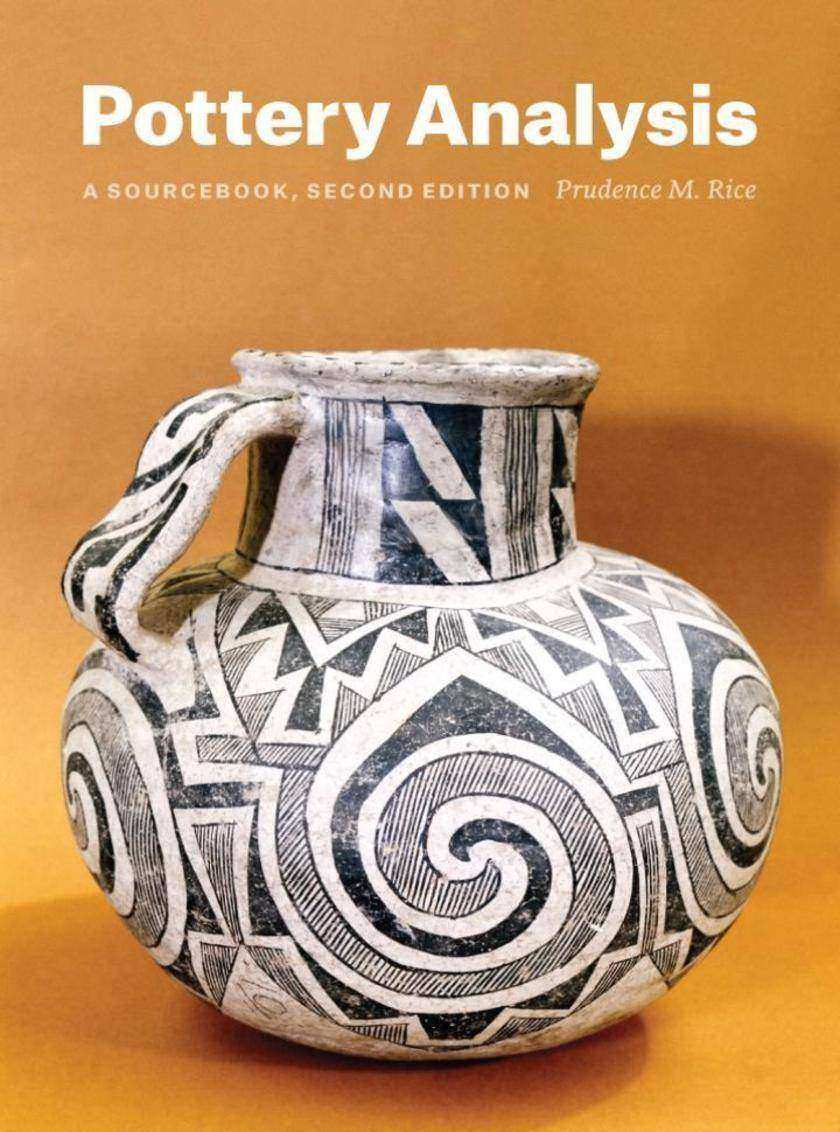
Pottery Analysis, Second Edition
¥453.22
Just as a single pot starts with a lump of clay, the study of a piece's history must start with an understanding of its raw materials. This principle is the foundation of Pottery Analysis, the acclaimed sourcebook that has become the indispensable guide for archaeologists and anthropologists worldwide. By grounding current research in the larger history of pottery and drawing together diverse approaches to the study of pottery, it offers a rich, comprehensive view of ceramic inquiry.This new edition fully incorporates more than two decades of growth and diversification in the fields of archaeological and ethnographic study of pottery. It begins with a summary of the origins and history of pottery in different parts of the world, then examines the raw materials of pottery and their physical and chemical properties. It addresses ethnographic and ethnoarchaeological perspectives on pottery production; reviews the methods of studying pottery's physical, mechanical, thermal, mineralogical, and chemical properties; and discusses how proper analysis of artifacts can reveal insights into their culture of origin. Intended for use in the classroom, the lab, and out in the field, this essential text offers an unparalleled basis for pottery research.
Poet's Freedom
¥229.55
Why do we need new artHow free is the artist in makingAnd why is the artist, and particularly the poet, a figure of freedom in Western cultureThe MacArthur Award-winning poet and critic Susan Stewart ponders these questions in The Poet's Freedom. Through a series of evocative essays, she not only argues that freedom is necessary to making and is itself something made, but also shows how artists give rules to their practices and model a self-determination that might serve in other spheres of work.Stewart traces the ideas of freedom and making through insightful readings of an array of Western philosophers and poets-Plato, Homer, Marx, Heidegger, Arendt, Dante, and Coleridge are among her key sources. She begins by considering the theme of making in the Hebrew Scriptures, examining their accountof a god who creates the world and leaves humans free to rearrange and reform the materials of nature. She goes on to follow the force of moods, sounds, rhythms, images, metrical rules, rhetorical traditions, the traps of the passions, and the nature of language in the cycle of making and remaking. Throughout the book she weaves the insight that the freedom to reverse any act of artistic making is as essential as the freedom to create.?A book about the pleasures of making and thinking as means of life, The Poet's Freedom explores and celebrates the freedom of artists who, working under finite conditions, make considered choices and shape surprising consequences. This engaging and beautifully written notebook on making will attract anyone interested in the creation of art and literature.
A Grammar of Murder
¥282.53
The dark shadows and offscreen space that force us to imagine violence we cannot see. The real slaughter of animals spliced with the fictional killing of men. The missing countershot from the murder victim's point of view. Such images, or absent images, Karla Oeler contends, distill how the murder scene challenges and changes film.?Reexamining works by such filmmakers as Renoir, Hitchcock, Kubrick, Jarmusch, and Eisenstein, Oeler traces the murder scene's intricate connections to the great breakthroughs in the theory and practice of montage and the formulation of the rules and syntax of Hollywood genre. She argues that murder plays such a central role in film because it mirrors, on multiple levels, the act of cinematic representation. Death and murder at once eradicate life and call attention to its former existence, just as cinema conveys both the reality and the absence of the objects it depicts. But murder shares with cinema not only this interplay between presence and absence, movement and stillness: unlike death, killing entails the deliberate reduction of a singular subject to a disposable object. Like cinema, it involves a crucial choice about what to cut and what to keep.
Sorcery in the Black Atlantic
¥253.10
Girls abused in London and torsos of black boys found in the Thames; African boys disappearing from school and child traffic in Africa; child sacrifice and Brazilian Pentecostal exorcism. Unrelated events are swiftly connected in an uncanny work of prestidigitation, including hitech digital images of torsos and forensic drawings of abused children. Les correspondances symboliques, Baudelaire would say, or contiguous magic, in Frazer’s more prosaic de*ion. It all could make sense, if we believe in our fears, suspicions, gossip, and prejudices. Furthermore, this incredible work of prestidigitation was engineered by two respectable institutions, known for their enlightened search of truth: the BBC and Scotland Yard. But where was the evidence that all these things were connectedThe “exorcism scandal” bewitched the media in Britain for the whole month of June, until some dissenting voices started to talk about a “racist witch hunt.” 5 By then, however, a population of hundreds of thousands of Africans, in particular Pentecostal Africans, was already under suspicion. “What if some of that was true?” some people still may ask. In fact, shortly before completing this introduction, the local London newspaper Evening Standard published a two-page report on an African church in the United Kingdom, with the title “Miracles and claims of baby-snatching,” mixing rumors of child trafficking, sorcery, syncretism, and extreme wealth. 6 That is how sorcery works: not by fully demonstrating its power, but by opening a possible doubt; one is never fully sure it is not true.
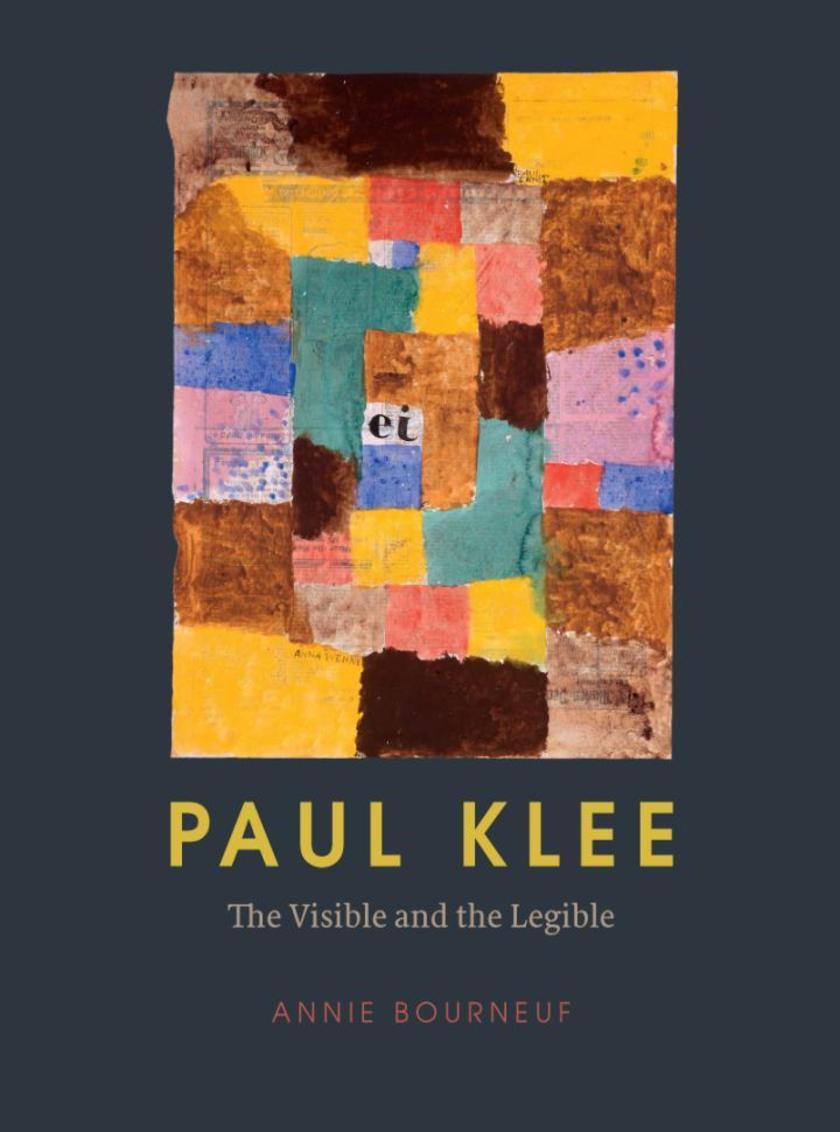
Paul Klee
¥370.82
The fact that Paul Klee (1879-1940) consistently intertwined the visual and the verbal in his art has long fascinated commentators from Walter Benjamin to Michel Foucault. However, the questions it prompts have never been satisfactorily answered-until now. In?Paul Klee, Annie Bourneuf offers the first full account of the interplay between the visible and the legible in Klee's works from the 1910s and 1920s.Bourneuf argues that Klee joined these elements to invite a manner of viewing that would unfold in time, a process analogous to reading. From his elaborate titles to the small scale he favored to his metaphoric play with materials, Klee created forms that hover between the pictorial and the written. Through his unique approach, he subverted forms of modernist painting that were generally seen to threaten slow, contemplative viewing. Tracing the fraught relations among seeing, reading, and imagining in the early twentieth century, Bourneuf shows how Klee reconceptualized abstraction at a key moment in its development.
The Southern Belle's Handbook
¥55.86
Learn how to navigate life with the effortless savior faire of a true daughter of the South with The Southern Belle's Handbook.Sissy LeBlanc's rules to live by will teach you how to hook, hold on to, and handle any man as well as conquer any personal situation with the poise and confidence of a sophisticated southern stunner.And because every woman possesses her own sassy instincts, you can also record your own rules for unstoppable fabulousness and success.
Broadside e-books
¥109.31
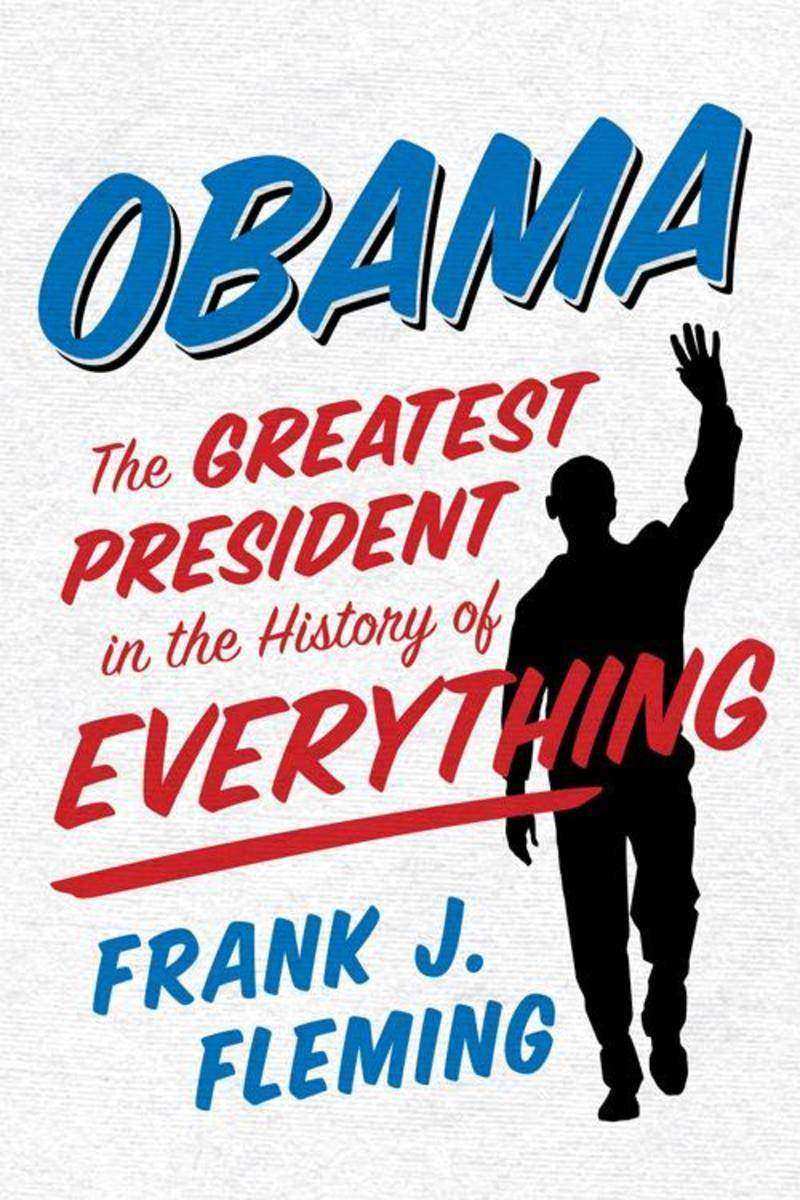
It's hard to remember the dark days before 2008. It was a time of hatred, racism, violence, obese children, war, untaxed rich people, and incandescent light bulbs -- perhaps the worst days we had ever seen. And at the heart of it all was a thuggish, thoughtless man, George W. Bush, who lashed out angrily at whatever he didn't understand -- and he understood so very little. Then there was that laugh of his -- that horrible snicker that mocked everything intelligent and nuanced. Also, he looked like a chimp. It seemed like the end for the United States of America. We would crumble in the hands of vicious, superstitious dimwits determined to hunt "ter'ists" or other figments of Bush's rotten mind. There was nothing left to do but head to Whole Foods to prepare our organic, sustainable, fair-trade last meal as the country ended around us. Despair had overtaken us, and we wondered aloud whether we could ever feel hope again. And then a man emerged who firmly answered, "Yes we can!" Oh, but Barack Obama was no mere man. He was a paragon of intelligence and civilized society. A savior to the world's depressed. A lightbringer. A genius thinking thoughts the common man could never hope to comprehend. And his words -- his beautiful words read from crystal panes -- reached down to our souls and told us all would be well. With the simple act of casting a ballot for Barack Obama, we could make the world an immeasurably better place -- a world of peace, of love, of understanding, of unicorns, of rainbows, of expanded entitlements. This was his promise. And now, having had him as president for more than two years, we can say without reservation that he has delivered all his promises and more and is the best president this country -- or any country -- has ever had or could even imagine to have.
Daguerreotypes
¥288.41
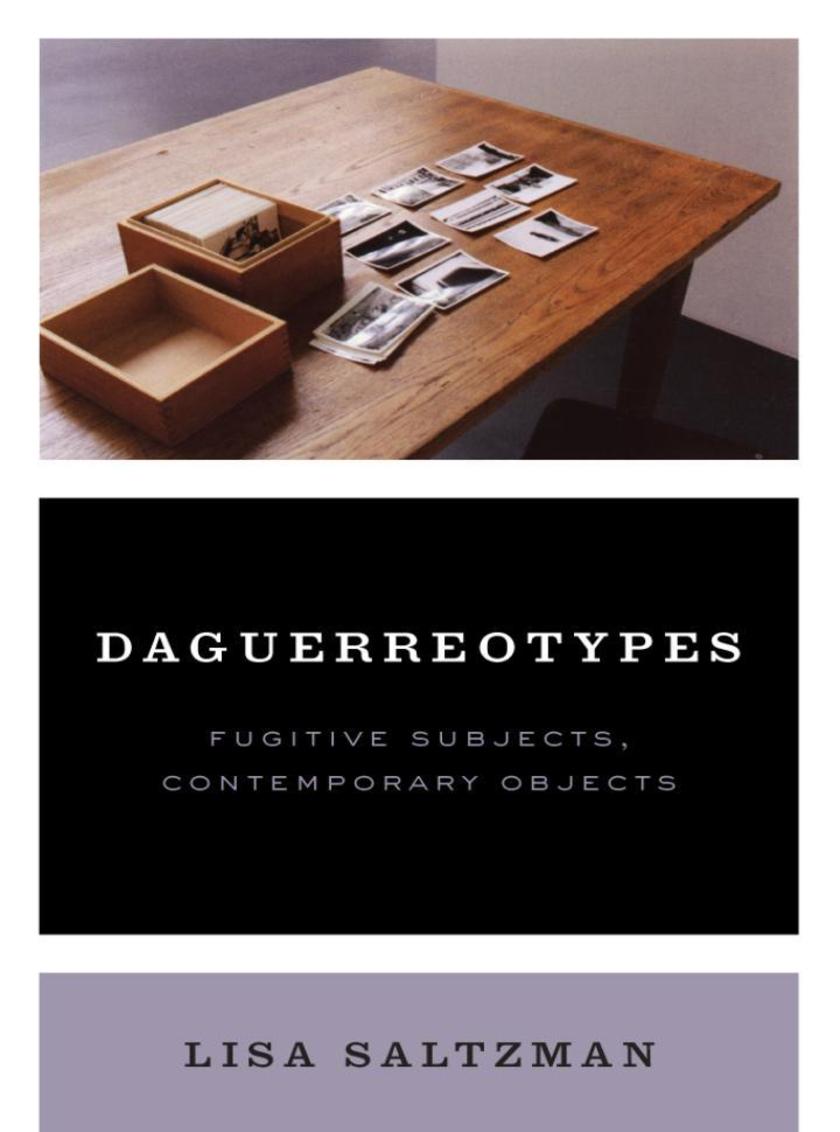
In the digital age, photography confronts its future under the competing signs of ubiquity and obsolescence. While technology has allowed amateurs and experts alike to create high-quality photographs in the blink of an eye, new electronic formats have severed the original photochemical link between image and subject. At the same time, recent cinematic photography has stretched the concept of photography and raised questions about its truth value as a documentary medium. Despite this situation, photography remains a stubbornly substantive form of evidence: referenced by artists, filmmakers, and writers as a powerful emblem of truth, photography has found its home in other media at precisely the moment of its own material demise.By examining this idea of photography as articulated in literature, film, and the graphic novel, Daguerreotypes demonstrates how photography secures identity for figures with an otherwise unstable sense of self. Lisa Saltzman argues that in many modern works, the photograph asserts itself as a guarantor of identity, whether genuine or fabricated. From Roland Barthes's Camera Lucida to Ridley Scott's Blade Runner, W. G. Sebald's Austerlitz to Alison Bechdel's Fun Home-we find traces of photography's "e;fugitive subjects"e; throughout contemporary culture. Ultimately, Daguerreotypes reveals how the photograph, at once personal memento and material witness, has inspired a range of modern artistic and critical practices.
More Mirth of a Nation
¥95.52
More seriously funny writing from American's most trusted humor anthology Witty, wise, and just plain wonderful, the inaugural volume of this biennial, Mirth of a Nation, ensured a place for the best contemporary humor writing in the country. And with this second treasury, Michael J. Rosen has once again assembled a triumphant salute to one of America's greatest assets: its sense of humor. More than five dozen acclaimed authors showcase their hilariously inventive works, including Paul Rudnick, Henry Alford, Susan McCarthy, Media Person Lewis Grossberger, Ian Frazier, Richard Bausch, Amy Krouse Rosenthal, Nell Scovell, Andy Borowitz, and Ben Greenman -- just to mention a handful so that the other contributors can justify their feelings that the world slights them. But there's more! More Mirth of a Nation includes scads of Unnatural Histories from Randy Cohen, Will Durst's "Top Top-100 Lists" (including the top 100 colors, foods, and body parts), and three unabridged (albeit rather short) chapbooks: David Bader's "How to Meditate Faster" (Enlightenment for those who keep asking, "Are we done yet?") Matt Neuman's "49 Simple Things You Can Do to Save the Earth" (for instance, "Make your own honey" and "Share your shower.") Francis Heaney's "Holy Tango of Poetry" (which answers the question, "What if poets wrote poems whose titles were anagrams of their names, i.e., 'Toilets,' by T. S. Eliot?") And there's still more: "The Periodic Table of Rejected Elements," meaningless fables, Van Gogh's Etch A Sketch drawings, a Zagat's survey of existence, an international baby-naming encyclopedia, Aristotle's long-lost treatise "On Baseball," and an unhealthy selection of letters from Dr. Science's mailbag. And that's just for starters! Just remember, as one reviewer wrote of the first volume, "Don't drink milk while reading."

President Me
¥88.56
My fellow Americans,President John F. Kennedy once famously said, "Hey, is that blond intern eighteen yet?" He also said, "Ask not what your country can do for you, but what you can do for your country."We've changed a lot since JFK asked us all to pitch in. We've become a nation of narcissistic, yoga-mat-toting, service-dog-having, absentee dads and gluten-free, hand-wringing, hypochondriac moms of overcaffeinated (yet somehow still lazy) twerking tweens. And our government is an inept bureaucracy incapable of doing anything except getting in our wallets and in our way. We've got to get it together, America.That is why I, Adam Carolla, hereby declare myself Candidate Carolla. The tome you hold in your hands is a statement of my intent to whip our country back into fighting shape, to eliminate the "what are you going to do for me?" mentality that has invaded our country.President Me is my manifesto, my vision for a better place . . . free of Big Government, barefoot fliers, lazy hipsters who'd rather "Occupy" than work, and the other things that are bringing our country down. With my cabinet appointees, my list of worthy and necessary presidential ManDates, and tons of great ideas for fixing our health care, education, energy, and even national parks systems . . . behold an America we can be proud of. The America I see in my head.You're welcome in advance.Your future leader,Adam
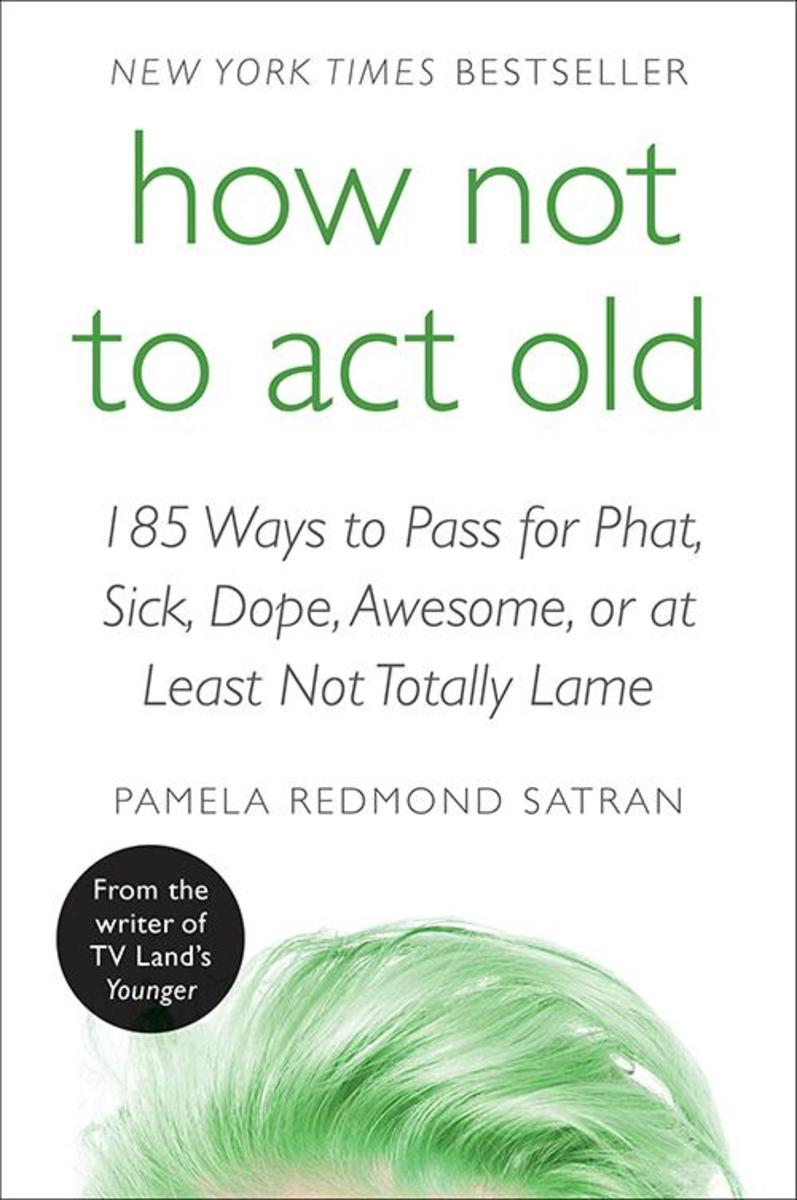
How Not to Act Old
¥83.03
How to be cool when you're afraid you've forgotten how . . . Sure, you can try to stay younger by exercising, coloring your hair, and wearing stylish clothes but how do you respond when someone asks, "Do you Twitter?" How Not to Act Old gives you simple ways to come back from over the hill and to act as young as you look.Covering everything from old-people entertainment (cancel that dinner party!) to old-people communication (it's called a "voice mail," not a "message," and no one leaves or listens to them anyway), Pamela Redmond Satran decodes the behaviors, viewpoints, and cultural touchstones that separate you from the hip young person you wish you still were. This irreverent guide is essential for anyone who doesn't want to embarrass their kids or themselves.
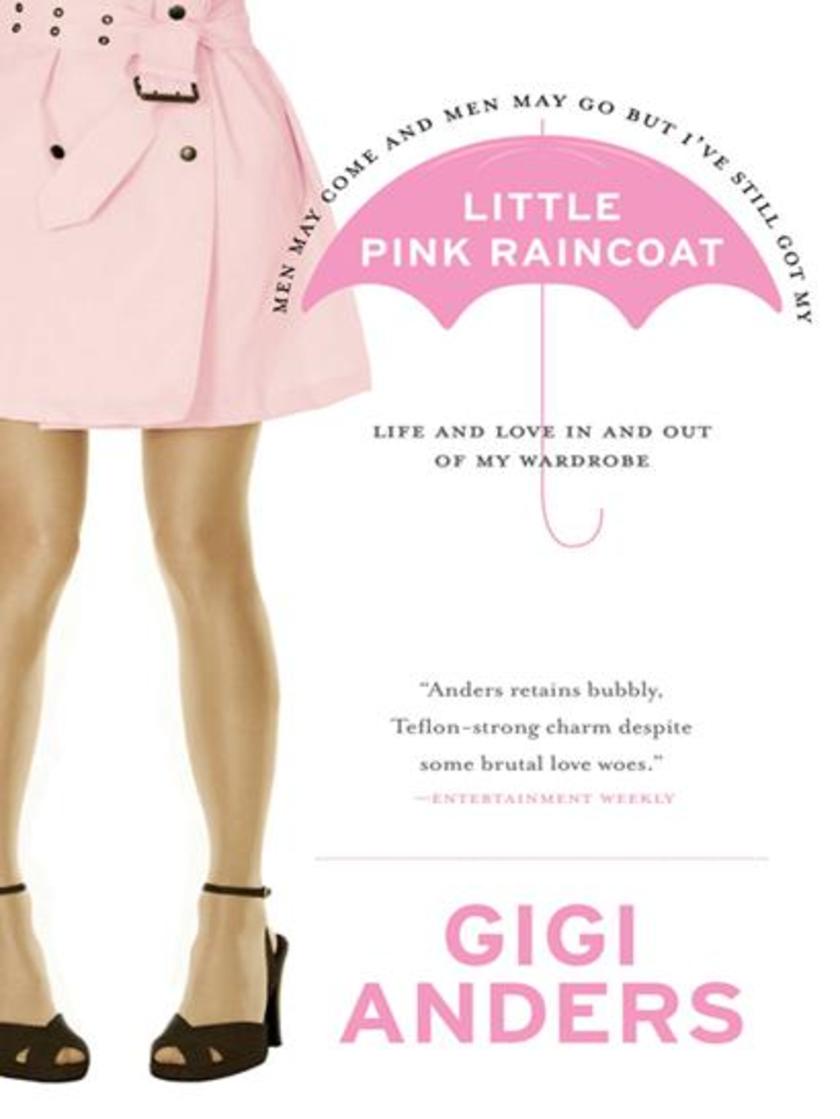
Little Pink Raincoat
¥84.16
A little Coco Chanel, a lot Carrie Bradshaw, with a dash of Maureen Dowd a hip, hilarious collection of mini-profiles in shopping and romantic courage. From one very fabulous and elusive little pink raincoat (to woo the commitment phobe) to a pair of very persuasive peach panties (gift from a dazzling doc), author Gigi Anders relates her experiences as they deal with her dual obsessions of clothing and men. Here are ten vignettes chronicling ten choice sartorial items and the corresponding boyfriends that would undoubtedly love her stylishly ever after...even if they didn't.Featuring items and boyfriends from Anders's real life, real (extremely jammed) closet, and real bed, Little Pink Raincoat is a very tasty, very funny, universal, uplifting, pop cultural meditation on the things we crave and the lengths we'll go to get them.
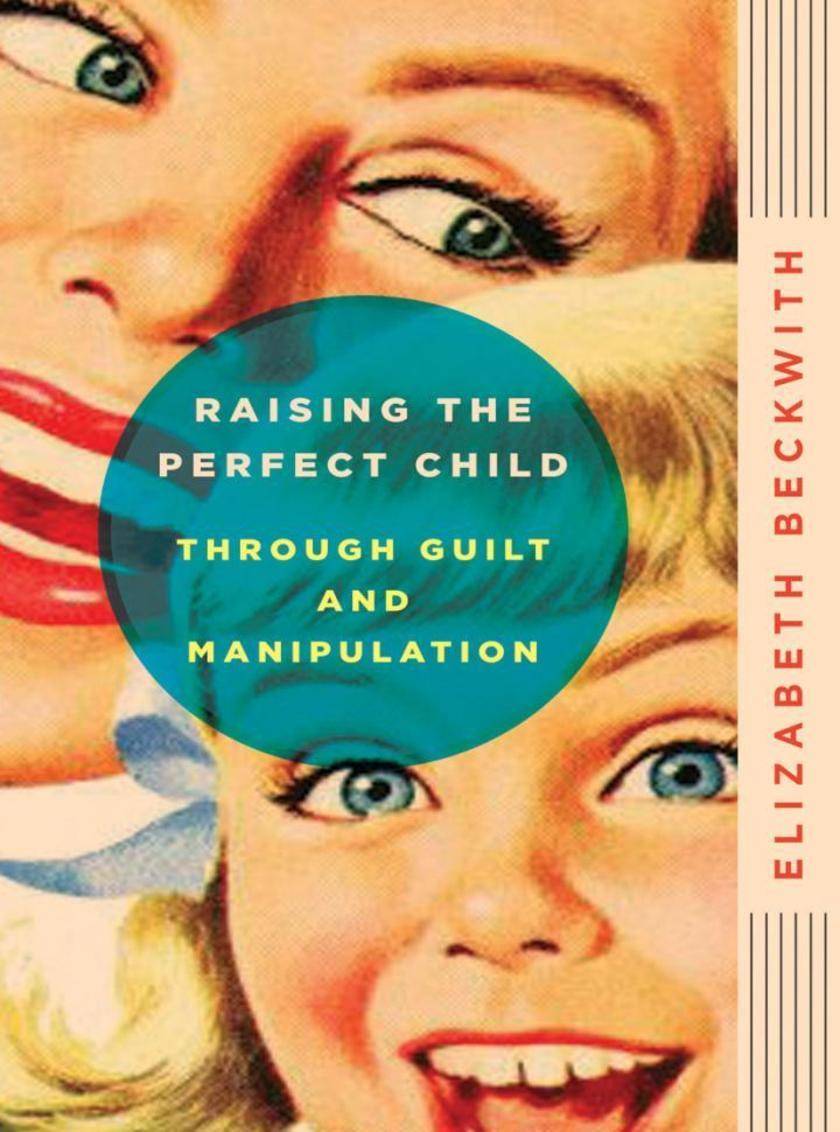
Raising the Perfect Child Through Guilt and Manipulation
¥83.03
Raising the Perfect Child Through Guilt and Manipulation is not one of those traditional, all-too-earnest parenting guides that, for generations, have sucked all the fun out of child rearing. The foundation of Elizabeth Beckwith's Guilt and Manipulation family philosophy is simple: We do things a certain way, and everyone else is an a**hole. Is that something you should put on a bumper sticker and slap on your minivanOf course not that would be trashy. But in the privacy of your own home, you can employ these essential components of Guilt and Manipulation to mold the little runts ruthlessly yet effectively into children you won't be embarrassed to admit are yours: Creating a Team: "Us" vs. "Them" How to Scare the Crap Out of Your Child (in a Positive Way) Don't Be Afraid to Raise a Nerd Mind Control: Why It's a Good Thing


