


 购物车
 个人中心

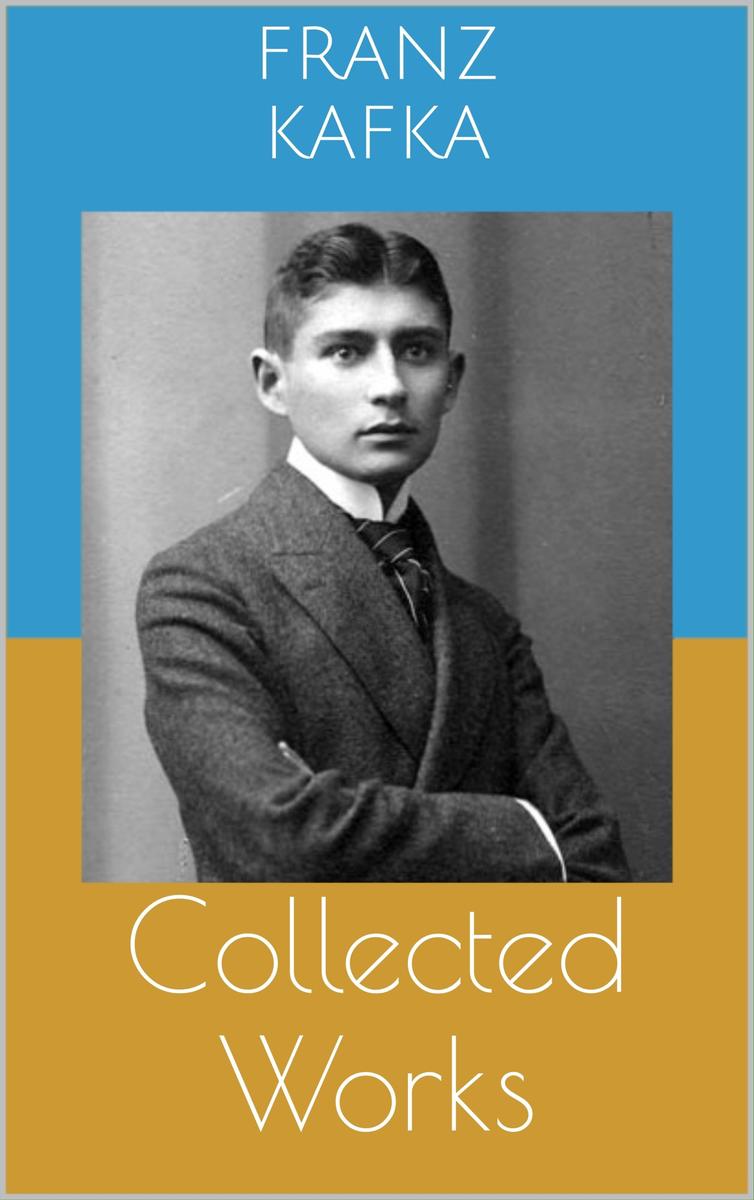
Collected Works: Complete Editions: The Metamorphosis, In the Penal Colony
¥9.24
This carefully crafted ebook is formatted with a functional and detailed table of contents.Franz Kafka (3 July 1883 – 3 June 1924) was a German-language writer of novels and short stories, regarded by critics as one of the most influential authors of the 20th century. Kafka strongly influenced genres such as existentialism. Most of his works, such as "Die Verwandlung" ("The Metamorphosis"), "Der Prozess" ("The Trial"), and "Das Schloss" ("The Castle"), are filled with the themes and archetypes of alienation, physical and psychological brutality, parent–child conflict, characters on a terrifying quest, labyrinths of bureaucracy, and mystical transformations. Kafka was born into a middle-class, German-speaking Jewish family in Prague, then part of the Austro-Hungarian Empire. In his lifetime, most of the population of Prague spoke Czech, and the division between Czech- and German-speaking people was a tangible reality, as both groups were strengthening their national identity. The Jewish community often found itself in between the two sentiments, naturally raising questions about a place to which one belongs. Kafka himself was fluent in both languages, considering German his mother tongue. Kafka trained as a lawyer and, after completing his legal education, obtained employment with an insurance company. He began to write short stories in his spare time. For the rest of his life, he complained about the little time he had to devote to what he came to regard as his calling. He regretted having to devote so much attention to his "Brotberuf" ("day job", literally "bread job"). Kafka preferred to communicate by letter; he wrote hundreds of letters to family and close female friends, including his father, his fiancée Felice Bauer, and his youngest sister Ottla. He had a complicated and troubled relationship with his father that had a major effect on his writing. He also suffered conflict over being Jewish, feeling that it had little to do with him, although critics argue that it influenced his writing.This collection contains the following works:- The Metamorphosis- A Country Doctor- A Hunger Artist- A Report for an Academy- An Imperial Message- Before the Law- In the Penal Colony- Jackals and Arabs- The Great Wall of China- The Hunter Gracchus- The Trial- Up in the Gallery
Oliver Twist
¥18.88
Charles Dickens was born on 1812, in Portsea, England. His parents were middle-class, but they suffered financially as a result of living beyond their means. When Dickens was twelve years old, his family's dire straits forced him to quit school and work in a blacking factory, a place where shoe polish is made. Within weeks, his father was put in debtor's prison, where Dickens's mother and siblings eventually joined him. At this point, Dickens lived on his own and continued to work at the factory for several months. The horrific conditions in the factory haunted him for the rest of his life, as did the experience of temporary orphanhood. Apparently, Dickens never forgot the day when a more senior boy in the warehouse took it upon himself to instruct Dickens in how to do his work more efficiently. For Dickens, that instruction may have represented the first step toward his full integration into the misery and tedium of working-class life. The more senior boy's name was Bob Fagin. Dickens's residual resentment of him reached a fevered pitch in the characterization of the villain Fagin in Oliver Twist.??After inheriting some money, Dickens's father got out of prison and Charles returned to school. As a young adult, he worked as a law clerk and later as a journalist. His experience as a journalist kept him in close contact with the darker social conditions of the Industrial Revolution, and he grew disillusioned with the attempts of lawmakers to alleviate those conditions. A collection of semi-fictional sketches entitled Sketches by Boz earned him recognition as a writer. Dickens became famous and began to make money from his writing when he published his first novel, The Pickwick Papers, which was serialized in 1836 and published in book form the following year.??In 1837, the first installment of Oliver Twist appeared in the magazine Bentley’s Miscellany, which Dickens was then editing. It was accompanied by illustrations by George Cruikshank, which still accompany many editions of the novel today. Even at this early date, some critics accused Dickens of writing too quickly and too prolifically, since he was paid by the word for his serialized novels. Yet the passion behind Oliver Twist, animated in part by Dickens’s own childhood experiences and in part by his outrage at the living conditions of the poor that he had witnessed as a journalist, touched his contemporary readers. Greatly successful, the novel was a thinly veiled protest against the Poor Law of 1834.??In 1836, Dickens married Catherine Hogarth, but after twenty years of marriage and ten children, he fell in love with Ellen Ternan, an actress many years his junior. Soon after, Dickens and his wife separated, ending a long series of marital difficulties. Dickens remained a prolific writer to the end of his life, and his novels—among them Great Expectations, A Tale of Two Cities, A Christmas Carol, David Copperfield, and Bleak House—continued to earn critical and popular acclaim. He died of a stroke in 1870, at the age of 58, leaving The Mystery of Edwin Drood unfinished.??The Poor Laws: Oliver Twist’s Social Commentary?Oliver Twist opens with a bitter invective directed at the nineteenth-century English Poor Laws. These laws were a distorted manifestation of the Victorian middle class’s emphasis on the virtues of hard work. England in the 1830s was rapidly undergoing a transformation from an agricultural, rural economy to an urban, industrial nation. The growing middle class had achieved an economic influence equal to, if not greater than, that of the British aristocracy.??In the 1830s, the middle class clamored for a share of political power with the landed gentry, bringing about a restructuring of the voting system. Parliament passed the Reform Act, which granted the right to vote to previously disenfranchised middle-class citizens. This desire gave rise to the Evangelical religious movement and inspired sweeping economic and political change.
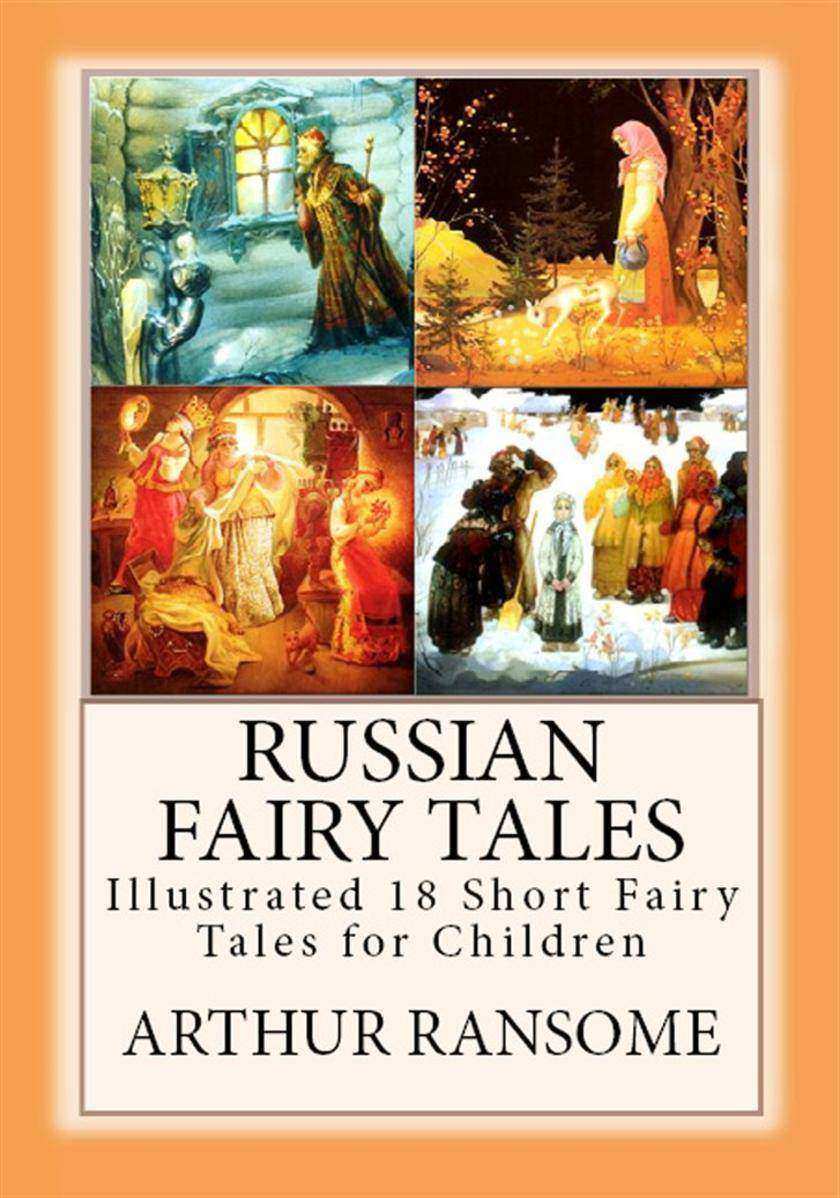
Russian Fairy Tales: "Illustrated 18 Short Fairy Tales for Children"
¥17.82
RUSSIAN FAIRY TALES"Illustrated 18 Short Fairy Tales for Children"1. The Magic Swan Geese2. The Tale of Tsar Saltan3. Emelya and the Pike4. The Frog Tsarevna5. Morozko6. Twelve Months7. Tsarevitch Ivan, the Firebird and the Gray Wolf8. Little Snow Girl (Snegurochka)9. The Snow Maiden (Snegurochka)10. Kolobok Dough-Boy11. Sadko12. Ruslan and Ludmila13. Golden Cockerel14. The Scarlet Flower15. The Humpbacked Little Pony16. The Tale of the Fisherman and the Golden Fish17. The Tale of the Dead (Sleeping) Princess and the Seven Knights18. Sister Alyonushka and brother Ivanushka
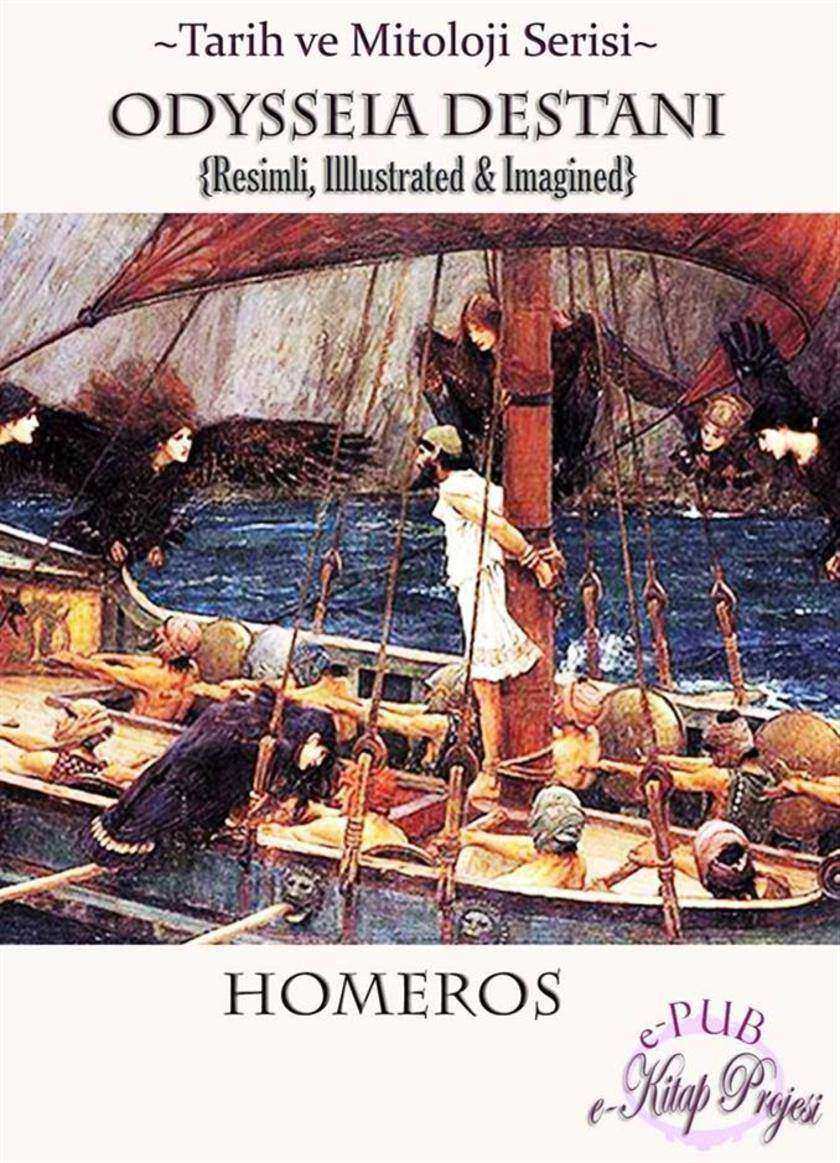
Odysseia Destan?: [Resimli]
¥28.20
Odysseia'n?n MO 800 ila 600 y?llar? aras?nda yaz?ld??? dü?ünülmektedir. Manzum eser ?lyada'n?n devam? niteli?indedir ve Yunan kahraman Odysseus'un Truva'n?n dü?ü?ünden sonra vatan? ?thaka'ya yapt??? maceralarla dolu uzun yolculu?u anlat?r. 10 y?l süren sava?tan sonra Odysseus'un ?thaka'ya d?nmesi 10 y?l?n? al?r, ve bu 20 y?ll?k uzakl???nda o?lu Telema?hus ve kar?s? Penelope ülkeyi y?netmek ve Penelope ile evlenerek (Odysseus'un oldu?u iddia edilmektedir) ?thaka'n?n hükümdar? olmak isteyen bir grup soylu ile mücadele etmek zorundad?rlar. ?iir Bat? edebiyat?n?n ve kültürünün temel eserlerinden say?l?r, ve antik Yunan kültürüne ???k tutan en ?nemli kaynaklardan biridir. Odysseia, Truva'n?n dü?mesinden 10 y?l sonra Odysseus'un ?thaca'ya evine d?nünceye kadar maceralar?n? anlat?r. ?lyada 10 y?l süren Truva Sava??, Odysseia, 10 y?l boyunca Odysseus'un ba??ndan ge?enlerden ibarettir. ?lyada, bir olay?, Odysseia ise bir ki?inin destan?n? anlat?r. Truva Destan?nda olaylar birbirini izleyecek ?ekilde anlat?l?r. Halbuki, Odysseia'da olaylar an?lar, geriye d?nü?ler, atlamalarla canland?r?l?r. Bat? dillerindeki Ulysses'nin türedi?i Latince Ulyxes, yi?idin bir Yunan leh?esinden al?nm?? ad?d?r. Odysseus (Ulysses, Ulis), kuzeybat? Yunanistan k?y?lar?n?n kar??s?nda bulunan ?thaca (?thaka, ?thake) adas?nda do?du. Babas?n?n ad? Learthes, anas?n?n ad? Antikleia idi. Yalan dolanda usta Autolykos'un k?z? olan Antikleia'n?n Learthes ile evlenmeden ?nce S?syphos ile yatt???, Odysseus'un bu birle?meden do?du?u da s?ylenir. Odysseus'un gen?li?i, Akhilleus'unki gibi hekim Kheiron'un yan?nda ge?ti. Birgün Odysseus, dedesi Autolykos'a konuk olarak gitti. Orada bir yaban domuzu av?na kat?ld? ve baca??ndan yaraland?. ??te, Truva Sava?? sona erdikten sonra, bir 10 y?l daha türlü maceralar ge?irerek ?thake'ye d?ndü?ünde, dad??? Eurykleia taraf?ndan ya?l? Odysseus'un tan?nmas?n? sa?layacak yara izi, bu yara izidir. Truva Sava??na kat?lmadan ?nce Odysseus, ?thake taht?na ??kt? ve kral oldu. Babas? Learthes'in o?lunu tahta nas?l ge?irdi?i pek anlat?lmaz. Ama kral olunca bir e? se?mesi olayl? oldu. Hemen dünyan?n en güzel k?z? Helena'ya talip oldu ama güzel k?z?n taliplilerinin ?oklu?undan ürkerek ondan vazge?ip, Helena'n?n babas?n?n karde?i ?karios'un k?z? Penelope'u (Penelopeia) istedi. Tyndereos'un ise akl? karmakar???k oldu?undan Odysseus'un bu yakla??m?n? ?nce be?enmedi. Odysseus ise Penelope'u almak i?in ?art?n? s?yledi. Tyndereos'u dü?tü?ü durumdan kurtaracak, buldu?u ??zümle kimse aras?nda kavga olmayacakt?. Bu arada Tyndereos'un k?z?n? türlü prensler, krallar ve sava???lar istiyorlar, türlü hediyeler g?nderiyorlard?. Tyndereos da onlar?n kalplerini k?r?p bir felakete yol a?mamaya ?al???yordu. Sonunda Tyndereos, Penelope'u vermeye raz? olunca Odysseus fikrini s?yledi: Kocas?n? Helena kendisi se?sin ama her kimi se?erse di?er tüm talipliler bunu sorun etmeyecek ve Helena'n?n kendine se?ece?i kocaya her zaman arka ??kmaya ant i?ecekti. Tyndareos, fikri be?endi ve i? k?z?n se?imine b?rak?ld?. ?karios ?nce herkesi yemin etmeye ?a??rd?. Herkes yemin etti, Odysseus dahil. Dünyan?n en güzel k?z? Helena, kocas? olarak Agamemnon'un karde?i Menelaos'u se?ti. Herkes karara sayg? duydu ve kabul etti. Herkes?e edilen bu yemin, ileride on y?l sürecek olan "Truva Sava??"na yol a?acakt?.
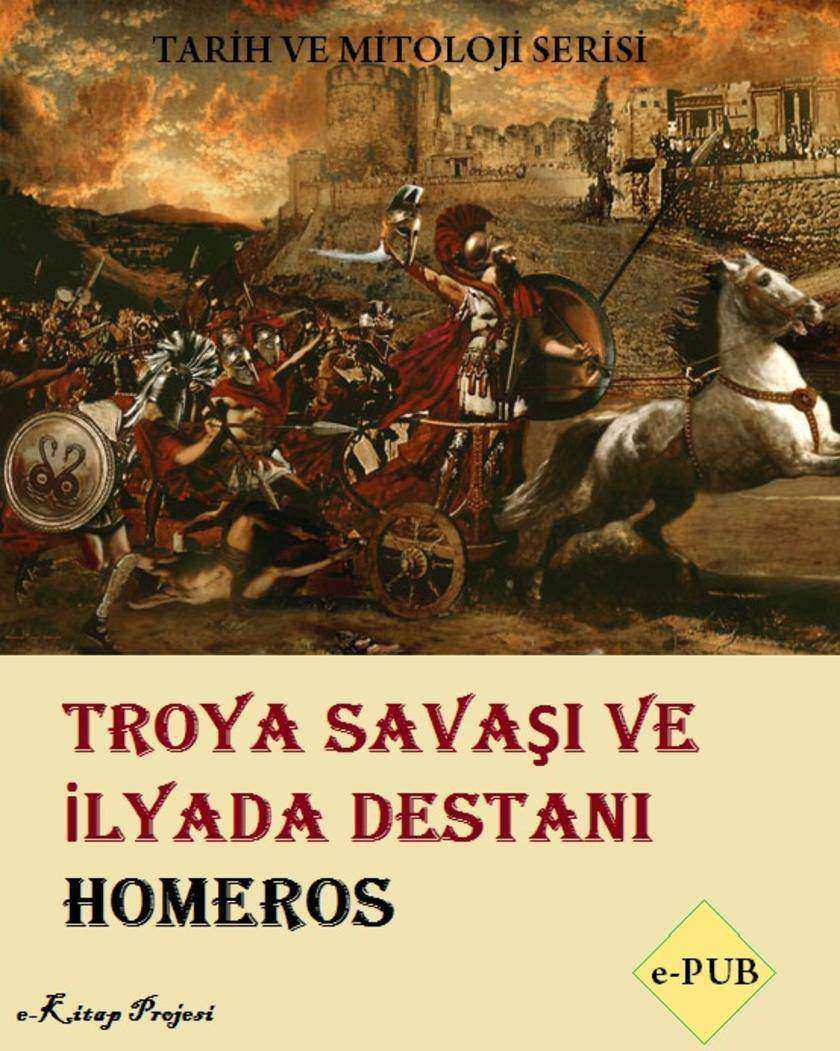
Troya Sava?? ve ?lyada Destani
¥28.20
Eski Yunan’da, ?air Homeros’un yazd??? varsay?lan büyük bir destand?r. Bir ba?ka Homeros destan? olan ?deysseia ile birlikte, bat? edebiyat?n?n en eski ?rne?i ve tüm zamanlar?n en güzel ?iirlerinden say?l?r. Hem ?lyada hem de Oysseisa, Truva Sava?? ve bu sava?ta yer alan insanlarla ilgili s?ylenceleri dile getiren, ko?ukla yaz?lm?? destanlard?r. Tarih?iler Yunanistan’tandaki Akhalar ile Bat? Anadolu’da ya?am?? olan Truval?lar aras?ndaki bu sava??n yakla??k I.O. 1199’da ge?ti?i g?rü?ündedir. Akhalar’?n Truva’y? ku?atmalar?n?n ise 10 y?l sürdü?ü san?lmaktad?r. Bu konuda o kadar ?ok ?ykü ve s?ylence vard?r ki, hangisinin ger?ek hangisinin uydurma oldu?unu bilme olana?? yoktur. Yunanca’da Truva’n?n bir ad?n?n da ?lios olmas?ndan dolay? Homeros’un destan? ?lyada ad?n? ald?. Homeros, ya?ad??? d?nemde herkesin bu ?yküyü bildi?ini dü?ünerek, Truva ku?atmas?n? ba?tan sona anlatmaz; sava??n 10. y?l?nda sadece d?rt gün i?inde ge?en olaylar? anlat?r. Sava? neredeyse bitmek üzeredir. Truva efsanesinin bu b?lümü "As?l’?n ?fkesi" olarak bilinir. ?lyada’n?n ?yküsü: Kral Agamemnon, Truva Sava?? s?ras?nda Akhalar’?n ba?komutan?yd?. Kral?n en yi?it ve bas?na buyruk sava???s? olan As?l, kimseye boyun e?meden, kendi bildi?ince hareket ediyordu. As?l’?n sava?ta ka??rd??? Briseis ad?nda Truvali bir k?z yüzünden As?l ile Agamemnon aras?nda anla?mazl?k ??kt?. Tutsa?? olan bir k?z? babas?na geri vermeye raz? olan Agamemnon, onun yerine As?l’?n sevdi?i Briseis’i istiyordu. Agamemnon’a boyun e?mek zorunda kalan As?l, k?z? ona verdi. Ne var ki, h?rs?n? alamayarak sava?tan ?ekildi. Agamemnon’u cezaland?rmas? i?in, deniz tanr??as? olan annesi Theti?’i ?a??rd?. Theti?, tanr?lar?n kral? Zeus’tan yard?m istedi. B?ylece ?ok ge?meden yaln?zca As?l ve Agamemnon de?il, tanr? ve tanr??alarda kavgaya kar??t?. Tanr?lar?n ise kar??mas? Yunan askerlerini tela?land?rd?. Agamemnon, g?rdü?ü bir dü?e aldanarak, ordusuna art?k Yunanistan’a d?nülece?ini bildirdi. Askerlerin Truva’y? ele ge?irmeden d?nmek istemeyeceklerini sanarken, onlar?n gitmeye can att?klar?n? g?rmek onu dü? k?r?kl???na u?ratt?. Yunanl? komutanlar orduyu yeniden sava? düzenine sokmakta gü?lük ?ektiler. Bütün bu olaylar Yunan ordusunun sava? gücünü ve birli?ini zay?flatm??t?. ?ki ordu aras?nda sava? yeniden ba?larken, Paris’in karde?i Hektor, sava??n nedeni Paris’in Sparta Kral? Menelaos’un kar?s? Helen ‘i ka??rmas? oldu?una g?re, anla?mazl???n Paris ile Menelaos aras?nda d?vü?le ??zümlenmesini ?nerdi. Bu d?vü?te tam Paris yenilecekken, annesi olan tanr??a Afrodit onu son anda ka??rarak kurtard?. B?ylece ordular aras?nda bir kez daha sava? ba?lad?.

Regulile creierului
¥65.32
Un nou bestseller interna?ional de la creatorii seriei ?Pisicile r?zboinice” Lumea nu va mai fi niciodat? la fel dup? Marele M?r?it - a?a s-ar numi un cutremur devastator v?zut prin ochii unui c??el. P?m?ntul s-a despicat pe de-a ?ntregul ?i au disp?rut toate labele-lungi – a?a s-ar numi semin?ia omeneasc? prin ochii aceluia?i c??el. Hrana a devenit aproape imposibil de g?sit, apa este otr?vit?, iar du?manii mi?un? la tot pasul. ?n aceast? situa?ie, c?inii se v?d nevoi?i s? deprind? toate aptitudinile unor supravie?uitori. A venit vremea lor s? domine lumea. Norocel, un C?ine Singuratic obi?nuit s? tr?iasc? pe cont propriu, s-a integrat ?n Haita C?inilor Lega?i pentru a face fa?? condi?iilor dure de via?? de dup? Marele M?r?it. C?nd un atac puternic ?i pune ?n pericol nu numai pe C?inii Lega?i, ci ?i pe inamicii lor, C?inii S?lbatici, Norocel ??i d? seama c? singura lor ?ans? de supravie?uire este s? se uneasc?. Tocmai aceast? decizie ?i va provoca probleme, iar ?n cele din urm? va fi alungat din haita unit?. Cartea a IV-a prilejuie?te ?mp?carea dintre Norocel ?i Alfa, conduc?torul Haitei S?lbatice. Dar ?ntre ei r?m?ne ?n continuare o tensiune mocnit?: Alfa las? de ?n?eles c? nu va fi niciodat? dispus s? accepte compania anumitor c?ini. Haita recent unit? se afl? ?n c?utarea unui nou c?min, c?t mai ?ndep?rtat de Tab?ra C?inilor Fioro?i. C?inii descoper? treptat c? niciun teritoriu nu este complet lipsit de pericole. Atunci c?nd ?nt?lnesc un alt grup de c?ini care a supravie?uit Marelui M?r?it, Norocel sper? ca cele dou? haite s? se alieze. ?ns?, aceast? nou? Hait?, condus? de Teroare, laba dreapt? a C?inelui-Spaim?, s-ar putea s? se transforme ?n cel mai periculos inamic pe care l-au ?nt?lnit vreodat?... ?O carte plin? de ?nt?mpl?ri palpitante ?i minunate.“ - Kirkus Reviews ?Tinerii cititori vor g?si o mul?ime de lucruri fascinante ?n aceast? carte de aventuri, de la intriga palpitant? p?n? la caracteriz?rile fiec?rui c??el ?n parte. O lectur? ideal? pentru fanii ?Pisicilor r?zboinice?.” – Booklist ?S? vezi lumea prin ochii unui c??el ??i poate schimba viziunea asupra vie?ii. Ac?iunea ?i pericolul ?i vor ?ine pe cititori ?n suspans, iar finalul pe muchie de cu?it ?i va determina s? deschid? ner?bd?tori urm?toarea carte din serie.” - Jennifer Rummel, VOYA Din aceea?i serie: Supravie?uitorii. Cartea I - Ora?ul pustiu Supravie?uitorii. Cartea a II-a - Du?manul ascuns Supravie?uitorii. Cartea a III-a – C?derea ?ntunericului
Cuv?ntul care st? s? m? nasc?. The word poised to birth me
¥24.44
Hamburger cu m?m?lig? este un pamflet cinic ?i incisiv care descrie fidel ?i realist dou? popoare: rom?n ?i american. Le descrie nu din auzite, nu din ziare ?i nu din vizionarea programelor de televiziune, ci din experien?a autorului. O carte acid? care condamn? prostia, arogan?a ?i incultura ?elitei“ societ??ii rom?ne?ti de ast?zi, dar ?i prostia americanilor care habar nu au unde se afl? Rom?nia ?i poporul ei. O carte care dezv?luie f?r? rezerve ?i f?r? ascunzi?uri adev?rata fa?? a societ??ii rom?ne?ti contemporane. O carte ?n care personajele principale sunt politicienii, protipendada, ?baronii locali“, potenta?ii vremii, biserica, media aservit? politic ?i cea declarativ ?liber? ?i independent?“, trafican?ii ajun?i vedete. O carte despre cum suntem noi cu adev?rat ?i despre cum sunt americanii de fapt. Ve?i citi o carte r?z?nd ?n hohote, dar ?i pl?ng?nd cu lacrimi amare. Ve?i citi ?i ve?i cunoa?te adev?rul. Iar adev?rul v? va face liberi! Pentru c? un popor care nu mai r?de este condamnat s? fie ve?nic sclavul celor care ??i bat joc de el. Revolta?i-v? ?i r?de?i! ?i v? ve?i sim?i liberi!...

Con?tientizarea. Cheia pentru a tr?i ?n armonie
¥49.62
Da-da, ?i noi, martorii fl?m?nzi de auto-construc?ie, ridicoli ?i glorio?i pasageri ai ?nceputului de mileniu precoce ?mb?tr?nit, precoce obosit de existen??!, fl?m?nzi – ?ntr-un mod dizgra?ios, strident, dep??it – de idealuri – oho!, ce cuv?nt cu miros de alt secol cultural! –, a?tept?m, vis?nd, Povestea, spus? cu o jum?tate de gur?, ?n ritmuri lente, neb?nuit de ?ncete, cu digresiuni multiple, savant-priceput inserate ?n corpul ei masiv ?i cumva greoi, aparent greoi, cu ac?iune – nu foarte mult?, totu?i! –, cu eroi care au aerul de – ?i, deci, sunt de fapt, ?ntr-o m?sur? mai mare – antieroi, cu personaje problematice, cu dialoguri lungi-lungi ?n perimetrul generos-calculat al c?rora personajele se livreaz?, gr?bite s? se consume, definitiv, se precipit?, se nelini?tesc, prinse de un etern neast?mp?r rapace, de pofta – ca s? nu zicem setea – de a spune totul-totul, ?ncol?i?i de spaima venirii bru?te a unei Apocalipse.
Scrum
¥48.97
Romanul Condamnat s? ucid? este o ?ncercare de a reda realit??ile ?epocii de aur“, dar ?i cele din perioada impunerii de c?tre ru?i a comunismului ?n Rom?nia. Personajul central, arhitectul Tudor Gur?u, s?tul de lipsa de perspectiv? a meseriei sale, ca proiectant de garduri de prefabricate, cote?e de porci ?i blocuri de garsoniere pentru nefamili?ti, realizeaz? c? locul s?u nu este ?ntr-un institut de proiect?ri f?r? perspective. Se ?ntreab? dac? nu a venit momentul s? fug? peste grani??, sper?nd c? ?n Apus ??i poate valorifica aptitudinile... Trebuie s? dispar? pentru a nu pl?ti cu via?a o crim? pe care n-a ?nf?ptuit-o. Fur? ma?ina celor veni?i la locuin?a lui s?-l aresteze ?i str?bate cu ea jum?tate de ?ar?, apoi cealalt? jum?tate cu bicicleta. Trece, ?n cele din urm?, Dun?rea ?n Iugoslavia.
Sonetele verii
¥24.44
Televiziunea, v?zut? din interior, a?a cum ar?ta ?nainte de 1989, merita atunci ca ?i acum porecla folosit? ca titlu al romanului, o fiin?? demn? de tot dispre?ul. Este un roman cu coloratur? istoric?, de?i ?n ansamblul s?u pare o fic?iune istoric? a unei genera?ii de naivi.
Stradivarius
¥48.97
Proza scurt? scris? de t?n?rul scriitor, originar din Timi?oara, se distinge printr-un stil ?ngrijit, expresiv, ?n mod cert, situat ?n siajul lui Matei Caragiale. O carte incitant? despre lumea pestri?? ?i sugestiv? a tranzi?iei autohtone. Cartea este destinat? publicului larg ?i va constitui un succes de libr?rie.
Házasságsirató
¥57.31
Clipele vie?ii mele sunt pentru mine la fel de importante ca primele clipe ale Universului.Clipesc, aud, respir, m? mi?c… deci exist!Pentru cei ce nu mai au r?bdare. Pentru cei care caut? mereu sf?r?itul ?nc? de la ?nceput. Pentru cei ce nu mai au timp…Acum se termin? ?nceputul ?i, cum suntem pe punctul de a disp?rea definitiv, nu v?d de ce am mai c?uta care este motivul ?i dac? s?ar mai fi putut face ceva. (Ciprian Vestemean)
Z?pada mieilor
¥90.84
De ce, oare, ne ?ntreb?m, ?i ?nlesnise Gra?ian Porumb omului pe care-l dispre?uia aceast? fapt?, aceast? grav? injusti?ie? Nu ?tim, d?m din umeri, privim ?n st?nga, privim ?n dreapta, dar de nic?ieri nu ne vine un ajutor c?t de c?t, un r?spuns. ?i nu ne r?m?ne atunci, insisten?i cum suntem, dec?t s? ghicim: trebuia oare, ?n imagina?ia ?nfierb?ntat? de nou? ?i ciudat? aventur? a t?n?rului – trebuia oare ca prietenul s?u Bizoniu, s? ?coboare" ?i ?n ?lumea cealalt?" care, ha, ha, se afla tot ?n lumea noastra, ?n lumea ?celor nev?zu?i?" A, nu, ei nu sunt nev?zu?i dec?t pentru simplul motiv ca ?i ?nl?turam din calea, din drumurile noastre ?i ?i ascundem, ?i ??nchidem" ?n subteranele lor care se cheam? sau temni?e, sau case de nebuni! Oricum, ?n ?subteranele nebunilor" Gra?ian consider? c? "micul pop?" ??i plimbase deja pa?ii ?i f?ptura, urma doar sa ?accead?" ?i la "ceilal?i", cei ne?n?ele?i ?i ?pedepsi?i" care, vii ?i fiin?e fiind, ca ?i noi, aveau la r?ndul lor dreptul de a-L ?nt?lni. A?a cum ?i ?el", omul viu ?i ?n?eleg?tor – de?i, cum am v?zut, el nu ?abuz?" de ?n?elegerea sa, nu se gr?bea defel ?s? ?n?eleag?", ci mai ales s? aud?, s? vad?, s? stea al?turi, s? fie, adic?, s?-?i d?ruiasca din merindea timpului s?u ?i nou?, s? fie ?cu noi" – deci, a?a cum ?i ?el" avea ?dreptul" de a fi cu ?ei". Cine ?tie? (Nicolae Breban)Puterea nev?zut? este cel de-al treilea volum din tetralogia Ziua ?i noaptea, care are ca supratem? rela?ia maestru-ucenic.
Civiliza?ia uitat?. Rolul exploziilor solare ?n trecutul ?i viitorul nostru
¥73.49
Marina ?vetaieva se distinge printr-o scriitur? accentuat personal?, nu numai ?n poezie, dar ?i ?n proz?. Este vorba de stilistica ei nervoas?, abrupta, sincopata, chiar ?i ortografic inconfundabil?, cu multiple linii de pauz? ori intercal?ri neuzuale de paranteze, exclama?ii ?i altele. Care s? fie, deci, cuv?ntul nimerit pentru a surprinde particularitatea acestei crea?ii? I-am spus: stare patetic?. ?i pot spune: stare febril?. I-am spus: radicalitate. ?i pot spune: frenezie. ?i via?a, ?i opera ?vetaievei febriciteaz?. Ele repudiaz?, f?r? ?ncetare, situa?iile medii, mediocre, cotidiene, cumin?i. ...Dac? excesul poate periclita via??, excesivul poate salva arta. Excesivul e aici o supralicitare a d?ruirii, o hipertrofie a ata?amentului. ?vetaieva smulge arta din str?mtor?rile ei, ale ?vetaievei ?i ale artei. E ca o hiperbola a omului, ca o dovada a demnit??ii rec??tigate: prin arta subumanul trece ?n sublim. Crez?nd ?n art?, ?vetaieva crede ?n umanitate, ?n ?ansa nemuririi ei palpabile. Dar transgresarea mor?ii ea o stoarce din vecin?tatea mor?ii; dintr-o via?? ne?ncetat periclitat? de absolutismele ei. Via?a nu e tr?it? pe m?sura artei, s-o oblig?m la nem?surare! – ar putea fi deviza ei, ultimul ei mesaj.
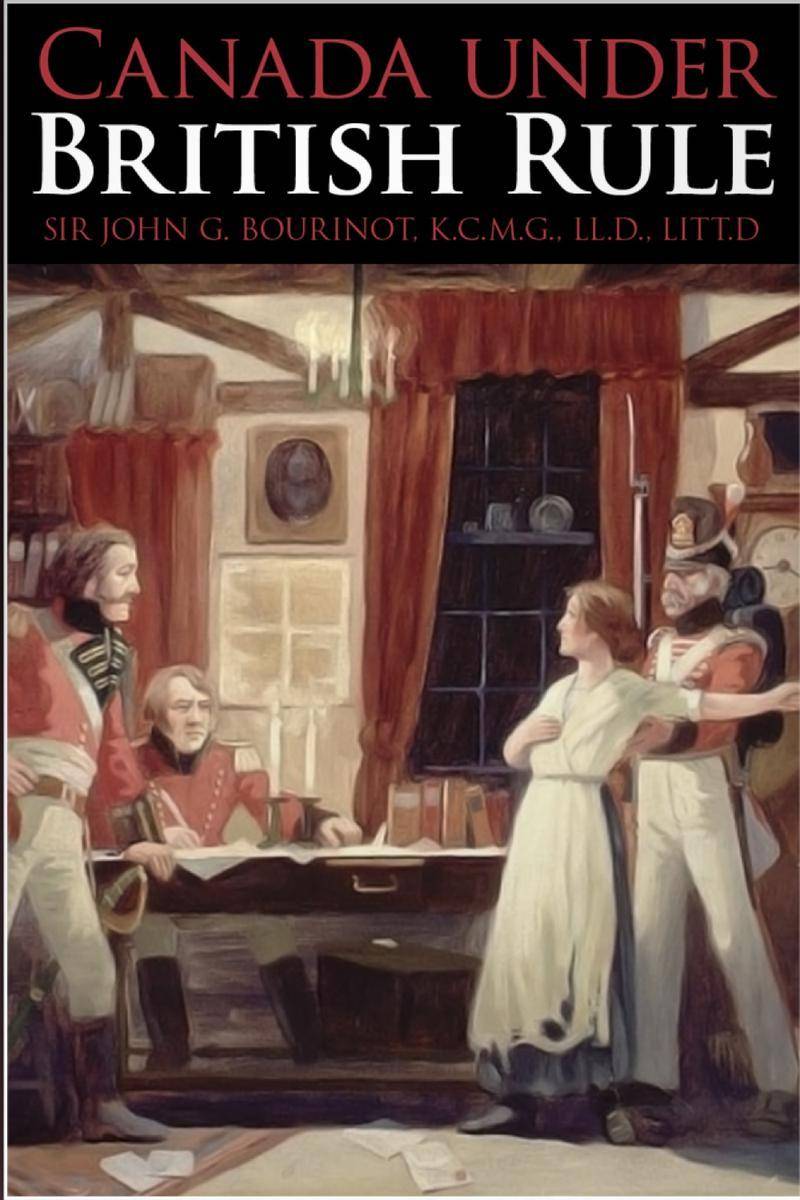
Canada under British Rule
¥19.52
A fascinating look at Canada under the control of the United Kingdom in the years 1760-1900, written by Canadian journalist, historian, and civil servant John George Bourinot.

Castle Quiz Book - Season 1
¥19.52
Castle follows the exploits of mismatched NYPD Detective Kate Beckett and enigmatic novelist Richard Castle. The first season saw the two characters forced to become partners whilst Castle researched his next series of books about Nikki Heat. In this book is 100 questions, about the characters and the many different cases they worked together on in the first season. Test your memory and knowledge on one of America's favourite shows in this first in a series of Castle quiz books.
David Copperfield
¥19.52
Said to be the most autobiographical of Dickens' novels, this is the story of a young man's adventures on his journey from an unhappy and impoverished childhood to the discovery of his vocation as a successful novelist. During the writing of this novel, Dickens drew revealingly on his own experiences to create one of his most exuberant and enduringly popular works, filled with tragedy and comedy in equal measure.

101 Amazing What Do You Call Jokes
¥19.52
What do you call a collection of more than one hundred of the funniest 'what do you call' jokes? 101 Amazing What Do You Call Jokes of course! Jack Goldstein takes you on a river ride through the rapids of comedy with this ultimate collection of some of the funniest jokes of all time. Organised into categories such as things on a man's head, things on a woman's head, animals and more, budding comedians will now have a 'what do you call' joke for every occasion. What do you call a woman with only one leg? Eileen!
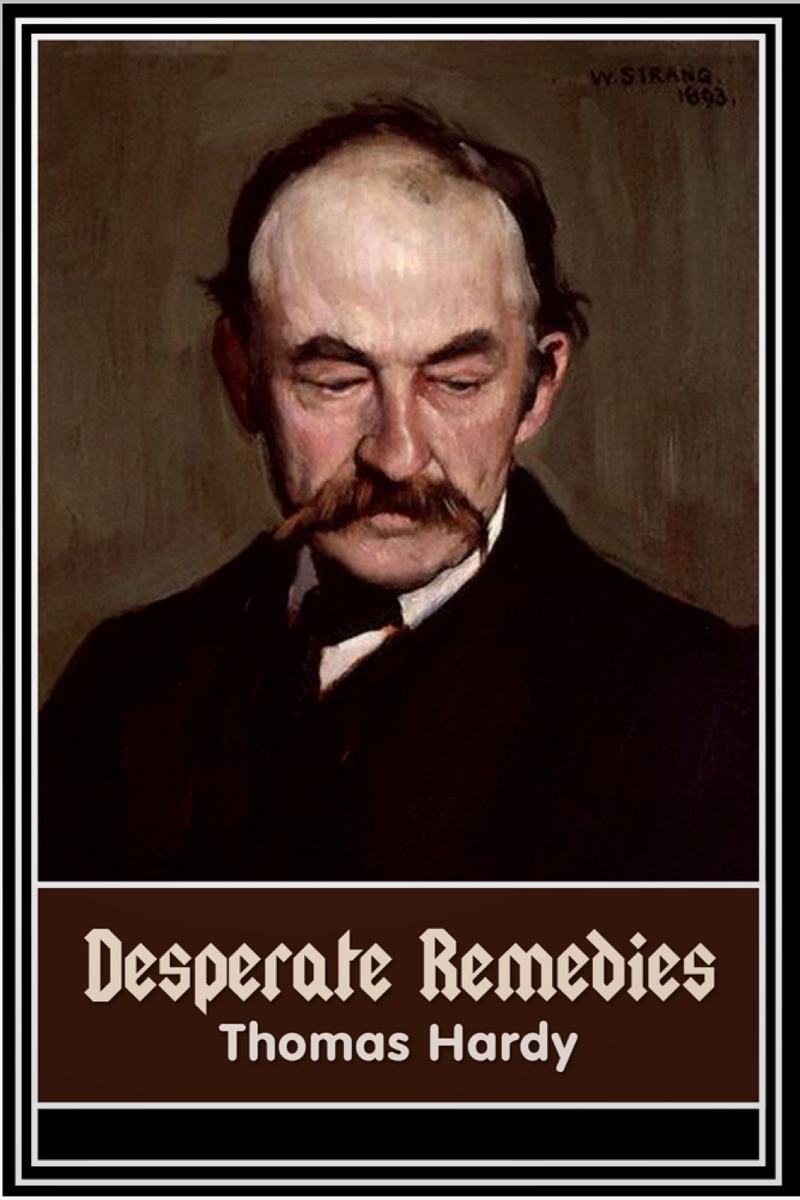
Desperate Remedies
¥19.52
Thomas Hardy's breakthrough novel from 1871. Cytherea Graye becomes maid to the eccentric Miss Aldclyffe.
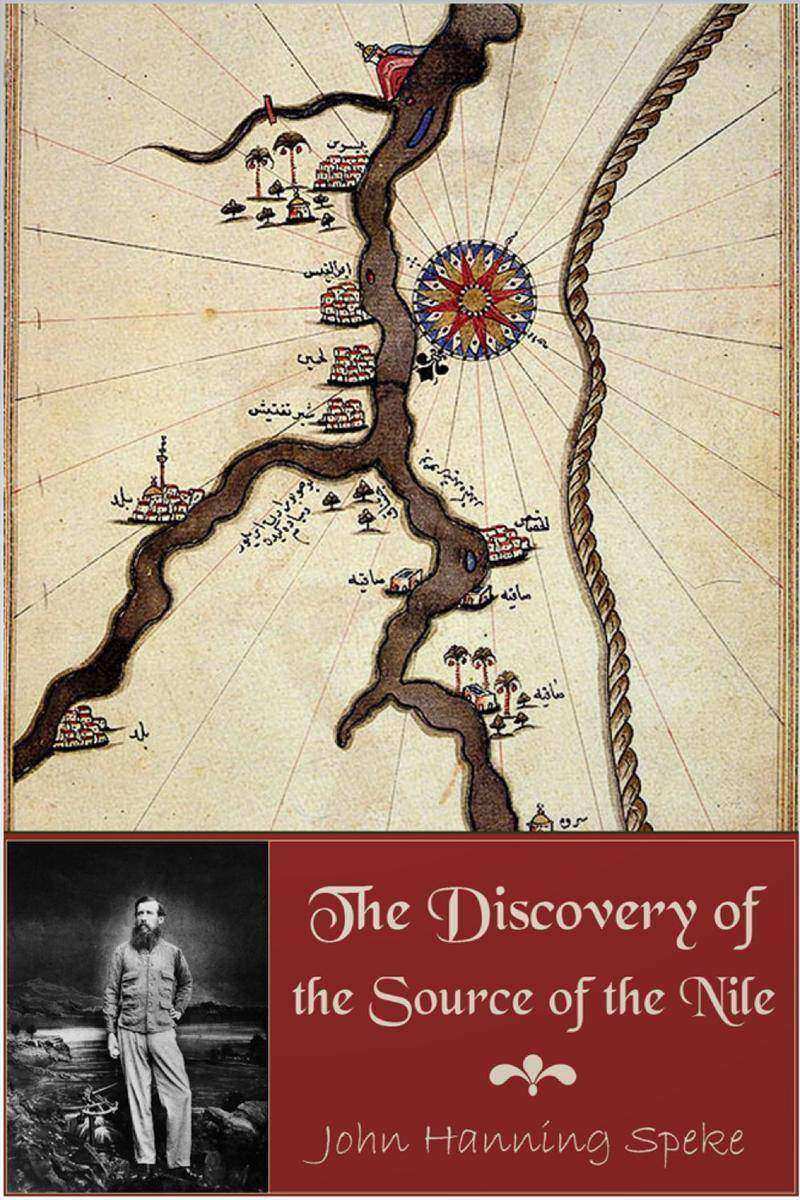
Discovery of the Source of the Nile
¥19.52
The journals of John Hanning Speke, the British Indian Army officer who was the first European to discover Lake Victoria, the source of the River Nile.
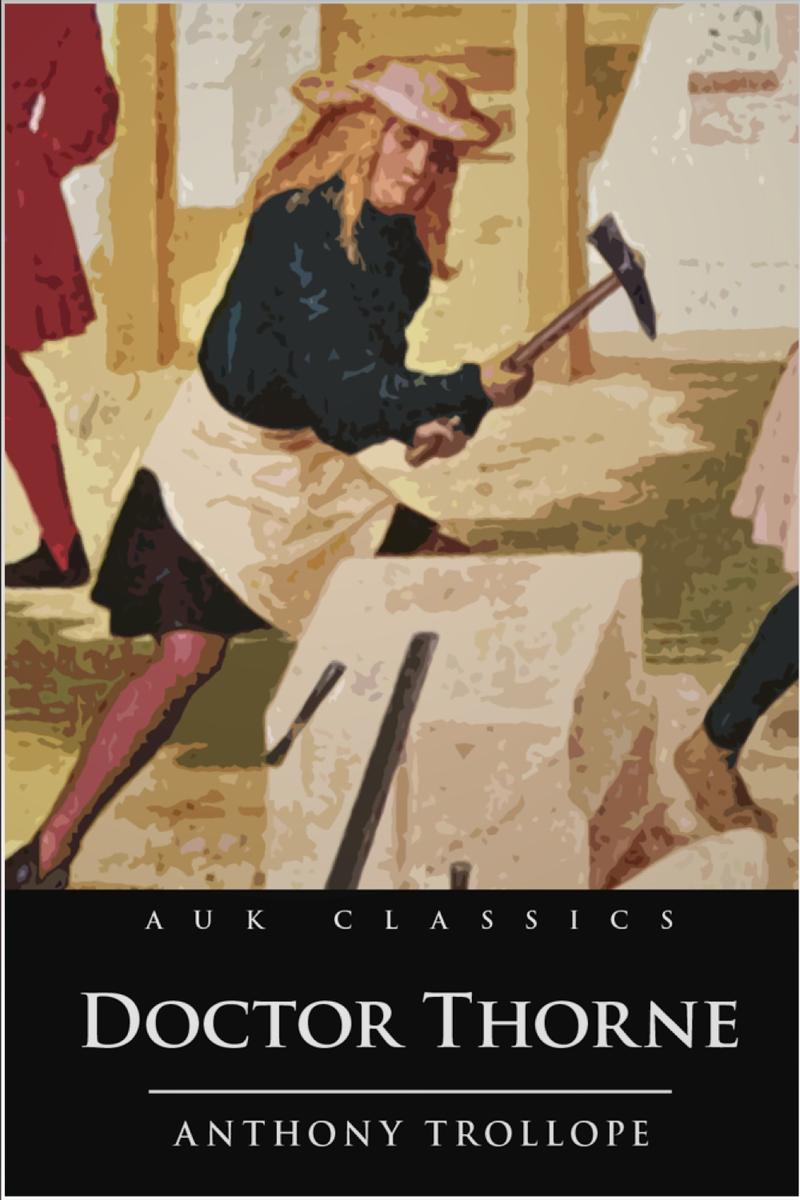
Doctor Thorne
¥19.52
Anthony Trollope's third novel in the fantastic series 'Chronicles of Barsetshire' follows Mary Thorne, the niece of the titular Doctor Thomas Thorne, and her romantic troubles with Frank Gresham, the only son of the local squire.


