


 购物车
购物车 个人中心
个人中心

Klondike Medicine Woman (Mills & Boon Love Inspired) (Alaskan Brides, Book 2)
¥31.10
Dr. Jacob Calloway was the answer to her prayers–whether he liked it or not. Teena Crow is desperate to learn his scientific healing methods to help her people. But Jacob is too suspicious of Teena's native remedies to allow her near Treasure Creek's clinic. So she decides to earn his respect–and teach the good doctor to see beyond surface differences to their common goal. But it's not just Teena's medicines that render Jacob uncomfortable. Her warm gaze and determination dare him to open his heart. But can their fledgling love weather a town's disapproval, or the secrets they both hide?

Rocky Mountain Match (Mills & Boon Love Inspired)
¥31.10
When blindness strikes carpenter Joseph Drake, the prospect of a lifetime of darkness fills him with despair. But then his brother hires Katie Ellickson. The strong-willed, confident teacher knows what it's like to be outcast, alone–and she won't give up on Joseph, even when he's ready to give up on himself. He thinks blindness is his most difficult obstacle, until he finds a bigger challenge–trying to reach Katie's heart. Will she let him? Katie has secrets that she's carried with her to the Rocky Mountains. And there's a darkness of her own in her past, which she can't escape for long….
The Cowboy's Baby (Mills & Boon Love Inspired)
¥31.10
When he left two years before, Colby Bloxham was running from his past, and his pain. Now he's ready to face his responsibilities…and make some long-overdue amends to his baby daughter and the woman who took her in–Colby's former sweetheart, Anna Caldwell. Anna is tired of trusting Colby–he's let her down too many times. And this time she's not about to let him hurt little Dorrie, too. He claims he's found faith, given up his reckless ways and wants to be a real father to his child. But does Anna have enough faith in his reformation to forgive…and risk her heart once more?

The Duke's Redemption (Mills & Boon Love Inspired)
¥31.10
He came to the colonies for one reason: revenge. Drake Amberly, Duke of Hawk Haven, won't leave South Carolina until he's unmasked the colonial spy who killed his brother. Yet the more he sees of spirited Elise Cooper, the more he's moved by the happiness she brings him…never suspecting the dangerous secret she hides. Her faith drives Elise to spy for the rebels, dreaming only of freedom for her homeland. Then she meets Drake, and learns that love could be hers, as well. When his pursuit of "The Fox" brings him dangerously close to the truth, she'll risk everything to prove that love and forgiveness are all they need.
The Lawman Claims His Bride (Mills & Boon Love Inspired) (Charity House, Book 4
¥31.10
For five years, U.S. Marshal Logan Mitchell has dreamed of returning to his sweetheart in Denver. He never imagined he'd find Megan Goodwin locked in a prison cell. Megan has no memory of what happened the night the outlaw was murdered. And though Logan is sure of her innocence, proving it is only half the battle. Remembering the killer's identity will clear Megan's name but could lead danger right to her door. Logan will protect her life with his. But forging a true marriage takes trust, faith and the courage to open their hearts to God's plan–wherever it leads….

Expectant Father (Mills & Boon Vintage Superromance) (9 Months Later, Book 49)
¥28.35
What not to expect when you're expecting… Becca Thomas is thrilled to be pregnant, even though it means bringing up her baby alone. At thirty-eight, this may be her last chance to have a child. And she doesn't expect to see Aiden Rodas again–doesn't think that a freewheeling younger man like him would even want to be a father. Wrong Aiden may live the life of a devil-may-care wildland firefighter, but he's not going to walk away from his responsibilities, no matter how unexpected they are. His challenge now is making Becca see that their child needs both of them. An even bigger challenge will be to make her realize that this expectant father has fallen in love with a certain mother-to-be!

For the Sake of His Child (Mills & Boon Vintage Superromance)
¥31.10
After tragedy deprives her of the two people she loves most, Brynn Alder decides to leave her old life behind and start over in Texas Hill Country. Here she'll help troubled kids get their lives in order–it's the only way she can make sense of everything that's happened to her. But she knows that she'll be able to help only if she doesn't get emotionally involved. Of course, that's before she meets Jake McKenzie and his daughter, Andrea. Jake wants to be a good father, but he needs Brynn's help. And when circumstances force him to stay at the isolated ranch with Brynn and Andrea, emotions build and refuse to be denied.

Independence Day (Mills & Boon Vintage Superromance)
¥31.10
She won't be taken for granted! By tossing the laundry out the bedroom window, Chessie McCabe announces to her teenage daughters and her husband, Nick–and the rest of Pritchard's Neck–she's on strike until her needs are met. But who could have foreseen what her personal rebellion would dredge up? Certainly not Chessie. Amy Frazier's follow-up book to The Trick To Getting a Mom, set in a quaint Maine fishing village, is honest, funny and impossible to put down.

John Riley's Girl (Mills & Boon Vintage Superromance)
¥28.15
You're invited to a reunion! Are you brave enough to attend? When Olivia Ashford first receives the invitation to her high school reunion, she dismisses it. After all, she'd left Summerville–and John Riley–and never looked back. But her life now seems incomplete, and she begins to wonder if she's ever really moved on. In order to lay some ghosts to rest, Olivia goes home. She rediscovers friendships, visits old hangouts and comes face-to-face with John. She remembers how much she once loved him, how safe he made her feel, how he was always there for her–except for the one time she needed him most.

Sheikh's Baby Bombshell (Mills & Boon Short Stories)
¥19.42
Crown Prince Talib Muhtadi was only supposed to spend one night in the arms of delectable English rose Abby Wright. Yet the sizzling night they shared is proving inconveniently unforgettable! So when he sees Abby's delicate face in the crowds outside his palace, he initially thinks it's his fevered imagination playing tricks on him… But Abby is very real – and so is her baby bump! To avoid a national scandal, Talib whisks Abby away to the desert, but under the darkness of the desert skies, their passion burns hotter than ever before…

Tell Me You Do: The Guy to Be Seen With / The Rebound Guy
¥45.03
From London to New York… with Love. Chloe Michaels is determined not to fall for new colleague Daniel Bradford – especially as he doesn’t remember rejecting her years ago! But London’s most infamous bachelor has other plans – one date with Chloe every month to deflect the media attention on his love life…and maybe just win her heart for real! After a hard last few years, Daniel’s sister Kelly just wants a steady life – and that means no dating! So she absolutely, categorically should not be fantasising about her boss Jason Knight. But a business trip to the Big Apple-and a rebound fling- could be just what Kelly needs to make her feel alive again…

The Major's Wife (Mills & Boon Historical)
¥31.59
WILL THE TRUTH SET THEM FREE? Major Seth Parker knows his wife, and the woman standing before him isn't her. The manipulative vixen who tricked his hand in marriage could never possess such innocence–nor get his heart racing like this! Millie St. Clair has traveled halfway across the country to pull off one of the greatest deceptions ever. But with everything at stake it soon becomes clear that the hardest part might be walking away from the Major when it's all over…. "A delightful western…humor, realism and sweet emotion."–RT Book Reviews on Inheriting a Bride

The Baby Surprise: Juggling Briefcase & Baby / Adopted: Family in a Million / C
¥46.11
JUGGLING BRIEFCASE & BABY Spending a weekend working with Romy, the only woman ever to reach behind his flawless fa?ade, has Lex nervous. And Romy is coming with her baby! But despite everything, Lex may just be tempted to strike up a very personal business deal… ADOPTED: FAMILY IN A MILLION Zack Morgan needs to know his little boy is OK, so he tracks down the adoptive parents. But when he finds his son and single mum Susan, his life turns upside down. He’s finally found the family of his dreams – only they have no idea who he really is… CONFIDENTIAL: EXPECTING! Journalist Mallory Stevens’ instructions are clear: expose the secrets of elusive radio talk-show host Logan Bartholomew. Not fall in love with him! As their relationship goes off the record, Mallory is stunned to discover she’s carrying her own little secret!

Pale Dawn Dark Sunset (Mills & Boon Modern) (The Anne Mather Collection)
¥31.10
Mills & Boon are excited to present The Anne Mather Collection – the complete works by this classic author made available to download for the very first time! These books span six decades of a phenomenal writing career, and every story is available to read unedited and untouched from their original release. Once upon a time in Mexico… Miranda is overjoyed when she discovers that the niece she had given up for dead may still be alive. Travelling to Mexico, Miranda finds that the child is in good hands – in a Catholic mission with two brothers who have more or less adopted her. While Juan Cueras is helpful and kind, Miranda is most intrigued by his enigmatic, darkly handsome brother Rafael. The brothers seem destined to bring her nothing but unhappiness – would it be fair to take the little girl away when she is so happily settled? But as she finds herself more and more drawn to Rafael Cueras, she wonders if there might be another solution…

Sandstorm (Mills & Boon Modern) (The Anne Mather Collection)
¥31.10
Mills & Boon are excited to present The Anne Mather Collection – the complete works by this classic author made available to download for the very first time! These books span six decades of a phenomenal writing career, and every story is available to read unedited and untouched from their original release. The Crown Prince’s reluctant wife… Once upon a time she was whisked away to a desert kingdom by a handsome Prince… but marriage to Rachid was no fairy-tale – and Abby soon fled. Abby has tried to rebuild her life, but now Rachid has returned to claim her! Though Abby wants a divorce, Rachid will never accept it’s over. Her reasons for leaving are still valid, but with her treacherous body obeying his every command – Abby may just have no choice in the matter…
Silver Fruit upon Silver Trees (Mills & Boon Modern) (The Anne Mather Collection
¥31.10
Mills & Boon are excited to present The Anne Mather Collection – the complete works by this classic author made available to download for the very first time! These books span six decades of a phenomenal writing career, and every story is available to read unedited and untouched from their original release. Four weeks soaking up the sun in Trinidad - how could she refuse? All Sophie has to do is pose as the grand-daughter of super-wealthy Brandt St. Vicente. It should be easy – and will earn Sophie some much-needed cash to boot – except she hadn’t counted on the disturbing presence of Edge St Vicente… As a powerful attraction develops, Sophie realises that this task is going to be harder than she thinks! But how can Sophie back out now?
Take What You Want (Mills & Boon Modern) (The Anne Mather Collection)
¥31.10
Mills & Boon are excited to present The Anne Mather Collection – the complete works by this classic author made available to download for the very first time! These books span six decades of a phenomenal writing career, and every story is available to read unedited and untouched from their original release. The Duque’s willing captive… Sophie has always adored her step-brother Robert. But her whole family disapproves, and are determined to do everything in their power to discourage any kind of union! Only the fact that he seems to feel for her too gives Sophie any hope at all. But now Robert has produced a fiancée who appears to have a hold over him and Sophie fears she’ll never be able to compete…
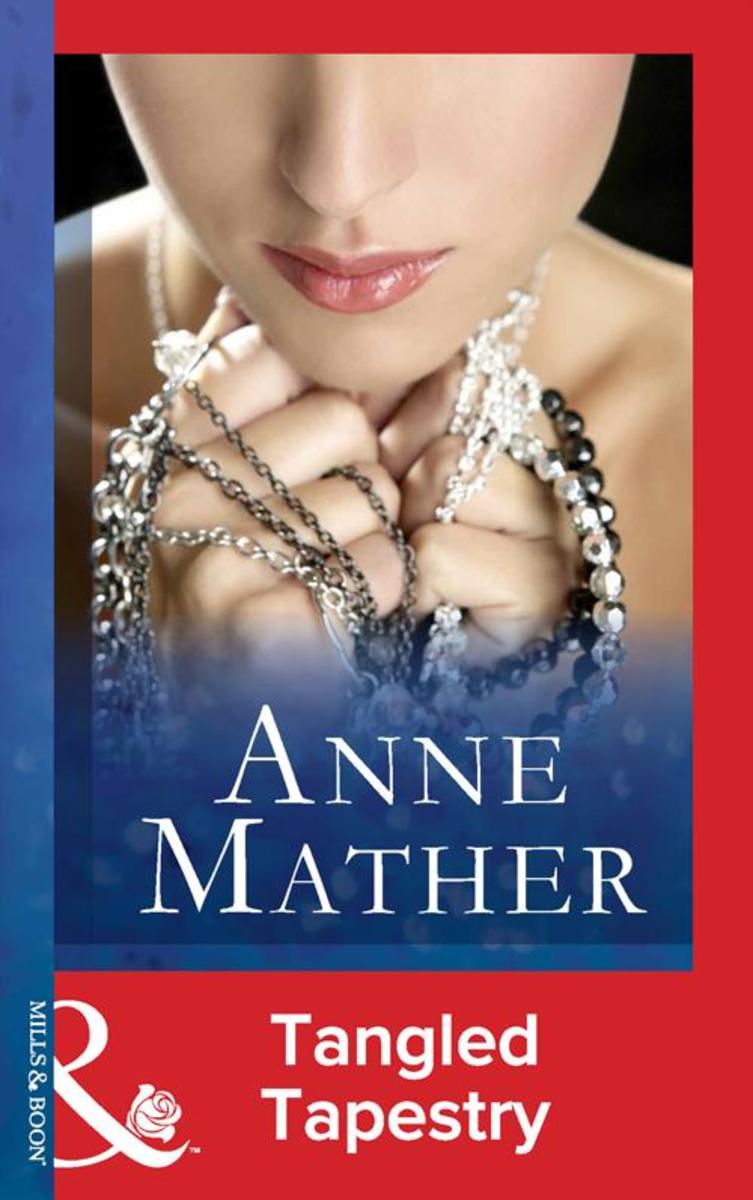
Tangled Tapestry (Mills & Boon Modern) (The Anne Mather Collection)
¥31.10
Mills & Boon are excited to present The Anne Mather Collection – the complete works by this classic author made available to download for the very first time! These books span six decades of a phenomenal writing career, and every story is available to read unedited and untouched from their original release. The Duque’s willing captive… A world she’d never dreamed of… Debra Warren is astounded when she discovers her long lost mother was none other than world-famous actress Elizabeth Steel! Catapulted into a world of glamour, luxury and celebrity – Debra struggles to stay grounded, especially in the face of her overwhelming attraction to handsome Dominic McGill. Debra knows he could lead her astray – she must resist or risk the same fate as her wayward mother… Trouble is, he’s already broken down her defences…
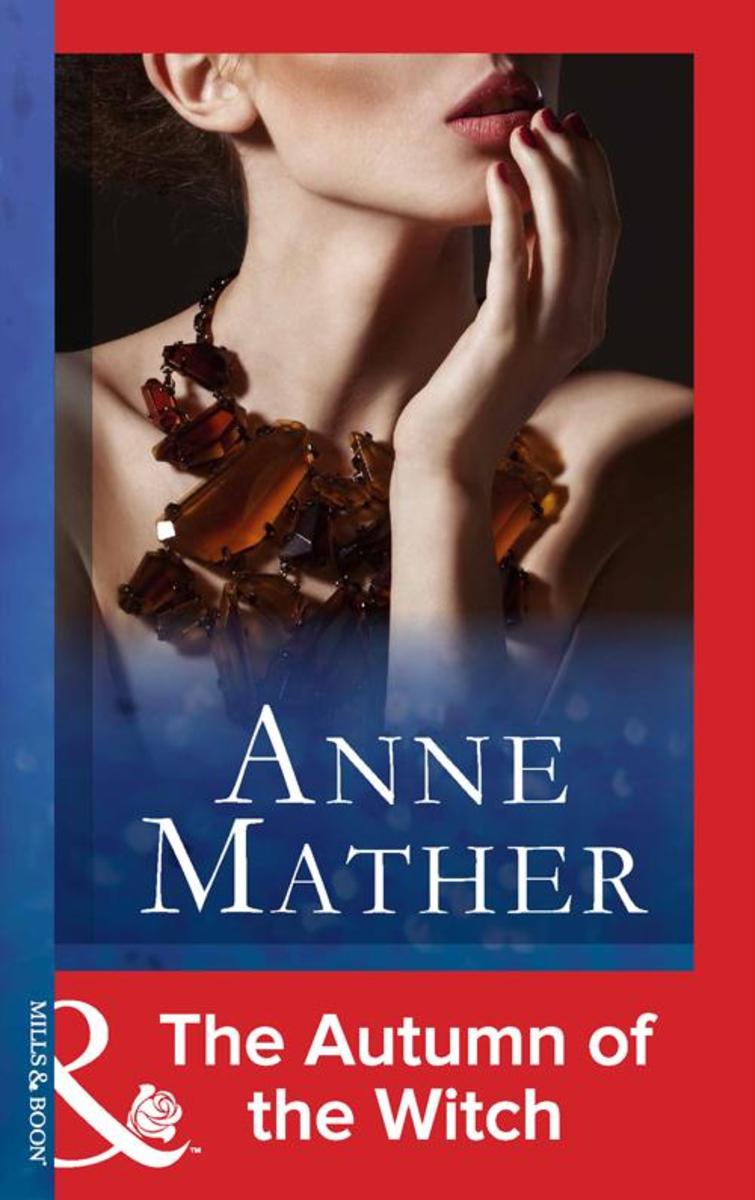
The Autumn of the Witch (Mills & Boon Modern) (The Anne Mather Collection)
¥31.20
Mills & Boon are excited to present The Anne Mather Collection – the complete works by this classic author made available to download for the very first time! These books span six decades of a phenomenal writing career, and every story is available to read unedited and untouched from their original release. A marriage in name only… There is only one way Stephanie can save her father from absolute ruin. She must become the wife of wealthy Sicilian Santiano Venturo! Stephanie has no allusions about this marriage of convenience - surely Santiano only married her to give his motherless daughter a companion anyway? But she can’t help finding Santiano irresistibly attractive, and something in his behaviour suggests he might have deeper feelings for her too… Is it better to keep their union on a superficial level, or can Stefanie risk revealing to her new husband what really lies in her heart?
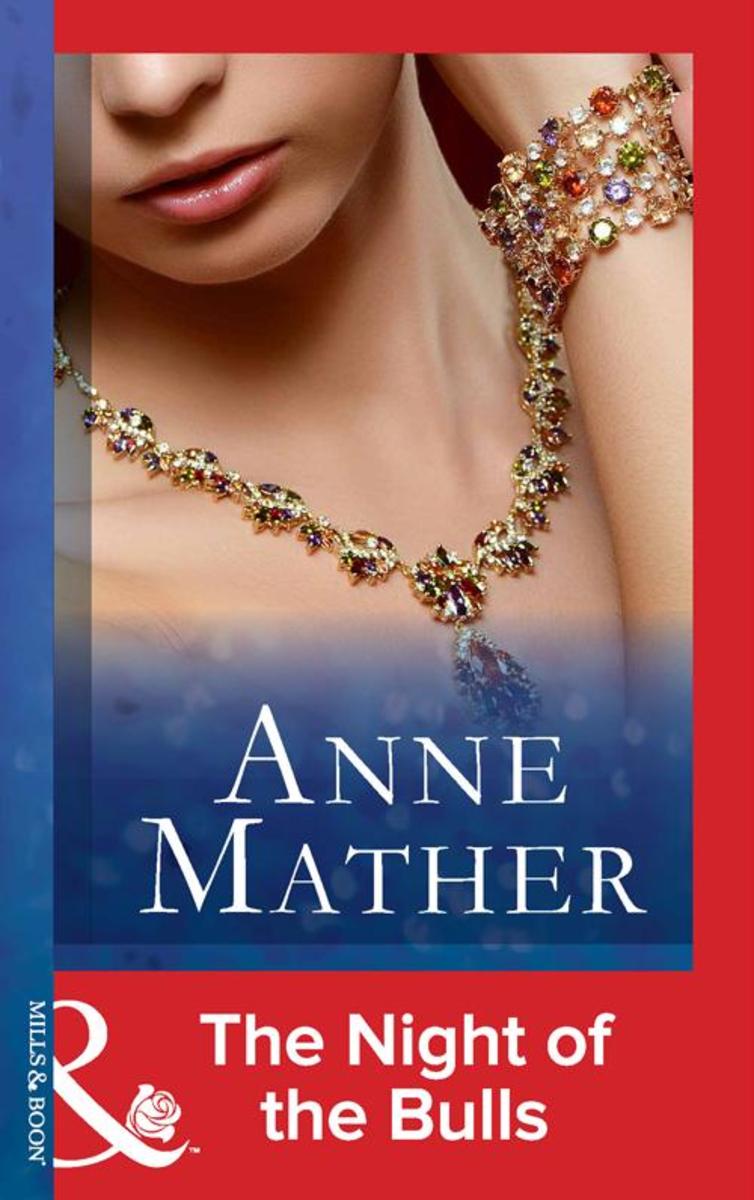
The Night of the Bulls (Mills & Boon Modern) (The Anne Mather Collection)
¥31.10
Mills & Boon are excited to present The Anne Mather Collection – the complete works by this classic author made available to download for the very first time! These books span six decades of a phenomenal writing career, and every story is available to read unedited and untouched from their original release. The only man she needs…? It is nothing less than absolute desperation that brings Dionne back to the Camargue – the remote part of Southern France that was the scene of the most tragic event of her life. While she dreads seeing Manoel again, a small part of her still yearns for him… Manoel’s mother hates her, while Manoel has probably married the beautiful Yvonne by now. But Dionne has no choice but to face them all…
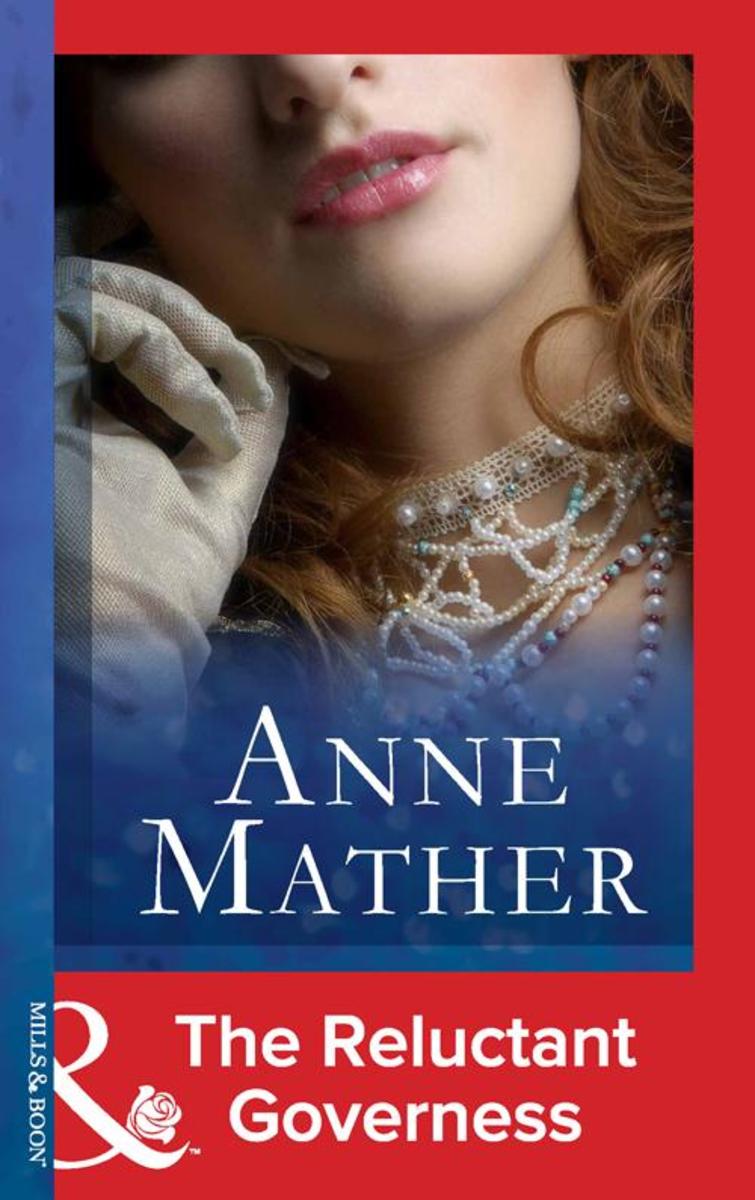
The Reluctant Governess (Mills & Boon Modern) (The Anne Mather Collection)
¥31.20
Mills & Boon are excited to present The Anne Mather Collection – the complete works by this classic author made available to download for the very first time! These books span six decades of a phenomenal writing career, and every story is available to read unedited and untouched from their original release. Problem child… problem father! Victoria Munroe has fled to the Austrian Alps to escape a disastrous love affair – only to find herself in a far more challenging situation. As governess to troubled Sophie, Victoria certainly has her work cut out for her. Especially when Victoria’s brooding employer, Sophie’s father, Baron Horst von Reichstein, proves even more of a problem than his daughter! Victoria is determined not to let Sophie or the Baron get the better of her – but she risks losing her cool in the face of her powerful attraction to the embittered Baron. And as she gets more and more entangled with the Baron and his secrets, it may just be too late to walk away…


