


 购物车
购物车 个人中心
个人中心

Danny Boy
¥68.67
A deeply moving saga of a young couple with high hopes for a bright future in rural Ireland, only to find themselves embroiled in the uprising of 1916 and having to make a new life for themselves in Birmingham. Rosie’s family doesn’t have much money, but she’s rich in other ways: she loves her life on the farm, her sisters, her friends, and even her spoilt baby brother. When Danny Walsh asks her to walk out with him one Sunday, it’s a dream come true. Everyone agrees that they are made for each other and soon they are married. But Danny’s young brother runs away to join in the uprising of Easter 1916. Danny is a man of peace but has no choice; he must find his brother and bring him home. Before he can be released, Danny must swear to take his place. Danny will never be free of his pledge. He takes Rosie and their small daughter to what they hope is safety in Birmingham – but the fight to survive has just begun, as nobody will employ an Irishman when there’s a war on. With no money coming in, Rosie does the unthinkable and leaves Danny to look after the child while she finds a job in munitions. Little does she realise the danger she is in and what consequences it will have for her and her family. Danny and Rosie will find their resources, spirit and love for each other are tested to the utmost limit before the future is bright again.
Hometown Princess (Mills & Boon Love Inspired)
¥31.10
All Cari Duncan has ever wanted is family. Yet her late father chose his new young wife's children over Cari. Surprised–and hopeful–when he bequeaths her the old house she grew up in, Cari moves to Knotwood Mountain, Georgia. But she and her stepmother clash the minute she arrives. How can Cari make a fresh start in the small town? The handsome businessman next door, who happens to be the most eligible bachelor, claims to know exactly how. But following Rick Adams's time-tested advice means opening her heart…to faith, family and her very own Prince Charming!

Hometown Promise (Mills & Boon Love Inspired) (Kellerville, Book 1)
¥25.60
For six years Lukas Frye has fought to regain control of his reckless life. He comes to Kellerville, Ohio, hoping to settle down and be the man his ailing grandfather can depend on. Lukas thinks he can put down roots in a place unsullied by his past–until he sees Juliane Keller. Juliane knows the secrets that could ruin his chance of being accepted in the place he wants to call home. But she isn't just a reminder of his past; she's a woman with secrets of her own–and a heart capable of the forgiveness and love he needs.

Hometown Reunion (Mills & Boon Love Inspired)
¥25.60
Lori Raymond thought her old crush on Scott Mara was long gone. But then a job disaster brings her home to Apple Grove, Iowa… and back into Scott's life. Working together to renovate the town's café, Lori sees a side of Scott she never expected. The former bad boy is now a caring single father, taking his first steps toward a faith-filled life. A life he wants Lori to share. Now Lori must decide: will she follow her dreams back to the big city…or let her heart finally lead her home?

Jingle Bell Blessings (Mills & Boon Love Inspired) (Rosewood, Texas, Book 6)
¥31.10
All Jimmy Evans wants for Christmas is a family. And Chloe Reed's mission is to get him one. But when Chloe and the orphaned boy land on distant relative Evan Mitchell's doorstep, they come face-to-face with a real-life Scrooge. Haunted by a tragic past, Evan wants nothing to do with them–or with Christmas. But little by little, one adorable seven-year-old and a spunky young woman chip away at Evan's heart of stone and bring the holiday spirit back into his home. Will these three strangers become a true family by Christmas?
Katie's Redemption (Mills & Boon Love Inspired) (Brides of Amish Country, Book
¥31.10
After two years away, Katie Lantz returns to her Amish community nine months pregnant–and unmarried. With nowhere else to turn, she nervously knocks on her family's door, fearing she'll be shunned. Yet the handsome stranger who now owns the farm welcomes her in–just in time for Katie to give birth. Carpenter Elam Sutter and his kindly mother care for Katie and her newborn in a loving way she never dreamed was possible. But in the face of a heartwrenching choice, Katie learns just what family, faith and acceptance truly mean.

Love Finds a Home (Mills & Boon Love Inspired) (Mirror Lake, Book 2)
¥31.10
Widowed mother Emma Barlow knows her shy, studious son needs a male influence. And where better to find him than in the mentoring ministry at their local church? But when the new chief of police becomes her son's mentor, Emma is worried. As the widow of a fallen officer, she's nervous about letting a lawman into their lives. Especially one as handsome–and conflicted–as Jake Sutton. But when her son comes out of his shell, and even Emma finds herself smiling, she knows that love just might find a home in Mirror Lake…and create a new family.
Love Lessons (Mills & Boon Love Inspired) (Helping Hands Homeschooling, Book 1)
¥25.60
Homeschooling his daughter is new to devoted single father Ian Ferguson. To ensure his child gets a good education, the busy CPA hires a temporary tutor. Twenty-three-year-old college student Alexa Michaels is too young–and too pretty–to be right for the job. Yet his daughter is coming out of her shell and learning. Still, Ian is traditional, and sweet Alexa–who graduated from the school of hard knocks–is challenging some of his old-school ways. Can this dad learn some valuable lessons about love, family and faith from the least likely teacher?

Mending Fences (Mills & Boon Love Inspired)
¥31.10
Laura Toivo's never been a success at love. The high-powered exec has always been better at dealing with clients than family or friends. When she's called home to Michigan to care for her ailing mother, she finds herself in uncertain territory. Then handsome widower Jack Stahl moves in next door. Jack has realized that life is too short and wants to focus on his kids and his faith, not a woman who's as career-hungry as he used to be. Can Jack show Laura that life is all about connections, and that love is the greatest of God's gifts?
Montana Hearts (Mills & Boon Love Inspired)
¥31.10
Sarah Barkley has come to Sweet Grass Valley, Montana, with a mission in mind. Ever since her heart transplant, she's wanted to secretly help the family of the woman whose heart saved her life. And with two motherless children and a sprawling ranch to care for, Kurt Ryder could sure use some support. Falling for the rugged rancher is an unexpected complication. Does Kurt want Sarah for herself–or for her connection to the past? Her heart brought her to Sweet Grass Valley, but only love–and a leap of faith–will make it her home.

Seeking His Love (Mills & Boon Love Inspired)
¥25.60
Since losing his wife and child, widower Cam McKenna has tried to avoid children. But when he must temporarily care for his niece, Cam opens his home. With no idea how to relate to a fourteen-year-old girl, he seeks the advice of the new Christian Youth theater director. He's touched when Rachel Clark gives his niece a scholarship–and teaches him a thing or two about teens…and love. But why is Rachel so secretive about her past? The truth threatens their fragile relationship yet promises to bring them closer to each other–and the Lord–than either dreamed possible.

The Cinderella List (Mills & Boon Love Inspired)
¥31.10
Since she was a child, Marlo Mayfield has kept a list of traits her Prince Charming must possess. After a series of bad relationships, Marlo's beginning to lose hope that her ideal man exists. But when she caters a party for Jake Hammond, Marlo realizes he could be the man she's been waiting for. There's only one problem: Jake is super wealthy, and Marlo's not sure she fits into his blue-blooded world. But Jake is determined to show Marlo that with a little faith and a lot of love, he just might be the one.
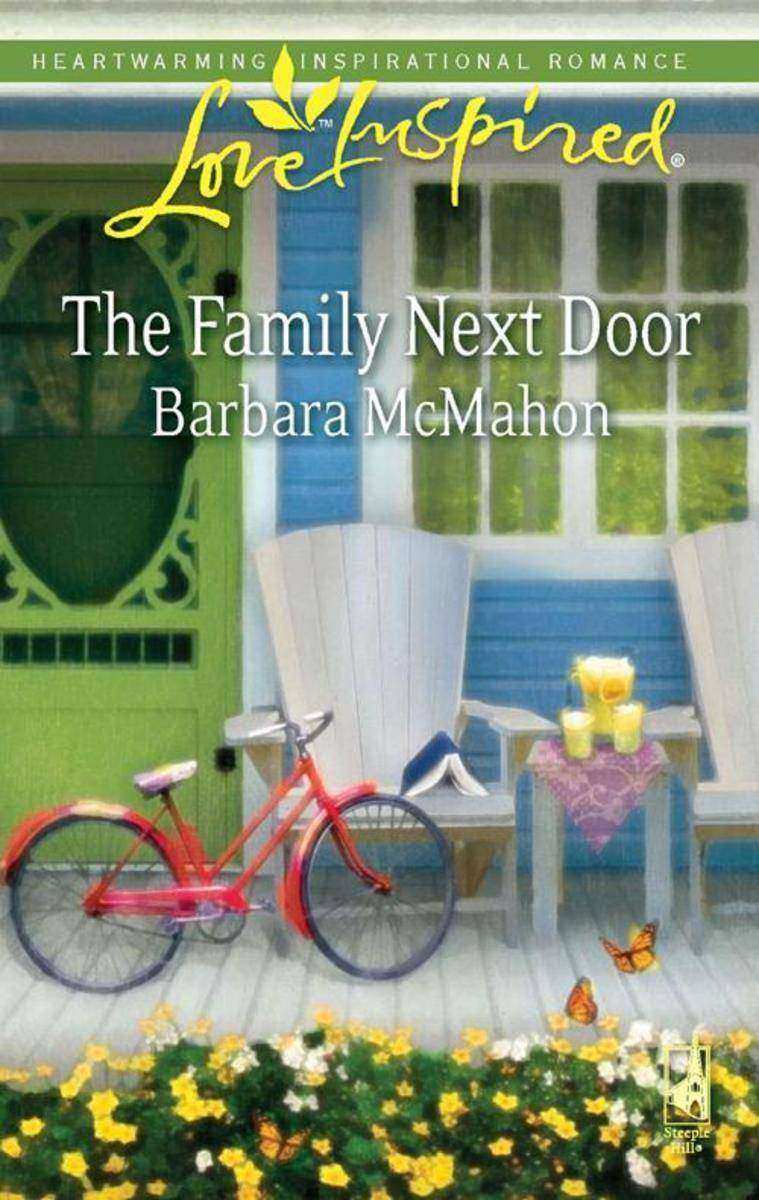
The Family Next Door (Mills & Boon Love Inspired)
¥31.10
His young daughter has already lost too much. Widower Joe Kincaid doesn't want her forming attachments that will break her heart. So he'd appreciate if his pretty new neighbor didn't charm the girl with hot chocolate, fun stories and big smiles. After all, Gillian Parker is from glittering Las Vegas–she won't last a month in their quiet Maine town. But Gillian isn't what he expected at all. And when her painful past catches up with her, Joe finds himself opening his door–and his heart–wider than he ever dreamed possible.
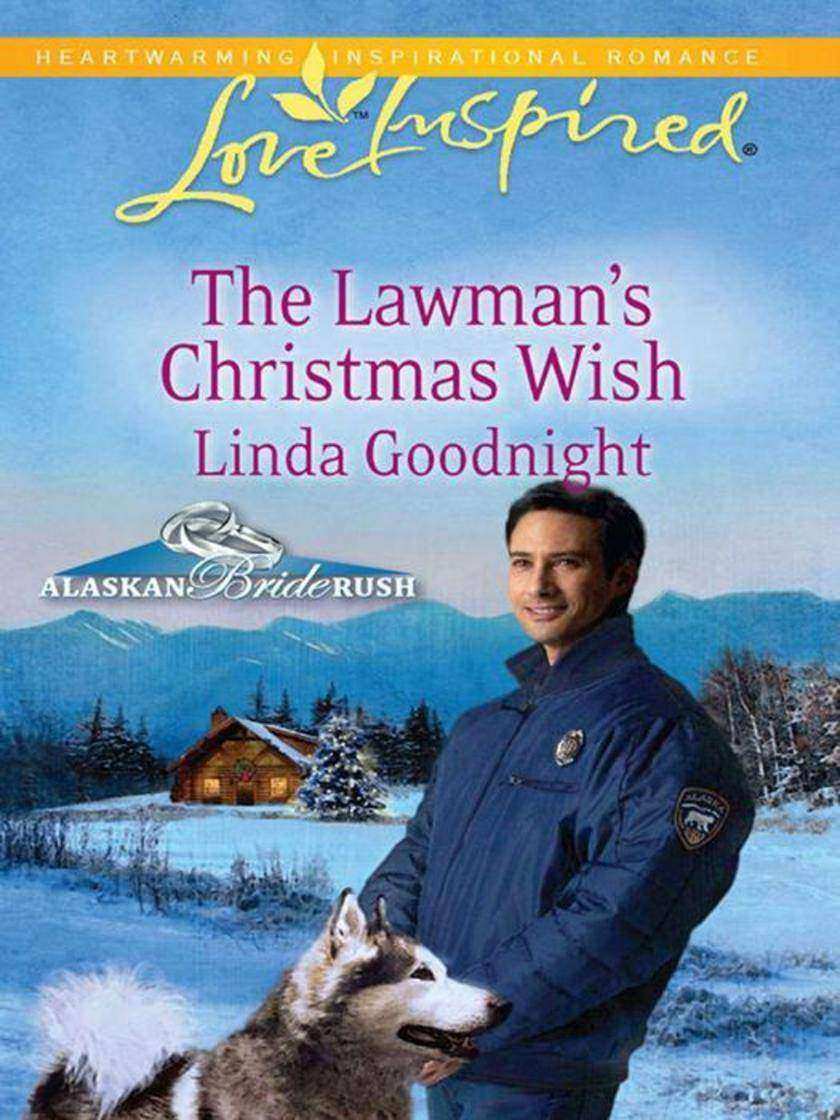
The Lawman's Christmas Wish (Mills & Boon Love Inspired) (Alaskan Bride Rush, B
¥31.10
Widow Amy James can't get through grocery shopping in Treasure Creek, Alaska, without a marriage proposal. And she's hardly flattered. Most of her "suitors" are after the treasure her great-grandfather had buried on her property. But only one man promised her late husband he'd take care of her and the boys: police chief Reed Truscott. True, Reed is handsome and honest and makes her feel safe. But his honorable marriage proposal is about obligation–not love. Unless he can convince her that his Christmas wish is to join her family forever.
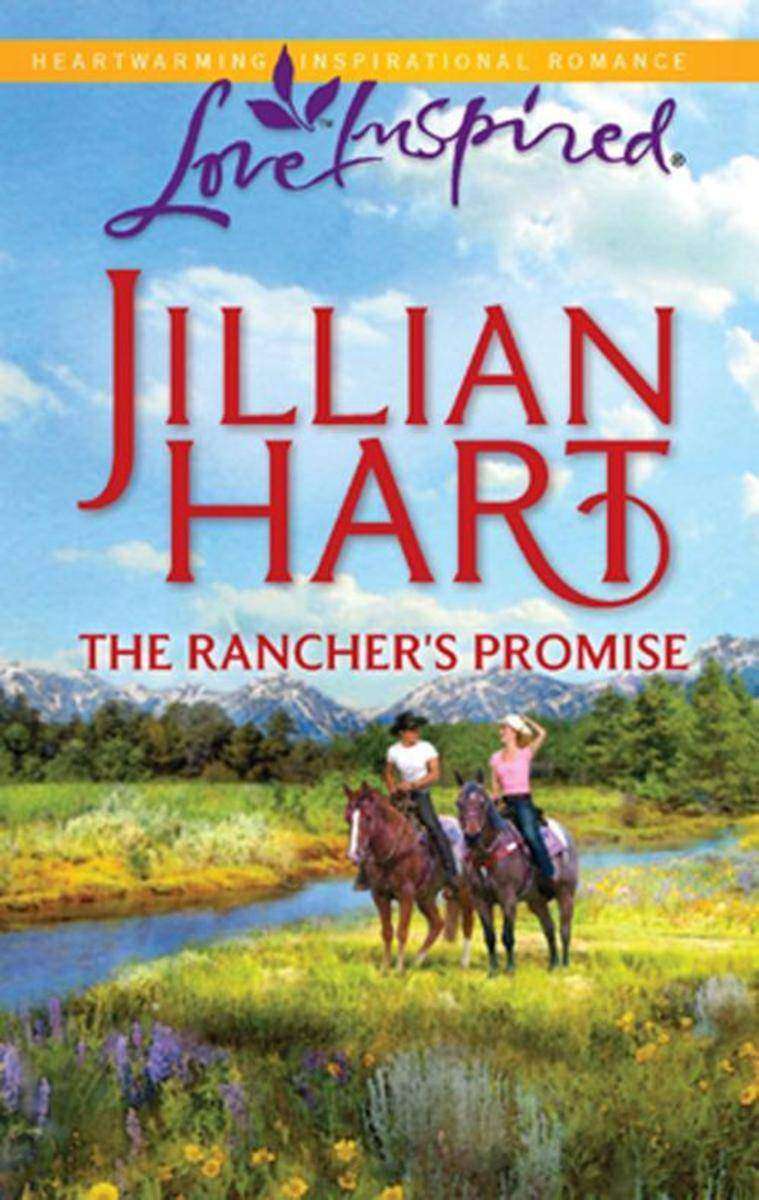
The Rancher's Promise (Mills & Boon Love Inspired) (The Granger Family Ranch, B
¥31.10
Rancher Justin Granger hasn't seen his high school sweetheart since she rode out of town with his heart. Now, "too good for this small town" Rori Cornell stands on his doorstep, seeking a job as his cook and housekeeper. He can't turn her away, not with the sadness and worry in her cornflower-blue eyes. He'll just have to avoid her between meals. But when Justin discovers that Rori's big dream has always been him, he finds his heart softening. And an old promise yearning to be kept.
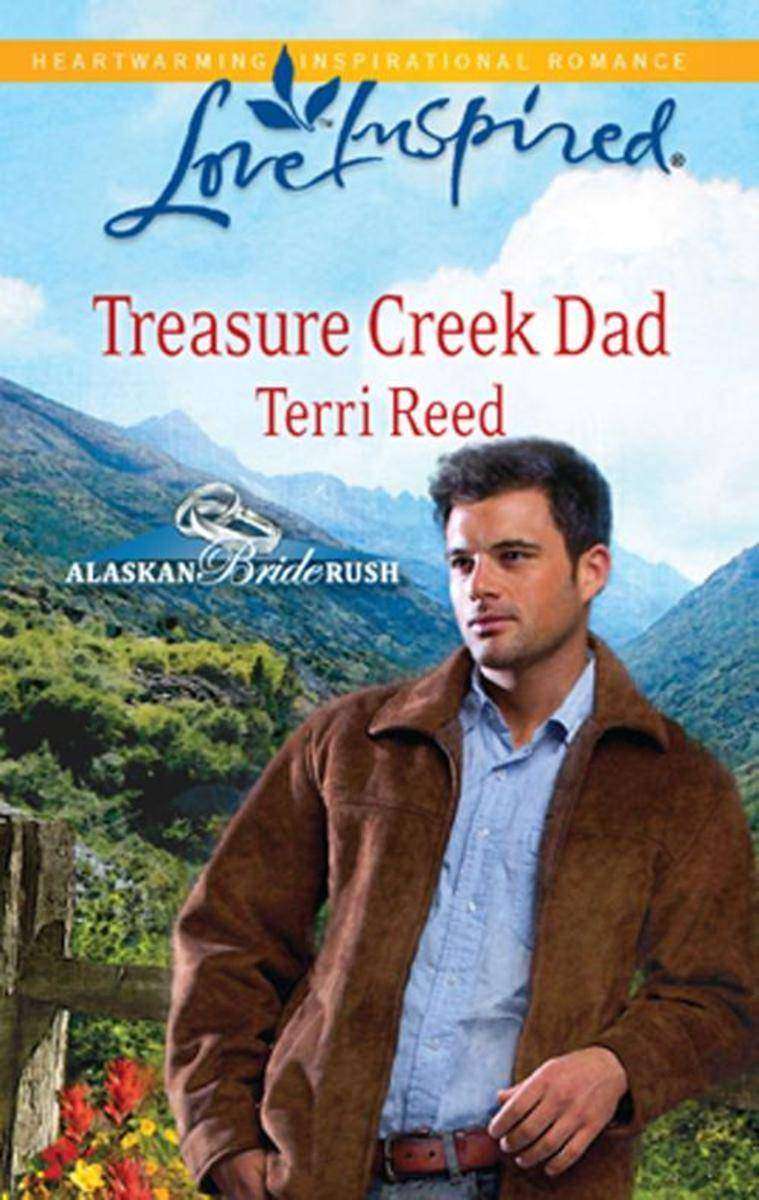
Treasure Creek Dad (Mills & Boon Love Inspired) (Alaskan Bride Rush, Book 2)
¥31.10
Single father Jake Rodgers's daughter isn't happy about moving to tiny Treasure Creek, Alaska. So the former big-city businessman trades his suits for hiking boots and he books a father-daughter wilderness tour to acclimate her. But Veronica isn't buying it. Perhaps guide Casey Donner is just the person to help the girl appreciate the Klondike state's natural beauty. But could tomboy Casey, in her ponytail and cargo pants, also be what this city boy needs for a lifetime of love?

Twice in a Lifetime (Mills & Boon Love Inspired) (The Bodine Family, Book 1)
¥39.24
When her family calls broken-hearted Georgia Lee Bodine home to Charleston, she knows there's trouble. Her beloved grandmother hired some fancy lawyer to carry out eccentric requests–and unearth an old family secret. Georgia plans to send Matthew Harper packing until she discovers how much the widowed father cares about her grandmother. And that his heart is even more deeply guarded than her own. As they work together on the Bodine history, they uncover a surprise about themselves: that love can strike twice in a lifetime.

Where Love Abides (Mills & Boon Love Inspired) (Heartland Homecoming, Book 3)
¥31.10
The widowed sheriff's daughter wanted just one thing: a mom. But the lady she'd set her sights on didn't consider herself mother or wife material. Christine Turner couldn't abide her attraction to handsome lawman Dale Lewis. She'd moved to Oak Hill for a fresh start, but no matter how much she wanted it, she didn't believe a family was in God's plan for her life. Dale decreed it a crime for such a lovely, kind woman to hide away on her farm. Especially when he wanted to make his daughter's dream–and Christine's–come true.
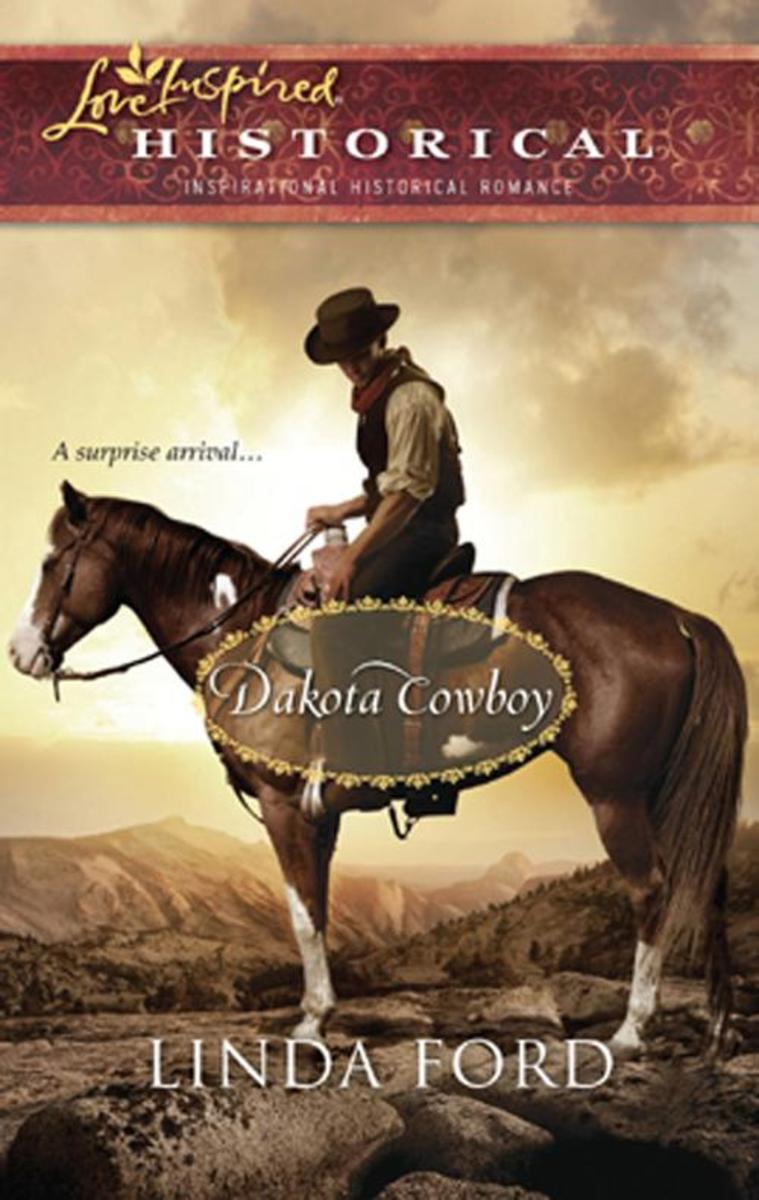
Dakota Cowboy (Mills & Boon Love Inspired)
¥31.10
Surely the handsome cowboy can't be serious. Lucy Hall's father wants to see her? Now? After years of being brushed aside, Lucy's in no hurry to rush to the man's deathbed. And just as Wade Miller rode into town to bring her father's message, he can ride right back out with hers. But before Wade can leave, Lucy finds herself witness to a terrible crime, with a killer on her trail. In this storm of trouble, she'll take any shelter she can find–even if it means going to her father after all. Yet safety comes at a high price when time with the Dakota cowboy puts at risk the one thing Lucy's always protected–her heart.

Hannah's Journey (Mills & Boon Love Inspired) (Amish Brides of Celery Fields, B
¥31.10
What could bring an Amish widow and a wealthy circus owner together? Though Hannah Goodloe knew she'd violated countless unwritten laws, she had to visit the only man who could help find her runaway son. But when the enigmatic Levi Harmon agreed to take her on his train, the results were utterly unpredictable. Levi never expected to find the embodiment of all he wanted in a woman in the soft-spoken, plainly dressed Hannah. And for Hannah, to love an outsider was to be shunned. The simple pleasures of family, faith and place to belong seemed an impossible dream. Unless Levi unlocked his past and opened his heart to God's plan.
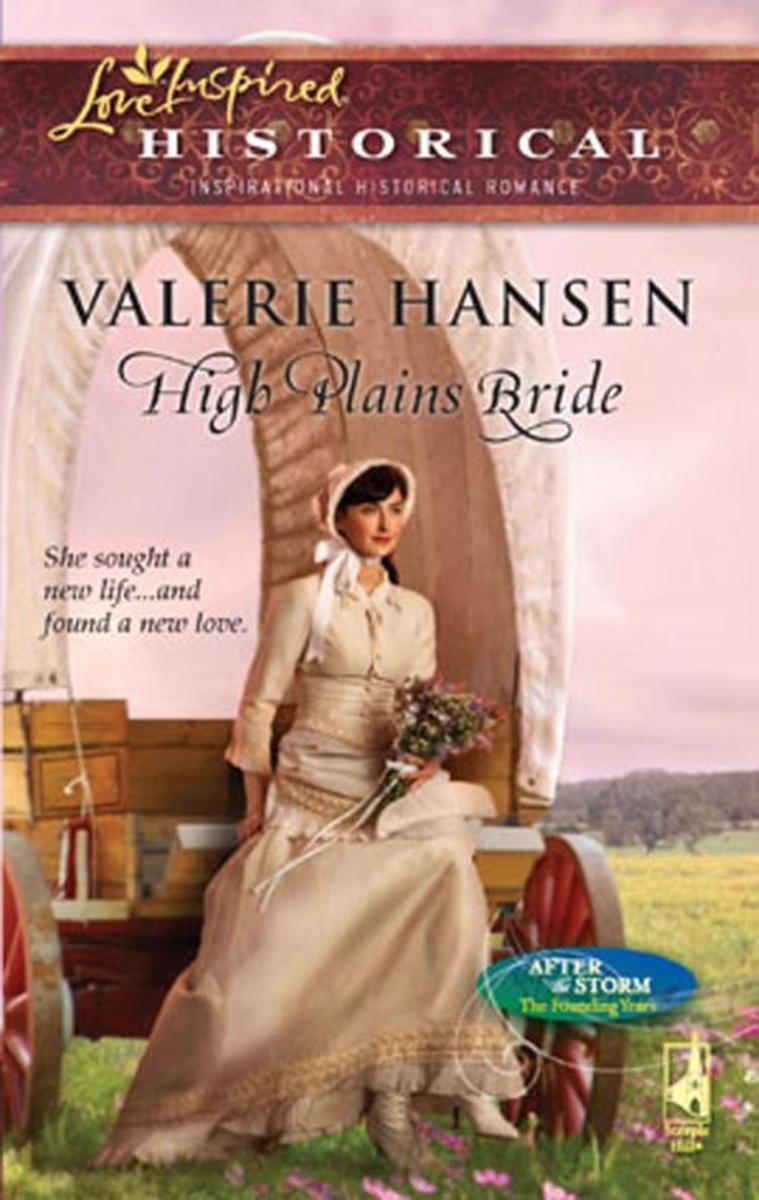
High Plains Bride (Mills & Boon Love Inspired) (After the Storm: The Founding Y
¥31.10
Emmeline Carter was prepared for danger on the new frontier. But she didn't foresee the tornado that tore their wagon train apart. Now her father is dead, her mother and sister are injured and their twin wards are missing. There's nowhere to turn but the fledgling Kansas settlement of High Plains. Town founder Will Logan steps in to search for the twins and house the Carters…for now. He's not cut out for family life long-term. But Emmeline's got her own ideas, and when this high plains bride chooses her groom, nothing will get in her way!


