


 购物车
购物车 个人中心
个人中心

No Fear
¥105.87
Written for young adults, the Urban Underground series confronts issues that are of great importance to teens, such as friendship, loyalty, drugs, gangs, abuse, urban blight, bullies, and self-esteem to name a few. More than entertainment, these books can be a powerful learning and coping tool when a struggling reader connects with credible characters and a compelling storyline. The highly readable style and mature topics will appeal to young adult readers of both sexes and encourage them to finish each eBook. Cesar Chavez HS Series - Naomi's mother chose to live in the shadow of a bully and abuser. Ernesto hoped that someday she would live with no fear. Naomi Martinez broke the cycle of abuse in her family. She stood up for what was right. But will Ernesto now win her heart or will Clay always be between them?

The Lost
¥105.87
Written for young adults, the Urban Underground series confronts issues that are of great importance to teens, such as friendship, loyalty, drugs, gangs, abuse, urban blight, bullies, and self-esteem to name a few. More than entertainment, these books can be a powerful learning and coping tool when a struggling reader connects with credible characters and a compelling storyline. The highly readable style and mature topics will appeal to young adult readers of both sexes and encourage them to finish each eBook. Cesar Chavez HS Series - What is Paul Morales hiding? Pretty and popular Carmen Ibarra is excited when Paul asks her on a date. But she has to convince her family that Paul is respectable, a difficult task considering his gangbanger friends. Will bad-boy Paul break Carmen's heart or is he the real deal?

See No Evil
¥105.87
Written for young adults, the Urban Underground series confronts issues that are of great importance to teens, such as friendship, loyalty, drugs, gangs, abuse, urban blight, bullies, and self-esteem to name a few. More than entertainment, these books can be a powerful learning and coping tool when a struggling reader connects with credible characters and a compelling storyline. The highly readable style and mature topics will appeal to young adult readers of both sexes and encourage them to finish each eBook. Harriet Tubman HS Series - On the brink of her freshman year at Tubman High, something clicked in Chelsea's mind. Shadrach rescued animals. And in a way, he saved kids by teaching them respect. Now she and her friends were rescuers by volunteering at the shelter. Jaris was a rescuer too. He was trying to save Sereeta's mom. And, maybe Maurice would have to rescue Athena from getting into trouble.

Edmund Ironside by William Shakespeare - Apocryphal (Illustrated)
¥8.09
This eBook features the unabridged text of ‘Edmund Ironside’ from the bestselling edition of ‘The Complete Works of William Shakespeare’. Having established their name as the leading publisher of classic literature and art, Delphi Classics produce publications that are individually crafted with superior formatting, while introducing many rare texts for the first time in digital print. The Delphi Classics edition of Shakespeare includes original annotations and illustrations relating to the life and works of the author, as well as individual tables of contents, allowing you to navigate eBooks quickly and easily.eBook features:* The complete unabridged text of ‘Edmund Ironside’* Beautifully illustrated with images related to Shakespeare’s works* Individual contents table, allowing easy navigation around the eBook* Excellent formatting of the textPlease visit www.delphiclassics.com to learn more about our wide range of titles

Mademoiselle de Scuderi and Other Tales
¥40.79
The action takes place in Paris during the reign of King Louis XIV of France. The city is under siege by what is presumed to be an organized band of thieves whose members rob citizens of costly jewelry in their homes or on the street. Some of the street victims are simply rendered unconscious by a blow to the head, but most are killed instantly by a deliberate dagger thrust to the heart. The murder victims are mostly wealthy lovers who are on their way to meet their mistresses with gifts of fine jewelry.
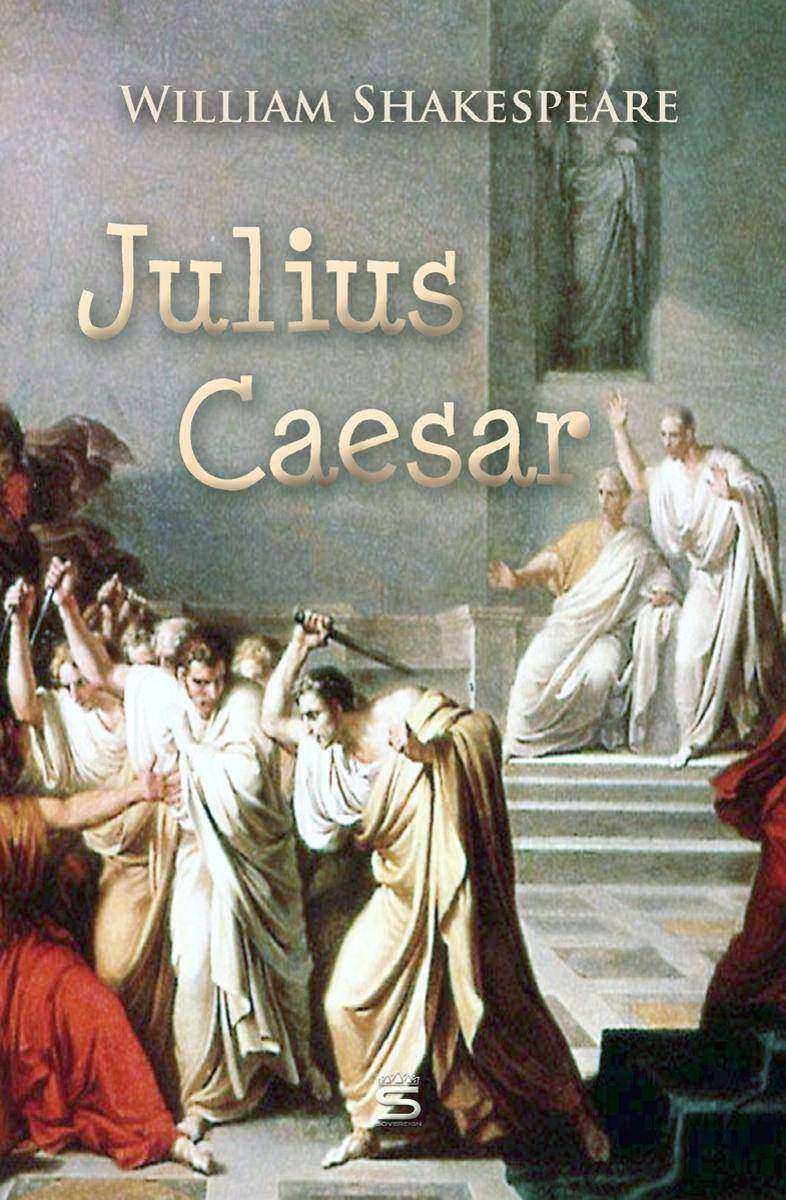
Julius Caesar
¥40.79
A tragedy by William Shakespeare, one of several plays written by Shakespeare based on true events from Roman history. The play opens with the commoners of Rome celebrating Caesar's triumphant return from defeating Pompey's sons at the battle of Munda. Two tribunes, Flavius and Marrullus, discover the commoners celebrating, insult them for their change in loyalty from Pompey to Caesar, and break up the crowd.

All's Well That Ends Well
¥40.79
The play opens in Rousillon, a Catalan province of Spain, where young Count Bertram bids farewell to his mother the Countess and Helena, as he leaves for the court of Paris at the French King's order. Bertram's father has recently died and Bertram is to be the King's ward and attendant. Helena, a young minor noblewoman and ward of the Countess, whose father has also recently died, laments her unrequited love for Bertram, and losing him to Paris, which weighs on her though it seems to others that she mourns her father.

Θα σου Διαβ?σω Δυο Παραμ?θια να Μεγαλ?σει?
¥39.86
Π?σο ακ?μη θα υπ?ρχουν ?νθρωποι που βασαν?ζουν παιδι?; Π?σο ακ?μη θα υπ?ρχουν ?νθρωποι που σκοτ?νουν παιδι?; Π?σο ακ?μη θα υπ?ρχουν ?νθρωποι που κακοποιο?ν παιδι?; Π?σο ακ?μη θα υπ?ρχουν γονε?? που σκοτ?νουν τα παιδι? του?? Π?σο ακ?μη θα υπ?ρχουν γονε?? που θεωρο?ν τα παιδι? του? λ?θη? Π?σο ακ?μη θα υπ?ρχουν Ιατρο? που θα προσφ?ρουν απλ?χερα την ευθανασ?α; Π?σο ακ?μη θα υπ?ρχουν Κρ?τη που νομιμοποιο?ν την ευθανασ?α; ...τη στιγμ? που κ?ποιοι θα ε?χονταν να μπορο?σαν να διαβ?σουν στο παιδ? του? δ?ο παραμ?θια... ?ν ε?χε γεννηθε?... Το Ν?ο Βιβλ?ο του π. Πα?λου Γρηγορ?ου ε?ναι αφιερωμ?νο σε ?λα τα μωρ? που δε γενν?θηκαν ποτ?...! Δυο παραμ?θια που θα αμβλ?νουν τη συνε?δηση του παιδιο? και θα ξυπν?σουν τα συναισθ?ματα του ενηλ?κου!
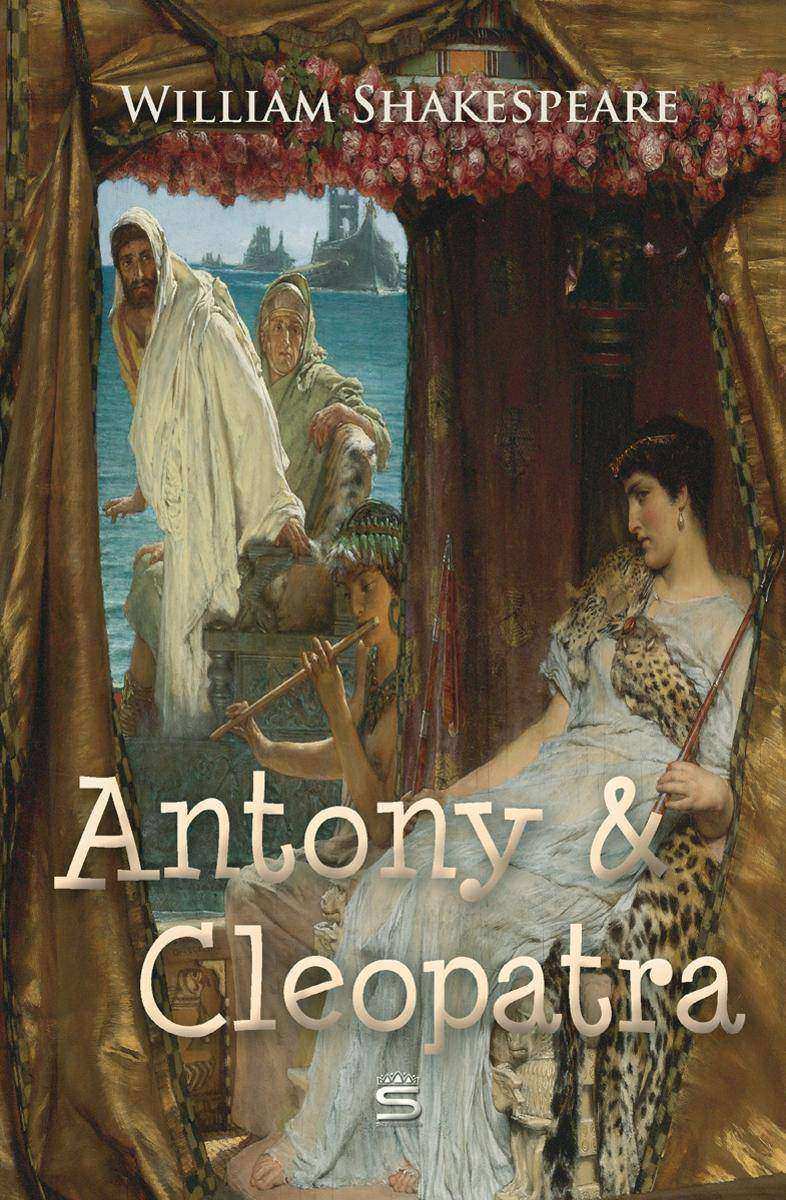
Antony and Cleopatra
¥40.79
The tragedy is set in Rome and Egypt, characterised by swift, panoramic shifts in geographical locations and in registers. The story follows the relationship between Cleopatra and Mark Antony from the time of the Sicilian revolt to Cleopatra's suicide during the Final War of the Roman Republic. The major antagonist is Octavius Caesar, one of Antony's fellow triumviri of the Second Triumvirate and the first emperor of the Roman Empire.
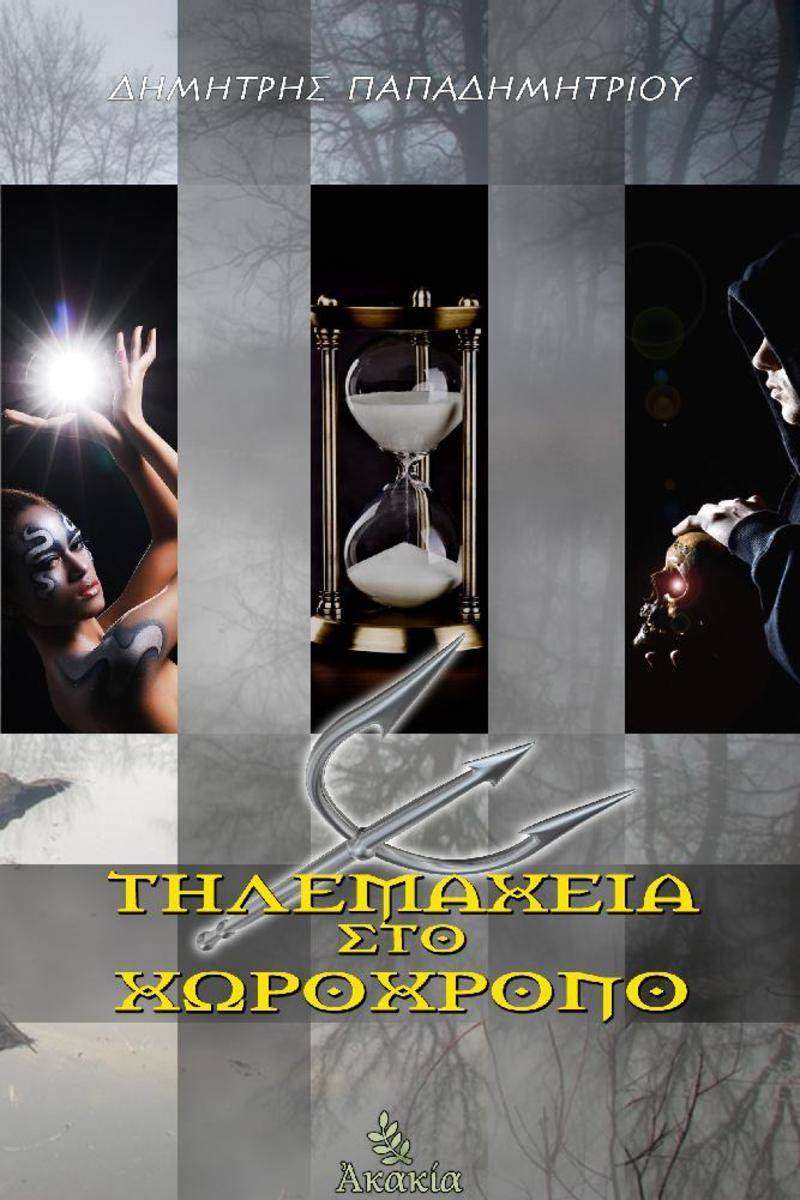
Τηλεμ?χεια στο Χωροχρ?νο
¥63.19
Η Τηλεμ?χεια στο Χωροχρ?νο αποτελε? ?να μυθιστ?ρημα φαντασ?α?, που αφορ? σε ονειρικ? ταξ?δια μ?σα στο χρ?νο και την περ?εργη σ?νδεσ? του? με την πραγματικ?τητα. Ο κεντρικ?? χαρακτ?ρα? Τηλ?μαχο? Ανδρ?νικο? ε?ναι ?να? μικροαστ?? 33 ετ?ν, υπ?ρβαρο?, που δουλε?ει ω? τραπεζικ?? υπ?λληλο?. Μ?λι? πληροφορε?ται ?τι π?σχει απ? καρκ?νο και ?χει μ?νο ?ξι μ?νε? ζω??, αποξεν?νεται και βρ?σκει δι?ξοδο στον περ?πλοκο μηχανισμ? των ονε?ρων. Βι?νει ονειρικ?? μετενσαρκ?σει? σε προκατακλυσμια?ε? εποχ??, στην αρχα?α Ελλ?δα, την ?λωση τη? Κωνσταντινο?πολη?, την πολιορκ?α του Μεσολογγ?ου, τη γαλλικ? επαν?σταση, το δε?τερο παγκ?σμιο π?λεμο, ακ?μα και σε ?λλε? διαστ?σει?. Κοιν?? ?ξονα? των περιπλαν?σε?ν του ε?ναι ?να? σκοτειν?? β?λτο?, που μοι?ζει να αποτελε? μια κακ?βουλη ?μψυχη οντ?τητα, και ?να? μαυροντυμ?νο? ?ντρα? με εξωγ?ινε? μυστικιστικ?? δυν?μει?, που τον καταδι?κει στο π?ρασμα των αι?νων. Σ?ντομα η πραγματικ?τητα αρχ?ζει να συγχ?εται με τι? περιηγ?σει? τη? συνε?δησ?? του κατ? τη δι?ρκεια του ?πνου, β?ζοντα? σε δοκιμασ?α τη διατ?ρηση των λογικ?ν του. Το μοναδικ? πρ?σωπο που φα?νεται να τον πιστε?ει ε?ναι μια ?γνωστη, μυστηρι?δη?, ?μορφη γυνα?κα, η οπο?α γνωρ?ζει πολ? περισσ?τερα απ? ?σο δε?χνει. Σε κ?θε του μετεμψ?χωση αποκτ? εντελ?? διαφορετικ?? εμπειρ?ε?, που μοι?ζουν πλ?ρω? ασ?νδετε? μεταξ? του?, αλλ? ?λε? μαζ? αποτελο?ν το κλειδ?, που στο τ?λο? θα ξεκλειδ?σει τη μεγ?λη αλ?θεια.

The Merchant of Venice
¥40.79
Bassanio, a young Venetian of noble rank, wishes to woo the beautiful and wealthy heiress Portia of Belmont. Having squandered his estate, he needs 3,000 ducats to subsidise his expenditures as a suitor. Bassanio approaches his friend Antonio, a wealthy merchant of Venice who has previously and repeatedly bailed him out.
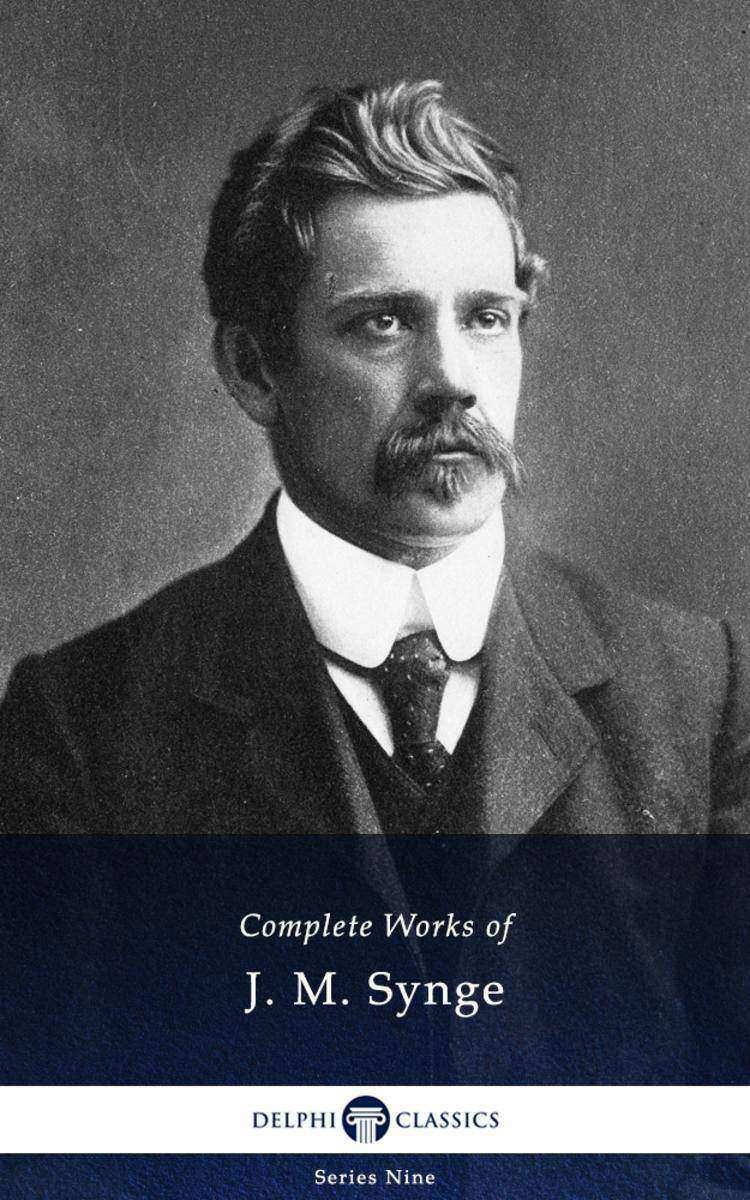
Delphi Complete Works of J. M. Synge (Illustrated)
¥24.44
The playwright J. M. Synge was a key figure in the Irish Literary Revival and was one of the co-founders of the Abbey Theatre. Today he is best known for his controversial play ‘The Playboy of the Western World’, which caused riots in Dublin during its opening run. Synge's writings are chiefly concerned with the world of the Roman Catholic peasants of rural Ireland and with what he saw as the essential paganism of their world view. He was a poetic dramatist of great power, whose modern plays are celebrated for their sophisticated craftsmanship. For the first time in digital publishing, this eBook presents Synge’s complete works, with numerous illustrations, rare texts, informative introductions and the usual Delphi bonus material. (Version 1) * Beautifully illustrated with images relating to Synge’s life and works* Concise introductions to the plays* All 6 plays, with individual contents tables* Images of how the books were first published, giving your eReader a taste of the original texts* Excellent formatting of the texts* Rare poetry available in no other collection* Includes Synge’s prose, featuring many essays and reviews– available in no other collection* Features two biographies, including Yeats’ seminal work ‘Synge and the Ireland of His Time’ – discover Synge’s literary life* Scholarly ordering of texts into chronological order and literary genres Please visit www.delphiclassics.com to browse through our range of exciting titles CONTENTS: The PlaysIn the Shadow of the GlenRiders to the SeaThe Well of the SaintsThe Playboy of the Western WorldThe Tinker’s WeddingDeirdre of the Sorrows The Poetry CollectionsCollected Poems The ProseThe Aran IslandsIn Wicklow and West KerryMiscellaneous Essays and Reviews The BiographiesSynge and the Ireland of His Time by W. B. YeatsBrief Biography of John Millington Synge by William Kirkpatrick Magee Please visit www.delphiclassics.com to browse through our range of exciting titles or to purchase this eBook as a Parts Edition of individual eBooks

Vera by Oscar Wilde (Illustrated)
¥8.09
This eBook features the unabridged text of ‘Vera’ from the bestselling edition of ‘The Complete Works of Oscar Wilde’. Having established their name as the leading publisher of classic literature and art, Delphi Classics produce publications that are individually crafted with superior formatting, while introducing many rare texts for the first time in digital print. The Delphi Classics edition of Wilde includes original annotations and illustrations relating to the life and works of the author, as well as individual tables of contents, allowing you to navigate eBooks quickly and easily.eBook features:* The complete unabridged text of ‘Vera’* Beautifully illustrated with images related to Wilde’s works* Individual contents table, allowing easy navigation around the eBook* Excellent formatting of the textPlease visit www.delphiclassics.com to learn more about our wide range of titles

The Complete Poems by Oscar Wilde (Illustrated)
¥8.09
This eBook features the unabridged text of ‘The Complete Poems’ from the bestselling edition of ‘The Complete Works of Oscar Wilde’. Having established their name as the leading publisher of classic literature and art, Delphi Classics produce publications that are individually crafted with superior formatting, while introducing many rare texts for the first time in digital print. The Delphi Classics edition of Wilde includes original annotations and illustrations relating to the life and works of the author, as well as individual tables of contents, allowing you to navigate eBooks quickly and easily.eBook features:* The complete unabridged text of ‘The Complete Poems’* Beautifully illustrated with images related to Wilde’s works* Individual contents table, allowing easy navigation around the eBook* Excellent formatting of the textPlease visit www.delphiclassics.com to learn more about our wide range of titles

The VIllage Coquettes by Charles Dickens (Illustrated)
¥8.09
This eBook features the unabridged text of ‘The VIllage Coquettes’ from the bestselling edition of ‘The Complete Works of Charles Dickens’. Having established their name as the leading publisher of classic literature and art, Delphi Classics produce publications that are individually crafted with superior formatting, while introducing many rare texts for the first time in digital print. The Delphi Classics edition of Dickens includes original annotations and illustrations relating to the life and works of the author, as well as individual tables of contents, allowing you to navigate eBooks quickly and easily.eBook features:* The complete unabridged text of ‘The VIllage Coquettes’* Beautifully illustrated with images related to Dickens’s works* Individual contents table, allowing easy navigation around the eBook* Excellent formatting of the textPlease visit www.delphiclassics.com to learn more about our wide range of titles

Dream Psychology
¥8.09
This Tribeca Press edition includes the full original text as well as exclusive images exclusive to this edition and an easy to use interactive table of contents.
Kidnapped
¥8.09
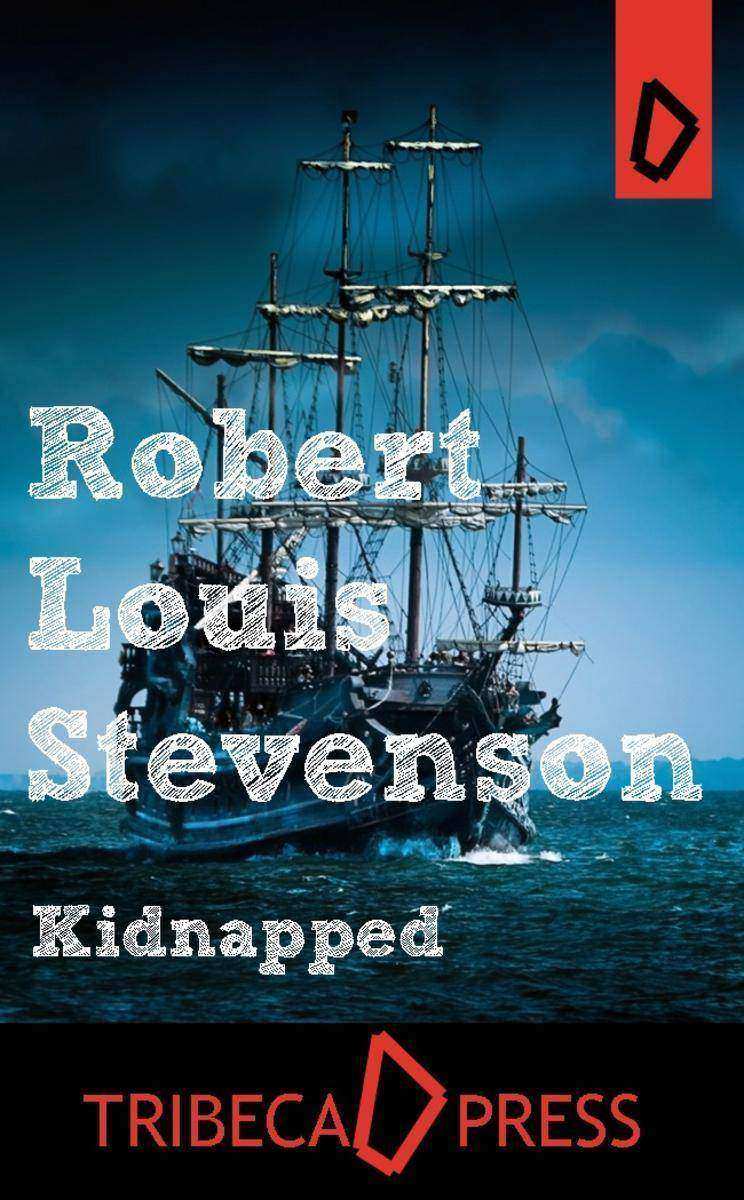
This Tribeca Press edition includes the full original text as well as exclusive images exclusive to this edition and an easy to use interactive table of contents.
Lady Windermere's Fan
¥8.09
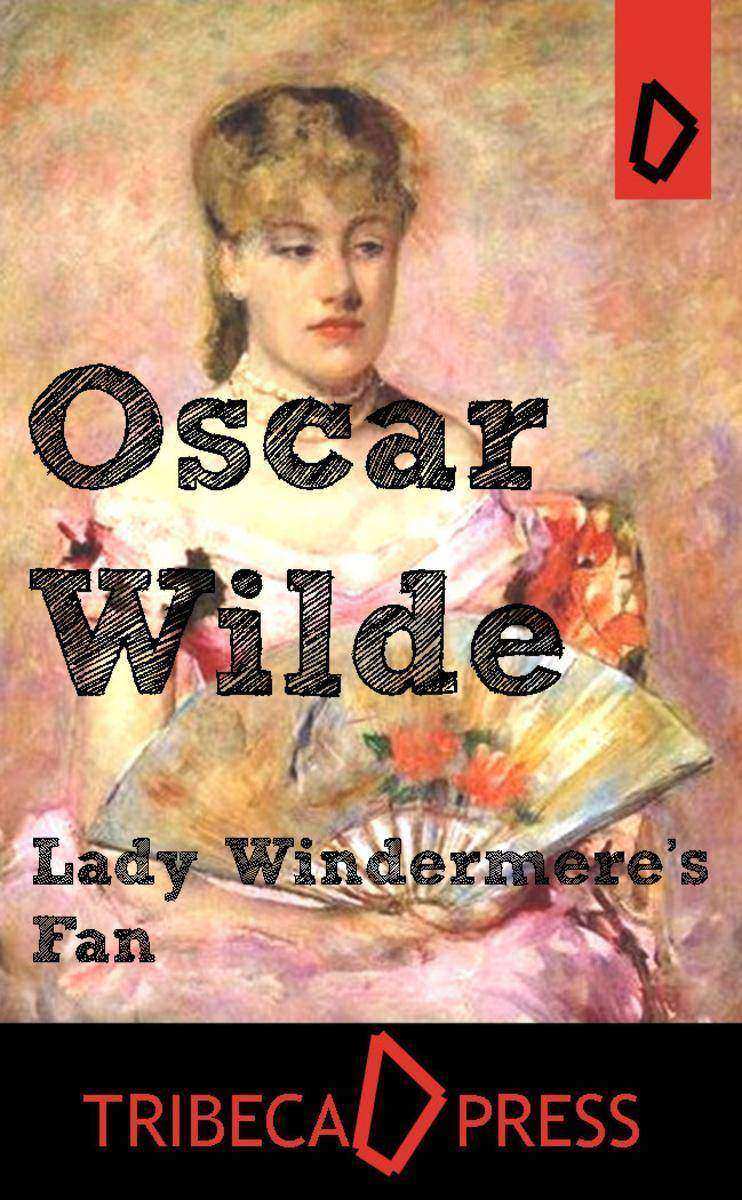
This Tribeca Press edition includes the full original text as well as exclusive images exclusive to this edition and an easy to use interactive table of contents.
The Life of Our Lord by Charles Dickens (Illustrated)
¥8.09
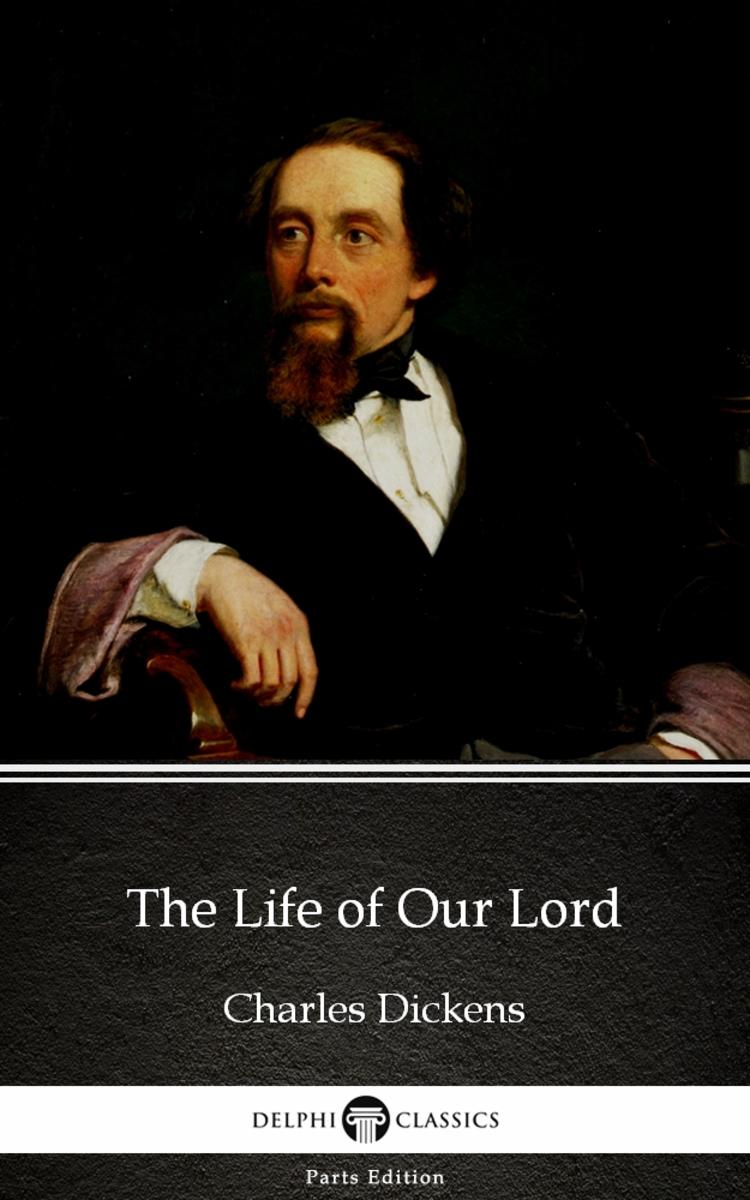
This eBook features the unabridged text of ‘The Life of Our Lord’ from the bestselling edition of ‘The Complete Works of Charles Dickens’. Having established their name as the leading publisher of classic literature and art, Delphi Classics produce publications that are individually crafted with superior formatting, while introducing many rare texts for the first time in digital print. The Delphi Classics edition of Dickens includes original annotations and illustrations relating to the life and works of the author, as well as individual tables of contents, allowing you to navigate eBooks quickly and easily.eBook features:* The complete unabridged text of ‘The Life of Our Lord’* Beautifully illustrated with images related to Dickens’s works* Individual contents table, allowing easy navigation around the eBook* Excellent formatting of the textPlease visit www.delphiclassics.com to learn more about our wide range of titles

The Glory of the Trenches
¥8.09
In 1914, Coningsby Dawson went to Ottawa, saw Sir Sam Hughes, and was offered a commission in the Canadian Field Artillery on the completion of his training at the Royal Military College of Canada, at Kingston, Ontario. "His long training at Kingston had been very severe. It included besides the various classes which he attended a great deal of hard exercise, long rides or foot marches over frozen roads before breakfast, and so forth."
The Speeches by Charles Dickens (Illustrated)
¥8.09
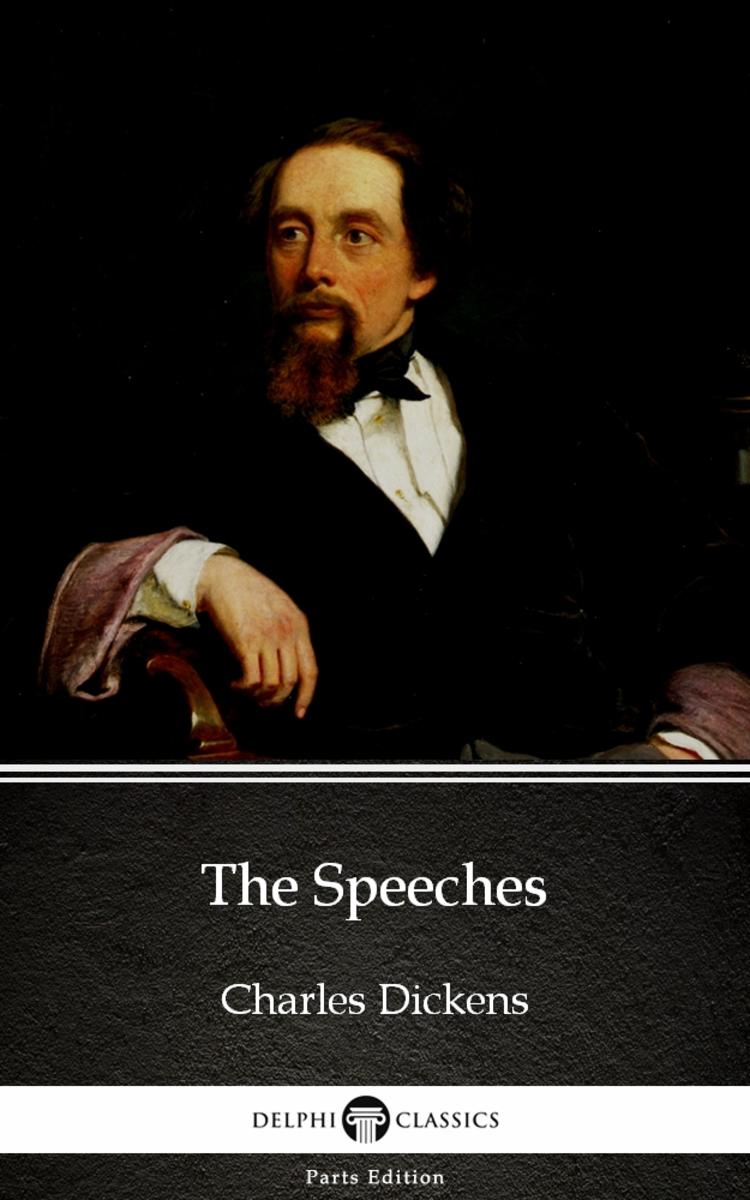
This eBook features the unabridged text of ‘The Speeches’ from the bestselling edition of ‘The Complete Works of Charles Dickens’. Having established their name as the leading publisher of classic literature and art, Delphi Classics produce publications that are individually crafted with superior formatting, while introducing many rare texts for the first time in digital print. The Delphi Classics edition of Dickens includes original annotations and illustrations relating to the life and works of the author, as well as individual tables of contents, allowing you to navigate eBooks quickly and easily.eBook features:* The complete unabridged text of ‘The Speeches’* Beautifully illustrated with images related to Dickens’s works* Individual contents table, allowing easy navigation around the eBook* Excellent formatting of the textPlease visit www.delphiclassics.com to learn more about our wide range of titles


