


 购物车
 个人中心

Baron Trigault's Vengeance
¥8.09
Classic French mystery, in English translation. Sequel to The Count's Millions. According to Wikipedia: "?mile Gaboriau (November 9, 1832 – September 28, 1873) was a French writer, novelist, journalist, and a pioneer of detective fiction... after publishing some novels and miscellaneous writings, found his real gift in L'Affaire Lerouge (1866). The book, which was Gaboriau's first detective novel, introduced an amateur detective. It also introduced a young police officer named Monsieur Lecoq, who was the hero in three of Gaboriau's later detective novels. The character of Lecoq was based on a real-life thief turned police officer, Eugène Fran?ois Vidocq (1775–1857)." One of Robert Louis Stevenson's favorite authors.
Modern Broods, Or Developments Unlooked For
¥8.09
Novel for teens. According to Wikipedia: "Charlotte Mary Yonge ( 1823 - 1901), was an English novelist, known for her huge output, now mostly out of print. ... She began writing in 1848, and published during her long life about 100 works, chiefly novels. ... Among the best known of her works are The Heir of Redclyffe, Heartsease, and The Daisy Chain. A Book of Golden Deeds is a collection of true stories of courage and self-sacrifice. She also wrote Cameos from English History, Life of John Coleridge Patteson: Missionary Bishop of the Melanesian Islands and Hannah More.... Although Yonge's work is largely out of print today, during her lifetime she was admired and respected by such notable literary figures as Alfred Tennyson and Henry James, and strongly influenced the Pre-Raphaelite Brotherhood, especially William Morris and D. G. Rossetti."
The Author of Beltraffio
¥8.09
Classic Henry James long story. According to Wikipedia: "Henry James, (1843 – 1916), son of theologian Henry James Sr., brother of the philosopher and psychologist William James and diarist Alice James, was an American-born British author. He is one of the key figures of 19th century literary realism; the fine art of his writing has led many academics to consider him the greatest master of the novel and novella form. He spent much of his life in England and became a British subject shortly before his death. He is primarily known for a series of major novels in which he portrayed the encounter of America with Europe. His plots centered on personal relationships, the proper exercise of power in such relationships, and other moral questions. His method of writing from the point of view of a character within a tale allowed him to explore the phenomena of consciousness and perception, and his style in later works has been compared to impressionist painting."
Penelope's Irish Experiences
¥8.09
Novel from the Penelope series. According to Wikipedia: "Kate Douglas Wiggin ( 1856 - 1923) was an American children's author and educator. Kate Douglas Smith Wiggin was born in Philadelphia, and was of Welsh descent. She started the first free kindergarten in San Francisco in 1878 (the Silver Street Free Kindergarten). With her sister in the 1880s she also established a training school for kindergarten teachers. She was also a writer of children's books, the best known being The Birds' Christmas Carol (1887) and Rebecca of Sunnybrook Farm (1903)."
The Bottle Imp
¥8.09
Short story set in Hawaii. According to the Author's Note: "Any student of that very unliterary product, the English drama of the early part of the century, will here recognise the name and the root idea of a piece once rendered popular by the redoubtable O. Smith. The root idea is there and identical, and yet I hope I have made it a new thing. And the fact that the tale has been designed and written for a Polynesian audience may lend it some extraneous interest nearer home." According to Wikipedia: "Robert Louis Balfour Stevenson (13 November 1850–3 December 1894), was a Scottish novelist, poet, essayist and travel writer. He was the man who "seemed to pick the right word up on the point of his pen, like a man playing spillikins", as G. K. Chesterton put it."
Confidence
¥8.09
Classic Henry James novel. According to Wikipedia: "Henry James, (1843 – 1916), son of theologian Henry James Sr., brother of the philosopher and psychologist William James and diarist Alice James, was an American-born British author. He is one of the key figures of 19th century literary realism; the fine art of his writing has led many academics to consider him the greatest master of the novel and novella form. He spent much of his life in England and became a British subject shortly before his death. He is primarily known for a series of major novels in which he portrayed the encounter of America with Europe. His plots centered on personal relationships, the proper exercise of power in such relationships, and other moral questions. His method of writing from the point of view of a character within a tale allowed him to explore the phenomena of consciousness and perception, and his style in later works has been compared to impressionist painting."

Woman in White
¥8.09
According to Wikipedia: "The Woman in White is an epistolary novel written by Wilkie Collins in 1859, serialized in 1859–1860, and first published in book form in 1860. It is considered to be among the first mystery novels and is widely regarded as one of the first (and finest) in the genre of 'sensation novels'. The story is considered an early example of detective fiction with the hero, Walter Hartright, employing many of the sleuthing techniques of later private detectives."

The Pension Beaurepas
¥8.09
Classic Henry James short story. According to Wikipedia: "Henry James, (1843 – 1916), son of theologian Henry James Sr., brother of the philosopher and psychologist William James and diarist Alice James, was an American-born British author. He is one of the key figures of 19th century literary realism; the fine art of his writing has led many academics to consider him the greatest master of the novel and novella form. He spent much of his life in England and became a British subject shortly before his death. He is primarily known for a series of major novels in which he portrayed the encounter of America with Europe. His plots centered on personal relationships, the proper exercise of power in such relationships, and other moral questions. His method of writing from the point of view of a character within a tale allowed him to explore the phenomena of consciousness and perception, and his style in later works has been compared to impressionist painting."
New Burlesques
¥8.09
Parodies, including: Rupert the Resembler, The Stolen Cigar Case, Golly and the Christian, The Adventures of John Longbowe, Don'l Borem, Stories Three, and "Zut-Ski" the Problem of a Wicked Feme Sole. According to Wikipedia: "Bret Harte (August 25, 1836[2] – May 6, 1902) was an American author and poet, best remembered for his accounts of pioneering life in California. He was born in Albany, New York. ... He moved to California in 1853, later working there in a number of capacities, including miner, teacher, messenger, and journalist. He spent part of his life in the northern California coast town now known as Arcata, then just a mining camp on Humboldt Bay. His first literary efforts, including poetry and prose, appeared in The Californian, an early literary journal edited by Charles Henry Webb. In 1868 he became editor of The Overland Monthly, another new literary magazine, but this one more in tune with the pioneering spirit of excitement in California. His story, "The Luck of Roaring Camp," appeared in the magazine's second edition, propelling Harte to nationwide fame... Determined to pursue his literary career, in 1871 he and his family traveled back East, to New York and eventually to Boston, where he contracted with the publisher of The Atlantic Monthly for an annual salary of $10,000, "an unprecedented sum at the time." His popularity waned, however, and by the end of 1872 he was without a publishing contract and increasingly desperate. He spent the next few years struggling to publish new work (or republish old), delivering lectures about the gold rush, and even selling an advertising jingle to a soap company. In 1878 Harte was appointed to the position of United States Consul in the town of Krefeld, Germany and then to Glasgow in 1880. In 1885 he settled in London. During the thirty years he spent in Europe, he never abandoned writing, and maintained a prodigious output of stories that retained the freshness of his earlier work. He died in England in 1902 of throat cancer and is buried at Frimley."

Abraham Lincoln, a Play
¥8.09
Play first published in 1919. According to Wikipedia: "Abraham Lincoln (February 12, 1809 - April 15, 1865) was the sixteenth President of the United States, serving from March 4, 1861 until his assassination. As an outspoken opponent of the expansion of slavery in the United States, Lincoln won the Republican Party nomination in 1860 and was elected president later that year. During his term, he helped preserve the United States by leading the defeat of the secessionist Confederate States of America in the American Civil War. He introduced measures that resulted in the abolition of slavery, issuing his Emancipation Proclamation in 1863 and promoting the passage of the Thirteenth Amendment to the Constitution in 1865."
The Bravest of the Brave
¥8.09
Classic historical novel. "There are few great leaders whose lives and actions have so completely fallen into oblivion as those of the Earl of Peterborough. His career as a general was a brief one, extending only over little more than a year, and yet in that time he showed a genius for warfare which has never been surpassed, and performed feats of daring worthy of taking their place among those of the leaders of chivalry." According to Wikipedia: "George Alfred Henty (8 December 1832 - 16 November 1902), referred to as G. A. Henty, was a prolific English novelist, special correspondent, and Imperialist born in Trumpington, Cambridgeshire, England. He is best known for his historical adventure stories that were popular in the late 19th century. His works include Out on the Pampas (1871), The Young Buglers (1880), With Clive in India (1884) and Wulf the Saxon (1895)."
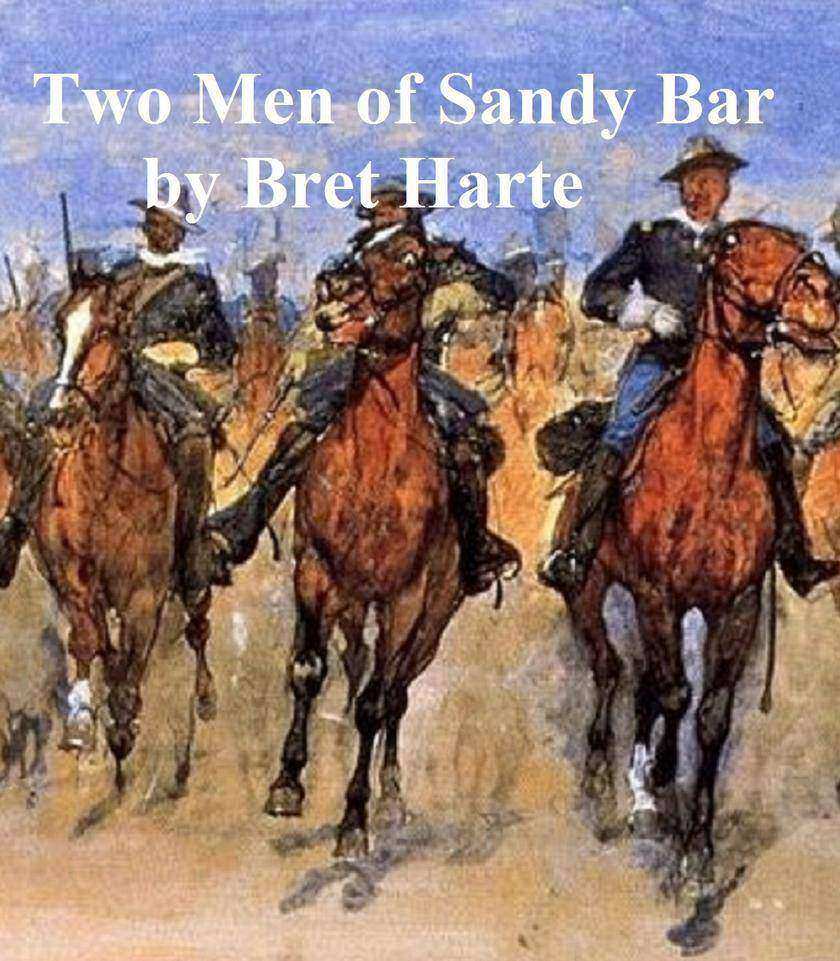
Two Men of Sandy Bar
¥8.09
Play set in the American West. According to Wikipedia: "Bret Harte (August 25, 1836[2] – May 6, 1902) was an American author and poet, best remembered for his accounts of pioneering life in California. He was born in Albany, New York. ... He moved to California in 1853, later working there in a number of capacities, including miner, teacher, messenger, and journalist. He spent part of his life in the northern California coast town now known as Arcata, then just a mining camp on Humboldt Bay. His first literary efforts, including poetry and prose, appeared in The Californian, an early literary journal edited by Charles Henry Webb. In 1868 he became editor of The Overland Monthly, another new literary magazine, but this one more in tune with the pioneering spirit of excitement in California. His story, "The Luck of Roaring Camp," appeared in the magazine's second edition, propelling Harte to nationwide fame... Determined to pursue his literary career, in 1871 he and his family traveled back East, to New York and eventually to Boston, where he contracted with the publisher of The Atlantic Monthly for an annual salary of $10,000, "an unprecedented sum at the time." His popularity waned, however, and by the end of 1872 he was without a publishing contract and increasingly desperate. He spent the next few years struggling to publish new work (or republish old), delivering lectures about the gold rush, and even selling an advertising jingle to a soap company. In 1878 Harte was appointed to the position of United States Consul in the town of Krefeld, Germany and then to Glasgow in 1880. In 1885 he settled in London. During the thirty years he spent in Europe, he never abandoned writing, and maintained a prodigious output of stories that retained the freshness of his earlier work. He died in England in 1902 of throat cancer and is buried at Frimley."
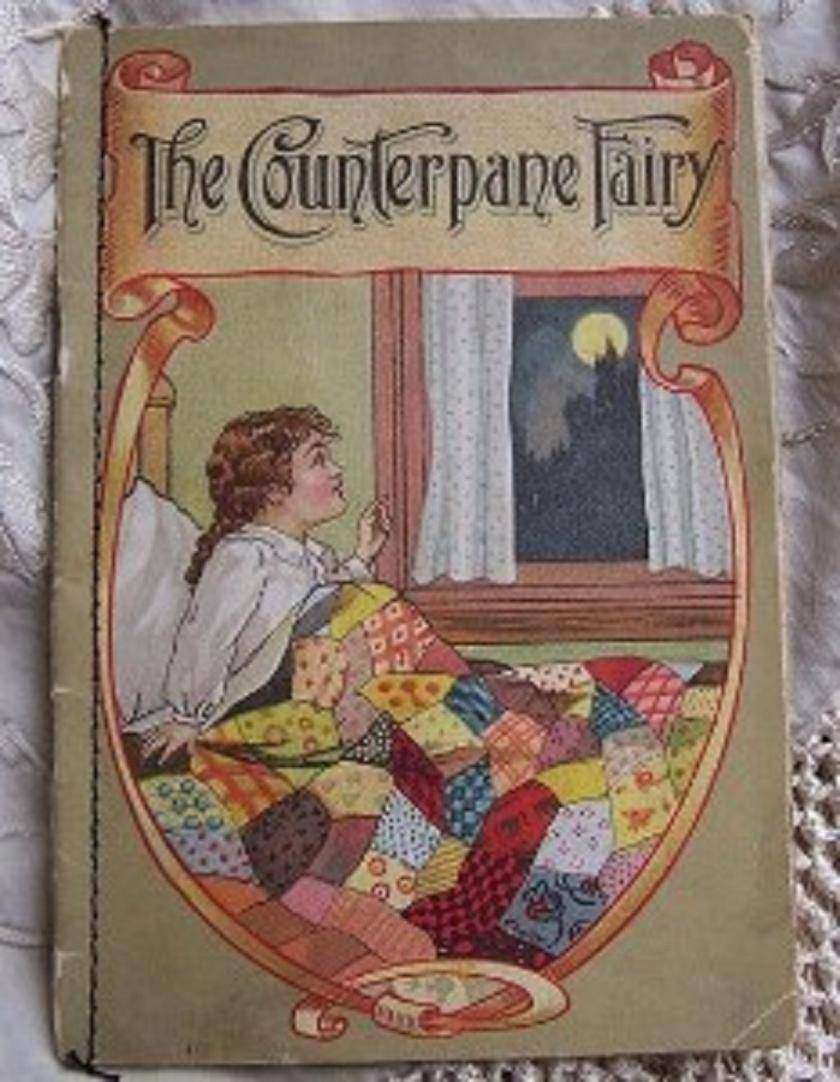
The Counterpane Fairy
¥8.09
Popular children's book, with 11 black-and-white illustrations. According to the University of Delaware Library: "Artist, illustrator, and author Katharine Pyle (1863-1938), was born and raised in Wilmington, Delaware. .. her brothers included well-known artist and writer Howard Pyle (1853-1911)... Pyle achieved recognition as an author through her short stories, poems, and plays for children. She also compiled and retold several volumes of fairy tales and myths. Her works include The Counterpane Fairy (1898), The Christmas Angel (1900), Once Upon a Time in Delaware (1911), Tales of Wonder and Magic (1920), Tales from Greek Mythology (1928), and Charlemagne and his Knights (1932). Pyle illustrated many of her own works as well as those of other authors, including her brother."
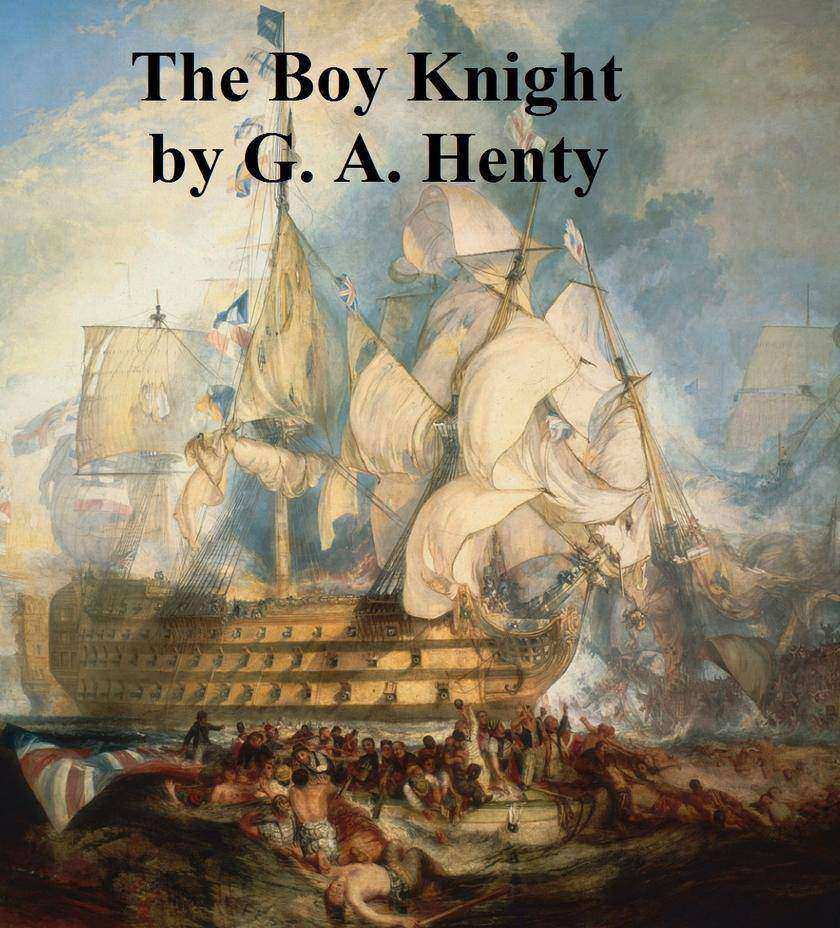
The Boy Knight
¥8.09
Classic historical novel. According to Wikipedia: "George Alfred Henty (8 December 1832 - 16 November 1902), referred to as G. A. Henty, was a prolific English novelist, special correspondent, and Imperialist born in Trumpington, Cambridgeshire, England. He is best known for his historical adventure stories that were popular in the late 19th century. His works include Out on the Pampas (1871), The Young Buglers (1880), With Clive in India (1884) and Wulf the Saxon (1895)."
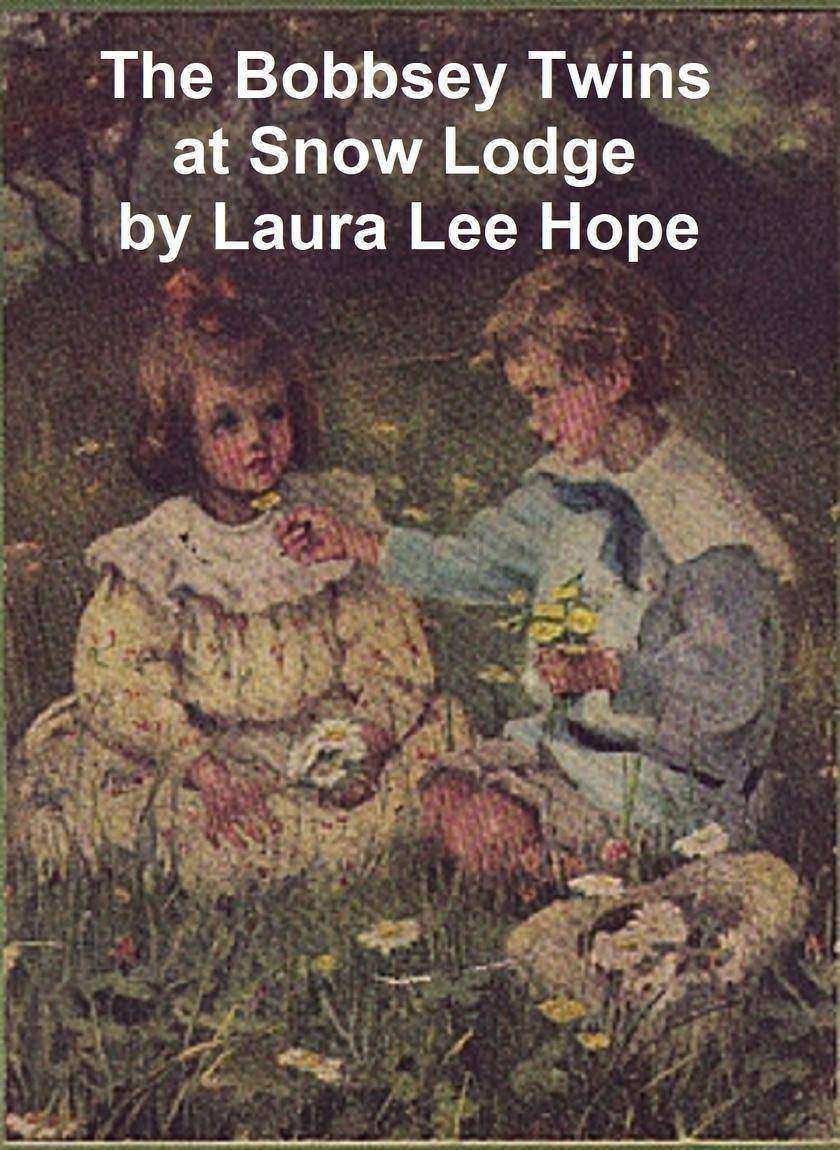
The Bobbsey Twins at Snow Lodge
¥8.09
According to Wikipedia: "Laura Lee Hope is a pseudonym used by the Stratemeyer Syndicate for the Bobbsey Twins and several other series of children's novels. Actual writers taking up the pen of Laura Lee Hope include Edward Stratemeyer, Howard and Lilian Garis, Elizabeth Ward, Harriet (Stratemeyer) Adams, and Nancy Axelrad. Laura Lee Hope was first used as a pseudonym in 1904 for the debut of the Bobbsey Twins. Series: The Bobbsey Twins (1904-), The Outdoor Girls (23 vols. 1913-1933), The Moving Picture Girls (7 vols. 1914-1916), Bunny Brown (20 vols. 1916-1931), Six Little Bunkers (14 vols. 1918-1930), Make Believe Stories (12 vols. c. 1920-1923), Blythe Girls (12 vols. 1925-1932)."
The Bobbsey Twins in a Great City
¥8.09
According to Wikipedia: "Laura Lee Hope is a pseudonym used by the Stratemeyer Syndicate for the Bobbsey Twins and several other series of children's novels. Actual writers taking up the pen of Laura Lee Hope include Edward Stratemeyer, Howard and Lilian Garis, Elizabeth Ward, Harriet (Stratemeyer) Adams, and Nancy Axelrad. Laura Lee Hope was first used as a pseudonym in 1904 for the debut of the Bobbsey Twins. Series: The Bobbsey Twins (1904-), The Outdoor Girls (23 vols. 1913-1933), The Moving Picture Girls (7 vols. 1914-1916), Bunny Brown (20 vols. 1916-1931), Six Little Bunkers (14 vols. 1918-1930), Make Believe Stories (12 vols. c. 1920-1923), Blythe Girls (12 vols. 1925-1932)."
The Prince of India
¥8.09
According to Wikipedia: "Lewis "Lew" Wallace (April 10, 1827 – February 15, 1905) was a lawyer, governor, Union general in the American Civil War, American statesman, and author, best remembered for his historical novel Ben-Hur: A Tale of the Christ… Wallace's most notable service came in July 1864, at the Battle of Monocacy, part of the Valley Campaigns of 1864. Although the force under his command (amalgamated from the Middle Department) and the division of James B. Ricketts from VI Corps was defeated by Confederate General Jubal A. Early, he was able to delay Early's advance toward Washington, D.C., to the point that the city defenses had time to organize and repel Early... Wallace participated in the military commission trial of the Lincoln assassination conspirators as well as the court-martial of Henry Wirz, commandant of the Andersonville prison camp.[4] He resigned from the army on November 30, 1865.[5] Late in the war, he directed secret efforts by the government to help the Mexicans remove the French occupation forces who had seized control of Mexico in 1864. He continued in those efforts more publicly after the war and was offered a major general's commission in the Mexican army after his resignation from the U.S. Army. Multiple promises by the Mexican revolutionaries were never delivered, which forced Wallace into deep financial debt. Wallace held a number of important political posts during the 1870s and 1880s. He served as governor of New Mexico Territory from 1878 to 1881, and as U.S. Minister to the Ottoman Empire from 1881 to 1885. As governor, he offered amnesty to many men involved in the Lincoln County War; in the process he met with Billy the Kid. On March 17, 1879, the pair arranged that the Kid would act as an informant and testify against others involved in the Lincoln County War, and, in return, the Kid would be "scot free with a pardon in [his] pocket for all [his] misdeeds". But the Kid returned to his outlaw ways and Governor Wallace withdrew his offer. While serving as governor, Wallace completed the novel that made him famous: Ben-Hur: A Tale of the Christ (1880). It grew to be the best-selling American novel of the 19th century.[6] The book has never been out of print and has been filmed four times."
True Evangelism or Winning Souls by Prayer
¥8.09
According to Wikipedia: "Lewis Sperry Chafer (February 27, 1871 – August 22, 1952) was the founder and first president of Dallas Theological Seminary, and an influential founding member of modern Christian Dispensationalism.
The Sea Fairies
¥8.09
According to Wikipedia: "Baum had decided to end the Oz series with The Emerald City of Oz in 1910, after six installments over the first decade of the twentieth century. The Sea Fairies was intended to be the first in a new series of fantasy novels, which Baum and Reilly & Britton continued the next year with Sky Island. Unfortunately for author and publisher, the two volumes of the new projected series did not meet with the same success as the Oz books previously had. The first edition of The Sea Fairies sold 12,400 copies in its initial year on the market, where The Emerald City of Oz had sold 20,000. Even when Baum's books experienced a major resurgence in interest and sales in 1918, The Sea Fairies sold only 611 copies that year while the Oz books and even Baum's non-Oz works were selling thousands of copies. Once Baum returned to writing Oz books with The Patchwork Girl of Oz in 1913, the Trot series was retired — but the main characters lived on. Trot and Cap'n Bill are the main protagonists in The Scarecrow of Oz (1915) — the plot of which was reworked from the projected third book in their aborted series — and they play a significant role in The Magic of Oz (1919). Trot appears in The Lost Princess of Oz (1917) and Glinda of Oz (1920) as well."
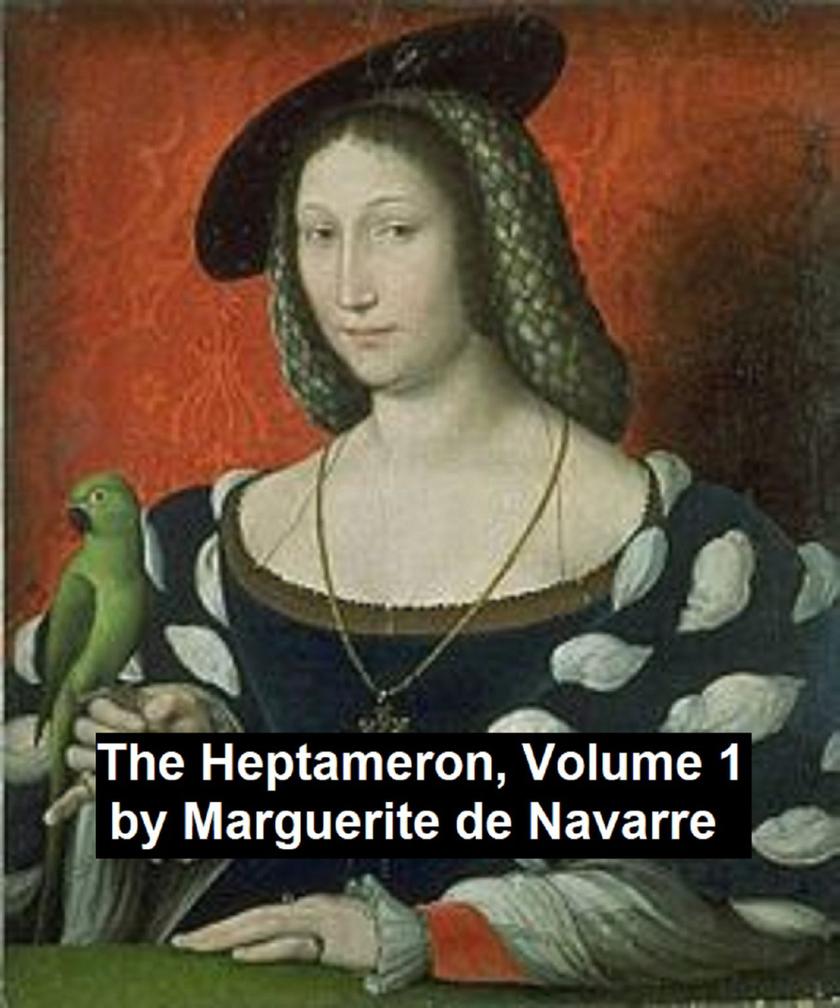
The Heptameron, Volume 1
¥8.09
With 23 illustrations. According to Wikipedia: "The Heptameron is a collection of 72 short stories written in French by Marguerite of Navarre (1492-1549), published posthumously in 1558. It has the form of a frame narrative and was inspired by The Decameron of Giovanni Boccaccio. It was originally intended to contain one hundred stories covering ten days just as The Decameron does, but at Marguerite’s death it was only completed as far as the second story of the eighth day. Many of the stories deal with love, lust, infidelity and other romantic and sexual matters. One was based on the life of Marguerite de La Rocque, a French noblewoman abandoned, as punishment, with her lover on an island off Quebec... Marguerite de Navarre (French: Marguerite d'Angoulême) (April 11, 1492 – December 21, 1549), also known as Marguerite of Angouleme and Margaret of Navarre, was the queen consort of King Henry II of Navarre. As patron of humanists and reformers, and as an author in her own right, she was an outstanding figure of the French Renaissance. Samuel Putnam called her "The First Modern Woman"."
The After House
¥8.09
According to Wikipedia: "Mary Roberts Rinehart (August 12, 1876-September 22, 1958) was a prolific author often called the American Agatha Christie. She is considered the source of the phrase "The butler did it", although she did not actually use the phrase herself, and also considered to have invented the "Had-I-But-Known" school of mystery writing.... Rinehart wrote hundreds of short stories, poems, travelogues and special articles. Many of her books and plays, such as The Bat (1920) were adapted for movies, such as The Bat (1926), The Bat Whispers (1930), and The Bat (1959). While many of her books were best-sellers, critics were most appreciative of her murder mysteries. Rinehart, in The Circular Staircase (1908), is credited with inventing the "Had-I-But-Known" school of mystery writing. The Circular Staircase is a novel in which "a middle-aged spinster is persuaded by her niece and nephew to rent a country house for the summer. The house they choose belonged to a bank defaulter who had hidden stolen securities in the walls. The gentle, peace-loving trio is plunged into a series of crimes solved with the help of the aunt. This novel is credited with being the first in the "Had-I-But-Known" school."[3] The Had-I-But-Known mystery novel is one where the principal character (frequently female) does less than sensible things in connection with a crime which have the effect of prolonging the action of the novel. Ogden Nash parodied the school in his poem Don't Guess Let Me Tell You: "Sometimes the Had I But Known then what I know now I could have saved at least three lives by revealing to the Inspector the conversation I heard through that fortuitous hole in the floor." The phrase "The butler did it", which has become a cliché, came from Rinehart's novel The Door, in which the butler actually did do it, although that exact phrase does not actually appear in the work."


