


 购物车
购物车 个人中心
个人中心

Care for your Goldfish (RSPCA Pet Guide)
¥31.59
Published in association with the RSPCA, the UK’s leading animal welfare charity, this practical family guide is full of expert advice on how to choose a goldfish and how best to look after it. If you already own or are planning to buy a goldfish this easy-to-use introductory guide is a must. Clearly illustrated with colour photographs throughout, it covers all aspects of daily care including sections on aquaria, ponds, maintenance, feeding and health. Published in association with the experts at the RSPCA, this book will help you ensure that you are giving your goldfish the best possible care.

Phil Bennett:The Autobiography
¥60.14
The former Wales and Lions rugby captain has travelled the world watching rugby and talking about the game since his retirement in 1978. This book tackles a host of issues dominating the sport in the modern era. When Prince Charles watched Llanelli play the All Blacks on their last meeting in 1997, he claimed he had the best seat in the house - the one next to Phil Bennett. Such is the esteem in which the ex Wales and Lions captain is held, it's no wonder his frank opinions and hard-hitting appraisal of the sport he lives and breathes continue to have as much impact now as they did when he was the world's premier fly-half in his heyday. In his book, Bennett is scathing of the Welsh rugby administrators, poor standards of coaching and the failure to embrace new ideas. On a global level he has strong views on professional rugby and the rise of the European game.
From Stress to Success
¥66.22
Although we often feel that stress is caused by external factors - ... my boyfriend makes me stressed!...my sales targets are making me stressed! - it's actually more useful in the long term for us to recognize that stress is something that comes from within ourselves - it's a response.
John Harding 2-Book Gothic Collection
¥150.58
A unique chance to read these two chilling Gothic tales from the brilliant storyteller John Harding together. Modern Gothic classic Florence & Giles and it’s sequel The Girl Who Couldn’t Read are a must for fans of Edgar Allen Poe. A pair of Gothic novels that will chill and delight. FLORENCE & GILES New England, 1891 Alone in a crumbling mansion, 12-year-old orphan Florence is neglected by her guardian uncle and banned from reading. By day she secretly devours books, creating a unique language of her own invention and by night, she sleepwalks the corridors plagued by a reoccurring nightmare. With the arrival of a new teacher, Miss Taylor, strange phenomena begin to occur. And Florence blames the new governess and fears for Giles’ safety. Without any adult to whom she can turn for help, Florence must use her ingenuity to both protect her little brother and preserve her private world. Inspired by and in the tradition of Henry James' s The Turn of the Screw, Florence & Giles is a gripping gothic page-turner told in a startlingly different and wonderfully captivating narrative voice. THE GIRL WHO COULDN’T READ New England, The 1890s When a young doctor begins work at an isolated mental asylum, he is expected to fall in with the shocking regime for treating the patients. He is soon intrigued by one patient, a strange amnesiac girl who is fascinated by books but cannot read. He embarks upon a desperate experiment to save her but when his own dark past begins to catch up with him, he realises it is she who is his only hope of escape. In this chilling literary thriller from a master storyteller, everyone has something to hide and no one is what they seem.
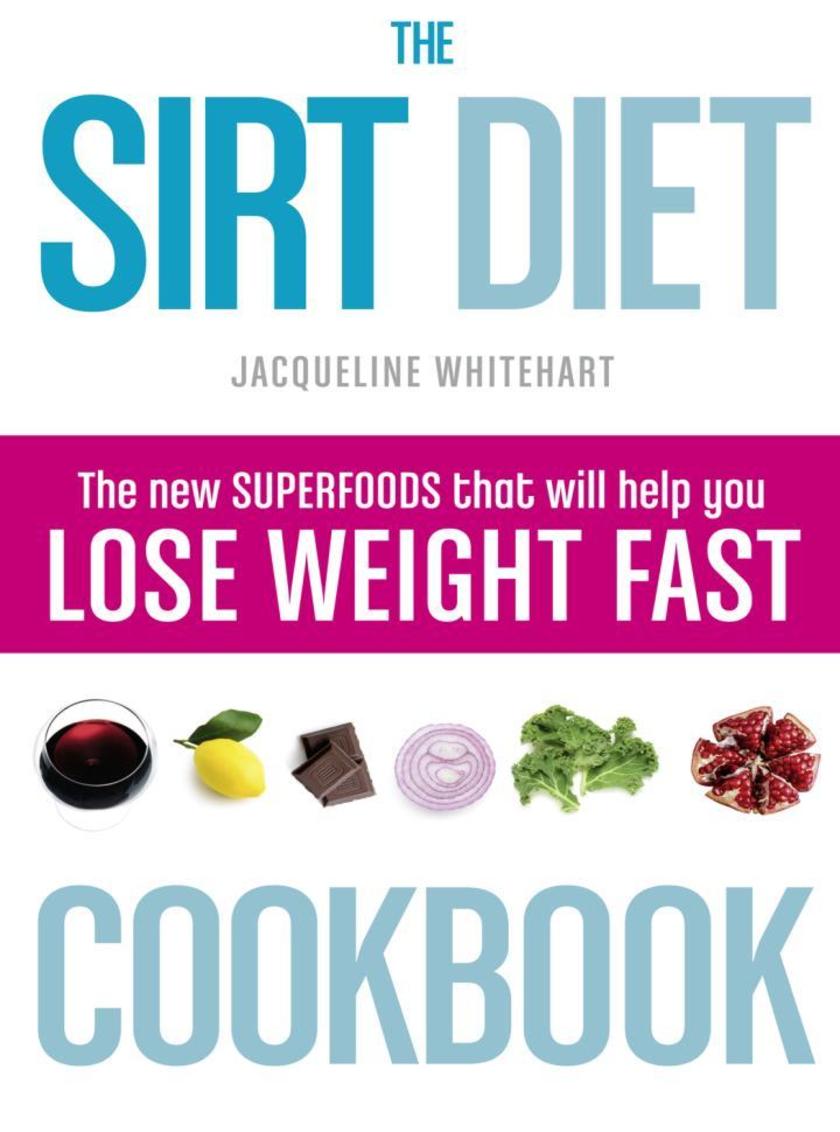
The Sirt Diet Cookbook
¥60.14
The SIRT Diet shows how to incorporate tasty SIRT superfoods into your daily routine and how these foods can help burn fat, increase muscle definition and boost health. The world of nutrition has been revolutionized by the discovery of a chemical compound naturally found in certain fruits and vegetables called ‘sirtuins.’ These chemicals control the way our bodies deal with fat and sugar, helping to reduce hunger, burn fat and boost anti-ageing health. Not only do these sirtuin-activating foods – or, SIRT foods – aid weight loss, but they also help build muscle without any additional exercise. People incorporating SIRT foods into their diets have found their bodies get skinnier, leaner and fitter without the time-consuming and hefty price tag of a gym. The best part is that transforming your body is really easy as lots of everyday, tasty favourites are SIRT foods – like olives, tofu, blackcurrants, kale, cocoa and green tea. Best selling diet expert Jacqueline Whitehart presents a selection of SIRT food rich recipes, meal planners and useful shopping tips to help you transform your diet and find a quick and easy way to lose weight, replacing flab for muscle definition. All the while still eating delicious favourites like dark chocolate, apples and red wine! The SIRT Diet jumpstarts your fat-burning genes by restricting to 800 calories for the first two days of the week, and then allowing 1,500 SIRT-rich calories for the other five. Jacqueline provides an easy to follow four-week meal plan with over 100 feel-good, calorie-counted recipes packed with these superfoods, from grilled chicken with lemon and olives to pomegranate cheesecake. So what are you waiting for? Get ready for a whole new you!
Foxlowe
¥66.22
A chilling, compulsive debut about group mentality, superstition and betrayal – and a utopian commune gone badly wrong We were the Family, and Foxlowe was our home. There was me – my name is Green – and my little sister, Blue. There was October, who we called Toby, and Ellensia, Dylan, Liberty, Pet and Egg. There was Richard, of course, who was one of the Founders. And there was Freya. We were the Family, but we weren’t just an ordinary family. We were a new, better kind of family. We didn’t need to go to school, because we had a new, better kind of education. We shared everything. We were close to the ancient way of living and the ancient landscape. We knew the moors, and the standing stones. We celebrated the solstice in the correct way, with honey and fruit and garlands of fresh flowers. We knew the Bad and we knew how to keep it away. And we had Foxlowe, our home. Where we were free. There really was no reason for anyone to want to leave.
All Aboard:A perfect feel good romance (The Canal Boat Café, Book 1)
¥28.15
Summer Freeman returns to the waterside village of Willowbeck to rescue the Canal Boat Café, her late mother’s picturesque narrowboat, which has run into choppy waters. A family friend, Valerie, has been trying to keep things afloat, but the coffee machine is jammed, the cake offerings are paltry, and not all of the locals want to see the café succeed. Help comes from the boat next door, in the shape of handsome wildlife photographer, Mason and his naughty Border Terrier, who are showing more than a passing interest in Summer and her adorable Bichon Frise, Latte. But is Mason being honest about himself? Or does he have something to hide? As her life and the community of Willowbeck begin to entwine, Summer finds herself setting sail on a new adventure. Will the anchor of a steady life on land be too strong, or can Summer learn to cut loose and embrace life afloat?
Land Ahoy!:A perfect feel good romance (The Canal Boat Café, Book 4)
¥28.15
Summer Freeman returns to the waterside village of Willowbeck to rescue the Canal Boat Café, her late mother’s picturesque narrowboat, which has run into choppy waters. A family friend, Valerie, has been trying to keep things afloat, but the coffee machine is jammed, the cake offerings are paltry, and not all of the locals want to see the café succeed. Help comes from the boat next door, in the shape of handsome wildlife photographer, Mason and his naughty Border Terrier, who are showing more than a passing interest in Summer and her adorable Bichon Frise, Latte. But is Mason being honest about himself? Or does he have something to hide? As her life and the community of Willowbeck begin to entwine, Summer finds herself setting sail on a new adventure. Will the anchor of a steady life on land be too strong, or can Summer learn to cut loose and embrace life afloat?
The Midnight Gang
¥51.50
Welcome to the Midnight Gang! Midnight is the time when all children are fast asleep, except of course for… the Midnight Gang. That is when their adventures are just beginning… When Tom gets hit on the head by a cricket ball, he finds himself at Lord Funt Hospital, and is greeted by a terrifying-looking porter. Things go from bad to worse when he meets the wicked matron in charge of the children’s ward… But Tom is about to embark on the most thrilling journey of a lifetime! The Midnight Gang tells an extraordinarily heartwarming and, of course, funny story of five children on a hospital ward – and on a quest for adventure! It is a story of friendship and magic – and of making dreams come true. Readers are set to be utterly spellbound by this heartfelt story that will bring magic to everyone’s Christmas.

The Boy at the Beach:A Short Story (The Meet Cute)
¥7.36
‘Sweet, romantic, perfectly formed coffee break reads. I loved them.’ – Best-selling author, Carmel Harrington A gorgeously romantic short story, part of The Meet Cute series.

Falling For The Nanny: The Billionaire's Baby SOS / The Nanny Bombshell / The Na
¥46.11
The Billionaire’s Baby SOS Finding himself guardian to baby Bella, CEO Matt Patterson is a little out of his depth. Luckily, social worker Claire Kincaid agrees to play temporary mum! But soon Claire and little Bella are opening his eyes to a life that money could never buy… The Nanny Bombshell When Sierra Evans gave her twins up for adoption, she didn’t expect tragedy to leave them in the care of their notorious millionaire uncle. Now Sierra will stop at nothing to protect her children…even if it means going undercover as a nanny – with a shocking secret! The Nanny Who Kissed Her Boss Savannah Williams loves her job as a nanny – but her assignment for single dad Declan Murdock is her most challenging yet. Not only is his daughter Jacey unruly, but Declan is the ex she’s spent seven lonely years trying to forget…
Full Force Fatherhood (Mills & Boon Intrigue) (Orion Security, Book 2)
¥33.84
Fatherhood was never in the cards…until an innocent family wrapped themselves around his heart… Mark Tranton thought his bodyguard career ended the day he watched a client die. Now Kelli Crane—the widow—needs Mark to keep her and her little girl safe. Mark swears he's not the man for the job, but when the vulnerable beauty is attacked, there's no way he can deny the woman he failed two years before. Being around Kelli again stirs something in Mark he could never admit. And spending time with her daughter makes him long to be more than just their personal protectors. But digging into the past riles someone who won't rest until Kelli pays the ultimate price. Mark refuses to allow that to happen. Even if he has to sacrifice their newly discovered happiness to keep her out of the line of fire.

His Kind Of Cowgirl (Mills & Boon Heartwarming)
¥33.84
Would he still love her...if he knew? Tanner Hayes smashed Claire's life to pieces when he chose the rodeo over her ten years ago. And now he'd wrecked her truck! Fantastic. She'd lost her husband, the family ranch was mired in debt, her father was recuperating from a stroke and her son was being bullied. Why not throw a reckless bull rider into the mix? All she'd wanted was a safe, stable life. But with Tanner back in town--and staying on her ranch--nothing was safe, or under control. Not the feelings she'd fought so hard to forget. Not the son she was determined to protect. And certainly not her long-held secret...
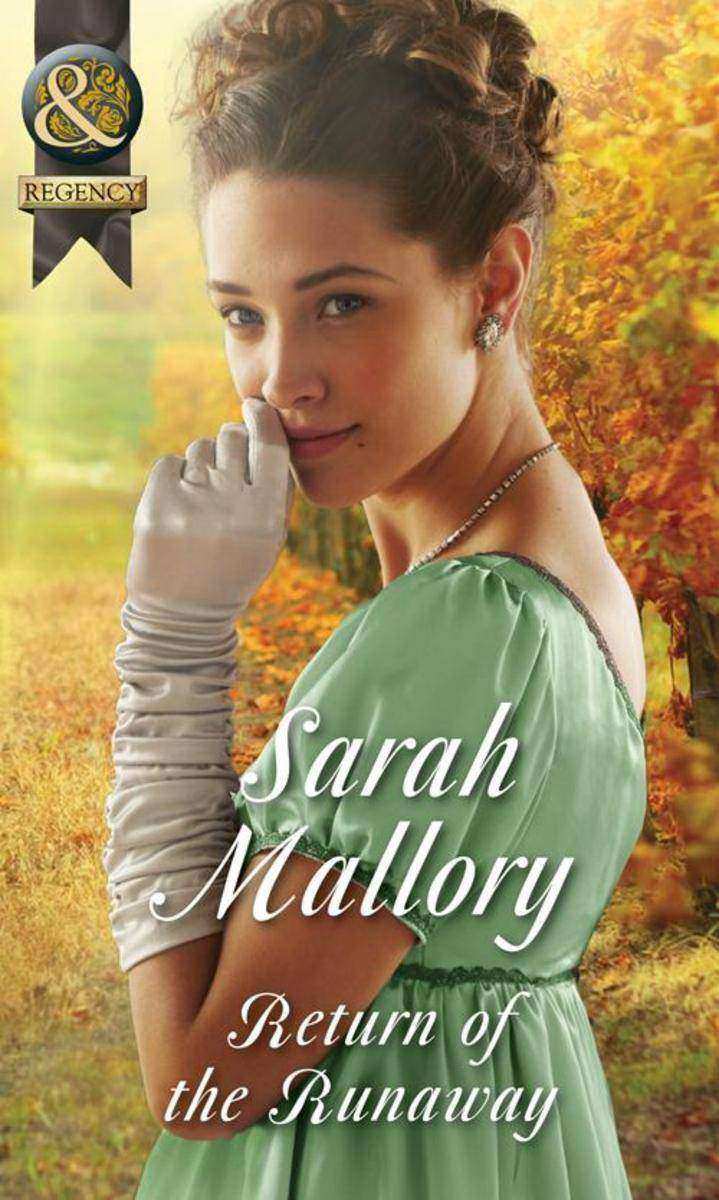
Return Of The Runaway (Mills & Boon Historical) (The Infamous Arrandales, Book 3
¥38.36
‘IT SEEMED SUCH AN ADVENTURE TO ELOPE…’ Lady Cassandra Witney once left behind everything she knew for love. Now, widowed, disillusioned and stranded in France, all she wants is to return to England, beg forgiveness of her family and forget about men for ever! But Cassie’s resolve never to fall for a man again is tested when fugitive Raoul Doulevant offers to escort her on her journey. Infuriating he may be, but he’s also honourable, brave and dangerously attractive! Perhaps Raoul can give this runaway the home she’s been yearning for… The Infamous Arrandales Scandal is their destiny!
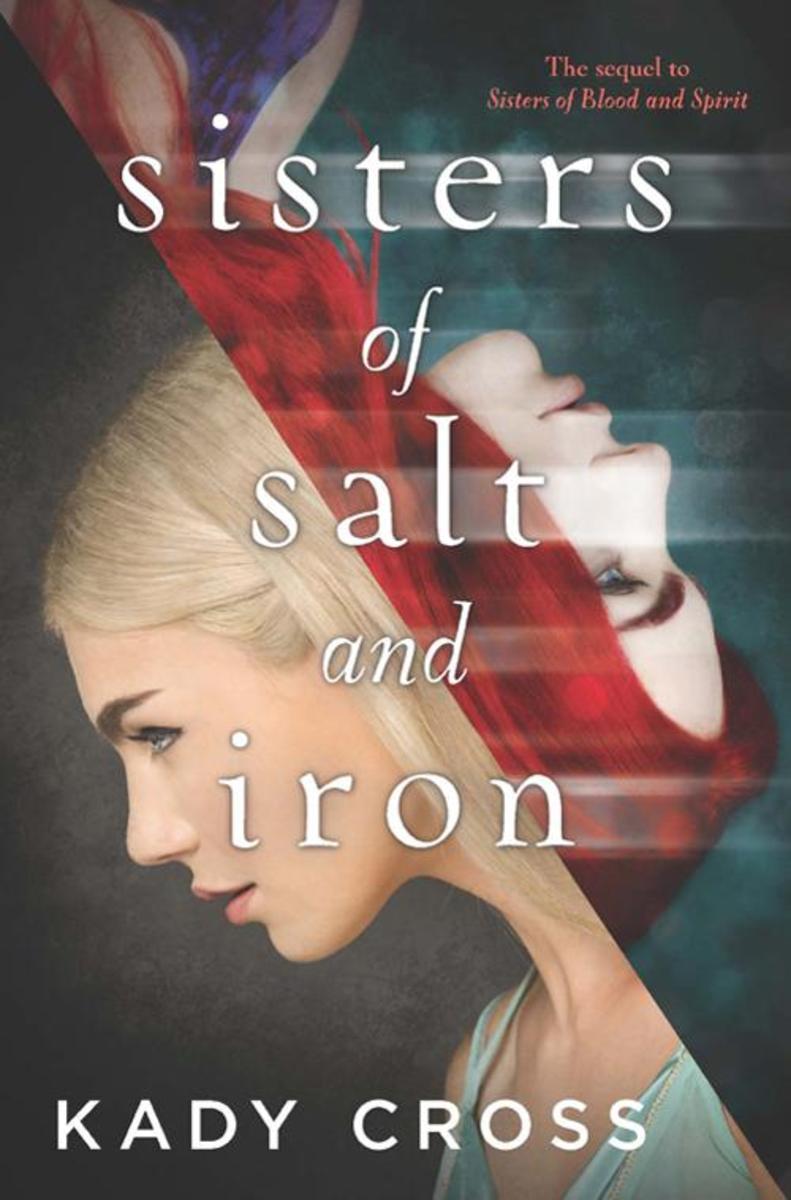
Sisters Of Salt And Iron (Sisters of Blood and Spirit, Book 2)
¥7.26
Wren was right about me—I distrusted ghosts. I never tried to hide that fact. I would really, really like to be wrong about them just once. Lark Noble is finally happy. She's trying to move on and put the events of the past behind her: the people who avoided her because she talked to the ghost of her dead twin sister, the parents who couldn't be around her anymore and even the attempt she made on her own life. She finally has friends—people who know her secrets and still care about her—and she has Ben, the cute guy she never saw coming. Wren Noble is lonely. Unable to interact with the living, she wants to be happy for her sister's newfound happiness, but she feels like she's losing her. It doesn't help that Kevin, the very not-dead guy she was starting to fall for, seems to be moving on. Then Wren meets Noah, the spirit of a young man who died a century ago. Noah is cute, he's charming and he makes Wren feel something she's never felt before. But Noah has a dark influence on Wren, and Lark's distrust of him drives the sisters apart for the first time in their lives. As Halloween approaches and the veil between the worlds thins, bringing the dead closer to the world of the living, Lark must find a way to stop whatever deadly act Noah is planning, even if it means going through her sister to do so.

Tailspin (Mills & Boon Love Inspired Suspense) (Mountain Cove, Book 5)
¥33.84
DIVING INTO DANGER Nothing can stop Sylvie Masters from scuba diving to find her mother’s downed plane—except possibly the hit man determined to keep the truth from surfacing. But when brave bush pilot Will Pierson comes to her rescue, she knows she can still reach her goal with his help. Will wants answers about the crash too, especially since his mother was the missing plane's pilot. He'll be the hero Sylvie needs, but can he ever trust her? Sylvie is shrouded in secrets that keep leading her back to Mountain Cove. Secrets someone will kill for. Will may protect her, but no one can persuade her to end her search…not even a killer. Mountain Cove: In the Alaskan wilderness, love and danger collide.
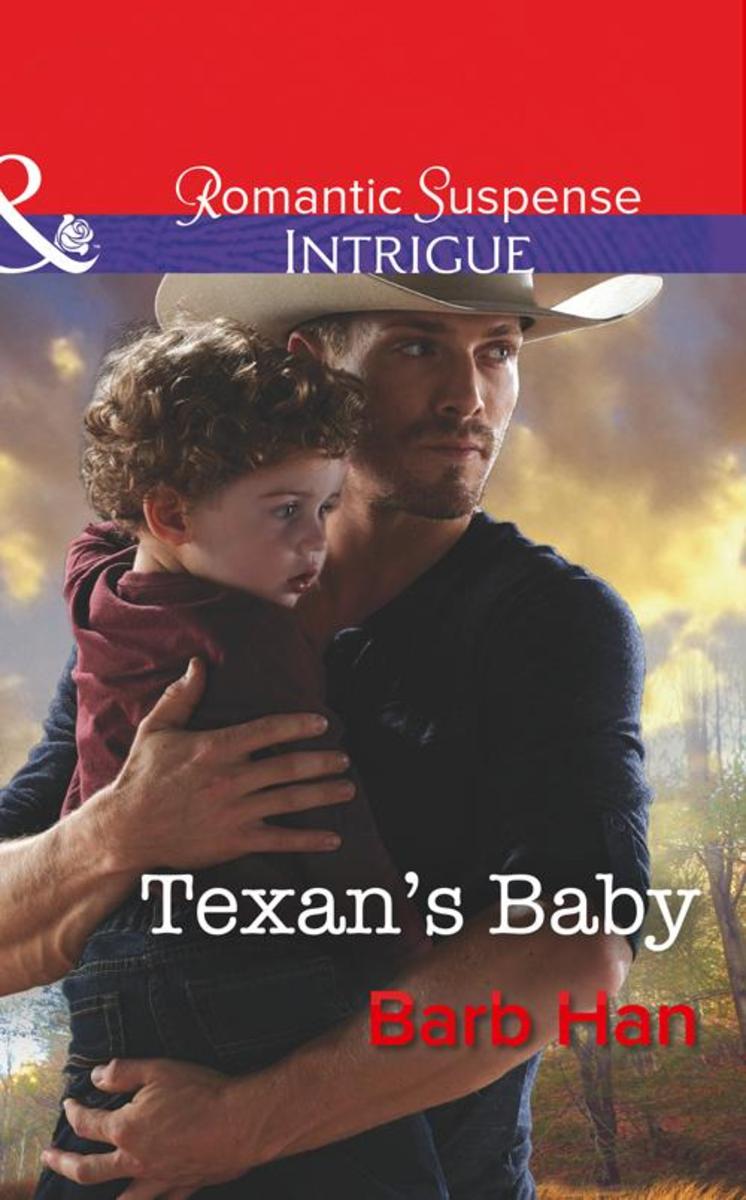
Texan's Baby (Mills & Boon Intrigue) (Mason Ridge, Book 4)
¥33.84
A Texas bodyguard never thought he'd see Melanie Dixon again—or learn he was the father of her little boy… A shotgun blast shatters the night and Dawson Hill foils a ruthless stalker. Now the fearless bodyguard is committed to protecting Melanie Dixon—the alluring woman who left him two years ago without a word. Not only is he surprised she's back in Mason Ridge, Dawson is doubly stunned to learn they have a son. Now the three of them are on the run, and Dawson is determined to protect the baby boy he never knew he could love so much. With his passion for Melanie reigniting like Texas wildfire even as he struggles to forgive her deception, a madman closes in. A madman who threatens the family Dawson never dreamed would be within reach.
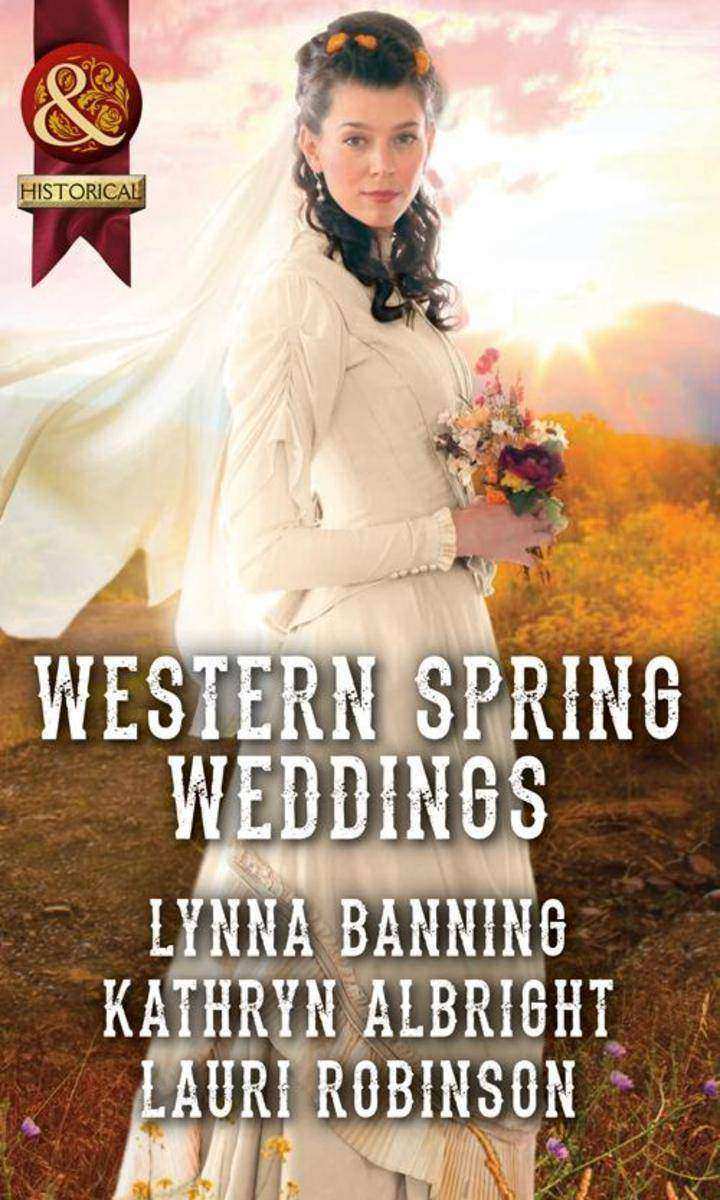
Western Spring Weddings: The City Girl and the Rancher / His Springtime Bride /
¥38.36
SPRING WEDDING FEVER IN THE WILD, WILD WEST! The City Girl and the Rancher by Lynna Banning Penniless, Clarissa Seaforth leaps at gruff rancher Graydon Harris’s offer to become his cook. She’s never cared for a man before, but surely it can’t be hard to learn…? His Springtime Bride by Kathryn Albright Spring is in the air… Can rancher Gabe Coulter and Riley Rawlins, the boss’s daughter, find forgiveness and renew the lovers’ vows they made so long ago? When a Cowboy Says I Do by Lauri Robinson Cowboy Dal Roberts must make his sister’s wedding a success! And that means accompanying seamstress Ellie Alexander to Wichita. Could there be a double spring wedding on the horizon…?

The Faces Of Strangers
¥46.01
The highly acclaimed author of Where Earth Meets Water returns with an arresting exploration of family and culture. When native New Yorker Nicholas Grand applies for an international student exchange program, he thinks it's an opportunity to broaden his horizons and meet some interesting people. He never imagines that a single year would have repercussions that would follow him throughout his lifetime. Nicholas is sent to Estonia, where he meets shy, sensitive Paavo, his beautiful sister Mari and their gruff father Leo – a family grappling with the challenges of life in a small country struggling to assert its post-Soviet identity. Nicholas sets off on an unforgettable journey through a foreign landscape that ultimately teaches him that some bonds can never be broken.

The Wedding Date
¥49.65
A laugh-out-loud, feel-good romantic comedy perfect for fans of Jane Costello and Mandy Baggot! Will you…date me? Delilah James, singleton and smoothie-addict, has six months to find a date for her oldest friend’s wedding. Oh, and to prove to her ex, best man Ben, that she has totally moved on since he dumped her out-of-the-blue nine months, eight days and seventeen hours ago… So, with her two BFFs playing Cupid, Delilah launches herself into the high-tech, fast-paced and frankly terrifying world of dating. Luckily there’s the hot new guy at work, Adam Sinclair, to practice her flirting on – even if, as a colleague, he’s strictly off-limits! Yet time’s running out and date after disastrous date forces Delilah to tell a little white lie – and invent a fake boyfriend! But will her secret crush on Adam ruin everything? Does she even care about Ben anymore? And is it too late to untangle her web of lies and take a real date to the wedding…?
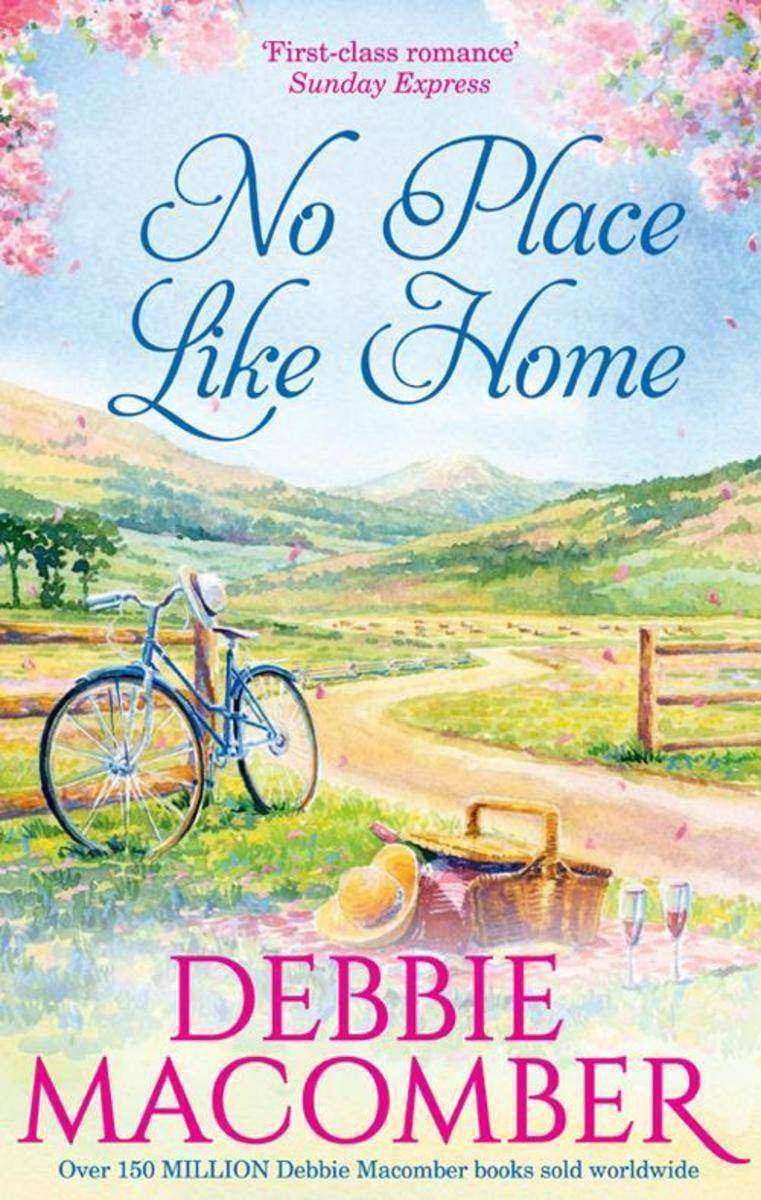
No Place Like Home
¥59.35
Home really is where the heart is… When Molly receives a call telling her that her grandfather is ill, she hurries home to Sweetgrass, Montana. She doesn’t give the stranger on the phone a second thought…until she arrives at her grandfather’s ranch to find that Sam Dakota is virtually impossible to avoid. Molly isn’t the only one with questions about Sam’s presence in Sweetgrass, where strangers are few and far between. Yet, despite the warning signs, Molly can’t deny her attraction to her grandfather’s enigmatic ranch hand. That is, until her grandfather announces that Molly must marry Sam! Moving home was one thing…matrimony is quite another! But Molly’s grandfather has always known what’s best for her…hasn’t he? Make time for friends. Make time for Debbie Macomber. ‘Just what the doctor ordered for the feel-good factor’ - Sunday Express


