


 购物车
购物车 个人中心
个人中心
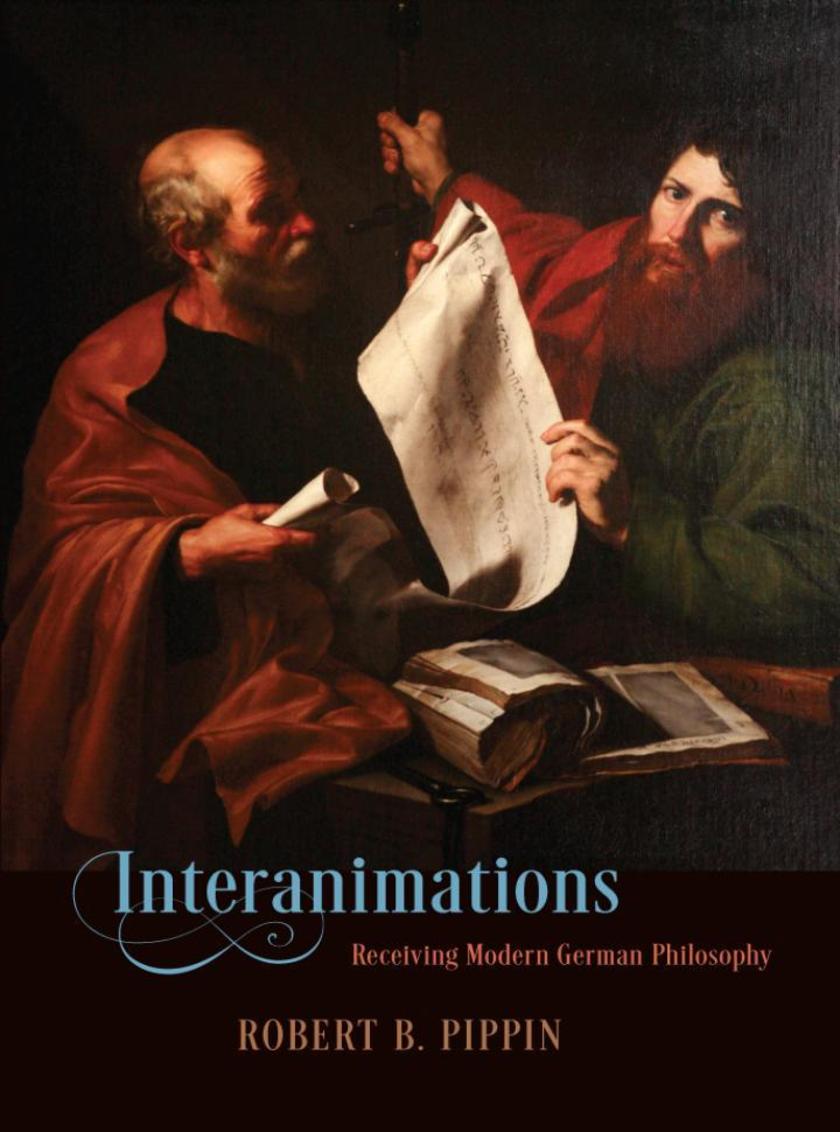
Interanimations
¥288.41
In this latest book, renowned philosopher and scholar Robert B. Pippin offers the thought-provoking argument that the study of historical figures is not only an interpretation and explication of their views, but can be understood as a form of philosophy itself. In doing so, he reconceives philosophical scholarship as a kind of network of philosophical interanimations, one in which major positions in the history of philosophy, when they are themselves properly understood within their own historical context, form philosophy's lingua franca. Examining a number of philosophers to explore the nature of this interanimation, he presents an illuminating assortment of especially thoughtful examples of historical commentary that powerfully enact philosophy.After opening up his territory with an initial discussion of contemporary revisionist readings of Kant's moral theory, Pippin sets his sights on his main objects of interest: Hegel and Nietzsche. Through them, however, he offers what few others could: an astonishing synthesis of an immense and diverse set of thinkers and traditions. Deploying an almost dialogical, conversational approach, he pursues patterns of thought that both shape and, importantly, connect the major traditions: neo-Aristotelian, analytic, continental, and postmodern, bringing the likes of Heidegger, Honneth, MacIntyre, McDowell, Brandom, Strauss, Williams, and A iA ek-not to mention Hegel and Nietzsche- into the same philosophical conversation.By means of these case studies, Pippin mounts an impressive argument about a relatively under discussed issue in professional philosophy-the bearing of work in the history of philosophy on philosophy itself-and thereby he argues for the controversial thesis that no strict separation between the domains is defensible.

Reinventing Public Education
¥288.41
A heated debate is raging over our nation's public schools and how they should be reformed, with proposals ranging from imposing national standards to replacing public education?altogether with a voucher system for private schools. Combining decades of experience in education, the authors propose an innovative approach to solving the problems of our school system and find a middle ground between these extremes.Reinventing Public Education shows how contracting would radically change the way we operate our schools, while keeping them public and accessible to all, and making them better able to meet standards of achievement and equity. Using public funds, local school boards would select private providers to operate individual schools under formal contracts specifying the type and quality of instruction.In a hands-on, concrete fashion, the authors provide a thorough explanation of the pros and cons of school contracting and how it would work in practice. They show how contracting would free local school boards from operating schools so they can focus on improving educational policy; how it would allow parents to choose the best school for their children; and, finally, how it would ensure that schools are held accountable and academic standards are met.While retaining a strong public role in education, contracting enables schools to be more imaginative, adaptable, and suited to the needs of children and families. In presenting an alternative vision for America's schools, Reinventing Public Education is too important to be ignored.

Internationalization of Palace Wars
¥282.53
How does globalization workFocusing on Latin America, Yves Dezalay and Bryant G. Garth show that exports of expertise and ideals from the United States to Argentina, Brazil, Chile, and Mexico have played a crucial role in transforming their state forms and economies since World War II.Based on more than 300 extensive interviews with major players in governments, foundations, law firms, universities, and think tanks, Dezalay and Garth examine both the production of northern exports such as neoliberal economics and international human rights law and the ways they are received south of the United States. They find that the content of what is exported and how it fares are profoundly shaped by domestic struggles for power and influence-"e;palace wars"e;-in the nations involved. For instance, challenges to the eastern intellectual establishment influenced the Reagan-era export of University of Chicago-style neoliberal economics to Chile, where it enjoyed a warm reception from Pinochet and his allies because they could use it to discredit the previous regime.Innovative and sophisticated, The Internationalization of Palace Wars offers much needed concrete information about the transnational processes that shape our world.

Alfred the Great
¥265.87
Filled with drama and action, here is the story of the ninth-century life and times of Alfred-warrior, conqueror, lawmaker, scholar, and the only king whom England has ever called "e;The Great."e; Based on up-to-date information on ninth-century history, geography, philosophy, literature, and social life, it vividly presents exciting views of Alfred in every stage of his long career and leaves the reader with a sharply-etched picture of the world of the Middle Ages.
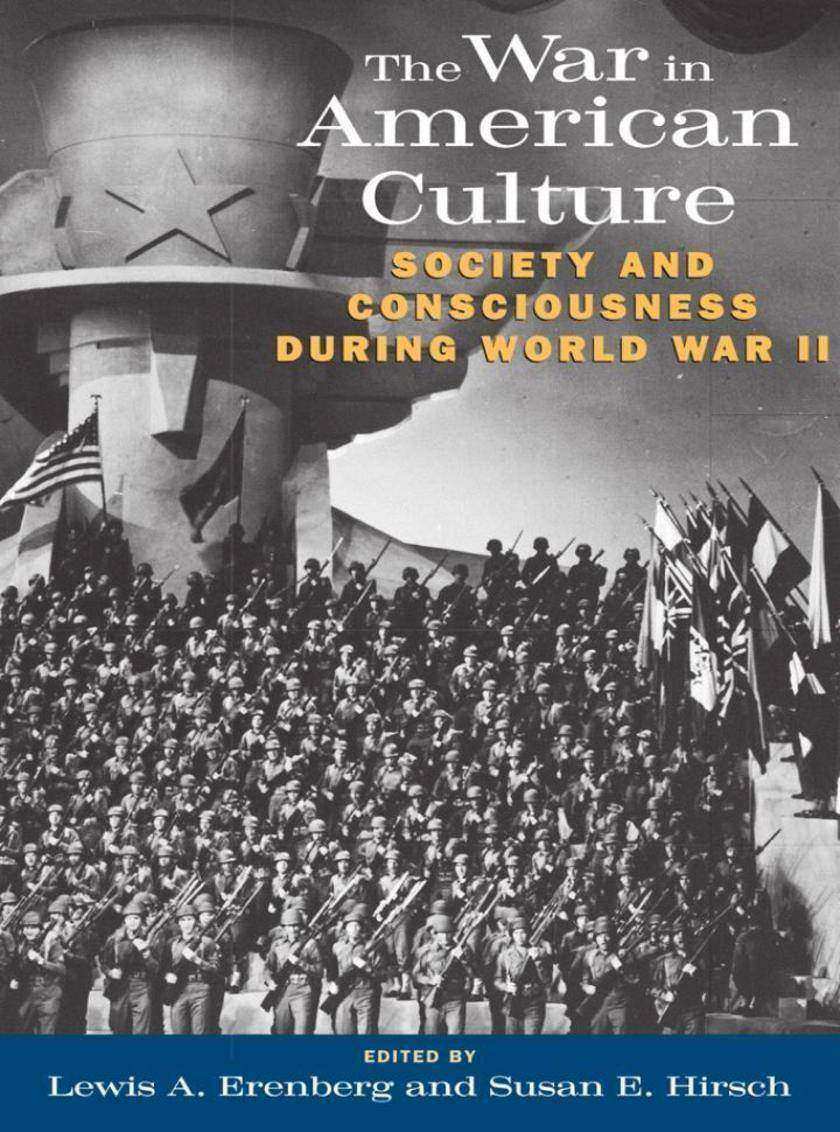
War in American Culture
¥247.21
The War in American Culture explores the role of World War II in the transformation of American social, cultural, and political life.World War II posed a crisis for American culture: to defeat the enemy, Americans had to unite across the class, racial and ethnic boundaries that had long divided them. Exploring government censorship of war photography, the revision of immigration laws, Hollywood moviemaking, swing music, and popular magazines, these essays reveal the creation of a new national identity that was pluralistic, but also controlled and sanitized. Concentrating on the home front and the impact of the war on the lives of ordinary Americans, the contributors give us a rich portrayal of family life, sexuality, cultural images, and working-class life in addition to detailed consideration of African Americans, Latinos, and women who lived through the unsettling and rapidly altered circumstances of wartime America.

Our Vinnie
¥58.86
The infamous Canterbury Estate in Bradford, a hotbed of crime, drink and drugs, was a law unto itself in the ’70s. So when one of their own was wronged in any way, the community always had its own way of dealing with it. The first title in a series of gritty family sagas, Our Vinnie accounts the dramatic true story of a brother’s determination to avenge his younger sister’s rape. Josie was just 11 when her Vinnie, then 14, was taken away to a detention centre. Distraught by his absence and left alone with indifferent parents, when she escapes from one of their rows she naively enters the house of a neighbour, Melvin, who – horrifically – leads her upstairs and overpowers her. Convinced by her friend Carol, Josie tells her sister Lyndsey about the rape but, with Vinnie out of the picture, Lyndsey uses the information for her own ends. When Vinnie returns, hardened by years inside the system, his outrage on discovering the truth is severe. And with new abuses continually coming to light, a cataclysmic series of violent events begins to spiral out of control… Dramatic and shocking, Our Vinnie is an unbelievable page-turner, documenting a community forsaken by society, and one brother’s unrelenting determination to take justice into his own hands.
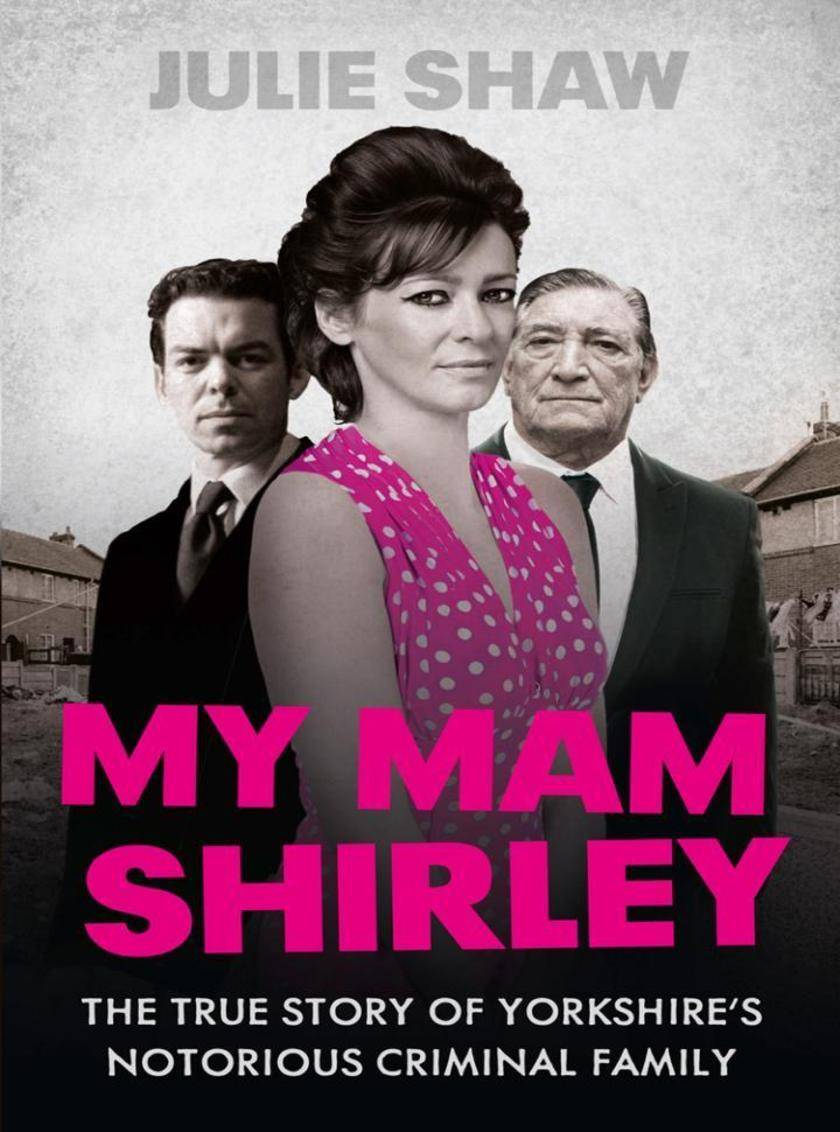
My Mam Shirley (Tales of the Notorious Hudson Family, Book 3)
¥58.86
Behind the notorious Hudson men who dominated the Canterbury Estate for over 30 years were the girls, and my mam Shirley. Whether marrying into or determined to escape from it, the third instalment of this gritty series recounts the incredible stories of the unflinching women behind the legendary Hudson family. The Canterbury Estate in Bradford during the ’50s and ’60s was a tight-knit community reared on poverty, crime and violence, and at the top of the heap were the infamous Hudson family. But it wasn’t just the boys who had a story to tell: from matriarch Annie, who gave birth to 13 children, to daughters Margaret and Eunice, who married up and out, each had a personality as indomitable as the last. Then came Shirley Read, who was just 17 when she fell in love with Keith, one of the Hudson lads. To Shirley, the only child of affluent parents, the poverty of the unruly estate was as exciting as it was mysterious; newspapers for tablecloths, jam jars for cups, and, even by that time, no electricity. But it was a friendship forged with Annie and June, the younger Hudson sisters, that would teach Shirley not only to how to survive, Canterbury-style, but would also give her the strength to overcome an unexpected personal tragedy that would soon become a nightmare for women across the world… Eye-opening and warm, this is the vivid account of the ‘Tucker’ girls; the resourceful women at the helm of a notorious Bradford family who will never be forgotten.
Proud Man Walking
¥72.99
Betrayed by his club but beloved by the fans, former Chelsea manager Claudio Ranieri has been a constant headline-maker in 2004. Occasionally puzzling, often eccentric, but always fascinating and refreshing, the Italian describes the highs and lows of an extraordinary season at Stamford Bridge - and the dramatic end to his English journey. 'Hello, my sharks. Welcome to the funeral.' 'People have said I am a dead man walking - but I am still moving!' 'Tonight I am a crazy man and Roman Abramovich is also going mad like me!' We rejoiced with him. We laughed with him. And we cried with him. In what turned out to be a year for the Blues resembling more a soap opera than a season of football, Claudio Ranieri reveals the highlights and the hurt of his farewell twelve months in England. This collaboration between Italian journalist Massimo Marianella and Ranieri promises to reveal the inside story of a rollercoaster year at Stamford Bridge, with a first-hand account of coaching the most expensively assembled team in the Premiership, alongside the increasing pressures of satisfying his bosses as Chelsea's season threatened to turn into anticlimax. How did Ranieri keep all his players contented, when the value of his subs bench often exceeded that of most Premiership teams? What were the skills required to mould a group of exciting individuals into a team capable of challenging the likes of Arsenal and Manchester United at the top of the tree? With the media suggesting an uneasy alliance between Ranieri and Roman Abramovich, what was it that drove their complex relationship? What was the real truth behind the allegations that Ranieri's position was being undermined by his bosses? And when did the 'Tinkerman' discover his final denouement? Just some of the questions that will be answered in this book by arguably the most talked-about man in English football in 2004.

The Wild Child
¥11.77
Casey tells the harrowing story of Connor, an eight year old boy from a broken home who comes to stay with her family. It’s a Saturday morning when Casey and Mike are asked to take in eight year old Connor – an emergency placement, just for a couple of days, following a violent incident at his now former care home. And Casey’s instinct, as ever, is to say yes. With long term foster son Tyler off to football, and no particular plans for the weekend, even the fact that Connor arrives in what looks like a prison van doesn’t phase her – after all, challenging children are what she and Mike have trained for. And how much trouble can he really be? He’s eight. A lot, as it turns out. Connor is as streetwise as they come, and, hurt and angry, seems determined to cause trouble from the off. But despite the attitude, there’s something strangely endearing about their little visitor that makes Casey want to tease out the frightened child behind the swagger. So much so that, with Connor and Tyler getting on so well, she wonders – should they say they’ll keep him longer? It seems like the easiest decision in the world …
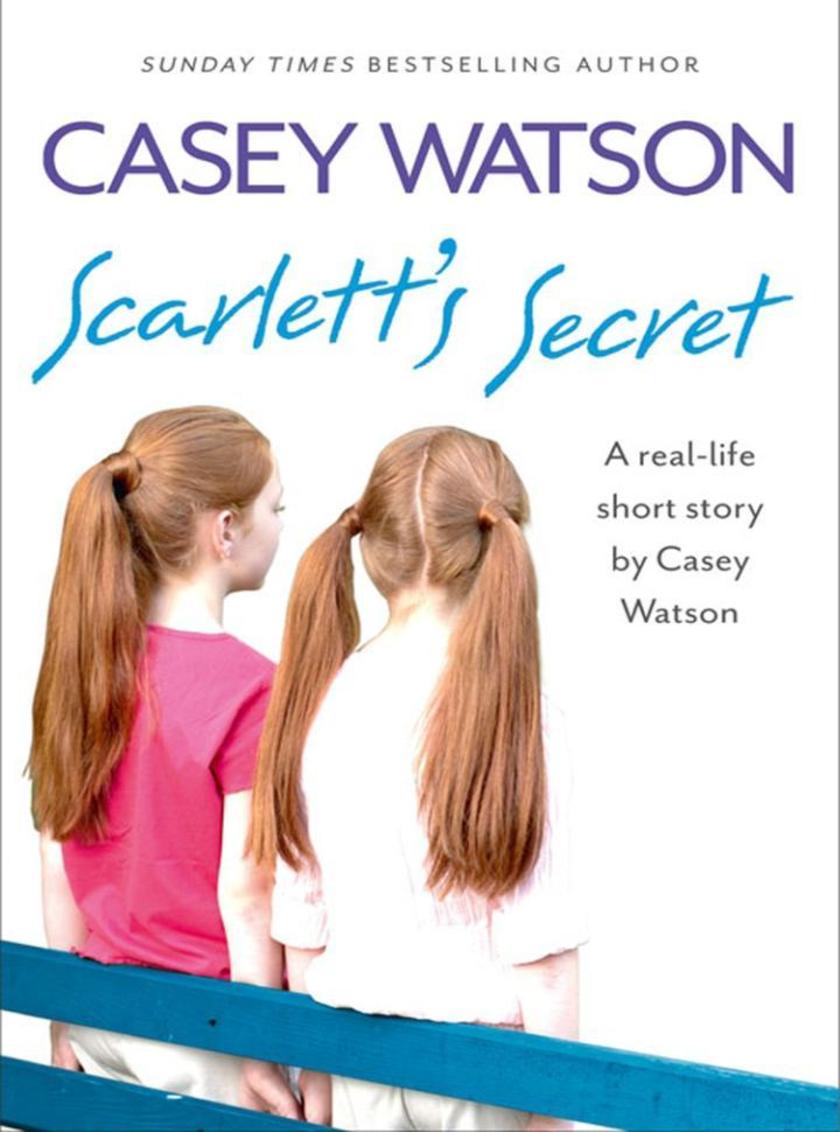
Scarlett’s Secret: A real-life short story by Casey Watson
¥14.81
Bestselling author and foster carer Casey Watson tells the shocking and deeply moving true story of two sisters who carry a terrible secret. This is a first taste of the ‘Unit’ series: several stories about ‘difficult’ children Casey helped during her time as a behaviour manager at her local comprehensive. Casey doesn’t know what to expect when seventeen-year-old twins Scarlett and Jade join her class. The girls seem grounded but they never leave each other’s side, although there seems to be an underlying tension between them that Casey can’t quite put her finger on. What’s more, Jade has a strong, unpleasant smell about her that further isolates her from the other teenagers. Eager to help the girls, Casey starts digging and finds out that Jade was pregnant and that the girls were taken into care when they were sixteen. But it’s not until a violent argument during class that Casey truly realises the anger the two girls harbour towards the rest of the world. And when Scarlett finally reveals the truth, it suddenly all makes sense. Can Casey find a way to bring Scarlett and Jade closer together? And can she break down Jade’s walls and get the girls the help they have craved since their childhood? Dark, disturbing and heartbreaking, this is a story of two sisters who just needed someone to believe in them.
Jack Russell Terrier: An Owner’s Guide
¥57.00
A comprehensive guide to all aspects of owning a Jack Russell Terrier, this highly illustrated book is full of practical information and expert advice for pet owners and breeders. Jack Russell Terriers are very intelligent, high-energy dogs whose compact size and friendly nature make them great pets. If you are considering getting a Jack Russell, or are an existing owner who wants to learn more about the care of your dog, then this book will be an invaluable resource. Contents include: ? History of the breed ? Acquiring a puppy ? Behaviour and training ? Showing a Jack Russell ? Healthcare
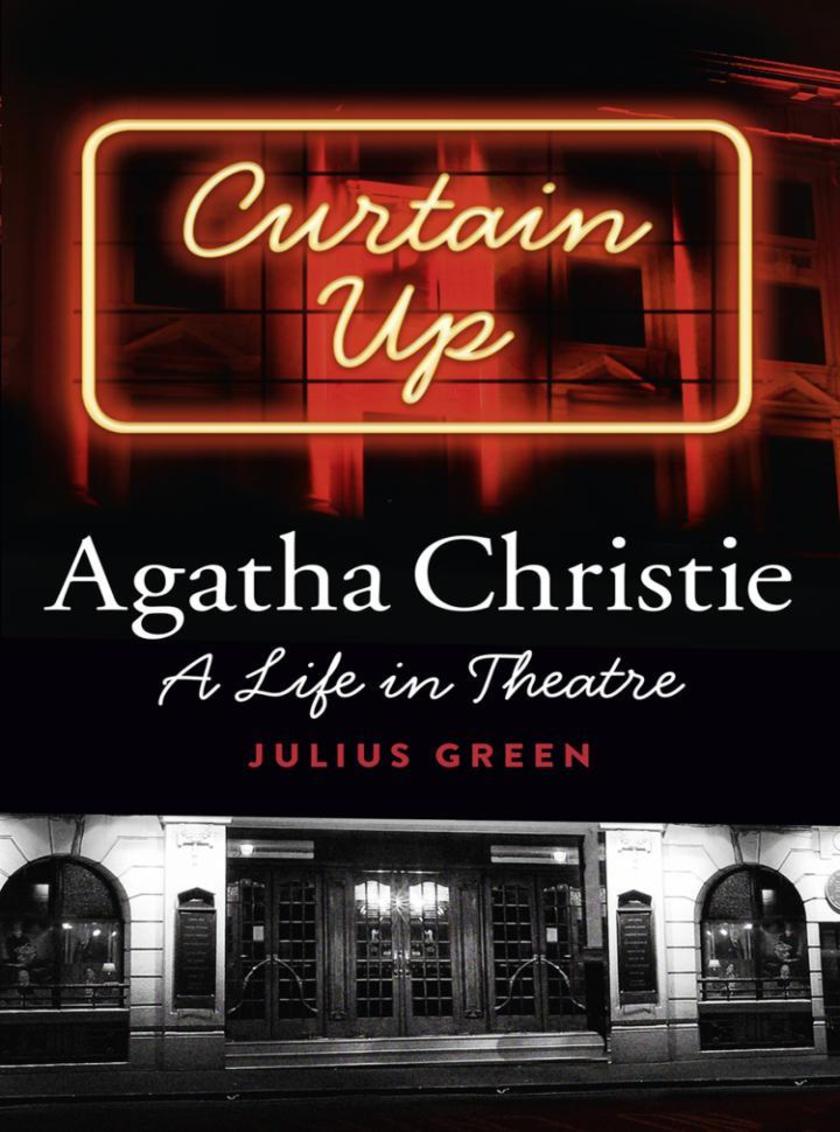
Curtain Up: Agatha Christie: A Life in Theatre
¥125.18
A revealing and witty new examination of how Agatha Christie became the world’s most successful and popular female playwright, including details of never-before-published *s and stories. Published in celebration of Agatha Christie's 125th birthday, Curtain Up! is an essential purchase for Agatha Christie fans worldwide. Everyone knows that The Mousetrap is the world’s longest-running play, but this first ever book dedicated to Agatha Christie as a playwright tells how Christie prevailed against the male-dominated establishment to be the only woman to have three plays in the West End at the same time and became the most popular and successful female playwright in the world. Author and theatre producer Julius Green has been given unprecedented access to archives in the UK and USA and has uncovered unpublished and unperformed plays, as well as previously unknown facts and correspondence. Agatha Christie was a skilful and accomplished stage writer, and this long-awaited book is a fascinating, funny and revealing tale that theatregoers and Agatha Christie fans won't want to miss.

The Complete Helen Forrester 4-Book Memoir
¥268.30
The complete four-volume collection of classic memoir recounting a poverty-stricken childhood in 1930s Liverpool that started with Twopence To Cross the Mersey. Twopence To Cross The Mersey – When Helen Forrester’s father went bankrupt in 1930 she and her six siblings were forced into dreadful poverty in Depression-ridden Liverpool. Managing the household and caring for the younger children all fell on twelve-year-old Helen. Written without self-pity, Forrester’s memoir of these grim days is as heart-warming as it is shocking. Liverpool Miss – Life remains extremely tough for fourteen-year-old Helen. Her continuing struggles against malnutrition, dirt and, above all, the selfish demands of her parents, are deeply shocking. But Helen’s fortitude in the most harrowing of situations makes this a story of amazing courage. By The Waters Of Liverpool – though her parents are as financially irresponsible as ever, wasting money while their children go without, for Helen the future is brightening. At seventeen, she has fought won some important battles with her parents and won, then she meets Harry… Lime Street At Two – It is 1940 and Helen, now twenty, is working at a welfare centre. Her wages are pitifully low and her mother claims the whole of them for housekeeping but she is still thrilled to be gaining some independence. As WWII rages, tragedy isn’t very far away, but Helen faces it with courage and determination.
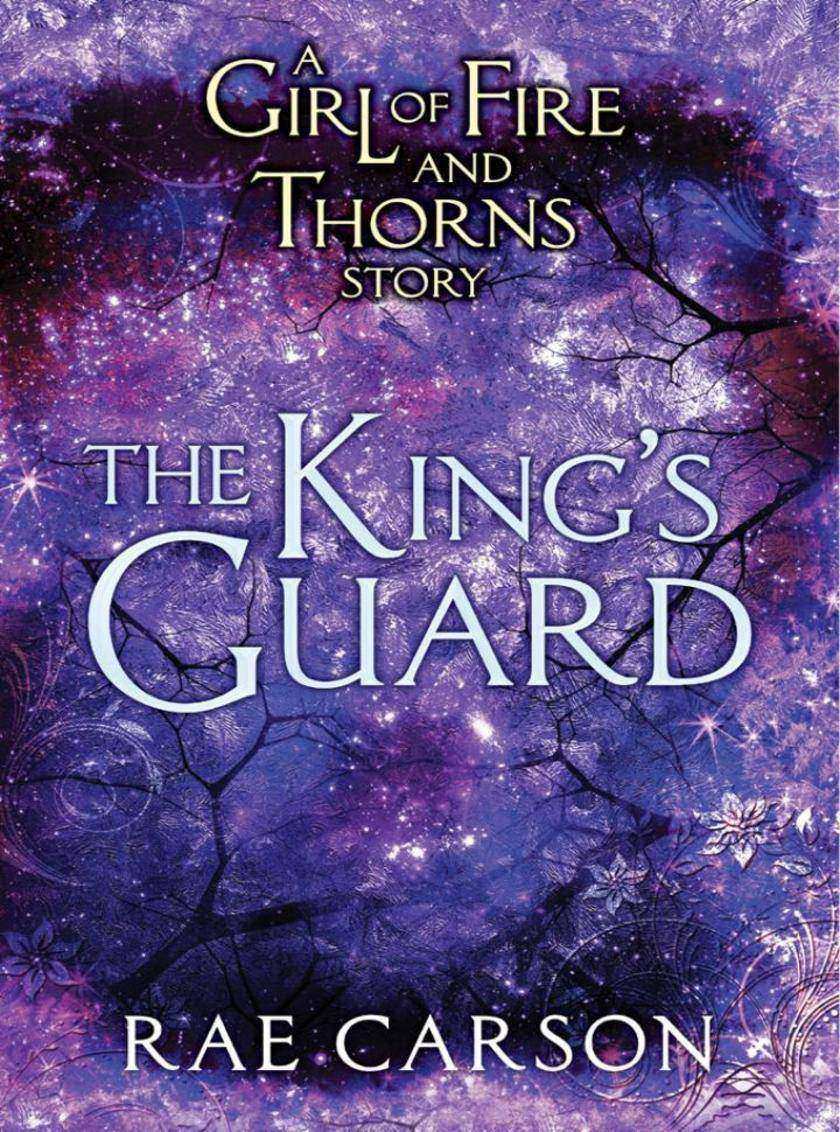
The King's Guard
¥10.71
Hector of Ventierra is the youngest commander of the Royal Guard in his kingdom's history. But before he was lord commander, he was a lowly squire. In this short fantasy novella, set in the world of The Girl of Fire and Thorns, Rae Carson introduces readers to Hector before he became the man Queen Elisa fell in love with. The King's Guard also includes a teaser chapter for The Bitter Kingdom, the conclusion to the Fire and Thorns trilogy.At fifteen years old, Hector is the youngest squire in the most elite military force in the country. And his first day is disastrous. Everyone assumes the only reason he was recruited is his close personal association with King Alejandro, not because he's really earned it.But Alejandro needs Hector for a secret mission, one that gives him the chance to prove to everyone—including himself—that he is worthy to be a Royal Guard. Hector must break into the ancient Fortress of Wind to retrieve something so important that the kingdom's future depends on it. What Hector finds in the fortress will stretch his bond of friendship with his king near to breaking. And it will prepare him to become the fearsome warrior and lord commander Elisa will never let go.A riveting prequel to Rae Carson's epic and acclaimed Fire and Thorns series.

Epic Reads Impulse
¥107.82
A short stand-alone digital novella set in the world of Leah Cypess's Nightspell, where ghosts exist alongside humans and nearly every lavish ball is part murder mystery.In the kingdom of Ghostland, every murdered soul comes back as a ghost, and every ghost has only one desire—vengeance. Emilie had everything she'd ever wanted—beautiful dresses, a perfectly decorated room, a party every night, and the eye of a nobleman. But then she's killed. And now she'll stop at nothing to find out who did it. No one in the palace of Ghostland is above suspicion—not even the people closest to her. This haunting fantasy novella is filled with supernatural thrills and surprising plot twists.Epic Reads Impulse is a digital imprint with new releases each month.

Saving Lucas Biggs
¥38.72
Perfect for fans of Margaret Peterson Haddix, When You Reach Me, and Savvy, this charming time-travel story from husband-and-wife team Marisa de los Santos and David Teague follows one girl's race to change the past in order to save her father's future.Thirteen-year-old Margaret knows her father is innocent, but that doesn't stop the cruel Judge Biggs from sentencing him to death. Margaret is determined to save her dad, even if it means using her family's secret—and forbidden—ability to time travel. With the help of her best friend, Charlie, and his grandpa Josh, Margaret goes back to a time when Judge Biggs was a young boy and tries to prevent the chain of events that transformed him into a corrupt, jaded man. But with the forces of history working against her, will Margaret be able to change the pastOr will she be pushed back to a present in which her father is still doomed?Told in alternating voices between Margaret and Josh, this heartwarming story shows that sometimes the forces of good need a little extra help to triumph over the forces of evil.
Connect the Stars
¥95.39
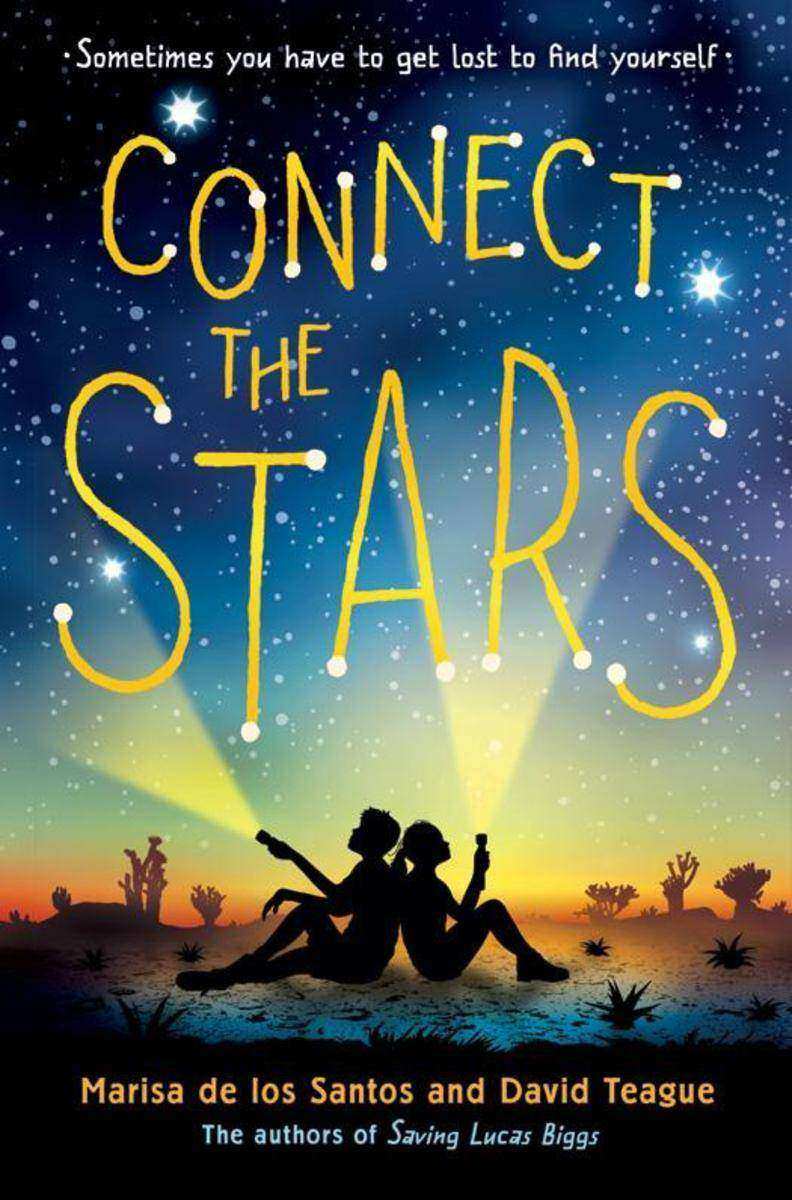
From Saving Lucas Biggs authors Marisa de los Santos and David Teague comes a heartwarming middle grade adventure about two misfits discovering the importance of just being themselves.When thirteen-year-olds Aaron and Audrey meet at a wilderness camp in the desert, they think their quirks are enough to prevent them from ever having friends. But as they trek through the challenging and unforgiving landscape, they learn that they each have what it takes to make the other whole.Luminous and clever, Connect the Stars takes on some hefty topics of the day—bullying, understanding where you fit in, and learning to live with physical and mental challenges—all in a joyous adventure kids will love!

Dead Zone
¥60.87
Homeland?meets Marie Lu’s?Legend?in the explosive sequel to?Blackout, which #1?New York Times?bestselling author Ally Condie called “a thrilling combination of Wells’s trademark twists and terror. Fantastic!”It began with a virus. Then a series of attacks erupted across the nation. Now America is at war—and a handful of teens with impossible powers are its only defense.In?Dead Zone, Robison Wells delivers his most nail-bitingly tense read yet—and an electrifying conclusion to a two-book series that’s perfect for fans of?The Maze Runner?and?I Am Number Four.

Epic Reads Impulse
¥108.99
This 50-page digital original novella introduces readers to Blackout, a series by acclaimed author Robison Wells that combines the high-stakes intensity of television's Homeland with the lightning-fast action of Marie Lu's Legend.Something strange is happening to Krezi. She has a dangerously high fever her doctors can't explain, and objects keep bursting into flames around her—but the fire doesn't seem to hurt her at all. Krezi wants nothing more than to control her mysterious abilities. But what she doesn't know is that there are others like her out there . . . and in the wrong hands, this power could be deadly.Going Dark also features a teaser to Blackout.Epic Reads Impulse is a digital imprint with new releases each month.

Ten Thousand Skies Above You
¥99.65
In this sequel to A Thousand Pieces of You by New York Times bestselling author Claudia Gray, Marguerite races through various dimensions to save the boy she loves.Ever since she used the Firebird, her parents' invention, to cross through to alternate dimensions, Marguerite has caught the attention of enemies who will do anything to force her into helping them dominate the multiverse—even hurt the people she loves. She resists until her boyfriend, Paul, is attacked, and his consciousness is scattered across multiple dimensions.The hunt for each splinter of Paul's soul sends Marguerite racing through a war-torn San Francisco, the criminal underworld of New York City, and a glittering Paris where another Marguerite hides a shocking secret. Each dimension brings Marguerite one step closer to rescuing Paul. But with every trial she faces, she begins to question the one constant she's found between the worlds: their love for each other.
The Wicked Will Rise
¥56.08
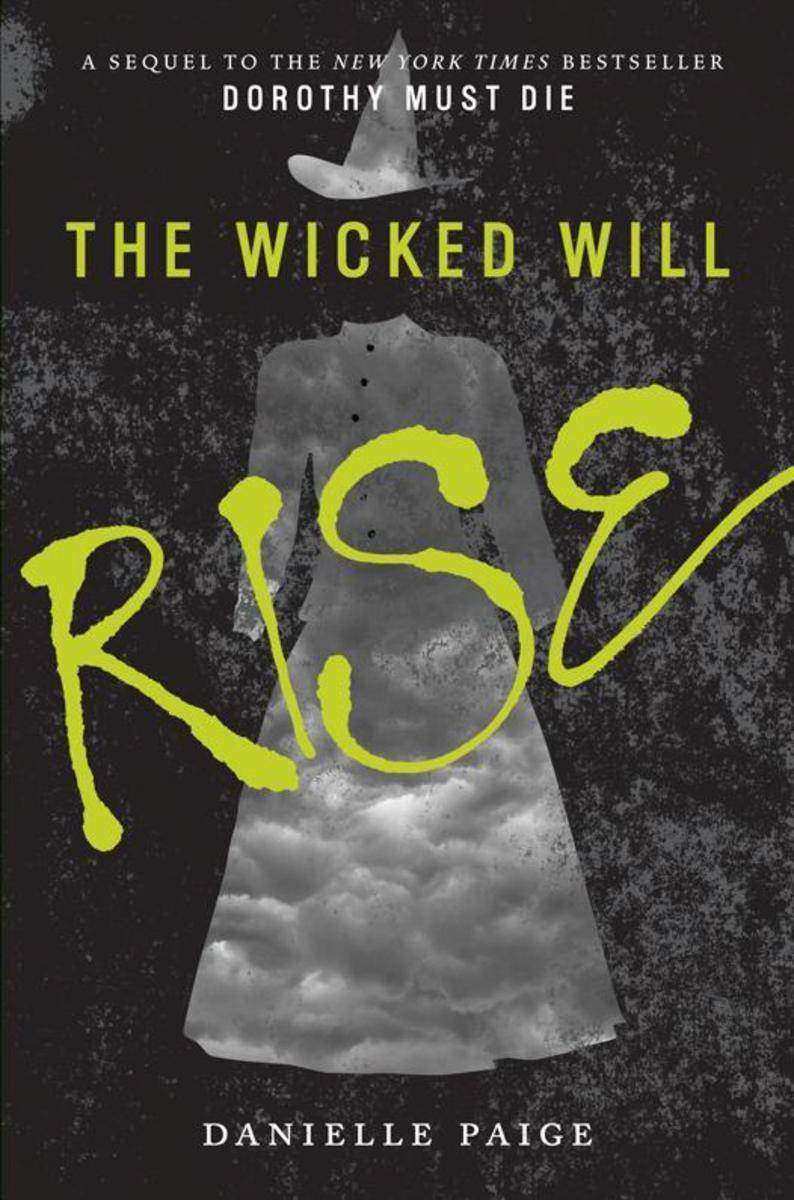
In this New York Times bestselling sequel to Dorothy Must Die, who is good—and who is actually WickedThe Wicked Will Rise is perfect for fans of richly reimagined fairy tales and classic tales like Marissa Meyer’s Lunar Chronicles and Gregory Maguire’s Wicked.My name is Amy Gumm—and I’m the other girl from Kansas. After a tornado swept through my trailer park, I ended up in Oz. But it wasn’t like the Oz I knew from books and movies. Dorothy had returned, but she was now a ruthless dictator. Glinda could no longer be called the Good Witch. And the Wicked Witches who were leftThey’d joined forces as the Revolutionary Order of the Wicked, and they wanted to recruit me.My missionKill Dorothy. Except my job as assassin didn’t work out as planned. Dorothy is still alive. The Order has vanished. And the home I couldn’t wait to leave behind might be in danger.Somehow, across a twisted and divided land, I have to find the Order, protect the true ruler of Oz, take Dorothy and her henchmen down—and try to figure out what I’m really doing here.


