


 购物车
购物车 个人中心
个人中心

The Witch Must Burn
¥65.33
There’s a new Wicked Witch in Oz—and her name is Dorothy. This digital original novella is the second installment in the prequel arc to the edgy and exciting New York Times bestseller Dorothy Must Die.Dorothy Gale is back . . . and she’s not the sweet little heroine of Oz anymore. She’s power-hungry and vicious, and she leaves a trail of destruction beneath her spike-heeled, magical shoes. But behind the scenes, there’s someone else pulling the strings. Someone who doesn’t want fame or glory—just control.Glinda of the North brought Dorothy back to Oz for a reason. And in The Witch Must Burn, a young maid is about to discover that a witch who says she’s Good might be the most dangerous kind of Wicked.The Witch Must Burn, by debut author Danielle Paige, is a dark and compelling reimagining of a beloved classic and is perfect for fans of Cinder by Marissa Meyer, Beastly by Alex Flinn, and Wicked by Gregory Maguire.
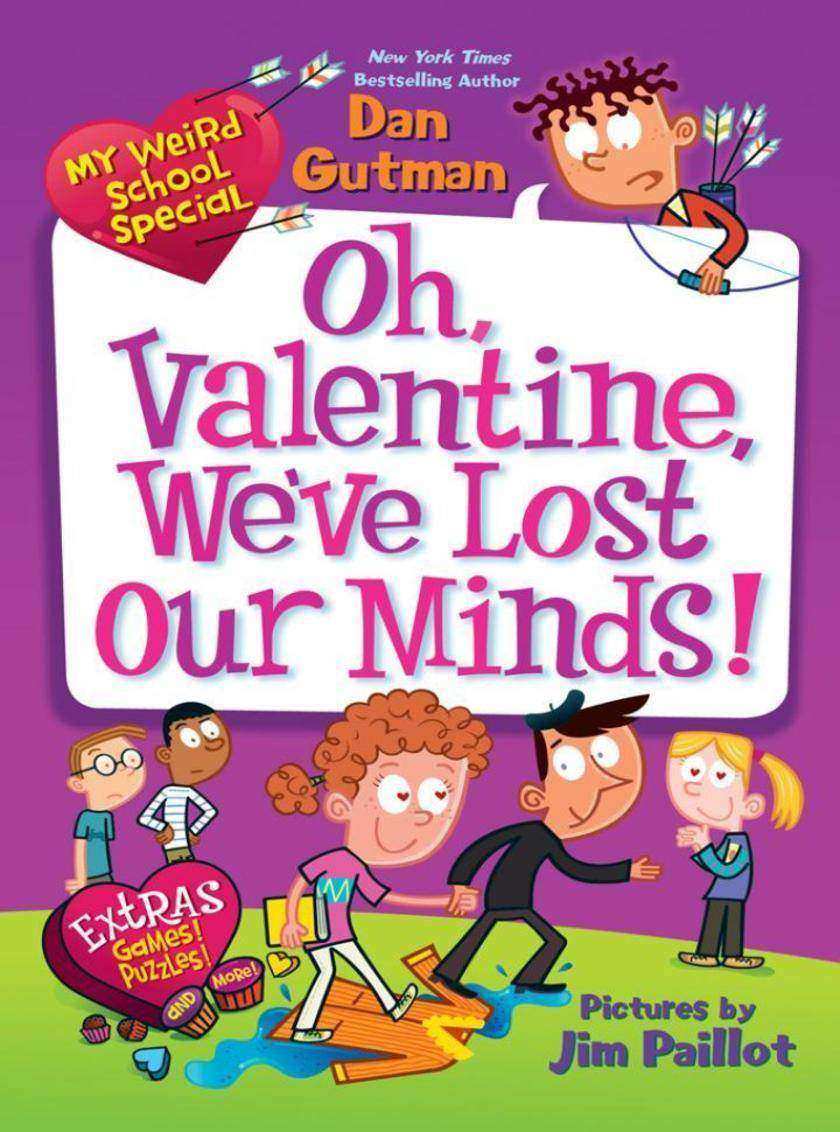
My Weird School Special: Oh, Valentine, We've Lost Our Minds!
¥33.53
A.J. and the gang from My Weird School star in this series of after-school, holiday-themed chapter books featuring all-new hilarious stories and thirty-two pages of games, puzzles, and more.It's the week of Valentine's Day, and A.J.'s class is getting a foreign exchange student! His name is Pierre, and he's from France. But what happens when Pierre challenges A.J. to a duel (or at least a thumb war) over AndreaOne thing's for sure: when L-O-V-E comes to Ella Mentry, it spells the weirdest Valentine's Day story in the history of the world!Bestselling author Dan Gutman brings his kid-friendly sense of humor to this all-new series of holiday adventures. With My Weird School checklists and trivia plus tons of Valentine-themed facts and puzzles, this is one weird Valentine special you don't want to miss!
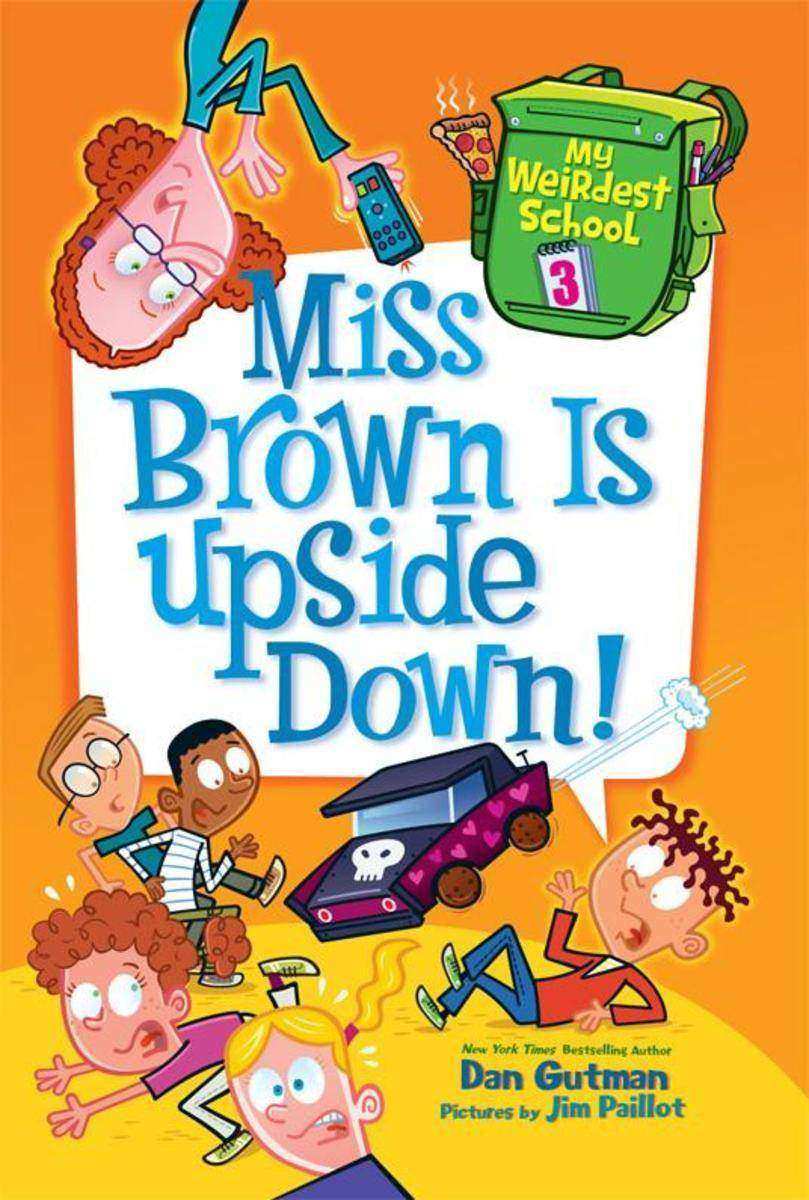
My Weirdest School #3: Miss Brown Is Upside Down!
¥27.94
With more than 9 million books sold, the My Weird School series really gets kids reading!In this third book in the new My Weirdest School series, the Brain Games are coming to Ella Mentry School! Miss Brown will help the kids do creative projects, like building a bridge out of toothpicks and designing a remote control car. But the kids are up against some tough competition. They will have to compete against the students of Dirk School to win the grand prize: a free trip to PizzaWorld!Perfect for reluctant readers and word lovers alike, Dan Gutman's hugely popular My Weird School series has something for everyone. Don't miss the hilarious adventures of A.J. and the gang.

The Promise of Amazing
¥56.08
Robin Constantine's New Jersey romance The Promise of Amazing is a sexy, poignant, funny, and authentic debut novel that will appeal to fans of books by Stephanie Perkins, Sarah Mlynowski, and Jennifer E. Smith.Wren Caswell is average. Ranked in the middle of her class at Sacred Heart, she's not popular, not a social misfit. Wren is the quiet good girl who's always done what she's supposed to—only now, in her junior year, this passive strategy is backfiring. She wants to change but doesn't know how.Grayson Barrett was the king of St. Gabe's: star of the lacrosse team, top of his class, and on the fast track to a brilliant future—until he was expelled for being a "term-paper pimp." Now Gray is in a downward spiral and needs to change but doesn't know how.One fateful night, their paths cross at Wren's family's Arthurian-themed catering hall. What follows is the complicated, awkward, hilarious, and tender tale of two teens shedding their pasts, figuring out who they are—and falling in love.

The Revenge Playbook
¥56.08
Don't get mad, get even! In this poignant and hilarious novel, Rachael Allen brilliantly explores the nuances of high school hierarchies, the traumas sustained on the path to finding true love, and the joy of discovering a friend where you least expect.In the small town of Ranburne, high school football rules and the players are treated like kings. How they treat the girls they go to school withThat's a completely different story. Liv, Peyton, Melanie Jane, and Ana each have their own reason for wanting to teach the team a lesson—but it's only when circumstances bring them together that they come up with the plan to steal the one thing the boys hold sacred. All they have to do is beat them at their own game.
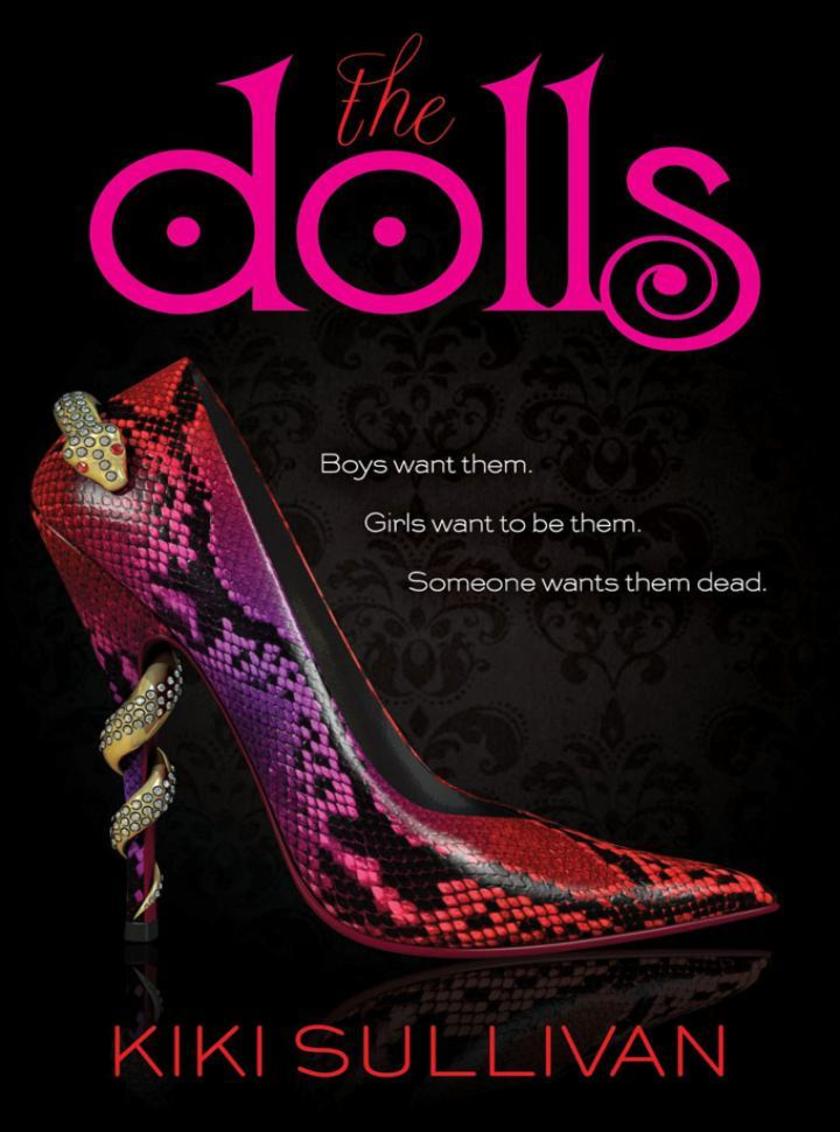
The Dolls
¥55.33
Pretty Little Liars meets Beautiful Creatures in this steamy southern suspense novel about a group of powerful teen voodoo queens who will do anything to get what they want.Eveny Cheval has just moved back to Carrefour, Louisiana—a town she left fourteen years ago in the wake of her mother's suicide. An outsider at first, Eveny quickly finds herself embroiled in a web of intrigue, betrayal, and lies. Enter Peregrine Marceau, Chloe St. Pierre, and their group of rich, sexy friends collectively known as the Dolls. They want to bring Eveny into their circle and share their darkest truths with her.Eveny is wary of these girls, but after murder strikes and she discovers that everything she believes about herself, her family, and her life is a lie, she's forced to turn to the Dolls for answers. Something's wrong in paradise, and it's up to Eveny, Chloe, and Peregrine to save Carrefour and make it right.

Anatomy of a Misfit
¥55.33
In this Mean Girls meets The Perks of Being a Wallflower tale, narrator Anika Dragomir is the third most popular girl at Pound High School. But inside, she knows she's a freak; she can't stop thinking about former loner Logan McDonough, who showed up on the first day of tenth grade hotter, bolder, and more mysterious than ever. Logan is fascinating, troubled and off-limits. The Pound High queen bee will make Anika's life hell if she's seen with him. So Anika must choose ignore her feelings and keep her social statusOr follow her heart and risk becoming a pariah. Which will she pickAnd what will she think of her choice when an unimaginable tragedy strikes, changing her foreverAn absolutely original new voice in YA in a story that will start important conversations and tear at your heart.
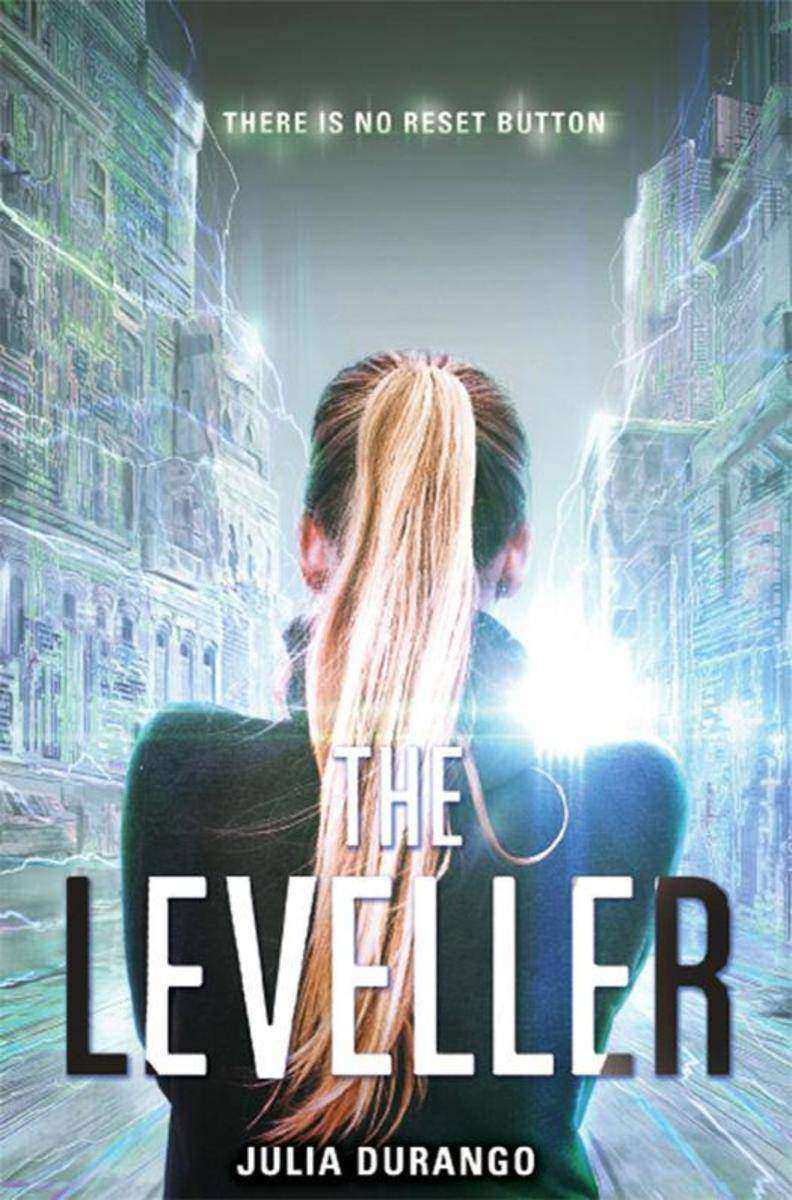
The Leveller
¥55.33
Nixy Bauer, Home in an Hour Nixy Bauer is used to her classmates being very, very unhappy to see her. After all, she's working with the enemy she's on their parents payrolls.Nixy is a bounty hunter in a virtual-reality gaming world. Kids in the MEEP, as they call it, play entirely with their minds, while their bodies languish in a sleeplike state on the couch. Irritated parents, looking to wrench their kids back to reality, hire Nixy to jump into the game and retrieve them. Luckily for Nixy and her wallet, she's the best leveller out there.But when the game's billionaire developer and Nixy's parents boss loses track of his own son in the MEEP, Nixy is in for the biggest challenge of her bounty-hunting career. Wyn Salvador isn't some lazy kid looking to escape his homework, and this is no ordinary levelling job: Wyn does not want to be found. And he's left behind a suicide note.Nixy takes the job but quickly discovers that Wyns not hiding he's being held inside the game against his will. But who is holding him captive, and why?Nixy and Wyn attempt to fight their way out of a mind game unlike any they've encountered. And the battle brings them closer than either could have imagined. But when the whole world is virtual, how can Nixy possibly know what's real?
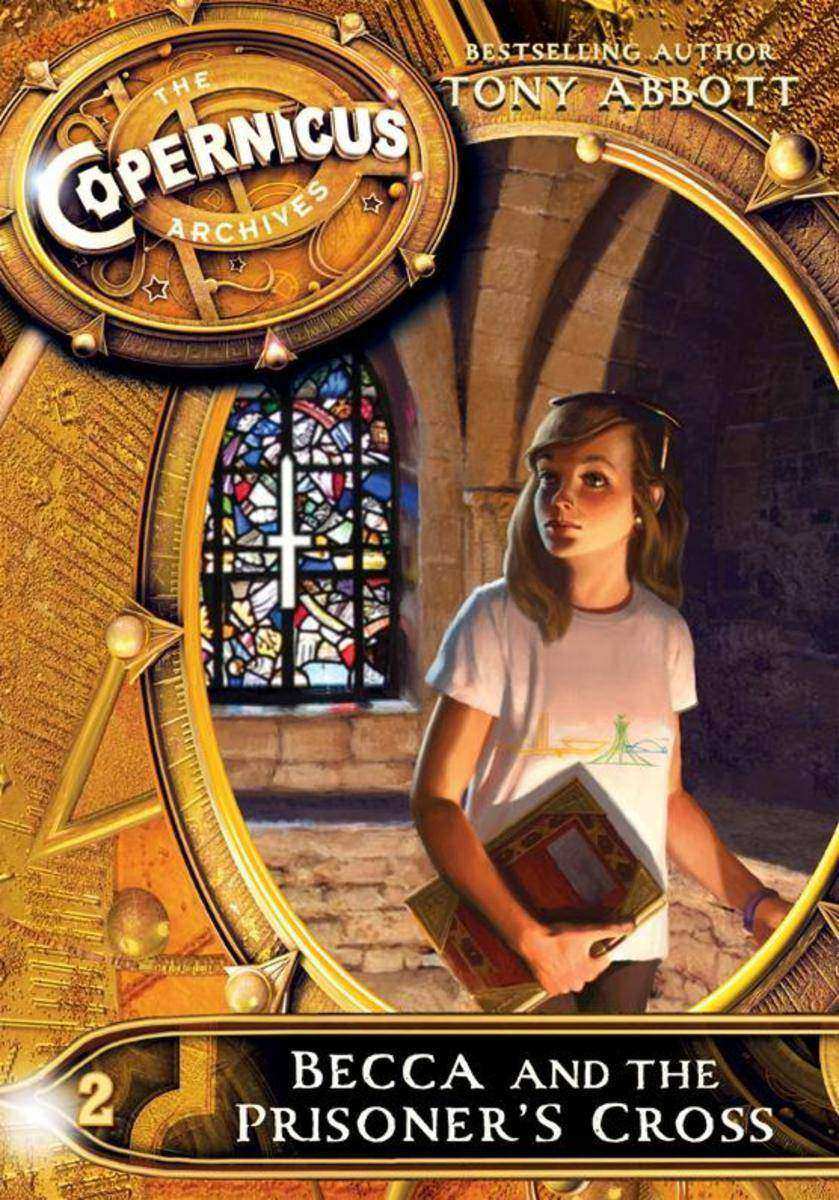
The Copernicus Archives #2: Becca and the Prisoner's Cross
¥22.33
Travel deeper into the mysterious world of the Copernicus Legacy with the Copernicus Archives: exciting, fast-paced novellas that get you close to the characters and the heart of the adventure.The Copernicus Archives #2: Becca and the Prisoner's Cross is studious language expert Becca's thrilling first-person account of the next stop in the Kaplans' perilous journey. As Becca and her family race through London, it's up to Becca to make sense of the strange time blackouts she's experiencing before the evil Teutonic Order beats them to the next relic. Or worse, hurts the people she loves.Perfect for fans of Rick Riordan and Ridley Pearson, Becca and the Prisoner's Cross continues the thrilling Copernicus Legacy quest and brings one of the characters into the spotlight.Correlates to the Common Core State Standards in English Language Arts

Lost Boy
¥44.25
From New York Times bestselling author Tim Green comes a captivating baseball novel about one kid's search of a lifetime.It's always been just Ryder and his mom. But on the way home from Ryder's baseball practice, everything comes to a halt. An accident sends his mom to the hospital, and now she is fighting for her life. So Ryder goes on a search to find his father, determined to help pay for the expensive operation to save his mother's life. But with only a signed baseball and a letter as his clues, and the help of his next-door neighbor and a New York City firefighter, will everything fall into place in time, or will Ryder become a lost boy forever?New York Times bestselling author Tim Green knocks this one out of the park, combining heart and baseball to create a story that readers will never forget.
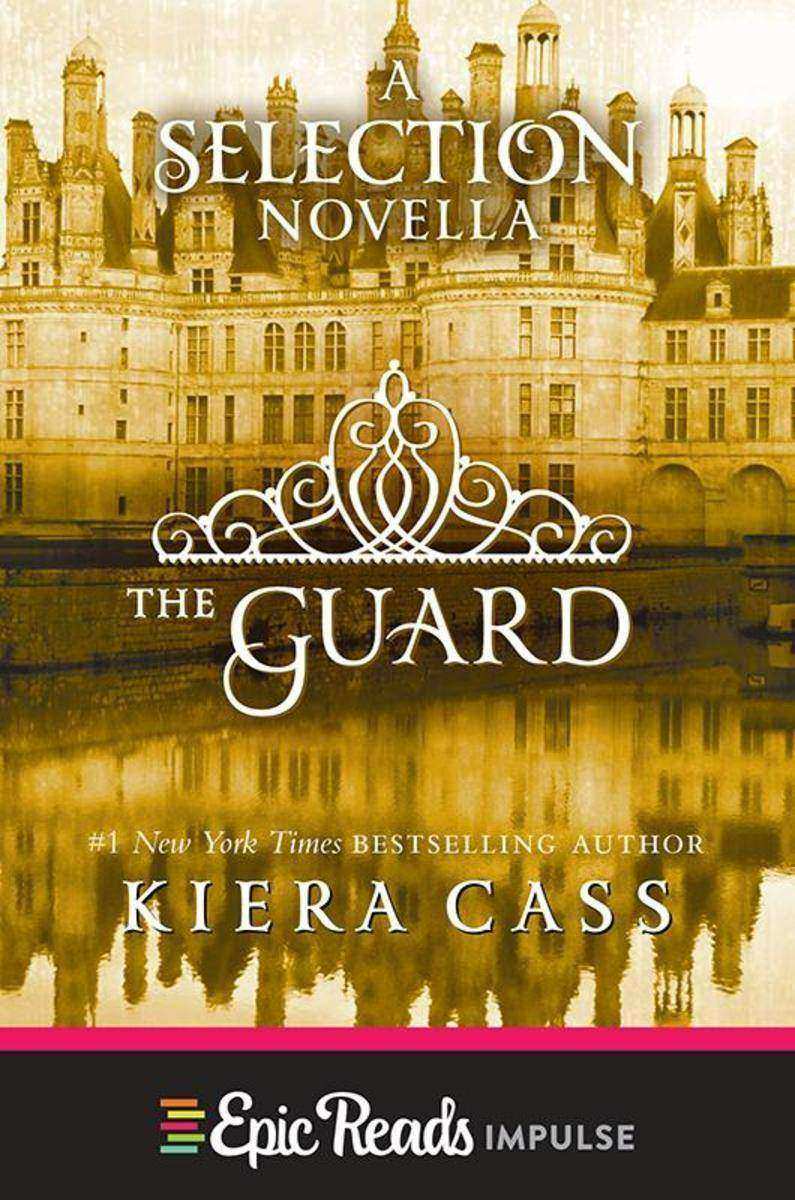
The Guard
¥32.65
Before America Singer met Prince Maxon . . .Before she entered the Selection . . .She was in love with a boy named Aspen Leger.Don't miss this digital original novella set in the captivating world of Kiera Cass's #1 New York Times bestselling Selection series. This brand new 64-page story begins just after the group of Selected girls is narrowed down to the Elite and is told from Aspen's point of view. The Guard also features a teaser to The One, the thrilling third novel in the Selection series.Epic Reads Impulse is a digital imprint with new releases each month.
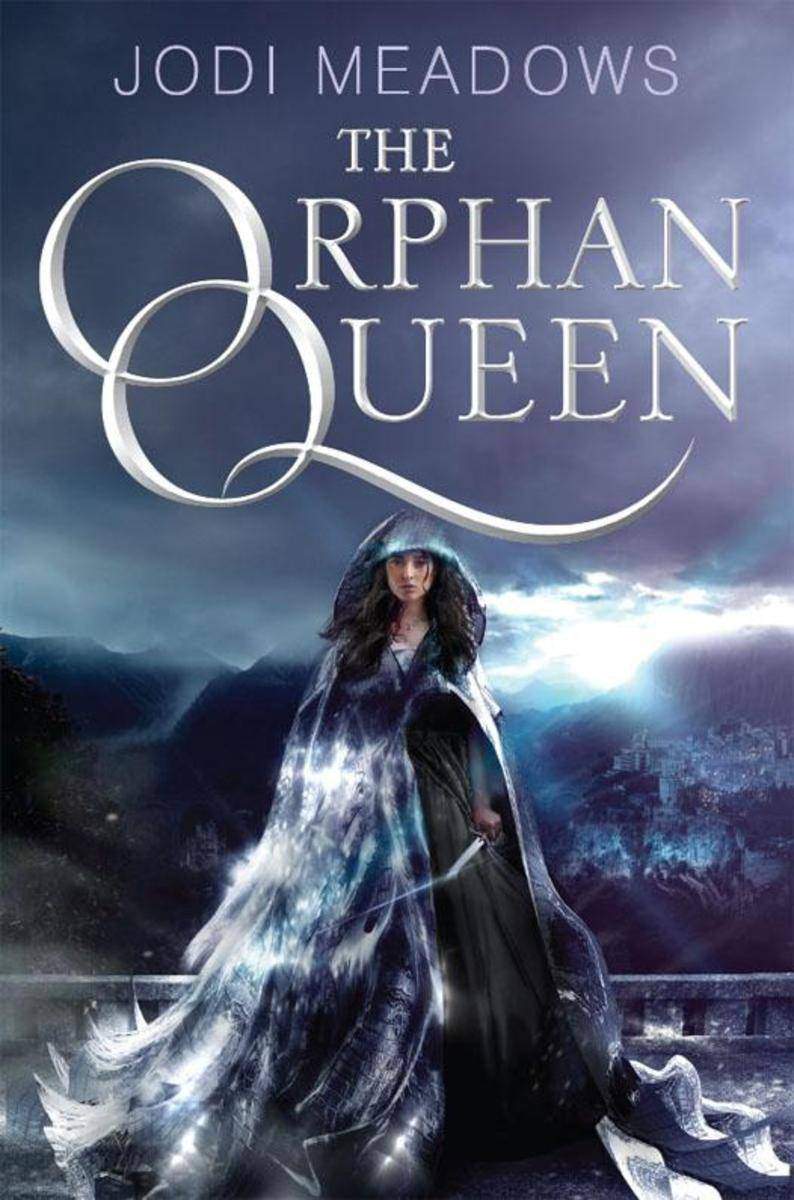
The Orphan Queen
¥55.93
An epic fantasy filled with adventure, intrigue, and romance from Incarnate series author Jodi Meadows. This duology is perfect for fans of Graceling by Kristin Cashore, The Girl of Fire and Thorns by Rae Carson, and Shadow and Bone by Leigh Bardugo.When Princess Wilhelmina was a child, the Indigo Kingdom invaded her homeland. Ten years later, Wil and the other noble children who escaped are ready to fight back and reclaim Wil’s throne. To do so, Wil and her best friend, Melanie, infiltrate the Indigo Kingdom palace with hopes of gathering information that will help them succeed.But Wil has a secret—one that could change everything. Although magic has been illegal for a century, she knows her ability could help her save her kingdom. But magic creates wraith, and the deadly stuff is moving closer and destroying the land. And if the vigilante Black Knife catches her using magic, she may disappear like all the others. . . .
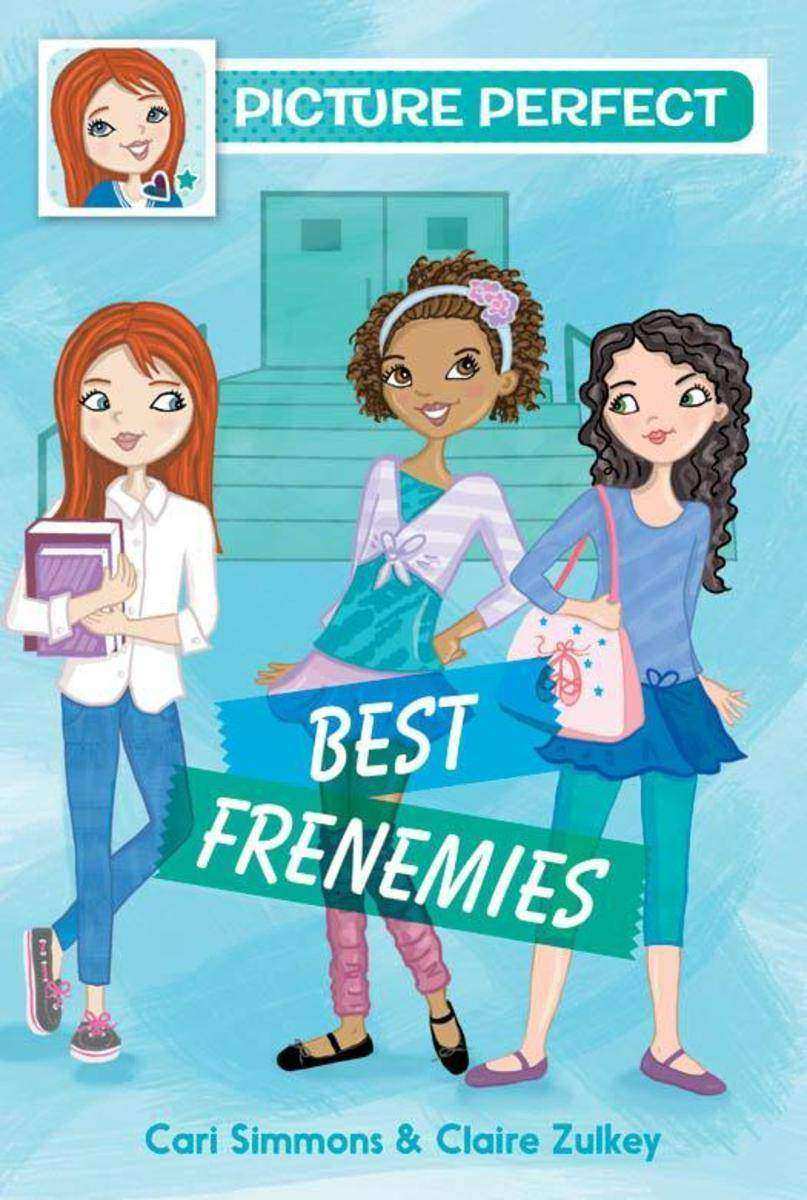
Picture Perfect #3: Best Frenemies
¥39.24
Being one half of a BFF heart necklace is serious business—and in the Picture Perfect series, each story tackles a tough friendship challenge. Through the ups and downs of life in middle school, through braces and boy bands, family feuds and fashion disasters, your best bud is there. But what happens when friendship suddenly gets complicatedTween readers will adore these sweet, accessible stories about the power of friendship.Alice Kinney shouldn't be nervous about starting middle school. She's got her best friend, Cassidy, by her side, so it can't be that bad, rightExcept, Cass isn't at her side. For the first time since kindergarten, Alice and Cassidy aren't in any of the same classes, and Alice is stuck with a brand-new crew in honors class! The girls try to stay in touch from across the hallway with the help of a shared notebook—but when Alice accidentally befriends not-so-nice Nikki from Cassidy's dance class, she keeps it to herself. Cass will never understand.Alice juggles both friendships, waiting for the right moment to tell everyone the truth. But then, disaster strikes: Cass's play and Nikki's math competition are fall on the same night. Neither girl will ever forgive Alice if she misses their big day. What is Alice supposed to do when her two best friends are total enemies?
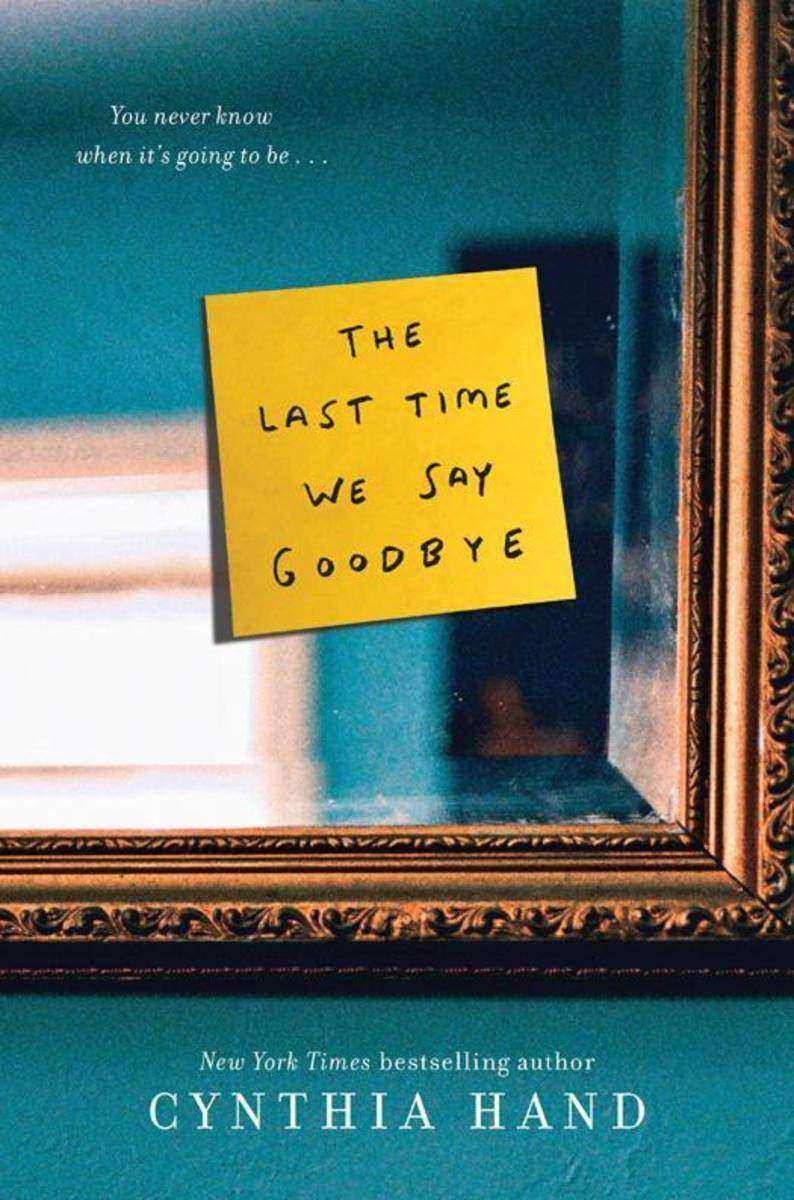
The Last Time We Say Goodbye
¥55.93
From New York Times bestselling author Cynthia Hand comes a gorgeous, heart-wrenching novel of love and loss, which ALA Booklist called "both shatteringly painful and bright with life and hope" in a starred review.Since her brother, Tyler, committed suicide, Lex has been trying to keep her grief locked away, and to forget about what happened that night. But as she starts putting her life, her family, and her friendships back together, Lex is haunted by a secret she hasn't told anyone—a text Tyler sent, that could have changed everything.In the tradition of Jay Asher's Thirteen Reasons Why, Gayle Forman's If I Stay, and Lauren Oliver's Before I Fall, The Last Time We Say Goodbye is a thoughtful and deeply affecting novel that will change the way you look at life and death.
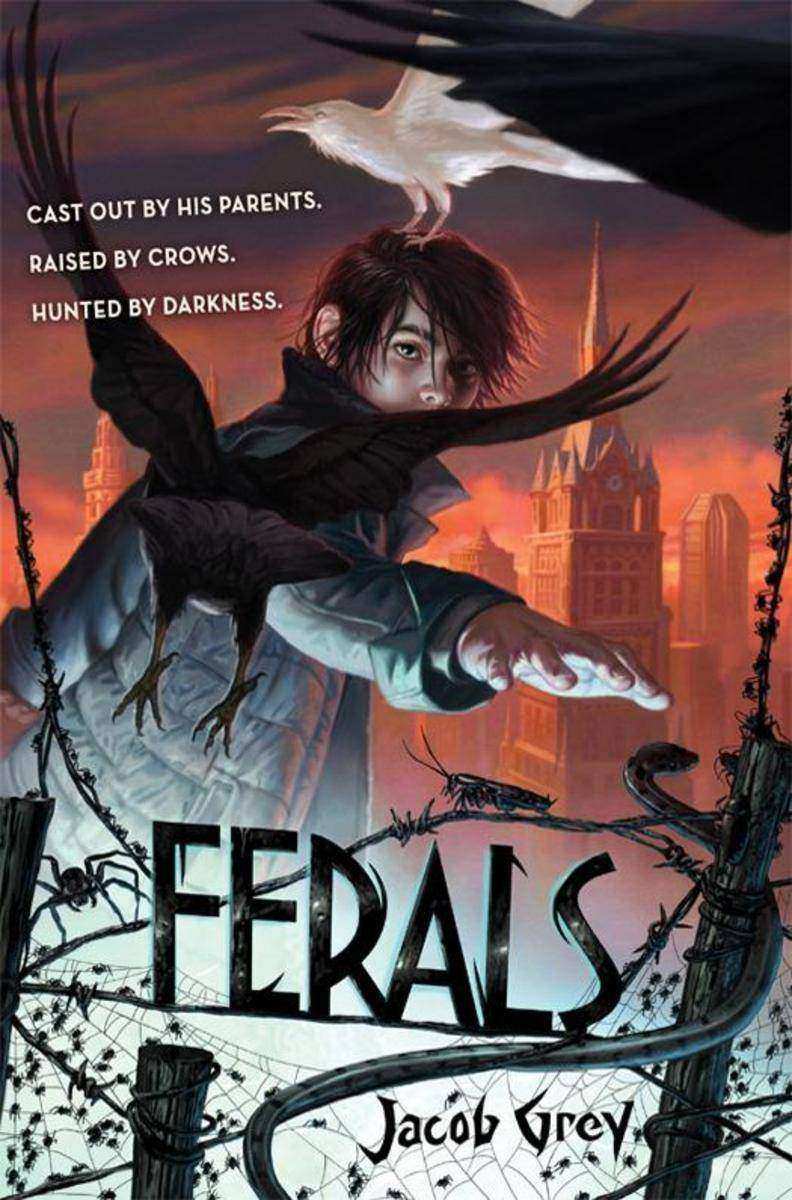
Ferals
¥38.72
Ferals is the first book in a dark, action-packed trilogy that’s part The Graveyard Book, part Batman, and all high-octane adventure.Blackstone was once a thriving metropolis. But that was before the Dark Summer—a wave of violence and crime that swept through the city eight years ago, orchestrated by the fearsome Spinning Man. Now the Spinning Man is on the move again, and a boy named Caw is about to be caught in his web.Caw has never questioned his ability to communicate with crows. But as the threat of a new Dark Summer looms, Caw discovers the underground world of Blackstone’s ferals—those with the power to control animals. Caw is one of them. And to save his city, he must quickly master abilities he never knew he had . . . and prepare to defeat a darkness he never could have imagined.
Future Perfect
¥101.00
Jen Larsen, author of the critically acclaimed memoir Stranger Here and a subject of the Oprah Winfrey Network TV show In Deep Shift with Jonas Elrod, tells a liberating story of hard-won self-acceptance—a tale of one girl, who knows that weight is just a number, and that no one is completely perfect.This is a distinct, complex debut from a new voice in YA with an unforgettable main character whose doubts and insecurities will resonate with readers, and shed light on the dangers of taking on others' expectations instead of your own.Underscored by a fierce intelligence and a dry, disarming wit, Future Perfect will satisfy fans of such authors as Maureen Johnson.
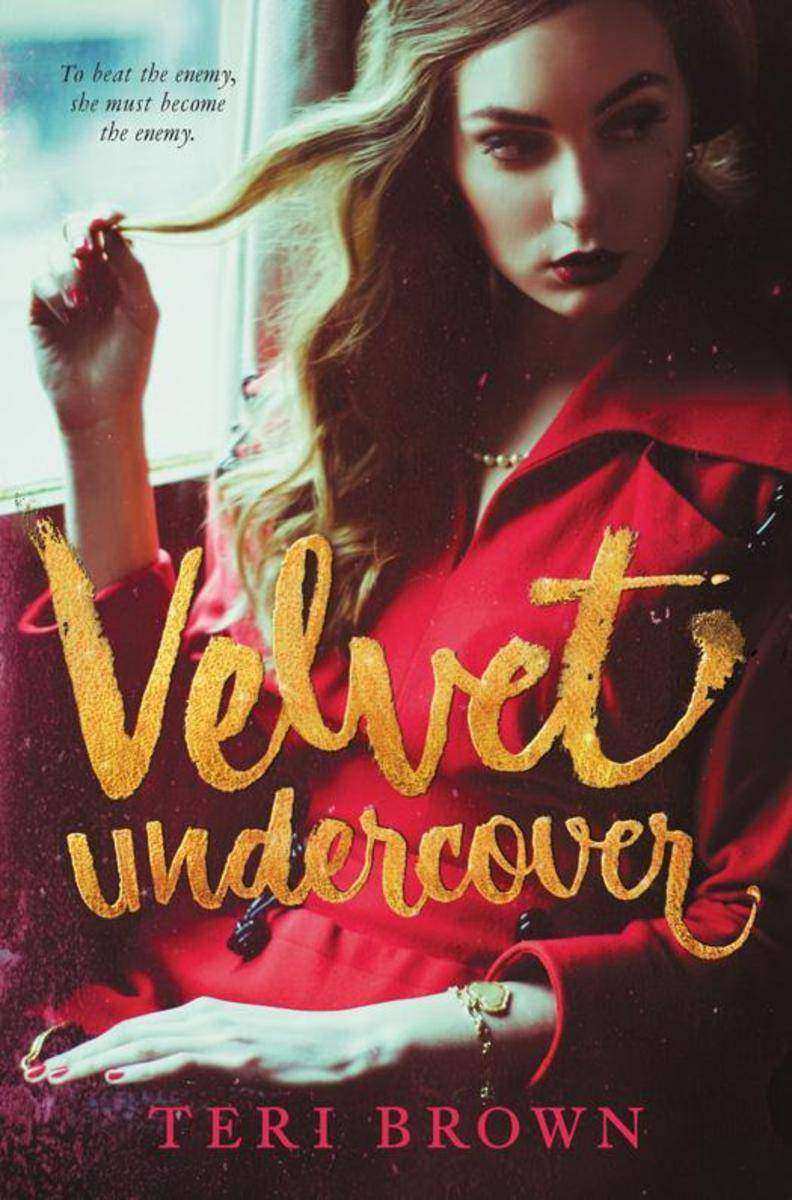
Velvet Undercover
¥101.00
Perfect for fans of Jennifer Donnelly and Libba Bray comes this page-turning historical spy thriller from Teri Brown, author of the Born of Illusion series.Samantha Donaldson's family has always done its duty for the British Crown. In the midst of World War I, seventeen-year-old Sam follows in their footsteps, serving her country from the homefront as a messenger for the intelligence organization MI5. After her father disappears on a diplomatic mission, she continues their studies of languages, mathematics, and complex puzzles, hoping to make him proud.When Sam is asked to join the famed women's spy group La Dame Blanche, she's torn—while this could be an unbelievable adventure, how can she abandon her mother, who has already lost a husbandBut when her handlers reveal shocking news, Sam realizes she can't refuse the exciting and dangerous opportunity.Her acceptance leads her straight into the heart of enemy territory on a mission to extract the most valuable British spy embedded in Germany, known only as Velvet. Deep undercover in the court of Kaiser Wilhelm II, Sam must navigate the labyrinthine palace and its many glamorous—and secretive—residents to complete her assignment. To make matters worse she must fight a forbidden attraction to the enemy—a dangerously handsome German guard. In a place where personal politics are treacherously entangled in wartime policy, can Sam find Velvet before it's too late . . . for them both?A thrilling story of one girl's journey into a deadly world of spy craft and betrayal—with unforgettable consequences.
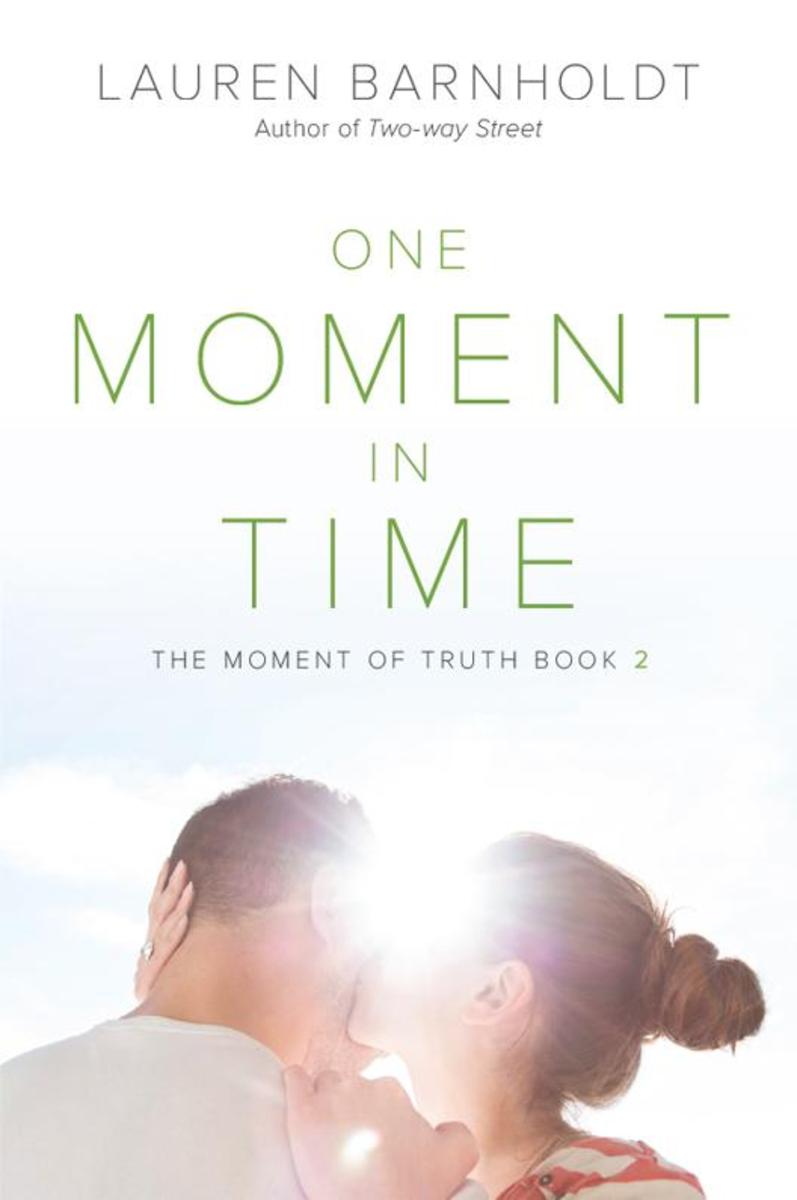
One Moment in Time
¥55.33
The second book of Lauren Barnholdt's exiting Moment of Truth series: three books, three girls, one life-changing senior trip.When the email arrived in Quinn Reynolds's in box on the morning of her flight to Florida, she sent it straight to her trash folder. The last thing Quinn needed was to be reminded of the pact she made with her ex–best friends—the one where she promised she would do something crazy before graduation.But that was before everything on the trip went wrong.Now, after a lifetime of playing it safe, Quinn figures that she might as well get a little wild…after all, what does she have to loseWhen Abram, a local boy she met on the beach, asks her to hang out, she says yes. But while a vacation romance could be the best way to fulfill the pact, it might be the worst thing for her heart.…Each book in this trilogy is told from the perspective of a different girl—Lyla, Aven, and Quinn—former best friends who, back in freshman year, wrote emails to their future selves about the one thing they hope to accomplish before they graduate. Over the course of the series, each girl will learn about life, love, and the truth about the fight that ended their perfect friendship.
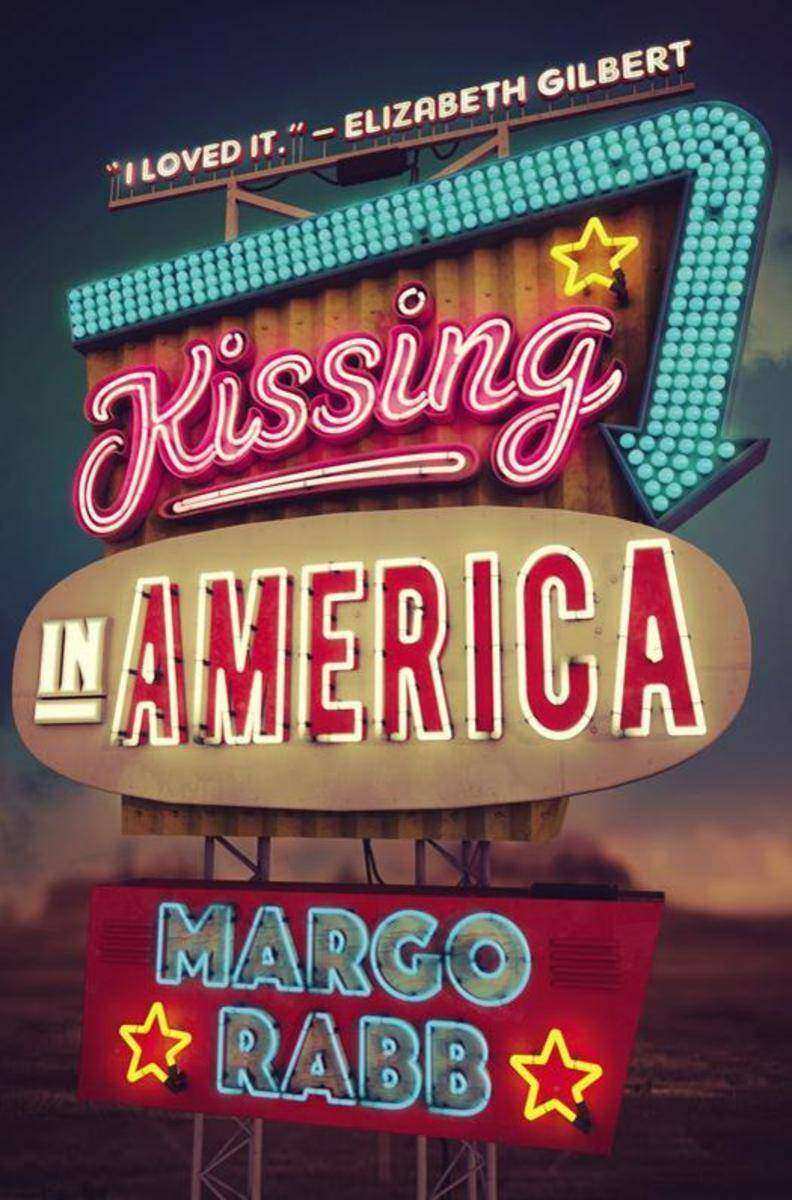
Kissing in America
¥55.33
Acclaimed writer Margo Rabb's Kissing in America is "a wonderful novel about friendship, love, travel, life, hope, poetry, intelligence, and the inner lives of girls," raves internationally bestselling author Elizabeth Gilbert (Eat, Pray, Love). In the two years since her father died, sixteen-year-old Eva has found comfort in reading romance novels—118 of them, to be exact—to dull the pain of her loss that's still so present. Her romantic fantasies become a reality when she meets Will, who understands Eva's grief. Unfortunately, after Eva falls head over heels for him, he picks up and moves to California without any warning. Not wanting to lose the only person who has been able to pull her out of sadness—and, perhaps, her shot at real love—Eva and her best friend, Annie, concoct a plan to travel to the West Coast to see Will again. As they road trip across America, Eva and Annie confront the complex truth about love.In this honest and emotional journey that National Book Award finalist Sara Zarr calls "gorgeous, funny, and joyous," readers will experience the highs of infatuation and the lows of heartache as Eva contends with love in all its forms.
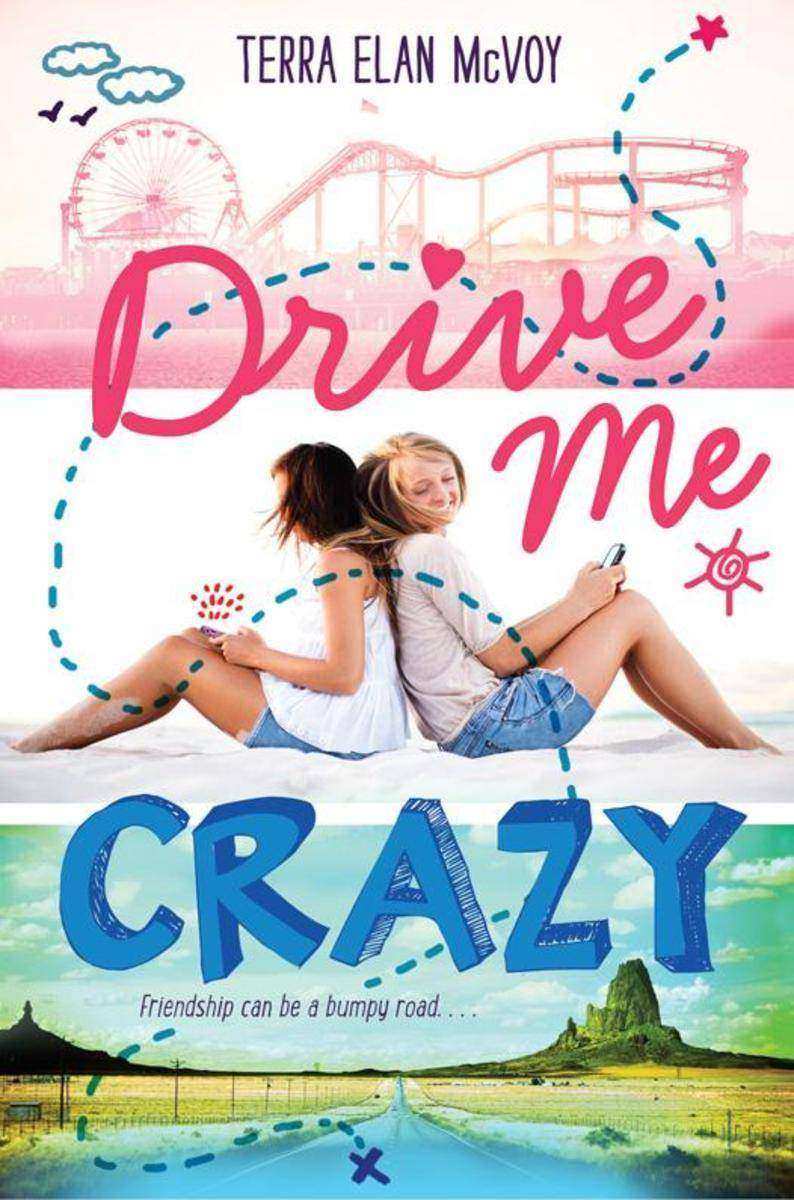
Drive Me Crazy
¥39.24
Friendship can be a bumpy road. . . . Lana and Cassie have met only once before, at the wedding of Lana's Grandpa Howe and Cassie's Grandma Tess two months ago. The two girls couldn't be more different, and they didn't exactly hit it off—but they're about to spend an entire week together for their grandparents' honeymoon, road-tripping from California to Maine in the backseat of a Subaru.It's going to be a disaster.Told in alternating chapters between Cassie and Lana, Drive Me Crazy is a tween rivalry-turned-friendship story bursting with humor and heart.
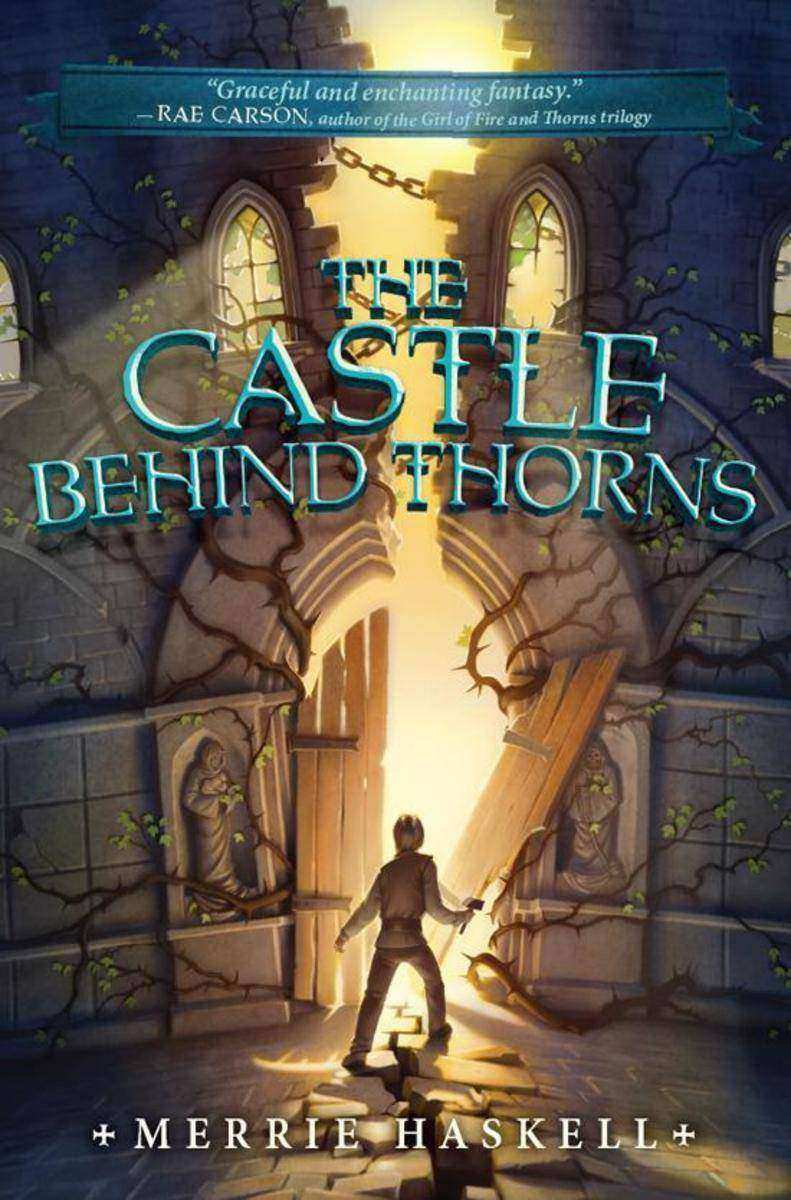
The Castle Behind Thorns
¥39.24
This magical adventure set in an enchanted castle surrounded by thorns tells a tale of the power of memory and story, forgiveness and strength, and the true gifts of craft and imagination. By the acclaimed author of?The Princess Curse?and?Handbook for Dragon Slayers, this original fantasy is perfect for fans of Gail Carson Levine, Karen Cushman, and Shannon Hale.When blacksmith apprentice Sand wakes up in a ruined castle, he has no idea how he got there, but the thorny brambles that surround the walls prevent him from leaving. As he begins to fix up the castle in order to survive, everything he touches somehow works better than it should. Then, as he continues to explore, Sand discovers the castle’s secrets, including its long lost heir, Perrotte. Together they must fully repair the broken castle if they ever want to leave.


