


 购物车
购物车 个人中心
个人中心
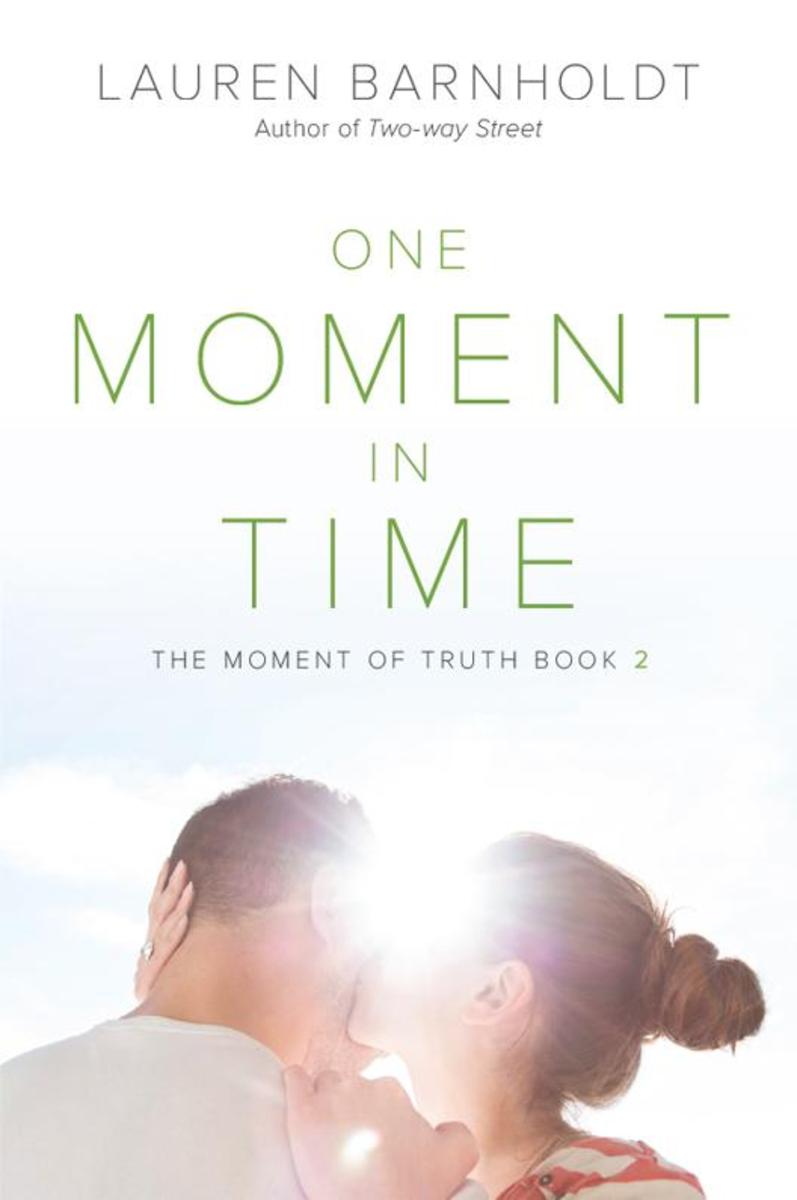
One Moment in Time
¥55.33
The second book of Lauren Barnholdt's exiting Moment of Truth series: three books, three girls, one life-changing senior trip.When the email arrived in Quinn Reynolds's in box on the morning of her flight to Florida, she sent it straight to her trash folder. The last thing Quinn needed was to be reminded of the pact she made with her ex–best friends—the one where she promised she would do something crazy before graduation.But that was before everything on the trip went wrong.Now, after a lifetime of playing it safe, Quinn figures that she might as well get a little wild…after all, what does she have to loseWhen Abram, a local boy she met on the beach, asks her to hang out, she says yes. But while a vacation romance could be the best way to fulfill the pact, it might be the worst thing for her heart.…Each book in this trilogy is told from the perspective of a different girl—Lyla, Aven, and Quinn—former best friends who, back in freshman year, wrote emails to their future selves about the one thing they hope to accomplish before they graduate. Over the course of the series, each girl will learn about life, love, and the truth about the fight that ended their perfect friendship.
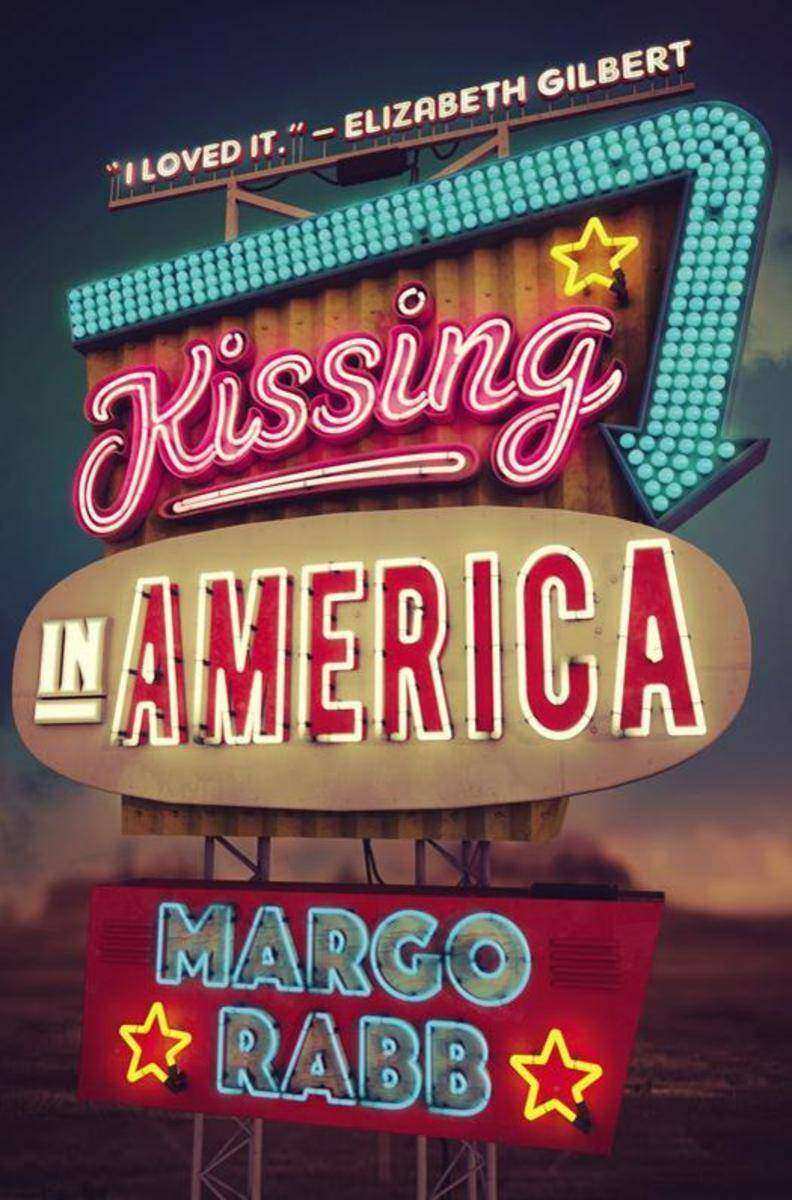
Kissing in America
¥55.33
Acclaimed writer Margo Rabb's Kissing in America is "a wonderful novel about friendship, love, travel, life, hope, poetry, intelligence, and the inner lives of girls," raves internationally bestselling author Elizabeth Gilbert (Eat, Pray, Love). In the two years since her father died, sixteen-year-old Eva has found comfort in reading romance novels—118 of them, to be exact—to dull the pain of her loss that's still so present. Her romantic fantasies become a reality when she meets Will, who understands Eva's grief. Unfortunately, after Eva falls head over heels for him, he picks up and moves to California without any warning. Not wanting to lose the only person who has been able to pull her out of sadness—and, perhaps, her shot at real love—Eva and her best friend, Annie, concoct a plan to travel to the West Coast to see Will again. As they road trip across America, Eva and Annie confront the complex truth about love.In this honest and emotional journey that National Book Award finalist Sara Zarr calls "gorgeous, funny, and joyous," readers will experience the highs of infatuation and the lows of heartache as Eva contends with love in all its forms.
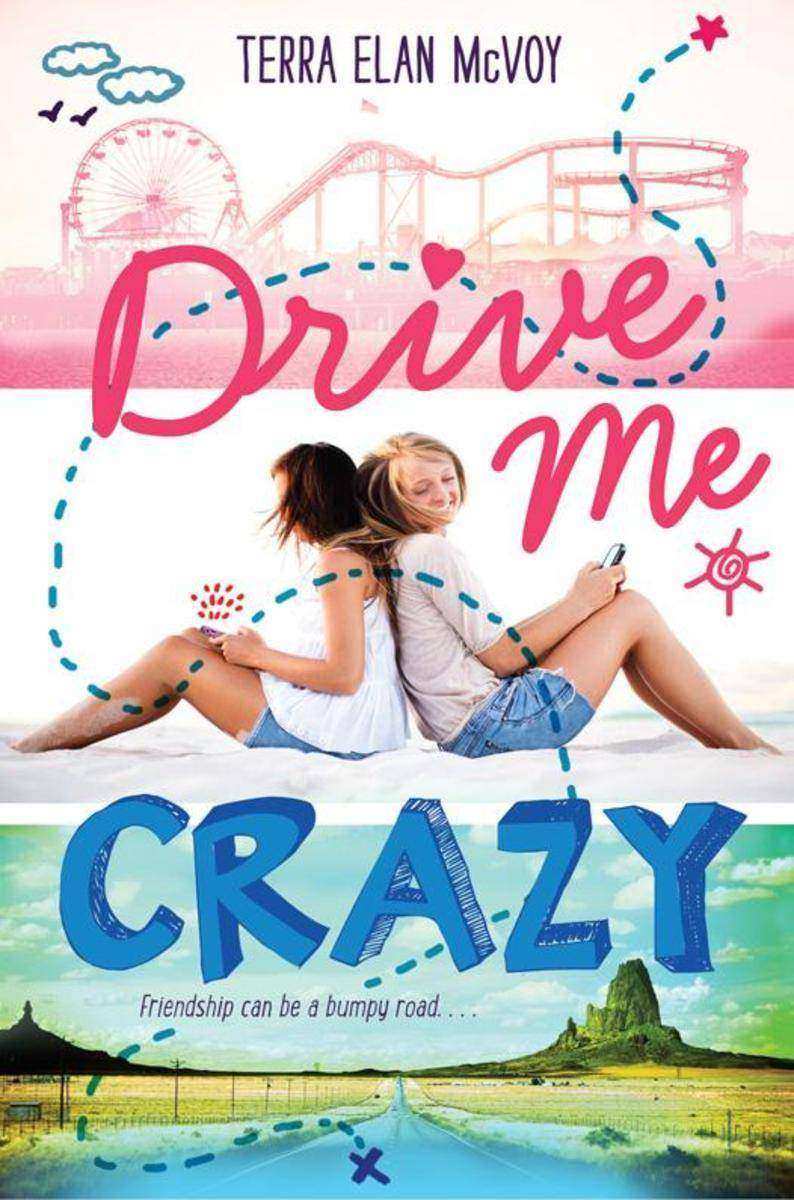
Drive Me Crazy
¥39.24
Friendship can be a bumpy road. . . . Lana and Cassie have met only once before, at the wedding of Lana's Grandpa Howe and Cassie's Grandma Tess two months ago. The two girls couldn't be more different, and they didn't exactly hit it off—but they're about to spend an entire week together for their grandparents' honeymoon, road-tripping from California to Maine in the backseat of a Subaru.It's going to be a disaster.Told in alternating chapters between Cassie and Lana, Drive Me Crazy is a tween rivalry-turned-friendship story bursting with humor and heart.
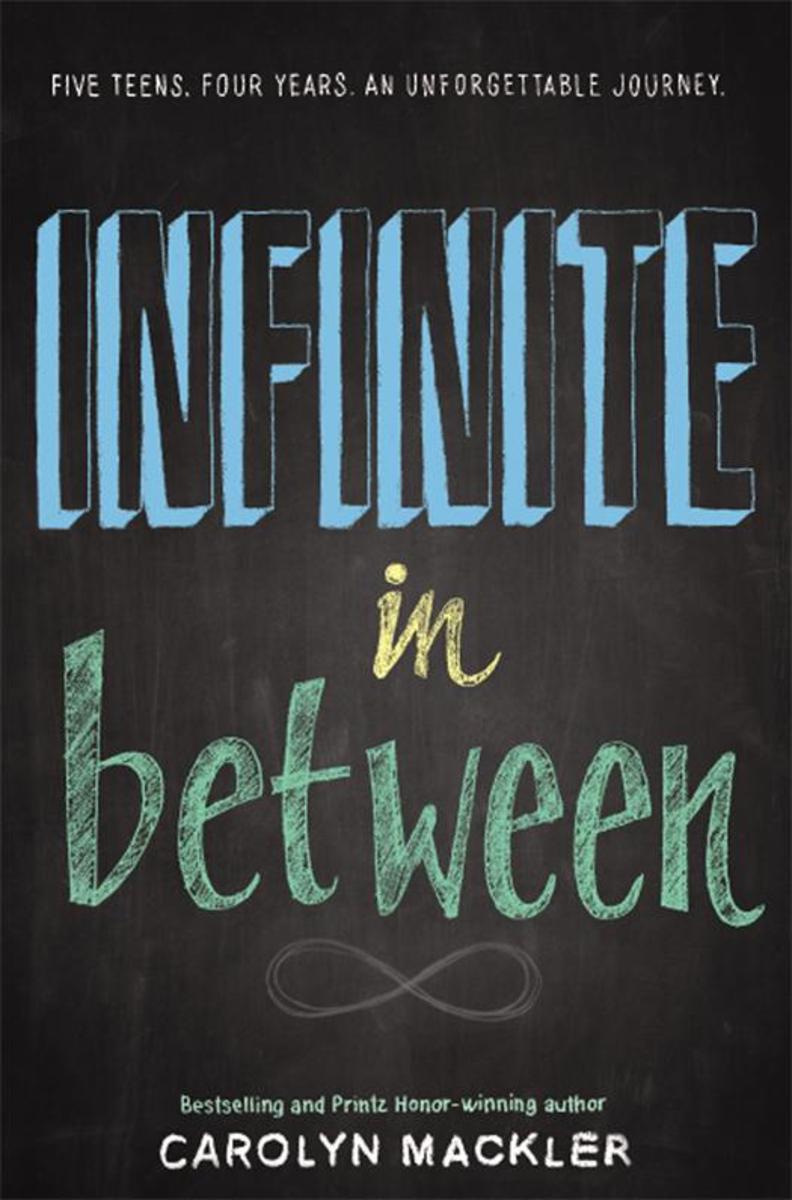
Infinite in Between
¥56.08
Printz Honor author Carolyn Mackler returns with this striking new novel that chronicles the lives of five teenagers through the thrills, heartbreaks, and joys of their four years in high school.Zoe, Jake, Mia, Gregor, and Whitney meet at freshman orientation. At the end of that first day, they make a promise to reunite after graduation. So much can happen in those in-between years….Zoe feels like she will live forever in her famous mother’s shadow. Jake struggles to find the right connections in friendship and in love. Mia keeps trying on new identities, looking for one that actually fits. Gregor thought he wanted to be more than just a band geek. And Whitney seems to have it all, until it’s all falling apart around her.Echoing aspects of John Hughes’s The Breakfast Club, Carolyn Mackler skillfully brings the stories of these five disparate teens together to create a distinct and cohesive whole—a novel about how we can all affect one another’s lives in the most unexpected and amazing ways.
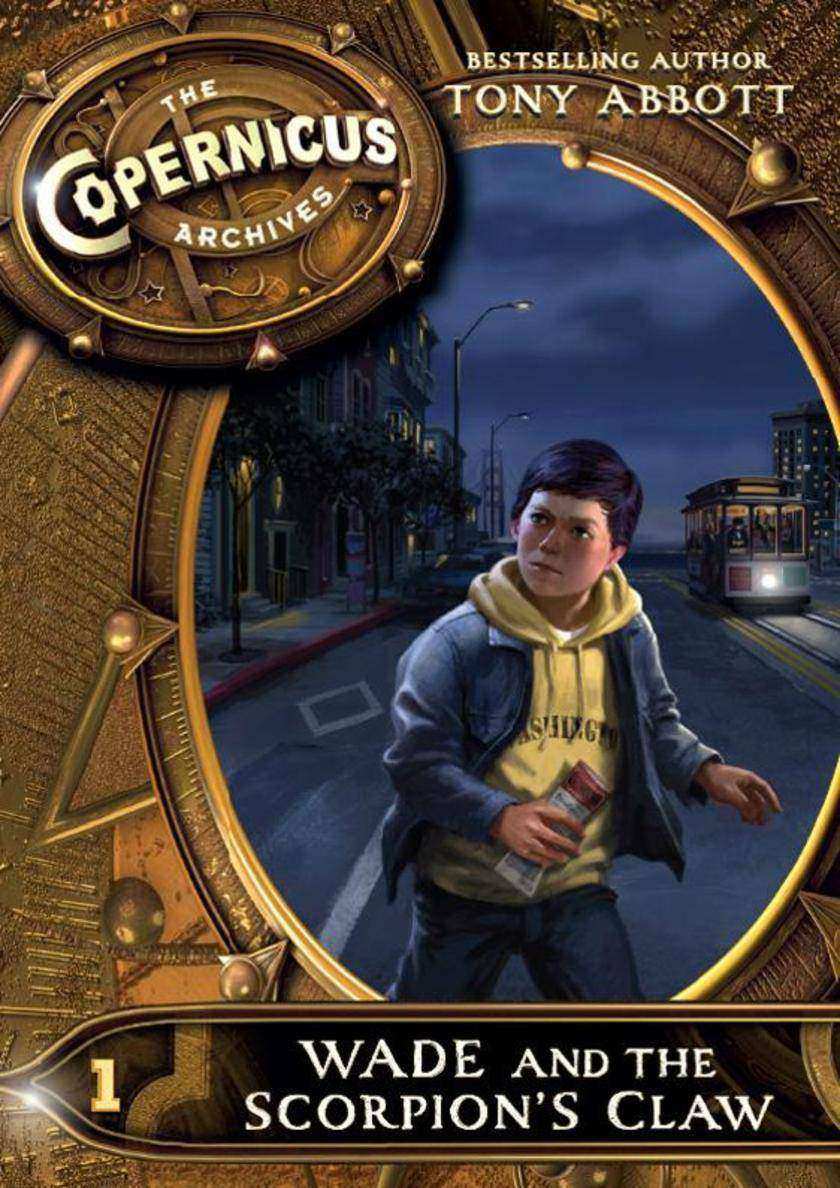
The Copernicus Archives #1: Wade and the Scorpion's Claw
¥22.33
The quest for the relics continues. Travel deeper into the mysterious world of the Copernicus Legacy with the Copernicus Archives: exciting, fast-paced novellas that get you close to the characters and the heart of the adventure.Wade and the Scorpion's Claw picks up right where The Copernicus Legacy: The Forbidden Stone left off, with the Kaplan family seeking the next Copernicus relic. Now Wade, the curious, analytical, yet starry-eyed member of the group, leads the chase for another relic through the busy streets of San Francisco while on the run from one of Galina Krause's most treacherous henchmen.Perfect for fans of Rick Riordan and Ridley Pearson, Wade and the Scorpion's Claw continues the thrilling Copernicus Legacy quest and brings one of the characters into the spotlight.Supports the Common Core State Standards

Notorious: The Maddest and Baddest Sportsmen on the Planet
¥88.39
Straddling humour, trivia and sport, ‘Notorious’ brings together for the first time one hundred of the most potty sportsmen in history. From boxing to cycling, soccer to baseball, and most sports in between, here are the hard-men and the criminals, the psychos and the loonies, that make up the sporting madness hall of shame. Among the prime candidates for sporting lunacy in this book: Prinya Charoenpal, one of the most talented kick-boxers in the sport’s history, who wore make-up and pink nail polish, broke down when asked to strip for the weigh-in, pummelled the opponent who made the mistake of mocking her with a camp embrace, and who fought solely to get the money for a sex-change operation. Jack ‘Hacksaw’ Reynolds, the San Francisco 49-ers linebacker during the 80s, who once got plastered after losing a college game, went out to the car park with a hacksaw, and cut someone’s car in half. The Brazilian football star Edmundo, infamous on the pitch for beating up fans, referees and journalists, and making his name off it by crashing his truck and killing three people, and being arrested for force-feeding beer to a chimpanzee at his son’s birthday party. And there’s more. The rugby league hard-man with a predilection for sticking a rigid digit finger up opponents’ rears on the field of play; the baseball Hall of Famer who wielded his bat to beat up unsuspecting victims; the golfer hospitalised three times for alcohol poisoning, who came through two suicide attempts, three divorces, plus countless hotel room trashings and suspensions; the Irish jockey involved in an air rage incident who copped 110 hours of community service… And closer to home, the likes of Roy Keane, Alex Higgins, Vinnie Jones and Paul Gascoigne are also featured in this wildly captivating, and often shocking, collection of crazed sports celebrities.
The Pike: Gabriele d’Annunzio, Poet, Seducer and Preacher of War
¥88.39
WINNER OF THE 2013 SAMUEL JOHNSON PRIZE FOR NON-FICTION WINNER OF THE 2013 DUFF COOPER PRIZE WINNER OF THE POLITICAL BOOK AWARDS POLITICAL BIOGRAPHY OF THE YEAR 2014 WINNER OF THE 2013 COSTA BOOK AWARDS BIOGRAPHY OF THE YEAR The story of Gabriele D’Annunzio, poet, daredevil – and Fascist. In September 1919 Gabriele D’Annunzio, successful poet and occasional politician, declared himself Commandante of the city of Fiume in modern day Croatia. His intention – to establish a utopia based on his fascist and artistic ideals. It was the dramatic pinnacle to an outrageous career. Lucy Hughes-Hallett charts the controversial life of D’Annunzio, the debauched artist who became a national hero. His evolution from idealist Romantic to radical right-wing revolutionary is a political parable. Through his ideological journey, culminating in the failure of the Fiume endeavour, we witness the political turbulence of early 20th century Europe and the emergence of fascism. In ‘The Pike’, Hughes-Hallett addresses the cult of nationalism and the origins of political extremism – and at the centre of the book stands the charismatic D’Annunzio: a figure as deplorable as he is fascinating.
The Perfume Lover: A Personal Story of Scent
¥66.22
‘Why couldn’t I be a perfumer’s muse? I’ve come such a long way in the realm of scent. In fact, I was never really meant to poke my nose into it …’ The Perfume Lover by Denyse Beaulieu is an intimate journey into the mystery of scent. What if the most beautiful night in your life inspired a fragrance? Denyse Beaulieu is a respected fragrance writer; it is her world, her love, her life. When she was growing up, perfume was forbidden in her house, spurring a childhood curiosity that went on to become an intellectual and sensual passion. It is this passion she pursued all the way to Paris, where she now lives, and entered the secretive world of the perfume industry. But little did she know that it would lead her to achieve a fragrance lover’s wildest dream … When Denyse tells a famous perfumer of a sensual night spent in Seville under an orange tree in full blossom, wrapped in the arms of a beautiful young man, the story stirs his imagination and together they create a scent that captures the essence of that night. This is the story of that perfume. As the unique creative collaboration unfolds, the perfume-in-progress conjures intimate memories, leading Beaulieu to make sense of her life through scents. Throughout, she weaves the evocative history of perfumery into her personal journey, in an intensely passionate voice: the masters and the masterpieces; the myths and the myth-busting, down to the molecular mysteries that weld our flesh to flowers… The Perfume Lover is an unprecedented account of the creative process that goes into composing a fragrance, and a uniquely candid insider’s view into the world and history of fragrance. Your world will never smell the same.
The Thing is…
¥61.51
Described as the Irish John Peel, Dave Fanning has been a major player in the Irish and global music scene for over 30 years. In this compelling memoir, RTE Radio 2 DJ Dave Fanning will give the behind-the-scenes story of all the international musicians he has met, including The Rolling Stones, The Beatles, David Bowie, The Who and many, many more. Dave's story starts in the 60s, when he discovered his love for Bob Dylan, Joni Mitchell, Leonard Cohen and of course, The Beatles through the family sub*ion to the NME. This was to be his first glimpse of a world he would soon become an important part of. Graduating from pirate radio and a stint as Editor of Scene magazine, Dave joined RTE radio 2 when it launched in 1973, and quickly became the voice of a generation. Billboard magazine hailed him as the man solely responsible for the growth of Ireland's music industry. Renowned for supporting young, new Irish talent, Dave Fanning will detail the unique story of his role in the launch of U2 and his ongoing friendship with the band, delving into their humble beginnings and rise to fame. Including never-before-seen photographs and images from Dave's huge personal collection, this is an absolute must-have for any music fan and will be a significant contribution to the history of music.

The Puppy Listener
¥73.58
An indispensible guide to raising your new puppy from the author of The Dog Listener. From teething to training, this book follows the development of your puppy from new pet to best friend. In The Puppy Listener Jan Fennell presents a simple-to-follow yet detailed handbook for puppy owners. Whether this is your first pup or you are a seasoned dog-owner, the hints and tips in this concise guide are valuable and well informed. This handy guide follows the life of your puppy from weaning to walking. Jan Fennell covers every aspect of caring for your new best friend – from introducing a puppy into its new home and handling it in public, to dealing with behavioural problems. With detailed sections on everything from exercise to diet, there are problem-solving guides dealing with worries such as biting or anxiety. Once again Jan illustrates her points with entertaining and inspiring real-life cases from her own work with damaged and delinquent dogs. Her love of animals is contagious and she inspires owners to persevere with their pups and show them who is boss. The book contains photographs and plate sections which accompany the text.
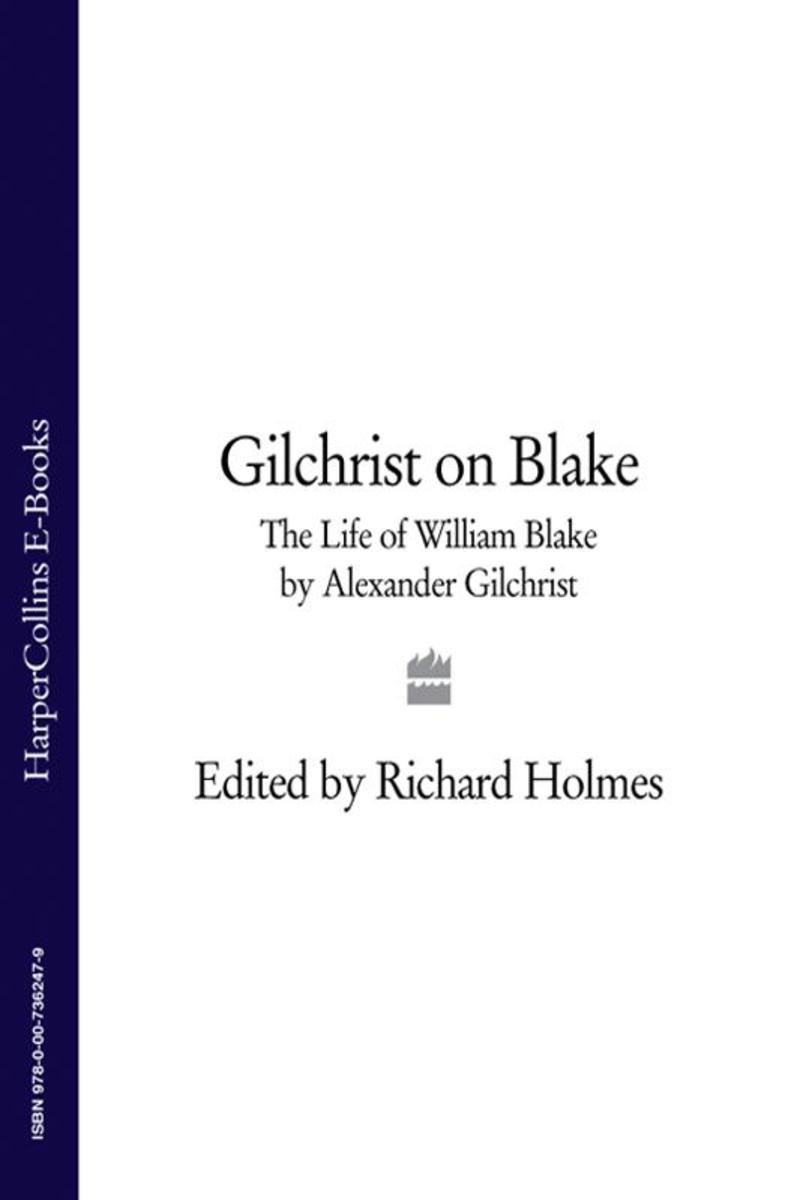
Gilchrist on Blake: The Life of William Blake by Alexander Gilchrist
¥88.39
LIVES THAT NEVER GROW OLD Part of a radical new series – edited by Richard Holmes – that recovers the great classical tradition of English biography. Gilchrist’s ‘The Life of William Blake’ is a biographical masterpiece, still thrilling to read and vividly alive. This was the first biography of William Blake ever written, at a time when the great visionary poet and painter was generally forgotten, ridiculed or dismissed as insane. Wonderfully vivid and outspoken (one chapter is entitled ‘Mad or Not Mad’), it was based on revealing interviews with many of Blake’s surviving friends. Blake conversed with spirits, saw angels in trees, and sunbathed naked with his wife ‘like Adam and Eve’. Gilchrist adds detailed de*ions of Blake’s beliefs and working methods, an account of his trial for high treason and fascinating evocations of the places in London, Kent and Sussex where he lived. The book ultimately transformed and enhanced Blake’s reputation.
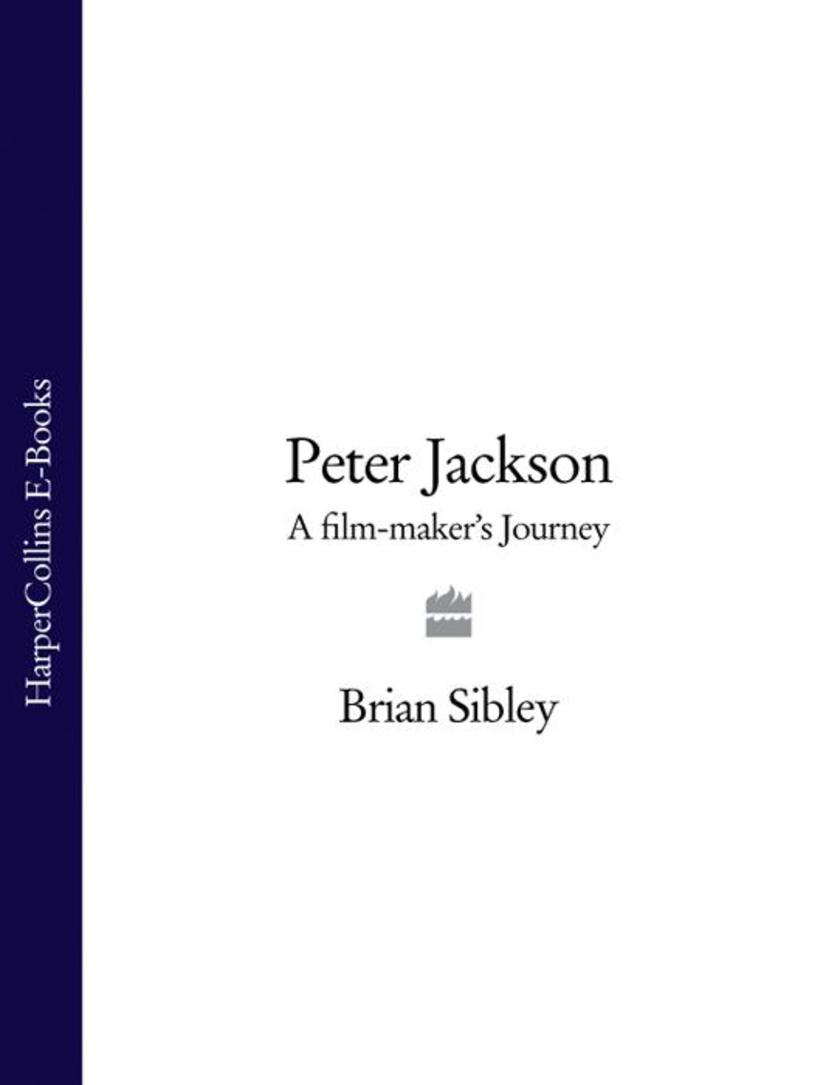
Peter Jackson: A Film-maker’s Journey
¥110.46
Authorised and fully illustrated insight into the life and career of the award-winning director, from his childhood film projects up to King Kong, together with Jackson's revealing personal account of his six-year quest to film The Lord of the Rings. Once, Peter Jackson was a name unknown to all but a small band of loyal fans and fellow film-makers. Now he is the newest member of Hollywood's elite fellowship, with his name on the most successful movie trilogy of all time. Written with Jackson's full participation, this extensive biography, illustrated with never-before-seen photos from Jackson's personal collection, tells the inside story of how a New Zealander became Hollywood's hottest property – from the early cult classics, through Academy Award?-winning success with Kate Winslet's Heavenly Creatures, the abandoned King Kong remake, and the filming of The Lord of the Rings, a project which was abandoned two years into pre-production, rejected by most of the other studios and then picked up by New Line Cinema in the biggest gamble in film history. Drawing upon interviews with fifty of Peter Jackson's colleagues and contemporaries, author Brian Sibley paints a portrait of a true auteur, a man gifted with single-minded determination and an artist's vision. Jackson himself is both revealing and insightful about his entire film-making life, from his first childhood steps filming in Super 8 to the grand realisation of his life’s dream: King Kong. Together, these joint narratives provide a truly unique and compelling insight into one of the finest cinematic minds at work today.
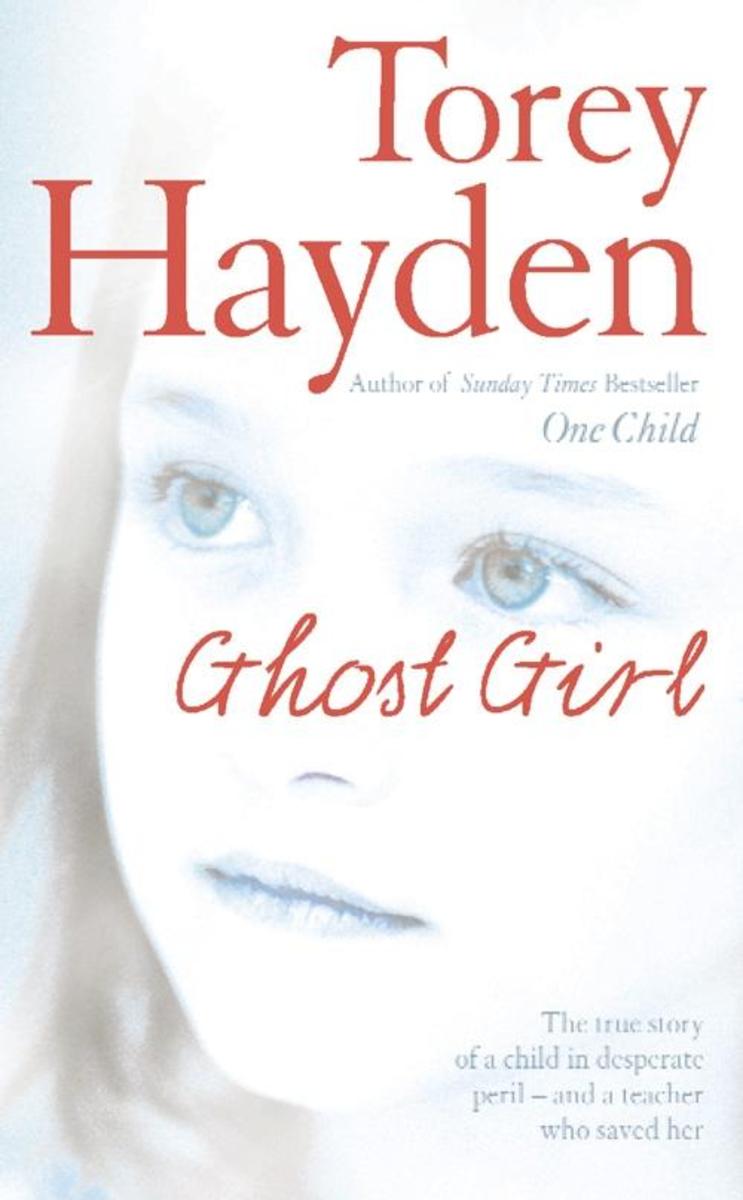
Ghost Girl: The true story of a child in desperate peril – and a teacher who sav
¥56.11
A stunning and poignant account of an extraordinary teacher's determination from the author of the #1 Sunday Times bestsellers The Tiger's Child and One Child. Jadie never spoke, never laughed, never cried. She spent every waking hour locked in her own private world of shadows. But nothing in Torey Hayden's experience had prepared her for the nightmare Jadie revealed to her when finally persuaded to break her self-imposed silence. It was a story too painful, too horrific for Hayden's professional colleagues to acknowledge. But Torey Hayden could not close her ears… or her heart. A little girl was trapped in a living hell of unspeakable memories. And it would take every ounce of courage, compassion, and love that one remarkable teacher possessed to rid the "Ghost Girl" of the malevolent spirits that haunted her.
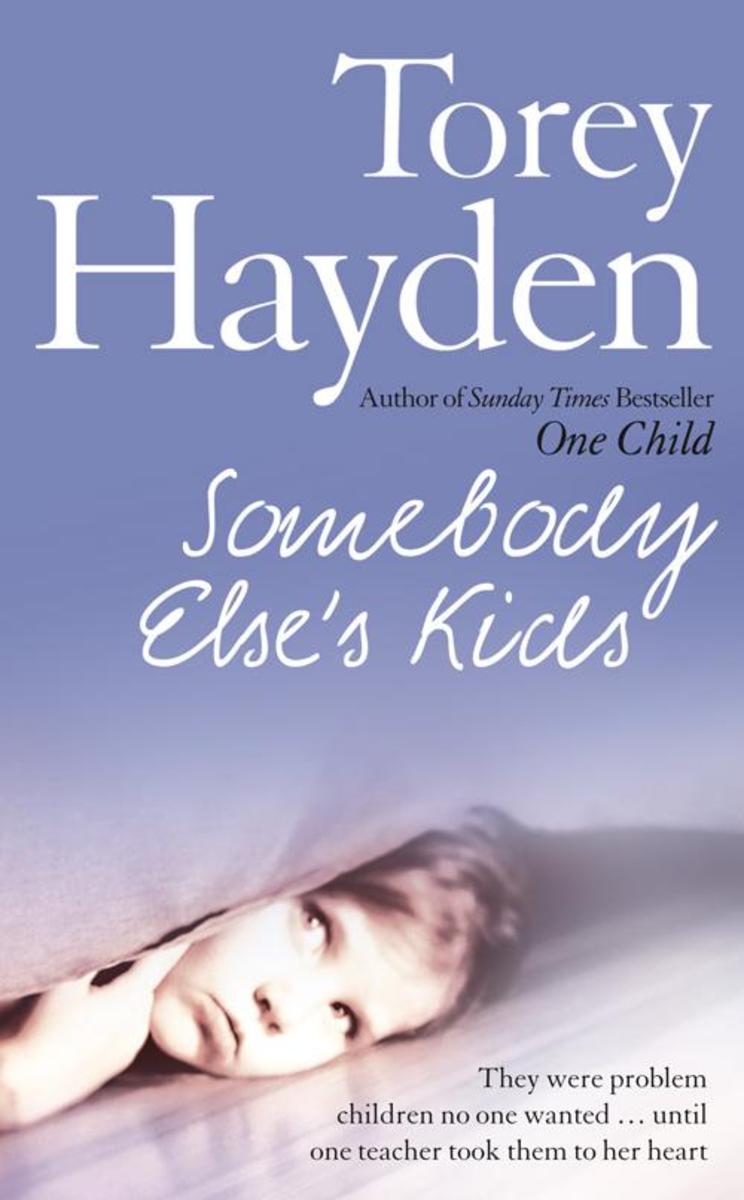
Somebody Else’s Kids
¥63.77
From the author of Sunday Times bestsellers One Child and Ghost Girl comes a heartbreaking story of one teacher's determination to turn a chaotic group of damaged children into a family. They were all just "somebody else's kids" – four problem children placed in Torey Hayden's class because nobody knew what else to do with them. They were a motley group of kids in great pain: a small boy who echoed other people's words and repeated weather forecast; a beautiful seven-year-old girl brain damaged by savage parental beatings; an angry ten-year-old who had watched his stepmother murder his father; a shy twelve-year-old who had been cast out of Catholic school when she became pregnant. But they shared one thing in common: a remarkable teacher who would never stop caring – and who would share with them the love and understanding they had never known to help them become a family.
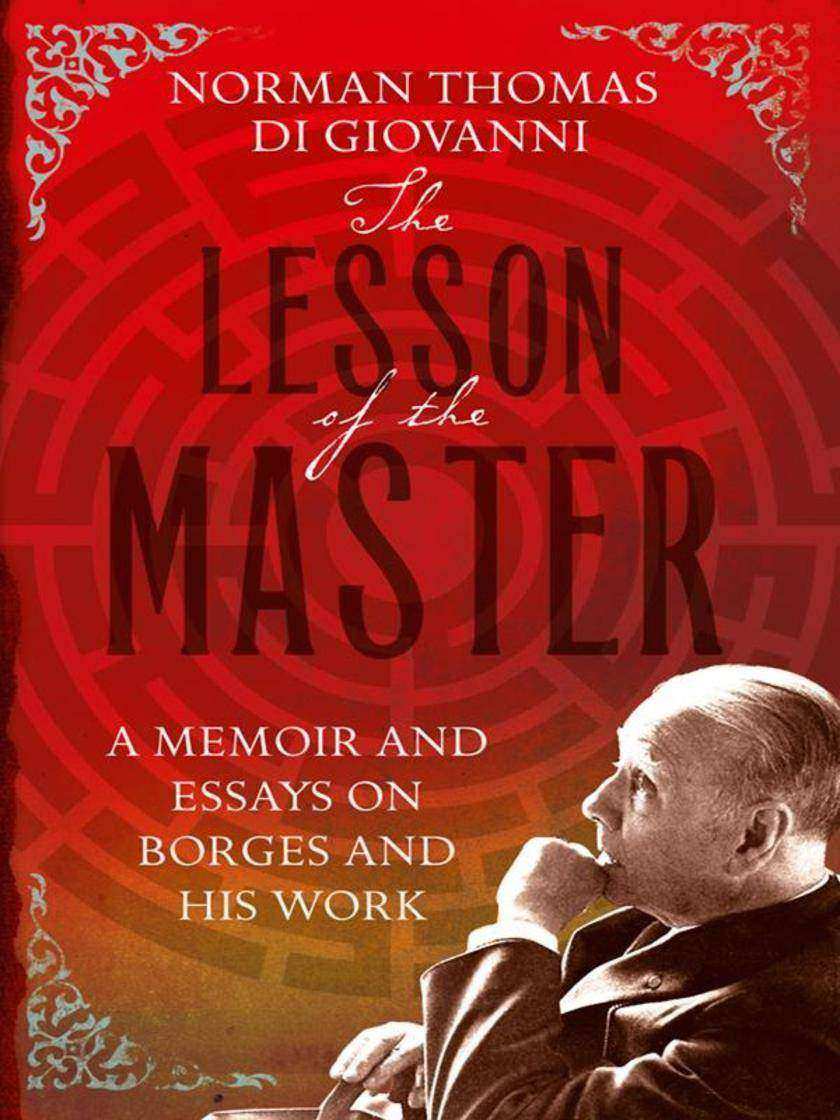
The Lesson of the Master
¥34.14
A collection of essays on Jorge Luis Borges by his long-time friend and collaborator. Jorge Luis Borges - Argentine poet, essayist, and short-story writer - is widely considered one of the giants of 20th-century world literature. Norman Thomas di Giovanni worked alongside Borges for a number of years creating English translations of his work, the only translations personally overseen by Borges himself. In The Lesson of the Master, a memoir and essays, he writes about his time with Borges but also offers us a unique insight on the man and his work. It is an indispensable volume for Borges readers and his growing legion of students and scholars.
The Little Prisoner: How a childhood was stolen and a trust betrayed
¥45.62
An inspirational true story of a 4 year old girl who fell into the power of a man whose evil knew no bounds. She encountered terrifying mental and physical torture from her psychopathic stepfather for a period of 17 years until she managed to break free, her spirit still unbroken Jane Elliott fell into the hands of her sadistic and brutal stepfather when she was 4 years old. Her story is both inspiring and horrifying. Kept a virtual prisoner in a fortress-like house and treated to daily and ritual abuse, Jane nonetheless managed to lose herself in a fantasy world which would keep her spirit alive. Equally as horrifying as the physical abuse Jane suffered, were the mental games her tormentor played – getting his kicks from seeing Jane humiliated, confused, crushed and defeated at every turn. Her family and neighbourhood were all terrified of Jane’s stepfather so no-one held out a rescuing hand. So Jane had to help herself. When she was 21 she ran away with her baby daughter and boyfriend to start a new life in hiding. Several years on she found the courage to go to the police. A court case followed where Jane bravely stood up against the unrepentant aggressor she so feared. He was jailed for 17 years. Jane’s family took his side.
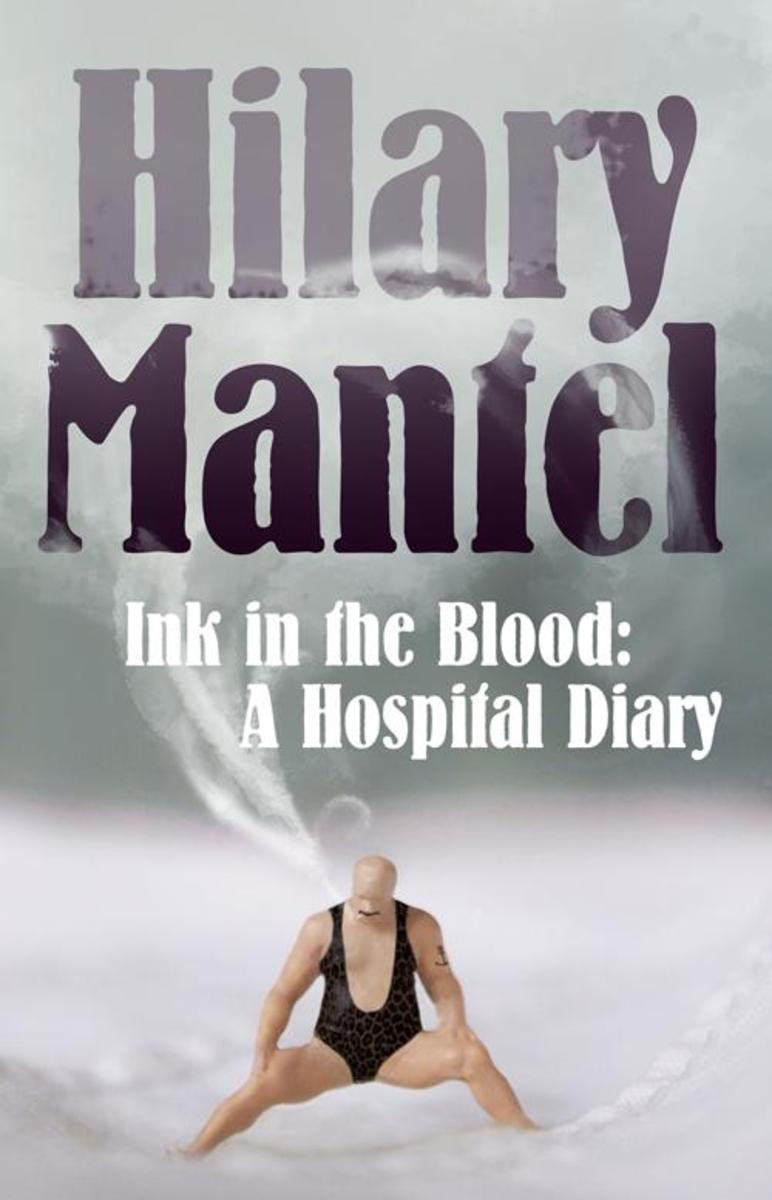
Ink in the Blood: A Hospital Diary
¥19.13
Just after ‘Bring Up the Bodies’ author Hilary Mantel won the Man Booker for ‘Wolf Hall’, she fell gravely ill. This is her remarkable hospital diary. Originally published in the London Review of Books, this diary by the acclaimed author Hilary Mantel explores in forensic detail her loss of dignity, her determination, the concentration of the senses into an animalistic struggle to get through, and the attendant hallucinations she was plagued by during her stay in hospital. With her health now improved, and the acknowledgement of the Man Booker prize-winning follow-up to ‘Wolf Hall’, ‘Bring Up the Bodies’ as one of our greatest works of fiction, ‘Ink in the Blood’ remains a significant testament to the traumas of illness, and one of the most incredible and haunting essays published in a very long time.
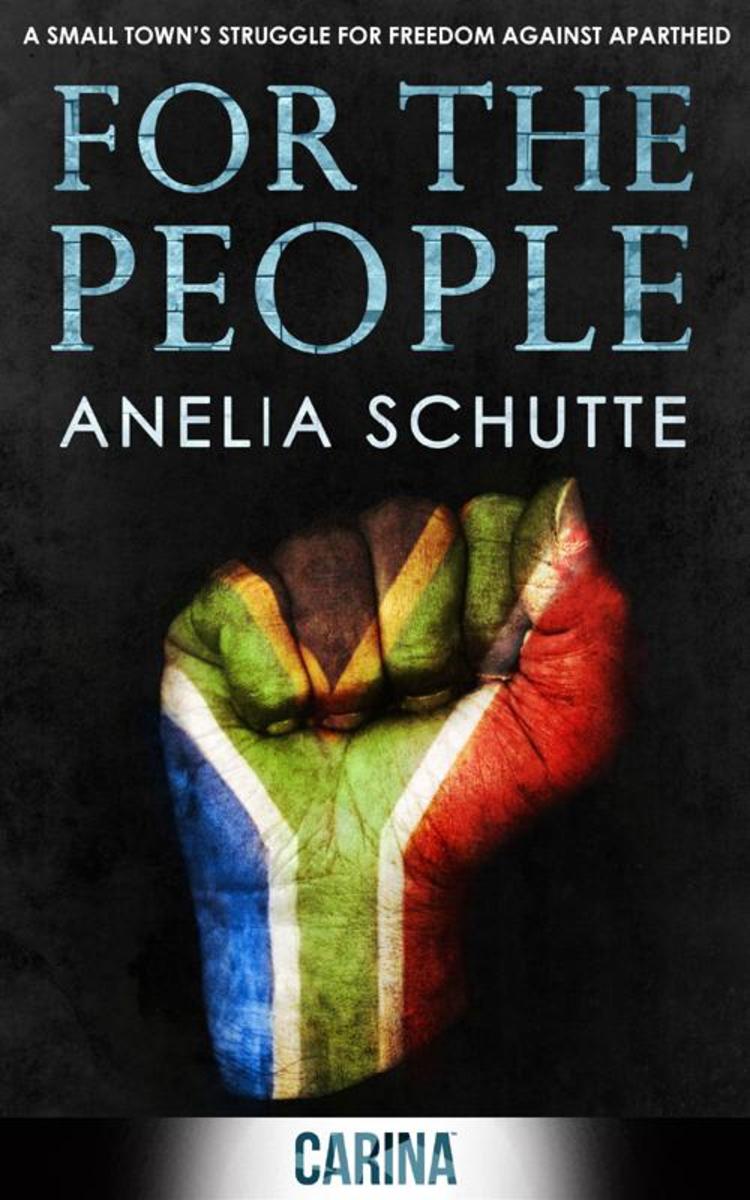
For The People
¥39.24
A true story of small-town apartheid Anelia Schutte grew up in Knysna – a beautiful town on the coast of South Africa, centred around a picturesque lagoon and popular with tourists. But there was another side to Knysna that those tourists never saw. In the hills surrounding the town with its exclusively white population lay the townships and squatter camps where the coloured and black people were forced to live. Most white children would never go to the other side of the hill, but Anelia did. Her earliest memories are of being the only white girl at a crèche for black children that her mother, Owéna, set up in the 1980s as a social worker serving the black community. Thirty years on, Anelia, now living in London, yearns to find out more about her mother’s work, and to understand the political unrest that clouded South Africa at the time. She returns to Knysna to find the truth about the town she grew up in, from the stories and memories of the people who were there. For the People is an exploration of apartheid South Africa through the eyes of Owéna – a white woman who worked tirelessly for the black people of Knysna and found herself swept up in their struggle. They called her Nobantu: ‘for the people'.
Driven
¥63.18
Whether skateboarding across the kitchen as a child, or taking part in the world's most prestigious vintage road race, TV chef James Martin has never been one to sit still. In this entertaining narrative he reveals how his two passions – cooking and cars – have fuelled his hopes, dreams and successes and made him the household name he is today. James talks with passion, energy and candid humour about his childhood, early ambitions, becoming a successful chef and wowing audiences with his foxtrot on Strictly Come Dancing. His story is punctuated with tales of remarkable cars, from his first toy Ferrari to his vintage Maserati, each one representing a personal milestone and bringing with it charming stories and amusing anecdotes. James' cars give him the perfect excuse to delve into his life, revealing frank and fascinating details - from racing through the fields on his father's tractor and teenage fumblings in the back seat, to hurtling round a track with James Bond actor, Daniel Craig. With James' career reaching new heights, and his collection of classic cars continuing to grow, Driven tells how his two lifelong obsessions have shaped the life of this relentlessly ambitious man.

Wilfred Thesiger: The Life of the Great Explorer
¥80.25
Wilfred Thesiger, the last of the great gentlemen explorer-adventurers, became a legend in his own lifetime. This authorised biography by a longstanding friend and associate delves into his little-known character and motivations, as well as recounting the details of his extraordinary life. Wilfred Thesiger, the great explorer-adventurer and author of ‘Arabian Sands’ and ‘The Marsh Arabs’, and one work of autobiography ‘The Life of my Choice’, became a legend in his own lifetime, but his character and motivations have remained an intriguing enigma. In this authorised biography – written with Thesiger’s support before he died in 2003 and with unique access to the rich Thesiger archive – Alexander Maitland investigates this fascinating figure’s family influences, his wartime experiences, his philosophy as a hunter and conservationist, his writing and photography, his friendships with Arabs and Africans amongst whom he lived, and his now-acknowledged homosexuality.

The Herbalist: Nicholas Culpeper and the Fight for Medical Freedom
¥72.40
From the bestselling author of ‘The Queen’s Conjuror’, comes the story of Nicholas Culpeper – legendary rebel, radical, Puritan, and author of the great ‘Herbal’. This is a powerful history of medicine’s first freedom fighter set in London during Britain’s age of revolution. In the mid-17th century, England was visited by the four horsemen of the apocalypse: a civil war which saw levels of slaughter not matched until the Somme, famine in a succession of failed harvests that reduced peasants to 'anatomies', epidemics to rival the Black Death in their enormity, and infant mortality rates that left childless even women who had borne eight or nine children. In the midst of these terrible times came Nicholas Culpeper’s ‘Herbal’ – one of the most popular and enduring books ever published. Culpeper was a virtual outcast from birth. Rebelling against a tyrannical grandfather and the prospect of a life in the church, he abandoned his university education after a doomed attempt at elopement. Disinherited, he went to London, where he was to find his vocation in instigating revolution. London's medical regime was then in the grip of the College of Physicians, a powerful body personified in the ‘immortal’ William Harvey, anatomist, royal physician and discoverer of the circulation of the blood. Working in the underground world of religious sects, secret printing presses and unlicensed apothecary shops, Culpeper challenged this stronghold at the time it was reaching the very pinnacle of its power – and in the process helped spark the revolution that toppled a monarchy. In a spellbinding narrative of impulse, romance and heroism, Benjamin Woolley vividly recreates these momentous struggles and the roots of today's hopes and fears about the power of medical science, professional institutions and government. ‘The Herbalist’ tells the story of a medical rebel who took on the authorities and paid the price.


