


 购物车
购物车 个人中心
个人中心
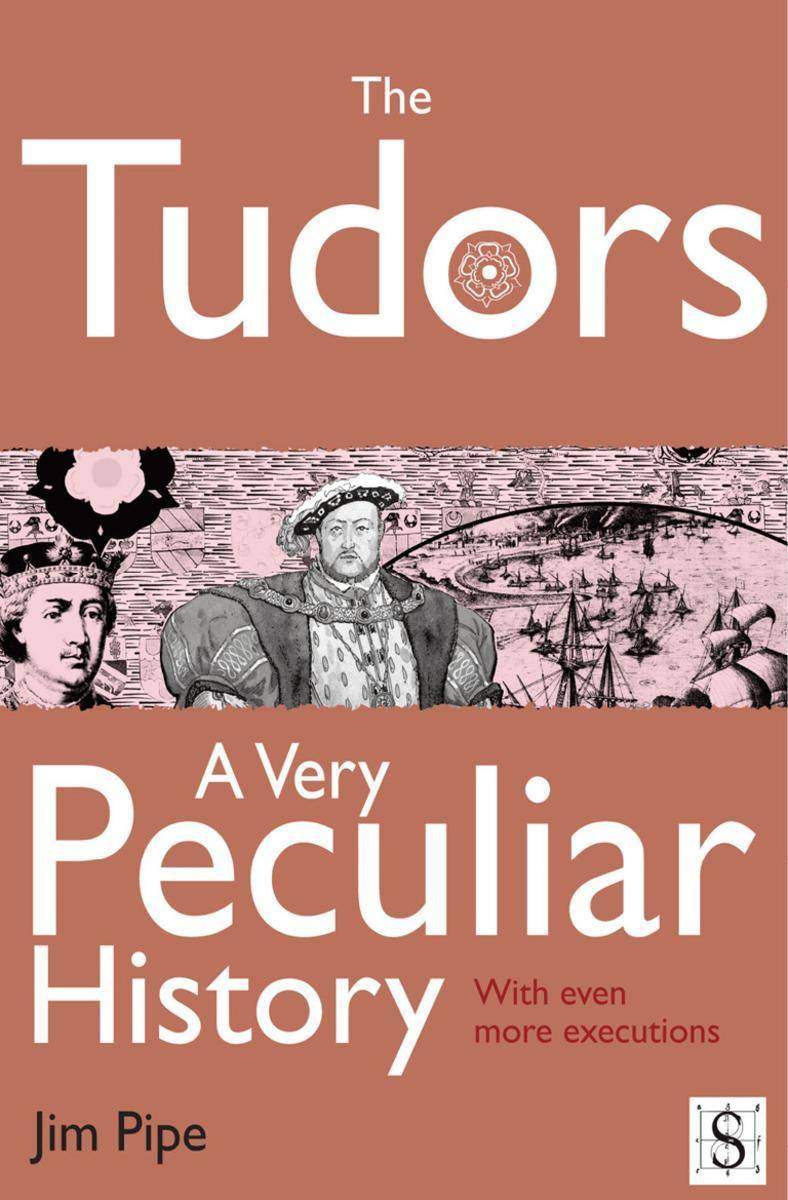
Tudors, A Very Peculiar History
¥58.76
The Tudors were an odd bunch, even weirder than their subjects, perhaps. When they weren't beheading wives and enemies they were threatening to, or going around earning themselves nicknames like 'Bloody Mary' and 'The 9 Day Queen'. 'The Tudors: A Very Peculiar History; tells the story of the Tudor monarchs, their castles, their lives and their subjects in a time when it was fashionable to slash up your clothes for that 'fresh from battle' look. The book details each monarch's reign and casts light on the more bizarre elements of their time in power, right down to an analysis of their seals and signatures and the various torture and execution methods they liked to use.

Just Jill
¥73.48
Just Jill is an inspirational and moving account of one woman's triumph over adversity and how she used her own experience of disability to benefit others.When she was growing up during the 1940s very few people were aware that Jill Allen-King had lost one eye as the result of measles when she was a baby. Her disability was a taboo subject and she attended a normal school, progressed to catering college and secured employment as a cook. However, tragedy struck for the second time when glaucoma rendered her completely blind at the age of 24 on what should have been one of the happiest occasions of her life - her wedding day.For the next seven years Jill barely left the house, too scared to go outside unaccompanied and afraid that she would never again be able to participate in the activities she loved, such as dancing. The birth of her daughter, Jacqueline, gave her renewed purpose but could not give her back the thing she desperately needed - her independence. It was only when Jill got her first guide dog that she began to rediscover the world outside her front door and take those first giant steps towards regaining her confidence and freedom. Jill's autobiography charts her journey from partially sighted child to totally blind adult and beyond, a process of readjusting and learning through grit and determination and then using her knowledge and experience to do everything in her power to help others and to campaign for reforms to secure a safer, fairer and more disability-aware environment. It is a story that will provide encouragement to those that are struggling to cope with disabilities and also educate people from all spheres of life about the challenges and needs of disabled people. At the age of 70, Jill continues to fight for the cause, and hopefully her story will inspire others to take up the baton.
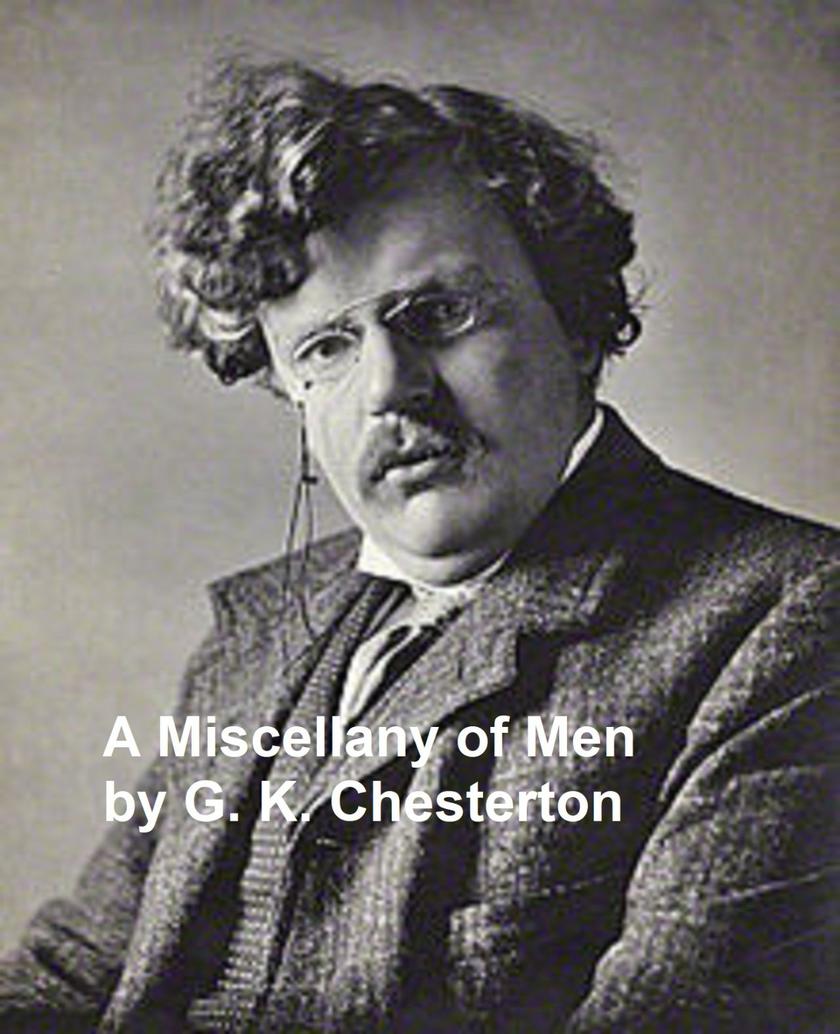
A Miscellany of Men
¥8.09
Classic collection of essays, including: THE SUFFRAGIST, THE POET AND THE CHEESE, THE THING, THE MAN WHO THINKS BACKWARDS, THE NAMELESS MAN, THE GARDENER AND THE GUINEA, THE VOTER AND THE TWO VOICES, THE MAD OFFICIAL, THE ENCHANTED MAN, THE SUN WORSHIPPER, THE WRONG INCENDIARY, THE FREE MAN, THE HYPOTHETICAL HOUSEHOLDER, THE PRIEST OF SPRING, THE REAL JOURNALIST, THE SENTIMENTAL SCOT, THE SECTARIAN OF SOCIETY, THE FOOL, THE CONSCRIPT AND THE CRISIS, THE MISER AND HIS FRIENDS, THE MYSTAGOGUE, THE RED REACTIONARY, THE SEPARATIST AND SACRED THINGS, THE MUMMER, THE ARISTOCRATIC 'ARRY, THE NEW THEOLOGIAN, THE ROMANTIC IN THE RAIN, THE FALSE PHOTOGRAPHER, THE SULTAN, THE ARCHITECT OF SPEARS, THE MAN ON TOP, THE OTHER KIND OF MAN, THE MEDIAEVAL VILLAIN, THE DIVINE DETECTIVE, THE ELF OF JAPAN, THE CHARTERED LIBERTINE, THE CONTENTED MAN, and THE ANGRY AUTHOR: HIS FAREWELL . According to Wikipedia: "Gilbert Keith Chesterton (29 May 1874 – 14 June 1936) was an influential English writer of the early 20th century. His prolific and diverse output included journalism, philosophy, poetry, biography, Christian apologetics, fantasy and detective fiction. Chesterton has been called the "prince of paradox." Time magazine, in a review of a biography of Chesterton, observed of his writing style: "Whenever possible Chesterton made his points with popular sayings, proverbs, allegories—first carefully turning them inside out."
Reviews
¥8.09
Large book-length collection of According to Wikipedia: "Oscar Fingal O'Flahertie Wills Wilde (1854 - 1900) was an Irish playwright, novelist, poet, and author of short stories. Known for his barbed wit, he was one of the most successful playwrights of late Victorian London, and one of the greatest celebrities of his day. As the result of a famous trial, he suffered a dramatic downfall and was imprisoned for two years of hard labour after being convicted of the offence of 'gross indecency.'"

Memoirs, Criticism, and Letters
¥8.09
This book-collection file includes five books: The Mirror of the Sea, Notes on Life and Letters, Notes on My Books, A Personal Record, and Some Reminiscences. According to Wikipedia: "Joseph Conrad (born Józef Teodor Konrad Korzeniowski, 3 December 1857 – 3 August 1924) was a Polish-born English novelist. Many critics regard him as one of the greatest novelists in the English language—a fact that is remarkable as he did not learn to peak English fluently until he was in his twenties (and always with a Polish accent). Conrad is recognized as a master prose stylist. Some of his works have a strain of romanticism, but more importantly he is recognized as an important forerunner of modernist literature. His narrative style and anti-heroic characters have influenced many writers, including Ernest Hemingway, D. H. Lawrence, F. Scott Fitzgerald, Graham Greene, William S. Burroughs, Joseph Heller, V.S. Naipaul, Italo Calvino and J. M. Coetzee."
German Romantics
¥8.09
This collection, first published in 1914, includes short works by and about Jean Paul, Wilhelm von Humboldt, August Wilhelm Schlegel, Friedrich Schlegel, Novalis, Holderlin, Ludwig Tieck, and Kleist. The German Classics Of The Nineteenth And Twentieth Centuries, Volume 4.
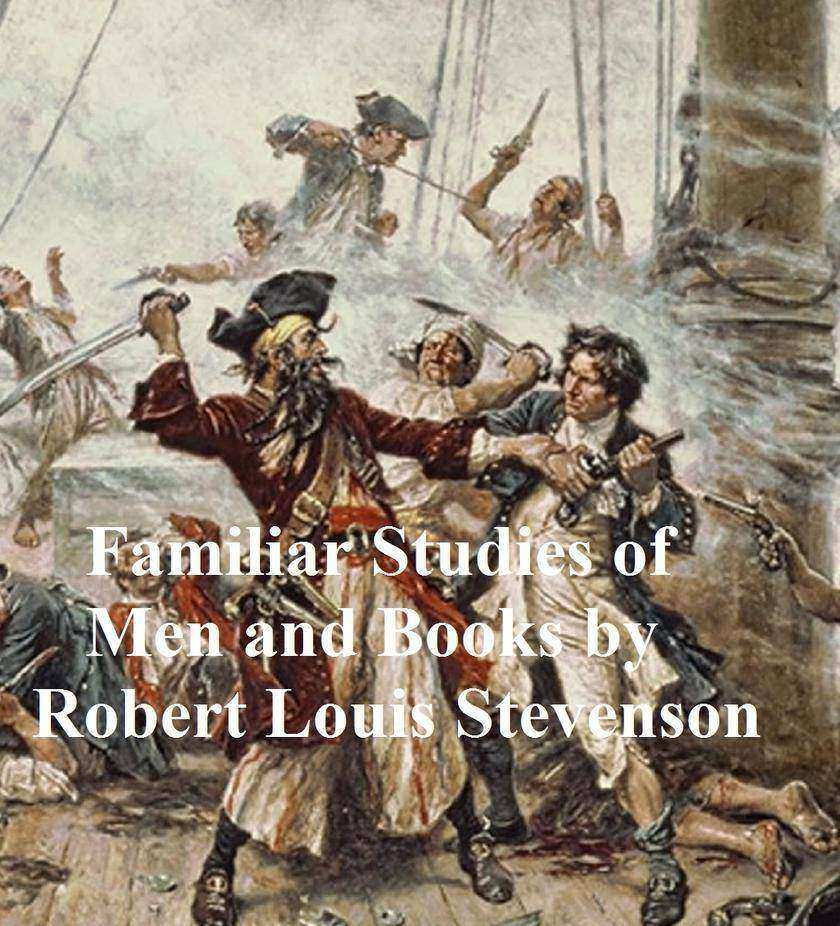
Familiar Studies of Men and Books
¥8.09
This collection of essays includes: VICTOR HUGO'S ROMANCES, SOME ASPECTS OF ROBERT BURNS, WALT WHITMAN, HENRY DAVID THOREAU: HIS CHARACTER AND OPINIONS, YOSHIDA-TORAJIRO, FRANCOIS VILLON, STUDENT, POET, AND HOUSE-BREAKER, CHARLES OF ORLEANS, SAMUEL PEPYS, and JOHN KNOX AND WOMEN. According to Wikipedia: "Robert Louis (Balfour) Stevenson ( 1850 - 1894), was a Scottish novelist, poet, and travel writer, and a leading representative of Neo-romanticism in English literature. He was the man who "seemed to pick the right word up on the point of his pen, like a man playing spillikins", as G. K. Chesterton put it. He was also greatly admired by many authors, including Jorge Luis Borges, Ernest Hemingway, Rudyard Kipling, Vladimir Nabokov, and J. M. Barrie. Most modernist writers dismissed him, however, because he was popular and did not write within their definition of modernism. It is only recently that critics have begun to look beyond Stevenson's popularity and allow him a place in the canon."

The English Governess at the Siamese Court
¥8.09
First published in 1870. "Being recollections of six years in the royal palace at Bangkok." According to Wikipedia: "Anna Harriette Leonowens (6 November 1831 – 19 January 1915) born Anna Harriet Emma Edwards, was an Anglo-Indian or Indian-born British travel writer, educator, and social activist. Her experiences in Siam (Thailand) were fictionalised in Margaret Landon's 1944 best-selling novel Anna and the King of Siam, as well as films and television series based on the book, most notably Rodgers and Hammerstein's 1951 hit musical The King and I. During the course of her life, Leonowens also lived in Aden, Australia, Singapore, the United States and Canada. Among other achievements, she co-founded the Nova Scotia College of Art and Design."
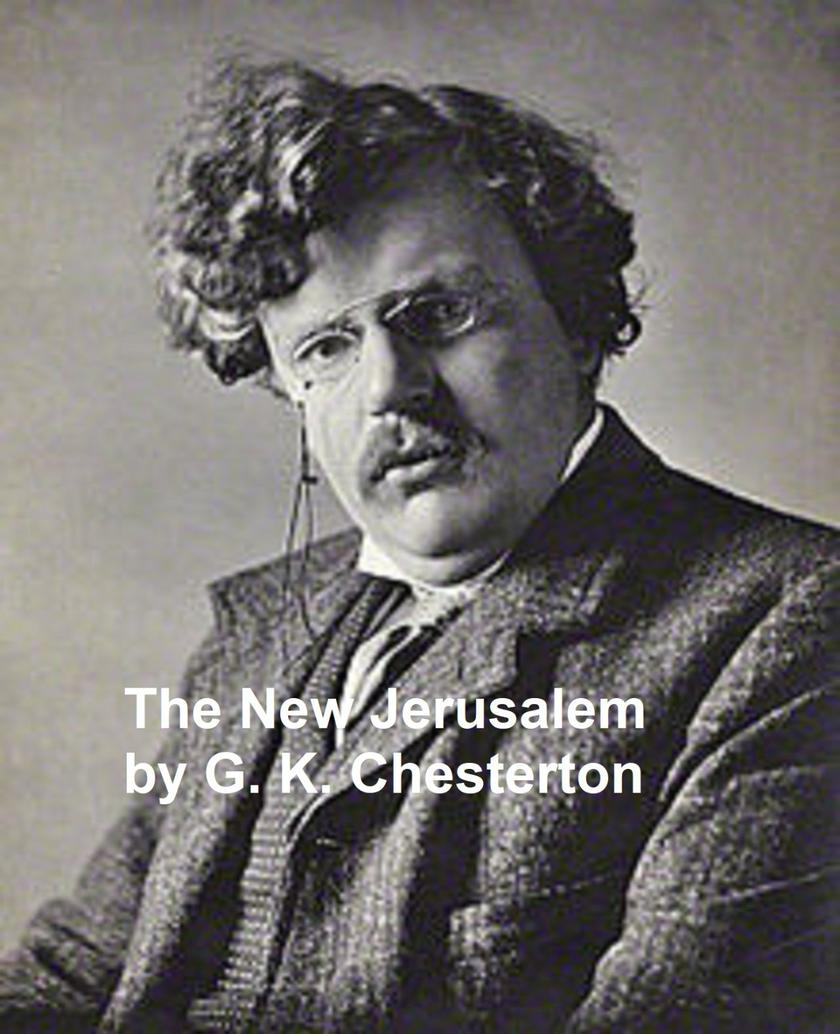
The New Jerusalem
¥8.09
Travelogue and related essays. According to Wikipedia: "Gilbert Keith Chesterton (1874 - 1936) was an influential English writer of the early 20th century. His prolific and diverse output included journalism, philosophy, poetry, biography, Christian apologetics, fantasy and detective fiction. Chesterton has been called the "prince of paradox."[1] He wrote in an off-hand, whimsical prose studded with startling formulations. For example: "Thieves respect property. They merely wish the property to become their property that they may more perfectly respect it."[2] He is one of the few Christian thinkers who are equally admired and quoted by both liberal and conservative Christians, and indeed by many non-Christians. Chesterton's own theological and political views were far too nuanced to fit comfortably under the "liberal" or "conservative" banner."
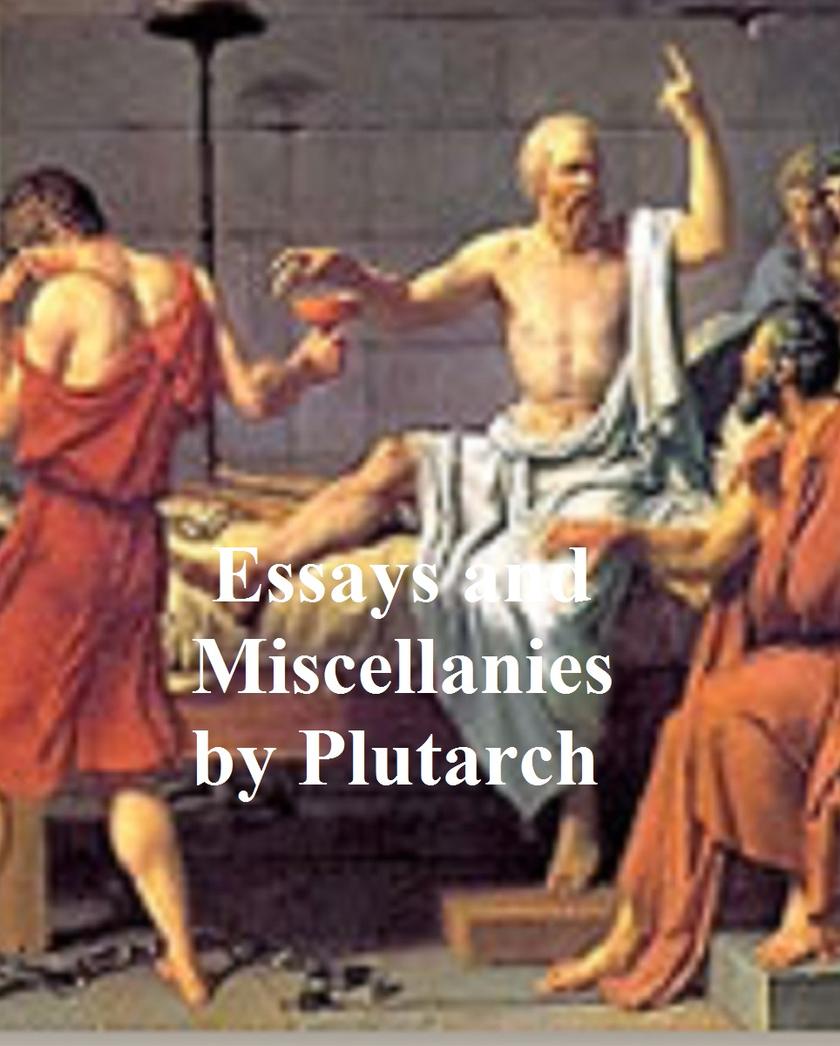
Essays and Miscellanies
¥8.09
Volume 3 of the Complete Works of Plutarch. According to Wikipedia: "Lucius Mestrius Plutarchus (c. AD 46 - 120 — commonly known in English as Plutarch — was a Roman historian (of Greek ethnicity), biographer, essayist, and Middle Platonist. Plutarch was born to a prominent family in Chaeronea, Boeotia, a town about twenty miles east of Delphi. His known works consist of the Parallel Lives and the Moralia."
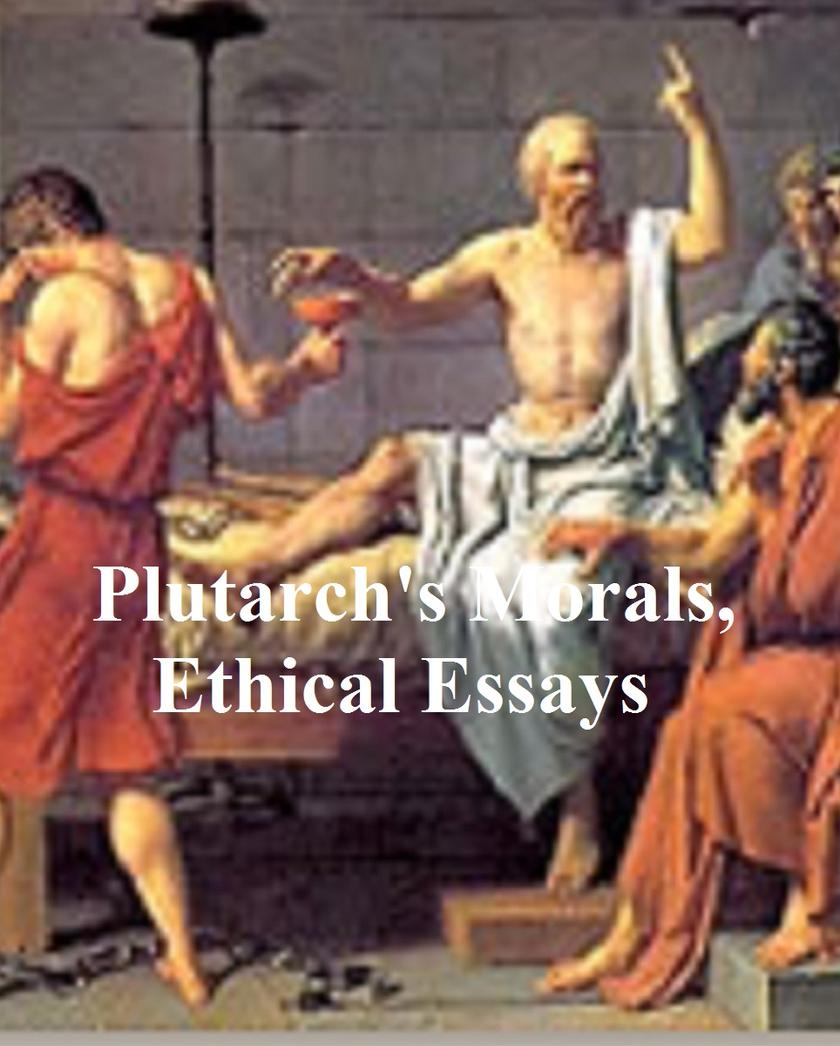
Plutarch's Morals, Ethical Essays
¥8.09
From the Preface: "Plutarch, who was born at Chaeronea in Boeotia, probably about A.D. 50, and was a contemporary of Tacitus and Pliny, has written two works still extant, the well-known _Lives_, and the less-known _Moralia_. The _Lives_ have often been translated, and have always been a popular work. Great indeed was their power at the period of the French Revolution. The _Moralia_, on the other hand, consisting of various Essays on various subjects (only twenty-six of which are directly ethical, though they have given their name to the _Moralia_), are declared by Mr. Paley "to be practically almost unknown to most persons in Britain, even to those who call themselves scholars." According to Wikipedia: "Lucius Mestrius Plutarchus (c. AD 46 - 120 — commonly known in English as Plutarch — was a Roman historian (of Greek ethnicity), biographer, essayist, and Middle Platonist. Plutarch was born to a prominent family in Chaeronea, Boeotia, a town about twenty miles east of Delphi. His known works consist of the Parallel Lives and the Moralia."
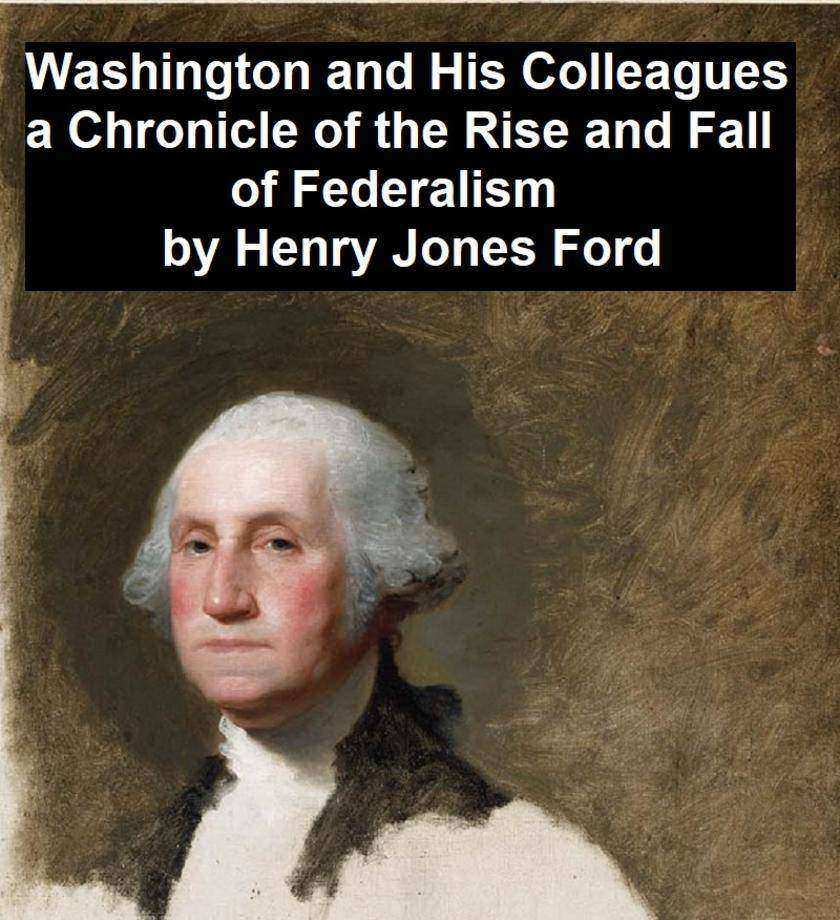
Washington and His Colleagues, A Chronicle of the Rise and Fall of Federalism
¥8.09
According to Wikipedia: "Washington is seen as a symbol of the United States and republicanism in practice. His devotion to civic virtue made him an exemplary figure among early American politicians. Washington died in 1799, and in his funeral oration, Henry Lee said that of all Americans, he was "first in war, first in peace, and first in the hearts of his countrymen." Washington has been consistently ranked by scholars as one of the greatest U.S. Presidents."
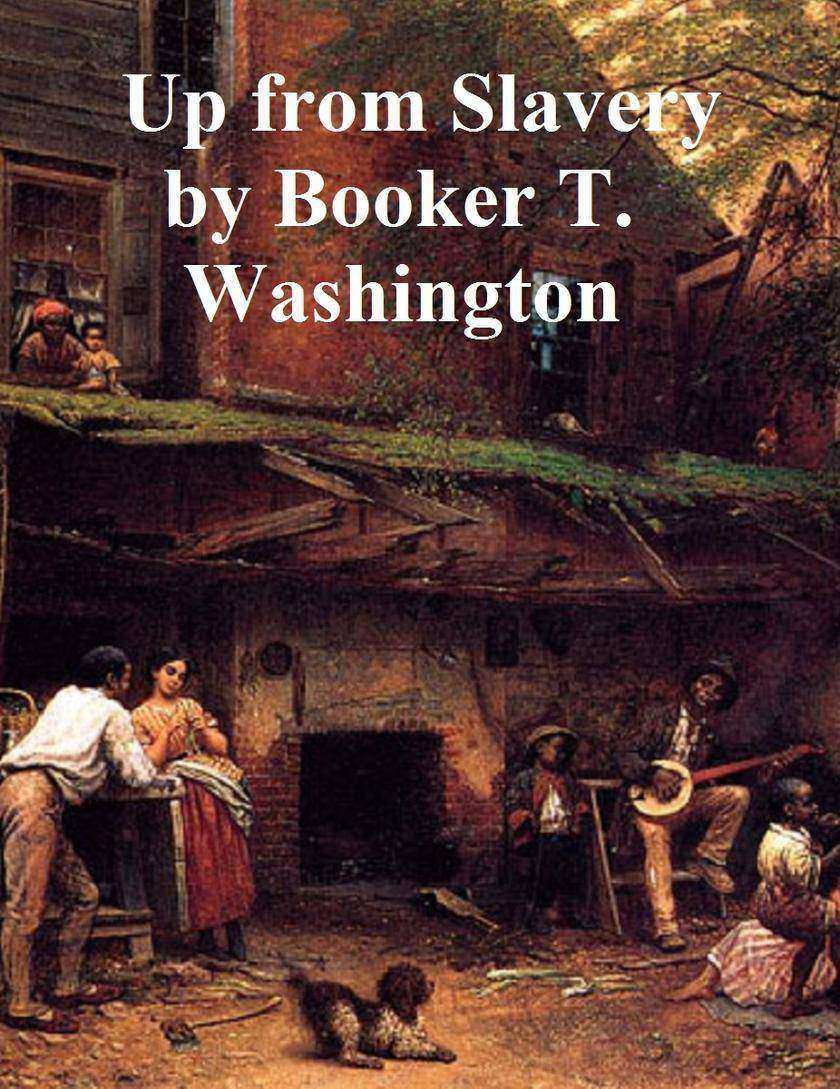
Up From Slavery
¥8.09
According to Wikipedia: "Booker Taliaferro Washington (April 5, 1856 – November 14, 1915) was an American educator, orator, author and leader of the African-American community. He was freed from slavery as a child, and after working at several menial jobs in West Virginia, earned his way through an education at Hampton Institute and Wayland Seminary. Upon recommendation of Hampton founder Sam Armstrong, as a young man, he was appointed as the first leader of the new Tuskegee Institute, then a teachers' college for blacks."
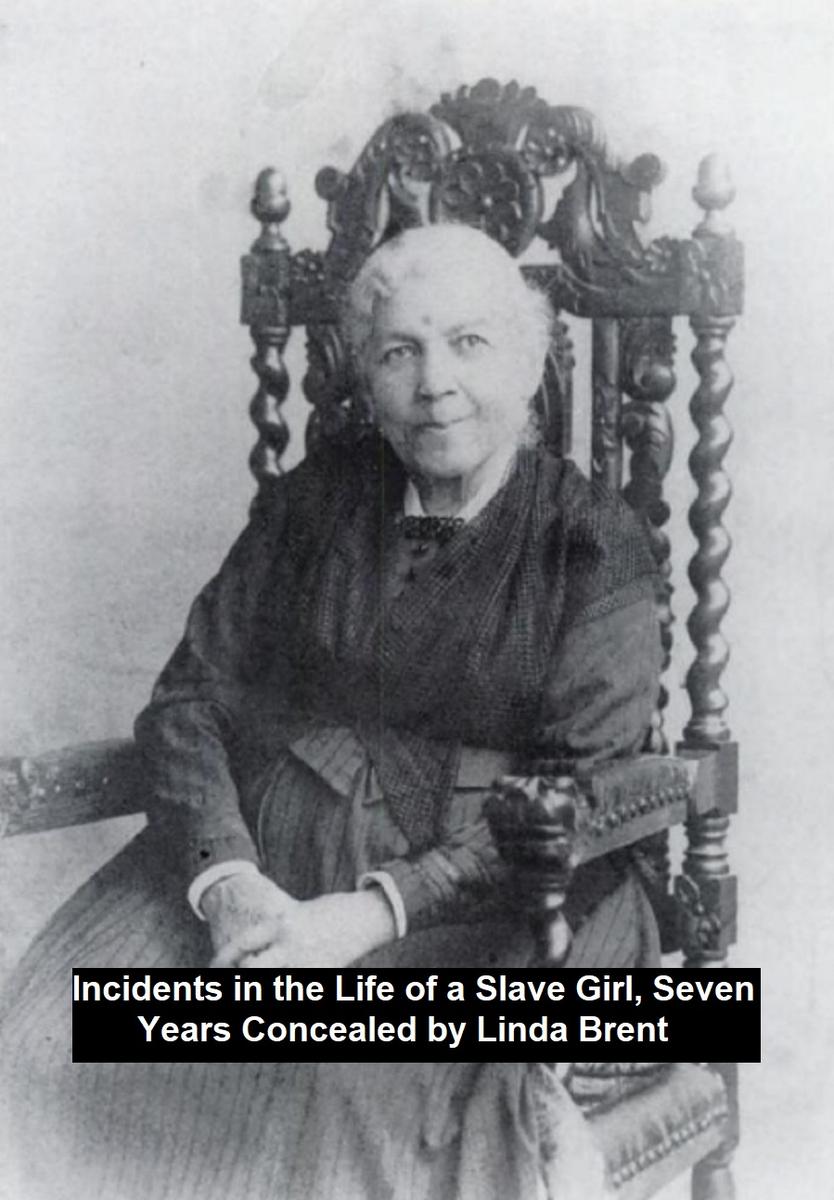
Incidents in the Life of a Slave Girl, Seven Years Concealed
¥8.09
Autobiography of a slave girl, first published in 1861. According to Wikipedia: "Harriet Ann Jacobs (February 11, 1813 – March 7, 1897) was an American writer, who escaped from slavery and became an abolitionist speaker and reformer. Jacobs' single work, Incidents in the Life of a Slave Girl, published in 1861 under the pseudonym Linda Brent, was one of the first autobiographical narratives about the struggle for freedom by female slaves and an account of the sexual harassment and abuse they endured."
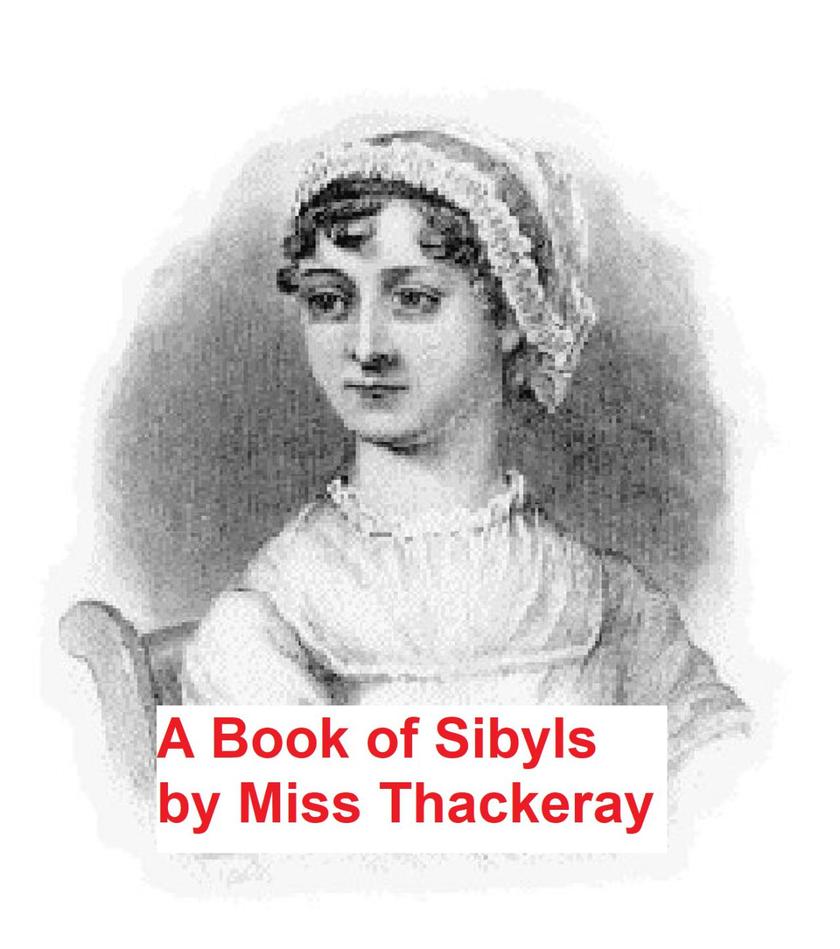
A Book of Sibyls
¥8.09
Biographical sketches of Mrs. Barbauld, Miss Edgeworth, Mrs. Opie, and Jane Austen, first published in 1883. According to Wikipedia: " Anne Isabella, Lady Ritchie, née Thackeray (9 June 1837 – 26 February 1919) was an English writer. She was the eldest daughter of William Makepeace Thackeray.
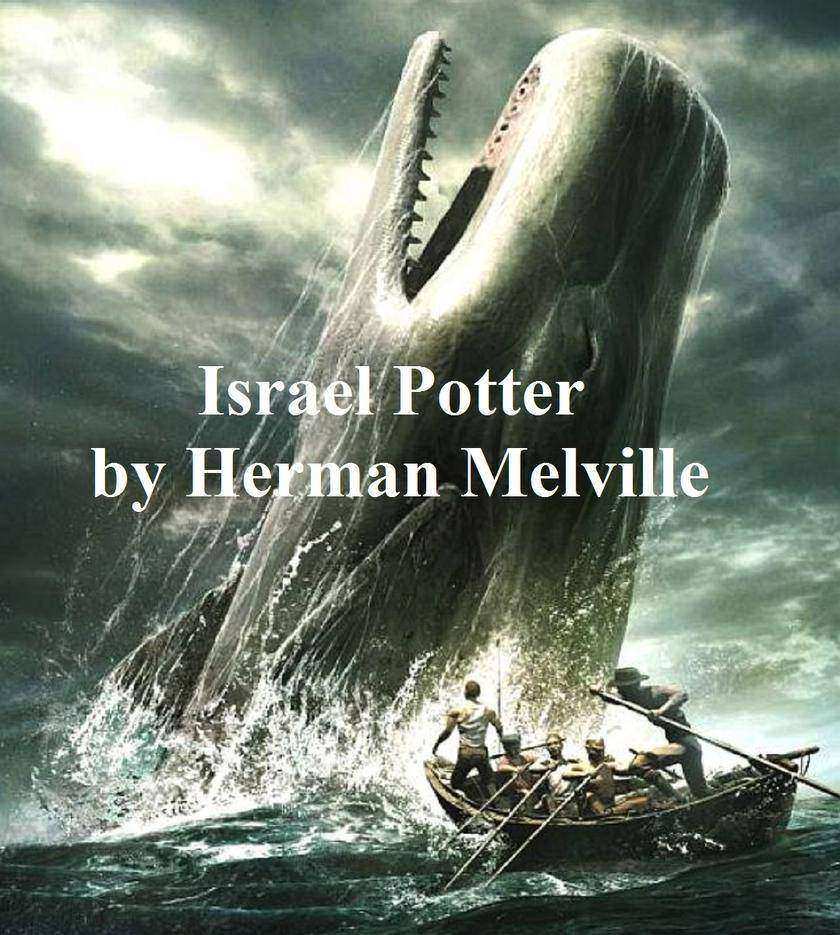
Israel Potter: His Fifty Years of Exile
¥8.09
Biography of a soldier in the American Revolution. Melville explains, "Biography, in its purer form, confined to the ended lives of the true and brave, may be held the fairest meed of human virtue--one given and received in entire disinterestedness--since neither can the biographer hope for acknowledgment from the subject, nor the subject at all avail himself of the biographical distinction conferred. Israel Potter well merits the present tribute--a private of Bunker Hill, who for his faithful services was years ago promoted to a still deeper privacy under the ground, with a posthumous pension, in default of any during life, annually paid him by the spring in ever-new mosses and sward." According to Wikipedia: "Herman Melville (August 1, 1819 – September 28, 1891) was an American novelist, short story writer, essayist and poet. His first two books gained much attention, though they were not bestsellers, and his popularity declined precipitously after only a few years. By the time of his death he had been almost completely forgotten, but his longest novel, Moby-Dick — largely considered a failure during his lifetime, and most responsible for Melville's fall from favor with the reading public — was recognized in the 20th century as one of the chief literary masterpieces of both American and world literature."
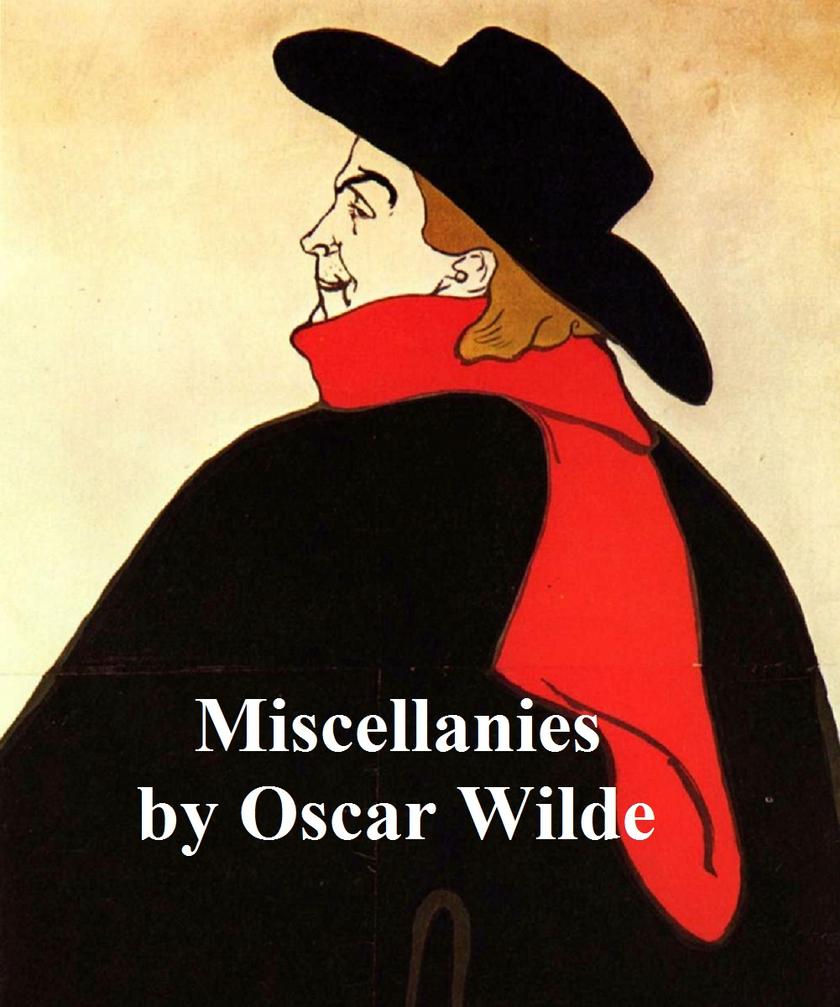
Miscellanies: A collection of essays
¥8.09
Book-length collection of essays. According to Wikipedia: "Oscar Fingal O'Flahertie Wills Wilde (1854 - 1900) was an Irish playwright, novelist, poet, and author of short stories. Known for his barbed wit, he was one of the most successful playwrights of late Victorian London, and one of the greatest celebrities of his day. As the result of a famous trial, he suffered a dramatic downfall and was imprisoned for two years of hard labour after being convicted of the offence of 'gross indecency.'"
The Essays or Counsels, Civil and Moral
¥8.09
Essays: Religious Meditations. Places of Perswasion and Disswasion. Seene and Allowed (1597) was the first published book by the philosopher, statesman and jurist Francis Bacon. The Essays are written in a wide range of styles, from the plain and unadorned to the epigrammatic. They cover topics drawn from both public and private life, and in each case the essays cover their topics systematically from a number of different angles, weighing one argument against another. A much-enlarged second edition appeared in 1612 with 38 essays. Another, under the title Essayes or Counsels, Civill and Morall, was published in 1625 with 58 essays. Translations into French and Italian appeared during Bacon's lifetime. ? Bacon's genius as a phrase-maker appears to great advantage in the later essays. In "Of Boldness" he wrote, "If the Hill will not come to Mahomet, Mahomet will go to the hill", which is the earliest known appearance of that proverb in print. The phrase "hostages to fortune" appears in the essay "Of Marriage and Single Life" – again the earliest known usage. Aldous Huxley's book Jesting Pilate took its epigraph, "What is Truth? said jesting Pilate; and would not stay for an answer", from Bacon's essay "Of Truth". The 1999 edition of The Oxford Dictionary of Quotations includes no fewer than 91 quotations from the Essays.

Romulus
¥8.09
According to Wikipedia: "Romulus and Remus are Rome's twin founders in its traditional foundation myth, although the former is sometimes said to be the sole founder. Their maternal grandfather is Numitor, rightful king of Alba Longa, a descendant of the Trojan prince, Aeneas and father to Rhea Silvia (also known as Ilia). Before their conception, Numitor's brother Amulius deposes his brother, kills his sons and forces Rhea to become a Vestal Virgin, intending to deprive Numitor of lawful heirs and thus secure his own position; but Rhea conceives Romulus and Remus by the god Mars or the demi-god Hercules. When the twins are born, Amulius has them exposed to die but they are saved by a series of miraculous interventions. A she-wolf finds them and suckles them. Then a shepherd and his wife foster them and raise them to manhood as shepherds. The twins prove to be natural leaders, and acquire many followers. When told their true identities, they kill Amulius, restore Numitor to the throne of Alba Longa and decide to found a new city for themselves."
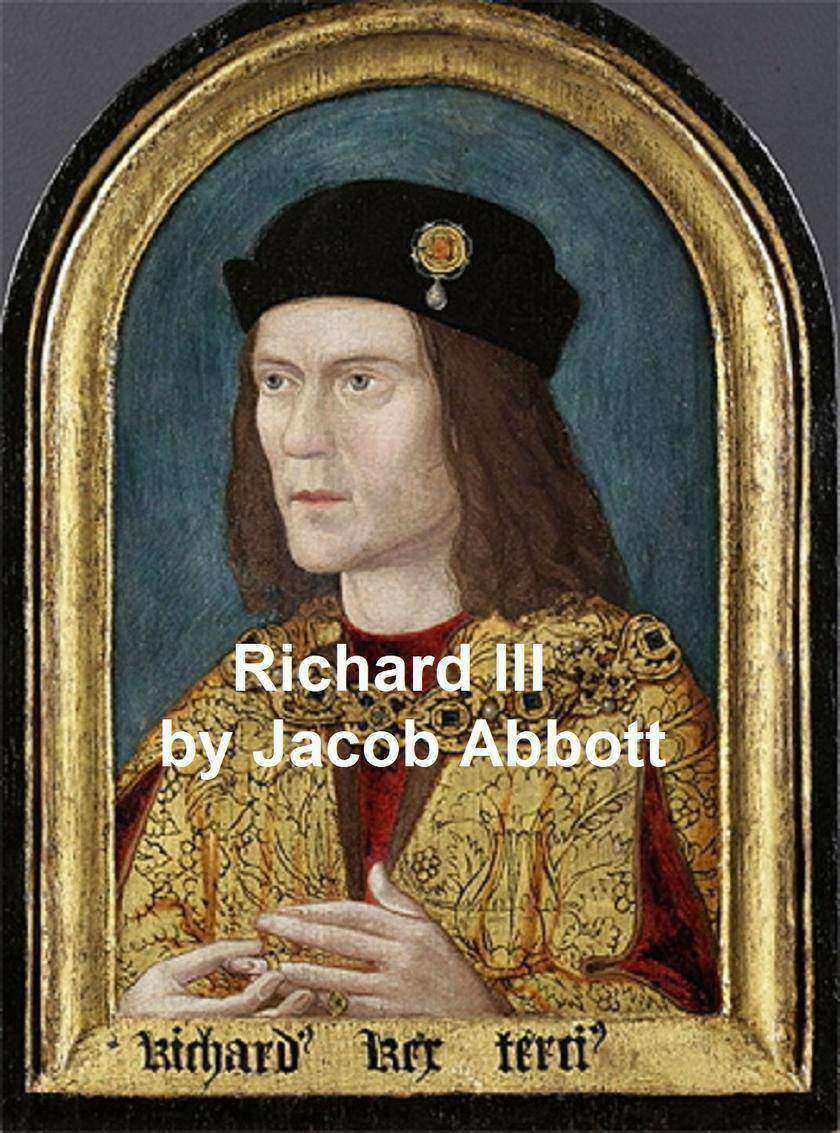
Richard III
¥8.09
According to Wikipedia: "Richard III (2 October 1452 – 22 August 1485) was King of England for two years, from 1483 until his death in 1485 during the Battle of Bosworth Field. He was the last king of the House of York and the last of the Plantagenet dynasty. His defeat at the Battle of Bosworth Field was the decisive battle of the Wars of the Roses and is sometimes regarded as the end of the Middle Ages in England. He is the subject of an eponymous historical play by William Shakespeare. When his brother Edward IV died in April 1483, Richard was named Lord protector of the realm for Edward's son and successor, the 12-year-old King Edward V... There were two major rebellions against Richard. The first, in October 1483, was led by staunch opponents of Edward IV and most notably by Richard's former ally, Henry Stafford, 2nd Duke of Buckingham. The revolt collapsed and Buckingham was executed at Salisbury near the Bull's Head Inn. In August 1485 there was another rebellion against Richard, headed by Henry Tudor, 2nd Earl of Richmond (later King Henry VII) and his uncle Jasper. The rebels landed troops, composed mainly of mercenaries, and Richard fell in the Battle of Bosworth Field, the last English king to die in battle (and the only king to die in battle on English soil since Harold II, at the Battle of Hastings in 1066)."
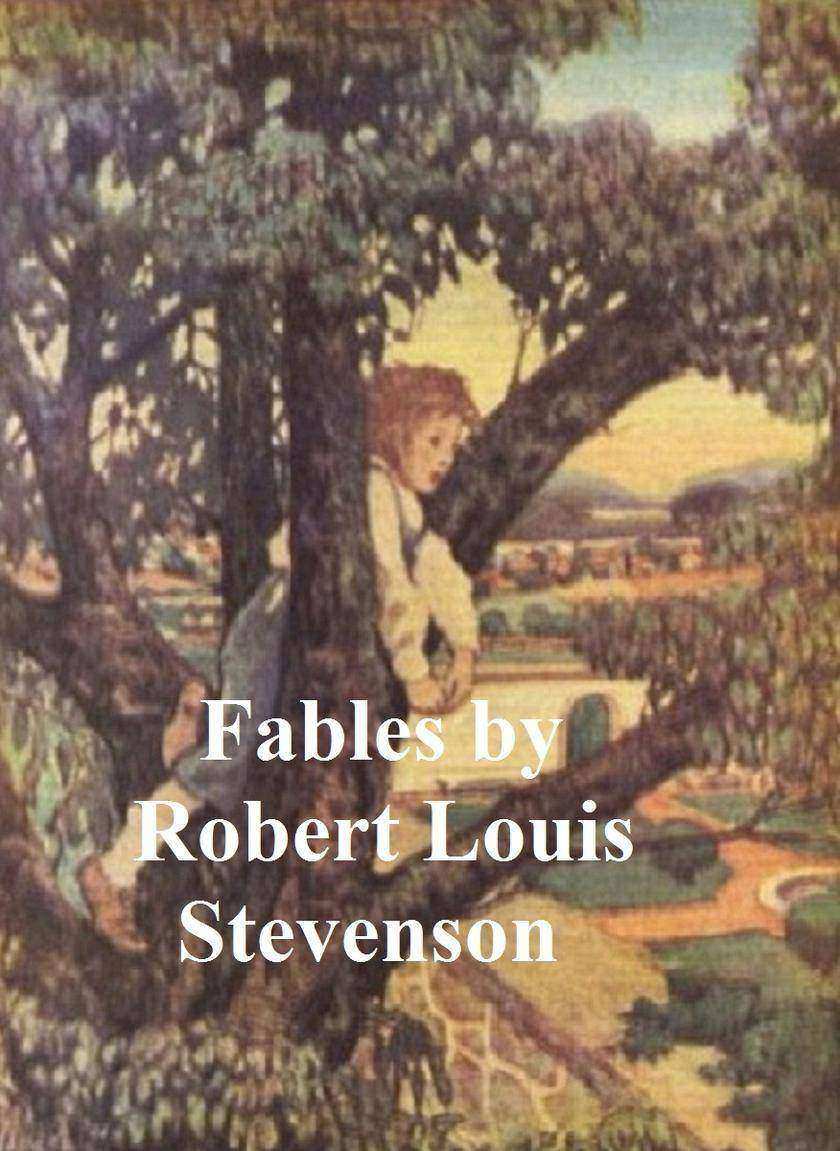
Fables
¥8.09
Short collection of anecdotes. According to Wikipedia: "Robert Louis (Balfour) Stevenson ( 1850 - 1894), was a Scottish novelist, poet, and travel writer, and a leading representative of Neo-romanticism in English literature. He was the man who "seemed to pick the right word up on the point of his pen, like a man playing spillikins", as G. K. Chesterton put it. He was also greatly admired by many authors, including Jorge Luis Borges, Ernest Hemingway, Rudyard Kipling, Vladimir Nabokov, and J. M. Barrie. Most modernist writers dismissed him, however, because he was popular and did not write within their definition of modernism. It is only recently that critics have begun to look beyond Stevenson's popularity and allow him a place in the canon."


