


 购物车
购物车 个人中心
个人中心
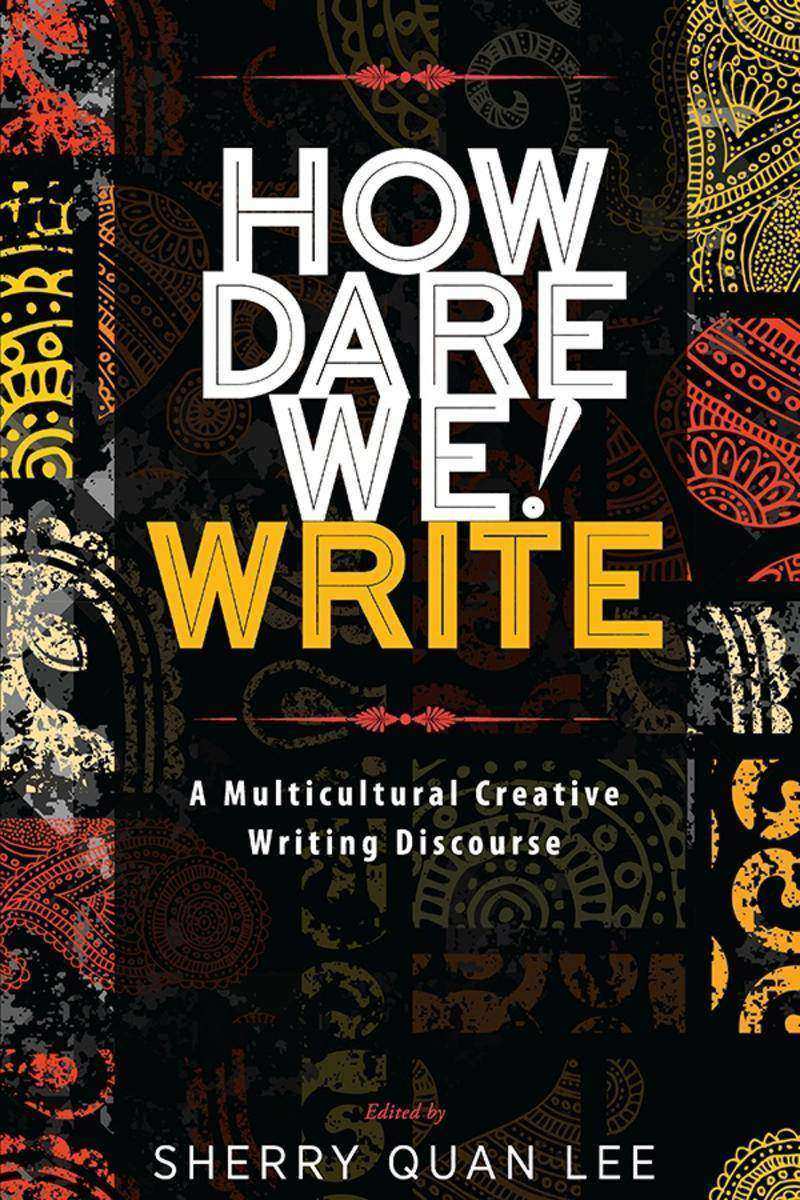
How Dare We! Write:A Multicultural Creative Writing Discourse
¥56.82
How Dare We! Write: a multicultural creative writing discourse offers a much needed corrective to the usual dry and uninspired creative writing pedagogy. The collection asks us to consider questions, such as "What does it mean to work through resistance from supposed mentors, to face rejection from publishers and classmates, and to stand against traditions that silence you?" and "How can writers and teachers even begin to make diversity matter in meaningful ways on the page, in the classroom, and on our bookshelves?" How Dare We! Write is an inspiring collection of intellectually rigorous lyric essays and innovative writing exercises; it opens up a path for inquiry, reflection, understanding, and creativity that is ultimately healing. The testimonies provide a hard won context for their innovative paired writing experiments that are, by their very nature, generative. --Cherise A. Pollard, PhD, Professor of English, West Chester University of Pennsylvania So-called "creative writing" classes are highly politicized spaces, but no one says so; to acknowledge this obvious fact would be to up-end the aesthetics, cultural politics (ideology) and economics on which most educational institutions are founded How Dare We! Write, a brilliant interventive anthology of essays, breaks this silence. --Maria Damon, Pratt Institute of Art; co-editor of Poetry and Cultural Studies: A Reader How Dare We! Write a collection of brave voices calling out to writers of color everywhere: no matter how lonely, you are not alone; you are one in a sea of change, swimming against the currents. --Kao Kalia Yang, author of The Latehomecomer: A Hmong Family Memoir, and The Song Poet, a 2017 Minnesota Book Award winner How Dare We! Write is a much needed collection of essays from writers of color that reminds us that our stories need to be told, from addressing academic gatekeepers, embracing our identities, the effects of the oppressor's tongue on our psyche and to the personal narratives that help us understand who we are. --Rodrigo Sanchez-Chavarria, writer, spoken word poet/performer and contributing author to A Good Time for the Truth: Race in Minnesota Learn more at http://blog.SherryQuanLee.com From Modern History Press www.ModernHistoryPress.com
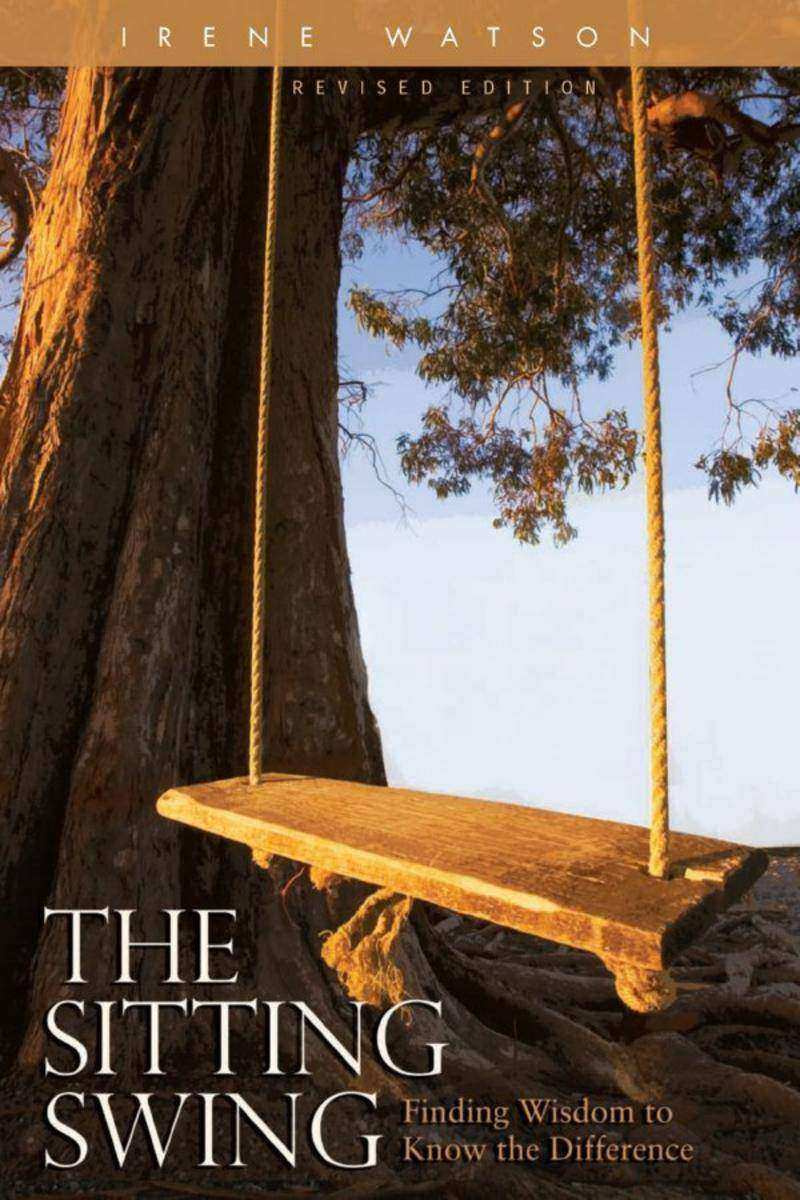
The Sitting Swing:Finding the Wisdom to Know the Difference
¥65.99
Irene Watson's pretentious life could go no further until she faced her past. Her moving and inspiring memoir begins at the end, in a recovery center, where she has gone to understand a childhood fraught with abuse, guilt, and uncertainty.Two distinct parts of the book look at abusive child rearing and the process of recovery years later. This story shows change, growth, and forgiveness are possible. It gives hope and freedom to those accepting the past and re-writing life scripts that have been passed down for generations. It's never too late to change your life, never too late to heal.Praise for The Sitting Swing"Watson's memoir recounts her fearful, highly sheltered years as she uncovers the childhood wounds leading to her personality crisis. This is an earnest memoir, well structured." --PUBLISHERS WEEKLY"The Sitting Swing is the poignant story of the author's successful journey to transcend the patterns sculpted by her parents and childhood experiences. I loved it!" --NANCY OELKLAUS, PHD, LIFE COACH AND AUTHOR OF JOURNEY FROM HEAD TO HEART: LIVING AND WORKING AUTHENTICALLY"As a teacher of transformational principles for self-discovery and the treatment of addictions, reading The Sitting Swing inspired me to a richer new voice, infusing my lectures with a deeper level of meaning. Irene's personal story of transformation will add to the experience, strength, and hope we share with our clients and to anyone who is on a path of personal transformation. " --MARY LYNN SZYMANDERA, LCAS, CEFIP, OUTPATIENT MANAGER, PAVILLON INTERNATIONAL, AND EQUINE PROGRAM DIRECTOR, SAWHORSE HILLAuthor info at www.irenewatson.comBook #6 in the Spiritual Dimensions Series from Loving Healing Press www.LovingHealing.com

Eu ?i Napoleon
¥48.97
„Bagdad, capitala devastat? a Irakului. ?i «Bagdad» – capitala unei combustii ontologice care pare a urm?ri, prin arheologia poeziei, ipostazierea întro stare de maxim? vulnerabilitate, splendoare ?i vinov??ie a acelor lucruri care sunt la limita vizibilit??ii, amalgamând realit??ile (sociale, istorice, existen?iale, memoriale etc.) întrun nod al autodemol?rilor ?i al infrarealit??ilor beligerante. Index de ecouri instinctive: tropismele lui Nathalie Sarraute ?i antiescapismul via Aktionsgruppe Banat. Iulia Modiga debuteaz? puternic ?i tran?ant, cu transfigur?ri germanice pe linie experimental?, cu rigoare lingvistic? ?i cu o atitudine imagistic? cu totul extrateritorial? în contextul actualelor poetici române?ti.“ (Liviu G. Stan) „Miar fi greu s? detectez motivele care au conduso pe Iulia Modiga spre poezie. Datele ei oficiale – doctorand? în sociologie, ma?tera unui site unionist ?i mama unui b?iat crescut frumos – nu l?sau loc b?nuielii c? Iulia ar avea ?i preocup?ri lirice. Uite îns? c? un sâmbure, ascuns bine pân? acum, a irumpt întrun volum de poezie care, sunt convins, va stârni interesul criticilor literari, pe care, îns?, îi desfid de pe acum dac? vor accesa tagul «poezie feminin?» ?i nu vor recunoa?te c? în «Bagdad» e poezie pur? ?i simpl?, scris? nu din ambi?ia de a încropi vreun manifest sau de a promova, în subsidiar, cine mai ?tie ce idei, ci din pl?cerea de a imagina ?i a formula tot cei trece prin minte Iuliei. Au f?cut vreodat? poe?ii altceva?“ (Dumitru B?di?a) „Poezia Iuliei Modiga din acest volum se na?te din nota?ii frânte ?i rapide, din înregistr?ri neutre ale unor st?ri acute de disperare ?i revolt?, din jocuri lingvistice, din ambiguit??i c?utate, din ciocnirea unei sensibilit??i exacerbate cu un cotidian agresiv, dintro luciditate sentimental? ie?it? din comun, din mici ilumin?ri personale, dar ?i din fel de fel de expresii scânteietoare memorabile, precum «u?ile se deschid în exterior»; «oameni în c?ma?? alb? de z?pad?»; «respir?m ca sub ap?»; «din cre?tet în t?lpi sârm? ghimpat?»; «deatunci ritmul cardiac î?i strânge genunchii la piept în slow motion/ precum troleele care trec pe bd. ?tefan cel Mare când efectueaz? o vizit? Merkel sau Biden»; «m? a?ez în praf întro prelungire de mesteac?n/ alt?dat? ai fi suflat ?i ar fi disp?rut tot». Dac? ar fi s?i caut un nume acestei poezii r?scolitoare, ia? spune c? e o poezie a a?tept?rii dup? ce nu mai ai niciun fel de a?tept?ri.“ (Dumitru Crudu) „Iulia Modiga scrie o poezie în care detaliile cotidiene primesc profiluri ferme, fundamentale, privind mereu spre un cel?lalt absent. Dar acest cel?lalt din volumul «Bagdad» este pentru poem o ocazie de a contura deopotriv? st?ri politice ?i personale. Uneori cel?lalt este poezia («copiii etnobotanici ?i masca?ii o conduc pe ultimul drum»), alteori cel?lalt este partenerul unei plastice discu?ii despre putere ?i istorie (unde «pe?ti?orii înoat? cu ciocane s? sparg?», iar «Bruce Lee plânge pentru c? ?i regii plâng câteodat?»). Versurile Iuliei nu cunosc ambiguitatea: «m?car am crescut un câine/ care nu te cunoa?te/ care tear sfâ?ia/ la o simpl? comand?». Reu?ita cea mai de seam? în «Bagdad» ?ine de claritatea cu care este decupat un spa?iu personal între atâtea detalii care au preten?ia c? sunt mai importante decât noi. ?i, de acolo, poezia Iuliei Modiga organizeaz? ap?rarea f?r? s? cedeze.“ (R?zvan ?upa)
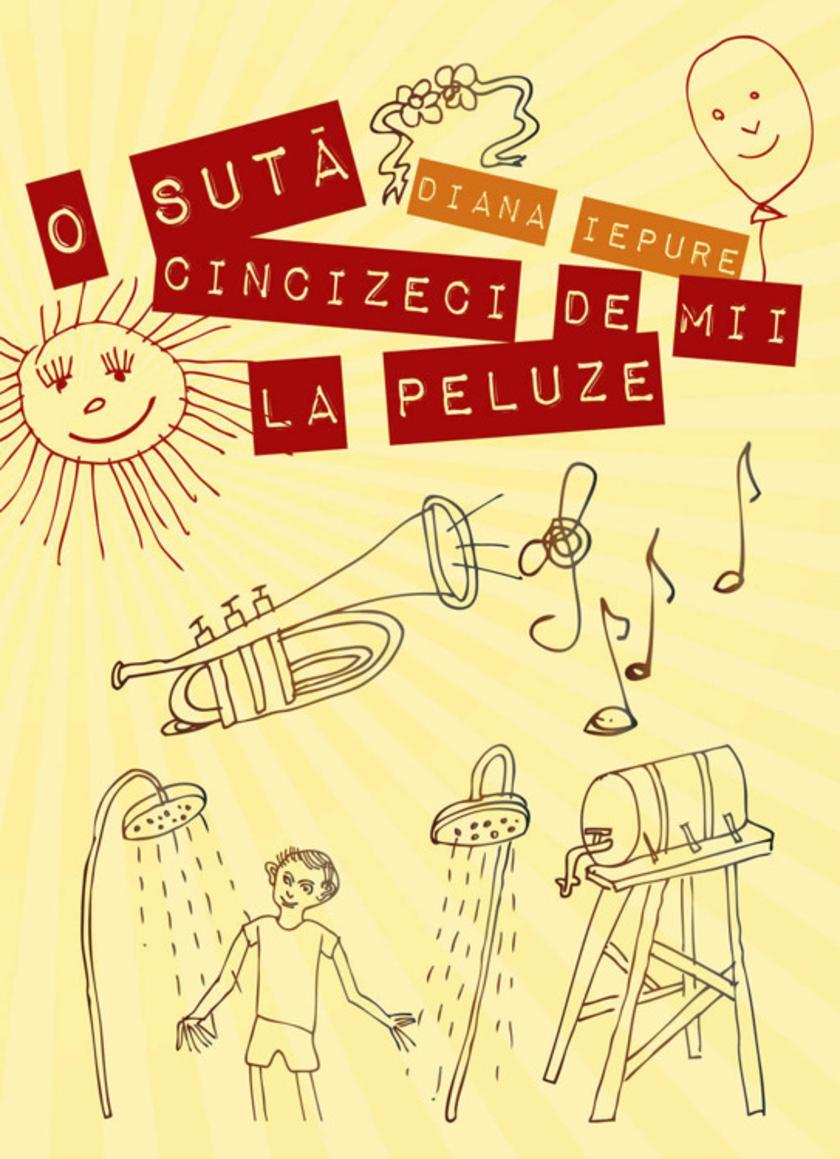
O sut? cincizeci de mii la peluze
¥24.44
Paul Arva schi?eaz? fr?nturi dintr-un prezent-trecut ale c?rui grani?e imaginare se ?ntrep?trund cu cele ale realului. Amintirile ies la lumin? dintr-un subteran ad?nc (o ?min?“) sub forma unor poeme ?n proz? scrise cu sinceritate ?i sensibilitate.

Néhány szem parázs
¥29.18
12 interviuri cu Ioan Es. Pop. Via?a ?i opera unuia dintre cei mai importan?i poe?i rom?ni ?n interviuri

Uronjeni
¥94.42
Aceast? carte de interviuri, pe care le-am realizat ?n timp, reprezint?, pentru mine, portrete scrise ?i vorbite ale unor scriitori de valoare cu care am avut ?ansa s? m? ?nt?lnesc. Dar ele nu au numai o valoare literar?, ci ?i una afectiv?.

foarte foarte aproape
¥24.44
Nora Iuga mi-a spus c? scriu despre ce nu se vede. Mi-a pl?cut foarte mult formularea. De?i vorbim despre un paradox, av?nd ?n vedere c? orice carte, mai ales una de poezie, este o form? de exhibi?ionism. Cartea aceasta este a?adar despre ceea ce percepem c? exist? ?n jurul nostru. Despre o lume pe care ne-o cl?dim singuri ?i ?n care s?ntem unicii locuitori. Locul ?n care ajungem de fiecare dat? c?nd vrem s? fim doar cu noi ?n?ine. Mi-ar face mare pl?cere ca mul?i dintre cei care o vor citi s? simt? la fel.

Codul fericirii
¥65.32
volumul al II-lea dintr-un interviu de un cristian Ce noroc a avut Genera?ia noastr?, Genera?ia ‘60, c? a fost contemporan?, c? a avut ?n mijlocul ei ?n permanen?? un artist ca Ion Cucu, un om ?n stare s? fixeze imaginea ei ?ntr-o vreme ?n care nu puteau s? r?m?n? niciun fel de alte imagini, pentru c? televiziunea era dedicat? exclusiv perechii conduc?toare, pentru c? la un moment dat nici m?car pe c?r?ile proprii nu puteau s? apar? fotografii. Dac? n-ar fi existat Cucu ?n mijlocul scriitorilor ?i dac? n-ar fi fost ?ntr-o m?sur? aproape magic? – a? zice – prieten cu ei ?i nu i-ar fi intuit, aceast? genera?ie important? a literaturii rom?ne n-ar fi existat vizual. Nu s-ar fi ?tiut cum eram. R?sfoind albumul lui, concluzia mea e c? eram frumo?i. Senza?ia e c? ne f?cea mai frumo?i dec?t eram. ?ntotdeauna c?nd v?d o fotografie a mea f?cut? de Ion Cucu, m? ?ntreb ?oare chiar a?a ar?tam ?n realitate?“. Senza?ia este c? prietenia cu care ne privea f?cea s? ap?rem mai frumo?i. (Ana Blandiana)

Delphi Collected Poetical Works of Walter Savage Landor (Illustrated)
¥16.27
The poetry of Walter Savage Landor spans the final years of the Enlightenment to the greatest achievements of the Victorian Empire. Landor is now regarded as a ‘poet’s poet’, whose sensitive and beautiful poetry won the admiration of Browning, Yeats, Ezra Pound and Robert Frost. His celebrated love poems were inspired by a succession of female romantic ideals – Ione, Ianthe, Rose Aylmer and Rose Paynter — while his "domestic" poems concerning his sister and children reveal equal finesse. The Delphi Poets Series offers readers the works of literature's finest poets, with superior formatting. This volume presents Landor’s collected poetical works, with beautiful illustrations and the usual Delphi bonus material. (Version 1) * Beautifully illustrated with images relating to Landor's life and works* Concise introduction to the life and poetry of Walter Savage Landor* Images of how the poetry books were first printed, giving your eReader a taste of the original texts* Rare collections available in no other digital publication* Excellent formatting of the poems* Includes a selection of Landor's prose * Features a bonus biography - discover Landor's literary life* Scholarly ordering of texts into chronological order and literary genres Please note: due to Landor’s method of titling the majority of his poems with Roman numerals, this Delphi edition does not feature our usual chronological and alphabetical contents tables. Please visit www.delphiclassics.com to see our wide range of poet titles CONTENTS: The Life and Poetry of Walter Savage LandorBRIEF INTRODUCTION: WALTER SAVAGE LANDOR The Poetry CollectionsGEBIRCOLLECTION OF 1846THE HELLENICSTHE LAST FRUIT OF AN OLD TREEDRY STICKSMISCELLANEOUS POEMS FROM “HEROIC IDYLS” WITH ADDITIONAL POEMS, 1863 The PlayCOUNT JULIAN Selected ProseIMAGINARY CONVERSATIONS: A SELECTIONTHE PENTAMERONCITATION AND EXAMINATION OF WILLIAM SHAKSPEARE The BiographyWALTER SAVAGE LANDOR by Leslie Stephen Please visit www.delphiclassics.com to browse through our range of poetry titles or buy the entire Delphi Poets Series as a Super Set

Delphi Collected Poetical Works of Adam Mickiewicz (Illustrated)
¥24.44
Explore Adam Mickiewicz, Poland’s National Poet, who was a leading figure of Romanticism, often likened to Byron and Goethe. Born in the Russian-partitioned territories of the former Grand Duchy of Lithuania, Mickiewicz was active in the struggle to win independence for his homeland. His epic poem ‘Pan Tadeusz’ is celebrated as a masterpiece of European literature. The Delphi Poets Series offers readers the works of literature's finest poets, with superior formatting. This volume presents Mickiewicz’ collected poetical works, with related illustrations and the usual Delphi bonus material. (Version 1) * Beautifully illustrated with images relating to Mickiewicz’ life and works* Concise introduction to Mickiewicz’ life and poetry* Images of how the poetry books were first printed, giving your eReader a taste of the original texts* Excellent formatting of the poems* Special chronological and alphabetical contents tables for the poetry* Easily locate the poems you want to read* Includes a modern-day verse translation of Mickiewicz’ great epic ‘Pan Tadeusz’ by Leonard Kress – available in no other collection* Features a bonus biography - discover Mickiewicz’ intriguing life* Scholarly ordering of texts into chronological order and literary genres Please visit www.delphiclassics.com to see our wide range of poet titles CONTENTS: The Life and Poetry of Adam MickiewiczBRIEF INTRODUCTION: ADAM MICKIEWICZODE TO YOUTHTHE CRIMEAN SONNETS (Translated by Edna Worthley Underwood)KONRAD WALLENROD (Translated by M. A. Biggs)PAN TADEUSZ The PoemsLIST OF POEMS IN CHRONOLOGICAL ORDERLIST OF POEMS IN ALPHABETICAL ORDER The ProseMY FIRST BATTLE The BiographyADAM MICKIEWICZ: A BIOGRAPHICAL SKETCH by Edna Worthley Underwood Please visit www.delphiclassics.com to browse through our range of poetry titles or buy the entire Delphi Poets Series as a Super Set
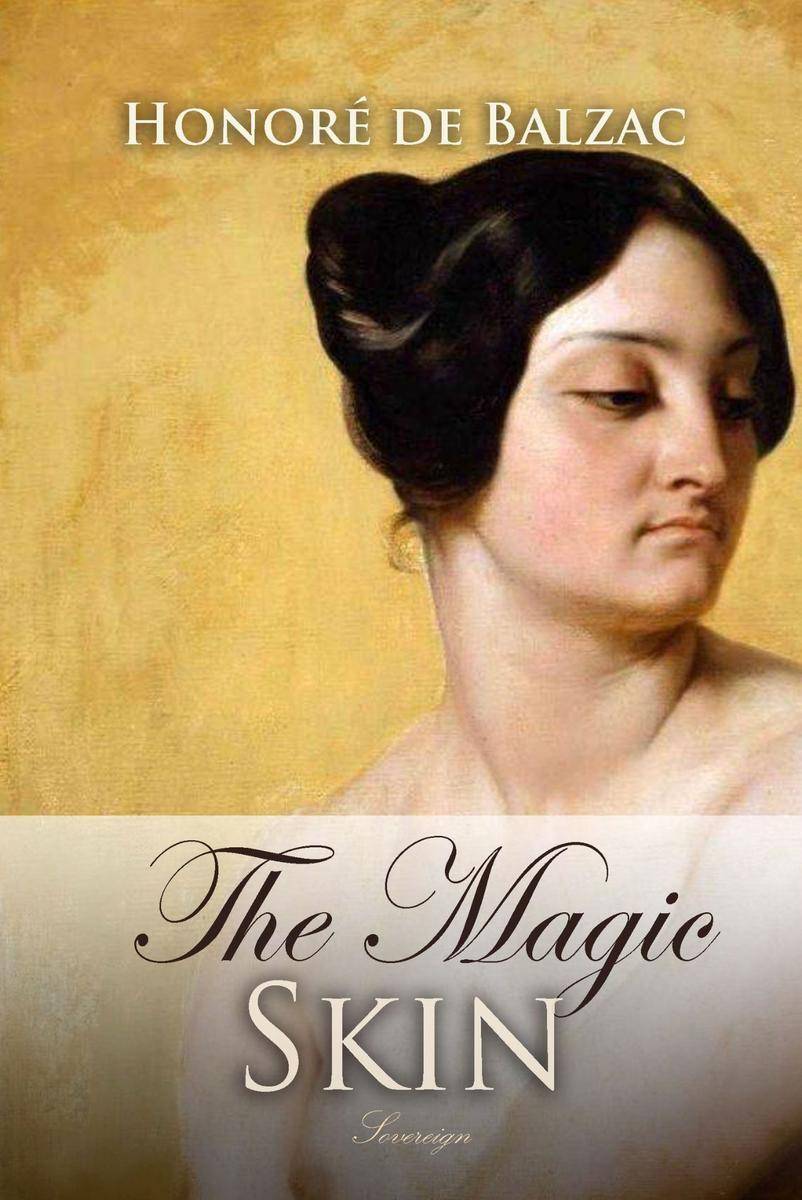
The Magic Skin
¥40.79
Set in early 19th-century Paris, it tells the story of a young man who finds a magic piece of shagreen that fulfills his every desire. For each wish granted, however, the skin shrinks and consumes a portion of his physical energy. La Peau de chagrin belongs to the Etudes philosophiques group of Balzac's sequence of novels.
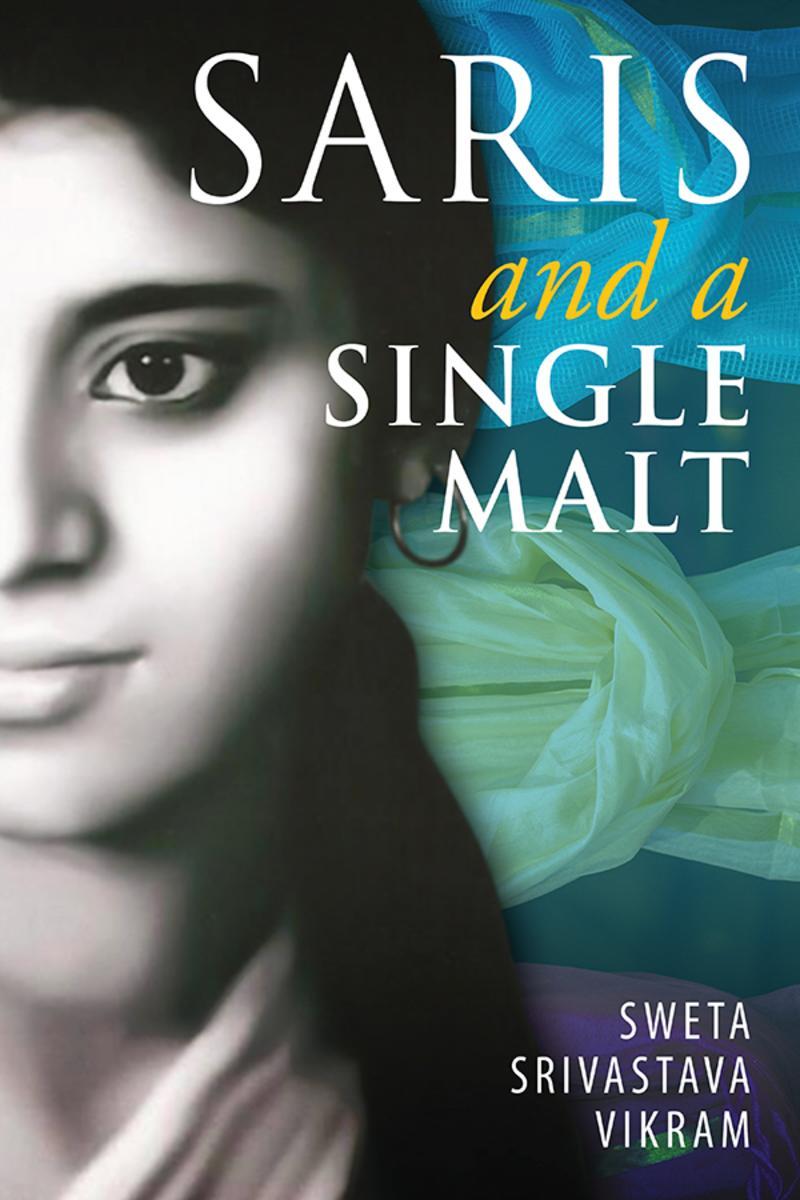
Saris and a Single Malt
¥32.62
Saris and a Single Malt is a moving collection of poems written by a daughter for and about her mother. The book spans the time from when the poet receives a phone call in New York City that her mother is in a hospital in New Delhi, to the time she carries out her mother's last rites. The poems chronicle the author's physical and emotional journey as she flies to India, tries to fight the inevitable, and succumbs to the grief of living in a motherless world. This collection will move you, astound you, and make you hug your loved ones. "There are few books like Saris and a Single Malt in which the loss of a mother, a homeland, and the self come together in a sustained elegy." --Justen Ahren, Director Noepe Center, Author of A Strange Catechism "In life, as in poetry, one must come from the heart. Sweta Vikram has done both with touching eloquence. Her work resonates deeply within one's deepest emotional sacristy." --Sharon Kapp, Owner & Founder, Houston Yoga & Ayurvedic Wellness Center "Saris and a Single Malt is a fitting and delightful tribute of a writer daughter to her affectionate mother which goes deep into the minds of all children who love their moms." --K. V. Dominic, English language poet, critic, short-story writer, and editor from Kerala, India Sweta Srivastava Vikram, featured by Asian Fusion as "one of the most influential Asians of our time," is an award-winning writer, Pushcart Prize nominee, author of ten books, and a wellness practitioner. A graduate of Columbia University, Sweta performs her work, teaches creative writing workshops, and gives talks at universities and schools across the globe. Learn more at www.swetavikram.com From the World Voices Series at Modern History Press www.ModernHistoryPress.com POE005060 POETRY / American / Asian American
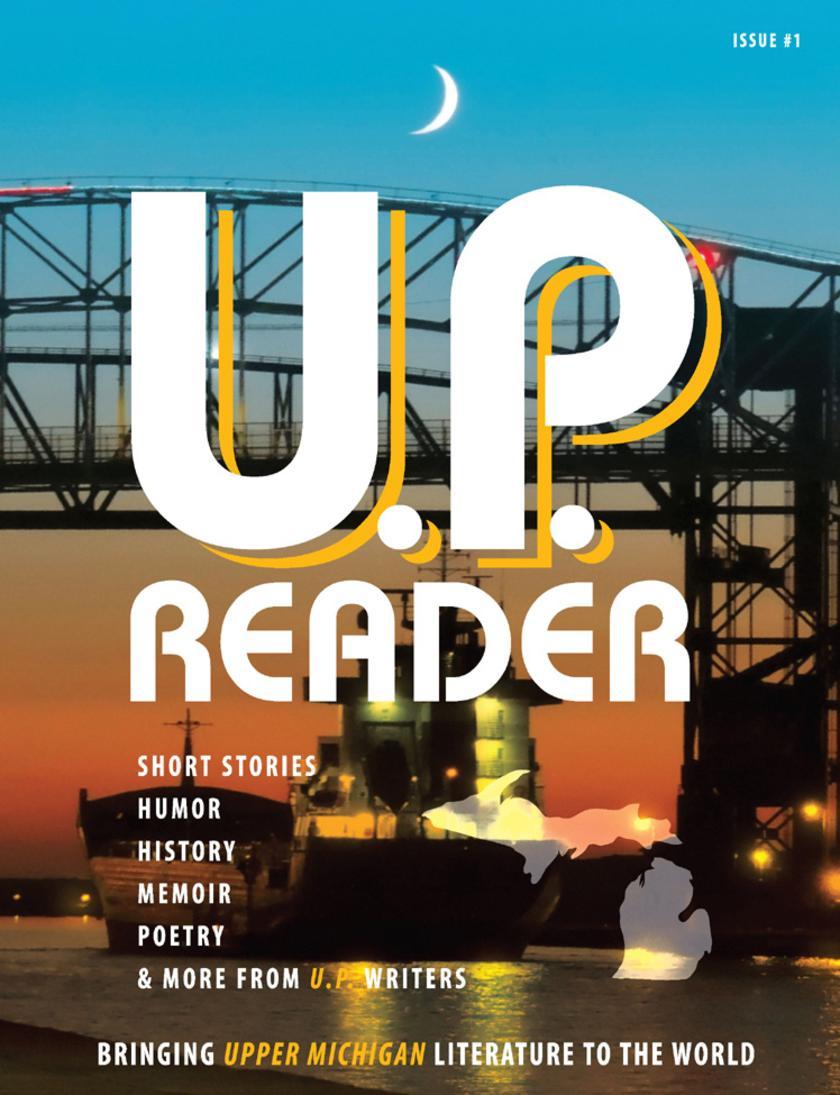
U.P. Reader:Bringing Upper Michigan Literature to the World -- Issue #1
¥32.62
Michigan's Upper Peninsula is blessed with a treasure chest of writers and poets, all seeking to capture the diverse experiences of Yooper Life. Now U.P. Reader offers a rich collection of their voices that embraces the U.P.'s natural beauty and way of life, along with a few surprises.The twenty-eight works in this first annual volume take readers on a U.P. road trip from the Mackinac Bridge to Menominee. Every page is rich with descriptions of the characters and culture that make the Upper Peninsula worth living in and writing about.Whether you're a native Yooper or just wish you were, you'll love U.P. Reader and want to share it with all your Yooper family and friends."U.P. Reader offers a wonderful mix of storytelling, poetry, and Yooper culture. Here's to many future volumes!" --Sonny Longtine, author of Murder in Michigan's Upper Peninsula"Share in the bounty of Michigan's Upper Peninsula with those who love it most. The U.P. Reader has something for everyone. Congratulations to my writer and poet peers for a job well done." --Gretchen Preston, Vice President,?Upper Peninsula Publishers and Authors Association"As readers embark upon this storied landscape, they learn that the people of Michigan's Upper Peninsula offer a unique voice, a tribute to a timeless place too long silent." --Sue Harrison, international bestselling author of Mother Earth Father Sky"I was amazed by the variety of voices in this volume. U.P. Reader offers a little of everything, from short stories to nature poetry, fantasy to reality, Yooper lore to humor. I look forward to the next issue." --Jackie Stark, editor, Marquette Monthly"Like the best of U.P. blizzards, U.P. Reader covers all of Upper Michigan in the variety of its offerings. A fine mix of nature, engaging characters, the supernatural, poetry, and much more." --Karl Bohnak, TV 6 meteorologist and author of??So Cold a Sky: Upper Michigan Weather StoriesU.P. Reader is sponsored by the Upper Peninsula Publishers and Authors Association (UPPAA) a non-profit 501(c)3 corporation. ?A portion of proceeds from each copy sold will be donated to the UPPAA for its educational programming. Learn more at www.UPReader.org
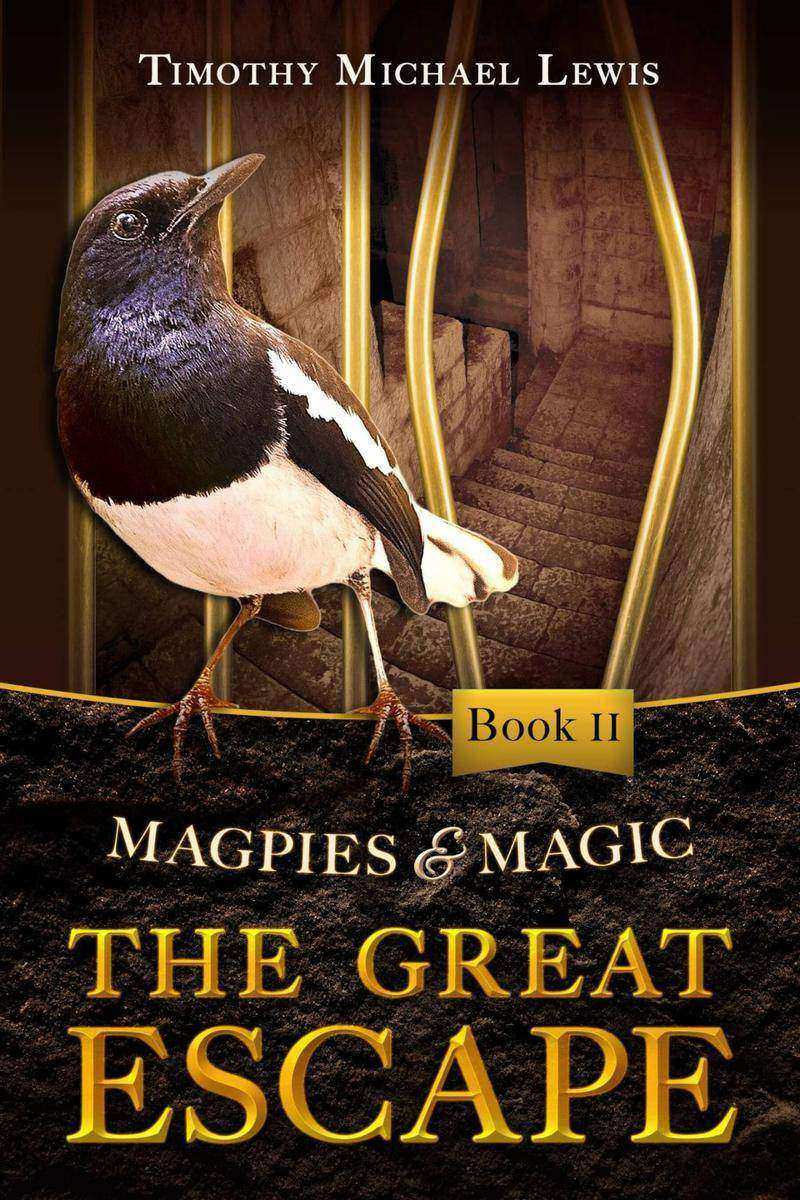
Magpies and Magic II : The Great Escape
¥31.07
Faced with Princess Candera’s kidnap by the Asperian Secret Service, our heroes attempt to undertake a daring mission to free her. However their usual level of incompetence quickly strikes and they too find themselves imprisoned in Minaturia’s most fearsome prison Ultricon. No one has ever escaped its magically secure interior. Inside the prison it soon becomes clear that they are not alone in their efforts to escape. Joining forces with the existing prisoners they hope soon to escape through an extremely long tunnel. But why do the guards not seem to care about the obvious escape attempt? Why does the tunnel never reach the surface? In the world outside Casper and his forces are being pushed back to their last fortress by Stephanie's superior army. It seems only a matter of time before he is killed or faced with exile to the underworld. The Pentagram Council while gloating of their success wonder about the force possessing Stephanie's body. Why can't they control her in the way they expect? Can they conquer Minaturia and then turn their attention to the world of the Giants? Can they escape? Is Stephanie lost forever, possessed by an unknown evil force? Will Casper avoid defeat from her advancing forces? Will the Pentagram Council succeed in their efforts at world domination? Find out in the next exciting part of the series, Magpies and Magic: The Great Escape.
Chinese Blackbird
¥56.82
Critical Acclaim for Sherry Quan Lee's Chinese Blackbird "Quan Lee eloquently expresses how painful and confusing it can be to embrace the many complex identities that one body can contain. With evocative imagery and words that cut straight to the heart, Quan Lee details her lifelong struggles with both the vagaries and concreteness of race, class, gender and sexual identity. Her guilt and shame are palpable. But so too are her emotional and intellectual triumphs. Like a favorite sad song when we have been dumped by the love of our lives, this volume will be oddly comforting to anyone who has ever been overcome by that sorrow which seems insurmountable." --Eden Torres, Assistant Professor Women's Studies, Chicano Studies, University of Minnesota "It's been a long time since I've been treated to a voice so full of honesty about one's struggle to come to terms with her identity. Through elegant poetry, full of exquisite imagery and detail, Quan Lee takes the reader on her personal, transformative journey in which she explores how race, class, gender and sexual identity inform who she is. Along the way, she encounters rocks and boulders that would have stopped many of us. Instead, she turns them over and examines the creatures hiding in the darkness underneath, leaving no stone on her path unturned. Quan Lee is a courageous woman. She is one of my sheroes." --Carolyn Holbrook, Adjunct Assistant Professor, Dept. of English, Founder and past Artistic/Executive Director of SASE: The Write Place "In Chinese Blackbird, Sherry Quan Lee renders stories of her complex cultural heritage with the lyrical touch of a poet coming into self-possession. Through the generative power of language, Lee creates an inspirational and a multifarious self. This self blows breath unto the page and into the reader, who may have felt quiescent or invisible, often feeling forced to choose among various enriching worlds, until she experiences the truth that only good literature can unveil about the joys and struggles of defining oneself on one's terms." --Pamela R. Fletcher, Associate Professor of English Co-Director of Critical Studies in Race and Ethnicity, College of St. Catherine Learn more about the author at www.SherryQuanLee.com Book #2 in the Reflections of History Series from Modern History Press www.ModernHistoryPress.com Modern History Press is an imprint of Loving Healing Press
As a Matter of Course
¥40.79
The aim of this book is to assist towards the removal of nervous irritants, which are not only the cause of much physical disease, but materially interfere with the best possibilities of usefulness and pleasure in everyday life.
The Witch and Other Stories
¥40.79
It was approaching nightfall. The sexton, Savely Gykin, was lying in his huge bed in the hut adjoining the church. He was not asleep, though it was his habit to go to sleep at the same time as the hens. His coarse red hair peeped from under one end of the greasy patchwork quilt, made up of coloured rags, while his big unwashed feet stuck out from the other. He was listening. His hut adjoined the wall that encircled the church and the solitary window in it looked out upon the open country. And out there a regular battle was going on. It was hard to say who was being wiped off the face of the earth, and for the sake of whose destruction nature was being churned up into such a ferment; but, judging from the unceasing malignant roar, someone was getting it very hot.
How to Write a Suicide Note:Serial Essays that Saved a Woman's Life
¥56.82
How to Write a Suicide Note examines the life of a Chinese/Black woman who grew up passing for white, who grew up poor, who loves women but has always married white men. Writing has saved her life. It has allowed her to name the historical trauma--the racist, sexist, classist experiences that have kept her from being fully alive, that have screamed at her loudly and consistently that she was no good, and would never be any good-and that no one could love her. Writing has given her the creative power to name the experiences that dictated who she was, even before she was born, and write notes to them, suicide notes. Sherry Quan Lee believes writing saves lives; writing has saved her life.Acclaim for How to Write a Suicide Note "How to Write a Suicide Note is a haunting portrait of the daughter of an African mother and a Chinese father. Sherry dares to be who she isn't supposed to be, feel what she isn't supposed to feel, and destroys racial and gender myths as she integrates her bi-racial identity into all that she is. Through her raw honesty and vulnerability, Sherry captures a range of emotions most people are afraid to confront, or even share. Her work is a gift to the mental health community." --Beth Kyong Lo, M.A., Clinical Psychologist "Sherry Quan Lee offers us, in How to Write a Suicide Note, a deep breathing meditation on how love is under continuous revision. And like all the best Blues singers, Quan Lee voices the lowdown, dirty paces that living puts us through, but without regret or surrender." Wesley Brown, author of Darktown Strutters and Tragic Magic "I love the female aspects, the sex, and the strong voice Sherry Quan Lee uses to share her private life in How To Write A Suicide Note. I love the wit, the tongue-in-cheek, the trippiness of it all. I love the metaphors, especially the lover and suicide ones. I love the free-associations, the 'raving, ravenous, relentless' back and forth. Quan Lee breaks the rules and finds her genius. How to Write a Suicide Note is a passionate, risk-taking, outrageous, life-affirming book and love letter." Sharon Doubiago, author of Body and Soul, Hard Country; and other works Learn more about the author at www.SherryQuanLee.com Book #2 in the Reflections of History Series from Modern History Press www.ModernHistoryPress.com Modern History Press is an imprint of Loving Healing Press
The Elements of Style
¥30.57
This Classic Edition commemorates the 100-year anniversary of William Strunk's grammar primer, The Elements of Style.?Generations of writers have learned the basics of grammar from Strunk’s little book. It was rated “one of the 100 most influential books written in English” by Time in 2011, and iconic author Stephen King recommended it as a grammar primer that all aspiring writers should read.Elements of Style: Classic Edition 2018?includes the full text of Strunk's original work. It adds two new chapters requested by college professors and students to help clarify points of confusion in modern writing: Basic Rules of Capitalization?and Style Rules for Better Writing.?It also features a variety of enhancements that make this grammar handbook even more useful: 1. Editor’s notes have been inserted throughout the book to flag grammar rules that are now obsolete and to provide up-to-date advice for students and writers. 2. Emojis have been added to help readers identify correct examples from errors at a glance. 3. A Study Guide is included in the last chapter. 4. The paperback version includes blank, lined pages in the back of the book for convenient notetaking. 5. The e-book versions have been restyled for improved display on the latest generations of digital book-reading devices.Elements of Style: Classic Edition?is now being used as a textbook in courses at University of Minnesota, University of Texas, UC Berkeley and elsewhere, giving students and writers a blueprint that they can follow to write clearly and effectively while adhering to the fundamental rules of English Grammar.

Twenty Years After
¥40.79
In this sequel to The Three Musketeers, we continue following adventured of a young man named d'Artagnan. This story follows events in France during La Fronde, during the childhood reign of Louis XIV, and in England near the end of the English Civil War, leading up to the victory of Oliver Cromwell and the execution of King Charles I.
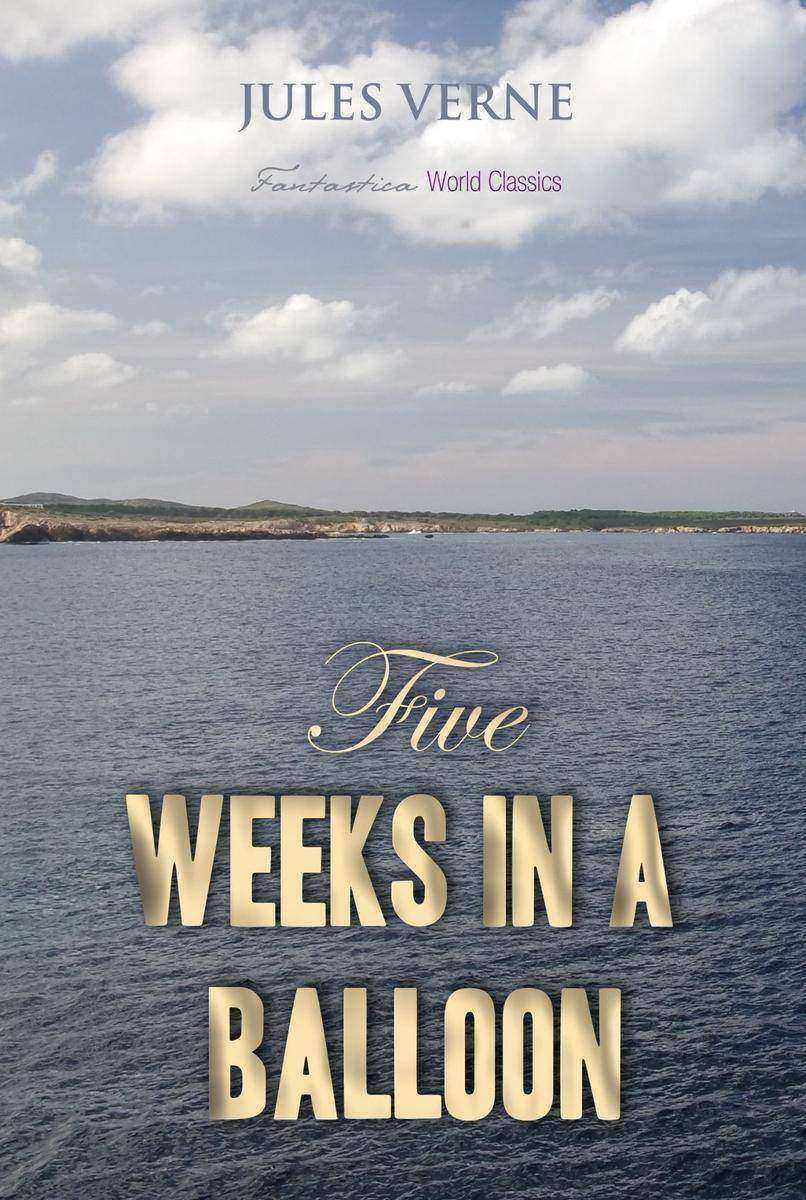
Five Weeks in a Balloon
¥40.79
A scholar and explorer, Dr. Samuel Ferguson, accompanied by his manservant Joe and his friend professional hunter Richard Kennedy, sets out to travel across the African with the help of a balloon filled with hydrogen. The balloon itself ultimately fails before the end, but makes it far enough across to get the protagonists to friendly lands, and eventually back to England, therefore succeeding in the expedition.


