


 购物车
购物车 个人中心
个人中心
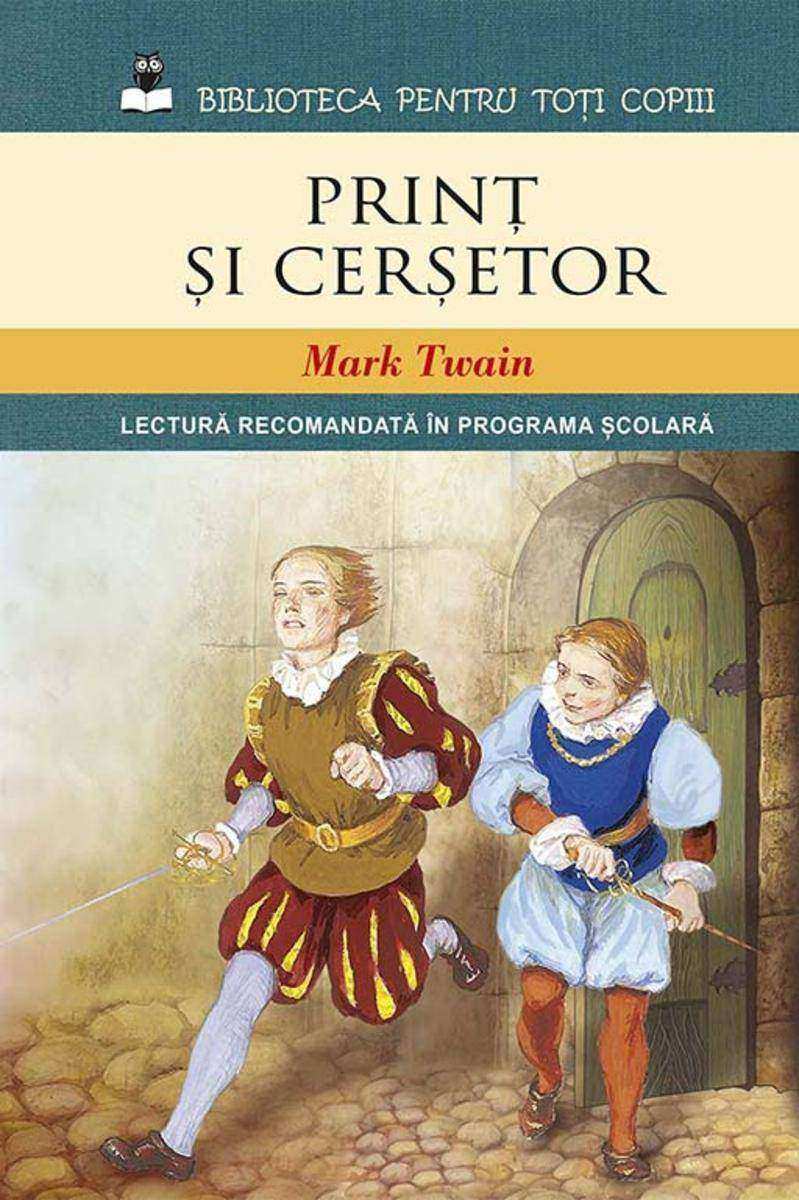
Prin? ?i cer?etor
¥33.03
Unul dintre volumele de v?rf ale scriitorului german, ?n traducerea romancierului Nicolae Breban.
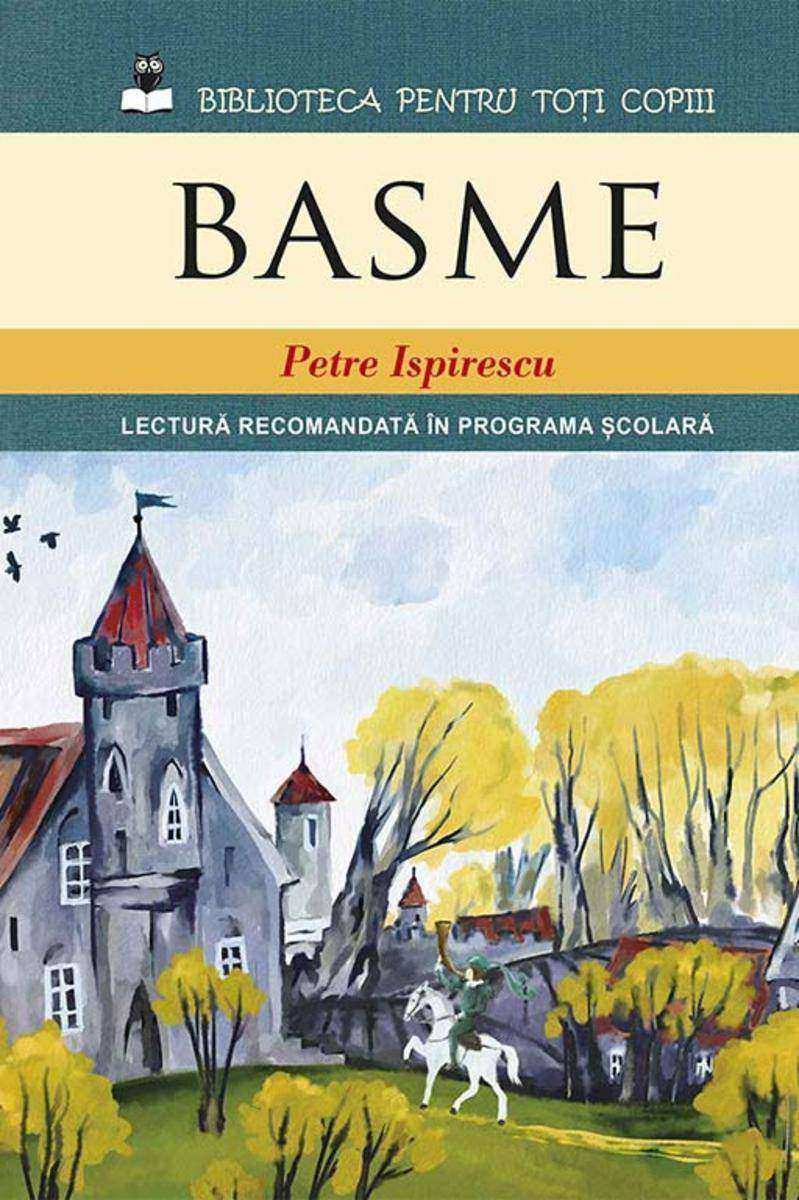
Basme
¥34.25
Existen?a diafana, care continu? volumele de autor Cercul de gra?ie (2003) ?i O carte pe s?pt?m?n? (2007), reprezint? o foarte echilibrat? ?i competent? radiografiere a simptomatologiei editoriale rom?ne?ti din anii 2000-2010, ?tefan Borbely unind ?ntre coper?ile aceluia?i volum at?t texte dedicate unor nume consacrate ale literaturii rom?ne (Marin Sorescu, Mircea Zaciu, Nicolae Breban, Marin Mincu, Livius Cioc?rlie, Adrian Marino, Horia-Roman Patapievici, Mircea C?rt?rescu, Paul Cornea, Dan C. Mih?ilescu), c?t ?i analize ale unor autori tineri, care s-au f?cut cunoscu?i ?n ultimii ani (Adrian Dohotaru, C?t?lin ?i Roxana Ghi??, Adriana Teodorescu, Florina Codreanu, Ioana Macrea-Toma, Constantina Raveca Buleu), cu c?r?i preponderent din domeniul istoriei ?i sintaxei mentalit??ilor ?i cel al studiilor culturale. Fire analitic?, scrut?toare, dotat? cu o bun? deschidere teoretic? ?i cu o impecabil? precizie a conceptelor, ?tefan Borbely este interesat cu prec?dere de idei ?i de simptomatologii culturale, textele dedicate jurnalului lui Adrian Marino (Via?a unui om singur), experimentalismului lui Marin Mincu sau modernit??ii ?n lectura lui Paul Cornea (toate prezente ?n carte) fiind dintre cele mai bune care s-au scris ?n domeniu. Pornind de la cazuri particulare ?i de la volume care au, f?r? excep?ie, o deschidere ideatic? vast?, incitant?, cartea profesorului Borbely reprezint? un foarte suplu efort de sintez? critic?, realizat? cu har, competen?a ?i profesionalism.
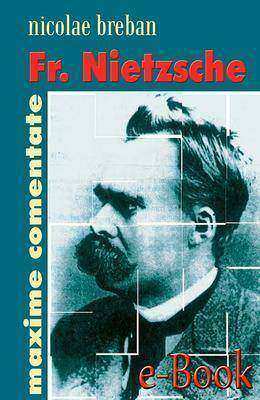
Fr. Nietzsche. Maxime comentate
¥46.36
O alta fa?? a tranzi?iei ce atinge mediul rural, o familie ce risc? s? se destrame. Stil clasic, de un calm ?i o limpezime imperturbabile. Un roman fascinant, destinat marelui public cititor.
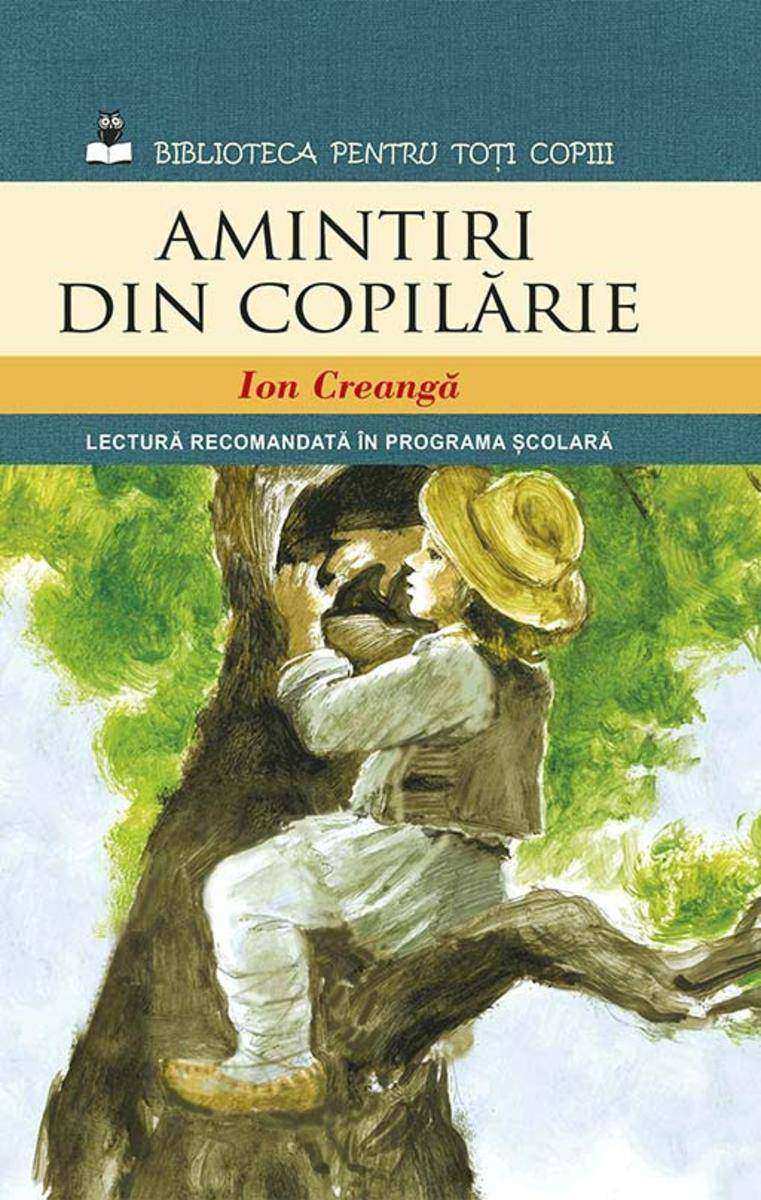
Amintiri din copil?rie
¥33.03
n ce msur literele romne, viaa cultural din ar, au fost nfluenate de ara lui Goethe i Hegel n atenia cercettorului se afl, n special, cultura romneasc a secolului al XIX-lea. Nu sunt, nici pe departe, trecute cu vederea timpurile noastre. Cartea – scris ntr-un stil alert, viu, cu o fraz exact i melodioas, avnd luciul sabiei de Damasc – e destinat studenilor, elevilor, profesorilor, precum i publicului larg de cititori.
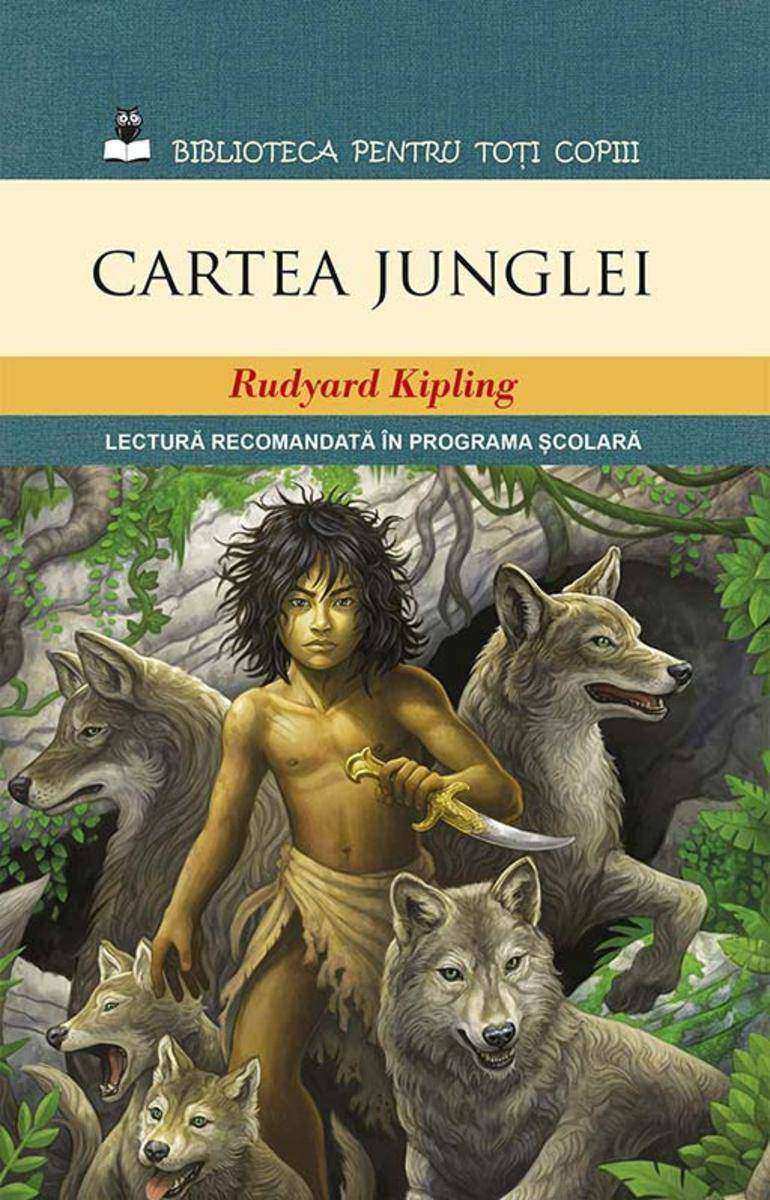
Cartea junglei
¥33.03
Celebrul, iubitul ?i controversatul profesor de filozofie Ion Petrovici a avut o via?? fracturat?. ?ntr-o vreme, a urcat p?n? pe Everestul performan?ei ?i al recunoa?terii publice, de unde, atunci c?nd istoria s-a virusat de o ideologie apocaliptic?, s-a pr?bu?it direct ?n groapa Marianelor – b?ntuit? de tot felul de silnicii ?i nes?buin?e. Mult? vreme s-a am?git cu ?n?elesul m?ng?ietor al filosofiei (De consolation philosophie), a?a cum i-l h?r?zise cei vechi, dar s-a ?i ?nfiorat de mizeriile ei, atunci c?nd a v?zut-o dec?zut? ?n condi?ia de surogat ideologic. Oare trebuia, dup? ce-a privit lumea prin sp?rtura pe?terii lui Platon, s-o p?ndeasc? ?i din spatele gratiilor ?i-a z?voarelor trase? Vremurile noi, r?scolnice, l-au g?sit total nepreg?tit. Glasul s?u, obi?nuit s? peroreze ?n aule universitare, ?n Camer?, ?n Academie, ?n cadrul unor fastuase reuniuni interna?ionale a fost, pentru multe decenii, obligat la t?cere. […] Paginile memorialistice reproduse de noi ?n aceast? carte reprezint? doar o diviziune (cap. VIII) dintr-o lucrare mai elaborat? ?i necunoscut?. Nu ?tim unde se g?sesc restul paginilor, dar n?d?jduim c? de?in?torul lor s? g?seasc? o formula de punere ?n circula?ie public? a ?ntregului material pentru a putea reconstitui o perioad? important? din via?a sa ?i, implicit, din istoria acestei ??ri. Dup? c?te putem estima, perioada circumscris? de aceste amintiri sub?ntinde anii cei mai grei din istoria mai recent? a ??rii noastre.
Napoleon
¥116.01
Mitul felin ?n literatura universal? este o lucrare ?n care s-a ?ncercat sintetizarea ?ntr-o form? accesibil?, ?ns? f?r? a fi superficial?, a unei cantit??i impresionante de material, material g?sit at?t ?n publicistica rom?n? c?t ?i cea str?in?. Subiectul lucr?rii a fost o alegere subiectiv?, fiind aproapiat de sufletul autoarei. Fiecare capitol ?n parte trateaz? un aspect al temei dezv?luite ?n titlu, respect?nd ?n acela?i timp o linie cronologic?, acest lucru facilit?nd ?n mod semnificativ ?n?elegerea ?i asimilarea informa?iei. ?ns? ?ntreaga lucrare are ca punct comun permanenta oscilare ?ntre planul real ?i cel fantastic, fabulos, ?ntre documente oficiale (precum cronicile) ?i m?rturiile oferite de supersti?iile populare. ?n primul capitol observam ?ara de origine a pisicii, Egiptul, ?i modul ?n care aceasta era tratat? ca o zeitate cu atribu?ii contradictorii (uneori benefice, alteori sinistre). De?i exportul lor a fost interzis de catre egipteni din motive religioase, acest lucru nu a ?mpiedicat r?sp?ndirea lor ?n toate culturile lumii. Sunt analizate de asemenea ?i diversele legende legate de na?terea pisicii la diferite popoare. Al doilea capitol trateaz? ?n detaliu o tr?s?tur? principal? a mitului felin ?i anume aspectul s?u, parc? implicit, feminin. Feminitatea, tandre?ea, instinctele materne, capriciile, viclenia, elegan?a, independen?a sunt doar c?teva dintre calit??ile comune ale femeii ?i pisicii, calit??i ?nf??i?ate de nenum?ra?i scriitori ?i arti?ti din toate timpurile ?i culturile.Capitolul al treilea ne ?nf??i?eaz? eternele conflicte dintre pisici ?i c?ini (lupt?ndu-se pentru ?ncrederea ?i afec?iunea omului), dintre pisici ?i ?oareci (o ?lupt?“ milenar? ?ntre Bine ?i R?u, unde binele, reprezentat de pisic?, nu ??i poate p?stra mereu puritatea). Aceste ?lupte“ au avut ca rezultat obsesia multor popoare pentru pisici. Dar cu toate acestea, pisicile au fost ?i vor r?m?ne fiin?e independente, niciodat? accept?nd un ?st?p?n“. Nu sunt pu?ini scriitori care ?n operele lor au ?nf??i?at pisicile asemenea unor oameni, capabile de absolut orice: a scrie, a citi, a c?nta, a juca teatru ba chiar ?i a vorbi. Ele au ?i unele dintre calit??ile omului (compasiune, abilitatea de a iubi) dar ?i c?teva dintre defectele acestuia (egoism, violen??, indiferen??). De asemenea li se atribuie puteri supranaturale cum ar fi clarviziunea.
Ora?ul alb
¥69.57
Opera lui N. Steinhardt are ?capacitatea“ de a descuraja tentativele de sistematizare ?i analiz? critic?. Apar?in?nd unui intelectual evreu erudit, spirit febril, avid de limpezire ?i afirmare, aceasta se ramifica at?t ?n planul literaturii, c?t ?i ?n cel al teologiei, al ideologiilor politice sau al dreptului constitu?ional. ?n perioada interbelic?, cea a formarii intelectual-spirituale, N. Steinhardt publica, ?n doar ca?iva ani, o lucrare de drept constitu?ional, dou? studii despre iudaism, un volum de parodii ?i peste o suta de studii literare ?i articole de ideologie liberal-conservatoare. ?n perioada postbelic?, ?ncepand cu finalul anilor '60, el scrie memorialistic? ?i microromane, traduce, re?ncepe o activitate publicistic? sus?inut?, care va dura p?n? ?n 1989, ?i scrie predici ?i eseuri teologice erudite. Volumele de eseuri critice din anii '70 ?i '80 ale lui N. Steinhardt, singurele apari?ii editoriale din perioada comunist?, s-au bucurat de o receptare pozitiv?, ?ns? pozi?ia contestatara a scriitorului fa?? de regim a condus la marginalizarea sa. Abia odat? cu apari?ia postum? a Jurnalului fericirii (1991), a Cuvintelor de credin?? (1992) ?i a Primejdiei m?rturisirii (1993) au fost recunoscute de c?tre publicul larg valoarea intelectual? ?i morala a scriitorului N. Steinhardt ?i particularitatea locului ocupat de acesta ?n deceniile totalitare.Irina Ciobotaru (Suceava, 2 mai 1978), absolvent? a Facult??ii de Litere din cadrul Universit??ii ??tefan cel Mare“ din Suceava, doctor ?n filologie al aceleia?i universit??i, cu o tez? despre opera lui N. Steinhardt, coordonata de Prof. univ. dr. Mircea A. Diaconu. Colaboreaz? la reviste precum ?Contemporanul. Ideea European?“, ?Verso“, ?Tabor“, ?Dacia literar?“, ?Hyperion“, ?Transilvania“, ?Bucovina literar?“. Este profesor de limba ?i literatura rom?n?.
P?nd? ?i seduc?ie
¥108.27
Un roman al c?ut?rii de sine, al c?ut?rii eului, o spectaculoas? excavare ?n ad?ncurile fiin?ei, ne ofer? Irina Boca, revenind ?n aten?ia publicului rom?nesc cu un story fascinant, scris ?ntr-un stil alert, cu fraz? scurt?, ml?dioas?, casant?. O sondare ?n ad?ncurile ?eului profund“ (M. Proust), asupra experien?ei naratoarei l?s?ndu-?i amprenta, ?n chip cert, exilul, ?nstr?inarea, dorin?a vie, ascu?it?, de a se rea?eza ?n matca esen?elor. Aura Christi
Pata tata. ?ah
¥38.62
Demersul interpretativ al Constantinei Buleu pare stimulat (ca sa nu spunem: ??ndr?gostit“...) tocmai de caracterul la limita non-definibil, misterios, ireductibil mitopetic al ?puterii“ ?i al reprezent?rilor sale din secolul al XIX-lea. Fie c? ne prezint? metodologii de obedien?? structuralist?, neomarxist?, jungian?, lacanian?, func?ionalist-simbolic? sau fenomenologic?, autoarea e constant fascinat? de un fenomen care, la un cap?t al s?u, presupune ordine, alegere ra?ional?, logic? instrumental?, iar, la celalalt, revela?ie, intensitate, magnetism, charism?, ?ntr-un cuv?nt: magie. Cartea are darul de a ?nf??isa, mai degraba dec?t o ?paradigma“, o panoram? a spiritului secolului al XIX-lea, ?n rela?ie cu tema puterii. Deschiderea curajoas? c?tre un fenomen de o asemenea amploare aminte?te de aura eroic? a unor faimoase ?ntreprinderi intelectuale (Peter Gay, de pild?), deseori invocate, cu implicita admira?ie ?i pricepere, ?n lucrarea Constantinei Buleu. Curiozitatea intelectual? mereu vie, claritatea g?ndirii, larga deschidere bibliografic? ?i, nu ?n ultimul r?nd, expresivitatea foarte personal? a stilului plaseaz? acest demers ?n categoria lucr?rilor de referin??.

O inim? de Broscu??. Volumul IX. ?arpele de aur
¥43.98
Gina Sebastian este o foarte autentic prozatoare. Chiar rnile, dezamgirile, nemplinirile au lsat urme ce dau sensibilitii care se exprim n scrisul ei, nota lor particular, tonul lor, parfumul lor“.Nicolae BalotUn scriitor profesionist de prim mn… O construcie de carte extraordinar, nemaintlnita n carile altor scriitori“.Alex tefnescuEste o carte de meditaii, meditaii asupra unor teme i asupra unor personaliti. Rareori n lumea noastr, n sensul de lumea contemporan, mai poi gsi un spirit att de echilibrat i cu o asemenea scar de valori morale i culturale“.Ana Blandiana
Mamac broj 1
¥18.74
asopis za kulturu i drutvena pitanja, bavi se socijalno angaovanim temama. Izlazi kvartalno. Prvi broj posveen je Oskaru Daviu
Pia?a sfatului
¥23.14
Aceast? carte a fost, este ?i va fi o fabuloas? c?l?torie spre centrul fiin?ei mele, chiar ?i la mul?i ani dup? ce voi fi terminat-o. V? mai aminti?i problemele de aritmetic? din clasele primare? Un tren pleac? cu viteza H, Y, Z (?tiind c? viteza este variabil?) din punctul A ?i ajunge ?n punctul B dup? un num?r de ore. Ei bine, povestea care urmeaz? este acea problem? de aritmetic?. Dac? trenul sunt eu, ?nseamn? c? Dumnezeu este o problem? de aritmetic?. Grea. ?i de rezolvat. (Daniela Lungu)
Xerxes la Hellespont
¥23.14
E cu putin?? ca un studiu despre Constantin Noica – unul care se respect? ?i vrea s? fie respectat – s? fie scris de un literat? Noica are la noi statutul filosofului tare (faptul se explic? poate tocmai prin absen?a unei filosofii tari ?n spa?iul cultural rom?nesc) ?i, ?n plus, a cam dezavuat literatura, consider?nd-o cumva frivol?. Poate chiar pe scriitori. Prin urmare, s?nt toate datele ca acest fapt s? par? cel pu?in riscant. Dac? nu o insolen??. Doar c? Dorin Popescu, autorul c?r?ii, de?i absolvent de studii filologice, nu e numai ceea ce se nume?te ?ndeob?te prin literat; pe de alt? parte, din confruntarea cu exerci?iul exegetic nici Constantin Noica nu mai iese la fel de ?ncorsetat ?n tiparele prejudec??ilor. Altfel spus, nici Constantin Noica nu mai este Constantin Noica – a?a cum apare ?n tratatele despre filosofia rom?neasc?. (Mircea A. Diaconu)
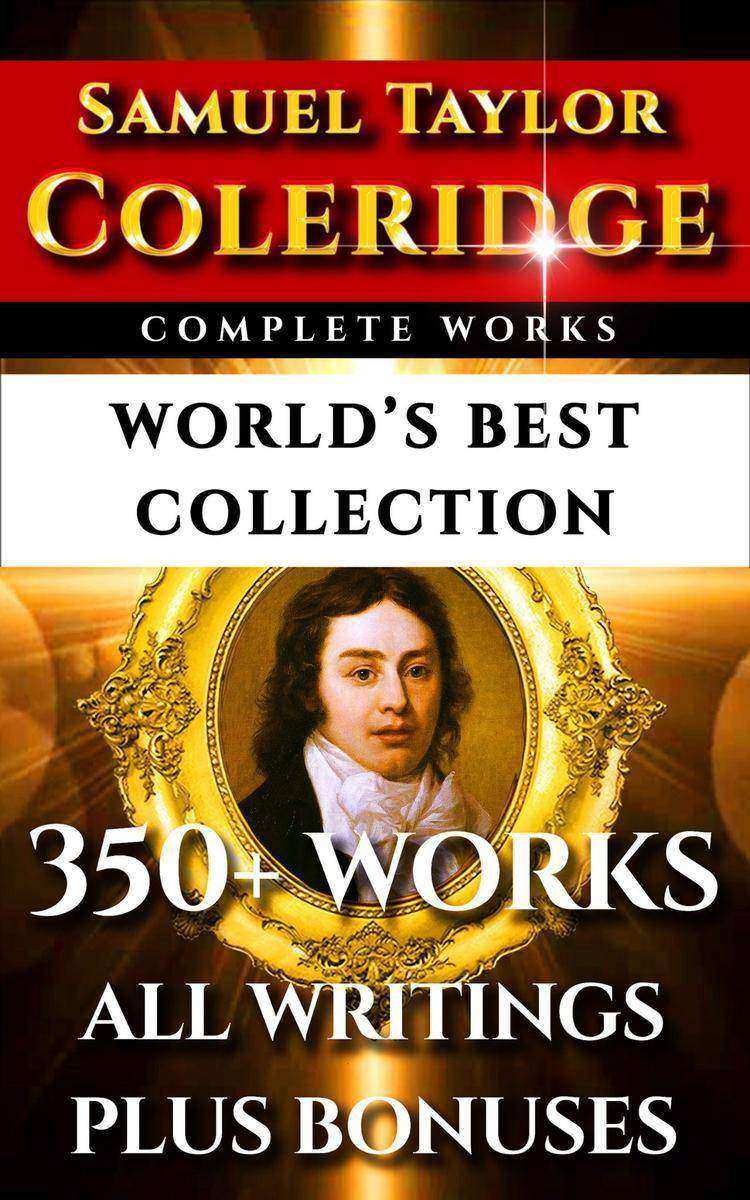
Samuel Taylor Coleridge Complete Works – World’s Best Collection
¥8.09
Samuel Taylor Coleridge Complete Works World's Best Collection This is the world’s best Coleridge collection, including the most complete set of Austen’s works available plus many free bonus materials. Samuel Taylor Coleridge Samuel Taylor Coleridge was an English poet, literary critic and philosopher who, with his friend William Wordsworth, founded the Romantic Movement in England. Some of his works are the most famous in English literature. The ‘Must-Have’ Complete Collection In this irresistible collection you get a full set of Coleridge’s work, All his legendary poems, All his prose, All his famous works, and All his long works. We also include an unusual autobiography written by Coleridge himself, plus other bonus material. Works Included: Poems?Including among others: The Rime Of The Ancient Mariner Kubla Khan To The Evening Star Songs Of The Pixies The Rose Kisses The Death Of The Starling The Faded Flower The Outcast Ode To The Departing Year The Raven To An Unfortunate Woman At The Theatre Christabel Fire, Famine, And Slaughter A War Eclogue The Devil’s Thoughts The Mad Monk Ode To Tranquility Dramatic Works?Including: The Fall Of Robespierre Osorio The Piccolomini The Death Of Wallenstein Epigrams Jeux D’Esprit Metrical Experiments Your Free Special Bonuses Fragments From A Notebook Circa 1796-98- intriguing fragments from Coleridge’s notebooks. Biographia Literaria?- an unusual autobiography written by Coleridge himself The Life Of Samuel Taylor Coleridge?- a biopgraphy of Coleridge and his fascinating life. Historical Context and Literary Context Notes?- Detailed explanations of the Regency Era and Romanticism, written specially for this collection. Get This Collection Right Now This is the best Coleridge collection you can get, so get it now and start enjoying and being inspired by his world like never before!
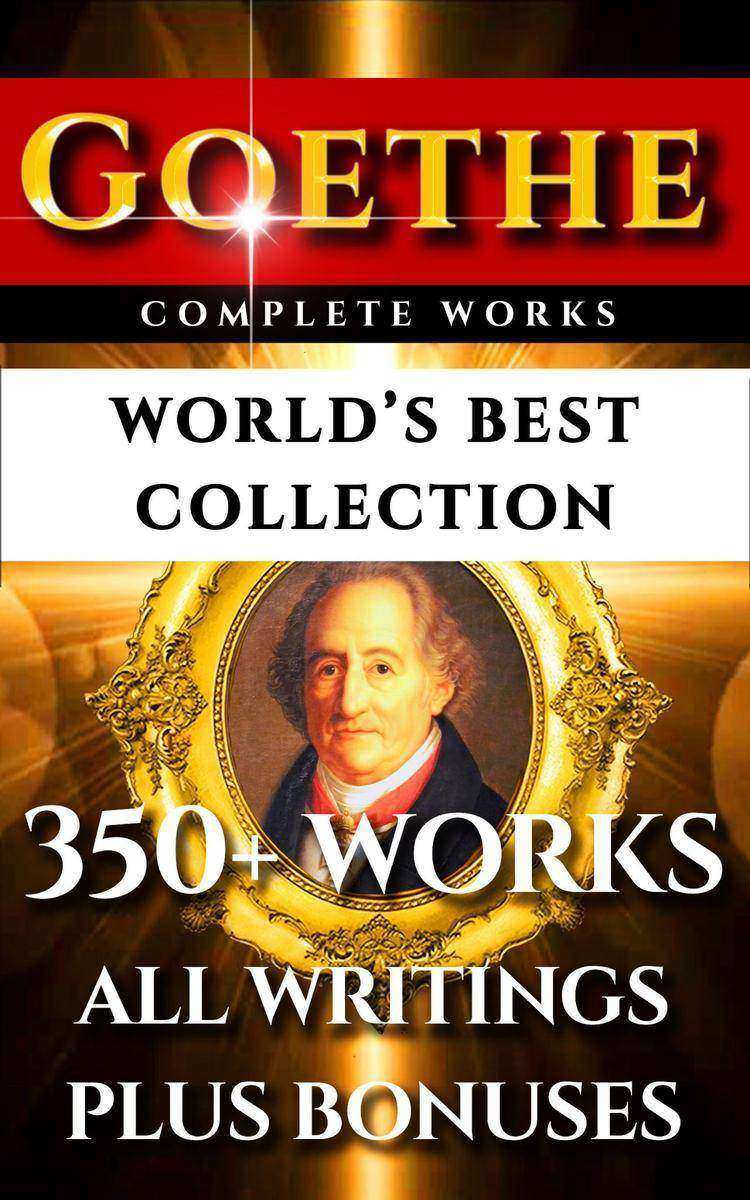
Goethe Complete Works – World’s Best Collection: 350+ Works
¥8.09
Goethe Complete Works World's Best Collection This is the world’s best Goethe collection, including the most complete set of Goethe’s works available plus many free bonus materials. Johann Wolfgang von Goethe Johann Wolfgang von Goethe was a German writer and politician. His body of work includes epic and lyric poetry written in a variety of meters and styles; prose and verse dramas; memoirs His work Wilhelm Meister’s Apprenticeship has been called one of the four greatest novels ever written The ‘Must-Have’ Complete Collection In this irresistible collection you get a full set of Goethe’s work, All his legendary plays, All his poetry, All his famous works and All his rarities, plus an auto biography written by Goethe himself. Plus Extra Bonus Material. Works Included: Poems?Including: The Misanthrope With A Golden Necklace Alexis And Dora Epigrams Sonnets Plays?Including: Faust - A Tragedy The Sorrows Of Young Werther Reynard The Fox The Fairy Tale Of The Green Snake And The Beautiful Lily Wilhelm Meister’s Apprenticeship Your Free Special Bonuses The Life Of Goethe - a fascinating and intriguing look into the life of Goethe. Autobiography Truth And Fiction Relating To My Life - an autobiography by Goethe himself Conversations Of Goethe Letters From Switzerland Letters From Italy Historical Context and Literary Context Notes?- Detailed explanations of the Regency Era and Romanticism, written specially for this collection. Get This Collection Right Now This is the best Goethe you can get, so get it now and start enjoying and being inspired by his world like never before!
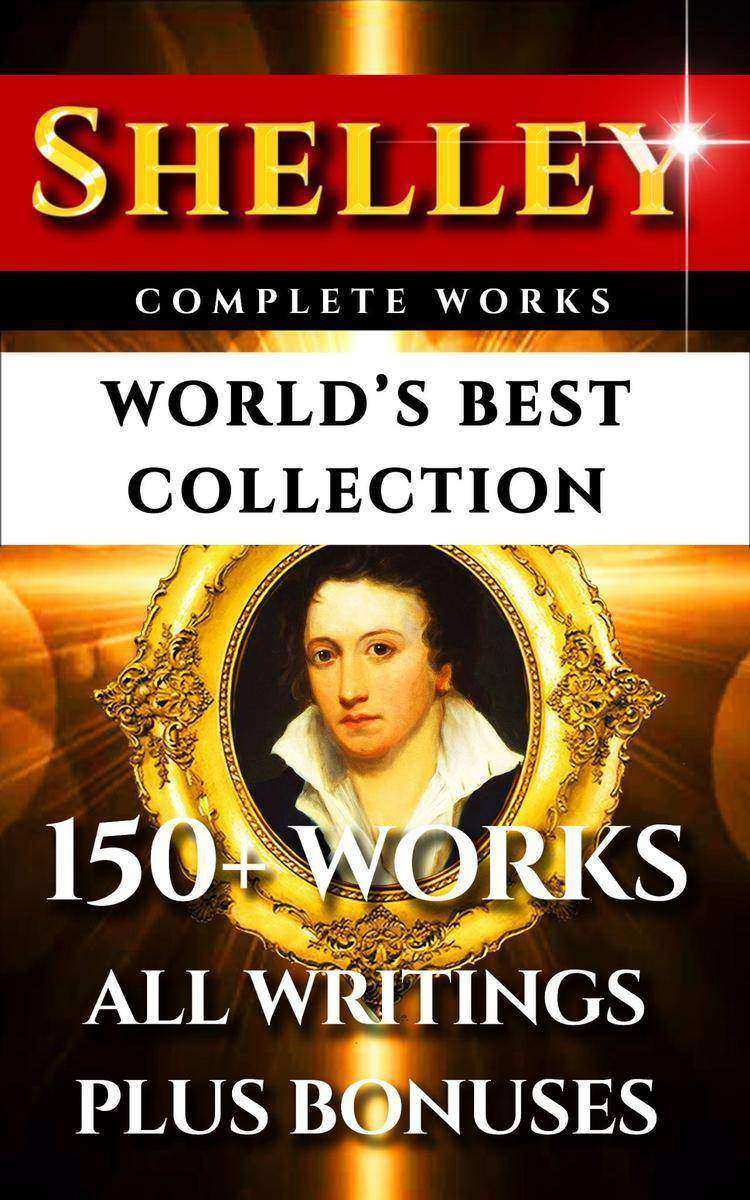
Percy Bysshe Shelley Complete Works – World’s Best Collection
¥8.09
Percy Bysshe Shelley Complete Works World's Best Collection This is the world’s best Shelley collection, including the most complete set of Shelley’s works available plus many free bonus materials. Percy Bysshe Shelley Percy Bysshe Shelley was one of the major English Romantic poets. He was a key member of a close circle of visionary poets and writers that included Lord Byron and Shelley’s own second wife, Mary Shelley, the author of Frankenstein. Percy Bysshe Shelley was a radical in his poetry, as well as in his political and social views, and is regarded by some as among the finest and most influential lyric poets in the English language The ‘Must-Have’ Complete Collection In this irresistible collection you get a full set of Shelley’s work, with more than 150 works - All his poems, All poetry, All posthumous works, All Letters from his trips, All his Prose and Non-Fiction Works. Plus a full length biography, with Free Bonus material. Works Included: Poetry: All Poems, early works and collections from 1810 through later works of 1822 Posthumously Published Poems Fragments and Incomplete Poems All Short and Long Poems, including: The Devil’s Walk Hymn to Intellectual Beauty Ozymandias Love’s Philosophy Prometheus Unbound Epipsychidion Plays: The Cenci Hellas Books: Zastrozzi St. Irvyne Non Fiction: All Prose and Writings, Including: On Love On Life On Metaphysics Letters And Journals: All Letters and Journals from: History of a Six Weeks’ Tour Letters from Italy Your Free Special Bonuses Life Of Shelley?- A biography of Shelley’s intriguing life. Shelley At Oxford?– the story of Shelley and his time at Oxford, written by Shelley’s close friend, Thomas Jefferson Hogg. Adonais?– an analysis of Adonais, the mesmerizing poem that Shelley wrote for John Keats. Notes And Annotations from Mary Shelley?– Throughout the collection (and collected by themselves as a stand-alone chapter) you will find interesting and unique notes from Percy Bysshe Shelley’s wife and closest companion, Mary Shelley, concerning Shelley’s poems and writing. Historical Context and Literary Context Notes?- Detailed explanations of the Regency Era and Romanticism, written specially for this collection. Get This Collection Right Now This is the best Shelley collection you can get, so get it now and start enjoying and being inspired by his words like never before!
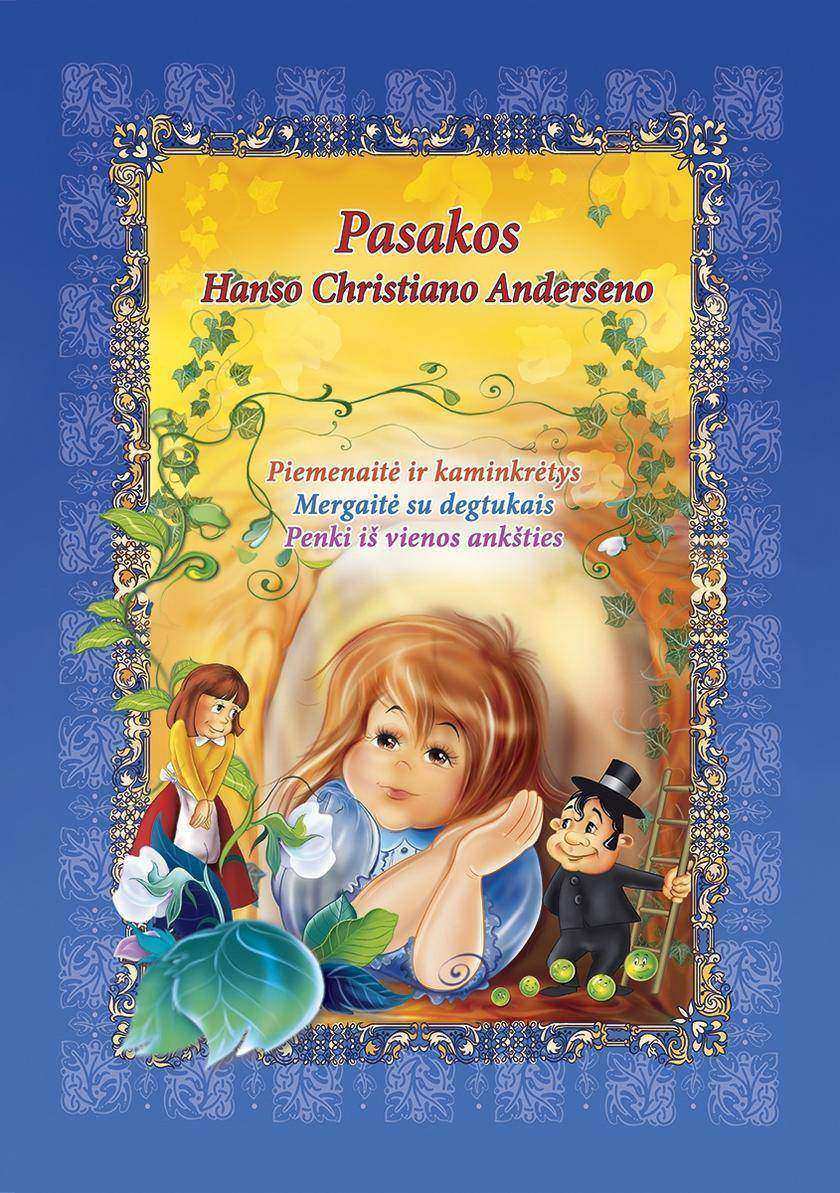
Pasakos Hanso Christiano Anderseno
¥18.56
Nici avangardi?tii cei mai radicali n-au putut ignora total tradi?ia, de?i, la modul teoretic, au pretins c? au aruncat-o la co?ul de gunoi. Un Urmuz a valorificat absurdul care nu lipse?te din folclor, dar nici din Caragiale. ?Constructivi?tii” au sim?it tenta?ia s?-l asimileze pe Br?ncu?i la avangard? etc. Iat? ?ns? c? postmoderni?tii au ajuns la ??n?elepciunea” c? lumea contemporan? ?ncepe doar cu d?n?ii. Am auzit voci spun?nd c? Liviu Rebreanu este at?t de ??nvechit”, ?nc?t nu mai are ce c?uta ?n programele de ?nv???m?nt. Nu mai vorbim de Eminescu. Acesta n-ar fi dec?t un scriitor ?istoricizat”, interesant, cel mult, prin c?teva poeme cu tent? parodic-textualist?, cum sus?ine un eminent istoric literar, care consider? c? locul ?n ?canonul literar” rom?nesc trebuie cedat postmodernistului Mircea C?rt?rescu, cu detronarea ?poetului na?ional”, sintagm? complet ?dep??it?”. Captatio benevolentiae din conferin?a Aurei Crhisti ?ncepe cu o astfel de provocare: ?M-am ?ntrebat nu o dat?, pe ?ntinderea ultimilor ani, ce s-ar ?nt?mpla dac?, ?ntr-o bun? zi, ne-am pomeni fa?? ?n fa?? cu Mihai (sau Mihail, cum ?i spunea Nichita St?nescu) Eminescu, cu Lucian Blaga sau Nicolae Iorga, cu George C?linescu sau Liviu Rebreanu, cu Titu Maiorescu sau cu una dintre marile doamne ale literaturii rom?ne, Hortensia Papadat-Bengescu? S-ar sim?i acas?? Aici, printre noi, scriitorii rom?ni… Aceste ?ntreb?ri ar st?rni, f?r? ?ndoial?, ironiile sau comentariile sarcastice ale multor postmoderni?ti, textuali?ti, dou?mii?ti sau post-post-moderni?ti, care ?i-au ?ntocmit, ?ntr-o grab? suspect?, precipitat?, o ?nou? tabl? de valori acceptate?, fiindc? no?iunea de cultur? e... ?suspect? din punct de vedere politic!? Desigur, ace?ti mari scriitori nu s-ar mai sim?i acas?, ci abandona?i, cu patria lor cu tot, ?n numele alteia, obscur?, fudul?, ?n vulgaritatea ei, hibrid? din punct de vedere nu numai cultural, a?a cum o prevedea, alarmat, Mircea Eliade ?n celebra lui conferin?? din 1953, Destinul culturii rom?ne?ti. (Theodor Codreanu)
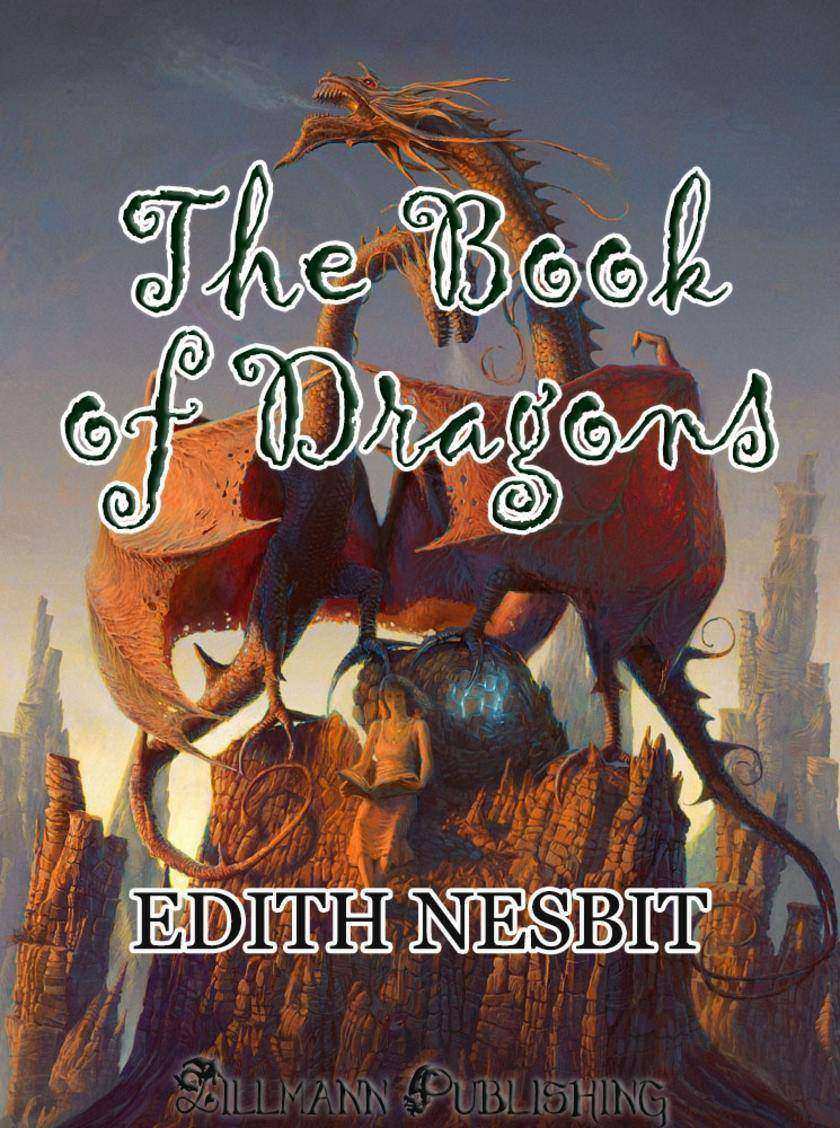
The Book of Dragons
¥8.18
Un b?ie?el singuratic ?i f?r? prieteni Un b?rbat secretos care a petrecut ani de zile ?ncerc?nd s? transforme metalele ?n aur Unul dintre cele mai mari genii ale tuturor timpurilor Toate cele de mai sus! ? Afl? mai multe despre adev?ratul Isaac Newton ?n aceast? biografie amuzant? ?i minunat ilustrat?!
Dezvoltare personal?, vindecare emo?ional? ?i maturizare. 12 povestiri terapeuti
¥40.79
n doar opt ani, Peggy Guggenheim a schimbat faa artei secolului XX; iar viaa sa, cea public i cea privat, a fost la fel de radical precum colecia pe care a deinut o. --The IndependentPatroan a artelor nc din anii 1930, Peggy Guggenheim ne ofer, ntr un autoportret plin de sinceritate, o perspectiv din interior asupra nceputului artei moderne, fcnd mrturisiri revelatoare despre familia sa bogat i excentric, despre relaiile sale personale i oferindu ne portrete adesea surprinztoare ale artitilor nii.Confesiunile unei dependente de art imortalizeaz un capitol nsemnat din istoria artei moderne, precum i personalitatea uneia dintre cele mai fervente susintoare a ei.Ar trebui s ne mulumim, deocamdat, cu ceea ce a produs secolul XX — Picasso, Matisse, Mondrian, Kandinsky, Klee, Léger, Braque, Gris, Ernst, Miró, Brncui, Arp, Giacometti, Lipchitz, Calder, Pevsner, Moore i Pollock. Astzi este vremea colecionrii, nu a creaiei.Haidei cel puin s conservm i s le oferim oamenilor toate marile comori pe care le avem. -- Peggy Guggenheimntlnirea cu frumosul ne modific. Arta, n toate formele ei de exprimare, ne vorbete despre frumuseea acestei lumi, indiferent ct de sublim sau atroce este ea.Prin Colecia StArt pe care o inaugureaz odat cu apariia Confesiunilor lui Peggy Guggenheim, Editura Pandora M i propune s familiarizeze cititorii cu arta modern a secolului XX i cu fabuloasa lume din spatele cortinelor care ascund de multe ori poveti extraordinare i viziuni inedite. Colecia StArt este un loc de ntlnire ntre cei care au curiozitatea de a citi viaa prin alt fel de lentile dect cele obinuite i cei mai importani actori ai scenei de art, fie c este vorba despre artiti, curatori, galeriti, colecionari, critici sau istorici.
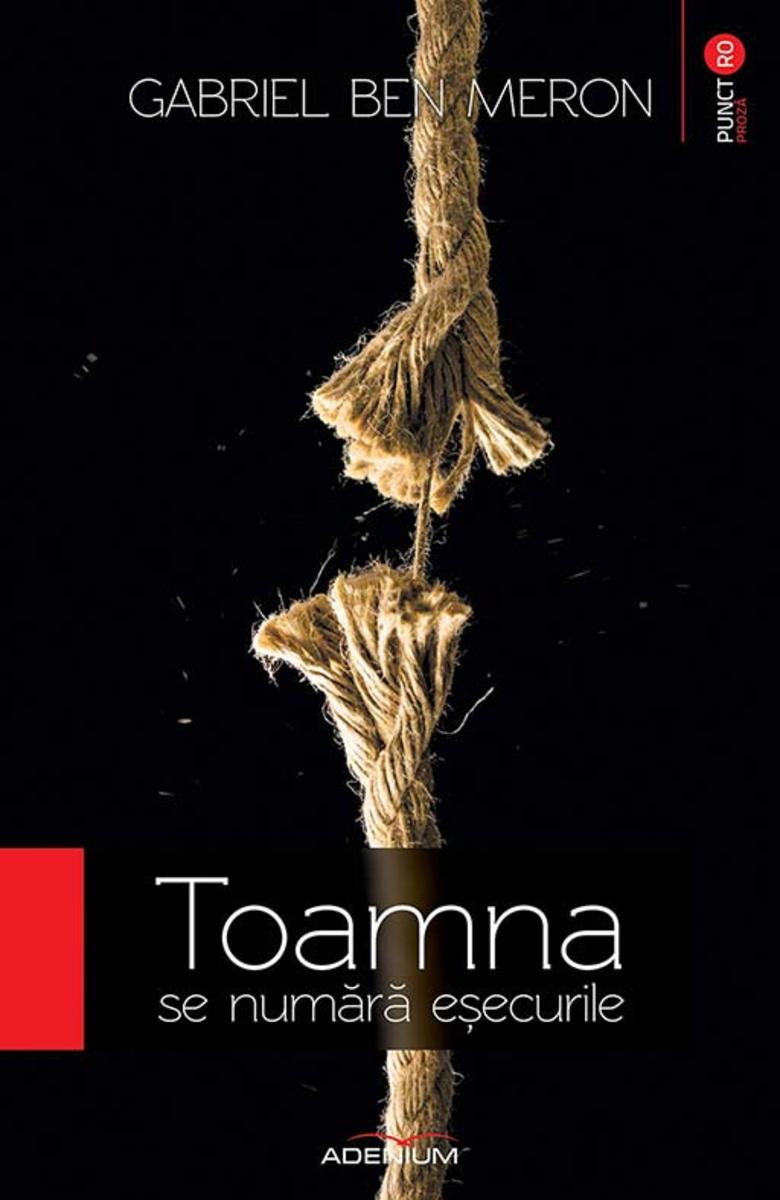
Toamna se num?r? e?ecurile
¥65.32
Lectura este una dintre activit??ile umane cel mai frecvent investigate ?n diversele episteme care au ordonat g?ndirea uman? a ultimului secol. Ea a fost analizat? at?t ca proces diacronic, c?t ?i ca activitate sincronic? ?n paradigmele ?tiin?elor limbajului ?i ?n cele ale hermeneuticii ?i ofer? un c?mp conceptual foarte amplu, astfel ?nc?t orice nou demers care ?i?ar propune s??l acopere ?n integritate trebuie s? acceseze domenii variate, modalit??i distincte de conceptualizare.?
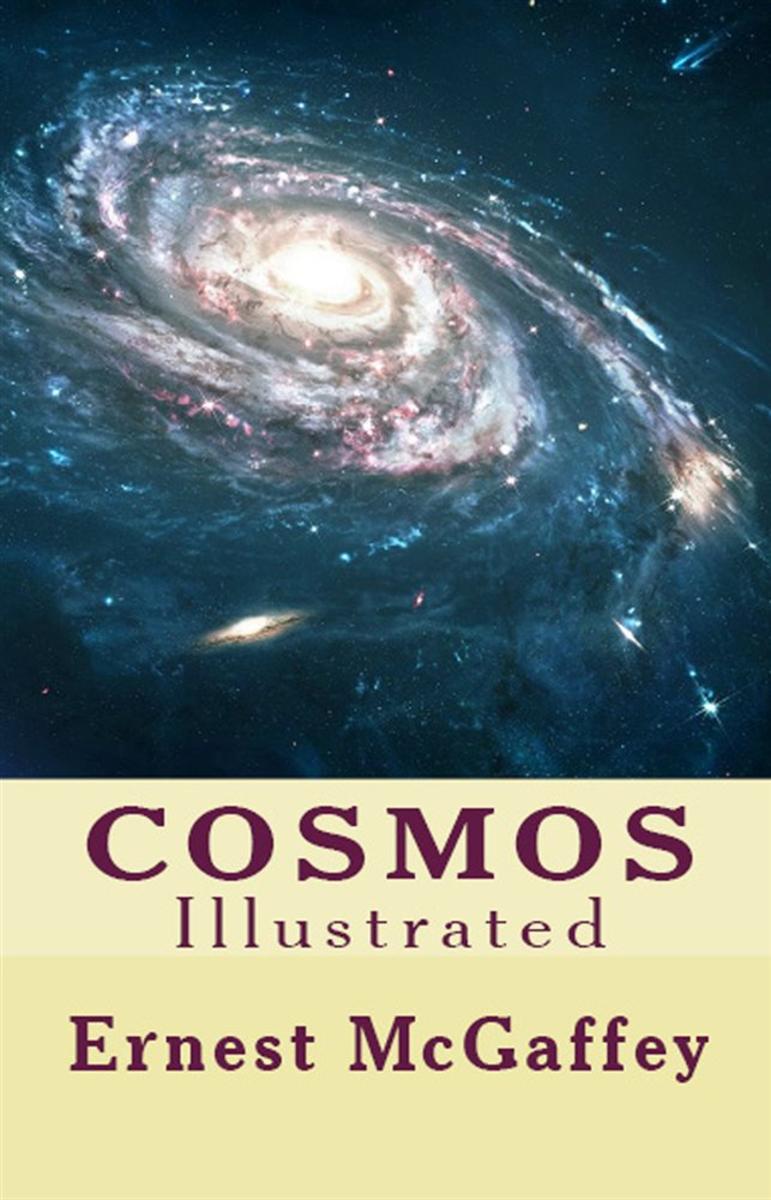
Cosmos
¥18.56
Cosmos I Go search the ?ons an you willWhere withered leaves of Doubt are whirled,And who hath solved this riddle, Life,Or Death - that moves with sails unfurled,Beyond the straining eyes of manMarooned upon an unknown world. II Nor tongue hath told, nor vision caughtThat paradox. Primeval Cause;Each age has had some parableEach age succeeding marked the flaws;While shifted, with the calendar,What men have termed generic laws. III Creed after creed behold them nowLike Etna on Vesuvius piled;Till, scaled to earth by drifting sandsThey lie in later days reviled,And pushed aside by Time's rough handAs toys are, by a peevish child.


